

Artificial intelligence for the detection of COVID-19 pneumonia on chest CT using multinational datasets
Open accessThe DOI matches its Crossref record; 30 of the 30 references it cites were found in a registry or an index.
Abstract
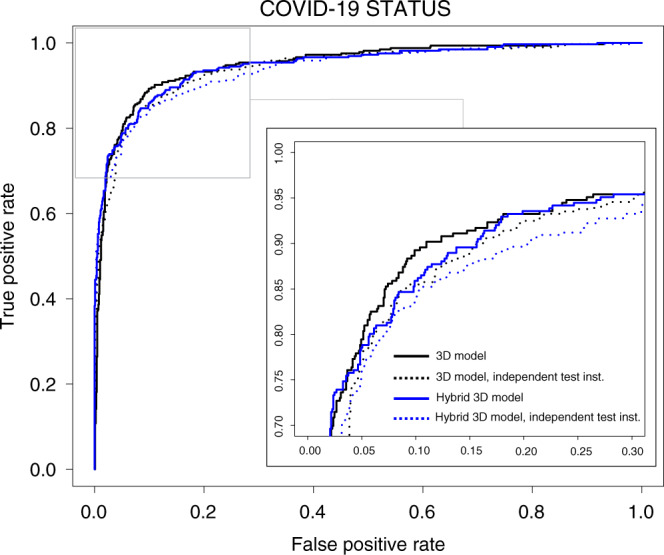
Chest CT is emerging as a valuable diagnostic tool for clinical management of COVID-19 associated lung disease. Artificial intelligence (AI) has the potential to aid in rapid evaluation of CT scans for differentiation of COVID-19 findings from other clinical entities. Here we show that a series of deep learning algorithms, trained in a diverse multinational cohort of 1280 patients to localize parietal pleura/lung parenchyma followed by classification of COVID-19 pneumonia, can achieve up to 90.8% accuracy, with 84% sensitivity and 93% specificity, as evaluated in an independent test set (not included in training and validation) of 1337 patients. Normal controls included chest CTs from oncology, emergency, and pneumonia-related indications. The false positive rate in 140 patients with laboratory confirmed other (non COVID-19) pneumonias was 10%. AI-based algorithms can readily identify CT scans with COVID-19 associated pneumonia, as well as distinguish non-COVID related pneumonias with high specificity in diverse patient populations.
Overview
The claims and statistics of this paper haven’t been checked yet.
Free: it reads the open-access text and checks the first 5 claims that cite a source we can check. Create a free account to check every claim.
Integrity signals
Registry
Cites
Statistics
Figures
Verification
Claims the paper makes
The claims and statistics of this paper haven’t been checked yet.
Free: it reads the open-access text and checks the first 5 claims that cite a source we can check. Create a free account to check every claim.
Self-check
Percentages, sums and reported differences re-computed from the paper’s own numbers.
The self-check needs the paper’s full text.
Citations
Cites
Densely Connected Convolutional Networks
Huang, G., Liu, Z., van der Maaten, L., & Weinberger, K. Q. (2016) · arXiv · doi:10.48550/arxiv.1608.06993 · Cited by 48,960 · cited 1×
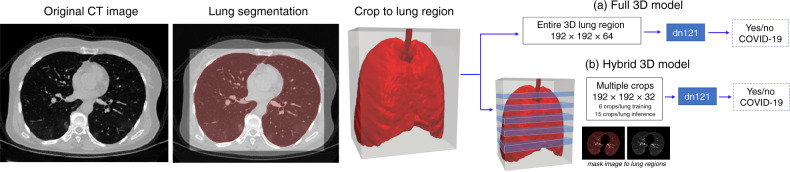
“Both the hybrid 3D and full 3D models used in this study were based on a Densnet-121 architecture adapted to utilize 3D operations (i.e., 3D convolutions) compared to original 2D implementation 25 .”
Densely Connected Convolutional Networks
Huang, G., Liu, Z., Van Der Maaten, L., & Weinberger, K. Q. (2017) · 2017 IEEE Conference on Computer Vision and Pattern Recognition (CVPR) · doi:10.1109/cvpr.2017.243 · Cited by 48,566
Grad-CAM: Visual Explanations from Deep Networks via Gradient-Based Localization
Selvaraju, R. R., Cogswell, M., Das, A., Vedantam, R., Parikh, D., & Batra, D. (2020) · International Journal of Computer Vision · doi:10.1007/s11263-019-01228-7 · Cited by 6,909 · cited 1×
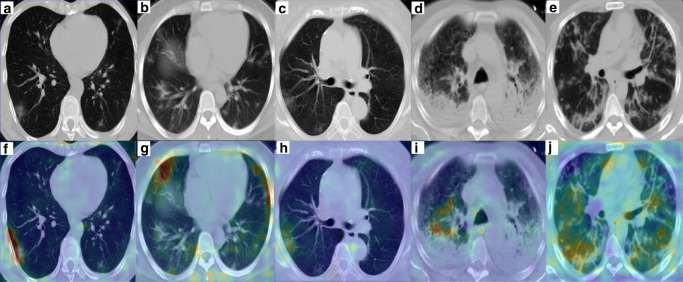
“Attention/activation maps to visualize regions within the image utilized for prediction were generated using Grad-CAM method 26 .”
Sohrabi, C., Alsafi, Z., O'Neill, N., Khan, M., Kerwan, A., Al-Jabir, A., Iosifidis, C., & Agha, R. (2020) · International Journal of Surgery · doi:10.1016/j.ijsu.2020.02.034 · Cited by 6,069 · cited 1×
“The virus most commonly with little or no symptoms, but can also lead to a rapidly progressive and often fatal pneumonia in 2 – 8% of those infected 1 – 3 .”
Ai, T., Yang, Z., Hou, H., Zhan, C., Chen, C., Lv, W., Tao, Q., Sun, Z., & Xia, L. (2020) · Radiology · doi:10.1148/radiol.2020200642 · Cited by 5,685 · cited 2×
“Given that viral infectiousness can often predate symptoms, CT plus RT-PCR is likely a more accurate and sensitive strategy than either alone, although this is somewhat speculative 11 .”
Temporal dynamics in viral shedding and transmissibility of COVID-19
He, X., Lau, E. H. Y., Wu, P., Deng, X., Wang, J., Hao, X., Lau, Y. C., Wong, J. Y., Guan, Y., Tan, X., et al. (2020) · Nature Medicine · doi:10.1038/s41591-020-0869-5 · Cited by 4,247 · cited 1×
“…and transmission dynamics remain somewhat ill-de fi ned in part due to the unique challenges presented by SARS-CoV-2 infection, such as peak infectiousness at or just preceding symptom onset and a poorly understood multi-organ pathophysiology with dominant features and lethality in the lungs 4 .”
Sensitivity of Chest CT for COVID-19: Comparison to RT-PCR
Fang, Y., Zhang, H., Xie, J., Lin, M., Ying, L., Pang, P., & Ji, W. (2020) · Radiology · doi:10.1148/radiol.2020200432 · Cited by 3,354 · cited 3×
“Multiple studies have reported a high degree of sensitivity for chest CT in the diagnosis of COVID-19 pneumonia 7,9,13,14 .”
Armato, S. G., McLennan, G., Bidaut, L., McNitt‐Gray, M. F., Meyer, C. R., Reeves, A. P., Zhao, B., Aberle, D. R., Henschke, C. I., Hoffman, E. A., et al. (2011) · Medical Physics · doi:10.1118/1.3528204 · Cited by 2,887 · cited 1×
“A portion of this study utilized data from publicly available dataset LIDC (downloaded 3/25/2020; https://wiki. cancerimagingarchive.net/display/Public/LIDC-IDRI) 23.”
Ranney, M. L., Griffeth, V., & Jha, A. K. (2020) · New England Journal of Medicine · doi:10.1056/nejmp2006141 · Cited by 2,018 · cited 1×
“The rapid rate of spread has strained healthcare systems worldwide due to shortages in key protective equipment and quali fi ed providers 5 , partially driven by variable access to point-of-care testing methodologies, including reverse transcription polymerase chain reaction (RT-PCR).”
Xie, X., Zhong, Z., Zhao, W., Zheng, C., Wang, F., & Liu, J. (2020) · Radiology · doi:10.1148/radiol.2020200343 · Cited by 1,960 · cited 3×
“Multiple studies have reported a high degree of sensitivity for chest CT in the diagnosis of COVID-19 pneumonia 7,9,13,14 .”
Cited by
Items 501–589 of 589
Xavier, N. C., Alva, T. A. P., & Becker, C. D. L. (2022) · Editora Conhecimento Livre eBooks · doi:10.37423/220706333
Hanna, L. M. O., Cordovil, A. F. I., Imbiriba, A. L. G., Ferreira, L. G. S., & Xerfan, C. C. N. (2022) · Editora Conhecimento Livre eBooks · doi:10.37423/220706365
Ciências da Saúde: uma abordagem holística
(2022) · Editora Conhecimento Livre eBooks · doi:10.37423/2022.edcl544
TERAPIA ANSIOLÍTICA PARA PACIENTES ODONTOLÓGICOS
de Almeida, S. A. (2022) · Editora Conhecimento Livre eBooks · doi:10.37423/220706259
do Nascimento, O. C., Carvalho, D. O., Pereira, S. C. D. A., Santana, C. C., Santos, J. D. J., Santos, R. M., & Leal, L. R. (2022) · Editora Conhecimento Livre eBooks · doi:10.37423/220706296
IEEE IT Professional Call for Articles
(2022) · Computer · doi:10.1109/mc.2022.3202581
COVID-19 Diagnosis with Artificial Intelligence
Modegh, R. G., Salimi, A., Ilami, S., Dehqan, A. H., Dashti, H., Javanmard, S. H., Ghanaati, H., & Rabiee, H. R. (2022) · Springer series on bio- and neurosystems · doi:10.1007/978-3-031-10031-4_17 · Cited by 1
Artificial Intelligence System for Classification of COVID-19 from CXR Images
Lakshmansai, V., & Bachu, S. (2022) · International Conference on Smart Technologies, Communication and Robotics (STCR) · doi:10.1109/stcr55312.2022.10009232
“In [13] authors utilized the ResNet-18 model as a feature vector to construct meaningful feature representations from CXR images.”
MethodAI applications in routine clinical imaging: detection, segmentation, diagnosis, and prognosis
Vaidyanathan, A. (2023) · Research Publications (Maastricht University) · doi:10.26481/dis.20230228av · Cited by 1
3D CNN-Based Classification of Severity in COVID-19 Using CT Images
Sri, R. L., Vetriveeran, D., & Sambandam, R. K. (2023) · Lecture notes in networks and systems · doi:10.1007/978-981-19-6634-7_22
Mahachi, S., Zvarevashe, K., & Nyandoro, L. K. (2022) · Zimbabwe Conference of Information and Communication Technologies (ZCICT) · doi:10.1109/zcict55726.2022.10045962
Yıldırım, G., Karakaş, H. M., Özkaya, Y. A., Şener, E., Fındık, Ö., & Pulat, G. N. (2023) · Istanbul Medical Journal · doi:10.4274/imj.galenos.2023.07348
Mapas de melanina e oxiemoglobina para auxiliar redes neurais na classificação de imagens de retina
Vitor, A. R. A. S. (2022) · Digital Library of Theses and Dissertations (Universidade de São Paulo) · doi:10.11606/d.59.2022.tde-27022023-074122
Thoratic Spine Segmentation Based on CT Images
Révy, G., Hadházi, D., & Hullám, G. (2023) · PhD Minisymposium of the Budapest University of Technology and Economics, Department of Artificial Intelligence and Systems Engineering · doi:10.3311/minisy2023-007
A Competent Deep Learning Model to Detect COVID-19 Using Chest CT Images
Chakraborty, S., & Murali, B. (2023) · Lecture notes in networks and systems · doi:10.1007/978-3-031-37649-8_7
Shastry, K. A., & Manjunatha, A. (2023) · International Journal of Computing and Digital Systems · doi:10.12785/ijcds/140139
COVID-19 Diagnosis From CT-images Using Transfer Learning
Waleed, N., Said, L. A., Selim, S., & Radwan, A. G. (2023) · Intelligent Methods, Systems, and Applications (IMSA) · doi:10.1109/imsa58542.2023.10217720
“They created a lung segmentation approach to identify and pinpoint complete lung sections to forecast COVID-19 illness [20].”
MethodSuhaeri, S. (2022) · MEDIA ELEKTRIKA · doi:10.26714/me.v15i2.10731
Improvement and Repair Methods of Biomedical Images Used in the Diagnosis of Osteoporosis
Türkmen, M., & Orman, Z. (2023) · Advances in systems analysis, software engineering, and high performance computing book series · doi:10.4018/978-1-6684-8602-3.ch005
Ramla, M., Jasmine, R. A., Ramesh, M., & Bai, F. J. J. S. (2023) · International Conference on Recent Trends in Data Science and its Applications · doi:10.13052/rp-9788770040723.189
Artificial intelligence in respiratory medicine
Gonem, S. (2023) · Elsevier eBooks · doi:10.1016/b978-0-443-15688-5.00027-9
Self- Supervised Learning Based Covid-19 Detection from Chest Radiography Images Using Deep CNN
S, A. S. A., & Palanikkumar, D. (2023) · International Conference on IoT, Communication and Automation Technology (ICICAT) · doi:10.1109/icicat57735.2023.10263698
Covid-19 Classification Model Based on Age and Gender Analysis Using SWHO-Based Deep CNN
Rastogi, V., & Jain, A. K. (2023) · International Conference on Pervasive Computing and Social Networking (ICPCSN) · doi:10.1109/icpcsn58827.2023.00076
Image Enhancement Effects on Chest X-ray Images for COVID-19 Detection
Bakar, A., Muchtar, K., Arnia, F., Arif, T. Y., Kurniawan, H., & Maulina, N. (2023) · International Conference on Computing and Information Technology (ICCIT) · doi:10.1109/iccit58132.2023.10273893 · Cited by 1
“diagnosing COVID-19 involves the use of Reverse Transcription Polymerase Chain Reaction (RT-PCR), which is associated with low accuracy, prolonged examination times, and limited sensitivity [1], [3].”
BackgroundMethodMuqtadiroh, F. A., Purwitasari, D., Yuniarno, E. M., Nugroho, S. M. S., & Purnomo, M. H. (2023) · AIP conference proceedings · doi:10.1063/5.0128032
Deep Learning Models for COVID-19 and Pneumonia Detection
Shastry, K. A., Manjunatha, B. A., Mohan, M., & Kiran, N. (2023) · Lecture notes in electrical engineering · doi:10.1007/978-981-99-7622-5_7
Optimizing Segmentation Strategies: Self-Supervised Methods for COVID-19 ImagingPreprint
Gao, Y., Geng, D., Xu, L., Hua, Q., & Wang, P. (2023) · Research Square · doi:10.21203/rs.3.rs-3795779/v1
Berezovsky, V. V., & Vygovskaya, N. V. (2024) · BIO Web of Conferences · doi:10.1051/bioconf/20248403006
RetractedRetracted: Machine Learning Algorithms for Classifying Disorder in Brain and Lung Biomedical Images
Pitale, P., Chaudhari, N., Ghatge, D., Ingole, K., Gade, A. H., & Choubey, V. S. (2023) · DMIHER International Conference on Artificial Intelligence in Healthcare, Education and Industry (IDICAIHEI) · doi:10.1109/idicaiei58380.2023.10406985
RetractedDEEP LEARNING TECHNIQUES FOR COVID-19 DISEASE DETECTION: A META-ANALYSIS
Zahid, F. M., Faisal, S., Ali, M., Shahzad, K., & Khaliq, A. (2024) · doi:10.53555/jptcp.v31i3.3790
Development of a Medical Information System with Data Storage and Intelligent Image Analysis
Yakimov, D. A., Vygovskaya, N. V., & Drozdov, I. V. (2024) · Digital Transformation · doi:10.35596/1729-7648-2024-30-1-71-80
(2024) · International Research Journal of Modernization in Engineering Technology and Science · doi:10.56726/irjmets49071
WONGWIKROM, W., & Chaiwerawattana, A. (2023) · The ASEAN Journal of Radiology · doi:10.46475/asean-jr.v24i3.881
Smart Covid-19 detection using intelligent computational techniques
Mohanapriya, D., Kabilesh, S. K., Nandhini, J., Karpagam, M., Saranya, K., & Sumathi, K. V. (2024) · AIP conference proceedings · doi:10.1063/5.0197467
Rajbanshi, A. P., Bhavsar, M., Vora, D. R., Deokar, S., & Mishra, S. (2024) · Algorithms for intelligent systems · doi:10.1007/978-981-97-3526-6_51
Impact of Data Heterogeneity on AI/ML Model Accuracy in Assisting Pneumonia Type Prediction
Pinnaka, M., Parvataneni, K., & Zaidi, S. (2024) · IEEE International Conference on Industry 4.0, Artificial Intelligence, and Communications Technology (IAICT) · doi:10.1109/iaict62357.2024.10617531
“Considering a more similar methodology as this study, Swetha et al. employed a CNN-based model named ConvNet that would analyze chest X-ray images to once again predict the presence or absence of pneumonia, leading to “highly accurate” results [15].”
BackgroundMethodInfluentialLaue, J. L., Adolph, C., Yilmaz, E. B., & Meyer, C. (2024) · IEEE International Symposium on Biomedical Imaging (ISBI) · doi:10.1109/isbi56570.2024.10635829
“The sources are listed as follows with parentheses indicating the number of scans: RSNA (2,019) [15], Colonog (1,746) [16], Covid (771) [17], CTLungCa-500 (536) [18], Glocker (302) [19], VerSe 2020 (174) [20], LiTS (131) [21] and HNSCC (93) [22].”
BackgroundArtificial intelligence in respiratory diseases with special insight through bioinformatics
Mitra, D., & Biswas, I. (2024) · Elsevier eBooks · doi:10.1016/b978-0-443-21870-5.00007-8
Kalgi, J. R., & Nalbalwar, S. L. (2024) · Elsevier eBooks · doi:10.1016/b978-0-443-22038-8.00007-6
Machine Learning-Based Allocation of Resources in Blockchain Network for Optimum Efficiency
Sonkamble, R. G., Shirke-Deshmukh, S., Machhale, G. G., Patil, S. C., Phansalkar, S., Thepade, S. D., Reegu, F. A., & Jabbari, A. (2024) · Advances in computational intelligence and robotics book series · doi:10.4018/979-8-3693-4326-5.ch016 · Cited by 1
Hybrid Ensemble Learning Model for Precise COVID-19 and Pneumonia Detection with CT Scans
Nikam, N., & Ganorkar, S. R. (2024) · Russian Journal of Nondestructive Testing · doi:10.1134/s1061830924602150
COVID-19 classification using CT images with Dense Cascade Neuro-Fuzzy Network
Karthi, S., Kumar, D. A., Asha, G. S. J., Sunitha, A., & Suresh, V. A. (2025) · Australian Journal of Electrical & Electronics Engineering · doi:10.1080/1448837x.2025.2457281
Muqtadiroh, F. A., Purwitasari, D., Pahlawan, M. R., Rachmayanti, R. D., Usagawa, T., Yuniarno, E. M., Nugroho, S. M. S., & Purnomo, M. H. (2025) · International Journal of Information Technology & Decision Making · doi:10.1142/s0219622025500191
Rangnekar, A., Nadkarni, N., Jiang, J., & Veeraraghavan, H. (2025) · SPIE Medical Imaging: Image Perception, Observer Performance, and Technology Assessment · doi:10.1117/12.3047709 · Cited by 3
Pneumonia Detection Using Deep CNN Algorithms
Sanagapalli, L. R., Koppolu, H., & Lokesh, B. (2024) · International Conference on Intelligent Systems and Embedded Design (ISED) · doi:10.1109/ised63599.2024.10956182
“RESULTS AND DISCUSSION [3]Discusses the implications of AI in medical imaging, particularly for pneumonia detection.”
Meng, B., Lei, C., Chi, Q., Hu, Z., Liu, H., Mao, C., Guoping, A., & Yao, F. (2025) · Research Square · doi:10.21203/rs.3.rs-6323914/v1
Prospective study using artificial neural networks for identification of high-risk COVID-19 patients
Frausto-Avila, C. M., León‐Montiel, R. D. J., Quiroz-Juarez, M. A., & U’Ren, A. B. (2025) · Scientific Reports · doi:10.1038/s41598-025-00925-3 · Cited by 2
Pneumonia Image Classification: A Comparative Study of Deep Learning Mode
Li, X., Cai, Z., Li, J., Li, D., & Rao, Z. (2025) · International Conference on Big Data, Information and Computer Network (BDICN) · doi:10.1145/3727353.3727362
“Wang et al.[5] and Harmon et al.[6] both used classification models based on DenseNet-121.”
Advancing Pneumonia Diagnosis: Hybrid and Optimal Deep CNN Model for Chest Image Classification
Suresh, G., Ravi, T., & Krishnaprasanna, R. (2025) · Lecture notes in networks and systems · doi:10.1007/978-981-96-3250-3_20
On the Two-fold Role of Logic Constraints in Deep Learning
Ciravegna, G. (2025) · Firenze University Press eBooks · doi:10.36253/979-12-215-0680-8
XAI Approaches in Genetic Biomaterial Analysis
Abraham, T. R., Johny, D., Babu, N. S., Varughese, M., & Parveena, A. (2025) · Studies in computational intelligence · doi:10.1007/978-3-031-89983-6_7
Quality Evaluation of Bananas Using GoogLeNet
Divya, M., Reddy, R. O., Alekhya, J., Sreevani, N., Srinivasulu, C., & Kumar, B. S. (2025) · Springer proceedings in mathematics & statistics · doi:10.1007/978-3-031-84517-8_5
Design and Development of Monitoring Application for People with Long COVID
Mihai, D., Dinu, A. R., Cristina, P. R., Mitrea, D. A., Nastase, A.-M., Gradinaru, A., Goga, N., & Aerts, S. (2025) · IEEE International Conference on Blockchain, Smart Healthcare and Emerging Technologies (SmartBlock4Health) · doi:10.1109/smartblock4health64843.2025.11189679
Zheng, J., Wen, R., Han, C., Chen, W., Liu, C., Wang, J., & Su, K. (2025) · Engineering Applications of Artificial Intelligence · doi:10.1016/j.engappai.2025.112885
Explainable COVID-19 Diagnosis from CT Images Using Grad-CAM and LIME with a Custom CNN
Pawar, L., & Patil, S. H. (2025) · International Conference on Information, Implementation, and Innovation in Technology (I2ITCON) · doi:10.1109/i2itcon65200.2025.11210457
“Harmon et al [9], on the other hand, greatly reduced training time and enhanced generalization on sparse medical data by using transfer learning techniques with a 3D CNN to use pre-trained weights from non-medical datasets.”
Tanaka, H., Tanabe, N., Chubachi, S., Maetani, T., Shiraishi, Y., Namkoong, H., Asakura, T., Shimada, T., Azekawa, S., Otake, S., et al. (2025) · BMC Pulmonary Medicine · doi:10.1186/s12890-025-04030-z
Hybrid CNN-ViT with ICD-U-Net for COVID-19 Detection and Classification
Ashwini, G., Ramashri, T., & Ahmed, M. R. (2025) · IEEE International Conference on Distributed Computing, VLSI, Electrical Circuits and Robotics (DISCOVER) · doi:10.1109/discover66922.2025.11258884
Response to COVID With Artificial Intelligence–Assisted Radiologic Diagnosis
Fursmidt, R. M., Bodell, M. M. G., & Short, R. (2025) · Elsevier eBooks · doi:10.1016/b978-0-323-87760-2.00022-0
Fung, D. L. X., Liu, Q., Zammit, J., Leung, C. K.-S., & Hu, P. (2021) · Figshare · doi:10.6084/m9.figshare.15058240
Miao, R., Dong, X., Xie, S., Liang, Y., & Lo, S.-L. (2021) · Figshare · doi:10.6084/m9.figshare.17066005
Zorzi, G., Berta, L., Rizzetto, F., Mattia, C. D., Felisi, M. M. J., Carrazza, S., Nerini Molteni, S., Vismara, C., Scaglione, F., Vanzulli, A., et al. (2024) · Figshare · doi:10.6084/m9.figshare.26563669
Kataoka, Y., Tanabe, N., Shirata, M., Hamao, N., Oi, I., Maetani, T., Shiraishi, Y., Hashimoto, K., Yamazoe, M., Shima, H., et al. (2024) · Figshare · doi:10.6084/m9.figshare.26665981
Tanaka, H., Maetani, T., Chubachi, S., Tanabe, N., Shiraishi, Y., Asakura, T., Namkoong, H., Shimada, T., Azekawa, S., Otake, S., et al. (2023) · Figshare · doi:10.6084/m9.figshare.24257451
Ma’aruf, S. Y., Imbwaga, J. L., Adeniyi, M. O., Araromi, S. O., & Oyeniji, R. (2025) · doi:10.2196/preprints.84758
Sekimoto, A., Mizukami, T., Murakami, K., Tanaka, A., Tarumi, Y., Yoshida, K., Makita, M., Toyofuku, K., Kato, M., Ito, Y., et al. (2025) · The Showa Medical University Journal · doi:10.15369/smuj.37.4_196
Mithun Raja, P., Sujitha, S., Vishal, K., & Gowri.S (2025) · International Conference on Sustainable Communication Networks and Application (ICSCNA) · doi:10.1109/icscn67106.2025.11308660
Multiscale imaging of RNA virus: bridging structural mapping and functional insights
He, W., Jiang, Z.-W., Veit, M., Merits, A., Zhang, F., Wang, D., & Su, S. (2026) · Trends in Microbiology · doi:10.1016/j.tim.2025.12.002
Ma’aruf, S. Y., Imbwaga, J. L., Adeniyi, M. O., Araromi, S., & Oyeniji, R. (2025) · Online Journal of Public Health Informatics · doi:10.2196/84758 · Cited by 2
Gradient Descent Based DenseNet for COVID-19 Classification Using Computed Tomography Images
Karthi, S., Sudha, L. R., & Krishnan, M. N. (2026) · Lecture notes in networks and systems · doi:10.1007/978-3-032-15404-0_29
Cross-Species Self-supervised Transfer Learning for Pulmonary Lobe Segmentation in Nonhuman Primates
Chu, W. T., Holland, W. A., Krantz, M., Homayounieh, F., Singh, S., Sayre, P. J., Laux, J., Adib, E., Rustad, M. D., Kuhn, J. H., et al. (2026) · Journal of Imaging Informatics in Medicine · doi:10.1007/s10278-026-01853-y
Test-Time Domain-Agnostic Meta-Prompt Learning for Multi-Source Few-Shot Domain Adaptation
Liu, K., Wang, J., He, K., Xu, D., & Zhang, X. (2026) · IEEE Transactions on Circuits and Systems for Video Technology · doi:10.1109/tcsvt.2026.3662700
“It is common in certain fields, such as medical applications, where data acquisition or annotation is challenging and laborious [2], [3], [4].”
Self-citationManea, E.-V., Rădulescu, V. M., Pană, C. F., Georgescu, I., Şerbănescu, M. S., Hodorog, A. D., Popescu, Ş. O., Vrăjitoru, N.-R., Dricu, A., & Artene, Ş.-A. (2026) · Applied Sciences · doi:10.3390/app16062744
Yang, X. Y., Ma, H., Zhu, M., Song, X., & Feng, J. (2026) · Pathogens · doi:10.3390/pathogens15040413
An Interpretable Deep Learning Framework with Attention-Enhanced VGG19 for Pneumonia Detection
Jany, S. M., Mahankali, M., Mullamuri, S., Bhuvaneswari, B., Polepaka, S., & Anjaneyulu, P. (2026) · International Conference on Visual Analytics and Data Visualization (ICVADV) · doi:10.1109/icvadv67766.2026.11470355
“As shown by the authors, large-scale, multinational datasets are effective in detecting COVID-19 pneumonia based on deep learning and emphasize the significance of the diversity of the data to achieve effective clinical performance (Harmon et al. [9]).”
Kohzai, M., Yamamoto, S., Matsushita, M., Ueno, Y., & Tanigawa, N. (2026) · Diagnostics · doi:10.3390/diagnostics16111637
“High-resolution DICOM images require substantial storage capacity and bandwidth, which can limit efficiency in telemedicine, cloud-based analysis, and large-scale screening programs [8,12,16].”
Zhu, C., Yang, S., & Li, X. (2026) · Journal of Imaging Informatics in Medicine · doi:10.1007/s10278-026-02044-5
Composite Deep Network with Feature Weighting for Improved Delineation of COVID Infected Lung
Dutta, P., & Mitra, S. (2026) · SN Computer Science · doi:10.1007/s42979-026-05205-z · Cited by 2
“Similarly, a 3D DenseNet was trained in a diverse multinational cohort [22] to localize the parietal pleura/lung paren - chyma.”
Multimodal AI in Healthcare: From CNNs and Hybrid Transformers to Vision Language Models
Mbengue, C., Ngom, N. F., & Sane, B. O. (2026) · Lecture notes in networks and systems · doi:10.1007/978-3-032-26214-1_19
Sadeghi, M. H., Sina, S., Mohammadian-Behbahani, M.-R., Parsi, M., Kheirabadi, S. S., Lobato, E. E., Paez, D., & Balazs, B. (2026) · Indian journal of radiology and imaging - new series/Indian journal of radiology and imaging/Indian Journal of Radiology & Imaging · doi:10.1055/s-0046-1825536
Advances in AI for detecting pulmonary inflammation and perioperative medicine: a mini-review
Huang, K., Liang, X., Pi, R., Dai, J., Lei, X., & Fang, J. (2026) · Frontiers in Medicine · doi:10.3389/fmed.2026.1865505
“Similarly, AI-ADS differentiates viral vs. non-viral pneumonia with 88.5% sensitivity and 91.0% specificity (62).”
InfluentialThe Impact of Institutional Pressures on Firms' Low‐Carbon Behaviors: A Configuration Approach
Zhang, J., Qian, Y., Wong, C. W. Y., & Xue, J. (2026) · Business Strategy and the Environment · doi:10.1002/bse.71377
Khan, M. Z., Wasi, S., Siddiqui, M. S., Ahmed, G., Mughal, M. H., & Iftikhar, M. (2026) · Bioengineering · doi:10.3390/bioengineering13080929
“And in the cases where researchers have attempted multimodal fusion, the go-to method has usually been simple feature concatenation—which brings its own set of headaches, including dimensional mismatches, unstable training dynamics, and models that are difficult to interpret in practice [7,8].”
Verma, S. K., Pattnayak, R., Supriya, M., Patel, K. S., & Naik, B. K. (2026) · Aerosol Science and Engineering · doi:10.1007/s41810-026-00424-6
Artificial Intelligence for COVID-19 Diagnosis
Căliman-Sturdza, O. A. (2026) · doi:10.3390/engproc2026148049
“An independent test set of a multinational CT study with 0.91 accuracy and sensitivity 0.84 and specificity 0.93 demonstrates the attention to cross-site diversity early on [8].”
InfluentialZhang, Y., Xue, M., Liu, L., Zhang, J., Xia, Z., Wang, Z., & Li, S. (2026) · Information Fusion · doi:10.1016/j.inffus.2026.104807
Codebook-guided multi-cue normality modeling for pulmonary CT anomaly detection
Wang, H. (2026) · Frontiers in Medicine · doi:10.3389/fmed.2026.1927996
Broadband wearable acoustic sensing for continuous cardiopulmonary monitoring
Wu, P., Liu, T., Li, D., Dou, H., Yang, J., Wang, H., Guo, H., & Mu, X. (2026) · Microsystems & Nanoengineering · doi:10.1038/s41378-026-01460-5
Data for BubbleNet code & micro-bubbles system dynamics simulation
Zhai, H. (2021) · Zenodo (CERN European Organization for Nuclear Research) · doi:10.5281/zenodo.4632466 · Cited by 1
Metadata
- Authors
- Harmon, S. A., Sanford, T. H., Xu, S., Turkbey, E. B., Roth, H., Xu, Z., Yang, D., Myronenko, A., Anderson, V., Amalou, A., Blain, M., Kassin, M., Long, D., Varble, N., Walker, S. M., Bagci, U., Ierardi, A. M., Stellato, E., Plensich, G. G., Franceschelli, G., Girlando, C., Irmici, G., Labella, D., Hammoud, D., Malayeri, A., Jones, E., Summers, R. M., Choyke, P. L., Xu, D., Flores, M., Tamura, K., Obinata, H., Mori, H., Patella, F., Cariati, M., Carrafiello, G., An, P., Wood, B. J., & Turkbey, B.
- Affiliations
- National Institutes of Health (US)
- State University of New York (US)
- Nvidia (United States) (US)
- Fondazione IRCCS Ca' Granda Ospedale Maggiore Policlinico (IT)
- Ospedale San Paolo (IT)
- University of Milan (IT)
- Self-Defense Forces Central Hospital (JP)
- Hubei University of Medicine (CN)
- Corresponding author
- Wood, Bradford J.
- ORCID
- Harmon, Stephanie A.
- Xu, Sheng
- Turkbey, Evrim B.
- Roth, Holger
- Xu, Ziyue
- Yang, Dong
- Myronenko, Andriy
- Blain, Maxime
- Kassin, Michael
- Long, Dilara
- Varble, Nicole
- Walker, Stephanie M.
- Ierardi, Anna Maria
- Stellato, Elvira
- Irmici, Giovanni
- Labella, Dominic
- Hammoud, Dima
- Malayeri, Ashkan
- Jones, Elizabeth
- Summers, Ronald M.
- Choyke, Peter L.
- Xu, Daguang
- Flores, Mona
- Obinata, Hirofumi
- Patella, Francesca
- Cariati, Maurizio
- Carrafiello, Gianpaolo
- An, Peng
- Wood, Bradford J.
- Turkbey, Baris
- Venue
- Nature Communications
- Published
- 2020-08-14
- Volume
- 11
- Issue
- 1
- Pages
- 4080-4080
- ISSN
- 2041-1723 (ISSN-L)
- PMC
- PMC7429815
- OpenAlex
- W3049757379
- Cited by
- 587
- References
- 28
- Citations by year
- 2026: 28 · 2025: 40 · 2024: 64 · 2023: 113 · 2022: 141 · 2021: 181 · 2020: 19
- FWCI
- 55.37
- Type
- journal article
- Language
- en
- Open access
- gold
- doi.org
- Licence
- cc-by
- creativecommons.org/licenses/by/4.0 (tdm)
- creativecommons.org/licenses/by/4.0 (vor)
- Locations
- Nature Communications (publishedVersion, cc-by)
- PubMed Central (publishedVersion, cc-by)
- PubMed (publishedVersion)
- RePEc: Research Papers in Economics (submittedVersion)
- DOAJ (DOAJ: Directory of Open Access Journals) (submittedVersion, cc-by-sa)
- Funders
- U.S. Department of Health and Human Services (Task Order No. 75N91019F00129, No. 75N91019D00024, Contract No. 75N91019D00024, 75N91019D00024)
- Nvidia
- Société Française de Radiologie
- National Institutes of Health (Contract No.75N91019D00024, 75N91019D00024, COVID-19, 75N91019F00129)
- National Cancer Institute (Contract No: 75N91019D00024, 75N91019D00024, 75N91019F00129, CL040015, ZIDBC011242)
- NIH Clinical Center (ZIACL040015)
- Topics
- Health Sciences › Medicine › Radiology, Nuclear Medicine and Imaging › COVID-19 diagnosis using AI
- Health Sciences › Medicine › Health Informatics › Artificial Intelligence in Healthcare and Education
- Health Sciences › Medicine › Radiology, Nuclear Medicine and Imaging › Radiomics and Machine Learning in Medical Imaging
- Keywords
- COVID-19 pneumonia, chest CT, deep learning, artificial intelligence, pneumonia detection, lung parenchyma, diagnostic accuracy, cross-population generalizability, image classification
- MeSH terms
- Betacoronavirus, Deep Learning, COVID-19, SARS-CoV-2, COVID-19 Testing, Adolescent, Adult, Aged, Aged, 80 and over, Algorithms, Artificial Intelligence, Child, Child, Preschool, Female, Humans, Lung, Male, Middle Aged, Pneumonia, Viral, Radiographic Image Interpretation, Computer-Assisted, Tomography, X-Ray Computed, Coronavirus Infections, Clinical Laboratory Techniques, Imaging, Three-Dimensional, Young Adult, Pandemics
About these checks
Registry, retraction, Cites and statistics results are computed, not judged, with one exception: a printed reference that no index lists is read once by a model before it counts as a citation error. Claims are extracted by a model and kept only when their quote appears verbatim in the text; each cited source is then checked, with a model’s help, for whether it says what the claim relies on. Those verdicts can be wrong — read the claim’s quote and the cited source before relying on one.
Statistics and arithmetic are recomputed, not judged.
Confidence bands are shown only for fields calibrated on our annotated test set. None is calibrated yet, so no band is shown.
What counts as a claim ›How we measure confidence ›How we check this ›
Are you an author, or do you see a problem with this page? Request a review
Data sources
Bibliographic data: Semantic Scholar, OpenAlex, Crossref.
Contains information from the Semantic Scholar Academic Graph Datasets, made available under the ODC Attribution License (ODC-BY 1.0).
Semantic Scholar’s data is described in: Kinney, R., et al. (2023). The Semantic Scholar Open Data Platform. arXiv:2301.10140.
