

Repurposed drugs and their combinations prevent morbidity-inducing dermonecrosis caused by diverse cytotoxic snake venoms
Open accessPublished version of a preprint
The DOI matches its Crossref record; 95 of the 95 references it cites were found in a registry or an index.
Abstract
Morbidity from snakebite envenoming affects approximately 400,000 people annually. Tissue damage at the bite-site often leaves victims with catastrophic life-long injuries and is largely untreatable by current antivenoms. Repurposed small molecule drugs that inhibit specific snake venom toxins show considerable promise for tackling this neglected tropical disease. Using human skin cell assays as an initial model for snakebite-induced dermonecrosis, we show that the drugs 2,3-dimercapto-1-propanesulfonic acid (DMPS), marimastat, and varespladib, alone or in combination, inhibit the cytotoxicity of a broad range of medically important snake venoms. Thereafter, using preclinical mouse models of dermonecrosis, we demonstrate that the dual therapeutic combinations of DMPS or marimastat with varespladib significantly inhibit the dermonecrotic activity of geographically distinct and medically important snake venoms, even when the drug combinations are delivered one hour after envenoming. These findings strongly support the future translation of repurposed drug combinations as broad-spectrum therapeutics for preventing morbidity caused by snakebite.
Overview
The claims and statistics of this paper haven’t been checked yet.
Free: it reads the open-access text and checks the first 5 claims that cite a source we can check. Create a free account to check every claim.
Integrity signals
Registry
Cites
Statistics
Figures
Verification
Claims the paper makes
The claims and statistics of this paper haven’t been checked yet.
Free: it reads the open-access text and checks the first 5 claims that cite a source we can check. Create a free account to check every claim.
Claims other papers make about this one
Each is checked against this paper’s own text: does it say what the citing paper says it does?
The cited source says what the claim attributes to it.
In the citing paper
“Current antivenom therapy is effective only in neutralizing venom toxins in the systemic circulation and hence is ineffective in preventing local tissue injury, thus highlighting a critical gap in snakebite management and the need to develop adjunct therapeutic strategies targeting the cytotoxic mechanisms of snake venom toxins [7].”
From Role of Regulated Cell Death Pathways in Snakebite Envenomation: Mechanisms, Crosstalk, and Therapeutic Opportunities (2026) · cites this paper as [7]
Self-check
Percentages, sums and reported differences re-computed from the paper’s own numbers.
The self-check needs the paper’s full text.
Citations
Cites
Mosmann, T. (1983) · Journal of Immunological Methods · doi:10.1016/0022-1759(83)90303-4 · Cited by 56,104 · cited 2×
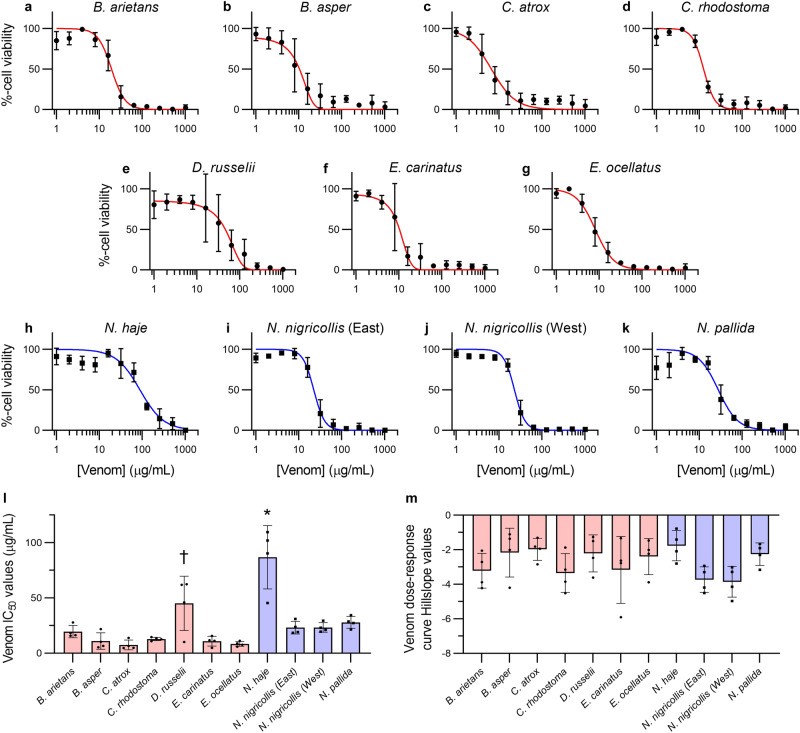
“Using 3-(4,5-dimethylthiazol-2-yl) − 2,5-diphenyl tetrazolium bromide (MTT) assays 50,51 and immorta-lised human epidermal keratinocytes (HaCaT 52,53 ), we generated venom dose-response curves (Fig.”
D’Hulst, G., Soro-Arnaiz, I., Masschelein, E., Veys, K., Fitzgerald, G., Smeuninx, B., Kim, S., Deldicque, L., Blaauw, B., Carmeliet, P., et al. (2020) · Nature Communications · doi:10.1038/s41467-019-13889-6 · Cited by 2,310
Kasturiratne, A., Wickremasinghe, A. R., de Silva, N., Gunawardena, N. K., Pathmeswaran, A., Premaratna, R., Savioli, L., Lalloo, D. G., & de Silva, H. J. (2008) · PLoS Medicine · doi:10.1371/journal.pmed.0050218 · Cited by 1,935
Alkilani, A., McCrudden, M. T., & Donnelly, R. (2015) · Pharmaceutics · doi:10.3390/pharmaceutics7040438 · Cited by 1,147 · cited 1×
“Of particular interest is the development of intradermal (ID) delivery microinjection devices containing venom toxin-inhibiting drugs, which could be self-administered by victimsthemselves directly to the site of the bite immediately after the event 40,41 .”
Development of simple standard assay procedures for the characterization of snake venom.
Theakston, R. D. G., & REID, H. A. (1983) · Europe PMC (PubMed Central) · Cited by 674
Matrix Metalloproteinase Inhibitors in Cancer Therapy: Turning Past Failures Into Future Successes
Winer, A., Adams, S., & Mignatti, P. (2018) · Molecular Cancer Therapeutics · doi:10.1158/1535-7163.mct-17-0646 · Cited by 651
A Review and Database of Snake Venom Proteomes
Tasoulis, T., & Isbister, G. (2017) · Toxins · doi:10.3390/toxins9090290 · Cited by 616
Overcoming barriers to patient adherence: the case for developing innovative drug delivery systems
Baryakova, T. H., Pogostin, B. H., Langer, R., & McHugh, K. J. (2023) · Nature Reviews Drug Discovery · doi:10.1038/s41573-023-00670-0 · Cited by 492
Williams, D. J., Faiz, M. A., Abela-Ridder, B., Ainsworth, S., Bulfone, T. C., Nickerson, A. D., Habib, A. G., Junghanss, T., Fan, H. W., Turner, M., et al. (2019) · PLOS Neglected Tropical Diseases · doi:10.1371/journal.pntd.0007059 · Cited by 447 · cited 1×
“5 and 7).”
The Global Snake Bite Initiative: an antidote for snake bite
Williams, D., Gutiérrez, J. M., Harrison, R., Warrell, D. A., White, J., Winkel, K. D., & Gopalakrishnakone, P. (2010) · The Lancet · doi:10.1016/s0140-6736(09)61159-4 · Cited by 397 · cited 4×
“Despite being lifesaving therapies, antivenoms have several limitations that hamper their clinical utility, and thus treatments with improved pan-snake species effectiveness, safety, and affordability are sorely needed 9,37,38 .”
InfluentialSelf-citationCauses and Consequences of Snake Venom Variation
Casewell, N. R., Jackson, T. N. W., Laustsen, A. H., & Sunagar, K. (2020) · Trends in Pharmacological Sciences · doi:10.1016/j.tips.2020.05.006 · Cited by 396 · cited 2×
“…have conceptually remained unchanged for over a century and are associated with a multitude of issues including high cost, requirement for a consistent cold-chain, limited cross-snake speciesef fi cacyduetovenom variation,and high frequency of adverse events post-administration 1,8,9,17 – 20 .”
Self-citationVulnerability to snakebite envenoming: a global mapping of hotspots
Longbottom, J., Shearer, F. M., Devine, M., Alcoba, G., Chappuis, F., Weiss, D. J., Ray, S. E., Ray, N., Warrell, D. A., Ruiz de Castañeda, R., et al. (2018) · The Lancet · doi:10.1016/s0140-6736(18)31224-8 · Cited by 366
Colombo, I., Sangiovanni, E., Maggio, R., Mattozzi, C., Zava, S., Corbett, Y., Fumagalli, M., Carlino, C., Corsetto, P. A., Scaccabarozzi, D., et al. (2017) · Mediators of Inflammation · doi:10.1155/2017/7435621 · Cited by 356
Nicholls, S. J., Kastelein, J. J. P., Schwartz, G. G., Bash, D., Rosenson, R. S., Cavender, M. A., Brennan, D. M., Koenig, W., Jukema, J. W., Nambi, V., et al. (2014) · JAMA · doi:10.1001/jama.2013.282836 · Cited by 344
Metrics other than potency reveal systematic variation in responses to cancer drugs
Fallahi-Sichani, M., Honarnejad, S., Heiser, L. M., Gray, J. W., & Sorger, P. K. (2013) · Nature Chemical Biology · doi:10.1038/nchembio.1337 · Cited by 314 · cited 1×
“1m), suggesting likely ‘ positive cooperativity' between venoms toxins 55,56 .”
Interpreting steep dose-response curves in early inhibitor discovery.
Shoichet, B. K. (2006) · Journal of Medicinal Chemistry · doi:10.1021/jm061103g · Cited by 304
Topical and Transdermal Drug Delivery: From Simple Potions to Smart Technologies
Benson, H. A. E., Grice, J. E., Mohammed, Y., Namjoshi, S., & Roberts, M. S. (2019) · Current Drug Delivery · doi:10.2174/1567201816666190201143457 · Cited by 303
What exactly is ‘N’ in cell culture and animal experiments?
Lazic, S. E., Clarke-Williams, C. J., & Munafò, M. R. (2018) · PLOS Biology · doi:10.1371/journal.pbio.2005282 · Cited by 291
A Comprehensive Map of FDA-Approved Pharmaceutical Products
Zhong, H., Chan, G., Hu, Y., Hu, H., & Ouyang, D. (2018) · Pharmaceutics · doi:10.3390/pharmaceutics10040263 · Cited by 288 · cited 1×
“Both subcutaneous and ID delivery of therapeutics/vaccines have been proven to be feasible in resource poor settings 66,67 while delivery systems,such asmicroneedle devices or transdermal patches, are well established approaches for transdermal drug delivery 41,68,69 .”
Recent advances in matrix metalloproteinase inhibitor research
Beckett, R. P., Davidson, A. H., Drummond, A. H., Huxley, P., & Whittaker, M. (1996) · Drug Discovery Today · doi:10.1016/1359-6446(96)89115-x · Cited by 281
Slagboom, J., Kool, J., Harrison, R. A., & Casewell, N. R. (2017) · British Journal of Haematology · doi:10.1111/bjh.14591 · Cited by 278 · cited 3×
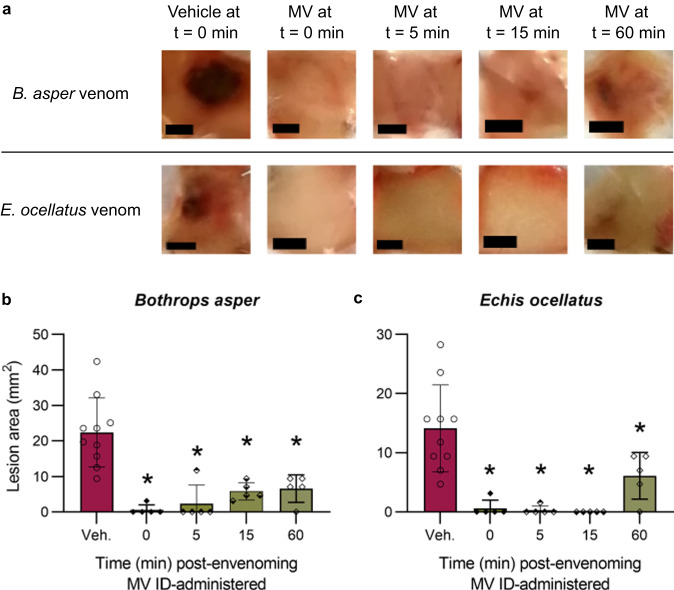
“ANOVA statistics for individual statistically analysed graphs are: (l) F(10,33) = 14.”
Self-citationAdverse reactions to snake antivenom, and their prevention and treatment
de Silva, H. A., Ryan, N. M., & de Silva, H. J. (2016) · British Journal of Clinical Pharmacology · doi:10.1111/bcp.12739 · Cited by 271
Correction: Snakebite envenoming
Gutiérrez, J. M., Calvete, J. J., Habib, A. G., Harrison, R. A., Williams, D. J., & Warrell, D. A. (2017) · Nature Reviews Disease Primers · doi:10.1038/nrdp.2017.79 · Cited by 265
Self-citationWhat Have We Learnt about BCG Vaccination in the Last 20 Years?
Dockrell, H. M., & Smith, S. G. (2017) · Frontiers in Immunology · doi:10.3389/fimmu.2017.01134 · Cited by 259
Neurotoxicity in Snakebite—The Limits of Our Knowledge
Ranawaka, U. K., Lalloo, D. G., & de Silva, H. J. (2013) · PLoS Neglected Tropical Diseases · doi:10.1371/journal.pntd.0002302 · Cited by 245 · cited 1×
“Neurotoxicenvenomingismorecommonly causedbyelapid (family Elapidae) snakes and is primarily associated with neurotoxic 3FTxs and PLA 2 s 12,14 .”
Otero, R., Gutiérrez, J., Beatriz Mesa, M., Duque, E., Rodrı́guez, O., Luis Arango, J., Gómez, F., Toro, A., Cano, F., Marı́a Rodrı́guez, L., et al. (2002) · Toxicon · doi:10.1016/s0041-0101(02)00104-6 · Cited by 245 · cited 1×
“…areresponsibleformost snakebitedeaths inWest Africa 83 ,with9-13%of victims presentingwith local skin blistering or necrosis 84,85 , and B. asper causes the vast majority of severe snakebites in Central America 86 , with more than a third of victims presenting with local tissue necrosis 87 .”
Poisoning by Bites of the Saw-Scaled or Carpet Viper (Echis carinatus) in Nigeria
(1977) · QJM: An International Journal of Medicine · doi:10.1093/oxfordjournals.qjmed.a067493 · Cited by 241 · cited 1×
“…E.ocellatus areresponsibleformost snakebitedeaths inWest Africa 83 ,with9-13%of victims presentingwith local skin blistering or necrosis 84,85 , and B. asper causes the vast majority of severe snakebites in Central America 86 , with more than a third of victims presenting with local…”
Takeda, S., Takeya, H., & Iwanaga, S. (2012) · Biochimica et Biophysica Acta (BBA) - Proteins and Proteomics · doi:10.1016/j.bbapap.2011.04.009 · Cited by 230
Hemorrhage Caused by Snake Venom Metalloproteinases: A Journey of Discovery and Understanding
Gutiérrez, J., Escalante, T., Rucavado, A., & Herrera, C. (2016) · Toxins · doi:10.3390/toxins8040093 · Cited by 229
Self-citationLewin, M., Samuel, S., Merkel, J., & Bickler, P. (2016) · Toxins · doi:10.3390/toxins8090248 · Cited by 224
Ferraz, C. R., Arrahman, A., Xie, C., Casewell, N. R., Lewis, R. J., Kool, J., & Cardoso, F. C. (2019) · Frontiers in Ecology and Evolution · doi:10.3389/fevo.2019.00218 · Cited by 219
Self-citationWarrell, D. A., & Arnett, C. (1976) · PubMed · doi:10.5169/seals-312237 · Cited by 178
Albulescu, L.-O., Xie, C., Ainsworth, S., Alsolaiss, J., Crittenden, E., Dawson, C. A., Softley, R., Bartlett, K. E., Harrison, R. A., Kool, J., et al. (2020) · Nature Communications · doi:10.1038/s41467-020-19981-6 · Cited by 174
Self-citationConvergent evolution of pain-inducing defensive venom components in spitting cobras
Kazandjian, T. D., Petras, D., Robinson, S. D., van Thiel, J., Greene, H. W., Arbuckle, K., Barlow, A., Carter, D. A., Wouters, R. M., Whiteley, G., et al. (2021) · Science · doi:10.1126/science.abb9303 · Cited by 171
Self-citationSnake envenomation in a north Indian hospital
Sharma, N. (2005) · Emergency Medicine Journal · doi:10.1136/emj.2003.008458 · Cited by 161
Long-term Effects of Snake Envenoming
Waiddyanatha, S., Silva, A., Siribaddana, S., & Isbister, G. K. (2019) · Toxins · doi:10.3390/toxins11040193 · Cited by 156
Lalloo*, D. G., & Theakston, R. D. G. (2003) · Journal of Toxicology: Clinical Toxicology · doi:10.1081/clt-120021113 · Cited by 155
Growth and Differentiation of HaCaT Keratinocytes
Wilson, V. G. (2013) · Methods in molecular biology · doi:10.1007/7651_2013_42 · Cited by 151
Pilkington, V., Keestra, S., & Hill, A. J. (2022) · Frontiers in Public Health · doi:10.3389/fpubh.2022.821117 · Cited by 142
The Urgent Need to Develop Novel Strategies for the Diagnosis and Treatment of Snakebites
Williams, H. F., Layfield, H. J., Vallance, T. M., Patel, K., Bicknell, A. B., Trim, S. A., & Vaiyapuri, S. (2019) · Toxins · doi:10.3390/toxins11060363 · Cited by 139
Harrison, R. A., Oluoch, G. O., Ainsworth, S., Alsolaiss, J., Bolton, F. M. S., Arias, A.-S., Gutiérrez, J. M., Rowley, P. D., Kalya, S., Ozwara, H., et al. (2017) · PLoS neglected tropical diseases · doi:10.1371/journal.pntd.0005969 · Cited by 134
Self-citationRucavado, A., Escalante, T., Franceschi, A., Chaves, F., León, G., Cury, Y., Ovadia, M., & Gutiérrez, J. M. (2000) · The American journal of tropical medicine and hygiene · doi:10.4269/ajtmh.2000.63.313 · Cited by 133
Self-citationLeukaemia xenotransplantation in zebrafish – chemotherapy response assay in vivo
Corkery, D., Dellaire, G., & Berman, J. N. (2011) · British Journal of Haematology · doi:10.1111/j.1365-2141.2011.08661.x · Cited by 128
Albulescu, L.-O., Hale, M. S., Ainsworth, S., Alsolaiss, J., Crittenden, E., Calvete, J. J., Evans, C., Wilkinson, M. C., Harrison, R. A., Kool, J., et al. (2020) · Science Translational Medicine · doi:10.1126/scitranslmed.aay8314 · Cited by 111
Self-citationMora-Obando, D., Fernández, J., Montecucco, C., Gutiérrez, J. M., & Lomonte, B. (2014) · PLoS ONE · doi:10.1371/journal.pone.0109846 · Cited by 104
Self-citationRecombinant snakebite antivenoms: A cost-competitive solution to a neglected tropical disease?
Laustsen, A. H., Johansen, K. H., Engmark, M., & Andersen, M. R. (2017) · PLoS neglected tropical diseases · doi:10.1371/journal.pntd.0005361 · Cited by 101 · cited 1×
“To address some of these considerable challenges, next-generation snakebite therapies, such as toxin-speci fi c monoclonal antibodies 27,28 and toxin-inhibiting small molecule drugs 29 – 35 , have received considerable attention in recent years.”
Kini, R. M., Sidhu, S. S., & Laustsen, A. H. (2018) · Toxins · doi:10.3390/toxins10120534 · Cited by 97 · cited 2×
“Of particular importance is the need to develop effective treatments for tackling snakebite-induced local tissue damage, for which current antivenoms are ineffective 1,21 – 26 .”
A phase II trial of marimastat in advanced pancreatic cancer
Evans, J. D., Stark, A., Johnson, C. D., Daniel, F., Carmichael, J., Buckels, J., Imrie, C. W., Brown, P., & Neoptolemos, J. P. (2001) · British Journal of Cancer · doi:10.1054/bjoc.2001.2168 · Cited by 93 · cited 1×
“…action of these drugs being different, as marimastat directly inhibits metalloproteinases by acting as a peptidomimetic and binding covalently to the Zn 2+ ion present in the active site 31,45,78 – 80 , while the inhibitory mechanism of action of DMPS is solely the result of Zn 2+ chelation 32,78 .”
Zhang (2017) · doi:10.3390/molecules23020228 · Cited by 93
Gutiérrez, J. M., Lewin, M. R., Williams, D. J., & Lomonte, B. (2020) · Toxins · doi:10.3390/toxins12020131 · Cited by 92
Self-citationArias, A. S., Rucavado, A., & Gutiérrez, J. M. (2017) · Toxicon · doi:10.1016/j.toxicon.2017.04.001 · Cited by 90
Self-citationExploration of the Inhibitory Potential of Varespladib for Snakebite Envenomation
Wang, Y., Zhang, J., Zhang, D., Xiao, H., Xiong, S., & Huang, C. (2018) · Molecules · doi:10.3390/molecules23020391 · Cited by 87 · cited 1×
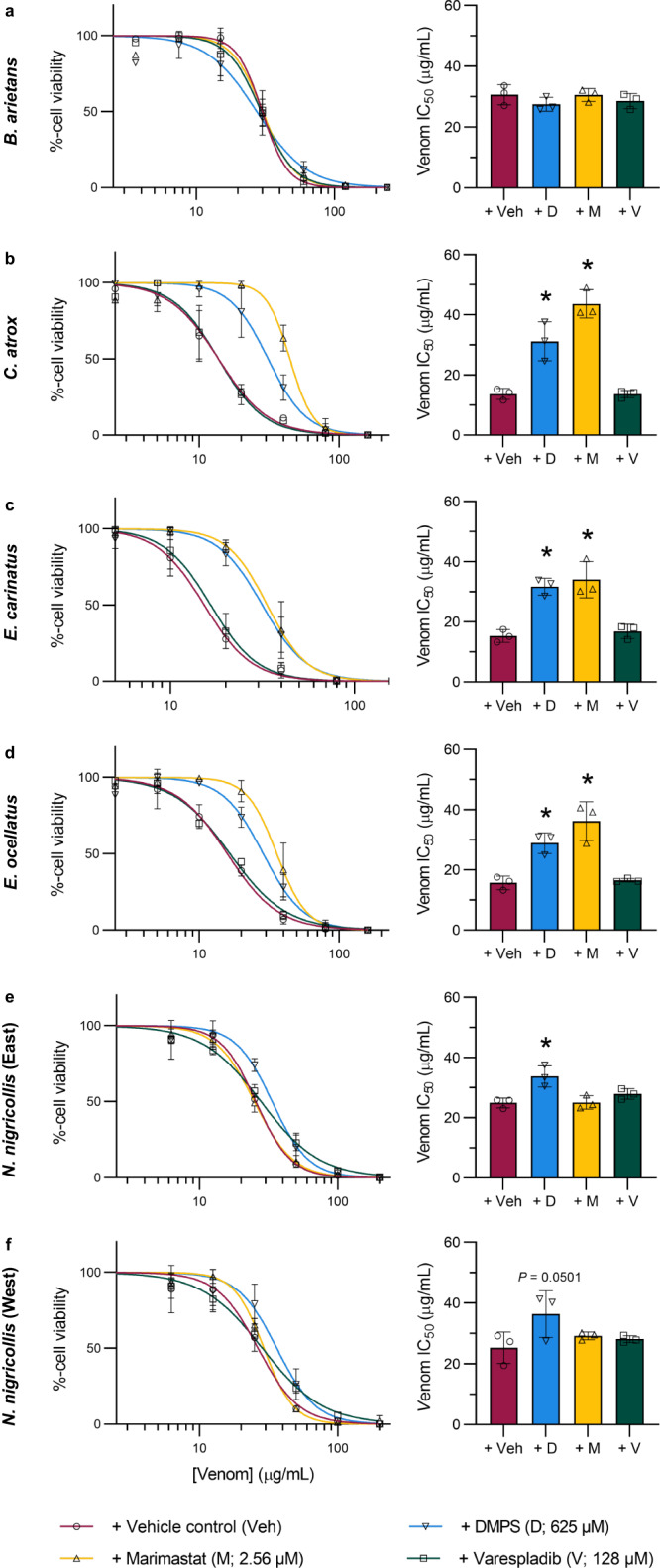
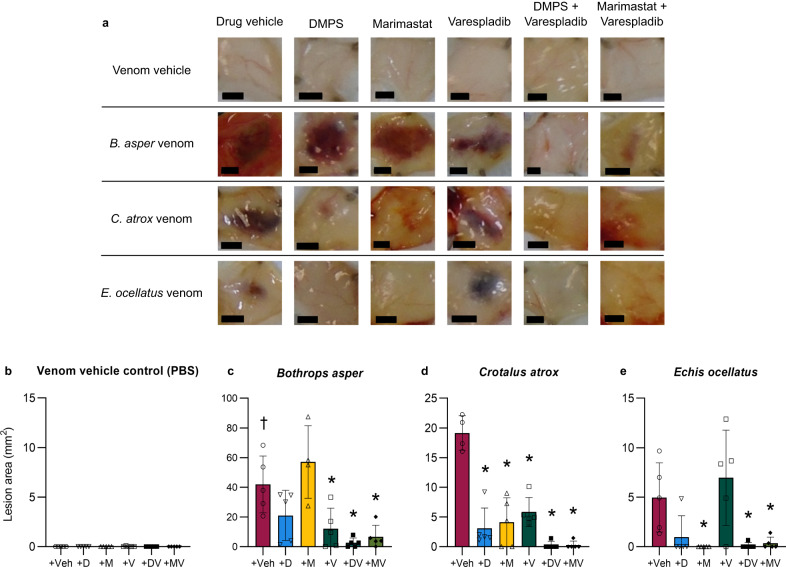
“ANOVA statistics for individual statistically analysed graphs are: (b) F(5,24) = 1.”
Howes, J., Theakston, R. D. G., & Laing, G. D. (2006) · Toxicon · doi:10.1016/j.toxicon.2006.11.020 · Cited by 84 · cited 2×
“…action of these drugs being different, as marimastat directly inhibits metalloproteinases by acting as a peptidomimetic and binding covalently to the Zn 2+ ion present in the active site 31,45,78 – 80 , while the inhibitory mechanism of action of DMPS is solely the result of Zn 2+ chelation 32,78 .”
Developing Small Molecule Therapeutics for the Initial and Adjunctive Treatment of Snakebite
Bulfone, T. C., Samuel, S. P., Bickler, P. E., & Lewin, M. R. (2018) · Journal of Tropical Medicine · doi:10.1155/2018/4320175 · Cited by 83 · cited 4×
“…bene fi t for tackling snake-bite morbidity, both oral and transdermal delivery methods share the bene fi t of being amenable for rapid administration in the community soonafterasnakebiteoccurs,andwellbeforeapatientcouldcurrently reach hospital for IV-administration of antivenom 9,31,32,35,37 – 39 .”
InfluentialRivel, M., Solano, D., Herrera, M., Vargas, M., Villalta, M., Segura, Á., Arias, A. S., León, G., & Gutiérrez, J. M. (2016) · Toxicon · doi:10.1016/j.toxicon.2016.06.006 · Cited by 80
Self-citationSegura, Á., Villalta, M., Herrera, M., León, G., Harrison, R. A., Durfa, N., Nasidi, A., Calvete, J. J., Theakston, R. D. G., Warrell, D. A., et al. (2009) · Toxicon · doi:10.1016/j.toxicon.2009.08.010 · Cited by 77
Self-citationSmall molecule drug discovery for neglected tropical snakebite
Clare, R. H., Hall, S. R., Patel, R. N., & Casewell, N. R. (2021) · Trends in Pharmacological Sciences · doi:10.1016/j.tips.2021.02.005 · Cited by 76 · cited 1×
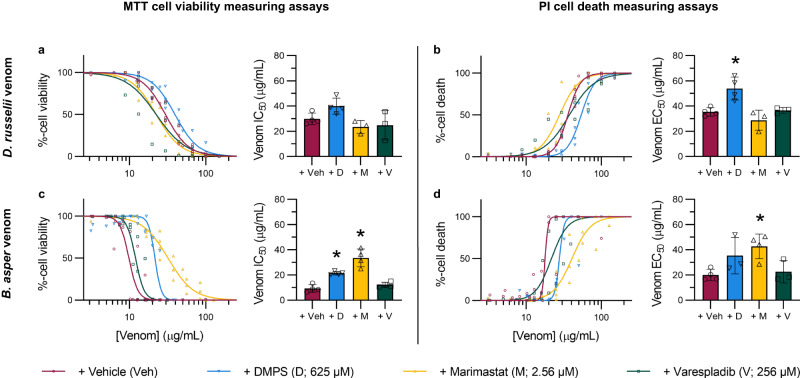
“ANOVA statistics for individual statistically analysed graphs are: (a) F(3,8) = 1.”
Self-citationMao, Y.-C., Liu, P.-Y., Chiang, L.-C., Lai, C.-S., Lai, K.-L., Ho, C.-H., Wang, T.-H., & Yang, C.-C. (2018) · Clinical Toxicology · doi:10.1080/15563650.2017.1366502 · Cited by 75
The fight to manufacture COVID vaccines in lower-income countries
Maxmen, A. (2021) · Nature · doi:10.1038/d41586-021-02383-z · Cited by 74
Lewin, M. R., Gilliam, L. L., Gilliam, J., Samuel, S. P., Bulfone, T. C., Bickler, P. E., & Gutiérrez, J. M. (2018) · Toxins · doi:10.3390/toxins10110479 · Cited by 70
Self-citationNeutralizing properties of LY315920 toward snake venom group I and II myotoxic phospholipases A2
Bryan-Quirós, W., Fernández, J., Gutiérrez, J. M., Lewin, M. R., & Lomonte, B. (2019) · Toxicon · doi:10.1016/j.toxicon.2018.11.292 · Cited by 67 · cited 2×
“Unexpectedly, the PLA 2 inhibitor varespladibwasineffective againstany of thevenoms tested, despiteit displaying impressive results against systemic venom-induced toxicity previously 29,34,46 – 49 .”
Self-citationXie, C., Albulescu, L.-O., Bittenbinder, M. A., Somsen, G. W., Vonk, F. J., Casewell, N. R., & Kool, J. (2020) · Biomedicines · doi:10.3390/biomedicines8090297 · Cited by 61 · cited 3×
“Unexpectedly, the PLA 2 inhibitor varespladibwasineffective againstany of thevenoms tested, despiteit displaying impressive results against systemic venom-induced toxicity previously 29,34,46 – 49 .”
Self-citationLewin, M., Gutiérrez, J., Samuel, S., Herrera, M., Bryan-Quirós, W., Lomonte, B., Bickler, P., Bulfone, T., & Williams, D. (2018) · Toxins · doi:10.3390/toxins10100380 · Cited by 60
Self-citationAntivenom: the most cost-effective treatment in the world?
Brown, N., & Landon, J. (2010) · Toxicon · doi:10.1016/j.toxicon.2010.02.012 · Cited by 60
Chiaraviglio, L., & Kirby, J. E. (2014) · Assay and Drug Development Technologies · doi:10.1089/adt.2014.577 · Cited by 60
Liu, C.-C., Chou, Y.-S., Chen, C., Liu, K.-L., Huang, G., Yu, J., Wu, C.-J., Liaw, G.-W., Hsieh, C. H., & Chen, C.-K. (2020) · PLoS neglected tropical diseases · doi:10.1371/journal.pntd.0008054 · Cited by 57 · cited 2×
“…a victim is bitten 32 , though the clinical success of this method for tackling local envenoming could be impeded due to the pharmacokinetic time lag associated with oral drugs 65 and the rapidity with which local swelling, blisteringand/ortissuenecrosisdevelopaftercytotoxicsnakebite 1,25,36 .”
Observations on the bite of the Mozambique spitting cobra (Naja mossambica mossambica).
Tilbury, C. R. (1982) · PubMed · Cited by 51
Pucca, M. B., Ahmadi, S., Cerni, F. A., Ledsgaard, L., Sørensen, C. V., McGeoghan, F. T. S., Stewart, T., Schoof, E., Lomonte, B., auf dem Keller, U., et al. (2020) · Frontiers in Pharmacology · doi:10.3389/fphar.2020.00611 · Cited by 50
Layfield, H. J., Williams, H. F., Ravishankar, D., Mehmi, A., Sonavane, M., Salim, A., Vaiyapuri, R., Lakshminarayanan, K., Vallance, T. M., Bicknell, A. B., et al. (2020) · Toxins · doi:10.3390/toxins12050309 · Cited by 48
Menzies, S. K., Clare, R. H., Xie, C., Westhorpe, A., Hall, S. R., Edge, R. J., Alsolaiss, J., Crittenden, E., Marriott, A. E., Harrison, R. A., et al. (2022) · Toxicon: X · doi:10.1016/j.toxcx.2022.100118 · Cited by 46 · cited 1×
“These mechanistic variations likely underpin the previously described differences in SVMP-inhibiting potencies of these drugs in vitro 33,81,82 .”
Self-citationA Personal View of Pharmacology
Black, J. W. (1996) · The Annual Review of Pharmacology and Toxicology · doi:10.1146/annurev.pa.36.040196.000245 · Cited by 44 · cited 1×
“1m), suggesting likely ‘ positive cooperativity' between venoms toxins 55,56 .”
Terrestrial venomous snakes and snakebites in the Arab countries of the Middle East
Amr, Z. S., Baker, M. A. A., & Warrell, D. A. (2020) · Toxicon · doi:10.1016/j.toxicon.2020.01.012 · Cited by 44 · cited 1×
“…E.ocellatus areresponsibleformost snakebitedeaths inWest Africa 83 ,with9-13%of victims presentingwith local skin blistering or necrosis 84,85 , and B. asper causes the vast majority of severe snakebites in Central America 86 , with more than a third of victims presenting with local…”
Knudsen, C., Casewell, N. R., Lomonte, B., Gutiérrez, J. M., Vaiyapuri, S., & Laustsen, A. H. (2020) · Toxins · doi:10.3390/toxins12090528 · Cited by 43
Self-citationBustillo, S., García-Denegri, M. E., Gay, C., Van de Velde, A. C., Acosta, O., Angulo, Y., Lomonte, B., Gutiérrez, J. M., & Leiva, L. (2015) · Chemico-Biological Interactions · doi:10.1016/j.cbi.2015.08.002 · Cited by 43
Self-citationChowdhury, A., Zdenek, C. N., Lewin, M. R., Carter, R., Jagar, T., Ostanek, E., Harjen, H. J., Aldridge, M., Soria, R., Haw, G. Y. H., et al. (2021) · Frontiers in Immunology · doi:10.3389/fimmu.2021.688802 · Cited by 43
Borkow, G., Gutiérrez, J. M., & Ovadia, M. (1995) · Toxicon · doi:10.1016/0041-0101(95)00078-z · Cited by 38 · cited 1×
“MTT assays measure two types of venom action on adherent cells: direct inhibition of cell viability 50,51 and cellular detachment from the culture plate (an effect that can be caused by certain SVMPs, such as BAH1 54 ), both of which evidence the deleterious actions of venoms on the keratinocytes.”
Self-citationJadomycins are cytotoxic to ABCB1-, ABCC1-, and ABCG2-overexpressing MCF7 breast cancer cells
Issa, M. E., Hall, S. R., Dupuis, S. N., Graham, C. L., Jakeman, D. L., & Goralski, K. B. (2013) · Anti-Cancer Drugs · doi:10.1097/cad.0000000000000043 · Cited by 34
Self-citationNerella, N. G., Block, L. H., & Noonan, P. K. (1993) · Pharmaceutical Research · doi:10.1023/a:1018970924508 · Cited by 34 · cited 1×
“…a victim is bitten 32 , though the clinical success of this method for tackling local envenoming could be impeded due to the pharmacokinetic time lag associated with oral drugs 65 and the rapidity with which local swelling, blisteringand/ortissuenecrosisdevelopaftercytotoxicsnakebite 1,25,36 .”
The London Declaration on Neglected Tropical Diseases: 5 years on
Molyneux, D. H. (2016) · Transactions of the Royal Society of Tropical Medicine and Hygiene · doi:10.1093/trstmh/trw082 · Cited by 34
Laustsen, A. H. (2019) · Expert Opinion on Drug Discovery · doi:10.1080/17460441.2019.1646723 · Cited by 33
Sasa, M., & Cano, S. E. S. (2020) · Toxicon X · doi:10.1016/j.toxcx.2020.100055 · Cited by 32
Jaykaran, J. (2010) · Indian Journal of Pharmacology · doi:10.4103/0253-7613.70402 · Cited by 28
Rattlesnake bite complications in 19 children
Cruz, N. S., & ALVAREZ, R. G. (1994) · Pediatric Emergency Care · doi:10.1097/00006565-199402000-00009 · Cited by 27 · cited 1×
“…against C. atrox , a North American pit viper species responsible for causing severe local envenoming and a highincidence oftissue necrosis 88 , mayenablea strategy forthefuture global translation of drug combination therapies by leveraging one of the few fi nancially viable markets…”
Ho, C.-H., Chiang, L.-C., Mao, Y., Lan, K., Tsai, S., Shih, Y.-J., Tzeng, Y., Lin, C., Lin, W.-L., Fang, W.-H., et al. (2021) · Toxins · doi:10.3390/toxins13090619 · Cited by 24 · cited 3×
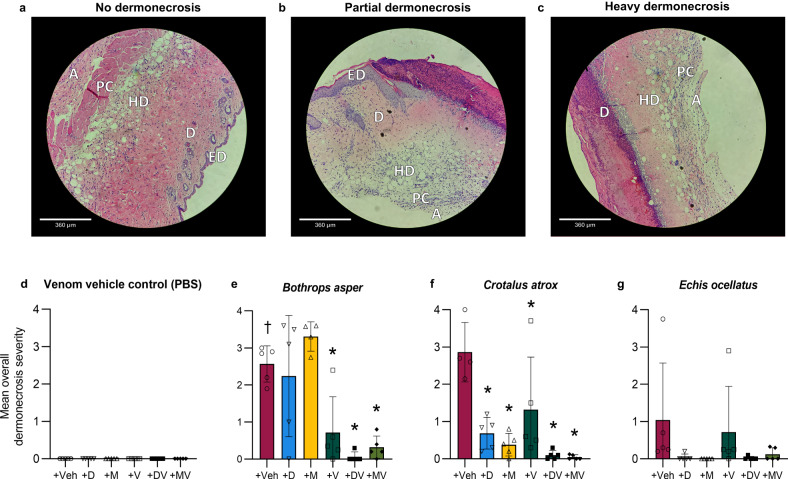
“Photo-micrographs were taken of each section at 100X magni fi cation (10X objective, 10X ocular) for analysis and a severity scoring system was developed, which expanded upon the recent work of Ho et al. 63 .”
InfluentialBashorun, A. O., Hydara, M. B., Adigweme, I., Umesi, A., Danso, B., Johnson, N., Sambou, N. A., Fofana, S., Kanu, F. J., Jeyaseelan, V., et al. (2021) · The Lancet Global Health · doi:10.1016/s2214-109x(21)00497-6 · Cited by 22 · cited 1×
“Both subcutaneous and ID delivery of therapeutics/vaccines have been proven to be feasible in resource poor settings 66,67 while delivery systems,such asmicroneedle devices or transdermal patches, are well established approaches for transdermal drug delivery 41,68,69 .”
Abouyannis, M., FitzGerald, R., Ngama, M., Mwangudzah, H., Nyambura, Y. K., Ngome, S., Riako, D., Babu, L., Lewa, F., Else, L., et al. (2022) · Wellcome Open Research · doi:10.12688/wellcomeopenres.17682.1 · Cited by 22
Self-citationA long-term observational study of paediatric snakebite in Kilifi County, south-east Kenya
Abouyannis, M., Boga, M., Amadi, D., Ouma, N., Nyaguara, A., Mturi, N., Berkley, J. A., Adetifa, I., Casewell, N. R., Lalloo, D. G., et al. (2023) · PLoS neglected tropical diseases · doi:10.1371/journal.pntd.0010987 · Cited by 20
Self-citationBite-to-hospital time and morbidity in victims of viper bite in a rural hospital in Nigeria
Ogunfowokan, O. (2012) · African Journal of Primary Health Care & Family Medicine · doi:10.4102/phcfm.v4i1.371 · Cited by 14 · cited 1×
“This is important when considering several studies have shown it can take on average 5 – 9hours for a snakebite victim to reach hospital in rural, resource poor settings in which the burden of snakebite is geatest 70 – 72 .”
Lin, C., Chaou, C., & Gao, S.-Y. (2021) · Toxins · doi:10.3390/toxins13050338 · Cited by 12
Multi-drug loaded microneedles for emergency treatment of snakebite envenomation
Tiwari, N., Aggarwal, G., Jain, G. K., & Mittal, G. (2022) · Medical Hypotheses · doi:10.1016/j.mehy.2022.110908 · Cited by 11 · cited 2×
“Both subcutaneous and ID delivery of therapeutics/vaccines have been proven to be feasible in resource poor settings 66,67 while delivery systems,such asmicroneedle devices or transdermal patches, are well established approaches for transdermal drug delivery 41,68,69 .”
Tissue necrosis after canine bothropic envenoming: a case report
Ferreira, R., & Barraviera, B. (2001) · Journal of Venomous Animals and Toxins · doi:10.1590/s0104-79302001000200011 · Cited by 7 · cited 2×
“…reducing their ef fi cacy against local tissue cytotoxicity, resulting in several studies determining that antivenoms are largely ineffective clinically at preventing local tissue necrosis, despite their apparent life-saving properties against the systemic effects of snakebite envenoming 1,22 – 26 .”
Cytotoxic Effects of Snake Venoms
Chakrabarty, D., & Sarkar, A. (2016) · Springer eBooks · doi:10.1007/978-94-007-6648-8_34-1 · Cited by 6 · cited 1×
“Local tissue necrosis around the site of the bite is caused by both vipers and certain elapids, is the result of cytotoxic 3FTxs, SVMPs, and PLA 2 s, and frequently leads to permanent disability often requiring surgical debridement or amputations of the affected limb or digit 15,16 .”
Skin Necrosis due to Snakebites
Fujioka, M. (2014) · Springer eBooks · doi:10.1007/978-3-7091-1241-0_16 · Cited by 5 · cited 1×
“Local tissue necrosis around the site of the bite is caused by both vipers and certain elapids, is the result of cytotoxic 3FTxs, SVMPs, and PLA 2 s, and frequently leads to permanent disability often requiring surgical debridement or amputations of the affected limb or digit 15,16 .”
Hall, S. R., Reid, A., Eng, J., McKeown, B. T., St‐Onge, M., & Goralski, K. B. (2020) · Journal of Natural Health Product Research · doi:10.33211/jnhpr.10 · Cited by 1
Self-citationHistopathology images for Hall, et al., 2022
Hall, S. R. (2022) · Figshare · doi:10.6084/m9.figshare.19706761 · Cited by 1
Self-citation
Research works printed but not linked: 1
- Chitolie, M. S. & Toescu, E. C. High-throughput method for dynamic measurements of cellular viability using a FLUOstar OPTIMA. BMG LABTECH vol. 04 1–2 https://www.bmglabtech.com/high-throughput-method-for-dynamic-measurements-of-cellular-viability-using-a-bmg-labtech-microplate-reader/ (2008).
Cited by
Bittenbinder, M. A., van Thiel, J., Cardoso, F. C., Casewell, N. R., Gutiérrez, J.-M., Kool, J., & Vonk, F. J. (2024) · Communications Biology · doi:10.1038/s42003-024-06019-6 · Cited by 132
“They have also been tested in animal models of snake enve-noming, and they inhibit venom toxicity, including lethality-inducing neurotoxic effects and coagulopathy, as well as tissue-damaging effects, i.e., inhibitionofmyonecrosisanddermonecrosis 161 – 167 .”
BackgroundResultInfluentialSelf-citationProgress and Challenges in the Field of Snakebite Envenoming Therapeutics
Gutiérrez, J. M., Casewell, N. R., & Laustsen, A. H. (2024) · The Annual Review of Pharmacology and Toxicology · doi:10.1146/annurev-pharmtox-022024-033544 · Cited by 52
Self-citationClare, R. H., Dawson, C. A., Westhorpe, A., Albulescu, L.-O., Woodley, C. M., Mosallam, N., Chong, D. J. W., Kool, J., Berry, N. G., O’Neill, P. M., et al. (2024) · Frontiers in Pharmacology · doi:10.3389/fphar.2023.1328950 · Cited by 47
Self-citationBartlett, K. E., Hall, S. R., Rasmussen, S. A., Crittenden, E., Dawson, C. A., Albulescu, L.-O., Laprade, W. M., Harrison, R. A., Saviola, A. J., Modahl, C. M., et al. (2024) · Proceedings of the National Academy of Sciences · doi:10.1073/pnas.2315597121 · Cited by 45
“MTT cell viability (34) and PI cell death assays were completed as described previously (41), with minor modifications.”
InfluentialSelf-citationTowards better antivenoms: navigating the road to new types of snakebite envenoming therapies
Thumtecho, S., Burlet, N. J., Ljungars, A., & Laustsen, A. H. (2023) · The Journal of venomous animals and toxins including tropical diseases · doi:10.1590/1678-9199-jvatitd-2023-0057 · Cited by 41
“Early administration is particularly crucial when targeting toxins that rapidly distribute in circulation and penetrate deep tissues [77, 151] and toxins that cause irreversible damage [152].”
Background
Metadata
- Authors
- Hall, S. R., Rasmussen, S. A., Crittenden, E., Dawson, C. A., Bartlett, K. E., Westhorpe, A. P., Albulescu, L.-O., Kool, J., Gutiérrez, J. M., & Casewell, N. R.
- Affiliations
- Liverpool School of Tropical Medicine (GB)
- Dalhousie University (CA)
- Vrije Universiteit Amsterdam (NL)
- Corresponding author
- Casewell, Nicholas R.
- ORCID
- Venue
- Nature Communications
- Published
- 2023-12-14
- Volume
- 14
- Issue
- 1
- Pages
- 7812-7812
- ISSN
- 2041-1723 (ISSN-L)
- PMC
- PMC10721902
- OpenAlex
- W4389736151
- Semantic Scholar
- 8041ae1b386b9ff1a44ceeda9da603813de00127
- Cited by
- 63
- References
- 94
- Citations by year
- 2026: 23 · 2025: 17 · 2024: 19 · 2023: 4
- FWCI
- 10.46
- Type
- journal article
- Language
- en
- Open access
- gold
- doi.org
- Licence
- cc-by
- creativecommons.org/licenses/by/4.0 (tdm)
- creativecommons.org/licenses/by/4.0 (vor)
- Locations
- Nature Communications (publishedVersion, cc-by)
- PubMed Central (publishedVersion, cc-by)
- PubMed (publishedVersion)
- VU Research Portal (publishedVersion, other-oa)
- Investigative News in Education (Universidad de Costa Rica) (submittedVersion, cc-by)
- DOAJ (DOAJ: Directory of Open Access Journals) (submittedVersion, cc-by-sa)
- Funders
- Royal Society (NIF\R1\192161)
- Wellcome Trust (200517/Z/16/Z, 221712/Z/20/Z)
- RCUK | Medical Research Council (MR/S00016X/1)
- RCUK | MRC | Medical Research Foundation (MC_PC_15040)
- Topics
- Life Sciences › Pharmacology, Toxicology and Pharmaceutics › Toxicology › Venomous Animal Envenomation and Studies
- Health Sciences › Medicine › Pharmacology (medical) › Healthcare and Venom Research
- Life Sciences › Agricultural and Biological Sciences › Ecology, Evolution, Behavior and Systematics › Amphibian and Reptile Biology
- Keywords
- snakebite, dermonecrosis, repurposed drugs, combination therapy, DMPS, marimastat, varespladib, snake venom toxins, cytotoxicity inhibition, antivenom alternatives, neglected tropical diseases
- MeSH terms
- Acetates, Animals, Drug Combinations, Humans, Hydroxamic Acids, Indoles, Keto Acids, Snake Bites, Snake Venoms, Mice
About these checks
Registry, retraction, Cites and statistics results are computed, not judged, with one exception: a printed reference that no index lists is read once by a model before it counts as a citation error. Claims are extracted by a model and kept only when their quote appears verbatim in the text; each cited source is then checked, with a model’s help, for whether it says what the claim relies on. Those verdicts can be wrong — read the claim’s quote and the cited source before relying on one.
Statistics and arithmetic are recomputed, not judged.
Confidence bands are shown only for fields calibrated on our annotated test set. None is calibrated yet, so no band is shown.
What counts as a claim ›How we measure confidence ›How we check this ›
Are you an author, or do you see a problem with this page? Request a review
Data sources
Bibliographic data: Semantic Scholar, OpenAlex, Crossref.
Contains information from the Semantic Scholar Academic Graph Datasets, made available under the ODC Attribution License (ODC-BY 1.0).
Semantic Scholar’s data is described in: Kinney, R., et al. (2023). The Semantic Scholar Open Data Platform. arXiv:2301.10140.
