

The DAV132 colon-targeted adsorbent does not interfere with plasma concentrations of antibiotics but prevents antibiotic-related dysbiosis: a randomized phase I trial in healthy volunteers
Open accessThe DOI matches its Crossref record; 49 of the 49 references it cites were found in a registry or an index.
Abstract
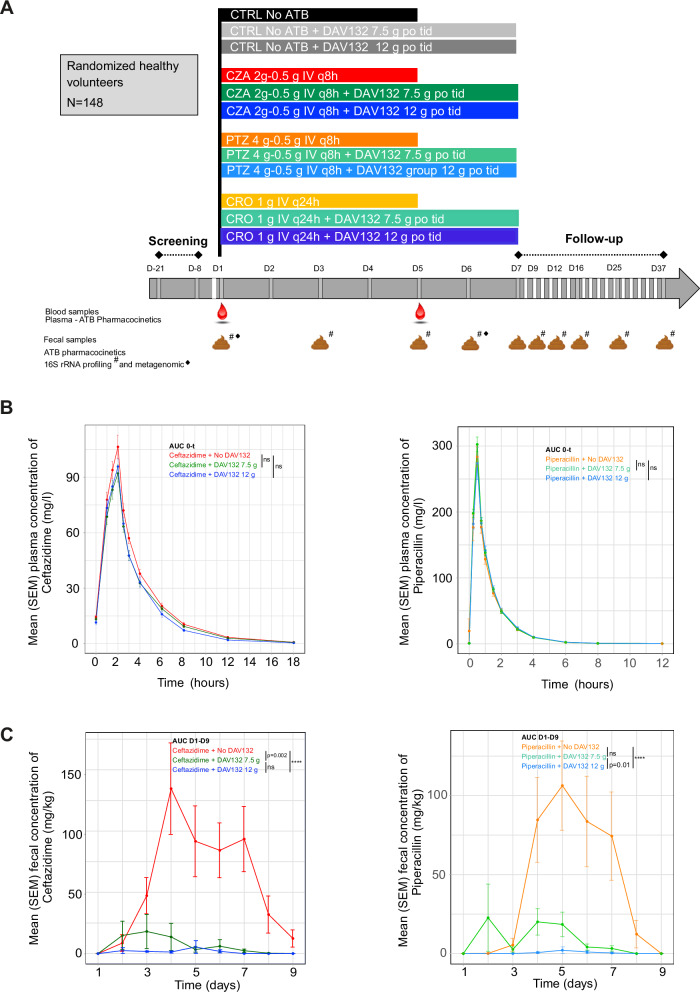
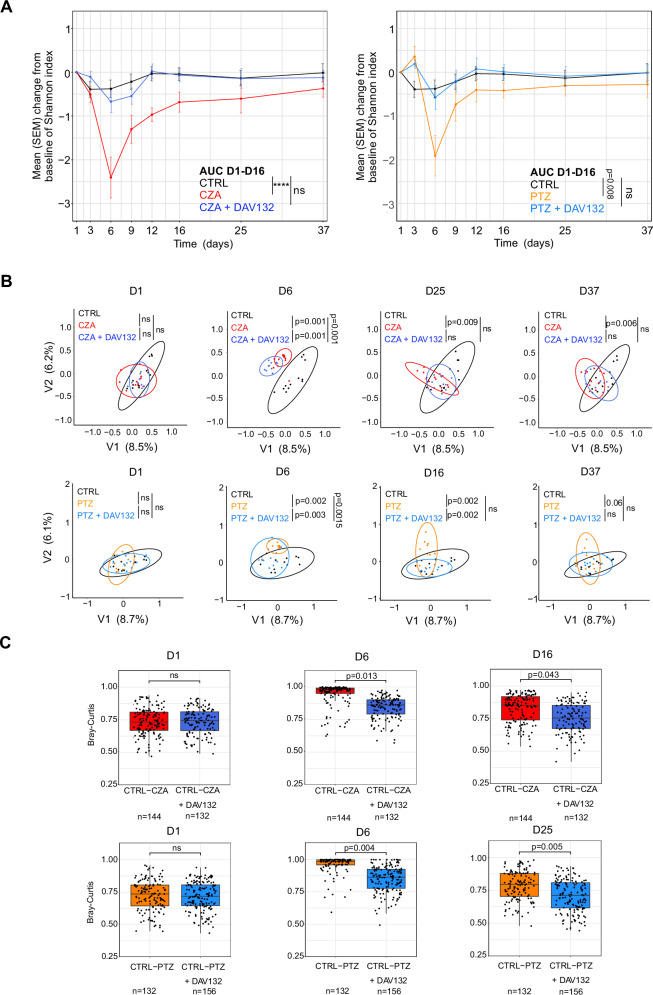
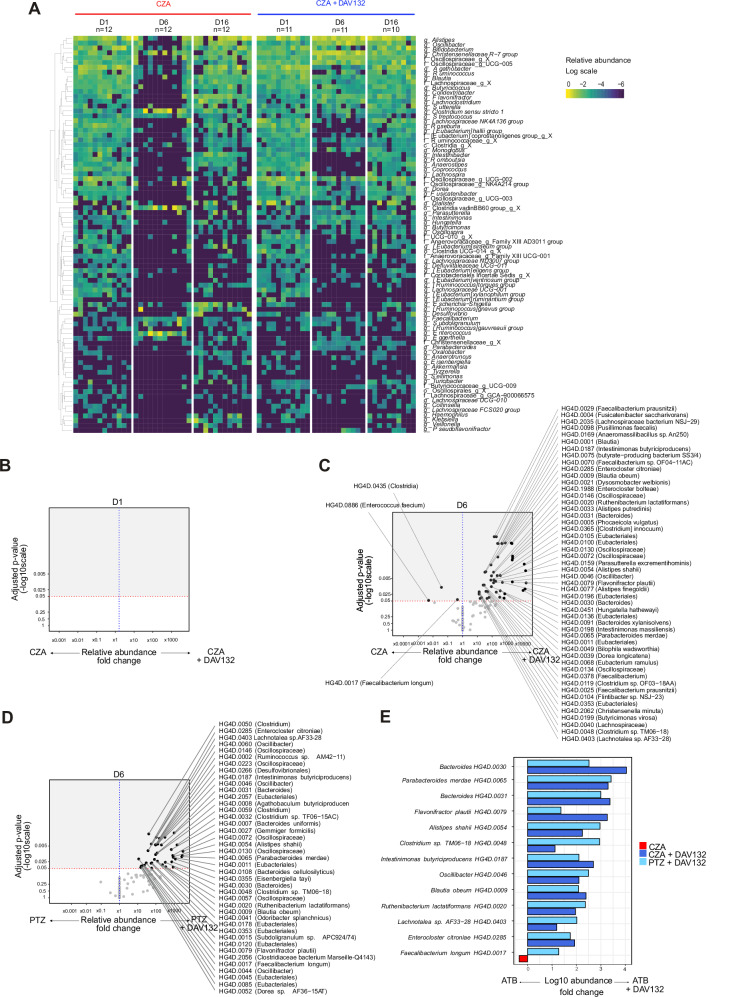
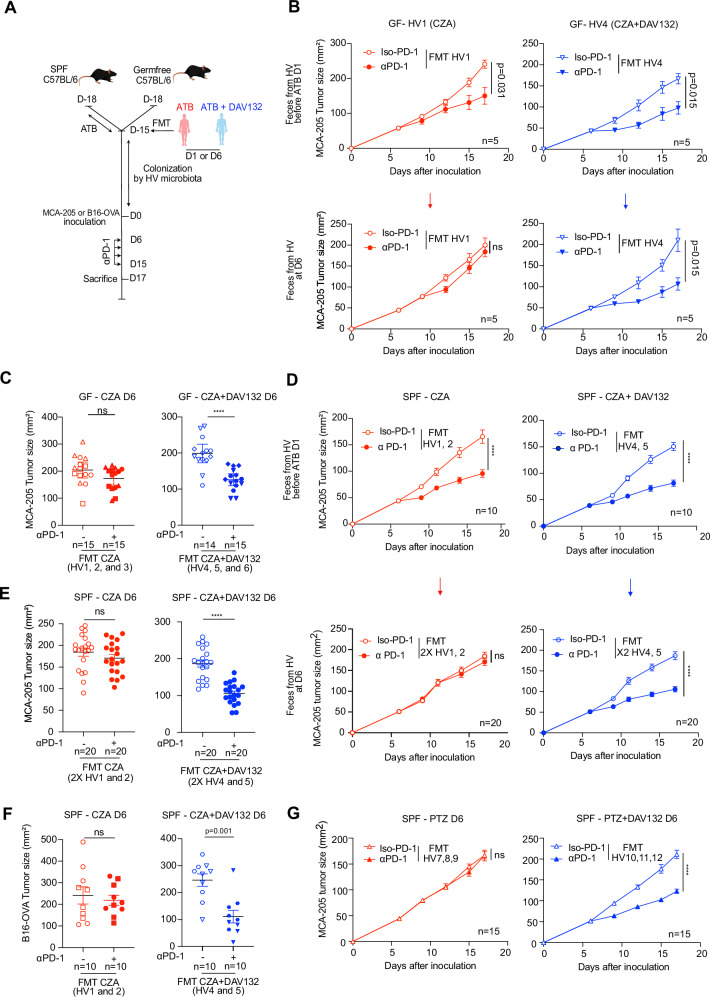
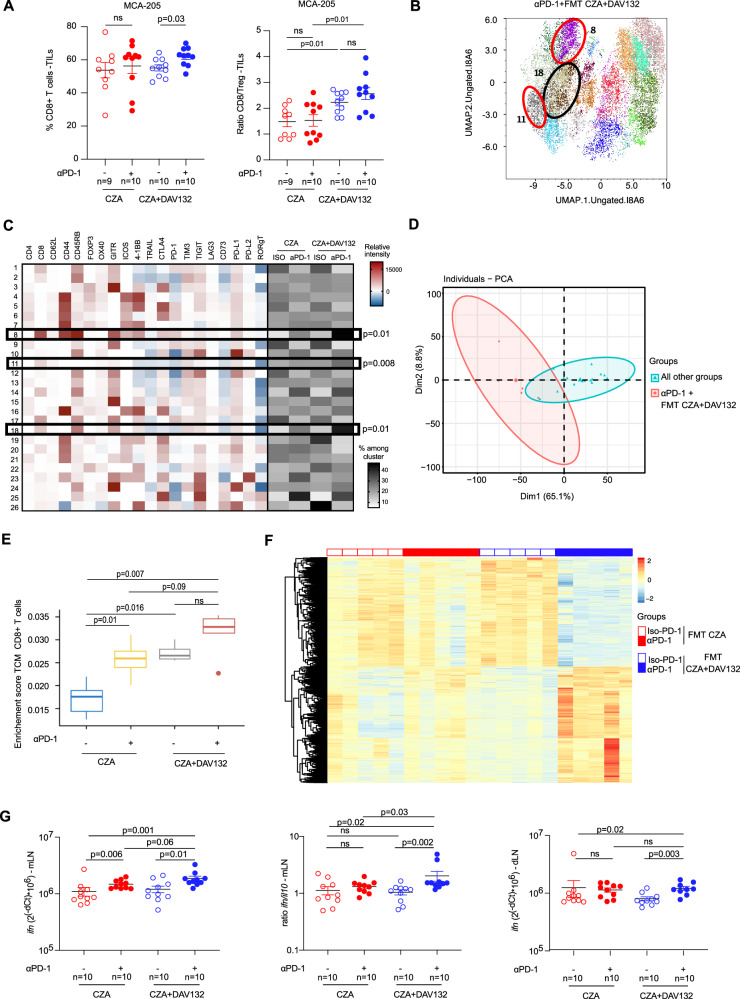
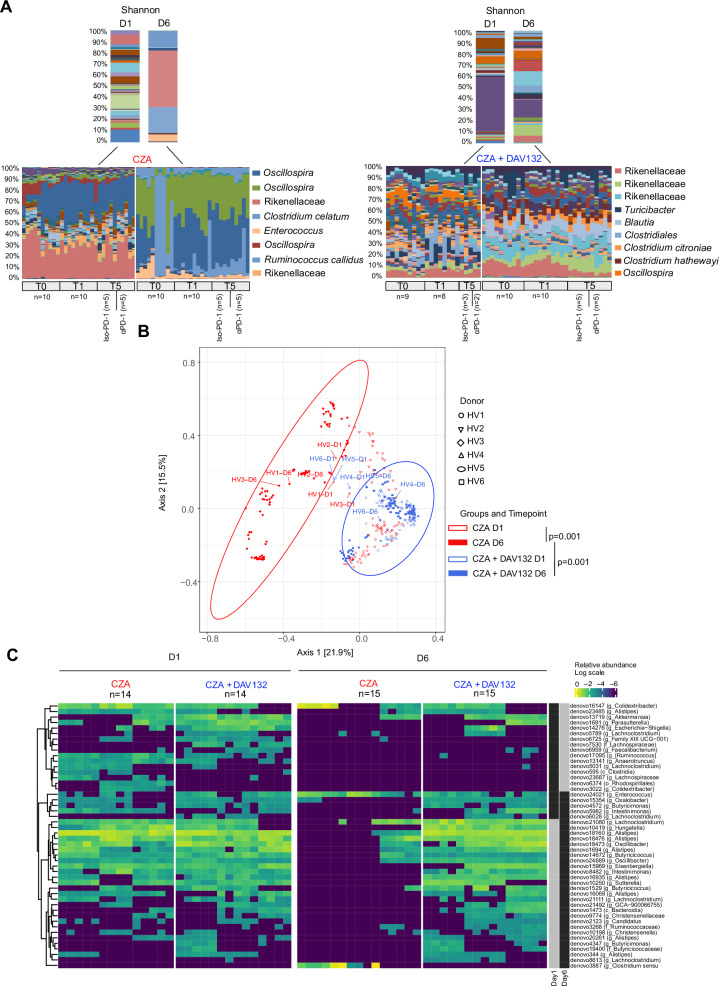
The deleterious impact of antibiotics (ATB) on the microbiome negatively influences immune checkpoint inhibitors (ICI) response in patients with cancer. We conducted a randomized phase I study (EudraCT:2019-A00240-57) with 148 healthy volunteers (HV) to test two doses of DAV132, a colon-targeted adsorbent, alongside intravenous ceftazidime-avibactam (CZA), piperacillin-tazobactam (PTZ) or ceftriaxone (CRO) and a group without ATB. The primary objective of the study was to assess the effect of DAV132 on ATB plasma concentrations and both doses of DAV132 did not alter ATB levels. Secondary objectives included safety, darkening of the feces, and fecal ATB concentrations. DAV132 was well tolerated, with no severe toxicity and similar darkening at both DAV132 doses. DAV132 led to significant decrease in CZA or PTZ feces concentration. When co-administered with CZA or PTZ, DAV132 preserved microbiome diversity, accelerated recovery to baseline composition and protected key commensals. Fecal microbiota transplantation (FMT) in preclinical cancer models in female mice from HV treated with CZA or PTZ alone inhibited anti–PD-1 response, while transplanted samples from HV treated with ATB + DAV132 circumvented resistance to anti–PD-1. This effect was linked to activated CD8+ T cell populations in the tumor microenvironment. DAV132 represents a promising strategy for overcoming ATB-related dysbiosis and further studies are warranted to evaluate its efficacy in cancer patients. The oral antibiotic adsorbent DAV132 can reduce fecal concentrations of antibiotics while preserving their pharmacokinetic properties. Here, in a randomized trial in healthy volunteers treated with antibiotics, the authors show that DAV132 does not affect plasma concentrations of the antibiotics but preserves microbiome diversity and composition, with implications for cancer immunotherapy.
Overview
The claims and statistics of this paper haven’t been checked yet.
Free: it reads the open-access text and checks the first 5 claims that cite a source we can check. Create a free account to check every claim.
Integrity signals
Registry
Cites
Statistics
Figures
Verification
Claims the paper makes
The claims and statistics of this paper haven’t been checked yet.
Free: it reads the open-access text and checks the first 5 claims that cite a source we can check. Create a free account to check every claim.
Claims other papers make about this one
Each is checked against this paper’s own text: does it say what the citing paper says it does?
The source backs part of the claim, not all of it — or backs it for a different population, condition or comparison.
In the citing paper
“Intestinal dysbiosis, broadly defined as an imbalance in the composition or function of the gut microbiota, is a significant contributor to resistance against immune checkpoint inhibitor (ICI) therapies.1–16,”
From Gut dysbiosis in oncology: a risk factor for immunoresistance (2026) · doi:10.1038/s41422-025-01212-6 · cites this paper as [8]
Experimental — accuracy not yet measuredIn the citing paper
“When antibiotic use is unavoidable, supplementing with pro- or prebiotics—or employing strategies like the oral adsorbent DAV132 (Messaoudene et al., 2024)—can help preserve gut ecology.”
From Microbiota-centered interventions to boost immune checkpoint blockade therapies (2025) · cites this paper as Messaoudene et al., 2024
Self-check
Percentages, sums and reported differences re-computed from the paper’s own numbers.
The self-check needs the paper’s full text.
Citations
Cites
Moderated estimation of fold change and dispersion for RNA-seq data with DESeq2
Love, M. I., Huber, W., & Anders, S. (2014) · Genome Biology · doi:10.1186/s13059-014-0550-8 · Cited by 95,106
Fast gapped-read alignment with Bowtie 2
Langmead, B., & Salzberg, S. L. (2012) · Nature Methods · doi:10.1038/nmeth.1923 · Cited by 56,400
Fast and accurate long-read alignment with Burrows-Wheeler transform.
Li, H., & Durbin, R. (2010) · Bioinformatics · doi:10.1093/bioinformatics/btp698 · Cited by 12,063 · cited 1×
“Dual indices and adapter sequences were added to each sample during library construction and the fi nal fragment distribution was evaluated using the HT DNA NGS On average, 85.4% of the High-Quality microbiome reads were then mapped to the gene catalog Hg04 using BWA mem (v. 0.7.17) 45 .”
InfluentialFactoMineR : An R Package for Multivariate Analysis
Lê, S., Josse, J., & Husson, F. (2008) · Journal of Statistical Software · doi:10.18637/jss.v025.i01 · Cited by 11,603
Hallmarks of Cancer: New Dimensions
Hanahan, D. (2022) · Cancer Discovery · doi:10.1158/2159-8290.cd-21-1059 · Cited by 9,887
Gut microbiome influences efficacy of PD-1-based immunotherapy against epithelial tumors
Routy, B., Le Chatelier, E., Derosa, L., Duong, C. P. M., Alou, M. T., Daillère, R., Fluckiger, A., Messaoudene, M., Rauber, C., Roberti, M. P., et al. (2018) · Science · doi:10.1126/science.aan3706 · Cited by 5,671 · cited 22×
“Overthe past decade, studies unravelling the cancer-immunity dialogue in the setting ofICI have determined thatresistanceisprofoundlyin fl uenced bygutmicrobiota 3 – 8 .”
InfluentialSelf-citationElements of cancer immunity and the cancer–immune set point
Chen, D. S., & Mellman, I. (2017) · Nature · doi:10.1038/nature21349 · Cited by 5,352
Gut microbiome modulates response to anti-PD-1 immunotherapy in melanoma patients
Gopalakrishnan, V., Spencer, C. N., Nezi, L., Reuben, A., Andrews, M. C., Karpinets, T. V., Prieto, P. A., Vicente, D., Hoffman, K., Wei, S. C., et al. (2018) · Science · doi:10.1126/science.aan4236 · Cited by 4,812 · cited 1×
“Moreover, transplantation of patients ’ feces to germ-free mice recapitulated patient outcomes, providing further evidence of the relationship between microbiota composition and response to ICI 9,13,14 .”
Anticancer immunotherapy by CTLA-4 blockade relies on the gut microbiota
Vétizou, M., Pitt, J. M., Daillère, R., Lepage, P., Waldschmitt, N., Flament, C., Rusakiewicz, S., Routy, B., Roberti, M. P., Duong, C. P. M., et al. (2015) · Science · doi:10.1126/science.aad1329 · Cited by 3,488 · cited 1×
“…the key role of the microbiota in ICI wasgathered from antibiotic (ATB)-treated mice, where altering the microbiota by ATB inhibited responses to programmed cell death protein 1 (PD-1) blockers used alone or in combination with a cytotoxic T-lymphocyte associated protein 4 (CTLA-4) inhibitor 9,19 .”
Self-citationNeoadjuvant Nivolumab plus Chemotherapy in Resectable Lung Cancer
Forde, P. M., Spicer, J., Lu, S., Provencio, M., Mitsudomi, T., Awad, M. M., Felip, E., Broderick, S. R., Brahmer, J. R., Swanson, S. J., et al. (2022) · New England Journal of Medicine · doi:10.1056/nejmoa2202170 · Cited by 2,825
Cited by
Duttagupta, S., Messaoudene, M., Hunter, S., Desîlets, A., Jamal, R., Mihalcioiu, C. L. D., Belkaïd, W., Marcoux, N., Fidelle, M., Suissa, D., et al. (2026) · Nature Medicine · doi:10.1038/s41591-025-04186-5 · Cited by 126
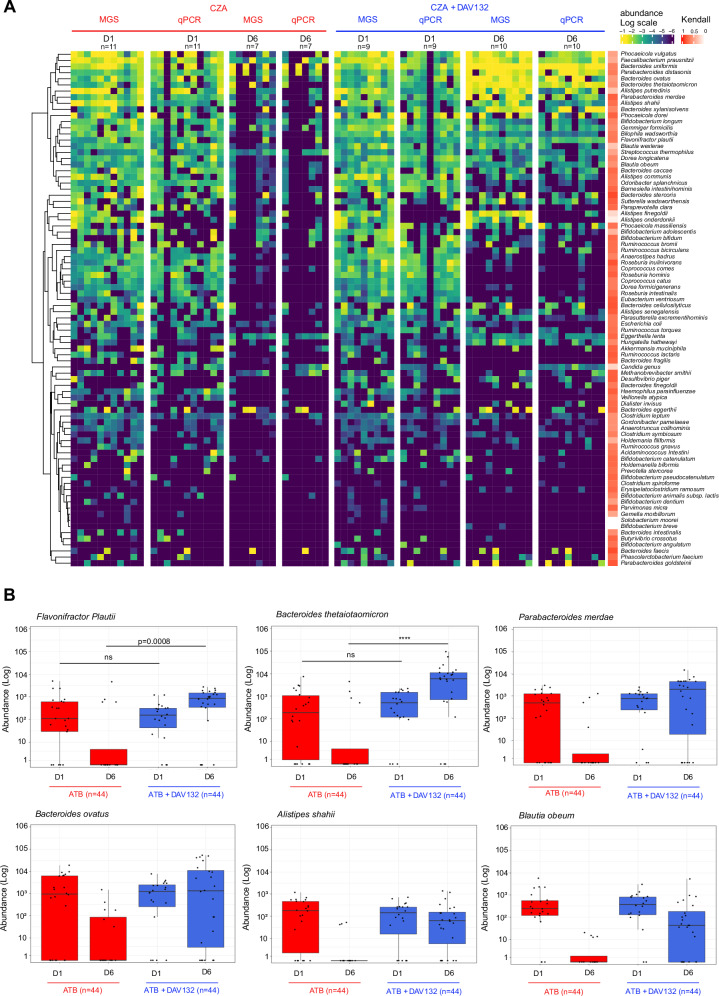
“We employed a validated qPCR-based assay of 108 selected species 30,38 and confirmed that qPCR relative abundances significantly correlated with shotgun metagenomic data (Extended Data Fig.”
Self-citationElkrief, A., Routy, B., Derosa, L., Bolte, L. A., Wargo, J. A., McQuade, J. L., & Zitvogel, L. (2025) · American Society of Clinical Oncology Educational Book · doi:10.1200/edbk-25-472902 · Cited by 43
Self-citationPharmacomicrobiomics: The Role of the Gut Microbiome in Immunomodulation and Cancer Therapy
Bolte, L. A., Björk, J. R., Gaćeša, R., & Weersma, R. K. (2025) · Gastroenterology · doi:10.1053/j.gastro.2025.04.025 · Cited by 43
Gut dysbiosis in oncology: a risk factor for immunoresistance
(2026) · doi:10.1038/s41422-025-01212-6 · Cited by 24
Microbiota-centered interventions to boost immune checkpoint blockade therapies
Almonte, A. A., Thomas, S., & Zitvogel, L. (2025) · Journal of Experimental Medicine · doi:10.1084/jem.20250378 · Cited by 19
Artacho, A., González-Torres, C., Gómez-Cebrián, N., Molés‐Poveda, P., Pons, J., Jiménez‐Hernández, N., Casanova, M. J., Montoro, J., Balaguer‐Roselló, A., Villalba, M., et al. (2024) · Microbiome · doi:10.1186/s40168-024-01948-0 · Cited by 19
A modelling framework to characterize the impact of antibiotics on the gut microbiota diversity
Olivares, C., Ruppé, É., Ferreira, S., Corbel, T., Andremont, A., de Gunzburg, J., Guedj, J., & Burdet, C. (2024) · Gut Microbes · doi:10.1080/19490976.2024.2442523 · Cited by 13
“8 The reduction of fecal concentrations of β-lactam antibiotics by an active charcoal-based adsorbent was shown to restore their efficacy.”
Self-citationTumor Immunotherapy and Microbiome: From Bench‐to‐Bedside Applications
Lin, A., Xiong, M., Jiang, A., Chen, L., Huang, L., Li, K., Wong, H. Z. H., Zhang, J., Liu, Z., Cheng, Q., et al. (2026) · MedComm · doi:10.1002/mco2.70454 · Cited by 11
“In particular, the use of broad-spectrum ATBs is significantly associated with resistance to anti-PD-1/PD-L1 therapy, adverse reactions, and reduced PFS and OS [198, 218, 226].”
Beaumont, A., Danjean, M., Jacquier, H., Boyd, A. C., Jaspard, M., Royer, G., Surgers, L., & Woerther, P. (2026) · Clinical Microbiology Reviews · doi:10.1128/cmr.00274-25 · Cited by 10
Microbiome, GvHD, and immune reconstitution in allogeneic hematopoietic cell transplantation
Weber, D., Tariq, M., Hazenberg, M. D., Poeck, H., & Malard, F. (2026) · Bone Marrow Transplantation · doi:10.1038/s41409-026-02798-0 · Cited by 8
Silva, C. A. C., Almonte, A. A., & Zitvogel, L. (2025) · Biomolecules · doi:10.3390/biom15040504 · Cited by 6
“Gut microbiota composition and MAdCAM-1 levels do not recover until 90 days after ATB cessation [27,28], emphasizing the need for therapies to accelerate recovery of gut fitness to promote optimal clinical benefit.”
Unveiling the interplay between microbiota and PD1/PD-L1 axis in tumor immunity and immunotherapy
Lu, Q., Wu, J., Yu, X., Qian, J., & Song, Z. (2025) · Frontiers in Immunology · doi:10.3389/fimmu.2025.1690374 · Cited by 6
Huang, G., Cai, L., Guo, J., Zhu, R., & Zhu, L. (2025) · European Journal of Clinical Microbiology & Infectious Diseases · doi:10.1007/s10096-025-05184-8 · Cited by 5
“The data for this study were derived from the research conducted by Messaoudene et al. [19], which primarily focused on the ability of a colon-targeted adsorbent, DAV132, to mitigate the effects of three beta-lactam antibiotics, i.e., ceftazidime-avibactam, and piperacillin-tazobactam, on the gut…”
Routy, B., Rafie, E., & Elkrief, A. (2025) · Nature Cancer · doi:10.1038/s43018-025-01055-5 · Cited by 5
Self-citationSu, P., Tao, Y., Wang, A., & Xiao, Y. (2025) · International Journal of Surgery · doi:10.1097/js9.0000000000004476 · Cited by 4
Antibiotic-induced gut microbiome dysbiosis: risks and strategies for mitigation
Müller, K., Gillard, J., Typas, A., Knopp, M. R., & Goemans, C. (2026) · The EMBO Journal · doi:10.1038/s44318-026-00796-y · Cited by 4
The intestinal microbiota as a key modulator of acute graft-versus-host disease
Paredes, J. E., Schmiester, M., Jenq, R. R., & van den Brink, M. R. M. (2026) · Nature reviews. Cancer · doi:10.1038/s41568-026-00910-6 · Cited by 3
Ziogas, D. C., Theocharopoulos, C., Martinos, A., Lyrarakis, G., Stefanou, D. T., Anastasopoulou, A. N., & Gogas, H. (2026) · Current Oncology Reports · doi:10.1007/s11912-026-01744-z · Cited by 2
“Furthermore, recent studies have highlighted the potential of locally acting agents, including β-lactamases and colon-targeted adsorbents, to protect the intestinal microbiota by inactivating residual antibiotics in the gut lumen without affecting systemic efficacy [86, 87].”
The researchers on a quest to protect the gut from antibiotics
Dolgin, E. (2025) · Nature · doi:10.1038/d41586-025-00477-6 · Cited by 1
Li, P., Wang, Y., & Xu, X. (2025) · Current Microbiology · doi:10.1007/s00284-025-04672-6
Revisiting the impact of common medications on immune checkpoint inhibitor efficacy
Habibzadeh, P., & Davar, D. (2026) · Cancer · doi:10.1002/cncr.70289
Collective protection drives human gut microbiota response to amoxicillin treatmentPreprint
Lubrano, P., Magnan, M., Steiner, C., Birgy, A., Chassaing, B., Deschasaux, M., Gutierrez, A., Barreto, H. C., Hobson, C. A., Magréault, S., et al. (2026) · bioRxiv (Cold Spring Harbor Laboratory) · doi:10.64898/2026.04.24.720353
Microbiome Stewardship: re-defining high-risk antibiotics
Eubank, T. A., Msdi, A. S., & Garey, K. W. (2026) · Anaerobe · doi:10.1016/j.anaerobe.2026.103072
Immunotherapy and the Microbiota
Messaoudene, M., & Fidelle, M. (2026) · Wiley eBooks · doi:10.1002/9781394383054.ch16
Self-citationPathogen capture driven spatial reprogramming microgels for oral treatment of bacterial enteritis
Li, J. H., Zhou, C., Yang, M., Chen, X., Li, C., Sun, Y., Wang, H., & Lei, C. (2026) · Journal of Controlled Release · doi:10.1016/j.jconrel.2026.115342
A Review on: Advances in colon targeted drug delivery system for oral site specific Therapeutics
Naktode, S. S., Pande, S. D., Wagh, S. P., Virkhare, S. A., & Kalbande, S. P. (2026) · Asian Journal of Pharmaceutical Research and Development
Jin, C., & Wang, Y. (2026) · Molecular Medicine Reports · doi:10.3892/mmr.2026.14044
Duttagupta, S. (2026) · Papyrus : Institutional Repository (Université de Montréal) · doi:10.71781/36317
Antibiotics and outcomes of cancer immunotherapy: An updated meta-analysis and clinical applications
Porcari, S., Bolte, L. A., Björk, J. R., Elkrief, A., Derosa, L., Ferrari, M., Pezzullo, A. M., Severino, A., Fusco, W. G., Messaoudene, M., et al. (2026) · Cancer Cell · doi:10.1016/j.ccell.2026.09.012
Self-citationIndividual-specific recovery of the healthy human gut microbiota after antibioticsPreprint
Kahn, S., Friedman, J., & Bashan, A. (2026) · bioRxiv (Cold Spring Harbor Laboratory) · doi:10.64898/2026.10.30.762915
Rizaev, J. A., Boymuradov, S., Samadov, B. S., Narziyev, Z., & ugli, K. K. A. (2026) · Folia Microbiologica · doi:10.1007/s12223-026-01634-8
Metadata
- Authors
- Messaoudene, M., Ferreira, S., Saint-Lu, N., Ponce, M., Truntzer, C., Boidot, R., Le Bescop, C., Loppinet, T., Corbel, T., Féger, C., Bertrand, K., Elkrief, A., Isaksen, M., Vitry, F., Sablier-Gallis, F., Andremont, A., Bod, L., Ghiringhelli, F., de Gunzburg, J., & Routy, B.
- Affiliations
- Centre Hospitalier de l’Université de Montréal (CA)
- Da Volterra (France) (FR)
- Inserm (FR)
- Centre Georges François Leclerc (FR)
- Harvard University (US)
- Corresponding author
- Routy, Bertrand
- ORCID
- Venue
- Nature Communications
- Published
- 2024-09-15
- Volume
- 15
- Issue
- 1
- Pages
- 8083-8083
- ISSN
- 2041-1723 (ISSN-L)
- PMC
- PMC11402973
- OpenAlex
- W4402552347
- Semantic Scholar
- c2aa3f22353a946cfdc42ac7fa435bed60726fc5
- Cited by
- 24
- References
- 49
- Citations by year
- 2026: 11 · 2025: 11 · 2024: 2
- FWCI
- 3.27
- Type
- journal article
- Language
- en
- Open access
- gold
- doi.org
- Licence
- cc-by-nc-nd
- creativecommons.org/licenses/by-nc-nd/4.0 (tdm)
- creativecommons.org/licenses/by-nc-nd/4.0 (vor)
- Locations
- Nature Communications (publishedVersion, cc-by-nc-nd)
- PubMed Central (publishedVersion, cc-by-nc-nd)
- PubMed (publishedVersion)
- RePEc: Research Papers in Economics (submittedVersion)
- DOAJ (DOAJ: Directory of Open Access Journals) (submittedVersion)
- Funders
- Reasearch funding from Da Volterra
- Topics
- Life Sciences › Biochemistry, Genetics and Molecular Biology › Molecular Biology › Gut microbiota and health
- Health Sciences › Medicine › Oncology › Cancer Immunotherapy and Biomarkers
- Health Sciences › Medicine › Infectious Diseases › Antibiotic Use and Resistance
- Keywords
- gut microbiota, ceftazidime-avibactam, piperacillin-tazobactam, ceftriaxone, microbiome diversity, fecal microbiota transplantation, anti-PD-1 response, cancer immunotherapy, immune checkpoint inhibitors, CD8+ T cells, tumor microenvironment, healthy volunteers
- MeSH terms
- Gastrointestinal Microbiome, Fecal Microbiota Transplantation, Immune Checkpoint Inhibitors, Adult, Animals, Anti-Bacterial Agents, Colon, Feces, Female, Humans, Male, Middle Aged, Mice, Young Adult, Healthy Volunteers, Dysbiosis
About these checks
Registry, retraction, Cites and statistics results are computed, not judged, with one exception: a printed reference that no index lists is read once by a model before it counts as a citation error. Claims are extracted by a model and kept only when their quote appears verbatim in the text; each cited source is then checked, with a model’s help, for whether it says what the claim relies on. Those verdicts can be wrong — read the claim’s quote and the cited source before relying on one.
Statistics and arithmetic are recomputed, not judged.
Confidence bands are shown only for fields calibrated on our annotated test set. None is calibrated yet, so no band is shown.
What counts as a claim ›How we measure confidence ›How we check this ›
Are you an author, or do you see a problem with this page? Request a review
Data sources
Bibliographic data: Semantic Scholar, OpenAlex, Crossref.
Contains information from the Semantic Scholar Academic Graph Datasets, made available under the ODC Attribution License (ODC-BY 1.0).
Semantic Scholar’s data is described in: Kinney, R., et al. (2023). The Semantic Scholar Open Data Platform. arXiv:2301.10140.
