

Relationships between brain activity, tryptophan-related gut metabolites, and autism symptomatology
Open accessPublished version of a preprint
The DOI matches its Crossref record; 97 of the 97 references it cites were found in a registry or an index.
Abstract
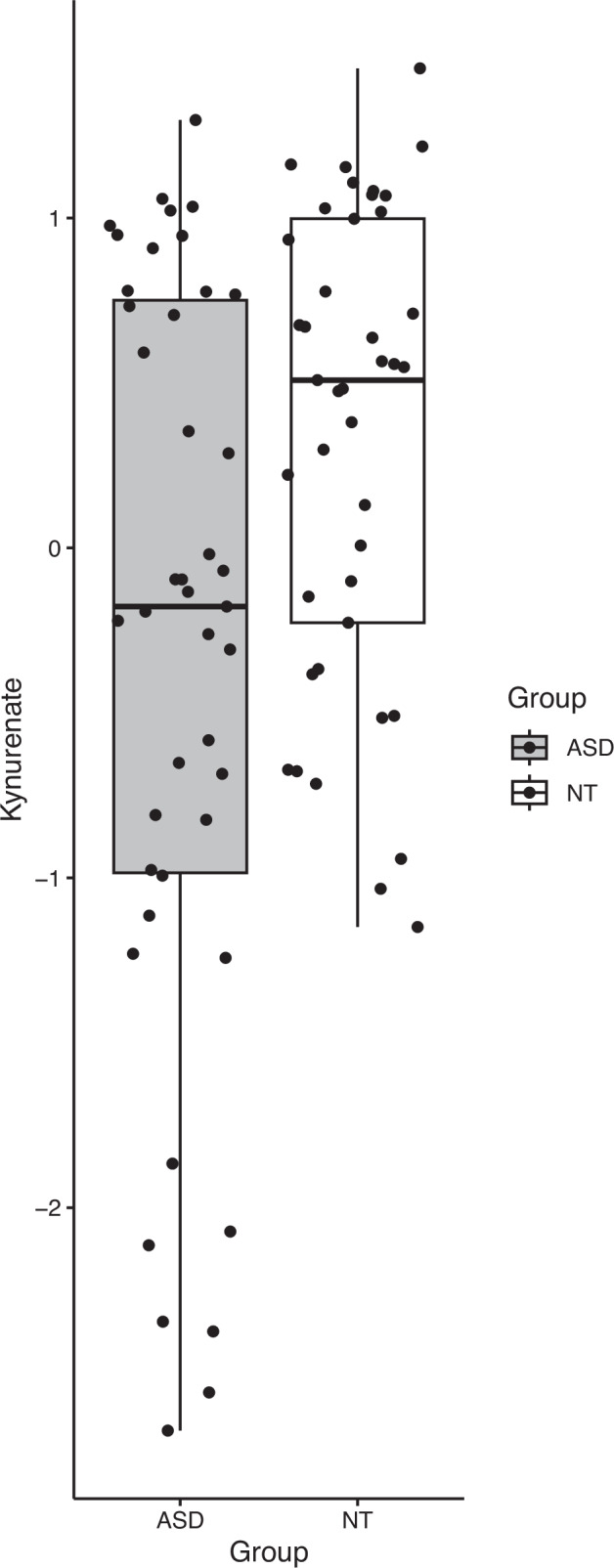
While it has been suggested that alterations in the composition of gut microbial metabolites may play a causative role in the pathophysiology of autism spectrum disorder (ASD), it is not known how gut microbial metabolites are associated with ASD-specific brain alterations. In this cross-sectional, case-control observational study, (i) fecal metabolomics, (ii) task-based functional magnetic resonance imaging (fMRI), and (iii) behavioral assessments were obtained from 43 ASD and 41 neurotypical (NT) children, aged 8-17. The fMRI tasks used socio-emotional and sensory paradigms that commonly reveal strong evoked brain differences in ASD participants. Our results show that fecal levels of specific tryptophan-related metabolites, including kynurenate, were significantly lower in ASD compared to NT, and were associated with: 1) alterations in insular and cingulate cortical activity previously implicated in ASD; and 2) ASD severity and symptoms (e.g., ADOS scores, disgust propensity, and sensory sensitivities). Moreover, activity in the mid-insula and mid-cingulate significantly mediated relationships between the microbial tryptophan metabolites (indolelactate and tryptophan betaine) and ASD severity and disgust sensitivity. Thus, we identify associations between gut microbial tryptophan metabolites, ASD symptoms, and brain activity in humans, particularly in brain regions associated with interoceptive processing.
Overview
The claims and statistics of this paper haven’t been checked yet.
Free: it reads the open-access text and checks the first 5 claims that cite a source we can check. Create a free account to check every claim.
Integrity signals
Registry
Cites
Statistics
Figures

Verification
Claims the paper makes
The claims and statistics of this paper haven’t been checked yet.
Free: it reads the open-access text and checks the first 5 claims that cite a source we can check. Create a free account to check every claim.
Claims other papers make about this one
Each is checked against this paper’s own text: does it say what the citing paper says it does?
The source backs part of the claim, not all of it — or backs it for a different population, condition or comparison.
In the citing paper
“Gastrointestinal dysbiosis has been implicated in altered behavior, sleep, and sensory processing.”
From The Prevalence and Clinical Significance of Toe Walking in Autism Spectrum Disorder: A Cross-Sectional Study in an Italian Pediatric Sample (2025) · cites this paper as [47]
Experimental — accuracy not yet measured
Self-check
Percentages, sums and reported differences re-computed from the paper’s own numbers.
The self-check needs the paper’s full text.
Citations
Cites
Controlling the False Discovery Rate: A Practical and Powerful Approach to Multiple Testing
Benjamini, Y., & Hochberg, Y. (1995) · Journal of the Royal Statistical Society Series B: Statistical Methodology · doi:10.1111/j.2517-6161.1995.tb02031.x · Cited by 109,482
Brainard, D. H. (1997) · Spatial Vision · doi:10.1163/156856897x00357 · Cited by 19,702 · cited 1×
“Stimuli were presented using the Psychophysics Toolbox 85 on MATLAB.”
Advances in functional and structural MR image analysis and implementation as FSL
Smith, S. M., Jenkinson, M., Woolrich, M. W., Beckmann, C. F., Behrens, T. E. J., Johansen-Berg, H., Bannister, P. R., De Luca, M., Drobnjak, I., Flitney, D. E., et al. (2004) · NeuroImage · doi:10.1016/j.neuroimage.2004.07.051 · Cited by 13,630
Jenkinson, M., Bannister, P., Brady, M., & Smith, S. (2002) · NeuroImage · doi:10.1006/nimg.2002.1132 · Cited by 11,888
Jenkinson, M., Beckmann, C. F., Behrens, T. E. J., Woolrich, M. W., & Smith, S. M. (2012) · NeuroImage · doi:10.1016/j.neuroimage.2011.09.015 · Cited by 11,314
Lord, C., Rutter, M., & Le Couteur, A. (1994) · Journal of Autism and Developmental Disorders · doi:10.1007/bf02172145 · Cited by 9,065 · cited 8×
“For example, Needham et al. (2021) found signi fi cant negative correlations between fecal levels of several indoles, such as indolepropio-nate, indole, n-formlyanthranalic acid, and indole-3-carboxylate and ASDseverity(ADI-R) 23 .”
InfluentialConfidence Limits for the Indirect Effect: Distribution of the Product and Resampling Methods
MacKinnon, D. P., Lockwood, C. M., & Williams, J. (2004) · Multivariate Behavioral Research · doi:10.1207/s15327906mbr3901_4 · Cited by 7,806
A global optimisation method for robust affine registration of brain images
Jenkinson, M., & Smith, S. (2001) · Medical Image Analysis · doi:10.1016/s1361-8415(01)00036-6 · Cited by 6,872
How do you feel? Interoception: The sense of the physiological condition of the body
Craig, A. D. (2002) · Nature Reviews Neuroscience · doi:10.1038/nrn894 · Cited by 6,006 · cited 1×
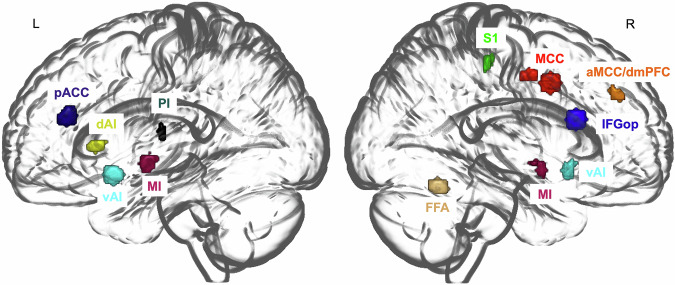
“…cingulate cortex, MCC mid-cingulate cortex, dmPFC/aMCC dorsal medial pre-frontal cortex/anterior mid-cingulate cortex); IFGop inferior frontal gyrus, pars opercularis, S1 primary somatosensory cortex. processing, and is particularly known to show atypical activity and connectivity in ASD 46,54,56 .”
Indigenous bacteria from the gut microbiota regulate host serotonin biosynthesis
Yano, J. M., Yu, K., Donaldson, G. P., Shastri, G. G., Ann, P., Ma, L., Nagler, C. R., Ismagilov, R. F., Mazmanian, S. K., & Hsiao, E. Y. (2015) · Cell · doi:10.1016/j.cell.2015.02.047 · Cited by 3,614 · cited 2×
“The fMRI tasks all involved socio-emotional processing (processing emotions, facial expressions, others ’ somatosensoryexperiences);suchsocio-emotionalprocessinghas been shown to be modulated by tryptophan metabolites, like serotonin 31,32,38 .”
Research works printed but not linked: 1
- Conners, C. K. Conners third edition (Conners 3) (Western Psychological Services, 2008).
Cited by
Tegegne, H. A., & Savidge, T. (2025) · Gut Microbes · doi:10.1080/19490976.2025.2569739 · Cited by 67
Role of the microbiota in inflammation-related related psychiatric disorders
Zhou, L., Wu, Q. J., Jiang, L., Rao, J., Gao, J., Zhao, F., & Wang, X. (2025) · Frontiers in Immunology · doi:10.3389/fimmu.2025.1613027 · Cited by 41
Scuto, M. C., Anfuso, C. D., Lombardo, C., Fatta, E. D., Ferri, R., Musso, N., Zerbo, G., Terrana, M., Majzúnová, M., Lupo, G., et al. (2025) · International Journal of Molecular Sciences · doi:10.3390/ijms26199391 · Cited by 31
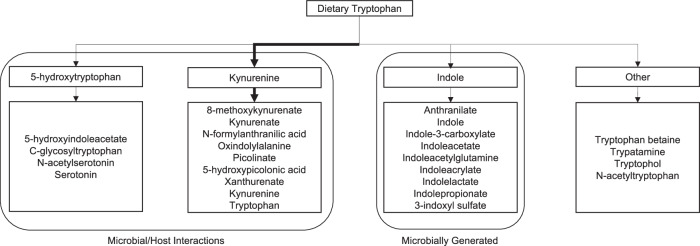
“Recent evidence revealed that gut microbial alterations specifically associated to tryptophan fecal-related metabolites (i.e., indoles, serotonin) are implicated in atypical activity in interoceptive brain regions and ASD pathophysiology in youth (Figure 2) [175].”
Albertini, M. L., Spoto, G., Ceraolo, G., Fichera, M. F., Consoli, C., Nicotera, A. G., & Rosa, G. D. (2025) · Brain Sciences · doi:10.3390/brainsci15090983 · Cited by 25
Yadav, A., Tadas, M., Kale, M. B., Wankhede, N. L., Umekar, M. J., Kotagale, N. R., & Taksande, B. G. (2025) · Physiology & Behavior · doi:10.1016/j.physbeh.2025.114989 · Cited by 13
Unraveling the gut microbiota-brain axis: Mechanisms, pathophysiology, and therapeutic opportunities
Jiang, C., Nageeb, W. M., Batool, S., Hashish, A., Alkhawagah, S. M., Ibrahim, H. A. A., Zhu, W., Che, C., Li, X., Jin, M., et al. (2026) · iScience · doi:10.1016/j.isci.2026.116224 · Cited by 14
“83 Specific gut bacteria are associated with this metabolic conversion, including Lactobacillus , Bifidobacterium , Bacteroides , Anaerostipes , Clostridium , Rumi-nococci , and Clostridium sporogenes convert tryptophan into tryptamine.”
Cheng, Y., Zhang, L., Li, Y., Zheng, C., Ma, T., & Sun, Z. (2026) · Microorganisms · doi:10.3390/microorganisms14020312 · Cited by 12
Huang, Z., Wei, A., Yuan, H., Huang, S., Chen, X., Han, Y., & Li, X. (2025) · BMC Pediatrics · doi:10.1186/s12887-025-05922-z · Cited by 11
“Aziz-Zadeh L reported that abnormal levels of tryptophan, a metabolite of gut flora, might exacerbate symptoms including social impairment, sensory sensitivity and aversion by affecting the brain function regions such as the insula and the putamen in ASD children [58].”
Liu, H., Liu, G., Zhang, Y., Suo, W., Hao, Y., Wang, Y., & Ding, H. (2025) · Neuropsychiatric Disease and Treatment · doi:10.2147/ndt.s547997 · Cited by 7
Costanza, C., Gallai, B., Sorrentino, M., Gnazzo, M., Pisanò, G., Parisi, L., Germanò, E., Maltese, A., Esposito, M., Roccella, M., et al. (2025) · Medicina · doi:10.3390/medicina61081346 · Cited by 8
Fuentes-Albero, M., Mafla-España, M. A., Martínez-Raga, J., & Cauli, O. (2025) · Diseases · doi:10.3390/diseases13090280 · Cited by 7
“It has been established that the presence of gastrointestinal disorders causes low appetite in ASD, generating intestinal dysbiosis that changes the composition of the intestinal microbiota [80–82], with a negative impact on tryptophan absorption and negatively affecting melatonin synthesis [83].”
Lee, J. Y., Mahurkar‐Joshi, S., Young, A., Labus, J. S., He, B., Aja, E., Jacobs, J. P., & Volkmann, E. R. (2025) · Frontiers in Immunology · doi:10.3389/fimmu.2025.1610360 · Cited by 6
Self-citationWu, R., Teng, X., Guo, Y., Cai, Y., Lv, Y., Gao, H., Zhang, W., Shen, H., & Fan, J. (2025) · Frontiers in Pediatrics · doi:10.3389/fped.2025.1648471 · Cited by 4
Rao, Z., Shi, Y., She, M., Liu, C., Zhu, J., & Yu, Y. (2025) · NeuroImage · doi:10.1016/j.neuroimage.2025.121536 · Cited by 3
Bai, X., Jing, Y., Zhang, M., Zhao, L., Hao, Y., & Zhai, Z. (2026) · Annual Review of Food Science and Technology · doi:10.1146/annurev-food-053124-111149 · Cited by 5
How gut microbiota contribute to neuropsychiatric disorders: evidence from neuroimaging studies
Jia, C., Zhu, W., Yu, Y., & Xie, Q. (2026) · Frontiers in Microbiology · doi:10.3389/fmicb.2026.1760096 · Cited by 5
Unsupervised Transformer Learning for Rapid and High-Quality MRI Data Acquisition
Sui, Y., Afacan, O., Jaimes, C. E., Gholipour, A., & Warfield, S. K. (2025) · Health Data Science · doi:10.34133/hds.0340 · Cited by 5
“MRI serves as a crucial source of health data that facilitates healthcare management and disease treatment [ 16 – 21 ].”
Microbiome biomarkers in autism spectrum disorder: Toward prediction, diagnosis, and prognosis
Wong, O. W. H., Zheng, Z., Wang, M., Cao, A., Chan, F. K. L., Ng, S. C., & Su, Q. (2026) · Cell Reports Medicine · doi:10.1016/j.xcrm.2026.102780 · Cited by 3
Sivamaruthi, B. S., Kesika, P., Chaiyasut, C., & Varman, D. R. (2026) · Frontiers in Microbiology · doi:10.3389/fmicb.2026.1750377 · Cited by 4
Gou, Y., Liu, X., Zhu, W., Yuan, Y., Wang, Y., & Xie, Q. (2026) · Frontiers in Neuroscience · doi:10.3389/fnins.2026.1808839 · Cited by 2
Hao, L., Li, Z., Qu, Y.-N., Zhao, F. J., Lu, S., Li, B., Zhang, H., & Wang, H. (2026) · Pharmacological Research · doi:10.1016/j.phrs.2026.108284 · Cited by 2
Church, F., Rau, J. C., & Brotini, S. (2026) · NeuroSci · doi:10.3390/neurosci7040093 · Cited by 2
Pautova, A. K., Meinarovich, P., Zakharchenko, V. E., Sobolev, P. D., Burnakova, N. A., & Nv, B. (2025) · Metabolites · doi:10.3390/metabo15080527 · Cited by 2
The microbiome and eating disorders: a new framework at the interface of interoception and reward
Ziade, I., McDermott, M. M., O’Riordan, K. J., Cryan, J. F., & Schneider, E. (2026) · Neuroscience · doi:10.1016/j.neuroscience.2026.03.050 · Cited by 2
Neuronutrition in ASD: Involvement of gut microbiota, oxidative stress and inflammatory markers
Avolio, E., Olivito, I., Minervini, D., Soda, T., Bartolo, A. D., Rocca, C., Alò, R., & Facciolo, R. M. (2026) · Neuroscience & Biobehavioral Reviews · doi:10.1016/j.neubiorev.2026.106775 · Cited by 1
Of mice and men—The emerging oral–gut–brain axis of health and disease
Kapila, Y. L., & Weisenberger, D. J. (2026) · Periodontology 2000 · doi:10.1111/prd.70064 · Cited by 1
Arutiunian, V., Davoudi, S., Gaougaou, G., Knoth, I. S., Buckser, R., Marcil, V., & Lippé, S. (2026) · Frontiers in Psychiatry · doi:10.3389/fpsyt.2026.1892698 · Cited by 1
“It is known that changes in the gut microbiome can affect neural activity through the microbiota-gut-brain axis as the neuroactive gut metabolites can modulate brain activity directly, via the systemic circulation, or via vagal and spinal afferents (72, 73).”
The Role of the Microbiome in Autism Spectrum Disorders
Clark, T. A., & Wilson, D. R. (2025) · Journal of Pediatric Surgical Nursing · doi:10.1177/23320249251407544
“Targeting the microbiome through special diets may help alleviate some of the ASD symptoms (Aziz-Zadeh et al., 2025).”
InfluentialGut Microbiota and Mitochondrial Dysfunction in Autism: Clinical Correlations and Future Directions
Bhalla, S., & Srivastava, R. (2026) · Molecular Neurobiology · doi:10.1007/s12035-026-05702-5 · Cited by 1
“…function enhances neuroinflammation cascades; ROS increase NF-kappa B (NF-κB), leading to increased production of pro-inflammatory cytokines (IL-6, TNF-alpha), which in turn increases IDO (shift in tryptophan metabolism toward neurotoxic QA and drives a vicious neuroimmune cycle) [113, 135].”
Sensory Over-Responsivity in Autism: A Bidirectional Brain–Gut–Microbiome Model
Ringold, S. M., Cermak, S. A., Labus, J. S., Mayer, E. A., & Aziz‐Zadeh, L. (2026) · Journal of Autism and Developmental Disorders · doi:10.1007/s10803-026-07279-3
Self-citationTryptophan-related Gut Microbes are Linked with Neural and Behavioral Autism PhenotypesPreprint
Ringold, S. M., Mayer, E., Tanartkit, S., Jayashankar, A., Kilroy, E., Butera, C. D., Jacobs, J. P., Joshi, S. M., Patel, L., Wahab, A., et al. (2026) · Research Square · doi:10.21203/rs.3.rs-8725888/v1
Self-citationOsredkar, J., Fabjan, T., Godnov, U., Vrhovšek, M. J., Osredkar, D., Finderle, P., Kumer, K., Zorec, M., Fanedl, L., & Avguštin, G. (2026) · International Journal of Molecular Sciences · doi:10.3390/ijms27093988 · Cited by 2
“This suggests that, in this cohort, gross alterations in the stool indole signature are not a universal hallmark of ASD, in contrast to some reports where indole metabolites showed stronger group separation or links to brain activity and symptom scores [62,87].”
InfluentialTurpin, V., & Aburto, M. R. (2026) · Digestive Diseases and Sciences · doi:10.1007/s10620-026-09911-9
“Given the central contribution of serotonin to intestinal motility and gut–brain signaling, these findings complement previously established evidence that serotonergic pathways are disrupted in ASD beyond the central nervous system in adults [15, 20].”
Wu, R., Teng, X., Cai, Y., Liu, Y., Zhang, W., Li, Z., & Fan, J. (2026) · Journal of Translational Medicine · doi:10.1186/s12967-026-08217-8 · Cited by 1
CHIERICO, F. D., Scanu, M., Rapisarda, F., Maio, A. D., Marangelo, C., Vernocchi, P., Errico, F., Guerrera, S., Valeri, G., Usiello, A., et al. (2026) · medRxiv · doi:10.64898/2026.05.18.26353458
Liu, L., Guo, L., Qin, T., Shang, M., Gao, P., Zheng, B., Zhou, Y., Li, J. J., Zhou, G., Lv, Y., et al. (2026) · International Immunopharmacology · doi:10.1016/j.intimp.2026.117037
Koynova, R. D. (2026) · Archives of Microbiology · doi:10.1007/s00203-026-05010-5
The gut microbiota, neurodevelopment and autism spectrum disorder: A close connection
Guo, Y., Liu, A., Hao, X., Cao, X., Li, Y., & Liu, X. (2026) · Progress in Neuro-Psychopharmacology and Biological Psychiatry · doi:10.1016/j.pnpbp.2026.111811
Microbial metabolites at the nexus of gut-brain communication and neurodevelopmental disorders
Lai, Y., Zhang, M., Lang, D., & Tao, E. (2026) · Frontiers in Nutrition · doi:10.3389/fnut.2026.1836981
“Furthermore, a specific subset of microbial tryptophan metabolites, namely indolelactate and tryptophan betaine, shows a mediated relationship with ASD symptom severity through their association with activity in these same brain regions (12).”
InfluentialLongitudinal urine metabolomics predicts high-grade brain injury in very preterm infants
Kuncewicz, T., Zasada, M., Olszewska, M., Kowalik, A., Berska, J., Bugajska, J., & Kwinta, P. (2026) · Pediatric Research · doi:10.1038/s41390-026-05289-6 · Cited by 1
Евгеньевич, Л. М., Gumeniuk, O. I., Chernenkov, Y. V., & Vorozhtsova, A. V. (2026) · Экспериментальная и клиническая гастроэнтерология · doi:10.31146/1682-8658-ecg-245-1-91-98
Sales-Millán, A. D., Reyes-Ferreira, P., González‐Cervantes, R. M., Luna-Alvarez, M., López, S. G., Cobo-Díaz, J. F., Ramos, S., Garrido, J. F. A., & Velázquez-Aragón, J. A. (2026) · Nutrients · doi:10.3390/nu18152441 · Cited by 1
“These findings are consistent with the hypothesis that tryptophan-derived microbial metabolites may influence brain function through the gut–brain axis and could contribute to behavioral manifestations in ASD [85].”
Do microbiota rhythms influence cognitive performance? - A narrative review
Kapela, M., Barszcz, E., Michno, K., Zielińska, D., Strzelecki, D., & Gawlik-Kotelnicka, O. (2026) · Frontiers in Molecular Neuroscience · doi:10.3389/fnmol.2026.1903770
Bonner-Reid, F. T. (2026) · Cureus · doi:10.7759/cureus.114142 · Cited by 1
Sclabassi, E., Hur, J., Ling, J., & Gao, Y. (2026) · Frontiers in Child and Adolescent Psychiatry · doi:10.3389/frcha.2026.1900538
“Large human studies suggest that children with ASD often differ in microbial composition, microbial genes, microbial structural variants, diet – microbiome relationships, and metabolite profiles (1, 5 – 7, 10, 11).”
InfluentialWang, Y., Liu, J., Li, Y., Liu, Y., Dai, X., Wang, X., Chen, H., Jia, Z., & Zheng, M. (2026) · Frontiers in Pediatrics · doi:10.3389/fped.2026.1913344
“Compared with traditional sports game intervention, the latter mainly relies on repetitive movement training guided by the therapist, which may mainly activate local brain regions, and the degree of multisensory integration is relatively limited (61 – 63).”
Li, Z., Liang, Z., Ren, J., & 刘松岩 (2026) · Frontiers in Molecular Biosciences · doi:10.3389/fmolb.2026.1885513
Estrada, K. B., Azamar, K. M. M., Wang, C., Sudi, S. D., Friday-Saunders, K., Márquez, V. S., Quintanilla‐Carvajal, M. X., Acosta‐González, A., Conde-Martínez, N., Porras, A. M., et al. (2026) · Journal of Functional Foods · doi:10.1016/j.jff.2026.107508 · Cited by 1
Lu, M., Chen, Y., Zhou, H., & Lin, Y. (2026) · Frontiers in Immunology · doi:10.3389/fimmu.2026.1950055
“…decreased KYNA levels, and an elevated KYN/KYNA ratio, as well as increased levels of neurotoxic QA and cytokine IL-6 compared with controls (69 – 71 , 75 When dysregulation of microbial tryptophan metabolism triggers systemic in fl ammation and impairs intestinal barrier function, and in the…”
Metabolomic Profiles Associated With Disease Severity in Multiple Sclerosis
Siavoshi, F., Ladakis, D. C., Jank, L., Dewey, B. E., Filippatou, A. G., Smith, M. D., Prince, J. L., Sotirchos, E. S., Saidha, S., Mowry, E. M., et al. (2026) · Neurology Neuroimmunology & Neuroinflammation · doi:10.1212/nxi.0000000000200664
“34 In a recent large-scale metabolomic pro fi ling, tryptophan betaine emerged as the second most signi fi cant female-speci fi c biomarker of Alzheimer disease.”
Zhang, S., Yan, Y., Wang, M., Wei, J., Ma, X., & Xiao, Y. (2026) · Nutrition Reviews · doi:10.1093/nutrit/nuag159
Metadata
- Authors
- Aziz-Zadeh, L., Ringold, S. M., Jayashankar, A., Kilroy, E., Butera, C., Jacobs, J. P., Tanartkit, S., Mahurkar-Joshi, S., Bhatt, R. R., Dapretto, M., Labus, J. S., & Mayer, E. A.
- Affiliations
- University of Southern California (US)
- University of California, Los Angeles (US)
- ORCID
- Venue
- Nature Communications
- Published
- 2025-04-14
- Volume
- 16
- Issue
- 1
- Pages
- 3465-3465
- ISSN
- 2041-1723 (ISSN-L)
- PMC
- PMC11997199
- OpenAlex
- W4409408631
- Cited by
- 51
- References
- 97
- Citations by year
- 2026: 36 · 2025: 15
- FWCI
- 29.08
- Type
- journal article
- Language
- en
- Open access
- gold
- doi.org
- Licence
- cc-by-nc-nd
- creativecommons.org/licenses/by-nc-nd/4.0 (tdm)
- creativecommons.org/licenses/by-nc-nd/4.0 (vor)
- Locations
- Nature Communications (publishedVersion, cc-by-nc-nd)
- Research Square (acceptedVersion, cc-by)
- PubMed Central (publishedVersion, cc-by-nc-nd)
- PubMed (publishedVersion)
- PubMed Central (submittedVersion, cc-by)
- RePEc: Research Papers in Economics (submittedVersion)
- DOAJ (DOAJ: Directory of Open Access Journals) (submittedVersion, cc-by-sa)
- eScholarship (California Digital Library) (submittedVersion, cc-by-nc-nd)
- Funders
- U.S. Department of Health & Human Services | NIH | Eunice Kennedy Shriver National Institute of Child Health and Human Development (R01HD079432)
- U.S. Department of Defense (AR170062)
- Nedra Gillette Endowed Research Fellowship
- Topics
- Life Sciences › Neuroscience › Cognitive Neuroscience › Autism Spectrum Disorder Research
- Life Sciences › Biochemistry, Genetics and Molecular Biology › Molecular Biology › Gut microbiota and health
- Life Sciences › Neuroscience › Biological Psychiatry › Tryptophan and brain disorders
- Keywords
- autism spectrum disorder, gut microbiota metabolites, tryptophan metabolism, kynurenine, fecal metabolomics, insula, cingulate cortex, ASD severity, disgust sensitivity, sensory sensitivity, interoception, neuroimaging
About these checks
Registry, retraction, Cites and statistics results are computed, not judged, with one exception: a printed reference that no index lists is read once by a model before it counts as a citation error. Claims are extracted by a model and kept only when their quote appears verbatim in the text; each cited source is then checked, with a model’s help, for whether it says what the claim relies on. Those verdicts can be wrong — read the claim’s quote and the cited source before relying on one.
Statistics and arithmetic are recomputed, not judged.
Confidence bands are shown only for fields calibrated on our annotated test set. None is calibrated yet, so no band is shown.
What counts as a claim ›How we measure confidence ›How we check this ›
Are you an author, or do you see a problem with this page? Request a review
Data sources
Bibliographic data: Semantic Scholar, OpenAlex, Crossref.
Contains information from the Semantic Scholar Academic Graph Datasets, made available under the ODC Attribution License (ODC-BY 1.0).
Semantic Scholar’s data is described in: Kinney, R., et al. (2023). The Semantic Scholar Open Data Platform. arXiv:2301.10140.
