

Relationships between brain activity, tryptophan-related gut metabolites, and autism symptomatology
Open accessPublished version of a preprint
The DOI matches its Crossref record; 97 of the 97 references it cites were found in a registry or an index.
Abstract
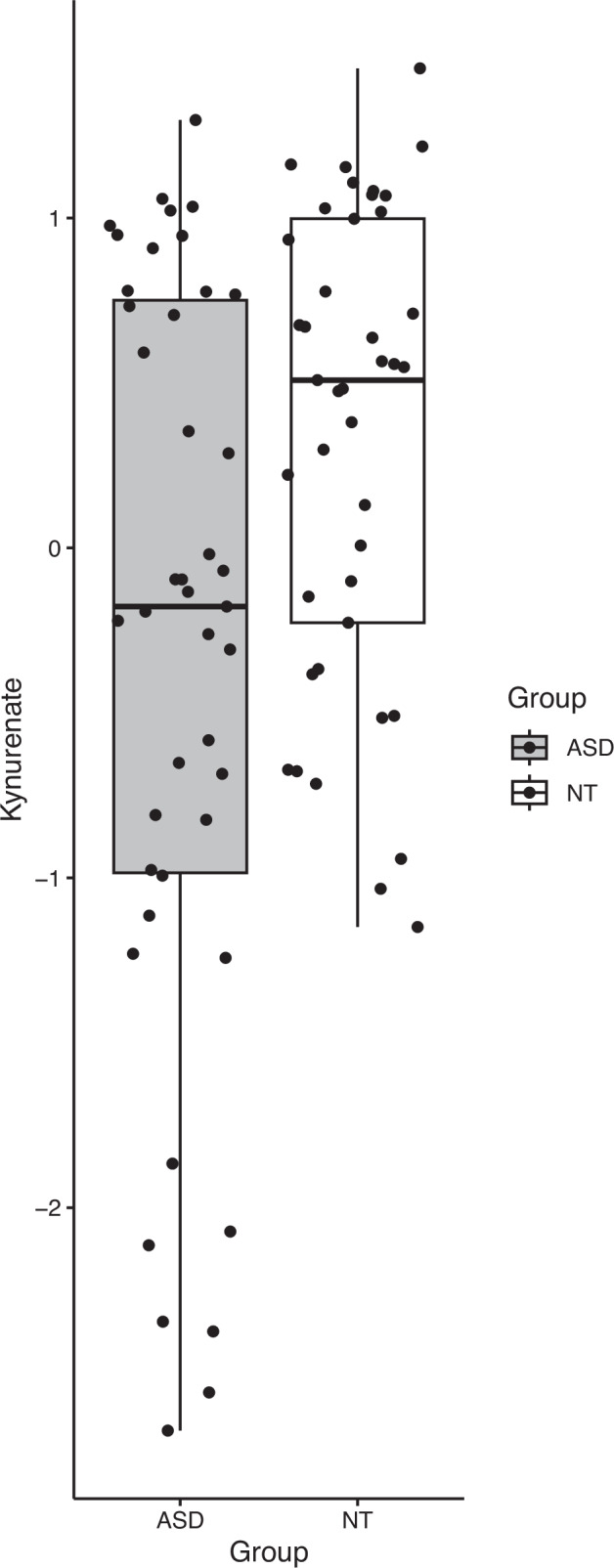
While it has been suggested that alterations in the composition of gut microbial metabolites may play a causative role in the pathophysiology of autism spectrum disorder (ASD), it is not known how gut microbial metabolites are associated with ASD-specific brain alterations. In this cross-sectional, case-control observational study, (i) fecal metabolomics, (ii) task-based functional magnetic resonance imaging (fMRI), and (iii) behavioral assessments were obtained from 43 ASD and 41 neurotypical (NT) children, aged 8-17. The fMRI tasks used socio-emotional and sensory paradigms that commonly reveal strong evoked brain differences in ASD participants. Our results show that fecal levels of specific tryptophan-related metabolites, including kynurenate, were significantly lower in ASD compared to NT, and were associated with: 1) alterations in insular and cingulate cortical activity previously implicated in ASD; and 2) ASD severity and symptoms (e.g., ADOS scores, disgust propensity, and sensory sensitivities). Moreover, activity in the mid-insula and mid-cingulate significantly mediated relationships between the microbial tryptophan metabolites (indolelactate and tryptophan betaine) and ASD severity and disgust sensitivity. Thus, we identify associations between gut microbial tryptophan metabolites, ASD symptoms, and brain activity in humans, particularly in brain regions associated with interoceptive processing.
Overview
The claims and statistics of this paper haven’t been checked yet.
Free: it reads the open-access text and checks the first 5 claims that cite a source we can check. Create a free account to check every claim.
Integrity signals
Registry
Cites
Statistics
Figures

Verification
Claims the paper makes
The claims and statistics of this paper haven’t been checked yet.
Free: it reads the open-access text and checks the first 5 claims that cite a source we can check. Create a free account to check every claim.
Claims other papers make about this one
Each is checked against this paper’s own text: does it say what the citing paper says it does?
The source backs part of the claim, not all of it — or backs it for a different population, condition or comparison.
In the citing paper
“Gastrointestinal dysbiosis has been implicated in altered behavior, sleep, and sensory processing.”
From The Prevalence and Clinical Significance of Toe Walking in Autism Spectrum Disorder: A Cross-Sectional Study in an Italian Pediatric Sample (2025) · cites this paper as [47]
Experimental — accuracy not yet measured
Self-check
Percentages, sums and reported differences re-computed from the paper’s own numbers.
The self-check needs the paper’s full text.
Citations
Cites
Controlling the False Discovery Rate: A Practical and Powerful Approach to Multiple Testing
Benjamini, Y., & Hochberg, Y. (1995) · Journal of the Royal Statistical Society Series B: Statistical Methodology · doi:10.1111/j.2517-6161.1995.tb02031.x · Cited by 109,482
Brainard, D. H. (1997) · Spatial Vision · doi:10.1163/156856897x00357 · Cited by 19,702 · cited 1×
“Stimuli were presented using the Psychophysics Toolbox 85 on MATLAB.”
Advances in functional and structural MR image analysis and implementation as FSL
Smith, S. M., Jenkinson, M., Woolrich, M. W., Beckmann, C. F., Behrens, T. E. J., Johansen-Berg, H., Bannister, P. R., De Luca, M., Drobnjak, I., Flitney, D. E., et al. (2004) · NeuroImage · doi:10.1016/j.neuroimage.2004.07.051 · Cited by 13,630
Jenkinson, M., Bannister, P., Brady, M., & Smith, S. (2002) · NeuroImage · doi:10.1006/nimg.2002.1132 · Cited by 11,888
Jenkinson, M., Beckmann, C. F., Behrens, T. E. J., Woolrich, M. W., & Smith, S. M. (2012) · NeuroImage · doi:10.1016/j.neuroimage.2011.09.015 · Cited by 11,314
Lord, C., Rutter, M., & Le Couteur, A. (1994) · Journal of Autism and Developmental Disorders · doi:10.1007/bf02172145 · Cited by 9,065 · cited 8×
“For example, Needham et al. (2021) found signi fi cant negative correlations between fecal levels of several indoles, such as indolepropio-nate, indole, n-formlyanthranalic acid, and indole-3-carboxylate and ASDseverity(ADI-R) 23 .”
InfluentialConfidence Limits for the Indirect Effect: Distribution of the Product and Resampling Methods
MacKinnon, D. P., Lockwood, C. M., & Williams, J. (2004) · Multivariate Behavioral Research · doi:10.1207/s15327906mbr3901_4 · Cited by 7,806
A global optimisation method for robust affine registration of brain images
Jenkinson, M., & Smith, S. (2001) · Medical Image Analysis · doi:10.1016/s1361-8415(01)00036-6 · Cited by 6,872
How do you feel? Interoception: The sense of the physiological condition of the body
Craig, A. D. (2002) · Nature Reviews Neuroscience · doi:10.1038/nrn894 · Cited by 6,006 · cited 1×
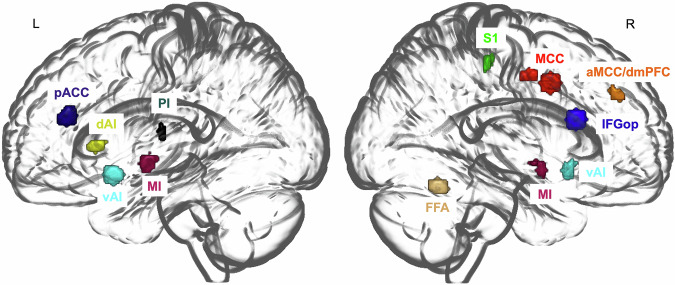
“…cingulate cortex, MCC mid-cingulate cortex, dmPFC/aMCC dorsal medial pre-frontal cortex/anterior mid-cingulate cortex); IFGop inferior frontal gyrus, pars opercularis, S1 primary somatosensory cortex. processing, and is particularly known to show atypical activity and connectivity in ASD 46,54,56 .”
Indigenous bacteria from the gut microbiota regulate host serotonin biosynthesis
Yano, J. M., Yu, K., Donaldson, G. P., Shastri, G. G., Ann, P., Ma, L., Nagler, C. R., Ismagilov, R. F., Mazmanian, S. K., & Hsiao, E. Y. (2015) · Cell · doi:10.1016/j.cell.2015.02.047 · Cited by 3,614 · cited 2×
“The fMRI tasks all involved socio-emotional processing (processing emotions, facial expressions, others ’ somatosensoryexperiences);suchsocio-emotionalprocessinghas been shown to be modulated by tryptophan metabolites, like serotonin 31,32,38 .”
The NimStim set of facial expressions: Judgments from untrained research participants.
Tottenham, N., Tanaka, J. W., Leon, A. C., McCarry, T., Nurse, M., Hare, T. A., Marcus, D. J., Westerlund, A., Casey, B., & Nelson, C. (2009) · Psychiatry Research · doi:10.1016/j.psychres.2008.05.006 · Cited by 3,454 · cited 1×
“The neutral and the disgusted facial expressions were chosen from an online repository (NimStim) 86 and from previous research (EmStim) 38 then edited and counter-balanced so that each participant saw the same actor displaying a neutral and disgusted facial expression.”
Hsiao, E. Y., McBride, S. W., Hsien, S., Sharon, G., Hyde, E. R., McCue, T., Codelli, J. A., Chow, J., Reisman, S. E., Petrosino, J. F., et al. (2013) · Cell · doi:10.1016/j.cell.2013.11.024 · Cited by 3,283 · cited 3×
“Some animal studies have examined how the brain may mediate relationships between gut metabolites and behavior 13,37 .”
Stool form scale as a useful guide to intestinal transit time
Lewis, S. J., & Heaton, K. W. (1997) · Scandinavian Journal of Gastroenterology · doi:10.3109/00365529709011203 · Cited by 3,244
Temporal Autocorrelation in Univariate Linear Modeling of FMRI Data
Woolrich, M. W., Ripley, B. D., Brady, M., & Smith, S. M. (2001) · NeuroImage · doi:10.1006/nimg.2001.0931 · Cited by 2,852 · cited 1×
“Thedataanalyticapproach used to address each of our research questions utilized FMRIB ’ s Software Library 6.0 (FSL) 91 – 95 .”
InfluentialBIRMAHER, B., KHETARPAL, S., BRENT, D., CULLY, M., BALACH, L., KAUFMAN, J., & NEER, S. M. (1997) · Journal of the American Academy of Child & Adolescent Psychiatry · doi:10.1097/00004583-199704000-00018 · Cited by 2,846
The gut microbiota–brain axis in behaviour and brain disorders
Morais, L. H., Schreiber, H. L., & Mazmanian, S. K. (2021) · Nature Reviews Microbiology · doi:10.1038/s41579-020-00460-0 · Cited by 2,149 · cited 2×
“Some animal studies have examined how the brain may mediate relationships between gut metabolites and behavior 13,37 .”
Dapretto, M., Davies, M. S., Pfeifer, J. H., Scott, A. A., Sigman, M., Bookheimer, S. Y., & Iacoboni, M. (2006) · Nature Neuroscience · doi:10.1038/nn1611 · Cited by 1,694 · cited 2×
“…on existing literature showing signi fi cant ASD vs. NT differences during these tasks, their relevance to key ASD symptomatology (socio-emotional processing and sensory sensitivities) 38,46,83,84 and/or their relevance to vagally mediated emotional processes (disgust and emotion processing) 49 .”
Self-citationICA-AROMA: A robust ICA-based strategy for removing motion artifacts from fMRI data
Pruim, R. H. R., Mennes, M., van Rooij, D., Llera, A., Buitelaar, J. K., & Beckmann, C. F. (2015) · NeuroImage · doi:10.1016/j.neuroimage.2015.02.064 · Cited by 1,684 · cited 1×
“Preprocessed data was fed intothe ICA AROMA algorithm 96 , which fi ltered out noise and motion components from the whole brain signal.”
Dietary assessment methods in epidemiologic studies
Shim, J.-S., Oh, K., & Kim, H. C. (2014) · Epidemiology and Health · doi:10.4178/epih/e2014009 · Cited by 1,545 · cited 1×
“…include more reliable and in-depth dietary analyses of participants(andtheirmothersduringtheprenatalstage),and usetoolssuch as the foodMAST platform ’ s foodomic analysis 63 to circumvent issues with recording children ’ s diet (e.g., parent recall bias, calculating accurate portion size) 64 .”
Kynurenines in the mammalian brain: when physiology meets pathology
Schwarcz, R., Bruno, J. P., Muchowski, P. J., & Wu, H.-Q. (2012) · Nature Reviews Neuroscience · doi:10.1038/nrn3257 · Cited by 1,530
Svedlund, J., Sj�din, I., & Dotevall, G. (1988) · Digestive Diseases and Sciences · doi:10.1007/bf01535722 · Cited by 1,468 · cited 5×
“The following variables were collected from the parent or the child including: birth delivery method, prenatal antibiotic usage, antibiotic and probiotic usage during infancy, gastrointestinal symptoms (Gastrointestinal Symptom Rating Scale) 76 , stool consistency (Bristol Stool Form Scale) 77 , sleep (Adolescent Slee…”
InfluentialKang, D.-W., Adams, J. B., Gregory, A. C., Borody, T., Chittick, L., Fasano, A., Khoruts, A., Geis, E., Maldonado, J., McDonough-Means, S., et al. (2017) · Microbiome · doi:10.1186/s40168-016-0225-7 · Cited by 1,391
The gut microbiome in neurological disorders
Cryan, J. F., O'Riordan, K. J., Sandhu, K., Peterson, V., & Dinan, T. G. (2020) · The Lancet Neurology · doi:10.1016/s1474-4422(19)30356-4 · Cited by 1,336
Human Gut Microbiota from Autism Spectrum Disorder Promote Behavioral Symptoms in Mice
Sharon, G., Cruz, N. J., Kang, D.-W., Gandal, M. J., Wang, B., Kim, Y.-M., Zink, E. M., Casey, C. P., Taylor, B. C., Lane, C. J., et al. (2019) · Cell · doi:10.1016/j.cell.2019.05.004 · Cited by 1,182 · cited 1×
“Together, these regulatory signals from the gut microbiome can in fl uence socio-emotional and sensory processing, cognition, and behavior 5 – 8 .”
Serotonin signalling in the gut: functions, dysfunctions and therapeutic targets
Mawe, G. M., & Hoffman, J. M. (2013) · Nature Reviews Gastroenterology & Hepatology · doi:10.1038/nrgastro.2013.105 · Cited by 1,165 · cited 1×
“In addition, individuals with ASD with hyper-serotonemia are more likely to experience GI issues 27,28 .”
Wechsler Abbreviated Scale of Intelligence--Second Edition
Wechsler, D. (2018) · PsycTESTS Dataset · doi:10.1037/t15171-000 · Cited by 1,153
Microbiota and neurodevelopmental windows: implications for brain disorders
Borre, Y. E., O’Keeffe, G. W., Clarke, G., Stanton, C., Dinan, T. G., & Cryan, J. F. (2014) · Trends in Molecular Medicine · doi:10.1016/j.molmed.2014.05.002 · Cited by 1,089 · cited 1×
“Such disruptions have been linked to the etiology of neurodevelopmental disorders, such as autism spectrum disorder (ASD) 10 – 14 .”
Genomic atlas of the plasma metabolome prioritizes metabolites implicated in human diseases
Chen, Y., Lu, T., Pettersson-Kymmer, U., Stewart, I. D., Butler-Laporte, G., Nakanishi, T., Cerani, A., Liang, K. Y. H., Yoshiji, S., Willett, J. D. S., et al. (2023) · Nature Genetics · doi:10.1038/s41588-022-01270-1 · Cited by 969
De Angelis, M., Piccolo, M., Vannini, L., Siragusa, S., De Giacomo, A., Serrazzanetti, D. I., Cristofori, F., Guerzoni, M. E., Gobbetti, M., & Francavilla, R. (2013) · PLoS ONE · doi:10.1371/journal.pone.0076993 · Cited by 887
Keysers, C. (2004) · doi:10.1016/s0896-6273(04)00156-4 · Cited by 806 · cited 1×
“…participants while in the scanner, but as this task was largely conducted during the initial period of the COVID-19 pandemic, we were obliged to remain at a 6-ft distance from our participants, and thus used videos of touch instead, as this has previously been shown to show strong effects 88,89 .”
The fecal metabolome as a functional readout of the gut microbiome
Zierer, J., Jackson, M. A., Kastenmüller, G., Mangino, M., Long, T., Telenti, A., Mohney, R. P., Small, K. S., Bell, J. T., Steves, C. J., et al. (2018) · Nature Genetics · doi:10.1038/s41588-018-0135-7 · Cited by 733
Kynurenine pathway metabolism and the microbiota-gut-brain axis
Kennedy, P. J., Cryan, J. F., Dinan, T. G., & Clarke, G. (2017) · Neuropharmacology · doi:10.1016/j.neuropharm.2016.07.002 · Cited by 724 · cited 1×
“Importantly, any changes in regulation of the KYN pathway, in particular a reduction in plasma levels of kynurenate (KA) and an increase in the KYN/KA ratio, can lead to neurotoxic effects, impact blood serotonin levels, and have profound behavioral and cognitive effects 40 .”
Three systems of insular functional connectivity identified with cluster analysis
Deen, B., Pitskel, N. B., & Pelphrey, K. A. (2011) · Cerebral Cortex · doi:10.1093/cercor/bhq186 · Cited by 716
Studies on 5-hydroxyindole metabolism in autistic and other mentally retarded children
Schain, R. J., & Freedman, D. X. (1961) · The Journal of Pediatrics · doi:10.1016/s0022-3476(61)80261-8 · Cited by 579 · cited 1×
“However, as serotonin does not cross the blood – brain barrier, serotonin signals are thought to reach the brain via serotonin-mediated vagal signaling 26,33,34 .”
Vagal pathways for microbiome-brain-gut axis communication
Forsythe, P., Bienenstock, J., & Kunze, W. A. (2014) · Advances in Experimental Medicine and Biology · doi:10.1007/978-1-4939-0897-4_5 · Cited by 576 · cited 1×
“Ninety percent of vagal fi bers are afferents, underscoring the magnitude of information that is transmitted from the gut, its microbiome, and from vagal signals to the brain 3,4 .”
The serotonin system in autism spectrum disorder: From biomarker to animal models
Muller, C. L., Anacker, A. M. J., & Veenstra-VanderWeele, J. (2016) · Neuroscience · doi:10.1016/j.neuroscience.2015.11.010 · Cited by 531 · cited 1×
“However, as serotonin does not cross the blood – brain barrier, serotonin signals are thought to reach the brain via serotonin-mediated vagal signaling 26,33,34 .”
A Group-Test for Assessing Hand- and Eye-Dominance
Crovitz, H. F., & Zener, K. (1962) · The American Journal of Psychology · doi:10.2307/1419611 · Cited by 518 · cited 2×
“…(a)aged 8 – 17 years old; (b) IQ of at least 79 on either Full-Scale Intelligence Quotient (FSIQ),or VerbalComprehension Index (VCI) of the Wechsler Abbreviated Scale of Intelligence 2nd edition (WASI-II) 65 ; and c) right-handed as assessed by a questionnaire adapted from Crovitz and Zener 66 .”
The Microbiota–Gut–Brain Axis in Psychiatric Disorders
Góralczyk-Bińkowska, A., Szmajda-Krygier, D., & Kozłowska, E. (2022) · International Journal of Molecular Sciences · doi:10.3390/ijms231911245 · Cited by 495
A gut-derived metabolite alters brain activity and anxiety behaviour in mice
Needham, B. D., Funabashi, M., Adame, M. D., Wang, Z., Boktor, J. C., Haney, J., Wu, W.-L., Rabut, C., Ladinsky, M. S., Hwang, S.-J., et al. (2022) · Nature · doi:10.1038/s41586-022-04396-8 · Cited by 489
LeBourgeois, M. K., Giannotti, F., Cortesi, F., Wolfson, A. R., & Harsh, J. (2005) · Pediatrics · doi:10.1542/peds.2004-0815h · Cited by 487 · cited 5×
“Adolescent Sleep Wake Scale (ASWS) 78 .”
InfluentialThe anterior insula in autism: Under-connected and under-examined
Uddin, L. Q., & Menon, V. (2009) · Neuroscience & Biobehavioral Reviews · doi:10.1016/j.neubiorev.2009.06.002 · Cited by 425 · cited 4×
“…on existing literature showing signi fi cant ASD vs. NT differences during these tasks, their relevance to key ASD symptomatology (socio-emotional processing and sensory sensitivities) 38,46,83,84 and/or their relevance to vagally mediated emotional processes (disgust and emotion processing) 49 .”
InfluentialThe Possible Role of the Microbiota-Gut-Brain-Axis in Autism Spectrum Disorder
Srikantha, P., & Mohajeri, M. H. (2019) · International Journal of Molecular Sciences · doi:10.3390/ijms20092115 · Cited by 400 · cited 1×
“Pre-and postnatal microbial and neural disruptions may have profound effects on the development of the enteric and central nervous system 9 .”
Aburto, M. R., & Cryan, J. F. (2024) · Nature Reviews Gastroenterology & Hepatology · doi:10.1038/s41575-023-00890-0 · Cited by 359 · cited 1×
“Early life gut dysbiosis may be associated with compromised barriers within the BGM system, contributing to the development of neuro-developmental disorders 13,18,19 .”
Serotonin reduction in post-acute sequelae of viral infection
Wong, A. C., Devason, A. S., Umana, I. C., Cox, T. O., Dohnalová, L., Litichevskiy, L., Perla, J., Lundgren, P., Etwebi, Z., Izzo, L. T., et al. (2023) · Cell · doi:10.1016/j.cell.2023.09.013 · Cited by 357 · cited 2×
“Tryptophan-related metabolites (i.e., indoles, serotonin) are important peripheral modulators of vagal activity 52 .”
Iglesias-Vázquez, L., Van Ginkel Riba, G., Arija, V., & Canals, J. (2020) · Nutrients · doi:10.3390/nu12030792 · Cited by 352
Dan, Z., Mao, X., Liu, Q., Guo, M., Zhuang, Y., Liu, Z., Chen, K., Chen, J., Xu, R., Tang, J., et al. (2020) · Gut Microbes · doi:10.1080/19490976.2020.1747329 · Cited by 350
Autism-related dietary preferences mediate autism-gut microbiome associations
Yap, C. X., Henders, A. K., Alvares, G. A., Wood, D. L. A., Krause, L., Tyson, G. W., Restuadi, R., Wallace, L., McLaren, T., Hansell, N. K., et al. (2021) · Cell · doi:10.1016/j.cell.2021.10.015 · Cited by 350 · cited 2×
“…that a study by Yap and colleagues (2021) found that microbiome differences between ASD and NT samples were driven by less diverse diets, likely due to signi fi cantly restricted ASD food preferences, and thus cautioned against claiming a causative role of the microbiome in ASD pathophysiology 62 .”
Blood serotonin levels in autism spectrum disorder: A systematic review and meta-analysis
Gabriele, S., Sacco, R., & Persico, A. M. (2014) · European Neuropsychopharmacology · doi:10.1016/j.euroneuro.2014.02.004 · Cited by 346 · cited 2×
“Roughly 30% of individuals with ASD show elevated blood serotonin levels, which have been linked to dysregulation of symptoms such as mood, appetite, and social interactions 26 .”
Gastrointestinal dysfunction in autism: parental report, clinical evaluation, and associated factors
Gorrindo, P., Williams, K. C., Lee, E. B., Walker, L. S., McGrew, S. G., & Levitt, P. (2012) · Autism Research · doi:10.1002/aur.237 · Cited by 325 · cited 1×
“%) further underscores the gut as an important component in ASD pathophysiology 3,5,24,25 .”
Autism spectrum disorders and intestinal microbiota
De Angelis, M., Francavilla, R., Piccolo, M., De Giacomo, A., & Gobbetti, M. (2015) · Gut Microbes · doi:10.1080/19490976.2015.1035855 · Cited by 311
Microbiota-gut-brain axis and the central nervous system
Zhu, X., Han, Y., Du, J., Liu, R., Jin, K., & Yi, W. (2017) · Oncotarget · doi:10.18632/oncotarget.17754 · Cited by 308
Neurobiology of Sensory Overresponsivity in Youth With Autism Spectrum Disorders
Green, S. A., Hernandez, L., Tottenham, N., Krasileva, K., Bookheimer, S. Y., & Dapretto, M. (2015) · JAMA Psychiatry · doi:10.1001/jamapsychiatry.2015.0737 · Cited by 283 · cited 2×
“1C) 87 .”
InfluentialSelf-citationAn alexithymia questionnaire for children: Factorial and concurrent validation results
Rieffe, C., Oosterveld, P., & Terwogt, M. M. (2006) · Personality and Individual Differences · doi:10.1016/j.paid.2005.05.013 · Cited by 275 · cited 4×
“The AQC is a standardized, self-reported questionnaire for children aged 9-15 to assess three domains of alexithymia including dif fi culty describing feelings, dif fi culty identifying feelings, and externally oriented thinking.”
InfluentialAl-Beltagi, M. (2021) · World Journal of Clinical Pediatrics · doi:10.5409/wjcp.v10.i3.15 · Cited by 273 · cited 1×
“%) further underscores the gut as an important component in ASD pathophysiology 3,5,24,25 .”
Plasma and Fecal Metabolite Profiles in Autism Spectrum Disorder
Needham, B. D., Adame, M. D., Serena, G., Rose, D. R., Preston, G. M., Conrad, M. C., Campbell, A. S., Donabedian, D. H., Fasano, A., Ashwood, P., et al. (2021) · Biological Psychiatry · doi:10.1016/j.biopsych.2020.09.025 · Cited by 247
Application of standardized regression coefficient in meta-analysis
Nieminen, P. (2022) · BioMedInformatics · doi:10.3390/biomedinformatics2030028 · Cited by 230
Cabrera, A., Kolacz, J., Pailhez, G., Bulbena‐Cabre, A., Bulbena, A., & Porges, S. W. (2018) · International Journal of Methods in Psychiatric Research · doi:10.1002/mpr.1596 · Cited by 224 · cited 1×
“The very short form includes 12 items with the highest factor loadings to generate high fi delity scores from the original measure 81 .”
Overreactive brain responses to sensory stimuli in youth with autism spectrum disorders
Green, S. A., Rudie, J. D., Colich, N. L., Wood, J. J., Shirinyan, D., Hernandez, L., Tottenham, N., Dapretto, M., & Bookheimer, S. Y. (2013) · Journal of the American Academy of Child & Adolescent Psychiatry · doi:10.1016/j.jaac.2013.08.004 · Cited by 207 · cited 2×
“…on existing literature showing signi fi cant ASD vs. NT differences during these tasks, their relevance to key ASD symptomatology (socio-emotional processing and sensory sensitivities) 38,46,83,84 and/or their relevance to vagally mediated emotional processes (disgust and emotion processing) 49 .”
Self-citationDo, K. T., Wahl, S., Raffler, J., Molnos, S., Laimighofer, M., Adamski, J., Suhre, K., Strauch, K., Peters, A., Gieger, C., et al. (2018) · Metabolomics · doi:10.1007/s11306-018-1420-2 · Cited by 202
Building a brain in the gut: development of the enteric nervous system
Goldstein, A., Hofstra, R., & Burns, A. (2013) · Clinical Genetics · doi:10.1111/cge.12054 · Cited by 183
Arnold, L. E., Luna, R. A., Williams, K., Chan, J., Parker, R. A., Wu, Q., Hollway, J. A., Jeffs, A., Lu, F., Coury, D. L., et al. (2019) · Journal of Child and Adolescent Psychopharmacology · doi:10.1089/cap.2018.0156 · Cited by 183
Tennoune, N., Andriamihaja, M., & Blachier, F. (2022) · Microorganisms · doi:10.3390/microorganisms10050930 · Cited by 181 · cited 1×
“In contrast to serotonin, indoles are exclusively generated by gut microbes from tryptophan and therefore strongly implicate gut microbial alterations in ASD symptomatology 55 .”
Autism spectrum disorder and epilepsy: Disorders with a shared biology
Lee, B. H., Smith, T., & Paciorkowski, A. R. (2015) · Epilepsy & Behavior · doi:10.1016/j.yebeh.2015.03.017 · Cited by 167 · cited 1×
“Indeed, such dysregulation has been associated with several neuropsychiatric and neurological disorders such as ASD, schizophrenia, depression, and epilepsy 41 – 44 .”
Neuromicrobiology, an emerging neurometabolic facet of the gut microbiome?
Miri, S., Yeo, J., Abubaker, S., & Hammami, R. (2023) · Frontiers in Microbiology · doi:10.3389/fmicb.2023.1098412 · Cited by 164 · cited 1×
“The gut microbial ecosystem generates an estimated 40% of all metabolites in the body ’ s circulation, including neuroactive and in fl ammatory molecules 1,2 .”
Rojo, D., Méndez-García, C., Raczkowska, B. A., Bargiela, R., Moya, A., Ferrer, M., & Barbas, C. (2017) · FEMS Microbiology Reviews · doi:10.1093/femsre/fuw046 · Cited by 157 · cited 1×
“The gut microbial ecosystem generates an estimated 40% of all metabolites in the body ’ s circulation, including neuroactive and in fl ammatory molecules 1,2 .”
Indigenous Bacteria from the Gut Microbiota Regulate Host Serotonin Biosynthesis
Yano, J. M., Yu, K., Donaldson, G. P., Shastri, G. G., Ann, P., Ma, L., Nagler, C. R., Ismagilov, R. F., Mazmanian, S. K., & Hsiao, E. Y. (2015) · Cell · doi:10.1016/j.cell.2015.09.017 · Cited by 150
The Disgust Propensity and Sensitivity Scale–Revised: An examination of a reduced-item version
Fergus, T. A., & Valentiner, D. P. (2009) · Journal of Anxiety Disorders · doi:10.1016/j.janxdis.2009.02.009 · Cited by 139 · cited 4×
“The child version of the DPSS-R is a self-reported measure used to assess the frequency of disgust experiences (disgust propensity) and the negative emotional impact of disgusting stimuli (disgust sensitivity).”
InfluentialAutism: Metabolism, Mitochondria, and the Microbiome
Macfabe, D. (2013) · Global Advances in Health and Medicine · doi:10.7453/gahmj.2013.089 · Cited by 131
Indoles as essential mediators in the gut-brain axis. Their role in Alzheimer's disease
Pappolla, M. A., Perry, G. L., Fang, X., Zagorski, M. G., Sambamurti, K., & Pöeggeler, B. (2021) · Neurobiology of Disease · doi:10.1016/j.nbd.2021.105403 · Cited by 129
Prenatal and postnatal contributions of the maternal microbiome on offspring programming
Jašarević, E., & Bale, T. L. (2019) · Frontiers in Neuroendocrinology · doi:10.1016/j.yfrne.2019.100797 · Cited by 127
A Sleep Habits Questionnaire for Children With Autism Spectrum Disorders
Malow, B. A., Crowe, C., Henderson, L., McGrew, S. G., Wang, L., Song, Y., & Stone, W. L. (2009) · Journal of Child Neurology · doi:10.1177/0883073808321044 · Cited by 114 · cited 5×
“The following variables were collected from the parent or the child including: birth delivery method, prenatal antibiotic usage, antibiotic and probiotic usage during infancy, gastrointestinal symptoms (Gastrointestinal Symptom Rating Scale) 76 , stool consistency (Bristol Stool Form Scale) 77 , sleep (Adolescent Slee…”
InfluentialThe Human Gut Microbiome as a Potential Factor in Autism Spectrum Disorder
Alharthi, A., Alhazmi, S., Alburae, N., & Bahieldin, A. (2022) · International Journal of Molecular Sciences · doi:10.3390/ijms23031363 · Cited by 98
Brief Report: Whole Blood Serotonin Levels and Gastrointestinal Symptoms in Autism Spectrum Disorder
Marler, S., Ferguson, B. J., Lee, E. B., Peters, B., Williams, K. C., McDonnell, E., Macklin, E. A., Levitt, P., Gillespie, C. H., Anderson, G. M., et al. (2016) · Journal of Autism and Developmental Disorders · doi:10.1007/s10803-015-2646-8 · Cited by 95 · cited 1×
“Importantly,weshowthatinASD,activityintheseROIsis signi fi cantly correlated with fecal abundance of gut-derived metabolites in the tryptophan pathway, including indoles, which have been implicated in previous ASD research 50,51 .”
Zuffa, S., Schimmel, P., Gonzalez-Santana, A., Belzer, C., Knol, J., Bölte, S., Falck‐Ytter, T., Forssberg, H., Swann, J. R., & Heijtz, R. D. (2023) · Translational Psychiatry · doi:10.1038/s41398-023-02556-6 · Cited by 93 · cited 1×
“Indeed, longitudinal studies in ASD indicate that gut microbial dysbiosis can be found in infancy 15 and persist through adulthood 16,17 .”
Changing the Face of Kynurenines and Neurotoxicity: Therapeutic Considerations
Bohár, Z., Toldi, J., Fülöp, F., & Vécsei, L. (2015) · International Journal of Molecular Sciences · doi:10.3390/ijms16059772 · Cited by 87 · cited 1×
“While KA has neuroprotective effects, KYN has neurotoxic effects especially during critical periods of development, in fl uencing brain microstructure, activity, and development 5,35,36 .”
The Brain-Gut-Microbiome System: Pathways and Implications for Autism Spectrum Disorder
Chernikova, M. A., Flores, G. D., Kilroy, E., Labus, J. S., Mayer, E. A., & Aziz-Zadeh, L. (2021) · Nutrients · doi:10.3390/nu13124497 · Cited by 85 · cited 3×
“Together, these regulatory signals from the gut microbiome can in fl uence socio-emotional and sensory processing, cognition, and behavior 5 – 8 .”
Self-citationLoas, G., Braun, S., Delhaye, M., & Linkowski, P. (2017) · PLOS ONE · doi:10.1371/journal.pone.0177982 · Cited by 81 · cited 1×
“The externally oriented thinking sub-score was not used in this study due to its low Cronbach ’ s alpha in children 80 .”
Crosstalk Between the Gut Microbiota and the Brain: An Update on Neuroimaging Findings
Liu, P., Peng, G., Zhang, N., Wang, B., & Luo, B. (2019) · Frontiers in Neurology · doi:10.3389/fneur.2019.00883 · Cited by 80
Revealing the importance of prenatal gut microbiome in offspring neurodevelopment in humans
Sun, Z., Lee‐Sarwar, K. A., Kelly, R. S., Lasky-Su, J. A., Litonjua, A. A., Weiss, S. T., & Liu, Y. (2023) · EBioMedicine · doi:10.1016/j.ebiom.2023.104491 · Cited by 77
Chen, M., Wei, H.-T., Chen, L.-C., Su, T., Bai, Y., Hsu, J.-W., Huang, K., Chang, W.-H., Chen, T., & Chen, Y.-S. (2014) · Research in Autism · doi:10.1016/j.rasd.2014.10.014 · Cited by 76
Response inhibition and serotonin in autism: a functional MRI study using acute tryptophan depletion
Daly, E., Ecker, C., Hallahan, B., Deeley, Q., Craig, M., Murphy, C., Johnston, P., Spain, D., Gillan, N., Gudbrandsen, M., et al. (2014) · Brain · doi:10.1093/brain/awu178 · Cited by 73 · cited 1×
“However, reducing dietary tryptophan, which is the precursor for 95% of the body ’ s serotonin, has been associated with increased ASD symptomatology 29 – 32 .”
Kynurenine Pathway in Autism Spectrum Disorders in Children
Bryn, V., Verkerk, R. M., Skjeldal, O. H., Saugstad, O. D., & Ormstad, H. (2017) · Neuropsychobiology · doi:10.1159/000488157 · Cited by 73 · cited 3×
“Indeed, such dysregulation has been associated with several neuropsychiatric and neurological disorders such as ASD, schizophrenia, depression, and epilepsy 41 – 44 .”
Comparison of gut microbiota between adults with autism spectrum disorder and obese adults
Zhang, Q., Zou, R., Guo, M., Duan, M., Quan, L., & Zheng, H. (2021) · PeerJ · doi:10.7717/peerj.10946 · Cited by 69 · cited 1×
“Indeed, longitudinal studies in ASD indicate that gut microbial dysbiosis can be found in infancy 15 and persist through adulthood 16,17 .”
Chen, Y.-C., Lin, H.-Y., Chien, Y., Tung, Y.-H., Ni, Y.-H., & Gau, S. S.-F. (2022) · Brain, Behavior, and Immunity · doi:10.1016/j.bbi.2022.08.015 · Cited by 67
Kynurenines as Probable Participants of Depression
Lapin, I. P. (1973) · Pharmacopsychiatry · doi:10.1055/s-0028-1094391 · Cited by 61
Daly, E. M., Deeley, Q., Ecker, C., Craig, M., Hallahan, B., Murphy, C., Johnston, P., Spain, D., Gillan, N., Brammer, M., et al. (2012) · Archives of General Psychiatry · doi:10.1001/archgenpsychiatry.2012.513 · Cited by 57
Kilroy, E., Harrison, L., Butera, C. D., Jayashankar, A., Cermak, S. A., Kaplan, J., Williams, M. E., Haranin, E. C., Bookheimer, S. Y., Dapretto, M., et al. (2020) · Human Brain Mapping · doi:10.1002/hbm.25312 · Cited by 50
Self-citationfoodMASST a mass spectrometry search tool for foods and beverages
West, K., Schmid, R., Gauglitz, J. M., Wang, M., & Dorrestein, P. C. (2022) · npj Science of Food · doi:10.1038/s41538-022-00137-3 · Cited by 48 · cited 1×
“…include more reliable and in-depth dietary analyses of participants(andtheirmothersduringtheprenatalstage),and usetoolssuch as the foodMAST platform ’ s foodomic analysis 63 to circumvent issues with recording children ’ s diet (e.g., parent recall bias, calculating accurate portion size) 64 .”
Kelly, R. S., Boulin, A., Laranjo, N., Lee‐Sarwar, K. A., Chu, S. H., Yadama, A. P., Carey, V. J., Litonjua, A. A., Lasky-Su, J. A., & Weiss, S. T. (2019) · Metabolites · doi:10.3390/metabo9030042 · Cited by 45 · cited 1×
“Prior studies have also found that differences in levels of fecal indolemetabolitesinASDcorrelatewithautismsymptomatology 23,57,58 .”
Pfeifer, J. H., Merchant, J. S., Colich, N. L., Hernandez, L. M., Rudie, J. D., & Dapretto, M. (2013) · Journal of Autism and Developmental Disorders · doi:10.1007/s10803-012-1563-3 · Cited by 40
Self-citationInteroception in Autism: A Narrative Review of Behavioral and Neurobiological Data
Loureiro, F., Ringold, S. M., & Aziz‐Zadeh, L. (2024) · Psychology Research and Behavior Management · doi:10.2147/prbm.s410605 · Cited by 37
Self-citationRapid Processing of Observed Touch through Social Perceptual Brain Regions: An EEG-fMRI Fusion Study
Masson, H. L., & Işık, L. (2023) · Journal of Neuroscience · doi:10.1523/jneurosci.0995-23.2023 · Cited by 27 · cited 1×
“…participants while in the scanner, but as this task was largely conducted during the initial period of the COVID-19 pandemic, we were obliged to remain at a 6-ft distance from our participants, and thus used videos of touch instead, as this has previously been shown to show strong effects 88,89 .”
Laghi, L., Mastromarino, P., Prosperi, M., Morales, M. A., Calderoni, S., Santocchi, E., Muratori, F., & Guiducci, L. (2021) · Metabolites · doi:10.3390/metabo11100654 · Cited by 24
Wong, N. M. L., Findon, J. L., Wichers, R., Giampietro, V., Stoencheva, V., Murphy, C. M., Blainey, S. H., Ecker, C., Murphy, D., McAlonan, G. M., et al. (2020) · Neuropsychopharmacology · doi:10.1038/s41386-020-0693-0 · Cited by 16
Characteristics of the Gut Microbiota in Young Adults with Autism Spectrum Disorder
Pang, X., Zhang, Q., Wang, Y., Zhan, Y., Guo, M., Chen, B., Quan, L., & Zheng, H. (2023) · Journal of Integrative Neuroscience · doi:10.31083/j.jin2206141 · Cited by 12
Disgust Processing and Potential Relationships with Behaviors in Autism
Jayashankar, A., & Aziz‐Zadeh, L. (2023) · Current Psychiatry Reports · doi:10.1007/s11920-023-01445-5 · Cited by 9 · cited 3×
“The current data support a hypothesized mechanistic link between common ASD differences in brain activity (MCC, insula) and behavior (disgust sensitivity) 49,54 .”
Self-citationDisgust processing differences and their neural correlates in autistic youthPreprint
Jayashankar, A., Kilroy, E., Ringold, S. M., Butera, C. D., McGuire, R., & Aziz‐Zadeh, L. (2024) · PsyArXiv (OSF Preprints) · doi:10.31234/osf.io/dt678 · Cited by 2
Self-citation
Research works printed but not linked: 1
- Conners, C. K. Conners third edition (Conners 3) (Western Psychological Services, 2008).
Cited by
Tegegne, H. A., & Savidge, T. (2025) · Gut Microbes · doi:10.1080/19490976.2025.2569739 · Cited by 67
Role of the microbiota in inflammation-related related psychiatric disorders
Zhou, L., Wu, Q. J., Jiang, L., Rao, J., Gao, J., Zhao, F., & Wang, X. (2025) · Frontiers in Immunology · doi:10.3389/fimmu.2025.1613027 · Cited by 41
Scuto, M. C., Anfuso, C. D., Lombardo, C., Fatta, E. D., Ferri, R., Musso, N., Zerbo, G., Terrana, M., Majzúnová, M., Lupo, G., et al. (2025) · International Journal of Molecular Sciences · doi:10.3390/ijms26199391 · Cited by 31
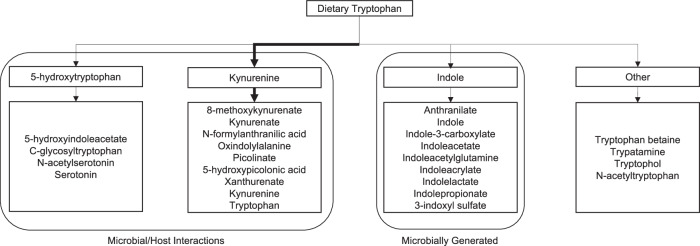
“Recent evidence revealed that gut microbial alterations specifically associated to tryptophan fecal-related metabolites (i.e., indoles, serotonin) are implicated in atypical activity in interoceptive brain regions and ASD pathophysiology in youth (Figure 2) [175].”
Albertini, M. L., Spoto, G., Ceraolo, G., Fichera, M. F., Consoli, C., Nicotera, A. G., & Rosa, G. D. (2025) · Brain Sciences · doi:10.3390/brainsci15090983 · Cited by 25
Yadav, A., Tadas, M., Kale, M. B., Wankhede, N. L., Umekar, M. J., Kotagale, N. R., & Taksande, B. G. (2025) · Physiology & Behavior · doi:10.1016/j.physbeh.2025.114989 · Cited by 13
Metadata
- Authors
- Aziz-Zadeh, L., Ringold, S. M., Jayashankar, A., Kilroy, E., Butera, C., Jacobs, J. P., Tanartkit, S., Mahurkar-Joshi, S., Bhatt, R. R., Dapretto, M., Labus, J. S., & Mayer, E. A.
- Affiliations
- University of Southern California (US)
- University of California, Los Angeles (US)
- ORCID
- Venue
- Nature Communications
- Published
- 2025-04-14
- Volume
- 16
- Issue
- 1
- Pages
- 3465-3465
- ISSN
- 2041-1723 (ISSN-L)
- PMC
- PMC11997199
- OpenAlex
- W4409408631
- Cited by
- 51
- References
- 97
- Citations by year
- 2026: 36 · 2025: 15
- FWCI
- 29.08
- Type
- journal article
- Language
- en
- Open access
- gold
- doi.org
- Licence
- cc-by-nc-nd
- creativecommons.org/licenses/by-nc-nd/4.0 (tdm)
- creativecommons.org/licenses/by-nc-nd/4.0 (vor)
- Locations
- Nature Communications (publishedVersion, cc-by-nc-nd)
- Research Square (acceptedVersion, cc-by)
- PubMed Central (publishedVersion, cc-by-nc-nd)
- PubMed (publishedVersion)
- PubMed Central (submittedVersion, cc-by)
- RePEc: Research Papers in Economics (submittedVersion)
- DOAJ (DOAJ: Directory of Open Access Journals) (submittedVersion, cc-by-sa)
- eScholarship (California Digital Library) (submittedVersion, cc-by-nc-nd)
- Funders
- U.S. Department of Health & Human Services | NIH | Eunice Kennedy Shriver National Institute of Child Health and Human Development (R01HD079432)
- U.S. Department of Defense (AR170062)
- Nedra Gillette Endowed Research Fellowship
- Topics
- Life Sciences › Neuroscience › Cognitive Neuroscience › Autism Spectrum Disorder Research
- Life Sciences › Biochemistry, Genetics and Molecular Biology › Molecular Biology › Gut microbiota and health
- Life Sciences › Neuroscience › Biological Psychiatry › Tryptophan and brain disorders
- Keywords
- autism spectrum disorder, gut microbiota metabolites, tryptophan metabolism, kynurenine, fecal metabolomics, insula, cingulate cortex, ASD severity, disgust sensitivity, sensory sensitivity, interoception, neuroimaging
About these checks
Registry, retraction, Cites and statistics results are computed, not judged, with one exception: a printed reference that no index lists is read once by a model before it counts as a citation error. Claims are extracted by a model and kept only when their quote appears verbatim in the text; each cited source is then checked, with a model’s help, for whether it says what the claim relies on. Those verdicts can be wrong — read the claim’s quote and the cited source before relying on one.
Statistics and arithmetic are recomputed, not judged.
Confidence bands are shown only for fields calibrated on our annotated test set. None is calibrated yet, so no band is shown.
What counts as a claim ›How we measure confidence ›How we check this ›
Are you an author, or do you see a problem with this page? Request a review
Data sources
Bibliographic data: Semantic Scholar, OpenAlex, Crossref.
Contains information from the Semantic Scholar Academic Graph Datasets, made available under the ODC Attribution License (ODC-BY 1.0).
Semantic Scholar’s data is described in: Kinney, R., et al. (2023). The Semantic Scholar Open Data Platform. arXiv:2301.10140.
