

Targeted immunotherapy rescues pulmonary fibrosis by reducing activated fibroblasts and regulating alveolar cell profile
Open accessThe DOI matches its Crossref record; 65 of the 65 references it cites were found in a registry or an index.
Abstract
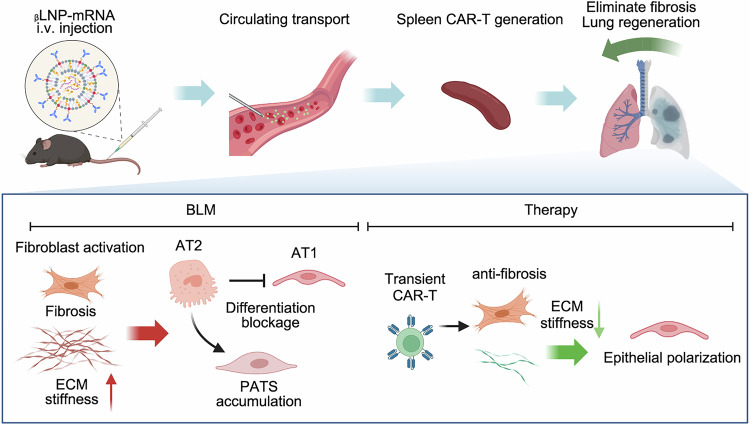
Idiopathic pulmonary fibrosis (IPF) is a severe lung disease occurring throughout the world; however, few clinical therapies are available for treating this disorder. Overactivated fibroblasts drive abnormal fibrosis accumulation to maintain dynamic balance between inflammation and extracellular matrix (ECM) stiffness. Given pulmonary cell can regenerate, the lung may possess self-repairing abilities if fibrosis is removed via clearance of overactivated fibroblasts. The aim of this study was to evaluate the therapeutic activity of transient antifibrotic chimeric antigen receptor (CAR) T cells (generated via a novelly-designed lipid nanoparticle-messenger RNA (LNP-mRNA) system) and explore the regeneration mechanisms of lung in a male mouse model of bleomycin-induced pulmonary fibrosis. Here we found that fibrosis-induced ECM stiffening impaired alveolar epithelial cell compensation. The proposed LNP-mRNA therapy eliminated overactivated fibroblasts to rescue pulmonary fibrosis. The restored ECM environment regulated the cellular profile. The elevated plasticity of AT2 and Pclaf+ cells increased AT1 cell population via polarization. Apoe+ macrophages and increased numbers of effector T cells were shown to reestablish pulmonary immunity. Hence, LNP-mRNA treatment for fibrosis can restore pulmonary structure and function to similar degrees to those of a healthy lung. This therapy is a potential treatment for IPF patients. Pulmonary fibrosis is a severe lung disease with limited clinical therapies. Here the authors show that chimeric antigen receptor cells can rescue pulmonary fibrosis in a mouse model, and they further investigate the mechanism of lung regeneration after treatment.
Overview
The claims and statistics of this paper haven’t been checked yet.
Free: it reads the open-access text and checks the first 5 claims that cite a source we can check. Create a free account to check every claim.
Integrity signals
Registry
Cites
Statistics
Figures
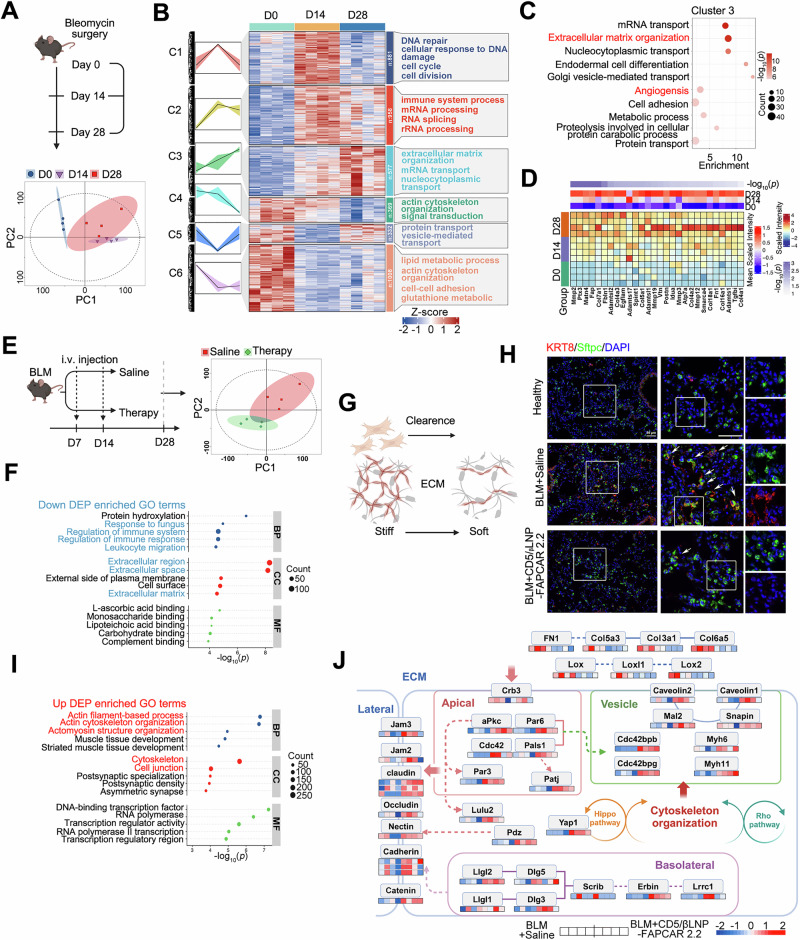
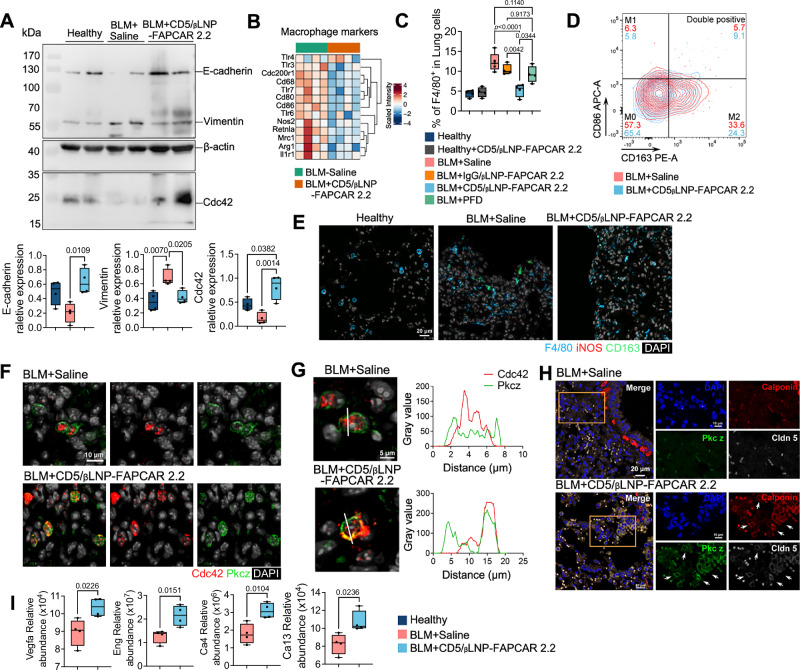
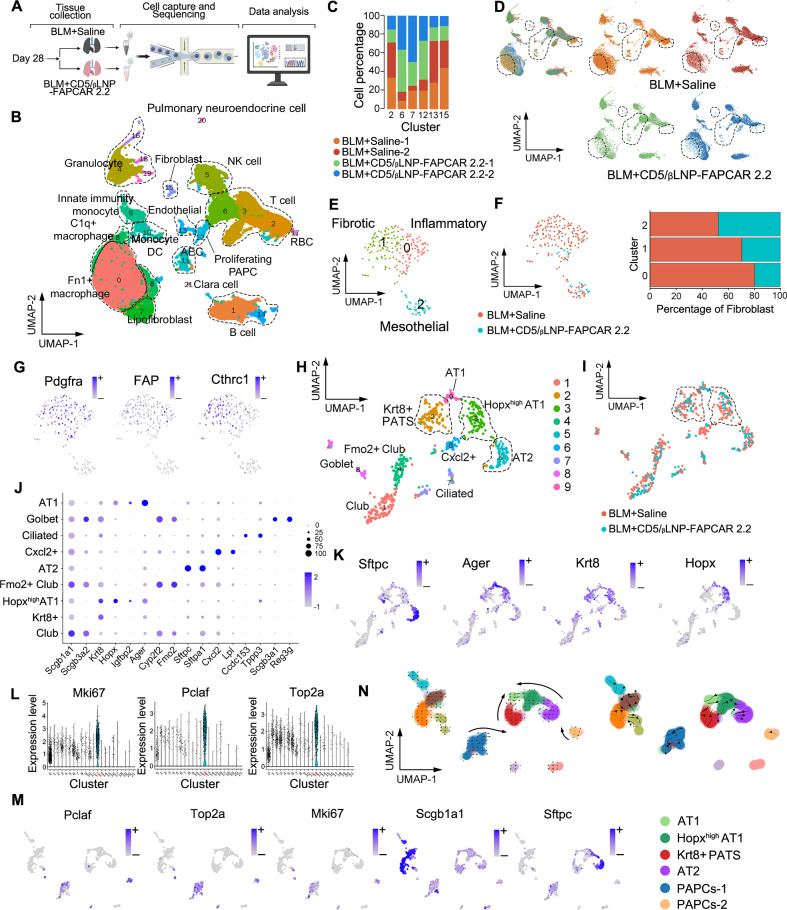
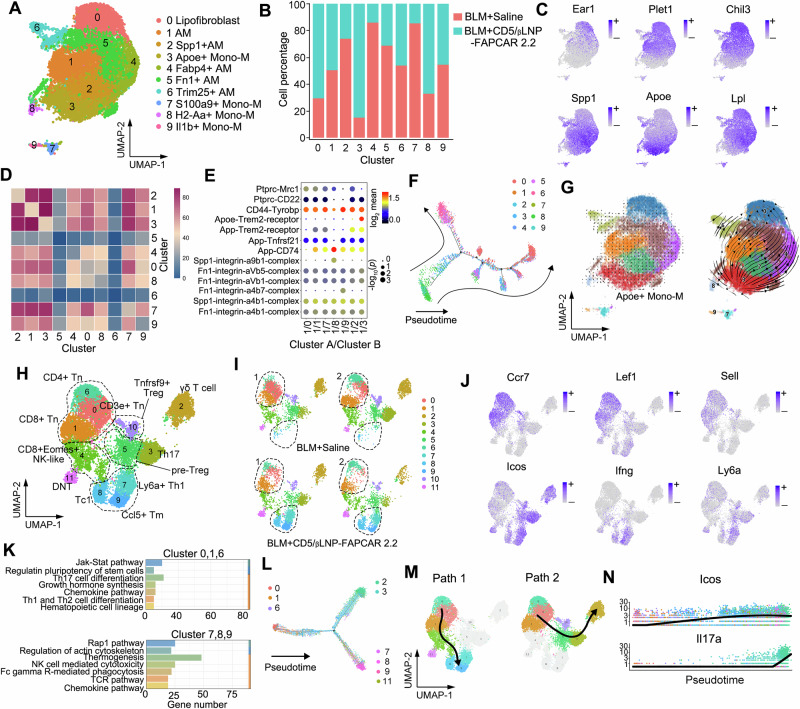
Verification
Claims the paper makes
The claims and statistics of this paper haven’t been checked yet.
Free: it reads the open-access text and checks the first 5 claims that cite a source we can check. Create a free account to check every claim.
Claims other papers make about this one
Each is checked against this paper’s own text: does it say what the citing paper says it does?
In the citing paper
“CAR-T cells designed to recognize fibroblast activation protein (FAP) on pathogenic fibroblasts and engineered to modulate mechanical signal transduction pathways may achieve selective clearance of fibrogenic cells while adapting to the altered mechanical microenvironment (162, 163).”
From The mechanotransduction-immune axis in organ fibrosis: dual regulatory mechanisms and translational therapeutic perspectives (2025) · doi:10.3389/fimmu.2025.1670213 · cites this paper as [162]
Self-check
Percentages, sums and reported differences re-computed from the paper’s own numbers.
The self-check needs the paper’s full text.
Citations
Cites
Molecular Mechanisms of Stress-Responsive Changes in Collagen and Elastin Networks in Skin
Aziz, J., Shezali, H., Radzi, Z., Yahya, N. A., Abu Kassim, N. H., Czernuszka, J., & Rahman, M. T. (2016) · Skin Pharmacology and Physiology · doi:10.1159/000447017 · Cited by 7,323
A phase 3 trial of pirfenidone in patients with idiopathic pulmonary fibrosis.
King, T. E., Bradford, W. Z., Castro-Bernardini, S., Fagan, E. A., Glaspole, I., Glassberg, M. K., Gorina, E., Hopkins, P. M., Kardatzke, D., Lancaster, L., et al. (2014) · New England Journal of Medicine · doi:10.1056/nejmoa1402582 · Cited by 3,975
Effects of extracellular matrix viscoelasticity on cellular behaviour
Chaudhuri, O., Cooper-White, J., Janmey, P. A., Mooney, D. J., & Shenoy, V. B. (2020) · Nature · doi:10.1038/s41586-020-2612-2 · Cited by 2,224 · cited 1×
“Cell membrane receptors transmit the change of pathological signals into epithelial cells to cause cascade reactions while integrin-based adhesions translate mechanical signals to affect actin aggregation and movement 52 – 54 .”
Mechanotransduction and extracellular matrix homeostasis
Humphrey, J. D., Dufresne, E. R., & Schwartz, M. A. (2014) · Nature Reviews Molecular Cell Biology · doi:10.1038/nrm3896 · Cited by 2,124
Richeldi, L., Collard, H. R., & Jones, M. G. (2017) · The Lancet · doi:10.1016/s0140-6736(17)30866-8 · Cited by 2,020
Fibrosis: from mechanisms to medicines
Henderson, N. C., Rieder, F., & Wynn, T. A. (2020) · Nature · doi:10.1038/s41586-020-2938-9 · Cited by 1,868 · cited 2×
“Compared with traditionaldrugs that blocksignaling pathways 8 , chimericantigen receptor (CAR)-”
Systemic RNA delivery to dendritic cells exploits antiviral defence for cancer immunotherapy
Kranz, L. M., Diken, M., Haas, H., Kreiter, S., Loquai, C., Reuter, K. C., Meng, M., Fritz, D., Vascotto, F., Hefesha, H., et al. (2016) · Nature · doi:10.1038/nature18300 · Cited by 1,819
Simple method of estimating severity of pulmonary fibrosis on a numerical scale.
Ashcroft, T., Simpson, J. M., & Timbrell, V (1988) · Journal of Clinical Pathology · doi:10.1136/jcp.41.4.467 · Cited by 1,680
SARS-CoV-2 mRNA Vaccine Design Enabled by Prototype Pathogen Preparedness
Corbett, K. S., Edwards, D. K., Leist, S. R., Abiona, O. M., Boyoglu-Barnum, S., Gillespie, R. A., Himansu, S., Schäfer, A., Ziwawo, C. T., DiPiazza, A. T., et al. (2020) · Nature · doi:10.1038/s41586-020-2622-0 · Cited by 1,615 · cited 1×
“The ex vivo synthesized sequences of FAPCAR were cloned into IVT template plasmid as the ORF region which also carried T7 promoter, modi fi ed 5 ’ UTR, kozak sequence, 3 ’ UTR, and a 110 nt-long poly (A) tail 59 – 61 .”
Pan-cancer single-cell landscape of tumor-infiltrating T cells
Zheng, L., Qin, S., Si, W., Wang, A., Xing, B., Gao, R., Ren, X., Wang, L., Wu, X., Zhang, J., et al. (2021) · Science · doi:10.1126/science.abe6474 · Cited by 1,402
Research works printed but not linked: 1
- Yoon, H. Y., Kim, H., Bae, Y. & Song, J. W. Pirfenidone and risk of lung cancer development in IPF: a nationwide population-based study. Eur. Respir. J. 7, 2401484 (2024).
Cited by
Targeting persistently activated inflammatory microenvironment to promote chronic wound healing
Dai, Y., & Chen, Y. (2025) · Frontiers in Immunology · doi:10.3389/fimmu.2025.1708358 · Cited by 47
(2025) · doi:10.3389/fimmu.2025.1670213 · Cited by 29
“CAR-T cells designed to recognize fi broblast activation protein (FAP) on pathogenic fi broblasts and engineered to modulate mechanical signal transduction pathways may achieve selective clearance of fi brogenic cells while adapting to the altered mechanical microenvironment (162, 163).”
CAR-engineered cell therapies: current understandings and future perspectives
Bayat, M., & Nahand, J. S. (2026) · Molecular Biomedicine · doi:10.1186/s43556-025-00401-4 · Cited by 37
In vivo CAR cell therapy: from bench to bedside
Jia, X., Chen, Z., Su, L., Ren, A., & Mei, H. (2025) · Journal of Hematology & Oncology · doi:10.1186/s13045-025-01759-2 · Cited by 36
Yang, H., Yu, X., Guo, Z., Shi, S., Wang, J., Guo, S., Hu, B., Chai, M., Wang, Z., Barth, S., et al. (2025) · Cyborg and Bionic Systems · doi:10.34133/cbsystems.0436 · Cited by 19
“Compared with current mainstream siRNA delivery systems, such as lipid nanoparticles (LNPs) [ 34 , 35 ], polymer-based carriers [ 36 ], and GalNAc conjugation technology [ 37 ], the PDR system demonstrates significant advantages in achieving precise delivery to the target site.”
Advances in mRNA‐Lipid Nanoparticle Engineering for Immune Cell Targeting and Immune Modulation
Kim, C., Lee, Y., Lee, H., & Kim, B. (2025) · Small Methods · doi:10.1002/smtd.202501401 · Cited by 14
Fang, X., Yan, S., He, L., & Deng, C. (2025) · Frontiers in Immunology · doi:10.3389/fimmu.2025.1735763 · Cited by 17
Guo, Z., Zhang, M., & Huang, Y. (2026) · Nano Biomedicine and Engineering · doi:10.1016/j.nbe.2025.100040 · Cited by 8
Li, X., Wu, B., Lu, X., Yang, J., Zhu, Y., Yamagata, H. M., Tong, E. C., Mitchell, M. J., & Han, X. (2026) · ACS Nano Medicine · doi:10.1021/acsnanomed.6c00043 · Cited by 5
Wei, C., Shan, X., Huang, Y., Ma, B., Zhao, Z., Fang, Y., Bai, C., Zhang, Z., Zhao, P., Zhang, H., et al. (2026) · Journal of the American Chemical Society · doi:10.1021/jacs.5c16886 · Cited by 5
mRNA medicine for cardiovascular disease
Zhou, Z., Chen, W., Yu, H., Tabas, I. A., Foo, R., & Tao, W. (2026) · Nature Cardiovascular Research · doi:10.1038/s44161-026-00804-8 · Cited by 6
Self-citationCAR-T therapy: Advances in respiratory diseases
Han, H., & Hu, Y. (2025) · Chinese Medical Journal - Pulmonary and Critical Care Medicine · doi:10.1016/j.pccm.2025.11.001 · Cited by 3
“99 Single-cell RNA sequencing data further suggest that FAP1 + alveolar fibroblasts are critical subpopulations implicated in IPF progression.”
InfluentialEngineering Immune Cell to Counteract Aging and Aging‐Associated Diseases
Guo, J., Lei, L., Jin, Y., Su, L., Cui, S., & Shi, L. (2026) · Advanced Science · doi:10.1002/advs.202521776 · Cited by 3
“Fibroblast activation protein (FAP)-targeted CAR-T cells, generated using lipid nanoparticle (LNP)-mRNA delivery systems, have shown promise in selectively eliminating hyperactivated fibroblasts [ 158 ].”
Unlocking Alveolar Regeneration: AT2 Stem Cells, Signaling Networks, and Therapeutic Frontiers
Zhang, Y., Zhou, Y., Wang, J., & Wang, Q. (2026) · Stem Cell Reviews and Reports · doi:10.1007/s12015-026-11086-9 · Cited by 4
“Precision diagnostic and therapeutic strategies centered on AT2 stem cells are pioneer a transformative era in the treatment of lung diseases. and promote alveolar regeneration [ 138, 139].”
Nanotechnology-enhanced CAR-T therapy strategies in cancer, aging, and autoimmune diseases
Li, H., Li, J., Liu, X. D., Wei, X., Zeng, X., Wang, Q. Y., Han, Y., Huang, H., & Qian, P. (2026) · Journal of Hematology & Oncology · doi:10.1186/s13045-026-01805-7 · Cited by 4
“Additionally, Huo et al. have extended the applications of in vivo CAR-T beyond cancer treatment [184].”
Tan, Q., ZHAO, Y., Zhang, Y., Chen, H., Xu, Z., Pan, Z., El‐Khouly, M. E., & Yuan, Y. (2026) · Journal of the American Chemical Society · doi:10.1021/jacs.6c09336 · Cited by 7
An inherent T cell-activating mRNA delivery carrier for in vivo CAR T generation
Cao, Q., Yao, Y., Zheng, W., Liu, H., Jiang, M., Xie, D., Zhang, S., Su, P., Yuan, H., Chen, X. S., et al. (2026) · Nature Materials · doi:10.1038/s41563-026-02675-7 · Cited by 7
Dysregulated ITGA3/FAK/YAP axis mediates impaired alveolar type II epithelial cells function in COPD
Liu, L., Zhong, S., Zhou, T., Wu, Y., Hu, W., Wang, X., Ren, Y., Wang, K., Lin, X., & Zhang, J. (2025) · Journal of Advanced Research · doi:10.1016/j.jare.2025.11.033 · Cited by 6
“Presently, some progress of regeneration medicine has been achieved in other lung diseases such as pulmonary fibrosis [9–11], highlighting the potential of exploring the mechanism underlying alveolar regeneration defects and seeking regeneration-related molecular targets as promising strategies for…”
Inhalable stealth liposomes improve peptide delivery for pulmonary fibrosis treatment
Lin, R., Li, Z., Sun, Y., Shen, J., Cao, X., Lin, Y., Fu, C. L., Zhu, Y., Wang, C., Tan, Z., et al. (2026) · Journal of Controlled Release · doi:10.1016/j.jconrel.2026.114655 · Cited by 4
Myeloid-lineage CAR knockin mice enable allogeneic immunotherapy for liver and lung fibrosis
Wang, M., Zhang, Y., Zhu, Q., Guan, L., Xun, Y., Liu, Y., Liu, Y., Hao, Y., Liu, S., Li, H., et al. (2026) · Molecular Therapy · doi:10.1016/j.ymthe.2026.01.027 · Cited by 5
Zhang, D., Qu, Y., Han, Y., Liu, W., Wang, X., Wang, T., & Qi, Q. (2026) · International Immunopharmacology · doi:10.1016/j.intimp.2026.116368 · Cited by 2
Unlocking the potential of mRNA nanomedicines for comprehensive fibrosis therapy
Yang, Y., Li, C., Xiong, W., Li, C., & Xiao, J. (2026) · Molecular Therapy — Nucleic Acids · doi:10.1016/j.omtn.2026.102917 · Cited by 2
Li, M., Du, Y., & Yang, X. (2025) · Rheumatology and Therapy · doi:10.1007/s40744-025-00785-3 · Cited by 2
“Preliminary animal experiments and case reports suggest that CAR-T has certain therapeutic potential in autoimmune pulmonary fibrosis, especially for patients who have failed conventional immunosuppression or have repeatedly worsened [68].”
Recent advances in drug delivery systems for pulmonary fibrosis therapy
Yu, Y., Gan, C., Shi, K., Bei, Z., Yang, Y. P., Pan, M., Deng, H., & Qian, Z. (2025) · Chinese Chemical Letters · doi:10.1016/j.cclet.2025.111596 · Cited by 5
Lou, P., Wang, Y., Zhang, Y., Zhou, X., Li, L., Liu, S., Wan, M., Lu, Y., & Liu, J. (2025) · Molecular Therapy · doi:10.1016/j.ymthe.2025.12.044 · Cited by 3
Gao, Y., Ng, C. Y. J., Ni, K., Hu, Q., Shi, X., Si, T., Zhang, X., Yang, J., Yang, J., & Xu, T. (2026) · Journal of Ethnopharmacology · doi:10.1016/j.jep.2026.121461 · Cited by 1
The immunodynamics of pulmonary fibrosis
Xie, C. H., Ma, Y., Wang, Y., Gul, A., Tang, W., Luo, Q., Xu, W., Wei, Y., Dong, J., & Liu, W. (2026) · Cytokine & Growth Factor Reviews · doi:10.1016/j.cytogfr.2026.04.001 · Cited by 1
Wu, G., Ling, Z., Lin, W., Wang, Y., Liu, X., & Wang, J. (2026) · International Journal of Molecular Sciences · doi:10.3390/ijms27094128 · Cited by 2
“…CAR-T cells generated through in vivo LNP-mRNA delivery were able to eliminate excessively activated fibroblasts, improve the abnormal ECM environment, and promote alveolar epithelial cell lineage remodeling, thereby exerting antifibrotic effects in a mouse model of pulmonary fibrosis [11].”
From Inflammation to Precision Medicine: Mechanistic Insights into Asthma, COPD, and IPF
Ghrairi, N., Elhechmi, Y. Z., & Saad, S. B. (2026) · Biomedicines · doi:10.3390/biomedicines14051055 · Cited by 2
“Preclinical data on FAP-targeted CAR-T therapy, generated in vivo using lipid nanoparticle–messenger RNA (LNP-mRNA), demonstrated potent anti-fibrotic effects by selectively depleting activated fibroblasts, restoring ECM balance, and promoting alveolar regeneration [66].”
Liu, Q., Zhu, W., Zheng, P., Ma, X. Y., Zou, M., Shi, L., Liu, Y., Bao, L., Duan, S., Wang, M., et al. (2026) · Environment International · doi:10.1016/j.envint.2026.110411 · Cited by 1
Self-citationChen, X., Wang, B., Hui, J., Shen, W., Xu, L., Lai, A., Huang, R., Yan, F., Yao, Q., Zhang, Z., et al. (2026) · Biomaterials · doi:10.1016/j.biomaterials.2026.124526 · Cited by 2
Yan, T., Liu, J., Liu, Y., Gu, W., Liu, J., Li, Y., Lv, R., Zhang, C., Ding, J., Zha, C., et al. (2026) · Molecular Biomedicine · doi:10.1186/s43556-026-00542-0
Feng, L., Yuan, J., Dou, X., & Liu, Y. (2025) · PLoS ONE · doi:10.1371/journal.pone.0328250
“Although this may appear as a limitation, it also reflects the complex intercellular communication underlying IPF pathogenesis, in which immune cells and fibroblasts are engaged in dynamic cross-talk [49–51].”
Fighting cardiac fibrosis using the chemomechanical method
Huo, Y. (2025) · Mechanobiology in Medicine · doi:10.1016/j.mbm.2025.100147
Self-citationEnhancing the antifibrotic potential of the endothelium: lipid nanoparticles to the rescue
Brazee, P. L., & Knipe, R. S. (2025) · American Journal of Respiratory Cell and Molecular Biology · doi:10.1165/rcmb.2025-0563ed
Bao, H., Wu, M., Zhang, Y., Yu, Z., Li, J., & Wu, A. (2025) · ACS Materials Letters · doi:10.1021/acsmaterialslett.5c01167 · Cited by 1
The crosstalk between autophagy and ferroptosis in pulmonary fibrosis
Liu, R., Zheng, D., Wang, F., Jiang, M., Zhao, R., Bao, S., Zhao, X., & Cheng, D. (2025) · Journal of Biomedical Research · doi:10.7555/jbr.39.20250243 · Cited by 4
Epithelial and stromal remodeling in murine Crohn’s disease-like ileitisPreprint
Letai, K. C., Islam, B. N., Menghini, P., Salvo, C. D., Khandekar, N. S., Armstrong, B. W., Tomar, A., Curry, K., Pizarro, T. T., Tesar, P. J., et al. (2025) · bioRxiv (Cold Spring Harbor Laboratory) · doi:10.1101/2025.11.08.684908
“[34–37] For example, fibroblast-derived IGF1 has been shown to regulate epithelial repair and stromal-immune crosstalk[38], and our protein validation confirms its spatial localization to fibroblasts during ileitis.”
Nanotherapeutic strategies for fibroblast targeted treatment of pulmonary fibrosis
Nho, R. S., & Knipe, R. S. (2025) · Nanomedicine · doi:10.1080/17435889.2025.2603167
Therapies Targeting Metabolic Pathways in Lung Fibrosis: Advances and Future Perspectives
Wang, Y., Yanlin, Z., Yilin, Z., Jing, L., Guoying, Y., & Lan, W. (2026) · Fibrosis · doi:10.70322/fibrosis.2026.10004
Epithelial and stromal remodelling in murine Crohn’s disease-like ileitis
Letai, K. C., Islam, B. N., Menghini, P., Salvo, C. D., Khandekar, N. S., Armstrong, B. W., Tomar, A., Curry, K., Pizarro, T. T., Tesar, P. J., et al. (2026) · Gut Science · doi:10.1136/gutsci-2025-000008
“49 For example, fibroblast-derived IGF1 has been shown to regulate epithelial repair and stromal-immune cross-talk, 50 and our protein validation confirms its spatial localisation to fibroblasts during ileitis.”
Matsuoka, Y., Shimizu, Y., Sakamoto, K., Matsuyama, M., Murohara, T., & Iwamiya, T. (2026) · PLoS ONE · doi:10.1371/journal.pone.0342528
“Recently, emerging therapeutic strategies such as lipid nanoparticle (LNP)-mediated mRNA delivery of CAR-T cells targeting activated fibroblasts have shown promising results in preclinical fibrosis models [6], although their clinical application in pulmonary fibrosis remains at an early stage.”
CAR T cell therapy for fighting IPF: perspectives on a living drug
Sun, W., Lu, S., Chen, T., He, Y., Xu, Z., & Cai, Z. (2026) · Frontiers in Immunology · doi:10.3389/fimmu.2026.1770081 · Cited by 1
Zhao, C., Ren, H. W., Ke, Q., Chen, Q., He, J., Tian, R., Pan, H., & Liu, L. (2026) · Frontiers in Immunology · doi:10.3389/fimmu.2026.1770733 · Cited by 1
Clinician und Medical Scientists in der Inneren Medizin: Nephrologie
Koch, L. (2026) · Die Innere Medizin · doi:10.1007/s00108-026-02081-w
Al-waqeerah, A., He, H., Bashah, A., Ghaleb, E., Wang, N., & Gao, L. (2026) · Respiratory Research · doi:10.1186/s12931-026-03661-y · Cited by 1
“FAP-targeted CAR-T and CAR-cTregs therapies have shown the ability to reduce fibrosis and improve tissue architecture in pre-clinical models, including pulmonary and cardiac fibrosis [141–143].”
Marigny, C., Revet, G., Berger, A., Boulch, M., Mougenot, N., Li, Z., Corre, B., Lemaître, M., Bois, A., Castelli, C., et al. (2026) · Stem Cell Research & Therapy · doi:10.1186/s13287-026-05025-1
“…anti-FAP CAR-T cells (generated in vivo by CD5-targeted lipid nanoparticles) to reverse pulmonary fibrosis has been found associated with a similar decrease in the pro-fibrotic fibroblast clusters [36] Additionally, cardiac fibroblasts can affect cardiomyocyte function through paracrine signaling.”
Emerging Matritherapies in Lung Fibrosis and Cancer
Staab-Weijnitz, C. A., Kandhari, K., Herrera, J., Hansen, K., Redente, E. F., & Roman, J. (2026) · Biology of extracellular matrix · doi:10.1007/978-3-032-22618-1_6
Exploring the role of RCEO in macrophage-mediated modulation of pulmonary fibrosis
Mao, Z., Lin, X., Yang, X., Liu, Y., Han, C., Tian, S., Song, Y., Zhao, H., & Miao, M. (2026) · Chinese Medicine · doi:10.1186/s13020-026-01398-w
“As the primary defense mechanism against foreign antigens, macrophages are integral to the pathogenesis of PF [12].”
Extrahepatic, cell-specific delivery of LNPs through competitive inhibition of ApoE-mediated uptakePreprint
Bufton, J. C., Green, T., Walters, A., Perriman, A. W., & Carter, B. M. (2026) · bioRxiv (Cold Spring Harbor Laboratory) · doi:10.64898/2026.05.29.727812 · Cited by 1
Shared mechanisms of organ fibrosis
Humphreys, B. D. (2026) · JCI Insight · doi:10.1172/jci.insight.200952
“This approach has now been shown to ameliorate pulmonary fibrosis, demonstrating the generalizability of this approach in organ fibrosis broadly (150, 151).”
Yu, Z., Li, X., Zhang, L., Lv, H., Shen, Y., Lu, Z., Xu, F., Chen, Y., Zhong, X., & Wang, Z. (2026) · International Journal of Molecular Sciences · doi:10.3390/ijms27125236
“Mass spectrometry analysis was performed using a Vanquish Neo UPLC system coupled to an Orbitrap Astral mass spectrometer (Thermo Fisher Scientific), as previously described [90,91].”
Liao, Z., Meng, H., Lv, J., Wang, D., Zhang, H., Jiang, R., Lan, R., Chen, Y., Sun, J., Li, Z., et al. (2026) · Nature Communications · doi:10.1038/s41467-026-75663-9
“ECM stiffness is a centralpathologicalfeature of IPF and chronic obstructive pulmonary disease (COPD), in which matrix remodeling alters tissue mechanics and actively drives epithelial cell behaviors 72 .”
Liu, C., Zhang, Z., Wang, H., Zhang, X., Guan, J., & Mao, S. (2026) · Chemical Engineering Journal · doi:10.1016/j.cej.2026.179972
Zelluläre Therapien in der Lungenmedizin: Neue Perspektiven bei Infektionskrankheiten und Tumoren
Jantz-Naeem, N., Hasdorf, J., Proemmel, M., Mougiakakos, D., Kahlfuß, S., & Fricke, S. (2026) · Deutsches Ärzteblatt · doi:10.3238/perspneumo.2026.08.21.02
In vivo CAR‑T therapy: recent progress and future directions
Wang, W., Cai, Y., Yang, X., & Xu, H. (2026) · Immunity & Inflammation · doi:10.1007/s44466-026-00050-4
CAR‐Engineered Cell Therapies Beyond Cancer: Reprogramming Fibrosis and Immune‐Mediated Inflammation
Xu, P. J., Zhang, Z. J., Jin, J., Xu, H. Y., Gu, Y. X., Yang, Q. Q., & Zhou, Y. L. (2026) · Advanced Science · doi:10.1002/advs.77503
“In a bleomycin-induced pulmonary fibrosis model, an optimized CD5-targeted LNP induced transient FAP CAR expression in endogenous T cells and reduced fibrosis [ 46 ] (Figure 3D ).”
CAR-based immunotherapy for cardiac fibrosis: A new therapeutic frontier
Zhang, N., Feng, X., & Zou, W. (2026) · Ageing Research Reviews · doi:10.1016/j.arr.2026.103356
LGR5-positive fibroblasts orchestrate skin mechanoadaptation through JAK1 modulation
Fu, Q., Cheng, X., Chen, N., Sun, Y., Xu, L., Cheng, Y., Wang, C., Li, Y., Yu, T., Yan, Y., et al. (2026) · Nature Communications · doi:10.1038/s41467-026-77113-y
Multifunctional nucleic acid-based therapy in fibrosis-related diseases
Cheng, J., Zhou, M., Guo, Y., Yang, Y., Lv, W., Renzeng, Y. A. N. G., Xie, Y., Jiang, Y., Yao, L., Qi, C., et al. (2026) · Science China Chemistry · doi:10.1007/s11426-025-3231-6
Huang, C., Liu, S., Zhou, X., & Liu, J. (2026) · International Journal of Pharmaceutics · doi:10.1016/j.ijpharm.2026.127589
Zhang, J.-M., Ma, X., & Zhang, X. (2026) · Frontiers in Immunology · doi:10.3389/fimmu.2026.1987098
Beyond inflammation: exploring CAR-based cell therapy for fibrostenosing Crohn’s disease
Sun, Y., Chen, Q., Zhong, C., Chen, Y., Zhao, R., He, X., Mao, X., Li, J., Xing, Z., & Wu, F. (2026) · Frontiers in Immunology · doi:10.3389/fimmu.2026.1967353
Metadata
- Authors
- Yan, J., Wang, S.-Y., Su, Q., Zou, M.-W., Zhou, Z.-Y., Shou, J., & Huo, Y.
- Affiliations
- Shanghai Jiao Tong University (CN)
- Corresponding author
- Huo, Yunlong
- Venue
- Nature Communications
- Published
- 2025-04-21
- Volume
- 16
- Issue
- 1
- Pages
- 3748-3748
- ISSN
- 2041-1723 (ISSN-L)
- PMC
- PMC12012202
- OpenAlex
- W4409640311
- Cited by
- 62
- References
- 65
- Citations by year
- 2026: 44 · 2025: 18
- FWCI
- 40.76
- Type
- journal article
- Language
- en
- Open access
- gold
- doi.org
- Licence
- cc-by-nc-nd
- creativecommons.org/licenses/by-nc-nd/4.0 (tdm)
- creativecommons.org/licenses/by-nc-nd/4.0 (vor)
- Locations
- Nature Communications (publishedVersion, cc-by-nc-nd)
- PubMed Central (publishedVersion, cc-by-nc-nd)
- PubMed (publishedVersion)
- RePEc: Research Papers in Economics (submittedVersion)
- DOAJ (DOAJ: Directory of Open Access Journals) (submittedVersion, cc-by-sa)
- Funders
- National Key Research and Development Program of China (KQTD20180411143400981, 2021YFA1000203)
- Topics
- Health Sciences › Medicine › Pulmonary and Respiratory Medicine › Interstitial Lung Diseases and Idiopathic Pulmonary Fibrosis
- Health Sciences › Medicine › Surgery › Transplantation: Methods and Outcomes
- Health Sciences › Medicine › Pulmonary and Respiratory Medicine › Occupational and environmental lung diseases
- Keywords
- idiopathic pulmonary fibrosis, chimeric antigen receptor T cells, activated fibroblasts, extracellular matrix stiffness, alveolar type II cells, alveolar type I cells, macrophage polarization, lung regeneration, bleomycin-induced fibrosis, lung immunity
- MeSH terms
- Animals, Bleomycin, Disease Models, Animal, Extracellular Matrix, Fibroblasts, Humans, Immunotherapy, Lung, Male, Mice, Inbred C57BL, Pulmonary Fibrosis, RNA, Messenger, T-Lymphocytes, Mice, Nanoparticles, Idiopathic Pulmonary Fibrosis, Alveolar Epithelial Cells
About these checks
Registry, retraction, Cites and statistics results are computed, not judged, with one exception: a printed reference that no index lists is read once by a model before it counts as a citation error. Claims are extracted by a model and kept only when their quote appears verbatim in the text; each cited source is then checked, with a model’s help, for whether it says what the claim relies on. Those verdicts can be wrong — read the claim’s quote and the cited source before relying on one.
Statistics and arithmetic are recomputed, not judged.
Confidence bands are shown only for fields calibrated on our annotated test set. None is calibrated yet, so no band is shown.
What counts as a claim ›How we measure confidence ›How we check this ›
Are you an author, or do you see a problem with this page? Request a review
Data sources
Bibliographic data: Semantic Scholar, OpenAlex, Crossref.
Contains information from the Semantic Scholar Academic Graph Datasets, made available under the ODC Attribution License (ODC-BY 1.0).
Semantic Scholar’s data is described in: Kinney, R., et al. (2023). The Semantic Scholar Open Data Platform. arXiv:2301.10140.
