

Human glycogenins maintain glucose homeostasis by regulating glycogen metabolism
Open accessThe DOI matches its Crossref record; 40 of the 40 references it cites were found in a registry or an index.
Abstract
Proper regulation of glycogen metabolism is fundamental to cellular energy homeostasis, and its disruption is associated with various metabolic disorders, including glycogen storage diseases (GSDs) and potentially diabetes. Despite glycogen’s role as an essential energy reservoir, the mechanisms governing its synthesis and structural diversity across tissues remain unclear. Here, we uncover the distinct physiological roles of the human glycogenins GYG1 and GYG2 in glycogen synthesis. Through cellular models, structural biology, and biochemical analyses, we demonstrate that, unlike GYG1, GYG2 exhibits minimal autoglycosylation activity and acts as a suppressor of glycogen formation. Together, these two glycogenins coordinate glycogen synthase activity and influence glycogen assembly in a cell-type-dependent manner. Importantly, these glycogenins modulate glucose metabolic pathways, thereby ensuring cellular glucose homeostasis. These findings address longstanding questions in glycogen metabolism and establish both GYG1 and GYG2 as critical regulators of glycogen synthesis and breakdown in human, providing insights with potential therapeutic implications for treating GSDs and metabolic diseases.
Overview
The claims and statistics of this paper haven’t been checked yet.
Free: it reads the open-access text and checks the first 5 claims that cite a source we can check. Create a free account to check every claim.
Integrity signals
Registry
Cites
Statistics
Figures
Verification
Claims the paper makes
The claims and statistics of this paper haven’t been checked yet.
Free: it reads the open-access text and checks the first 5 claims that cite a source we can check. Create a free account to check every claim.
Claims other papers make about this one
Each is checked against this paper’s own text: does it say what the citing paper says it does?
The cited source says what the claim attributes to it.
In the citing paper
“It is involved in glycogen metabolism and under the transcriptional control of PPARG 53,54 .”
From Sex-specific gene expression signatures of calcific aortic valve stenosis in a large collection of human tissues (2026) · cites this paper as [53]
Self-check
Percentages, sums and reported differences re-computed from the paper’s own numbers.
The self-check needs the paper’s full text.
Citations
Cites
Coot : model-building tools for molecular graphics
Emsley, P., & Cowtan, K. (2004) · Acta Crystallographica Section D Biological Crystallography · doi:10.1107/s0907444904019158 · Cited by 30,571
PHENIX : a comprehensive Python-based system for macromolecular structure solution
Adams, P. D., Afonine, P. V., Bunkóczi, G., Chen, V. B., Davis, I. W., Echols, N., Headd, J. J., Hung, L.-W., Kapral, G. J., Grosse-Kunstleve, R. W., et al. (2010) · Acta Crystallographica Section D Biological Crystallography · doi:10.1107/s0907444909052925 · Cited by 23,716 · cited 1×
“The coordinate model was constructed based on the GS (cid:129) GYG1 complex (PDB ID: 8CVX), and re fi ned using the Phenix software suite 39 and COOT 40 .”
Multiplex Genome Engineering Using CRISPR/Cas Systems
Cong, L., Ran, F. A., Cox, D., Lin, S., Barretto, R., Habib, N., Hsu, P. D., Wu, X., Jiang, W., Marraffini, L. A., et al. (2013) · Science · doi:10.1126/science.1231143 · Cited by 15,339 · cited 1×
“The sgRNA sequences were ligated into pX330-U6-Chimeric_BB-CBh-hSpCas9 vector (Addgene, plasmid #42230) 36,37 .”
Self-citationGenome engineering using the CRISPR-Cas9 system
Ran, F. A., Hsu, P. D., Wright, J., Agarwala, V., Scott, D. A., & Zhang, F. (2013) · Nature Protocols · doi:10.1038/nprot.2013.143 · Cited by 11,133 · cited 1×
“The sgRNA sequences were ligated into pX330-U6-Chimeric_BB-CBh-hSpCas9 vector (Addgene, plasmid #42230) 36,37 .”
Glycogen synthase kinase-3 (GSK3): Regulation, actions, and diseases
Beurel, E., Grieco, S. F., & Jope, R. S. (2015) · Pharmacology & Therapeutics · doi:10.1016/j.pharmthera.2014.11.016 · Cited by 1,768 · cited 1×
“GS activity is classically regulated via phosphorylation by various kinases, including glycogen synthase kinase 3 (GSK3) 28 , AMPK 29 , pro-teinkinaseA 30 , and casein kinase 2 20 or through allosteric activation by G6P 31 .”
Lian, X., Zhang, J., Azarin, S. M., Zhu, K., Hazeltine, L. B., Bao, X., Hsiao, C., Kamp, T. J., & Palecek, S. P. (2013) · Nature Protocols · doi:10.1038/nprot.2012.150 · Cited by 1,748 · cited 1×
“We adopted a small molecule method for cardiac cell differentiation 34 .”
Marty, M. T., Baldwin, A. J., Marklund, E. G., Hochberg, G. K. A., Benesch, J. L. P., & Robinson, C. V. (2015) · Analytical Chemistry · doi:10.1021/acs.analchem.5b00140 · Cited by 1,000 · cited 1×
“After UniDec processing 38 , the m/z domain was deconvoluted into the mass domain to deduce G6P binding to the protein complex.”
Glycogen and its metabolism: some new developments and old themes
Roach, P. J., Depaoli-Roach, A. A., Hurley, T. D., & Tagliabracci, V. S. (2012) · Biochemical Journal · doi:10.1042/bj20111416 · Cited by 709 · cited 2×
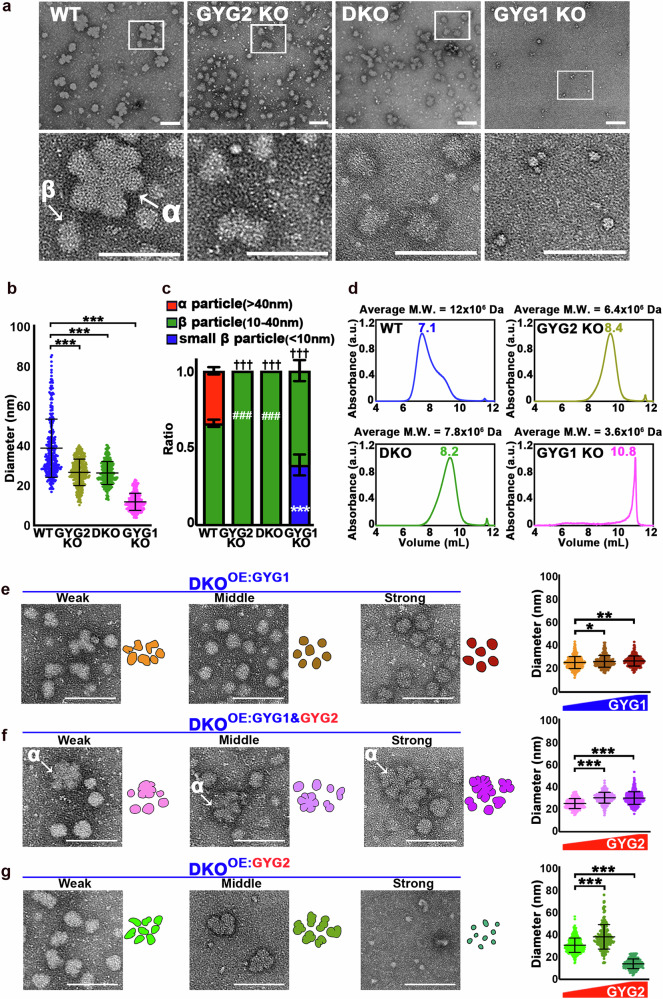
“Previous studies have reported that larger α -particles are associated with more stable glycogen storage, whereas smaller β -particles or fragmented forms are moresusceptibletoenzymaticdegradationandcontributetounstable glucose homeostasis 10,20 .”
The role of glucose 6‐phosphate in the control of glycogen synthase
Viijlar‐Palasí, C., & Guinovart, J. J. (1997) · The FASEB Journal · doi:10.1096/fasebj.11.7.9212078 · Cited by 200 · cited 1×
“GS activity is classically regulated via phosphorylation by various kinases, including glycogen synthase kinase 3 (GSK3) 28 , AMPK 29 , pro-teinkinaseA 30 , and casein kinase 2 20 or through allosteric activation by G6P 31 .”
The dynamic life of the glycogen granule
Prats, C., Graham, T. E., & Shearer, J. (2018) · Journal of Biological Chemistry · doi:10.1074/jbc.r117.802843 · Cited by 189 · cited 7×
“…GYG2 expression has been reported across various human tissues/organs (e.g., brain, skeletal muscle, and liver) 5,10,22,26 , with average particle size ranging from 10 – 40 nm in brain and skeletal muscle where GYG1 is the primary isoform, to 110 – 290nm in the liver while GYG2 predominates 10 .”
InfluentialHunter, R. W., Treebak, J. T., Wojtaszewski, J. F. P., & Sakamoto, K. (2011) · Diabetes · doi:10.2337/db10-1148 · Cited by 151 · cited 1×
“GS activity is classically regulated via phosphorylation by various kinases, including glycogen synthase kinase 3 (GSK3) 28 , AMPK 29 , pro-teinkinaseA 30 , and casein kinase 2 20 or through allosteric activation by G6P 31 .”
Cellular and Molecular Mechanisms of Insulin Resistance
Chandrasekaran, P., & Weiskirchen, R. (2024) · Current Tissue Microenvironment Reports · doi:10.1007/s43152-024-00056-3 · Cited by 146
Glycosomes — the organelles of glycogen metabolism
Rybicka, K. (1996) · Tissue and Cell · doi:10.1016/s0040-8166(96)80013-9 · Cited by 122 · cited 1×
“In humans, glycogen is organized into particles of different sizes, including α particles (up to 300nm) and β particles (10-40nm), with the former being assembled from the latter 24,25 .”
Glycogenin-1 Deficiency and Inactivated Priming of Glycogen Synthesis
Moslemi, A.-R., Lindberg, C., Nilsson, J., Tajsharghi, H., Andersson, B., & Oldfors, A. (2010) · New England Journal of Medicine · doi:10.1056/nejmoa0900661 · Cited by 115 · cited 2×
“Among them, mutations in GYG1 have been associated with muscle weakness and cardiomyopathy due to PB accumulation, leading to GSD type XV 16 .”
Du, C., Feng, Y., Qiu, D., Xu, Y., Pang, M., Cai, N., Xiang, A. P., & Zhang, Q. (2018) · Stem Cell Research & Therapy · doi:10.1186/s13287-018-0794-4 · Cited by 103
Glycogen Storage Diseases: An Update
Gümüş, E., & Özen, H. (2023) · World Journal of Gastroenterology · doi:10.3748/wjg.v29.i25.3932 · Cited by 100 · cited 1×
“…the main enzymes that regulate glycogen synthesis, dysregulation of their enzymatic activities disrupts the homeostasis of glycogen metabolism, leading to glycogen storage diseases (GSDs) that are characterized by accumulations of excessive or abnormal glycogen, termed polyglucosan bodies (PB) 15 .”
Direct observation of glycogen synthesis in human muscle with 13C NMR.
Jue, T., Rothman, D. L., Shulman, G. I., Tavitian, B. A., DeFronzo, R. A., & Shulman, R. G. (1989) · Proceedings of the National Academy of Sciences · doi:10.1073/pnas.86.12.4489 · Cited by 98 · cited 1×
“Glycogen, a highly branched polysaccharide, serves as a major energy reservoir in mammalian tissues 1 .”
Lack of Glycogenin Causes Glycogen Accumulation and Muscle Function Impairment
Testoni, G., Durán, J., García-Rocha, M., Vilaplana, F., Serrano, A. L., Sebastián, D., López‐Soldado, I., Sullivan, M. A., Slebe, F., Vilaseca, M., et al. (2017) · Cell Metabolism · doi:10.1016/j.cmet.2017.06.008 · Cited by 91 · cited 2×
“…GYG1 was thought to be potentially signi fi cant in glycogen metabolism, as its mutation hasbeen linked toGSD XV. Conversely, GYG2 wasthought to befunctionallyredundant,asglycogensynthesiswasreportedfor Gyg - knockout mice (which possess a sole Gyg isoform) 18 and in human patients lacking GYG2 17 .”
Glucose and glycogen in the diabetic kidney: Heroes or villains?
Sullivan, M. A., & Forbes, J. M. (2019) · EBioMedicine · doi:10.1016/j.ebiom.2019.07.067 · Cited by 80 · cited 3×
“In contrast, both α and β particles are found in the liver, where glycogen functions as energy storage 5 .”
Glycogenin-2, a Novel Self-glucosylating Protein Involved in Liver Glycogen Biosynthesis
Mu, J., Skurat, A. V., & Roach, P. J. (1997) · Journal of Biological Chemistry · doi:10.1074/jbc.272.44.27589 · Cited by 63 · cited 2×
“These expression levels are consistent with previously reported GYG2 levels in various cell types 17,21 , validating that GYG2 expression is regulated in a cell-type-speci fi c manner.”
Amino acid sequence of a phosphorylation site in skeletal muscle glycogen synthetase
Huang, T.-S., & Krebs, E. G. (1977) · Biochemical and Biophysical Research Communications · doi:10.1016/0006-291x(77)91521-2 · Cited by 57 · cited 1×
“GS activity is classically regulated via phosphorylation by various kinases, including glycogen synthase kinase 3 (GSK3) 28 , AMPK 29 , pro-teinkinaseA 30 , and casein kinase 2 20 or through allosteric activation by G6P 31 .”
McCorvie, T. J., Loria, P. M., Tu, M., Han, S., Shrestha, L., Froese, D. S., Ferreira, I. M., Berg, A. P., & Yue, W. W. (2022) · Nature Structural & Molecular Biology · doi:10.1038/s41594-022-00799-3 · Cited by 53 · cited 1×
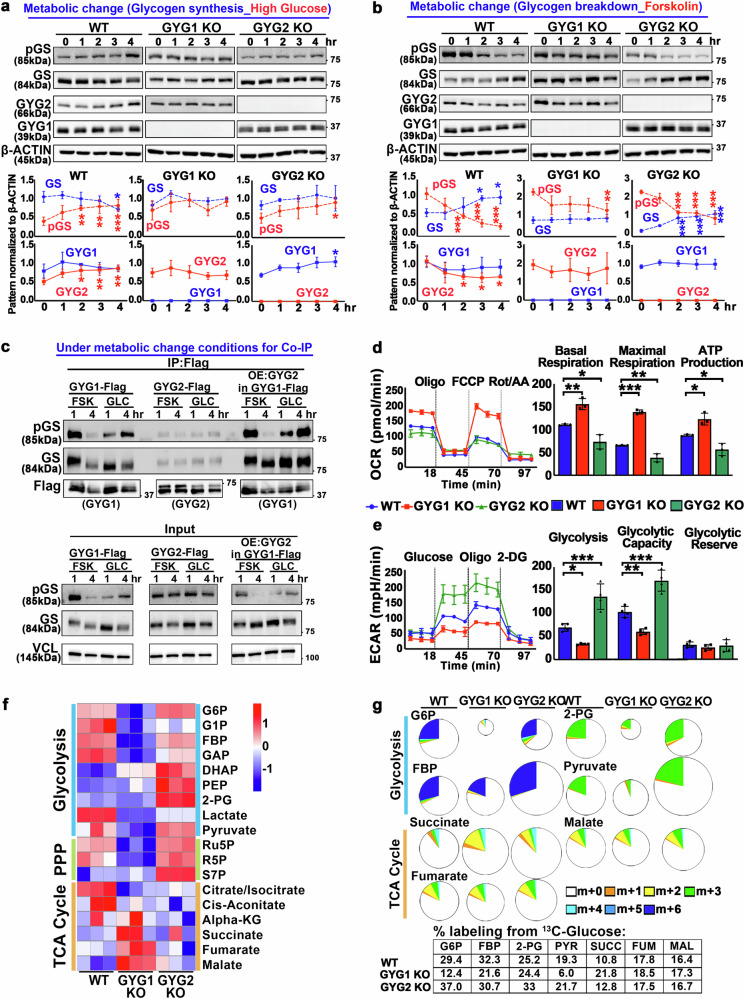
“…glycolysis, the pentose phosphate pathway (PPP), and the tri-carboxylic acid (TCA) cycle in WT, GYG1 KO, and GYG2 KO hESCs. hESCs were culturedfor2hr in mediumcontaining 17.5mM[ 13 C 6 ] glucose ( n =3). f Heatmapof the total labeling percentage of metabolic fl ux in WT, GYG1 KO, and GYG2 KO hESCs.”
Conformational plasticity of glycogenin and its maltosaccharide substrate during glycogen biogenesis
Chaikuad, A., Froese, D. S., Berridge, G., von Delft, F., Oppermann, U., & Yue, W. W. (2011) · Proceedings of the National Academy of Sciences · doi:10.1073/pnas.1113921108 · Cited by 52 · cited 2×
“1a) 11,12 .”
Alonso, M. D., Lomako, J., Lomako, W. M., Whelan, W. J., & Preiss, J. (1994) · FEBS Letters · doi:10.1016/0014-5793(94)00962-7 · Cited by 47 · cited 1×
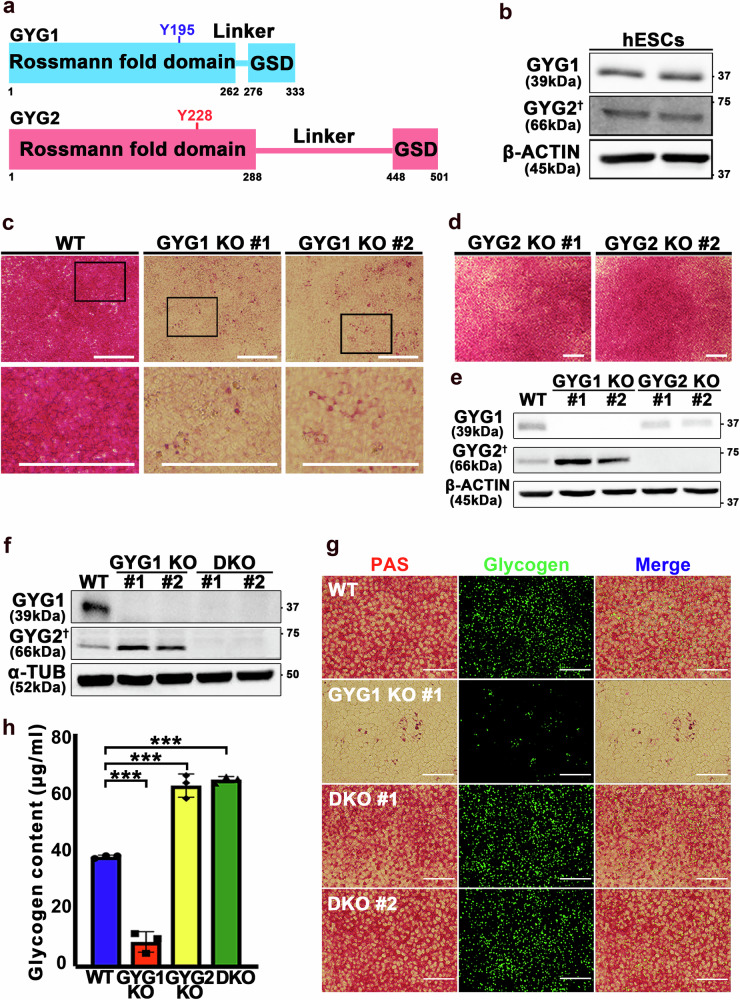
“First, glycogenin, encoded by GYG , generates an oligosaccharide primer through autoglycosylation 2,3 .”
Molecular Structure of Human-Liver Glycogen
Deng, B., Sullivan, M. A., Chen, C., Li, J., Powell, P. O., Hu, Z., & Gilbert, R. G. (2016) · PLoS ONE · doi:10.1371/journal.pone.0150540 · Cited by 47 · cited 1×
“In humans, glycogen is organized into particles of different sizes, including α particles (up to 300nm) and β particles (10-40nm), with the former being assembled from the latter 24,25 .”
Self-citationProteomic Investigation of the Binding Agent between Liver Glycogen β Particles
Tan, X., Sullivan, M. A., Nada, S. S., Deng, B., Schulz, B. L., & Gilbert, R. G. (2018) · ACS Omega · doi:10.1021/acsomega.8b00119 · Cited by 47 · cited 2×
“In addition, a previous study indicated that non-glycosylated glycogenin serves as a binding agent linking β particles to α particles 4 .”
Mechanism of glycogen synthase inactivation and interaction with glycogenin
Marr, L., Biswas, D., Daly, L. A., Browning, C., Vial, S. C. M., Maskell, D. P., Hudson, C., Bertrand, J. A., Pollard, J., Ranson, N. A., et al. (2022) · Nature Communications · doi:10.1038/s41467-022-31109-6 · Cited by 47
Getting a handle on glycogen synthase – Its interaction with glycogenin
Zeqiraj, E., & Sicheri, F. (2015) · Molecular Aspects of Medicine · doi:10.1016/j.mam.2015.08.004 · Cited by 42 · cited 2×
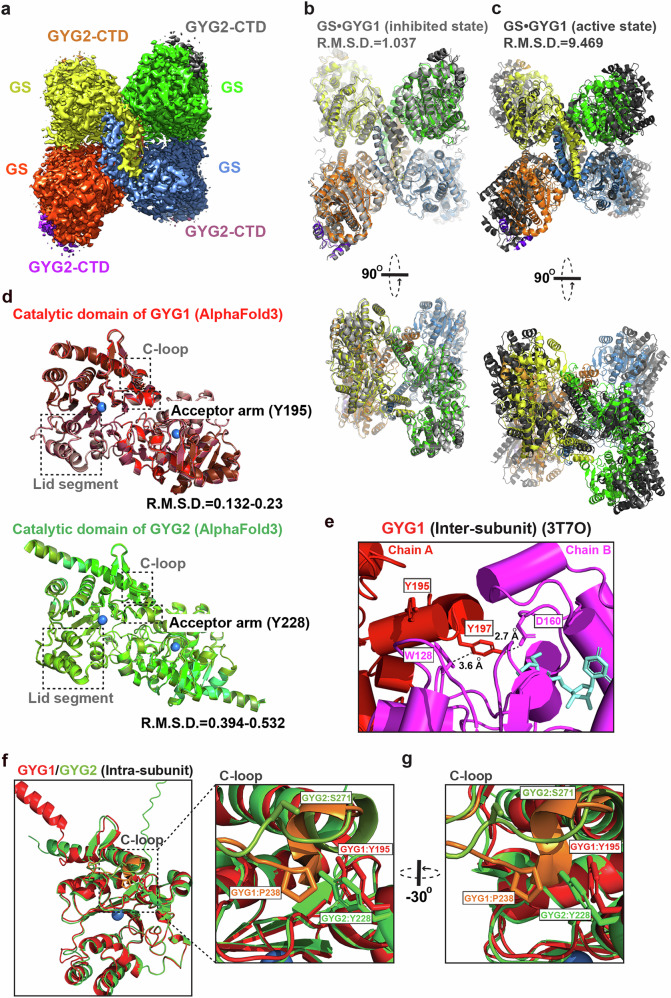
“In current models, GS and GYG1 form a heterooctamer composed of a GS tetramer and two GYG1 dimers, with each GS pro-tomer binding to one GYG1 subunit 9 .”
Characterization of Human Glycogenin-2, a Self-glucosylating Initiator of Liver Glycogen Metabolism
Mu, J., & Roach, P. J. (1998) · Journal of Biological Chemistry · doi:10.1074/jbc.273.52.34850 · Cited by 41 · cited 2×
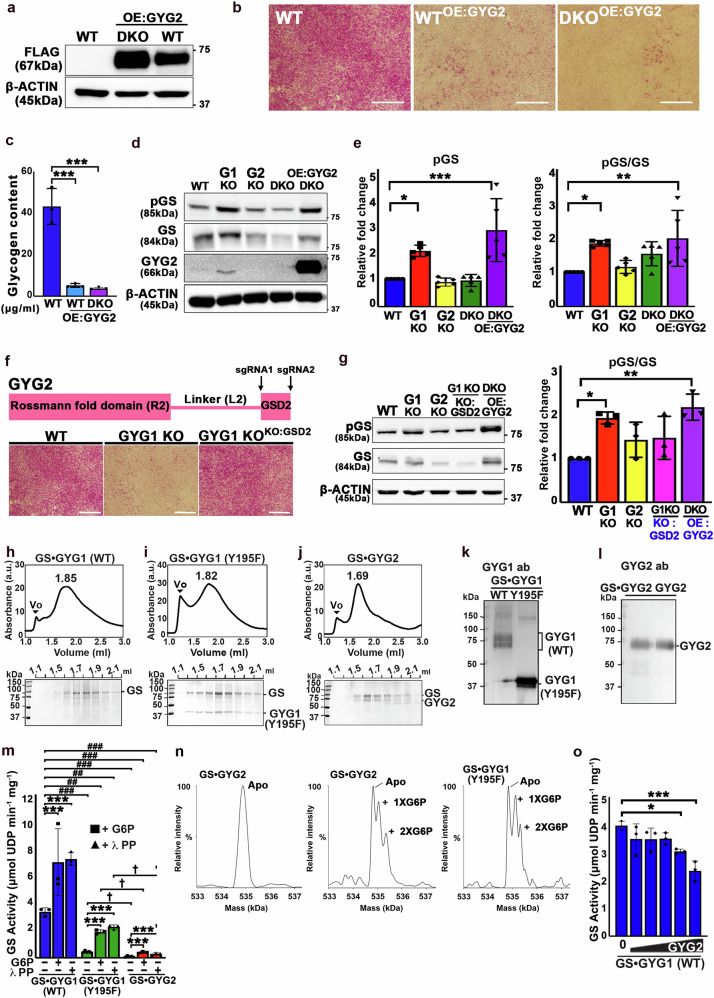
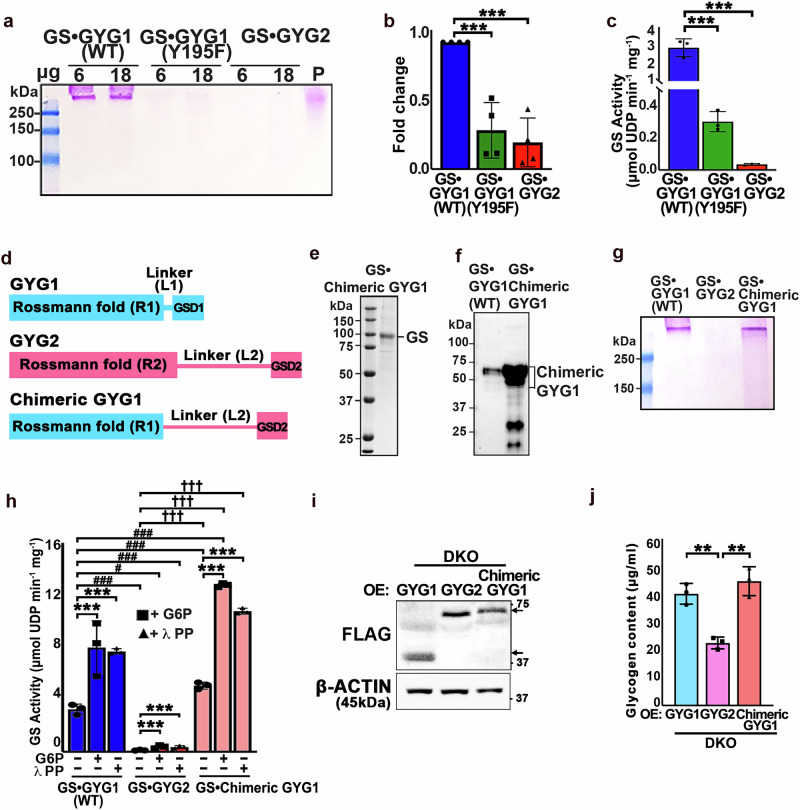
“Despite these conserved features, site-directed mutagenesis studies have showed that GYG2 has substantially reduced autoglycosylation activity 7,21,22 .”
Visuttijai, K., Hedberg‐Oldfors, C., Thomsen, C., Glamuzina, E. E., Kornblum, C., Tasca, G. A., Hernández‐Laín, A., Sandstedt, J., Dellgren, G., Roach, P. J., et al. (2019) · The Journal of Clinical Endocrinology & Metabolism · doi:10.1210/clinem/dgz075 · Cited by 30 · cited 16×
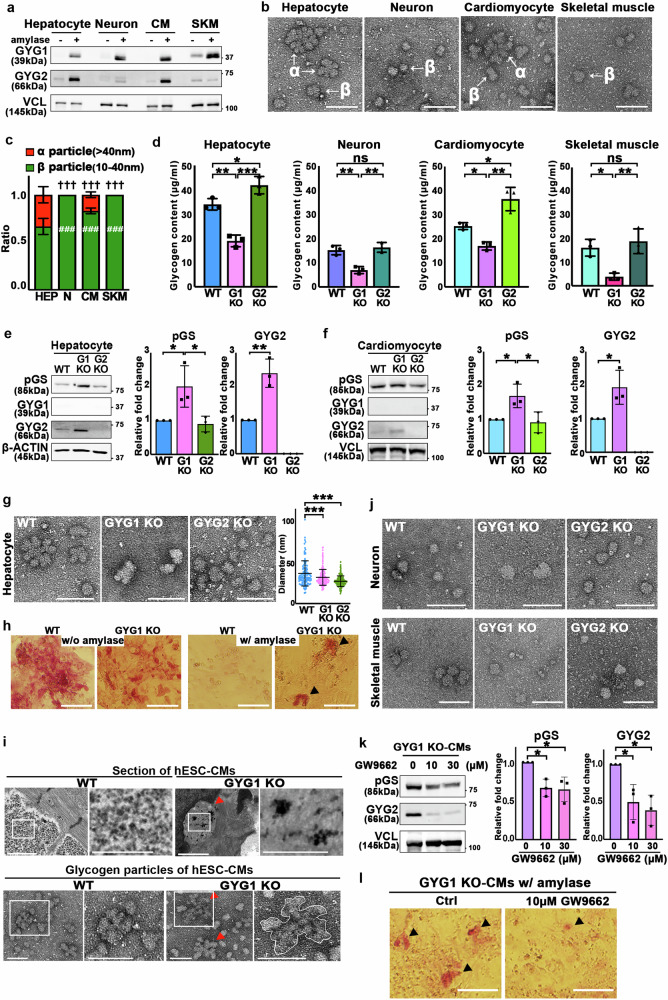
“To further explore the roles of GYG1 and GYG2 in glycogen particle assembly acrossvariouscelltypes,wedifferentiatedWT,GYG1KO,andGYG2KO hESC lines into hepatocytes, CMs, neurons, and skeletal muscle cells.”
InfluentialBesford, Q. A., Zeng, X., Ye, J., & Gray-Weale, A. A. (2015) · Glycoconjugate Journal · doi:10.1007/s10719-015-9631-5 · Cited by 29 · cited 1×
“Rodents, which only possess a single Gyg isoform, exhibit smaller β particles, with α particles being less prominent and inconsistently distributed across tissues 6 .”
The structural mechanism of human glycogen synthesis by the GYS1-GYG1 complex
Fastman, N. M., Liu, Y., Ramanan, V., Merritt, H., Ambing, E., DePaoli-Roach, A. A., Roach, P. J., Hurley, T. D., Mellem, K. T., Ullman, J. C., et al. (2022) · Cell Reports · doi:10.1016/j.celrep.2022.111041 · Cited by 29 · cited 1×
“This inactive state can be reversed by allosteric activation via G6P or dephosphorylation 12 – 14 .”
Glycogen Synthesis in Glycogenin 1–Deficient Patients: A Role for Glycogenin 2 in Muscle
Krag, T. O. B., Ruiz‐Ruiz, C., & Vissing, J. (2017) · The Journal of Clinical Endocrinology & Metabolism · doi:10.1210/jc.2017-00399 · Cited by 24 · cited 2×
“Since GYG2 levels are increased in some GYG1-de fi cient patients 19 , fi rst we wanted to examine if GYG2 may functionally compensate for GYG1.”
A human embryonic stem cell reporter line for monitoring chemical-induced cardiotoxicity
Tsai, S., Ghazizadeh, Z., Wang, H., Amin, S., Ortega, F. A., Badieyan, Z. S., Hsu, Z.-T., Gordillo, M., Kumar, R., Christini, D. J., et al. (2019) · Cardiovascular Research · doi:10.1093/cvr/cvz148 · Cited by 21 · cited 1×
“All hESCs used in this study were derived from the MYH6:mCherry reporter line 33 . hESCs were grown on a Matrigel (Corning, 354277)-coated plate inEssential 8 medium (Gibco, A1516901) supplemented with E8 Supplement (Gibco, A1517101) and Normocin (InvivoGen, ant-nr-2) at 37°C in 5% CO 2 .”
Self-citationIs liver glycogen fragility a possible drug target for diabetes?
Li, C., & Hu, Z. (2019) · The FASEB Journal · doi:10.1096/fj.201901463rr · Cited by 21 · cited 1×
“Notably, some diabetic patients are known to possess glycogen particles of increased fragility and reduced stability, contributing to poor blood sugar control 32 .”
Direct detection of glycogenin reaction products during glycogen initiation
Hurley, T. D., Walls, C. D., Bennett, J. R., Roach, P. J., & Wang, M. (2006) · Biochemical and Biophysical Research Communications · doi:10.1016/j.bbrc.2006.07.106 · Cited by 18 · cited 1×
“First, glycogenin, encoded by GYG , generates an oligosaccharide primer through autoglycosylation 2,3 .”
Nilsson, J., Halim, A., Larsson, E., Moslemi, A., Oldfors, A., Larson, G., & Nilsson, J. (2013) · Biochimica et Biophysica Acta (BBA) - Proteins and Proteomics · doi:10.1016/j.bbapap.2013.11.002 · Cited by 16 · cited 5×
“Despite these conserved features, site-directed mutagenesis studies have showed that GYG2 has substantially reduced autoglycosylation activity 7,21,22 .”
InfluentialGlycogenin-2 Is Dispensable for Liver Glycogen Synthesis and Glucagon-Stimulated Glucose Release
Irgens, H. U., Fjeld, K., Johansson, B. B., Ringdal, M., Immervoll, H., Leh, S. M., Sövik, O., Johansson, S., Molven, A., & Njølstad, P. R. (2015) · The Journal of Clinical Endocrinology & Metabolism · doi:10.1210/jc.2014-4337 · Cited by 14 · cited 6×
“Furthermore, a previous study identi fi ed two families in which GYG2 had been deleted, with a combined 8 out of 11 affected individuals being diabetic 17 .”
InfluentialCurtino, J. A., & Aon, M. A. (2019) · Biochemical Journal · doi:10.1042/bcj20190441 · Cited by 11 · cited 1×
“However, primates, including humans, possess two distinct isoforms, GYG1 and GYG2 7,8 .”
Ham, M., Cho, Y., Kang, T., Oh, T., Kim, H., & Kim, K. (2024) · Aging Cell · doi:10.1111/acel.14049 · Cited by 8 · cited 3×
“A transcriptome-wide analysis of human adipose tissue identi fi ed GYG2 as amitochondria-associated geneunderthetranscriptionalcontrolof PPARG, with its expression positively correlating with mitochondrial function and thermogenic potential in subcutaneous adipose tissue 27 .”
Influential
Cited by
Dong, N., Lu, X., & Qin, D. (2025) · International Journal of Biological Macromolecules · doi:10.1016/j.ijbiomac.2025.147711 · Cited by 6
Houessou, U., Zamani, P., Manikpurage, H. D., Li, Z., Gaudreault, N., Dahmene, M., Dagenais, F., Couture, C., Clavel, M.-A., Pibarot, P., et al. (2026) · Atherosclerosis · doi:10.1016/j.atherosclerosis.2026.120791 · Cited by 1
Genomic analysis of the Ixworth chicken: insights into a local dual-purpose breed
Bertram, H., Jawad, M., Michanski, S., Tiemann, I., Schmitt, A. O., & Gültaş, M. (2026) · BMC Genomics · doi:10.1186/s12864-026-12732-9 · Cited by 1
“GYG1 codes for a family member of glycogenin, a protein that is crucial for glycogen biosynthesis in muscle tissues [66] and hence might play an important role for growth and meat quality in chickens.”
InfluentialVisuttijai, K., Hedberg‐Oldfors, C., Braun, O. B., Englund, E., Glamuzina, E. E., TURNER, C., Vukušić, K., Sandstedt, J., Dellgren, G., Karason, K., et al. (2026) · The Journal of Clinical Endocrinology & Metabolism · doi:10.1210/clinem/dgag212 · Cited by 1
Serio, S., Lambiase, A., Santoro, V., Piccinelli, A. L., Celano, R., Spandri, G., Tripodi, F., Campone, L., Pagliari, S., Coccetti, P., et al. (2026) · Antioxidants · doi:10.3390/antiox15070874 · Cited by 2
“Moreover, a significant increase in glycogen content, a marker of energy reserves [50], was observed at higher concentration (200 µ M) (Figure 8f), indicating that Pin also promotes the accumulation of energy reserves.”
Metadata
- Authors
- Weng, T.-H., Pien, Y.-C., Chen, C.-J., Chen, P.-P., Tseng, Y.-T., Chen, Y.-C., Hsiao, W.-P., Lee, Y.-T., Chen, Y.-A., Chen, Y.-C., Lim, C., Hsu, T.-H., Lin, S.-J., Yen, H.-Y., Hsia, K.-C., & Tsai, S.-Y.
- Affiliations
- National Taiwan University (TW)
- Institute of Molecular Biology, Academia Sinica (TW)
- Institute of Biomedical Sciences, Academia Sinica (TW)
- Institute of Biological Chemistry, Academia Sinica (TW)
- Corresponding author
- Hsia, Kuo-Chiang
- Tsai, Su-Yi
- Venue
- Nature Communications
- Published
- 2025-07-16
- Volume
- 16
- Issue
- 1
- Pages
- 6556-6556
- ISSN
- 2041-1723 (ISSN-L)
- PMC
- PMC12267440
- OpenAlex
- W4412479221
- Cited by
- 9
- References
- 40
- Citations by year
- 2026: 8 · 2025: 1
- FWCI
- 6.45
- Type
- journal article
- Language
- en
- Open access
- gold
- doi.org
- Licence
- cc-by
- creativecommons.org/licenses/by/4.0 (tdm)
- creativecommons.org/licenses/by/4.0 (vor)
- Locations
- Nature Communications (publishedVersion, cc-by)
- PubMed Central (publishedVersion, cc-by)
- PubMed (publishedVersion)
- DOAJ (DOAJ: Directory of Open Access Journals) (submittedVersion, cc-by-sa)
- Funders
- National Taiwan University (112L895405, 113L893105)
- Topics
- Life Sciences › Biochemistry, Genetics and Molecular Biology › Biochemistry › Glycogen Storage Diseases and Myoclonus
- Life Sciences › Biochemistry, Genetics and Molecular Biology › Molecular Biology › Metabolism, Diabetes, and Cancer
- Life Sciences › Biochemistry, Genetics and Molecular Biology › Molecular Biology › Biochemical and Molecular Research
- Keywords
- glycogenin, glycogen synthesis, glycogenolysis, glycogen synthase, glucose homeostasis, glycogen storage disease, cell type-dependent regulation, glycogen metabolism
- MeSH terms
- Human Embryonic Stem Cells, Cell Line, Glucose, Glucosyltransferases, Glycogen, Glycoproteins, Glycosylation, Homeostasis, Humans, Models, Molecular, Particle Size, Phosphorylation, Protein Binding, Protein Structure, Tertiary, Protein Structure, Quaternary
About these checks
Registry, retraction, Cites and statistics results are computed, not judged, with one exception: a printed reference that no index lists is read once by a model before it counts as a citation error. Claims are extracted by a model and kept only when their quote appears verbatim in the text; each cited source is then checked, with a model’s help, for whether it says what the claim relies on. Those verdicts can be wrong — read the claim’s quote and the cited source before relying on one.
Statistics and arithmetic are recomputed, not judged.
Confidence bands are shown only for fields calibrated on our annotated test set. None is calibrated yet, so no band is shown.
What counts as a claim ›How we measure confidence ›How we check this ›
Are you an author, or do you see a problem with this page? Request a review
Data sources
Bibliographic data: Semantic Scholar, OpenAlex, Crossref.
Contains information from the Semantic Scholar Academic Graph Datasets, made available under the ODC Attribution License (ODC-BY 1.0).
Semantic Scholar’s data is described in: Kinney, R., et al. (2023). The Semantic Scholar Open Data Platform. arXiv:2301.10140.
