

The DOI matches its Crossref record; 3 of the 3 references it cites were found in a registry or an index.
A domestication history of dynamic adaptation and genomic deterioration in Sorghum
Published version of a preprint
Overview
The claims and statistics of this paper haven’t been checked yet.
Run the check — free, no account needed. It reads the open-access text and checks the sources it cites.
Integrity signals
Registry
Cites
Statistics
Figures
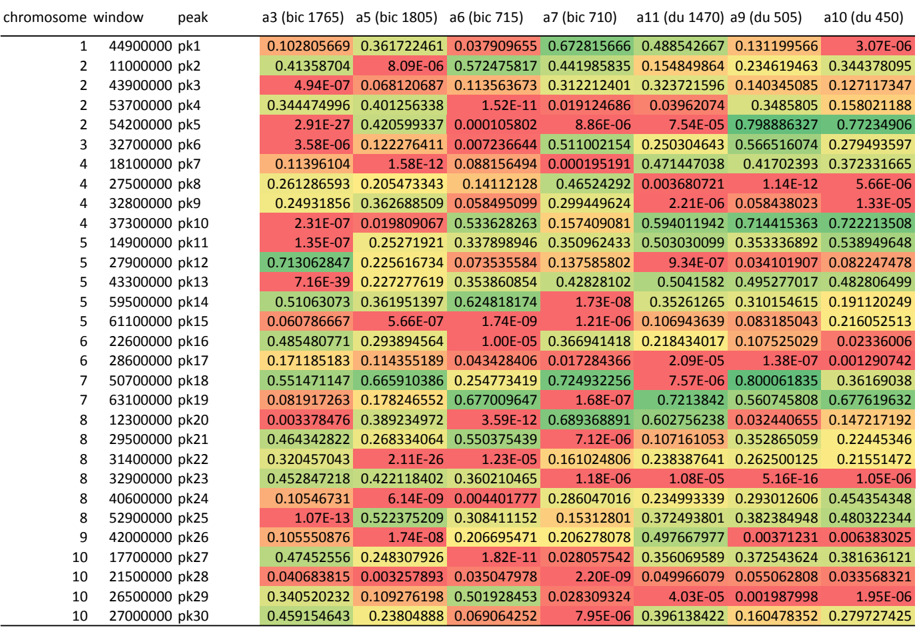
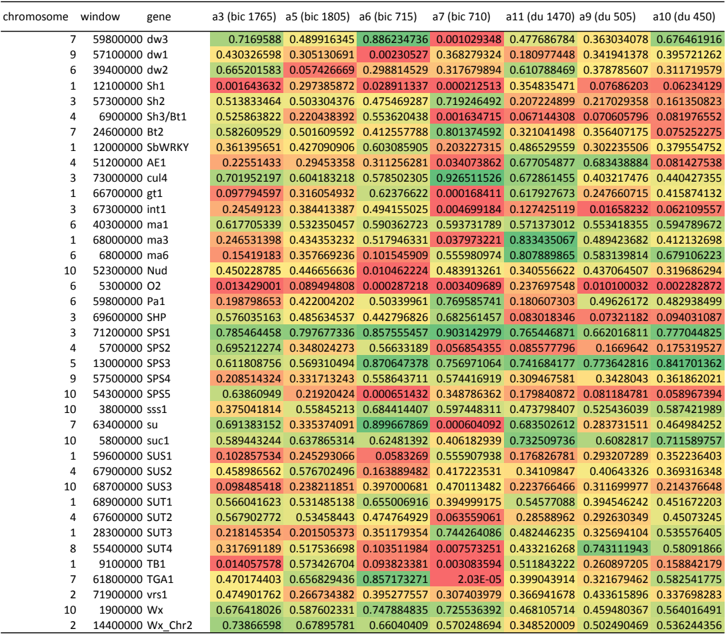
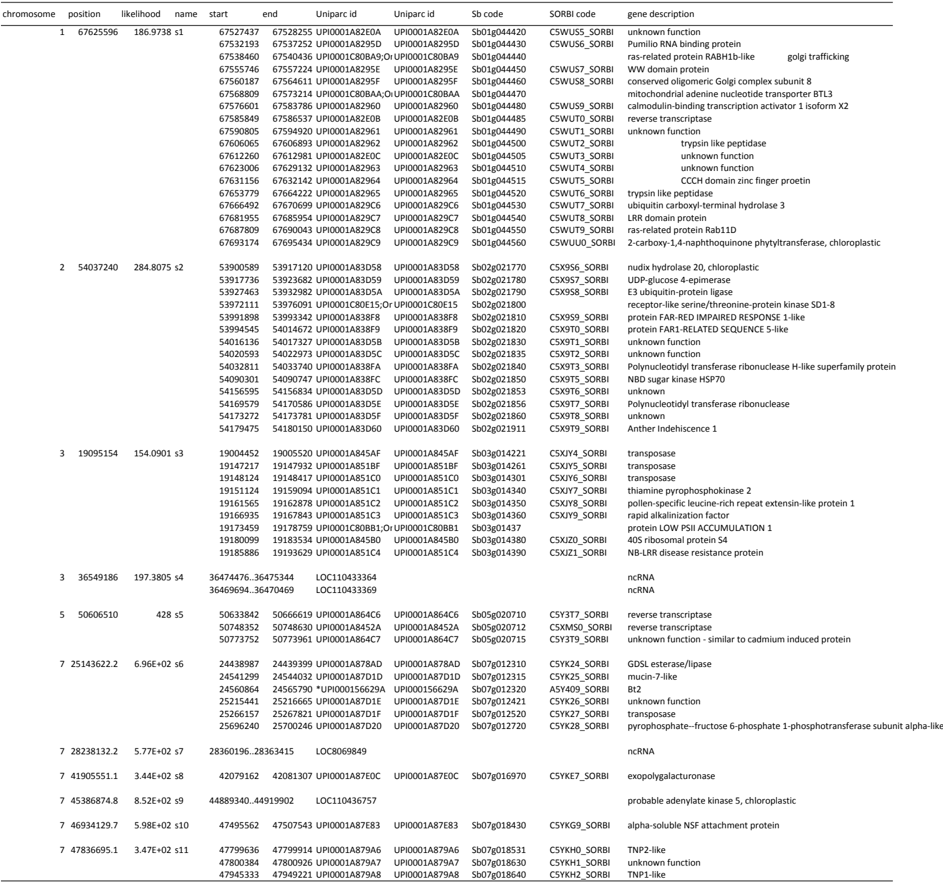
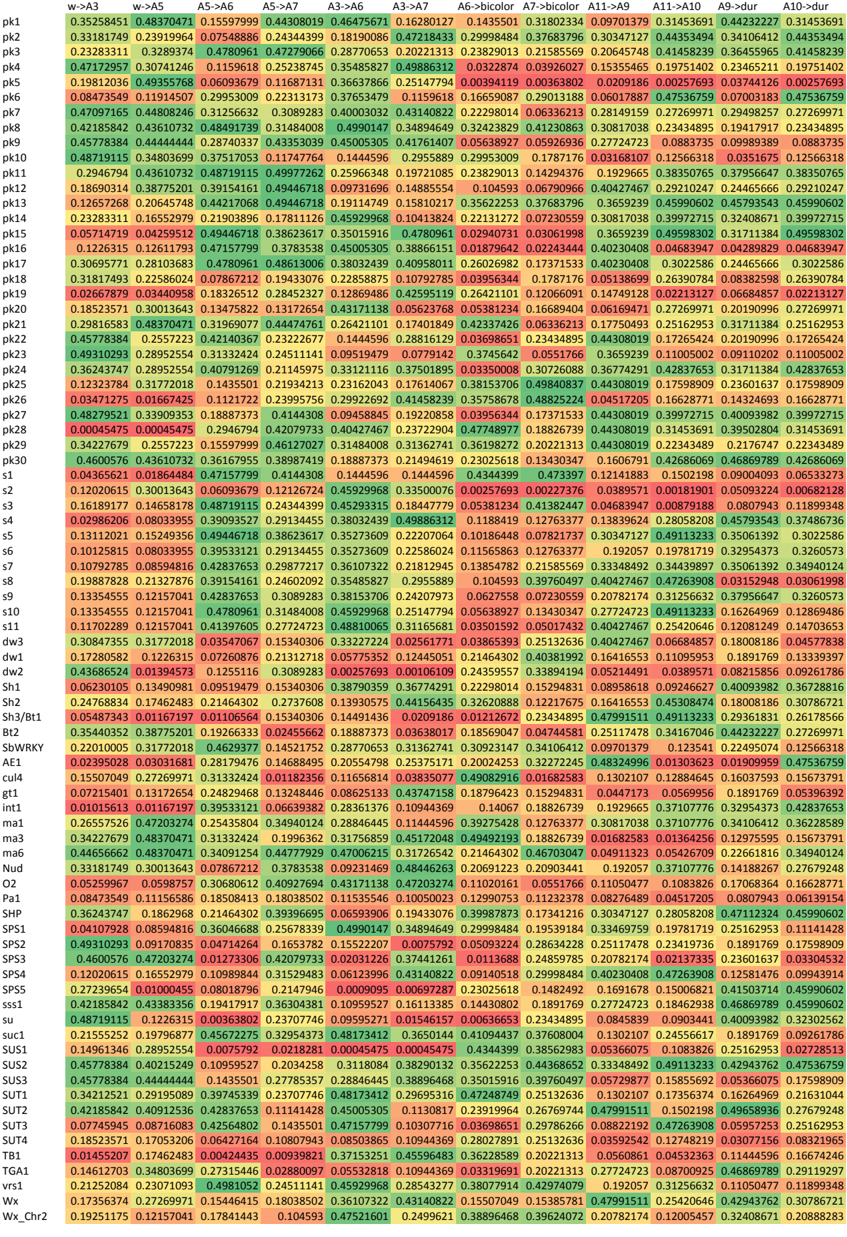
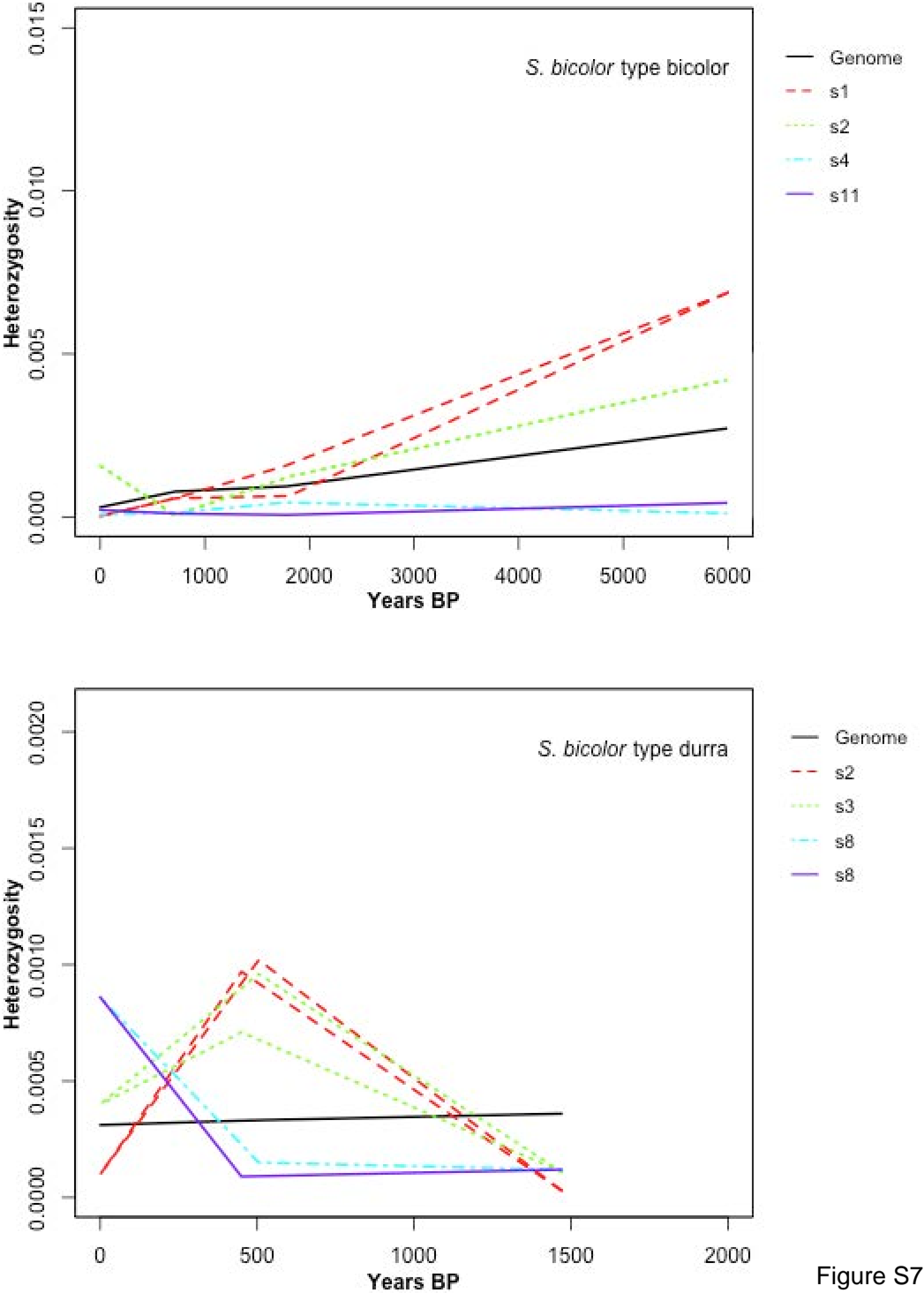
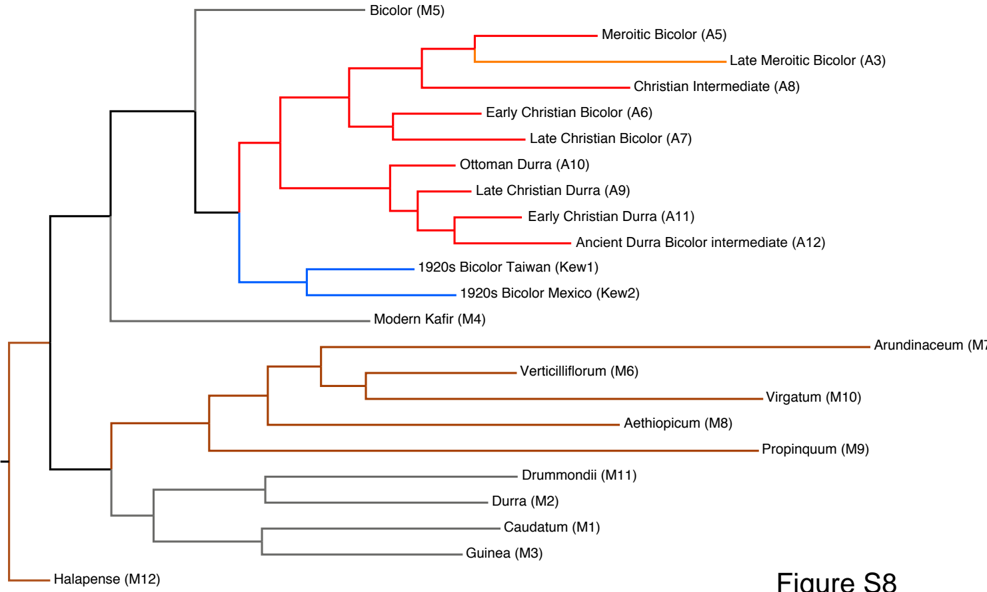
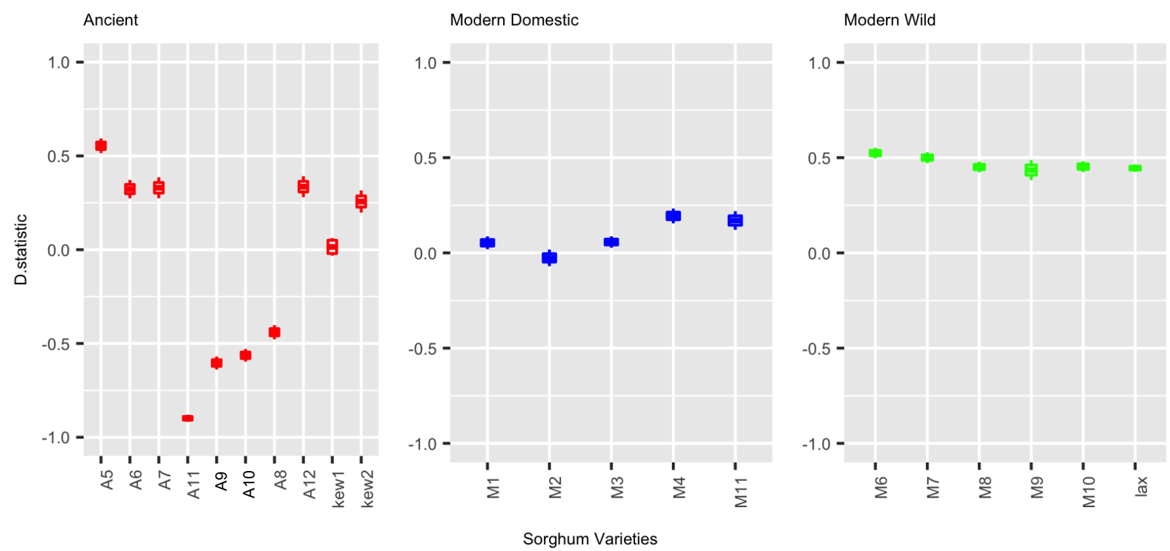
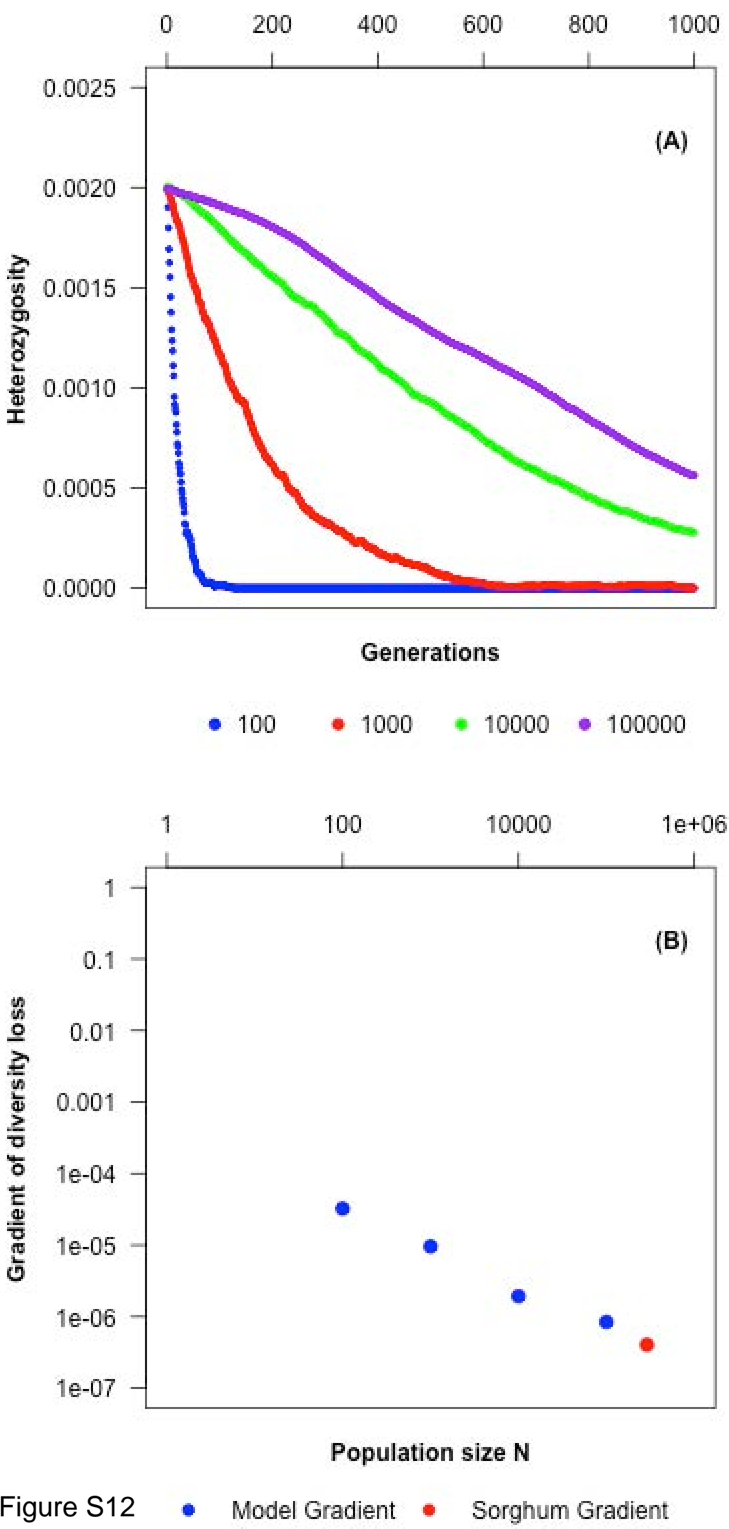
Verification
Claims the paper makes
The claims and statistics of this paper haven’t been checked yet.
Run the check — free, no account needed. It reads the open-access text and checks the sources it cites.
Claims other papers make about this one
Each is checked against this paper’s own text: does it say what the citing paper says it does?
The source backs part of the claim, not all of it — or backs it for a different population, condition or comparison.
In the citing paper
“Paleogenomic data also do not support the presence of a strong demographic bottleneck during early domestication stages (see 292 for a review in major crops), but rather studies of wheat 293 , sunflowers 294 , and horses 148 support more recent losses of genetic diversity.”
From Ancient DNA analysis (2021) · cites this paper as [294]
Experimental — accuracy not yet measured
Self-check
Percentages, sums and reported differences re-computed from the paper’s own numbers.
The self-check needs the paper’s full text.
Citations
Cites
Van der Auwera, G. A., Carneiro, M. O., Hartl, C., Poplin, R., del Angel, G., Levy‐Moonshine, A., Jordan, T., Shakir, K., Roazen, D., Thibault, J., et al. (2013) · Current Protocols in Bioinformatics · doi:10.1002/0471250953.bi1110s43 · Cited by 6,687
Inference of human population history from individual whole-genome sequences
Li, H., & Durbin, R. (2011) · Nature · doi:10.1038/nature10231 · Cited by 2,590
DeGiorgio, M., Jakobsson, M., & Rosenberg, N. A. (2009) · Proceedings of the National Academy of Sciences · doi:10.1073/pnas.0903341106 · Cited by 175
Research works printed but not linked: 56
- Larson, G. et al. Current perspectives and the future of domestication studies. Proc. Natl Acad. Sci. USA 111, 6139–6146 (2014). · DOI
- Purugganan, M. D. & Fuller, D. Q. The nature of selection during plant domestication. Nature 457, 843–848 (2009). · DOI
- Fuller, D. Q. et al. Convergent evolution and parallelism in plant domestication revealed by an expanding archaeological record. Proc. Natl Acad. Sci. USA 111, 6147–6152 (2014). · DOI
- Allaby, R. G., Stevens, S., Lucas, L., Maeda, O. & Fuller, D. Q. Geographic mosaics and changing rates of cereal domestication. Phil. Trans. R. Soc. B 372, 20160429 (2017). · DOI
- Poets, A. M., Fang, Z., Clegg, M. T. & Morell, P. L. Barley landraces are characterized by geographically heterogeneous genomic origins. Genome Biol. 16, 173 (2015). · DOI
- Hardigan, M. A. et al. Genome diversity of tuber-bearing solanum uncovers complex evolutionary history and targets of domestication in the cultivated potato. Proc. Natl Acad. Sci. USA 114, E9999–E10008 (2017). · DOI
- Hufford, M. et al. The genomic signature of crop-wild introgression in maize. PLoS Genet. 9, e1003477 (2013). · DOI
- Winchell, F., Stevens, C. J., Murphy, C., Champion, L. & Fuller, D. Q. Evidence for sorghum domestication in fourth millennium BC eastern Sudan: spikelet morphology from ceramic impressions of the Butana group. Curr. Anthropol. 58, 673–683 (2017). · DOI
- Brown, P. J., Myles, S. & Kresowich, S. Genetic support for a phenotype-based racial classification in sorghum. Crop Sci. 51, 224–230 (2011). · DOI
- Morris, G. et al. Population genomic and genome-wide association studies of agroclimatic traits in sorghum. Proc. Natl Acad. Sci. USA 110, 453–458 (2013). · DOI
- Fuller, D. Q. & Stevens, C. J. in Plants and People in Africa’s Past: Progress in African Archaeobotany (eds Mercuri, A. M. et al.) 427–452 (Springer, 2017). · DOI
- de Wet, J. M. L., Harlan, J. R. & Price, E. G. in Origins of African Plant Domestication (eds Harlan, J. R. et al.) 453–463 (Mouton Press, 1976). · DOI
- Harlan, J. R. & Stemler, A. B. L. in Origins of African Plant Domestication (eds Harlan, J. R. et al.) 465–478 (Mouton Press, 1976). · DOI
- Ohadi, S., Hodnett, G., Rooney, W. & Bagavathiannan, M. Gene flow and its consequences in Sorghum spp. Crit. Rev. Plant Sci. 36, 367–385 (2017). · DOI
- Meyer, R. & Purugganan, M. Evolution of crop species: genetics of domestication and diversification. Nat. Rev. Genet. 14, 840–852 (2013). · DOI
- Wang, L. et al. The interplay of demography and selection during maize domestication and expansion. Genome Biol. 18, 215 (2017). · DOI
- Meyer, R. S. et al. Domestication history and geographical adaptation inferred from a SNP map of African rice. Nat. Genet. 48, 1083–1088 (2016). · DOI
- Mazet, O., Rodríguez, W., Grusea, S., Boitard, S. & Chikhi, L. On the importance of being structured: instantaneous coalescence rates and human evolution—lessons for ancestral population size inference. Heredity (Edinb.) 116, 362–371 (2016). · DOI
- Orozco-terWengel, P. The devil is in the details: the effect of population structure on demographic inference. Heredity (Edinb.) 116, 349–350 (2016). · DOI
- Renault, S. & Rieseberg, L. The accumulation of deleterious mutations as a consequence of domestication and improvement in sunflower and other Compositae crops. Mol. Biol. Evol. 32, 2273–2283 (2015). · DOI
- Liu, Q., Zhou, Y., Morrell, P. L. & Gaut, B. S. Deleterious variants in Asian rice and the potential cost of domestication. Mol. Biol. Evol. 34, 908–924 (2017). · DOI
- Cooper, G. M. et al. Distribution and intensity of constraint in mammalian genomic sequence. Genome Res. 15, 901–913 (2005). · DOI · Paper page
- Smith, O. et al. Genomic methylation patterns in archaeological barley show de-methylation as a time-dependent diagenetic process. Sci. Rep. 4, 5559 (2014). · DOI · Paper page
- Pavlidis, P., Živkovic, D., Stamatakis, A. & Alachiotis, N. SweeD: likelihood-based detection of selective sweeps in thousands of genomes. Mol. Biol. Evol. 30, 2224–2234 (2013). · DOI
- Hudson, M., Ringli, C., Boylan, M. T. & Quail, P. H. The FAR1 locus encodes a novel nuclear protein specific to phytochrome a signaling. Genes Dev. 13, 2017–2027 (1999). · DOI
- Zhu, Q. H., Ramm, K., Shivakkumar, R., Dennis, E. S. & Upadhyahya, N. M. The ANTHER INDEHISCENCE1 gene encoding a single MYB domain protein is involved in anther development in rice. Plant Physiol. 135, 1514–1525 (2004). · DOI
- Martin, S., Davey, J. & Jiggins, C. Evaluating the use of ABBA–BABA statistics to locate introgressed loci. Mol. Biol. Evol. 32, 244–257 (2014). · DOI
- Mace, E. S. et al. Whole genome sequencing reveals untapped genetic potential in Africa’s indigenous cereal crop sorghum. Nat. Commun. 4, 2320 (2013). · DOI
- Thurber, C. S., Ma, J. M., Higgins, R. H. & Brown, P. J. Retrospective genomic analysis of sorghum adaptation to temperate-zone grain production. Genome Biol. 14, R68 (2013). · DOI
- Alvarez, N. et al. Farmers’ practices, metapopulation dynamics, and conservation of agricultural biodiversity on-farm: a case study of sorghum among the Duupa in sub-sahelian Cameroon. Biol. Conserv. 121, 533–543 (2005). · DOI
- Westengen, O. T. et al. Ethnolinguistic structuring of sorghum genetic diversity in Africa and the role of local seed systems. Proc. Natl Acad. Sci. USA 111, 14100–14105 (2014). · DOI
- Allaby, R. G., Ware, R. & Kistler, L. A re-evaluation of the domestication bottleneck from archaeogenomic evidence. Evol. Appl. 12, 29–37 (2018). · DOI
- Kremling, K. A. et al. Dysregulation of expression correlates with rare-allele burden and fitness loss in maize. Nature 555, 520–523 (2018). · DOI
- Rogers & Slatkin Excess defects in a woolly mammoth on Wrangel Island. PLoS Genet. 13, e1006601 (2017). · DOI · Paper page
- Shennan, S. et al. Regional population collapse followed initial agricultural booms in mid-Holocene Europe. Nat. Commun. 4, 2486 (2013). · DOI
- Allaby, R. G., Kitchen, J. L. & Fuller, D. Q. Surprisingly low limits of selection in plant domestication. Evol. Bioinform. Online 11, 41–51 (2016).
- Alexander, J. The Saharan divide in the Nile Valley: the evidence from Qasr Ibrim. Afr. Archaeol. Rev. 6, 73–90 (1988). · DOI
- Rose, P. in The Encyclopedia of Ancient History (eds Bagnall, R. S. et al.) 5695–5697 (Wiley, 2013).
- Palmer, S. A., Moore, J. D., Clapham, A. J., Rose, P. & Allaby, R. G. Archaeogenetic evidence of ancient Nubian barley evolution from six to two-row indicates local adaptation. PLoS ONE 4, e6301 (2009). · DOI
- Palmer, S. A. et al. Archaeogenomic evidence of punctuated genome evolution in Gossypium. Mol. Biol. Evol. 29, 2031–2038 (2012). · DOI
- O’Donoghue, K., Clapham, A., Evershed, R. P. & Brown, T. A. Remarkable preservation of biomolecules in ancient radish seeds. Proc. Biol. Sci. 263, 541–547 (1996). · DOI
- Alexander, J. & Driskell, B. Qasr Ibrim 1984. J. Egypt. Archaeol. 71, 12–26 (1985).
- Rowley-Conwy, P. Nubia AD 0-550 and the ‘Islamic’ agricultural revolution: preliminary botanical evidence from Qasr Ibrim, Egyptian Nubia. Archeol. du Nil Moyen 3, 131–138 (1989).
- Adams, W. Y. Ceramic Industries of Medieval Nubia (Univ. Kentucky Press, 1986).
- Hanghøj, K. et al. Fast, accurate and automatic ancient nucleosome and methylation maps with epiPALEOMIX. Mol. Biol. Evol. 33, 3248–3298 (2016). · DOI
- Paterson, A. H. et al. The Sorghum bicolor genome and the diversification of grasses. Nature 457, 551–556 (2009). · DOI
- Langmead, B. & Salzberg, S. L. Fast gapped-read alignment with Bowtie 2. Nat. Methods 9, 357–359 (2012). · DOI · Paper page
- Li, H. et al. The sequence alignment/map (SAM) format and SAMtools. Bioinformatics 25, 2078–2079 (2009). · DOI · Paper page
- Bouyer, D. et al. DNA methylation dynamics during early plant life. Genome Biol. 18, 179 (2017). · DOI · Paper page
- Clark, R. M., Tavare, S. & Doebley, J. Estimating a nucleotide substitution rate for maize from polymorphism at a major domestication locus. Mol. Biol. Evol. 22, 2304–2312 (2005). · DOI
- da Fonseca, R. R. et al. The origin and evolution of maize in the southwestern United States. Nat. Plants 1, 14003 (2015). · DOI
- Koslov, A. M., Aberer, A. & Alexandros, S. ExaML version 3: a tool for phylogenomic analysis on supercomputers. Bioinformatics 31, 2577–2579 (2015). · DOI
- Felsenstein, J. Evolutionary trees from DNA sequences: a maximum likelihood approach. J. Mol. Evol. 17, 368–376 (1981). · DOI · Paper page
- Stamatakis, A. RAxML-VI-HPC: maximum likelihood-based phylogenetic analyses with thousands of taxa and mixed models. Bioinformatics 22, 2688–2690 (2006). · DOI · Paper page
- Pfeifer, B., Wittelsbürger, U., Ramos-Onsins, S. & Lercher, M. PopGenome: an efficient Swiss army knife for population genomic analyses in R. Mol. Biol. Evol. 31, 1929–1936 (2014). · DOI
- Wolfe, K. H., Sharpe, P. M. & Li, W. H. Rates of synonymous substitution in plant nuclear genes. J. Mol. Evol. 29, 208–211 (1989). · DOI
Cited by
Sorted by citations
Crop genetic erosion: understanding and responding to loss of crop diversity
Khoury, C. K., Brush, S., Costich, D. E., Curry, H. A., de Haan, S., Engels, J. M. M., Guarino, L., Hoban, S., Mercer, K. L., Miller, A. J., et al. (2022) · New Phytologist · doi:10.1111/nph.17733 · Cited by 471
Orlando, L., Allaby, R., Skoglund, P., Der Sarkissian, C., Stockhammer, P. W., Ávila-Arcos, M. C., Fu, Q., Krause, J., Willerslev, E., Stone, A. C., et al. (2021) · Nature Reviews Methods Primers · doi:10.1038/s43586-020-00011-0 · Cited by 411
Self-citation
Metadata
- Authors
- Smith, O., Nicholson, W. V., Kistler, L., Mace, E., Clapham, A., Rose, P., Stevens, C., Ware, R., Samavedam, S., Barker, G., Jordan, D., Fuller, D. Q., & Allaby, R. G.
- Venue
- Nature Plants
- Published
- 2019-04-08
- Volume
- 5
- Issue
- 4
- Pages
- 369-379
- ISSN
- 2055-0278
- Cited by
- 106
- References
- 3
- Language
- en
About these checks
Registry, retraction, Cites and statistics results are computed, not judged, with one exception: a printed reference that no index lists is read once by a model before it counts as a citation error. Claims are extracted by a model and kept only when their quote appears verbatim in the text; each cited source is then checked, with a model’s help, for whether it says what the claim relies on. Those verdicts can be wrong — read the claim’s quote and the cited source before relying on one.
Statistics and arithmetic are recomputed, not judged.
Confidence bands are shown only for fields calibrated on our annotated test set. None is calibrated yet, so no band is shown.
What counts as a claim ›How we measure confidence ›How we check this ›
Are you an author, or do you see a problem with this page? Request a review
