

The DOI matches its Crossref record; 100 of the 100 references it cites were found in a registry or an index.
Genetic correlates of social stratification in Great Britain
Open accessPublished version of a preprint
Abstract
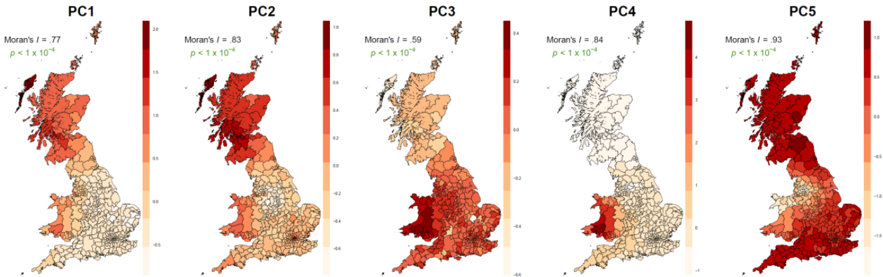
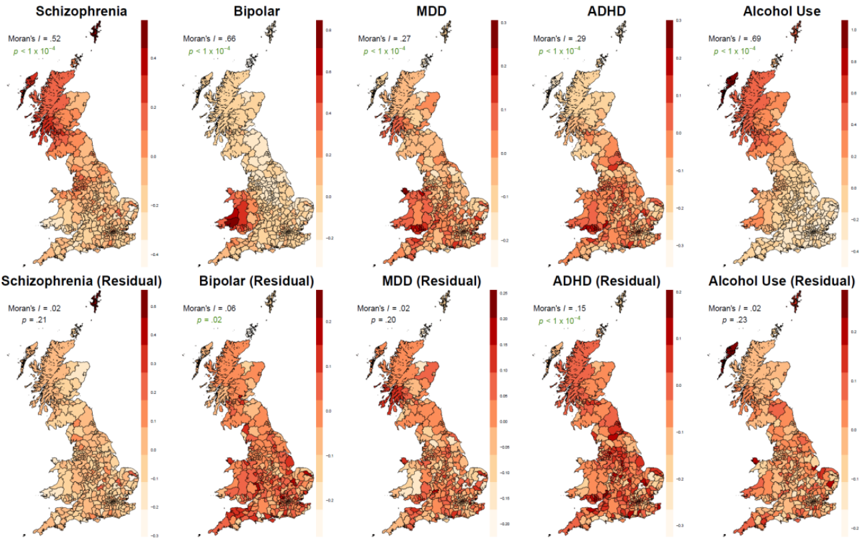
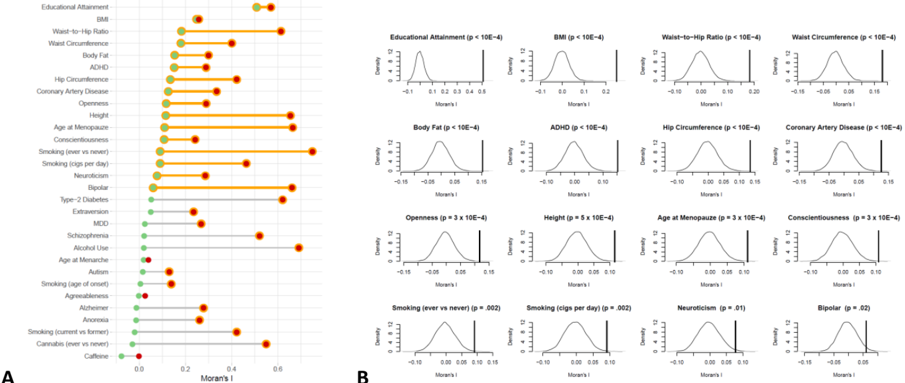
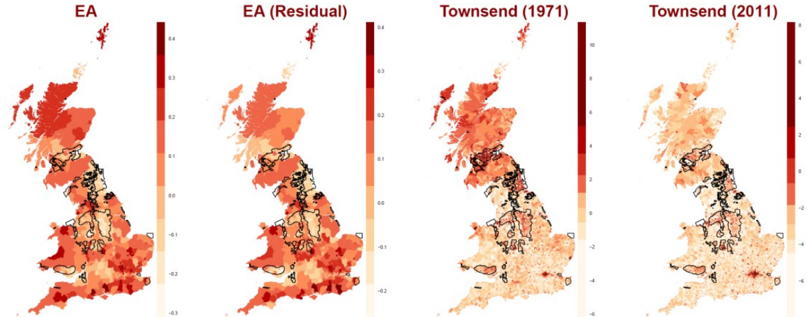
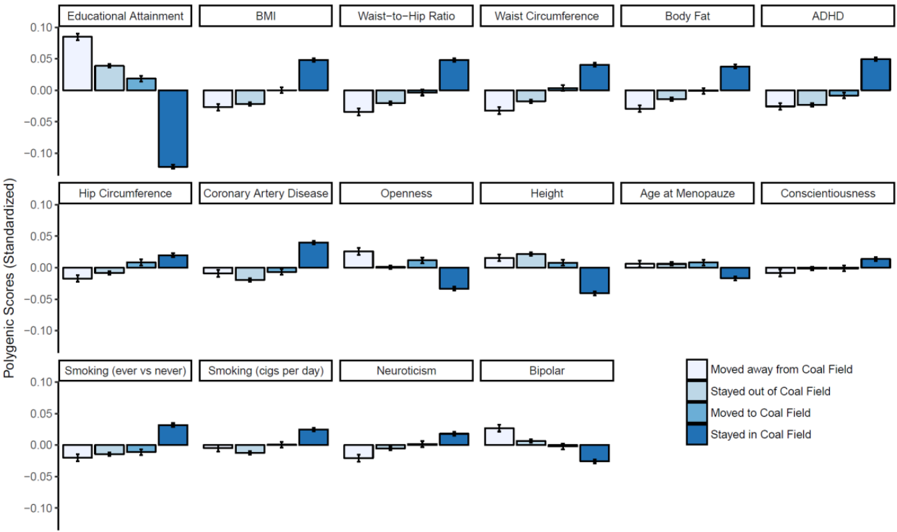
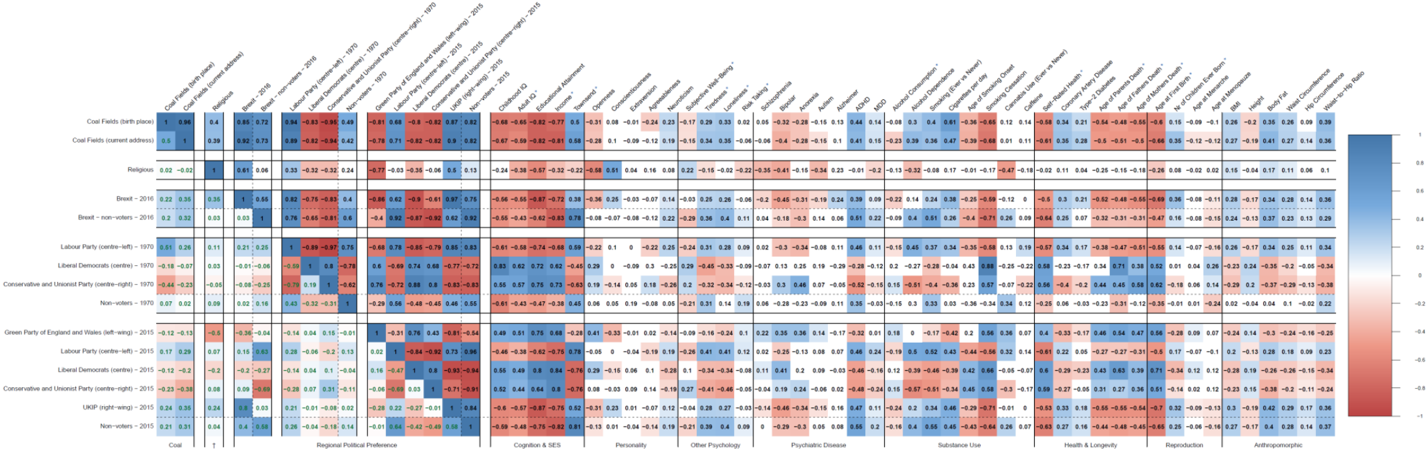
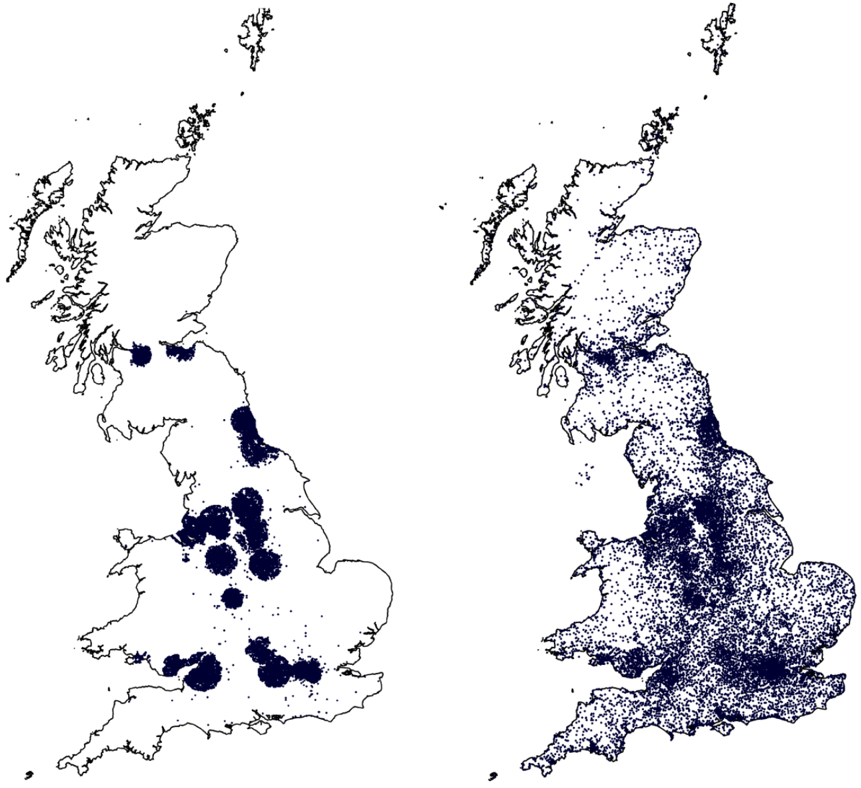
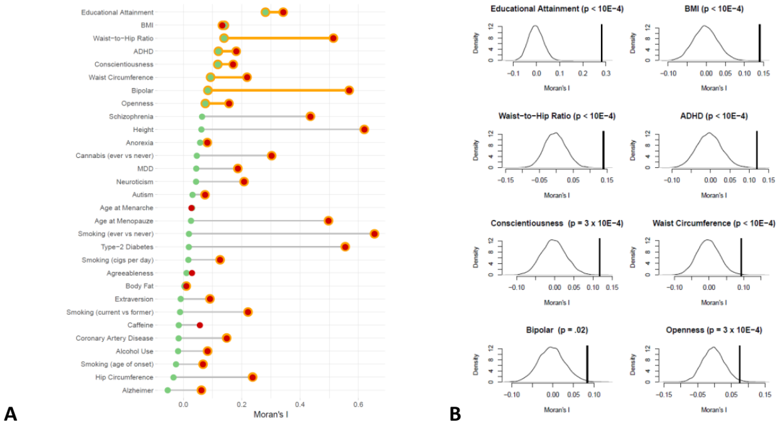
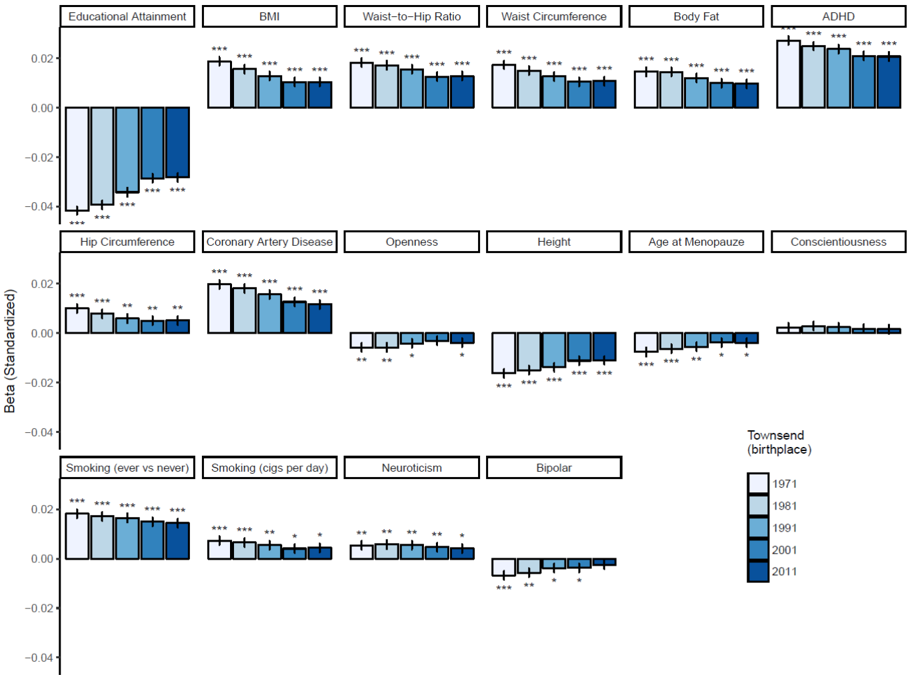
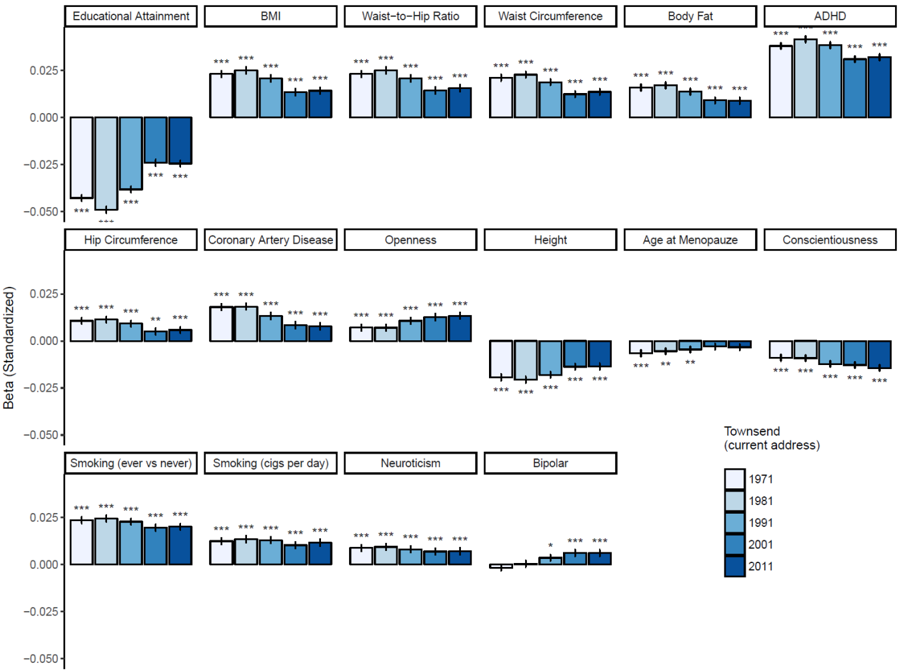
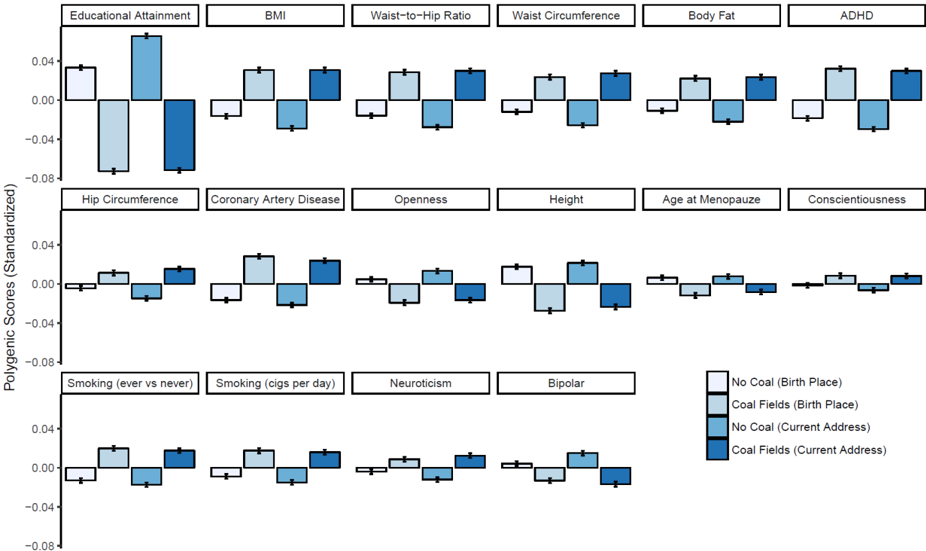
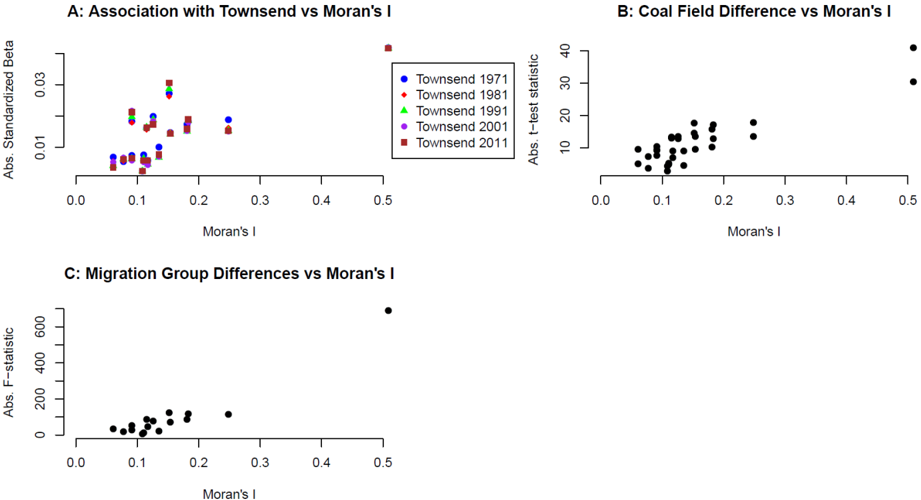
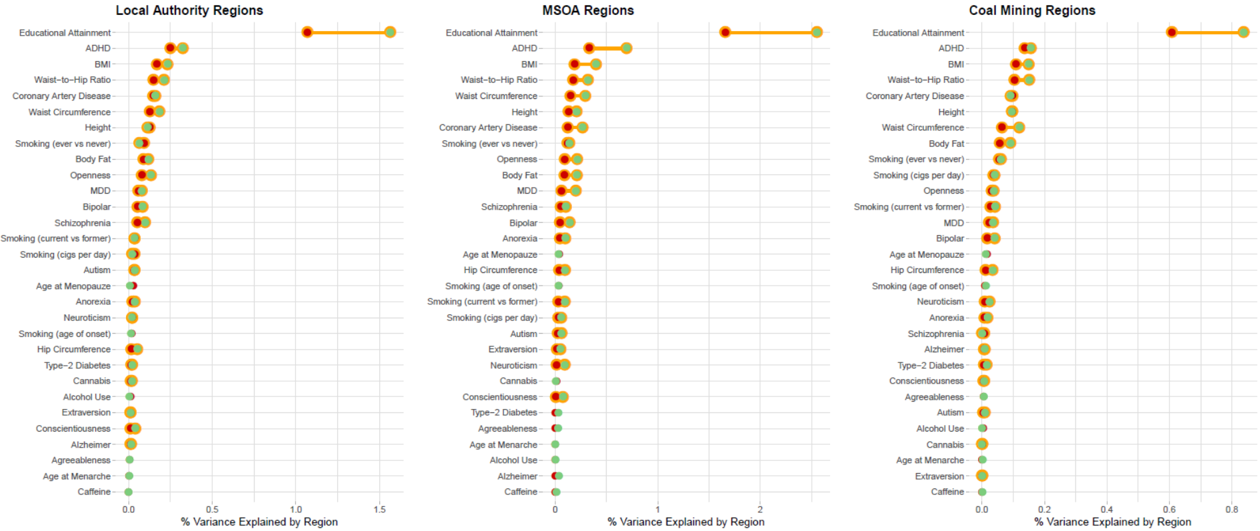
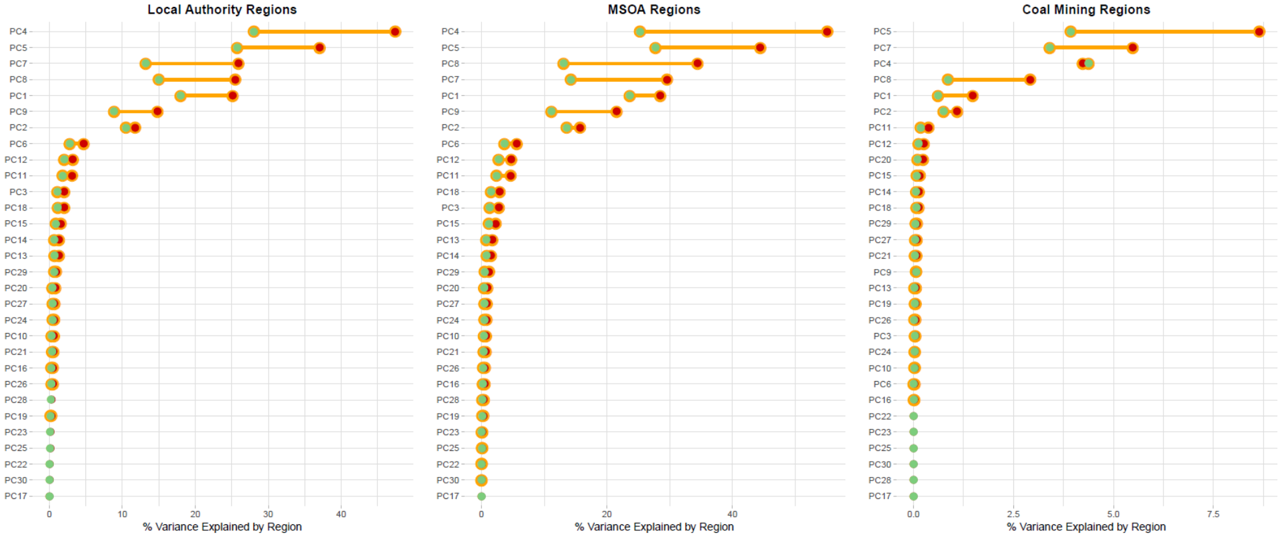
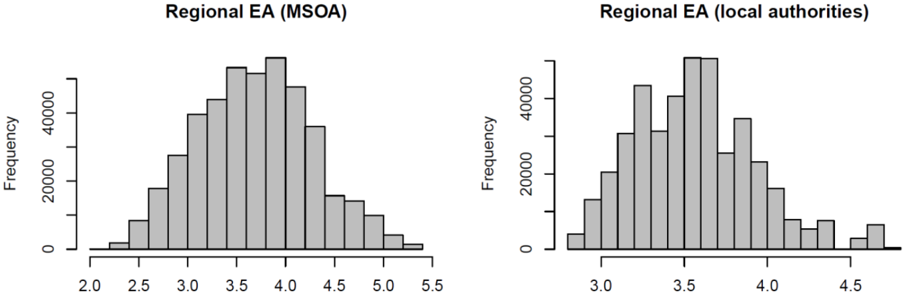
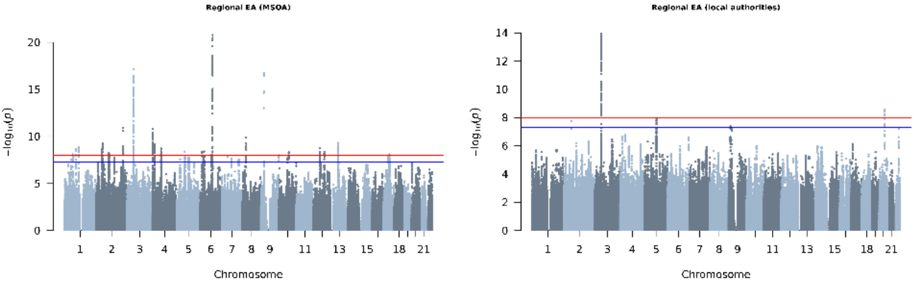
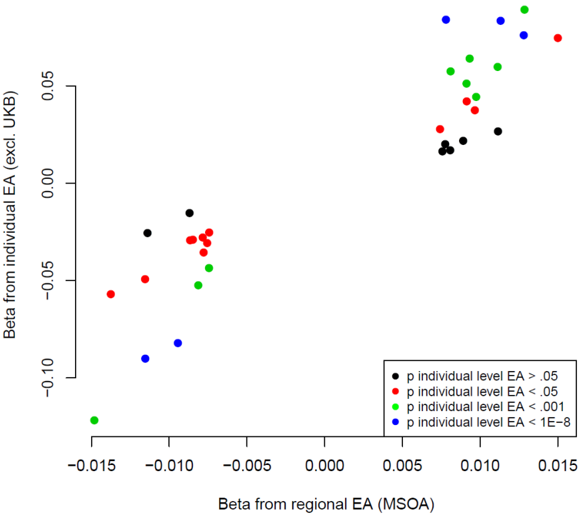
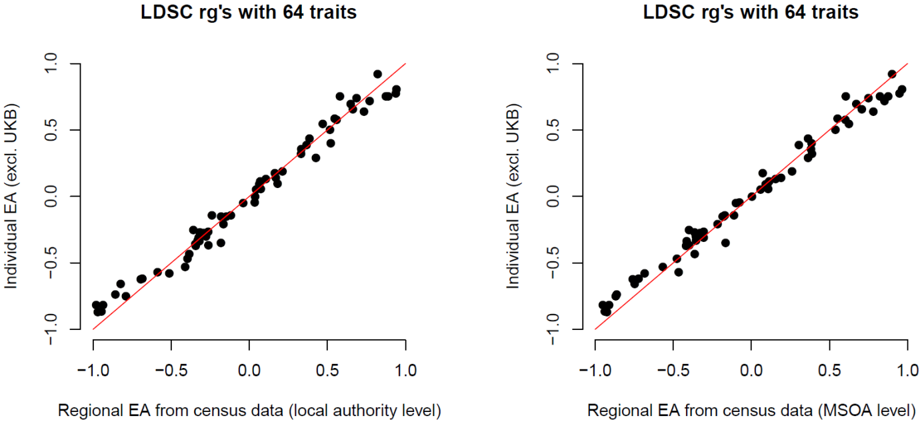
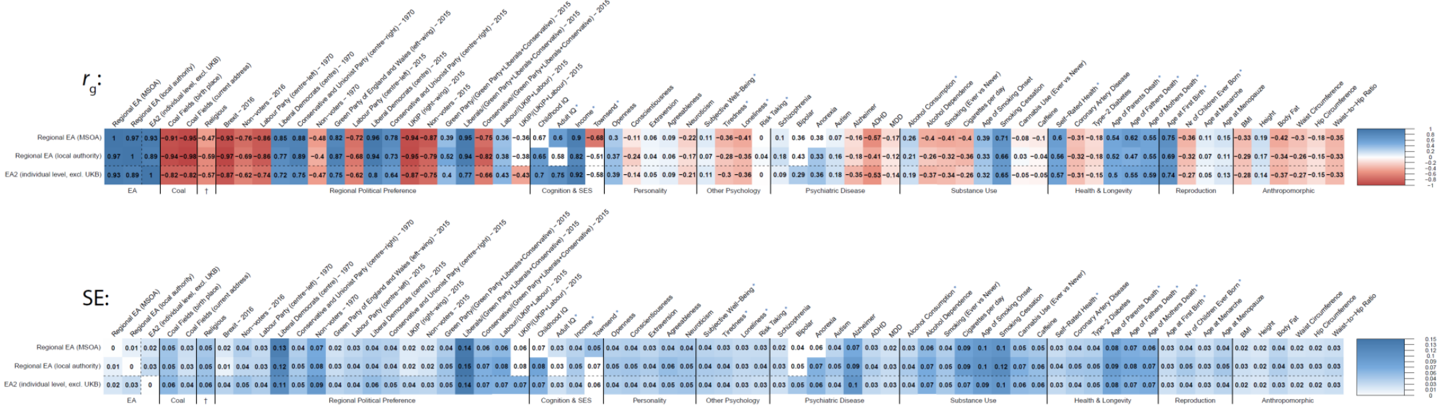
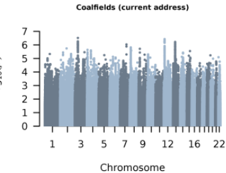
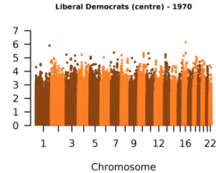
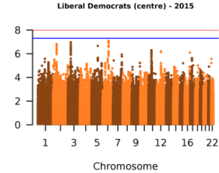
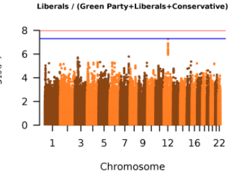
Human DNA polymorphisms vary across geographic regions, with the most commonly observed variation reflecting distant ancestry differences. Here we investigate the geographic clustering of common genetic variants that influence complex traits in a sample of ~450,000 individuals from Great Britain. Of 33 traits analysed, 21 showed significant geographic clustering at the genetic level after controlling for ancestry, probably reflecting migration driven by socioeconomic status (SES). Alleles associated with educational attainment (EA) showed the most clustering, with EA-decreasing alleles clustering in lower SES areas such as coal mining areas. Individuals who leave coal mining areas carry more EA-increasing alleles on average than those in the rest of Great Britain. The level of geographic clustering is correlated with genetic associations between complex traits and regional measures of SES, health and cultural outcomes. Our results are consistent with the hypothesis that social stratification leaves visible marks in geographic arrangements of common allele frequencies and gene-environment correlations.
Overview
The claims and statistics of this paper haven’t been checked yet.
Run the check — free, no account needed. It reads the open-access text and checks the sources it cites.
Integrity signals
Registry
Cites
Statistics
Figures
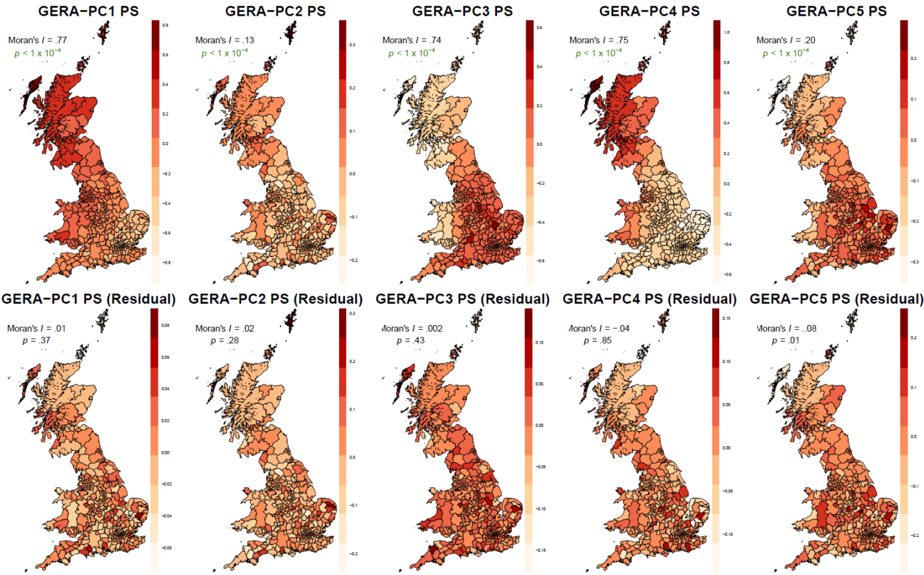
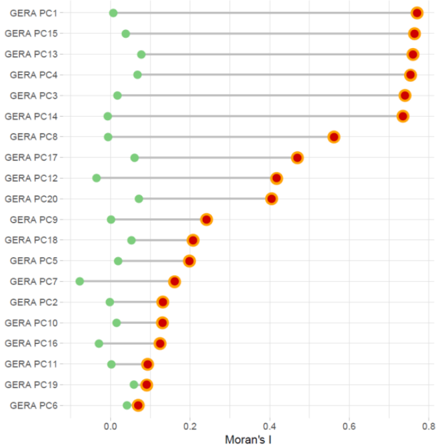
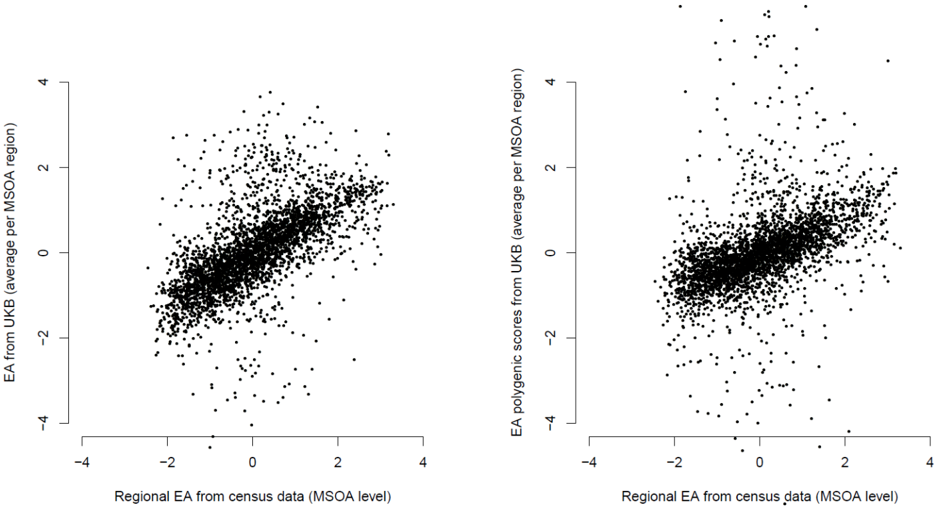
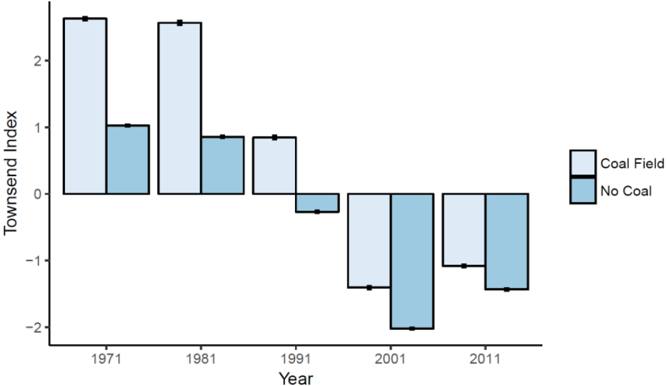
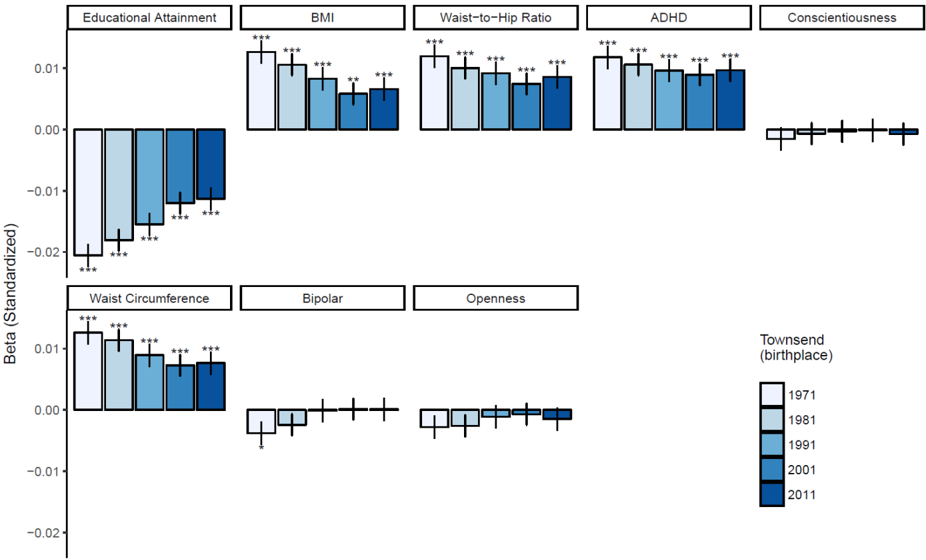
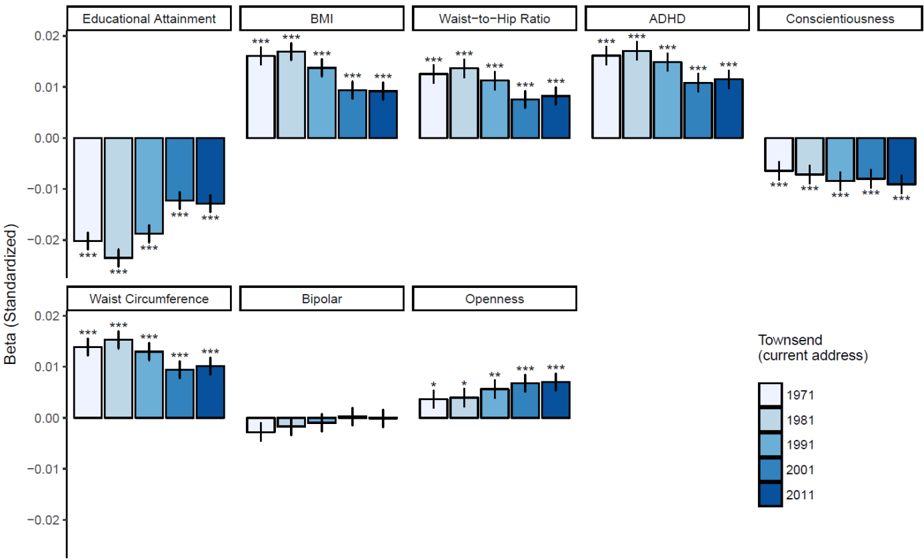
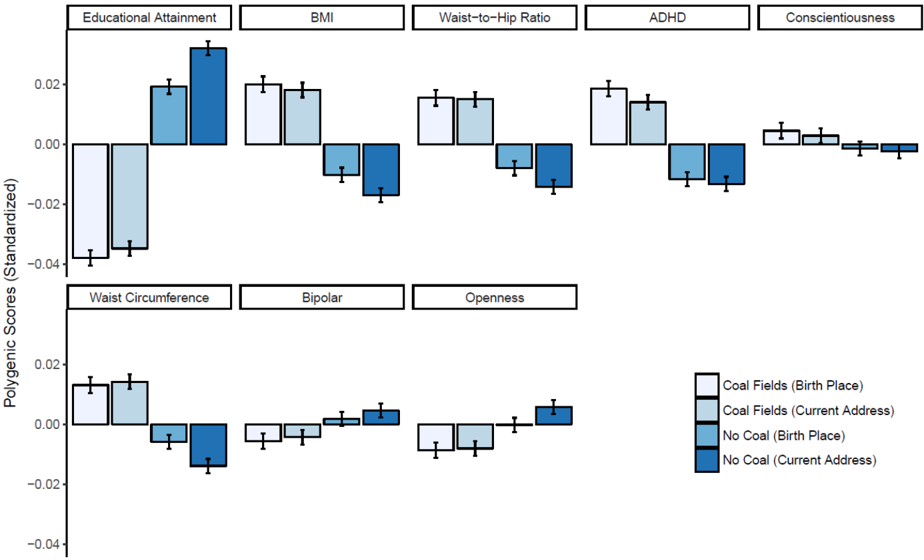
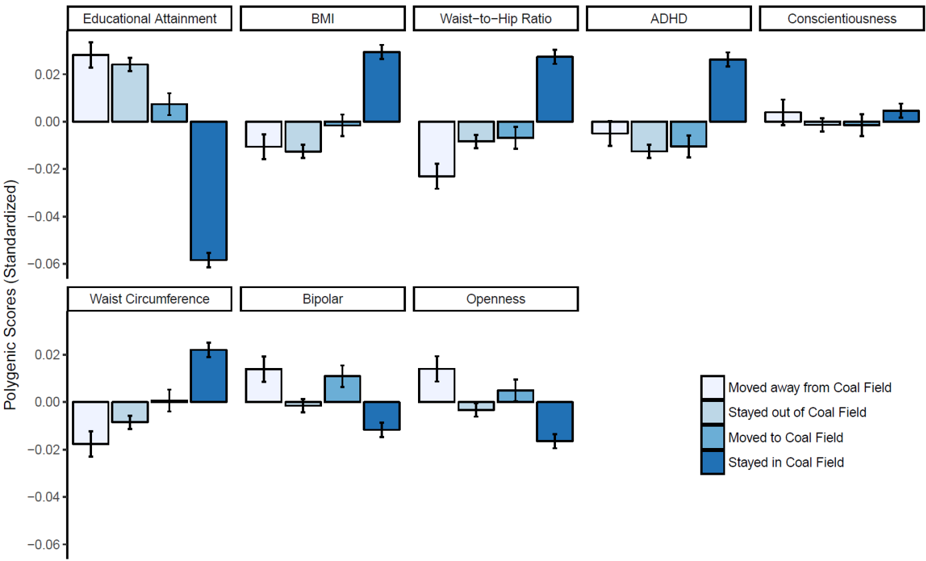
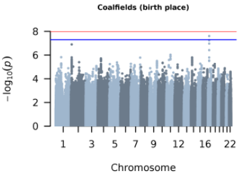
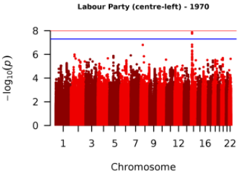
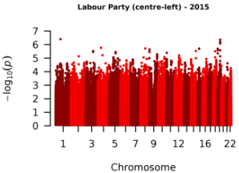
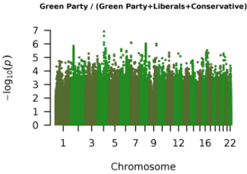
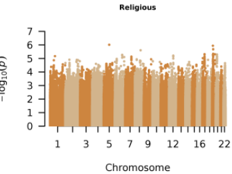
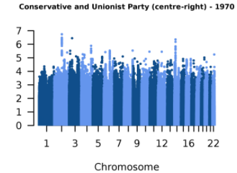
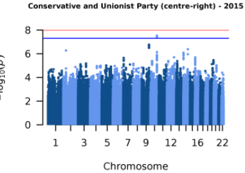
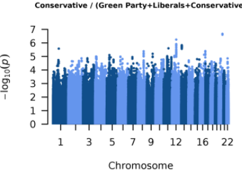
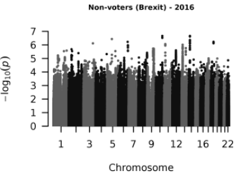
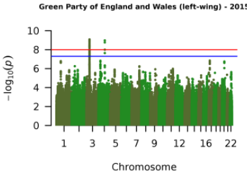
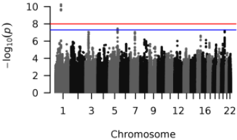
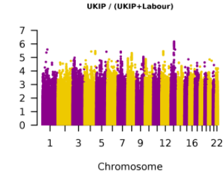
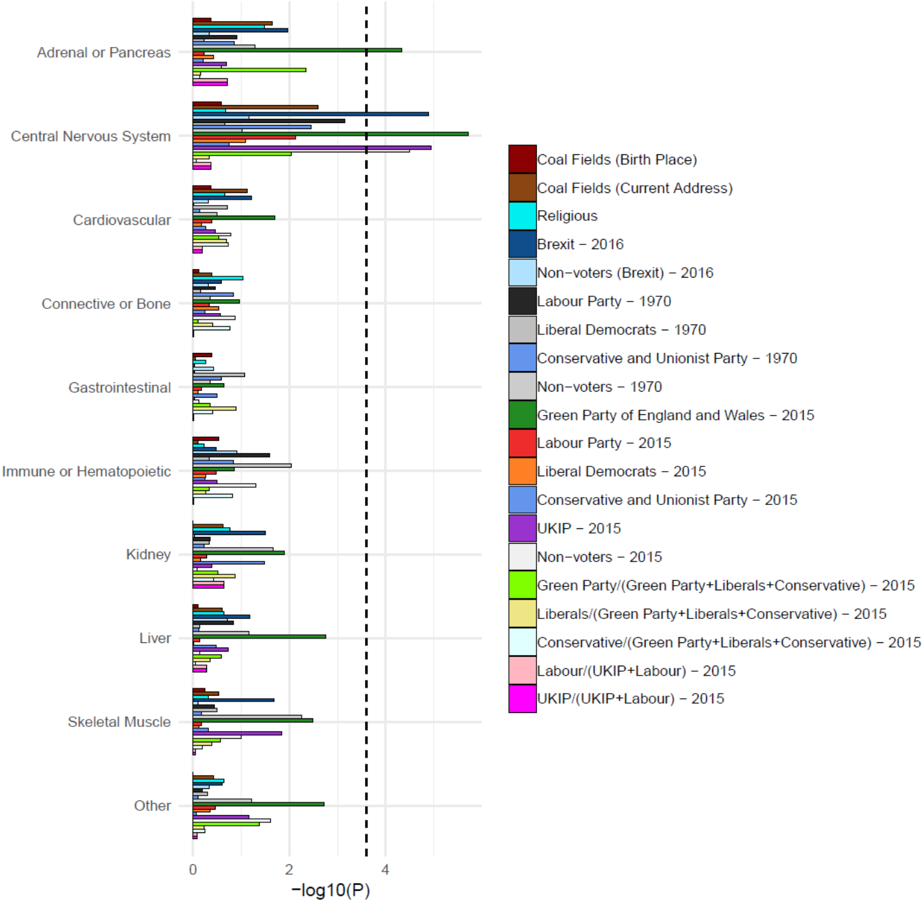
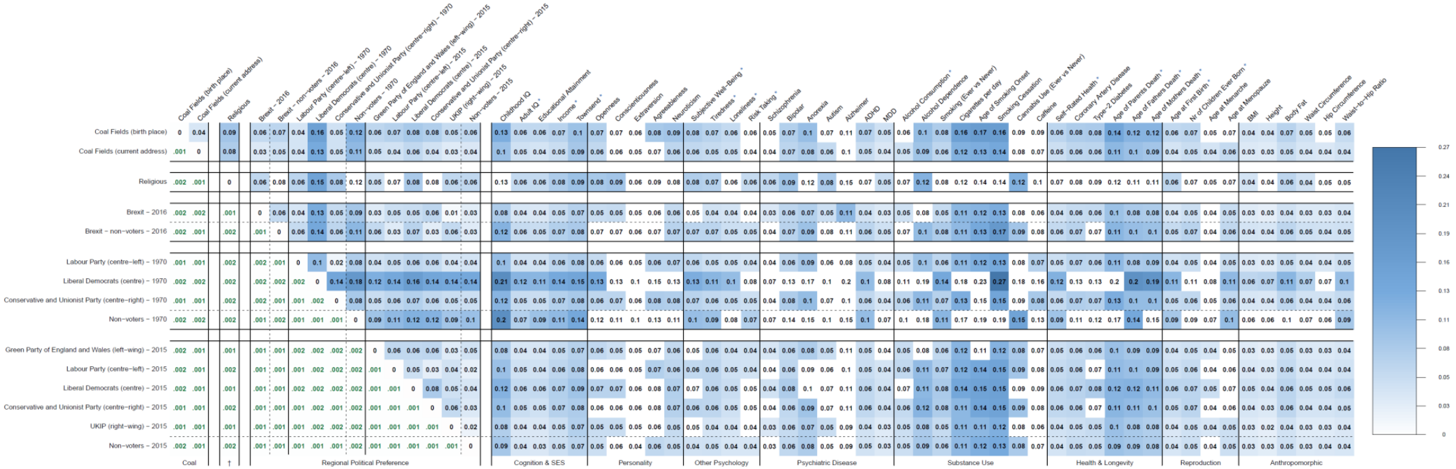
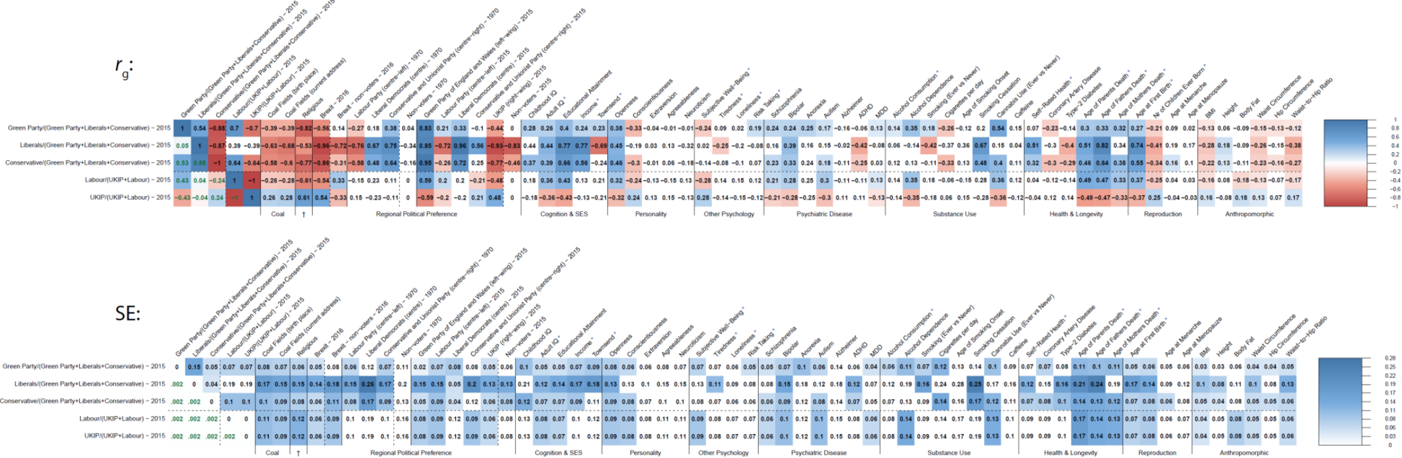
Verification
Claims the paper makes
The claims and statistics of this paper haven’t been checked yet.
Run the check — free, no account needed. It reads the open-access text and checks the sources it cites.
Claims other papers make about this one
Each is checked against this paper’s own text: does it say what the citing paper says it does?
The source backs part of the claim, not all of it — or backs it for a different population, condition or comparison.
In the citing paper
“This remainder is due to assortment on phenotypes correlated with the EA PGI other than EA, cognitive performance, and vocabulary—possibly including various personality traits42-44—and sources of social homogamy other than genetic ancestry captured by the top 40 PCs—possibly including geographic location at courtship age45,46, socioeconomic status, and social class47.”
From Polygenic prediction of educational attainment within and between families from genome-wide association analyses in 3 million individuals (2022) · cites this paper as [46]
Experimental — accuracy not yet measured
Self-check
Percentages, sums and reported differences re-computed from the paper’s own numbers.
The self-check needs the paper’s full text.
Citations
Cites
PLINK: a tool set for whole-genome association and population-based linkage analyses.
Purcell, S., Neale, B., Todd-Brown, K., Thomas, L., Ferreira, M. A. R., Bender, D., Maller, J., Sklar, P., de Bakker, P. I. W., Daly, M. J., et al. (2007) · The American Journal of Human Genetics · doi:10.1086/519795 · Cited by 34,089
A global reference for human genetic variation
The 1000 Genomes Project Consortium, authors, C., Auton, A., Abecasis, G. R., Steering committee, Altshuler, D. M., Durbin, R. M., Abecasis, G. R., Bentley, D. R., Chakravarti, A., et al. (2015) · Nature · doi:10.1038/nature15393 · Cited by 18,247
Sudlow, C., Gallacher, J., Allen, N., Beral, V., Burton, P., Danesh, J., Downey, P., Elliott, P., Green, J., Landray, M., et al. (2015) · PLOS Medicine · doi:10.1371/journal.pmed.1001779 · Cited by 12,728
Principal components analysis corrects for stratification in genome-wide association studies
Price, A. L., Patterson, N. J., Plenge, R. M., Weinblatt, M. E., Shadick, N. A., & Reich, D. (2006) · Nature Genetics · doi:10.1038/ng1847 · Cited by 10,248
A Computer Movie Simulating Urban Growth in the Detroit Region
Tobler, W. (1970) · Economic Geography · doi:10.2307/143141 · Cited by 10,095
The UK Biobank resource with deep phenotyping and genomic data
Bycroft, C., Freeman, C., Petkova, D., Band, G., Elliott, L. T., Sharp, K., Motyer, A., Vukcevic, D., Delaneau, O., O’Connell, J., et al. (2018) · Nature · doi:10.1038/s41586-018-0579-z · Cited by 8,876
NOTES ON CONTINUOUS STOCHASTIC PHENOMENA
MORAN, P. A. P. (1950) · Biometrika · doi:10.1093/biomet/37.1-2.17 · Cited by 8,622
GCTA: a tool for genome-wide complex trait analysis
Yang, J., Lee, S. H., Goddard, M. E., & Visscher, P. M. (2011) · The American Journal of Human Genetics · doi:10.1016/j.ajhg.2010.11.011 · Cited by 8,279
Self-citationBiological insights from 108 schizophrenia-associated genetic loci
Schizophrenia Working Group of the Psychiatric Genomics Consortium (2014) · Nature · doi:10.1038/nature13595 · Cited by 7,577
Davey Smith, G., & Ebrahim, S. (2003) · International Journal of Epidemiology · doi:10.1093/ije/dyg070 · Cited by 5,882
Research works printed but not linked: 1
- Townsend, P., Phillimore, P. & Beattie, A. Health and Deprivation: Inequality and the North (Routledge, 1988).
Cited by
Sorted by citations
Genome-wide association studies
Uffelmann, E., Huang, Q. Q., Munung, N. S., de Vries, J., Okada, Y., Martin, A. R., Martin, H. C., Lappalainen, T., & Posthuma, D. (2021) · Nature Reviews Methods Primers · doi:10.1038/s43586-021-00056-9 · Cited by 1,849
Mendelian Randomization: Concepts and Scope
Richmond, R. C., & Davey Smith, G. (2022) · Cold Spring Harbor Perspectives in Medicine · doi:10.1101/cshperspect.a040501 · Cited by 841
Okbay, A., Wu, Y., Wang, N., Jayashankar, H., Bennett, M., Nehzati, S. M., Sidorenko, J., Kweon, H., Goldman, G., Gjorgjieva, T., et al. (2022) · Nature Genetics · doi:10.1038/s41588-022-01016-z · Cited by 654
Self-citation15 years of GWAS discovery: Realizing the promise
Abdellaoui, A., Yengo, L., Verweij, K. J. H., & Visscher, P. M. (2023) · The American Journal of Human Genetics · doi:10.1016/j.ajhg.2022.12.011 · Cited by 570
Self-citationRichardson, T. G., Harrison, S., Hemani, G., & Davey Smith, G. (2019) · eLife · doi:10.7554/elife.43657 · Cited by 198
Metadata
- Authors
- Abdellaoui, A., Hugh-Jones, D., Yengo, L., Kemper, K. E., Nivard, M. G., Veul, L., Holtz, Y., Zietsch, B. P., Frayling, T. M., Wray, N. R., Yang, J., Verweij, K. J. H., & Visscher, P. M.
- Affiliations
- Amsterdam University Medical Centers (NL)
- University of East Anglia (GB)
- The University of Queensland (AU)
- Vrije Universiteit Amsterdam (NL)
- University of Exeter (GB)
- Corresponding author
- Abdellaoui, Abdel
- Visscher, Peter M.
- ORCID
- Venue
- Nature Human Behaviour
- Published
- 2019-10-21
- Volume
- 3
- Issue
- 12
- Pages
- 1332-1342
- ISSN
- 2397-3374 (ISSN-L)
- OpenAlex
- W2980548847
- Cited by
- 261
- References
- 100
- Citations by year
- 2026: 18 · 2025: 27 · 2024: 34 · 2023: 34 · 2022: 42 · 2021: 41 · 2020: 49 · 2019: 14
- FWCI
- 22.15
- Type
- journal article
- Language
- en
- Open access
- green
- doi.org
- Licence
- Locations
- Nature Human Behaviour (publishedVersion)
- bioRxiv (Cold Spring Harbor Laboratory) (acceptedVersion, cc-by-nc-nd)
- PubMed (publishedVersion)
- Pure Amsterdam UMC (publishedVersion, other-oa)
- VU Research Portal (publishedVersion, other-oa)
- Data Archiving and Networked Services (DANS) (submittedVersion, other-oa)
- Data Archiving and Networked Services (DANS) (submittedVersion)
- RePEc: Research Papers in Economics (submittedVersion)
- Royal Devon and Exeter Research Repository (Royal Devon and Exeter) (submittedVersion)
- UEA Digital Repository (University of East Anglia) (submittedVersion)
- Funders
- Ellison Medical Foundation
- Robert Wood Johnson Foundation
- Wayne and Gladys Valley Foundation
- Kaiser Permanente
- Wellcome Trust
- Scottish Government
- Llywodraeth Cymru
- Stichting Volksbond Rotterdam
- British Heart Foundation
- Diabetes UK
- ZonMw (849200011, 531003014)
- Northwest Regional Development Agency
- National Institutes of Health
- Medical Research Council (1107258, 1113400, 1078037, 1078901)
- Australian Research Council (FT160100298, 1113400)
- National Health and Medical Research Council (1113400, 1078901, 1056929, 1107258, 1078037, 1048853)
- National Institute on Aging (RC2AG036607)
- Topics
- Life Sciences › Biochemistry, Genetics and Molecular Biology › Genetics › Genetic Associations and Epidemiology
- Life Sciences › Biochemistry, Genetics and Molecular Biology › Genetics › Forensic and Genetic Research
- Social Sciences › Sociology and Political Science › Intergenerational and Educational Inequality Studies
- Keywords
- social stratification, educational attainment, socioeconomic status, gene-environment correlation, migration, coal mining areas, polygenic risk score, complex traits, regional health disparities, Great Britain
- MeSH terms
- Adipose Tissue, Alleles, Body Height, Educational Status, Emigration and Immigration, United Kingdom, Health Status, Humans, Phenotype, Social Class, Body Mass Index, Cluster Analysis, Multifactorial Inheritance, Polymorphism, Single Nucleotide, White People, Geographic Mapping
About these checks
Registry, retraction, Cites and statistics results are computed, not judged, with one exception: a printed reference that no index lists is read once by a model before it counts as a citation error. Claims are extracted by a model and kept only when their quote appears verbatim in the text; each cited source is then checked, with a model’s help, for whether it says what the claim relies on. Those verdicts can be wrong — read the claim’s quote and the cited source before relying on one.
Statistics and arithmetic are recomputed, not judged.
Confidence bands are shown only for fields calibrated on our annotated test set. None is calibrated yet, so no band is shown.
What counts as a claim ›How we measure confidence ›How we check this ›
Are you an author, or do you see a problem with this page? Request a review
