

The DOI matches its Crossref record; 72 of the 72 references it cites were found in a registry or an index.
Psychedelics reopen the social reward learning critical period
Open accessAbstract
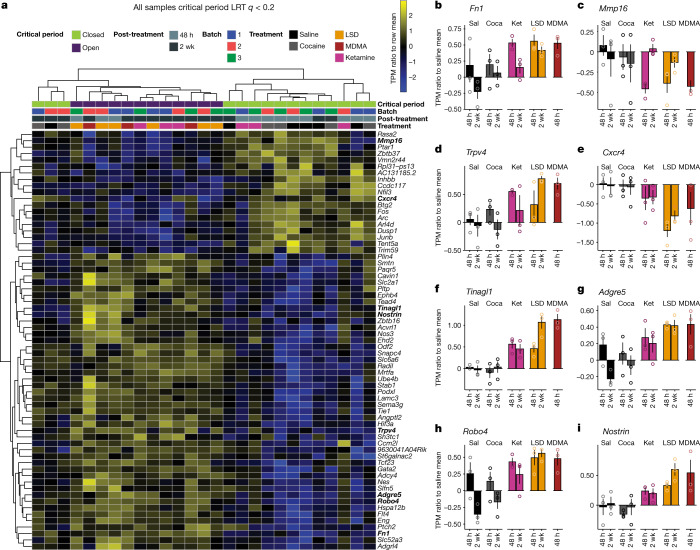
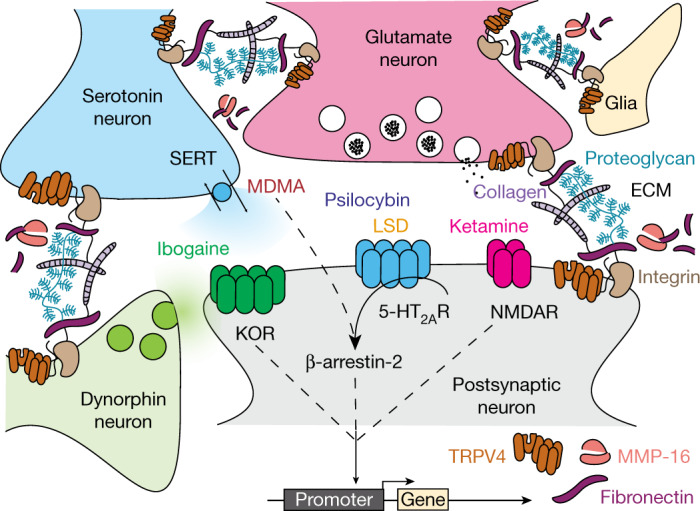
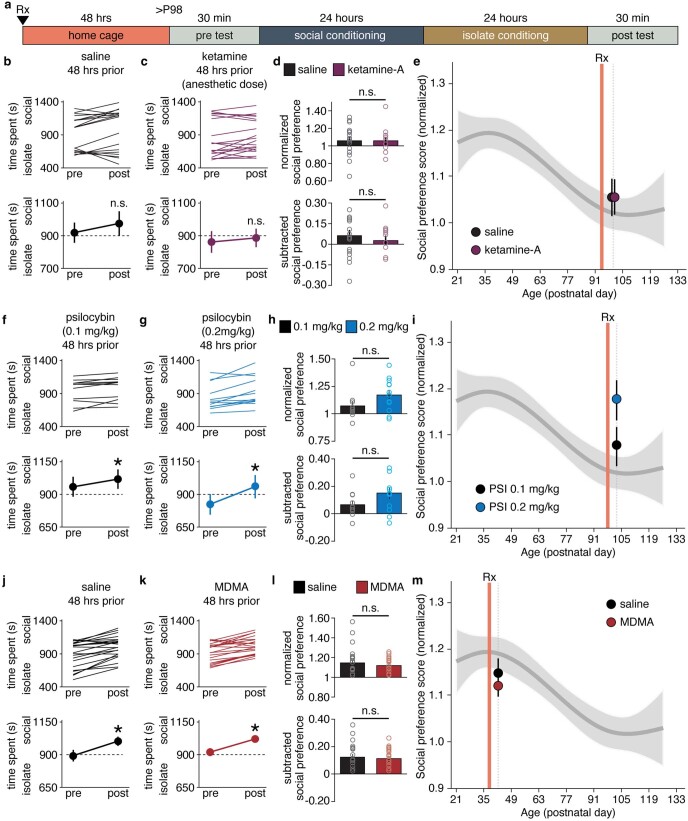
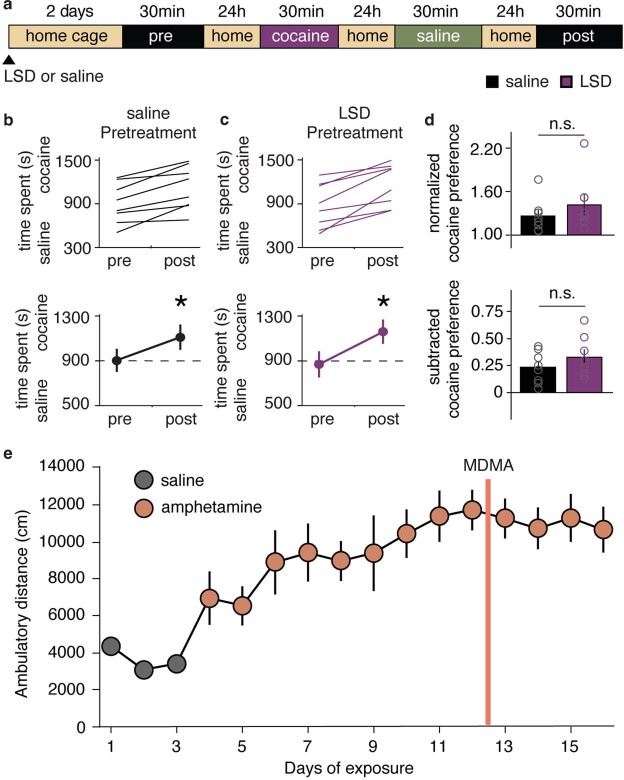
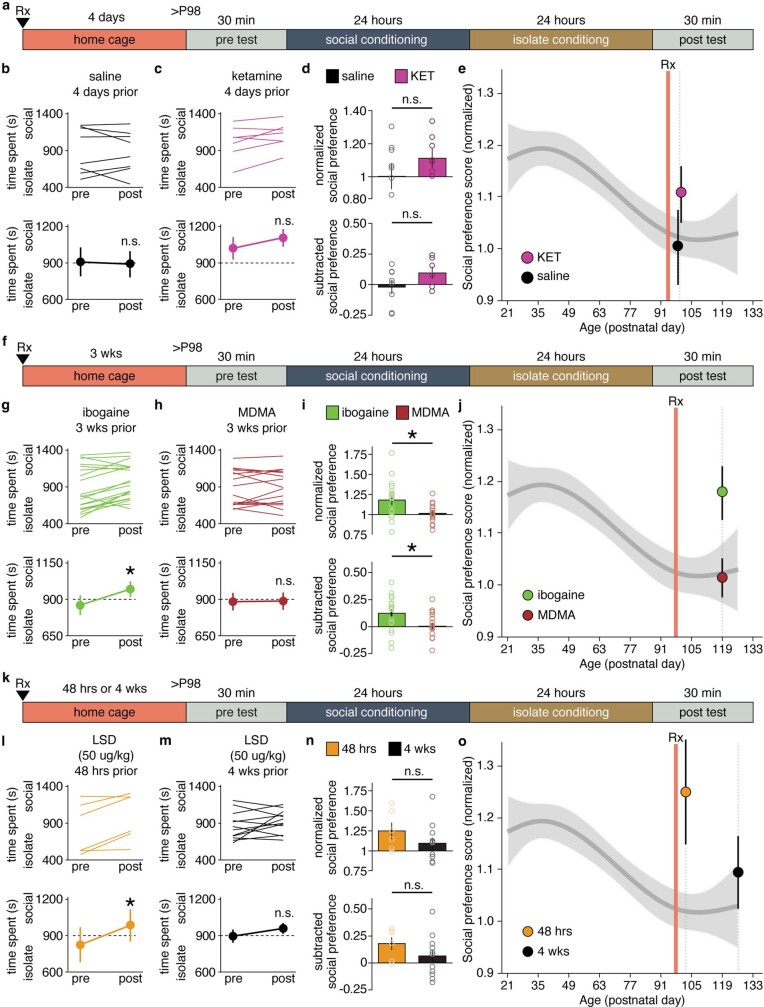
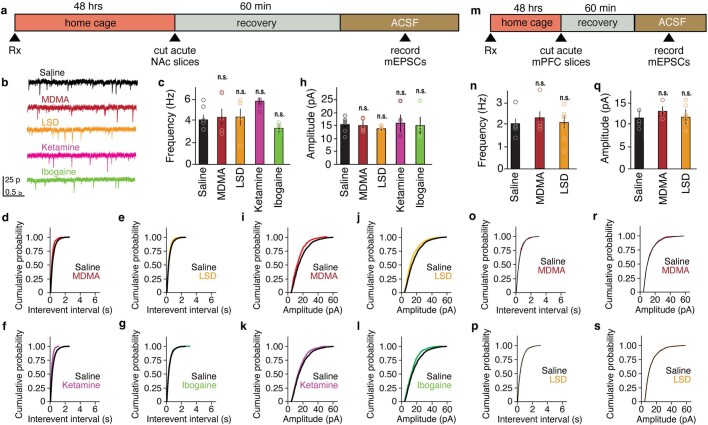
Abstract Psychedelics are a broad class of drugs defined by their ability to induce an altered state of consciousness 1,2 . These drugs have been used for millennia in both spiritual and medicinal contexts, and a number of recent clinical successes have spurred a renewed interest in developing psychedelic therapies 3–9 . Nevertheless, a unifying mechanism that can account for these shared phenomenological and therapeutic properties remains unknown. Here we demonstrate in mice that the ability to reopen the social reward learning critical period is a shared property across psychedelic drugs. Notably, the time course of critical period reopening is proportional to the duration of acute subjective effects reported in humans. Furthermore, the ability to reinstate social reward learning in adulthood is paralleled by metaplastic restoration of oxytocin-mediated long-term depression in the nucleus accumbens. Finally, identification of differentially expressed genes in the ‘open state’ versus the ‘closed state’ provides evidence that reorganization of the extracellular matrix is a common downstream mechanism underlying psychedelic drug-mediated critical period reopening. Together these results have important implications for the implementation of psychedelics in clinical practice, as well as the design of novel compounds for the treatment of neuropsychiatric disease.
Overview
The claims and statistics of this paper haven’t been checked yet.
Run the check — free, no account needed. It reads the open-access text and checks the sources it cites.
Integrity signals
Registry
Cites
Statistics
Figures
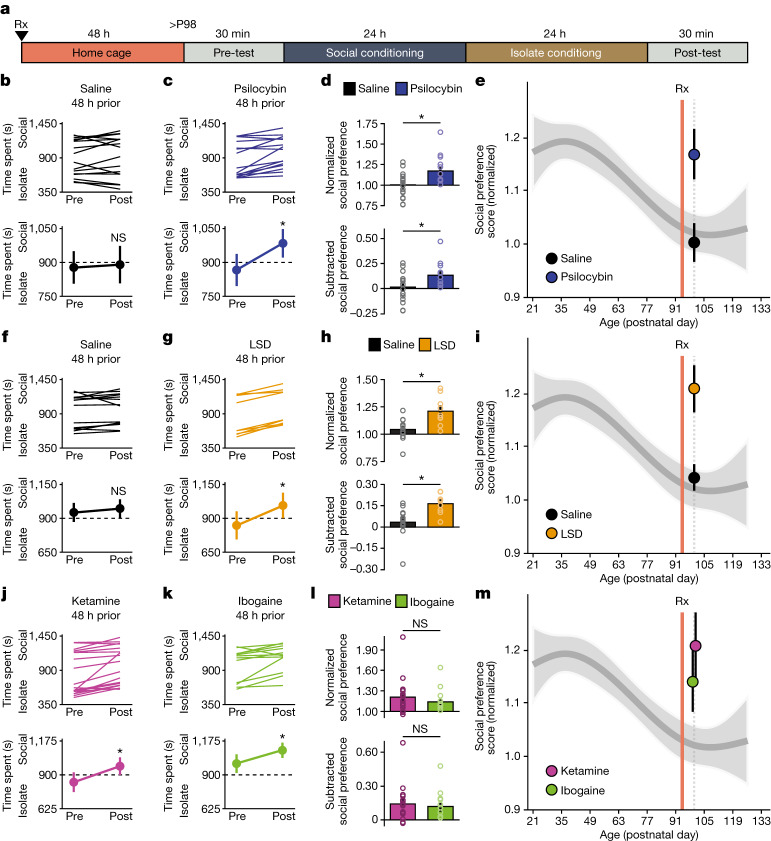
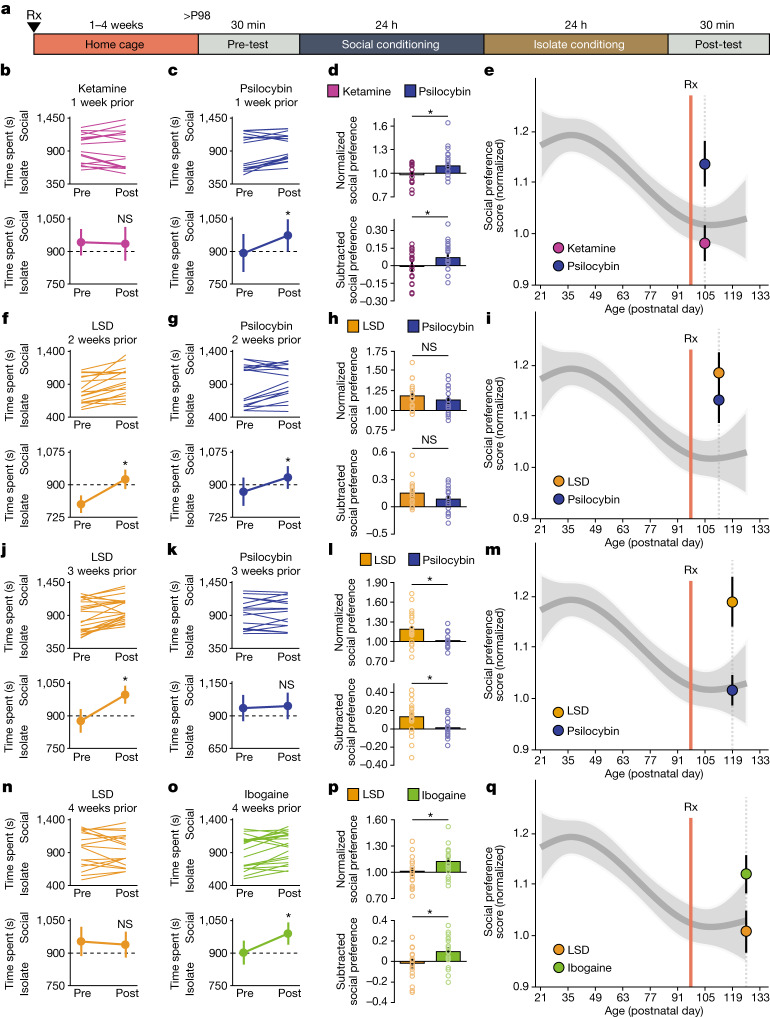
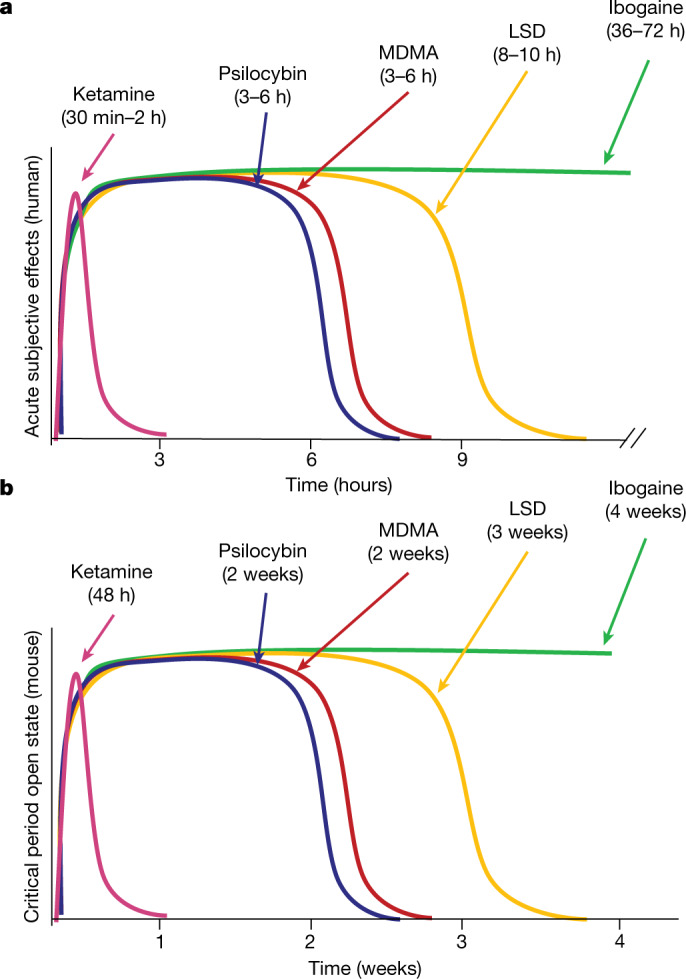
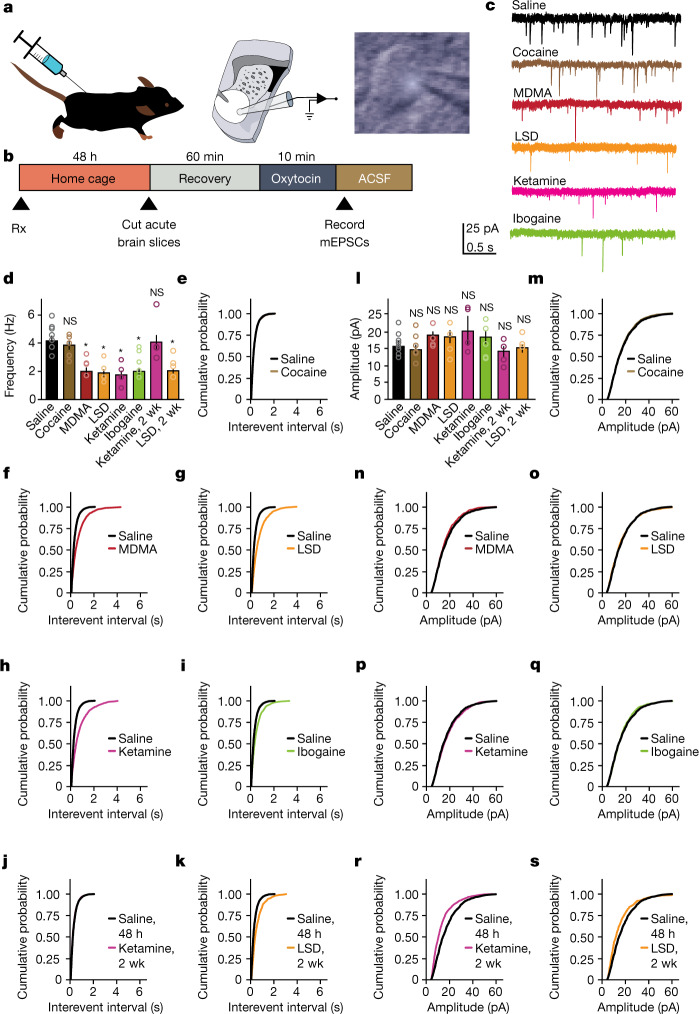
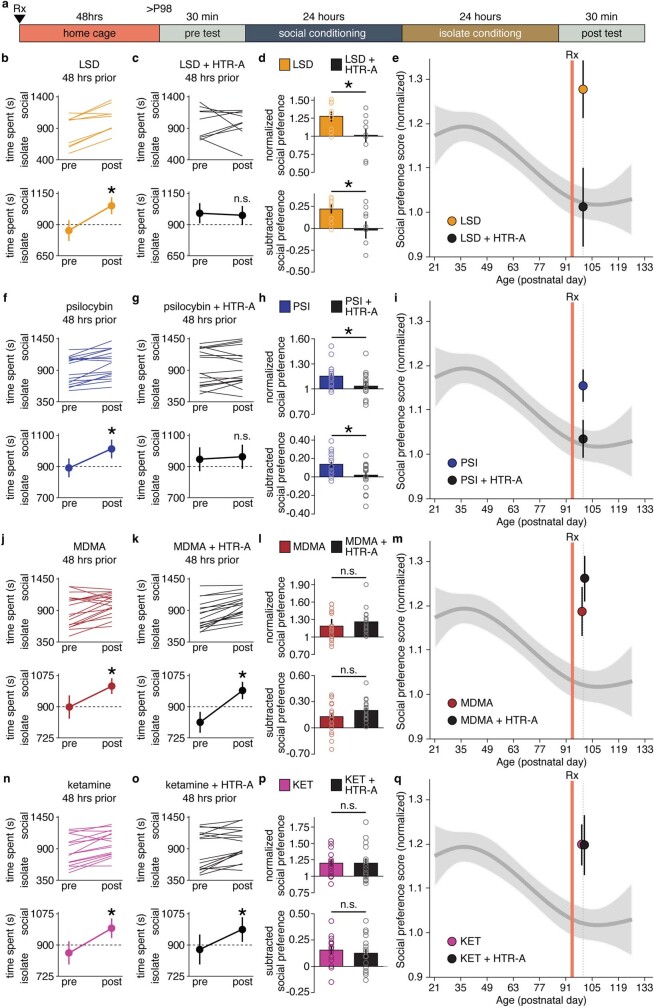
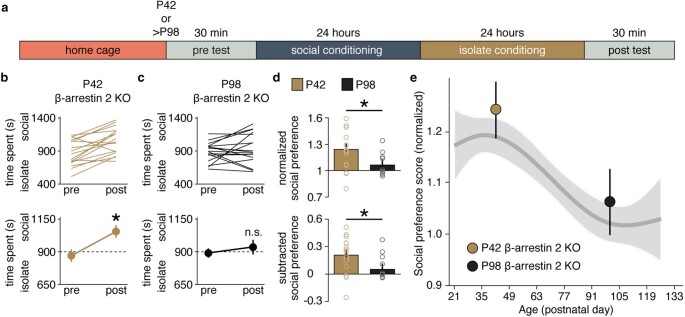
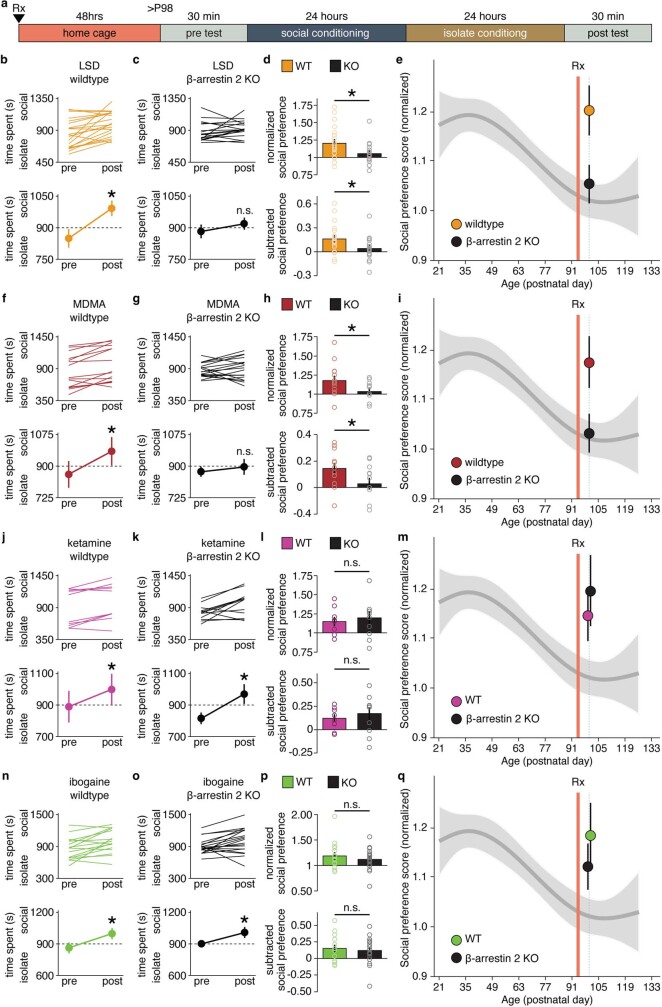
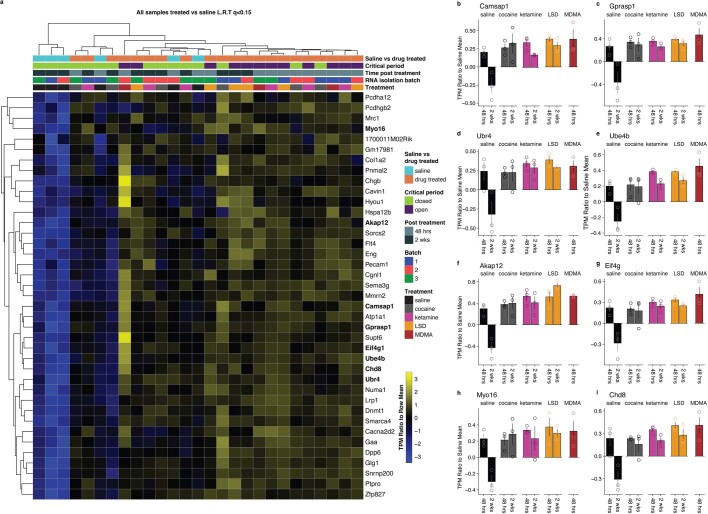
Verification
Claims the paper makes
The claims and statistics of this paper haven’t been checked yet.
Run the check — free, no account needed. It reads the open-access text and checks the sources it cites.
Claims other papers make about this one
Each is checked against this paper’s own text: does it say what the citing paper says it does?
The source backs part of the claim, not all of it — or backs it for a different population, condition or comparison.
In the citing paper
“This window represents the opening of a critical learning period, that promotes plasticity in thought, emotion, behavior, and interpersonal relationships that lasts for approximately two weeks after an MDMA session (87).”
From Psychoanalytically informed MDMA-assisted therapy for pathological narcissism: a novel theoretical approach (2025) · cites this paper as [87]
Experimental — accuracy not yet measuredThe source backs part of the claim, not all of it — or backs it for a different population, condition or comparison.
In the citing paper
“The two-weeks following MDMA administration is associated with increased neuroplasticity and psychological flexibility making it an important time for integration.”
From Psychoanalytically informed MDMA-assisted therapy for pathological narcissism: a novel theoretical approach (2025) · cites this paper as [87]
Experimental — accuracy not yet measuredThe cited source says what the claim attributes to it.
In the citing paper
“This critical period is context-dependent and has been linked to the ability to induce social reward learning, psychological flexibility, cognitive reappraisal and new patterns of behavior (46, 48, 49).”
From Ayahuasca-assisted meaning reconstruction therapy for grief: a non-randomized clinical trial protocol (2025) · cites this paper as [46]
The cited source says what the claim attributes to it.
In the citing paper
“Recent studies have shown that psychedelics reopen a critical period to induce metaplasticity, which dynamically regulates the potential for synaptic plasticity (46, 47).”
From Ayahuasca-assisted meaning reconstruction therapy for grief: a non-randomized clinical trial protocol (2025) · cites this paper as [46]
Self-check
Percentages, sums and reported differences re-computed from the paper’s own numbers.
The self-check needs the paper’s full text.
Citations
Cites
A randomized trial of an N-methyl-D-aspartate antagonist in treatment-resistant major depression.
Zarate, C. A., Singh, J. B., Carlson, P. J., Brutsche, N. E., Ameli, R., Luckenbaugh, D. A., Charney, D. S., & Manji, H. K. (2006) · Archives of General Psychiatry · doi:10.1001/archpsyc.63.8.856 · Cited by 3,766
GENCODE reference annotation for the human and mouse genomes
Frankish, A., Diekhans, M., Ferreira, A.-M., Johnson, R., Jungreis, I., Loveland, J. E., Mudge, J. M., Sisu, C., Wright, J. C., Armstrong, J. C., et al. (2018) · Nucleic Acids Research · doi:10.1093/nar/gky955 · Cited by 3,006
Griffiths, R. R., Johnson, M. W., Carducci, M. A., Umbricht, A., Richards, W. A., Richards, B. D., Cosimano, M. P., & Klinedinst, M. A. (2016) · Journal of Psychopharmacology · doi:10.1177/0269881116675513 · Cited by 2,201
NMDA receptor blockade at rest triggers rapid behavioural antidepressant responses
Autry, A. E., Adachi, M., Nosyreva, E., Na, E. S., Los, M. F., Cheng, P.-F., Kavalali, E. T., & Monteggia, L. M. (2011) · Nature · doi:10.1038/nature10130 · Cited by 1,926
Metaplasticity: the plasticity of synaptic plasticity
Abraham, W. C., & Bear, M. F. (1996) · Trends in Neurosciences · doi:10.1016/s0166-2236(96)80018-x · Cited by 1,833
Nichols, D. E. (2016) · Pharmacological Reviews · doi:10.1124/pr.115.011478 · Cited by 1,762
Trial of Psilocybin versus Escitalopram for Depression
Carhart-Harris, R., Giribaldi, B., Watts, R., Baker-Jones, M., Murphy-Beiner, A., Murphy, R., Martell, J., Blemings, A., Erritzoe, D., & Nutt, D. J. (2021) · New England Journal of Medicine · doi:10.1056/nejmoa2032994 · Cited by 1,391
Tzschentke, T. M. (2007) · Addiction Biology · doi:10.1111/j.1369-1600.2007.00070.x · Cited by 1,336
Der Kumpan in der Umwelt des Vogels
Lorenz, K. Z. (1935) · Journal für Ornithologie · doi:10.1007/bf01905355 · Cited by 1,299
Psychedelics promote structural and functional neural plasticity
Ly, C., Greb, A. C., Cameron, L. P., Wong, J. M., Barragan, E. V., Wilson, P. C., Burbach, K. F., Soltanzadeh Zarandi, S., Sood, A., Paddy, M. R., et al. (2018) · Cell Reports · doi:10.1016/j.celrep.2018.05.022 · Cited by 1,207
Cited by
Sorted by citations
Items 301–361 of 361
Ferris, C. F. (2026) · Frontiers in Psychiatry · doi:10.3389/fpsyt.2026.1772265 · Cited by 1
Raihan, A. (2026) · Journal of Behavioral and Cognitive Therapy · doi:10.1016/j.jbct.2026.100571
US speeds up research into mind-altering drugs — including mysterious ‘ibogaine’
Kozlov, M. (2026) · Nature · doi:10.1038/d41586-026-01286-1
Low, Z. X. B. (2026) · Progress in Neuro-Psychopharmacology and Biological Psychiatry · doi:10.1016/j.pnpbp.2026.111717 · Cited by 2
Zauberpilze im Fokus von Ökologie und Pharmazie
Hille‐Rehfeld, A. (2026) · Chemie in unserer Zeit · doi:10.1002/ciuz.70056
The goal of specificity in psychotropic drug development: A lesson from Sisyphus?
Nutt, D. J. (2026) · Journal of Psychopharmacology · doi:10.1177/02698811261443683
Carhart-Harris, R. L., Zeifman, R. J., Pasquini, L., Nandi, B., Rohani-Shukla, C., Suseelan, S., Mediano, P. A. M., Rosas, F. C. W., Timmermann, C., Kettner, H., et al. (2026) · Frontiers in Neuroscience · doi:10.3389/fnins.2026.1875339
Ascone, F., Giangiacomo, D., & Trezza, V. (2026) · Neuroscience & Biobehavioral Reviews · doi:10.1016/j.neubiorev.2026.106761
Speech markers of psychological change following a psychedelic 5-MeO-DMT retreat
Kuc, J., McAlpine, R. G., Sellers, A., Blackburne, G., Lametti, D. R., & Skipper, J. I. (2026) · Journal of Psychopharmacology · doi:10.1177/02698811261443690
Pines, A. R., Zhang, X., Kochalka, J., Vesuna, S. S., Kauvar, I., Rajasekharan, D., Reneau, T. R., Akiki, T. J., Hack, L. M., Siegel, J. S., et al. (2026) · Proceedings of the National Academy of Sciences · doi:10.1073/pnas.2522000123 · Cited by 1
Progressing from Simple to Multidimensional Models Towards a Biopsychosocial Framework of Addiction
Regier, P. S. (2026) · Current Addiction Reports · doi:10.1007/s40429-026-00752-0 · Cited by 1
Buchanan, J., Reynante, B. M., Dinh, M. T., & Zamaria, J. A. (2026) · Journal of Psychoactive Drugs · doi:10.1080/02791072.2026.2685515
Modlin, N. L., Elek, Z., Maggio, C., Agrawal, M., Lepow, L., Rucker, J., Stubley, J., & Guss, J. R. (2026) · Psychodynamic Psychiatry · doi:10.1521/pdps.2026.54.2.338
Hallucinogen-Assisted Psychotherapy for Trauma Disorders: A Bionian Lens
Miller, C. W. T., & Kozak, Z. (2026) · Psychodynamic Psychiatry · doi:10.1521/pdps.2026.54.2.308
Ten practical suggestions for setting up a psychedelic study
Caulfield, A., Butler, M., & Mehta, M. A. (2026) · Journal of Psychopharmacology · doi:10.1177/02698811261458350
Calder, A. E., Diehl, V. J., Lietz, M. P., Yousefi, P., Friedli, N., Coviello, F., Rouaud, A., Beichmann, K., Eckert, A., & Hasler, G. (2026) · Neuropsychopharmacology · doi:10.1038/s41386-026-02454-7
dos Santos, J. C. C., Bolan, S. J., da Silva, G. L., Viana, G. L., Rico, E. P., & Gonçalves, C. L. (2026) · Journal of Psychiatric Research · doi:10.1016/j.jpsychires.2026.06.035
Sjöström, D. K., Rybäck, O. S., Claesdotter‐Knutsson, E., Kajonius, P., Sondén, O. J., Carlbring, P., Björkstrand, J., & Movahed, P. (2026) · PLoS ONE · doi:10.1371/journal.pone.0352246
Whitfield, H. J., Schepers, J., Mason, N. L., Luca, M., & Kuypers, K. P. C. (2026) · Journal of Psychedelic Studies · doi:10.1556/2054.2026.00530
Liu, C. J., Ho, E. M., Enos, A. S., Baublyte, U. B., Luna, I. M., Kosche, A. R., & Sohal, V. S. (2026) · bioRxiv (Cold Spring Harbor Laboratory) · doi:10.64898/2026.07.05.736652
Lin, C. T., & Wang, X. (2026) · Molecular Psychiatry · doi:10.1038/s41380-026-03744-8
Calder, A. E., Diehl, V. J., Hinney, B., & Hasler, G. (2026) · Journal of Affective Disorders Reports · doi:10.1016/j.jadr.2026.101127
Averill, L. A., & Neitzke‐Spruill, L. (2026) · FOCUS The Journal of Lifelong Learning in Psychiatry · doi:10.1176/appi.focus.20260006
Sustained abstinence in severe ketamine use disorder following ibogaine treatment case report
Rosal, S. P., Faber, S. C., & Backmund, M. (2026) · Frontiers in Psychiatry · doi:10.3389/fpsyt.2026.1846320
Longitudinal neural and psychological changes following psilocybin under compassion imagery priming
Pallavicini, C., Llobenes, L., Cavanna, F., de la Fuente, L. A., Muller, S. L., Costa, M., Gumiy, N., Bruno, N. M., D’Amelio, T. A., Basran, J. K., et al. (2026) · Frontiers in Human Neuroscience · doi:10.3389/fnhum.2026.1874178
Cellular mechanisms of serotonergic psychedelics - apical hypercontextualisation
Kaup, K., Jiménez, J. H., & Aru, J. (2026) · Neuroscience & Biobehavioral Reviews · doi:10.1016/j.neubiorev.2026.106876
Psychedelics and Reward Processing: Before and After the 1970 Controlled Substances Act
Lifshitz, D. J., Sawaya, M. F., & Murnane, K. S. (2026) · Psychedelic Medicine · doi:10.1177/28314425261472614
Wilkowska, A., Nizgorska-Ohler, J., & Cubała, W. J. (2026) · Molecular Neurobiology · doi:10.1007/s12035-026-06086-2
Uhlhaas, P. J. (2026) · Molecular Psychiatry · doi:10.1038/s41380-026-03734-w
Retreat from racism: A psychedelic group experience for racial stress and trauma
Rosal, S. P., Faber, S., MacIntyre, M. M., & Williams, M. (2026) · Psychedelics · doi:10.1016/j.psyche.2026.100031
Psychedelika in der Kultur: Lernräume, Eskapismus und Arzneimittel
Jungaberle, H., & Scharf, D. (2026) · Elsevier eBooks · doi:10.1016/b978-3-437-21293-2.00021-6
Neurobiologie der Psychedelika
Schmitz, C., & Adolphi, H. (2026) · Elsevier eBooks · doi:10.1016/b978-3-437-21293-2.00004-6
Depression und andere affektive Erkrankungen
Mertens, L. J., & Spangemacher, M. (2026) · Elsevier eBooks · doi:10.1016/b978-3-437-21293-2.00011-3
Feasibility and tolerability of psilocybin for phantom limb pain
Dean, J. G., Hurwitz, E. S., Furnish, T. J., Castellanos, J. P., McKinty, A., Farrell, B., Barrows, D., Peck, S. K., Trim, J., Samadhi, E., et al. (2026) · Journal of Pain · doi:10.1016/j.jpain.2026.106404
Tuning in together: LSD enhances inter-brain synchrony and felt connectedness in romantic couplesPreprint
Mason, N. L., Czeszumski, A., Totomanova, I., Trbusek, F., Cavarra, M., Ashton, S. M., Toennes, S. W., Theunissen, E. L., Reckweg, J. T., Lockwood, P. L., et al. (2026) · bioRxiv (Cold Spring Harbor Laboratory) · doi:10.64898/2026.08.13.744639
Kandilakis, C. L., & Papatheodoropoulos, C. (2026) · Progress in Neuro-Psychopharmacology and Biological Psychiatry · doi:10.1016/j.pnpbp.2026.111898
Fletcher, K., Freestone, J., Ezard, N., Knock, E., & Siefried, K. J. (2026) · Current Addiction Reports · doi:10.1007/s40429-026-00783-7
Psilocybin-induced changes in electroencephalography link acute and long-term effects
Nikolič, M., Froese, T., Mediano, P. A. M., Koudelka, V., Horáček, J., Tylš, F., & Páleníček, T. (2026) · Journal of Psychopharmacology · doi:10.1177/02698811261473445
Tringali, G., Engmann, O., Stein, G. X. F. N., Cannizzaro, C., & Brancato, A. (2026) · Current Molecular Pharmacology · doi:10.1016/j.cmp.2026.08.004
Shinozuka, K., Dumanis, S. B., & Williams, N. (2026) · Springer eBooks · doi:10.1007/978-3-032-31497-0_6
Pobihuszka, D. (2026) · ACS Pharmacology & Translational Science · doi:10.1021/acsptsci.6c00489
Rullo, L., Losapio, L. M., Mrizak, H., Morosini, C., Nasuti, C., Ubaldi, M., Mangione, P., Lacorte, A., Coluzzi, F., Soverchia, L., et al. (2026) · Neuropharmacology · doi:10.1016/j.neuropharm.2026.111187
Gattuso, J. J., Bezcioglu, B., Hendey, J., Payet, J. M., Phelan, Z. J., Hale, M. W., Hannan, A. J., & Renoir, T. (2026) · Molecular Psychiatry · doi:10.1038/s41380-026-03879-8
Psychedelics and suicidality: A double-edged sword - risks, mechanisms, and moving forward
Mallevays, M., & Berkovitch, L. (2026) · European Neuropsychopharmacology · doi:10.1016/j.euroneuro.2026.113878
Wolfson, P., & Carroll, C. (2026) · Frontiers in Psychiatry · doi:10.3389/fpsyt.2026.1886833
Lerche, A. S., Kelley, D. P., Benros, M. E., Billac, G. B., Bradley, E., Heifets, B. D., Woolley, J. D., Nishimi, K. M., & O’Donovan, A. (2026) · Brain Behavior and Immunity · doi:10.1016/j.bbi.2026.107033
Krick, N., Davies, J. J., Coulson, B., Sobrido‐Cameán, D., Miller, M., Oswald, M. C. W., Zarin, A. A., Baines, R., & Landgraf, M. (2026) · eLife · doi:10.7554/elife.108656.2
The Inner Healer: Emergent Self-Organization in Psychedelic Psychotherapy
Shannon, S. (2026) · EXPLORE · doi:10.1016/j.explore.2026.103541
Sacred Medicine: Use of Psychogenic Peyote within Ho-Chunk Healing
Sersch, M. (2026) · JORMA International Journal of Health and Social Sciences · doi:10.64074/4c3h8f90
Psilocybin enhances conditioned place preference learning in planarians
Ellenbroek, B. A., Naylor, B., & Youn, J. (2026) · Behavioural Pharmacology · doi:10.1097/fbp.0000000000000903
Ibogaine for Substance Use Disorders
Anwar, A. I., Hegazi, A.-R. A., Sawaya, M. F., Nelson, J. R., Lashley, A. E., Gatti, J. M., Pham, K. M., Hachem, I. A., McNulty, M. E., Lewis, D. S., et al. (2026) · Advances in Therapy · doi:10.1007/s12325-026-03814-x
Nepton, A., Faber, S. C., Kaminsky, Z. A., Nucci, M., Farahani, H., Williams, M. T., & Rosal, S. P. (2026) · Epigenetics · doi:10.1080/15592294.2026.2731659
Mathai, D. S., Pilecki, B. C., Zaki, H., Morris, T., Morris, M., & Garcia‐Romeu, A. (2026) · Psychedelics · doi:10.1016/j.psyche.2026.100046
The future of social neuroscience
Votinov, M. (2026) · Elsevier eBooks · doi:10.1016/b978-0-443-34080-2.00014-7
Votinov, M. (2026) · Elsevier eBooks · doi:10.1016/b978-0-443-34080-2.00004-4
Morland, L. A., Chargin, B., ROTHBAUM, B. O., Maples-Keller, J. L., Wachsman, T., Norman, S. B., Adams, S. N., Perivoliotis, D., Alam, A., Stauffer, C. S., et al. (2026) · Contemporary Clinical Trials Communications · doi:10.1016/j.conctc.2026.101705
Psilocybin asymmetrically modulates outcome-based choice and cortical processing under uncertaintyPreprint
Jacobs, D. S., Pacheco, A. T., Olson, R. J., Langdon, A., & Moghaddam, B. (2026) · eLife · doi:10.64898/2026.07.16.733837
The psychedelic Dodo Bird: Why our usual research methods miss the mark
Acero, V. P., & Davis, A. K. (2026) · Journal of Psychedelic Studies · doi:10.1556/2054.2026.00558
Psilocybin asymmetrically modulates outcome-based choice and cortical processing under uncertaintyPreprint
Jacobs, D., Pacheco, A. T., Olson, R. J., Langdon, A., & Moghaddam, B. (2026) · eLife · doi:10.7554/elife.112830.1
Metadata
- Authors
- Nardou, R., Sawyer, E., Song, Y. J., Wilkinson, M., Padovan-Hernandez, Y., de Deus, J. L., Wright, N., Lama, C., Faltin, S., Goff, L. A., Stein-O’Brien, G. L., & Dölen, G.
- Affiliations
- Johns Hopkins University (US)
- Corresponding author
- Dölen, Gül
- ORCID
- Venue
- Nature
- Published
- 2023-06-14
- Volume
- 618
- Issue
- 7966
- Pages
- 790-798
- ISSN
- 0028-0836 (ISSN-L)
- 1476-4687
- PMC
- PMC10284704
- OpenAlex
- W4380684709
- Cited by
- 358
- References
- 72
- Citations by year
- 2026: 100 · 2025: 147 · 2024: 80 · 2023: 30
- FWCI
- 104.08
- Type
- journal article
- Language
- en
- Open access
- hybrid
- doi.org
- Locations
- Nature (publishedVersion, cc-by)
- PubMed Central (publishedVersion, cc-by)
- PubMed (publishedVersion)
- RePEc: Research Papers in Economics (submittedVersion)
- Funders
- Johns Hopkins University
- National Institutes of Health
- National Institute on Aging (R01AG066768, R01AG072305)
- National Institute of Mental Health (R01MH117127)
- National Institute on Drug Abuse
- National Institute of General Medical Sciences (R25GM109441)
- National Institute of Neurological Disorders and Stroke (K99NS122085, R00NS122085)
- Eunice Kennedy Shriver National Institute of Child Health and Human Development (R01HD098184)
- Topics
- Social Sciences › Psychology › Clinical Psychology › Psychedelics and Drug Studies
- Life Sciences › Neuroscience › Cellular and Molecular Neuroscience › Neurotransmitter Receptor Influence on Behavior
- Life Sciences › Neuroscience › Cellular and Molecular Neuroscience › Neuroscience and Neuropharmacology Research
- Keywords
- psychedelics, metaplasticity, oxytocin, long-term depression, nucleus accumbens, extracellular matrix remodeling, subjective effects, altered states of consciousness
- MeSH terms
- Animals, Consciousness, Critical Period, Psychological, Extracellular Matrix, Hallucinogens, Humans, Learning, Nucleus Accumbens, Oxytocin, Reward, Time Factors, Long-Term Synaptic Depression, Mice
About these checks
Registry, retraction, Cites and statistics results are computed, not judged, with one exception: a printed reference that no index lists is read once by a model before it counts as a citation error. Claims are extracted by a model and kept only when their quote appears verbatim in the text; each cited source is then checked, with a model’s help, for whether it says what the claim relies on. Those verdicts can be wrong — read the claim’s quote and the cited source before relying on one.
Statistics and arithmetic are recomputed, not judged.
Confidence bands are shown only for fields calibrated on our annotated test set. None is calibrated yet, so no band is shown.
What counts as a claim ›How we measure confidence ›How we check this ›
Are you an author, or do you see a problem with this page? Request a review
