

The DOI matches its Crossref record; 72 of the 72 references it cites were found in a registry or an index.
Psychedelics reopen the social reward learning critical period
Open accessAbstract
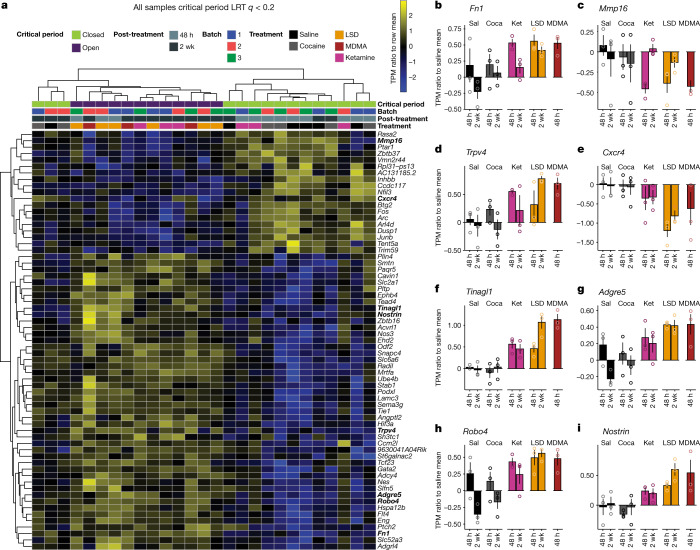
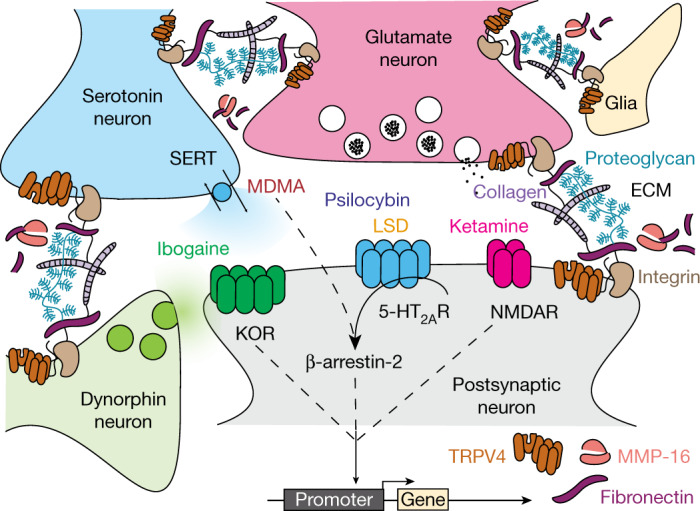
Abstract Psychedelics are a broad class of drugs defined by their ability to induce an altered state of consciousness 1,2 . These drugs have been used for millennia in both spiritual and medicinal contexts, and a number of recent clinical successes have spurred a renewed interest in developing psychedelic therapies 3–9 . Nevertheless, a unifying mechanism that can account for these shared phenomenological and therapeutic properties remains unknown. Here we demonstrate in mice that the ability to reopen the social reward learning critical period is a shared property across psychedelic drugs. Notably, the time course of critical period reopening is proportional to the duration of acute subjective effects reported in humans. Furthermore, the ability to reinstate social reward learning in adulthood is paralleled by metaplastic restoration of oxytocin-mediated long-term depression in the nucleus accumbens. Finally, identification of differentially expressed genes in the ‘open state’ versus the ‘closed state’ provides evidence that reorganization of the extracellular matrix is a common downstream mechanism underlying psychedelic drug-mediated critical period reopening. Together these results have important implications for the implementation of psychedelics in clinical practice, as well as the design of novel compounds for the treatment of neuropsychiatric disease.
Overview
The claims and statistics of this paper haven’t been checked yet.
Run the check — free, no account needed. It reads the open-access text and checks the sources it cites.
Integrity signals
Registry
Cites
Statistics
Figures
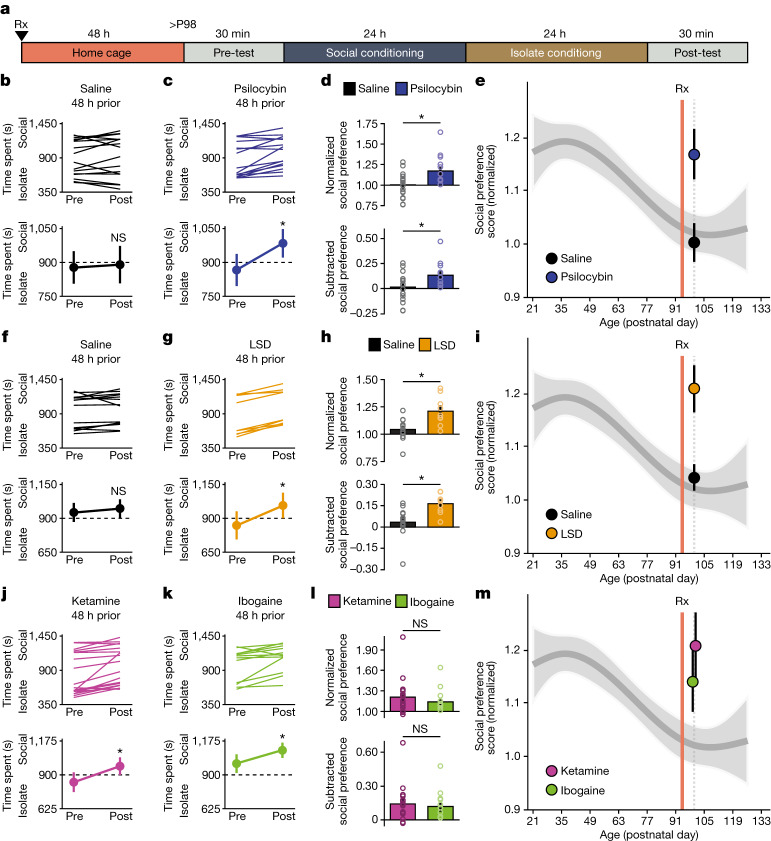
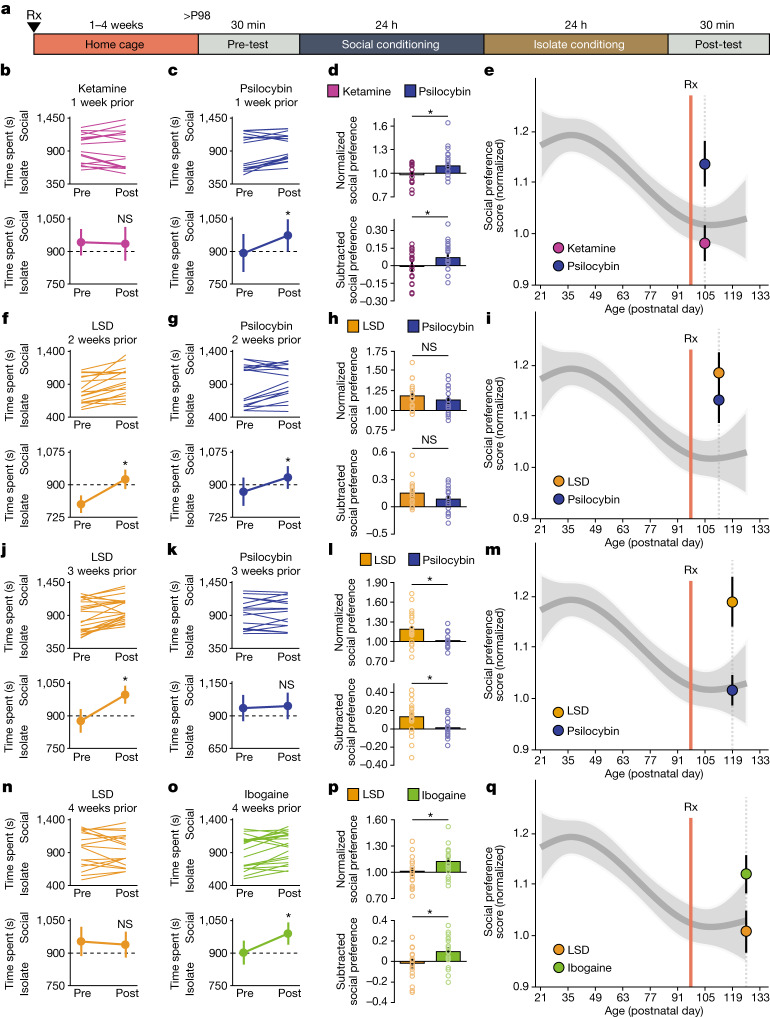
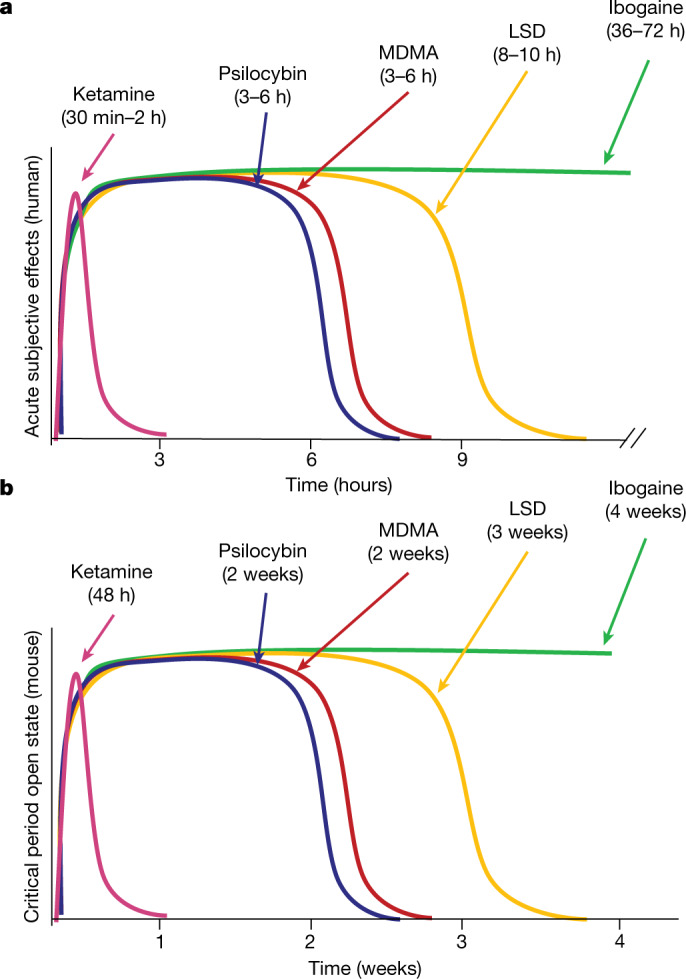
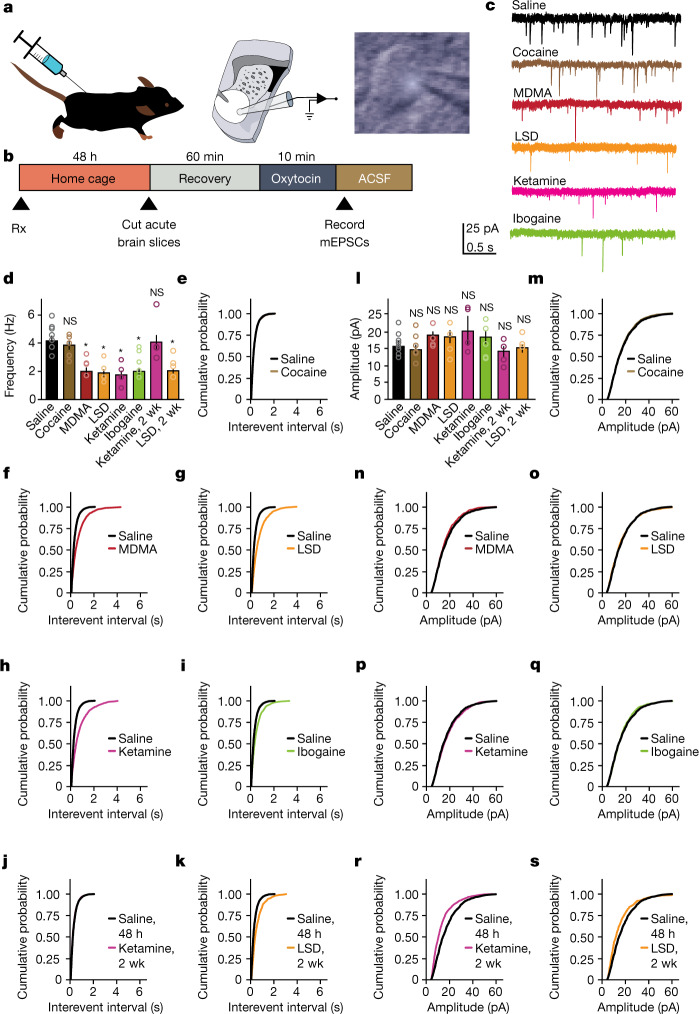
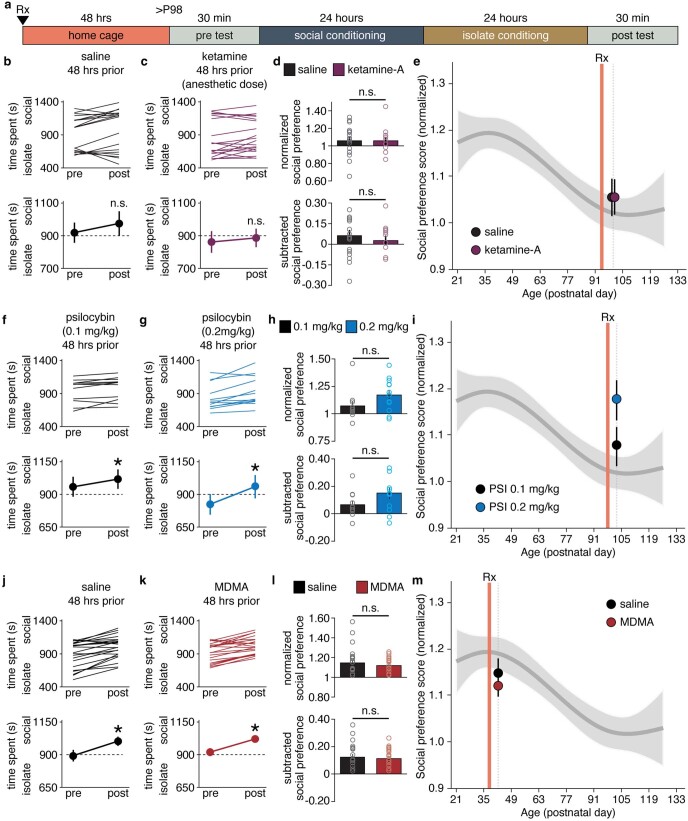
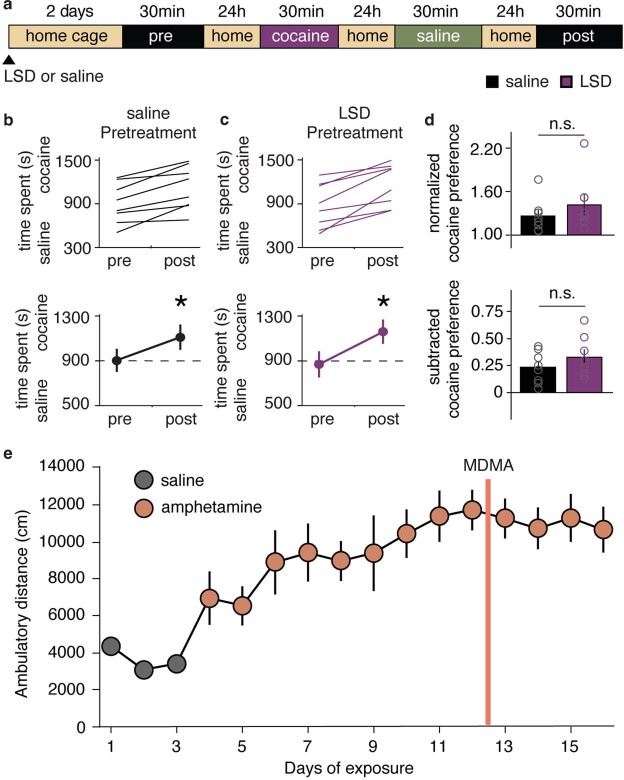
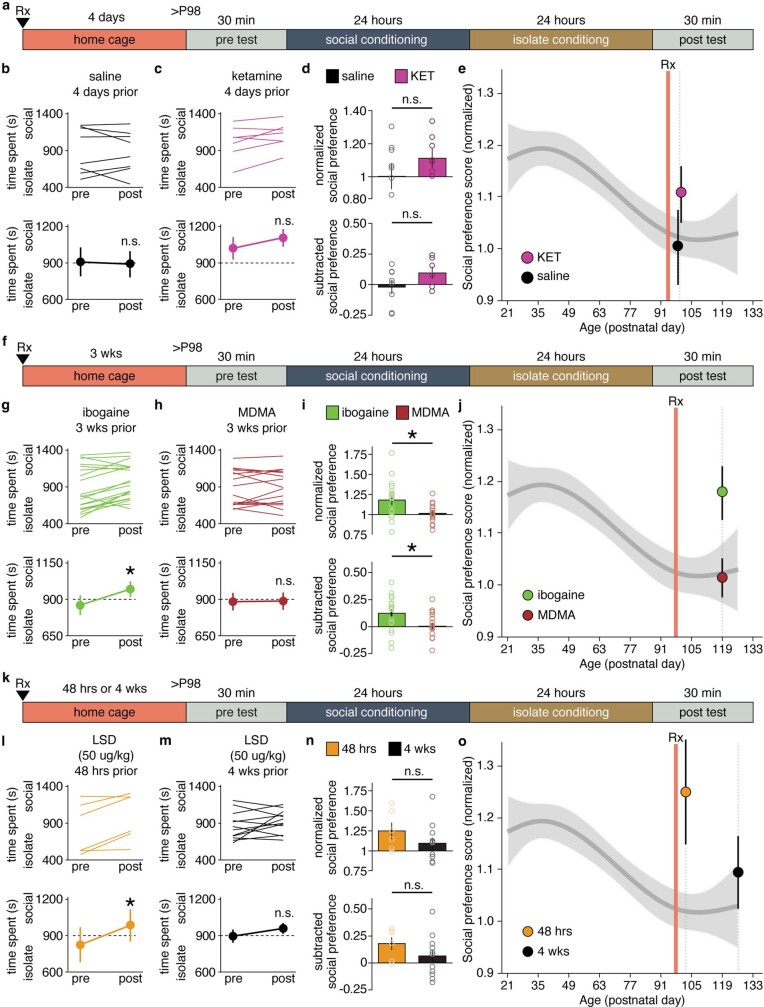
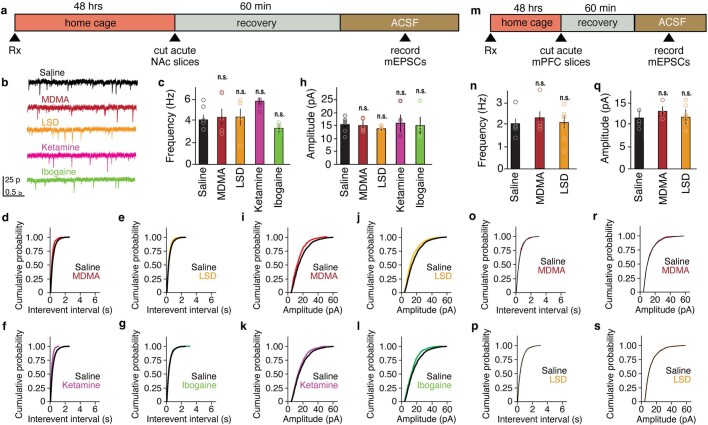
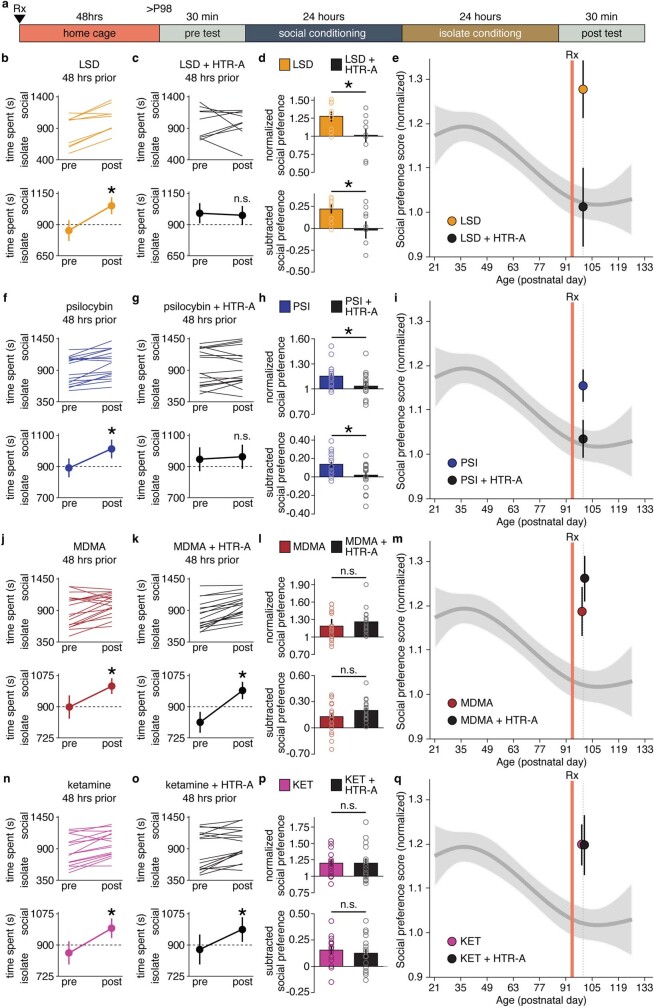
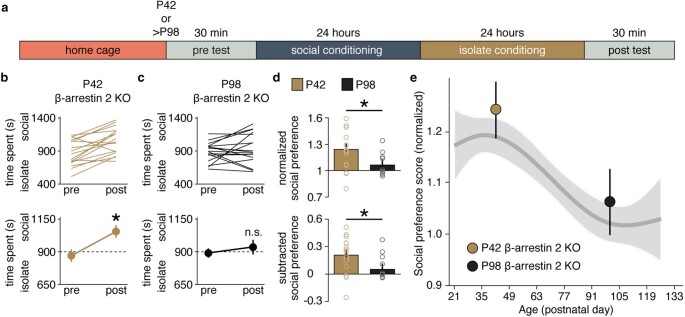
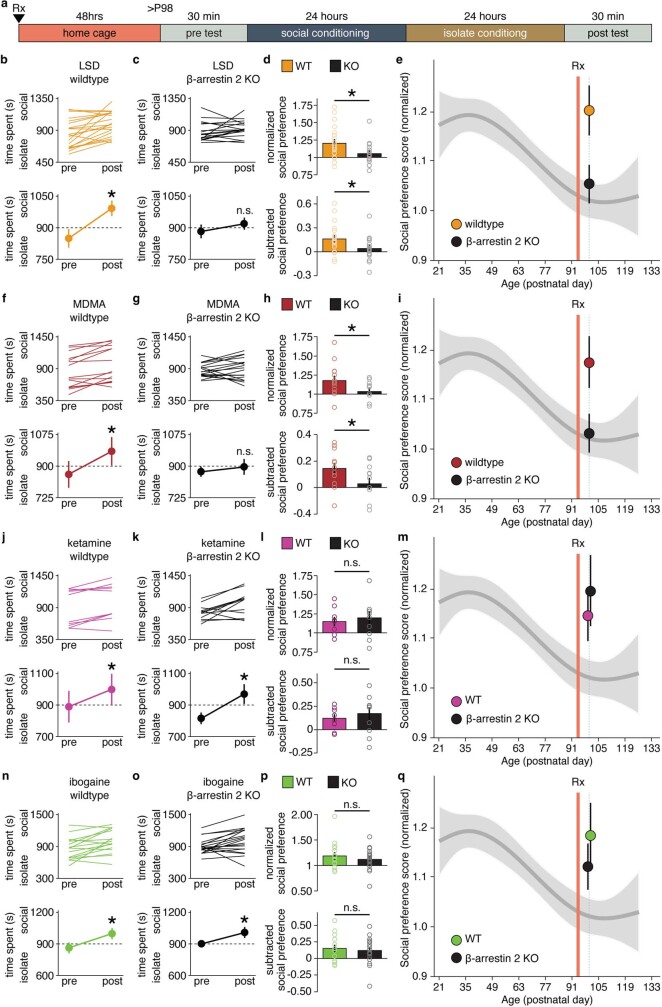
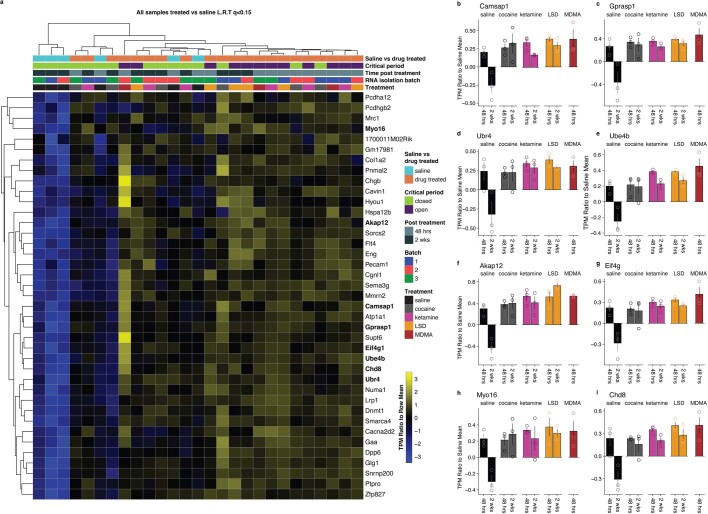
Verification
Claims the paper makes
The claims and statistics of this paper haven’t been checked yet.
Run the check — free, no account needed. It reads the open-access text and checks the sources it cites.
Claims other papers make about this one
Each is checked against this paper’s own text: does it say what the citing paper says it does?
The source backs part of the claim, not all of it — or backs it for a different population, condition or comparison.
In the citing paper
“This window represents the opening of a critical learning period, that promotes plasticity in thought, emotion, behavior, and interpersonal relationships that lasts for approximately two weeks after an MDMA session (87).”
From Psychoanalytically informed MDMA-assisted therapy for pathological narcissism: a novel theoretical approach (2025) · cites this paper as [87]
Experimental — accuracy not yet measuredThe source backs part of the claim, not all of it — or backs it for a different population, condition or comparison.
In the citing paper
“The two-weeks following MDMA administration is associated with increased neuroplasticity and psychological flexibility making it an important time for integration.”
From Psychoanalytically informed MDMA-assisted therapy for pathological narcissism: a novel theoretical approach (2025) · cites this paper as [87]
Experimental — accuracy not yet measuredThe cited source says what the claim attributes to it.
In the citing paper
“This critical period is context-dependent and has been linked to the ability to induce social reward learning, psychological flexibility, cognitive reappraisal and new patterns of behavior (46, 48, 49).”
From Ayahuasca-assisted meaning reconstruction therapy for grief: a non-randomized clinical trial protocol (2025) · cites this paper as [46]
The cited source says what the claim attributes to it.
In the citing paper
“Recent studies have shown that psychedelics reopen a critical period to induce metaplasticity, which dynamically regulates the potential for synaptic plasticity (46, 47).”
From Ayahuasca-assisted meaning reconstruction therapy for grief: a non-randomized clinical trial protocol (2025) · cites this paper as [46]
Self-check
Percentages, sums and reported differences re-computed from the paper’s own numbers.
The self-check needs the paper’s full text.
Citations
Cites
A randomized trial of an N-methyl-D-aspartate antagonist in treatment-resistant major depression.
Zarate, C. A., Singh, J. B., Carlson, P. J., Brutsche, N. E., Ameli, R., Luckenbaugh, D. A., Charney, D. S., & Manji, H. K. (2006) · Archives of General Psychiatry · doi:10.1001/archpsyc.63.8.856 · Cited by 3,766
GENCODE reference annotation for the human and mouse genomes
Frankish, A., Diekhans, M., Ferreira, A.-M., Johnson, R., Jungreis, I., Loveland, J. E., Mudge, J. M., Sisu, C., Wright, J. C., Armstrong, J. C., et al. (2018) · Nucleic Acids Research · doi:10.1093/nar/gky955 · Cited by 3,006
Griffiths, R. R., Johnson, M. W., Carducci, M. A., Umbricht, A., Richards, W. A., Richards, B. D., Cosimano, M. P., & Klinedinst, M. A. (2016) · Journal of Psychopharmacology · doi:10.1177/0269881116675513 · Cited by 2,201
NMDA receptor blockade at rest triggers rapid behavioural antidepressant responses
Autry, A. E., Adachi, M., Nosyreva, E., Na, E. S., Los, M. F., Cheng, P.-F., Kavalali, E. T., & Monteggia, L. M. (2011) · Nature · doi:10.1038/nature10130 · Cited by 1,926
Metaplasticity: the plasticity of synaptic plasticity
Abraham, W. C., & Bear, M. F. (1996) · Trends in Neurosciences · doi:10.1016/s0166-2236(96)80018-x · Cited by 1,833
Nichols, D. E. (2016) · Pharmacological Reviews · doi:10.1124/pr.115.011478 · Cited by 1,762
Trial of Psilocybin versus Escitalopram for Depression
Carhart-Harris, R., Giribaldi, B., Watts, R., Baker-Jones, M., Murphy-Beiner, A., Murphy, R., Martell, J., Blemings, A., Erritzoe, D., & Nutt, D. J. (2021) · New England Journal of Medicine · doi:10.1056/nejmoa2032994 · Cited by 1,391
Tzschentke, T. M. (2007) · Addiction Biology · doi:10.1111/j.1369-1600.2007.00070.x · Cited by 1,336
Der Kumpan in der Umwelt des Vogels
Lorenz, K. Z. (1935) · Journal für Ornithologie · doi:10.1007/bf01905355 · Cited by 1,299
Psychedelics promote structural and functional neural plasticity
Ly, C., Greb, A. C., Cameron, L. P., Wong, J. M., Barragan, E. V., Wilson, P. C., Burbach, K. F., Soltanzadeh Zarandi, S., Sood, A., Paddy, M. R., et al. (2018) · Cell Reports · doi:10.1016/j.celrep.2018.05.022 · Cited by 1,207
Social reward requires coordinated activity of nucleus accumbens oxytocin and serotonin
Dölen, G., Darvishzadeh, A., Huang, K. W., & Malenka, R. C. (2013) · Nature · doi:10.1038/nature12518 · Cited by 1,161
Self-citationEnhanced Morphine Analgesia in Mice Lacking β-Arrestin 2
Bohn, L., Lefkowitz, R. J., Gainetdinov, R. R., Peppel, K., Caron, M. G., & Lin, F. (1999) · Science · doi:10.1126/science.286.5449.2495 · Cited by 1,079
MDMA-assisted therapy for severe PTSD: a randomized, double-blind, placebo-controlled phase 3 study
Mitchell, J. M., Bogenschutz, M., Lilienstein, A., Harrison, C., Kleiman, S., Parker-Guilbert, K., Ot’alora G., M., Garas, W., Paleos, C., Gorman, I., et al. (2021) · Nature Medicine · doi:10.1038/s41591-021-01336-3 · Cited by 1,004
The addicted synapse: mechanisms of synaptic and structural plasticity in nucleus accumbens
Russo, S. J., Dietz, D. M., Dumitriu, D., Morrison, J. H., Malenka, R. C., & Nestler, E. J. (2010) · Trends in Neurosciences · doi:10.1016/j.tins.2010.02.002 · Cited by 654
Sustained rescue of prefrontal circuit dysfunction by antidepressant-induced spine formation
Moda-Sava, R. N., Murdock, M. H., Parekh, P. K., Fetcho, R. N., Huang, B. S., Huynh, T. N., Witztum, J., Shaver, D. C., Rosenthal, D. L., Alway, E. J., et al. (2019) · Science · doi:10.1126/science.aat8078 · Cited by 643
Psilocybin induces rapid and persistent growth of dendritic spines in frontal cortex in vivo
Shao, L.-X., Liao, C., Gregg, I., Davoudian, P. A., Savalia, N. K., Delagarza, K., & Kwan, A. C. (2021) · doi:10.1101/2021.02.17.431629 · Cited by 628
Psilocybin induces rapid and persistent growth of dendritic spines in frontal cortex in vivo
Shao, L.-X., Liao, C., Gregg, I., Davoudian, P. A., Savalia, N. K., Delagarza, K., & Kwan, A. C. (2021) · Neuron · doi:10.1016/j.neuron.2021.06.008 · Cited by 626
A critical period for second language acquisition: Evidence from 2/3 million English speakers
Hartshorne, J. K., Tenenbaum, J. B., & Pinker, S. (2018) · Cognition · doi:10.1016/j.cognition.2018.04.007 · Cited by 625
The roles of perineuronal nets and the perinodal extracellular matrix in neuronal function
Fawcett, J. W., Oohashi, T., & Pizzorusso, T. (2019) · Nature Reviews Neuroscience · doi:10.1038/s41583-019-0196-3 · Cited by 589
Gating of social reward by oxytocin in the ventral tegmental area
Hung, L. W., Neuner, S., Polepalli, J. S., Beier, K. T., Wright, M., Walsh, J. J., Lewis, E. M., Luo, L., Deisseroth, K., Dölen, G., et al. (2017) · Science · doi:10.1126/science.aan4994 · Cited by 578
Self-citationPathophysiology of the brain extracellular matrix: a new target for remyelination
Lau, L. W., Cua, R., Keough, M. B., Haylock-Jacobs, S., & Yong, V. W. (2013) · Nature reviews. Neuroscience · doi:10.1038/nrn3550 · Cited by 549
Brain-Derived Neurotrophic Factor Signaling in Depression and Antidepressant Action
Castrén, E., & Monteggia, L. M. (2021) · Biological Psychiatry · doi:10.1016/j.biopsych.2021.05.008 · Cited by 540
Rudnick, G., & Wall, S. C. (1992) · Proceedings of the National Academy of Sciences · doi:10.1073/pnas.89.5.1817 · Cited by 535
Ketamine for chronic pain: risks and benefits
Niesters, M., Martini, C., & Dahan, A. (2013) · British Journal of Clinical Pharmacology · doi:10.1111/bcp.12094 · Cited by 526
Psychedelics promote neuroplasticity through the activation of intracellular 5-HT2A receptors
Vargas, M. V., Dunlap, L. E., Dong, C., Carter, S. J., Tombari, R. J., Jami, S. A., Cameron, L. P., Patel, S. D., Hennessey, J. J., Saeger, H. N., et al. (2023) · Science · doi:10.1126/science.adf0435 · Cited by 519
Madsen, M. K., Fisher, P. M., Burmester, D., Dyssegaard, A., Stenbæk, D. S., Kristiansen, S., Johansen, S. S., Lehel, S., Linnet, K., Svarer, C., et al. (2019) · Neuropsychopharmacology · doi:10.1038/s41386-019-0324-9 · Cited by 517
Structure of a Hallucinogen-Activated Gq-Coupled 5-HT2A Serotonin Receptor
Kim, K., Che, T., Panova, O., DiBerto, J. F., Lyu, J., Krumm, B. E., Wacker, D., Robertson, M. J., Seven, A. B., Nichols, D. E., et al. (2020) · Cell · doi:10.1016/j.cell.2020.08.024 · Cited by 481
Acute Effects of Lysergic Acid Diethylamide in Healthy Subjects
Schmid, Y., Enzler, F., Gasser, P., Grouzmann, E., Preller, K. H., Vollenweider, F. X., Brenneisen, R., Müller, F., Borgwardt, S., & Liechti, M. E. (2014) · Biological Psychiatry · doi:10.1016/j.biopsych.2014.11.015 · Cited by 427
Preller, K. H., Herdener, M., Pokorny, T., Planzer, A., Kraehenmann, R., Stämpfli, P., Liechti, M. E., Seifritz, E., & Vollenweider, F. X. (2017) · Current Biology · doi:10.1016/j.cub.2016.12.030 · Cited by 402
Mithoefer, M. C., Wagner, M. T., Mithoefer, A. T., Jerome, L., Martin, S. F., Yazar‐Klosinski, B., Michel, Y., Brewerton, T. D., & Doblin, R. (2012) · Journal of Psychopharmacology · doi:10.1177/0269881112456611 · Cited by 399
Hesselgrave, N., Troppoli, T. A., Wulff, A. B., Cole, A. B., & Thompson, S. M. (2021) · Proceedings of the National Academy of Sciences · doi:10.1073/pnas.2022489118 · Cited by 378
Davis, A. K., Barrett, F. S., & Griffiths, R. R. (2020) · Journal of Contextual Behavioral Science · doi:10.1016/j.jcbs.2019.11.004 · Cited by 375
Kometer, M., Schmidt, A., Jancke, L., & Vollenweider, F. X. (2013) · Journal of Neuroscience · doi:10.1523/jneurosci.3007-12.2013 · Cited by 355
Oxytocin-dependent reopening of a social reward learning critical period with MDMA
Nardou, R., Lewis, E. M., Rothhaas, R., Xu, R., Yang, A., Boyden, E., & Dölen, G. (2019) · Nature · doi:10.1038/s41586-019-1075-9 · Cited by 334
Self-citationPotential Therapeutic Effects of Psilocybin
Johnson, M. W., & Griffiths, R. R. (2017) · Neurotherapeutics · doi:10.1007/s13311-017-0542-y · Cited by 328
Dromerick, A. W., Geed, S., Barth, J., Brady, K. P., Giannetti, M. L., Mitchell, A., Edwardson, M. A., Tan, M. T., Zhou, Y., Newport, E. L., et al. (2021) · Proceedings of the National Academy of Sciences · doi:10.1073/pnas.2026676118 · Cited by 319
Halberstadt, A. L., Chatha, M., Klein, A. K., Wallach, J., & Brandt, S. D. (2020) · Neuropharmacology · doi:10.1016/j.neuropharm.2019.107933 · Cited by 278
Hensch, T. K., & Quinlan, E. M. (2018) · Visual Neuroscience · doi:10.1017/s0952523817000219 · Cited by 271
Psychedelics as anti-inflammatory agents
Flanagan, T. W., & Nichols, C. D. (2018) · International Review of Psychiatry · doi:10.1080/09540261.2018.1481827 · Cited by 267
Bedi, G., Hyman, D., & de Wit, H. (2010) · Biological Psychiatry · doi:10.1016/j.biopsych.2010.08.003 · Cited by 247
Distinct acute effects of LSD, MDMA, and d-amphetamine in healthy subjects
Holze, F., Vizeli, P., Müller, F., Ley, L., Duerig, R., Varghese, N., Eckert, A., Borgwardt, S., & Liechti, M. E. (2020) · Neuropsychopharmacology · doi:10.1038/s41386-019-0569-3 · Cited by 247
The Background and Chemistry of MDMA
Shulgin, A. T. (1986) · Journal of Psychoactive Drugs · doi:10.1080/02791072.1986.10472361 · Cited by 233
The promises and perils of psychedelic pharmacology for psychiatry
McClure‐Begley, T. D., & Roth, B. L. (2022) · Nature Reviews Drug Discovery · doi:10.1038/s41573-022-00421-7 · Cited by 202
Ayahuasca enhances creative divergent thinking while decreasing conventional convergent thinking
Kuypers, K. P. C., Riba, J., de la Fuente Revenga, M., Barker, S., Theunissen, E. L., & Ramaekers, J. G. (2016) · Psychopharmacology · doi:10.1007/s00213-016-4377-8 · Cited by 201
Ketamine disinhibits dendrites and enhances calcium signals in prefrontal dendritic spines
Ali, F., Gerhard, D. M., Sweasy, K., Pothula, S., Pittenger, C., Duman, R. S., & Kwan, A. C. (2020) · Nature Communications · doi:10.1038/s41467-019-13809-8 · Cited by 196
Effects of a ketamine metabolite on synaptic NMDAR function
Suzuki, K., Nosyreva, E., Hunt, K. W., Kavalali, E. T., & Monteggia, L. M. (2017) · Nature · doi:10.1038/nature22084 · Cited by 180
Ibogaine treatment outcomes for opioid dependence from a twelve-month follow-up observational study
Noller, G., Frampton, C. M., & Yazar‐Klosinski, B. (2017) · The American Journal of Drug and Alcohol Abuse · doi:10.1080/00952990.2017.1310218 · Cited by 170
Bennett, J. P., & Snyder, S. H. (1975) · Brain Research · doi:10.1016/0006-8993(75)90234-6 · Cited by 165
Esterlis, I., DellaGioia, N., Pietrzak, R. H., Matuskey, D., Nabulsi, N., Abdallah, C. G., Yang, J., Pittenger, C., Sanacora, G., Krystal, J. H., et al. (2018) · Molecular Psychiatry · doi:10.1038/mp.2017.58 · Cited by 148
Venturino, A., Schulz, R., De Jesús-Cortés, H., Maes, M. E., Nagy, B., Reilly-Andújar, F., Colombo, G., Cubero, R. J. A., Schoot Uiterkamp, F. E., Bear, M. F., et al. (2021) · Cell Reports · doi:10.1016/j.celrep.2021.109313 · Cited by 140
Semaphorins in Adult Nervous System Plasticity and Disease
Carulli, D., de Winter, F., & Verhaagen, J. (2021) · Frontiers in Synaptic Neuroscience · doi:10.3389/fnsyn.2021.672891 · Cited by 137
Cho, K. K. A., Khibnik, L. A., Philpot, B. D., & Bear, M. F. (2009) · Proceedings of the National Academy of Sciences · doi:10.1073/pnas.0808104106 · Cited by 114
Sustained Effects of Rapidly Acting Antidepressants Require BDNF-Dependent MeCP2 Phosphorylation
Kim, J.-W., Autry, A. E., Na, E. S., Adachi, M., Björkholm, C., Kavalali, E. T., & Monteggia, L. M. (2021) · Nature Neuroscience · doi:10.1038/s41593-021-00868-8 · Cited by 113
Young, M. B., Norrholm, S. D., Khoury, L. M., Jovanovic, T., Rauch, S. A. M., Reiff, C. M., Dunlop, B. W., Rothbaum, B. O., & Howell, L. L. (2017) · Psychopharmacology · doi:10.1007/s00213-017-4684-8 · Cited by 108
Mačiulaitis, R., Kontrimavičiūtė, V., Bressolle, F., & Briedis, V. (2008) · Human & Experimental Toxicology · doi:10.1177/0960327107087802 · Cited by 104
Kolbrich, E. A., Goodwin, R. S., Gorelick, D. A., Hayes, R. J., Stein, E. A., & Huestis, M. A. (2008) · Journal of Clinical Psychopharmacology · doi:10.1097/jcp.0b013e31817ef470 · Cited by 80
Vocal Memory and Learning in Adult Bengalese Finches with Regenerated Hair Cells
Woolley, S. M. N., & Rubel, E. W. (2002) · Journal of Neuroscience · doi:10.1523/jneurosci.22-17-07774.2002 · Cited by 75
Chakraborty, S., & Ain, R. (2017) · Journal of Biological Chemistry · doi:10.1074/jbc.m116.742627 · Cited by 66
Noribogaine is a G-protein biased κ-opioid receptor agonist
Maillet, É. L., Milon, N., Heghinian, M. D., Fishback, J. A., Schürer, S. C., Garamszegi, N., & Mash, D. C. (2015) · Neuropharmacology · doi:10.1016/j.neuropharm.2015.08.032 · Cited by 62
Subanesthetic Ketamine Reactivates Adult Cortical Plasticity to Restore Vision from Amblyopia
Grieco, S. F., Qiao, X., Zheng, X., Liu, Y., Chen, L., Zhang, H., Yu, Z., Gavornik, J. P., Lai, C., Gandhi, S. P., et al. (2020) · Current Biology · doi:10.1016/j.cub.2020.07.008 · Cited by 60
Oh, S.-Y., Lee, S., Jung, Y. H., Lee, H. J., & Han, H. J. (2015) · Cell Death and Disease · doi:10.1038/cddis.2015.114 · Cited by 56
Agin-Liebes, G., Zeifman, R., Luoma, J. B., Garland, E. L., Campbell, W. K., & Weiss, B. (2022) · Journal of Psychopharmacology · doi:10.1177/02698811221080165 · Cited by 54
Cai, H., Liu, W., Xue, Y., Shang, X., Liu, J., Li, Z., Wang, P., Liu, L., Hu, Y., & Liu, Y. (2014) · Journal of Neuropathology & Experimental Neurology · doi:10.1097/nen.0000000000000146 · Cited by 51
Selective molecular impairment of spontaneous neurotransmission modulates synaptic efficacy
Crawford, D. C., Ramirez, D. M. O., Trauterman, B., Monteggia, L. M., & Kavalali, E. T. (2017) · Nature Communications · doi:10.1038/ncomms14436 · Cited by 51
Cussac, L.-A., Cardouat, G., Pillai, N. T., Campagnac, M., Robillard, P., Montillaud, A., Guibert, C., Gailly, P. L., Marthan, R., Quignard, J., et al. (2019) · American Journal of Physiology-Lung Cellular and Molecular Physiology · doi:10.1152/ajplung.00084.2019 · Cited by 42
Extracellular matrix protein Matrilin-4 regulates stress-induced HSC proliferation via CXCR4
Uckelmann, H. J., Blaszkiewicz, S., Nicolae, C. M., Haas, S. F., Schnell, A., Wurzer, S., Wagener, R., Aszódi, A., & Essers, M. A. G. (2016) · The Journal of Experimental Medicine · doi:10.1084/jem.20151713 · Cited by 39
PERSPECTIVE Critical periods in amblyopia—CORRIGENDUM
Hensch, T. K., & QUINLAN, E. M. (2018) · Visual Neuroscience · doi:10.1017/s0952523818000020 · Cited by 30
Shan, Z., Sun, Z., Zhao, L., Gou, Q., Chen, Z., Zhang, J., Chen, W., Chongyu, S., You, N., Zhuang, Y., et al. (2020) · Journal of Gastroenterology and Hepatology · doi:10.1111/jgh.15150 · Cited by 29
Breeding SystemsConsiderations, Genetic Fundamentals, Genetic Background, and Strain Types
BERRY, M., & Linder, C. C. (2007) · Elsevier eBooks · doi:10.1016/b978-012369454-6/50016-9 · Cited by 20
The serotonin 2C receptor agonist WAY-163909 attenuates ketamine-induced hypothermia in mice
Murphy, T. J., & Murnane, K. S. (2018) · European Journal of Pharmacology · doi:10.1016/j.ejphar.2018.11.003 · Cited by 19
Psychedelics in the Treatment of Headache and Chronic Pain Disorders
Schindler, E. A. D. (2022) · Current topics in behavioral neurosciences · doi:10.1007/7854_2022_365 · Cited by 19
The role of the RGD motif in CD97/ADGRE5-and EMR2/ADGRE2-modulated tumor angiogenesis
Tjong, W.-Y., & Lin, H. (2019) · Biochemical and Biophysical Research Communications · doi:10.1016/j.bbrc.2019.09.113 · Cited by 13
Cited by
Sorted by citations
Psilocybin desynchronizes the human brain
Siegel, J. S., Subramanian, S., Perry, D., Kay, B. P., Gordon, E. M., Laumann, T. O., Reneau, T. R., Metcalf, N. V., Chacko, R. V., Gratton, C., et al. (2024) · Nature · doi:10.1038/s41586-024-07624-5 · Cited by 308
Treatment with psychedelics is psychotherapy: beyond reductionism
Gründer, G., Brand, M., Mertens, L. J., Jungaberle, H., Kärtner, L., Scharf, D., Spangemacher, M., & Wolff, M. (2023) · The Lancet Psychiatry · doi:10.1016/s2215-0366(23)00363-2 · Cited by 126
The nucleus accumbens in reward and aversion processing: insights and implications
Xu, Y., Lin, Y., Yu, M., & Zhou, K. (2024) · Frontiers in Behavioral Neuroscience · doi:10.3389/fnbeh.2024.1420028 · Cited by 86
Therapeutic mechanisms of psychedelics and entactogens
Heifets, B. D., & Olson, D. E. (2023) · Neuropsychopharmacology · doi:10.1038/s41386-023-01666-5 · Cited by 70
The Digital Twin Brain: A Bridge between Biological and Artificial Intelligence
Xiong, H., Chu, C., Fan, L., Song, M. X., Zhang, J., Ma, Y., Zheng, R., Zhang, J., Yang, Z., & Jiang, T. (2023) · Intelligent Computing · doi:10.34133/icomputing.0055 · Cited by 69
Metadata
- Authors
- Nardou, R., Sawyer, E., Song, Y. J., Wilkinson, M., Padovan-Hernandez, Y., de Deus, J. L., Wright, N., Lama, C., Faltin, S., Goff, L. A., Stein-O’Brien, G. L., & Dölen, G.
- Affiliations
- Johns Hopkins University (US)
- Corresponding author
- Dölen, Gül
- ORCID
- Venue
- Nature
- Published
- 2023-06-14
- Volume
- 618
- Issue
- 7966
- Pages
- 790-798
- ISSN
- 0028-0836 (ISSN-L)
- 1476-4687
- PMC
- PMC10284704
- OpenAlex
- W4380684709
- Cited by
- 358
- References
- 72
- Citations by year
- 2026: 100 · 2025: 147 · 2024: 80 · 2023: 30
- FWCI
- 104.08
- Type
- journal article
- Language
- en
- Open access
- hybrid
- doi.org
- Locations
- Nature (publishedVersion, cc-by)
- PubMed Central (publishedVersion, cc-by)
- PubMed (publishedVersion)
- RePEc: Research Papers in Economics (submittedVersion)
- Funders
- Johns Hopkins University
- National Institutes of Health
- National Institute on Aging (R01AG066768, R01AG072305)
- National Institute of Mental Health (R01MH117127)
- National Institute on Drug Abuse
- National Institute of General Medical Sciences (R25GM109441)
- National Institute of Neurological Disorders and Stroke (K99NS122085, R00NS122085)
- Eunice Kennedy Shriver National Institute of Child Health and Human Development (R01HD098184)
- Topics
- Social Sciences › Psychology › Clinical Psychology › Psychedelics and Drug Studies
- Life Sciences › Neuroscience › Cellular and Molecular Neuroscience › Neurotransmitter Receptor Influence on Behavior
- Life Sciences › Neuroscience › Cellular and Molecular Neuroscience › Neuroscience and Neuropharmacology Research
- Keywords
- psychedelics, metaplasticity, oxytocin, long-term depression, nucleus accumbens, extracellular matrix remodeling, subjective effects, altered states of consciousness
- MeSH terms
- Animals, Consciousness, Critical Period, Psychological, Extracellular Matrix, Hallucinogens, Humans, Learning, Nucleus Accumbens, Oxytocin, Reward, Time Factors, Long-Term Synaptic Depression, Mice
About these checks
Registry, retraction, Cites and statistics results are computed, not judged, with one exception: a printed reference that no index lists is read once by a model before it counts as a citation error. Claims are extracted by a model and kept only when their quote appears verbatim in the text; each cited source is then checked, with a model’s help, for whether it says what the claim relies on. Those verdicts can be wrong — read the claim’s quote and the cited source before relying on one.
Statistics and arithmetic are recomputed, not judged.
Confidence bands are shown only for fields calibrated on our annotated test set. None is calibrated yet, so no band is shown.
What counts as a claim ›How we measure confidence ›How we check this ›
Are you an author, or do you see a problem with this page? Request a review
