

The DOI matches its Crossref record; 71 of the 71 references it cites were found in a registry or an index.
Single-cell nascent RNA sequencing unveils coordinated global transcription
Open accessAbstract
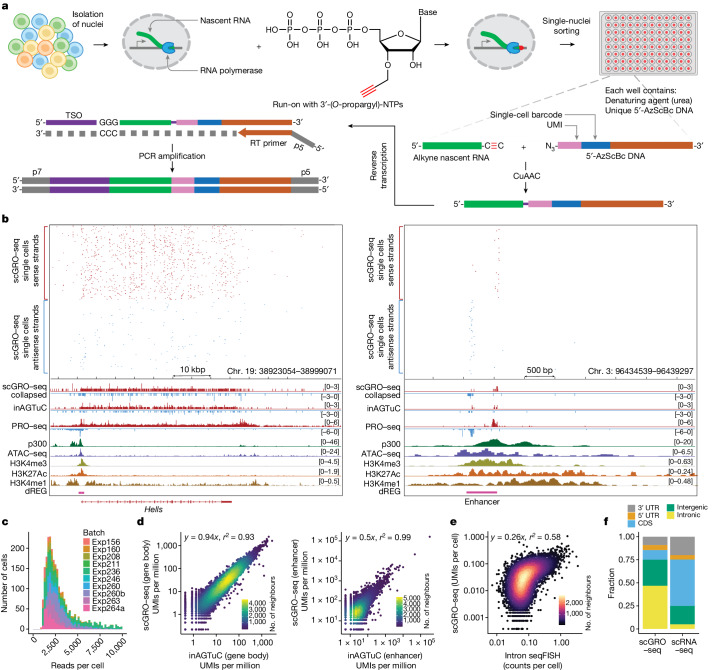
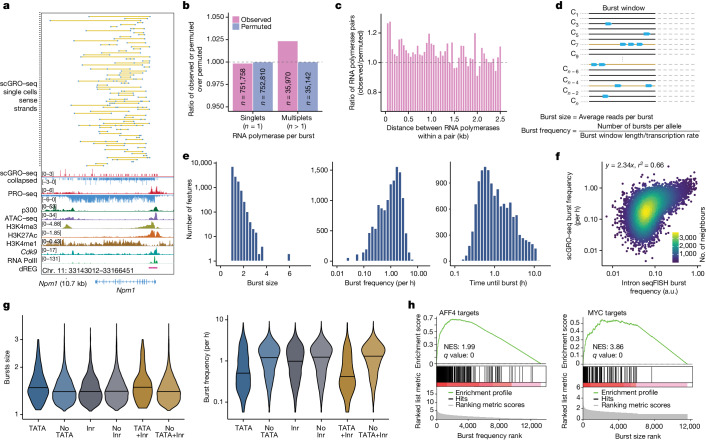
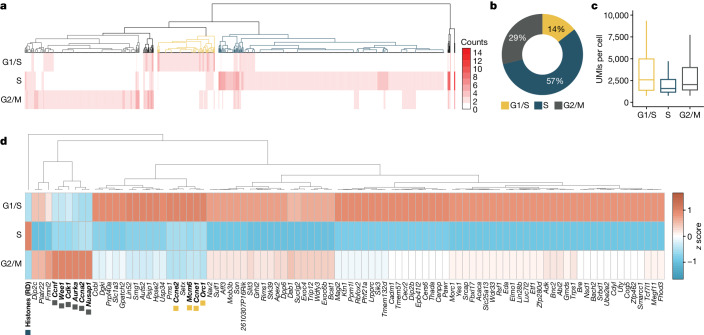
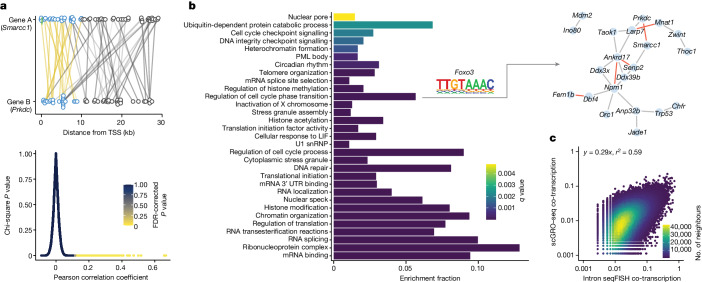
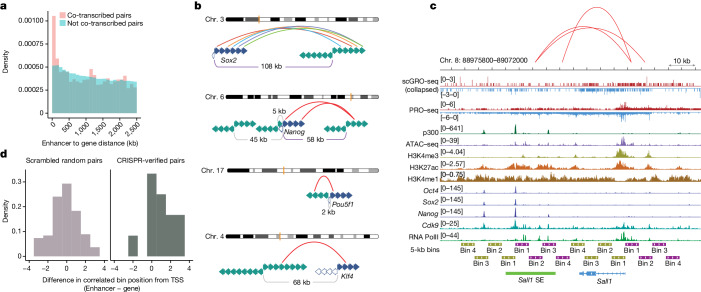
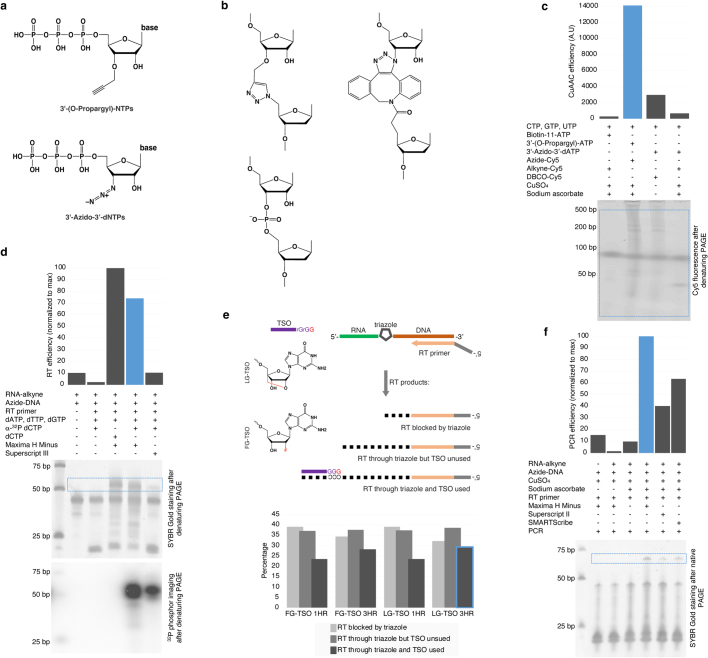
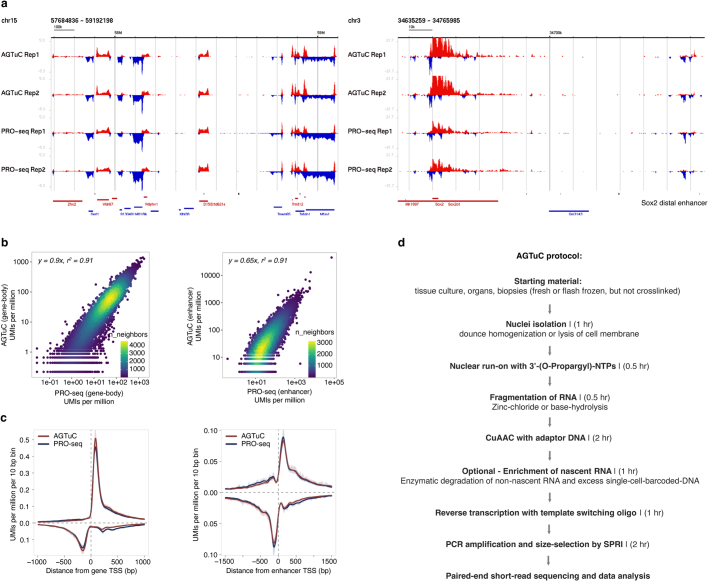
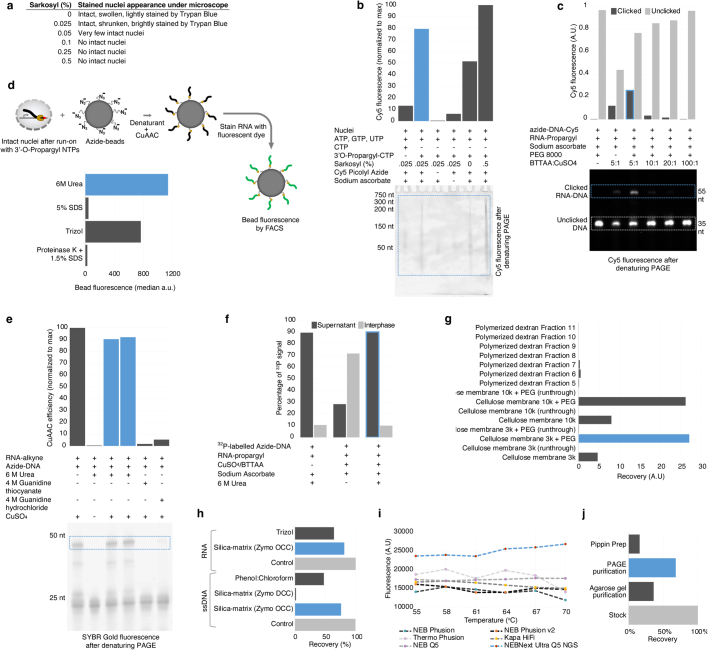
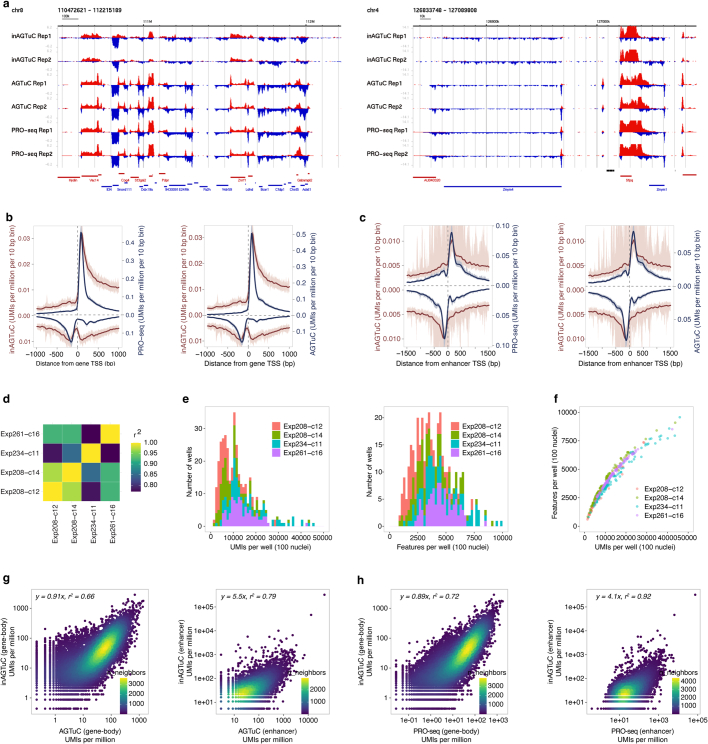
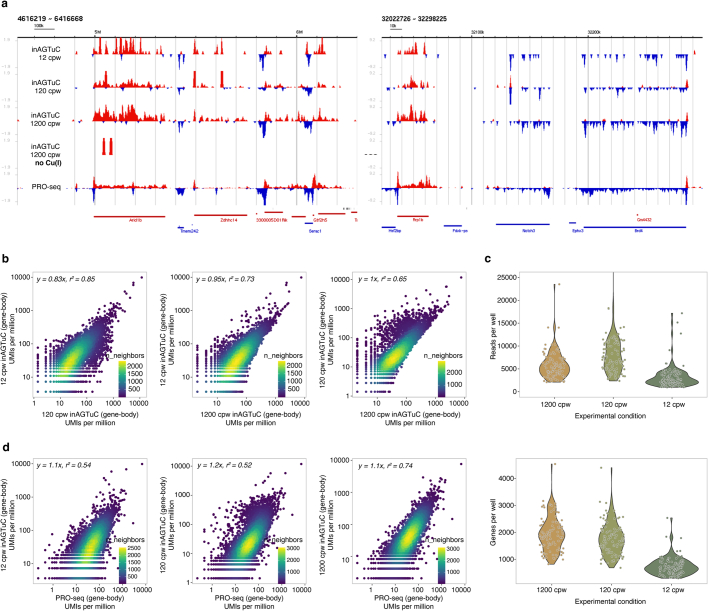
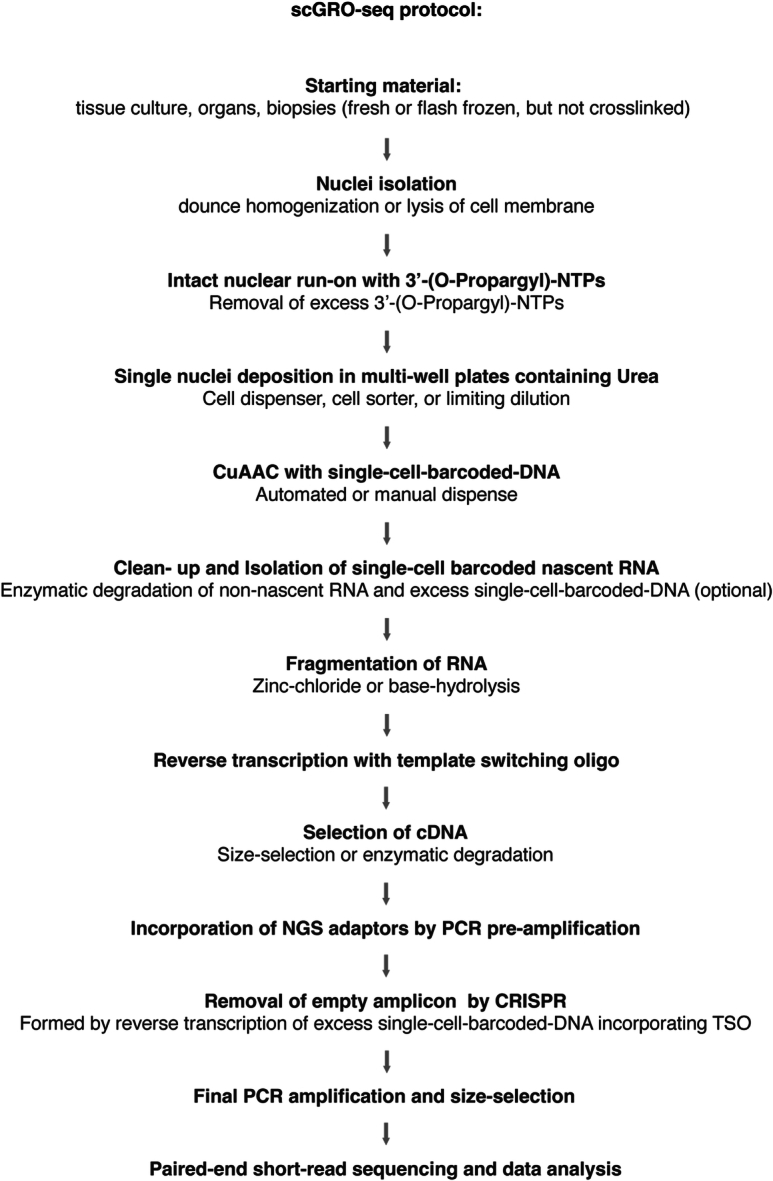
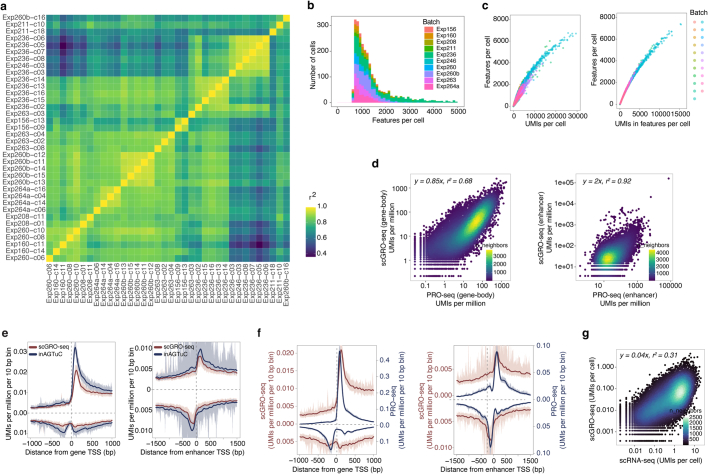
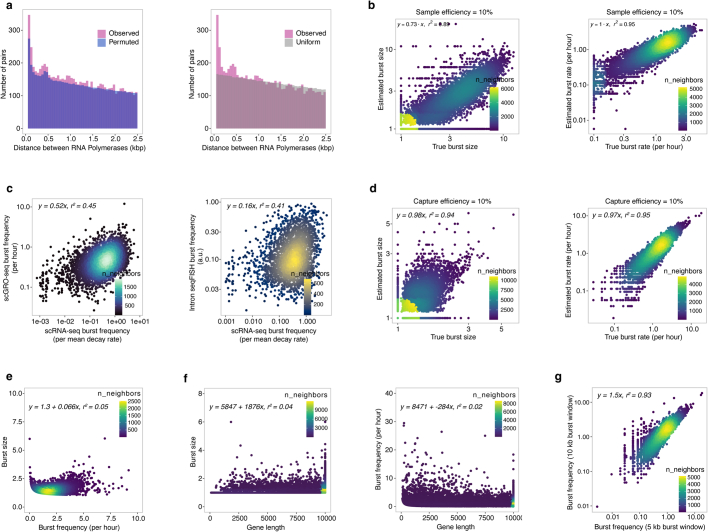
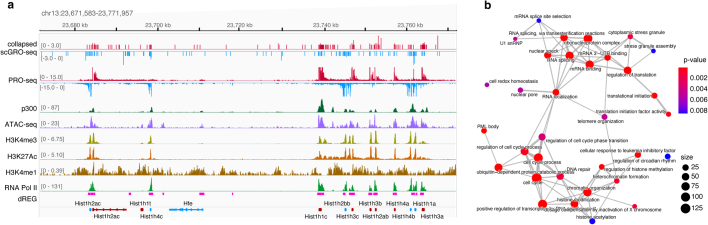
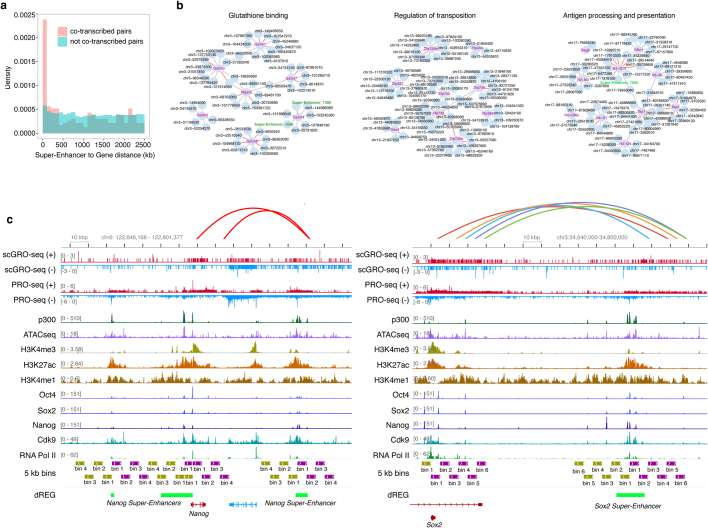
Abstract Transcription is the primary regulatory step in gene expression. Divergent transcription initiation from promoters and enhancers produces stable RNAs from genes and unstable RNAs from enhancers1,2. Nascent RNA capture and sequencing assays simultaneously measure gene and enhancer activity in cell populations3. However, fundamental questions about the temporal regulation of transcription and enhancer–gene coordination remain unanswered, primarily because of the absence of a single-cell perspective on active transcription. In this study, we present scGRO–seq—a new single-cell nascent RNA sequencing assay that uses click chemistry—and unveil coordinated transcription throughout the genome. We demonstrate the episodic nature of transcription and the co-transcription of functionally related genes. scGRO–seq can estimate burst size and frequency by directly quantifying transcribing RNA polymerases in individual cells and can leverage replication-dependent non-polyadenylated histone gene transcription to elucidate cell cycle dynamics. The single-nucleotide spatial and temporal resolution of scGRO–seq enables the identification of networks of enhancers and genes. Our results suggest that the bursting of transcription at super-enhancers precedes bursting from associated genes. By imparting insights into the dynamic nature of global transcription and the origin and propagation of transcription signals, we demonstrate the ability of scGRO–seq to investigate the mechanisms of transcription regulation and the role of enhancers in gene expression.
Overview
The claims and statistics of this paper haven’t been checked yet.
Run the check — free, no account needed. It reads the open-access text and checks the sources it cites.
Integrity signals
Registry
Cites
Statistics
Figures
Verification
Claims the paper makes
The claims and statistics of this paper haven’t been checked yet.
Run the check — free, no account needed. It reads the open-access text and checks the sources it cites.
Self-check
Percentages, sums and reported differences re-computed from the paper’s own numbers.
The self-check needs the paper’s full text.
Citations
Cites
Fast gapped-read alignment with Bowtie 2
Langmead, B., & Salzberg, S. L. (2012) · Nature Methods · doi:10.1038/nmeth.1923 · Cited by 56,400
Subramanian, A., Tamayo, P., Mootha, V. K., Mukherjee, S., Ebert, B. L., Gillette, M. A., Paulovich, A., Pomeroy, S. L., Golub, T. R., Lander, E. S., et al. (2005) · Proceedings of the National Academy of Sciences · doi:10.1073/pnas.0506580102 · Cited by 53,625 · cited 1×
“Using a curated transcription factor binding database 27,28 , we examined the effect of transcription factors on burst parameters.”
Spatial reconstruction of single-cell gene expression data
Satija, R., Farrell, J. A., Gennert, D., Schier, A. F., & Regev, A. (2015) · Nature Biotechnology · doi:10.1038/nbt.3192 · Cited by 7,055
The ENCODE Project Consortium (2007) · Nature · doi:10.1038/nature05874 · Cited by 5,223
Master Transcription Factors and Mediator Establish Super-Enhancers at Key Cell Identity Genes
Whyte, W. A., Orlando, D. A., Hnisz, D., Abraham, B. J., Lin, C. Y., Kagey, M. H., Rahl, P. B., Lee, T. I., & Young, R. A. (2013) · Cell · doi:10.1016/j.cell.2013.03.035 · Cited by 4,143
Hindorff, L. A., Sethupathy, P., Junkins, H. A., Ramos, E. M., Mehta, J. P., Collins, F. S., & Manolio, T. A. (2009) · Proceedings of the National Academy of Sciences · doi:10.1073/pnas.0903103106 · Cited by 4,013
New cell lines from mouse epiblast share defining features with human embryonic stem cells
Tesar, P. J., Chenoweth, J. G., Brook, F. A., Davies, T. J., Evans, E. P., Mack, D. L., Gardner, R. L., & McKay, R. D. G. (2007) · Nature · doi:10.1038/nature05972 · Cited by 2,187
Smith, T. S., Heger, A., & Sudbery, I. M. (2017) · Genome Research · doi:10.1101/gr.209601.116 · Cited by 2,072
Nascent RNA Sequencing Reveals Widespread Pausing and Divergent Initiation at Human Promoters
Core, L. J., Waterfall, J. J., & Lis, J. T. (2008) · Science · doi:10.1126/science.1162228 · Cited by 1,986
Xie, X., Lu, J., Kulbokas, E. J., Golub, T. R., Mootha, V., Lindblad-Toh, K., Lander, E. S., & Kellis, M. (2005) · Nature · doi:10.1038/nature03441 · Cited by 1,872
Research works printed but not linked: 1
- Marcel, M. Cutadapt removes adapter sequences from high-throughput sequencing reads. EMBnet J. 17, 10–12 (2011).
Cited by
Sorted by citations
Advances and applications in single-cell and spatial genomics
Wang, J., Ye, F., Chai, H., Jiang, Y., Wang, T., Ran, X., Xia, Q., Xu, Z., Fu, Y., Zhang, G., et al. (2024) · Science China Life Sciences · doi:10.1007/s11427-024-2770-x · Cited by 70
An RNA-centric view of transcription and genome organization
Henninger, J. E., & Young, R. A. (2024) · Molecular Cell · doi:10.1016/j.molcel.2024.08.021 · Cited by 58
RNA polymerase II at histone genes predicts outcome in human cancer
Henikoff, S., Zheng, Y., Paranal, R. M., Xu, Y., Greene, J. E., Henikoff, J. G., Russell, Z. R., Szulzewsky, F., Thirimanne, H. N., Kugel, S., et al. (2025) · Science · doi:10.1126/science.ads2169 · Cited by 50
Mahat, D. B., Kumra, H., Castro, S. A., Metcalf, E., Nguyen, K. B., Morisue, R., Ho, W. W., Chen, I. X., Sullivan, B., Yim, L., et al. (2025) · Immunity · doi:10.1016/j.immuni.2025.06.005 · Cited by 44
Multi-omics decodes host-specific and environmental microbiome interactions in sepsis
Lu, J., Zhang, W., He, Y., Jiang, M., Liu, Z., Zhang, J., Zheng, L., Zhou, B., Luo, J., He, C., et al. (2025) · Frontiers in Microbiology · doi:10.3389/fmicb.2025.1618177 · Cited by 32
Metadata
- Authors
- Mahat, D. B., Tippens, N. D., Martin-Rufino, J. D., Waterton, S. K., Fu, J., Blatt, S. E., & Sharp, P. A.
- Affiliations
- Koch Institute for Integrative Cancer Research At MIT (US)
- Broad Institute (US)
- Northwestern University (US)
- Exact Sciences (United States) (US)
- Corresponding author
- Sharp, Phillip A.
- ORCID
- Venue
- Nature
- Published
- 2024-06-05
- Volume
- 631
- Issue
- 8019
- Pages
- 216-223
- ISSN
- 0028-0836 (ISSN-L)
- 1476-4687
- PMC
- PMC11222150
- OpenAlex
- W4399366620
- Cited by
- 131
- References
- 69
- Citations by year
- 2026: 64 · 2025: 51 · 2024: 15
- FWCI
- 17.65
- Type
- journal article
- Language
- en
- Open access
- hybrid
- doi.org
- Locations
- Nature (publishedVersion, cc-by)
- PubMed Central (publishedVersion, cc-by)
- PubMed (publishedVersion)
- RePEc: Research Papers in Economics (submittedVersion)
- Funders
- National Cancer Institute (P01CA042063, P30CA014051)
- National Institute of General Medical Sciences (R01GM034277)
- Topics
- Life Sciences › Biochemistry, Genetics and Molecular Biology › Molecular Biology › Genomics and Chromatin Dynamics
- Life Sciences › Biochemistry, Genetics and Molecular Biology › Molecular Biology › Single-cell and spatial transcriptomics
- Life Sciences › Biochemistry, Genetics and Molecular Biology › Molecular Biology › Gene Regulatory Network Analysis
- Keywords
- nascent RNA sequencing, single-cell transcriptomics, transcription initiation, super-enhancers, transcriptional bursting, RNA polymerase activity, histone gene transcription, cell cycle kinetics, click chemistry, transcriptional regulation
- MeSH terms
- Single-Cell Gene Expression Analysis, Animals, Cell Cycle, Enhancer Elements, Genetic, Gene Expression Regulation, Histones, Humans, Promoter Regions, Genetic, RNA, DNA-Directed RNA Polymerases, Time Factors, Transcription, Genetic, Sequence Analysis, RNA, Mice, Click Chemistry
About these checks
Registry, retraction, Cites and statistics results are computed, not judged, with one exception: a printed reference that no index lists is read once by a model before it counts as a citation error. Claims are extracted by a model and kept only when their quote appears verbatim in the text; each cited source is then checked, with a model’s help, for whether it says what the claim relies on. Those verdicts can be wrong — read the claim’s quote and the cited source before relying on one.
Statistics and arithmetic are recomputed, not judged.
Confidence bands are shown only for fields calibrated on our annotated test set. None is calibrated yet, so no band is shown.
What counts as a claim ›How we measure confidence ›How we check this ›
Are you an author, or do you see a problem with this page? Request a review
