

Human hippocampal neurogenesis in adulthood, ageing and Alzheimer’s disease
Open accessPublished version of a preprint
The DOI matches its Crossref record; 93 of the 93 references it cites were found in a registry or an index; none of the 78 sources its claims cite is checked for support yet.
Abstract
The existence of human hippocampal neurogenesis has long been disputed1-12 and its relevance in cognition remains unknown. Recent studies have established the presence of proliferating progenitors and immature neurons and a reduction in the latter in Alzheimer's disease (AD)11,13. However, their origin and the molecular networks that regulate neurogenesis and function are poorly understood. Here we studied human post-mortem hippocampi obtained from different cohorts: young adults with intact memory, aged adults with no cognitive impairments, aged adults with extraordinary memory capacity (SuperAgers)14,15, adults with preclinical intermediate pathology or adults with AD. Using multiomic single-cell sequencing (single-nucleus RNA sequencing and single-nuclei assay for transposase-accessible chromatin with sequencing), we analysed the profiles of 355,997 nuclei isolated from the hippocampus samples and identified neural stem cells, neuroblasts and immature granule neurons. Dysregulated neurogenesis was largely associated with changes in chromatin accessibility. Analyses of transcription factors and target gene signatures that distinguished each of the groups revealed early alterations in chromatin accessibility of neurogenic cells from individuals with preclinical AD, and such changes were even more evident in samples from individuals with AD. We identified a distinct profile of neurogenesis in SuperAgers that may reflect a 'resilience signature'. Finally, alterations in the profile of astrocytes and CA1 neurons govern cognitive function in the ageing hippocampus. Together, our study points to a multiomic molecular signature of the hippocampus that distinguishes cognitive resilience and deterioration with ageing.
Overview
CoChat Summary
TL;DR
Using multiomic single-nucleus RNA and ATAC sequencing of 355,997 nuclei from human post-mortem hippocampus across young, healthy aged, preclinical, Alzheimer’s disease (AD), and SuperAger cohorts, this study identifies neural stem cells, neuroblasts, and immature granule neurons and maps their regulatory networks. It reports that neurogenesis changes with cognitive ageing and AD are driven largely by chromatin accessibility, with a distinct resilience signature in SuperAgers and astrocyte/CA1-neuron alterations linked to cognitive function.
Key findings
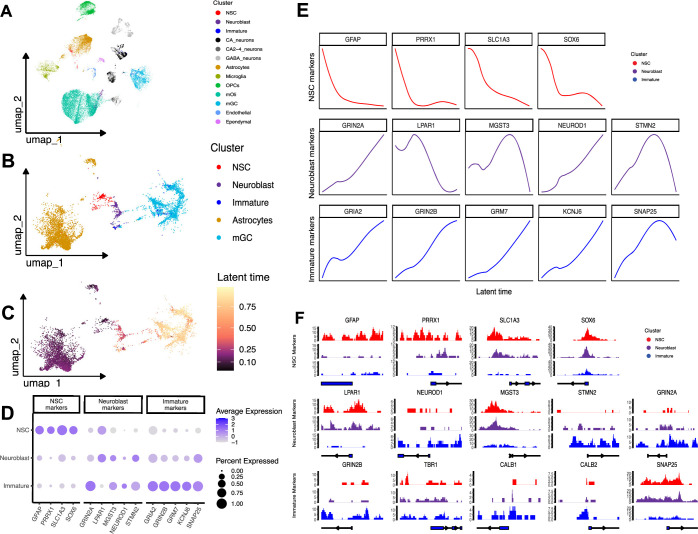
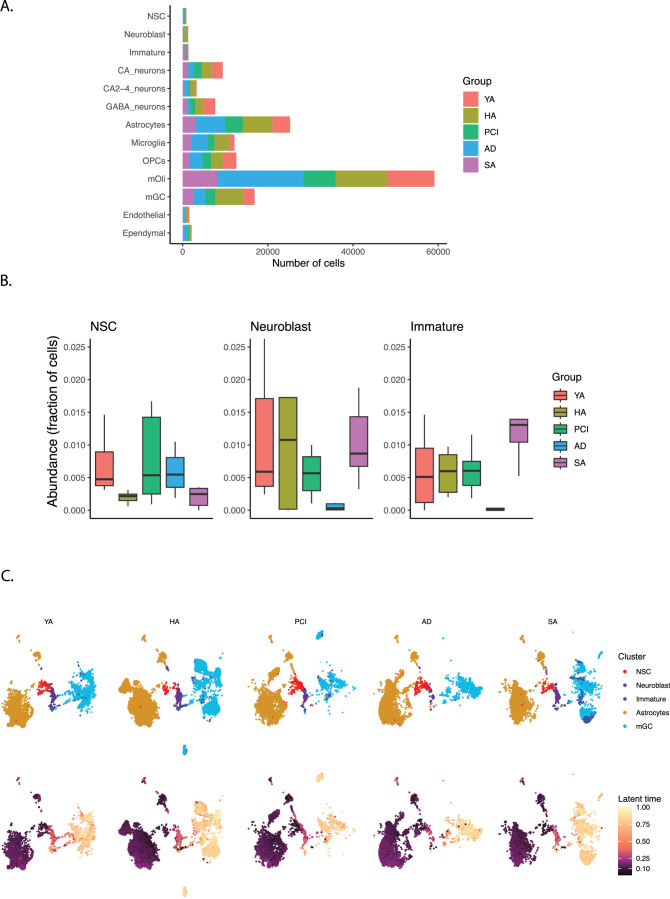
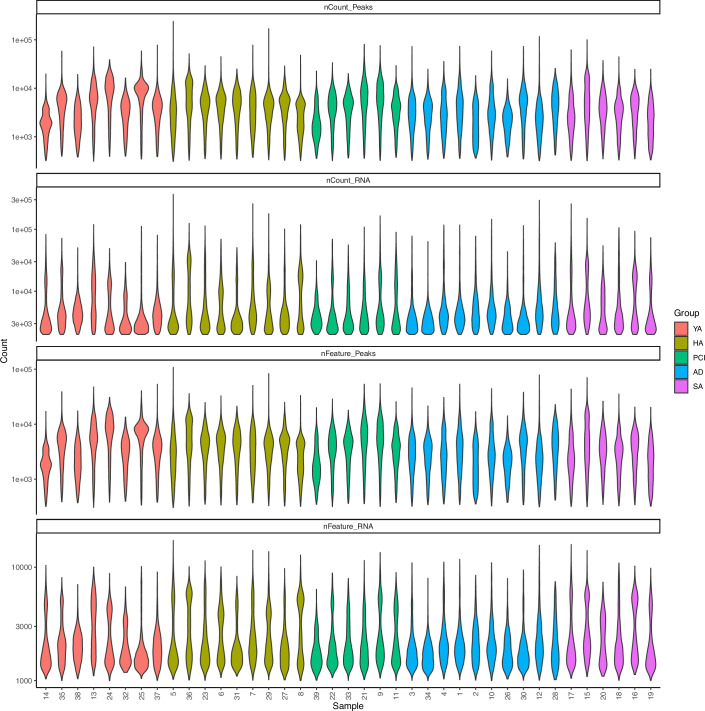
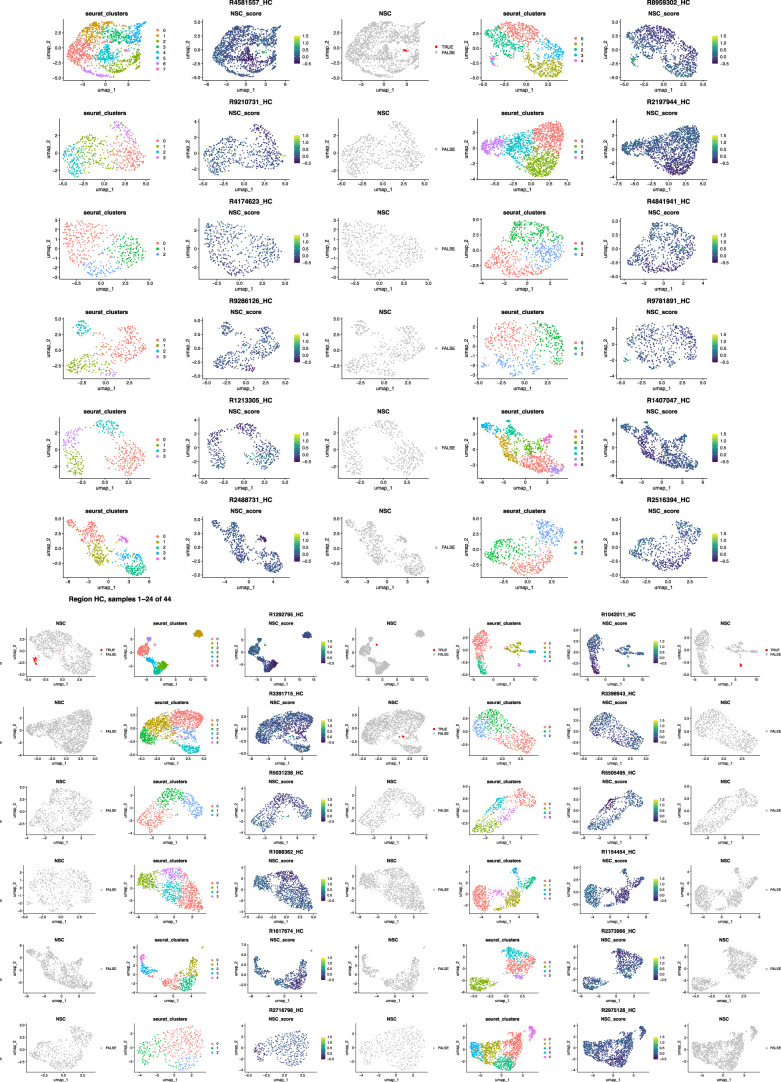
- The study identified a neurogenic trajectory from neural stem cells (NSCs) to mature granule neurons via neuroblasts and immature neurons in the adult human hippocampus, analysing 355,997 nuclei: young adults (YA; 8 donors, 85,977 nuclei), healthy agers (HA; n = 8, 73,093 nuclei), preclinical intermediate pathology (PCI; n = 6, 58,281 nuclei), AD (n = 10, 87,209 nuclei), and SuperAgers (SA; n = 6, 51,437 nuclei).
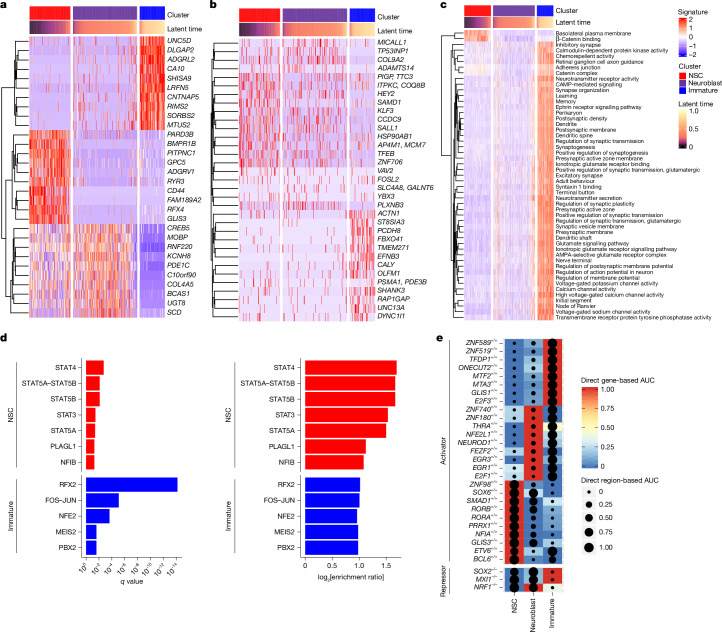
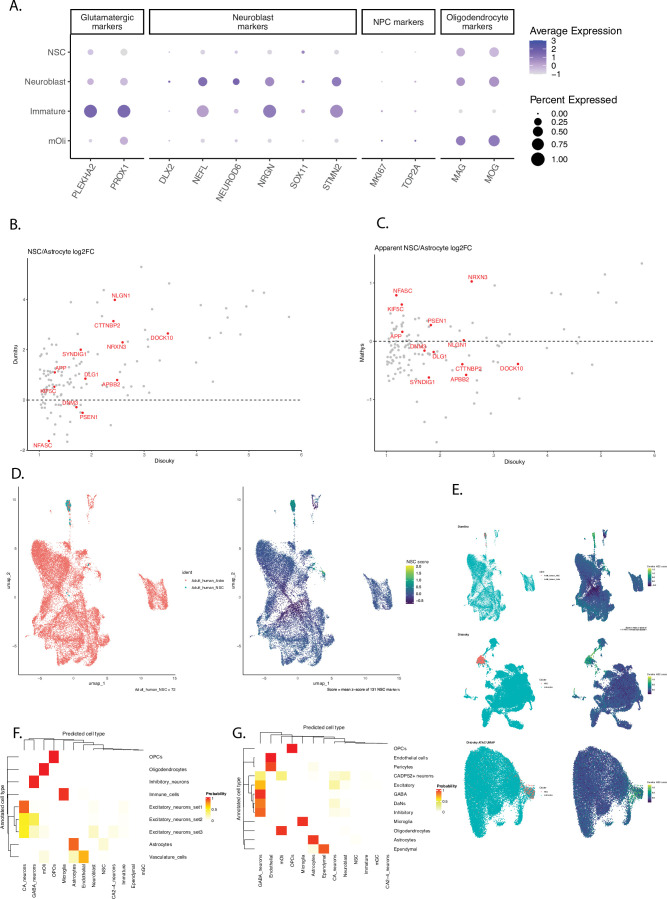
- Neuroblasts compared with mature oligodendrocytes showed 4,166 differentially expressed genes and 169 upregulated pathways, of which 80 were associated with dendritic, axonal, postsynaptic density, and neurotransmission pathways; an NSC subcluster compared with astrocytes showed 766 DEGs (671 upregulated, 95 downregulated), with 25 of 65 pathways related to neuronal development.
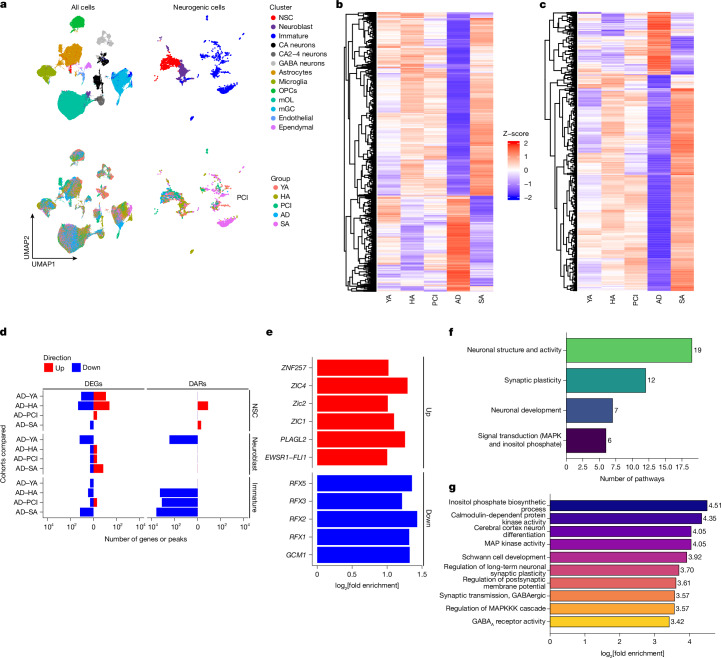
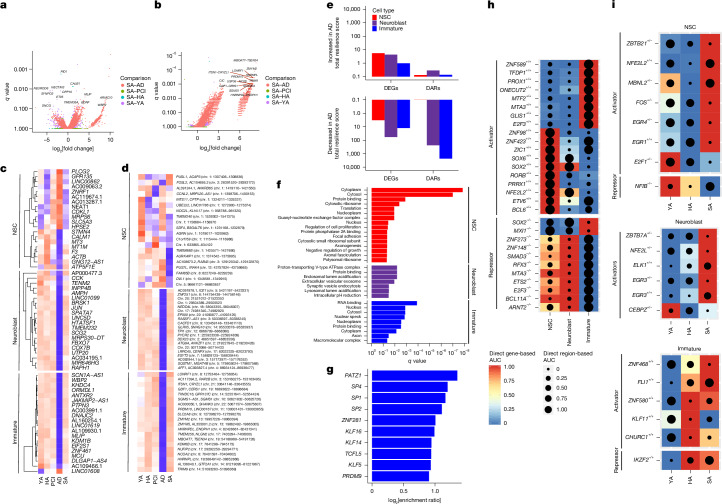
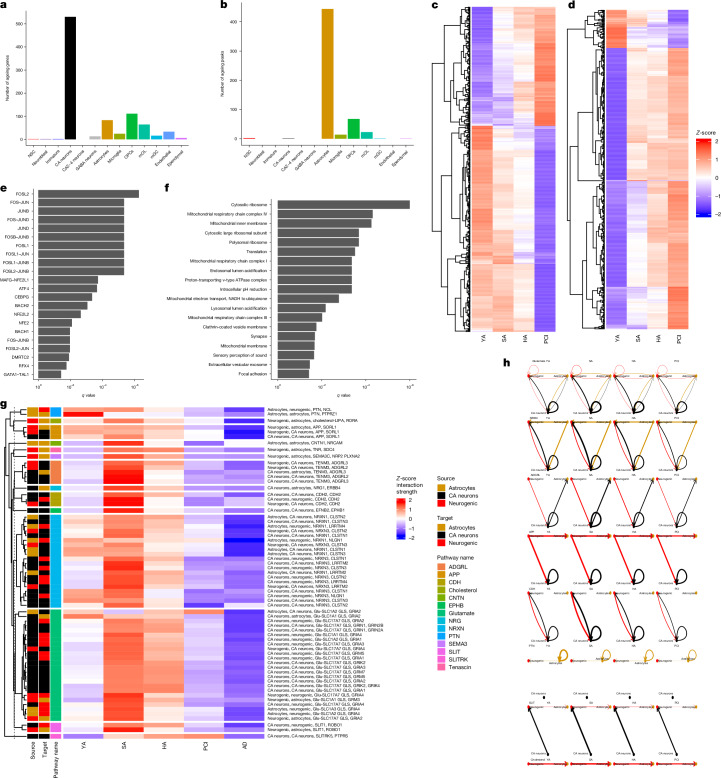
- Age- and diagnosis-driven alterations were more evident in differentially accessible regions (DARs) than DEGs: AD versus HA had 172 DEGs, AD versus PCI 6, AD versus YA 154, and SA versus other diagnostic cohorts 18; DARs specifically downregulated in neuroblasts and immature neurons in PCI were further downregulated in AD, and SA had 7,058 DARs upregulated in immature neurons and 674 in neuroblasts compared with other groups.
- SA showed a significant increase in immature neurons compared with other cohorts; after excluding one outlier, there was a 2.5-fold increase, and comparisons with HA, YA, and PCI showed about a twofold increase that was not significant; SA had significantly more neuroblasts than AD (q = 0.0002). Hippocampal cognitive integrity signals included 1,001 DEGs and 579 DARs, with most DEGs in CA1 neurons and most DARs in astrocytes.
Methods
- Post-mortem human hippocampus samples from 38 participants across five diagnostic groups (YA, HA, PCI, AD, SA); the dentate gyrus was isolated from fresh-frozen blocks, nuclei were isolated, and paired snRNA-seq and snATAC-seq libraries were prepared using 10x Genomics Multiome.
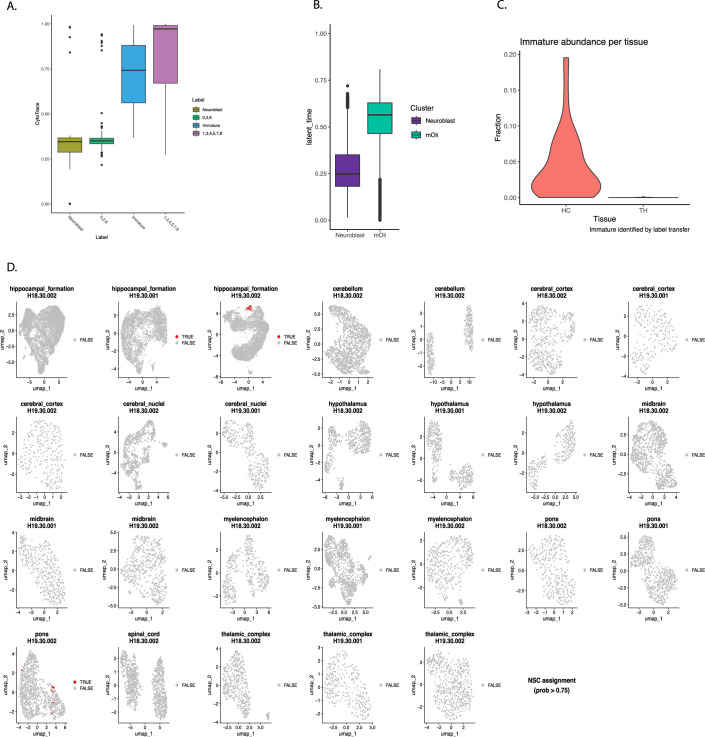
- Cell annotation used scANVI label transfer from a human developmental forebrain dataset and an adult human hippocampal dataset; clustering was performed in Seurat, NSC identification used RNA velocity with scVelo latent time, and signatures were validated against external datasets and non-neurogenic brain regions.
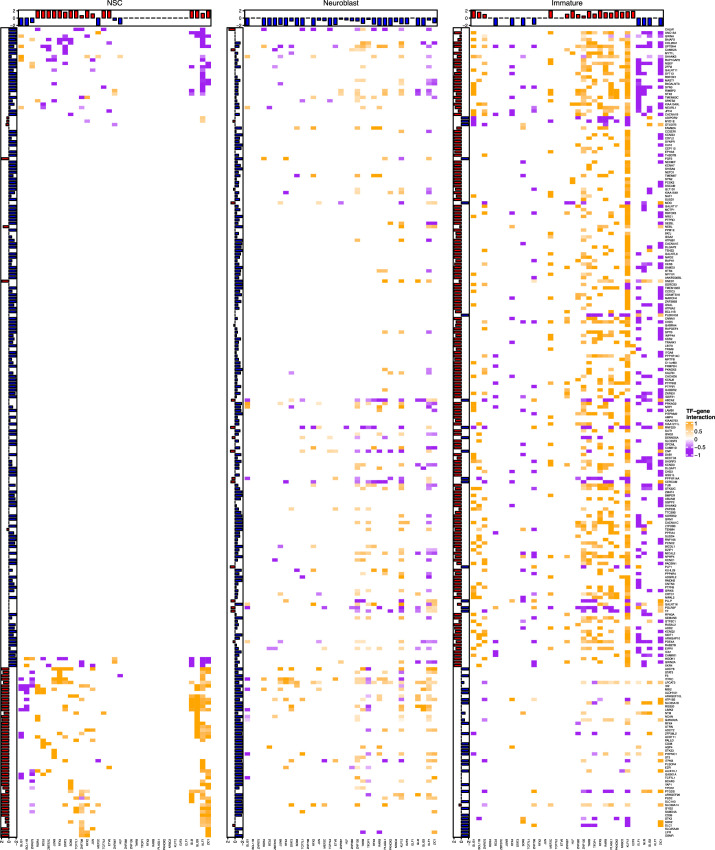
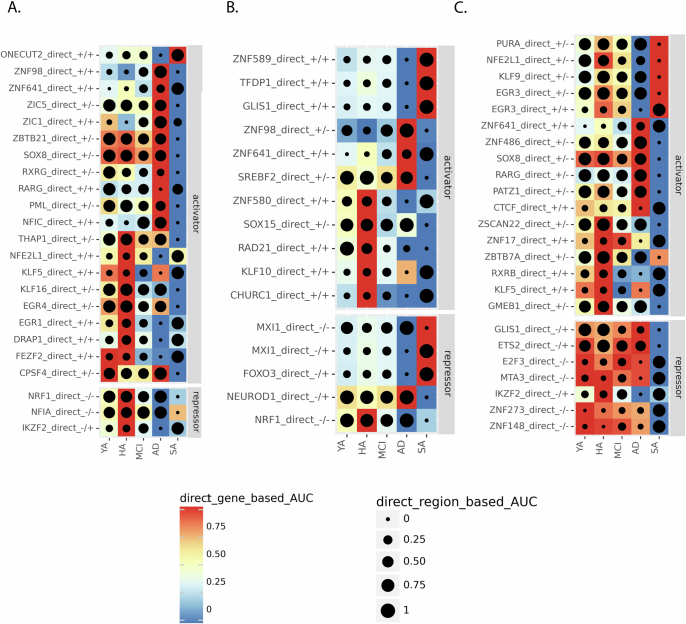
- Differential gene and peak statistics by diagnosis used pseudo-bulk edgeR; motif analysis used FIMO/JASPAR; gene regulatory networks were inferred with a TF–peak–gene trio approach and SCENIC+ eRegulons; cell–cell interactions used CellChat; resilience scores were computed from AD–YA, AD–HA, and SA–AD comparisons.
Limitations
- The paper states that limited sample size and large variability in human brain samples limited quantitative power, and that future experiments with more human brain samples are needed; it also notes that inter-sample variability and low sample number compromised the SA immature-neuron analysis.
- The paper states that it cannot exclude the possibility that unique eRegulons detected in SA are the result of ageing-driven alterations, and that sporadic NSCs in other brain regions could not be definitively distinguished from dentate gyrus neurogenic cells present in mislabelled blocks.
- Evident from the text: the post-mortem, cross-sectional design cannot establish causality or temporal ordering, group sizes are small (n = 6–10 per cohort), and the findings rely on computational annotation and inferred regulatory interactions without functional perturbation.
Model-written summary. Check it against the paper before relying on it.
Integrity signals
Registry
Cites
Statistics
Figures
Verification
Claims the paper makes
0 Valid · 4 Not valid · 35 Not checked · 168 Own results and interpretations
A result the paper reports from its own data — it cites no other source for it, so there is none to check. The quote shows it is in the paper.
In the paper
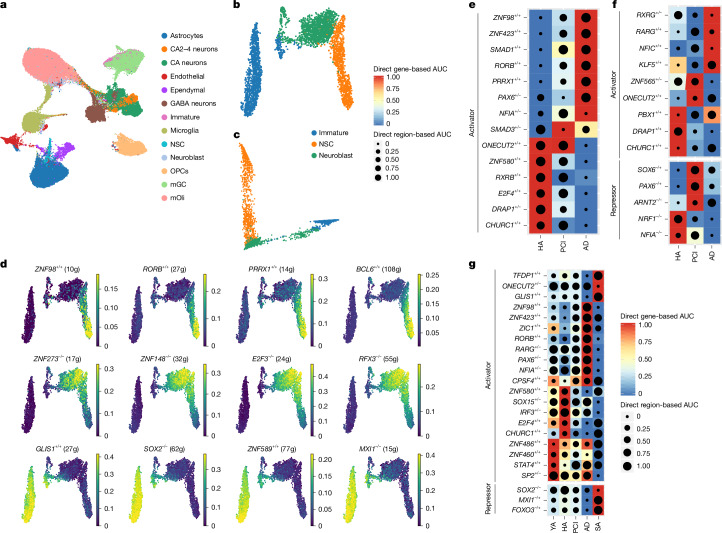
“The immature neurons appeared at the outer margins of the mature granule neuron cluster in a two-dimensional uniform manifold approximation and projection (UMAP) visualization.”
§ Human hippocampal neurogenesis in adulthood, ageing and Alzheimer’s disease > Regulatory networks of neurogenesis
plainn = 8- Asserted: passes — The authors put it forward as true.
- Checkable: passes — It can be checked against evidence.
- Load-bearing: unclear — It is unclear whether the paper’s conclusions depend on it.
- Based: passes — The paper gives a reason why it holds.
A result the paper reports from its own data — it cites no other source for it, so there is none to check. The quote shows it is in the paper.
In the paper
“Dysregulated neurogenesis was largely associated with changes in chromatin accessibility.”
§ Human hippocampal neurogenesis in adulthood, ageing and Alzheimer’s disease > Abstract
plainstates an association- Asserted: passes — The authors put it forward as true.
- Checkable: passes — It can be checked against evidence.
- Load-bearing: passes — The paper’s conclusions depend on it.
- Based: passes — The paper gives a reason why it holds.
A result the paper reports from its own data — it cites no other source for it, so there is none to check. The quote shows it is in the paper.
In the paper
“Analyses of transcription factors and target gene signatures that distinguished each of the groups revealed early alterations in chromatin accessibility of neurogenic cells from individuals with preclinical AD”
§ Human hippocampal neurogenesis in adulthood, ageing and Alzheimer’s disease > Abstract
plainstates an association- Asserted: passes — The authors put it forward as true.
- Checkable: passes — It can be checked against evidence.
- Load-bearing: passes — The paper’s conclusions depend on it.
- Based: passes — The paper gives a reason why it holds.
A result the paper reports from its own data — it cites no other source for it, so there is none to check. The quote shows it is in the paper.
In the paper
“Unsupervised clustering based on snRNA-seq revealed 12 cell types in the hippocampus, including neuroblasts and immature neurons (Extended Data Fig. 1).”
§ Human hippocampal neurogenesis in adulthood, ageing and Alzheimer’s disease > Regulatory networks of neurogenesis
plainn = 8- Asserted: passes — The authors put it forward as true.
- Checkable: passes — It can be checked against evidence.
- Load-bearing: passes — The paper’s conclusions depend on it.
- Based: passes — The paper gives a reason why it holds.
A result the paper reports from its own data — it cites no other source for it, so there is none to check. The quote shows it is in the paper.
In the paper
“and such changes were even more evident in samples from individuals with AD.”
§ Human hippocampal neurogenesis in adulthood, ageing and Alzheimer’s disease > Abstract
plainstates an association- Asserted: passes — The authors put it forward as true.
- Checkable: passes — It can be checked against evidence.
- Load-bearing: passes — The paper’s conclusions depend on it.
- Based: passes — The paper gives a reason why it holds.
125 more claims
Create a free account to see all 207 claims and to verify the 78 references still open.
- It may state two separate claims as one. 47
- Probably not a substantial claim. 39
- The quote only partly states this claim. 1
Self-check
Percentages, sums and reported differences re-computed from the paper’s own numbers.
Each contradiction between two passages listed here was confirmed by an independent check.
Rated major: it would touch a result — a value a result rests on, reported and recomputed p-values on opposite sides of the significance level, two passages that conflict with no sign which is right, or a cited work retracted before this paper was published.
In the paper
§ Human hippocampal neurogenesis in adulthood, ageing and Alzheimer’s disease > Alterations are driven by DARs
“Notably, we identified a set of DARs that were specifically downregulated in neuroblasts and immature neurons in the PCI cohort compared with the YA, HA and SA groups. These DARs were further downregulated in the AD group.”
§ Human hippocampal neurogenesis in adulthood, ageing and Alzheimer’s disease > Alterations are driven by DARs
“f,g, Pathway enrichment analysis of inferred target genes of top DARs that were upregulated in PCI and may transition to AD through pathway abundance (P < 0.05; log2[fold change]) (f) and by log2[fold enrichment] (g).”
Rated major: it would touch a result — a value a result rests on, reported and recomputed p-values on opposite sides of the significance level, two passages that conflict with no sign which is right, or a cited work retracted before this paper was published.
In the paper
§ Human hippocampal neurogenesis in adulthood, ageing and Alzheimer’s disease > Methods > Resilience analysis
“AD–YA, AD–HA and SA–AD pairs were compared and then a summarized effect and significance statistic was computed as log2[fold change] × –log10[q]. All three comparisons were required to have the same sign (same direction).”
§ Human hippocampal neurogenesis in adulthood, ageing and Alzheimer’s disease > Resilience signatures of neurogenesis
“A clear signature was observed in neuroblasts and immature neurons, for which most genes and peaks exhibited stable expression levels in YA, HA and SA, whereas they were substantially downregulated in AD.”
Citations
Cites
Controlling the False Discovery Rate: A Practical and Powerful Approach to Multiple Testing
Benjamini, Y., & Hochberg, Y. (1995) · Journal of the Royal Statistical Society Series B: Statistical Methodology · doi:10.1111/j.2517-6161.1995.tb02031.x · Cited by 109,482
Subramanian, A., Tamayo, P., Mootha, V. K., Mukherjee, S., Ebert, B. L., Gillette, M. A., Paulovich, A., Pomeroy, S. L., Golub, T. R., Lander, E. S., et al. (2005) · Proceedings of the National Academy of Sciences · doi:10.1073/pnas.0506580102 · Cited by 53,625
Robinson, M. D., McCarthy, D. J., & Smyth, G. K. (2010) · Bioinformatics · doi:10.1093/bioinformatics/btp616 · Cited by 41,364
limma powers differential expression analyses for RNA-sequencing and microarray studies
Ritchie, M. E., Phipson, B., Wu, D., Hu, Y., Law, C. W., Shi, W., & Smyth, G. K. (2015) · Nucleic Acids Research · doi:10.1093/nar/gkv007 · Cited by 40,458
Integrating single-cell transcriptomic data across different conditions, technologies, and species
Butler, A., Hoffman, P., Smibert, P., Papalexi, E., & Satija, R. (2018) · Nature Biotechnology · doi:10.1038/nbt.4096 · Cited by 13,174
MEME SUITE: tools for motif discovery and searching
Bailey, T. L., Boden, M., Buske, F. A., Frith, M., Grant, C. E., Clementi, L., Ren, J., Li, W. W., & Noble, W. S. (2009) · Nucleic Acids Research · doi:10.1093/nar/gkp335 · Cited by 10,648
SCANPY: large-scale single-cell gene expression data analysis
Wolf, F. A., Angerer, P., & Theis, F. J. (2018) · Genome Biology · doi:10.1186/s13059-017-1382-0 · Cited by 8,881
Inference and analysis of cell-cell communication using CellChat
Jin, S., Guerrero-Juarez, C. F., Zhang, L., Chang, I., Ramos, R., Kuan, C.-H., Myung, P., Plikus, M. V., & Nie, Q. (2021) · Nature Communications · doi:10.1038/s41467-021-21246-9 · Cited by 8,409
Trapnell, C., Cacchiarelli, D., Grimsby, J., Pokharel, P., Li, S., Morse, M., Lennon, N. J., Livak, K. J., Mikkelsen, T. S., & Rinn, J. L. (2014) · Nature Biotechnology · doi:10.1038/nbt.2859 · Cited by 7,314
FIMO: scanning for occurrences of a given motif
Grant, C. E., Bailey, T. L., & Noble, W. S. (2011) · Bioinformatics · doi:10.1093/bioinformatics/btr064 · Cited by 4,247
Cited by
Hallmarks of healthy cognitive aging: Inter-individual differences in aging trajectories
Abrous, D. N., Blin, N., Boraxbekk, C., Catheline, G., Fitzsimons, C. P., Hilscher, M. M., Lemoine, M., Lopes, L. V., Maass, A., Nilsson, M., et al. (2026) · Ageing Research Reviews · doi:10.1016/j.arr.2026.103102 · Cited by 29
Adult neurogenesis: New neurons, new opportunities
Doludda, B., Barde, W., D’Egidio, F., Fitzsimons, C. P., Frisén, J., Gage, F. H., Jessberger, S., Lazarov, O., Lie, D. C., Lucassen, P. J., et al. (2026) · Cell stem cell · doi:10.1016/j.stem.2026.01.014 · Cited by 16
Self-citationTosoni, G., Ayyildiz, D., Snoeck, S., Moreno‐Jiménez, E. P., Penning, A., Santiago-Mujika, E., Ormaechea, O. R., Lee, H., Poovathingal, S. K., Davie, K., et al. (2026) · Cell stem cell · doi:10.1016/j.stem.2026.04.002 · Cited by 15
Your Agents Are Aging Too: Agent Lifespan Engineering for Deployed SystemsPreprint
Zhu, J., Ro, Y., Robertson, J., Wang, K. K. W., Li, J., Vikalo, H., Akella, A., & Wang, Z. (2026) · arXiv · doi:10.48550/arxiv.2605.26302 · Cited by 14
Dysregulated adult hippocampal neurogenesis in major depressive disorder
Peng, M., Jiang, J., Polizzi, L., Shi, T., Ramkumar, R., Anosike, V., Guasoni, G., Wamalwa, A. M., Mariani, M., Sissoko, C. A., et al. (2026) · Nature Medicine · doi:10.1038/s41591-026-04571-8 · Cited by 9
Metadata
- Authors
- Disouky, A., Sanborn, M. A., Sabitha, K. R., Mostafa, M. M., Ayala, I. A., Bennett, D. A., Lu, Y., Zhou, Y., Keene, C. D., Weintraub, S., Gefen, T., Mesulam, M.-M., Geula, C., Maienschein-Cline, M., Rehman, J., & Lazarov, O.
- Affiliations
- University of Illinois Chicago (US)
- Northwestern University (US)
- Rush University Medical Center (US)
- Chinese Academy of Sciences (CN)
- University of Washington (US)
- Corresponding author
- Rehman, Jalees
- Lazarov, Orly
- ORCID
- Venue
- Nature
- Published
- 2026-02-25
- Volume
- 652
- Issue
- 8112
- Pages
- 1264-1273
- ISSN
- 0028-0836 (ISSN-L)
- 1476-4687
- PMC
- PMC13048220
- OpenAlex
- W7131406260
- Cited by
- 84
- References
- 90
- Citations by year
- 2026: 83
- FWCI
- 106.59
- Type
- journal article
- Language
- en
- Open access
- hybrid
- doi.org
- Licence
- cc-by-nc-nd
- creativecommons.org/licenses/by-nc-nd/4.0 (tdm)
- creativecommons.org/licenses/by-nc-nd/4.0 (vor)
- Locations
- Nature (publishedVersion, cc-by-nc-nd)
- Research Square (submittedVersion, cc-by)
- PubMed Central (publishedVersion, cc-by-nc-nd)
- PubMed (publishedVersion)
- PubMed Central (submittedVersion, cc-by)
- PubMed (submittedVersion)
- Funders
- University of Pennsylvania
- Northwestern University
- Nancy and Buster Alvord Endowment
- Karen Toffler Charitable Trust
- National Institutes of Health (W81XWH, UL1TR002003, AG033570, 1um1mh134812-01, UM1TR005438, 2r56ag067781-07a1)
- Charles F. and Joanne Knight Alzheimer Disease Research Center, Washington University in St. Louis
- National Institute on Aging (R01AG060238, R01AG033570, AG033570-S2, R21AG061628, AGO79002, RF1AG033570, AG033570, R01AG062251, RF1AG079002, F31AG090005, R01AG076940, U19AG066567, R01AG078797, T32AG057468, R01AG079002, U19AG073153, U24AG072458, P30AG066509, R01AG067781, R01AG091545, P30AG072977)
- National Heart, Lung, and Blood Institute (T32HL139439)
- National Institute of Mental Health (UM1MH130981)
- National Institute of Neurological Disorders and Stroke (U54NS115322, U01NS137484, U01NS137500)
- National Center for Advancing Translational Sciences
- Topics
- Life Sciences › Neuroscience › Developmental Neuroscience › Neurogenesis and neuroplasticity mechanisms
- Life Sciences › Neuroscience › Cognitive Neuroscience › Memory and Neural Mechanisms
- Life Sciences › Neuroscience › Neurology › Neuroinflammation and Neurodegeneration Mechanisms
- Keywords
- adult hippocampal neurogenesis, Alzheimer's disease, aging, SuperAgers, cognitive resilience, chromatin accessibility, neural stem cells, neuroblasts, preclinical Alzheimer's disease, astrocytes, CA1 neurons, transcription factors, single-nucleus RNA sequencing
- MeSH terms
- Adult, Aged, Aged, 80 and over, Aging, Alzheimer Disease, Astrocytes, Chromatin, Cognition, Female, Hippocampus, Humans, Male, Memory, Middle Aged, Neurons, Transcription Factors, Neurogenesis, Young Adult, CA1 Region, Hippocampal, Neural Stem Cells, Single-Cell Analysis
About these checks
Registry, retraction, Cites and statistics results are computed, not judged, with one exception: a printed reference that no index lists is read once by a model before it counts as a citation error. Claims are extracted by a model and kept only when their quote appears verbatim in the text; each cited source is then checked, with a model’s help, for whether it says what the claim relies on. Those verdicts can be wrong — read the claim’s quote and the cited source before relying on one.
A language model drew the claims from the paper on 2026-11-28, under version 3 of the claim definition (model deepseek-v4.1-flash, prompt extract-v3).
A second model labelled each claim on 2026-11-28 (model jev-1.13-20260917, definition revision gold-guideline-v0.2).
Statistics and arithmetic are recomputed, not judged.
Confidence bands are shown only for fields calibrated on our annotated test set. None is calibrated yet, so no band is shown.
What counts as a claim ›How we measure confidence ›How we check this ›
Are you an author, or do you see a problem with this page? Request a review
How to cite
Cite CoChat for the checks on this page, and the paper for its own findings.
- This page
- CoChat. (2026). Citation check: Human hippocampal neurogenesis in adulthood, ageing and Alzheimer’s disease. https://app.cochat.ai/papers/10.1038/s41586-026-10169-4
- The paper
- Disouky, A., Sanborn, M. A., Sabitha, K. R., Mostafa, M. M., Ayala, I. A., Bennett, D. A., Lu, Y., Zhou, Y., Keene, C. D., Weintraub, S., Gefen, T., Mesulam, M.-M., Geula, C., Maienschein-Cline, M., Rehman, J., & Lazarov, O. (2026). Human hippocampal neurogenesis in adulthood, ageing and Alzheimer’s disease. Nature. https://doi.org/10.1038/s41586-026-10169-4
Data sources
Bibliographic data: Semantic Scholar, OpenAlex, Crossref.
Contains information from the Semantic Scholar Academic Graph Datasets, made available under the ODC Attribution License (ODC-BY 1.0).
Semantic Scholar’s data is described in: Kinney, R., et al. (2023). The Semantic Scholar Open Data Platform. arXiv:2301.10140.
