

Generative models improve fairness of medical classifiers under distribution shifts
Open accessPublished version of a preprint
The DOI matches its Crossref record; 86 of the 86 references it cites were found in a registry or an index.
Abstract
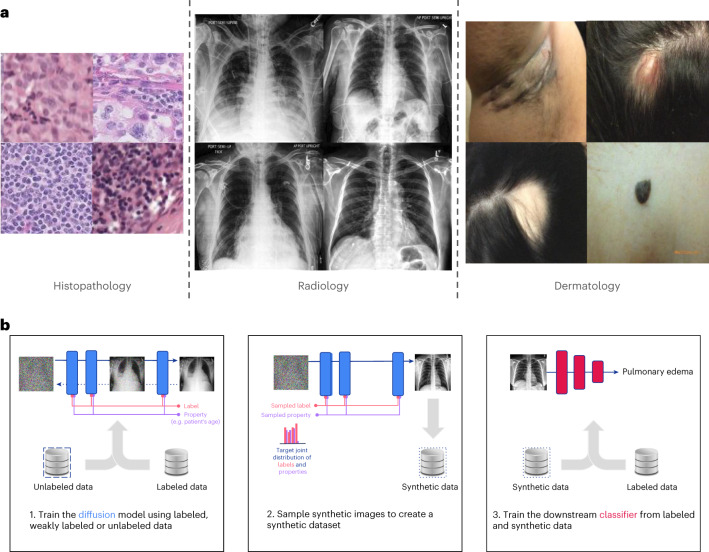
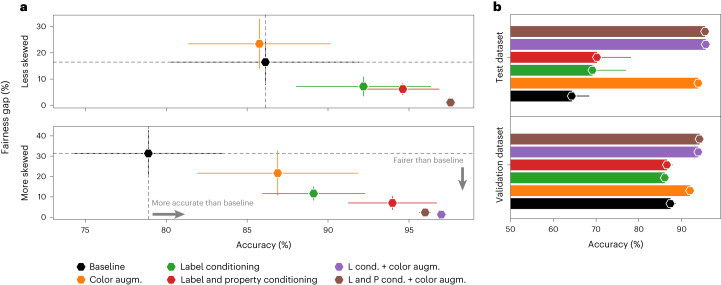
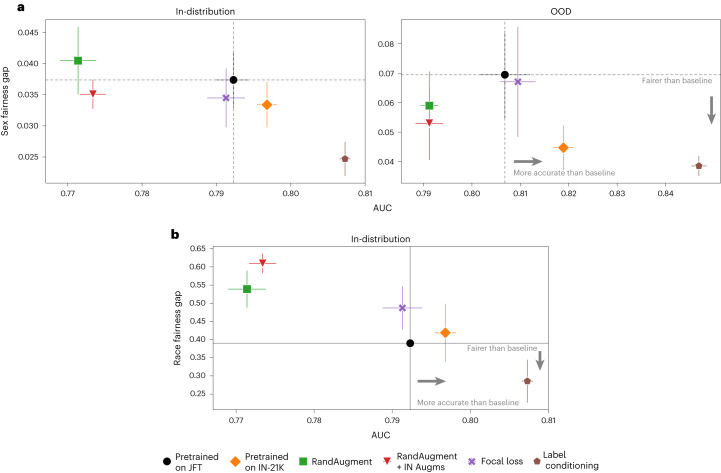
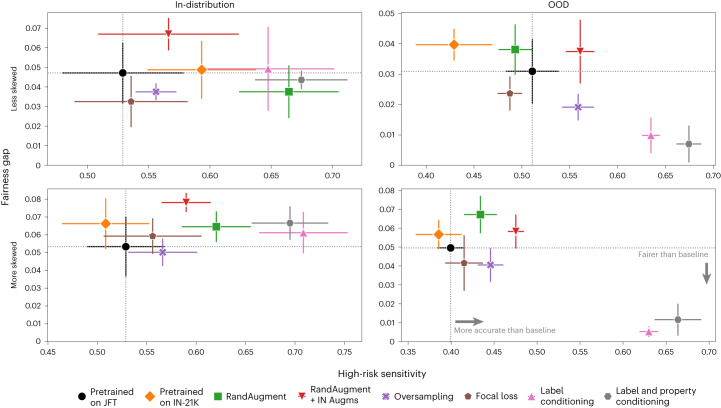
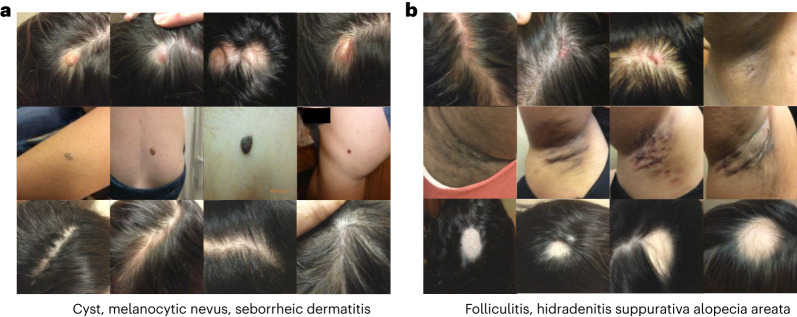
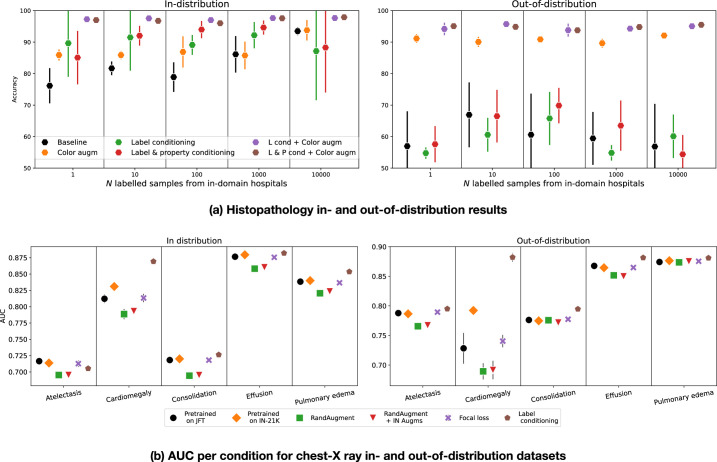
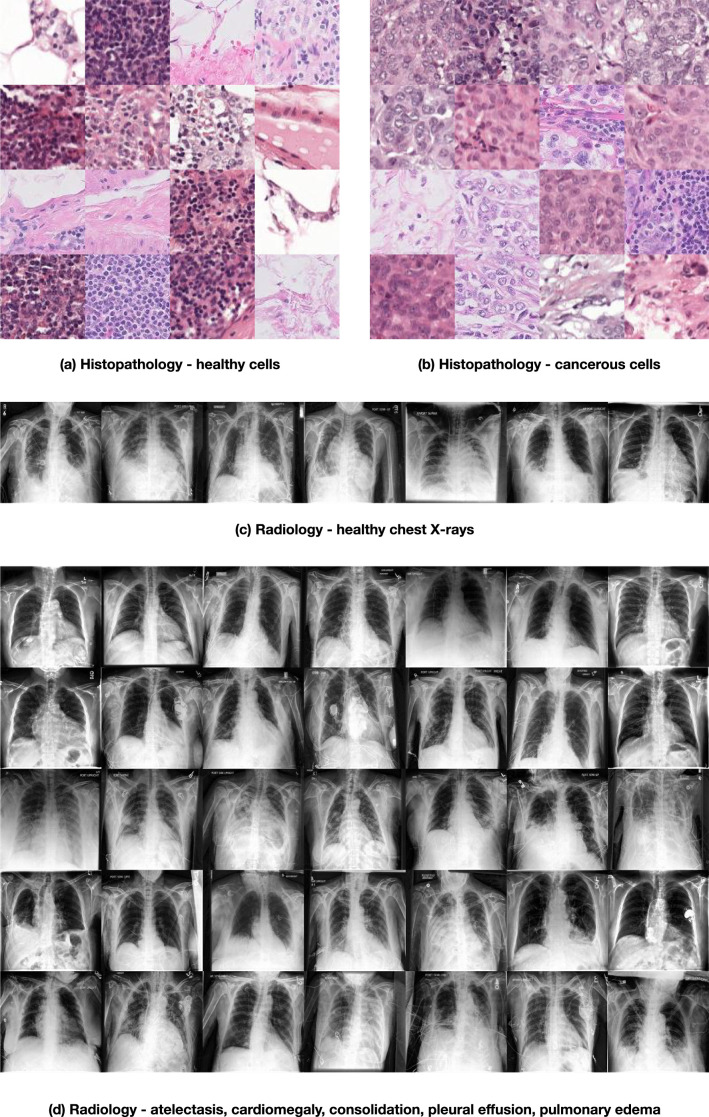
Domain generalization is a ubiquitous challenge for machine learning in healthcare. Model performance in real-world conditions might be lower than expected because of discrepancies between the data encountered during deployment and development. Underrepresentation of some groups or conditions during model development is a common cause of this phenomenon. This challenge is often not readily addressed by targeted data acquisition and ‘labeling’ by expert clinicians, which can be prohibitively expensive or practically impossible because of the rarity of conditions or the available clinical expertise. We hypothesize that advances in generative artificial intelligence can help mitigate this unmet need in a steerable fashion, enriching our training dataset with synthetic examples that address shortfalls of underrepresented conditions or subgroups. We show that diffusion models can automatically learn realistic augmentations from data in a label-efficient manner. We demonstrate that learned augmentations make models more robust and statistically fair in-distribution and out of distribution. To evaluate the generality of our approach, we studied three distinct medical imaging contexts of varying difficulty: (1) histopathology, (2) chest X-ray and (3) dermatology images. Complementing real samples with synthetic ones improved the robustness of models in all three medical tasks and increased fairness by improving the accuracy of clinical diagnosis within underrepresented groups, especially out of distribution.
Overview
The claims and statistics of this paper haven’t been checked yet.
Free: it reads the open-access text and checks the first 5 claims that cite a source we can check. Create a free account to check every claim.
Integrity signals
Registry
Cites
Statistics
Figures
Verification
Claims the paper makes
The claims and statistics of this paper haven’t been checked yet.
Free: it reads the open-access text and checks the first 5 claims that cite a source we can check. Create a free account to check every claim.
Claims other papers make about this one
Each is checked against this paper’s own text: does it say what the citing paper says it does?
The source backs part of the claim, not all of it — or backs it for a different population, condition or comparison.
In the citing paper
“LLM-based oncological tools exhibit racial and gender biases that could widen, rather than narrow, existing cancer care disparities”
From A generative AI multi-agent framework with integrated XAI governance for cancer diagnostics: from multi-omics interpretation to lifestyle risk stratification (2026) · cites this paper as Ktena et al., 2024
Experimental — accuracy not yet measuredThe cited source says what the claim attributes to it.
In the citing paper
“Generative models have shown promise in partially mitigating these disparities by generating synthetic data for underrepresented subgroups, improving classifier fairness under distribution shift”
From A generative AI multi-agent framework with integrated XAI governance for cancer diagnostics: from multi-omics interpretation to lifestyle risk stratification (2026) · cites this paper as Ktena et al., 2024
The check wasn’t confident either way, so it gives no verdict — never disputed.
In the citing paper
“lifestyle data from epidemiological studies systematically overrepresents high-income Western populations (Ktena et al., 2024; Marchesi et al., 2025).”
From A generative AI multi-agent framework with integrated XAI governance for cancer diagnostics: from multi-omics interpretation to lifestyle risk stratification (2026) · cites this paper as Ktena et al., 2024
Experimental — accuracy not yet measuredIn the citing paper
“Generative AI models, such as large language models or vision-language models capable of synthesizing images, additionally allow for tailored data augmentation by creating new examples that meet a set of targeted criteria.71, 72, 73”
From Bias in artificial intelligence for medical imaging: fundamentals, detection, avoidance, mitigation, challenges, ethics, and prospects (2024) · cites this paper as [73]
Self-check
Percentages, sums and reported differences re-computed from the paper’s own numbers.
The self-check needs the paper’s full text.
Citations
Cites
ImageNet: A large-scale hierarchical image database
Deng, J., Dong, W., Socher, R., Li, L.-J., Li, K., & Fei-Fei, L. (2009) · 2009 IEEE Conference on Computer Vision and Pattern Recognition · doi:10.1109/cvpr.2009.5206848 · Cited by 65,333 · cited 2×
“, 2017) and ImageNet21K (Deng et al., 2009) for pretraining to explore how much different pretraining datasets impact final results.”
ImageNet Large Scale Visual Recognition Challenge
Russakovsky, O., Deng, J., Su, H., Krause, J., Satheesh, S., Ma, S., Huang, Z., Karpathy, A., Khosla, A., Bernstein, M., et al. (2015) · International Journal of Computer Vision · doi:10.1007/s11263-015-0816-y · Cited by 39,380
Learning Transferable Visual Models From Natural Language Supervision
Radford, A., Kim, J. W., Hallacy, C., Ramesh, A., Goh, G., Agarwal, S., Sastry, G., Askell, A., Mishkin, P., Clark, J., et al. (2021) · arXiv · doi:10.48550/arxiv.2103.00020 · Cited by 15,293
Dermatologist-level classification of skin cancer with deep neural networks
Esteva, A., Kuprel, B., Novoa, R. A., Ko, J., Swetter, S. M., Blau, H. M., & Thrun, S. (2017) · Nature · doi:10.1038/nature21056 · Cited by 14,362
Abdi, H., & Williams, L. J. (2010) · WIREs Computational Statistics · doi:10.1002/wics.101 · Cited by 11,104
Focal Loss for Dense Object Detection
Lin, T.-Y., Goyal, P., Girshick, R., He, K., & Dollar, P. (2020) · IEEE Transactions on Pattern Analysis and Machine Intelligence · doi:10.1109/tpami.2018.2858826 · Cited by 9,556
Denoising Diffusion Probabilistic Models
Ho, J., Jain, A., & Abbeel, P. (2020) · arXiv · doi:10.48550/arxiv.2006.11239 · Cited by 8,712 · cited 5×
“19,20,43 for the generation and the upsampler (only the radiology and dermatology datasets required higher-resolution images).”
InfluentialWang, X., Peng, Y., Lu, L., Lu, Z., Bagheri, M., & Summers, R. M. (2017) · 2017 IEEE Conference on Computer Vision and Pattern Recognition (CVPR) · doi:10.1109/cvpr.2017.369 · Cited by 4,616
A generalization of sampling without replacement from a finite universe
Horvitz, D. G., & Thompson, D. J. (1952) · Journal of the American Statistical Association · doi:10.1080/01621459.1952.10483446 · Cited by 4,293 · cited 1×
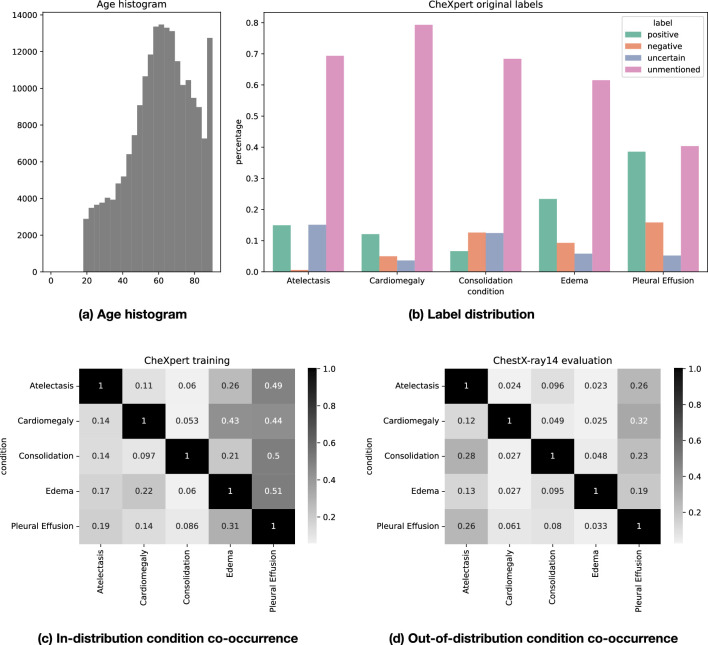
“…examples of chest X-rays from the CheXpert dataset, we evaluated on a held-out CheXpert test set (containing 13,332 images), which we considered in-distribution, and the test set of ChestX-ray14 (containing 17,723 images), which we considered OOD because of demographic and acquisition shifts.”
(2012) · MPG.PuRe (Max Planck Society) · doi:10.5555/2188385.2188410 · Cited by 3,603
Research works printed but not linked: 11
- Irvin, J. et al. Proc. AAAI Conference on Artificial Intelligence (AAAI, 2019).
- Tomasev, N., McKee, K. R., Kay, J. & Mohamed, S. Proc. 2021 AAAI/ACM Conference on AI, Ethics, and Society (Association for Computing Machinery, 2021).
- Goodfellow, I. et al. Generative adversarial nets. In Advances in Neural Information Processing Systems (eds. Ghahramani, Z. et al.) 2672–2680 (2014).
- Rashid, H., Tanveer, M. A. & Khan, H. A. Proc. 2019 41st Annual International Conference of the IEEE Engineering in Medicine and Biology Society (EMBC) (IEEE, 2019).
- Gowal, S. et al. Proc. IEEE/CVF Conference on Computer Vision and Pattern Recognition (IEEE, 2020).
- Bissoto, A., Valle, E. & Avila, S. Proc. 2021 IEEE/CVF Conference on Computer Vision and Pattern Recognition Workshops (CVPRW) (IEEE, 2021).
- Somepalli, G., Singla, V., Goldblum, M., Geiping, J., & Goldstein, T. Proc. 2023 IEEE/CVF Conference on Computer Vision and Pattern Recognition (CVPR) (IEEE, 2023).
- Sun, C., Shrivastava, A., Singh, S. & Gupta, A. Proc. 2017 IEEE International Conference on Computer Vision (ICCV) (IEEE, 2017).
- Deng, J. et al. Proc. 2009 IEEE Conference on Computer Vision and Pattern Recognition (IEEE, 2009).
- Cubuk, E. D., Zoph, B., Shlens, J. & Le, Q. V. Proc. IEEE/CVF Conference on Computer Vision and Pattern Recognition (CVPR) Workshops (CVPRW) (IEEE, 2020).
- Lin, T.-Y., Goyal, P., Girshick, R., He, K. & Dollár, P. Proc. IEEE International Conference on Computer Vision (ICCV) (IEEE, 2017).
Cited by
Ibrahim, M., Khalil, Y. A., Amirrajab, S., Sun, C., Breeuwer, M. M., Pluim, J. P. W., Elen, B., Ertaylan, G., & Dumontier, M. (2025) · Computers in Biology and Medicine · doi:10.1016/j.compbiomed.2025.109834 · Cited by 225
Wang, J., Wang, K., Yu, Y., Lu, Y., Xiao, W., Sun, Z., Liu, F., Zou, Z., Gao, Y., Yang, L., et al. (2024) · Nature Medicine · doi:10.1038/s41591-024-03359-y · Cited by 238
“…AI can synthesize high-quality chest X-ray images 5–7 , morphologically preserving three-dimensional (3D) images of the brain 8 and two-dimensional (2D) images of histopathology 9,10 and dermatology 10,11 , and consequently enhancing medical image understanding and improving downstream analysis.”
Koçak, B., Ponsiglione, A., Stanzione, A., Bluethgen, C., Santinha, J., Ugga, L., Huisman, M., Klontzas, M. E., Cannella, R., & Cuocolo, R. (2024) · Diagnostic and Interventional Radiology · doi:10.4274/dir.2024.242854 · Cited by 168
“68 71-73 An overview of bias avoidance strategies at the data processing phase is presented in Figure 10.”
Generative AI for Medical Imaging: extending the MONAI FrameworkPreprint
Pinaya, W. H. L., Graham, M. S., Kerfoot, E., Tudosiu, P.-D., Dafflon, J., Fernández, V., Sanchez, P., Wolleb, J., da Costa, P. F., Patel, A., et al. (2023) · arXiv (Cornell University) · doi:10.48550/arxiv.2307.15208 · Cited by 214
“Furthermore, machine learning models trained to perform a downstream task using datasets that also include synthetic data have achieved similar, or even superior performance, compared to models trained with only real data [2,12,48,30].”
ResultA vision–language foundation model for the generation of realistic chest X-ray images
Bluethgen, C., Chambon, P., Delbrouck, J.-B., van der Sluijs, R., Połacin, M., Zambrano Chaves, J. M., Abraham, T. M., Purohit, S., Langlotz, C. P., & Chaudhari, A. S. (2024) · Nature Biomedical Engineering · doi:10.1038/s41551-024-01246-y · Cited by 108
Trabassi, D., Castiglia, S. F., Bini, F., Marinozzi, F., Ajoudani, A., Lorenzini, M., Chini, G., Varrecchia, T., Ranavolo, A., Icco, R. D., et al. (2024) · Sensors · doi:10.3390/s24113613 · Cited by 98
“Future research should investigate the use of ctGANs in other rare disorders, as well as long-term clinical outcomes, to validate these preliminary findings.”
BackgroundA scoping review and evidence gap analysis of clinical AI fairness
Liu, M., Ning, Y., Teixayavong, S., Liu, X., Mertens, M., Shang, Y., Li, X., Miao, D., Liao, J., Xu, J., et al. (2025) · npj Digital Medicine · doi:10.1038/s41746-025-01667-2 · Cited by 113
“These studies commonly leveraged literature evidence 35,36 , exploratory data analysis 37,38 , and method comparisons to detect biases 39,40 .”
Machine learning methods for histopathological image analysis: updates in 2024
Komura, D., Ochi, M., & Ishikawa, S. (2025) · Computational and Structural Biotechnology Journal · doi:10.1016/j.csbj.2024.12.033 · Cited by 76
Synthetically enhanced: unveiling synthetic data's potential in medical imaging research
Khosravi, B., Li, F., Dapamede, T., Rouzrokh, P., Gamble, C. U., Trivedi, H., Wyles, C. C., Sellergren, A., Purkayastha, S., Erickson, B. J., et al. (2024) · EBioMedicine · doi:10.1016/j.ebiom.2024.105174 · Cited by 96
“17 On the other hand, there are some concerns about performance degradation when using synthetic data iteratively, as it may lead to catastrophic interference, or in simpler words, model forgetting.”
BackgroundLambin, P., Woodruff, H. C., Mali, S. A., Zhong, X., Kuang, S., Lavrova, E., Khan, H., Lekadir, K., Zwanenburg, A., Deasy, J. O., et al. (2025) · Nature Reviews Clinical Oncology · doi:10.1038/s41571-025-01067-1 · Cited by 96
“Two studies have revealed that augmenting real-world data with synthetic samples enhances model robustness across different medical tasks and promotes fairness by boosting diagnostic accuracy in under-represented groups, particularly in out-of-distribution cases 131,132 .”
WDM: 3D Wavelet Diffusion Models for High-Resolution Medical Image Synthesis
Friedrich, P., Wolleb, J., Bieder, F., Durrer, A., & Cattin, P. C. (2024) · Lecture notes in computer science · doi:10.1007/978-3-031-72744-3_2 · Cited by 113
“Recent research [17,26] suggests that generative models can help to close this gap by augmenting small datasets with synthetic data.”
BackgroundCell-DINO: Self-supervised image-based embeddings for cell fluorescent microscopy
Moutakanni, T., Couprie, C., Yi, S., Doron, M., Chen, Z. S., Moshkov, N., Gardes, E., Caron, M., Touvron, H., Joulin, A., et al. (2025) · PLoS Computational Biology · doi:10.1371/journal.pcbi.1013828 · Cited by 74
Transparency of medical artificial intelligence systems
Kim, C., Gadgil, S. U., & Lee, S. (2025) · Nature Reviews Bioengineering · doi:10.1038/s44222-025-00363-w · Cited by 83
“This is particularly useful for addressing bias and fairness concerns in imbalanced training data 96,97 , because generative models can produce data that reflect underrepresented populations or rare conditions.”
Recent Advances in Generative AI for Healthcare Applications
Shokrollahi, Y., Colmenarez, J., Liu, W., Yarmohammadtoosky, S., Nikahd, M. M., Dong, P., Li, X., & Gu, L. (2026) · Journal of Imaging Informatics in Medicine · doi:10.1007/s10278-026-01908-0 · Cited by 67
Generative Artificial Intelligence in Anatomic Pathology
Brodsky, V., Ullah, E., Bychkov, A., Song, A. H., Walk, E. E., Louis, P., Rasool, G., Singh, R. S., Mahmood, F., Bui, M. M., et al. (2025) · Archives of Pathology & Laboratory Medicine · doi:10.5858/arpa.2024-0215-ra · Cited by 48
Towards equitable AI in oncology
Viswanathan, V. S., Parmar, V. V., & Madabhushi, A. (2024) · Nature Reviews Clinical Oncology · doi:10.1038/s41571-024-00909-8 · Cited by 56
“Generating synthetic data involves the creation of artificial datasets designed to closely mimic real-world medical information, including patient records and medical images 137,138 .”
A data-efficient strategy for building high-performing medical foundation models
Sun, Y., Tan, W., Gu, Z., He, R., Chen, S., Pang, M., & Yan, B. (2025) · Nature Biomedical Engineering · doi:10.1038/s41551-025-01365-0 · Cited by 68
“This bias-aware synthetic data generation method has been demonstrated in a recent study 56 to enhance the fairness of models addressing underrepresented diseases and minority groups.”
Khosravi, B., Purkayastha, S., Erickson, B. J., Trivedi, H., & Gichoya, J. W. (2025) · The Lancet Digital Health · doi:10.1016/j.landig.2025.100890 · Cited by 62
The urgent need to accelerate synthetic data privacy frameworks for medical research
Arora, A., Wagner, S. K., Carpenter, R., Jena, R., & Keane, P. A. (2024) · The Lancet Digital Health · doi:10.1016/s2589-7500(24)00196-1 · Cited by 53
Generative AI in depth: A survey of recent advances, model variants, and real-world applications
Yazdani, S., Singh, A., Saxena, N., Wang, Z., Palikhe, A., Pan, D., Pal, U., Yang, J., & Zhang, W. (2025) · Journal of Big Data · doi:10.1186/s40537-025-01247-x · Cited by 40
“The capability of generative AI models to produce realistic images and videos has clear and noteworthy practical implications across a multitude of domains, such as art [5, 6], entertainment [7], gaming [8], design [9], medicine [10–13], and data augmentation [14] for machine learning tasks.”
Generative Artificial Intelligence in Medicine
Shanmugam, D., Agrawal, M., Movva, R., Chen, I. Y., Ghassemi, M., Jacobs, M. L., & Pierson, E. (2025) · Annual Review of Biomedical Data Science · doi:10.1146/annurev-biodatasci-103123-095332 · Cited by 42
Unconditional latent diffusion models memorize patient imaging data
Dar, S. U. H., Seyfarth, M., Ayx, I., Papavassiliu, T., Schoenberg, S. O., Siepmann, R. M., Laqua, F. C., Kahmann, J., Frey, N., Baeßler, B., et al. (2025) · Nature Biomedical Engineering · doi:10.1038/s41551-025-01468-8 · Cited by 55
Improving AI models for rare thyroid cancer subtype by text guided diffusion models
Dai, F., Yao, S., Wang, M., Zhu, Y., Qiu, X., Sun, P., Qiu, C., Yin, J., Shen, G., Sun, J., et al. (2025) · Nature Communications · doi:10.1038/s41467-025-59478-8 · Cited by 42
Wang, R., Kuo, P., Chen, L.-C., Seastedt, K. P., Gichoya, J. W., & Celi, L. A. (2024) · EBioMedicine · doi:10.1016/j.ebiom.2024.105047 · Cited by 39
State-of-the-Art in Responsible, Explainable, and Fair AI for Medical Image Analysis
Amirian, S., Gao, F., Littlefield, N. G., Hill, J. H., Yates, A. J., Plate, J. F., Pantanowitz, L., Rashidi, H. H., & Tafti, A. P. (2025) · IEEE Access · doi:10.1109/access.2025.3555543 · Cited by 38
“Data augmentation artificially boosts the diversity of training data (e.g., images) by generating variations of existing images, such as through rotations, flips, or noise addition [297].”
Pitfalls and Best Practices in Evaluation of AI Algorithmic Biases in Radiology
Yi, P. H., Bachina, P., Bharti, B., Garin, S. P., Kanhere, A., Kulkarni, P., Li, D. K. B., Parekh, V. S., Santomartino, S. M., Moy, L. P., et al. (2025) · Radiology · doi:10.1148/radiol.241674 · Cited by 42
Synthetic data in radiological imaging: current state and future outlook
Sizikova, E., Badal, A., Delfino, J. G., Lago, M. A., Nelson, B., Saharkhiz, N., Sahiner, B., Zamzmi, G., & Badano, A. G. (2024) · BJR|Artificial Intelligence · doi:10.1093/bjrai/ubae007 · Cited by 52
“…demonstrated that this process improved model performance on patient examples. in another work, [63] investigated TB classification using synthetically generated CT over patient X-ray alone, and discussed the potential applications of synthetic data in supplementing costly imaging procedures…”
BackgroundDeep Generative Models for 3D Medical Image Synthesis
Friedrich, P., Frisch, Y., & Cattin, P. C. (2024) · Springer eBooks · doi:10.1007/978-3-031-80965-1_13 · Cited by 42
Tan, T., Shull, P. B., Hicks, J. L., Uhlrich, S. D., & Chaudhari, A. S. (2024) · IEEE Transactions on Biomedical Engineering · doi:10.1109/tbme.2024.3361888 · Cited by 33
“Tailoring the distribution of datasets for specific estimation tasks is a commonly used strategy for improving the performance of deep learning [44], [45], [46].”
MethodA generalist model for diverse text-guided medical image synthesis
Cho, J., Mathur, M., Zakka, C., Kaur, D., Leipzig, M., Higa, K. C., Dalal, A., Krishnan, A., Koo, E., Wai, K. M., et al. (2026) · npj Digital Medicine · doi:10.48550/arxiv.2405.09806 · Cited by 26
“For comparison, Ktena et al. [33] reported that dermatologists achieved slightly lower accuracy when diagnosing synthetic skin lesion images compared to real ones.”
Huang, Y., Zhao, W., Zhang, Z., Chen, Y., Fu, Y., Wu, F., Jiang, Y., Liang, L., Wang, S., & Yu, L. (2025) · Nature Communications · doi:10.1038/s41467-025-66300-y · Cited by 35
“…enhance the patch features, the quality of this guidance depends on the features extracted by the VLMs. Visual knowledge and textual knowledge are generated by encoding pilot patch images and text prompts with the image and text encoders of the pathology VLMs.”
Huijben, E. M. C., Pluim, J. P. W., & van Eijnatten, M. A. J. M. (2024) · Informatics in Medicine Unlocked · doi:10.1016/j.imu.2024.101575 · Cited by 25
Robust image representations with counterfactual contrastive learning
Roschewitz, M., Ribeiro, F. D. S., Xia, T., Khara, G. S., & Glocker, B. (2025) · Medical Image Analysis · doi:10.1016/j.media.2025.103668 · Cited by 32
AI image generation technology in ophthalmology: Use, misuse and future applications
Phipps, B., Hadoux, X., Sheng, B., Campbell, J. P., Liu, T. Y. A., Keane, P. A., Cheung, C. Y.-L., Chung, T. Y., Wong, T. Y., & van Wijngaarden, P. (2025) · Progress in Retinal and Eye Research · doi:10.1016/j.preteyeres.2025.101353 · Cited by 22
Explainable AI for computational pathology identifies model limitations and tissue biomarkersPreprint
Kaczmarzyk, J., Kim, C., Gadgil, S. U., Savant, D., Zhao, Z., Saltz, J. H., Lee, S., & Koo, P. K. (2024) · Cold Spring Harbor Laboratory Institutional Repository (Cold Spring Harbor Laboratory) · doi:10.48550/arxiv.2409.03080 · Cited by 40
Deep learning-based automatic segmentation of cerebral infarcts on diffusion MRI
Ryu, W., Schellingerhout, D., Park, J.-H., Chung, J., Jeong, S., Gwak, D., Kim, B. J., Kim, J., Hong, K., Lee, K. B., et al. (2025) · Scientific Reports · doi:10.1038/s41598-025-91032-w · Cited by 20
“A recent study has shown that generative models can enhance the fairness of medical classifiers under distribution shifts 27,28 .”
RadEdit: Stress-Testing Biomedical Vision Models via Diffusion Image Editing
Pérez‐García, F., Bond-Taylor, S., Sanchez, P. P., van Breugel, B., Castro, D. C., Sharma, H., Salvatelli, V., Wetscherek, M. T., Richardson, H., Lungren, M. P., et al. (2024) · Lecture notes in computer science · doi:10.1007/978-3-031-73254-6_21 · Cited by 51
“Ktena et al. [42] use counterfactuals to generate out-of-distribution samples for improving classifier performance.”
BackgroundFairDiffusion: Enhancing equity in latent diffusion models via fair Bayesian perturbation
Luo, Y., Khan, M. O., Wen, C., Afzal, M. M., Wuermeling, T. F., Shi, M., Tian, Y., Fang, Y., & Wang, M. (2025) · Science Advances · doi:10.1126/sciadv.ads4593 · Cited by 22
Chen, H., Shi, Y., Yuan, M., Li, H., & Liu, X. (2025) · Biotechnology Advances · doi:10.1016/j.biotechadv.2025.108785 · Cited by 21
Building the world’s first truly global medical foundation model
Tham, Y. C., Goh, J. H. L., Nderitu, P., Zhou, Y., Ran, A. R., Srinivasan, S., Yang, G. D., Kitema, G. F., Rawlinson, P., Jiang, H., et al. (2025) · Nature Medicine · doi:10.1038/s41591-025-03859-5 · Cited by 28
Understanding pre-training data effects in retinal foundation models using two large fundus cohorts
Zhou, Y., Wang, Z., Wu, Y., Ong, A. Y., Wagner, S. K., Ruffell, E., Chia, M. A., Guan, Z., Ju, L., Engelmann, J., et al. (2026) · Nature Communications · doi:10.1038/s41467-026-70077-z · Cited by 22
“To address these challenges, previous work has focused on building diverse and balanced training data for traditional application-speci fi c AI models, using techniques such as data augmentation and synthesis 20,30 – 32 .”
Application of GenAI in Synthetic Data Generation in the Healthcare System
Farhadi, A., & Taheri, A. (2025) · Springer eBooks · doi:10.1007/978-3-031-82963-5_3 · Cited by 20
Aktas, B., Ates, D. D., Düzyel, O., & Gümüş, A. (2024) · International Journal of Machine Learning and Cybernetics · doi:10.1007/s13042-024-02485-w · Cited by 19
“Ktena et al. [23] work on utilizing synthetic images from diffusion models in medical image classification highlights the potential of synthetic data in enhancing fairness under distribution shifts.”
Liu, K., & Altman, R. B. (2025) · Annual Review of Biomedical Data Science · doi:10.1146/annurev-biodatasci-103123-094844 · Cited by 19
Hao, X., Wang, Y., Li, K., Zhu, T., & Herasevich, V. (2025) · Anesthesiology and Perioperative Science · doi:10.1007/s44254-025-00136-z · Cited by 20
“Generative models like GANs (Generative Adversarial Networks) and diffusion models have been successfully used to synthesize multimodal data, including tabular, image, and time-series data, to augment data-sets and handle unbalanced datasets [86–88].”
Chen, H., Alfred, M. C., & Cohen, E. (2025) · JMIR Medical Informatics · doi:10.2196/68955 · Cited by 19
“However, our study did not explicitly examine methods that can be used to improve the fairness of models developed with a supervised fine-tuning approach, such as diversifying training datasets [104,105] and incorporating fairness constraints [86].”
Large-scale generative tumor synthesis in computed tomography images for improving tumor recognition
Wu, L., Zhuang, J., Zhou, Y., He, S., Ma, J., Luo, L., Wang, X., Ni, X., Zhong, X., Wu, M., et al. (2025) · Nature Communications · doi:10.1038/s41467-025-66071-6 · Cited by 16
“The comparisons of parameters, training time, and inference cost are shown in Supplementary Table 33.”
Contrastive learning enhances fairness in pathology artificial intelligence systems
Lin, S.-Y., Tsai, P.-C., Su, F.-Y., Chen, C.-Y., Li, F., Zhao, J., Ho, Y. Y., Lee, M. T., Healey, E., Lin, P.-J., et al. (2025) · Cell Reports Medicine · doi:10.1016/j.xcrm.2025.102527 · Cited by 18
“31 Hosseini et al. proposed proportionally fair federated learning 39 to improve fairness among hospitals.”
Interdisciplinary expertise to advance human-centered explainable AI
Bennett, C. R., Cole-Lewis, H. J., Farquhar, S. A., Hammel, N., Babenko, B., Lang, O., Fleck, M. S., Traynis, I., Lau, C. T., Liu, Y., et al. (2026) · Social Science & Medicine · doi:10.1016/j.socscimed.2026.119036 · Cited by 13
Ahn, J. C., Noh, Y., Hu, M., Shen, X., Simonetto, D. A., Kamath, P. S., Loomba, R., & Shah, V. H. (2025) · Hepatology · doi:10.1097/hep.0000000000001299 · Cited by 15
Zhang, Y., Zhang, X., Qi, X., Wu, X., Chen, F., Yang, G., & Fu, H. (2025) · IEEE Reviews in Biomedical Engineering · doi:10.1109/rbme.2025.3619086 · Cited by 17
“Ktena et al. [93] Patch Diffusion Improving medical classifier fairness via generation for detection.”
Extracellular vesicles in laboratory medicine: a review and outlook
Wang, X., Liu, M., Zhao, M., Shen, H., Jin, Q., Rao, D., & Huang, D. (2025) · Frontiers in Cell and Developmental Biology · doi:10.3389/fcell.2025.1709461 · Cited by 12
“Immunotherapy has revolutionized cancer treatment, yet its efficacy can vary significantly among patients (Ktena et al., 2024).”
Zhou, H.-Y., Li, Y., Li, J., Meng, J., & Wu, A. (2024) · The Innovation Medicine · doi:10.59717/j.xinn-med.2024.100091 · Cited by 18
Haberl, D., Ning, J., Kluge, K., Kumpf, K., Yu, J., Jiang, Z., Constantino, C. S., Monaci, A., Starace, M., Haug, A. R., et al. (2025) · European Journal of Nuclear Medicine and Molecular Imaging · doi:10.1007/s00259-025-07091-8 · Cited by 13
“Recent advances in generative AI have shown promising results in synthesizing medical images such as chest X-rays [10–12].”
Chang, L., Li, H., Wu, W., Liu, X., Yan, J., Chen, Z., Wu, H., & Song, S. (2025) · Journal of Translational Medicine · doi:10.1186/s12967-025-07591-z · Cited by 10
“…and protocols; second, strong data augmentation combined with physics informed harmonization such as ComBat and kernel aware resampling [47, 50, 57]; third, out of distribution (OOD) detection with case level uncertainty estimation to flag low reliability outputs [58, 59]; and fourth, test…”
Fair Foundation Models for Medical Image Analysis: Challenges and Perspectives
Queiroz, D., Carlos, A., Anjos, A., & Berton, L. (2026) · ACM Transactions on Computing for Healthcare · doi:10.1145/3793542 · Cited by 15
“In the context of unimodal models, performance disparities in downstream tasks frequently correlate with class difficulty, where more challenging classes exhibit higher misclassification rates and decreased performance metrics [44].”
InfluentialA foundation generative model for breast ultrasound image analysis
Yu, H., Li, Y., Zhang, N., Niu, Z., Gong, X., Luo, Y., Ye, H., He, S., Wu, Q., Qin, W., et al. (2026) · Nature Biomedical Engineering · doi:10.1038/s41551-026-01639-1 · Cited by 14
Wang, J., Chung, Y., Ding, Z., & Hamm, J. (2025) · Lecture notes in computer science · doi:10.1007/978-3-031-77610-6_2 · Cited by 13
Generative modeling of the Circle of Willis using 3D-StyleGAN
Aydin, O. U., Hilbert, A., Koch, A., Lohrke, F., Rieger, J., Tanioka, S., & Frey, D. (2024) · NeuroImage · doi:10.1016/j.neuroimage.2024.120936 · Cited by 9
Chrysafi, P., Lam, B. D., Carton, S., & Patell, R. D. (2024) · Hämostaseologie · doi:10.1055/a-2415-8408 · Cited by 9
“95 All of these uses for non-foundation generative AI have potential applications in the modeling of VTE.”
Utti, V., Bikia, V., Agarwal, A. A., & Daneshjou, R. (2025) · Annual Review of Biomedical Data Science · doi:10.1146/annurev-biodatasci-103123-094521 · Cited by 11
CausalMixNet: A mixed-attention framework for causal intervention in robust medical image diagnosis
Zhang, Y., Huang, Y., Hu, Y. F., Liu, R., Wu, J., Huang, Z.-A., & Tan, K. C. (2025) · Medical Image Analysis · doi:10.1016/j.media.2025.103581 · Cited by 8
Cross-modality image synthesis from TOF-MRA to CTA using diffusion-based models
Koch, A., Aydin, O. U., Hilbert, A., Rieger, J., Tanioka, S., Ishida, F., & Frey, D. (2025) · Medical Image Analysis · doi:10.1016/j.media.2025.103722 · Cited by 12
Redefining the future of cancer care: Intelligent Oncology unveiled
Xu, B. (2024) · Intelligent Oncology · doi:10.1016/j.intonc.2024.11.002 · Cited by 9
Artificial intelligence in clinical oncology: Multimodal integration and translational development
Lin, R., Zhao, Z., Liu, Z., Kang, J., Zhang, K., Huang, X., & Yu, Y. (2026) · Cancer Letters · doi:10.1016/j.canlet.2026.218493 · Cited by 8
Artificial intelligence in cardiovascular imaging and intervention
Engelhardt, S., Dar, S. U. H., Sharan, L., André, F., Nagel, E. C., & Thomas, S. (2024) · Herz · doi:10.1007/s00059-024-05264-z · Cited by 7
Synthetic Simplicity: Unveiling Bias in Medical Data Augmentation
Babu, K. A. R., Sathish, R., Pattanaik, M., & Venkataramani, R. (2024) · Lecture notes in computer science · doi:10.1007/978-3-031-73748-0_7 · Cited by 9
“As visual generative models continue to improve, researchers are increasingly exploring the utility of generated synthetic samples to augment real data [7,15], aiming to achieve fairness and generalization.”
BackgroundVolumetric Conditioning Module to Control Pretrained Diffusion Models for 3D Medical Images
Ahn, S., Park, W., Cho, J., & Park, J. (2025) · IEEE Winter Conference on Applications of Computer Vision · doi:10.1109/wacv61041.2025.00019 · Cited by 10
“.”
On the Interplay of Human-AI Alignment, Fairness, and Performance Trade-Offs in Medical Imaging
Luo, H., Zhou, Z., Shu, S. Z., de Mortanges, A. P., Berke, R., & Reyes, M. (2025) · Lecture notes in computer science · doi:10.1007/978-3-032-05185-1_41 · Cited by 8
Unbiasing fairness evaluation of radiology AI model
Liang, Y., Chao, H., Zhang, J., Wang, G., & Yan, P. (2024) · Meta-Radiology · doi:10.1016/j.metrad.2024.100084 · Cited by 8
Gulamali, F. F., Sawant, A. S., Liharska, L. E., Horowitz, C. R., Chan, L., Hofer, I. S., Singh, K., Richardson, L. D., Mensah, E., Charney, A. W., et al. (2025) · Journal of Medical Internet Research · doi:10.2196/71757 · Cited by 7
“Additional approaches are being developed to help improve data availability for subgroups via generative models [49].”
AI-Generated Synthetic Panoramic Radiograph for Enhanced Dental Image Analysis
Fu, X., Li, X., Delamare, E. L., Huang, Z., Rabelo, K. A., Bi, L., & Kim, J. (2026) · Journal of Imaging Informatics in Medicine · doi:10.1007/s10278-026-01895-2 · Cited by 6
Safety and security of large language models in healthcare
Clusmann, J., Freyer, O., Ostermann, M., Ferber, D., Laleh, N. G., Hilgers, L., Kolbinger, F. R., Schneider, C. V., Downing, A., Wekenborg, M., et al. (2026) · Nature · doi:10.1038/s41586-026-10687-1 · Cited by 8
“Non-generative task-specific models could be partially debiased through distributional re-weighting or re-sampling, but such methods do not transfer to LLMs 144–146 .”
Artificial Intelligence in the Diagnosis and Prognostication of the Musculoskeletal Patient
Girod-Hoffman, M. M., Saniei, S., Ulrich, M. N., Bukowiec, L. G., Mulford, K. L., Taunton, M. J., & Wyles, C. C. (2025) · HSS Journal® The Musculoskeletal Journal of Hospital for Special Surgery · doi:10.1177/15563316251339660 · Cited by 7
A Generative Foundation Model for Chest Radiography
Ji, Y., Lin, D. Y., Wang, X., Zhang, L., Zhou, W., Ge, C., Chu, R., Yang, X., Zhao, J., Chen, J., et al. (2026) · NEJM AI · doi:10.1056/aioa2500799 · Cited by 10
A data-centric perspective to fair machine learning for healthcare
Zhang, H., Gerych, W., & Ghassemi, M. (2024) · Nature Reviews Methods Primers · doi:10.1038/s43586-024-00371-x · Cited by 8
“Another data-centric intervention is generating synthetic unbiased data to counteract historical biases in under-representation 5 .”
Chen, H., Alfred, M. C., Brown, A. D., Atinga, A., & Cohen, E. (2024) · JMIR Formative Research · doi:10.2196/59045 · Cited by 8
“Various bias reduction techniques have been proposed, such as diversifying training datasets [31,64], detecting and mitigating shortcut learning [65,66], and applying fairness-aware machine-learning techniques [67]; however, the application of these techniques in the context of interpretable CXR…”
Khazrak, I., Zainaee, S., Rezaee, M. M., Ghasemi, M., & Green, R. (2025) · European Archives of Oto-Rhino-Laryngology · doi:10.1007/s00405-025-09443-4 · Cited by 9
DiNO-Diffusion. Scaling Medical Diffusion via Self-Supervised Pre-TrainingPreprint
Jiménez-Pérez, G., Osório, P., Cersovsky, J., Montalt‐Tordera, J., Hooge, J., Vogler, S., & Mohammadi, S. (2024) · arXiv (Cornell University) · doi:10.48550/arxiv.2407.11594 · Cited by 9
The Impact of Domain Shift on Predicting Perceived Sleep Quality from Wearables
Abdalazim, N., Alchieri, L., Alecci, L., Barbiero, P., & Santini, S. (2025) · Sensors · doi:10.3390/s25134012 · Cited by 5
“Future work can address this by using generative artificial intelligence for data augmentation, given its potential in the image domain [74].”
Unbiased Artificial Intelligence: Addressing Bias in Computational Pathology
Montezuma, D., Porz, R. C., Ameisen, D., L’Imperio, V., Şerbănescu, M.-S., Temprana‐Salvador, J., Zerbe, N., Khalili, N., & Zlobec, I. (2025) · Mayo Clinic Proceedings Digital Health · doi:10.1016/j.mcpdig.2025.100302 · Cited by 5
Procházka, A., & Zeman, J. (2025) · Journal of Biomedical Informatics · doi:10.1016/j.jbi.2025.104963 · Cited by 6
Wang, S., Guo, Y., Dong, Y., Shen, Y., Zhang, Z., Cheung, A. C., Pu, J., Zhong, S.-H., Tong, R. K., Li, Y., et al. (2026) · IEEE Transactions on Consumer Electronics · doi:10.1109/tce.2025.3650654 · Cited by 9
“Moreover, the acquisition of large-scale neural datasets remains difficult, leading to limited data availability, inter-subject variability, and fairness concerns across populations [8].”
Nyamawe, A. S., & Shao, D. D. (2026) · Digital Health · doi:10.1177/20552076261418897 · Cited by 5
“62,61 Such techniques facilitate better diagnostic fairness and allow classi fi ers to generalize across historically underrepresented population segments in training datasets.”
Cooke, L. H., Jung, M., Brendel, J. M., Kerkovits, N. M., Foldyna, B., Lu, M. T., & Raghu, V. K. (2026) · npj Digital Medicine · doi:10.1038/s41746-026-02497-6 · Cited by 11
“From this process, we selected RoentMod ’ s guidance scale and strength parameters to be 0.4 and 4, respectively, for all experiments in this work.”
InfluentialCLEAR: an auditable foundation model for radiology grounded in clinical concepts
Han, T., Wu, R., Tian, Y., Khader, F., Adams, L. C., Bressem, K. K., Davatzikos, C. A., Kather, J. N., Shen, L., Mankoff, D. A., et al. (2026) · Nature Biomedical Engineering · doi:10.1038/s41551-026-01741-4 · Cited by 7
Ctrl-GenAug: Controllable Generative Augmentation for Medical Sequence Classification
Zhou, X., Huang, Y., Dou, H., Chen, S., Chang, A., Liu, J., Long, W., Zheng, J., Xu, E., Ren, J., et al. (2026) · International Journal of Computer Vision · doi:10.1007/s11263-026-02786-3 · Cited by 6
“Codes, models, and synthetic databases are available at https://github.com/ XinRuiZhou0106/Ctrl-GenAug .”
InfluentialSynthetic generation of cardiac tissue motion from surface electrocardiograms
Radhakrishnan, A., Yanamala, N. V. K., Jamthikar, A. D., Wang, Y., East, S.-A., Hamirani, Y. S., Maganti, K., & Sengupta, P. P. (2025) · Nature Cardiovascular Research · doi:10.1038/s44161-025-00629-x · Cited by 7
“The emergence of generative AI techniques, such as generative adversarial networks (GANs), is transforming data analysis and predictive modeling 21–23 .”
MRGen: Segmentation Data Engine for Underrepresented MRI Modalities
Wu, H., Zhao, Z., Zhang, Y., Wang, Y., & Xie, W. (2025) · IEEE/CVF International Conference on Computer Vision (ICCV) · doi:10.1109/iccv51701.2025.01851 · Cited by 10
“Medical image synthesis aims to leverage generative models to tackle challenges such as data scarcity [32, 37], biases [33], and privacy concerns [31].”
Tekchandani, N., Mukherjee, A., Poonthottam, N., & Boussios, S. (2025) · Cureus · doi:10.7759/cureus.92089 · Cited by 8
“The integration of machine learning in healthcare offers possibilities for enhancing care across a spectrum of applications [6].”
A Real-World Comparison of Three Deep Learning Systems for Diabetic Retinopathy in Remote Australia
Drinkwater, J. J., Li, Q., Woods, K., Douglas, E., Chia, M. A., Zhou, Y., Bartnik, S., Shah, Y., Shah, V., Keane, P. A., et al. (2025) · Diabetology · doi:10.3390/diabetology6120146 · Cited by 4
“Data distribution differences between training and validation datasets can potentially lead to a marked drop in DLS performance [21,22], and no Australian study has directly compared the performance of multiple DLSs on the same population.”
Yu, Q., Fan, X., Li, J., Hao, Q., Ning, Y., Long, S., Jiang, W., Lv, F., Yan, X., Liu, Q., et al. (2025) · npj Digital Medicine · doi:10.1038/s41746-025-02213-w · Cited by 4
Role and Use of Race in Artificial Intelligence and Machine Learning Models Related to Health
Were, M. C., Li, A., Malin, B., Yin, Z., Coco, J., Collins, B. X., Clayton, E. W., Novak, L. L., Hendricks‐Sturrup, R., Oluyomi, A., et al. (2025) · Journal of Medical Internet Research · doi:10.2196/73996 · Cited by 5
“At the same time, emerging evidence on strategies highlighted in the “Data” subsection, such as synthetic data augmentation and the collection of more representative and cleaner datasets, demonstrates the potential to simultaneously improve performance and reduce fairness disparities [77-79].”
Generative artificial intelligence for ophthalmic images: developments, applications and challenges
Li, T.-Y., Wang, Z.-Y., Jiang, Z., Zhong, H., & Qin, Y.-M. (2025) · The Visual Computer · doi:10.1007/s00371-025-03988-5 · Cited by 5
“Recent work demonstrates that bias-aware synthesis, which explicitly conditions generative models on sensitive attributes like age and gender during image generation, can improve fairness in downstream diagnostic tools [66].”
Unleashing the Potential of Synthetic Images: A Study on Histopathology Image Classification
Benito-Del-Valle, L., Álvarez-Gila, A., Egusquiza, I., & Saratxaga, C. L. (2025) · Lecture notes in computer science · doi:10.1007/978-3-031-91721-9_9 · Cited by 4
Using unlabeled data to enhance fairness of medical AI
Movva, R., Koh, P. W., & Pierson, E. (2024) · Nature Medicine · doi:10.1038/s41591-024-02892-0 · Cited by 5
Multi-scale feature fusion with task-specific data synthesis for pneumonia pathogen classification
Cui, Y., Liu, J., Teng, Z., Yang, S., Li, H., Li, P., Lu, J., Gao, Y., Peng, Y., Han, H., et al. (2025) · Image and Vision Computing · doi:10.1016/j.imavis.2025.105662 · Cited by 3
InstructX2X: An Interpretable Local Editing Model for Counterfactual Medical Image Generation
Min, H., You, T., Lee, H., Cho, Y., & Cho, S. (2025) · Lecture notes in computer science · doi:10.1007/978-3-032-05325-1_27 · Cited by 9
An Ensemble Learning Artificial Intelligence Model for Alzheimer's Disease Detection Using OCT
Ran, A. R., Hu, X., Hui, H. Y. H., Dai, J., Chan, V. T. T., Ko, H., Au, L. W. C., Ng, C. F., Sham, K., Zheng, C., et al. (2026) · Ophthalmology Science · doi:10.1016/j.xops.2026.101066 · Cited by 3
“Recent advanced AI developments, such as foundation models for pretraining 51,52 and generative AI for image synthesis, 53 show great potential to improve the performance of DL and retinal imaging-based AD detection using a smaller sample size.”
Investing in AI Interpretability, Control, and Robustness
León, M. (2026) · Algorithms · doi:10.3390/a19020136 · Cited by 5
“Recent work on generative models for fairness demonstrates that diffusion-based data augmentation can mitigate distribution shifts and improve performance and equity across histopathology, chest X-ray, and dermatology tasks [45].”
Metadata
- Authors
- Ktena, I., Wiles, O., Albuquerque, I., Rebuffi, S.-A., Tanno, R., Roy, A. G., Azizi, S., Belgrave, D., Kohli, P., Cemgil, T., Karthikesalingam, A., & Gowal, S.
- Affiliations
- Google DeepMind (United Kingdom) (GB)
- Google (United Kingdom) (GB)
- GlaxoSmithKline (United Kingdom) (GB)
- Corresponding author
- Wiles, Olivia
- ORCID
- Venue
- Nature Medicine
- Published
- 2024-04
- Volume
- 30
- Issue
- 4
- Pages
- 1166-1173
- ISSN
- 1078-8956 (ISSN-L)
- 1546-170X
- PMC
- PMC11031395
- OpenAlex
- W4394683903
- Cited by
- 165
- References
- 73
- Citations by year
- 2026: 58 · 2025: 78 · 2024: 28
- FWCI
- 15.36
- Type
- journal article
- Language
- en
- Open access
- hybrid
- doi.org
- Licence
- cc-by
- creativecommons.org/licenses/by/4.0 (tdm)
- creativecommons.org/licenses/by/4.0 (vor, 9 d)
- Locations
- Nature Medicine (publishedVersion, cc-by)
- Research Square (acceptedVersion, cc-by)
- PubMed Central (publishedVersion, cc-by)
- PubMed (publishedVersion)
- arXiv (Cornell University) (submittedVersion, cc-by)
- arXiv (Cornell University) (cc-by)
- Topics
- Health Sciences › Medicine › Health Informatics › Artificial Intelligence in Healthcare and Education
- Physical Sciences › Computer Science › Artificial Intelligence › Domain Adaptation and Few-Shot Learning
- Health Sciences › Medicine › Radiology, Nuclear Medicine and Imaging › COVID-19 diagnosis using AI
- Keywords
- generative models, diffusion models, domain generalization, distribution shift, algorithmic fairness, synthetic data augmentation, underrepresented groups, medical image classification, histopathology, chest radiography, dermatological images, model robustness, label efficiency
- MeSH terms
- Machine Learning, Artificial Intelligence
About these checks
Registry, retraction, Cites and statistics results are computed, not judged, with one exception: a printed reference that no index lists is read once by a model before it counts as a citation error. Claims are extracted by a model and kept only when their quote appears verbatim in the text; each cited source is then checked, with a model’s help, for whether it says what the claim relies on. Those verdicts can be wrong — read the claim’s quote and the cited source before relying on one.
Statistics and arithmetic are recomputed, not judged.
Confidence bands are shown only for fields calibrated on our annotated test set. None is calibrated yet, so no band is shown.
What counts as a claim ›How we measure confidence ›How we check this ›
Are you an author, or do you see a problem with this page? Request a review
Data sources
Bibliographic data: Semantic Scholar, OpenAlex, Crossref.
Contains information from the Semantic Scholar Academic Graph Datasets, made available under the ODC Attribution License (ODC-BY 1.0).
Semantic Scholar’s data is described in: Kinney, R., et al. (2023). The Semantic Scholar Open Data Platform. arXiv:2301.10140.
