

Alzheimer’s disease target and drug discovery by leveraging multiomics and electronic health data
Open accessThe DOI matches its Crossref record; 91 of the 91 references it cites were found in a registry or an index; none of the 48 sources its claims cite is checked for support yet.
Abstract
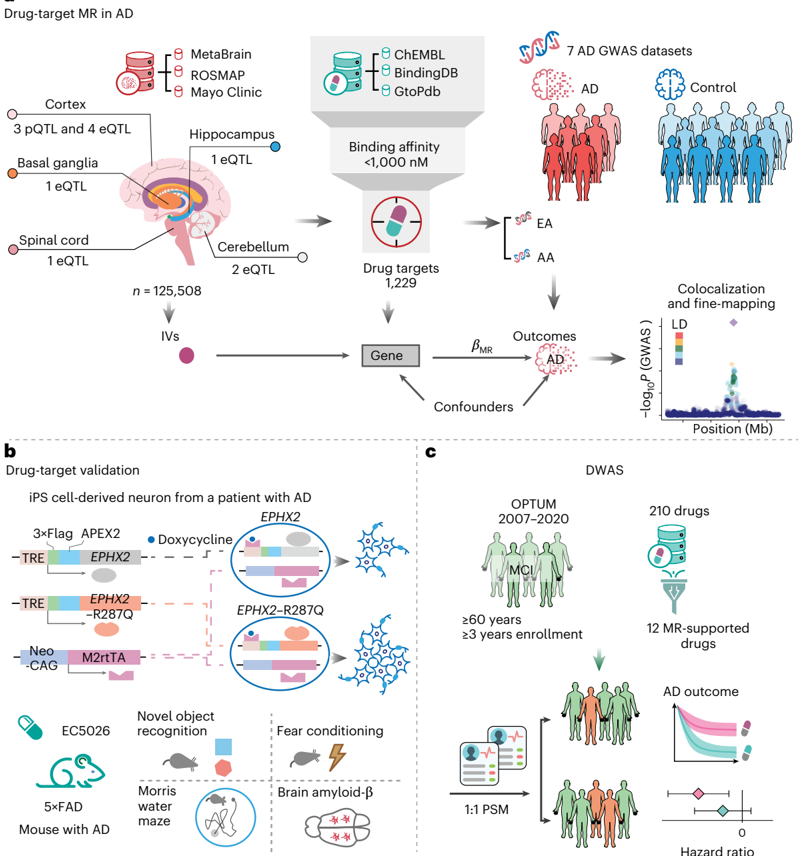
Despite prolific genomic data from individuals with Alzheimer's disease (AD), translation into treatments has lagged. Here we applied Mendelian randomization to multiple AD genome-wide association studies and functional multiomics datasets to nominate druggable targets, identifying 19 targets for individuals of European ancestry and 7 for African ancestry. This included epoxide hydrolase 2 (EPHX2), for which we identified a protective missense variant (p.Arg287Gln). Experiments in induced pluripotent stem cell-derived neurons and cerebral organoids from patients with AD validated the protective role of p.Arg287Gln via reduced levels of EPHX2 and phosphorylated tau (pTau-181). Pharmacological inhibition of EPHX2 improved cognitive performance in the 5xFAD mouse model of AD. Finally, by leveraging electronic health data from 111,680 patients with mild cognitive impairment, we identified 12 drugs associated with reduced AD incidence, including trazodone (targeting ADRA1A) and baclofen (targeting GABBR1). Thus, integrating multiomics data, functional validation and electronic health data identifies new approaches for treating AD.
Overview
CoChat Summary
TL;DR
This study integrates Mendelian randomization across seven AD GWAS, functional multiomics, patient-derived iPSC neurons/organoids, 5xFAD mice, and electronic health records to nominate and validate AD drug targets. It identifies 19 targets in European ancestry and 7 in African ancestry, validates EPHX2/p.Arg287Gln and EC5026, and finds 12 drugs associated with reduced AD incidence in 111,680 patients with MCI.
Key findings
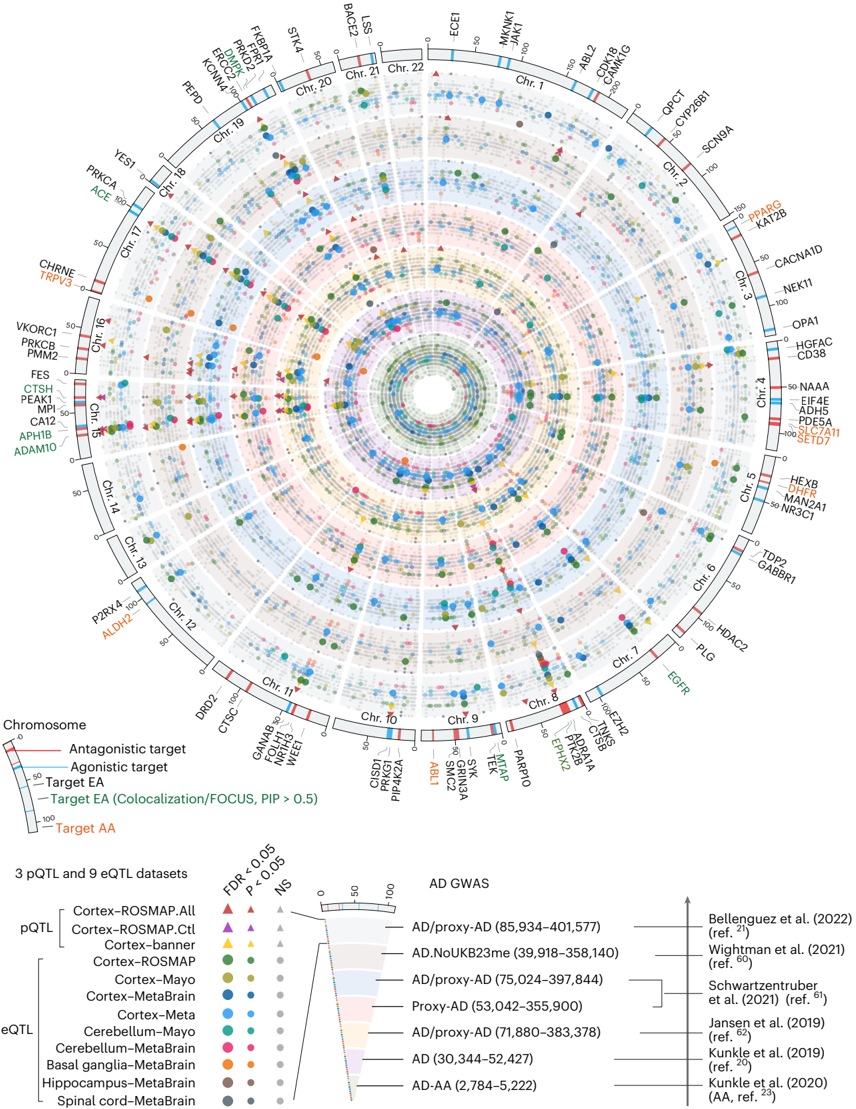
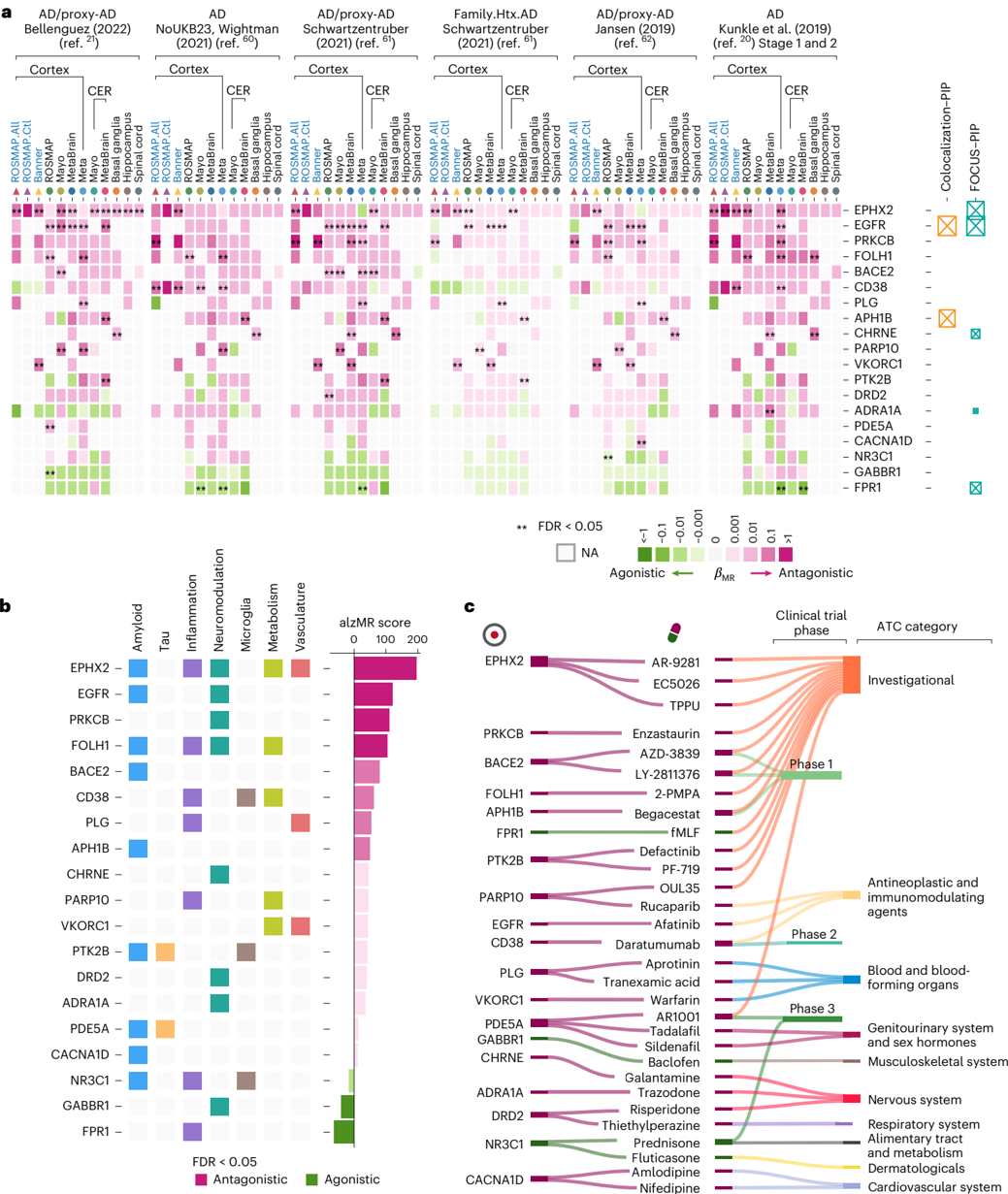
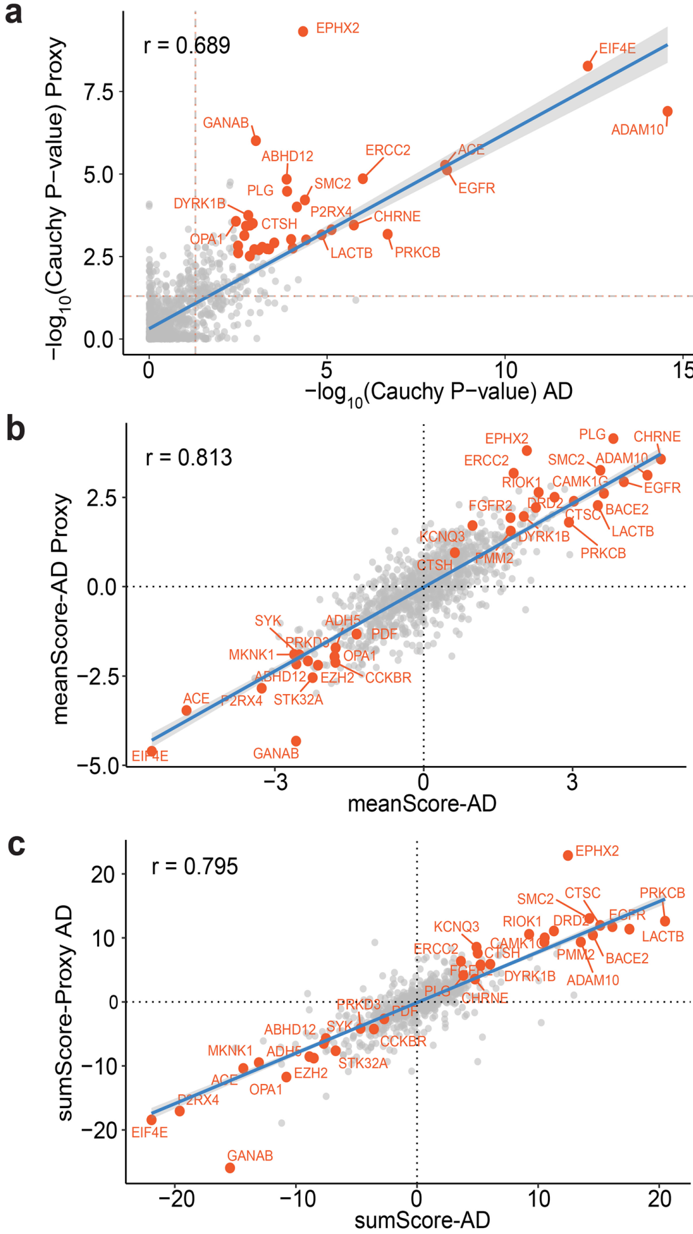
- MR across 1,229 druggable targets and seven AD GWAS identified 19 potential AD drug targets in European ancestry (EA) and 7 in African ancestry (AA); in EA, top antagonistic targets included EPHX2 (alzMR score = 195.69), lactamase-β (165.47), ADAM10 (133.56), ERCC2 (126.20), and EGFR (121.84), while top agonistic targets included ACE (−199.12) and EIF4E (−111.51).
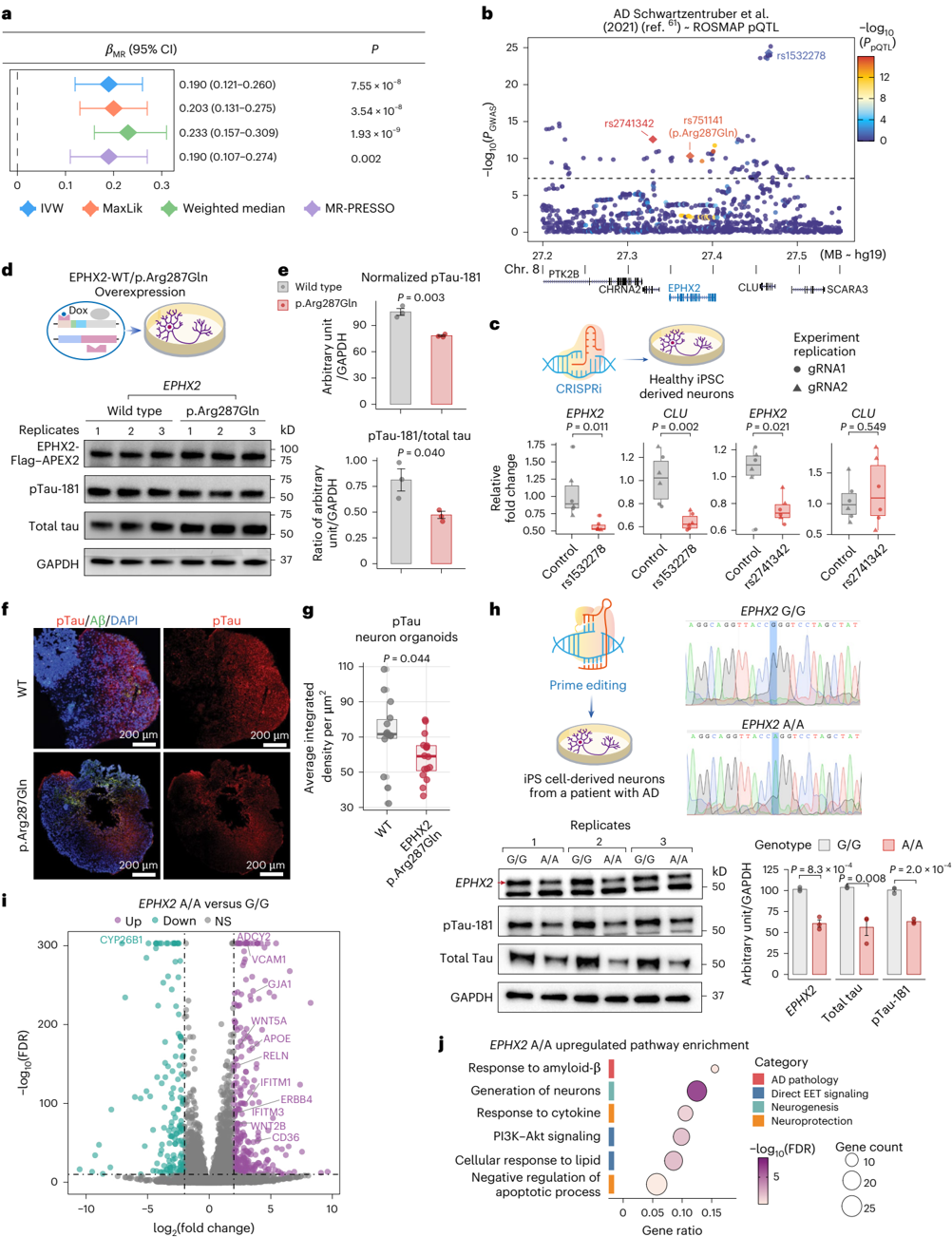
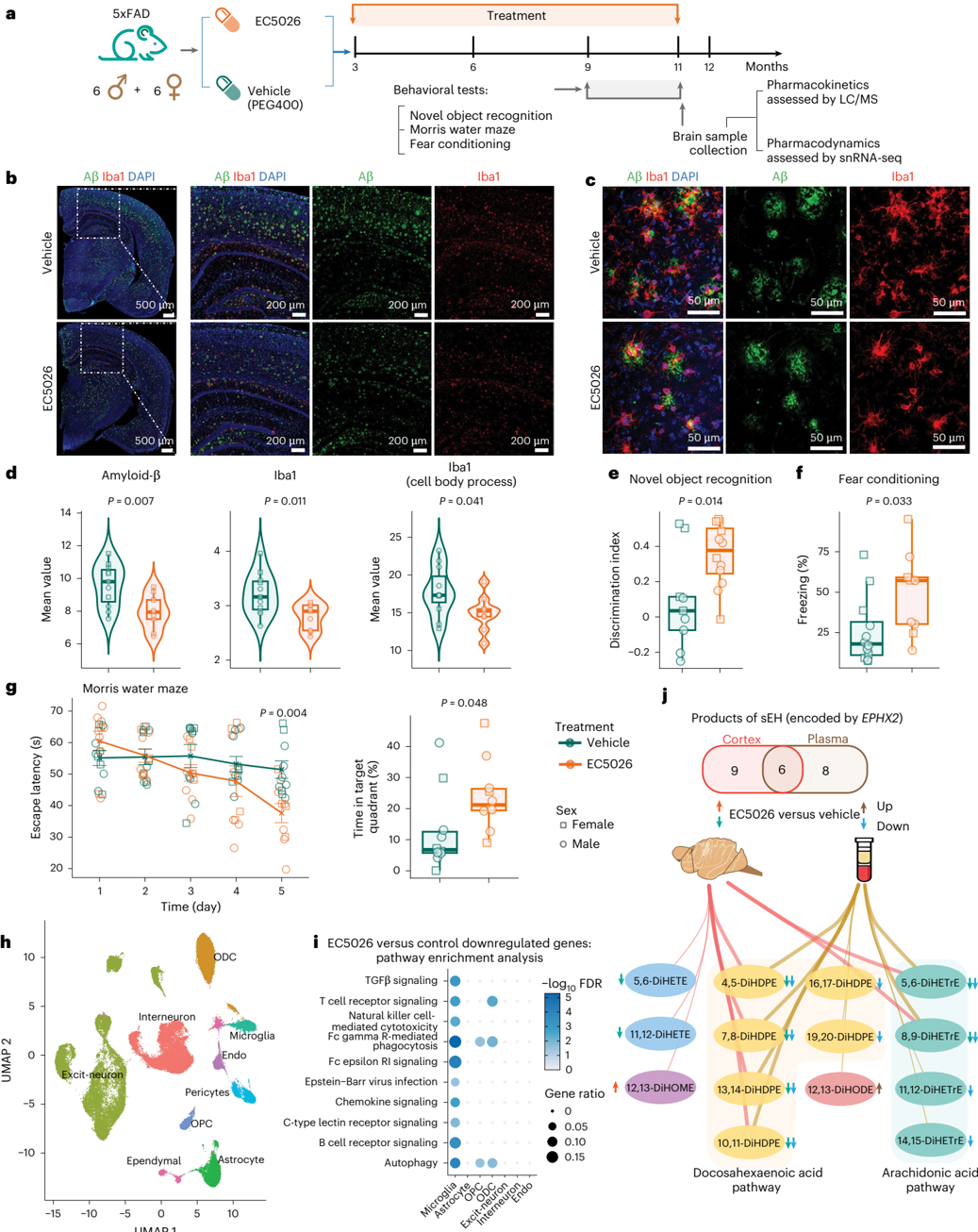
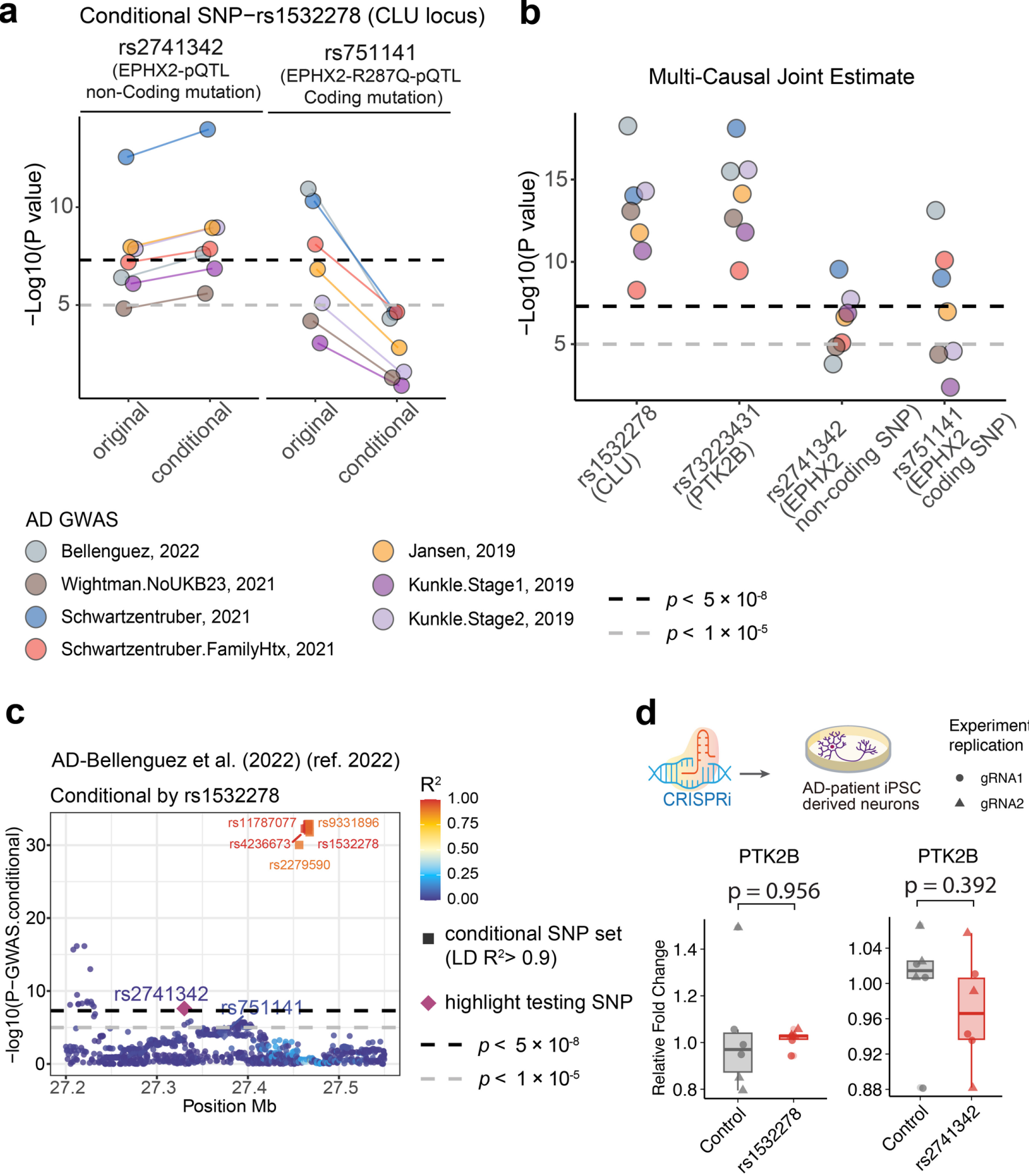
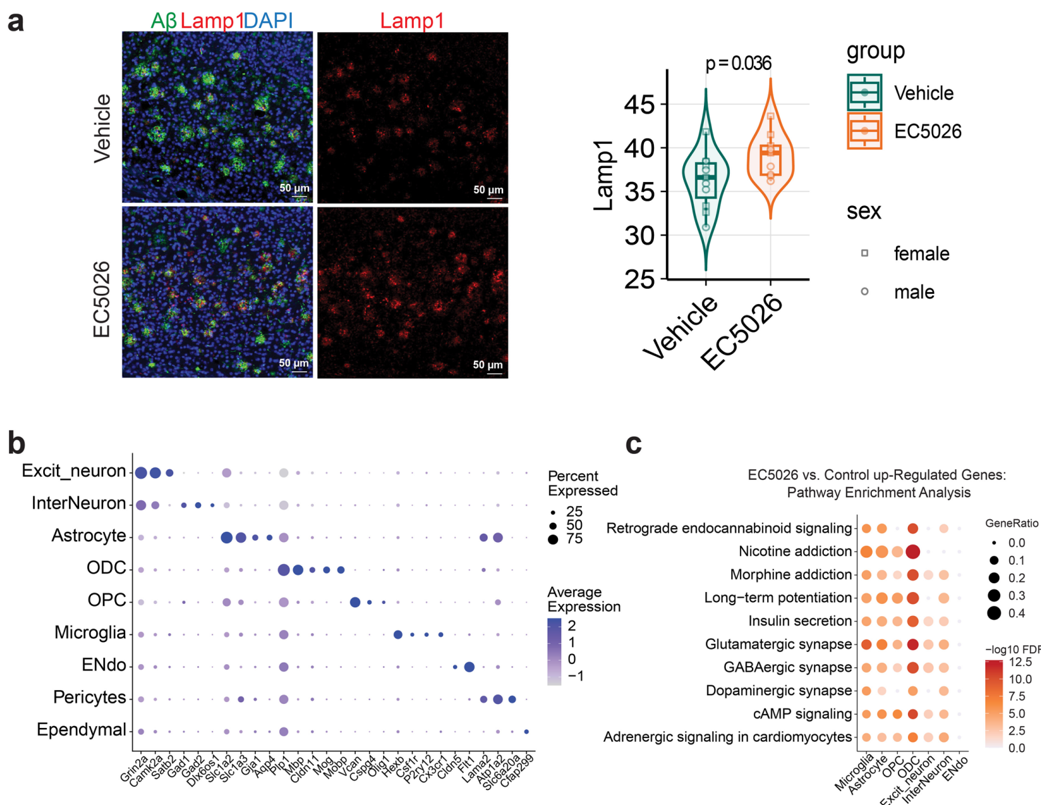
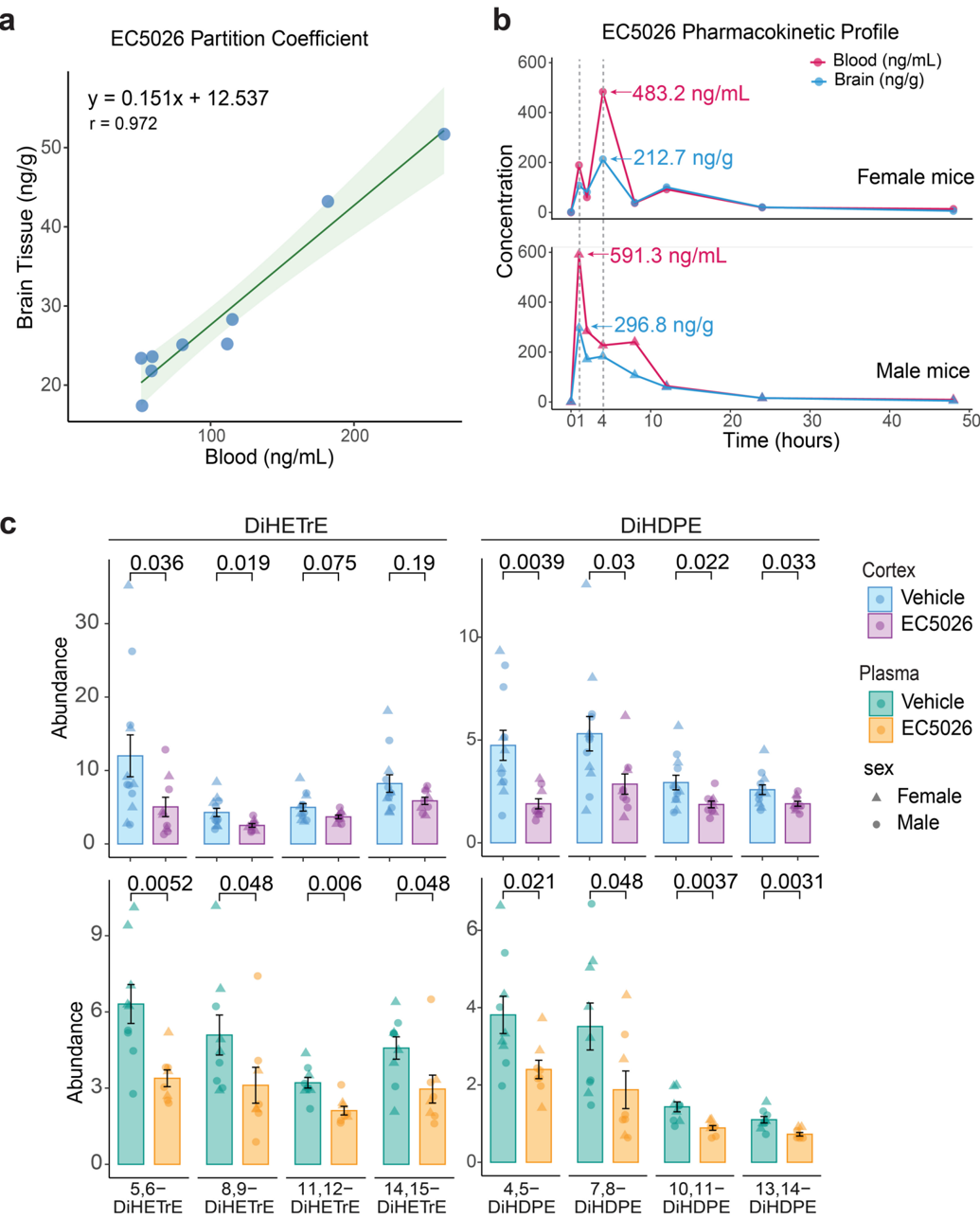
- EPHX2 was supported as an anti-inflammatory target: elevated EPHX2 protein was associated with increased AD risk (β IVW MR = 0.190; MR P = 7.55 × 10⁻⁸), and the protective missense variant rs751141 (p.Arg287Gln) was associated with reduced EPHX2 protein (β = −0.291; P pQTL = 5.50 × 10⁻¹⁶) and protection from AD in EA (β = −0.096; P GWAS = 1.08 × 10⁻¹¹). In patient iPSC-derived neurons and cerebral organoids, EPHX2-p.Arg287Gln reduced pTau (P = 0.003 and P = 0.044, respectively), and EC5026 improved cognition in 5xFAD mice (novel object recognition P = 0.014; fear conditioning P = 0.033; Morris water maze escape latency day 5 P = 0.004; target quadrant P = 0.048).
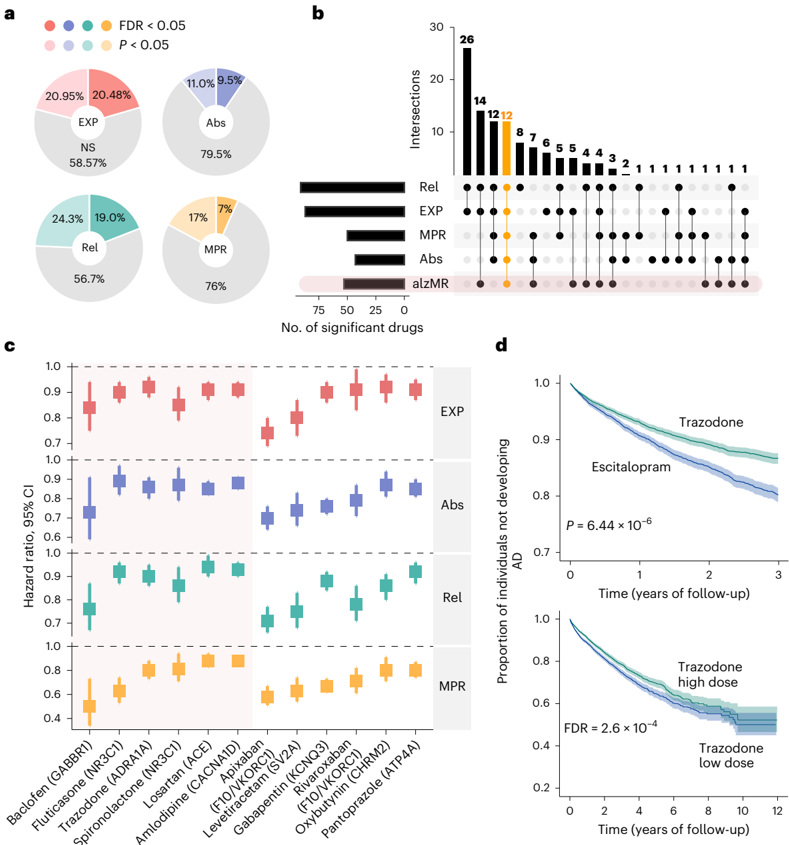
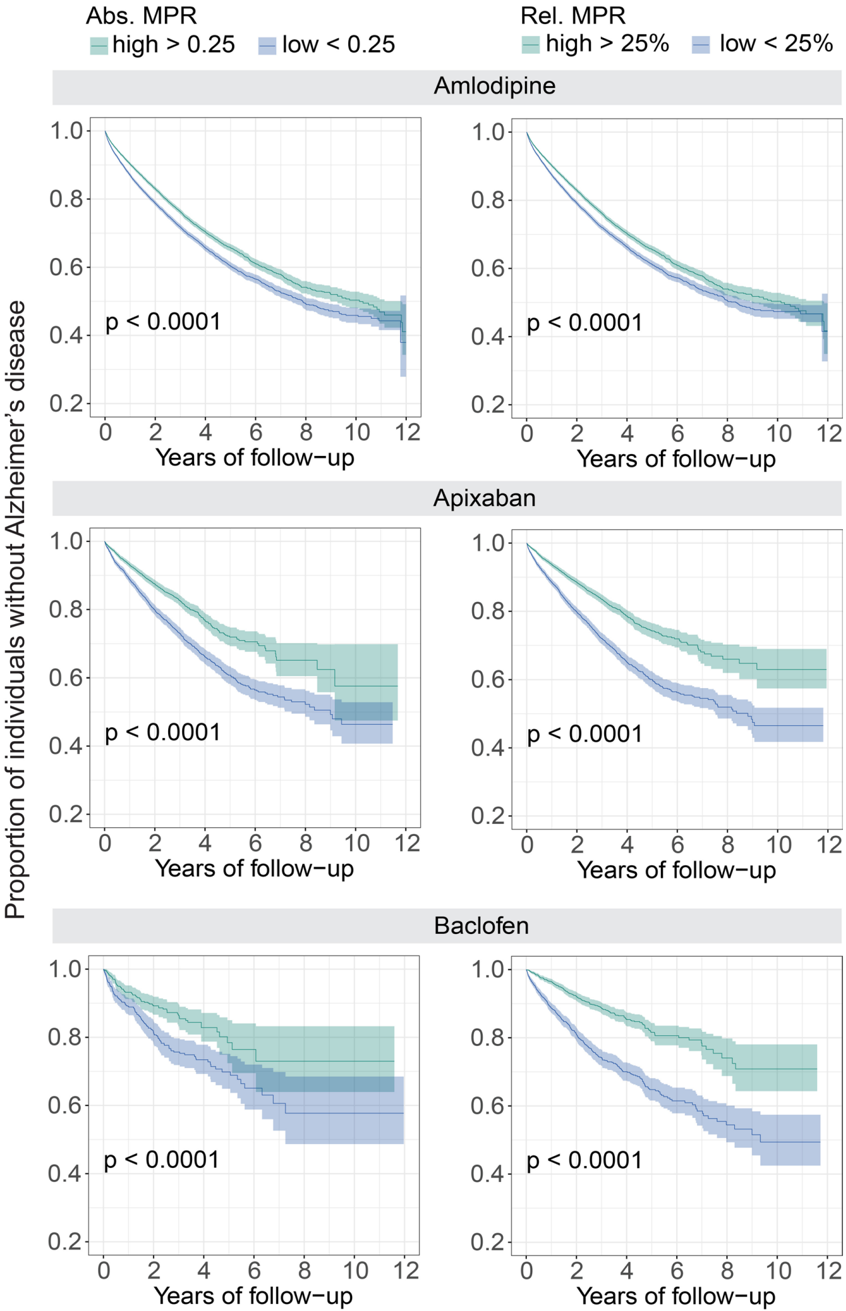
- In 111,680 patients with MCI, DWAS identified 12 drugs associated with reduced AD risk across four models at FDR < 0.05; six had significant alzMR scores on their primary targets. Amlodipine (CACNA1D inhibitor; alzMR score = 11.4) was associated with 12% reduced AD risk (HR = 0.88; 95% CI 0.85–0.91; FDR = 3.6 × 10⁻¹⁰), and trazodone (ADRA1A antagonist; alzMR score = 35.7) with 14% reduced risk (HR = 0.86; 95% CI 0.80–0.91; FDR = 2.6 × 10⁻⁴) and 22% reduced risk versus escitalopram (HR = 0.78; P = 6.44 × 10⁻⁶).
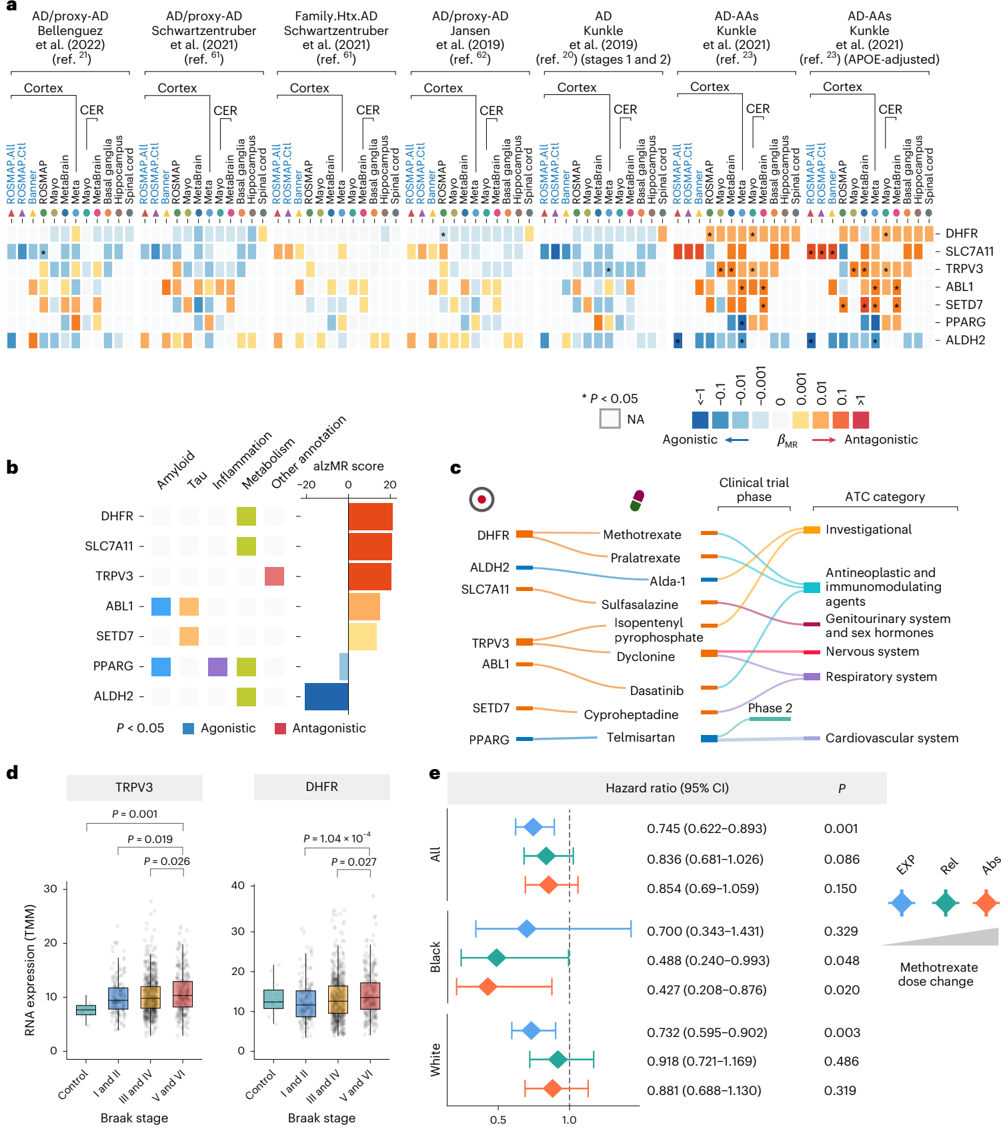
- In AA, seven suggestive druggable targets were identified; DHFR had the strongest alzMR score, and methotrexate (DHFR inhibitor) was associated with reduced AD risk in AA but not EA in a dose-dependent manner. TRPV3 had a stronger alzMR score (20.4; P < 0.05), and its cortical expression was higher in late Braak stages V–VI than early (P = 0.019) and mid (P = 0.026) stages; DHFR expression was also higher in late versus early (P = 1.04 × 10⁻⁴) and mid (P = 0.027) Braak stages.
Methods
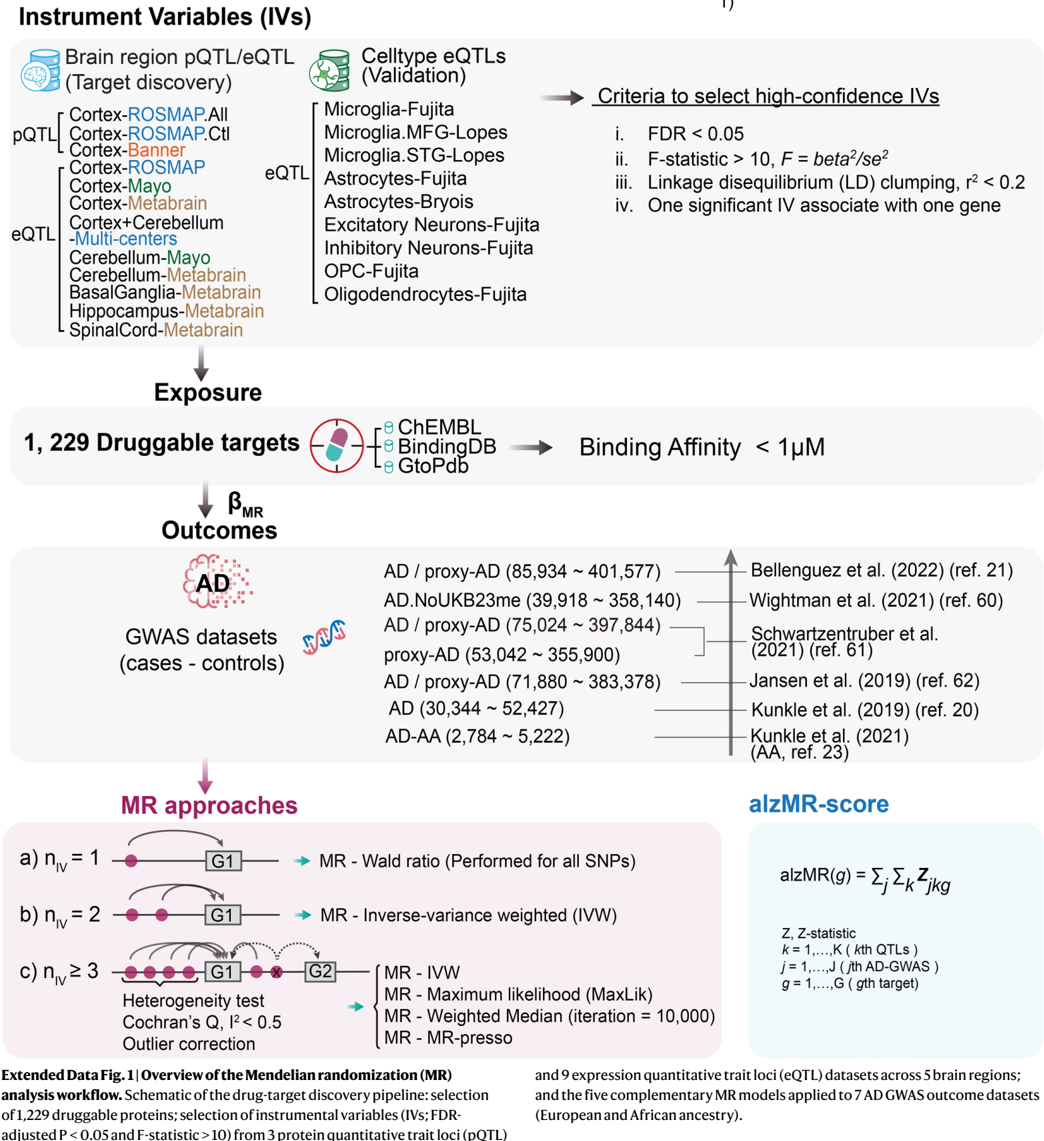
- Design: a genome-phenome association framework combining (1) drug-target MR across 1,229 druggable proteins using IVs from 3 pQTL and 9 eQTL datasets across 5 brain regions and seven AD GWAS (five EA, two AA), with five complementary MR models and a consensus alzMR score; (2) experimental validation in patient iPSC-derived neurons/cerebral organoids and 5xFAD mice; and (3) real-world EHR-based DWAS.
- Data/sample: seven AD GWAS summary statistics comprising 275,540 AD cases and 1.55 million controls of EA and AA ancestry; DWAS used Optum Clinformatics Data Mart (2007–2020) with 111,680 patients with MCI and no prior AD, cancer, Parkinson’s disease, or hemiplegia/paraplegia, evaluating 210 frequently prescribed drugs with four exposure models and 1:1 propensity-score matching adjusted for age, sex, race, and 21 AD-related comorbidities; top drugs were validated in MarketScan. Functional experiments used iPSC-derived forebrain neurons from a 63-year-old female patient with LOAD (IUGB269.1), TALEN-mediated doxycycline-inducible EPHX2/EPHX2-p.Arg287Gln overexpression, prime editing, and 5xFAD mice treated with EC5026 (3 mg kg−1 d−1 in drinking water for 8 months starting at 3 months).
- Main analysis: MR used Wald ratio, IVW fixed/random effects, MR-PRESSO, MaxLik, and weighted median; colocalization used PP.H4 > 0.5 and FOCUS PIP > 0.5; the Cauchy combination test addressed overlap across EA GWAS. DWAS used Cox proportional hazards regression with medication possession ratio and four exposure models; functional readouts included western blotting, immunostaining, snRNA-seq, and LC-MS.
Limitations
- Paper-stated: substantial subject overlap across EA AD GWAS cohorts introduces non-independence among MR tests; the authors addressed this with the Cauchy combination test. DWAS is limited to FDA-approved drugs with sufficient participants, leaving many MR-prioritized targets unvalidated. AD diagnoses from real-world patient data are rarely confirmed by PET imaging or CSF biomarkers, so future studies should prioritize biomarker-validated cohorts and subgroup analyses. The authors also state that identified drug targets are unlikely to be one-size-fits-all, with ancestry, APOE genotype, TREM2 variants, and the EPHX2 rs751141 protective allele potentially modulating drug response and requiring patient stratification.
- Evident from the text: functional validation focused on selected top targets (especially EPHX2), and some experiments used small sample sizes (for example, n = 3 replicates for prime editing and iPSC neuron pTau quantification). MR causal inference also depends on instrumental-variable assumptions (FDR < 0.05, F-statistic > 10, LD pruning, and exclusion of pleiotropic IVs), though the paper does not frame this as a limitation.
Model-written summary. Check it against the paper before relying on it.
Integrity signals
Registry
Cites
Statistics
Figures
Verification
Claims the paper makes
0 Valid · 0 Not valid · 39 Not checked · 155 Own results and interpretations
A result the paper reports from its own data — it cites no other source for it, so there is none to check. The quote shows it is in the paper.
In the paper
“These criteria identified 73 drug targets associated with elevated (39 antagonistic targets) or reduced (34 agonistic targets) risk of AD with EA at FDR < 0.05 (Fig. 2 and Supplementary Table 4), based on Wald ratio and inverse-variance-weighted (IVW) methods.”
§ Alzheimer's disease target and drug discovery by leveraging multiomics and electronic health data > Abstract
plainstates an association- Asserted: passes — The authors put it forward as true.
- Checkable: passes — It can be checked against evidence.
- Load-bearing: passes — The paper’s conclusions depend on it.
- Based: passes — The paper gives a reason why it holds.
A result the paper reports from its own data — it cites no other source for it, so there is none to check. The quote shows it is in the paper.
In the paper
“TRPV3 expression in the human cortex was significantly upregulated in the late Braak stages (V-VI) compared to the early Braak stages (P = 0.019) and mid-Braak stages (P = 0.026; Fig. 7d).”
§ Alzheimer's disease target and drug discovery by leveraging multiomics and electronic health data > AD target discovery for individuals with AA
plainstates an association- Asserted: passes — The authors put it forward as true.
- Checkable: passes — It can be checked against evidence.
- Load-bearing: passes — The paper’s conclusions depend on it.
- Based: passes — The paper gives a reason why it holds.
A result the paper reports from its own data — it cites no other source for it, so there is none to check. The quote shows it is in the paper.
In the paper
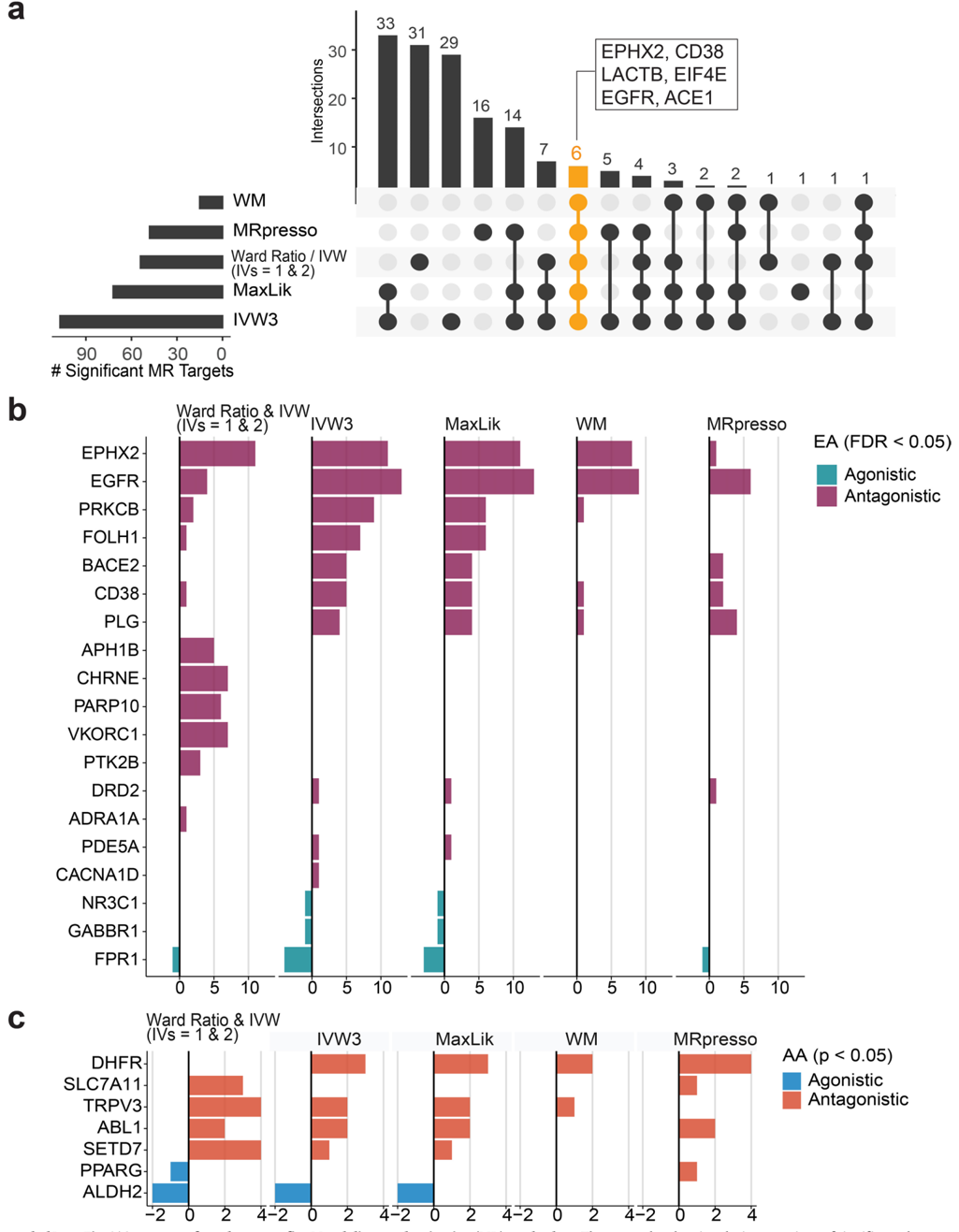
“Our MR analysis reproducibly captured established anti-amyloid targets (BACE2 and APH1B) and neuromodulatory targets (CHRNE and GABBR1) (Fig. 3b).”
§ Alzheimer's disease target and drug discovery by leveraging multiomics and electronic health data > Pralatrexate ALDH2
plainstates an association- Asserted: passes — The authors put it forward as true.
- Checkable: passes — It can be checked against evidence.
- Load-bearing: passes — The paper’s conclusions depend on it.
- Based: passes — The paper gives a reason why it holds.
- Rests on 2 assumptions not shown here.
A result the paper reports from its own data — it cites no other source for it, so there is none to check. The quote shows it is in the paper.
In the paper
“EPHX2 pQTL SNP rs2741342 (conditional P = 2.49 × 10 -8 ) was identified as independent with lead SNP rs1532278 (P GWAS = 5.72 × 10 -25 ) in the CLU locus (Fig. 4b, Extended Data Fig. 4a,c and Supplementary Table 10).”
§ Alzheimer's disease target and drug discovery by leveraging multiomics and electronic health data > EPHX2 is a potent anti-inflammatory target supported by AD GWAS
plainstates an association- Asserted: passes — The authors put it forward as true.
- Checkable: passes — It can be checked against evidence.
- Load-bearing: passes — The paper’s conclusions depend on it.
- Based: passes — The paper gives a reason why it holds.
A result the paper reports from its own data — it cites no other source for it, so there is none to check. The quote shows it is in the paper.
In the paper
“We identified 19 potential drug targets in EA (Fig. 3)”
§ Alzheimer's disease target and drug discovery by leveraging multiomics and electronic health data > Discussion
plain- Asserted: passes — The authors put it forward as true.
- Checkable: passes — It can be checked against evidence.
- Load-bearing: passes — The paper’s conclusions depend on it.
- Based: passes — The paper gives a reason why it holds.
- Rests on 2 assumptions not shown here.
107 more claims
Create a free account to see all 194 claims and to verify the 42 references still open.
- It may state two separate claims as one. 48
- Probably not a substantial claim. 42
- The quote only partly states this claim. 4
Self-check
Percentages, sums and reported differences re-computed from the paper’s own numbers.
Each contradiction between two passages listed here was confirmed by an independent check.
Rated major: it would touch a result — a value a result rests on, reported and recomputed p-values on opposite sides of the significance level, two passages that conflict with no sign which is right, or a cited work retracted before this paper was published.
In the paper
§ Alzheimer's disease target and drug discovery by leveraging multiomics and electronic health data > EC5026 treatment in 5xFAD mouse
“5xFAD transgenic mice received EC5026 (3 mg kg -1 d -1 ) in drinking water or vehicle (1% PEG-400) for 8 months starting at 3 months of age.”
§ Alzheimer's disease target and drug discovery by leveraging multiomics and electronic health data > Additional information
“Treatment started at 8 months of age for 3 months (EC5026 3 mg/kg/day in drinking water, or 1% PEG-400 vehicle).”
Rated minor: it would not touch a result — a value no result rests on, a p-value that stays on the same side of the significance level, or a conflict that is clerical, resolved elsewhere in the paper, or outside its own findings.
In the paper
§ Alzheimer's disease target and drug discovery by leveraging multiomics and electronic health data > AD target discovery from GWASs with EA
“We next evaluated 17 FDA-approved drugs and 13 investigational molecules corresponding to the 19 AD targets identified by alzMR score in EA”
§ Alzheimer's disease target and drug discovery by leveraging multiomics and electronic health data > AD target discovery from GWASs with EA
“We also identified 14 investigational molecules corresponding to ten targets (nine antagonistic and one agonistic)”
Rated minor: it would not touch a result — a value no result rests on, a p-value that stays on the same side of the significance level, or a conflict that is clerical, resolved elsewhere in the paper, or outside its own findings.
In the paper
§ Alzheimer's disease target and drug discovery by leveraging multiomics and electronic health data > Genetic and genomic data collection and analysis
“We collected AD summary statistic datasets from seven case-control GWAS studies, including five AD GWAS datasets from EA and two AD GWAS datasets from AA 23”
§ Alzheimer's disease target and drug discovery by leveraging multiomics and electronic health data > AD target discovery from GWASs with EA
“seven AD GWAS datasets (distinguished by different background colors; six EA 20,21,60-62 and one AA 23 ).”
Citations
Cites
PLINK: a tool set for whole-genome association and population-based linkage analyses.
Purcell, S., Neale, B., Todd-Brown, K., Thomas, L., Ferreira, M. A. R., Bender, D., Maller, J., Sklar, P., de Bakker, P. I. W., Daly, M. J., et al. (2007) · The American Journal of Human Genetics · doi:10.1086/519795 · Cited by 34,089
NIA‐AA Research Framework: Toward a biological definition of Alzheimer's disease
Jack, C. R., Bennett, D. A., Blennow, K., Carrillo, M. C., Dunn, B., Haeberlein, S. B., Holtzman, D. M., Jagust, W., Jessen, F., Karlawish, J., et al. (2018) · Alzheimer's & Dementia · doi:10.1016/j.jalz.2018.02.018 · Cited by 10,537
Verbanck, M., Chen, C.-Y., Neale, B., & Do, R. (2018) · Nature Genetics · doi:10.1038/s41588-018-0099-7 · Cited by 8,591
DrugBank 5.0: a major update to the DrugBank database for 2018
Wishart, D. S., Feunang, Y. D., Guo, A. C., Lo, E. J., Marcu, A., Grant, J. R., Sajed, T., Johnson, D., Li, C., Sayeeda, Z., et al. (2018) · Nucleic Acids Research · doi:10.1093/nar/gkx1037 · Cited by 8,404
Lecanemab in early Alzheimer's disease
van Dyck, C. H., Swanson, C. J., Aisen, P., Bateman, R. J., Chen, C., Gee, M., Kanekiyo, M., Li, D., Reyderman, L., Cohen, S., et al. (2023) · New England Journal of Medicine · doi:10.1056/nejmoa2212948 · Cited by 5,678
Nichols, E., Steinmetz, J. D., Vollset, S. E., Fukutaki, K., Chalek, J., Abd-Allah, F., Abdoli, A., Abualhasan, A., Abu-Gharbieh, E., Akram, T. T., et al. (2022) · The Lancet Public Health · doi:10.1016/s2468-2667(21)00249-8 · Cited by 5,575
The GTEx Consortium atlas of genetic regulatory effects across human tissues
The GTEx Consortium, Aguet, F., Anand, S., Ardlie, K. G., Gabriel, S., Getz, G. A., Graubert, A., Hadley, K., Handsaker, R. E., Huang, K. H., et al. (2020) · Science · doi:10.1126/science.aaz1776 · Cited by 5,547
Mendelian randomization: genetic anchors for causal inference in epidemiological studies
Davey Smith, G., & Hemani, G. (2014) · Human Molecular Genetics · doi:10.1093/hmg/ddu328 · Cited by 4,677
MatchIt : Nonparametric Preprocessing for Parametric Causal Inference
Ho, D. E., Imai, K., King, G., & Stuart, E. A. (2011) · Journal of Statistical Software · doi:10.18637/jss.v042.i08 · Cited by 4,385
Giambartolomei, C., Vukcevic, D., Schadt, E. E., Franke, L., Hingorani, A. D., Wallace, C., & Plagnol, V. (2014) · PLoS Genetics · doi:10.1371/journal.pgen.1004383 · Cited by 4,261
Research works printed but not linked: 1
- de Klein, N. et al. Brain expression quantitative trait locus and network analysis reveals downstream effects and putative drivers for brain-related diseases. Nat. Genet. 55, 377-388 (2023). · DOI · Paper page
Metadata
- Authors
- Hou, Y., Li, Y., Zhang, P., Lorincz-Comi, N., Gohel, D., Fan, F., Qiu, Y., Yang, J., Chen, X., Song, W., Yang, X., Tan, Z., Liu, Z., Fang, X., Rivera Paz, I., Martin, W., Feng, Y., Zhou, Y., Xu, J., Dou, L., Border, J., Zhang, H., Mazique, J. N., Hwang, S. H., Roman, R. J., Babak, T., Bekris, L., Karavani, E., Danziger, M., Rosen-Zvi, M., Haines, J. L., Yu, H., Hammock, B. D., Leverenz, J. B., Pieper, A. A., Cummings, J., & Cheng, F.
- Affiliations
- Cleveland Clinic (US)
- Indiana University Indianapolis (US)
- University of Mississippi Medical Center (US)
- UC Davis Comprehensive Cancer Center (US)
- Hebrew University of Jerusalem (IL)
- Case Western Reserve University (US)
- Cornell University (US)
- University Hospitals of Cleveland (US)
- University of Nevada, Las Vegas (US)
- Corresponding author
- Cheng, Feixiong
- ORCID
- Venue
- Nature Neuroscience
- Published
- 2026-10-08
- ISSN
- 1097-6256 (ISSN-L)
- 1546-1726
- OpenAlex
- W7220976950
- Cited by
- 0
- References
- 87
- FWCI
- 0.00
- Type
- journal article
- Language
- en
- Open access
- hybrid
- doi.org
- Licence
- cc-by-nc-nd
- creativecommons.org/licenses/by-nc-nd/4.0 (tdm)
- creativecommons.org/licenses/by-nc-nd/4.0 (vor)
- Locations
- Nature Neuroscience (publishedVersion, cc-by-nc-nd)
- PubMed (publishedVersion)
- Purdue University Indianapolis (Indiana University) (submittedVersion, cc-by-nc-nd)
- Funders
- U.S. Department of Health & Human Services | NIH | National Institute on Aging (U01AG073323, R35AG71476, R25 AG083721-01, P30AG072959)
- U.S. Department of Health & Human Services | NIH | National Institute of Neurological Disorders and Stroke (RF1NS133812)
- Topics
- Life Sciences › Neuroscience › Cellular and Molecular Neuroscience › Alzheimer's disease research and treatments
- Health Sciences › Medicine › Psychiatry and Mental health › Dementia and Cognitive Impairment Research
- Life Sciences › Biochemistry, Genetics and Molecular Biology › Genetics › Genetic Associations and Epidemiology
- Keywords
- Alzheimer's disease, druggable targets, Mendelian randomization, multi-omics, electronic health data, EPHX2, tau phosphorylation, iPSC-derived neurons, brain organoids, 5xFAD mice, mild cognitive impairment, trazodone, baclofen, ADRA1A, GABBR1, drug repurposing, European ancestry, African ancestry
About these checks
Registry, retraction, Cites and statistics results are computed, not judged, with one exception: a printed reference that no index lists is read once by a model before it counts as a citation error. Claims are extracted by a model and kept only when their quote appears verbatim in the text; each cited source is then checked, with a model’s help, for whether it says what the claim relies on. Those verdicts can be wrong — read the claim’s quote and the cited source before relying on one.
A language model drew the claims from the paper on 2026-11-26, under version 3 of the claim definition (model deepseek-v4.1-flash, prompt extract-v3).
A second model labelled each claim on 2026-11-26 (model jev-1.13-20260917, definition revision gold-guideline-v0.2).
Statistics and arithmetic are recomputed, not judged.
Confidence bands are shown only for fields calibrated on our annotated test set. None is calibrated yet, so no band is shown.
What counts as a claim ›How we measure confidence ›How we check this ›
Are you an author, or do you see a problem with this page? Request a review
How to cite
Cite CoChat for the checks on this page, and the paper for its own findings.
- This page
- CoChat. (2026). Citation check: Alzheimer’s disease target and drug discovery by leveraging multiomics and electronic health data. https://app.cochat.ai/papers/10.1038/s41593-026-02472-0
- The paper
- Hou, Y., Li, Y., Zhang, P., Lorincz-Comi, N., Gohel, D., Fan, F., Qiu, Y., Yang, J., Chen, X., Song, W., Yang, X., Tan, Z., Liu, Z., Fang, X., Rivera Paz, I., Martin, W., Feng, Y., Zhou, Y., Xu, J., . . . Cheng, F. (2026). Alzheimer’s disease target and drug discovery by leveraging multiomics and electronic health data. Nature Neuroscience. https://doi.org/10.1038/s41593-026-02472-0
Data sources
Bibliographic data: Semantic Scholar, OpenAlex, Crossref.
Contains information from the Semantic Scholar Academic Graph Datasets, made available under the ODC Attribution License (ODC-BY 1.0).
Semantic Scholar’s data is described in: Kinney, R., et al. (2023). The Semantic Scholar Open Data Platform. arXiv:2301.10140.
