

RGD delivery of truncated coagulase to tumor vasculature affords local thrombotic activity to induce infarction of tumors in mice
Open accessThe DOI matches its Crossref record; 46 of the 46 references it cites were found in a registry or an index.
Abstract
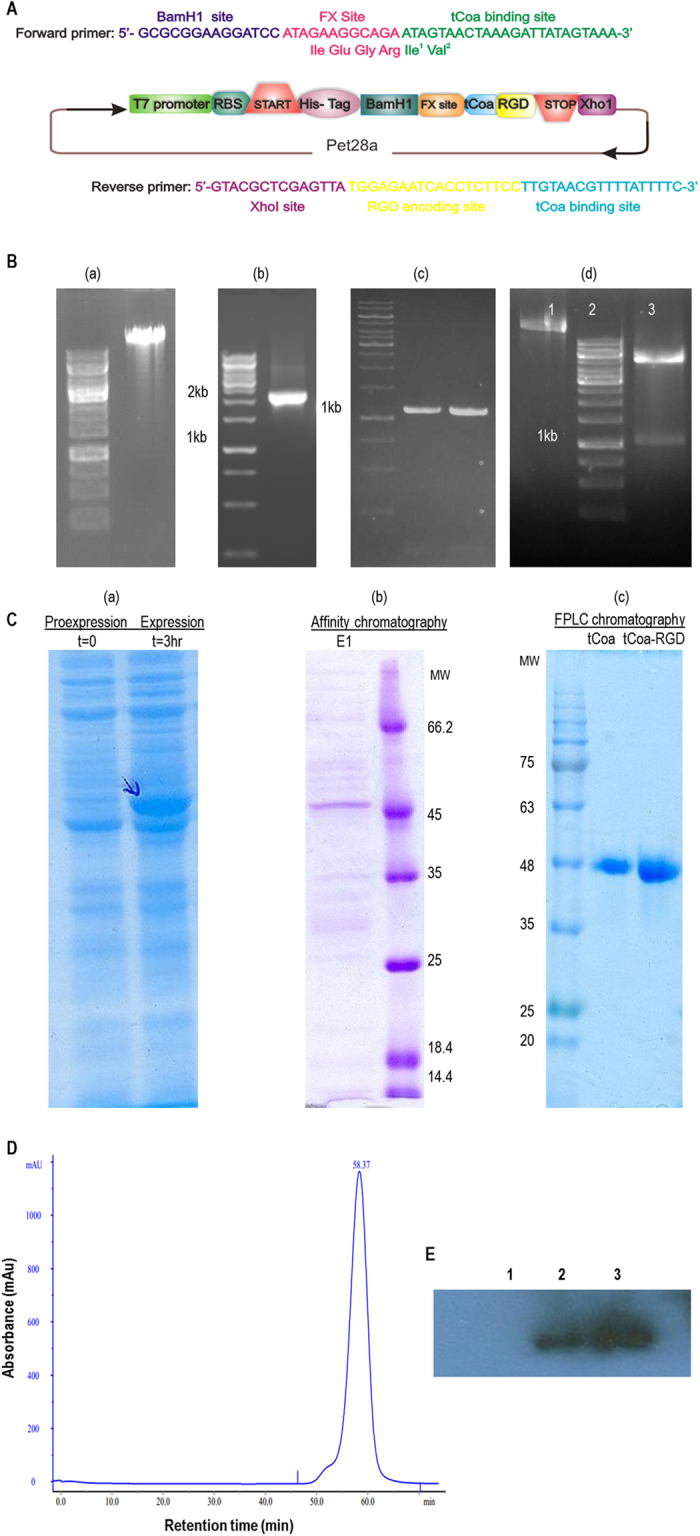
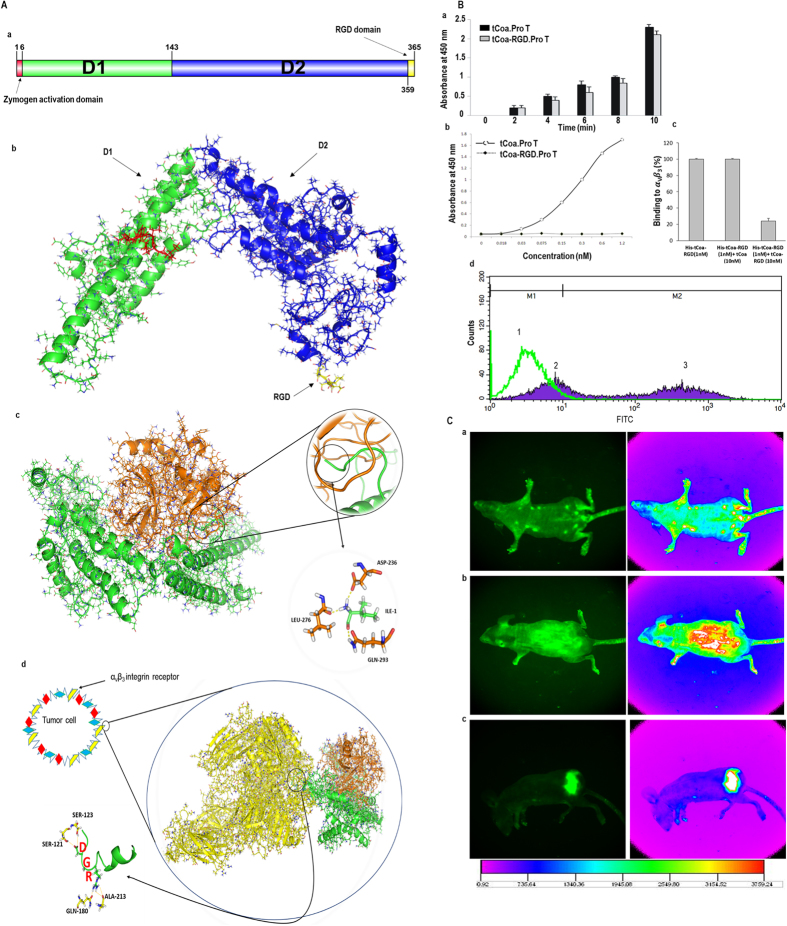
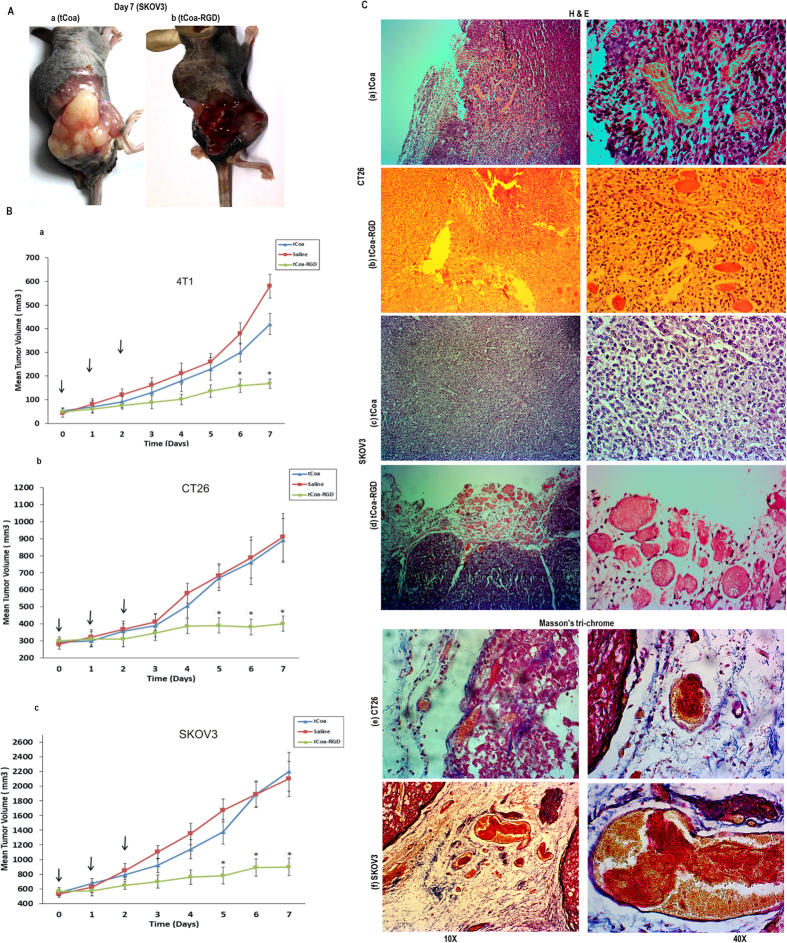
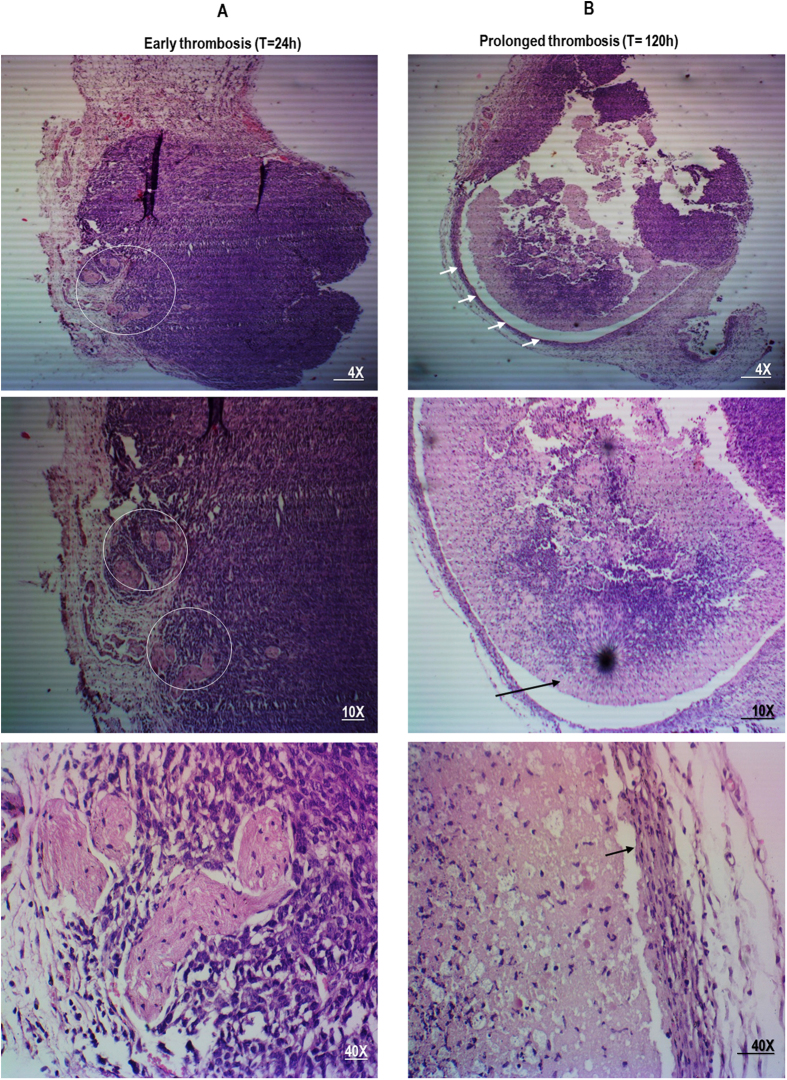
Induction of thrombosis in tumor vasculature represents an appealing strategy for combating cancer. Herein, we combined unique intrinsic coagulation properties of staphylocoagulase with new acquired functional potentials introduced by genetic engineering, to generate a novel bi-functional fusion protein consisting of truncated coagulase (tCoa) bearing an RGD motif on its C-terminus for cancer therapy. We demonstrated that free coagulase failed to elicit any significant thrombotic activity. Conversely, RGD delivery of coagulase retained coagulase activity and afforded favorable interaction of fusion proteins with prothrombin and α v β 3 endothelial cell receptors, as verified by in silico, in vitro, and in vivo experiments. Although free coagulase elicited robust coagulase activity in vitro, only targeted coagulase (tCoa-RGD) was capable of producing extensive thrombosis, and subsequent infarction and massive necrosis of CT26 mouse colon, 4T1 mouse mammary and SKOV3 human ovarian tumors in mice. Additionally, systemic injections of lower doses of tCoa-RGD produced striking tumor growth inhibition of CT26, 4T1 and SKOV3 solid tumors in animals. Altogether, the nontoxic nature, unique shortcut mechanism, minimal effective dose, wide therapeutic window, efficient induction of thrombosis, local effects and susceptibility of human blood to coagulase suggest tCoa-RGD fusion proteins as a novel and promising anticancer therapy for human trials.
Overview
The claims and statistics of this paper haven’t been checked yet.
Free: it reads the open-access text and checks the first 5 claims that cite a source we can check. Create a free account to check every claim.
Integrity signals
Registry
Cites
Statistics
Figures
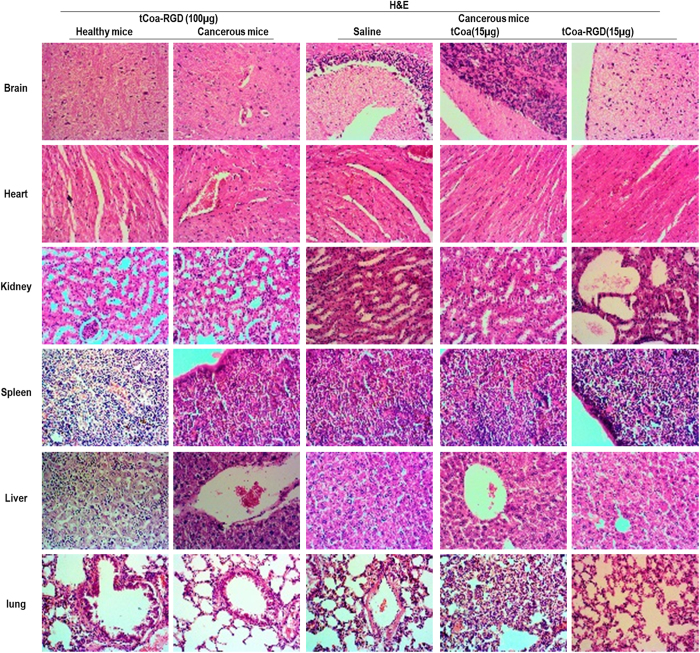
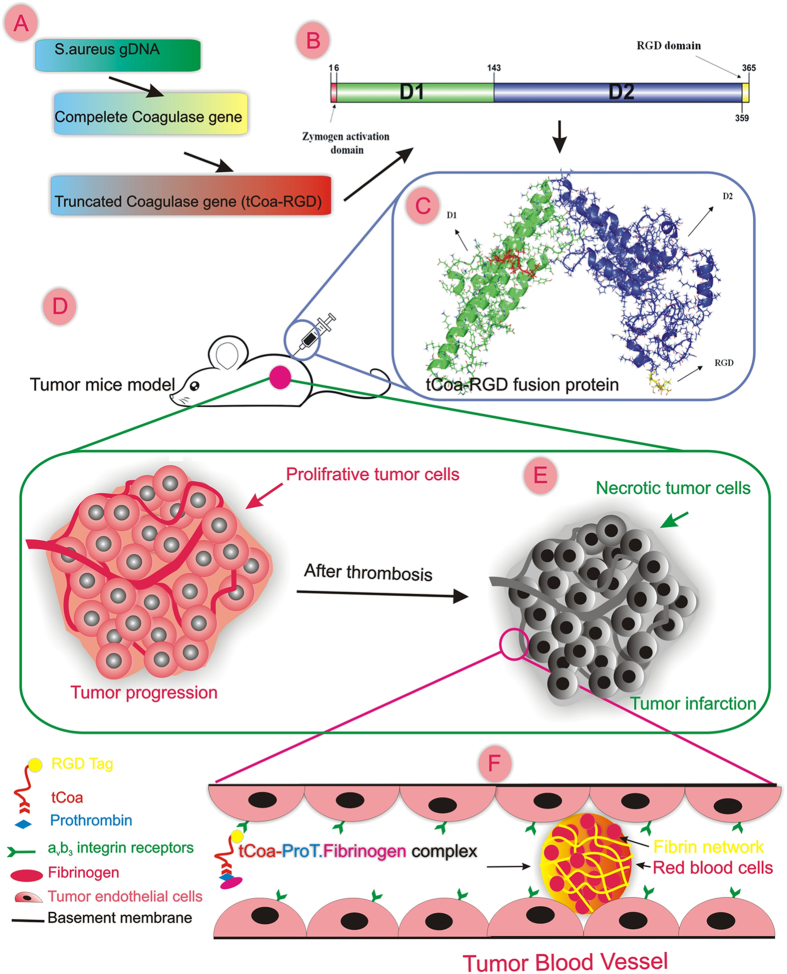
Verification
Claims the paper makes
The claims and statistics of this paper haven’t been checked yet.
Free: it reads the open-access text and checks the first 5 claims that cite a source we can check. Create a free account to check every claim.
Claims other papers make about this one
Each is checked against this paper’s own text: does it say what the citing paper says it does?
The check wasn’t confident either way, so it gives no verdict — never disputed.
In the citing paper
“The process of tumor formation and progression is influenced by two factors, namely genetic/epigenetic changes in the tumor cells and the rearrangement of the components of the tumor microenvironment (TME) through mutual and dynamic crosstalk [1].”
From Tumor microenvironment complexity and therapeutic implications at a glance (2020) · cites this paper as [1]
Experimental — accuracy not yet measuredThe check wasn’t confident either way, so it gives no verdict — never disputed.
In the citing paper
“The dynamic interactions of cancer cells with their microenvironment consisting of stromal cells (cellular part) and extracellular matrix (ECM) components (non-cellular) is essential to stimulate the heterogeneity of cancer cell, clonal evolution and to increase the multidrug resistance ending in cancer cell progression and metastasis.”
From Tumor microenvironment complexity and therapeutic implications at a glance (2020) · cites this paper as [1]
Experimental — accuracy not yet measured
Self-check
Percentages, sums and reported differences re-computed from the paper’s own numbers.
The self-check needs the paper’s full text.
Citations
Cites
1 retracted
Javaheri, T., Kazemi, Z., Pencik, J., Pham, H. T., Kauer, M., Noorizadeh, R., Sax, B., Nivarthi, H., Schlederer, M., Maurer, B., et al. (2016) · Cell Death & Disease · doi:10.1038/cddis.2016.268 · Cited by 18
Self-citationRetractedMolecular dynamics with coupling to an external bath
Berendsen, H. J. C., Postma, J. P. M., van Gunsteren, W. F., DiNola, A., & Haak, J. R. (1984) · The Journal of Chemical Physics · doi:10.1063/1.448118 · Cited by 30,700
Particle mesh Ewald: An N ⋅log( N ) method for Ewald sums in large systems
Darden, T., York, D., & Pedersen, L. (1993) · The Journal of Chemical Physics · doi:10.1063/1.464397 · Cited by 30,546
LINCS: A linear constraint solver for molecular simulations
Hess, B., Bekker, H., Berendsen, H. J. C., & Fraaije, J. G. E. M. (1997) · Journal of Computational Chemistry · doi:10.1002/(sici)1096-987x(199709)18:12<1463::aid-jcc4>3.0.co;2-h · Cited by 18,260
GROMACS: A message-passing parallel molecular dynamics implementation
Berendsen, H. J. C., van der Spoel, D., & van Drunen, R. (1995) · Computer Physics Communications · doi:10.1016/0010-4655(95)00042-e · Cited by 10,405
Settle: An analytical version of the SHAKE and RATTLE algorithm for rigid water models
Miyamoto, S., & Kollman, P. A. (1992) · Journal of Computational Chemistry · doi:10.1002/jcc.540130805 · Cited by 7,344
The I-TASSER Suite: protein structure and function prediction
Yang, J., Yan, R., Roy, A., Xu, D., Poisson, J., & Zhang, Y. (2015) · Nature Methods · doi:10.1038/nmeth.3213 · Cited by 5,596
The HADDOCK2.2 Web Server: User-Friendly Integrative Modeling of Biomolecular Complexes
van Zundert, G. C. P., Rodrigues, J. P. G. L. M., Trellet, M., Schmitz, C., Kastritis, P. L., Karaca, E., Melquiond, A. S. J., van Dijk, M., de Vries, S. J., & Bonvin, A. M. J. J. (2016) · Journal of Molecular Biology · doi:10.1016/j.jmb.2015.09.014 · Cited by 2,785
Definition and testing of the GROMOS force-field versions 54A7 and 54B7
Schmid, N., Eichenberger, A. P., Choutko, A., Riniker, S., Winger, M., Mark, A. E., & van Gunsteren, W. F. (2011) · European Biophysics Journal · doi:10.1007/s00249-011-0700-9 · Cited by 2,507
Xiong, J.-P., Stehle, T., Zhang, R., Joachimiak, A., Frech, M., Goodman, S. L., & Arnaout, M. A. (2002) · Science · doi:10.1126/science.1069040 · Cited by 1,613
Research works printed but not linked: 1
- Soulier JP et Prou-Wartelle O Effets de l’injection de staphylocoagulase chez le lapin. Essais de prevention du syndrome de defibrination Nouvelle. Revue. Franc. d’Hematologie 1967 7 779 800 4230712
Cited by
Tumor microenvironment complexity and therapeutic implications at a glance
Baghban, R., Roshangar, L., Jahanban-Esfahlan, R., Seidi, K., Ebrahimi-Kalan, A., Jaymand, M., Kolahian, S., Javaheri, T., & Zare, P. (2020) · Cell Communication and Signaling · doi:10.1186/s12964-020-0530-4 · Cited by 1,784
“The process of tumor formation and progression is influenced by two factors, namely genetic/epigenetic changes in the tumor cells and the rearrangement of the components of the tumor microenvironment (TME) through mutual and dynamic crosstalk [1] .”
BackgroundSelf-citationTargeting the tumour vasculature: from vessel destruction to promotion
Guelfi, S., Hodivala-Dilke, K., & Bergers, G. (2024) · Nature Reviews Cancer · doi:10.1038/s41568-024-00736-0 · Cited by 183
Tumor target amplification: Implications for nano drug delivery systems
Seidi, K., Neubauer, H. A., Moriggl, R., Jahanban-Esfahlan, R., & Javaheri, T. (2018) · Journal of Controlled Release · doi:10.1016/j.jconrel.2018.02.020 · Cited by 145
“There has been a consensus that the recognition of disease-specific cell-surface receptors permits the targeted delivery of therapeutics to diseased cells [6,7].”
BackgroundSelf-citationThe roles of Wnt/β‐catenin pathway in tissue development and regenerative medicine
Majidinia, M., Aghazadeh, J., Jahanban‐Esfahlani, R., & Yousefi, B. (2018) · Journal of Cellular Physiology · doi:10.1002/jcp.26265 · Cited by 132
Self-citationAyoubi‐Joshaghani, M. H., Seidi, K., Azizi, M., Jaymand, M., Javaheri, T., Jahanban‐Esfahlan, R., & Hamblin, M. R. (2020) · Advanced Functional Materials · doi:10.1002/adfm.202004098 · Cited by 137
Self-citationAn overview on Vadimezan (DMXAA): The vascular disrupting agent
Daei Farshchi Adli, A., Jahanban‐Esfahlan, R., Seidi, K., Samandari‐Rad, S., & Zarghami, N. (2018) · Chemical Biology & Drug Design · doi:10.1111/cbdd.13166 · Cited by 125
Self-citationTavakoli, F., Jahanban‐Esfahlan, R., Seidi, K., Jabbari, M., Behzadi, R., Pilehvar‐Soltanahmadi, Y., & Zarghami, N. (2018) · Artificial Cells Nanomedicine and Biotechnology · doi:10.1080/21691401.2018.1452021 · Cited by 98
“Animal experiments in mice were conducted in reference to our previous work [43], and with regard to the guidelines of Ethical Committee of Tabriz University of Medical Sciences, Tabriz, Iran.”
MethodSelf-citationLee, C.-J., Jang, T., Jeon, S.-E., Yun, H.-J., Cho, Y.-H., Lim, D.-Y., & Nam, J. (2024) · Nature Communications · doi:10.1038/s41467-024-54920-9 · Cited by 95
“The process of CRC progression and metastasis is in fl uenced not only by somatic mutations in tumor suppressor genes or oncogenes but also by the rear-rangement of tumor microenvironment (TME) components 4,5 .”
Vascular disrupting agents in cancer therapy
Smolarczyk, R., Czapla, J., Jarosz–Biej, M., Czerwinski, K., & Cichoń, T. (2020) · European Journal of Pharmacology · doi:10.1016/j.ejphar.2020.173692 · Cited by 92
Dynamic DNA nanostructures in biomedicine: Beauty, utility and limits
Jahanban-Esfahlan, A., Seidi, K., Jaymand, M., Schmidt, T. L., Majdi, H. S., Javaheri, T., Jahanban‐Esfahlan, R., & Zare, P. (2019) · Journal of Controlled Release · doi:10.1016/j.jconrel.2019.10.003 · Cited by 58
Self-citationRecent Research Progress of RGD Peptide–Modified Nanodrug Delivery Systems in Tumor Therapy
Yin, L., Li, X., Wang, R., Zeng, Y., Zeng, Z., & Xie, T. (2023) · International Journal of Peptide Research and Therapeutics · doi:10.1007/s10989-023-10523-4 · Cited by 56
Hyaluronic Acid-Targeted Niosomes for Effective Breast Cancer Chemostarvation Therapy
Zenjanab, M. K., Abdolahinia, E. D., Alizadeh, E., Hamishehkar, H., Shahbazi, R., Ranjbar-Navazi, Z., Jahanban‐Esfahlan, R., Fathi, M., & Mohammadi, S. A. (2024) · ACS Omega · doi:10.1021/acsomega.3c09782 · Cited by 54
Self-citationNGR (Asn-Gly-Arg)-targeted delivery of coagulase to tumor vasculature arrests cancer cell growth
Seidi, K., Jahanban‐Esfahlan, R., Monhemi, H., Zare, P., Minofar, B., Adli, A. D. F., Farajzadeh, D., Behzadi, R., Abbasi, M. M., Neubauer, H. A., et al. (2018) · Oncogene · doi:10.1038/s41388-018-0213-4 · Cited by 54
“Blood coagulation tests were performed as previously described [14, 44].”
BackgroundMethodResultInfluentialSelf-citationAyoubi‐Joshaghani, M. H., Dianat‐Moghadam, H., Seidi, K., Jahanban‐Esfahalan, A., Zare, P., & Jahanban‐Esfahlan, R. (2020) · Biotechnology and Bioengineering · doi:10.1002/bit.27248 · Cited by 52
Self-citationWang, M., Li, H., Huang, B., Chen, S., Cui, R., Sun, Z., Zhang, M., & Sun, T. (2021) · Advanced Healthcare Materials · doi:10.1002/adhm.202100090 · Cited by 49
Jahan, S., Mukherjee, S., Ali, S., Bhardwaj, U., Choudhary, R. K., Balakrishnan, S., Naseem, A., Mir, S. A., Banawas, S., Alaidarous, M., et al. (2022) · Cells · doi:10.3390/cells11030490 · Cited by 49
“croenvironment via reciprocal and dynamic interaction [52,53].”
Mahmudi, H., Adili-Aghdam, M. A., Shahpouri, M., Jaymand, M., Amoozgar, Z., & Jahanban‐Esfahlan, R. (2022) · Frontiers in Oncology · doi:10.3389/fonc.2022.1054029 · Cited by 50
Self-citationLi, H., Zhang, X., Lin, X., Zhuang, S., Wu, Y., Liu, Z., Rong, J., & Zhao, J. (2020) · Journal of Materials Chemistry B · doi:10.1039/c9tb02684c · Cited by 40
Cell death in tumor microenvironment: an insight for exploiting novel therapeutic approaches
Wang, W., Li, T., & Wu, K. (2025) · Cell Death Discovery · doi:10.1038/s41420-025-02376-1 · Cited by 38
“Genetic and epigenetic changes in the tumor cells, along with the remodeling of the components of the TME, result in the tumor heterogeneity, varied clinical outcomes and therapy responses among patients [176].”
Impact of the Cancer Cell Secretome in Driving Breast Cancer Progression
Zahari, S., Syafruddin, S. E., & Mohtar, M. A. (2023) · Cancers · doi:10.3390/cancers15092653 · Cited by 33
Flavonoid-based nanomedicines to target tumor microenvironment
Talib, W. H., Abuawad, A., Thiab, S. H., Alshweiat, A., & Mahmod, A. I. (2022) · OpenNano · doi:10.1016/j.onano.2022.100081 · Cited by 30
Xie, H., Li, W., Liu, H., Chen, Y., Ma, M., Wang, Y., Luo, Y., Song, D., Hou, Q., Lu, W., et al. (2022) · Small · doi:10.1002/smll.202201933 · Cited by 29
Komarnicka, U. K., Pucelik, B., Wojtala, D. B., Lesiów, M. K., Stochel, G., & Kyzioł, A. (2021) · Scientific Reports · doi:10.1038/s41598-021-03352-2 · Cited by 27
Iwata, S., Nishiyama, T., Sakari, M., Doi, Y., Takaya, N., Ogitani, Y., Nagano, H., Fukuchi, K., & Miyako, E. (2025) · Nature Biomedical Engineering · doi:10.1038/s41551-025-01459-9 · Cited by 26
“In addition, all bacterial strains, in addition to the homogenized AUN (dead cells), did not have any coagulation properties because they did not secrete procoagulant molecules (for example, coagulase and thrombin-like enzymes 69,70 ) (Supplementary Fig.”
Mahmudi, H., Shahpouri, M., Adili-Aghdam, M. A., Akbari, M., Salemi, A., Alimohammadvand, S., Barzegari, A., Mazloomi, M., Jaymand, M., & Jahanban‐Esfahlan, R. (2024) · International Journal of Biological Macromolecules · doi:10.1016/j.ijbiomac.2024.132940 · Cited by 23
Self-citationLiu, Y., Zhang, J., Wang, Z., Zhang, X., Dai, Z., Wu, W., Zhang, N., Liu, Z., Zhang, J., Luo, P., et al. (2022) · Frontiers in Cell and Developmental Biology · doi:10.3389/fcell.2022.821649 · Cited by 22
“Both factors decided the tumor formation and development, including genetic variation and the rearrangement of the components of the TME through interconnections (Jahanban-Esfahlan et al., 2017).”
BackgroundKim, S., Hur, M. Y., Kim, J., Park, K. M., & Kim, K. (2019) · Supramolecular chemistry · doi:10.1080/10610278.2019.1593413 · Cited by 21
Complexity of Tumor Microenvironment: Therapeutic Role of Curcumin and Its Metabolites
Prasad, S., Saha, P., Chatterjee, B., Chaudhary, A. A., Lall, R., & Srivastava, A. K. (2022) · Nutrition and Cancer · doi:10.1080/01635581.2022.2096909 · Cited by 21
Limbu, K. R., Chhetri, R. B., Kim, S.-B., Shrestha, J., Oh, Y. S., Baek, D. J., & Park, E. (2024) · Cancer Cell International · doi:10.1186/s12935-024-03535-7 · Cited by 19
“The formation and progression of PC are regulated by many genetic and epigenetic mechanisms that modify the TME by rearranging its components [94].”
BackgroundRen, L., Nie, J., Wei, J., Li, Y., Yin, J., Yang, X., & Chen, G. (2021) · Drug Delivery · doi:10.1080/10717544.2021.1977425 · Cited by 18
“The high expression of avb3 integrin on the surface of 4T1 cells has been confirmed by many researchers (Mi et al., 2006; Jahanban-Esfahlan et al., 2017; Kebebe et al., 2019; Gao et al., 2020).”
BackgroundMir, R., Javid, J., Ullah, M. F., Alrdahe, S. S., Albalawi, I. A., Mustafa, S. K., Jalal, M. M., Altayar, M. A., Albalawi, A. D., Abunab, M. K., et al. (2025) · Medical Oncology · doi:10.1007/s12032-025-02945-5 · Cited by 15
“The synergism between genetic/epigenetic aberrations within tumor cells and the orchestrated reconfiguration of the TME constitu-ents—propelled by a continuous and dynamic interplay— dictates tumor ontogeny and progression [17].”
Combination of STING agonist with anti-vascular RGD-(KLAKLAK)2 peptide as a novel anti-tumor therapy
Czapla, J., Drzyzga, A., Ciepła, J., Matuszczak, S., Jarosz–Biej, M., Pilny, E., Cichoń, T., & Smolarczyk, R. (2024) · Cancer Immunology Immunotherapy · doi:10.1007/s00262-024-03732-3 · Cited by 14
“Therefore, targeting endothelial cells may kill more tumor cells than drugs targeting only tumor cells, even the inaccessible ones [16, 17].”
BackgroundKhan, I. R., Sadida, H. Q., Hashem, S., Singh, M. K., Macha, M. A., Akil, A. S. A.-S., Khurshid, I., & Bhat, A. A. (2024) · Biomedicine & Pharmacotherapy · doi:10.1016/j.biopha.2024.116873 · Cited by 13
Zebrafish—A Suitable Model for Rapid Translation of Effective Therapies for Pediatric Cancers
Roy, D., Subramaniam, B., Chong, W. C., Bornhorst, M., Packer, R. J., & Nazarian, J. (2024) · Cancers · doi:10.3390/cancers16071361 · Cited by 13
Emerging nano-strategies against tumour microenvironment (TME): a review
Mandal, D., Kushwaha, K., & Gupta, J. (2022) · OpenNano · doi:10.1016/j.onano.2022.100112 · Cited by 11
Hashemi, Z., Zenjanab, M. K., Pourbakhsh, M., Doustmihan, A., Fathi, M., & Jahanban‐Esfahlan, R. (2025) · Medical Oncology · doi:10.1007/s12032-025-02796-0 · Cited by 10
“Active ligand-based targeting is vital for achieving optimal localization and penetration of NPs within diverse solid tumor tissues [69].”
Self-citationAdli, A. D. F., Jahanban‐Esfahlan, R., Seidi, K., Farajzadeh, D., Behzadi, R., & Zarghami, N. (2020) · Advanced Pharmaceutical Bulletin · doi:10.34172/apb.2021.037 · Cited by 10
Self-citationMahmood, T., Kim, S. G., Koo, J. H., & Park, K. R. (2022) · Mathematics · doi:10.3390/math10111909 · Cited by 10
“The tumor microenvironment (TME) plays a crucial role in the development, progression, and control of cancer [1].”
BackgroundSong, X., Lan, K., Xue, Y., Liu, H., Lv, Q., Zhao, Z., & Cui, H. (2023) · Advanced Therapeutics · doi:10.1002/adtp.202300174 · Cited by 9
Molecular skin fluorescence imaging: A tool for evaluating early melanoma development
Shachaf, A., Manbeck, K., Yang, G., & Shachaf, C. M. (2024) · Pigment Cell & Melanoma Research · doi:10.1111/pcmr.13159 · Cited by 8
“However, sometimes microfoci transition to cancerous growth via crosstalk between abnormal cells and their surrounding niche, leading to structural tissue remodeling activity in the extracellular matrix (ECM) (Baghban et al., 2020; Jahanban-Esfahlan et al., 2017).”
BackgroundBiomaterials-Mediated Tumor Infarction Therapy
Tong, S., Zhao, W., Zhao, D., Zhang, W., & Zhang, Z. (2022) · Frontiers in Bioengineering and Biotechnology · doi:10.3389/fbioe.2022.916926 · Cited by 8
Stroma biglycan expression can be a prognostic factor in prostate cancers
Furumido, J., Maishi, N., Yanagawa‐Matsuda, A., Kikuchi, H., Matsumoto, R., Osawa, T., Abe, T., Matsuno, Y., Shinohara, N., Hida, Y., et al. (2022) · International Journal of Urology · doi:10.1111/iju.15080 · Cited by 8
Gupta, R., Radhakrishnan, R. A., Kabekkodu, S. P., & Chakrabarty, S. (2025) · Biochimica et Biophysica Acta (BBA) - Reviews on Cancer · doi:10.1016/j.bbcan.2025.189504 · Cited by 7
Ayyanaar, S., Kumar, G. G. V., Rajagopal, G., Sampath, M., Sumathi, G., selvan, G. S., & Puthilibai, G. (2026) · Bioorganic Chemistry · doi:10.1016/j.bioorg.2026.109866 · Cited by 6
Tian, J., Tai, Z., Zhang, W., Wang, X., Chen, Z., Yu, Q., Li, G., Gong, C., Zhu, Q., Gao, Y., et al. (2020) · Research Square · doi:10.21203/rs.3.rs-58910/v1 · Cited by 5
“The current consensus is that the recognition of tumor cell-speci c surface receptors can be used in delivering therapeutic drugs to diseased cells [8, 9].”
BackgroundTargeting Tumor Stroma: Current Challenges and Future Directions
Wang, S., Hu, H., Zeng, W., Qin, L., Chen, X., Liao, Z., Liu, F., & Zhang, Z. (2026) · MedComm · doi:10.1002/mco2.70763 · Cited by 3
“The second class consists of plant-derived flavonoids, which exhibit antitumor and vascular-targeting effects, with vadimezan (DMXAA) being a flagship compound [ 254 ].”
Faqihi, F., Stoodley, M. A., & McRobb, L. S. (2021) · Biomedicines · doi:10.3390/biomedicines9070776 · Cited by 3
“The use of tCoa constructs in these studies did not cause significant disseminated coagulation, as found in septicaemia, leading the authors to suggest the need for co-aggregation to achieve a minimum effective threshold [86], and that in septicaemia this threshold may be exceeded through the formation of bacterial cl…”
BackgroundMethodInfluentialTumor Cell Dormancy: Threat or Opportunity in the Fight against CancerPreprint
Seidi, K., Manjili, M. H., Jahanban‐Esfahlan, R., & Javaheri, T. (2018) · Preprints.org · doi:10.20944/preprints201810.0225.v1 · Cited by 3
Self-citationSavoji, A. B., Kaheni, Y., Rezaei, P., Farkhondeh, T., Pourhanifeh, M. H., & Samarghandian, S. (2023) · Current Molecular Medicine · doi:10.2174/0115665240263630231009050436 · Cited by 2
Zulkipli, N. N., Ismail, I., Taib, W. R. W., & Sulong, S. (2025) · Future Oncology · doi:10.1080/14796694.2025.2531429 · Cited by 2
Current knowledges in pharmaconutrition: “Ketogenics” in pediatric gliomas
Cecchi, N., Romanelli, R., Ricevuti, F., Amitrano, M., Carbone, M. G., Dinardo, M., & Burgio, E. (2023) · Frontiers in Nutrition · doi:10.3389/fnut.2023.1222908 · Cited by 2
“Rearrangement of tumor microenvironment (TME) components through mutual and dynamic crosstalk is an important factor influencing the process of tumor formation and progression (105).”
BackgroundAlthobiti, M. M. (2024) · International Journal of Pharmaceutical Investigation · doi:10.5530/ijpi.20250002 · Cited by 2
Isham, F. S. M. (2024) · Otago University Research Archive (University of Otago) · Cited by 1
Tumor Cell Dormancy: Threat or Opportunity in the Fight Against CancerPreprint
Seidi, K., Manjili, M. H., Jahanban‐Esfahlan, R., & Javaheri, T. (2018) · Preprints.org · doi:10.20944/preprints201810.0238.v1
Self-citationCho, W.-W., Park, W., Cho, D., & Yi, H. (2023) · Elsevier eBooks · doi:10.1016/b978-0-12-823536-2.00003-1
Alsiary, R., Katouah, H. A., Al-Amodi, H. S. A. B., & Al-Toub, M. (2023) · BENTHAM SCIENCE PUBLISHERS eBooks · doi:10.2174/9789815080384123010007
Zhu, W., Wang, C., Sun, M., & Tao, J. (2026) · International Journal of Pharmaceutics · doi:10.1016/j.ijpharm.2026.126960
Polymeric Nanomedicines for Comprehensive Regulation of Tumor Microenvironment
Li, H., Wu, R.-Y., Mao, X.-T., Zhou, X.-R., Hao, K., & Tian, H.-Y. (2026) · Chinese Journal of Polymer Science · doi:10.1007/s10118-026-3678-6
Yan, S., Shi, D., Yang, X., Lu, Y., Zhao, W., Xiong, W., Ding, R., Du, Q., Yang, X., & Zhao, Y. (2026) · Colloids and Surfaces B Biointerfaces · doi:10.1016/j.colsurfb.2026.115963
Liu, Y., Zhang, J., Wang, Z., Zhang, X., Dai, Z., Wu, W., Zhang, N., Liu, Z., Zhang, J., Luo, P., et al. (2022) · doi:10.3389/fcell.2022.821649.s001
Metadata
- Authors
- Jahanban-Esfahlan, R., Seidi, K., Monhemi, H., Adli, A. D. F., Minofar, B., Zare, P., Farajzadeh, D., Farajnia, S., Behzadi, R., Abbasi, M. M., Zarghami, N., & Javaheri, T.
- Affiliations
- Tabriz University of Medical Sciences (IR)
- Czech Academy of Sciences (CZ)
- Azarbaijan Shahid Madani University (IR)
- Pasteur Institute of Iran (IR)
- University of Veterinary Medicine Vienna (AT)
- Corresponding author
- Zarghami, Nosratollah
- Javaheri, Tahereh
- ORCID
- Venue
- Scientific Reports
- Published
- 2017-08-15
- Volume
- 7
- Issue
- 1
- Pages
- 8126-8126
- ISSN
- 2045-2322 (ISSN-L)
- PMC
- PMC5557930
- OpenAlex
- W2743664513
- Semantic Scholar
- a8aec75e214d97f771b7b88a05b8e408f011c4c1
- Cited by
- 58
- References
- 46
- Citations by year
- 2026: 5 · 2025: 6 · 2024: 10 · 2023: 7 · 2022: 10 · 2021: 4 · 2020: 5 · 2019: 4 · 2018: 5 · 2017: 2
- FWCI
- 3.21
- Type
- journal article
- Language
- en
- Open access
- gold
- doi.org
- Licence
- cc-by
- creativecommons.org/licenses/by/4.0 (tdm)
- creativecommons.org/licenses/by/4.0 (vor)
- Locations
- Scientific Reports (publishedVersion, cc-by)
- PubMed Central (publishedVersion, cc-by)
- PubMed (publishedVersion)
- ASEP (submittedVersion, public-domain)
- DOAJ (DOAJ: Directory of Open Access Journals) (submittedVersion, cc-by-sa)
- Funders
- National Science Foundation
- Iran National Science Foundation
- Tabriz University of Medical Sciences
- University of Tabriz
- Drug Applied Research Center, Tabriz University of Medical Sciences
- Topics
- Life Sciences › Biochemistry, Genetics and Molecular Biology › Biotechnology › Bacterial Cancer Therapy
- Health Sciences › Medicine › Hematology › Blood Coagulation and Thrombosis Mechanisms
- Life Sciences › Immunology and Microbiology › Immunology › Toxin Mechanisms and Immunotoxins
- Keywords
- staphylocoagulase, RGD peptide, tumor infarction, fusion protein, integrin αvβ3, prothrombin, targeted cancer therapy, tumor necrosis, tumor growth inhibition, colon cancer, breast cancer, ovarian cancer
- MeSH terms
- Animals, Bacterial Proteins, Cells, Cultured, Coagulase, Humans, Infarction, Mice, Inbred C57BL, Mice, Nude, Mutation, Neoplasms, Neovascularization, Pathologic, Oligopeptides, Recombinant Fusion Proteins, Thrombosis, Xenograft Model Antitumor Assays, Cell Line, Tumor, Tumor Burden
About these checks
Registry, retraction, Cites and statistics results are computed, not judged, with one exception: a printed reference that no index lists is read once by a model before it counts as a citation error. Claims are extracted by a model and kept only when their quote appears verbatim in the text; each cited source is then checked, with a model’s help, for whether it says what the claim relies on. Those verdicts can be wrong — read the claim’s quote and the cited source before relying on one.
Statistics and arithmetic are recomputed, not judged.
Confidence bands are shown only for fields calibrated on our annotated test set. None is calibrated yet, so no band is shown.
What counts as a claim ›How we measure confidence ›How we check this ›
Are you an author, or do you see a problem with this page? Request a review
Data sources
Bibliographic data: Semantic Scholar, OpenAlex, Crossref.
Contains information from the Semantic Scholar Academic Graph Datasets, made available under the ODC Attribution License (ODC-BY 1.0).
Semantic Scholar’s data is described in: Kinney, R., et al. (2023). The Semantic Scholar Open Data Platform. arXiv:2301.10140.
