

Effects of codon optimization on coagulation factor IX translation and structure: Implications for protein and gene therapies
Open accessThe DOI matches its Crossref record; 72 of the 72 references it cites were found in a registry or an index.
Abstract
Synonymous codons occur with different frequencies in different organisms, a phenomenon termed codon usage bias. Codon optimization, a common term for a variety of approaches used widely by the biopharmaceutical industry, involves synonymous substitutions to increase protein expression. It had long been presumed that synonymous variants, which, by definition, do not alter the primary amino acid sequence, have no effect on protein structure and function. However, a critical mass of reports suggests that synonymous codon variations may impact protein conformation. To investigate the impact of synonymous codons usage on protein expression and function, we designed an optimized coagulation factor IX (FIX) variant and used multiple methods to compare its properties to the wild-type FIX upon expression in HEK293T cells. We found that the two variants differ in their conformation, even when controlling for the difference in expression levels. Using ribosome profiling, we identified robust changes in the translational kinetics of the two variants and were able to identify a region in the gene that may have a role in altering the conformation of the protein. Our data have direct implications for codon optimization strategies, for production of recombinant proteins and gene therapies.
Overview
The claims and statistics of this paper haven’t been checked yet.
Free: it reads the open-access text and checks the first 5 claims that cite a source we can check. Create a free account to check every claim.
Integrity signals
Registry
Cites
Statistics
Figures
Verification
Claims the paper makes
The claims and statistics of this paper haven’t been checked yet.
Free: it reads the open-access text and checks the first 5 claims that cite a source we can check. Create a free account to check every claim.
Claims other papers make about this one
Each is checked against this paper’s own text: does it say what the citing paper says it does?
In the citing paper
“Since CpG removal is usually performed by synonymous codon substitution, one concern is misfolding of transgene products due to species differences in codon usage (154).”
From A versatile toolkit for overcoming AAV immunity (2022) · cites this paper as [154]
Self-check
Percentages, sums and reported differences re-computed from the paper’s own numbers.
The self-check needs the paper’s full text.
Citations
Cites
Principles that Govern the Folding of Protein Chains
Anfinsen, C. B. (1973) · Science · doi:10.1126/science.181.4096.223 · Cited by 7,096
Sharp, P. M., & Li, W.-H. (1987) · Nucleic Acids Research · doi:10.1093/nar/15.3.1281 · Cited by 3,992
Genome-Wide Analysis in Vivo of Translation with Nucleotide Resolution Using Ribosome Profiling
Ingolia, N. T., Ghaemmaghami, S., Newman, J. R. S., & Weissman, J. S. (2009) · Science · doi:10.1126/science.1168978 · Cited by 3,853
A "Silent" Polymorphism in the MDR 1 Gene Changes Substrate Specificity
Kimchi-Sarfaty, C., Oh, J. M., Kim, I.-W., Sauna, Z. E., Calcagno, A. M., Ambudkar, S. V., & Gottesman, M. M. (2007) · Science · doi:10.1126/science.1135308 · Cited by 2,416
Self-citationIngolia, N. T., Lareau, L. F., & Weissman, J. S. (2011) · Cell · doi:10.1016/j.cell.2011.10.002 · Cited by 2,187
Aptamer-Based Multiplexed Proteomic Technology for Biomarker Discovery
Gold, L., Ayers, D., Bertino, J., Bock, C., Bock, A., Brody, E. N., Carter, J., Dalby, A. B., Eaton, B. E., Fitzwater, T., et al. (2010) · PLoS ONE · doi:10.1371/journal.pone.0015004 · Cited by 1,754
NUPACK: Analysis and design of nucleic acid systems
Zadeh, J. N., Steenberg, C. D., Bois, J. S., Wolfe, B. R., Pierce, M. B., Khan, A. R., Dirks, R. M., & Pierce, N. A. (2011) · Journal of Computational Chemistry · doi:10.1002/jcc.21596 · Cited by 1,670
Codon Optimality Is a Major Determinant of mRNA Stability
Presnyak, V., Alhusaini, N., Chen, Y.-H., Martin, S., Morris, N., Kline, N., Olson, S., Weinberg, D., Baker, K. E., Graveley, B. R., et al. (2015) · Cell · doi:10.1016/j.cell.2015.02.029 · Cited by 1,078
Ikemura, T. (1981) · Journal of Molecular Biology · doi:10.1016/0022-2836(81)90363-6 · Cited by 875 · cited 1×
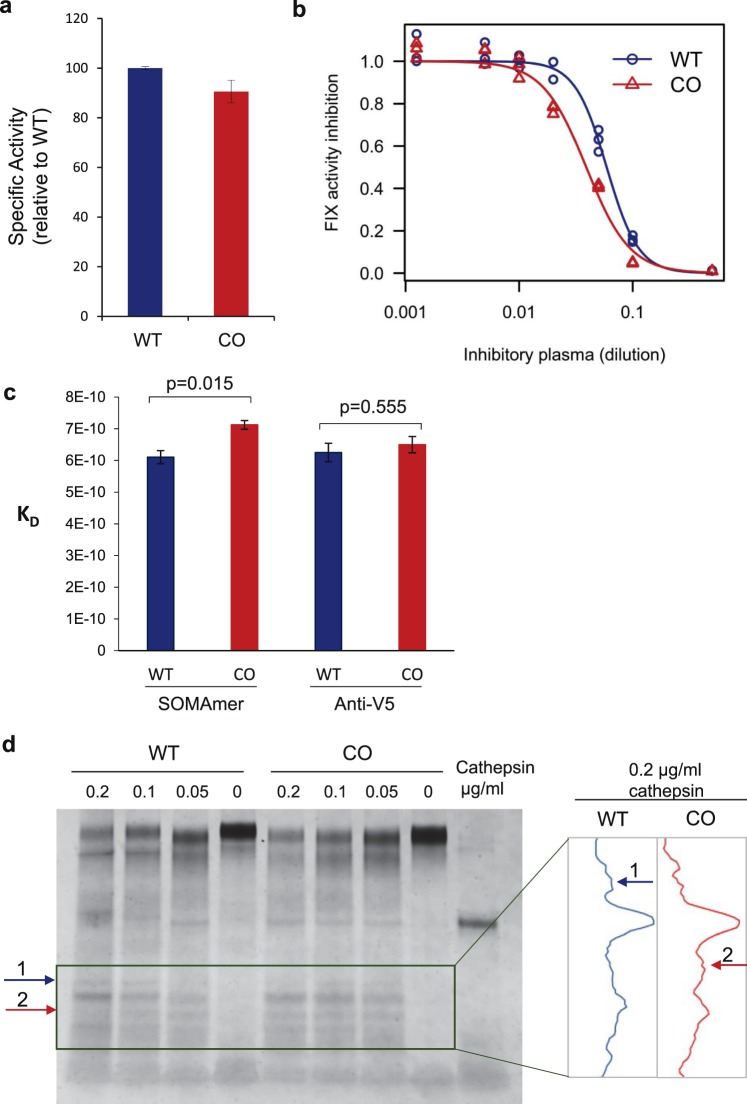
“Arrow (2) points to a band that is absent from the WT (cathepsin 0.”
BackgroundSolving the riddle of codon usage preferences: a test for translational selection
Reis, M. D. (2004) · Nucleic Acids Research · doi:10.1093/nar/gkh834 · Cited by 755
Cited by
mRNA-based therapeutics: powerful and versatile tools to combat diseases
Qin, S., Tang, X., Chen, Y., Chen, K., Fan, N., Xiao, W., Zheng, Q., Li, G., Teng, Y., Wu, M., et al. (2022) · Signal Transduction and Targeted Therapy · doi:10.1038/s41392-022-01007-w · Cited by 771
mRNA-based cancer therapeutics
Liu, C., Shi, Q., Huang, X., Koo, S., Kong, N., & Tao, W. (2023) · Nature Reviews Cancer · doi:10.1038/s41568-023-00586-2 · Cited by 500
A code within the genetic code: codon usage regulates co-translational protein folding
Liu, Y. (2020) · Cell Communication and Signaling · doi:10.1186/s12964-020-00642-6 · Cited by 252
“More recently, codon usage optimization of the coagulation factor IX and a single SNP of the ADAMTS13 has been shown to affect protein folding or activity [82, 83].”
Synonymous but Not Silent: The Codon Usage Code for Gene Expression and Protein Folding
Liu, Y., Yang, Q., & Zhao, F. (2021) · Annual Review of Biochemistry · doi:10.1146/annurev-biochem-071320-112701 · Cited by 241
Nanomedicines to Deliver mRNA: State of the Art and Future Perspectives
Gómez-Aguado, I., Rodríguez-Castejón, J., Vicente-Pascual, M., Rodríguez-Gascón, A., Solinís, M. Á., & del Pozo-Rodríguez, A. (2020) · Nanomaterials · doi:10.3390/nano10020364 · Cited by 223
“Additionally, since most amino acids are encoded by different synonymous codons, codon optimization strategies have been developed to improve the cost efficiency of recombinant protein production [39].”
BackgroundChallenges Posed by Immune Responses to AAV Vectors: Addressing Root Causes
Hamilton, B. A., & Wright, J. F. (2021) · Frontiers in Immunology · doi:10.3389/fimmu.2021.675897 · Cited by 117
Monahan, P. E., Négrier, C., Tarantino, M., Valentino, L. A., & Mingozzi, F. (2021) · Journal of Clinical Medicine · doi:10.3390/jcm10112471 · Cited by 85
Kames, J. M., Alexaki, A., Holcomb, D. D., Santana-Quintero, L. V., Athey, J. C., Hamasaki‐Katagiri, N., Katneni, U., Golikov, A., Ibla, J. C., Bar, H., et al. (2020) · Journal of Molecular Biology · doi:10.1016/j.jmb.2020.01.011 · Cited by 81
Self-citationCodon-optimization in gene therapy: promises, prospects and challenges
Paremskaia, A. I., Kogan, A. A., Murashkina, A., Naumova, D. A., Satish, A., Abramov, I. S., Feoktistova, S. G., Mityaeva, O. N., Deviatkin, A. A., & Volchkov, P. (2024) · Frontiers in Bioengineering and Biotechnology · doi:10.3389/fbioe.2024.1371596 · Cited by 79
The Effects of Codon Usage on Protein Structure and Folding
Moss, M. J., Chamness, L. M., & Clark, P. L. (2023) · Annual Review of Biophysics · doi:10.1146/annurev-biophys-030722-020555 · Cited by 75
mRNA, a Revolution in Biomedicine
Baptista, B., Carapito, R., Laroui, N., Pichon, C., & de Sousa, F. P. (2021) · Pharmaceutics · doi:10.3390/pharmaceutics13122090 · Cited by 67
mRNA therapies: Pioneering a new era in rare genetic disease treatment
Shen, G., Liu, J., Yang, H., Xie, N., & Yang, Y. (2024) · Journal of Controlled Release · doi:10.1016/j.jconrel.2024.03.056 · Cited by 63
A versatile toolkit for overcoming AAV immunity
Li, X., Wei, X., Lin, J., & Ou, L. (2022) · Frontiers in Immunology · doi:10.3389/fimmu.2022.991832 · Cited by 57
Kraemer, S., Schneider, D. J., Paterson, C., Perry, D., Westacott, M. J., Hagar, Y., Katilius, E., Lynch, S. A., Russell, T. M., Johnson, T., et al. (2024) · Journal of Proteome Research · doi:10.1021/acs.jproteome.4c00411 · Cited by 57
Discussing investigational AAV gene therapy with hemophilia patients: A guide
Sidonio, R. F., Pipe, S. W., Callaghan, M. U., Valentino, L. A., Monahan, P. E., & Croteau, S. E. (2020) · Blood Reviews · doi:10.1016/j.blre.2020.100759 · Cited by 54
Engineered mRNA Delivery Systems for Biomedical Applications
Wang, J., Zhu, H., Gan, J., Liang, G., Li, L., & Zhao, Y. (2024) · Advanced Materials · doi:10.1002/adma.202308029 · Cited by 50
Lyu, X., & Liu, Y. (2020) · mBio · doi:10.1128/mbio.02605-20 · Cited by 48
Meyer, D., Kames, J. M., Bar, H., Komar, A. A., Alexaki, A., Ibla, J. C., Hunt, R., Santana-Quintero, L. V., Golikov, A., DiCuccio, M. N., et al. (2021) · Genome Medicine · doi:10.1186/s13073-021-00935-6 · Cited by 36
Self-citationUsing protein-per-mRNA differences among human tissues in codon optimization
Hernandez‐Alias, X., Benisty, H., Radusky, L., Serrano, L., & Schaefer, M. H. (2023) · Genome biology · doi:10.1186/s13059-023-02868-2 · Cited by 35
A Code Within a Code: How Codons Fine-Tune Protein Folding in the Cell
Komar, A. A. (2021) · Biochemistry (Moscow) · doi:10.1134/s0006297921080083 · Cited by 32
Self-citationA Single Synonymous Variant (c.354G>A [p.P118P]) in ADAMTS13 Confers Enhanced Specific Activity
Hunt, R., Hettiarachchi, G. K., Katneni, U., Hernandez, N. E., Holcomb, D. D., Kames, J. M., Alnifaidy, R., Lin, B., Hamasaki‐Katagiri, N., Wesley, A., et al. (2019) · International Journal of Molecular Sciences · doi:10.3390/ijms20225734 · Cited by 26
Self-citationAdvances in viral vector-based delivery systems for gene therapy: a comprehensive review
Singh, K., Jain, D., Sethi, P., Gupta, J. K., Dubey, A., Noman, A. A., lal, S., Sharma, P., & Abdallah, E. M. (2025) · 3 Biotech · doi:10.1007/s13205-025-04366-7 · Cited by 24
“Certain transgenic expression cassettes have been specifically engineered to reduce the recognition of the viral genome by Toll-like receptor 9 (TLR9), hence preventing the activation of innate immune system responses (Li and Samulski 2020; Mauro and Chappell 2014; Alexaki et al. 2019).”
Fan, C., Zhan, Z., Zhang, X., Lou, Q., Guo, N., Su, M., Gao, Y., Qin, M., Wu, L., Huang, W., et al. (2022) · Archives of Toxicology · doi:10.1007/s00204-022-03279-1 · Cited by 24
“Some studies showed that synonymous variants within coding regions may influence protein expression and functionality of proteins (Alexaki et al. 2019; Hunt et al. 2019), because codon usage links to protein translation accuracy and efficienc y(Kramer et al.”
BackgroundLin, B. C., Kaissarian, N. M., & Kimchi‐Sarfaty, C. (2022) · Trends in Pharmacological Sciences · doi:10.1016/j.tips.2022.09.008 · Cited by 22
Self-citationYunn, N.-O., Park, M., Park, S., Lee, J., Noh, J., Shin, E., & Ryu, S. H. (2021) · Nucleic Acids Research · doi:10.1093/nar/gkaa1247 · Cited by 21
Schneider, D. J., Lynch, S. A., Gelinas, A. D., Ostroff, R. M., Rohloff, J. C., Williams, P., Janjić, N., & Drolet, D. W. (2022) · Elsevier eBooks · doi:10.1016/b978-0-12-821595-1.00007-5 · Cited by 20
Self-citationmRNA therapeutics for disease therapy: principles, delivery, and clinical translation
Zhou, D., Wang, K., Zhang, Y., Ma, K., Yang, X., Li, Z.-Y., Yu, S., Chen, K., & Qiao, S. (2023) · Journal of Materials Chemistry B · doi:10.1039/d2tb02782h · Cited by 19
Structural, functional, and immunogenicity implications of F9 gene recoding
Katneni, U., Alexaki, A., Hunt, R., Hamasaki‐Katagiri, N., Hettiarachchi, G. K., Kames, J. M., McGill, J. R., Holcomb, D. D., Athey, J. C., Lin, B., et al. (2022) · Blood Advances · doi:10.1182/bloodadvances.2022007094 · Cited by 19
“Previously, we showed that one type of recoding of coagulation factor IX (FIX) gene, F9, resulted in increased expression but led to altered conformation of FIX, potentially due to changes in local translation kinetics.(26) It is plausible that conformational changes could affect proteolytic cleavage of the protein an…”
BackgroundMethodSelf-citationBlood coagulation factor IX: structural insights impacting hemophilia B therapy
Bos, M. H. A., van Diest, R. E., & Monroe, D. M. (2024) · Blood · doi:10.1182/blood.2023023276 · Cited by 18
Self-citationImmunogenicity of Protein Therapeutics: A Lymph Node Perspective
Fu, K., March, K., Alexaki, A., Fabozzi, G., Moysi, E., & Petrovas, C. (2020) · Frontiers in Immunology · doi:10.3389/fimmu.2020.00791 · Cited by 18
“It has been proposed that even codon usage of the recombinant protein may affect protein conformation and modulate immunogenicity (45).”
BackgroundSelf-citationRavi, S., Sharma, T., Yip, M., Yang, H., Xie, J., Gao, G., & Tai, P. W. L. (2025) · Nucleic Acids Research · doi:10.1093/nar/gkaf233 · Cited by 17
“One metric that evaluates this feature is known as the ENcp [ 70 ].”
Foley, J. H., Shehu, E., Riddell, A. F., Gray, E., Goodale, A., Yu, I.-M., Verhoef, D., Little, J., Shattock, D., Kitchen, S., et al. (2023) · Blood Advances · doi:10.1182/bloodadvances.2022007435 · Cited by 17
Modified aptamers as reagents to characterize recombinant human erythropoietin products
Jankowski, W., Lagassé, H. A. D., Chang, W. C., McGill, J. R., Jankowska, K. I., Gelinas, A. D., Janjić, N., & Sauna, Z. E. (2020) · Scientific Reports · doi:10.1038/s41598-020-75713-2 · Cited by 13
Self-citationRNA-based therapies in hepatocellular carcinoma: state of the art and clinical perspectives
Xing, L., Wang, Z., Li, D., Li, J., & Liu, M. (2024) · Hepatoma Research · doi:10.20517/2394-5079.2024.25 · Cited by 11
Astermark, J., Miesbach, W., Coppens, M., Gielen, S., Twisk, J., Dolmetsch, R. E., Verweij, S., Monahan, P. E., Ewenstein, B. M., Nuthalapati, S., et al. (2025) · Haemophilia · doi:10.1111/hae.70053 · Cited by 9
“This finding is also consistent with previously published findings from other FIX Padua gene therapy studies, further suggesting that theoretical differences in FIX protein structure resulting from this amino acid sequence variant do not materially contribute to the assay discrepancies [13, 33].”
Gatina, D. Z., Garanina, E. E., Zhuravleva, M. N., Synbulatova, G. E., Mullakhmetova, A. F., Solovyeva, V. V., Kiyasov, A. P., Rutland, C. S., Rizvanov, A. A., & Salafutdinov, I. I. (2021) · International Journal of Molecular Sciences · doi:10.3390/ijms22115922 · Cited by 8
“Simultaneously, alternative data are accumulating, and indicating the negative effect of codon optimization on the translation and structure of the synthesized protein [83], which introduces one more variable that must be taken into account when creating effective, optimized gene therapy systems.”
BackgroundSingle Nucleotide Polymorphisms: Human Variation and a Coming Revolution in Biology and Medicine
(2022) · Springer eBooks · doi:10.1007/978-3-031-05616-1 · Cited by 6
Regulation of translation elongation and integrated stress response in heat-shocked neurons
Seluzicki, C. M., Razavi-Mohseni, M., Türker, F., Patel, P., Hua, B., Beer, M., Goff, L. A., & Margolis, S. S. (2025) · Cell Reports · doi:10.1016/j.celrep.2025.115639 · Cited by 8
Ribosome profiling of HEK293T cells overexpressing codon optimized coagulation factor IX
Alexaki, A., Kames, J. M., Hettiarachchi, G. K., Athey, J. C., Katneni, U., Hunt, R., Hamasaki‐Katagiri, N., Holcomb, D. D., DiCuccio, M. N., Bar, H., et al. (2020) · F1000Research · doi:10.12688/f1000research.22400.1 · Cited by 6
Self-citationCodon Optimization and Converting DNA Sequence into Protein Sequence using Deep Neural Networks
Tarakaram, Y., Mounika, Y., Prasanna, Y. L., & Singh, T. (2021) · International Conference on Computing, Communication and Networking Technologies (ICCCNT) · doi:10.1109/icccnt51525.2021.9579606 · Cited by 5
Activated GDF11/8 subforms predict cardiovascular events and mortality in humans
Walker, R. G., Kato, T., Ben Driss, L., Williams, S. A., Hinterberg, M. A., Janjic, N., Gelinas, A. D., Carpenter, M. A., Kattamuri, C., Walter, J. E., et al. (2025) · Nature Communications · doi:10.1038/s41467-025-61815-w · Cited by 4
Self-citationVoza, F. A., Byrne, B. J., Ortiz, Y. Y., Li, Y., Le, N., Osafo, L., Ribieras, A. J., Shao, H., Huerta, C. T., Wei, Y., et al. (2024) · Annals of Surgery · doi:10.1097/sla.0000000000006436 · Cited by 4
“37,38 Nevertheless, while the safety, potency, and functionality of a novel human CO construct for gene therapy currently in clinical trials was demonstrated, codon optimization does not always guarantee improved protein functionality.”
BackgroundAl‐Adeeb, A., Aqeel, S. M., Al-Jaberi, H., Gu, Q., Jiang, S., Ma, S., & Yu, X. (2025) · Preparative Biochemistry & Biotechnology · doi:10.1080/10826068.2025.2484596 · Cited by 3
“[40] The process of codon optimization has been effectively utilized to improve the expression of SOD1 in P. pastoris , leading to higher production and activity of the protein.”
An Optimized Purification Design for Extracting Active ADAMTS13 from Conditioned Media
Jankowska, K. I., Katneni, U., Lin, B., Amarasinghe, R., Phue, J., Wu, W. W., Hamasaki‐Katagiri, N., Jankowski, W., Shen, R., & Kimchi‐Sarfaty, C. (2022) · Processes · doi:10.3390/pr10020322 · Cited by 3
Self-citationIntronization enhances expression of S-protein and other transgenes challenged by cryptic splicingPreprint
Tomberg, K., Antunes, L., Pan, Y., Hepkema, J., Garyfallos, D. A., Mahfouz, A. E., & Bradley, A. (2021) · bioRxiv (Cold Spring Harbor Laboratory) · doi:10.1101/2021.09.15.460454 · Cited by 3
“Although codon optimization is now a standard tool used in recombinant protein expression systems to increase expression, potential downsides affecting protein structure and function have also been raised (6, 7).”
MethodClement, N. J., Hamasaki‐Katagiri, N., Lin, B., Komar, A. A., DiCuccio, M. N., Bar, H., & Kimchi‐Sarfaty, C. (2025) · NAR Genomics and Bioinformatics · doi:10.1093/nargab/lqaf169 · Cited by 2
Self-citationSenthilkumar, M. B., Sharma, S., Srinivasan, N., Varghese, A., Sarangi, P., Singh, V., Kumar, N., Yenurkar, D., Mukherjee, S., Amit, S., et al. (2026) · Journal of Cellular and Molecular Medicine · doi:10.1111/jcmm.71078 · Cited by 2
“Furthermore, to maximise transgene expression and overcome limitations such as codon bias and the availability of cognate tRNAs affecting translational efficiency, codon-optimisation of the microdystrophin (CoμDys) transgene was carried out for the optimal expression in human skeletal muscles [22].”
Methods to Evaluate the Effects of Synonymous Variants
Lin, B. C., Jankowska, K. I., Meyer, D., & Katneni, U. (2022) · Springer eBooks · doi:10.1007/978-3-031-05616-1_7 · Cited by 2
Self-citationTriggiani, D., Demurtas, O. C., Illiano, E., Massa, S., Pasquo, A., Dionisi‐Vici, C., Marino, C., Giuliano, G., & Franconi, R. (2024) · Protein and Peptide Letters · doi:10.2174/0109298665307430240628063339 · Cited by 2
ARCADE: Controllable Codon Design from Foundation Models via Activation EngineeringPreprint
Li, J., Lai, H.-S., Liang, L., Du, S., Tang, S., & Kingsford, C. (2025) · bioRxiv (Cold Spring Harbor Laboratory) · doi:10.1101/2025.08.19.668819 · Cited by 2
Kaissarian, N. M., Sandefur, S. L., Ghosh, A., Katneni, U., Walton, W. J., Frye, C. C., Komar, A. A., & Kimchi‐Sarfaty, C. (2025) · Bioengineering & Translational Medicine · doi:10.1002/btm2.10750 · Cited by 1
“18 For example, synonymous recoding of blood coagulation Factor IX has been shown to alter protein conformation and immunogenicity 19,20 thus raising efficacy and safety concerns.”
Self-citationDeep learning decodes species-specific codon usage signatures in Brassica from coding sequences
Shahzad, A., Arfan, M., & Khalid, N. (2025) · Scientific Reports · doi:10.1038/s41598-025-18814-0 · Cited by 1
“Future studies should investigate whether specific codon groups drive classification accuracy, potentially revealing functionally important genomic features 80 .”
Adeno-associated virus-induced neurotoxicity is prevented by CpG depletion
Dunn, C. E., Carvajal, B. V., Ma, J., Castaneda-Hernandez, G., Nguyen, A. V., Jung, C., Suriano, C. M., & Boulanger, L. M. (2026) · Molecular Therapy Advances · doi:10.1016/j.omta.2026.201703 · Cited by 1
“55,62 Second, in our virus, all CpGs in the intronic and transgene regions were eliminated.”
InfluentialChang, T. Z., Ma, W., Guo, J., Hu, J., Mix, K. A., Tang, Y., Wong, K., Bric-Furlong, E., Lennon, A., Hall, B. E., et al. (2026) · Frontiers in Bioengineering and Biotechnology · doi:10.3389/fbioe.2026.1783067 · Cited by 1
Brindhaa, R., Pathak, N., & Kohila, V. (2026) · International Immunopharmacology · doi:10.1016/j.intimp.2026.116615 · Cited by 1
Amaral, A. C. S., Grubor, B., Gianni, D., Koetzner, L., Abraham, N., Bourque, S., Brown, D. C., Chen, Y., Chicoine, K.-E., Clarner, P., et al. (2026) · Molecular Therapy Advances · doi:10.1016/j.omta.2026.201779 · Cited by 1
“53 Taken together, the combination of lysosomal enzyme along with codon optimization may explain some of the adverse findings described in this study that were not seen in other reports.”
Jankowska, K. I., Katneni, U., Lin, B., Brenner, H. M., Amarasinghe, R., Padhiar, N. H., Dopler, P., Hamasaki‐Katagiri, N., Wu, W. W., Zhu, H., et al. (2026) · Trends in biotechnology · doi:10.1016/j.tibtech.2026.09.003 · Cited by 1
Self-citationmRNA Vaccine: Determinants of Clinical Efficacy, and Optimization of Pharmacological Effects
Ohanube, G. A. K., & Obeta, U. M. (2021) · International Journal of Pharmaceutical and Phytopharmacological Research · doi:10.51847/175q0zatao · Cited by 1
Codon Optimality Modulates Cellular Stress and Innate Immune Responses Triggered by Exogenous RNAs
Seephetdee, C., Bejar, N., Castillo, K., Chau, E. P., Nguyen, T. Y., Godin, B., & Kiss, D. (2026) · Journal of Molecular Biology · doi:10.1016/j.jmb.2026.169995 · Cited by 1
Assessing Codon Language Models for Context-Aware Codon Optimization in Nucleic Acid-Based MedicinesPreprint
Toneyan, S., Scholz, K., Donno, C. D., Noack, F., Ausländer, S., Cijsouw, T., & Payne, J. L. (2026) · bioRxiv (Cold Spring Harbor Laboratory) · doi:10.64898/2026.08.11.744178 · Cited by 1
Код внутри кода: как кодоны осуществляют тонкую настройку сворачивания белка в клетке
Komar, A. A. (2021) · Biochemistry (Moscow) · doi:10.31857/s0320972521080091
Self-citationMauro, V. P. (2022) · Springer eBooks · doi:10.1007/978-3-031-05616-1_10
Rodiansyah, A., Tan, M. I., & Nugrahapraja, H. (2023) · International Journal on Advanced Science Engineering and Information Technology · doi:10.18517/ijaseit.13.1.16754
Sağlık Bilimleri Araştırmaları: Temel Tıp-III
Çiçek, H., Cengiz, C., Ekim, H., Ekim, H., Korkmaz, O., Kurt, A. A., Ibrahim, B., & Akkitap, M. P. (2023) · Özgür Yayınları eBooks · doi:10.58830/ozgur.pub248
Acil Tıpta Liderlik: Türler, Modeller, Yaklaşımlar
Cengiz, C. (2023) · Özgür Yayınları eBooks · doi:10.58830/ozgur.pub248.c1156
Diyabetin Önlenmesinde ve Tedavisinde Akdeniz Diyetinin Rolü
Ekim, M., & Ekim, H. (2023) · Özgür Yayınları eBooks · doi:10.58830/ozgur.pub248.c1160
Korkmaz, O. (2023) · Özgür Yayınları eBooks · doi:10.58830/ozgur.pub248.c1158
Kurt, A. A., & Ibrahim, B. (2023) · Özgür Yayınları eBooks · doi:10.58830/ozgur.pub248.c1159
Kserostomi ile Yaşamak: Sorunlar ve Olası Çözümler
Akkitap, M. P. (2023) · Özgür Yayınları eBooks · doi:10.58830/ozgur.pub248.c1161
Atriyal Fibrilasyon Gelişmesinde Oksidatif Stresin Önemi
Ekim, M., & Ekim, H. (2023) · Özgür Yayınları eBooks · doi:10.58830/ozgur.pub248.c1157
An important consideration when expressing mAbs in Escherichia coli
Siegall, W. B., Lyon, R. B., & Kelman, Z. (2024) · Protein Expression and Purification · doi:10.1016/j.pep.2024.106499
String editing under pattern constraints
Barish, R. D., & Shibuya, T. (2024) · Theoretical Computer Science · doi:10.1016/j.tcs.2024.114889
Research Progress on mRNA Based Protein Replacement Therapy for Inborn Errors of Metabolism
李, 京. (2025) · Advances in Clinical Medicine · doi:10.12677/acm.2025.154899
A plant secretory sequence enhances immunogenicity of electroporated COVID-19 DNA vaccines
Demurtas, O. C., Novelli, F., Triggiani, D., Merla, C., Pasquali, E., Massa, S., Franconi, R., & Pioli, C. (2025) · Frontiers in Medical Technology · doi:10.3389/fmedt.2025.1597179
Tavakoli, S., Karizi, S. Z., & Amani, J. (2025) · Protein Expression and Purification · doi:10.1016/j.pep.2025.106829
Meyer, D., Kames, J. M., Bar, H., Komar, A. A., Alexaki, A., Ibla, J. C., Hunt, R., Santana-Quintero, L. V., Golikov, A., DiCuccio, M. N., et al. (2021) · Figshare · doi:10.6084/m9.figshare.15071380
Self-citationAdditional file 8 of Using protein-per-mRNA differences among human tissues in codon optimization
Hernandez-Alias, X., Benisty, H., Radusky, L., Serrano, L., & Schaefer, M. H. (2023) · Figshare · doi:10.6084/m9.figshare.22609391
Additional file 1 of Using protein-per-mRNA differences among human tissues in codon optimization
Hernandez‐Alias, X., Benisty, H., Radusky, L., Serrano, L., & Schaefer, M. H. (2023) · Figshare · doi:10.6084/m9.figshare.22609367
Liver directed lentiviral gene therapy for ARC syndrome
Cozmescu, A. C. (2023) · UCL Discovery (University College London)
Endosomal escape of RNA therapeutics
Du Rietz, H. (2024) · Lund University Publications (Lund University)
Programming the translational landscape for predictable gene expression
Yan, W., Hu, G., Liu, K., Liang, G., Gao, C., Li, X., & Wu, J. (2026) · Biotechnology Advances · doi:10.1016/j.biotechadv.2026.108950
Heterologous expression, purification and characterization of bromelain from md2 pineapple
Razali, R. (2020) · UMS Institutional Repository (Universiti Malaysia Sabah)
Synonymous Gene Recoding Affects the Accuracy of Protein Quantification Measurements
Kaissarian, N. M., Padhiar, N. H., Clement, N., Wu, W. W., Katneni, U., Komar, A. A., & Kimchi‐Sarfaty, C. (2026) · The AAPS Journal · doi:10.1208/s12248-026-01310-2
“An unintended consequence of synonymous gene recoding is changes to the protein structure and post-translational modifications (PTMs) (9, 10).”
Self-citationLee, K., Park, J.-Y., & Kim, C.-U. (2026) · Molecular Therapy — Nucleic Acids · doi:10.1016/j.omtn.2026.103140
Codon optimization as a design variable in biotherapeutics
Jankowska, K. I., Katneni, U., Stauft, C. B., & Kimchi‐Sarfaty, C. (2026) · Trends in biotechnology · doi:10.1016/j.tibtech.2026.10.001
Self-citation
Metadata
- Authors
- Alexaki, A., Hettiarachchi, G. K., Athey, J. C., Katneni, U. K., Simhadri, V., Hamasaki-Katagiri, N., Nanavaty, P., Lin, B., Takeda, K., Freedberg, D., Monroe, D., McGill, J. R., Peters, R., Kames, J. M., Holcomb, D. D., Hunt, R. C., Sauna, Z. E., Gelinas, A., Janjic, N., DiCuccio, M., Bar, H., Komar, A. A., & Kimchi-Sarfaty, C.
- Affiliations
- Center for Biologics Evaluation and Research (US)
- Cleveland State University (US)
- University of North Carolina at Chapel Hill (US)
- SomaLogic (United States) (US)
- National Institutes of Health (US)
- University of Connecticut (US)
- ORCID
- Venue
- Scientific Reports
- Published
- 2019-10-29
- Volume
- 9
- Issue
- 1
- Pages
- 15449-15449
- ISSN
- 2045-2322 (ISSN-L)
- PMC
- PMC6820528
- OpenAlex
- W2982639824
- Cited by
- 78
- References
- 72
- Citations by year
- 2026: 8 · 2025: 13 · 2024: 9 · 2023: 15 · 2022: 11 · 2021: 12 · 2020: 9 · 2019: 1
- FWCI
- 2.73
- Type
- journal article
- Language
- en
- Open access
- gold
- doi.org
- Licence
- cc-by
- creativecommons.org/licenses/by/4.0 (tdm)
- creativecommons.org/licenses/by/4.0 (vor)
- Locations
- Scientific Reports (publishedVersion, cc-by)
- Europe PMC (PubMed Central) (publishedVersion, cc-by)
- PubMed Central (publishedVersion, cc-by)
- PubMed (publishedVersion)
- OSTI OAI (U.S. Department of Energy Office of Scientific and Technical Information) (submittedVersion)
- DOAJ (DOAJ: Directory of Open Access Journals) (submittedVersion)
- Funders
- U.S. Department of Health & Human Services | NIH | Office of Extramural Research, National Institutes of Health (HL121779)
- U.S. Department of Health & Human Services | U.S. Food and Drug Administration
- Topics
- Life Sciences › Biochemistry, Genetics and Molecular Biology › Molecular Biology › RNA and protein synthesis mechanisms
- Health Sciences › Medicine › Hematology › Hemophilia Treatment and Research
- Life Sciences › Biochemistry, Genetics and Molecular Biology › Molecular Biology › Viral Infectious Diseases and Gene Expression in Insects
- Keywords
- codon optimization, codon usage bias, coagulation factor IX, synonymous codons, protein conformation, ribosome profiling, recombinant protein expression, gene therapy, HEK293T cells
- MeSH terms
- Codon, Factor IX, Genetic Code, Humans, Protein Conformation, Protein Biosynthesis, Genetic Therapy, HEK293 Cells
About these checks
Registry, retraction, Cites and statistics results are computed, not judged, with one exception: a printed reference that no index lists is read once by a model before it counts as a citation error. Claims are extracted by a model and kept only when their quote appears verbatim in the text; each cited source is then checked, with a model’s help, for whether it says what the claim relies on. Those verdicts can be wrong — read the claim’s quote and the cited source before relying on one.
Statistics and arithmetic are recomputed, not judged.
Confidence bands are shown only for fields calibrated on our annotated test set. None is calibrated yet, so no band is shown.
What counts as a claim ›How we measure confidence ›How we check this ›
Are you an author, or do you see a problem with this page? Request a review
Data sources
Bibliographic data: Semantic Scholar, OpenAlex, Crossref.
Contains information from the Semantic Scholar Academic Graph Datasets, made available under the ODC Attribution License (ODC-BY 1.0).
Semantic Scholar’s data is described in: Kinney, R., et al. (2023). The Semantic Scholar Open Data Platform. arXiv:2301.10140.
