

The DOI matches its Crossref record; 88 of the 88 references it cites were found in a registry or an index.
Comparative temporal metabolomics studies to investigate interspecies variation in three Ocimum species
Open accessAbstract
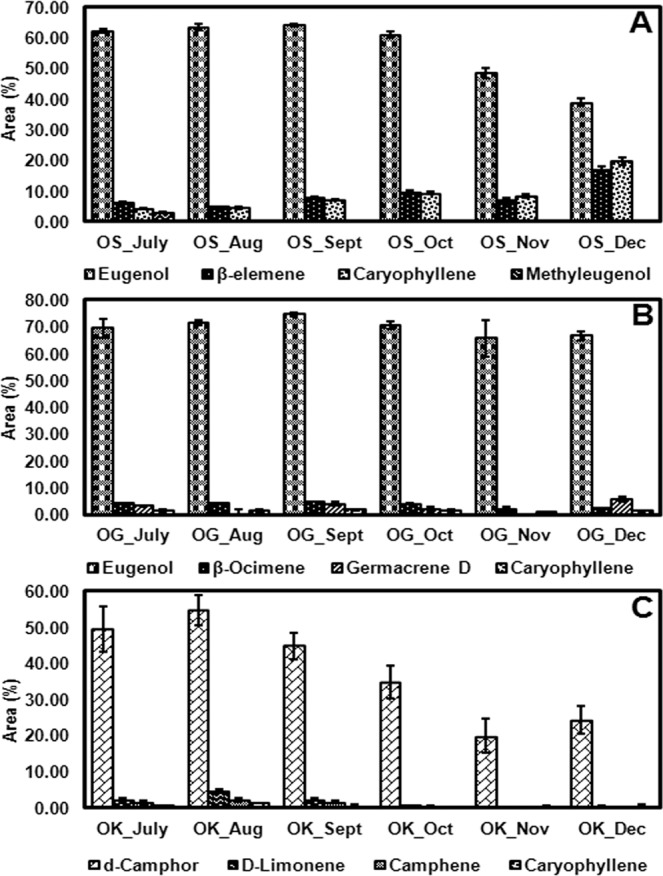
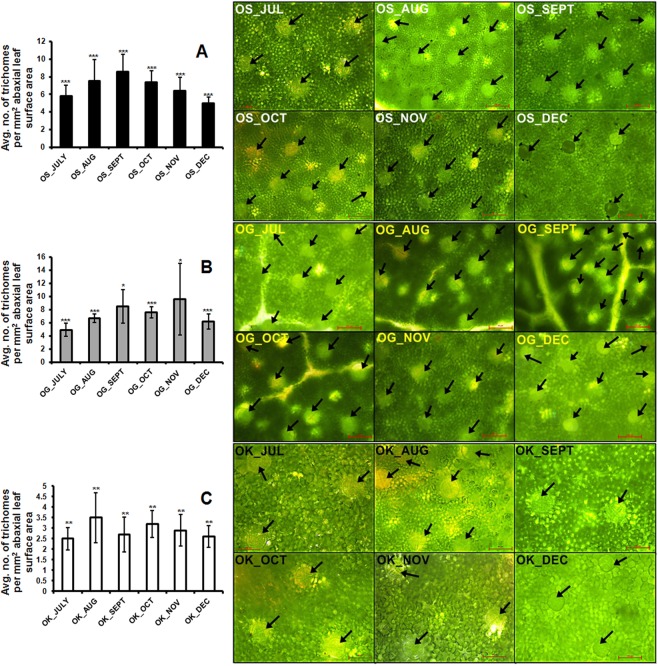
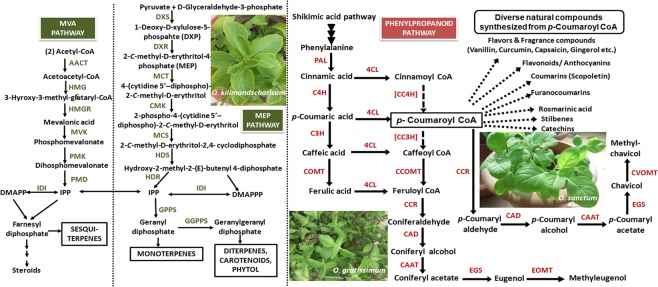
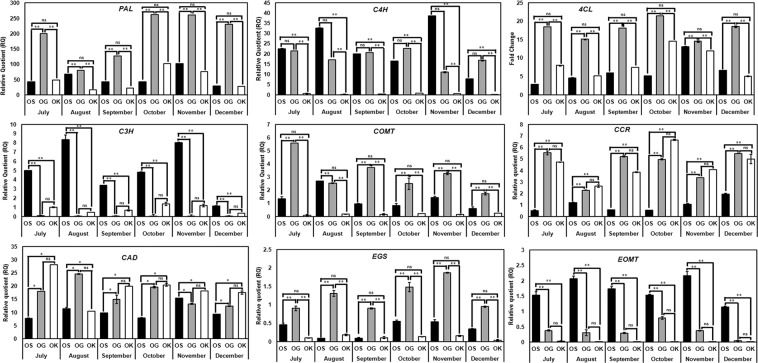
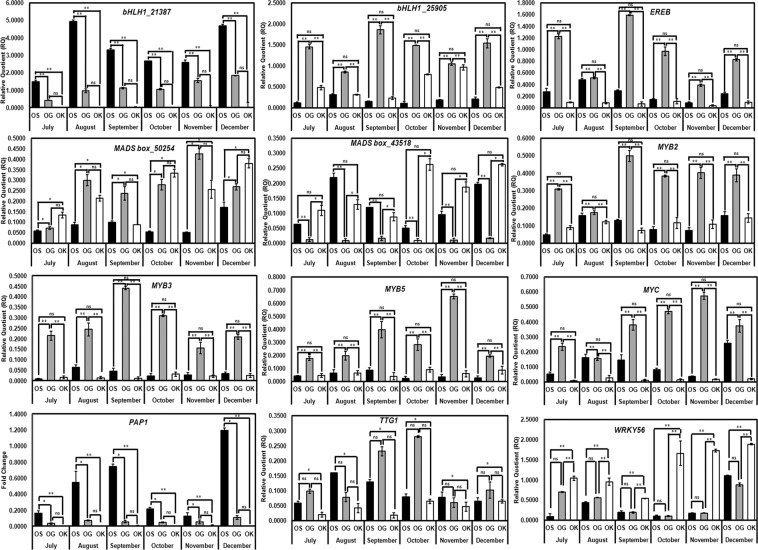
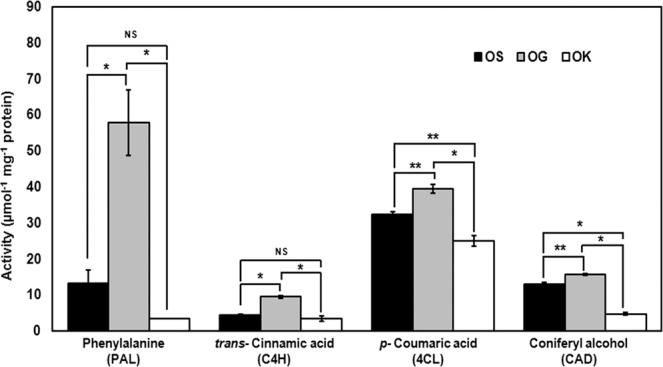
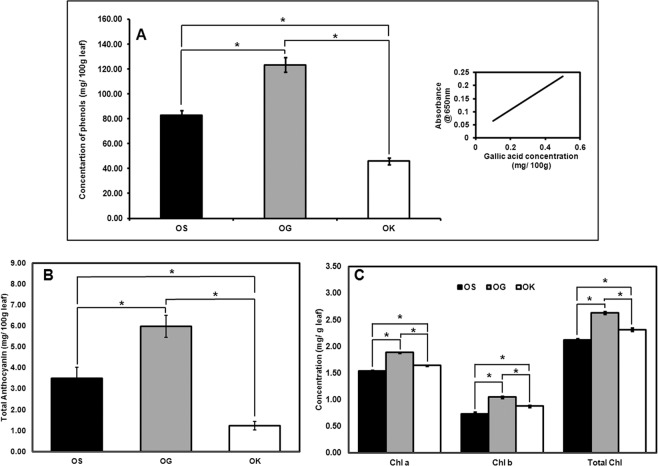
Ocimum is one of the most revered medicinally useful plants which have various species. Each of the species is distinct in terms of metabolite composition as well as the medicinal property. Some basil types are used more often as an aromatic and flavoring ingredient. It would be informative to know relatedness among the species which though belong to the same genera while exclusively different in terms of metabolic composition and the operating pathways. In the present investigation the similar effort has been made in order to differentiate three commonly occurring Ocimum species having the high medicinal value, these are Ocimum sanctum, O. gratissimum and O. kilimandscharicum. The parameters for the comparative analysis of these three Ocimum species comprised of temporal changes in number leaf trichomes, essential oil composition, phenylpropanoid pathway genes expression and the activity of important enzymes. O. gratissimum was found to be richest in phenylpropanoid accumulation as well as their gene expression when compared to O. sanctum while O. kilimandscharicum was found to be accumulating terpenoid. In order to get an overview of this qualitative and quantitative regulation of terpenes and phenylpropenes, the expression pattern of some important transcription factors involved in secondary metabolism were also studied.
Overview
The claims and statistics of this paper haven’t been checked yet.
Run the check — free, no account needed. It reads the open-access text and checks the sources it cites.
Integrity signals
Registry
Cites
Statistics
Figures
Verification
Claims the paper makes
The claims and statistics of this paper haven’t been checked yet.
Run the check — free, no account needed. It reads the open-access text and checks the sources it cites.
Claims other papers make about this one
Each is checked against this paper’s own text: does it say what the citing paper says it does?
The source backs part of the claim, not all of it — or backs it for a different population, condition or comparison.
In the citing paper
“A significant number of studies have been devoted to describing Ocimum essential oils [21,29,30], but relatively few studies have been devoted to Ocimum leaves as there is a lack of a comprehensive and rapid fingerprinting approach [16,31,32].”
From Comprehensive Metabolomic Fingerprinting Combined with Chemometrics Identifies Species- and Variety-Specific Variation of Medicinal Herbs: An Ocimum Study (2023) · cites this paper as [30]
Experimental — accuracy not yet measured
Self-check
Percentages, sums and reported differences re-computed from the paper’s own numbers.
The self-check needs the paper’s full text.
Citations
Cites
Bradford, M. M. (1976) · Analytical Biochemistry · doi:10.1016/0003-2697(76)90527-3 · Cited by 255,302
Vogt, T. (2009) · Molecular Plant · doi:10.1093/mp/ssp106 · Cited by 3,100
Gonzalez, A., Zhao, M., Leavitt, J. M., & Lloyd, A. M. (2007) · The Plant Journal · doi:10.1111/j.1365-313x.2007.03373.x · Cited by 1,904
Flavonoids: a colorful model for the regulation and evolution of biochemical pathways
Koes, R. E., Verweij, W., & Quattrocchio, F. M. (2005) · Trends in Plant Science · doi:10.1016/j.tplants.2005.03.002 · Cited by 1,645
The phenylpropanoid pathway and plant defence—a genomics perspective
Dixon, R. A., Achnine, L., Kota, P., Liu, C., Reddy, M. S. S., & Wang, L. (2002) · Molecular Plant Pathology · doi:10.1046/j.1364-3703.2002.00131.x · Cited by 1,494
Evolutionary and comparative analysis of MYB and bHLH plant transcription factors
Feller, A., Machemer-Noonan, K., Braun, E. L., & Erich Grotewold, A. (2010) · The Plant Journal · doi:10.1111/j.1365-313x.2010.04459.x · Cited by 1,355
Biochemistry of Plant Volatiles
Dudareva, N., Pichersky, E., & Gershenzon, J. (2004) · PLANT PHYSIOLOGY · doi:10.1104/pp.104.049981 · Cited by 1,172
Allelopathy and Exotic Plant Invasion: From Molecules and Genes to Species Interactions
Bais, H. P., Vepachedu, R., Gilroy, S., Callaway, R. M., & Vivanco, J. M. (2003) · Science · doi:10.1126/science.1083245 · Cited by 1,152
Encyclopedia of Systems Biology
Dubitzky, W., Wolkenhauer, O., Yokota, H., & Cho, K. (2013) · Springer eBooks · doi:10.1007/978-1-4419-9863-7 · Cited by 886
Trichome diversity and development
Werker, E. (2000) · Advances in botanical research · doi:10.1016/s0065-2296(00)31005-9 · Cited by 734
A short history of MADS-box genes in plants
Theißen, G., Becker, A., Rosa, A. D., Kanno, A., Kim, J. T., Münster, T., Winter, K., & Saedler, H. (2000) · Springer eBooks · doi:10.1007/978-94-011-4221-2_6 · Cited by 676
Li, L., Zhao, Y. F., McCaig, B. C., Wingerd, B. A., Wang, J., Whalon, M. E., Pichersky, E., & Howe, G. A. (2004) · The Plant Cell · doi:10.1105/tpc.017954 · Cited by 668
Cheng, G. W., & Breen, P. J. (1991) · Journal of the American Society for Horticultural Science · doi:10.21273/jashs.116.5.865 · Cited by 658
A short history of MADS-box genes in plants
Theißen, G., Becker, A., Rosa, A. D., Kanno, A., Kim, J. T., Münster, T., Winter, K., & Saedler, H. (2000) · Plant Molecular Biology · doi:10.1023/a:1006332105728 · Cited by 632
Prakash, P., & Gupta, N. (2005) · PubMed · Cited by 549
Neff, M. M., & Chory, J. (1998) · PLANT PHYSIOLOGY · doi:10.1104/pp.118.1.27 · Cited by 536
An Investigation of the Storage and Biosynthesis of Phenylpropenes in Sweet Basil
Gang, D. R., Wang, J., Dudareva, N., Nam, K. H., Simon, J. E., Lewinsohn, E., & Pichersky, E. (2001) · PLANT PHYSIOLOGY · doi:10.1104/pp.125.2.539 · Cited by 506
Tulsi - Ocimum sanctum: A herb for all reasons
Cohen, M. M. (2014) · Journal of Ayurveda and Integrative Medicine · doi:10.4103/0975-9476.146554 · Cited by 485
Schoch, G., Goepfert, S., Morant, M., Hehn, A., Meyer, D., Ullmann, P., & Werck‐Reichhart, D. (2001) · Journal of Biological Chemistry · doi:10.1074/jbc.m104047200 · Cited by 464
Phenylalanine ammonia-lyase: Regulation of its induction, and its role in plant development
Jones, D. H. (1984) · Phytochemistry · doi:10.1016/s0031-9422(00)80465-3 · Cited by 404
Transcriptional Regulation of Plant Secondary MetabolismF
Yang, C., Fang, X., Wu, X., Mao, Y., Wang, L., & Chen, X. (2012) · Journal of Integrative Plant Biology · doi:10.1111/j.1744-7909.2012.01161.x · Cited by 397
Camera, S. L., Gouzerh, G., Dhondt‐Cordelier, S., Hoffmann, L., Fritig, B., Legrand, M., & Heitz, T. (2004) · Immunological Reviews · doi:10.1111/j.0105-2896.2004.0129.x · Cited by 344
Enfissi, E. M. A., Fraser, P. D., Lois, L. M., Boronat, A., Schuch, W., & Bramley, P. M. (2004) · Plant Biotechnology Journal · doi:10.1111/j.1467-7652.2004.00091.x · Cited by 329
Medicinal plants of East Africa. Kenya, Literature Bureau Nairobi
Kokwaro, J. (1990) · Cited by 329
A short history of MADS-box genes in plants.
Theißen, G., Becker, A., Rosa, A. D., Kanno, A., Kim, J. T., Münster, T., Winter, K.-U., & Saedler, H. (2000) · PubMed · Cited by 315
Lange, B. M., Wildung, M. R., Stauber, E. J., Sanchez, C., Pouchnik, D. J., & Croteau, R. (2000) · Proceedings of the National Academy of Sciences · doi:10.1073/pnas.97.6.2934 · Cited by 311
The ArabidopsisREF8 gene encodes the 3‐hydroxylase of phenylpropanoid metabolism
Franke, R. B., Humphreys, J. M., Hemm, M. R., Denault, J. W., Ruegger, M. O., Cusumano, J. C., & Chapple, C. C. S. (2002) · The Plant Journal · doi:10.1046/j.1365-313x.2002.01266.x · Cited by 309
Chabannes, M., Barakate, A., Lapierre, C., Marita, J. M., Ralph, J., Péan, M., Danoun, S., Halpin, C., Grima‐Pettenati, J., & Boudet, A. M. (2001) · The Plant Journal · doi:10.1046/j.1365-313x.2001.01140.x · Cited by 300
Lauvergeat, V., Lacomme, C., Lacombe, E., Lasserre, É., Roby, D., & Grima‐Pettenati, J. (2001) · Phytochemistry · doi:10.1016/s0031-9422(01)00053-x · Cited by 293
Logemann, E., Parniske, M., & Hahlbrock, K. (1995) · Proceedings of the National Academy of Sciences · doi:10.1073/pnas.92.13.5905 · Cited by 264
Iijima, Y., Davidovich‐Rikanati, R., Fridman, E., Gang, D. R., Bar, E., Lewinsohn, E., & Pichersky, E. (2004) · PLANT PHYSIOLOGY · doi:10.1104/pp.104.051318 · Cited by 262
Pourtau, N., Jennings, R., Pelzer, E., Pallas, J. A., & Wingler, A. (2006) · Planta · doi:10.1007/s00425-006-0243-y · Cited by 255
Development of Peltate Glandular Trichomes of Peppermint
Turner, G. W., Gershenzon, J., & Croteau, R. (2000) · PLANT PHYSIOLOGY · doi:10.1104/pp.124.2.665 · Cited by 255
Structure of limonene synthase, a simple model for terpenoid cyclase catalysis
Hyatt, D. C., Youn, B., Zhao, Y., Santhamma, B., Coates, R. M., Croteau, R., & Kang, C. (2007) · Proceedings of the National Academy of Sciences · doi:10.1073/pnas.0700915104 · Cited by 246
Developmental Regulation of Monoterpene Biosynthesis in the Glandular Trichomes of Peppermint
McConkey, M. E., Gershenzon, J., & Croteau, R. (2000) · PLANT PHYSIOLOGY · doi:10.1104/pp.122.1.215 · Cited by 246
Characterization of Phenylpropene O -Methyltransferases from Sweet Basil
Gang, D. R., Lavid, N., Zubieta, C., Chen, F., Beuerle, T., Lewinsohn, E., Noel, J. P., & Pichersky, E. (2002) · The Plant Cell · doi:10.1105/tpc.010327 · Cited by 243
Distribution of Peltate Glandular Trichomes on Developing Leaves of Peppermint
Turner, G. W., Gershenzon, J., & Croteau, R. (2000) · PLANT PHYSIOLOGY · doi:10.1104/pp.124.2.655 · Cited by 236
Lobo, R., Prabhu, K. S., Shirwaikar, A., & Shirwaikar, A. (2008) · Journal of Pharmacy and Pharmacology · doi:10.1211/jpp/61.01.0003 · Cited by 222
Bell-Lelong, D. A., Cusumano, J. C., Meyer, K., & Chapple, C. C. S. (1997) · PLANT PHYSIOLOGY · doi:10.1104/pp.113.3.729 · Cited by 221
Mizutani, M., Ohta, D., & Sato, R. (1997) · PLANT PHYSIOLOGY · doi:10.1104/pp.113.3.755 · Cited by 217
Oligopeptide elicitor-mediated defense gene activation in cultured parsley cells.
Hahlbrock, K., Scheel, D., Logemann, E., Nürnberger, T., Parniske, M., Reinold, S., Sacks, W. R., & Schmelzer, E. (1995) · Proceedings of the National Academy of Sciences · doi:10.1073/pnas.92.10.4150 · Cited by 216
Fridman, E., Wang, J., Iijima, Y., Froehlich, J. E., Gang, D. R., Ohlrogge, J. B., & Pichersky, E. (2005) · The Plant Cell · doi:10.1105/tpc.104.029736 · Cited by 189
Fu, C., Xiao, X., Xi, Y., Ge, Y., Chen, F., Bouton, J. H., Dixon, R. A., & Wang, Z. (2011) · BioEnergy Research · doi:10.1007/s12155-010-9109-z · Cited by 188
Lavania, U. C., Srivastava, S., Lavania, S., Basu, S., Misra, N. K., & Mukai, Y. (2012) · The Plant Journal · doi:10.1111/j.1365-313x.2012.05006.x · Cited by 184
McCaskill, D. G., & Croteau, R. (1995) · Planta · doi:10.1007/bf00239938 · Cited by 179
Muñoz‐Bertomeu, J., Arrillaga, I., Ros, R., & Segura, J. (2006) · PLANT PHYSIOLOGY · doi:10.1104/pp.106.086355 · Cited by 171
Ocimum gratissimum: A Review of its Chemical, Pharmacological and Ethnomedicinal Properties
Prabhu, K. S., Lobo, R., Shirwaikar, A., & Shirwaikar, A. (2009) · The Open Complementary Medicine Journal · doi:10.2174/1876391x00901010001 · Cited by 164
Mahmoud, S. S., & Croteau, R. (2003) · Proceedings of the National Academy of Sciences · doi:10.1073/pnas.2436325100 · Cited by 161
Ringer, K. L., Davis, E. M., & Croteau, R. (2005) · PLANT PHYSIOLOGY · doi:10.1104/pp.104.053298 · Cited by 150
Pinto‐Zevallos, D. M., Blande, J. D., Nykänen, R., Dong, W., Nerg, A., & Holopainen, J. K. (2007) · Journal of Chemical Ecology · doi:10.1007/s10886-007-9255-8 · Cited by 144
Spice phenolics inhibit human PMNL 5-lipoxygenase
Prasad, N. S., Raghavendra, R. H., Lokesh, B. R., & Naidu, K. A. (2004) · Prostaglandins Leukotrienes and Essential Fatty Acids · doi:10.1016/j.plefa.2003.11.006 · Cited by 141
Changes in Leaf Trichomes and Epicuticular Flavonoids during Leaf Development in Three Birch Taxa
Valkama, E. (2004) · Annals of Botany · doi:10.1093/aob/mch131 · Cited by 135
Yang, L., Ding, G., Lin, H., Cheng, H., Kong, Y., Wei, Y. K., Fang, X., Liu, R., Wang, L., Chen, X., et al. (2013) · PLoS ONE · doi:10.1371/journal.pone.0080464 · Cited by 133
Joshi, R. K. (2013) · Indian Journal of Pharmaceutical Sciences · doi:10.4103/0250-474x.119834 · Cited by 133
Carović‐Stanko, K., Liber, Z., Besendorfer, V., Javornik, B., Bohanec, B., Kolak, I., & Šatović, Z. (2009) · Plant Systematics and Evolution · doi:10.1007/s00606-009-0251-z · Cited by 127
De novo sequencing and comparative analysis of holy and sweet basil transcriptomes
Rastogi, S., Meena, S., Bhattacharya, A., Ghosh, S., Shukla, R. K., Sangwan, R. S., Lal, R. K., Gupta, M. M., Lavania, U. C., Gupta, V., et al. (2014) · BMC Genomics · doi:10.1186/1471-2164-15-588 · Cited by 123
Self-citationDynamic pathway allocation in early terpenoid biosynthesis of stress-induced lima bean leaves
Bartram, S., Jux, A., Gleixner, G., & Boland, W. (2006) · Phytochemistry · doi:10.1016/j.phytochem.2006.02.004 · Cited by 121
Gang, D. R., Beuerle, T., Ullmann, P., Werck‐Reichhart, D., & Pichersky, E. (2002) · PLANT PHYSIOLOGY · doi:10.1104/pp.007146 · Cited by 111
Proestos, C., & Komaitis, M. (2013) · Foods · doi:10.3390/foods2010090 · Cited by 108
Mahmoud, S. (2004) · Phytochemistry · doi:10.1016/j.phytochem.2004.01.005 · Cited by 106
Pan, H., Zhou, R., Louie, G. V., Mühlemann, J. K., Bomati, E. K., Bowman, M. E., Dudareva, N., Dixon, R. A., Noel, J. P., & Wang, X. (2014) · The Plant Cell · doi:10.1105/tpc.114.127399 · Cited by 105
Saito, K., & Yamazaki, M. (2002) · New Phytologist · doi:10.1046/j.1469-8137.2002.00440.x · Cited by 92
Transcriptional and Metabolic Analysis of Senescence Induced by Preventing Pollination in Maize
Sekhon, R. S., Childs, K. L., Santoro, N., Foster, C. E., Buell, C. R., de León, N., & Kaeppler, S. M. (2012) · PLANT PHYSIOLOGY · doi:10.1104/pp.112.199224 · Cited by 91
Regulation and Functional Expression of Cinnamate 4-Hydroxylase from Parsley
Koopmann, E., Logemann, E., & Hahlbrock, K. (1999) · PLANT PHYSIOLOGY · doi:10.1104/pp.119.1.49 · Cited by 90
Xu, F., Cai, R., Cheng, S., Du, H., Wang, Y., & Cheng, S. (2008) · AFRICAN JOURNAL OF BIOTECHNOLOGY · doi:10.5897/ajb2008.000-5022 · Cited by 86
Koeduka, T., Baiga, T. J., Noel, J. P., & Pichersky, E. (2008) · PLANT PHYSIOLOGY · doi:10.1104/pp.108.128066 · Cited by 84
4-Coumarate: CoA Ligase Partitions Metabolites for Eugenol Biosynthesis
Rastogi, S., Kumar, R., Chanotiya, C. S., Shanker, K., Gupta, M. M., Nagegowda, D. A., & Shasany, A. K. (2013) · Plant and Cell Physiology · doi:10.1093/pcp/pct073 · Cited by 76
Self-citationBatz, O., Logemann, E., Reinold, S., & Hahlbrock, K. (1998) · Biological Chemistry · doi:10.1515/bchm.1998.379.8-9.1127 · Cited by 71
Rastogi, S., Kalra, A., Gupta, V., Khan, F., Lal, R. K., Tripathi, A. K., Parameswaran, S., Gopalakrishnan, C., Ramaswamy, G., & Shasany, A. K. (2015) · BMC Genomics · doi:10.1186/s12864-015-1640-z · Cited by 70
Self-citationStrategies for bioengineering the development and metabolism of glandular tissues in plants
McCaskill, D. G., & Croteau, R. (1999) · Nature Biotechnology · doi:10.1038/5202 · Cited by 67
Behnam, S., Farzaneh, M., Ahmadzadeh, M., & Tehrani, A. S. (2006) · PubMed · Cited by 63
Qiu, J., Gao, F., Shen, G., Li, C., Han, X., Zhao, Q. L., Zhao, D., Hua, X., & Pang, Y. (2013) · PLoS ONE · doi:10.1371/journal.pone.0070665 · Cited by 60
Gairola, S., Naidoo, Y., Bhatt, A., & Nicholas, A. (2008) · Flora · doi:10.1016/j.flora.2008.04.002 · Cited by 59
Wu, C., Avila, C. A., & Goggin, F. L. (2014) · Journal of Experimental Botany · doi:10.1093/jxb/eru472 · Cited by 48
Bansal, S., Narnoliya, L. K., Mishra, B., Chandra, M., Yadav, R. K., & Sangwan, N. S. (2018) · Scientific Reports · doi:10.1038/s41598-017-17153-z · Cited by 45
The Significance of Secondary Metabolites for Interactions between Plants and Insects
Nahrstedt, A. (1989) · Planta Medica · doi:10.1055/s-2006-962023 · Cited by 38
Tozin, L. R. D. S., Marques, M. O. M., & Rodrigues, T. M. (2015) · Anais da Academia Brasileira de Ciências · doi:10.1590/0001-3765201520140376 · Cited by 35
Adebooye, O. C., Hunsche, M., Noga, G. J., & Lankes, C. (2012) · TURKISH JOURNAL OF BOTANY · doi:10.3906/bot-1107-8 · Cited by 33
Ocimum - Taxonomy, medicinal potentialities and economic value of essential oil.
Bhasin, M. (2012) · Cited by 33
Changes in fatty acid composition of lipid classes in developing mustard seed
Mukherjee, K. D., & Kiewitt, I. (1984) · Phytochemistry · doi:10.1016/s0031-9422(00)80331-3 · Cited by 31
OCIMUM KILIMANDSCHARICUM : A SYSTEMATIC REVIEW
Soni, N., Gill, D., Sagar, B. S., Raheja, S., & Agrawal, S. (2012) · Journal of Drug Delivery and Therapeutics · doi:10.22270/jddt.v2i3.169 · Cited by 31
Misra, A., Chanotiya, C. S., Gupta, M. M., Dwivedi, U. N., & Shasany, A. K. (2012) · Gene · doi:10.1016/j.gene.2012.09.015 · Cited by 24
Self-citationBose, R. B., & Choudhury, J. K. (1962) · Caryologia · doi:10.1080/00087114.1962.10796070 · Cited by 21
Phenylpropanoid Biosynthesis in Leaves and Glandular Trichomes of Basil (Ocimum basilicum L.)
Deschamps, C., & Simon, J. E. (2010) · Methods in molecular biology · doi:10.1007/978-1-60761-723-5_18 · Cited by 20
Gang, D. R., Simon, J. E., Lewinsohn, E., & Pichersky, E. (2002) · Journal of Herbs Spices & Medicinal Plants · doi:10.1300/j044v09n02_27 · Cited by 18
A new gene coding for p-coumarate 3-hydroxylase from Ginkgo biloba
Liu, X., Deng, Z., Gao, S., Sun, X., & Tang, K. (2008) · Russian Journal of Plant Physiology · doi:10.1134/s102144370801010x · Cited by 6
Comparative phylogenetic analysis of phenylpropanoid metabolism genes of legume plants
Kara, N. T., & Çakır, Ö. (2015) · Plant Omics · Cited by 6
Kalita, J., & Khan, M. L. (2013) · Cited by 6
Research works printed but not linked: 4
- Kalita, J. & Khan, M. L. Commercial potentialities of essential oil of Ocimum members growing in North East India. Int. J. Pharm. Life Sci. 4(4), 2559–2567 (2013).
- Lal, R. K. et al. High yielding eugenol rich oil producing variety of Ocimum sanctum-‘CIM-Ayu’. JMAPS 25, 746–747 (2003).
- Kashyap, C. P., Kaur, R., Arya, V. & Kumar, V. Therapeutic Potency of Ocimum kilimandscharicum Guerke - A Review. Glob. J. Pharm. 5(3), 191–200 (2011).
- Sadasivam, S. & Manickam, A. Biochemical methods. 2nd Edition, New age International, New Delhi (1996).
Cited by
Sorted by citations
Gurav, T. P., Dholakia, B. B., & Giri, A. P. (2022) · Phytochemistry Reviews · doi:10.1007/s11101-021-09767-z · Cited by 87
Promoting Human Nutrition and Health through Plant Metabolomics: Current Status and Challenges
Sun, W., Chen, Z., Hong, J., & Shi, J. (2020) · Biology · doi:10.3390/biology10010020 · Cited by 36
Kısa, D., İmamoğlu, R., Genç, N., Şahin, S., Qayyum, M. A., & Elmastaş, M. (2021) · Physiology and Molecular Biology of Plants · doi:10.1007/s12298-021-01068-1 · Cited by 34
Rai, A. K., Khan, S., Kumar, A., Dubey, B. K., Lal, R. K., Tiwari, A., Trivedi, P. K., Elliott, C. T., & Ch, R. (2023) · Metabolites · doi:10.3390/metabo13010122 · Cited by 33
“A significant number of studies have been devoted to describing Ocimum essential oils [21,29,30], but relatively few studies have been devoted to Ocimum leaves as there is a lack of a comprehensive and rapid fingerprinting approach [16,31,32].”
BackgroundSelf-citationSalvi, P., Kumar, G., Gandass, N., Kajal, Verma, A. K., Rajarammohan, S., Rai, N., & Gautam, V. (2022) · Agronomy · doi:10.3390/agronomy12030627 · Cited by 29
Metadata
- Authors
- Rastogi, S., Shah, S., Kumar, R., Kumar, A., & Shasany, A. K.
- Affiliations
- Siksha O Anusandhan University (IN)
- Central Institute of Medicinal and Aromatic Plants (IN)
- Corresponding author
- Shasany, Ajit Kumar
- Venue
- Scientific Reports
- Published
- 2020-03-23
- Volume
- 10
- Issue
- 1
- Pages
- 5234-5234
- ISSN
- 2045-2322 (ISSN-L)
- PMC
- PMC7089951
- OpenAlex
- W3012887410
- Cited by
- 39
- References
- 88
- Citations by year
- 2026: 5 · 2025: 4 · 2024: 7 · 2023: 4 · 2022: 11 · 2021: 7 · 2020: 1
- FWCI
- 1.87
- Type
- journal article
- Language
- en
- Open access
- gold
- doi.org
- Locations
- Scientific Reports (publishedVersion, cc-by)
- PubMed Central (publishedVersion, cc-by)
- PubMed (publishedVersion)
- Funders
- DST | Science and Engineering Research Board (YSS/2014/001011)
- Council of Scientific and Industrial Research (HCP-007, BSC-0203)
- Topics
- Life Sciences › Biochemistry, Genetics and Molecular Biology › Molecular Biology › Plant biochemistry and biosynthesis
- Health Sciences › Medicine › Complementary and alternative medicine › Phytochemicals and Medicinal Plants
- Life Sciences › Biochemistry, Genetics and Molecular Biology › Molecular Biology › Plant Gene Expression Analysis
- Keywords
- Ocimum, Ocimum sanctum, Ocimum gratissimum, Ocimum kilimandscharicum, interspecies variation, leaf trichomes, essential oil composition, phenylpropanoid pathway, gene expression, terpenoids, phenylpropenes, secondary metabolism, transcription factors, medicinal plants
- MeSH terms
- Anthocyanins, Chlorophyll, Enzymes, Oils, Volatile, Plant Proteins, Plants, Medicinal, Transcription Factors, Gene Expression Regulation, Plant, Ocimum, Metabolomics, Trichomes, Secondary Metabolism
About these checks
Registry, retraction, Cites and statistics results are computed, not judged, with one exception: a printed reference that no index lists is read once by a model before it counts as a citation error. Claims are extracted by a model and kept only when their quote appears verbatim in the text; each cited source is then checked, with a model’s help, for whether it says what the claim relies on. Those verdicts can be wrong — read the claim’s quote and the cited source before relying on one.
Statistics and arithmetic are recomputed, not judged.
Confidence bands are shown only for fields calibrated on our annotated test set. None is calibrated yet, so no band is shown.
What counts as a claim ›How we measure confidence ›How we check this ›
Are you an author, or do you see a problem with this page? Request a review
