

Effect of data leakage in brain MRI classification using 2D convolutional neural networks
Open accessPublished version of a preprint
The DOI matches its Crossref record; 80 of the 81 references it cites were found in a registry or an index.
Abstract
In recent years, 2D convolutional neural networks (CNNs) have been extensively used to diagnose neurological diseases from magnetic resonance imaging (MRI) data due to their potential to discern subtle and intricate patterns. Despite the high performances reported in numerous studies, developing CNN models with good generalization abilities is still a challenging task due to possible data leakage introduced during cross-validation (CV). In this study, we quantitatively assessed the effect of a data leakage caused by 3D MRI data splitting based on a 2D slice-level using three 2D CNN models to classify patients with Alzheimer’s disease (AD) and Parkinson’s disease (PD). Our experiments showed that slice-level CV erroneously boosted the average slice level accuracy on the test set by 30% on Open Access Series of Imaging Studies (OASIS), 29% on Alzheimer’s Disease Neuroimaging Initiative (ADNI), 48% on Parkinson’s Progression Markers Initiative (PPMI) and 55% on a local de-novo PD Versilia dataset. Further tests on a randomly labeled OASIS-derived dataset produced about 96% of (erroneous) accuracy (slice-level split) and 50% accuracy (subject-level split), as expected from a randomized experiment. Overall, the extent of the effect of an erroneous slice-based CV is severe, especially for small datasets.
Overview
The claims and statistics of this paper haven’t been checked yet.
Free: it reads the open-access text and checks the first 5 claims that cite a source we can check. Create a free account to check every claim.
Integrity signals
Registry
Cites
Statistics
Figures
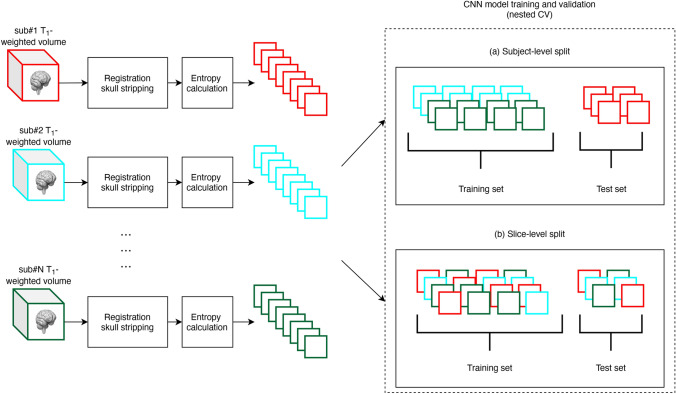
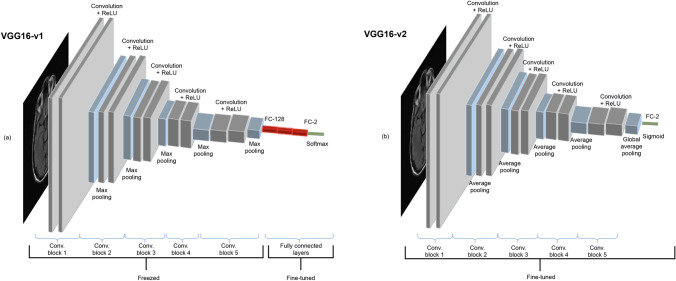
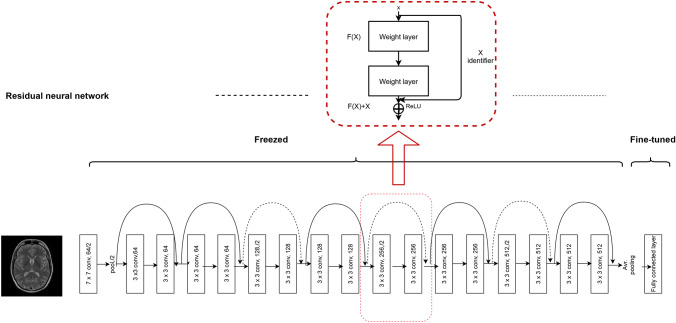
Verification
Claims the paper makes
The claims and statistics of this paper haven’t been checked yet.
Free: it reads the open-access text and checks the first 5 claims that cite a source we can check. Create a free account to check every claim.
Claims other papers make about this one
Each is checked against this paper’s own text: does it say what the citing paper says it does?
The check wasn’t confident either way, so it gives no verdict — never disputed.
In the citing paper
“different types of blood-based -omics data have been combined with neuropathology and imaging data in a multi-modal AI model to identify subtypes of AD and co-pathology.136,137”
From Review of Artificial Intelligence for Clinical Use in Alzheimer's Disease and Related Dementias (2026) · cites this paper as [136]
Experimental — accuracy not yet measuredIn the citing paper
“Furthermore, the optimistic performance reported in research studies may at times reflect methodological issues, including data leakage and selection bias, explaining why many models fail when tested prospectively in real-world settings.148–150”
From Review of Artificial Intelligence for Clinical Use in Alzheimer's Disease and Related Dementias (2026) · cites this paper as [150]
Self-check
Percentages, sums and reported differences re-computed from the paper’s own numbers.
The self-check needs the paper’s full text.
Citations
Cites
1 retracted
Diagnosis of Alzheimer Disease Using 2D MRI Slices by Convolutional Neural Network
Al-Khuzaie, F. E. K., Bayat, O., & Duru, A. D. (2021) · Applied Bionics and Biomechanics · doi:10.1155/2021/6690539 · Cited by 89
RetractedAdam: A Method for Stochastic Optimization
Kingma, D. P., & Ba, J. (2014) · arXiv · doi:10.48550/arxiv.1412.6980 · Cited by 98,946
Scikit-learn: Machine Learning in Python
Pedregosa, F., Varoquaux, G., Gramfort, A., Michel, V., Thirion, B., Grisel, O., Blondel, M., Müller, A., Nothman, J., Louppe, G., et al. (2012) · arXiv · doi:10.48550/arxiv.1201.0490 · Cited by 71,016
Going deeper with convolutions
Szegedy, C., Liu, W., Jia, Y., Sermanet, P., Reed, S., Anguelov, D., Erhan, D., Vanhoucke, V., & Rabinovich, A. (2015) · 2015 IEEE Conference on Computer Vision and Pattern Recognition (CVPR) · doi:10.1109/cvpr.2015.7298594 · Cited by 48,562
The Elements of Statistical Learning
Hastie, T., Tibshirani, R., & Friedman, J. (2009) · Springer Series in Statistics · doi:10.1007/978-0-387-84858-7 · Cited by 25,970
Delving Deep into Rectifiers: Surpassing Human-Level Performance on ImageNet Classification
He, K., Zhang, X., Ren, S., & Sun, J. (2015) · 2015 IEEE International Conference on Computer Vision (ICCV) · doi:10.1109/iccv.2015.123 · Cited by 19,741 · cited 3×
“Notably, we used pre-trained VGG16 67 and ResNet-18 68 models in this study, as detailed in the following sections.”
MethodInfluential(2010) · Cited by 14,134
Parkinsonism: onset, progression, and mortality
Hoehn, M. M., & Yahr, M. D. (1967) · Neurology · doi:10.1212/wnl.17.5.427 · Cited by 12,107
(2016) · Cited by 11,679
The Clinical Dementia Rating (CDR): Current version and scoring rules
Morris, J. C. (1993) · Neurology · doi:10.1212/wnl.43.11.2412-a · Cited by 9,882
Research works printed but not linked: 3
- 67. Simonyan, K. & Zisserman, A. Very deep convolutional networks for large-scale image recognition. Preprint at http:// arXiv. org/ 1409. 1556 (2015).
- 76. TensorFlow Developers. TensorFlow (2021).
- 79. Brett, M. et al. Nipy/nibabel: 2.3.3 (2019).
Cited by
Items 101–195 of 195
Sensitivity-Oriented YOLOv11 for Robust Multi-Label Lesion Detection in Chest X-rays
Truong, T.-D.-H., Pham, N. H., Nguyen, V. T., Le, T.-T.-T., & Nguyễn, H. T. (2026) · Applied Computer Systems · doi:10.2478/acss-2026-0004 · Cited by 1
“Many chest X-ray detection studies employ image-level random splitting, which permits images from the same patient to appear in both training and evaluation sets [9], [10].”
Alruwaili, M., & Mahmood, M. A. (2026) · Diagnostics · doi:10.3390/diagnostics16111749 · Cited by 1
“Brain MRI classification studies have shown that slice-level splitting can introduce data leakage and produce overly optimistic results, whereas patient-level splitting provides a more reliable evaluation [4,5].”
Rojas, F., & Madanian, S. (2026) · Informatics in Medicine Unlocked · doi:10.1016/j.imu.2026.101799 · Cited by 1
Evaluating the Robustness and Generalizability of D-LeDe Using Multiple Automotive Datasets
Babu, M. A. A., Staron, M., Durisic, D., Bálint, A. F., & Pandey, S. K. (2026) · SN Computer Science · doi:10.1007/s42979-026-05289-7 · Cited by 1
“A wide array of data leakage cases have been documented: Yagis et al. [29] demonstrate a 40–55% inflation in brain MRI classification results due to improper slice-level splitting, while Bussola et al. [7 ] find up to 41% performance inflation in histopa - thology when leakage is not addressed.”
Al-Azzawi, S., & Al–Suhail, G. A. (2026) · International Conference on Electronics, Engineering Physics and Earth Science (EEPES) · doi:10.3390/engproc2026154056 · Cited by 1
Huang, Y., Sun, Z., Chen, J., Yang, T., Xie, L., & Lin, X. (2026) · Frontiers in Medicine · doi:10.3389/fmed.2026.1955863 · Cited by 1
“Prior studies show that leakage inflates reported accuracy in 2D brain-MRI classifiers and other medical-imaging pipelines (18 – 20).”
Akter, S., Sumon, R. I., Mozumder, A. Q., Kim, H., Alkanhel, R. I., & Muthanna, M. S. A. (2026) · Life · doi:10.3390/life16111864 · Cited by 1
Segmentation of COVID-19 CT lesions in CT scans through transfer learning
Psaraftis-Souranis, S., Troussas, C., Voulodimos, A. S., & Sgouropoulou, C. (2024) · Computer Science and Information Systems · doi:10.2298/csis240229066p · Cited by 1
Yağış, E., Pinpo, N., Jacutprakart, J., Abolghasemi, V., Andritsch, J., Chaichulee, S., Cid, Y. D., de Herrera, A. G. S., & Ingviya, T. (2022) · TechRxiv · doi:10.36227/techrxiv.21543309 · Cited by 1
Teghipco, A., Kim, H., Rorden, C., Newman‐Norlund, R., Sharif, M. S., Sikorski, D., & Hillis, A. E. (2023) · medRxiv · doi:10.1101/2023.09.13.23295370 · Cited by 2
“, 2019; Whelan & Garavan, 2014), and predicting Alzheimer’s disease, autism, and traumatic brain injury from structural neuroimaging data (Mateos-Perez et al., 2018; Yagis et al., 2021).”
BackgroundYağış, E., Pinpo, N., Jacutprakart, J., Abolghasemi, V., Andritsch, J., Chaichulee, S., Cid, Y. D., de Herrera, A. G. S., & Ingviya, T. (2022) · doi:10.36227/techrxiv.21543309.v1
Akaishi, T., Tadano, Y., Kimura, Y., Yaegashi, N., & Ishii, T. (2023) · The Tohoku Journal of Experimental Medicine · doi:10.1620/tjem.2023.j090
Thibeau–Sutre, E. (2021) · theses.fr (ABES) · doi:10.70675/56570cfbza596z44a7zb186zaebbbe46fbb3
Brain region-based attention network for Alzheimer’s disease detection from multimodal imaging
Kou, X., Zhang, Y., Zhao, Z., Abrol, A., & Calhoun, V. D. (2025) · IEEE International Conference on Advanced Video and Signal Based Surveillance (AVSS) · doi:10.1109/avss65446.2025.11149869
“The final brain images were acquired with a resolution of 121 × 145 × 121 , all subjects in our study were not duplicated to avoid the problem of data leakage[7].”
High-resolution conditional MR image synthesis through the PACGAN framework
Lai, M., Marzi, C., Citi, L., & Diciotti, S. (2025) · Scientific Reports · doi:10.1038/s41598-025-16257-1 · Cited by 1
Self-citationThe New Method for Detection of Alzheimer’s Disease
Brejna, B., Szmergała, K., & Kozierkiewicz, A. (2025) · Lecture notes in computer science · doi:10.1007/978-3-032-09321-9_18
Halimi, A., Alibrahim, A., Barradas‐Bautista, D., Sicat, R., & Afifi, A. M. (2025) · arXiv (Cornell University) · doi:10.48550/arxiv.2512.00912 · Cited by 1
“No equivalently mature pre-trained 3D convolutional models exist for this domain, and training volumetric networks (e.g., 3D-ResNet, V-Net) from scratch would require substantially larger datasets than the 76 specimens (97 total scans) available here.”
Multi-Class Alzheimer MRI Classification with EfficientNet-B3 and Focal Loss
Malathi Rani, D., Rajasekaran, A. S., Ramkumar, N., Kiran Kumar, G., & Abhitesh, N. (2025) · International Conference on Innovative Data Communication Technologies and Application (ICIDCA) · doi:10.1109/icidca66325.2025.11280556
“Previous research has used EfficientNet to classify Alzheimer [1], yet the results are usually overstated because of data leakage at slice level [15], and minority classes are not appropriately represented.”
InfluentialD’Andrea, C., Cazzaniga, F. A., Bistaffa, E., Barucci, A., de Angelis, M., Banchelli, M., Farnesi, E., Polykretis, P., Marzi, C., Indaco, A., et al. (2024) · Figshare · doi:10.6084/m9.figshare.26603680
Self-citationMd, R., & Hartati, E. (2025) · Arcitech Journal of Computer Science and Artificial Intelligence · doi:10.29240/arcitech.v5i2.15122
“Pada klasifikasi Alzheimer berbasis MRI 2D-slice, Yagis et al. (2021) menegaskan bahwa pemisahan data pada level irisan (slice-level split) dapat memicu data leakage, yaitu irisan dari subjek yang sama berpotensi muncul di data latih dan data uji sehingga performa tampak meningkat secara artifisial.”
Amelia, H. A., & Rahardi, M. (2025) · Journal of Applied Informatics and Computing · doi:10.30871/jaic.v9i6.11354
“Yagis et al. [11] cautioned that improper preprocessing and data leakage may artificially inflate model performance, while Benaouali et al. [12] emphasized the importance of rigorous validation when using CNN features for medical image analysis.”
Joint Task Network for Integrating Cognitive Scores and Image Feature in AD Diagnosis
Zhang, Y., Li, S., Wu, Y., Zhang, C., Zou, C., & Calhoun, V. D. (2026) · Lecture notes in computer science · doi:10.1007/978-3-032-09569-5_5
Enhanced Chest X-Ray Image Classification Using Deep Learning with CLAHE and Gamma Correction
Diana, D., Ermatita, E., & Abdiansah, A. (2025) · International Conference on Informatics, Multimedia, Cyber and Information System (ICIMCIS) · doi:10.1109/icimcis68501.2025.11327274
“All data from a single subject must have been placed in either the training set or the testing set[33] [34].”
Scattering-Based Self-Supervised Learning for Label-Efficient Cardiac Image Segmentation
Alasu, S., & Talu, M. F. (2026) · Electronics · doi:10.3390/electronics15030506
Mind the Gap: Investigating the Impact of Data Leakage on Machine Learning Predictive Models
Becker, A. E., & Recamonde‐Mendoza, M. (2026) · Lecture notes in computer science · doi:10.1007/978-3-032-15984-7_12
Mohindra, T., Sharma, A., Bharti, V., Singh, R., & Singh, S. N. (2026) · Communications in computer and information science · doi:10.1007/978-3-032-14531-4_14
Tskhay, A., Longo, C., Moldakozhayev, A., Kang, N., Greenwood, C. M. T., Behruzi, R., Kubow, S. J., & Schuster, T. (2026) · bioRxiv (Cold Spring Harbor Laboratory) · doi:10.64898/2026.03.02.709039
Kishore, P. V. V., & Anil Kumar, D. (2026) · Engineering Research Express · doi:10.1088/2631-8695/ae5461
Integration of Multi-Level Wavelet Decomposition and CNN for Brain Tumor MRI Classification
Ismayilov, M., & Čalnerytė, D. (2026) · Applied Sciences · doi:10.3390/app16094482
Hassan, A. A., Alhawat, M., Kanaan, M., Abdelkader, L., & Diab, A. (2026) · IEEE International Multidisciplinary Conference on Engineering Technology (IMCET) · doi:10.1109/imcet69180.2026.11503731
“Unlike many published architectures that emphasize network design and report performance on internally split sets only, we enforce strict dataset separation across training, validation, and external testing to avoid data leakage and spurious generalizability claims [24].”
Multi-view ensemble of fine-tuned CNNs for Alzheimer’s disease detection from 3D MRI
Chamak, T. R., & Sahasrabudhe, M. Y. (2026) · Array · doi:10.1016/j.array.2026.100886
Karnati, M., Rodrigues, J., Raju, G., Pious, E., Patil, V., Kudva, A., Zhuo, G., & Mazumder, N. (2026) · IEEE photonics journal · doi:10.1109/jphot.2026.3701723
“Fu-turestudieswillthereforefocusonexpandingpatientcohortsandimplementingpatient-levelorsubject-wisevalidationstrategies toensuremorerigorousevaluationandimprovedgeneralizabil-ity[26].”
Mohammadi, S., Sebro, R., & Guermazi, A. (2026) · Radiology Artificial Intelligence · doi:10.1148/ryai.260377
Ramineni, V., Kim, J., & Kwon, G. (2026) · Sensors · doi:10.3390/s26134100
“Additionally, several studies have employed image-level rather than subject-level data partitioning, which can introduce data leakage and overestimate true generalization performance [18].”
InfluentialPark, Y. H., Lee, K.-B., & Kim, H. (2026) · Bioengineering · doi:10.3390/bioengineering13070769
“In deep learning studies using small-scale medical datasets, preventing performance overestimation caused by data leakage is critically important [27,28].”
InfluentialAntonijevic, S., & Vidaković, B. (2026) · arXiv (Cornell University) · doi:10.48550/arxiv.2607.02394
“The magnitude of this inflation is setting-dependent and can be large: Yagis et al. [2021] reported that slice-level cross-validation raised test-set accuracy by 29 – 55% across four brain MRI datasets relative to subject-level cross-validation.”
Hussain, A. A. H. S., Wadi, D., Yahya, W. A., Ahmed, H. E., Lü, J., Albashir, M., & Wu, W. (2026) · Applied Sciences · doi:10.3390/app16146867
Singh, U., Kumar, V., & Pant, B. (2026) · Biomedical & Pharmacology Journal · doi:10.13005/bpj/3439
Subject Leakage and Label Circularity in Deep Learning Models for Alzheimer’s Disease Prediction
Oosterhuis, M., & Liu, Q. (2026) · Conference proceedings - Canadian Conference on Electrical and Computer Engineering · doi:10.1109/ccece68150.2026.11610123
“While both Yagis et al. (2021) and Fung et al. (2019) investigated data leakage at the slice level, neither quantified the impact of session-level leakage, where multiple sessions from a single subject may appear across both training and testing sets.”
InfluentialUlutaş, H., Şahin, M. E., Erkoç, M. F., Yüce, E., Tuncer, T., Doğan, Ş., & Kiranyaz, S. (2026) · BMC Medical Imaging · doi:10.1186/s12880-026-02569-9
“Such a case may lead to an artificial increase in performance because of the similarity in anatomy and scanning conditions [33].”
Peningkatan Klasifikasi Biner Glioma pada MRI Otak Menggunakan CLAHE dan Transfer Learning
Sari, D. D. A. K., & Minarno, A. E. (2026) · Jurnal Algoritma · doi:10.33364/algoritma/v.23-1.3357
Yusof, U. K., Ward, J., Lyall, L. M., & Strawbridge, R. J. (2026) · Frontiers in Psychiatry · doi:10.3389/fpsyt.2026.1883424
Wu, F., Ai, F., Zhao, X., Wang, M., Yang, J., Hao, T., & Wang, W. (2026) · Scientific Reports · doi:10.1038/s41598-026-63773-9
“To avoid the inclusion of repeated observations from the same participant 44 , only one structural MRI scan was selected for each subject, yielding a total of 1,055 cases, including 290 AD cases, 373 cognitively normal (CN) cases, and 392 MCI cases, as summarized in Table 1.”
Toward fast, objective assessment of orthopedic technical skill:
Shriver, L. (2026) · Iowa Research Online (The University of Iowa) · doi:10.25820/etd.008340
Hernández-Hernández, M., & Gallegos-Melgar, A. (2026) · Metals · doi:10.3390/met16080841
Learning Cognitive-Aware Representations for Imaging-Based Diagnosis of Alzheimer’s Disease
Yu, H., Zhang, Y., Wei, Y., Fu, Y., Mei, S., Liu, Q., & Calhoun, V. D. (2026) · Lecture notes in computer science · doi:10.1007/978-3-032-31654-7_5
Alsubaie, M. G., Luo, S., Shaukat, K., & Zhang, W. (2026) · Journal of Imaging Informatics in Medicine · doi:10.1007/s10278-026-02152-2
Ahmed, N. U., Rahman, A., Ferdous, M., Hossain, M. S., Chowdhury, K. R., & Zaman, A. U. (2026) · Research Square · doi:10.21203/rs.3.rs-10630234/v1
Ziad, F. N., Salim, S., Pal, T., & Rupom, R. H. (2026) · BRAC University Institutional Repository (BRAC University)
Jalal, M. E., Hamidi, R., Harris, B., Elmaghraby, A. S., Friedland, R. P., & Initiative, A. D. N. (2026) · Journal of Alzheimer s Disease · doi:10.1177/13872877261478312
“23 To address these limitations, more recent studies have focused on subject-level 3D MRI analysis, where each subject contributes a single volumetric scan.”
Arunima, K., & Bhavana, J. (2026) · SSRN Electronic Journal · doi:10.2139/ssrn.7331328
Menezes, J., Barbosa, M. I. A., & Rodrigues, P. M. (2026) · Sensors · doi:10.3390/s26175489
Tovar, A. C. M., Barrios, R. L. A., Castillo, E., & Martínez-Santos, J. C. (2026) · Pattern Analysis and Applications · doi:10.1007/s10044-026-01751-7
“Although information leakage has been widely recognized as a critical problem in medical imaging, its specific effect on ROI-based bacterial morphological clas - sification has received less experimental attention [ 13–15].”
End-to-End Multimodal Transformers for Multi-Cohort Alzheimer's Classification
Vansnick, T., Gloesener, M., Amel, O., Tota, V., Delehouzée, M., Ris, L., & Mahmoudi, S. (2026) · Proceedings - IEEE Symposium on Computer-Based Medical Systems · doi:10.1109/cbms69103.2026.00093
Sharma, M., Kumar, A., Arularasu, M. V., Tsai, C.-L., Huang, S.-F., & Lee, C. (2026) · Spectrochimica Acta Part A Molecular and Biomolecular Spectroscopy · doi:10.1016/j.saa.2026.128705
Fallah, S., & Herzog, N. J. (2026) · Journal of Imaging · doi:10.3390/jimaging12090426
“Fourth, a multi-tier evaluation protocol combining bias-corrected FID ∞ [19], KID as primary distributional metric [20], subject-level TSTR with the Yagis et al. [21] correction, and memorisation severity grading provides a practical framework for honest assessment at a small-cohort scale.”
InfluentialCognitive function and eye movement patterns during reading tasks in older adults
Zuo, H., Lim, K. H., Huang, H., Eswaran, S., Phang, J. T. S., Song, L., Zhang, C., Li, Z., & Huang, H. (2026) · Alzheimer s & Dementia Diagnosis Assessment & Disease Monitoring · doi:10.1002/dad2.70464 · Cited by 1
Rahman, M. H., Hasan, M. J., Hossain, M. S., & Ovi, M. S. I. (2026) · Research Square · doi:10.21203/rs.3.rs-10967756/v1
Physics-informed phase retrieval from a single interferogram for wafer surface measurement
Xing, Y., Hua, T., Xing, J., Yang, J., Yang, J., & Liu, J. (2026) · Optics Express · doi:10.1364/oe.610317
Khalaf, R., Sevyeri, L. R., & Renteln, D. A. V. (2026) · Journal of the Canadian Association of Gastroenterology · doi:10.1093/jcag/gwag037
Amirbeigy, M. K., Haddadi, A., Zarchi, A. A., & Sheikhalishahi, S. (2026) · Research Square · doi:10.21203/rs.3.rs-10740130/v1
Khan, F. F., Kim, J., & Kwon, G. (2026) · Computers in Biology and Medicine · doi:10.1016/j.compbiomed.2026.111949
Alutaibi, M., & Alazmi, M. (2026) · Diagnostics · doi:10.3390/diagnostics16193109 · Cited by 1
Leakage-Safe Cross-Domain Partial-Discharge Void Diagnosis: A Benchmark on the PURE DatasetPreprint
Hong, Y., Li, J., Su, J., & Gao, Z. (2026) · Research Square · doi:10.21203/rs.3.rs-10744039/v1
Linares, I., Rodríguez, F., & Ticona, W. (2026) · Lecture notes in networks and systems · doi:10.1007/978-3-032-38797-4_12
Schiffer, C., Bode, M., Lippert, T., Amunts, K., & Dickscheid, T. (2026) · arXiv (Cornell University) · doi:10.34734/fzj-2026-04629
Chen, Y., Liu, T., & Cheng, G. (2026) · Frontiers in Human Neuroscience · doi:10.3389/fnhum.2026.1958462
Omur, S., Efendioğlu, N. Ö., & Sinecen, M. (2026) · Tekstil ve Mühendis · doi:10.7216/teksmuh.1980874
Elgharib, A. A., Ghanem, M. I., Ibrahim, R. S., Elwakeel, N., & Shemes, A. (2026) · Discover Artificial Intelligence · doi:10.1007/s44163-026-02332-7
“Consistent with this, Yagis et al. demonstrated that failure to address data leakage in MRI classification models resulted in overestimated diagnostic accuracy [41].”
Jassar, N. A., Almalkawi, I. T., Al-Hammouri, M. F., Omari, T., & Bataineh, A. S. A. (2026) · Journal of Imaging · doi:10.3390/jimaging12100484
Anatomical Features versus ResNet-18 for Hypertrophic Cardiomyopathy Classification from Cardiac MRIPreprint
Mullan, A., Raffal, S., & Jannabhatla, P. (2026) · SSRN Electronic Journal · doi:10.2139/ssrn.7565398
Identity-Duplication Auditing in National-Scale Neuroimaging RepositoriesPreprint
Li, J., Kim, M. E., Schwartz, T., Cui, Y., Rudravaram, G., Archer, D. B., Hohman, T. J., Beason‐Held, L. L., Morgan, V. L., Englot, D. J., et al. (2026) · SSRN Electronic Journal · doi:10.2139/ssrn.7597410
Slice-Group-Level Brain Tumor Classification Using CRNN-GRU
Almadani, M. Z. M., Aziz, M. A., & Muda, T. Z. T. (2026) · International Journal of Basic and Applied Science · doi:10.35335/ijobas.v15i2.944
“To position the present study within the literature, Table 1 summarizes a set of related studies on brain tumor MRI classification [18], [20], [22], [23], [24], [25] shown for context rather than as a direct benchmark.”
InfluentialSingh, R., Pateriya, R. K., & Singh, S. (2026) · Biomedical Signal Processing and Control · doi:10.1016/j.bspc.2026.111580
Deenadayalan, T., Shantharajah, S. P., & Ramu, S. P. (2026) · Frontiers in Artificial Intelligence · doi:10.3389/frai.2026.1948601
Alwan, J. K., Teh, Y. W., Wahab, A. W. A., & Aljeroudi, Y. (2026) · SSRN Electronic Journal · doi:10.2139/ssrn.7629168
Kaşkaya, A., & Şen, B. (2026) · Diagnostics · doi:10.3390/diagnostics16203391
“This training–test non-independence is a recognized leakage type [33] that inflates the reported accuracy in medical imaging [34,35] and propagates into meta-analyses [36].”
Chaudhari, M., Agrawal, M., & G, G. S. (2026) · Acta Innovations · doi:10.62441/actainnovations.vi.2024
Multimodal deep learning for wound healing prediction
Rojalin, T., Kröger, A., Koivunotko, E., Pörhö, B., Laaksonen, T., Partanen, J., Pridgeon, C., Madetoja, M., Airola, A., Akmal, J. S., et al. (2026) · European Journal of Pharmaceutical Sciences · doi:10.1016/j.ejps.2026.107693
Pugazhendi, P. (2026) · Research Square · doi:10.21203/rs.3.rs-11338135/v1
Yang, J., Tang, J., & He, J. (2026) · iScience · doi:10.1016/j.isci.2026.117725
Ali, M., Hashmi, U., Azam, M., & Sarwar, R. (2026) · Vector The Journal of Engineering · doi:10.1049/tje2.70241
Brain Tumor Classification Using Multi-Scale Feature Representation in MR Images
Gökcan, M. T., & Akkuş, B. (2026) · International Artificial Intelligence and Data Processing Symposium (IDAP) · doi:10.1109/idap71869.2026.11728075
“This data-splitting strategy is important for preventing data leakage that may result from including similar slices from the same patient in both the training and test sets [6].”
Choi, Y. S., Gong, E. J., Bang, C. S., & Choi, S.-H. (2026) · Intelligent Systems with Applications · doi:10.1016/j.iswa.2026.200745
Li, T., Dong, S., & Chen, W. (2026) · Fractal and Fractional · doi:10.3390/fractalfract10110737
Nemeth, P., Orsi, E., Patczai, B., Riedling, T., Marada, G., & Nyárády, Z. (2026) · Open Academic Journal of Advanced Science and Technology · doi:10.33094/oajast.v10i1.2523
“…patient appear in both training and test sets, accuracy is inflated — quantified in a foundational analysis where slice-wise splitting yielded ~94% apparent accuracy while subject-wise splitting on the same data fell to ~66%, a ~28-percentage-point artefact of the validation protocol alone [24].”
InfluentialYaman, S., Karasekreter, N., Çeliköz, R., Özgül, E., & Güler, H. (2026) · Diagnostics · doi:10.3390/diagnostics16213539
Uçar, G. (2026) · Journal of Imaging Informatics in Medicine · doi:10.1007/s10278-026-02430-z
Muroyama, Y., Takaya, E., & Suzuki, T. (2026) · bioRxiv (Cold Spring Harbor Laboratory) · doi:10.64898/2026.11.02.760689
Leakage-Free Evaluation of Capsule Network Heads for Brain Tumor MRI Classification
Kanigara, M., & Shidik, G. F. (2026) · Equivalent Jurnal Ilmiah Sosial Teknik · doi:10.59261/jequi.v8i5.478
Kıymaz, Y. E., Taşdemir, Ş., Gezer, B., & Uyar, K. (2026) · Scientific Reports · doi:10.1038/s41598-026-77495-5
Babu, P. P. S., & Brindha, T. (2026) · Biomimetics · doi:10.3390/biomimetics11110816
Shi, F., Li, Q., Qi, J., & Xu, P. (2026) · Journal of Imaging Informatics in Medicine · doi:10.1007/s10278-026-02518-6
Bică, D., Vlad-Alexandru, A., Marian, V.-D., Suciu, B.-A., Ioniță, C. F., Pintea, A., Manea, A., & Azamfirei, L. (2026) · Applied Sciences · doi:10.3390/app162211177
Metadata
- Authors
- Yagis, E., Atnafu, S. W., García Seco de Herrera, A., Marzi, C., Scheda, R., Giannelli, M., Tessa, C., Citi, L., & Diciotti, S.
- Affiliations
- University of Bologna (IT)
- Azienda Ospedaliera Universitaria Pisana (IT)
- Ospedale Versilia (IT)
- University of Essex (GB)
- Corresponding author
- Diciotti, Stefano
- ORCID
- Venue
- Scientific Reports
- Published
- 2021-11-19
- Volume
- 11
- Issue
- 1
- Pages
- 22544-22544
- ISSN
- 2045-2322 (ISSN-L)
- PMC
- PMC8604922
- OpenAlex
- W3214734349
- Semantic Scholar
- b9663073f33a5cff52e7d50b6e7a296cdb9d519c
- Cited by
- 161
- References
- 81
- Citations by year
- 2026: 61 · 2025: 32 · 2024: 26 · 2023: 25 · 2022: 16
- FWCI
- 12.02
- Type
- journal article
- Language
- en
- Open access
- gold
- doi.org
- Licence
- cc-by
- creativecommons.org/licenses/by/4.0 (tdm)
- creativecommons.org/licenses/by/4.0 (vor)
- Locations
- Scientific Reports (publishedVersion, cc-by)
- Research Square (acceptedVersion, cc-by)
- PubMed Central (publishedVersion, cc-by)
- PubMed (publishedVersion)
- UNED repository (publishedVersion, other-oa)
- Open Access at Essex (University of Essex) (acceptedVersion, other-oa)
- Archivio istituzionale della ricerca (Alma Mater Studiorum Università di Bologna) (submittedVersion, cc-by)
- DOAJ (DOAJ: Directory of Open Access Journals) (submittedVersion, cc-by-sa)
- Florence Research (University of Florence) (submittedVersion)
- Funders
- European Union's Horizon 2020 research and innovation programme (824153 “POTION”)
- NVIDIA Academic GPU Grant Program
- Topics
- Health Sciences › Medicine › Psychiatry and Mental health › Dementia and Cognitive Impairment Research
- Life Sciences › Neuroscience › Cognitive Neuroscience › Functional Brain Connectivity Studies
- Health Sciences › Health Professions › Health Information Management › Artificial Intelligence in Healthcare
- Keywords
- data leakage, cross-validation, 2D convolutional neural network, brain MRI classification, Alzheimer's disease, Parkinson's disease, model generalization, neurological disease diagnosis, small datasets
- MeSH terms
- Deep Learning, Aged, Aged, 80 and over, Alzheimer Disease, Brain, Cross-Sectional Studies, Female, Humans, Image Interpretation, Computer-Assisted, Magnetic Resonance Imaging, Male, Middle Aged, Parkinson Disease, Predictive Value of Tests, Reproducibility of Results, Case-Control Studies, Neural Networks, Computer, Neuroimaging
About these checks
Registry, retraction, Cites and statistics results are computed, not judged, with one exception: a printed reference that no index lists is read once by a model before it counts as a citation error. Claims are extracted by a model and kept only when their quote appears verbatim in the text; each cited source is then checked, with a model’s help, for whether it says what the claim relies on. Those verdicts can be wrong — read the claim’s quote and the cited source before relying on one.
Statistics and arithmetic are recomputed, not judged.
Confidence bands are shown only for fields calibrated on our annotated test set. None is calibrated yet, so no band is shown.
What counts as a claim ›How we measure confidence ›How we check this ›
Are you an author, or do you see a problem with this page? Request a review
Data sources
Bibliographic data: Semantic Scholar, OpenAlex, Crossref.
Contains information from the Semantic Scholar Academic Graph Datasets, made available under the ODC Attribution License (ODC-BY 1.0).
Semantic Scholar’s data is described in: Kinney, R., et al. (2023). The Semantic Scholar Open Data Platform. arXiv:2301.10140.
