

The DOI matches its Crossref record.
Building a planter system using waste materials using value engineering environmental assessment
Open accessAbstract
Environmental challenges are significant threats to the planet; most of them are human-made hazards. Researchers are studying various environmental threats and trying to flourish sustainable policy for protecting the environment from various challenges worldwide. In Kuwait, researchers are paying attention to these various challenges and trying to reduce these issues in the most effective, economically innovative, and localized ways. Desertification and lack of water are the major significant examples of natural challenges faced by the environment. The fundamental goal of this study was to propose and implement a more cost-effective and economical alternative to the commercial Waterboxx kits technology. In this proposed work, the research team rebuilt a new prototype based on Value Engineering, whose functionalities are homogeneous to the most popular Waterboxx kits technology. Unlike the Waterboxx kits method, the new proposed framework decreased operational and capital expenditures and reduced the complexity of development and implementation by regular farmers. Since recycled plastic sheets and used tires are employed in the new method as grist, this method helps us fight against desertification and provide a better way to handle the ever-growing massive dumpsters of tires in the region of Kuwait; hence it helps us in getting rid of hazards due to the tire fires and bring in a more safe and friendly environment. A better substitute has been identified concerning the value from various substitutes considered for developing the prototype using a thorough examination with the help of the Function Analysis System Technique (FAST). A prototype of the proposed method was constructed and tested in a controlled lab atmosphere followed by an actual environment. Analysis of both soil and water on the experiment site was performed before and after the proposed prototype testing for conducting a cross-comparison of soil. This evaluation was performed to ensure the method we fabricated and tested is an effective environment-safe model. The simulation and analysis of the proposed method are very effective as the already existing model reduced and saved the cost of implementation. The cost reduced by the new proposed VE method than the already available model was 43.84% without paying attention to the intangible costs related to another environmental challenge, recycling waste materials that may also build up the cost-saving. This study illustrates how the proposed Value Engineering-based model became the foremost baseline method for developing a new innovative model to reduce cost and patentable design.
Overview
The claims and statistics of this paper haven’t been checked yet.
Run the check — free, no account needed. It reads the open-access text and checks the sources it cites.
Integrity signals
Registry
Cites
Statistics
Figures
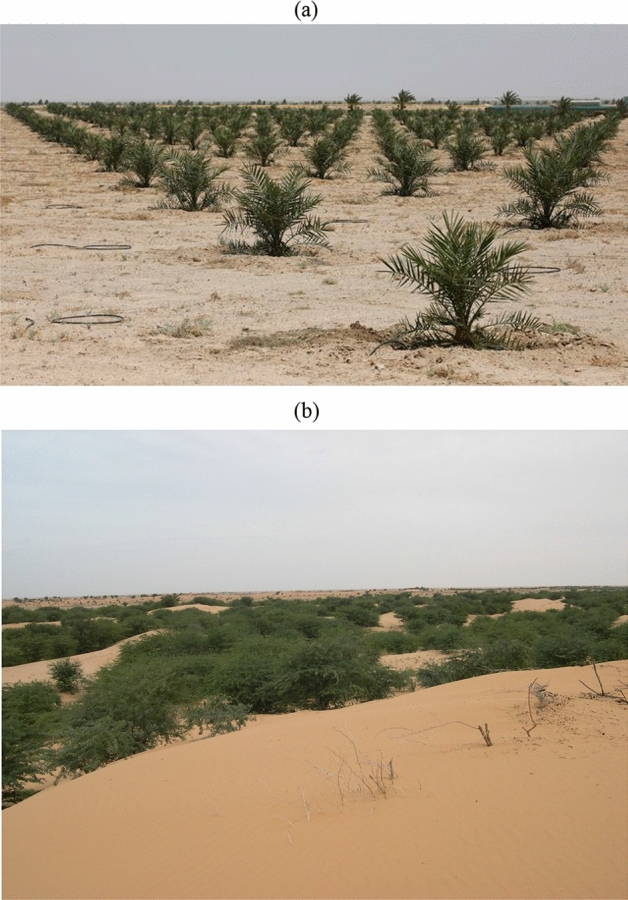
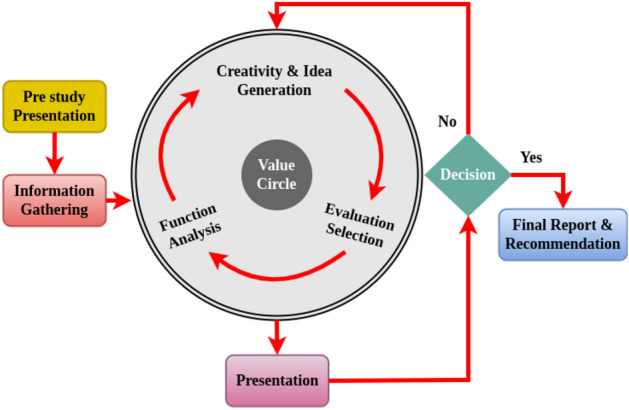
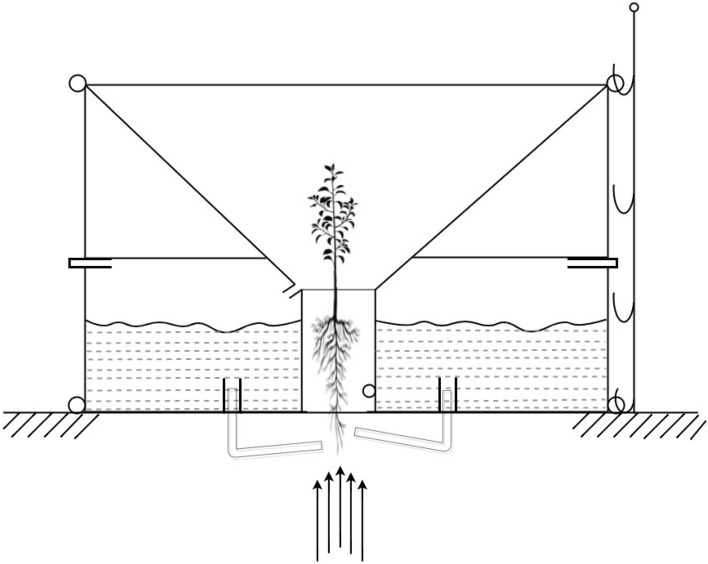
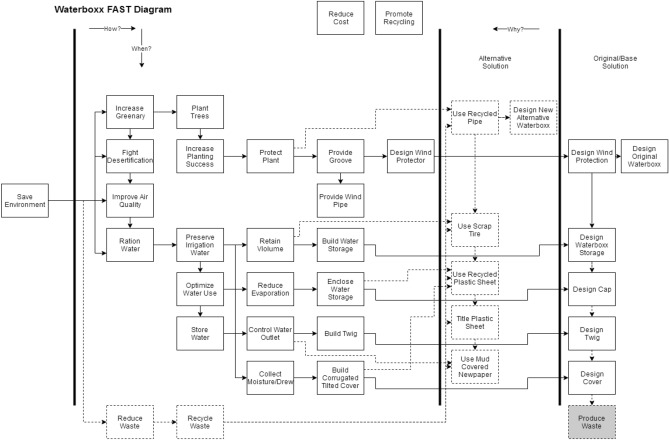
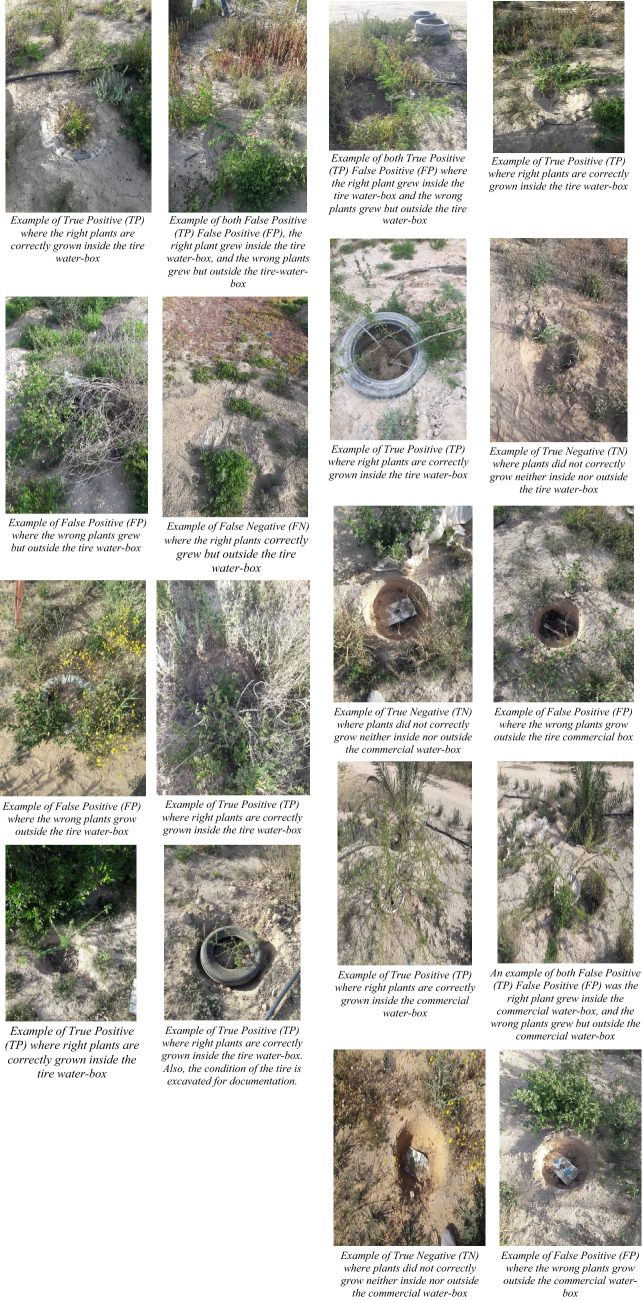
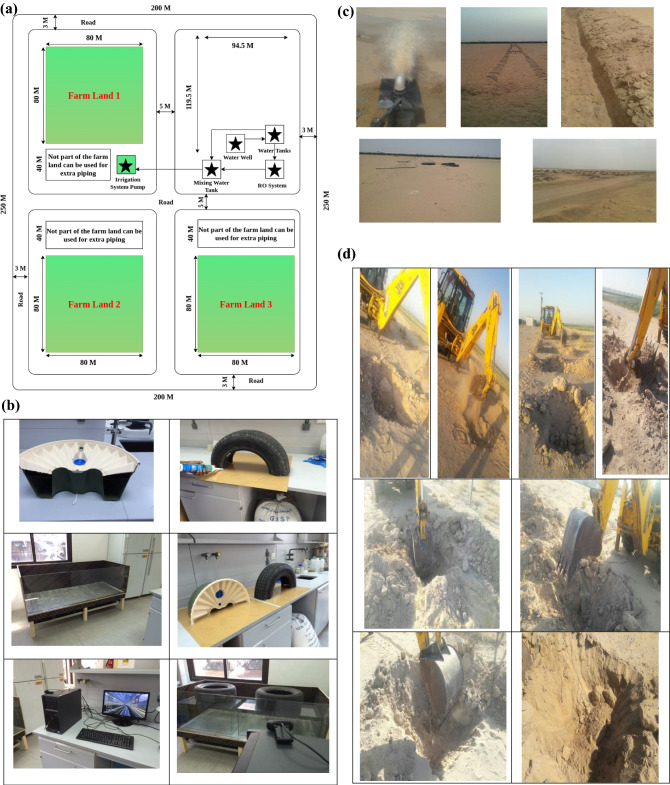
Verification
Claims the paper makes
The claims and statistics of this paper haven’t been checked yet.
Run the check — free, no account needed. It reads the open-access text and checks the sources it cites.
Claims other papers make about this one
Each is checked against this paper’s own text: does it say what the citing paper says it does?
The cited source says what the claim attributes to it.
In the citing paper
“Tire tank also has a higher positive impact on creating a microenvironment for plants.”
From Recycling municipal, agricultural and industrial waste into energy, fertilizers, food and construction materials, and economic feasibility: a review (2023) · cites this paper as Al-Anzi 2022
Self-check
Percentages, sums and reported differences re-computed from the paper’s own numbers.
The self-check needs the paper’s full text.
Citations
Cites
No references could be resolved yet.
Research works printed but not linked: 36
- Bagaria, V., Rasalkar, D. D., Bagaria, S. J. & Ilyas, J. Medical applications of rapid prototyping—A new horizon. Advanced Applications of Rapid Prototyping Technology in Modern Engineering, September 2011. · DOI
- Geist, H. J. The Causes and Progression of Desertification (Ashgate Publishing, 2005).
- Oxford Dictionaries, https://en.oxforddictionaries.com/definition/desertification. Accessed 6 June 2017
- Bowker, G. E., Baldauf, R., Isakov, V., Khlystov, A. & Petersen, W. The effects of roadside structures on the transport and dispersion of ultrafine particles from highways. Atmos Environ 41(37), 8128–8139. https://doi.org/10.1016/j.atmosenv.2007.06.064 (2007). · DOI
- Darwish, M. A., Al-Awadhi, F. M. & Darwish, A. M. Energy and water in Kuwait Part I: A sustainability view point. Desalination 225, 341–355 (2008). · DOI
- El-Kharraz, J., El-Sadek, A., Ghaffour, N. & Mino, E. Water scarcity and drought in WANA countries. Procedia Eng. 33, 14–29 (2012). · DOI
- Gewin, V. Next-gen greenhouses support desert agriculture. Front. Ecol. Environ. 12(10), 542–542 (2014).
- Kruschwitz, N. To conserve water for agriculture, a solution from the desert. MIT Sloan Manag Rev 56(2), 20 (2015).
- Zeng, R. S., Luo, S. M. & Mallik, A. U. Allelopathy in Sustainable Agriculture and Forestry (Springer, 2008). · DOI
- Juo, A. S. R. & Franzluebbers, K. Tropical Soils: Properties and Management for Sustainable Agriculture (Oxford University Press, 2003). · DOI
- Abbott, L. K. & Murphy, D. V. Soil Biological Fertility: A Key to Sustainable Land Use in Agriculture (Kluwer Academic Publishers, 2004). · DOI
- Abdelly, C., Ashraf, M., Grignon, C. & Öztürk, M. Biosaline Agriculture and High Salinity Tolerance (Springer, 2008). · DOI
- Oron, G. et al. Membrane technology for sustainable treated wastewater reuse: Agricultural, environmental and hydrological considerations. Water Sci. Technol. 57(9), 1383–1388 (2008). · DOI
- Unger, P. W. & Howell, T. A. Agricultural water conservation—A global perspective. J. Crop Prod. 2(2), 1–36 (2008). · DOI
- Piccinni, G., Supercinski, D., Leskovar, D., Harris, B., & Jone, C. A. Rio Grande Basin water conservation project. Sustainable Irrigation Management, Technologies and Policies, WIT Transactions on Ecology and the Environment, 96 (2006) 321. · DOI
- Porensky, L. M. et al. Grasses for biofuels: A low water-use alternative for cold desert agriculture?. Biomass Bioenergy 66, 133–142 (2014). · DOI
- Rad, K. M. & Yamini, O. A. The methodology of using value engineering in construction projects management. Civ Eng J 2(6), 262 (2016). · DOI
- Muhammad, K. M. A. The impact of the value engineering on the decision making and the development of the construction industry in Egypt. J. Environ. Sci. Ain Shams 41(2), 57–65 (2018).
- Rachwan, R., Abotaleb, I. & Elgazouli, M. The influence of value engineering and sustainability considerations on the project value. Procedia Environ. Sci. 34, 431–438. https://doi.org/10.1016/j.proenv.2016.04.038 (2016). · DOI
- Ilayaraja, K. & Eqyaabal, M. D. Z. Value engineering in construction. Indian J. Sci. Technol. 8(32), 872 (2015). · DOI
- Yan, L. Value engineering application in construction project management. In 2012 International Conference on Industrial Control and Electronics Engineering. 1265–1268. https://doi.org/10.1109/ICICEE.2012.336. · DOI
- Skidmore, E. L. Wind erosion climatic erosivity. Clim. Change 9, 195–208 (1986). · DOI
- Philips, M. R. Toward sustainability & conesus through value management. In International Conference of Hong Kong Institute of Value Management, Hong Kong (1999).
- Blackman, A. & Bannister, G. Community pressure and clean technology in the informal sector: An econometric analysis of the adoption of propane by traditional Mexican brickmakers. J. Environ. Econ. Manag. 35, 1–21. https://doi.org/10.1006/jeem.1998.1019 (1998). · DOI
- Böer, B. Anthropogenic factors and their potential impacts on the sustainable development of Abu Dhabi’s terrestrial biological resources. Int. J. Sust. Dev. World 5(2), 125–135. https://doi.org/10.1080/13504509809469976 (1998). · DOI
- Olson, D. & Delen, D. Advanced Data Mining Techniques 1st edn. (Springer, 2008).
- Bacchelli, A., Lanza, M. & Robbes, R. Linking e-mails and source code artifacts. In Proceedings of the 32nd ACM/IEEE International Conference on Software Engineering, Cape Town, South Africa, vol. 1, 375–384 (2010). · DOI
- Roudebush, W. H. An environmental value engineering application to assess the environmental impact of construction waste. In North Carolina Recycling Association 8th Annual NCRA Conference and 3rd Annual Southeastern Green building Conference March 2-4, 1998, Greensboro, NC, USA.
- Gupta, V. K., Fisher, D. J. & Ghosal, A. K. Value engineering applications in India. J. Value Technol. Soc. Am. Value Eng. 16(1), 1993 (1993).
- Giménez, Z., Mourgues, C., Alarcón, L. F., Mesa, H. & Pellicer, E. Value analysis model to support the building design process. Sustainability 12, 4183 (2020). · DOI
- Al-Anzi, F. S., Sarfraz, M., Elmi, A. & Khan, A. R. Using scrap tires to fight desertification and ration water by value engineering approach. In International Conference on Innovative Engineering Technologies (ICIET’2016), Bangkok Thailand, August 5–6, 2016 and it was accepted for presentation and inclusion in the conference proceedings.
- Al-Anzi, F. S., Sarfraz, M., Elmi, A. & Khan, A. R. Function analysis for economical designs: A case study of a feasible re-engineered design alternative for rationing irrigation. Save 2017 Value Summit, Philadelphia, PA, USA, August 27–30, 2017, and it was accepted for presentation and inclusion in the conference proceedings.
- Third Arab Water Conference, MEW, Kuwait, May 2–3, 2018.
- Al-Anzi, F. S., Sarfraz, M., Elmi, A. & Khan, A. R. Achieving High Environmental Performance in Use of Engineering Methodologies for Water Tank Design (Irrigation Purposes) and Utilization of Biodegradable Plastic. The 1st Waste Management Research Forum, KISR, Waste Conference 28 March 2018.
- Al-Anzi, F. S., Sarfraz, M., Elmi, A. & Khan, A. R. Design transformation to reduce cost in irrigation using value engineering. In 19th International Conference on Value Engineering and Cost Reduction, International Scientific Research, and Experimental Development, Bangkok Thailand, October 26–27, 2017.
- Al-Anzi, F. S., Sarfraz, M., Elmi, A. & Khan, A. R. Design transformation to reduce cost in irrigation using value engineering. World Acad. Sci. Eng. Technol. Int. J. Ind. Manuf. Eng. 11, 2420–2429 (2017).
Cited by
Sorted by citations
Peng, X., Jiang, Y., Chen, Z., Osman, A. I., Farghali, M., Rooney, D. W., & Yap, P.-S. (2023) · Environmental Chemistry Letters · doi:10.1007/s10311-022-01551-5 · Cited by 333
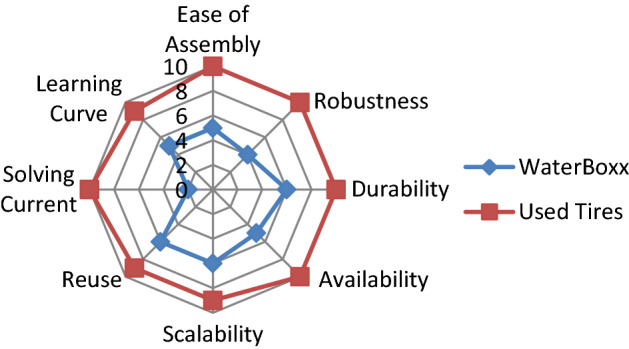
“Additionally, Al-Anzi (2022) conducted three years of plant rising tests to investigate how tire tanks compared to waterboxx regarding plant quality traits, microbial environment, and project costs.”
Background
Metadata
- Authors
- Al-Anzi, F. S.
- Venue
- Scientific Reports
- Published
- 2022-02-11
- Volume
- 12
- Issue
- 1
- Pages
- 2344-2344
- ISSN
- 2045-2322 (ISSN-L)
- PMC
- PMC8837613
- OpenAlex
- W4211259692
- Cited by
- 5
- References
- 0
- Citations by year
- 2026: 1 · 2023: 3 · 2022: 1
- FWCI
- 0.75
- Type
- journal article
- Language
- en
- Open access
- gold
- doi.org
- Locations
- Scientific Reports (publishedVersion, cc-by)
- PubMed Central (publishedVersion, cc-by)
- PubMed (publishedVersion)
- DOAJ (DOAJ: Directory of Open Access Journals) (submittedVersion, cc-by-sa)
- Funders
- Kuwait Foundation for the Advancement of Sciences (2013150101)
- Topics
- Social Sciences › Business, Management and Accounting › Strategy and Management › Value Engineering and Management
- Physical Sciences › Engineering › Building and Construction › Sustainable Design and Development
- Physical Sciences › Environmental Science › Management, Monitoring, Policy and Law › Water and Land Management
- Keywords
- value engineering, waste, used tires, desertification, water scarcity, Function Analysis System Technique, cost reduction, soil moisture, soil analysis, Kuwait, waste tire management
About these checks
Registry, retraction, Cites and statistics results are computed, not judged, with one exception: a printed reference that no index lists is read once by a model before it counts as a citation error. Claims are extracted by a model and kept only when their quote appears verbatim in the text; each cited source is then checked, with a model’s help, for whether it says what the claim relies on. Those verdicts can be wrong — read the claim’s quote and the cited source before relying on one.
Statistics and arithmetic are recomputed, not judged.
Confidence bands are shown only for fields calibrated on our annotated test set. None is calibrated yet, so no band is shown.
What counts as a claim ›How we measure confidence ›How we check this ›
Are you an author, or do you see a problem with this page? Request a review
