

Artificial intelligence enabled automated diagnosis and grading of ulcerative colitis endoscopy images
Open accessThe DOI matches its Crossref record; 39 of the 40 references it cites were found in a registry or an index.
Abstract
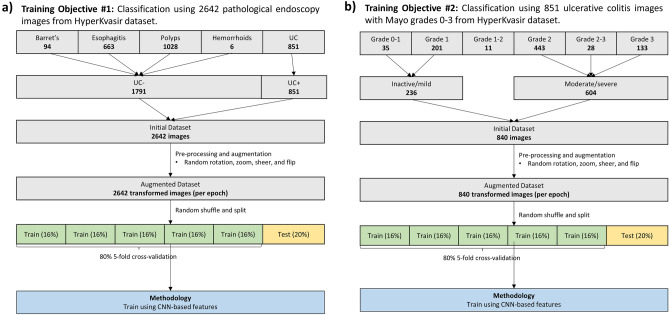
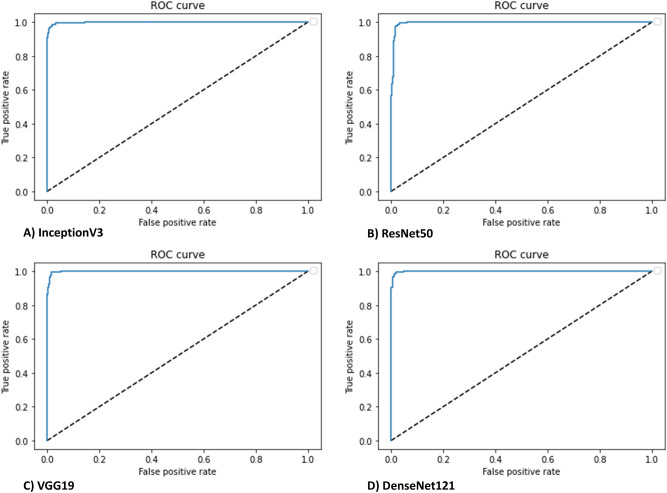
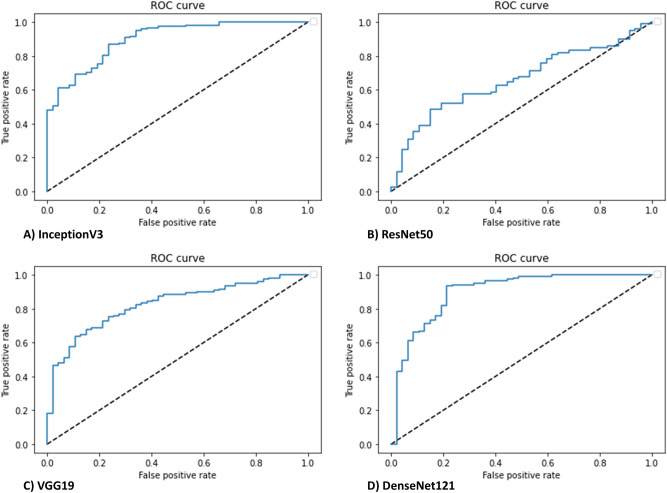
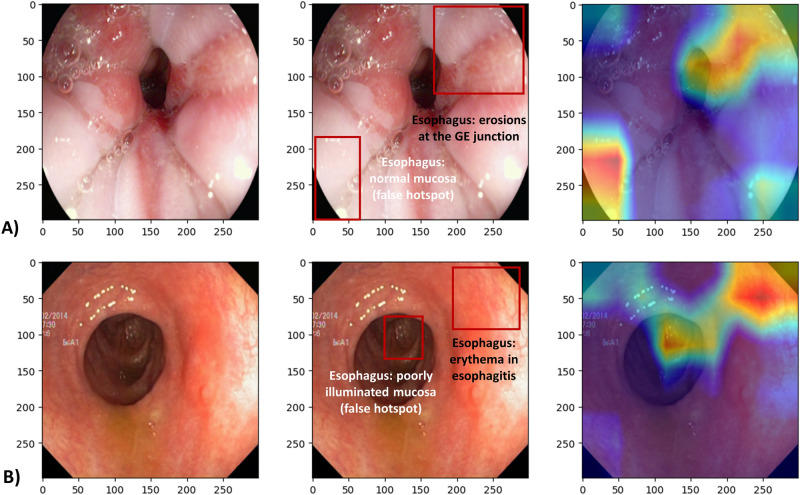
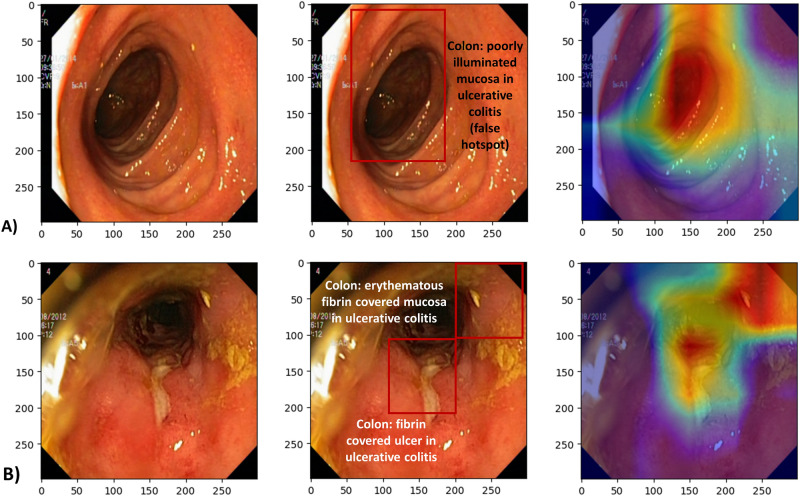
Endoscopic evaluation to reliably grade disease activity, detect complications including cancer and verification of mucosal healing are paramount in the care of patients with ulcerative colitis (UC); but this evaluation is hampered by substantial intra- and interobserver variability. Recently, artificial intelligence methodologies have been proposed to facilitate more objective, reproducible endoscopic assessment. In a first step, we compared how well several deep learning convolutional neural network architectures (CNNs) applied to a diverse subset of 8000 labeled endoscopic still images derived from HyperKvasir, the largest multi-class image and video dataset from the gastrointestinal tract available today. The HyperKvasir dataset includes 110,079 images and 374 videos and could (1) accurately distinguish UC from non-UC pathologies, and (2) inform the Mayo score of endoscopic disease severity. We grouped 851 UC images labeled with a Mayo score of 0–3, into an inactive/mild (236) and moderate/severe (604) dichotomy. Weights were initialized with ImageNet, and Grid Search was used to identify the best hyperparameters using fivefold cross-validation. The best accuracy (87.50%) and Area Under the Curve (AUC) (0.90) was achieved using the DenseNet121 architecture, compared to 72.02% and 0.50 by predicting the majority class (‘no skill’ model). Finally, we used Gradient-weighted Class Activation Maps (Grad-CAM) to improve visual interpretation of the model and take an explainable artificial intelligence approach (XAI).
Overview
The claims and statistics of this paper haven’t been checked yet.
Free: it reads the open-access text and checks the first 5 claims that cite a source we can check. Create a free account to check every claim.
Integrity signals
Registry
Cites
Statistics
Figures
Verification
Claims the paper makes
The claims and statistics of this paper haven’t been checked yet.
Free: it reads the open-access text and checks the first 5 claims that cite a source we can check. Create a free account to check every claim.
Claims other papers make about this one
Each is checked against this paper’s own text: does it say what the citing paper says it does?
The source backs part of the claim, not all of it — or backs it for a different population, condition or comparison.
In the citing paper
“Recently, several AI algorithms have been developed to accurately grade disease activity across various endoscopic scoring systems in ulcerative colitis (UC) to overcome these limitations, showing excellent diagnostic performance and strong concordance with experts.13-23”
From Artificial intelligence and endo-histo-omics: new dimensions of precision endoscopy and histology in inflammatory bowel disease (2024) · cites this paper as [18]
Experimental — accuracy not yet measured
Self-check
Percentages, sums and reported differences re-computed from the paper’s own numbers.
The self-check needs the paper’s full text.
Citations
Cites
Deep Residual Learning for Image Recognition
He, K., Zhang, X., Ren, S., & Sun, J. (2016) · 2016 IEEE Conference on Computer Vision and Pattern Recognition (CVPR) · doi:10.1109/cvpr.2016.90 · Cited by 235,474 · cited 1×
“• Pre-trained ResNet50 , a Keras implementation of ResNet50, a 50-layer CNN which uses residual functions that reference previous layer inputs 29 .”
MethodVery Deep Convolutional Networks for Large-Scale Image Recognition
Simonyan, K., & Zisserman, A. (2014) · arXiv · doi:10.48550/arxiv.1409.1556 · Cited by 114,148
LeCun, Y., Bengio, Y., & Hinton, G. (2015) · Nature · doi:10.1038/nature14539 · Cited by 84,126
Densely Connected Convolutional Networks
Huang, G., Liu, Z., Van Der Maaten, L., & Weinberger, K. Q. (2017) · 2017 IEEE Conference on Computer Vision and Pattern Recognition (CVPR) · doi:10.1109/cvpr.2017.243 · Cited by 48,566
Rethinking the Inception Architecture for Computer Vision
Szegedy, C., Vanhoucke, V., Ioffe, S., Shlens, J., & Wojna, Z. (2016) · 2016 IEEE Conference on Computer Vision and Pattern Recognition (CVPR) · doi:10.1109/cvpr.2016.308 · Cited by 32,138
Grad-CAM: Visual Explanations from Deep Networks via Gradient-Based Localization
Selvaraju, R. R., Cogswell, M., Das, A., Vedantam, R., Parikh, D., & Batra, D. (2017) · 2017 IEEE International Conference on Computer Vision (ICCV) · doi:10.1109/iccv.2017.74 · Cited by 24,513
Dermatologist-level classification of skin cancer with deep neural networks
Esteva, A., Kuprel, B., Novoa, R. A., Ko, J., Swetter, S. M., Blau, H. M., & Thrun, S. (2017) · Nature · doi:10.1038/nature21056 · Cited by 14,362
TensorFlow: A system for large-scale machine learning
Abadi, M., Barham, P., Chen, J., Chen, Z., Davis, A., Dean, J., Devin, M., Ghemawat, S., Irving, G., Isard, M., et al. (2016) · arXiv (Cornell University) · doi:10.48550/arxiv.1605.08695 · Cited by 11,822
Gulshan, V., Peng, L., Coram, M., Stumpe, M. C., Wu, D., Narayanaswamy, A., Venugopalan, S., Widner, K., Madams, T., Cuadros, J., et al. (2016) · JAMA · doi:10.1001/jama.2016.17216 · Cited by 7,697
Shin, H.-C., Roth, H. R., Gao, M., Lu, L., Xu, Z., Nogues, I., Yao, J., Mollura, D., & Summers, R. M. (2016) · IEEE Transactions on Medical Imaging · doi:10.1109/tmi.2016.2528162 · Cited by 5,759 · cited 1×
“Transfer learning with ImageNet weights is a relatively common approach which has shown success in many medical imaging domains 35 .”
Cited by
Survey of Explainable AI Techniques in Healthcare
Chaddad, A., Peng, J., Xu, J., & Bouridane, A. (2023) · Sensors · doi:10.3390/s23020634 · Cited by 591
Explainable, Domain-Adaptive, and Federated Artificial Intelligence in Medicine
Chaddad, A., Lu, Q., Li, J., Katib, Y., Kateb, R., Tanougast, C., Bouridane, A., & Abdulkadir, A. (2023) · IEEE/CAA Journal of Automatica Sinica · doi:10.1109/jas.2023.123123 · Cited by 141
“Further developments of such AI tools for clinical practice will depend on the key technologies discussed previously, and for each of which we will conclude with a summary. a) Explainable AI: We found that the most XAI with deep learning addresses post-hoc interpretability to increase face value, like the CNN-CAM.”
BackgroundInfluentialHybrid and Deep Learning Approach for Early Diagnosis of Lower Gastrointestinal Diseases
Fati, S. M., Senan, E. M., & Azar, A. T. (2022) · Sensors · doi:10.3390/s22114079 · Cited by 81
Explainable Artificial Intelligence: A Perspective on Drug Discovery
Qadri, Y. A., Shaikh, S., Ahmad, K., Choi, I., Kim, S. W., & Vasilakos, A. V. (2025) · Pharmaceutics · doi:10.3390/pharmaceutics17091119 · Cited by 97
“[87] Grad-CAM Chest CT A neighboring-aware graph neural network was suggested for COVID-19 detection based on chest CT images.”
Iacucci, M., Santacroce, G., Zammarchi, I., Maeda, Y., Del Amor, R., Meseguer, P., Kolawole, B. B., Chaudhari, U., Di Sabatino, A., Danese, S., et al. (2024) · The Lancet Gastroenterology & Hepatology · doi:10.1016/s2468-1253(24)00053-0 · Cited by 73
Artificial Intelligence Enables Quantitative Assessment of Ulcerative Colitis Histology
Najdawi, F., Sucipto, K., Mistry, P., Hennek, S. R., Jayson, C., Lin, M., Fahy, D., Kinsey, S., Wapinski, I., Beck, A. H., et al. (2023) · Modern Pathology · doi:10.1016/j.modpat.2023.100124 · Cited by 76
Polat, G., Kani, H. T., Ergenç, İ., Alahdab, Y. Ö., Temizel, A., & Atuğ, Ö. (2022) · Inflammatory Bowel Diseases · doi:10.1093/ibd/izac226 · Cited by 65
Rimondi, A., Gottlieb, K. T., Despott, E. J., Iacucci, M., Murino, A., & Tontini, G. E. (2023) · Digestive and Liver Disease · doi:10.1016/j.dld.2023.11.005 · Cited by 53
Jahagirdar, V., Bapaye, J., Chandan, S., Ponnada, S., Kochhar, G. S., Navaneethan, U., & Mohan, B. P. (2023) · Gastrointestinal Endoscopy · doi:10.1016/j.gie.2023.04.2074 · Cited by 49
Li, N., Yang, J., Li, X., Shi, Y., & Wang, K. (2024) · PLoS ONE · doi:10.1371/journal.pone.0303421 · Cited by 51
Obayya, M. I., Al‐Wesabi, F. N., Maashi, M. S., Mohamed, A., Hamza, M. A., Drar, S., Yaseen, I., & Alsaid, M. I. (2023) · IEEE Access · doi:10.1109/access.2023.3256084 · Cited by 35
“Some of the common factors of mor-The mor-The associate editor coordinating the review of this manuscript and approving it for publication was Chao Zuo . tality are colorectal cancer, Stomach cancer, and esophageal cancer [1], [2], [3].”
BackgroundA Deep-Learning Approach for Identifying and Classifying Digestive Diseases
Abraham, J. V. T., Muralidhar, A., Sathyarajasekaran, K., & Ilakiyaselvan, N. (2023) · Symmetry · doi:10.3390/sym15020379 · Cited by 36
Houwen, B. B. S. L., Nass, K. J., Vleugels, J. L. A., Fockens, P., Hazewinkel, Y., & Dekker, E. (2022) · Gastrointestinal Endoscopy · doi:10.1016/j.gie.2022.08.043 · Cited by 36
Shao, Y., Wang, J., Sun, H., Yu, H., Xing, L., Zhao, Q., & Zhang, L. (2024) · Symmetry · doi:10.3390/sym16050623 · Cited by 35
Deep Feature Fusion and Optimization-Based Approach for Stomach Disease Classification
Mohammad, F., & Al‐Razgan, M. (2022) · Sensors · doi:10.3390/s22072801 · Cited by 35
Pathological Insights: Enhanced Vision Transformers for the Early Detection of Colorectal Cancer
Ayana, G., Barki, H., & Choe, S. (2024) · Cancers · doi:10.3390/cancers16071441 · Cited by 36
Silverman, A. L., Shung, D. L., Stidham, R. W., Kochhar, G. S., & Iacucci, M. (2024) · Clinical Gastroenterology and Hepatology · doi:10.1016/j.cgh.2024.05.048 · Cited by 33
Precision medicine in monogenic inflammatory bowel disease: proposed mIBD REPORT standards
Uhlig, H. H., Booth, C., Cho, J. H., Dubinsky, M. C., Griffiths, A. M., Grimbacher, B., Hambleton, S., Huang, Y., Jones, K. D. J., Kammermeier, J., et al. (2023) · Nature Reviews Gastroenterology & Hepatology · doi:10.1038/s41575-023-00838-4 · Cited by 32
“Artificial intelligence and machine-learning approaches will potentially help to develop new endoscopic 110,111 and histopathological 112 models of disease pattern and activity.”
BackgroundFrom AI to the Era of Explainable AI in Healthcare 5.0: Current State and Future Outlook
Rahman, A., Kundu, D., Debnath, T., Rahman, M., Das, U. K., Miah, A. S. M., & Muhammad, G. (2025) · Expert Systems · doi:10.1111/exsy.70060 · Cited by 32
Naz, J., Sharif, M. I., Sharif, M. I., Kadry, S., Rauf, H. T., & Ragab, A. E. (2023) · Biomedicines · doi:10.3390/biomedicines11061723 · Cited by 27
“The model that represents the proposed method is given in Figure 1.”
MethodArtificial intelligence in endoscopy related to inflammatory bowel disease: A systematic review
Pal, P., Pooja, K., Nabi, Z., Gupta, R., Tandan, M., Rao, G. V., & Reddy, D. N. (2024) · Indian Journal of Gastroenterology · doi:10.1007/s12664-024-01531-3 · Cited by 26
“Colonoscopic image–based AI-assisted diagnosis of IBD/ UC and differentiation from non-IBD/UC colonic pathologies is still not ready for routine clinical practice given that only a few retrospective studies are available [7–9 , 11– 13].”
InfluentialArtificial‐intelligence‐based decision support tools for the differential diagnosis of colitis
Guimarães, P., Finkler, H., Reichert, M., Zimmer, V., Grünhage, F., Krawczyk, M. J., Lammert, F., Keller, A., & Casper, M. (2023) · European Journal of Clinical Investigation · doi:10.1111/eci.13960 · Cited by 24
“23,24 With an overall accuracy of .709 [.682– .743] and a PPV of .602 [.560– .659] performance of our image-based CNN might appear low.”
BackgroundXAI-CF — Examining the role of explainable artificial intelligence in cyber forensics
Alam, S., & Altıparmak, Z. (2026) · Engineering Applications of Artificial Intelligence · doi:10.1016/j.engappai.2026.113892 · Cited by 29
“Sutton et al. [96] apply the Grad-CAM technique to enhance the diagnostic precision of ulcerative colitis, utilizing 8000 endoscopic images.”
Chang, Y., Wang, Z., Sun, H., Li, Y., & Tang, T. (2023) · Gastroenterology Research and Practice · doi:10.1155/2023/3228832 · Cited by 23
“investigated the use of DL algorithms in differentiating UC from other intestinal diseases and evaluating the severity of UC endoscopic ulcers [21].”
MethodApplication of deep learning in the diagnosis and evaluation of ulcerative colitis disease severity
Jiang, X., Luo, X., Nan, Q., Ye, Y., Miao, Y., & Miao, J. (2023) · Therapeutic Advances in Gastroenterology · doi:10.1177/17562848231215579 · Cited by 23
Explainable AI for gastrointestinal disease diagnosis in telesurgery Healthcare 4.0
Patel, M., Gohil, K., Gohil, A., Ramoliya, F., Gupta, R., Tanwar, S., Pólkowski, Z., Alqahtani, F. H., & Tolba, A. K. R. (2024) · Computers & Electrical Engineering · doi:10.1016/j.compeleceng.2024.109414 · Cited by 21
Sabzevari, F., Amelirad, O., Moradi, Z., & Habibi, M. (2023) · Scientific Reports · doi:10.1038/s41598-022-25902-y · Cited by 20
Chen, C., Herth, F. J. F., Zuo, Y., Li, H., Liang, X., Chen, Y., Ren, J., Jian, W., Zhong, C., & Li, S. (2023) · Therapeutic Advances in Chronic Disease · doi:10.1177/20406223231181495 · Cited by 19
Maurício, J., & Domingues, I. (2024) · Pattern Analysis and Applications · doi:10.1007/s10044-023-01206-3 · Cited by 23
Wang, G., Zhang, S., Li, J., Zhao, K., Ding, Q., Tian, D., Li, R., Zou, F., & Yu, Q. (2023) · Clinical and Translational Science · doi:10.1111/cts.13542 · Cited by 21
“33 We used a larger dataset and we introduced HRNet, which was one of novel CNNs and initially applied to the task of human pose estimation.”
MethodResultInfluentialLiu, X., Reigle, J. K., Prasath, V. B. S., & Dhaliwal, J. (2024) · Computers in Biology and Medicine · doi:10.1016/j.compbiomed.2024.108093 · Cited by 21
Machine and deep learning in inflammatory bowel disease
Zulqarnain, F., Rhoads, S. F., & Syed, S. (2023) · Current Opinion in Gastroenterology · doi:10.1097/mog.0000000000000945 · Cited by 21
Formation of protein-mediated bilayer tubes is governed by a snapthrough transition
Mahapatra, A., & Rangamani, P. (2023) · Soft Matter · doi:10.1039/d2sm01676a · Cited by 16
Artificial Intelligence in Inflammatory Bowel Disease Endoscopy
Testoni, S. G. G., Petroni, G. A., Annunziata, M. L., Dell’Anna, G., Puricelli, M., Delogu, C., & Annese, V. (2025) · Diagnostics · doi:10.3390/diagnostics15070905 · Cited by 17
“The diagnostic accuracy and AUC of these AI models ranged from 86.54% to 94.5% and from 0.94 to 0.98, respectively [41,68–72].”
InfluentialThe Role of Artificial Intelligence in the Diagnosis and Treatment of Ulcerative Colitis
Uchikov, P. A., Khalid, U., Vankov, N., Kraeva, M. I., Kraev, K. I., Hristov, B. K., Sandeva, M., Dragusheva, S., Chakarov, D., Petrov, P. G., et al. (2024) · Diagnostics · doi:10.3390/diagnostics14101004 · Cited by 15
“The DenseNet121 architecture emerged as the most effective, reaching an accuracy of 87.50% and an AUC of 0.90, surpassing the baseline prediction metrics of 72.02% accuracy and 0.50 AUC obtained by predicting the majority class [26].”
MethodInfluentialArtificial intelligence and machine learning technologies in ulcerative colitis
Kulkarni, C. V., Liu, D., Fardeen, T., Dickson, E. R., Jang, H., Sinha, S. R., & Gubatan, J. M. B. (2024) · Therapeutic Advances in Gastroenterology · doi:10.1177/17562848241272001 · Cited by 19
“10 The studies included in this section have different applications.”
Stidham, R. W., Ghanem, L. R., Fletcher, J. G., & Bruining, D. H. (2025) · Gastroenterology · doi:10.1053/j.gastro.2025.02.039 · Cited by 15
New Technologies in Digestive Endoscopy for Ulcerative Colitis Patients
Biamonte, P., D’Amico, F., Fasulo, E., Barà, R., Bernardi, F., Allocca, M., Zilli, A., Danese, S., & Furfaro, F. (2023) · Biomedicines · doi:10.3390/biomedicines11082139 · Cited by 15
Comparative evaluation of CAM methods for enhancing explainability in veterinary radiography
Dusza, P., Banzato, T., Burti, S., Bendazzoli, M., Müller, H., & Wodziński, M. (2025) · Scientific Reports · doi:10.1038/s41598-025-14060-6 · Cited by 13
“21, 22.”
Muñoz-Ordóñez, J. F., Cobos, C., Vidal-Rojas, J.-C., & Herrera, F. (2025) · International Journal of Intelligent Systems · doi:10.1155/int/4934696 · Cited by 15
Cai, X., Zhang, Z., Zhao, S., Liu, W., & Fan, X. (2025) · Bioengineering · doi:10.3390/bioengineering12101058 · Cited by 12
“Sutton et al. [60] utilized images from the HyperKvasir dataset to construct an inter-pretable CNN model for the diagnosis and grading of UC.”
Kim, J.-H., Choe, A. R., Park, Y., Song, E.-M., Byun, J. R., Cho, M.-S., Yoo, Y., Lee, R., Kim, J. S., Ahn, S., et al. (2023) · Journal of Personalized Medicine · doi:10.3390/jpm13111584 · Cited by 12
“Sut-ton et al. utilized AI to differentiate UC from other intestinal diseases and to assess the severity of UC endoscopic ulcers, achieving an accuracy of 87.50% and an area under the curve of 0.90 with 851 images from UC patients [7].”
InfluentialLee, M. C. M., Farahvash, A., & Zezos, P. (2025) · Inflammatory Bowel Diseases · doi:10.1093/ibd/izaf050 · Cited by 9
Okpete, U. E., & Byeon, H. (2025) · World Journal of Gastroenterology · doi:10.3748/wjg.v31.i35.111033 · Cited by 9
Lo, B. Z. S., Møller, B., Igel, C., Wildt, S., Vind, I., Bendtsen, F., Burisch, J. M., & Ibragimov, B. (2025) · The American Journal of Gastroenterology · doi:10.14309/ajg.0000000000003382 · Cited by 10
Lv, B., Ma, L., Shi, Y., Tao, T., & Shi, Y. (2023) · iScience · doi:10.1016/j.isci.2023.108120 · Cited by 12
Comparative Analysis of Deep Neural Networks for Automated Ulcerative Colitis Severity Assessment
Vezakis, A., Vezakis, I., Πετροπούλου, Ο., Miloulis, S.-T., Αναστασίου, Α., Kakkos, I., & Matsopoulos, G. K. (2025) · Bioengineering · doi:10.3390/bioengineering12040413 · Cited by 10
Ant: a process aware annotation software for regulatory compliance
Gyory, R., Amariles, D. R., Lewkowicz, G., & Bersini, H. (2023) · Artificial Intelligence and Law · doi:10.1007/s10506-023-09372-9 · Cited by 13
“Regulatory compliance is one of the few fields requiring the analysis of heterogeneous data, such as knowledge discovery (Tsipenyuk and Crowcroft 2017; Uren et al. 2006) or precision health (Sutton et al. 2022).”
Li, B., Chen, H., & Duan, H. (2024) · Frontiers in Bioengineering and Biotechnology · doi:10.3389/fbioe.2024.1327207 · Cited by 15
Chen, C., Tang, F., Herth, F. J. F., Zuo, Y., Ren, J., Zhang, S., Jian, W., Tang, C., & Li, S. (2024) · Therapeutic Advances in Respiratory Disease · doi:10.1177/17534666241253694 · Cited by 9
Mota, J., Almeida, M. J., Martins, M., Mendes, F., Cardoso, P., Afonso, J. P. L., Ribeiro, T., Ferreira, J. P. S., Fonseca, F., Limbert, M., et al. (2024) · Journal of Clinical Medicine · doi:10.3390/jcm13195842 · Cited by 8
Artificial intelligence in inflammatory bowel disease
Ran, J., Zhou, M., & Wen, H. (2025) · Saudi Journal of Gastroenterology · doi:10.4103/sjg.sjg_46_25 · Cited by 7
“[41] To define endoscopic disease activity precisely, several scoring systems have been created for IBD, including the Crohn’s Disease Endoscopic Severity Index (CDEIS), Ulcerative Colitis Endoscopic Severity Index (UCEIS), and Ulcerative Colitis Colonoscopy Index.”
Grant, R. K., Jones, G., Plevris, N., Lynch, R. W., Brindle, W. M., Hutchings, H. A., Williams, J. G., Alrubaiy, L., Watkins, A. J., Lees, C. W., et al. (2023) · Journal of Crohn s and Colitis · doi:10.1093/ecco-jcc/jjad148 · Cited by 8
Image Captioning for Automated Grading and Understanding of Ulcerative Colitis
Valencia, F. H., Flores-Araiza, D., Cerda, O., Subramanian, V., de Lange, T., Ochoa‐Ruiz, G., & Ali, S. (2023) · Lecture notes in computer science · doi:10.1007/978-3-031-45350-2_4 · Cited by 6
Kim, J., Choe, A. R., Byeon, J. R., Park, Y., Song, E. M., Kim, S., Jeong, E. S., Lee, R., Kim, J. S., Ahn, S. H., et al. (2025) · JMIR Medical Informatics · doi:10.2196/64987 · Cited by 5
“Furthermore, control mechanisms were implemented to mitigate the influence of artifacts that could affect the model’s performance, such as light reflection and dark areas [35].”
Beyond diagnosis: how advanced imaging technologies are shaping modern surgery
Shakir, T., Atraszkiewicz, D., Hassouna, M. S., Pampiglione, T., & Chand, M. (2025) · Artificial Intelligence Surgery · doi:10.20517/ais.2024.79 · Cited by 5
Comparative exploration of deep convolutional neural networks using real-time endoscopy images
Mohapatra, S., Jeji, P. S., Pati, G. K., Mishra, M., & Swarnkar, T. (2024) · Biomedical Technology · doi:10.1016/j.bmt.2024.09.003 · Cited by 5
Artificial Intelligence in Inflammatory Bowel Disease
George, A., & Rubin, D. T. (2024) · Gastrointestinal Endoscopy Clinics of North America · doi:10.1016/j.giec.2024.10.004 · Cited by 4
Lee, J., & Kim, E. (2025) · Digital Health · doi:10.1177/20552076251356396 · Cited by 5
Ren, S.-Q., Chen, J., & Cai, C. (2025) · World Journal of Gastroenterology · doi:10.3748/wjg.v31.i36.110742 · Cited by 5
Alizade, R., Safarian, S., Geramifar, P., Parouhan, A., & Mirhosseini, F. (2025) · InfoScience Trends · doi:10.61882/ist.202502.09.02 · Cited by 3
Unsupervised discovery of interpretable visual concepts
Rodrigues, C. M., Boutry, N., & Najman, L. A. (2024) · Information Sciences · doi:10.1016/j.ins.2024.120159 · Cited by 7
Kumar, R., Anand, V., Gupta, S., Almogren, A., Bharany, S., Altameem, A., & Rehman, A. U. (2025) · Current Medical Imaging Formerly Current Medical Imaging Reviews · doi:10.2174/0115734056353246241209060804 · Cited by 4
Объяснительный искусственный интеллект в моделях поддержки принятия решений для Здравоохранения 5.0
Averkin, A. N., & Yarushev, S. (2023) · Computer Tools in Education · doi:10.32603/2071-2340-2023-2-41-61 · Cited by 5
Wahid, S. B., Rothy, Z. T., News, R. K., & Rieyan, S. A. (2024) · International Conference on Computer and Information Technology (ICCIT) · doi:10.1109/iccit64611.2024.11022387 · Cited by 3
Current and Future Role of Precision Medicine in the Management of IBD
Venner, J. M., McGovern, D. P. B., & Abreu, M. T. (2025) · Current Treatment Options in Gastroenterology · doi:10.1007/s11938-025-00483-7 · Cited by 2
Advancing colorectal cancer detection with inception-residual convolutional neural networks
Justin, S., Sivanantham, S., Deeba, K., Tamizharasi, A., Prasad, R., & Prasath, G. J. (2025) · Ain Shams Engineering Journal · doi:10.1016/j.asej.2025.103864 · Cited by 2
Li, P., Guo, S., Zhang, Y., Hu, H., Cheng, T., Xu, B., Zeng, K., Huang, T., Dong, Z., BenHuo, et al. (2026) · Journal of Biological Engineering · doi:10.1186/s13036-026-00637-w · Cited by 3
“Sutton and colleagues trained a DenseNet121 model on the HyperKvasir dataset to classify UC images with MESs ranging from 0 to 3, achieving an accuracy of 87.5% and an AUC of 0.90; model interpretability is enhanced through Grad-CAM visualizations, highlighting salient regions of interest [37].”
InfluentialAdvanced Endoscopic Imaging for Dysplasia Characterization in Inflammatory Bowel Disease
Jans, A., Sinonquel, P., & Bisschops, R. (2024) · Gastrointestinal Endoscopy Clinics of North America · doi:10.1016/j.giec.2024.07.006 · Cited by 2
Explainable AI: Methods, Frameworks, and Tools for Healthcare 5.0
Pulipeti, S., Chithaluru, P., Kumar, M., Narsimhulu, P., & Maheswari, U. (2024) · Computational intelligence methods and applications · doi:10.1007/978-981-97-3705-5_4 · Cited by 4
Kumar, R., Anand, V., Gupta, S., & Sujitha, R. (2025) · International Conference on Advancement in Computation & Computer Technologies (InCACCT) · doi:10.1109/incacct65424.2025.11011347 · Cited by 2
“Sutton et al. [4] worked on detecting ulcerative colitis with 8,000 images, using DenseNet121 architecture.”
Gravina, A. G., Pellegrino, R., Imperio, G., Izzo, M., Costanzo, I. D., Landa, F., Pellegrino, S., & Federico, A. (2026) · Intestinal Research · doi:10.5217/ir.2025.00138 · Cited by 1
Dhole, S. V., & Chougule, S. R. (2025) · MethodsX · doi:10.1016/j.mex.2025.103356 · Cited by 1
Ahmed, M. S., Neogi, D., Kabir, M. R., Rahman, S., Momen, S., & Mohammed, N. (2025) · Scientific Reports · doi:10.1038/s41598-025-12827-5 · Cited by 3
“While previous studies have demonstrated the effectiveness of CNN-based models and transfer learning techniques for UC classification 4,6,7 , they primarily focus on performance optimization using CNN ensembles or pretrained backbones, often overlooking critical challenges such as label scarcity,…”
Leong, R. W. L., Chaemsupaphan, T., Lin, H., Lim, W. C., Ooi, C. J., Chetwood, J. D., Mao, R., Wu, H., Wei, S. C., Makharia, G. K., et al. (2025) · Therapeutic Advances in Gastroenterology · doi:10.1177/17562848251363703 · Cited by 1
“107–113 With receiver operator characteristic area under the curve of 0.86, AI demonstrated a high degree of accuracy in diagnosing endoscopic remission in UC as defined by MES of 0.”
InfluentialChang, Y., Cheng, Y.-Y., Yang, H.-P., Yen, H.-H., & Huang, Y. (2026) · Health Information Science and Systems · doi:10.1007/s13755-026-00435-0 · Cited by 1
“Early works applied convolutional neural network (CNN) such as InceptionV3 [5] or DenseNet121 [6] to frame-level images, achieving strong performance.”
Priorities for advancing artificial intelligence in inflammatory bowel disease: a technology update
Silverman, A. L., Stidham, R. W., Parasa, S., Sharma, P., & Mahadevan, U. (2026) · Gastrointestinal Endoscopy · doi:10.1016/j.gie.2025.12.248 · Cited by 1
Automated Summarization of Gastrointestinal Endoscopy Video
Sushma, B., & Aparna, P. (2023) · IFIP advances in information and communication technology · doi:10.1007/978-3-031-39811-7_3 · Cited by 1
Yuvaraj, K., Balakumar, P., Kadam, P. S., Mishra, P., Kumar, J. R. R., & Verma, A. (2023) · International Conference on Smart Generation Computing, Communication and Networking (SMART GENCON) · doi:10.1109/smartgencon60755.2023.10442308 · Cited by 1
“Traditional statistics evaluation methods often require considerable time and resources to system and analyze large quantities of information, making it challenging to maintain the tempo of swiftly converting statistics[14].”
BackgroundRetractedKumar, R., Anand, V., & Gupta, S. (2024) · International Conference on Device Intelligence, Computing and Communication Technologies (DICCT) · doi:10.1109/dicct61038.2024.10533146 · Cited by 1
Mohapatra, S., Jeji, P. S., Pati, G. K., Nayak, J., Mishra, M., & Swarnkar, T. (2024) · Journal of The Institution of Engineers (India) Series B · doi:10.1007/s40031-024-01099-8 · Cited by 1
“Sutton et al. [12] carried out two binary classification models.”
O uso da inteligência artificial como ferramenta de diagnóstico radiológico
Pereira, T. N., Garcia, S. C. M., de Oliveira, J. T., Marcelino, M. C., Gracioso, M. E. F., & Dias, I. C. (2023) · Tudo é Ciência. · doi:10.47385/tudoeciencia.966.2023 · Cited by 1
Severity Classification of Ulcerative Colitis in Colonoscopy Videos by Learning from Confusion
Mokter, M. F., Idris, A., Oh, J., Tavanapong, W., & de Groen, P. C. (2022) · Lecture notes in computer science · doi:10.1007/978-3-031-20713-6_33
Augustin, J., McLellan, P., & Caldéraro, J. (2023) · Annales de Pathologie · doi:10.1016/j.annpat.2023.02.009
Sarker, A., Saha, S., Sarker, P. C., & Sarkar, C. R. (2023) · Journal of Rangpur Medical College · doi:10.3329/jrpmc.v8i2.69374
Review of use of artificial intelligence in endoscopy and disease activity in ulcerative colitis
Karakasidis, E. (2023) · Endoscopy · doi:10.1055/s-0043-1765828
EDUC: Early Detection of Ulcerative Colitis Using Efficient Net B2 Model
Prasher, S., Nelson, L., & Venu, V. S. (2023) · International Conference on Futuristic Technologies (INCOFT) · doi:10.1109/incoft60753.2023.10425092
“Using the DenseNet121 design, the greatest accuracy 87.50% and Area Under the Curve 0.90 were obtained [8].”
MethodInfluentialO uso da Inteligência Articial como ferramenta de diagnóstico radiológico
Pereira, T. N., Campagnaro, R. M. R., Dias, I. C., de Oliveira, J. T., Gracioso, M. E. F., Marcelino, M. C., & Garcia, S. C. M. (2024) · Brazilian Journal of Development · doi:10.34117/bjdv10n12-009
Enhanced Ulcer Detection Using GAN-Augmented Image Processing and Convolutional Neural Networks
Bhandari, M., Bhusal, D., Singh, K., & Bashyal, B. (2024) · International Journal on Engineering Technology · doi:10.3126/injet.v2i1.72489
Bao, M., Liu, W., Shi, H., Meng, M., & Cao, J. (2025) · Gastroenterology Research and Practice · doi:10.1155/grp/1506567
“…use of AI has been primarily aimed at exploring the causes, diagnosing, and predicting outcomes for patients with IBD [9 – 13] Sutton et al. [14] investigated the use of deep learning (DL) algorithms to di ff erentiate UC from other intestinal diseases and evaluate the severity of UC during…”
Llamo-Sánchez, J. I., Esquén-Salazar, E. V., & Castillo, C. A. D. (2025) · LACCEI International Multi-Conference for Engineering, Education and Technology (LACCEI) · doi:10.18687/laccei2025.1.1.270
Which ResNet Blocks Matter and Why in Gastrointestinal EndoscopyPreprint
Júnior, G. R. D. S., Carneiro, J. Q., Carneiro, R. L., de Araujo, T. M., Filho, G. F. D. S., & Cabral, L. (2025) · doi:10.36227/techrxiv.176591873.32954513/v1
Challenges and future directions in medical image analysis
Ashayeri, H., Sobhi, N., Vahedi, H., Alizadehsani, R., & Jafarizadeh, A. (2026) · Elsevier eBooks · doi:10.1016/b978-0-443-33082-7.00007-3
Mohammed, A., Mohammed, A. M., Elshiekh, A., TalbAllah, S. M., Mohamed, W. M. H., Mohammedallayla, I. D., Ali, M., & Elsamani, E. A. E. M. (2026) · Cureus · doi:10.7759/cureus.108178
“In the domain of patient selection, Sutton et al. [13] was rated as unclear because the study used publicly available datasets (HyperKvasir and Kvasir v2) without explicitly reporting the selection criteria for included images, making it impossible to determine whether case selection was…”
InfluentialUlcerative Colitis (UC) Detection: A Systematic Review of Deep Learning Models
Latha, D., Ramya, K., Lakshmi, D., & Gomathi, N. (2025) · International Conference on Sustainable Computing and Smart Systems (ICSCSS) · doi:10.1109/icscss64956.2025.11500824
“The classification models discussed here are VGG-19+CNN [31], ResNet-152V2+GRU [31], ResNet-18 [32], and DenseNet-121 [33].”
Banerjee, A., Aasprong, O. G., Janssen, E., van der Giezen, M., Grimstad, T. B., & Engan, K. (2026) · Journal of Pathology Informatics · doi:10.1016/j.jpi.2026.100674 · Cited by 1
Multi-Task Ensemble Learning for Endoscopic Ulcerative Colitis Severity Grading
Badawy, K. K., Ghatwary, N., & Saleh, S. N. (2026) · IEEE International Symposium on Biomedical Imaging (ISBI) · doi:10.1109/isbi61048.2026.11515934
“Deep learning has shown promise for automated UC grading, with CNN-based approaches matching or exceeding human inter-rater agreement [3]–[6].”
Swarm Intelligence-Guided Hybrid Transfer Learning for Gastrointestinal Polyp Classification
Tuba, U., Veinović, M. Đ., Tuba, E., Alihodžić, A., & Tuba, M. (2026) · Biomimetics · doi:10.3390/biomimetics11080541
“Sutton et al. [24] graded ulcerative colitis severity with DenseNet121 and Grad-CAM on Hy-perKvasir, reaching AUC 0.90 and showing that the model’s attention regions correspond to mucosal features that clinicians actually use.”
InfluentialHammouda, K., Dakarapu, R., Rajendra, C., Lee, H., Nasser, S. A., Rudra, S., Kolachala, V. L., Diefendorf, C. M., Geiculescu, I. M., Maddipatla, S. C., et al. (2026) · Journal of Crohn s and Colitis · doi:10.1093/ecco-jcc/jjag122
Mia, M. M., Khandakar, A. A., Ali, S. H. M., Toufiq, R., Alam, T., & Ayari, M. A. (2026) · Scientific Reports · doi:10.1038/s41598-026-70788-9
“Gjestang et al 36 . trained a teacher-student model on this dataset and reported 89.30% accuracy, Wahid et al 37 . combined InceptionNetV3 with XGBoost and achieved a 90.00% F1-score, Sutton et al 38 . reported 87.50% accuracy for ulcerative colitis grading, and Mohapatra et al 39 . combined an empirical wavelet trans…”
Influential
Metadata
- Authors
- Sutton, R. T., Zai͏̈ane, O. R., Goebel, R., & Baumgart, D. C.
- Affiliations
- University of Alberta (CA)
- Corresponding author
- Baumgart, Daniel C.
- Venue
- Scientific Reports
- Published
- 2022-02-17
- Volume
- 12
- Issue
- 1
- Pages
- 2748-2748
- ISSN
- 2045-2322 (ISSN-L)
- PMC
- PMC8854553
- OpenAlex
- W4212905562
- Cited by
- 99
- References
- 39
- Citations by year
- 2026: 13 · 2025: 26 · 2024: 24 · 2023: 31 · 2022: 5
- FWCI
- 7.08
- Type
- journal article
- Language
- en
- Open access
- gold
- doi.org
- Licence
- cc-by
- creativecommons.org/licenses/by/4.0 (tdm)
- creativecommons.org/licenses/by/4.0 (vor)
- Locations
- Scientific Reports (publishedVersion, cc-by)
- PubMed Central (publishedVersion, cc-by)
- PubMed (publishedVersion)
- DOAJ (DOAJ: Directory of Open Access Journals) (submittedVersion, cc-by-sa)
- Funders
- Canadian Institutes of Health Research (Vanier Canada Program)
- Canadian Institute for Advanced Research
- Natural Sciences and Engineering Research Council of Canada
- Alberta Innovates
- Topics
- Physical Sciences › Computer Science › Artificial Intelligence › AI in cancer detection
- Health Sciences › Medicine › Gastroenterology › Inflammatory Bowel Disease
- Health Sciences › Medicine › Oncology › Colorectal Cancer Screening and Detection
- Keywords
- ulcerative colitis, endoscopic image analysis, Mayo score, convolutional neural networks, DenseNet121, mucosal healing, cancer detection, explainable AI, Grad-CAM, intraobserver variability
- MeSH terms
- Colitis, Ulcerative, Diagnosis, Computer-Assisted, Female, Humans, Image Processing, Computer-Assisted, Male, Middle Aged, Endoscopy, Gastrointestinal, Neural Networks, Computer
About these checks
Registry, retraction, Cites and statistics results are computed, not judged, with one exception: a printed reference that no index lists is read once by a model before it counts as a citation error. Claims are extracted by a model and kept only when their quote appears verbatim in the text; each cited source is then checked, with a model’s help, for whether it says what the claim relies on. Those verdicts can be wrong — read the claim’s quote and the cited source before relying on one.
Statistics and arithmetic are recomputed, not judged.
Confidence bands are shown only for fields calibrated on our annotated test set. None is calibrated yet, so no band is shown.
What counts as a claim ›How we measure confidence ›How we check this ›
Are you an author, or do you see a problem with this page? Request a review
Data sources
Bibliographic data: Semantic Scholar, OpenAlex, Crossref.
Contains information from the Semantic Scholar Academic Graph Datasets, made available under the ODC Attribution License (ODC-BY 1.0).
Semantic Scholar’s data is described in: Kinney, R., et al. (2023). The Semantic Scholar Open Data Platform. arXiv:2301.10140.
