

Characterization of the binding of MRTX1133 as an avenue for the discovery of potential KRASG12D inhibitors for cancer therapy
Open accessThe DOI matches its Crossref record; 66 of the 66 references it cites were found in a registry or an index.
Abstract
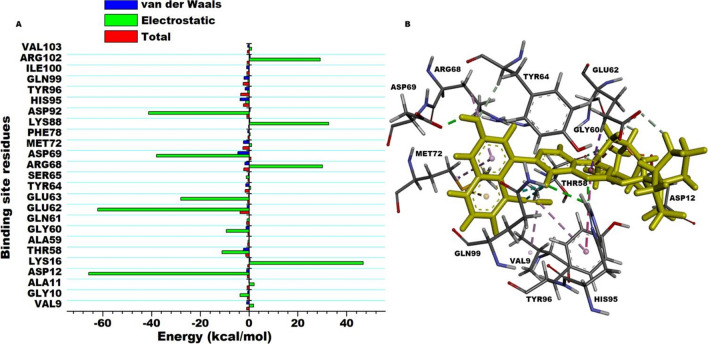
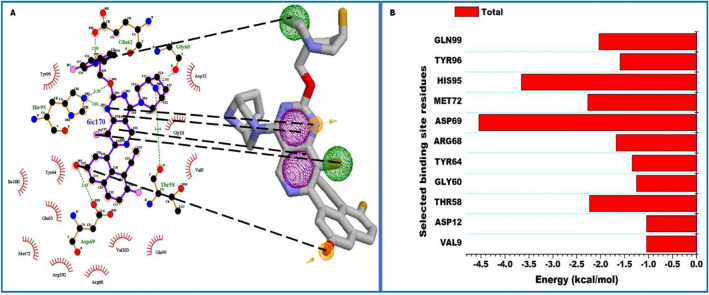
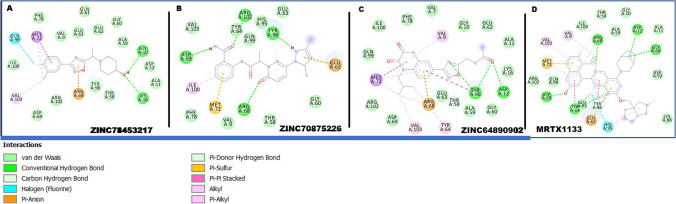
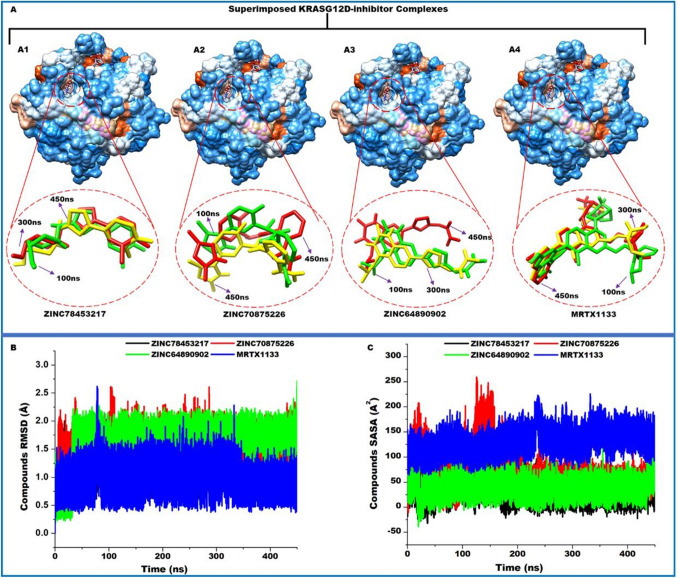
The Kirsten rat sarcoma (KRAS) oncoprotein has been on drug hunters list for decades now. Initially considered undruggable, recent advances have successfully broken the jinx through covalent inhibition that exploits the mutated cys12 in the switch II binding pocket (KRAS G12C). Though this approach has achieved some level of success, patients with mutations other than cys12 are still uncatered for. KRAS G12D is the most frequent KRAS mutated oncoprotein. It is only until recently, MRTX1133 has been discovered as a potential inhibitor of KRAS G12D. This study seeks to unravel the structural binding mechanism of MRTX1133 as well as identify potential drug leads of KRAS G12D based on structural binding characteristics of MRTX1133. It was revealed that MRTX1133 binding stabilizes the binding site by increasing the hydrophobicity which resultantly induced positive correlated movements of switches I and II which could disrupt their interaction with effector and regulatory proteins. Furthermore, MRTX1133 interacted with critical residues; Asp69 (− 4.54 kcal/mol), His95 (− 3.65 kcal/mol), Met72 (− 2.27 kcal/mol), Thr58 (− 2.23 kcal/mol), Gln99 (− 2.03 kcal/mol), Arg68 (− 1.67 kcal/mol), Tyr96 (− 1.59 kcal/mol), Tyr64 (− 1.34 kcal/mol), Gly60 (− 1.25 kcal/mol), Asp12 (− 1.04 kcal/mol), and Val9 (− 1.03 kcal/mol) that contributed significantly to the total free binding energy of − 73.23 kcal/mol. Pharmacophore-based virtual screening based on the structural binding mechanisms of MRTX1133 identified ZINC78453217, ZINC70875226 and ZINC64890902 as potential KRAS G12D inhibitors. Further, structural optimisations and biochemical testing of these compounds would assist in the discovery of effective KRAS G12D inhibitors.
Overview
The claims and statistics of this paper haven’t been checked yet.
Free: it reads the open-access text and checks the first 5 claims that cite a source we can check. Create a free account to check every claim.
Integrity signals
Registry
Cites
Statistics
Figures
Verification
Claims the paper makes
The claims and statistics of this paper haven’t been checked yet.
Free: it reads the open-access text and checks the first 5 claims that cite a source we can check. Create a free account to check every claim.
Claims other papers make about this one
Each is checked against this paper’s own text: does it say what the citing paper says it does?
The source backs part of the claim, not all of it — or backs it for a different population, condition or comparison.
In the citing paper
“Besides, MRTX-1133 inhibited KRAS-dependent signaling and promoted tumor regression in xenograft models.”
From Recent advances in targeting the “undruggable” proteins: from drug discovery to clinical trials (2023) · cites this paper as [255]
Experimental — accuracy not yet measuredThe source backs part of the claim, not all of it — or backs it for a different population, condition or comparison.
In the citing paper
“Preclinical studies demonstrated potent suppression of KRAS G12D signaling and marked antitumor activity in pancreatic and colorectal cancer models [51,53].”
From Precision Targeting of KRAS-Mutant Cancers: Beyond G12C Toward G12D and Pan-RAS Therapeutic Strategies (2026) · cites this paper as [53]
Experimental — accuracy not yet measured
Self-check
Percentages, sums and reported differences re-computed from the paper’s own numbers.
The self-check needs the paper’s full text.
Citations
Cites
UCSF Chimera—A visualization system for exploratory research and analysis
Pettersen, E. F., Goddard, T. D., Huang, C. C., Couch, G. S., Greenblatt, D. M., Meng, E. C., & Ferrin, T. E. (2004) · Journal of Computational Chemistry · doi:10.1002/jcc.20084 · Cited by 45,828
Berman, H. M. (2000) · Nucleic Acids Research · doi:10.1093/nar/28.1.235 · Cited by 40,196
Daina, A., Michielin, O., & Zoete, V. (2017) · Scientific Reports · doi:10.1038/srep42717 · Cited by 18,367
Lipinski, C. A., Lombardo, F., Dominy, B. W., & Feeney, P. J. (2001) · Advanced Drug Delivery Reviews · doi:10.1016/s0169-409x(00)00129-0 · Cited by 18,139
ff14SB: Improving the Accuracy of Protein Side Chain and Backbone Parameters from ff99SB
Maier, J. A., Martinez, C., Kasavajhala, K., Wickstrom, L., Hauser, K. E., & Simmerling, C. (2015) · Journal of Chemical Theory and Computation · doi:10.1021/acs.jctc.5b00255 · Cited by 10,830
Molecular properties that influence the oral bioavailability of drug candidates
Veber, D. F., Johnson, S. R., Cheng, H.-Y., Smith, B. R., Ward, K. W., & Kopple, K. D. (2002) · Journal of Medicinal Chemistry · doi:10.1021/jm020017n · Cited by 8,420
PTRAJ and CPPTRAJ: Software for Processing and Analysis of Molecular Dynamics Trajectory Data
Roe, D. R., & Cheatham, T. E. (2013) · Journal of Chemical Theory and Computation · doi:10.1021/ct400341p · Cited by 7,382
Osimertinib in Untreated EGFR -Mutated Advanced Non–Small-Cell Lung Cancer
Soria, J.-C., Ohe, Y., Vansteenkiste, J., Reungwetwattana, T., Chewaskulyong, B., Lee, K. H., Dechaphunkul, A., Imamura, F., Nogami, N., Kurata, T., et al. (2018) · New England Journal of Medicine · doi:10.1056/nejmoa1713137 · Cited by 5,508
MMPBSA.py: An Efficient Program for End-State Free Energy Calculations
Miller, B. R., McGee, T. D., Swails, J. M., Homeyer, N., Gohlke, H., & Roitberg, A. E. (2012) · Journal of Chemical Theory and Computation · doi:10.1021/ct300418h · Cited by 4,609
Small-Molecule Library Screening by Docking with PyRx
Dallakyan, S., & Olson, A. J. (2015) · Methods in Molecular Biology · doi:10.1007/978-1-4939-2269-7_19 · Cited by 3,998
Research works printed but not linked: 1
- Schweizer L Mueller L protein conformational dynamics and signaling in evolution and pathophysiology Arey Pharmacology and Therapeutics 2014 San Diego Academic Press 209 249
Cited by
Recent advances in targeting the “undruggable” proteins: from drug discovery to clinical trials
Xie, X., Yu, T., Li, X., Zhang, N., Foster, L. J., Peng, C., Huang, W., & He, G. (2023) · Signal Transduction and Targeted Therapy · doi:10.1038/s41392-023-01589-z · Cited by 396
Rudrapal, M., Eltayeb, W. A., Rakshit, G., El-Arabey, A. A., Khan, J., Aldosari, S. M., Alshehri, B., & Abdalla, M. (2023) · Scientific Reports · doi:10.1038/s41598-023-35161-0 · Cited by 167
Self-citationIssahaku, A. R., Salifu, E. Y., Agoni, C., Alahmdi, M. I., Abo-Dya, N. E., Soliman, M. E. S., Rudrapal, M., & Naresh, P. (2023) · ChemistrySelect · doi:10.1002/slct.202300277 · Cited by 58
Self-citationÇapan, İ., Hawash, M., Qaoud, M. T., Gülüm, L., Tunoğlu, E. N. Y., Çifci, K. U., Çevrimli, B. S., Sert, Y., Servi, S., Koca, İ., et al. (2024) · BMC Chemistry · doi:10.1186/s13065-024-01207-1 · Cited by 54
“The preparation step encompassed various tasks, including assigning bond orders, adding hydrogen atoms, filling in missing side chains and loops using Prime, generating het states at pH 7 ± 1 using Epik, optimizing the protein structure, removing water molecules within a 3 Å range beyond hets, and…”
MethodVenkata, R. B., Prasanth, D., Pasala, P. K., Panda, S. P., Tatipamula, V. B., Mulukuri, N. V. L. S., Kota, R. K., Rudrapal, M., Khan, J., Aldosari, S., et al. (2023) · Frontiers in Nutrition · doi:10.3389/fnut.2023.1185236 · Cited by 52
Self-citationRudrapal, M., de Oliveira, A. M., Abreu, H. A. D., Rakshit, G., Tripathi, M. K., & Khan, J. (2025) · Chemistry & Biodiversity · doi:10.1002/cbdv.202403505 · Cited by 28
Self-citationMolecular dynamics simulations for the structure-based drug design: targeting small-GTPases proteins
Parise, A., Cresca, S., & Magistrato, A. (2024) · Expert Opinion on Drug Discovery · doi:10.1080/17460441.2024.2387856 · Cited by 28
“Similarly, MD simulations clarified the binding mode of MRTX1133, a selective non-covalent inhibitor of KRas G12D [161].”
Identification and affinity enhancement of T-cell receptor targeting a KRASG12V cancer neoantigen
Zhang, M., Xu, W. L., Luo, L., Guan, F., Wang, X., Zhu, P., Zhang, J., Zhou, X., Wang, F., & Ye, S. (2024) · Communications Biology · doi:10.1038/s42003-024-06209-2 · Cited by 25
Ünsal, V., Öner, E., Yıldız, R., & Mert, B. D. (2025) · BMC Chemistry · doi:10.1186/s13065-024-01371-4 · Cited by 27
Tu, G., Gong, Y., Yao, X., Liu, Q., Xue, W., & Zhang, R. (2024) · International Journal of Biological Macromolecules · doi:10.1016/j.ijbiomac.2024.133374 · Cited by 23
Issahaku, A. R., Mncube, S. M., Agoni, C., Kwofie, S. K., Alahmdi, M. I., Abo-Dya, N. E., Sidhom, P. A., Tawfeek, A. M., Ibrahim, M. A. A., Mukelabai, N., et al. (2023) · Journal of Molecular Modeling · doi:10.1007/s00894-023-05516-5 · Cited by 20
Self-citationChoi, J., Shin, J. H., Kim, T. K., Kim, K., Kim, J.-Y., Jeon, E., Park, J., Han, Y. D., Kim, K., Sim, T., et al. (2024) · Cancer Letters · doi:10.1016/j.canlet.2024.216904 · Cited by 21
Majrashi, T. A., Hassab, M. A. E., Mahmoud, S. H., Mostafa, A., Wahsh, E. A., Elkaeed, E. B., Hassan, F. E., Eldehna, W. M., & Abdelgawad, S. M. (2024) · PLoS ONE · doi:10.1371/journal.pone.0301086 · Cited by 17
Qandeel, B. M., Mowafy, S., Abouzid, K. A. M., & Farag, N. A. (2024) · BMC Chemistry · doi:10.1186/s13065-023-01110-1 · Cited by 16
“Lower binding affinity implies strong interactions and better stabilities, revealing the compound’s potency [94].”
BackgroundAdams, L., Issahaku, A. R., Agoni, C., Afiadenyo, M., Kusi, K. A., Moane, S., Obiri-Yeboah, D., & McKeon‐Bennett, M. (2023) · Informatics in Medicine Unlocked · doi:10.1016/j.imu.2023.101319 · Cited by 15
Self-citationHajjo, R., Sabbah, D. A., Bardaweel, S. K., & Zhong, H. A. (2024) · Expert Opinion on Therapeutic Patents · doi:10.1080/13543776.2024.2327307 · Cited by 17
Warude, B., Wagh, S. N., Chatpalliwar, V. A., Yıldırım, M., Çelik, İ., Rudrapal, M., Khan, J., Chinnam, S., Garud, A., & Neharkar, V. S. (2023) · Pharmacia · doi:10.3897/pharmacia.70.e100356 · Cited by 13
Self-citationFasooto, T. T., Ogundana, O. R., Adebayo, A. F., Olawade, D. B., Olugbogi, E. A., Fapohunda, O., & Akinmoladun, A. C. (2024) · Pharmacological Research - Modern Chinese Medicine · doi:10.1016/j.prmcm.2024.100399 · Cited by 13
Singh, D., Mittal, N., Mittal, P., Tiwari, N. K., Khan, S.-U.-D., Ali, M. A. M., Chaudhary, A. A., & Siddiqui, M. H. (2024) · Scientific Reports · doi:10.1038/s41598-024-68450-3 · Cited by 17
“Our results are supported by studies where computational-based predictions of compounds were done for anticancer, anti-bacterial, antifungal, antimalarial, and anti-inflammatory potential 66–69 .”
ResultDecoding KRAS dynamics: Exploring the impact of mutations and inhibitor binding
Pandey, D., & Roy, K. K. (2024) · Archives of Biochemistry and Biophysics · doi:10.1016/j.abb.2024.110279 · Cited by 13
Salifu, E. Y., Rashid, I. A., Issahaku, A. R., Osei, F., & Ayariga, J. A. (2023) · Frontiers in Drug Discovery · doi:10.3389/fddsv.2023.1087008 · Cited by 14
Self-citationLiang, F., Kang, Z., Sun, X., Chen, J., Duan, X., He, H., & Cheng, J. (2023) · Journal of Computer-Aided Molecular Design · doi:10.1007/s10822-023-00498-1 · Cited by 15
“The naphthyl group occupies a hydrophobic pocket form by valine V9, threonine T58, methionine M72, Phenylalanine F78, tyrosine Y96 and isoleucine I100 [30].”
BackgroundIssahaku, A. R., Ibrahim, M. A. A., Mukelabai, N., & Soliman, M. E. S. (2023) · The Protein Journal · doi:10.1007/s10930-023-10091-y · Cited by 12
Self-citationMajrashi, T. A., Sabt, A., Almahli, H., Hassab, M. A. E., Noamaan, M. A., Elkaeed, E. B., Hamissa, M. F., Maslamani, A. N. J., Shaldam, M. A., & Eldehna, W. M. (2024) · PLoS ONE · doi:10.1371/journal.pone.0300035 · Cited by 11
Kim, H., Gasmi-Seabrook, G. M. C., Uchida, A., Gebregiworgis, T., Marshall, C. B., & Ikura, M. (2025) · Journal of Molecular Biology · doi:10.1016/j.jmb.2025.169162 · Cited by 12
Obakachi, V. A., Nchiozem‐Ngnitedem, V., Govender, K. K., & Govender, P. P. (2025) · Journal of Computer-Aided Molecular Design · doi:10.1007/s10822-025-00585-5 · Cited by 11
Paul, A., Zothantluanga, J. H., Rakshit, G., Çelik, İ., Rudrapal, M., & Zaman, K. (2023) · Polycyclic aromatic compounds · doi:10.1080/10406638.2023.2236759 · Cited by 11
“60 All the protein-ligand complexes showed a significantly low binding free energy.”
BackgroundSelf-citationGebrehiwot, H., Ensermu, U., Dekebo, A., Endale, M., & Duke, T. N. (2024) · Biochemistry Research International · doi:10.1155/2024/7551813 · Cited by 8
Du, W., Zhao, L. H., Wu, R., Huang, B., Liu, S., Liu, Y., Huang, H., & Shi, G. (2024) · PLoS ONE · doi:10.1371/journal.pone.0299696 · Cited by 7
Dwivedi, M., Devi, S. S., Singh, S., Trivedi, M., Hussain, N., Yadav, S., & Dubey, K. D. (2024) · Journal of Biomaterials Science Polymer Edition · doi:10.1080/09205063.2024.2385138 · Cited by 7
The flavonoid Sudachitin regulates glucose metabolism via PDE inhibition
Hatanaka, R., Taguchi, A., Nagao, Y., Yorimoto, K., Takesato, A., Masuda, K., Ono, T., Samukawa, Y., Tanizawa, Y., & Ohta, Y. (2024) · Heliyon · doi:10.1016/j.heliyon.2024.e35978 · Cited by 7
Sianoya, A. C., Zuo, Y., Pagba, C. V., Jakubec, J. L., Planque, S. A., Frost, J. A., Medina, P. M. B., & Gorfe, A. A. (2026) · Molecular Cancer Therapeutics · doi:10.1158/1535-7163.mct-25-1087 · Cited by 6
Iruthayaraj, A., Sakayanathan, P., Ameén, F., & Loganathan, C. (2024) · Journal of Molecular Recognition · doi:10.1002/jmr.3103 · Cited by 6
“Several structural information about the binding nature of MRTX1133 with KRAS G12D mutant protein has been reported based on MD analysis [37– 40].”
Mulongo, E. K., Kilembe, J. T., Y, N., Matondo, A. P., Ngbolua, K.-T.-N., Tshilanda, D. D., S, T. T. D., & Mpiana, P. T. (2025) · Next research. · doi:10.1016/j.nexres.2025.100249 · Cited by 6
Rong, Y., Zhang, G., Ye, W., Qi, L., Hao, X., Li, X., Zhang, W., Chao, Y., & Gu, S. (2025) · Cancer Medicine · doi:10.1002/cam4.70813 · Cited by 6
“The docking studies indicated that complexes with binding free energy below − 4 kcal/mol exhibited favorable interactions [28, 29].”
Abolfathi, H., Kordahi, M., Armero, V. E. S., Gagné, A., Desmeules, P., Orain, M., Fiset, P., Boudreau, D. K., Gaudreault, N., Lamaze, F. C., et al. (2025) · Lung Cancer · doi:10.1016/j.lungcan.2025.108596 · Cited by 8
Shi, X., Hu, L., Huang, Y., Zhang, M.-F., Ying, X., Yuan, X., Wen, N., Lu, J., Zou, H., Tan, X., et al. (2026) · Journal of Advanced Research · doi:10.1016/j.jare.2025.09.014 · Cited by 6
Roney, M., Issahaku, A. R., Huq, A. M., Soliman, M. E. S., Tajuddin, S. N., & Aluwi, M. F. F. M. (2023) · Journal of Biomolecular Structure and Dynamics · doi:10.1080/07391102.2023.2276879 · Cited by 6
“This approach has been widely used in several studies (Bian et al., 2014; Champagne et al., 2013; Issahaku et al., 2022b; Issahaku & Soliman, 2023; Kalra et al., 2001; Westermaier et al., 2017) due to its popularity and reliability (Miller et al., 2012).”
Self-citationAbo-Dya, N. E., & Issahaku, A. R. (2023) · ChemistrySelect · doi:10.1002/slct.202303481 · Cited by 6
Self-citationIssahaku, A. R., Wilhelm, A., Schutte‐Smith, M., Erasmus, E., & Visser, H. G. (2024) · Journal of Biomolecular Structure and Dynamics · doi:10.1080/07391102.2024.2331088 · Cited by 6
“The Molecular Mechanics/Poisson-Boltzmann Area (MM/ PBSA) approach to investigating the thermodynamics landscape of complexes have been widely used due to its efficiency and low cost (Issahaku et al., 2022; Miller et al., 2012).”
Self-citationZHENG, W., Jiang, D., Chen, S., Wu, M., Yan, B., Zhai, J., Shi, Y. E., Xie, B., Xie, X., Hu, K., et al. (2024) · Oncology Research Featuring Preclinical and Clinical Cancer Therapeutics · doi:10.32604/or.2024.056565 · Cited by 7
Structure–activity relationships of KRAS-G12D inhibitors for pancreatic cancer
Suyal, C., Mangala, S. S., Kishore, A., & Kini, S. G. (2025) · Drug Discovery Today · doi:10.1016/j.drudis.2025.104396 · Cited by 7
Abdel-Sattar, E. A., Kutkat, O., El‐Shiekh, R. A., El-Ashrey, M. K., & Kerdawy, A. M. E. (2024) · Chemistry & Biodiversity · doi:10.1002/cbdv.202301786 · Cited by 5
Yahiaoui, S., Khamtache-Abderrahim, S., Katı, D. E., Bettache, N., & Bachir‐bey, M. (2025) · Journal of Computer-Aided Molecular Design · doi:10.1007/s10822-025-00628-x · Cited by 5
Zhang, Y., Li, L., Xu, J., Che, C.-C., Jia, J., Lu, H., You, Q., & Xu, X. (2026) · Molecules · doi:10.3390/molecules31030459 · Cited by 5
“These intractable targets are typically characterized by a lack of well-defined binding pockets and insufficient structural information, rendering them refractory to conventional therapeutic approaches [2,3].”
In vitro Genotoxicity and In silico Docking Analyses of the Essential Oils of Thuja orientalis
Bozarı, S. (2023) · Chemistry & Biodiversity · doi:10.1002/cbdv.202301643 · Cited by 6
Tabassum, N., Spriha, S. E., Saha, P., Rahman, F. I., Monjur-Al-Hossain, A. S. M., & Rahman, S. M. A. (2024) · Heliyon · doi:10.1016/j.heliyon.2024.e40630 · Cited by 4
“Previously many studies exploited the advantages of computational studies to verify their findings as well as for potential mechanism of action and lead finding [16,17].”
Mehmood, A., Hakami, M. A., Ogaly, H. A., Subramaniyan, V., Khalid, A., & Wadood, A. (2025) · Cancer Chemotherapy and Pharmacology · doi:10.1007/s00280-025-04767-8 · Cited by 6
Krishnasamy, N., Ramadoss, R., & Raman, S. (2024) · Pharmacological Research - Modern Chinese Medicine · doi:10.1016/j.prmcm.2024.100534 · Cited by 4
Agrawal, K. K., Yadav, A., Kumar, S., Saha, S., Singh, K., Jain, D., Almarhoon, Z. M., Setzer, W. N., & Sharifi‐Rad, J. (2024) · Discover Applied Sciences · doi:10.1007/s42452-024-06232-2 · Cited by 4
Аrrousse, N., Berdimurodov, E. T., Bogacheva, M. S., Zakham, F., Soukaina, E., Kadiri, S. E., Taleb, M., & Vapalahti, O. (2024) · Heliyon · doi:10.1016/j.heliyon.2024.e38587 · Cited by 3
“…the pharmacokinetic profile of the synthesized compounds (C1-MP1 and TT1), an in silico study [34 – 38] was done by calculating the ADMET (Toxicity, Excretion, Metabolism, Distribution and Adsorption) performances [21] using the pkCSM online server (http://biosig.unimelb.edu.au/pkcsm/) [22].”
MethodSchmedtje, J. F., Ciske, F. L., Muzzarelli, K. M., & Assar, Z. (2024) · Biomedicine & Pharmacotherapy · doi:10.1016/j.biopha.2024.116378 · Cited by 3
KRAS inhibitors in drug resistance and potential for combination therapy
Rathod, L. S., Sakle, N. S., & Mokale, S. N. (2024) · Tumori Journal · doi:10.1177/03008916241289206 · Cited by 3
Huq, A. M., Roney, M., Issahaku, A. R., Sapari, S., Razak, F. I. A., Soliman, M. E. S., Aluwi, M. F. F. M., & Tajuddin, S. N. (2023) · Journal of Biomolecular Structure and Dynamics · doi:10.1080/07391102.2023.2251069 · Cited by 3
“This matric has been successfully applied in the characterization of compounds with therapeutic potentials against Kirsten rat sarcoma (Issahaku et al., 2022, 2023).”
Self-citationRevanasiddappa, P. D., Gowtham, H. G., Chikkanna, G. S., Gangadhar, S., Satish, A., Murali, M., Shivamallu, C., Achar, R. R., Silina, E. V., Stupin, V. A., et al. (2024) · PLoS ONE · doi:10.1371/journal.pone.0302105 · Cited by 3
“Subsequently, to understand the protein flexibility over stable RMSD states of the protein, the RMSF analysis was performed to calculate the average fluctuations of protein residues from a reference position [48].”
Huang, B., Lin, B., Zheng, H., Zheng, B., Xue, X., & Liu, M. (2025) · Molecular Diversity · doi:10.1007/s11030-025-11115-8 · Cited by 3
Yang, Y. X., Li, P., & Zhu, B. T. (2025) · ChemistryOpen · doi:10.1002/open.202400034 · Cited by 5
Computational Screening of FDA‐Approved Hepatitis C Drugs for Inhibition of VEGFR2 in Liver Cancer
Roney, M., Issahaku, A. R., Tufail, N., Wilhelm, A., & Aluwi, M. F. F. M. (2024) · ChemistrySelect · doi:10.1002/slct.202402683 · Cited by 2
Self-citationNovel Polyphenolic Hybrids Modulate Quorum Sensing Regulated Virulence in Pseudomonas aeruginosa
Dua, T., Chadha, J., Goel, A., Mangal, S., Mittal, N., Sharma, P., Harjai, K., & Singh, V. (2024) · ChemistrySelect · doi:10.1002/slct.202402266 · Cited by 2
Bostancioglu, S. M., & Acar, A. (2025) · BMC Research Notes · doi:10.1186/s13104-025-07137-y · Cited by 3
“Notably, MRTX1133 established interactions with critical residues, such as ASP69, HIS95, MET72, THR58, GLN99, ARG68, TYR96, TYR64, GLY60, ASP12, and VAL9 [56].”
Nigussie, G., Zaib, S., Dekebo, A., Meressa, A., Negassa, T., Chanyalew, M., Zarubaev, V. V., Abebe, A., Abebe, M., Hunsen, M., et al. (2025) · Scientific Reports · doi:10.1038/s41598-025-22247-0 · Cited by 2
“Additionally, Veber’s rule (TPSA ≤ 140 Ų, NRB ≤ 10) predicts good oral bioavailability 35 .”
Antidiabetic potential of Ficus septica targeting aldose reductase and glycogen synthase kinase 3β
Prasanth, D. S. N. B. K., Pasala, P. K., Yaraguppi, D. A., Khan, J., & Rudrapal, M. (2025) · Pharmacological Research - Natural Products · doi:10.1016/j.prenap.2025.100440 · Cited by 2
Self-citationMotta, L., Epistolio, S., Pankovics, J., Molinari, F., Pedrazzini, B., Valera, A., Giudici, L., Freguia, S., Patella, M., Imbimbo, M., et al. (2025) · Cancers · doi:10.3390/cancers17243980 · Cited by 2
“While target therapies have been developed and approved for KRAS p.G12C mutations, such as Sotorasib and Adagra-sib, therapies for KRAS p.G12D remain in the early stages of clinical development [7–9], including selective KRAS p.G12D inhibitors (MRTX113) and Pan-KRAS inhibitors [10–12].”
Nasution, M. A. F., Bekker, G., Re, S., & Mizuguchi, K. (2026) · Computational and Structural Biotechnology Journal · doi:10.34133/csbj.0093 · Cited by 3
“S14 a), which may influence the stability of the Glu62 hydrogen bond, consistent with prior molecular mechanics Poisson–Boltzmann surface area studies showing Lys88’s positive electrostatic contribution [ 65 ].”
Raman, K., Rajagopal, K., Islam, F., Jupudi, S., Selvaraj, D., Swaminathan, G., Singh, L. P., Rana, R., Akash, S., Islam, M. R., et al. (2024) · ChemistryOpen · doi:10.1002/open.202300198 · Cited by 2
Fundamentals of drug design and discovery
Choudhary, H. B., Patekar, R. R., & Rudrapal, M. (2024) · Elsevier eBooks · doi:10.1016/b978-0-443-16013-4.00011-7 · Cited by 2
Self-citationComputational Evaluation of Bioactive Compounds from Dysphania ambrosioides Leaves
Kadi, M., Berraaouan, A., Driouech, M., Ziyyat, A., Mekhfi, H., Bnouham, M., & Legssyer, A. (2024) · Chemistry & Biodiversity · doi:10.1002/cbdv.202301527 · Cited by 1
Yusuf, A. J., Sadiq, M., Bugaje, A. I., Salihu, M., Oluwajembola, A. M., & Okoh, O. S. (2025) · Pharmacological Research - Natural Products · doi:10.1016/j.prenap.2025.100197 · Cited by 1
Development of highly potent and selective oncogenic KRASG12D PROTAC degraders
Mao, Y., Wei, P., Wei, T., Wang, Y., Qi, Z., Cai, X., Jia, C., Zhao, Z., Li, B., Qiao, M., et al. (2025) · European Journal of Medicinal Chemistry Reports · doi:10.1016/j.ejmcr.2025.100296 · Cited by 4
Unveiling KRAS G12D inhibition: from molecular dynamics to therapeutic strategies
Omotara, B. S., Solanki, P. R., Manica, A. K., Ajala, C. F., Junaid, I. O., Anifowose, L. O., Adeniran, T. R., Nwachukwu, F., Farayola, R. O., Abdulrasaq, I. T., et al. (2025) · Journal of Biomolecular Structure and Dynamics · doi:10.1080/07391102.2025.2563084 · Cited by 1
“One study we found closest to this is the work of Issahaku and collaborators, where authors sought to unravel the structural binding mechanism of MRTX1133 with KRAS G12D using computational methods (Issahaku et al., 2022).”
Ibraheem, W., Alsheikh, F., Alzain, A. A., Bhongade, B. A., Ejaz, L., Baig, H., Robinson, R. C., & El‐Tanani, M. (2026) · PLoS ONE · doi:10.1371/journal.pone.0338123 · Cited by 1
“It has been reported that the key amino acids contributing to the stability of KRAS G12D , in descending order of significance, are: Asp69, His95, Met72, Gln99, Arg68, Tyr96, Tyr64, Gly60, Asp12, and Val9 [29].”
In vitro antimitotic activity and in silico study of some 6-fluoro-triazolo-benzothiazole analogues
Naresh, P., Rudrapal, M., Sibbala, S., Bendale, A. R., Yanadaiah, P., Babu, M. R., Manda, K., Pecho, R. D. C., & Muddisett, S. (2023) · Pharmacia · doi:10.3897/pharmacia.70.e109898 · Cited by 1
Self-citationYadav, S., Kumar, D., Chopra, H., Bhatt, I., Chaudhary, A., Gaba, R., & Singh, P. (2024) · Chemistry & Biodiversity · doi:10.1002/cbdv.202400904 · Cited by 1
Tian, S., Chang, G., Xiang, Y., Cai, C., Luo, X., Zhu, R., Yang, H., & Gao, H. (2024) · International Journal of Food Science & Technology · doi:10.1111/ijfs.17391 · Cited by 1
Discovery and development of MRTX1133, a potent, selective, noncovalent inhibitor of KRASG12D
Gill, A. L., & Wang, X. (2024) · Elsevier eBooks · doi:10.1016/b978-0-443-21861-3.00016-4 · Cited by 1
Kano, Y. (2026) · International Journal of Molecular Sciences · doi:10.3390/ijms27135796
“Preclinical studies demonstrated potent suppression of KRAS G12D signaling and marked antitumor activity in pancreatic and colorectal cancer models [51,53].”
Keats, M. A., Han, J. J. W., Lee, Y., Lee, C.-S., & Luo, J. (2023) · doi:10.1158/0008-5472.24071339
Keats, M. A., Han, J. J. W., Lee, Y., Lee, C.-S., & Luo, J. (2023) · doi:10.1158/0008-5472.24071339.v1
Safaei‐Ghomi, J., Lordejani, H. A., Marimuthu, P., & Salo‐Ahen, O. M. H. (2024) · Research Square · doi:10.21203/rs.3.rs-4059250/v1 · Cited by 1
“For this purpose, we used ZINCPharmer 50 , a web-based tool that allows the detection of functional groups and pharmacophore points in a given molecule 51-53 .”
MethodRetractedMncube, S. M., Issahaku, A. R., & Soliman, M. E. S. (2024) · Research Square · doi:10.21203/rs.3.rs-4088693/v1
Self-citationTherapeutic Targeting of KRAS Oncogene in Pancreatic Ductal Adenocarcinoma (PDAC)
Song, J. J. (2024) · Journal of Student Research · doi:10.47611/jsrhs.v13i1.6375
Tchamgoue, J., Pechangou, S. N., Issahaku, A. R., Ngandjui, Y. A. T., Wilhelm, A., Kamto, E. L. D., Moundipa, P. F., & Kouam, S. F. (2024) · ChemistrySelect · doi:10.1002/slct.202403842
Self-citationQandeel, B. M., Mowafy, S., Abouzid, K. A. M., & Farag, N. A. (2024) · Figshare · doi:10.6084/m9.figshare.26670435
Qandeel, B. M., Mowafy, S., Abouzid, K. A. M., & Farag, N. A. (2024) · Figshare · doi:10.6084/m9.figshare.26670438
Çapan, İ., Hawash, M., Qaoud, M. T., Gülüm, L., Tunoglu, E. N. Y., Çifci, K. U., Çevrimli, B. S., Sert, Y., Servi, S., Koca, İ., et al. (2024) · Figshare · doi:10.6084/m9.figshare.26723855
KRASAVA—An Expert System for Virtual Screening of KRAS G12D Inhibitors
Tinkov, O. V., Gurevich, P. E., Nikolenko, S. A., Kadyrov, S. D., Bogatyreva, N. S., Grigorev, V. Y., Ivankov, D. N., & Pak, M. A. (2025) · International Journal of Molecular Sciences · doi:10.3390/ijms27010120
“The identified interactions are supported by previous studies on similar compounds [38].”
Varol, A. (2025) · Mugla Journal of Science and Technology · doi:10.22531/muglajsci.1826880
Nigussie, G., Zaib, S., Chanyalew, M., Dekebo, A., Meressa, A., Abebe, M., Negassa, T., Hunsen, M., & Endale, M. (2026) · Scientific Reports · doi:10.1038/s41598-025-32835-9
Alamri, A. M., Mir, S. A., Khan, M. S., Ahmad, M. I., Razzokov, J., & Nayak, B. (2026) · European Biophysics Journal · doi:10.1007/s00249-026-01817-8
“Next, the MRTX1133’s effectiveness is widely estab - lished, and preliminary research has described its general mechanism of employing conventional techniques to target the KRAS G12D (Issahaku et al. 2022).”
Athira, E., Varughese, J. K., Davis, S., Jose, D., & Rajan, V. K. (2026) · In Silico Pharmacology · doi:10.1007/s40203-026-00574-y
“This is one of the versatile methods in computational biochemistry to analyze binding affinity, residue-level energy decomposition and stability assessments(Issahaku et al. 2022),(Wang et al. 2019),(Gen-heden et al.,2015).”
Issahaku, A. R., Noreljaleel, A. E. M., Murray, Z., Schutte‐Smith, M., & Wilhelm, A. (2026) · Journal of Pharmaceutical Innovation · doi:10.1007/s12247-026-10488-z
Self-citationHesham, S. A., Mai, S.-H. I., Ziko, L., Serya, R. A. T., Farag, N., Abouzid, K., & Mowafy, S. (2026) · Future Medicinal Chemistry · doi:10.1080/17568919.2026.2642673
Zhou, C., Zhu, Y., Yang, C., Gao, Y., Lu, J., & Ming, D. (2026) · Pharmaceuticals · doi:10.3390/ph19050753
“The grid box coordinates, dimensions, and other docking parameters were set according to previous studies [34].”
Nigussie, G., Zaib, S., Dekebo, A., Abebe, M., Abera, B., Kassahun, M., Meressa, A., Negassa, T., Abebe, A., Hunsen, M., et al. (2026) · Results in Chemistry · doi:10.1016/j.rechem.2026.103708
Aparana, K., Guruswaroop, C., M, K. K., J, D. N., & Krishnaveni, S. (2026) · In Silico Research in Biomedicine · doi:10.1016/j.insi.2026.100572
Machine Learning-Guided Discovery of Potential Natural KRAS-G12D Inhibitors for Pancreatic Carcinoma
Alquraini, A., Alahmari, M., Alkholifi, F. K., Alghazwani, Y., Qadri, M., Alomar, F. A., Almarghalani, D. A., & Imran, M. (2026) · Journal of Pharmaceutical Innovation · doi:10.1007/s12247-026-11123-7
“Essential parts of the protein, such as ARG68, THR58, TYR96, and MET72, were consistently involved in stabilizing interac - tions throughout our simulations [40].”
Influential
Metadata
- Authors
- Issahaku, A. R., Mukelabai, N., Agoni, C., Rudrapal, M., Aldosari, S. M., Almalki, S. G., & Khan, J.
- Affiliations
- University of KwaZulu-Natal (ZA)
- Majmaah University (SA)
- Corresponding author
- Rudrapal, Mithun
- ORCID
- Venue
- Scientific Reports
- Published
- 2022-10-22
- Volume
- 12
- Issue
- 1
- Pages
- 17796-17796
- ISSN
- 2045-2322 (ISSN-L)
- PMC
- PMC9588042
- OpenAlex
- W4307138949
- Cited by
- 93
- References
- 66
- Citations by year
- 2026: 13 · 2025: 21 · 2024: 41 · 2023: 18
- FWCI
- 6.61
- Type
- journal article
- Language
- en
- Open access
- gold
- doi.org
- Licence
- cc-by
- creativecommons.org/licenses/by/4.0 (tdm)
- creativecommons.org/licenses/by/4.0 (vor)
- Locations
- Scientific Reports (publishedVersion, cc-by)
- PubMed Central (publishedVersion, cc-by)
- PubMed (publishedVersion)
- DOAJ (DOAJ: Directory of Open Access Journals) (submittedVersion, cc-by-sa)
- Topics
- Life Sciences › Biochemistry, Genetics and Molecular Biology › Molecular Biology › Protein Kinase Regulation and GTPase Signaling
- Life Sciences › Pharmacology, Toxicology and Pharmaceutics › Drug Discovery › Computational Drug Discovery Methods
- Life Sciences › Biochemistry, Genetics and Molecular Biology › Molecular Biology › Protein Tyrosine Phosphatases
- Keywords
- MRTX1133, KRAS G12D, KRAS inhibitors, covalent inhibition, binding free energy, hydrophobic stabilization, pharmacophore-based virtual screening, lead compound identification, cancer therapy
- MeSH terms
- Binding Sites, Humans, Mutation, Neoplasms, Proto-Oncogene Proteins p21(ras)
About these checks
Registry, retraction, Cites and statistics results are computed, not judged, with one exception: a printed reference that no index lists is read once by a model before it counts as a citation error. Claims are extracted by a model and kept only when their quote appears verbatim in the text; each cited source is then checked, with a model’s help, for whether it says what the claim relies on. Those verdicts can be wrong — read the claim’s quote and the cited source before relying on one.
Statistics and arithmetic are recomputed, not judged.
Confidence bands are shown only for fields calibrated on our annotated test set. None is calibrated yet, so no band is shown.
What counts as a claim ›How we measure confidence ›How we check this ›
Are you an author, or do you see a problem with this page? Request a review
Data sources
Bibliographic data: Semantic Scholar, OpenAlex, Crossref.
Contains information from the Semantic Scholar Academic Graph Datasets, made available under the ODC Attribution License (ODC-BY 1.0).
Semantic Scholar’s data is described in: Kinney, R., et al. (2023). The Semantic Scholar Open Data Platform. arXiv:2301.10140.
