

Antibacterial bionanocomposite hydrogel based on hydroxyethyl cellulose, poly(vinyl alcohol), and montmorillonite clay as a scaffold for bone tissue engineering application
Open accessThe DOI matches its Crossref record; 63 of the 63 references it cites were found in a registry or an index.
Abstract
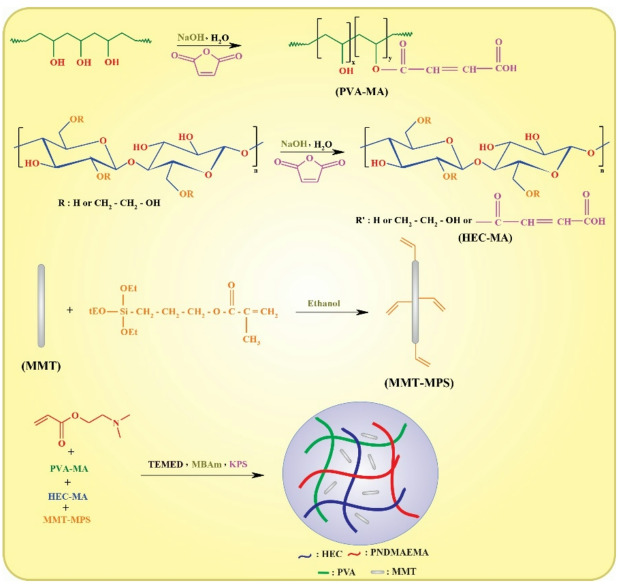
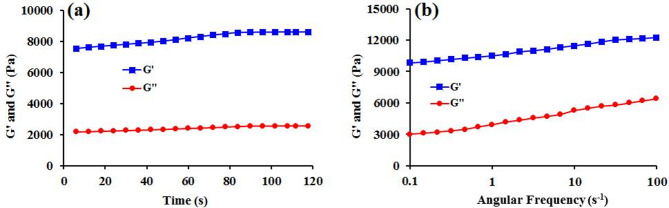
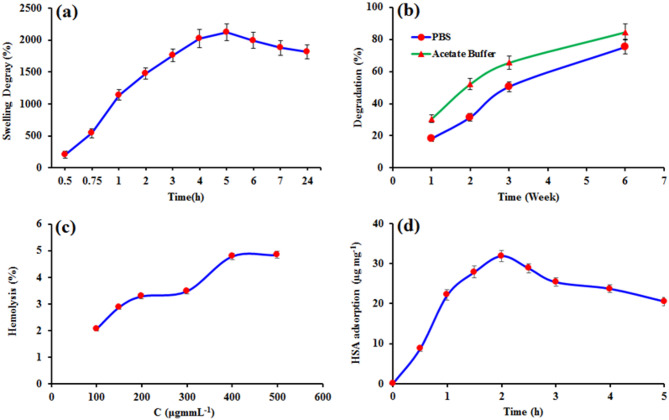
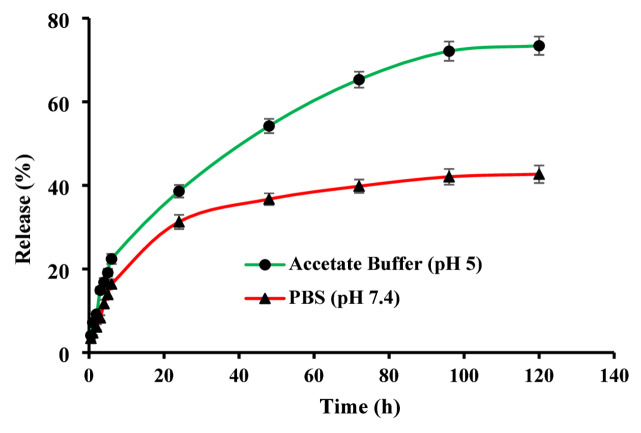
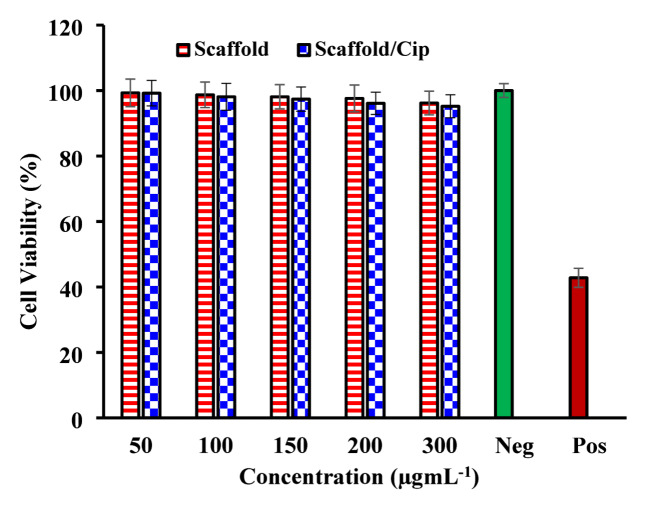
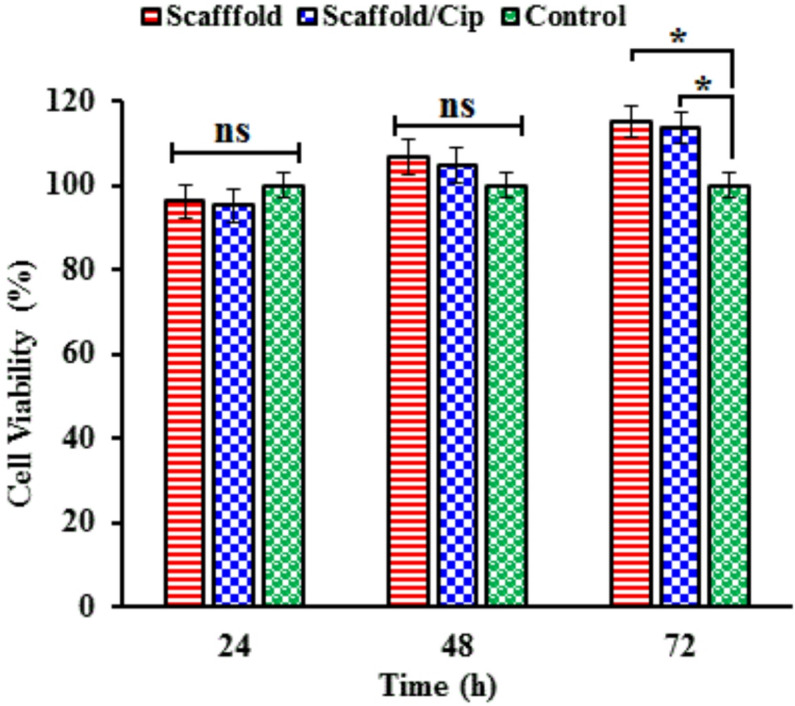
It is well-documented that tissue engineering (TE) has been established as a powerful alternative for treatment of damaged and failed tissues/organs. Therefore, a novel bionanocomposite hydrogel was synthesized based on hydroxyethyl cellulose (HEC), poly(vinyl alcohol) (PVA), and montmorillonite (MMT) clay as a scaffold for bone TE application. For this, HEC and PVA were functionalized with maleic anhydride (MA) to afford HEC-MA and PVA-MA macromonomers. Clay was modified by a methacrylate-end capped silane coupling agent, and then a mixture of HEC-MA, PVA-MA, modified MMT, and N,N´-dimethylaminoethyl methacrylate (DMAEMA) monomer was copolymerized in the presence of a crosslinker via a free radical copolymerization approach to afford a bionanocomposite hydrogel (HEC/PVA-cl-PDMAEMA/MMT). The developed scaffold was loaded with ciprofloxacin (Cip) as an antibiotic drug, and its antibacterial property was investigated by agar well-diffusion method against Staphylococcus aureus and Escherichia coli. The scaffold showed proper drug loading capacity (4.22%), and pH-responsiveness drug release profile. Hemocompatibility assay exhibited that the scaffold had a hemolysis value less than 5% even at high concentration, which is slightly hemolytic as international standards. As proliferation experiment results by MTT-assay, the scaffold improved attachment, growth and proliferation of human osteoblast-like cells than control group, which qualified it for bone TE.
Overview
The claims and statistics of this paper haven’t been checked yet.
Free: it reads the open-access text and checks the first 5 claims that cite a source we can check. Create a free account to check every claim.
Integrity signals
Registry
Cites
Statistics
Figures
Verification
Claims the paper makes
The claims and statistics of this paper haven’t been checked yet.
Free: it reads the open-access text and checks the first 5 claims that cite a source we can check. Create a free account to check every claim.
Claims other papers make about this one
Each is checked against this paper’s own text: does it say what the citing paper says it does?
The cited source doesn’t support the claim as written.
In the citing paper
“A new band appeared at 1150 cm⁻¹, close to the 1117 cm⁻¹ peak of pure MMT, related to the Si-O group of the nanosilicate, further verifying the successful integration of MMT into the ColMA/SFMA+MMT inks [24,25].”
From Montmorillonite-reinforced methacrylated collagen/methacrylated silk fibroin hydrogel-based inks: rheological and physicochemical characterization for bone scaffold applications (2026) · cites this paper as [24]
Checked by a reasoning model — may be wrong.
Experimental — accuracy not yet measuredThe source backs part of the claim, not all of it — or backs it for a different population, condition or comparison.
In the citing paper
“Among them, montmorillonite (MMT) stands out due to its lamellar structure, high aspect ratio, and ability to establish physical interactions with polymer chains [24].”
From Montmorillonite-reinforced methacrylated collagen/methacrylated silk fibroin hydrogel-based inks: rheological and physicochemical characterization for bone scaffold applications (2026) · cites this paper as [24]
Experimental — accuracy not yet measured
Self-check
Percentages, sums and reported differences re-computed from the paper’s own numbers.
The self-check needs the paper’s full text.
Citations
Cites
Kinetic modeling on drug release from controlled drug delivery systems.
Dash, S., Murthy, P. N., Nath, L., & Chowdhury, P. (2010) · PubMed · Cited by 2,733
Cui, Z.-K., Kim, S., Baljon, J. J., Wu, B. M., Aghaloo, T., & Lee, M. (2019) · Nature Communications · doi:10.1038/s41467-019-11511-3 · Cited by 432 · cited 2×
“Furthermore, clays as analogous to bioglass and can act as osteogenic gene expression of tissue cells and regeneration of defected bone by releasing Si-containing ionic products 35–37 .”
Bone Tissue Engineering Scaffolds: Function of Multi‐Material Hierarchically Structured Scaffolds
Koushik, T. M., Miller, C. M., & Antunes, E. (2023) · Advanced Healthcare Materials · doi:10.1002/adhm.202202766 · Cited by 359 · cited 1×
“In addition, proteins adsorption can imprive cyto-and bio-compatibilities as well as reduce immunegic response 55 .”
Utech, S., & Boccaccini, A. R. (2016) · Journal of Materials Science · doi:10.1007/s10853-015-9382-5 · Cited by 357 · cited 1×
“Advances in material engineering, nanobiotechnology, and surface functionalization approaches have facilitated the development of functional biomaterials, which closely replicate the native ECM, essential for various biomedical applications 47 .”
Bone tissue engineering techniques, advances, and scaffolds for treatment of bone defects
Alonzo, M., Alvarez Primo, F., Anil Kumar, S., Mudloff, J. A., Dominguez, E., Fregoso, G., Ortiz, N., Weiss, W. M., & Joddar, B. (2021) · Current Opinion in Biomedical Engineering · doi:10.1016/j.cobme.2020.100248 · Cited by 255
Arkaban, H., Barani, M., Akbarizadeh, M. R., Pal Singh Chauhan, N., Jadoun, S., Dehghani Soltani, M., & Zarrintaj, P. (2022) · Polymers · doi:10.3390/polym14061259 · Cited by 242 · cited 1×
“In this context, numerous synthetic polymers such as poly(vinyl alcohol) (PVA) 14 , poly(ethylene glycol) 15 , and poly(acrylic acid) 16 , as well as natural polymers, including gelatin 17 , hyaluronic acid 18 , natural gums 19 , starch 20 , chitosan 21 , and collagen 22 have used for the…”
Elçin, Y. M., Dixit, V., & Gitnick, G. (2001) · Artificial Organs · doi:10.1046/j.1525-1594.2001.025007558.x · Cited by 224
Abbasian, M., Massoumi, B., Mohammad-Rezaei, R., Samadian, H., & Jaymand, M. (2019) · International Journal of Biological Macromolecules · doi:10.1016/j.ijbiomac.2019.04.197 · Cited by 214 · cited 1×
“Each type has specific advantages and disadvantages that discussed extensively elsewhere 13 .”
Self-citationAn introduction to bone tissue engineering
Perić Kačarević, Ž., Rider, P., Alkildani, S., Retnasingh, S., Pejakić, M., Schnettler, R., Gosau, M., Smeets, R., Jung, O., & Barbeck, M. (2020) · The International Journal of Artificial Organs · doi:10.1177/0391398819876286 · Cited by 212
Bi, S., Pang, J., Huang, L., Sun, M., Cheng, X., & Chen, X. (2020) · International Journal of Biological Macromolecules · doi:10.1016/j.ijbiomac.2019.12.186 · Cited by 178 · cited 1×
“It has a hydroxyl group in each repeating unit that provide possibility for chemical modification to form a hydrogel 29 .”
Nanocomposite hydrogels for biomedical applications
Huang, S., Hong, X., Zhao, M., Liu, N., Liu, H., Zhao, J., Shao, L., Xue, W., Zhang, H., Zhu, P., et al. (2022) · Bioengineering & Translational Medicine · doi:10.1002/btm2.10315 · Cited by 176
Recent Advances in Cellulose-Based Hydrogels for Tissue Engineering Applications
Chen, C., Xi, Y., & Weng, Y. (2022) · Polymers · doi:10.3390/polym14163335 · Cited by 170 · cited 1×
“…glycosidic linkage of glucose that derivatives from cellulose and possess inherent physicochemical (e.g., high solubility, excellent environmental and thermal stabilities, and odourless) and biological (e.g., non-immunogenicity, biodegradability, and cell-and bio-compatibilities) features 23,24 .”
Olad, A., & Azhar, F. F. (2014) · Ceramics International · doi:10.1016/j.ceramint.2014.04.010 · Cited by 151 · cited 1×
“Some bionanocomposite, including methacrylated glycol chitosan/MMT nanocomposite 37 , chitosan– gelatin/nanohydroxyapatite–MTT 38 , silk/MMT 39 , and gelatin/carboxymethyl chitosan/LAPONITE ®40 containing clay have reported for bone TE.”
Advances in Bone tissue engineering: A fundamental review
Manzini, B. M., Machado, L. M. R., Noritomi, P. Y., & da Silva, J. V. L. (2021) · Journal of Biosciences · doi:10.1007/s12038-020-00122-6 · Cited by 148
Khan, M. U. A., Haider, S., Haider, A., Razak, S. I. A., Kadir, M. R. A., Shah, S. A., Javed, A., Shakir, I., & Al-Zahrani, A. A. (2020) · Arabian Journal of Chemistry · doi:10.1016/j.arabjc.2020.102924 · Cited by 131
Zhou, Y., Zhai, Z., Yao, Y., Stant, J. C., Landrum, S. L., Bortner, M. J., Frazier, C. E., & Edgar, K. J. (2023) · Carbohydrate Polymers · doi:10.1016/j.carbpol.2022.120213 · Cited by 129 · cited 1×
“These superior properties capable it for several biomedical applications, such as drug delivery, cosmetic, wound dressing, and TE 25,26 .”
Jadbabaei, S., Kolahdoozan, M., Naeimi, F., & Ebadi‐Dehaghani, H. (2021) · RSC Advances · doi:10.1039/d1ra04176b · Cited by 128 · cited 1×
“PVA is a hydrophilic synthetic polymer with acceptable biocompatibility, biodegradability, chemical resistance, tensile strength and flexibility that has a pivotal role in many biomedical fields 27,28 .”
Advancements in Hydrogel-Based Drug Sustained Release Systems for Bone Tissue Engineering
Zhang, Y., Yu, T., Peng, L., Sun, Q., Wei, Y. Q., & Han, B. (2020) · Frontiers in Pharmacology · doi:10.3389/fphar.2020.00622 · Cited by 117
Hydrogel scaffolds in bone regeneration: Their promising roles in angiogenesis
Liu, J., Yang, L., Liu, K., & Gao, F. (2023) · Frontiers in Pharmacology · doi:10.3389/fphar.2023.1050954 · Cited by 109
Tao, L., Liu, Z., Ming, X., Zezheng, Y., Zhiyuan, L., Zhou, X., & Wang, J. (2017) · RSC Advances · doi:10.1039/c7ra06913h · Cited by 107
Clay enriched silk biomaterials for bone formation
Mieszawska, A. J., Gallego‐Llamas, J., Vaiana, C. A., Kadakia, M., Naik, R. R., & Kaplan, D. L. (2011) · Acta Biomaterialia · doi:10.1016/j.actbio.2011.04.016 · Cited by 99 · cited 1×
“Some bionanocomposite, including methacrylated glycol chitosan/MMT nanocomposite 37 , chitosan– gelatin/nanohydroxyapatite–MTT 38 , silk/MMT 39 , and gelatin/carboxymethyl chitosan/LAPONITE ®40 containing clay have reported for bone TE.”
Rajaei, M., Rashedi, H., Yazdian, F. A., Nigjeh, M. N., Rahdar, A., & Diez-Pascual, A. M. (2023) · Journal of Drug Delivery Science and Technology · doi:10.1016/j.jddst.2023.104307 · Cited by 97
Allen, N. B., Abar, B. M., Johnson, L. G., Burbano, J., Danilkowicz, R. M., & Adams, S. B. (2022) · Bioprinting · doi:10.1016/j.bprint.2022.e00196 · Cited by 96
Design and evaluation of collagen-inspired mineral-hydrogel nanocomposites for bone regeneration
Patel, A., Zaky, S. H., Schoedel, K. E., Li, H., Sant, V. P., Beniash, E., Sfeir, C. S., Stolz, D. B., & Sant, S. (2020) · Acta Biomaterialia · doi:10.1016/j.actbio.2020.05.034 · Cited by 83 · cited 2×
“In the last few decades, the use of hydrogels as relatively new biomaterials with controllable mechanical and biodegradation features as well as extraordinary cell-and bio-compatibilities has been considered for the fabrication of scaffold in bone TE 9 .”
Impact of PEG sensitization on the efficacy of PEG hydrogel-mediated tissue engineering
Isaac, A., Phillips, S. Y. R., Ruben, E., Estes, M. D., Rajavel, V., Baig, T., Paleti, C., Landsgaard, K. A., Lee, R. H., Guda, T., et al. (2024) · Nature Communications · doi:10.1038/s41467-024-46327-3 · Cited by 80 · cited 1×
“In this context, numerous synthetic polymers such as poly(vinyl alcohol) (PVA) 14 , poly(ethylene glycol) 15 , and poly(acrylic acid) 16 , as well as natural polymers, including gelatin 17 , hyaluronic acid 18 , natural gums 19 , starch 20 , chitosan 21 , and collagen 22 have used for the…”
Tragacanth gum-based hydrogels for drug delivery and tissue engineering applications
Abdi, G., Jain, M., Patil, N., Tariq, M., Choudhary, S., Kumar, P., Raj, N. S., Ali, S. S. M., & Uthappa, U. T. (2024) · Frontiers in Materials · doi:10.3389/fmats.2024.1296399 · Cited by 79 · cited 1×
“…such as poly(vinyl alcohol) (PVA) 14 , poly(ethylene glycol) 15 , and poly(acrylic acid) 16 , as well as natural polymers, including gelatin 17 , hyaluronic acid 18 , natural gums 19 , starch 20 , chitosan 21 , and collagen 22 have used for the development of hydrogels as bone TE scaffolds.”
Barbon, S., Contran, M., Stocco, E., Todros, S., Macchi, V., De, R., & Porzionato, A. (2021) · Processes · doi:10.3390/pr9050730 · Cited by 71 · cited 1×
“PVA is a hydrophilic synthetic polymer with acceptable biocompatibility, biodegradability, chemical resistance, tensile strength and flexibility that has a pivotal role in many biomedical fields 27,28 .”
Hasany, M., Thakur, A., Taebnia, N., Kadumudi, F. B., Shahbazi, M.-A., Pierchala, M. K., Mohanty, S., Orive, G., Andresen, T. L., Foldager, C. B., et al. (2018) · ACS Applied Materials & Interfaces · doi:10.1021/acsami.8b11436 · Cited by 68 · cited 2×
“Furthermore, clays as analogous to bioglass and can act as osteogenic gene expression of tissue cells and regeneration of defected bone by releasing Si-containing ionic products 35–37 .”
A comprehensive review on nanocomposite biomaterials based on gelatin for bone tissue engineering
Abar, E. S., Vandghanooni, S., Torab, A., Jaymand, M., & Eskandani, M. (2023) · International Journal of Biological Macromolecules · doi:10.1016/j.ijbiomac.2023.127556 · Cited by 66 · cited 1×
“…such as poly(vinyl alcohol) (PVA) 14 , poly(ethylene glycol) 15 , and poly(acrylic acid) 16 , as well as natural polymers, including gelatin 17 , hyaluronic acid 18 , natural gums 19 , starch 20 , chitosan 21 , and collagen 22 have used for the development of hydrogels as bone TE scaffolds.”
Self-citationMetformin-loaded nanospheres-laden photocrosslinkable gelatin hydrogel for bone tissue engineering
Qu, L., Dubey, N., Ribeiro, J. S., Bordini, E. A. F., Ferreira, J. A., Xu, J., CASTILHO, R. M., & Bottino, M. C. (2020) · Journal of the mechanical behavior of biomedical materials/Journal of mechanical behavior of biomedical materials · doi:10.1016/j.jmbbm.2020.104293 · Cited by 62
Nanoclay-composite hydrogels for bone tissue engineering
Hwang, H. S., & Lee, C.-S. (2024) · Gels · doi:10.3390/gels10080513 · Cited by 60
Mohammadpour, M., Samadian, H., Moradi, N., Izadi, Z., Eftekhari, M., Hamidi, M., Shavandi, A., Quéro, A., Petit, E., Delattre, C., et al. (2021) · Marine Drugs · doi:10.3390/md20010020 · Cited by 59
Polyhydroxybutyrate-Based Nanocomposites for Bone Tissue Engineering
Mohan, A., Girdhar, M., Kumar, R., Chaturvedi, H. S., Vadhel, A., Solanki, P. R., Kumar, A., Kumar, D., & Mamidi, N. (2021) · Pharmaceuticals · doi:10.3390/ph14111163 · Cited by 58 · cited 1×
“…Bacillus Subtilis (MTCC 441) relieved that bionanocomposites with 5 and 7 wt% of MMT are more biodegradable in comparison with neat PHB. Biocompatibility study by MTT-assay showed that the bionanocomposite with 5 wt% clay nanomaterial had highest biocompatibility that qualified it for bone TE 41 .”
Sun, J., Wang, X., Zheng, H., Xiang, H., Jiang, X., & Fan, J. (2023) · The Science of The Total Environment · doi:10.1016/j.scitotenv.2023.168618 · Cited by 58 · cited 1×
“(2) 45 .”
How agarose gels surrounding PLGA implants limit swelling and slow down drug release
Bassand, C., Vérin, J., Lamatsch, M., Siepmann, F., & Siepmann, J. (2022) · Journal of Controlled Release · doi:10.1016/j.jconrel.2022.01.028 · Cited by 53 · cited 1×
“Swelling improve adhesion and spreading of cells on the scaffold 51 .”
Mohd, S. S., Abdullah, M. A. A., & Amin, K. A. M. (2016) · Journal of Bioactive and Compatible Polymers · doi:10.1177/0883911516643106 · Cited by 52
Roshanbinfar, K., Evans, A. D., Samanta, S., Koleśnik-Gray, M. M., Fiedler, M., Krstić, V., Engel, F. B., & Oommen, O. P. (2025) · Biomaterials · doi:10.1016/j.biomaterials.2025.123174 · Cited by 51 · cited 1×
“…such as poly(vinyl alcohol) (PVA) 14 , poly(ethylene glycol) 15 , and poly(acrylic acid) 16 , as well as natural polymers, including gelatin 17 , hyaluronic acid 18 , natural gums 19 , starch 20 , chitosan 21 , and collagen 22 have used for the development of hydrogels as bone TE scaffolds.”
Wound Healing Activity of Nanoclay/Spring Water Hydrogels
García‐Villén, F., Faccendini, A., Miele, D., Ruggeri, M., Sánchez‐Espejo, R., Borrego‐Sánchez, A., Cerezo, P., Rossi, S., Viseras, C., & Sandri, G. (2020) · Pharmaceutics · doi:10.3390/pharmaceutics12050467 · Cited by 48 · cited 1×
“The physicochemical characteristics of (bio)-materials (e.g., surface chemistry and zeta potential) affect cellular adhesion, growth, and metabolic functions 58 .”
Alvandi, H., Rajati, H., Naseriyeh, T., Rahmatabadi, S. S., Hosseinzadeh, L., & Arkan, E. (2023) · Polymer Bulletin · doi:10.1007/s00289-023-04874-7 · Cited by 48 · cited 1×
“Porosity of the developed scaffold and Cip-loaded scaffold was assessed via alcohol displacement method 56 .”
Krajišnik, D. R., Uskoković‐Marković, S., & Daković, A. (2024) · International Journal of Molecular Sciences · doi:10.3390/ijms251910377 · Cited by 42 · cited 2×
“These pores are essential for cell adhesion and nutrient diffusion as well as controlled release of loaded drug in biomedical applications 49 .”
Najafian, S., Eskandani, M., Derakhshankhah, H., Jaymand, M., & Massoumi, B. (2023) · International Journal of Biological Macromolecules · doi:10.1016/j.ijbiomac.2023.126041 · Cited by 38 · cited 1×
“In this equation, W i and W t are the initial and final weights of hydrogel 44 .”
Self-citationProgress and prospects of nanocomposite hydrogels in bone tissue engineering
Du, C., & Huang, W. C. (2022) · Nanocomposites · doi:10.1080/20550324.2022.2076025 · Cited by 37 · cited 1×
“Their soft matrixes provide biochemical signals to support cell proliferation and differentiation during a TE process 10–12 .”
Li, F., Li, J., Song, X., Sun, T. S., Mi, L., Liu, J., Xia, X., Bai, N., & Li, X. (2022) · International Journal of Nanomedicine · doi:10.2147/ijn.s388942 · Cited by 36
Zhang, Q., Li, J., Qu, Q., Pan, S., Yu, K., & Liu, Y. (2024) · Journal of Materials Research and Technology · doi:10.1016/j.jmrt.2024.04.009 · Cited by 36
Zhang, W., Sun, T., Zhang, J., Hu, X., Yang, M., Han, L., Xu, G., Zhao, Y., & Li, Z. (2022) · Materials Today Bio · doi:10.1016/j.mtbio.2022.100528 · Cited by 30
Torgal, S., Subramani, G., & Manian, R. (2024) · Biomass Conversion and Biorefinery · doi:10.1007/s13399-024-06350-2 · Cited by 29 · cited 1×
“…such as poly(vinyl alcohol) (PVA) 14 , poly(ethylene glycol) 15 , and poly(acrylic acid) 16 , as well as natural polymers, including gelatin 17 , hyaluronic acid 18 , natural gums 19 , starch 20 , chitosan 21 , and collagen 22 have used for the development of hydrogels as bone TE scaffolds.”
Ferjaoui, Z., López‐Muñoz, R., Akbari, S., Issa, H., Semlali, A., Chandad, F., Rouabhia, M., Mantovani, D., & Fanganiello, R. D. (2024) · Advanced Engineering Materials · doi:10.1002/adem.202400247 · Cited by 28
Derakhshankhah, H., Eskandani, M., Nakhjavani, S. A., Taşoğlu, S., Vandghanooni, S., & Jaymand, M. (2023) · International Journal of Polymeric Materials · doi:10.1080/00914037.2022.2155159 · Cited by 27 · cited 1×
“Their soft matrixes provide biochemical signals to support cell proliferation and differentiation during a TE process 10–12 .”
Self-citationPrasathkumar, M., George, A., & Sadhasivam, S. (2024) · International Journal of Biological Macromolecules · doi:10.1016/j.ijbiomac.2024.130851 · Cited by 27 · cited 1×
“These superior properties capable it for several biomedical applications, such as drug delivery, cosmetic, wound dressing, and TE 25,26 .”
Asdi, M. H., Khan, M. U. A., Shafique, A., Hussain, J. I., Bashir, S., Awan, S. U., & Shah, S. A. (2023) · Materials Today Communications · doi:10.1016/j.mtcomm.2023.107039 · Cited by 26 · cited 1×
“Incorporation of nanomaterials has been suggested as an effective approach for improving physicochemical (e.g., mechanical strength) and biological properties of hydrogels 9,30–32 .”
Protease-degradable hydrogels with multifunctional biomimetic peptides for bone tissue engineering
Oliver‐Cervelló, L., Martín-Gómez, H., González‐García, C., Salmerón‐Sánchez, M., Ginebra, M., & Mas‐Moruno, C. (2023) · Frontiers in Bioengineering and Biotechnology · doi:10.3389/fbioe.2023.1192436 · Cited by 25 · cited 1×
“In addition, the degradation of scaffold after completion of its function is critical, in order to avoid to the requirement for secondary surgery to eliminate implanted scaffold 54 .”
Khan, M. U. A., Aslam, M. A., Abdullah, M. F., Abdal‐hay, A., Gao, W., Xiao, Y., & Stojanović, G. M. (2024) · Biomedical Materials · doi:10.1088/1748-605x/ad6b8a · Cited by 25
Ma, Z., Zhang, Z., Wang, H., Ma, Z., Yi, T., Li, Y., Yang, K., Li, F., & Xue, B. (2024) · Materials Today Chemistry · doi:10.1016/j.mtchem.2024.101996 · Cited by 22 · cited 2×
“In addition, functionalization of HEC and PVA with MA moiety introduce carboxyl groups that creates electrostatic repulsion and increases water absorption 53 .”
Murugan, D., Arumugam, H., Arumugam, S., Mani, M., & Kannan, S. (2024) · Colloids and Surfaces A Physicochemical and Engineering Aspects · doi:10.1016/j.colsurfa.2024.133790 · Cited by 22 · cited 1×
“In this context, numerous synthetic polymers such as poly(vinyl alcohol) (PVA) 14 , poly(ethylene glycol) 15 , and poly(acrylic acid) 16 , as well as natural polymers, including gelatin 17 , hyaluronic acid 18 , natural gums 19 , starch 20 , chitosan 21 , and collagen 22 have used for the…”
Biomimetic Polymer-Based Engineered Scaffolds for Improved Stem Cell Function
Patel, D. K., & Lim, K. (2019) · Materials · doi:10.3390/ma12182950 · Cited by 21 · cited 2×
“In addition, porosity can also improve degradation rate of scaffold that an important parameter for an ideal scaffold 48 .”
In vitro and in vivo evaluation of hydrogel-based scaffold for bone tissue engineering application
Yang, R., Wang, R., Abbaspoor, S., Rajan, M., Jalil, A. T., Saleh, M. M., & Wang, W. (2023) · Arabian Journal of Chemistry · doi:10.1016/j.arabjc.2023.104799 · Cited by 19
Chen, X., Xu, C. W., Geng, T., Geng, Y., Li, Z.-H., Li, Y., Wu, P. S., Lei, N., Zhuang, X., & Zhao, S. (2024) · ACS Applied Materials & Interfaces · doi:10.1021/acsami.3c12605 · Cited by 18 · cited 1×
“…such as poly(vinyl alcohol) (PVA) 14 , poly(ethylene glycol) 15 , and poly(acrylic acid) 16 , as well as natural polymers, including gelatin 17 , hyaluronic acid 18 , natural gums 19 , starch 20 , chitosan 21 , and collagen 22 have used for the development of hydrogels as bone TE scaffolds.”
Dolati, M., Aghaz, F., Haghparast, A., Jaymand, M., & Arkan, E. (2023) · International Journal of Polymeric Materials · doi:10.1080/00914037.2023.2206659 · Cited by 17 · cited 2×
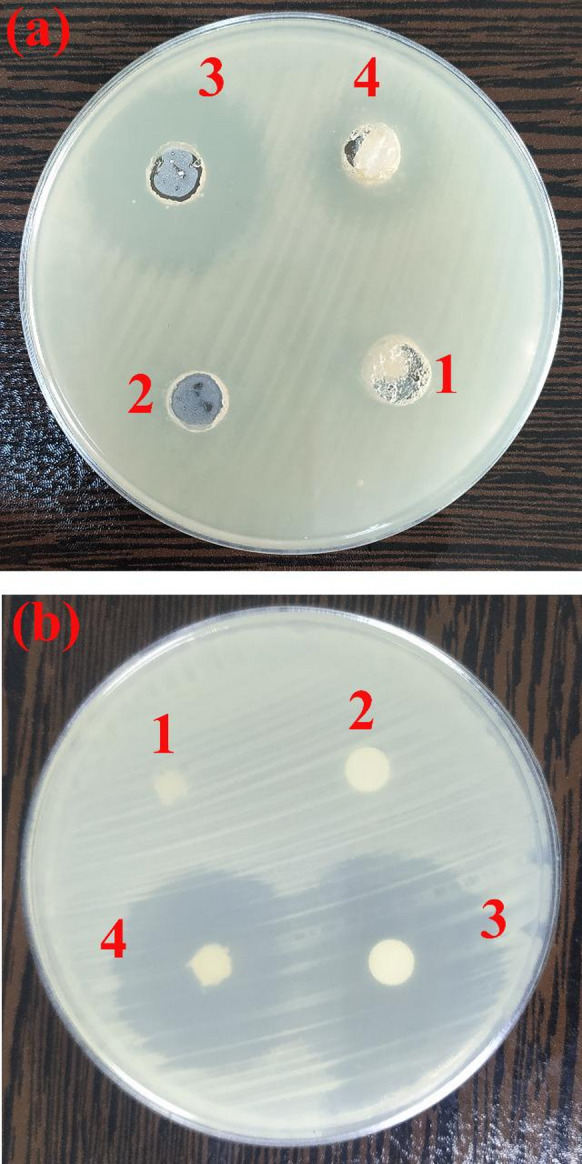
“In detail, the inhibition zones for Cip reference well and Cip-loaded scaffold were obtained as 35 and 30, respectively.”
Self-citationGiannakas, A. E., Salmas, C. E., Karydis‐Messinis, A., Moschovas, D., Kollia, E., Tsigkou, V., Proestos, C., Avgeropoulos, A., & Zafeiropoulos, N. E. (2021) · Applied Sciences · doi:10.3390/app11209364 · Cited by 16 · cited 1×
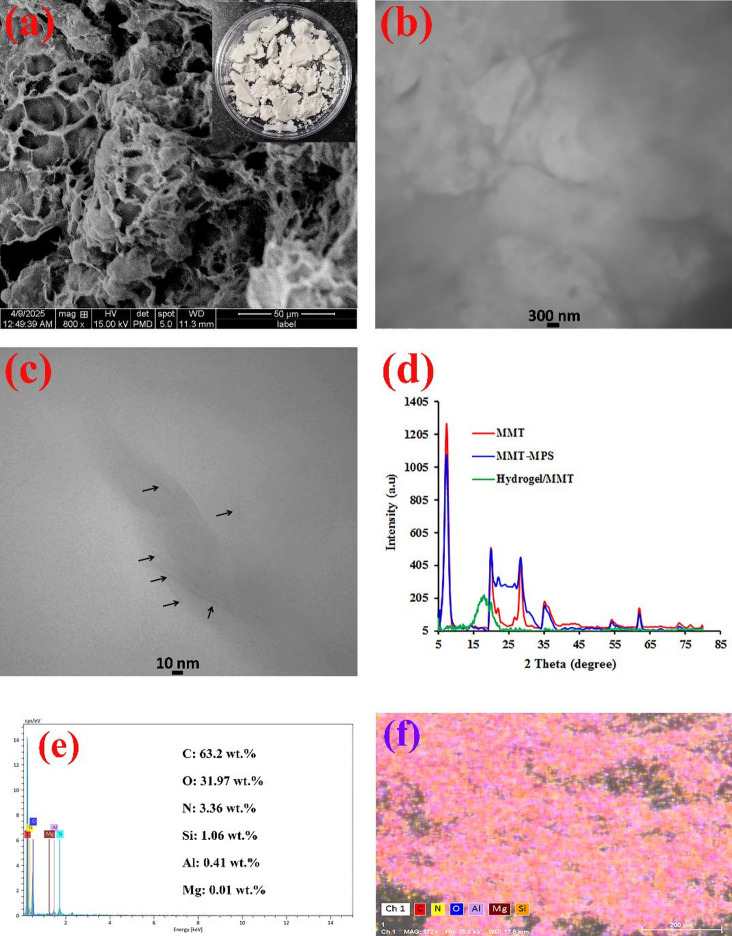
“This not significant increase in d 001 showed that the modification was occurred at surface of the silicate layers 50 .”
Synthesis of Hydroxyapatite-Gelatin Composite Hydrogel for Bone Tissue Application
Bernal, J. L. B., Gaitán-Salvatella, Í., del Campo-Téllez, B. I. M., Álvarez-Pérez, M. A., & Masuoka‐Ito, D. (2025) · Gels · doi:10.3390/gels11080630 · Cited by 15
Clay microparticles for the enhancement of bone regeneration: in vitro studies
Abduljauwad, S. N., Habib, T., & Ur-Rehman, H. (2023) · Histochemistry and Cell Biology · doi:10.1007/s00418-023-02189-2 · Cited by 6
Samadi, S., Jaymand, M., & Rahimpour, F. (2025) · International Journal of Biological Macromolecules · doi:10.1016/j.ijbiomac.2025.148598 · Cited by 6 · cited 1×
“…such as poly(vinyl alcohol) (PVA) 14 , poly(ethylene glycol) 15 , and poly(acrylic acid) 16 , as well as natural polymers, including gelatin 17 , hyaluronic acid 18 , natural gums 19 , starch 20 , chitosan 21 , and collagen 22 have used for the development of hydrogels as bone TE scaffolds.”
Self-citationModelling of acetaminophen release from hydroxyethylcellulose/polyacrylamide hydrogel
Díaz-Guerrero, A. M., Castillo-Miranda, C. A., Peraza-Vázquez, H., Morales–Cepeda, A. B., Peña-Delgado, A. F., Rivera‐Armenta, J. L., & Castro–Guerrero, C. F. (2021) · Materials Research Express · doi:10.1088/2053-1591/abdc38 · Cited by 5 · cited 1×
“OH groups and oxygen atoms in backbone of HEC facilitate extensive hydrogen bonding with PVA hydroxyl groups and montmorillonite oxygen atoms, enhancing the SR that improve mechanical and physical properties of the hydrogels 52 .”
Research works printed but not linked: 3
- Zare, S. et al. Ciprofloxacin-loaded chitosan-based nanocomposite hydrogel containing silica nanoparticles as a scaffold for bone tissue engineering application. Carbohydr. Polym. Technol. Appl. 7, 100493 (2024).
- Selim, M. et al. Enhancing 3D scaffold performance for bone tissue engineering: A comprehensive review of modification and functionalization strategies. J. Science: Adv. Mater. Devices. 9 (4), 100806 (2024).
- Zare, S. et al. Thermal-and radiation-sensitive hydrogel based on hydroxyethyl cellulose and manganese dioxide nanoparticles for synergistic chemoradiotherapy of breast cancer. Carbohydr. Polym. Technol. Appl. 6, 100394 (2023).
Cited by
Antunes, B. S. L., Pedrini, F., Komatsu, D., Asami, J., Dicko, C., & Duek, E. A. R. (2026) · International Journal of Biological Macromolecules · doi:10.1016/j.ijbiomac.2026.154129
Li, J., Deng, X., Zhang, C., Wei, J., Lan, W., Sang, S., Chen, W., & Huang, D. (2026) · Advanced Materials · doi:10.1002/adma.74656
“…the extracellular matrix (ECM) not only offers the necessary physical support for cell migration, spreading, and tissue growth, but also ensures efficient transport of nutrients and metabolic waste through interconnected pores creating a favorable microenvironment for tissue regeneration [ 42–44 ].”
Re-envisioning Naturally Reinforced Collagen Biomaterials
Bhalerao, A., & Kandasubramanian, B. (2026) · Biomedical Materials & Devices · doi:10.1007/s44174-026-00776-0
Hou, C., Jiang, H., & Wang, R. (2026) · Frontiers in Bioengineering and Biotechnology · doi:10.3389/fbioe.2026.1970237
Metadata
- Authors
- Zare, S., Eskandani, M., Esfahlan, R. J., & Jaymand, M.
- Affiliations
- Kermanshah University of Medical Sciences (IR)
- Tabriz University of Medical Sciences (IR)
- Corresponding author
- Jaymand, Mehdi
- Venue
- Scientific Reports
- Published
- 2025-12-02
- Volume
- 16
- Issue
- 1
- Pages
- 983-983
- ISSN
- 2045-2322 (ISSN-L)
- PMC
- PMC12783786
- OpenAlex
- W4416894734
- Cited by
- 3
- References
- 61
- Citations by year
- 2026: 3
- FWCI
- 0.73
- Type
- journal article
- Language
- en
- Open access
- gold
- doi.org
- Licence
- cc-by-nc-nd
- creativecommons.org/licenses/by-nc-nd/4.0 (tdm)
- creativecommons.org/licenses/by-nc-nd/4.0 (vor, 37 d)
- Locations
- Scientific Reports (publishedVersion, cc-by-nc-nd)
- PubMed (publishedVersion)
- PubMed Central (publishedVersion, cc-by-nc-nd)
- DOAJ (DOAJ: Directory of Open Access Journals) (submittedVersion, cc-by-sa)
- Funders
- Kermanshah University of Medical Sciences (4030137)
- Topics
- Physical Sciences › Engineering › Biomedical Engineering › Bone Tissue Engineering Materials
- Physical Sciences › Materials Science › Biomaterials › Hydrogels: synthesis, properties, applications
- Physical Sciences › Earth and Planetary Sciences › Geochemistry and Petrology › Clay minerals and soil interactions
- Keywords
- hydroxyethyl cellulose, polyvinyl alcohol, montmorillonite, bone tissue engineering, antibacterial scaffolds, ciprofloxacin, drug delivery, pH-responsive drug release, hemocompatibility, osteoblast proliferation, maleic anhydride functionalization, radical copolymerization, Staphylococcus aureus, Escherichia coli
- MeSH terms
- Clay, Anti-Bacterial Agents, Bentonite, Bone and Bones, Cellulose, Escherichia coli, Humans, Polyvinyl Alcohol, Staphylococcus aureus, Hydrogels, Tissue Engineering, Nanocomposites, Tissue Scaffolds
About these checks
Registry, retraction, Cites and statistics results are computed, not judged, with one exception: a printed reference that no index lists is read once by a model before it counts as a citation error. Claims are extracted by a model and kept only when their quote appears verbatim in the text; each cited source is then checked, with a model’s help, for whether it says what the claim relies on. Those verdicts can be wrong — read the claim’s quote and the cited source before relying on one.
Statistics and arithmetic are recomputed, not judged.
Confidence bands are shown only for fields calibrated on our annotated test set. None is calibrated yet, so no band is shown.
What counts as a claim ›How we measure confidence ›How we check this ›
Are you an author, or do you see a problem with this page? Request a review
Data sources
Bibliographic data: Semantic Scholar, OpenAlex, Crossref.
Contains information from the Semantic Scholar Academic Graph Datasets, made available under the ODC Attribution License (ODC-BY 1.0).
Semantic Scholar’s data is described in: Kinney, R., et al. (2023). The Semantic Scholar Open Data Platform. arXiv:2301.10140.
