

A computer vision system for deep learning-based detection of patient mobilization activities in the ICU
Open accessThe DOI matches its Crossref record; 33 of the 33 references it cites were found in a registry or an index.
Abstract
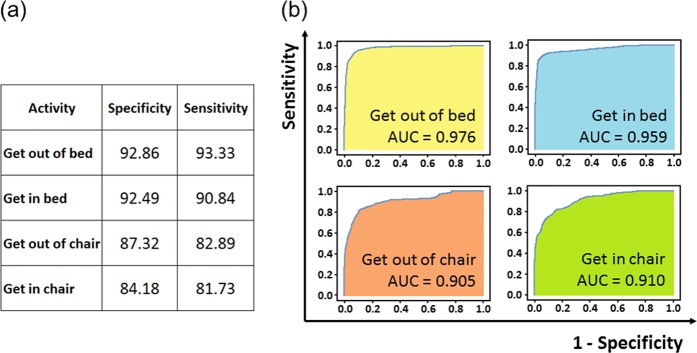
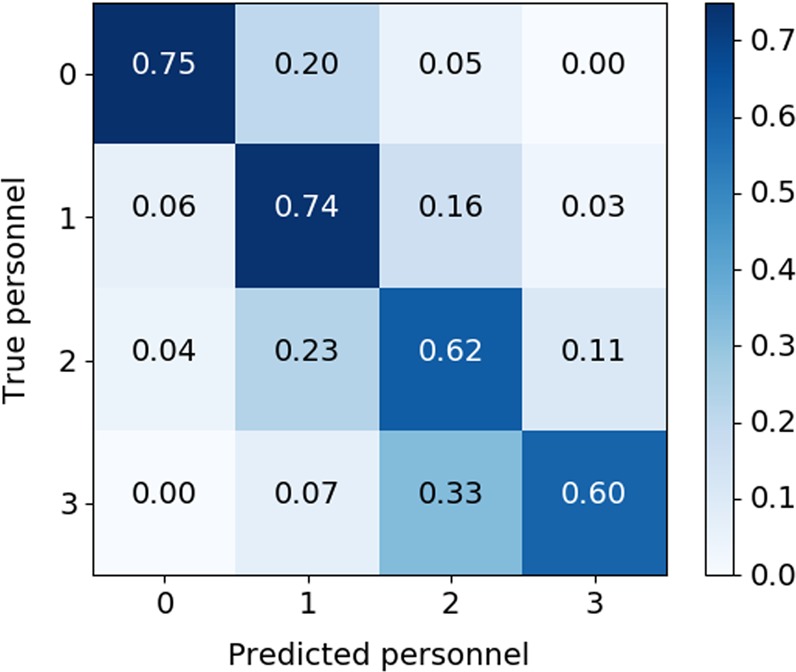
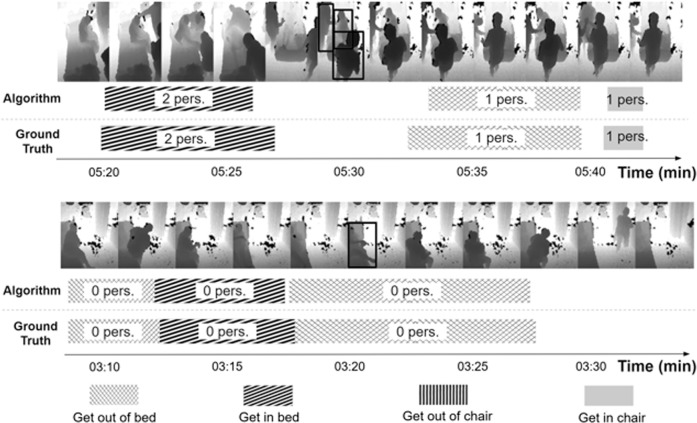
Early and frequent patient mobilization substantially mitigates risk for post-intensive care syndrome and long-term functional impairment. We developed and tested computer vision algorithms to detect patient mobilization activities occurring in an adult ICU. Mobility activities were defined as moving the patient into and out of bed, and moving the patient into and out of a chair. A data set of privacy-safe-depth-video images was collected in the Intermountain LDS Hospital ICU, comprising 563 instances of mobility activities and 98,801 total frames of video data from seven wall-mounted depth sensors. In all, 67% of the mobility activity instances were used to train algorithms to detect mobility activity occurrence and duration, and the number of healthcare personnel involved in each activity. The remaining 33% of the mobility instances were used for algorithm evaluation. The algorithm for detecting mobility activities attained a mean specificity of 89.2% and sensitivity of 87.2% over the four activities; the algorithm for quantifying the number of personnel involved attained a mean accuracy of 68.8%.
Overview
The claims and statistics of this paper haven’t been checked yet.
Free: it reads the open-access text and checks the first 5 claims that cite a source we can check. Create a free account to check every claim.
Integrity signals
Registry
Cites
Statistics
Figures
Verification
Claims the paper makes
The claims and statistics of this paper haven’t been checked yet.
Free: it reads the open-access text and checks the first 5 claims that cite a source we can check. Create a free account to check every claim.
Claims other papers make about this one
Each is checked against this paper’s own text: does it say what the citing paper says it does?
The cited source says what the claim attributes to it.
In the citing paper
“Using large datasets, CV models can acquire many pattern-recognition abilities-from physician-level diagnostics 7 to medical scene perception 8 .”
From Deep learning-enabled medical computer vision (2021) · cites this paper as [8]
In the citing paper
“In hospitals, for example, early works have demonstrated CV-based ambient intelligence in intensive care units to monitor for safety-critical behaviors such as hand hygiene activity 32 and patient mobilization 8,129,130 .”
From Deep learning-enabled medical computer vision (2021) · cites this paper as [8]
Self-check
Percentages, sums and reported differences re-computed from the paper’s own numbers.
The self-check needs the paper’s full text.
Citations
Cites
Deep Residual Learning for Image Recognition
He, K., Zhang, X., Ren, S., & Sun, J. (2016) · 2016 IEEE Conference on Computer Vision and Pattern Recognition (CVPR) · doi:10.1109/cvpr.2016.90 · Cited by 235,474 · cited 1×
“29 We used an 18-layer ResNet convolutional neural network 30 pre-trained on the large-scale ImageNet 31 and fi ne-tuned on our data set to initially extract informative visual features from every frame of data.”
MethodImageNet Large Scale Visual Recognition Challenge
Russakovsky, O., Deng, J., Su, H., Krause, J., Satheesh, S., Ma, S., Huang, Z., Karpathy, A., Khosla, A., Bernstein, M., et al. (2015) · International Journal of Computer Vision · doi:10.1007/s11263-015-0816-y · Cited by 39,380
Self-citationYOLO9000: Better, Faster, Stronger
Redmon, J., & Farhadi, A. (2017) · 2017 IEEE Conference on Computer Vision and Pattern Recognition (CVPR) · doi:10.1109/cvpr.2017.690 · Cited by 19,892 · cited 2×
“The YOLOv2 convolutional neural network was trained to predict the spatial locations of people in each image frame of data using annotated bounding boxes of the spatial locations of people in 1379 frames of patient data.”
MethodMeasuring nominal scale agreement among many raters.
Fleiss, J. L. (1971) · Psychological Bulletin · doi:10.1037/h0031619 · Cited by 8,733
Schweickert, W. D., Pohlman, M. C., Pohlman, A. S., Nigos, C., Pawlik, A. J., Esbrook, C. L., Spears, L., Miller, M., Franczyk, M., Deprizio, D., et al. (2009) · The Lancet · doi:10.1016/s0140-6736(09)60658-9 · Cited by 3,339
Needham, D. M., Davidson, J., Cohen, H., Hopkins, R. O., Weinert, C., Wunsch, H., Zawistowski, C., Bemis-Dougherty, A., Berney, S. C., Bienvenu, O. J., et al. (2012) · Critical Care Medicine · doi:10.1097/ccm.0b013e318232da75 · Cited by 2,639
Long-term cognitive impairment and functional disability among survivors of severe sepsis.
Iwashyna, T. J., Ely, E. W., Smith, D. M., & Langa, K. M. (2010) · JAMA · doi:10.1001/jama.2010.1553 · Cited by 2,582
One-Year Outcomes in Survivors of the Acute Respiratory Distress Syndrome
Herridge, M. S., Cheung, A. M., Tansey, C. M., Matte-Martyn, A., Diaz-Granados, N., Al-Saidi, F., Cooper, A. B., Guest, C. B., Mazer, C. D., Mehta, S., et al. (2003) · New England Journal of Medicine · doi:10.1056/nejmoa022450 · Cited by 2,334
How to solve the cost crisis in health care.
Kaplan, R. S., & Porter, M. E. (2011) · PubMed · Cited by 1,309
Early exercise in critically ill patients enhances short-term functional recovery*
Burtin, C., Clerckx, B., Robbeets, C., Ferdinande, P., Langer, D., Troosters, T., Hermans, G., Decramer, M., & Gosselink, R. (2009) · Critical Care Medicine · doi:10.1097/ccm.0b013e3181a38937 · Cited by 1,032
Cited by
Deep learning-enabled medical computer vision
Esteva, A., Chou, K., Yeung, S., Naik, N., Madani, A., Mottaghi, A., Liu, Y., Topol, E., Dean, J., & Socher, R. (2021) · npj Digital Medicine · doi:10.1038/s41746-020-00376-2 · Cited by 1,406
Self-citationArtificial intelligence and innovation management: A review, framework, and research agenda✰
Haefner, N., Wincent, J., Parida, V., & Gassmann, O. (2021) · Technological Forecasting and Social Change · doi:10.1016/j.techfore.2020.120392 · Cited by 1,073
“But this approach was critical in order to design an effective system (Yeung et al., 2019).”
BackgroundApplication Scenarios for Artificial Intelligence in Nursing Care: Rapid Review
Seibert, K., Domhoff, D., Bruch, D., Schulte-Althoff, M., Fürstenau, D., Biessmann, F., & Wolf-Ostermann, K. (2021) · Journal of Medical Internet Research · doi:10.2196/26522 · Cited by 314
Illuminating the dark spaces of healthcare with ambient intelligence
Haque, A., Milstein, A., & Fei-Fei, L. (2020) · Nature · doi:10.1038/s41586-020-2669-y · Cited by 274
Self-citationEthical issues in using ambient intelligence in health-care settings
Martinez-Martin, N., Luo, Z., Kaushal, A., Adeli, E., Haque, A., Kelly, S. S., Wieten, S., Cho, M. K., Magnus, D., Fei-Fei, L., et al. (2021) · The Lancet Digital Health · doi:10.1016/s2589-7500(20)30275-2 · Cited by 165
Self-citationAre we ready for artificial intelligence health monitoring in elder care?
Ho, A. (2020) · BMC Geriatrics · doi:10.1186/s12877-020-01764-9 · Cited by 135
CAI4CAI: The Rise of Contextual Artificial Intelligence in Computer Assisted Interventions
Vercauteren, T., Unberath, M., Padoy, N., & Navab, N. (2020) · Proceedings of the IEEE · doi:10.1109/jproc.2019.2946993 · Cited by 125
“[144] present methods based on color or depth video data for the detection of patient mobilization activities.”
MethodShinde, R., Patil, S., Kotecha, K. V., Potdar, V. M., Selvachandran, G., & Abraham, A. (2023) · Transactions on Emerging Telecommunications Technologies · doi:10.1002/ett.4884 · Cited by 181
“In an adult ICU, computer vision algorithms identify patient mobilization activities like moving the patient into and out of bed and into and out of a chair [85].”
BackgroundAnchoring Bias Affects Mental Model Formation and User Reliance in Explainable AI Systems
Nourani, M., Roy, C., Block, J. E., Honeycutt, D. R., Rahman, T., Ragan, E., & Gogate, V. (2021) · 26th International Conference on Intelligent User Interfaces · doi:10.1145/3397481.3450639 · Cited by 107
“Some examples include fire detection [18], airport security [44], smart hospitals [42, 49], and”
BackgroundNovel deep transfer learning model for COVID-19 patient detection using X-ray chest images
Kumar, N., Gupta, M., Gupta, D., & Tiwari, S. (2021) · Journal of Ambient Intelligence and Humanized Computing · doi:10.1007/s12652-021-03306-6 · Cited by 109
“…models have been extensively used in the field of biomedical image processing and have proven their efficacy in classification of numerous diseases such as respiratory distress, tuberculosis, pneumonia, etc. (Jung et al. 2018; Kaur et al. 2019, 2020; Girdhar et al. 2021; Yeung et al. 2019).”
BackgroundAI-enabled remote monitoring of vital signs for COVID-19: methods, prospects and challenges
Rohmetra, H., Raghunath, N., Narang, P., Chamola, V., Guizani, M., & Lakkaniga, N. R. (2021) · Computing · doi:10.1007/s00607-021-00937-7 · Cited by 122
“The ground-breaking performance improvements by deep learning techniques for vision-based analysis [11,13,16,75,79,86,105,106] have opened possibilities for the development of non-intrusive or contact-less diagnosis system.”
BackgroundPose guided anchoring for detecting proper use of personal protective equipment
Xiong, R., & Tang, P. (2021) · Automation in Construction · doi:10.1016/j.autcon.2021.103828 · Cited by 109
Multi-Scale Sparse Graph Convolutional Network For the Assessment of Parkinsonian Gait
Guo, R., Shao, X., Zhang, C., & Qian, X. (2021) · IEEE Transactions on Multimedia · doi:10.1109/tmm.2021.3068609 · Cited by 83
Irfan, B., Kuoppamäki, S., Hosseini, A., & Skantze, G. (2025) · Autonomous Robots · doi:10.1007/s10514-025-10190-y · Cited by 108
COVID-19 Detection in Chest X-ray Images Using a New Channel Boosted CNN
Khan, S. H., Sohail, A., Khan, A., & Lee, Y.-S. (2022) · Diagnostics · doi:10.3390/diagnostics12020267 · Cited by 88
“DL models have been successfully used for the analysis of thoracic radiologic images for diagnosis of pneumonia, respiratory distress, tuberculosis, and segmentation of infected regions [13]–[17].”
MethodLindroth, H. L., Nalaie, K., Raghu, R., Ayala, I. N., Busch, C., Bhattacharyya, A., Franco, P. M., Diedrich, D. A., Pickering, B. W., & Herasevich, V. (2024) · Journal of Imaging · doi:10.3390/jimaging10040081 · Cited by 87
“The CV had an accuracy of 68.8% for quantifying the number of healthcare personnel involved in each activity [187].”
BackgroundMethodInfluentialAutomatic detection of hand hygiene using computer vision technology
Singh, A., Haque, A., Alahi, A., Yeung, S., Guo, M., Glassman, J. R., Beninati, W., Platchek, T., Fei-Fei, L., & Milstein, A. (2020) · Journal of the American Medical Informatics Association · doi:10.1093/jamia/ocaa115 · Cited by 61
“).(17,22) This step involved human labeling and observation, which was separate from the concordance exercise noted previously.”
ResultSelf-citationEthical and legal aspects of ambient intelligence in hospitals
Gerke, S., Yeung, S., & Cohen, I. G. (2020) · JAMA · doi:10.1001/jama.2019.21699 · Cited by 57
“Hospitals may ethically use ambient intelligent systems to record health care workers without consent as long as the following conditions are met: (1) the recording is taking place in quasi-public spaces (eg, operating rooms, corridors, or patient rooms); (2) the goal is to improve patient care; (3) proper safeguards…”
BackgroundSelf-citationZheng, B., Wu, M.-N., Zhu, S.-J., Zhou, H.-X., Hao, X.-L., Fei, F.-Q., Jia, Y., Wu, J., Yang, W.-H., & Pan, X.-P. (2021) · BMC Health Services Research · doi:10.1186/s12913-021-07044-5 · Cited by 54
“[11 – 15] Medical instruments are frequently used in clinical examinations in modern medicine, and imaging equipment is an important part.”
BackgroundChristou, C. D., & Tsoulfas, G. (2021) · World Journal of Gastroenterology · doi:10.3748/wjg.v27.i37.6191 · Cited by 54
Digital twinning for smart hospital operations: Framework and proof of concept
Han, Y., Li, Y., Li, Y., Yang, B., & Cao, L. (2023) · Technology in Society · doi:10.1016/j.techsoc.2023.102317 · Cited by 69
MC-LSTM: Real-Time 3D Human Action Detection System for Intelligent Healthcare Applications
Yin, J., Han, J. S., Xie, R., Wang, C., Duan, X., Rong, Y., Zeng, X., & Tao, J. (2021) · IEEE Transactions on Biomedical Circuits and Systems · doi:10.1109/tbcas.2021.3064841 · Cited by 43
“Some medical-related works [11], [12] also emphasize its protection of patient privacy.”
BackgroundXu, L., Yang, C., Zhang, F., Cheng, X., Wei, Y., Fan, S., Liu, M., He, X., Deng, J., Xie, T., et al. (2022) · Cancers · doi:10.3390/cancers14112574 · Cited by 45
“A myriad of studies have validated the utility of DL in various clinical settings through various experiments, including the reduction of false-positive findings in the interpretation of breast ultrasound exams [11], the detection of intensive care unit patient mobilization activities [12], and the improvement of medi…”
BackgroundLeveraging physiology and artificial intelligence to deliver advancements in health care
Zhang, A., Wu, Z., Wu, E., Wu, M. A., Snyder, M. P., Zou, J., & Wu, J. C. (2023) · Physiological Reviews · doi:10.1152/physrev.00033.2022 · Cited by 51
Roll Motion Prediction of Unmanned Surface Vehicle Based on Coupled CNN and LSTM
Zhang, W., Wu, P., Peng, Y., & Liu, D. (2019) · Future Internet · doi:10.3390/fi11110243 · Cited by 39
“In recent decades, neural networks have been successfully applied in various fields, such as natural language processing [22], computer vision [23], and autonomous driving [24].”
BackgroundGlassman, J. R., Humphreys, K. L., Yeung, S. Y., Smith, M., Jauregui, A., Milstein, A. S., & Sanders, L. (2021) · Journal of Medical Internet Research · doi:10.2196/19461 · Cited by 43
“…applications, this has proven to be successful; wearable devices support adult lifestyle changes (eg, physical activity), and more recently in hospital settings, computer vision is being employed to promote adherence to patient care protocols such as hand hygiene and patient mobilization [22,23].”
BackgroundSelf-citationNourani, M., Roy, C., Block, J. E., Honeycutt, D. R., Rahman, T., Ragan, E. D., & Gogate, V. (2022) · ACM Transactions on Interactive Intelligent Systems · doi:10.1145/3531066 · Cited by 48
“detection [31], airport security [74], smart hospitals [71, 82], and elderly care [28].”
BackgroundModified RGB Cameras for Infrared Remote-PPG
Wang, W., & Brinker, A. C. D. (2020) · IEEE Transactions on Biomedical Engineering · doi:10.1109/tbme.2020.2973313 · Cited by 26
“nights [4], such as in the Intensive Care Unit (ICU) [5], Neonatal Intensive Care Unit (NICU) [6], Coronary Care Unit (CCU) [7], and Sleep Center [8].”
BackgroundA Deep Transfer Learning-based Edge Computing Method for Home Health Monitoring
Sufian, A., You, C., & Dong, M. (2021) · Conference on Information Sciences and Systems · doi:10.1109/ciss50987.2021.9400321 · Cited by 31
“In a study [29], S.”
Artificial Intelligence in IVF Laboratories: Elevating Outcomes Through Precision and Efficiency
Hew, Y., Kütük, D., Düzcü, T., Ergun, Y., & Başar, M. (2024) · Biology · doi:10.3390/biology13120988 · Cited by 42
“In an adult ICU, continuous images of patient mobility activities and duration and several needed handlers were analyzed by the CNN architecture using an image capturing tool—computer vision technology (CVT)—that was testified to achieve reliable accuracy [10].”
InfluentialImpact of Computer Vision With Deep Learning Approach in Medical Imaging Diagnosis
Charleen, C., Angelica, C., Purnama, H., & Purnomo, F. (2021) · doi:10.1109/iccsai53272.2021.9609708 · Cited by 31
Javaid, M., Haleem, A., Singh, R. P., & Ahmed, M. (2024) · Intelligent Pharmacy · doi:10.1016/j.ipha.2024.05.007 · Cited by 54
Özsoy, E., Pellegrini, C., Czempiel, T., Tristram, F., Yuan, K., Bani-Harouni, D., Eck, U., Busam, B., Keicher, M., & Navab, N. (2025) · IEEE Computer Society Conference on Computer Vision and Pattern Recognition/Proceedings - IEEE Computer Society Conference on Computer Vision and Pattern Recognition/Proceedings · doi:10.1109/cvpr52734.2025.01805 · Cited by 50
“In the field of surgical data science (SDS), understanding surgical scenes and activities is essential for various applications, such as automated skill assessment [10, 18, 29], decision support [34, 55, 66], and workflow efficiency improvement [65].”
Predictive classification of ICU readmission using weight decay random forest
Wang, B., Ding, S., Liu, X., Li, X., & Li, G. (2021) · Future Generation Computer Systems · doi:10.1016/j.future.2021.06.011 · Cited by 26
Vourganas, I., Attar, H. H., & Michala, A. L. (2022) · Springer eBooks · doi:10.1007/978-981-16-8150-9_5 · Cited by 28
Intraoperative surgery room management: A deep learning perspective
Tanzi, L., Piazzolla, P., & Vezzetti, E. (2020) · International Journal of Medical Robotics and Computer Assisted Surgery · doi:10.1002/rcs.2136 · Cited by 25
Early detection of Parkinson’s disease using a multi area graph convolutional network
Huo, H., Zhang, C., Liu, W., Zhao, C., Ma, L., Wang, J., & Xu, N. (2025) · Scientific Reports · doi:10.1038/s41598-024-82027-0 · Cited by 26
Robotic Cane as a Soft SuperLimb for Elderly Sit-to-Stand Assistance
Wu, X., Liu, H., Liu, Z., Chen, M., Wan, F., Fu, C., Asada, H. H., Wang, Z., & Song, C. (2020) · IEEE International Conference on Soft Robotics (RoboSoft) · doi:10.1109/robosoft48309.2020.9116028 · Cited by 22
“Furthermore, the vision system indicates the potential to empower the intelligent around-the-clock ambient interaction in the elderly healthcare with little labor cost, as demonstrated in [22] and [23].”
BackgroundYeh, H.-H., Jain, A. M., Fox, O., & Wang, S. Y. (2021) · Translational Vision Science & Technology · doi:10.1167/tvst.10.13.23 · Cited by 20
“…provide an opportunity to analyze video data on a large scale, for example, with recently developed algorithms for detecting patient mobilization in intensive care units 6 and for detecting activities and instruments in general surgery, enabling automated surgical skills assessment in that domain.”
Lonsdale, H., Burns, M. L., Epstein, R. H., Hofer, I. S., Tighe, P. J., Delgado, J. A. G., Kor, D. J., MacKay, E. J., Rashidi, P., Wanderer, J. P., et al. (2025) · Anesthesiology · doi:10.1097/aln.0000000000005326 · Cited by 26
“23 Computer vision techniques have been used in the ICU to detect events based on provider and patient movements 24 and could be used in operating rooms to automate procedural documentation and review of critical incidents.”
Improving disease prevention, diagnosis, and treatment using novel bionic technologies
Manero, A. C., Crawford, K. E., Gibbs, H. P., Shah, N., Gandhi, D. A., & Coathup, M. J. (2022) · Bioengineering & Translational Medicine · doi:10.1002/btm2.10359 · Cited by 22
Adversarial Representation Active LearningPreprint
Mottaghi, A., & Yeung, S. Y. (2019) · arXiv (Cornell University) · doi:10.48550/arxiv.1912.09720 · Cited by 36
“This is a significant challenge as deep learning practitioners increasingly apply deep learning models to solve new problems in diverse domains ranging from medicine [36] to sustainability [13], placing a suboptimal and sometimes prohibitive burden on domain experts to label large amounts of training data.”
BackgroundSelf-citationXie, T., Wei, Y., Xu, L., Li, Q., Che, F., Xu, Q., Cheng, X., Liu, M., Yang, M., Wang, X., et al. (2023) · Frontiers in Oncology · doi:10.3389/fonc.2023.1103521 · Cited by 19
Fazio, S., Doroy, A. L., Marto, N. D., Taylor, S. L., Anderson, N., Young, H. M., & Adams, J. Y. (2020) · Critical Care Explorations · doi:10.1097/cce.0000000000000091 · Cited by 23
“Patients mechanically ventilated, n (%) 12 (40)”
BackgroundMethodWang, K., Saragadam, A., Kaur, J., Dogra, A., Cao, S. C., Ghafurian, M., Butt, Z. A., Abhari, S., Chumachenko, D., & Morita, P. P. (2025) · Internet of Things · doi:10.1016/j.iot.2025.101502 · Cited by 20
Patient Monitoring System using Computer Vision for Emotional Recognition and Vital Signs Detection
Zainuddin, A. A., Superamaniam, S., Andrew, A. C., Muraleedharan, R., Rakshys, J., Lawrence, J. M., Bostomi, M. A. S. M., Rais, A. M. A., Khalidin, Z., Mansor, A. F. M., et al. (2020) · IEEE Student Conference on Research and Development (SCOReD) · doi:10.1109/scored50371.2020.9250950 · Cited by 15
“The well-known practices for monitoring patient mobility include face-to-face human observation and mining of the electronic health record (EHR) for documentation of mobility events [1].”
BackgroundMethodYe, R. Z., Subramanian, A., Diedrich, D. A., Lindroth, H. L., Pickering, B. W., & Herasevich, V. (2022) · Journal of Imaging · doi:10.3390/jimaging8120330 · Cited by 25
“patients; machine-learning algorithms can then be applied to detect body movements, facial expressions, emotions, eyelid and pupil movement, and eye-opening/closing and classify whether the patient is lying down, sitting-up, or ambulating [20].”
BackgroundRobotic Cane as a Soft SuperLimb for Elderly Sit-to-Stand Assistance*Preprint
Wu, X., Hai-yuan, L., Liu, Z., Chen, M., Wan, F., Fu, C., Asada, H. H., Wang, Z., & Song, C. (2020) · DSpace@MIT (Massachusetts Institute of Technology) · Cited by 14
Review and Analysis of Patients’ Body Language From an Artificial Intelligence Perspective
Turaev, S., Al-Dabet, S., Babu, A., Rustamov, Z., Rustamov, J., Zaki, N., Mohamad, M. S., & Loo, C. K. (2023) · IEEE Access · doi:10.1109/access.2023.3287788 · Cited by 18
Deep learning to quantify care manipulation activities in neonatal intensive care units
Majeedi, A., McAdams, R. M., Kaur, R., Gupta, S., Singh, H., & Li, Y. (2024) · npj Digital Medicine · doi:10.1038/s41746-024-01164-y · Cited by 12
Computer vision's potential to improve health care
Milstein, A. S., & Topol, E. J. (2020) · The Lancet · doi:10.1016/s0140-6736(20)31090-4 · Cited by 12
Self-citationMulti-view Surgical Video Action Detection via Mixed Global View Attention
Schmidt, A., Sharghi, A., Haugerud, H., Oh, D. S., & Mohareri, O. (2021) · Lecture notes in computer science · doi:10.1007/978-3-030-87202-1_60 · Cited by 19
Nourani, M., Roy, C., Rahman, T., Ragan, E. D., Ruozzi, N., & Gogate, V. (2020) · arXiv (Cornell University) · doi:10.48550/arxiv.2005.02335 · Cited by 29
“, fire detection [44], airport security [88], smart hospitals [77, 96], and elderly care [39]) and because most activity recognition systems involve a substantial human-computer interaction component.”
BackgroundYunike, Y., Rehana, R., Misinem, M., & Kusumawaty, I. (2023) · Poltekita Jurnal Ilmu Kesehatan · doi:10.33860/jik.v17i3.2958 · Cited by 12
Lonsdale, H., Burns, M. L., Epstein, R. H., Hofer, I. S., Tighe, P. J., Delgado, J. A. G., Kor, D. J., MacKay, E. J., Rashidi, P., Wanderer, J. P., et al. (2025) · Anesthesia & Analgesia · doi:10.1213/ane.0000000000007474 · Cited by 14
Ip, W., Xenochristou, M., Sui, E., Ruan, E., Ribeira, R., Dash, D., Srinivasan, M., Artandi, M. K., Omiye, J. A., Scoulios, N., et al. (2024) · npj Digital Medicine · doi:10.1038/s41746-024-01375-3 · Cited by 15
Self-citationDeveloping ICU Clinical Behavioral Atlas Using Ambient Intelligence and Computer Vision
Dai, W., Adeli, E., Luo, Z., Dash, D., Lakshmikanth, S. K., Durante, Z., Tang, P. C., Kaushal, A., Milstein, A. S., Fei-Fei, L., et al. (2025) · NEJM AI · doi:10.1056/aioa2400590 · Cited by 10
Self-citationReal-time medical phase recognition using long-term video understanding and progress gate method
Zhang, Y., Marsic, I., & Burd, R. S. (2021) · Medical Image Analysis · doi:10.1016/j.media.2021.102224 · Cited by 12
Potentials and Challenges of Pervasive Sensing in the Intensive Care Unit
Davoudi, A., Shickel, B., Tighe, P., Bihorac, A., & Rashidi, P. (2022) · Frontiers in Digital Health · doi:10.3389/fdgth.2022.773387 · Cited by 5
“Depth camera-based systems have been able to classify four provider activities: “moving the patient into and out of bed” and “moving the patient into and out of a chair” without incorporating the challenging step of patient recognition (48, 49).”
BackgroundLi, L., Feng, P., Ding, H., & Wang, G. (2021) · IEEE Transactions on Medical Robotics and Bionics · doi:10.1109/tmrb.2021.3124160 · Cited by 8
“Moreover, the current methods are mostly aimed at purely network-based scene understanding, and stable 3D-scene-understanding methods are not yet mature [17].”
MethodKim, J. P. (2021) · Journal of Psychiatric Research · doi:10.1016/j.jpsychires.2021.02.021 · Cited by 8
Differentially Private Video Activity Recognition
Luo, Z., Zou, Y., Yang, Y., Durante, Z., Huang, D.-A., Yu, Z., Xiao, C., Fei-Fei, L., & Anandkumar, A. (2024) · IEEE Winter Conference on Applications of Computer Vision · doi:10.1109/wacv57701.2024.00652 · Cited by 15
“The rising adoption of machine learning in privacysensitive sectors has intensified the need for privacypreserving machine learning [8, 68, 69].”
BackgroundSelf-citationBorraz‐Martínez, S., Tarrés, F., Boqué, R., Mestre, M., Simó, J., & Gras, A. (2020) · Journal of Chemometrics · doi:10.1002/cem.3320 · Cited by 5
“Computer vision coupled to deep learning (CV-DL) techniques are getting more popularity in different areas such as pedestrian detection and tracking, 1 human health, 2 and structural health monitoring in civil structures, 3 especially for their great capability of object recognition.”
BackgroundChaLearn LAP 2020 Challenge on Identity-preserved Human Detection: Dataset and Results
Clapés, A., Jacques, J. C. S., Morral, C., & Escalera, S. (2020) · International Conference on Automatic Face and Gesture Recognition · doi:10.1109/fg47880.2020.00135 · Cited by 11
Imaging photoplethysmography and its applications
Kamshilin, A. A., & Mamontov, O. V. (2021) · Elsevier eBooks · doi:10.1016/b978-0-12-823374-0.00014-1 · Cited by 8
A Survey and Comparison of Activities of Daily Living Datasets in Real-life and Virtual Spaces
Htun, S. N. N., Egami, S., & Fukuda, K. (2023) · IEEE/SICE International Symposium on System Integration (SII) · doi:10.1109/sii55687.2023.10039226 · Cited by 7
“…parts of science and technology applications such as ambient-assisted living systems, including abnormal event detection [1], real-time action recognition [2], mobilization activity recognition in an intensive care unit (ICU) [3], motor severity analysis for Parkinson’s disease [4], and others.”
BackgroundKhan, S. S., Mishra, P. K., Ye, B., Newman, K., Iaboni, A., & Mihailidis, A. (2023) · Canadian Conference on Computer and Robot Vision · doi:10.1109/crv60082.2023.00041 · Cited by 9
“Computer vision systems have been used to detect hand hygiene [10], patient mobilization activities in an adult intensive care unit [8], [11], and detecting agitation in a dementia care unit [4], [6].”
BackgroundMethodReghunandanan, K., Lakshmi, V., Raj, R., Viswanath, K., Davis, C., & Chandramohanadas, R. (2024) · Intelligence-Based Medicine · doi:10.1016/j.ibmed.2024.100175 · Cited by 11
Adaptable Action-Aware Vital Models for Personalized Intelligent Patient Monitoring
Wu, K., Chen, E. H., Xing, H., Wirth, F., Vitanova, K., Lange, R., & Burschka, D. (2022) · Proceedings - IEEE International Conference on Robotics and Automation/Proceedings · doi:10.1109/icra46639.2022.9812176 · Cited by 6
Transformers and Human-robot Interaction for Delirium Detection
Jeffcock, J., Hansen, M., & Garate, V. R. (2023) · ACM/IEEE International Conference on Human-Robot Interaction (HRI) · doi:10.1145/3568162.3576971 · Cited by 7
“Motivated by related work in patient monitoring by [32, 39], this work aims to classify Feature 3 - Altered level of conciousness - by predicting RASS scores through a machine learning model trained on time-series data.”
BackgroundMethodPezzuto, I. (2019) · Journal of Management and Sustainability · doi:10.2139/ssrn.3448387 · Cited by 7
An enhanced fireworks algorithm to generate prime key for multiple users in fingerprinting domain
Ismael, H. A., Abbas, J. M., Mostafa, S. A., & Fadel, A. H. (2020) · Bulletin of Electrical Engineering and Informatics · doi:10.11591/eei.v10i1.2521 · Cited by 8
“It is used to perform a diversity of image processing tasks, such as edge detection [13], smoothing [14], and blurring [15].”
MethodExploring diabetes through the lens of AI and computer vision: Methods and future prospects
Chundi, R., Gomathy, S., Basivi, P. K., Tippana, A., Hulipalled, V. R., Prabakaran, N., Simha, J. B., Kim, C. W., Kakani, V., & Pasupuleti, V. R. (2024) · Computers in Biology and Medicine · doi:10.1016/j.compbiomed.2024.109537 · Cited by 9
Mishra, A., Savulescu, J., & Giubilini, A. (2022) · Oxford University Press eBooks · doi:10.1093/oxfordhb/9780198857815.013.25 · Cited by 6
Comparative Analysis of Deep Learning Approach for Detection and Segmentation of Brain Tumor
Harahap, M., Husein, A. M., Deol, S. S., Singh, S., Situmorang, S. D. P., & Saputra, J. (2022) · International Conference of Computer Science and Information Technology (ICoSNIKOM) · doi:10.1109/icosnikom56551.2022.10034876 · Cited by 8
Automated patient localization in challenging hospital environments
Jan, M. T., Garbin, C., Ruetschi, J., Marques, O., & Kalva, H. (2024) · Multimedia Tools and Applications · doi:10.1007/s11042-024-18118-x · Cited by 6
“Similar projects reported good results with the YOLO model family [36, 43, 44].”
Depth over RGB: automatic evaluation of open surgery skills using depth camera
Zuckerman, I., Werner, N. E., Kouchly, J., Huston, E., DiMarco, S. M., DiMusto, P. D., & Laufer, S. (2024) · International Journal of Computer Assisted Radiology and Surgery · doi:10.1007/s11548-024-03158-3 · Cited by 6
“Depth cameras have been suggested as an alternative to RGB cameras to overcome these issues [13, 14].”
BackgroundContinuous-Spectrum Infrared Illuminator for Camera-PPG in Darkness
Wang, W., Vosters, L., & Brinker, A. C. D. (2020) · Sensors · doi:10.3390/s20113044 · Cited by 5
Fazio, S., Doroy, A. L., Anderson, N., Adams, J. Y., & Young, H. M. (2020) · Intensive and Critical Care Nursing · doi:10.1016/j.iccn.2020.102949 · Cited by 7
Insights of Artificial Intelligence to Stop Spread of COVID-19
Sufian, A., Jat, D. S., & Banerjee, A. (2020) · Studies in big data · doi:10.1007/978-3-030-55258-9_11 · Cited by 6
“Another research proposed a deep learning-based patient mobilization activity in ICU [44].”
BackgroundSpangler, J., Mitjans, M., Collimore, A. N., Gomes-Pires, A., Levine, D. M., Tron, R., & Awad, L. N. (2023) · Physical Therapy · doi:10.1093/ptj/pzad184 · Cited by 4
Raghu, R., Nalaie, K., Ayala, I. N., Behaine, J. J. M., García-Méndez, J. P., Friesen, H., Leistikow, K., Bhattacharyya, A., Jayaraman, A., Franco, P. M., et al. (2025) · JMIR Research Protocols · doi:10.2196/62912 · Cited by 4
“Modeling assumptions (dependent on the types of models used) will be verified [23,27,29,54].”
InfluentialPayán-Salcedo, H. A., Aguilera, A., Batioja, M. F. S., & Diaz, L. M. C. (2025) · Indian Journal of Critical Care Medicine · doi:10.5005/jp-journals-10071-25070 · Cited by 3
“14 Finally, RAIMUS software applied to ultrasound facilitates the automatic segmentation and measurement of the rectus femoris muscle, optimizing the time required per scan and improving the reproducibility of measurements.”
Learning Human-Object Interactions in Videos by Heterogeneous Graph Neural Networks
Li, Q., Yan, J., Zhang, J., Li, Y., & Zheng, Z. (2024) · International Conference on Signal Processing · doi:10.1109/icsp62129.2024.10846027 · Cited by 3
“…encompassing action recognition [5]–[7], video captioning [8], and visual question answering [9] et al. Video-based human-object interaction studies also have the wide range of applications, including intelligent surveillance systems [10], video analysis [11], and human-robot interaction [12].”
Zhang, K., Fan, Y., Long, K., Lan, Y., & Gao, P. (2023) · Journal of Multidisciplinary Healthcare · doi:10.2147/jmdh.s420709 · Cited by 5
Recognizing human–object interactions in videos with the supervision of natural language
Li, Q., Xie, X., Jin, Z., & Shi, G. (2025) · Neural Networks · doi:10.1016/j.neunet.2025.107606 · Cited by 4
Modified Camera Setups for Day-and-Night Pulse-rate Monitoring
Wang, W., Vosters, L., & Brinker, A. C. D. (2021) · Annual International Conference of the IEEE Engineering in Medicine and Biology Society (EMBC) · doi:10.1109/embc46164.2021.9630497 · Cited by 3
Early Mobility Recognition for Intensive Care Unit Patients Using AccelerometersPreprint
Liu, R., Fazio, S., Zhang, H., Ramli, A. A., Liu, X., & Adams, J. Y. (2021) · arXiv (Cornell University) · doi:10.48550/arxiv.2106.15017 · Cited by 6
“938 for identifying four types of activities [25]; Mehra et al.”
BackgroundValentine, M., Bohn, R. E., Pratt, A. L., Jain, P., Singer, S. J., & Bernstein, M. S. (2024) · Proceedings of the ACM on Human-Computer Interaction · doi:10.1145/3687029 · Cited by 3
“[Examples of similar work include 49].”
Yaşlılarda Düşme Tespiti ve Önlemede Yapay Zeka Teknolojilerinin Kullanımı
Seçer, M. B. (2025) · Geriatrik Bilimler Dergisi · doi:10.47141/geriatrik.1552575 · Cited by 2
Jopling, J. K., & Visser, B. C. (2021) · ANZ Journal of Surgery · doi:10.1111/ans.17076 · Cited by 2
“In pursuit of these more advanced analytic capabilities, our team at Stanford University is collaborating with experts in artificial intelligence, computer vision, and mechanical engineering to learn how we can bring these capabilities to the operating room.(39,40) Excitingly, many similar collaborations are cropping…”
BackgroundSelf-citationClinical Neuroinnovation: Ethical Frameworks and Emerging Issues
Kasun, M., Dunn, L. B., Palmer, B. W., Kim, J. P., & Roberts, L. W. (2023) · Springer eBooks · doi:10.1007/978-3-031-14339-7_3 · Cited by 2
Wang, J., Shi, C., Jia, Y.-R., & Xiao, Q. (2025) · Journal of Rehabilitation Medicine · doi:10.2340/jrm.v57.28399 · Cited by 2
“In recent years, researchers have proposed using information technology to improve patient compliance and increase the quantity of mobilization (12, 13).”
Deep Embedding Features for Action Recognition on Raw Depth Maps
Treliński, J., & Kwolek, B. (2021) · Lecture notes in computer science · doi:10.1007/978-3-030-77967-2_9 · Cited by 2
“Depth maps acquired from wall-mounted or ceiling-mounted sensors permit accurate detection of patient mobility activities and their duration in intensive care units [15] as well as events like human falls [16].”
Evaluation Protocols and Validation for Cameras in Indoor Healthcare Monitoring
Dadashzadeh, A., Liu, J., Men, Q., Cheng, Q., Scott, K., Alcock, L., Craddock, I. J., & Mirmehdi, M. (2026) · Sensors · doi:10.3390/s26175460 · Cited by 1
“Their use in healthcare research has reached not just clinical [22,24,25], but even home environments [4,23,26,27,30].”
Automated Detection of Rest Disruptions in Critically Ill Patients
Iyengar, V., Bihorac, A., & Rashidi, P. (2020) · Annual International Conference of the IEEE Engineering in Medicine and Biology Society (EMBC) · doi:10.1109/embc44109.2020.9175252 · Cited by 1
Pei, Y., Gao, W., Longjiang, E., Dai, C., Han, J. S., Wang, H., & Liang, H. (2022) · Quantitative Imaging in Medicine and Surgery · doi:10.21037/qims-21-837 · Cited by 1
“Computer vision is an effective technology for simplifying the process of medical imaging (9-12).”
MethodImpact of the Role of Artificial Intelligence on Mental Health
Parvathy, V., & Mishra, D. (2023) · Lecture notes in networks and systems · doi:10.1007/978-981-99-0769-4_69 · Cited by 2
Innovation Management Driven by AI: Approaches for Long-Term Competitive Advantage
Lakshmi, Y. P. S., Donthu, S., Reddy, Y. M., Revathi, V., Shaik, B., & Sobti, R. (2024) · International Conference on Communication, Computer Sciences and Engineering (IC3SE) · doi:10.1109/ic3se62002.2024.10593480 · Cited by 3
“However, this method was essential for creating a system that worked [15].”
MethodReinforcement Learning Patents: A Transatlantic ReviewPreprint
Haney, B. S. (2020) · SSRN Electronic Journal · doi:10.2139/ssrn.3694680 · Cited by 1
Metadata
- Authors
- Yeung, S., Rinaldo, F., Jopling, J., Liu, B., Mehra, R., Downing, N. L., Guo, M., Bianconi, G. M., Alahi, A., Lee, J., Campbell, B., Deru, K., Beninati, W., Fei-Fei, L., & Milstein, A.
- Affiliations
- Stanford University (US)
- Stanford Medicine (US)
- École Polytechnique Fédérale de Lausanne (CH)
- Intermountain Healthcare (US)
- Corresponding author
- Yeung, Serena
- Rinaldo, Francesca
- ORCID
- Venue
- npj Digital Medicine
- Published
- 2019-03-01
- Volume
- 2
- Issue
- 1
- Pages
- 11-11
- ISSN
- 2398-6352 (ISSN-L)
- PMC
- PMC6550251
- OpenAlex
- W2918817626
- Semantic Scholar
- 824298121c3843cfb31d89297b0ca1b1828cfb9a
- Cited by
- 125
- References
- 33
- Citations by year
- 2026: 13 · 2025: 15 · 2024: 13 · 2023: 15 · 2022: 15 · 2021: 26 · 2020: 24 · 2019: 4
- FWCI
- 7.71
- Type
- journal article
- Language
- en
- Open access
- gold
- doi.org
- Licence
- cc-by
- creativecommons.org/licenses/by/4.0 (tdm)
- creativecommons.org/licenses/by/4.0 (vor)
- Locations
- npj Digital Medicine (publishedVersion, cc-by)
- Europe PMC (PubMed Central) (publishedVersion, cc-by)
- PubMed Central (publishedVersion, cc-by)
- PubMed (publishedVersion)
- DOAJ (DOAJ: Directory of Open Access Journals) (submittedVersion)
- Infoscience (Ecole Polytechnique Fédérale de Lausanne) (submittedVersion, cc-by-nc-nd)
- Funders
- Intermountain Healthcare
- Canada Excellence Research Chairs, Government of Canada
- Topics
- Physical Sciences › Computer Science › Computer Vision and Pattern Recognition › Context-Aware Activity Recognition Systems
- Physical Sciences › Computer Science › Computer Vision and Pattern Recognition › Human Pose and Action Recognition
- Health Sciences › Medicine › Critical Care and Intensive Care Medicine › Intensive Care Unit Cognitive Disorders
- Keywords
- patient mobilization, intensive care unit, computer vision, activity detection, depth video, bed mobility, post-intensive care syndrome, video surveillance
About these checks
Registry, retraction, Cites and statistics results are computed, not judged, with one exception: a printed reference that no index lists is read once by a model before it counts as a citation error. Claims are extracted by a model and kept only when their quote appears verbatim in the text; each cited source is then checked, with a model’s help, for whether it says what the claim relies on. Those verdicts can be wrong — read the claim’s quote and the cited source before relying on one.
Statistics and arithmetic are recomputed, not judged.
Confidence bands are shown only for fields calibrated on our annotated test set. None is calibrated yet, so no band is shown.
What counts as a claim ›How we measure confidence ›How we check this ›
Are you an author, or do you see a problem with this page? Request a review
Data sources
Bibliographic data: Semantic Scholar, OpenAlex, Crossref.
Contains information from the Semantic Scholar Academic Graph Datasets, made available under the ODC Attribution License (ODC-BY 1.0).
Semantic Scholar’s data is described in: Kinney, R., et al. (2023). The Semantic Scholar Open Data Platform. arXiv:2301.10140.
