

Second opinion needed: communicating uncertainty in medical machine learning
Open accessThe DOI matches its Crossref record; 65 of the 65 references it cites were found in a registry or an index.
Abstract
There is great excitement that medical artificial intelligence (AI) based on machine learning (ML) can be used to improve decision making at the patient level in a variety of healthcare settings. However, the quantification and communication of uncertainty for individual predictions is often neglected even though uncertainty estimates could lead to more principled decision-making and enable machine learning models to automatically or semi-automatically abstain on samples for which there is high uncertainty. In this article, we provide an overview of different approaches to uncertainty quantification and abstention for machine learning and highlight how these techniques could improve the safety and reliability of current ML systems being used in healthcare settings. Effective quantification and communication of uncertainty could help to engender trust with healthcare workers, while providing safeguards against known failure modes of current machine learning approaches. As machine learning becomes further integrated into healthcare environments, the ability to say “I’m not sure” or “I don’t know” when uncertain is a necessary capability to enable safe clinical deployment.
Overview
The claims and statistics of this paper haven’t been checked yet.
Free: it reads the open-access text and checks the first 5 claims that cite a source we can check. Create a free account to check every claim.
Integrity signals
Registry
Cites
Statistics
Figures
Verification
Claims the paper makes
The claims and statistics of this paper haven’t been checked yet.
Free: it reads the open-access text and checks the first 5 claims that cite a source we can check. Create a free account to check every claim.
Claims other papers make about this one
Each is checked against this paper’s own text: does it say what the citing paper says it does?
The source backs part of the claim, not all of it — or backs it for a different population, condition or comparison.
In the citing paper
“For example, calibration is an active area of research focusing on aspects such as strong calibration, quantifying the degree of miscalibration, and uncertainty.”
From Evaluation of performance measures in predictive artificial intelligence models to support medical decisions: overview and guidance (2025) · cites this paper as [114]
Experimental — accuracy not yet measuredThe source backs part of the claim, not all of it — or backs it for a different population, condition or comparison.
In the citing paper
“While post hoc methods may highlight important features or attention regions, they rarely convey the model’s confidence boundaries or uncertainty estimates crucial for clinical decision-making [36].”
From Beyond Post hoc Explanations: A Comprehensive Framework for Accountable AI in Medical Imaging Through Transparency, Interpretability, and Explainability (2025) · cites this paper as [36]
Experimental — accuracy not yet measured
Self-check
Percentages, sums and reported differences re-computed from the paper’s own numbers.
The self-check needs the paper’s full text.
Citations
Cites
Dermatologist-level classification of skin cancer with deep neural networks
Esteva, A., Kuprel, B., Novoa, R. A., Ko, J., Swetter, S. M., Blau, H. M., & Thrun, S. (2017) · Nature · doi:10.1038/nature21056 · Cited by 14,362
Gaussian Processes for Machine Learning
Rasmussen, C. E., & Williams, C. K. I. (2005) · doi:10.7551/mitpress/3206.001.0001 · Cited by 11,705
Proceedings of the 24th international conference on Machine learning
(2007) · doi:10.1145/1273496 · Cited by 11,630
High-performance medicine: the convergence of human and artificial intelligence
Topol, E. J. (2019) · Nature Medicine · doi:10.1038/s41591-018-0300-7 · Cited by 10,450
Ensemble methods in machine learning
Dietterich, T. G. (2000) · Lecture Notes in Computer Science · doi:10.1007/3-540-45014-9_1 · Cited by 8,408
Gulshan, V., Peng, L., Coram, M., Stumpe, M. C., Wu, D., Narayanaswamy, A., Venugopalan, S., Widner, K., Madams, T., Cuadros, J., et al. (2016) · JAMA · doi:10.1001/jama.2016.17216 · Cited by 7,697
Dropout as a bayesian approximation: Representing model uncertainty in deep learning
Gal, Y., & Ghahramani, Z. (2015) · arXiv · doi:10.48550/arxiv.1506.02142 · Cited by 6,471
Strictly Proper Scoring Rules, Prediction, and Estimation
Gneiting, T., & Raftery, A. E. (2007) · Journal of the American Statistical Association · doi:10.1198/016214506000001437 · Cited by 5,793
Statistical Modeling: The Two Cultures (with comments and a rejoinder by the author)
Breiman, L. (2001) · Statistical Science · doi:10.1214/ss/1009213726 · Cited by 4,340
Variational Inference: A Review for Statisticians
Blei, D. M., Kucukelbir, A., & McAuliffe, J. D. (2017) · Journal of the American Statistical Association · doi:10.1080/01621459.2017.1285773 · Cited by 3,811
Research works printed but not linked: 6
- Gal, Y. Uncertainty in Deep Learning (University of Cambridge, 2016).
- Geisser, S. Predictive Inference (CRC Press, 1993).
- Wen, Y., Tran, D. & Ba, J. BatchEnsemble: Efficient Ensemble of Deep Neural Networks via Rank-1 Perturbation. In Eighth International Conference on Learning Representations (2020).
- Neal, R. M. Bayesian Learning for Neural Networksributed to the conception, writing, and editing (Springer Science & Business Media, 2012).
- de G. Matthews, A. G., Hron, J., Rowland, M., Turner, R. E. & Ghahramani, Z. Gaussian Process Behaviour in Wide Deep Neural Networks. In International Conference on Learning Representations (2018).
- Hansen LK Liisberg C Salamon P The error-reject tradeoff Open Syst. Inf. Dyn. 1997 4 159 184 10.1023/A:1009643503022 · doi:10.1023/a:1009643503022
Cited by
Items 301–400 of 782
Antorán, J. (2024) · arXiv (Cornell University) · doi:10.17863/cam.108253 · Cited by 6
Medical world models in healthcare: capabilities, evidence, and trustworthy clinical translationPreprint
Fan, W., Cong, Z., Chen, Z., Jin, Z., Ai, Q., Gong, H., Liao, C., Liu, X., Zhou, D., & Wang, C. (2026) · arXiv (Cornell University) · doi:10.48550/arxiv.2607.25242 · Cited by 6
“Models should detect out-of-distribution states, communicate uncertainty in forms clinicians can interpret, and abstain or request additional observations when confidence is insufficient 49,54 .”
Know What Not To Know: Users’ Perception of Abstaining Classifiers
Papenmeier, A., Hienert, D., Kammerer, Y., Seifert, C., & Kern, D. (2023) · Designing Interactive Systems Conference · doi:10.1145/3563703.3596622 · Cited by 6
“Practitioners need to identify ambiguous datapoints, for which several methods have been proposed previously [6, 11, 12, 16].”
MethodLarose, M., Archambault, L., Touma, N., Brodeur, R., Desroches, F., Raymond, N., Bédard‐Tremblay, D., Leblanc, D., Rasekh, F., Hovington, H., et al. (2024) · Scientific Reports · doi:10.1038/s41598-024-77498-0 · Cited by 5
“Indeed, quantifying uncertainty in individual predictions fosters trust with healthcare workers by enabling principled decision-making and serves as a protective measure against unsafe prediction failures [34].”
BackgroundXu, Z., Zhang, J., Haroutounian, S., Liu, H., Cao, Z., Messner, G. R., Alaverdyan, H., Ahuja, S., Koshy, R., Hanns, J., et al. (2025) · Proceedings of the ACM on Interactive Mobile Wearable and Ubiquitous Technologies · doi:10.1145/3729488 · Cited by 5
“Kompa et al. [39] argue that effectively communicating uncertainty allows clinicians to defer to model predictions when confidence is high and rely on their judgment when uncertainty is present.”
On the Robustness of Verbal Confidence of LLMs in Adversarial Attacks
Obadinma, S., & Zhu, X. (2025) · neural information processing systems · doi:10.52202/085713-4578 · Cited by 6
Wu, X., Jiang, Z., Wang, X., Li, C., Fan, C., Hu, L., & Peng, Y. L. (2026) · Biomedical Signal Processing and Control · doi:10.1016/j.bspc.2026.109463 · Cited by 5
Ştefan, M. F., Magda, S. L., & Vinereanu, D. (2026) · Diagnostics · doi:10.3390/diagnostics16030488 · Cited by 5
“This is problematic, as overconfident but incorrect predictions may lead to inappropriate reassurance or unnecessary treatment modifications [146].”
Agentic AI system for generating evidence-based second medical opinions
Hawashin, D., Salah, K., Jayaraman, R., & Ellahham, S. H. (2026) · Clinical eHealth · doi:10.1016/j.ceh.2026.04.001 · Cited by 6
Zhang, X., Wang, T., Yan, C., Najdawi, F., Zhou, K., Ma, Y., Cheung, Y.-M., Yeung, M. C. F., & Malin, B. (2026) · Nature Biomedical Engineering · doi:10.1038/s41551-026-01694-8 · Cited by 5
Quantifying Uncertainty with Probabilistic Machine Learning Modeling in Wireless Sensing
Kachroo, A., & Chinnapalli, S. P. (2023) · IEEE Consumer Communications and Networking Conference · doi:10.1109/ccnc51644.2023.10059612 · Cited by 5
“Recently, there has been a lot of research on this topic [2]–[4], but these are mostly limited to medical or computer vision field.”
BackgroundMeasuring the prediction difficulty of individual cases in a dataset using machine learning
Kwon, H., Greenberg, M., Josephson, C. B., & Lee, J. (2024) · Scientific Reports · doi:10.1038/s41598-024-61284-z · Cited by 5
Estimating Uncertainty of Geographic Atrophy Segmentations with Bayesian Deep Learning
Spaide, T. C., Rajesh, A. E., Gim, N., Blazes, M. S., Lee, C. S., Macivannan, N., Lee, G., Lewis, W., Salehi, A., de Sisternes, L., et al. (2024) · Ophthalmology Science · doi:10.1016/j.xops.2024.100587 · Cited by 5
“20 Next, entropy can be used as a threshold to improve segmentation performance as demonstrated in Figures 5 and 6.”
Yang, H., Chang, F., Muroi, F., Liu, Z., Zhang, W., & Cai, J. (2026) · Translational Psychiatry · doi:10.1038/s41398-026-03872-3 · Cited by 5
Automated Placement of Scan and Pre-Scan Volumes for Breast MRI Using a Convolutional Neural Network
Allen, T. J., Bancroft, L. C. H., Wang, K., Wang, P. N., Ünal, O., Estkowski, L. D., Cashen, T., Bayram, E., Strigel, R. M., & Holmes, J. H. (2023) · Tomography · doi:10.3390/tomography9030079 · Cited by 5
“There is also a need for uncertainty estimates in deep learning predictions [21].”
BackgroundExploring Structure-Wise Uncertainty for 3D Medical Image Segmentation
Vasiliuk, A., Frolova, D., Belyaev, M., & Shirokikh, B. (2023) · Lecture notes in electrical engineering · doi:10.1007/978-981-16-6775-6_2 · Cited by 5
An Underexplored Dilemma between Confidence and Calibration in Quantized Neural NetworksPreprint
Xia, G., Ha, S., Azevedo, T., & Maji, P. (2021) · arXiv (Cornell University) · doi:10.48550/arxiv.2111.08163 · Cited by 5
“This is especially important in safety-critical applications such as autonomous driving [1] and medical diagnosis [2].”
Conformalized Semi-supervised Random Forest for Classification and Abnormality DetectionPreprint
Han, Y., Xu, M., & Guan, L. (2023) · arXiv (Cornell University) · doi:10.48550/arxiv.2302.02237 · Cited by 5
“This approach proves inadequate for addressing the increasing demand for assessing prediction reliability in practical scenarios, such as medical diagnosis (Esteva et al., 2017; Kompa et al., 2021) and autonomous vehicles (Kalra and Paddock, 2016; Qayyum et al., 2020).”
BackgroundMultimodal AI-driven Biomarker for Early Detection of Cancer CachexiaPreprint
Ahmed, S., Parker, N. H., Park, M. M., Davis, E. W., Jeong, D. K., Permuth, J. B., Schabath, M. B., Yılmaz, Y., & Rasool, G. (2025) · medRxiv · doi:10.1101/2025.09.17.25336028 · Cited by 5
“We incorporate uncertainty estimation to support self-assessment, enabling the model to flag low-confidence cases for expert review and ensuring that clinical decision-making remains both data-driven and safe [14-16].”
CancerGUIDE: Cancer Guideline Understanding via Internal Disagreement EstimationPreprint
Unell, A., Codella, N., Preston, S., Argaw, P., Yim, W., Gero, Z., Wong, C., Jena, R., Horvitz, E., Hall, A. K., et al. (2025) · arXiv (Cornell University) · doi:10.48550/arxiv.2509.07325 · Cited by 5
“Adaptive learning approaches that account for uncertainty across clinical scenarios may further improve sensitivity of proxy metrics (Kompa et al., 2021; Jing et al., 2024).”
Do We Really Even Need Data? A Modern Look at Drawing Inference with Predicted DataPreprint
Salerno, S. M., Hoffman, K., Afiaz, A., Neufeld, A., McCormick, T. H., & Leek, J. T. (2025) · arXiv (Cornell University) · doi:10.48550/arxiv.2512.05456 · Cited by 5
“…can produce seemingly accurate, but unstable signals that do not generalize, while measures of uncertainty are misaligned with the inferential target and can subsequently mask distortions [Hawkins, 2004, Belkin et al., 2019, Bhatt et al., 2021, Kompa et al., 2021, Cao and Yousefzadeh, 2023].”
Barreñada, L., Steyerberg, E. W., Timmerman, D., Thomassen, D., Wynants, L., & CALSTER, B. V. (2025) · arXiv (Cornell University) · doi:10.48550/arxiv.2506.17141 · Cited by 6
“[19,40,41] Recent research on clinical prediction models has focused on estimation uncertainty, i.e. instability as a function of sample size [19,20,31].”
Adapt or Calibrate? How Local Labels Buy Certified Coverage in Medical VQAPreprint
Khanmohammadi, R., Thind, K. S., & Ghassemi, M. M. (2026) · arXiv (Cornell University) · doi:10.48550/arxiv.2606.15910 · Cited by 5
Mitochondrial methylcytosines as blood-based biomarkers for Alzheimer’s disease dementia prognosis
Gascón‐Bayarri, J., Mosquera, J. L., Blanch, M., Martí, P., Fontal, B., Trapero, C., Rojo, N., Rico, I., Campdelacreu, J., Fowler, C., et al. (2025) · iScience · doi:10.1016/j.isci.2025.113418 · Cited by 4
“35,36 In real-world clinical practice, there are probability scores associated with the prediction’s ambiguity (probabilities extremely low or extremely high indicate high confidence in the prediction, while probabilities near 0.5 indicate a lack of confidence 36 ).”
InfluentialZuo, Y., Wang, Y., Chen, D., Gao, T., & Chen, J. (2025) · Expert Systems with Applications · doi:10.1016/j.eswa.2025.129453 · Cited by 4
The Impact of Environment Configurations on the Stability of AI-Enabled Systems
Rahman, M., Khatoonabadi, S., Abdellatif, A., Sammaneh, H., & Shihab, E. (2025) · International Conference on Evaluation and Assessment in Software Engineering (EASE) · doi:10.1145/3756681.3756953 · Cited by 4
“[34, 43, 44].”
Wang, K., Zhu, Q., Zhao, J., Zheng, C., Shao, W., & Zhang, D. (2026) · IEEE Transactions on Emerging Topics in Computational Intelligence · doi:10.1109/tetci.2025.3647679 · Cited by 4
Cheng, Y., Azouzi, N., Laurent-Bellue, A., Guo, Z., Chung, T., Zeng, Q., Ghodsifard, A., Albrecht, T., Roessler, S. K., Boulagnon‐Rombi, C., et al. (2026) · Annals of Oncology · doi:10.1016/j.annonc.2026.02.018 · Cited by 4
Balsano, C., Alisi, A., Burra, P., Calvaruso, V., Cammà, C., Campagner, A., Donatelli, P., Germani, G., Gerussi, A., Giuffrè, M., et al. (2026) · Digestive and Liver Disease · doi:10.1016/j.dld.2026.03.005 · Cited by 4
Malik, M. H., Wan, Z., & Ding, D.-W. (2026) · Biomedical Signal Processing and Control · doi:10.1016/j.bspc.2026.110228 · Cited by 4
CONRep: Uncertainty-Aware Vision-Language Report Drafting Using Conformal Prediction
Elyassirad, D., Gheiji, B., Vatanparast, M., Ahmadzadeh, A. M., Agah, S. A. A., Moassefi, M., Tavakoli, M., & Faghani, S. (2026) · Journal of Imaging Informatics in Medicine · doi:10.1007/s10278-026-02179-5 · Cited by 4
“The absence of mechanisms for uncertainty quantification (UQ) has been widely recognized as a major barrier to the safe, trustworthy, and explainable deployment of ARRD systems in medical imaging [12, 13].”
A five-phase evaluation framework for diagnostic and predictive medical artificial intelligence
Ye, Z., Chen, Y., Huang, X., Chen, M., Wang, W., Zhu, H., Han, K., Wang, J., Lu, Q., Zhao, Y., et al. (2026) · npj Digital Medicine · doi:10.1038/s41746-026-03155-7 · Cited by 4
“Evaluationshouldexaminehowcliniciansinterpretandrespondto uncertaintyinformation,includingitseffectsoncon fi dence calibration, reliance behavior, automation bias, and diagnostic performance 156,157 .”
Confidence intervals of survival predictions with neural networks trained on molecular data
Roblin, E., Cournède, P.-H., & Michiels, S. (2023) · Informatics in Medicine Unlocked · doi:10.1016/j.imu.2023.101426 · Cited by 4
Campagner, A., Milella, F., Banfi, G., & Cabitza, F. (2024) · BMC Medical Informatics and Decision Making · doi:10.1186/s12911-024-02602-3 · Cited by 4
“…in all cases, the performance of the cautious prediction models did not decrease significantly as compared with the internal validation, showing that providing such a form of uncertainty quantification can not only improve reliability and trust, but also generalizability and robustness [52, 55].”
ResultCurrent challenges of ensuring patientsʼ rights in Europe and the USA
Khazhanets, V. (2024) · Law Human Environment · doi:10.31548/law/3.2024.121 · Cited by 4
Yonekura, K., Aoki, R., & Suzuki, K. (2024) · Theoretical and Applied Mechanics Letters · doi:10.1016/j.taml.2024.100504 · Cited by 4
Tailored Bayes: a risk modeling framework under unequal misclassification costs
Karapanagiotis, S., Benedetto, U., Mukherjee, S., Kirk, P., & Newcombe, P. J. (2021) · Biostatistics · doi:10.1093/biostatistics/kxab023 · Cited by 5
So You Developed a Clinical Prediction Model, Now What?
Speiser, J. L. (2021) · Journal of Data Science · doi:10.6339/21-jds1029 · Cited by 4
Preparing for a New World: Making Friends with Digital Health
Yoon, D. (2022) · Yonsei Medical Journal · doi:10.3349/ymj.2022.63.s108 · Cited by 4
“1A).(12,13) This is because a model forecasts an individual’s risk of a given outcome on the basis of a group of individuals with similar features.”
BackgroundPolicy Optimization with Sparse Global Contrastive ExplanationsPreprint
Yao, J., Parbhoo, S., Pan, W., & Doshi‐Velez, F. (2022) · arXiv (Cornell University) · doi:10.48550/arxiv.2207.06269 · Cited by 4
“Furthermore, in cases where available data is scarce, it is important to communicate that the model is unsure of the outcomes (Kompa et al., 2021).”
BackgroundDeployment of a Robust and Explainable Mortality Prediction Model: The COVID-19 Pandemic and BeyondPreprint
Epifano, J. R., Glass, S., Ramachandran, R. P., Patel, S., Masino, A. J., & Rasool, G. (2023) · arXiv (Cornell University) · doi:10.48550/arxiv.2311.17133 · Cited by 4
“To our knowledge, models equipped with uncertainty estimation have yet to make it to production settings [35].”
BackgroundTuwani, R., & Beam, A. L. (2023) · medRxiv · doi:10.1101/2023.12.13.23299899 · Cited by 4
“For reliable deployment in high-stakes clinical scenarios, machine learning models should provide well-calibrated measures of uncertainty alongside their predictions 7 .”
Self-citationPeracchio, L., Nicora, G., Parimbelli, E., Buonocore, T. M., Bergamaschi, R., Tavazzi, E., Dagliati, A., & Bellazzi, R. (2024) · arXiv (Cornell University) · doi:10.48550/arxiv.2402.17554 · Cited by 4
“Various methodologies have been developed to quantify the predictive uncertainty [18].”
MethodAbolfath Beygi Dezfouli, P. (2024) · cIRcle (University of British Columbia) · doi:10.14288/1.0438766 · Cited by 4
Machine Learning Models for the Identification of Cardiovascular Diseases Using UK Biobank DataPreprint
Islam, S. M. S., Abrar, M., Tegegne, T., Loranjo, L., Karmakar, C. K., Awal, M. A., Hossain, M. S., Kabir, M. A., Mahmud, M., Khosravi, A., et al. (2024) · arXiv (Cornell University) · doi:10.48550/arxiv.2407.16721 · Cited by 4
Multi-Distribution Robust Conformal PredictionPreprint
Yang, Y., & Jin, Y. (2026) · arXiv.org · doi:10.48550/arxiv.2601.02998 · Cited by 2
“Reliable uncertainty quantification is critical for deploying machine learning systems in high-stakes domains [Platt et al., 1999, Gal et al., 2016, Guo et al., 2017, Lakshminarayanan et al., 2017, Kuleshov et al., 2018, Jiang et al., 2012, Kompa et al., 2021].”
Wang, X., Chang, C., Cao, D., Han, K., Sun, F., Huang, Y., Wang, M., Xu, C., Luo, X., Yan, R., et al. (2026) · TechRxiv · doi:10.36227/techrxiv.177092226.67693184/v1 · Cited by 5
Sharma, S., Long, J., Shih, G., Eid, S., Blüthgen, C., Jacobson, F. L., Tsai, E. B., Global Radiology Consortium, Alaa, A. M., & Langlotz, C. P. (2026) · arXiv (Cornell University) · doi:10.48550/arxiv.2604.26288 · Cited by 4
“These two qualitatively distinct failure modes are not captured by standard scalar confidence estimates, which have been shown to inadequately represent predictive uncertainty in medical machine learning [29].”
Peeters, D., Venkadesh, K. V., Dinnessen, R., Saghir, Z., Scholten, E. T., Vliegenthart, R., Prokop, M., & Jacobs, C. (2024) · Computers in Biology and Medicine · doi:10.1016/j.compbiomed.2024.109633 · Cited by 3
Umavezi, J. U. (2025) · International Journal of Research Publication and Reviews · doi:10.55248/gengpi.6.0525.1786 · Cited by 3
Synthesizing AI Failure Research: A Scoping Review
Li, C., Lin, Y., Tu, X., Chen, J. E., & Zhao, Z. (2025) · Business & Information Systems Engineering · doi:10.1007/s12599-025-00970-2 · Cited by 3
“However, existing research has largely overlooked the dynamic, real-world challenges that emerge when AI systems operate across diverse contexts and over extended periods (Kompa et al. 2021; Ghassemi et al. 2021).”
Bao, Q., Guo, L., & Sun, B. (2025) · Information Sciences · doi:10.1016/j.ins.2025.122876 · Cited by 3
Ko, A., Kline, A., Dunlap, K., Surabhi, S., Azizian, P., Washington, P. Y., & Wall, D. P. (2025) · Pacific Symposium on Biocomputing (PSB) · doi:10.1142/9789819824755_0009 · Cited by 3
“35, 36 One key mechanism for improving these is adding an abstention mechanism with clinical performance-informed threshold values.”
Morrissey, J., Wang, L., Dehn, M. M., Patel, A. R., Rafiq, A., Kadiyala, M., Hughes, M., Rowin, E. J., Maron, M., & Wessler, B. S. (2026) · European Heart Journal - Imaging Methods and Practice · doi:10.1093/ehjimp/qyag003 · Cited by 3
“%) patient had LVEF ≤ 50% as determined by cMRI.”
Boutos, P., Karakasi, K.-E., Katsanos, G., Antoniadis, N., Kofinas, A., & Tsoulfas, G. (2026) · World Journal of Hepatology · doi:10.4254/wjh.v18.i1.111902 · Cited by 3
Li, Y., Matgen, P., & Chini, M. (2026) · IEEE Transactions on Geoscience and Remote Sensing · doi:10.1109/tgrs.2026.3661208 · Cited by 3
“Equally important—yet often overlooked—is the e ff ective communication of uncertainty to end-users and decision-makers [22].”
A modern radiologist’s guide to artificial intelligence
Kapur, J., Kelly, B. S., & Vega, R. (2026) · Pediatric Radiology · doi:10.1007/s00247-026-06542-0 · Cited by 3
Eşki, S., & Taşkan, H. (2026) · Health Policy and Technology · doi:10.1016/j.hlpt.2026.101183 · Cited by 3
Niu, W., Fang, J. Y., & Zhang, W. (2026) · Journal of Retailing and Consumer Services · doi:10.1016/j.jretconser.2026.104794 · Cited by 3
Alignment Between Cardiologists and AI-Driven Diagnostic Systems: Mixed Methods Study
Mahdavi, M., White, S., Hothi, S. S., Flood, C., Panayotova, R., & Frings, D. (2026) · Journal of Medical Internet Research · doi:10.2196/83541 · Cited by 3
“The alignment between artificial intelligence (AI) assessments and human interpretations of health conditions influences clinicians’ confidence in diagnostic accuracy and the perceived use of AI systems in practice [1-3].”
Dual-model deep learning for Alzheimer’s prognostication
Fin, S., Moayedikia, A., & Wiil, U. K. (2026) · Computers in Biology and Medicine · doi:10.1016/j.compbiomed.2026.111672 · Cited by 3
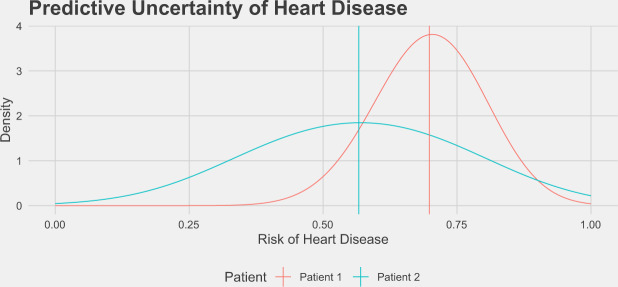
“The importance of calibrated uncertainty estimates for clinical deployment cannot be overstated: a prediction of 70% conversion risk is actionable only if such predictions are correct approximately 70% of the time (Kompa et al., 2021).”
Transformer-Based Multimodal Deep Learning for Early Disease Detection in Smart Healthcare Systems
Sridhar, S. K., Sardar, T. H., Benaka Santhosha, S., Naitik, S. T., Thahniyath, G., & Dilip, K. (2026) · International Conference on Machine Learning and Autonomous Systems (ICMLAS) · doi:10.1109/icmlas67792.2026.11483899 · Cited by 4
Vega, F., Koopmans, L. D., Roest, C., Türkbey, B., Yakar, D., & Kwee, T. C. (2026) · Abdominal Radiology · doi:10.1007/s00261-026-05714-8 · Cited by 3
Bayesian Neural Network to Predict Antibiotic Resistance
Vouriot, L., Rebaudet, S., Gaudart, J., & Ureña, R. (2024) · Lecture notes in computer science · doi:10.1007/978-3-031-66538-7_2 · Cited by 3
A meta-heuristic approach to estimate and explain classifier uncertainty
Houston, A. D., & Cosma, G. (2025) · Applied Intelligence · doi:10.1007/s10489-024-06127-0 · Cited by 3
“Qualitative research has shown, that in the medical sector, clinicians have emphasised the importance of models indicating uncertainty or abstaining when their confidence is low [2, 3].”
Machine learning-enabled screening for aortic stenosis with handheld ultrasound
Karmiy, S., Huang, Z., Velury, D., Mai, E., Li, J., Dehn, M. M., Balian, D. R., Ramsingh, D. S., Martin, J. T., Kantrowitz, J. J., et al. (2025) · European Heart Journal - Imaging Methods and Practice · doi:10.1093/ehjimp/qyaf051 · Cited by 3
Schmid, S., Shamaei, A., de Souza, R. M., & Frayne, R. (2025) · IEEE International Symposium on Biomedical Imaging (ISBI) · doi:10.1109/isbi60581.2025.10981010 · Cited by 3
“This focus on interpretability is crucial for developing reliable WMH assessment tools in clinical practice [10].”
Kovalchuk, A. V., Lebedev, A. A., Shemagina, O. V., Nuidel, I. V., Григорьевич, Я. В., & Викторович, С. С. (2025) · Technologies · doi:10.3390/technologies13120593 · Cited by 3
Heterogenous effect of automated alerts on mortality
Wissel, B. D., Percy, Z., Zachem, T. J., Beaulieu‐Jones, B. K., Kohane, I. S., Goldstein, S. L., Gecili, E., & Dexheimer, J. W. (2025) · Journal of the American Medical Informatics Association · doi:10.1093/jamia/ocaf222 · Cited by 3
Miché, M., Strippoli, M. F., Preisig, M., & Lieb, R. (2024) · BMC Psychiatry · doi:10.1186/s12888-024-05647-w · Cited by 3
“Overall, visual presentation, a clear interpretation, and a transparent explanation of the individual’s estimated SA risk is warranted, which includes communicating to the individual the uncertainty of his or her estimated risk [59].”
BackgroundLiao, X., Song, H., & Bard, D. (2024) · Chinese Political Science Review · doi:10.1007/s41111-024-00265-z · Cited by 3
“The application of machine learning models has shown great promise but also notable challenges (Chekroud et al. 2021; Christodoulou et al. 2019; Grimmer et al. 2021; Kompa et al. 2021).”
Adachi, A., Zhang, F., Kanaya, S., & Ono, N. (2024) · Bioinformatics Advances · doi:10.1093/bioadv/vbaf045 · Cited by 3
“Uncertainty estimates help healthcare providers make informed decisions (Kompa et al. 2021).”
Artificial Intelligence, Bioinformatics, and Pathology
Levy, J., Lu, Y., Montivero, M. K. S., Ramwala, O. A., McFadden, J. R., Miles, C., Diamond, A. G., Reddy, R., Reddy, R., Hudson, T. R., et al. (2022) · Advances in Molecular Pathology · doi:10.1016/j.yamp.2023.01.002 · Cited by 3
Deep Learning System for Left Ventricular Assist Device Candidate Assessment from Electrocardiograms
Mendoza, A., Cavallaro, J. R., & Razavi, M. (2023) · Computing in cardiology · doi:10.22489/cinc.2023.180 · Cited by 3
“Uncertainty estimation is also important [3].”
Adaptive learning in humans, brains and neural networks : the role of uncertainty and probabilities
Foucault, C. (2023) · theses.fr (ABES) · doi:10.70675/4308ecd4z4d98z46acz858bz78808e44098f · Cited by 3
Zhang, X., Wang, T., Yan, C., Najdawi, F., Zhou, K., Ma, Y., Cheung, Y., & Malin, B. (2024) · medRxiv · doi:10.1101/2024.12.27.24319715 · Cited by 3
“First, all three of the models achieved the validity requirements at both the tile and patient levels across the TCGA and CPTAC testing datasets for three distinct error levels (Supplementary Tables 9, 10).”
InfluentialDistributed Conformal Prediction via Message PassingPreprint
Wen, H., Xing, H., & Simeone, O. (2025) · arXiv (Cornell University) · doi:10.48550/arxiv.2501.14544 · Cited by 3
“…intelligence (AI) models has become increasingly important as a means to ensure reliable inference and decision-making in safety-critical domains such as healthcare (Kompa et al., 2021), engineering (Cohen et al., 2023) and large language models (LLMs) (Ji et al., 2023; Huang et al., 2025).”
Text Psychometrics: Assessing Psychological Constructs in Text Using Natural Language ProcessingPreprint
Low, D. M., Mair, P., Nock, M. K., & Ghosh, S. (2025) · PsyArXiv (OSF Preprints) · doi:10.31234/osf.io/9rdux_v2 · Cited by 3
Confidential Guardian: Cryptographically Prohibiting the Abuse of Model AbstentionPreprint
Rabanser, S., Shamsabadi, A. S., Franzese, O., Wang, X. S., Weller, A., & Papernot, N. (2025) · arXiv (Cornell University) · doi:10.48550/arxiv.2505.23968 · Cited by 3
“In these high-stakes settings, it is common to abstain from providing predictions when a Machine Learning (ML) model’s uncertainty is high, hence minimizing the risk of harmful errors (Kotropoulos & Arce, 2009; Liu et al., 2022; Kompa et al., 2021).”
Conformal Prediction and MLLM aided Uncertainty Quantification in Scene Graph GenerationPreprint
Nag, S., Ghosh, U., Ta, C.-K., Bose, S., Li, J., & Chowdhury, A. K. R. (2025) · arXiv (Cornell University) · doi:10.48550/arxiv.2503.13947 · Cited by 3
“In the context of deep learning, CP has been integrated with neural networks to provide uncertainty estimates in high-stakes applications [21].”
Low, D. M. (2024) · Digital Access to Scholarship at Harvard (DASH) (Harvard University) · Cited by 3
Inadequacy of common stochastic neural networks for reliable clinical decision support
Lindenmeyer, A., Blattmann, M., Franke, S., Neumuth, T., & Schneider, D. (2024) · arXiv · doi:10.48550/arxiv.2401.13657 · Cited by 2
“In the healthcare domain, where decisions are usually safety-critical and ethically relevant, it is imperative that such automated methods employed in CDS systems are not only effective but also trustworthy [2, 10, 14, 23, 30].”
BackgroundMethodInfluentialRamadhan, M. M., Wibowo, W. E., Prajitno, P., & Pawiro, S. A. (2024) · Reports of Practical Oncology & Radiotherapy · doi:10.5603/rpor.98729 · Cited by 2
Dialysis modality and quality of life: more answers yet more questions
Hamdan, H., & Roshanravan, B. (2024) · Kidney International · doi:10.1016/j.kint.2024.08.028 · Cited by 2
REPEAT: Improving Uncertainty Estimation in Representation Learning Explainability
Wickstrøm, K., Brüsch, T., Kampffmeyer, M., & Jenssen, R. (2025) · Proceedings of the AAAI Conference on Artificial Intelligence · doi:10.1609/aaai.v39i8.32900 · Cited by 2
“Providing an indication of certainty is highly desirable, for instance in safety critical areas such as healthcare (Tonekaboni et al. 2019; Kompa, Snoek, and Beam 2021).”
Statistical testing for uncertainty of P-NET by DeepLIFT
Goo, T., Lee, C., Shin, S., Kim, H., & Park, T. (2025) · Discover Applied Sciences · doi:10.1007/s42452-025-07156-1 · Cited by 2
Large-scale deep learning for metastasis detection in pathology reports
Krawczuk, P., Fox, Z., Petkov, V. I., Negoita, S., Doherty, J. A., Stroup, A. M., Schwartz, S., Penberthy, L. T., Hsu, E. R., Gounley, J. P., et al. (2025) · JAMIA Open · doi:10.1093/jamiaopen/ooaf070 · Cited by 3
Sáez-Maldonado, F. J., García, L., Cooper, L., Goldstein, J. A., Molina, R., & Katsaggelos, A. K. (2025) · IEEE Access · doi:10.1109/access.2025.3593420 · Cited by 2
“Out-of-distribution detection undoubtedly plays a very important role in computational pathology [18], [28], [29], reflected by an increasing number of contributions.”
Lee, M. H., Lam, S. W., Liew, S. X. H., Dorosan, M., Graves, N., Karlström, J., Tan, H. K., & Lee, W. T. (2025) · International Joint Conference on Artificial Intelligence · doi:10.24963/ijcai.2025/1087 · Cited by 2
“In parallel with the growing emphasis on model explanability [Angelov et al. , 2021], there has been increasing research into uncertainty quantification techniques to enhance user trust[Kompa et al. , 2021; Loftus et al. , 2022].”
A neural network with reject option approach for equalization and error detection
Almeida, W. D., & Neto, A. R. R. (2025) · Applied Intelligence · doi:10.1007/s10489-025-06998-x · Cited by 2
“Many research fields have applied the reject option in classification scenarios, including medical applications [20, 21], mobile robots [ 22 ], and software defect prediction [ 23].”
MAD-Fusion: Modality-Aware Dynamic Fusion in Identification of Activities of Daily Living
Zhan, X., Rashid, N., Nemati, E., Ahmed, M. Y., Chandrashekhara, S., & Kuang, J. (2026) · IEEE Internet of Things Journal · doi:10.1109/jiot.2025.3650720 · Cited by 2
Fatigue Detection with Multimodal Physiological Signals via Uncertainty-Aware Deep Transfer Learning
Kakhi, K., Asgharnezhad, H., Khosravi, A., Alizadehsani, R., & Acharya, U. R. (2026) · Journal of Bionic Engineering · doi:10.1007/s42235-025-00827-0 · Cited by 2
“For systems designed to operate in safety-critical environments [11,15,16], such as those monitoring driver fatigue, the ability to recognise and signal low-confidence outputs is essential.”
Bakhshayeshi, I., Hosseini, M. M., Argha, A., Zahedi, R., Lovell, N. H., & Alinejad-Rokny, H. (2026) · Advanced Science · doi:10.1002/advs.202512842 · Cited by 2
Understanding Uncertainty In LLMs
Sah, C. K. (2025) · IEEE/ACM International Conference on Automated Software Engineering (ASE) · doi:10.1109/ase63991.2025.00392 · Cited by 2
Opportunities and challenges of artificial intelligence in hepatology
Morel, S. M. G., Wu, S., Kendall, T. J., Guha, I. N., & Fallowfield, J. A. (2026) · npj gut and liver. · doi:10.1038/s44355-025-00052-w · Cited by 2
“Beyond architecture, reliable AI deployment requires quantifying uncertainty and the ability to “ abstain ” in low-con fi dence cases, a critical safe-guardforclinicalintegration 130 .”
AutoHealth: Uncertainty-Aware Multi-Agent Framework for Autonomous Health Prediction
Xia, T., Li, W., Liu, G., Li, Y. X., & Li, Y. (2026) · Findings of the Association for Computational Linguistics: EMNLP (Findings of EMNLP) · doi:10.18653/2026.findings-emnlp.1688 · Cited by 2
Automated C-Arm Positioning via Conformal Landmark Localization
Arrabi, A., Jung, J., Luo, J., Franssen, N., Raymond, S. B., & Wshah, S. (2025) · IEEE International Conference on Computer Vision Workshops · doi:10.1109/iccvw69036.2025.00461 · Cited by 2
“While these approaches have shown strong performance in diagnostic tasks, they are often unsuitable for time-sensitive clinical applications due to their limited interpretability and lack of uncertainty understanding [9, 19, 22, 37].”
The HEART Interface: Visualizing Risk Score Uncertainty in the Cardiothoracic ICU
Nourani, M., Nguyen, L., Barry, C. L., Jin, Q., & Tory, M. K. (2026) · ACM International Conference on Intelligent User Interfaces (IUI) · doi:10.1145/3742413.3789109 · Cited by 2
“Existing design approaches for risk score visualization typically (1) focus on representing a single adverse event (e.g., sepsis) instead of multiple potential outcomes and/or (2) provide limited or no communication of risk score uncertainty [36].”
InfluentialEngineering framework for curiosity-driven and humble AI in clinical decision support
Arslan, J., Benke, K. K., Cajas, S. A., Castro, R., Celi, L. A., Cruz-Suarez, G. A., Reyes, R. D., Engelmann, J., Ercole, A., Hilel, A., et al. (2026) · BMJ Health & Care Informatics · doi:10.1136/bmjhci-2025-101877 · Cited by 2
Tchokponhoue, G. A. D., & Idri, A. (2026) · Results in Engineering · doi:10.1016/j.rineng.2026.110453 · Cited by 2
Metadata
- Authors
- Kompa, B., Snoek, J., & Beam, A. L.
- Affiliations
- Harvard University (US)
- Google (United States) (US)
- Corresponding author
- Beam, Andrew L.
- Venue
- npj Digital Medicine
- Published
- 2021-01-05
- Volume
- 4
- Issue
- 1
- Pages
- 4-4
- ISSN
- 2398-6352 (ISSN-L)
- PMC
- PMC7785732
- OpenAlex
- W3118929067
- Semantic Scholar
- e32a2519b59d62cff6cb8136ee242dc3754ed57b
- Cited by
- 514
- References
- 60
- Citations by year
- 2026: 173 · 2025: 96 · 2024: 83 · 2023: 67 · 2022: 52 · 2021: 42
- FWCI
- 5.03
- Type
- journal article
- Language
- en
- Open access
- gold
- doi.org
- Licence
- cc-by
- creativecommons.org/licenses/by/4.0 (tdm)
- creativecommons.org/licenses/by/4.0 (vor)
- Locations
- npj Digital Medicine (publishedVersion, cc-by)
- PubMed Central (publishedVersion, cc-by)
- PubMed (publishedVersion)
- DOAJ (DOAJ: Directory of Open Access Journals) (submittedVersion, cc-by-sa)
- Funders
- National Institutes of Health
- National Heart, Lung, and Blood Institute (K01HL141771)
- National Human Genome Research Institute (T32HG002295)
- Topics
- Health Sciences › Medicine › Health Informatics › Artificial Intelligence in Healthcare and Education
- Physical Sciences › Computer Science › Artificial Intelligence › Machine Learning in Healthcare
- Physical Sciences › Computer Science › Artificial Intelligence › Explainable Artificial Intelligence (XAI)
- Keywords
- uncertainty quantification, uncertainty communication, machine learning in medicine, artificial intelligence in healthcare, clinical decision support, trust in AI, clinical implementation of AI
About these checks
Registry, retraction, Cites and statistics results are computed, not judged, with one exception: a printed reference that no index lists is read once by a model before it counts as a citation error. Claims are extracted by a model and kept only when their quote appears verbatim in the text; each cited source is then checked, with a model’s help, for whether it says what the claim relies on. Those verdicts can be wrong — read the claim’s quote and the cited source before relying on one.
Statistics and arithmetic are recomputed, not judged.
Confidence bands are shown only for fields calibrated on our annotated test set. None is calibrated yet, so no band is shown.
What counts as a claim ›How we measure confidence ›How we check this ›
Are you an author, or do you see a problem with this page? Request a review
Data sources
Bibliographic data: Semantic Scholar, OpenAlex, Crossref.
Contains information from the Semantic Scholar Academic Graph Datasets, made available under the ODC Attribution License (ODC-BY 1.0).
Semantic Scholar’s data is described in: Kinney, R., et al. (2023). The Semantic Scholar Open Data Platform. arXiv:2301.10140.
