

Hypoxia compromises the mitochondrial metabolism of Alzheimer’s disease microglia via HIF1
Open accessThe DOI matches its Crossref record; 52 of the 52 references it cites were found in a registry or an index.
Abstract
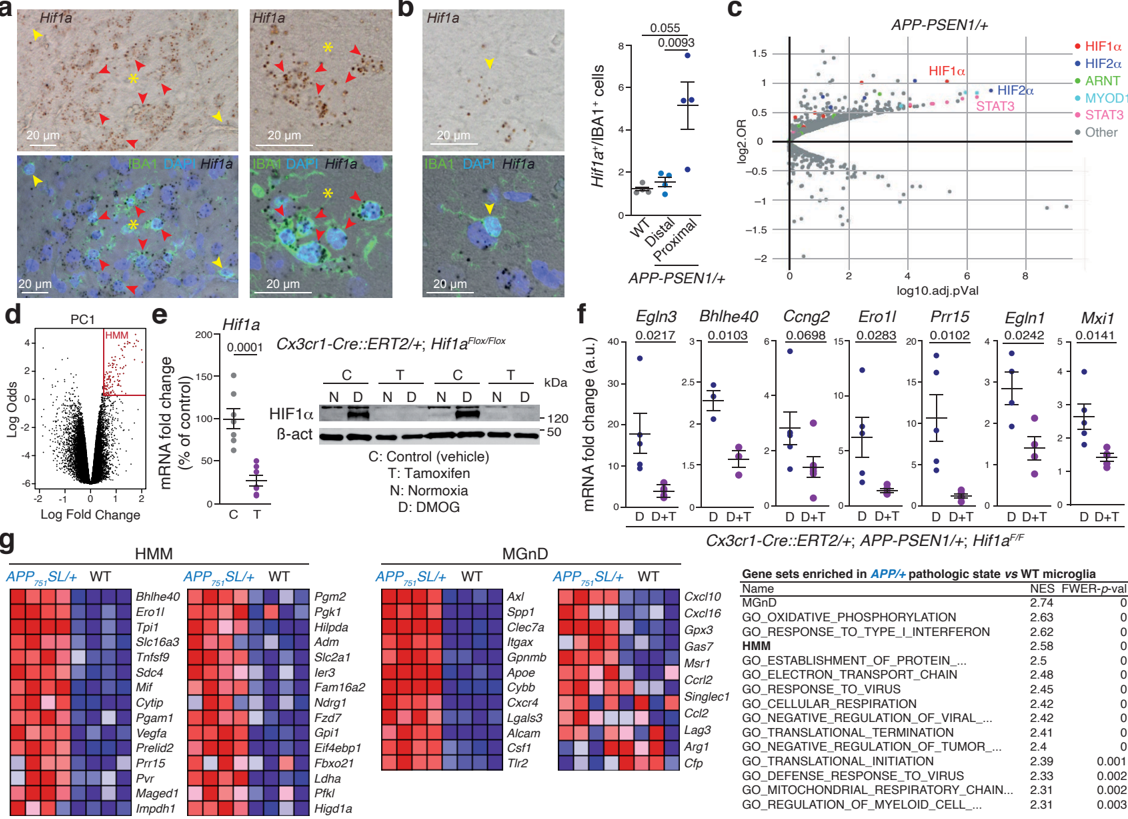
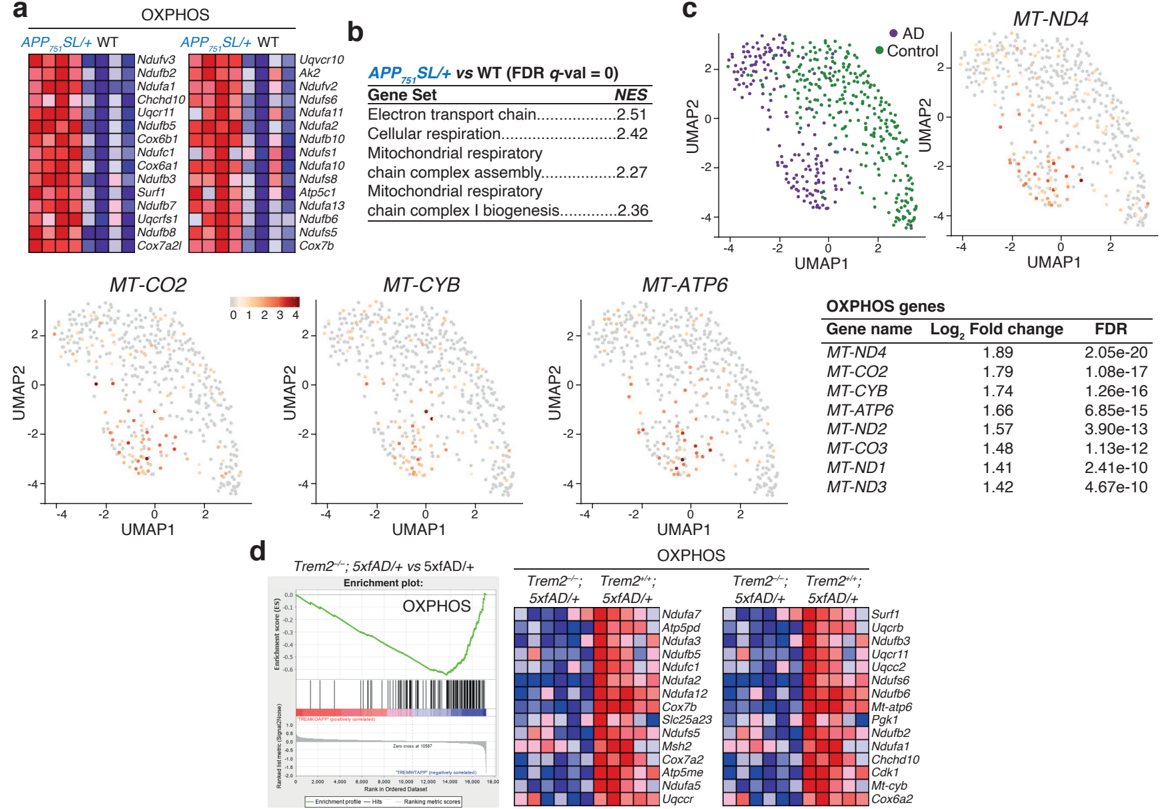
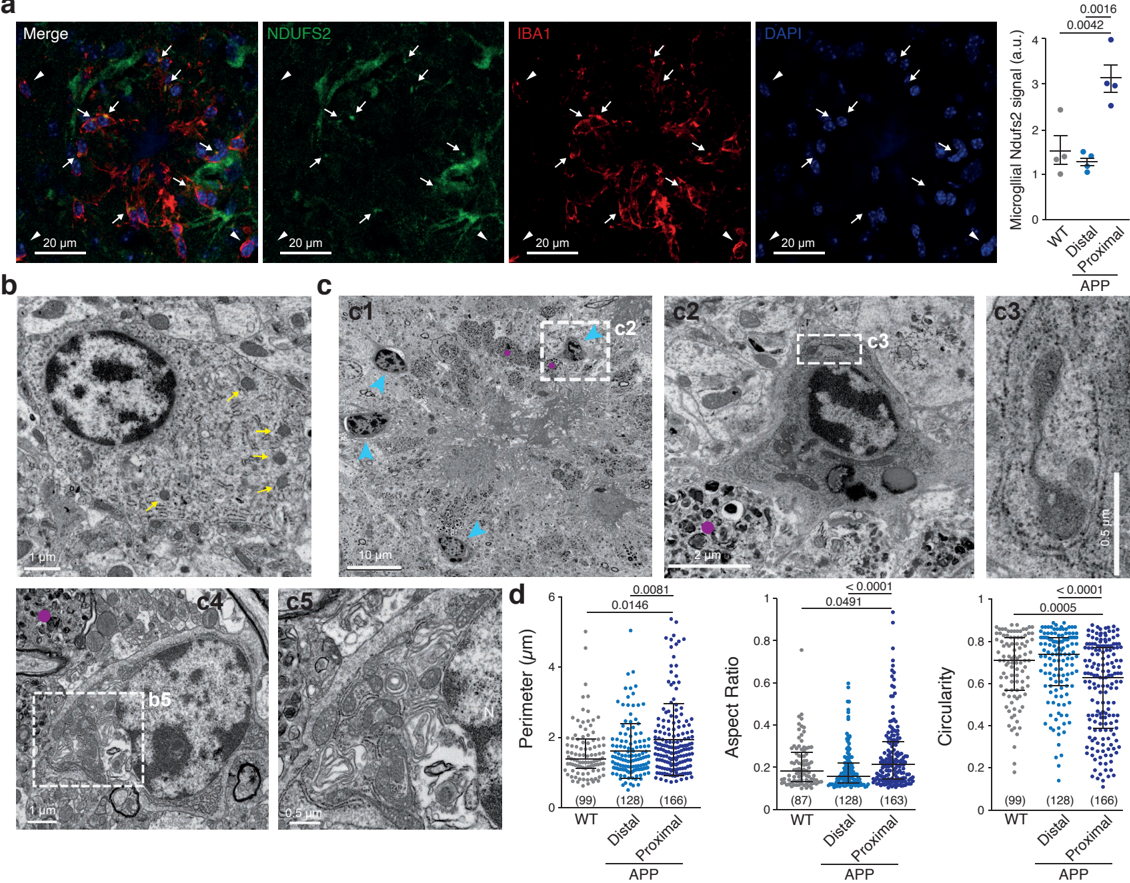
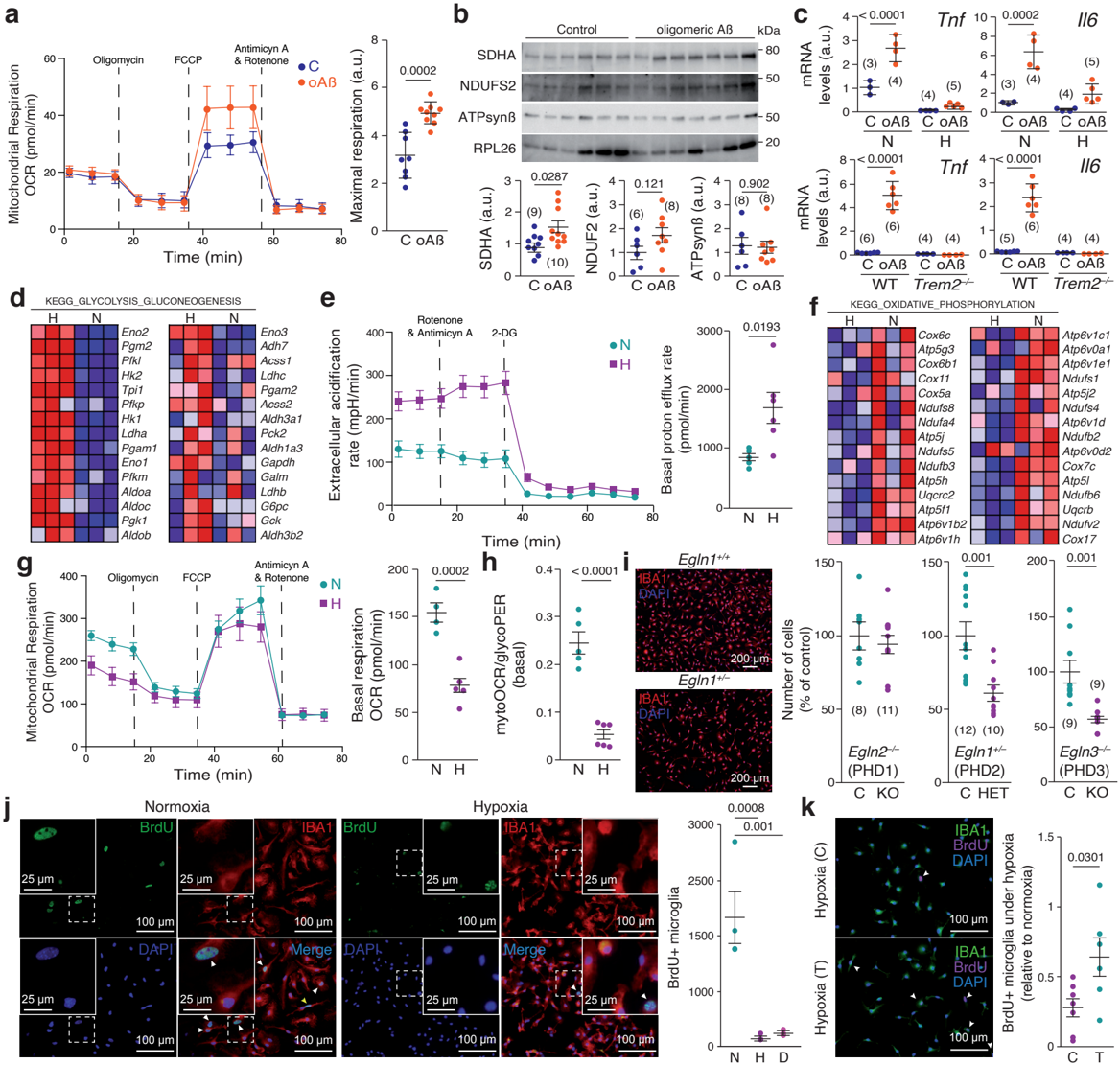
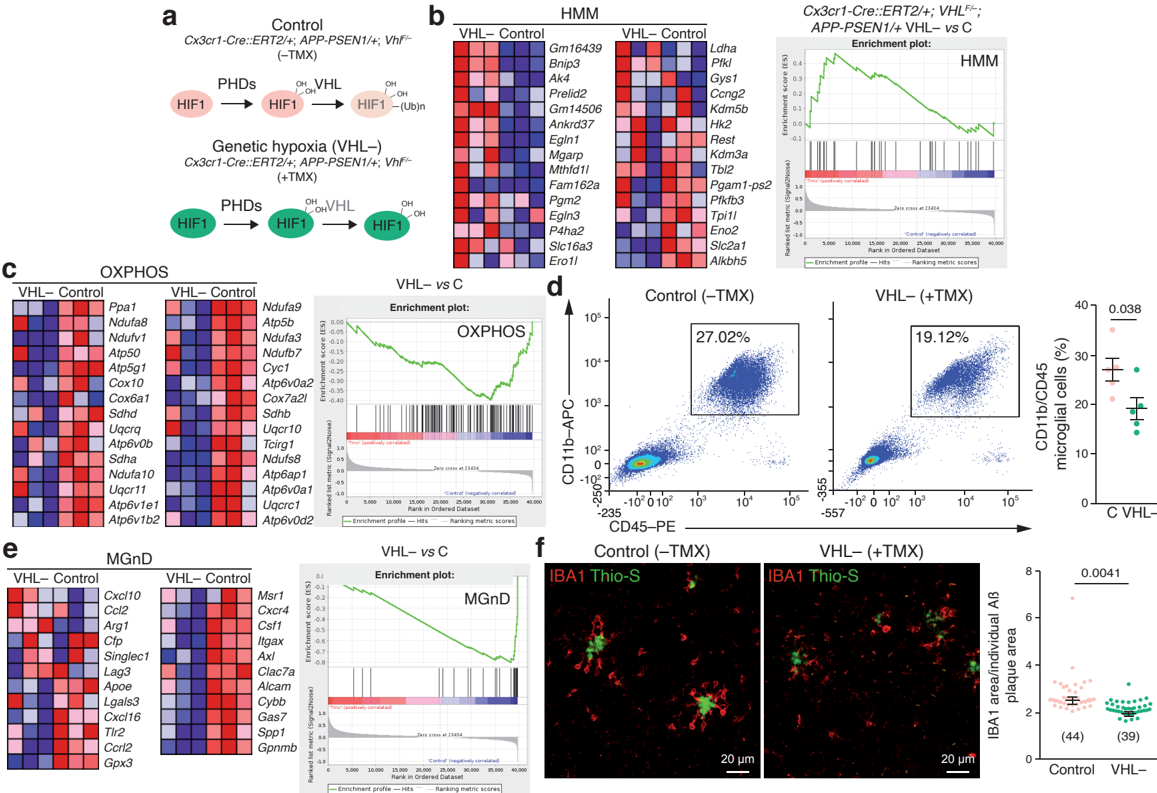
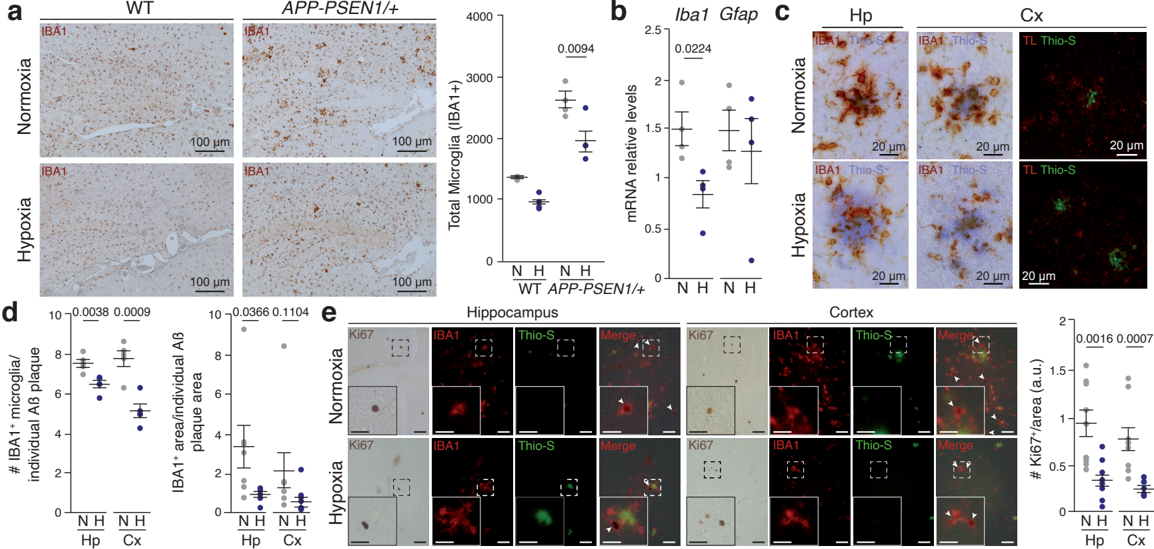
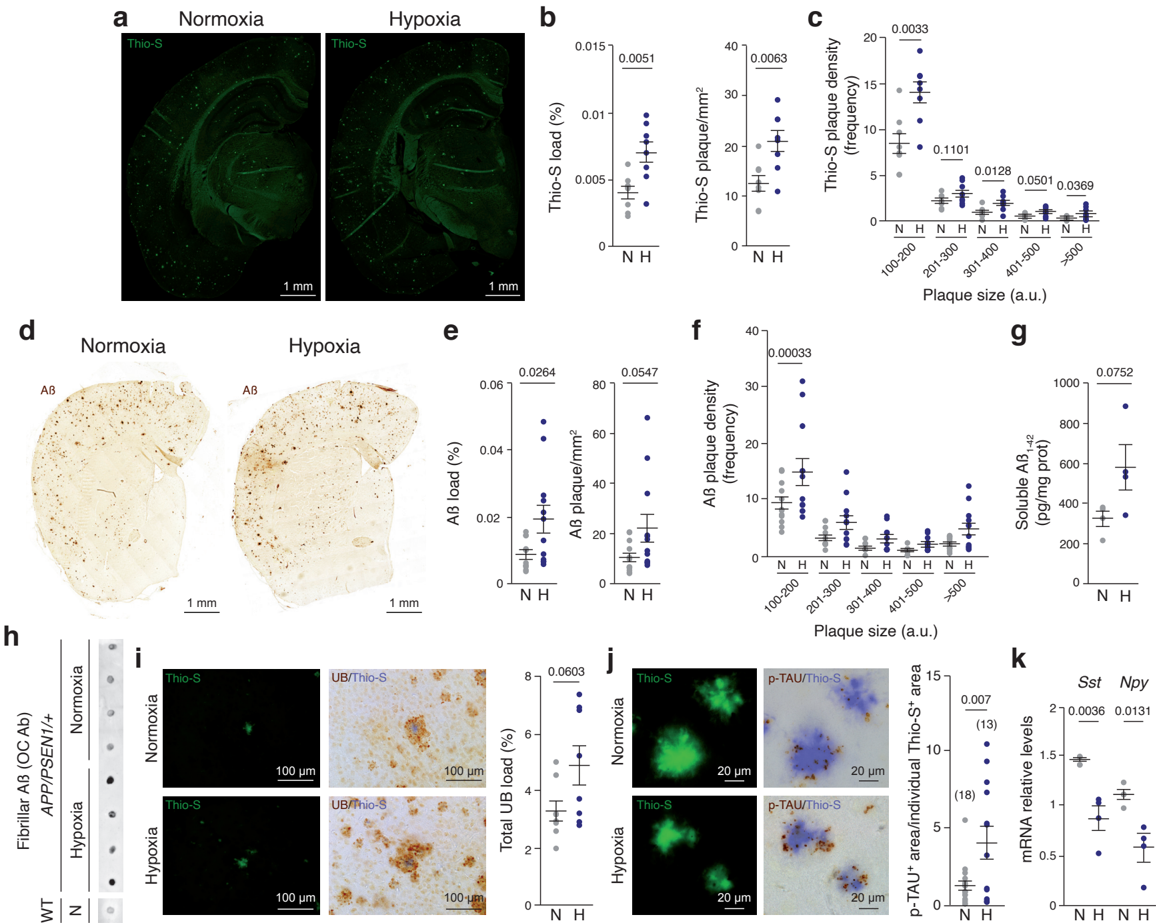
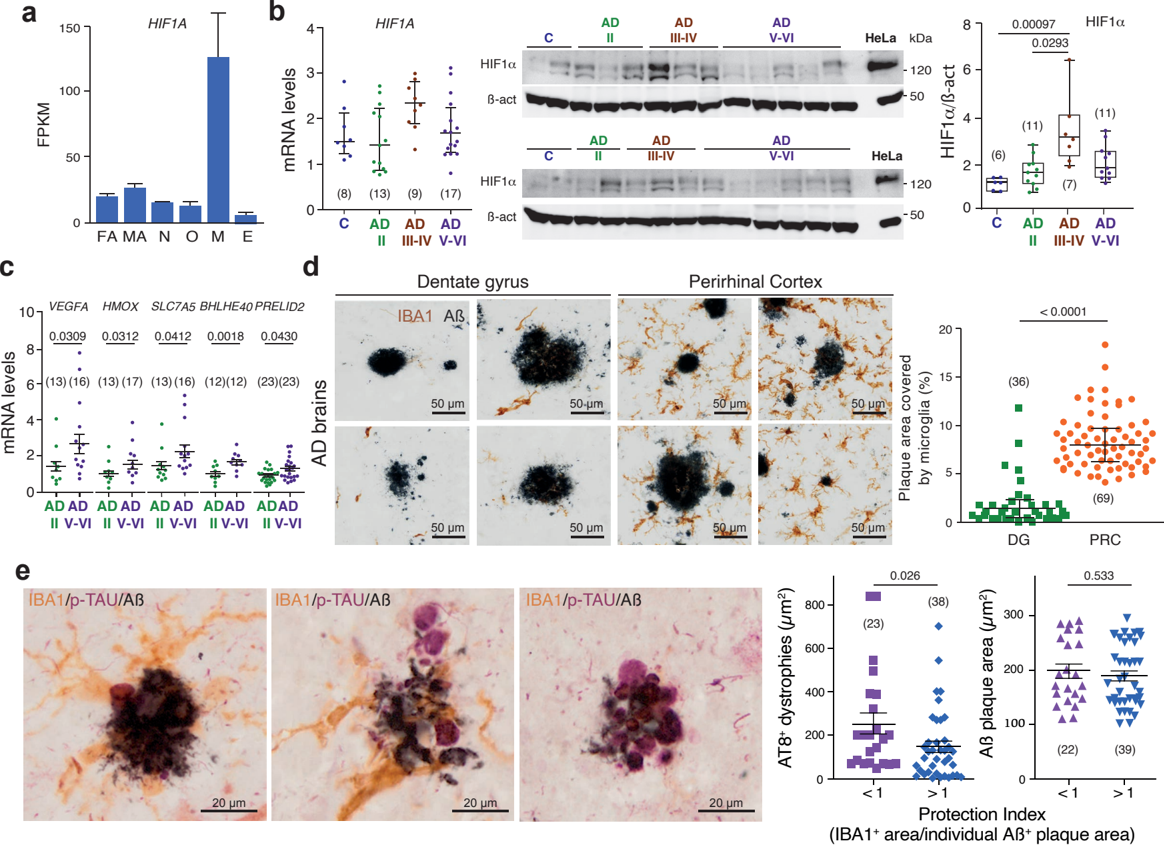
Genetic Alzheimer's disease (AD) risk factors associate with reduced defensive amyloid β plaque-associated microglia (AβAM), but the contribution of modifiable AD risk factors to microglial dysfunction is unknown. In AD mouse models, we observe concomitant activation of the hypoxia-inducible factor 1 (HIF1) pathway and transcription of mitochondrial-related genes in AβAM, and elongation of mitochondria, a cellular response to maintain aerobic respiration under low nutrient and oxygen conditions. Overactivation of HIF1 induces microglial quiescence in cellulo, with lower mitochondrial respiration and proliferation. In vivo, overstabilization of HIF1, either genetically or by exposure to systemic hypoxia, reduces AβAM clustering and proliferation and increases Aβ neuropathology. In the human AD hippocampus, upregulation of HIF1α and HIF1 target genes correlates with reduced Aβ plaque microglial coverage and an increase of Aβ plaque-associated neuropathology. Thus, hypoxia (a modifiable AD risk factor) hijacks microglial mitochondrial metabolism and converges with genetic susceptibility to cause AD microglial dysfunction.
Overview
The claims and statistics of this paper haven’t been checked yet.
Free: it reads the open-access text and checks the first 5 claims that cite a source we can check. Create a free account to check every claim.
Integrity signals
Registry
Cites
Statistics
Figures
Verification
Claims the paper makes
The claims and statistics of this paper haven’t been checked yet.
Free: it reads the open-access text and checks the first 5 claims that cite a source we can check. Create a free account to check every claim.
Claims other papers make about this one
Each is checked against this paper’s own text: does it say what the citing paper says it does?
In the citing paper
“The potential mechanisms may involve the induction of chronic hypoxia and subsequent activation of hypoxia-inducible factor 1 (HIF1), which in turn accelerates the production of Aβ via the overexpression of β-secretase and γ-secretase while impairing Aβ clearance through microglial dysfunction.264”
From Antiageing strategy for neurodegenerative diseases: from mechanisms to clinical advances (2025) · cites this paper as [264]
In the citing paper
“Hypoxia compromises the mitochondrial metabolism of microglia, which results in microglial dysfunction and Aβ accumulation67.”
From Immune checkpoint TIM-3 regulates microglia and Alzheimer’s disease (2025) · cites this paper as [67]
Self-check
Percentages, sums and reported differences re-computed from the paper’s own numbers.
The self-check needs the paper’s full text.
Citations
Cites
Dementia prevention, intervention, and care
Livingston, G., Sommerlad, A., Orgeta, V., Costafreda, S. G., Huntley, J., Ames, D., Ballard, C., Banerjee, S., Burns, A., Cohen-Mansfield, J., et al. (2017) · The Lancet · doi:10.1016/s0140-6736(17)31363-6 · Cited by 6,072
A Unique Microglia Type Associated with Restricting Development of Alzheimer’s Disease
Keren-Shaul, H., Spinrad, A., Weiner, A., Matcovitch-Natan, O., Dvir-Szternfeld, R., Ulland, T. K., David, E., Baruch, K., Lara-Astaiso, D., Toth, B., et al. (2017) · Cell · doi:10.1016/j.cell.2017.05.018 · Cited by 5,493
Oxygen sensing by metazoans: the central role of the HIF hydroxylase pathway.
Kaelin, W. G., & Ratcliffe, P. J. (2008) · Molecular Cell · doi:10.1016/j.molcel.2008.04.009 · Cited by 3,251
Krasemann, S., Madore, C., Cialic, R., Baufeld, C., Calcagno, N., El Fatimy, R., Beckers, L., O’Loughlin, E., Xu, Y., Fanek, Z., et al. (2017) · Immunity · doi:10.1016/j.immuni.2017.08.008 · Cited by 2,979
Neurovascular pathways to neurodegeneration in Alzheimer’s disease and other disorders
Zlokovic, B. V. (2011) · Nature Reviews Neuroscience · doi:10.1038/nrn3114 · Cited by 2,969 · cited 1×
“(13) (16) (13) (17) (13) (16) (12)(12) (23)(23) (36)”
The projected effect of risk factor reduction on Alzheimer's disease prevalence
Barnes, D. E., & Yaffe, K. (2011) · The Lancet Neurology · doi:10.1016/s1474-4422(11)70072-2 · Cited by 2,666
Potential for primary prevention of Alzheimer's disease: an analysis of population-based data
Norton, S., Matthews, F. E., Barnes, D. E., Yaffe, K., & Brayne, C. (2014) · The Lancet Neurology · doi:10.1016/s1474-4422(14)70136-x · Cited by 2,466
Zhang, Y., Sloan, S. A., Clarke, L. E., Caneda, C., Plaza, C. A., Blumenthal, P. D., Vogel, H., Steinberg, G. K., Edwards, M. S. B., Li, G., et al. (2016) · Neuron · doi:10.1016/j.neuron.2015.11.013 · Cited by 2,295
HIF-1 mediates adaptation to hypoxia by actively downregulating mitochondrial oxygen consumption
Papandreou, I., Cairns, R. A., Fontana, L., Lim, A. L., & Denko, N. C. (2006) · Cell Metabolism · doi:10.1016/j.cmet.2006.01.012 · Cited by 2,267
TREM2 Lipid Sensing Sustains the Microglial Response in an Alzheimer’s Disease Model
Wang, Y., Cella, M., Mallinson, K., Ulrich, J. D., Young, K. L., Robinette, M. L., Gilfillan, S., Krishnan, G. M., Sudhakar, S., Zinselmeyer, B. H., et al. (2015) · Cell · doi:10.1016/j.cell.2015.01.049 · Cited by 1,736
Cited by
Neuroinflammation in Alzheimer disease
Heneka, M. T., van der Flier, W. M., Jessen, F., Hoozemanns, J., Thal, D. R., Boche, D., Brosseron, F., Teunissen, C., Zetterberg, H., Jacobs, A. H., et al. (2025) · Nature Reviews Immunology · doi:10.1038/s41577-024-01104-7 · Cited by 638
Self-citationHuman microglial state dynamics in Alzheimer’s disease progression
Sun, N., Victor, M. B., Park, Y. P., Xiong, X., Scannail, A. N., Leary, N., Prosper, S., Viswanathan, S., Luna, X., Boix, C. A., et al. (2023) · Cell · doi:10.1016/j.cell.2023.08.037 · Cited by 462
Mi, Y., Qi, G., Vitali, F., Shang, Y., Raikes, A. C., Wang, T., Jin, Y., Brinton, R. D., Gu, H., & Yin, F. (2023) · Nature Metabolism · doi:10.1038/s42255-023-00756-4 · Cited by 343
Lee, S., Devanney, N. A., Golden, L. R., Smith, C. T., Schwartz, J. L., Walsh, A. E., Clarke, H. A., Goulding, D. S., Allenger, E. J., Morillo-Segovia, G., et al. (2023) · Cell Reports · doi:10.1016/j.celrep.2023.112196 · Cited by 203
Antiageing strategy for neurodegenerative diseases: from mechanisms to clinical advances
Jiang, Q., Liu, J., Huang, S., Wang, X.-Y., Chen, X., Liu, G.-H., Ye, K., Song, W., Masters, C. L., Wang, J., et al. (2025) · Signal Transduction and Targeted Therapy · doi:10.1038/s41392-025-02145-7 · Cited by 165
“264 Moreover, chronic hypoxia is thought to trigger α -syn phosphorylation and aggregation, which interacts with hypoxia-induced mitochondrial dysfunction to worsen PD progression.”
Insights into Alzheimer’s disease from single-cell genomic approaches
Murdock, M. H., & Tsai, L.-H. (2023) · Nature Neuroscience · doi:10.1038/s41593-022-01222-2 · Cited by 148
Transgenic Mouse Models of Alzheimer’s Disease: An Integrative Analysis
Sanchez-Varo, R., Mejias-Ortega, M., Fernandez-Valenzuela, J. J., Nuñez-Diaz, C., Caceres-Palomo, L., Vegas-Gomez, L., Sanchez-Mejias, E., Trujillo-Estrada, L., Garcia-Leon, J. A., Moreno-Gonzalez, I., et al. (2022) · International Journal of Molecular Sciences · doi:10.3390/ijms23105404 · Cited by 129
Self-citationAstrocyte transcriptomic changes along the spatiotemporal progression of Alzheimer’s disease
Serrano-Pozo, A., Li, H., Li, Z., Muñoz-Castro, C., Jaisa-aad, M., Healey, M. A., Welikovitch, L. A., Jayakumar, R., Bryant, A. G., Noori, A., et al. (2024) · Nature Neuroscience · doi:10.1038/s41593-024-01791-4 · Cited by 140
Self-citationMolecular and metabolic heterogeneity of astrocytes and microglia
Hasel, P., Aisenberg, W. H., Bennett, F. C., & Liddelow, S. A. (2023) · Cell Metabolism · doi:10.1016/j.cmet.2023.03.006 · Cited by 139
Current Understanding of Hypoxia in Glioblastoma Multiforme and Its Response to Immunotherapy
Park, J. H., & Lee, H. K. (2022) · Cancers · doi:10.3390/cancers14051176 · Cited by 139
Decoding microglial immunometabolism: a new frontier in Alzheimer's disease research
Jung, E. S., Choi, H., & Mook-Jung, I. (2025) · Molecular Neurodegeneration · doi:10.1186/s13024-025-00825-0 · Cited by 124
Microglial efferocytosis: Diving into the Alzheimer’s disease gene pool
Romero-Molina, C., Garretti, F., Andrews, S. J., Marcora, E., & Goate, A. M. (2022) · Neuron · doi:10.1016/j.neuron.2022.10.015 · Cited by 111
Self-citationGuan, L., Mao, Z., Yang, S., Wu, G., Chen, Y., Yin, L., Qi, Y., Han, L., & Xu, L. (2022) · Biomedicine & Pharmacotherapy · doi:10.1016/j.biopha.2022.113248 · Cited by 109
Oxygen metabolism abnormality and Alzheimer's disease: An update
Liu, G., Yang, C., Wang, X., Chen, X., Wang, Y., & Le, W. (2023) · Redox Biology · doi:10.1016/j.redox.2023.102955 · Cited by 95
“March-Diaz et al. found that hypoxia impairs mitochondrial metabolism in microglia and enhances A β pathology [43].”
BackgroundImmune checkpoint TIM-3 regulates microglia and Alzheimer’s disease
Kimura, K., Subramanian, A., Yin, Z., Khalilnezhad, A., Wu, Y., He, D., Dixon, K. O., Chitta, U. K., Ding, X., Adhikari, N., et al. (2025) · Nature · doi:10.1038/s41586-025-08852-z · Cited by 85
Gedam, M., Comerota, M. M., Propson, N. E., Chen, T., Jin, F., Wang, M. C., & Zheng, H. (2023) · Journal of Clinical Investigation · doi:10.1172/jci167501 · Cited by 76
“Similarly compromised hypoxia and lipid metabolic profiles have recently been reported in Aβ-associated microglia in other AD models (16, 45, 46).”
InfluentialMalvaso, A., Gatti, A., Negro, G., Calatozzolo, C., Medici, V., & Poloni, T. E. (2023) · Cells · doi:10.3390/cells12242824 · Cited by 66
“In particular, they observed a significant microglial depopulation in severe AD (Braak stage: V–VI), particularly in the molecular layer of the dentate gyrus (hypoxia prone region) compared with the perirhinal cortex (control region) of the same individuals [165].”
BackgroundHuang, Q., Wang, Y., Chen, S., & Liang, F. (2023) · Aging and disease · doi:10.14336/ad.2023.0807 · Cited by 62
“Prolonged and excessive activation of HIF-1α results in the arrest of the microglial cell cycle, impaired proliferation, and aggregation around Aβ plaques, ultimately exacerbating neurological damage [83].”
BackgroundImplications of glial metabolic dysregulation in the pathophysiology of neurodegenerative diseases
Afridi, R., Rahman, M. H., & Suk, K. (2022) · Neurobiology of Disease · doi:10.1016/j.nbd.2022.105874 · Cited by 59
Wang, Q., Lu, M., Zhu, X., Gu, X., Zhang, T., Xia, C., Yang, L., Xu, Y., & Zhou, M. (2022) · Biomedicine & Pharmacotherapy · doi:10.1016/j.biopha.2022.113412 · Cited by 52
Friend or foe: Lactate in neurodegenerative diseases
Wang, M., Zhou, Y., Li, W., Zhu, L., & Liu, D. (2024) · Ageing Research Reviews · doi:10.1016/j.arr.2024.102452 · Cited by 54
Non-productive angiogenesis disassembles Aß plaque-associated blood vessels
Álvarez-Vergara, M. I., Rosales‐Nieves, A. E., March‐Díaz, R., Rodríguez-Periñán, G., Lara-Ureña, N., Luis, C. O. S., Sánchez-García, M. A., Martín‐Bórnez, M., Gómez‐Gálvez, P., Vicente‐Munuera, P., et al. (2021) · Nature Communications · doi:10.1038/s41467-021-23337-z · Cited by 53
Self-citationDong, H., Zhang, X., Duan, Y., He, Y., Zhao, J., Wang, Z., Wang, J., Li, Q., Fan, G., Liu, Z., et al. (2024) · Journal of Neuroinflammation · doi:10.1186/s12974-024-03070-2 · Cited by 49
“A previous study has demonstrated that microglial HIF-1α is a critical essential mediator for IIM in the brain [12], and the expression level of HIF-1α is elevated in microglia associated with amyloid β plaques in AD mice [31, 32].”
BackgroundLactylation of tau in human Alzheimer's disease brains
Zhang, X., Liu, Y., Rekowski, M. J., & Wang, N. (2024) · Alzheimer s & Dementia · doi:10.1002/alz.14481 · Cited by 50
Roles of TREM2 in the Pathological Mechanism and the Therapeutic Strategies of Alzheimer's Disease
Lin, M., Yu, J., Zhang, W., Lao, F., & Huang, H. (2024) · The Journal of Prevention of Alzheimer s Disease · doi:10.14283/jpad.2024.164 · Cited by 50
Epigenetic control of microglial immune responses
Scholz, R., Brösamle, D., Yuan, X., Beyer, M., & Neher, J. J. (2024) · Immunological Reviews · doi:10.1111/imr.13317 · Cited by 46
Villadiego, J., García‐Arriaza, J., Ramírez‐Lorca, R., García‐Swinburn, R., Cabello-Rivera, D., Rosales‐Nieves, A. E., Álvarez-Vergara, M. I., Cala-Fernández, F., García‐Roldán, E., López-Ogáyar, J. L., et al. (2023) · Nature Neuroscience · doi:10.1038/s41593-022-01242-y · Cited by 46
Self-citationC9orf72 hexanucleotide repeat expansions impair microglial response in ALS
Masrori, P., Bijnens, B., Fumagalli, L., Davie, K., Poovathingal, S. K., Meese, T., Storm, A., Hersmus, N., Fazal, R., van den Biggelaar, D., et al. (2025) · Nature Neuroscience · doi:10.1038/s41593-025-02075-1 · Cited by 42
“8 and Supplementary Table 32).”
InfluentialSiddiqui, T., Coşacak, M. İ., Popova, S. D., Bhattarai, P., Yılmaz, E., Lee, A., Min, Y., Wang, X., Allen, M., İş, Ö., et al. (2023) · npj Regenerative Medicine · doi:10.1038/s41536-023-00311-5 · Cited by 42
“Alteration of energy metabolism in AD is a prominent pathological mechanism 100,101 and regulation of PFKP by NGFR signaling could be a mechanistic link to AD neuropathology.”
Cellular and Molecular Effects of SARS-CoV-2 Linking Lung Infection to the Brain
Francistiová, L., Klepe, A., Curley, G., Gulya, K., Dinnyés, A., & Filkor, K. (2021) · Frontiers in Immunology · doi:10.3389/fimmu.2021.730088 · Cited by 38
Potential Roles of Hypoxia-Inducible Factor-1 in Alzheimer’s Disease: Beneficial or Detrimental?
Lin, T., Huang, C.-R., Lin, K.-J., Hsieh, Y.-H., Chen, S., Lin, Y., Chao, A., & Yang, D. (2024) · Antioxidants · doi:10.3390/antiox13111378 · Cited by 34
“In the microglia of human AD hippocampus, the upregulation of HIF-1 α and its target genes correlates with reduced coverage of A β plaques by microglia and an increased extent of plaque-associated neuropathology [114].”
Nagu, P., Sharma, V., Behl, T., Pathan, A. K., & Mehta, V. (2022) · Journal of Molecular Neuroscience · doi:10.1007/s12031-021-01940-5 · Cited by 30
Liu, Y., Chen, Y., Gong, Y., Yang, H., & Liu, J. (2023) · ACS Applied Nano Materials · doi:10.1021/acsanm.2c05512 · Cited by 28
Complement C3aR signaling: Immune and metabolic modulation and its impact on Alzheimer's disease
Gedam, M., & Zheng, H. (2024) · European Journal of Immunology · doi:10.1002/eji.202350815 · Cited by 27
“Upregulation of HIF-1 signaling pushes microglia into a glycolytic phenotype, compromising its function [79, 98].”
Ehrenreich, H., Gassmann, M., Poustka, L., Burtscher, M., Hammermann, P., Sirén, A., Nave, K., & Miskowiak, K. W. (2023) · Neuroprotection/Neuroprotection (Chichester, England. Print) · doi:10.1002/nep3.15 · Cited by 26
“47 Humans have been exposed to various kinds of inspiratory hypoxia or hyperoxia, either in a chronic fashion or in a swiftly alternating way, as applicable via face masks.”
Stoolman, J. S., Grant, R. A., Poor, T. A., Weinberg, S. E., D’Alessandro, K. B., Tan, J., Hu, J. Y.-S., Zerrer, M. E., Wood, W. A., Harding, M. C., et al. (2024) · Nature Metabolism · doi:10.1038/s42255-024-01080-1 · Cited by 24
“Recent studies reported that HIF1-mediated suppression of oxidative phosphorylation decreased microglial uptake of Aβ 12 and hexokinase-2 (HK-2) deletion increased fatty acid oxidation in microglia, promoted microglial protection against Aβ deposition and reduced subsequent behavioural deficits 7 .”
Breakdown and repair of metabolism in the aging brain
Shichkova, P., Coggan, J. S., Kanari, L., Boci, E., Favreau, C., Antonel, S., Keller, D. X., & Markram, H. (2025) · Frontiers in Science · doi:10.3389/fsci.2025.1441297 · Cited by 22
Mora-Romero, B., Capelo-Carrasco, N., Pérez-Moreno, J. J., Álvarez-Vergara, M. I., Trujillo‐Estrada, L., Romero‐Molina, C., Martinez-Marquez, E., Morano-Catalan, N., Vizuete, M., López‐Barneo, J., et al. (2024) · Nature Metabolism · doi:10.1038/s42255-024-01081-0 · Cited by 20
“This activity involves morphological changes, including cytoplasmic protrusions and the production of signaling molecules (that is, cytokines), that require biosynthetic activity at a demanding energy cost 1,2 .”
InfluentialSelf-citationShang, C., Su, Y., Ma, J., Li, Z., Wang, P., Ma, H., Song, J., & Zhang, Z. (2024) · Frontiers in Pharmacology · doi:10.3389/fphar.2024.1434568 · Cited by 19
The link between impaired oxygen supply and cognitive decline in peripheral artery disease
Burtscher, J., Millet, G. P., Fresa, M., Lanzi, S., Mazzolai, L., & Pellegrin, M. (2023) · Progress in Cardiovascular Diseases · doi:10.1016/j.pcad.2023.12.002 · Cited by 18
Dynamic changes in mitochondria support phenotypic flexibility of microglia
Espinoza, K., Schaler, A. W., Gray, D. T., Sass, A. R., Escobar, A., Moore, K., Yu, M. A., Chamorro, C. G., & Biase, L. M. D. (2025) · Nature Communications · doi:10.1038/s41467-025-66709-5 · Cited by 18
Robb, W. H., Khan, O. A., Ahmed, H. A., Li, J., Moore, E. E., Cambronero, F. E., Pechman, K. R., Liu, D., Gifford, K. A., Landman, B. A., et al. (2021) · Journal of Cerebral Blood Flow & Metabolism · doi:10.1177/0271678x211056393 · Cited by 17
Roles of hypoxia-inducible factor-prolyl hydroxylases in aging and disease
Galkin, F., Pulous, F. E., Fu, Y., Zhang, M., Pun, F. W., Ren, F., & Zhavoronkov, A. A. (2024) · Ageing Research Reviews · doi:10.1016/j.arr.2024.102551 · Cited by 16
Metabolic and inflammatory roles of glial cells in neurodegenerative and cerebrovascular diseases
OGUNLEYE, F. A., Zhou, Y., Yan, L., Abhulimen, P. O., Xu, Y., Lai, M. K. P., Okunowo, W. O., Sethi, G., Fang, C., & Ma, Y. (2026) · Ageing Research Reviews · doi:10.1016/j.arr.2026.103120 · Cited by 17
Wang, X., Zhang, Y., Hou, Y., Jiang, H., Kuang, T., Li, R. Q., & Meng, X. (2025) · Journal of Visualized Experiments · doi:10.3791/66923 · Cited by 16
Romero‐Molina, C., Navarro, V., Jiménez, S., Muñoz‐Castro, C., Sanchez-Mico, M. V., Gutiérrez, A., Vitórica, J., & Vizuete, M. (2021) · International Journal of Molecular Sciences · doi:10.3390/ijms22189734 · Cited by 16
“This phenotype, characterized by the upregulation of genes involved in lysosomal, phagocytic, and lipid metabolic pathways, is ApoE-Trem2 dependent [15–17] and requires an oxidative metabolism [18].”
BackgroundInfluentialSelf-citationOxygen Sensing and Signaling in Alzheimer’s Disease: A Breathtaking Story!
Correia, S. C., & Moreira, P. I. (2021) · Cellular and Molecular Neurobiology · doi:10.1007/s10571-021-01148-6 · Cited by 15
Redenšek, S., Vogrinc, D., Goričar, K., & Dolžan, V. (2023) · Frontiers in Molecular Neuroscience · doi:10.3389/fnmol.2023.1123955 · Cited by 14
Gas Tunnel Engineering of Prolyl Hydroxylase Reprograms Hypoxia Signaling in Cells
Windsor, P. K., Ouyang, H., da Costa, J. A. G., Damodaran, A. R., Chen, Y., & Bhagi‐Damodaran, A. (2024) · Angewandte Chemie International Edition · doi:10.1002/anie.202409234 · Cited by 14
Unraveling the transcriptomic landscape of brain vascular cells in dementia: A systematic review
Sewell, M. D. E., Fialova, N., & Montagne, A. (2025) · Alzheimer s & Dementia · doi:10.1002/alz.14512 · Cited by 14
“27 More limited overlap was observed between AD and HD upregulated EC DEGs with those identified in postmortem tissue with AVMs (Figure 1A, Table S2B).”
Dongre, P., Ramesh, M., Govindaraju, T., & Inamdar, M. S. (2025) · Journal of Neuroinflammation · doi:10.1186/s12974-025-03415-5 · Cited by 14
Podlesny‐Drabiniok, A., Romero‐Molina, C., Patel, T., See, W. Y., Liu, Y., Marcora, E. M., & Goate, A. (2025) · Cell Reports · doi:10.1016/j.celrep.2025.115909 · Cited by 14
“63 TG synthesis has been linked to macrophage inflammation.”
Self-citationNeurodegenerative Disorder Risk in Krabbe Disease Carriers
Vantaggiato, L., Shaba, E., Carleo, A., Bezzini, D., Pannuzzo, G., Luddi, A., Piomboni, P., Bini, L., & Bianchi, L. (2022) · International Journal of Molecular Sciences · doi:10.3390/ijms232113537 · Cited by 14
Jiang, S., Borjigin, G., Sun, J., Li, Q., Wang, Q., Mu, Y., Shi, X., Li, Q., Wang, X., Song, X., et al. (2023) · International Journal of Molecular Sciences · doi:10.3390/ijms242015457 · Cited by 13
“Hypoxia stress is a nongenetic inducement of AD [25].”
BackgroundTranscriptional elongation control of hypoxic response
Soliman, S. H. A., Iwanaszko, M., Zheng, B., Gold, S. R., Howard, B. C., Das, M., Chakrabarty, R. P., Chandel, N. S., & Shilatifard, A. (2024) · Proceedings of the National Academy of Sciences · doi:10.1073/pnas.2321502121 · Cited by 13
“Cellular adaptation to hypoxia is a key factor in the progression of a wide range of human diseases and is associated with drug resistance in patients suffering from obesity, neurological disorders, inflammation, and cancers (22–29).”
BackgroundChen, Y., Li, X., Wang, Z., Yuan, S., Shen, X., Xie, X., Xing, K., & Zhu, Q. (2024) · Molecular Medicine · doi:10.1186/s10020-024-00859-y · Cited by 13
Sharma, V., Verma, R., & Singh, T. G. (2025) · Molecular Biology Reports · doi:10.1007/s11033-025-10520-4 · Cited by 12
“March-Diaz and colleagues discovered that a lack of oxygen impairs the process of energy production in microglia cells and leads to an increased Aβ accumulation, a protein associated with Alzheimer’s disease [23].”
Reading, C. L., Yan, J., Testa, M. A., Simonson, D. C., Javaid, H., Schmunk, L. J., Martin-Herranz, D. E., Brooke, R. T., Gordevičius, J., Zhang, J., et al. (2025) · Frontiers in Neuroscience · doi:10.3389/fnins.2025.1516746 · Cited by 12
Activation of the hypoxia response protects mice from amyloid-β accumulation
Ollonen, T., Kurkela, M., Laitakari, A., Sakko, S., Koivisto, H., Myllyharju, J., Tanila, H., Serpi, R., & Koivunen, P. (2022) · Cellular and Molecular Life Sciences · doi:10.1007/s00018-022-04460-6 · Cited by 12
“Similarly, HIF1 was recently reported to compromise mitochondrial metabolism resulting in dysfunction of the microglia [16].”
BackgroundVolk, K. M., Rodriguez, A. S., Cartailler, J., Shrestha, S., Schleh, M. W., Schroeder, K. R., Valenti, A. M., Kramer, A. T., Harrison, F. E., & Hasty, A. H. (2024) · Journal of Neuroinflammation · doi:10.1186/s12974-024-03238-w · Cited by 12
“Specifically, there were robust increases in microglial phagocytic marker Cd68 [78], hypoxia-related gene Hif1α [79] , aging-associated marker Clec7a [80], lipid-droplet-associated marker Plin2 [81], as well as Type I IFN-signaling gene, Mamdc2 [82] (Additional File 6A) .”
BackgroundSánchez-García, M. A., Lara-Ureña, N., March‐Díaz, R., Luis, C. O. S., Quiñones-Cañete, S., Barba-Reyes, J. M., Cabello-Rivera, D., Muñoz-Cabello, A. M., Mora-Romero, B., Romero‐Molina, C., et al. (2025) · Science Advances · doi:10.1126/sciadv.adu2244 · Cited by 11
“This gene has previously been found as one of the most unregulated transcripts in A ß AM ( 23 ) and interacts with FOXO3 ( 38 ), and its homolog PHD1 regulates the stability of FOXO3 ( 39 ).”
InfluentialSelf-citationGiordano, A., Pignolet, B., Mascia, E., Clarelli, F., Sorosina, M., Misra, K., Bucciarelli, F., Ferrè, L., Moiola, L., Liblau, R., et al. (2024) · Annals of Neurology · doi:10.1002/ana.26959 · Cited by 10
“35 HIF1A is not only a fundamental driver of Alzheimer disease pathobiology, 37 but it is also essential for the Th17/regulatory T cell balance, and HIF1A knock-out mice do not develop Experimental Autoimmune Encephalitis, an animal model of MS. 38 Cg20308351 maps to CARD11 (caspase recruitment…”
Cognitive decline in diabetic mice predisposed to Alzheimer’s disease is greater than in wild type
Carús-Cadavieco, M., Berenguer, I., Canelo, A. M., Serrano-Lope, M. A., la Fuente, S. G., Aguado, B., Fernández‐Rodrigo, A., Saido, T. C., Frank, A., Venero, C., et al. (2023) · Life Science Alliance · doi:10.26508/lsa.202201789 · Cited by 9
Lu, Z., Xiao, X., Zheng, Q., Wang, X., & Xu, L. (2024) · Briefings in Bioinformatics · doi:10.1093/bib/bbae366 · Cited by 8
Dysfunction of the neurovascular unit as a temporal driver in Alzheimer’s pathogenesis
Wang, L., Han, L., & Liu, S. (2026) · Translational Neurodegeneration · doi:10.1186/s40035-026-00548-2 · Cited by 7
“This HIF1-driven metabolic stress converges with genetic risk factors ( TREM2 / APOE ) to reduce microglial clustering around Aβ plaques, therefore exacerbating AD pathology [123].”
Cognitive Impairment Mechanisms in High-Altitude Exposure: Proteomic and Metabolomic Insights
Zhao, Q., Meng, J., Feng, L., Wang, S., Xiang, K., Huang, Y., Li, H., Li, X., Hu, X., Che, L., et al. (2024) · Journal of Proteome Research · doi:10.1021/acs.jproteome.4c00841 · Cited by 7
A HIF1A variant impacts long-term disability and smoldering inflammation in multiple sclerosis
Giordano, A., Stridh, P., Preziosa, P., Pisa, M., Lerma-Martin, C., Sorosina, M., Mascia, E., Santoro, S., Misra, K., Clarelli, F., et al. (2026) · Acta Neuropathologica · doi:10.1007/s00401-026-02984-w · Cited by 7
“In Alzheimer’s disease, HIF1A was found to be a crucial driver through which hypoxia compromises the mitochondrial metabolism and leads to Aβ plaque-associated neuropathology [67].”
Chang, Z., Niu, T., Shao, Q., Yue, J., Zhang, H., Tong, L., Gao, X., & Tang, B. (2023) · Analytical Chemistry · doi:10.1021/acs.analchem.3c03511 · Cited by 7
Comprehensive single-cell transcriptomic atlas of microglia in Alzheimer’s disease mouse models
Liu, P., Sun, T., Yang, J., Li, H., Min, W., Zhou, X., Xiong, R., Wu, J., Huang, Y., Li, Y., et al. (2026) · Molecular Psychiatry · doi:10.1038/s41380-026-03529-z · Cited by 6
Cao, R., Du, F., Cui, Y., Qi, M., Zhuang, J., Wang, J., Zhang, M., Zhang, X., Liu, Z., Zou, L., et al. (2023) · Bioorganic Chemistry · doi:10.1016/j.bioorg.2023.107064 · Cited by 6
Wang, X., Hu, J., Xie, S., Li, W., Zhang, H., Huang, L., Qian, Z., Zhao, C., & Hu, J. (2024) · International Immunopharmacology · doi:10.1016/j.intimp.2024.113024 · Cited by 6
Chen, X., Cheng, M., Tang, C., Xu, C.-Q., Zhong, Y.-L., Gao, Y., Cheng, X.-X., & Chen, J. (2024) · Frontiers in Pharmacology · doi:10.3389/fphar.2024.1411273 · Cited by 5
Senanayake, I. M., Alam, M. S., Kabir, M. S. H., Petrilla, A. F., Siraj, Z., Theis, T., Chekmenev, E. Y., & Goodson, B. M. (2025) · The Journal of Physical Chemistry B · doi:10.1021/acs.jpcb.4c07877 · Cited by 5
Bergendorf, A. M., Park, J. H., Ball, B. K., & Brubaker, D. K. (2026) · npj Systems Biology and Applications · doi:10.1038/s41540-026-00775-3 · Cited by 5
Sardari, M., Sahafi, O. H., & Rezayof, A. (2025) · Brain Research · doi:10.1016/j.brainres.2025.150040 · Cited by 4
Yang, C., Xu, Z., He, S.-T., Zheng, G.-J., Wang, J., Zang, F., Hu, J.-Q., Wang, Y., Zhang, W.-Y., Gao, C.-F., et al. (2026) · Nature Aging · doi:10.1038/s43587-026-01124-z · Cited by 4
“Reduced HIF-1α activity has been linked to genomic stability, enhanced DNA repair and mitigation of cellular damage associated with aging 68–71 .”
Vestergaard, M. B., Laursen, J. C., Heinrich, N. S., Rossing, P. R., Hansen, T. W., & Larsson, H. B. W. (2023) · Frontiers in Neuroscience · doi:10.3389/fnins.2023.1229509 · Cited by 4
Li, H., Hua, Q., Cheng, S., Liu, X., Cai, Q., Zhang, J., Peng, T., Li, J., Wang, C., Liang, C., et al. (2024) · Combinatorial Chemistry & High Throughput Screening · doi:10.2174/0113862073311518240416070410 · Cited by 4
Li, R., Li, H., Wang, X., & Peng, Y. (2024) · Nutrients · doi:10.3390/nu16142257 · Cited by 4
Barczuk, J., Galita, G., Siwecka, N., Golberg, M., Saramowicz, K., Granek, Z., Wiese, W., Majsterek, I., & Rozpędek‐Kamińska, W. (2024) · International Journal of Molecular Sciences · doi:10.3390/ijms252111399 · Cited by 4
“In addition to the apoptosis, another mechanism impairing protective A β clearance is related to the upregulation of the hypoxia-inducible factor 1 α (HIF-1 α ) in A β plaque-associated microglia [31].”
BackgroundWang, F., Wang, J., Chen, T., Wang, S., Meng, X., Shen, Y., & Xu, X. (2025) · Molecular Neurobiology · doi:10.1007/s12035-025-04826-4 · Cited by 4
“In AD, hypoxia fosters Aβ metabolism disruption, promoting neuroinflammation and neuronal damage [69, 70].”
Egln3 expression in microglia enhances the neuroinflammatory responses in Alzheimer’s disease
Guan, J., Wu, P., Liu, M., Jiang, C., Meng, X., Wu, X., Lu, M., Fan, Y., & Gan, L. (2024) · Brain Behavior and Immunity · doi:10.1016/j.bbi.2024.12.022 · Cited by 4
Wang, Y., Chai, J., Guo, S., Wang, Z., Wang, S., Yu, X., He, X., Zhang, A., & Qiu, S. (2025) · Food Bioscience · doi:10.1016/j.fbio.2025.106138 · Cited by 4
Interactions of Cellular Energetic Gene Clusters in the Alzheimer’s Mouse Brain
Raju, R. P., Cai, L., Tyagi, A., & Pugazhenthi, S. (2023) · Molecular Neurobiology · doi:10.1007/s12035-023-03551-0 · Cited by 3
“Furthermore, the altered expression of Arnt (Aryl hydrocarbon receptor nuclear translocator), a co-factor for transcriptional regulation by hypoxia-inducible factor (HIF) 1, is consistent with the report that hypoxia compromises the mitochondrial metabolism of Alzheimer’s disease via HIF1 [29].”
Andreo‐Lopez, J., Nuñez‐Diaz, C., Huynh, K. D., Nguyen, M. M. T., Cunha, C. D., Cantero‐Molina, F., Campos‐Moreno, C., Zimbone, S., Bellia, F., Giuffrida, M. L., et al. (2025) · Aging Cell · doi:10.1111/acel.70094 · Cited by 3
“Moreover, we cannot discard the possibility that Aβ plaques can also dysregulate the surrounded microglia, creating a stressful hypoxic environment that can affect the survival/ activation of these cells by mitochondrial dysfunction (March-Diaz et al. 2021).”
Lei, J., Li, J., Wu, W. D., Xiong, R., Liu, Y., & Tang, Y. (2025) · Metabolic Brain Disease · doi:10.1007/s11011-025-01688-6 · Cited by 3
“…targets regulated by YKY, some were identified as key targets, such as AKT, EGFR, STAT3, HSP90AA1, HIF1A, etc., which have been reported as promising targets for the treatment of AD in previous studies (March-Diaz et al. 2021; Choi et al. 2023; Astillero-Lopez et al. 2024; Wen and Hu 2024).”
The Lung-Brain Axis in Cognitive Impairment and Dementia: Mechanisms and Therapeutic Prospects
Zhang, L., Dove, A. E., Du, J., Yang, D., Su, Q., Huang, X., Wang, J., & Yue, J. (2026) · Aging and Disease · doi:10.14336/ad.2026.0095 · Cited by 3
Xing, L., Liu, A., Gao, W., Li, J., Yao, M., Song, J., Duan, P., & Li, H. (2026) · Alzheimer s & Dementia · doi:10.1002/alz.71330 · Cited by 3
“111 The role of HIF-1 in AD is complex.”
Lu, Z., Meng, C., Ren, X., Zhang, S., Xu, X., Hao, S., Wang, Q., & Zhou, D. (2026) · Aging and Disease · doi:10.14336/ad.2026.0328 · Cited by 3
Dysfunctional Mitochondria in Microglia Drive Cognitive Aging and Neurodegeneration via cGAS–STING
Ma, G., Wang, E., Yan, X., Xu, X. X., Li, X. Y., Ma, X., Yang, W.-H., Zeng, J., & Xie, X. (2026) · Neuroscience Bulletin · doi:10.1007/s12264-026-01657-8 · Cited by 3
Li, J., Li, H., Wei, C., Chen, C., & Zheng, Z. (2025) · CytoJournal · doi:10.25259/cytojournal_131_2024 · Cited by 3
“[35,36] In our study, we reported Sorcs2 and Lama1 as two genes being downregulated in microglial activation under RIR conditions.”
Popova, S. D., Bhattarai, P., Yılmaz, E., Lascu, D., Kuo, J.-H., Erdem, G., Çoban, B., Michling, J., Coşacak, M. İ., Tayran, H., et al. (2025) · bioRxiv (Cold Spring Harbor Laboratory) · doi:10.1101/2025.01.25.634884 · Cited by 3
The Physiological Association between Obstructive Sleep Apnea and Alzheimer’s Disease
Dakterzada, F., Montero-Castilla, N., Carnes, A., & Piñol‐Ripoll, G. (2025) · Current Sleep Medicine Reports · doi:10.1007/s40675-025-00340-0 · Cited by 2
Kaur, N., & Aran, K. R. (2025) · Molecular Biology Reports · doi:10.1007/s11033-025-10944-y · Cited by 2
“This shift impairs mitochondrial respiration, resulting in microglial quiescence and minimal proliferation, followed by clustering of microglia around pathogenic plaques [83].”
Serebrovska, Z. O., Xi, L., Khetsuriani, M., Protsenko, O. V., Morozova, N., Tolstun, D. A., & Maksymchuk, O. (2025) · Brain Research · doi:10.1016/j.brainres.2025.149953 · Cited by 2
Chronic high-altitude hypoxia exacerbates cognitive impairment and Alzheimer’s disease pathology
Jian, J.-M., Li, X., Xie, J., Hu, J.-N., Liang, J., Zhu, L., Zhao, H.-D., Zeng, F., Jin, W., Fan, D., et al. (2026) · Journal of Alzheimer s Disease · doi:10.1177/13872877261431844 · Cited by 2
Merlo, S., Lipari, C. L. R., Patti, A., & Sortino, M. A. (2026) · Phytotherapy Research · doi:10.1002/ptr.70317 · Cited by 2
Multiscale Approximations to Understand the Complex Role of Microglia in Alzheimer's Disease
Martínez-Tazo, P., Mejias‐Ortega, M., López-López, V., Bhojwani-Cabrera, A. M., Saxton, E., Canals, S., Hardingham, G. E., Gutiérrez, A., López‐Atalaya, J. P., & Santis, S. D. (2026) · European Journal of Neuroscience · doi:10.1111/ejn.70536 · Cited by 2
ROS-HIF1α-driven glycolytic reprogramming sustains ATP production in Huntington's disease
Wu, C.-W., Chang, C., Hwang, D. W., Chen, Y.-W., Lee, Y. H., Siew, J. J., Chen, H.-M., & Chern, Y. (2026) · Neurobiology of Disease · doi:10.1016/j.nbd.2026.107459 · Cited by 2
Gas Tunnel Engineering of Prolyl Hydroxylase Reprograms Hypoxia Signaling in Cells
Windsor, P. K., Ouyang, H., da Costa, J. A. G., Damodaran, A. R., Chen, Y., & Bhagi‐Damodaran, A. (2024) · Angewandte Chemie · doi:10.1002/ange.202409234 · Cited by 2
Metadata
- Authors
- March-Diaz, R., Lara-Ureña, N., Romero-Molina, C., Heras-Garvin, A., Ortega-de San Luis, C., Alvarez-Vergara, M. I., Sanchez-Garcia, M. A., Sanchez-Mejias, E., Davila, J. C., Rosales-Nieves, A. E., Forja, C., Navarro, V., Gomez-Arboledas, A., Sanchez-Mico, M. V., Viehweger, A., Gerpe, A., Hodson, E. J., Vizuete, M., Bishop, T., Serrano-Pozo, A., Lopez-Barneo, J., Berra, E., Gutierrez, A., Vitorica, J., & Pascual, A.
- Affiliations
- Instituto de Biomedicina de Sevilla (ES)
- Biomedical Research Networking Center on Neurodegenerative Diseases (ES)
- University Hospital Leipzig (DE)
- CIC bioGUNE (ES)
- University of Oxford (GB)
- Corresponding author
- Pascual, Alberto
- ORCID
- Venue
- Nature Aging
- Published
- 2021-04-15
- Volume
- 1
- Issue
- 4
- Pages
- 385-399
- ISSN
- 2662-8465 (ISSN-L)
- OpenAlex
- W3154327200
- Cited by
- 125
- References
- 52
- Citations by year
- 2026: 25 · 2025: 29 · 2024: 32 · 2023: 21 · 2022: 12 · 2021: 6
- FWCI
- 7.14
- Type
- journal article
- Language
- en
- Open access
- green
- zenodo.org
- Licence
- cc-by
- www.springernature.com/gp/researchers/text-and-data-mining (tdm)
- www.springernature.com/gp/researchers/text-and-data-mining (vor)
- Locations
- Nature Aging (publishedVersion)
- PubMed (publishedVersion)
- Zenodo (CERN European Organization for Nuclear Research) (submittedVersion, cc-by)
- DIGITAL.CSIC (Spanish National Research Council (CSIC)) (submittedVersion)
- Deposito de Investigacion Universidad de Sevilla (University of Seville) (submittedVersion, cc-by-nc-nd)
- Repositorio Institucional de la Universidad de Málaga (University of Málaga) (submittedVersion, cc-by)
- Funders
- Fundación Domingo Martínez
- Instituto de Salud Carlos III (PIE13/0004, PI18/01556, PI18/01557)
- Topics
- Life Sciences › Neuroscience › Neurology › Neuroinflammation and Neurodegeneration Mechanisms
- Life Sciences › Neuroscience › Cellular and Molecular Neuroscience › Alzheimer's disease research and treatments
- Life Sciences › Neuroscience › Neurology › Neurological Disease Mechanisms and Treatments
- Keywords
- Alzheimer's disease, microglia, hypoxia, HIF-1, HIF-1α, mitochondrial metabolism, amyloid plaques, microglial dysfunction, mitochondrial respiration, microglial proliferation, modifiable risk factors, hippocampus, systemic hypoxia
- MeSH terms
- Alzheimer Disease, Animals, Cell Line, Hippocampus, Humans, Mitochondria, Oxidative Phosphorylation, Risk Factors, Cell Hypoxia, Amyloid beta-Peptides, Microglia, Mice, Hypoxia-Inducible Factor 1
About these checks
Registry, retraction, Cites and statistics results are computed, not judged, with one exception: a printed reference that no index lists is read once by a model before it counts as a citation error. Claims are extracted by a model and kept only when their quote appears verbatim in the text; each cited source is then checked, with a model’s help, for whether it says what the claim relies on. Those verdicts can be wrong — read the claim’s quote and the cited source before relying on one.
Statistics and arithmetic are recomputed, not judged.
Confidence bands are shown only for fields calibrated on our annotated test set. None is calibrated yet, so no band is shown.
What counts as a claim ›How we measure confidence ›How we check this ›
Are you an author, or do you see a problem with this page? Request a review
Data sources
Bibliographic data: Semantic Scholar, OpenAlex, Crossref.
Contains information from the Semantic Scholar Academic Graph Datasets, made available under the ODC Attribution License (ODC-BY 1.0).
Semantic Scholar’s data is described in: Kinney, R., et al. (2023). The Semantic Scholar Open Data Platform. arXiv:2301.10140.
