

The relationship between epigenetic age and the hallmarks of aging in human cells.
Open accessThe DOI matches its Crossref record; 40 of the 40 references it cites were found in a registry or an index.
Abstract
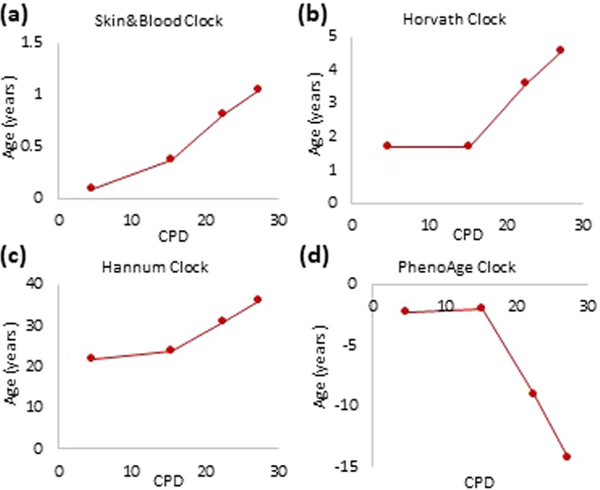
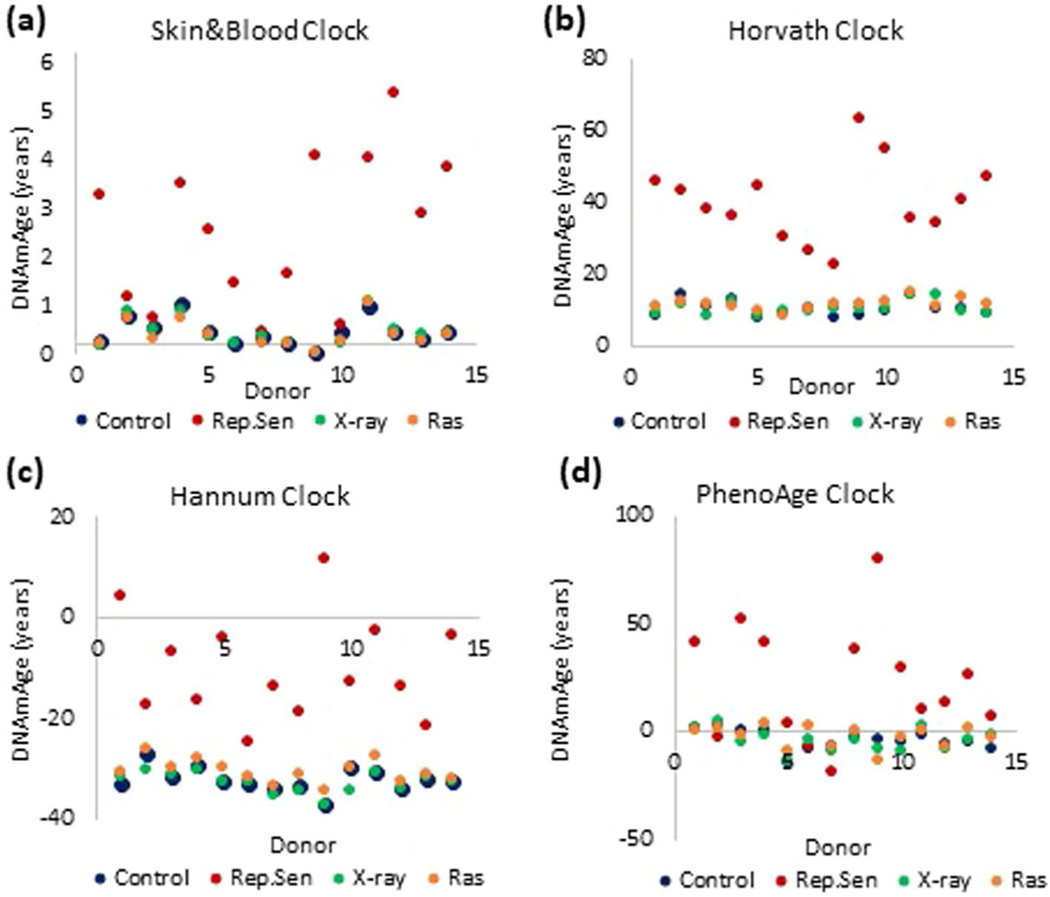
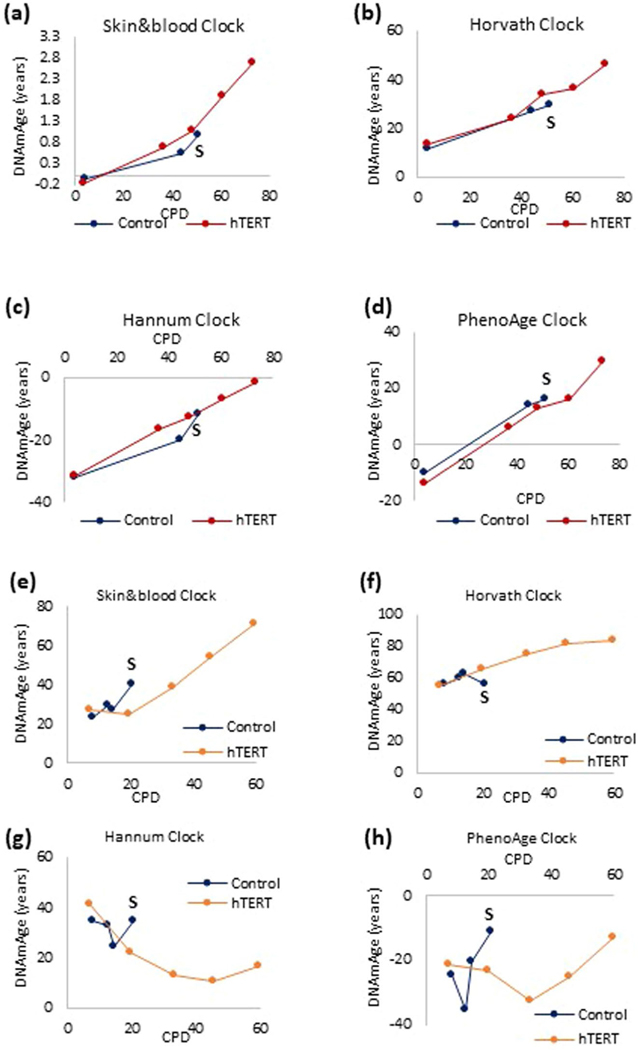
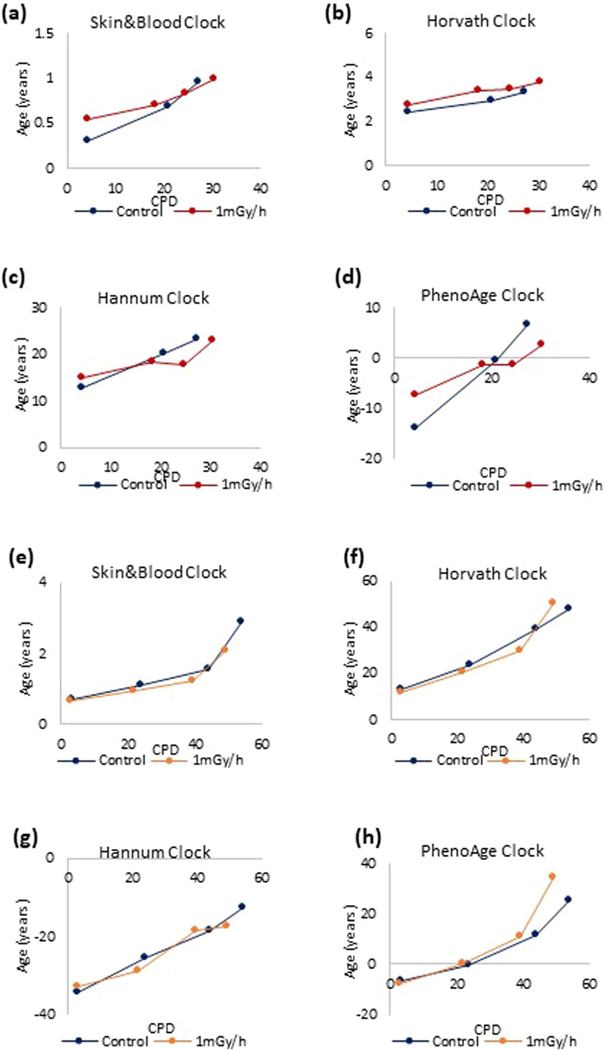
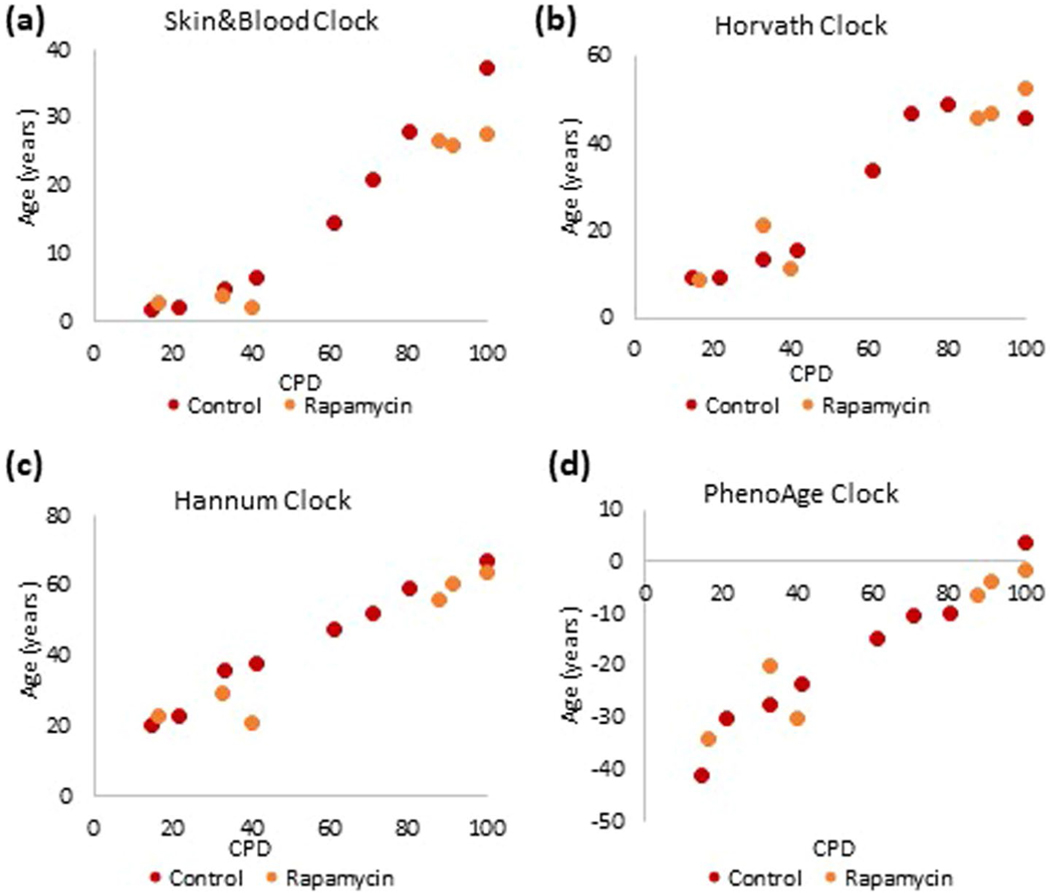
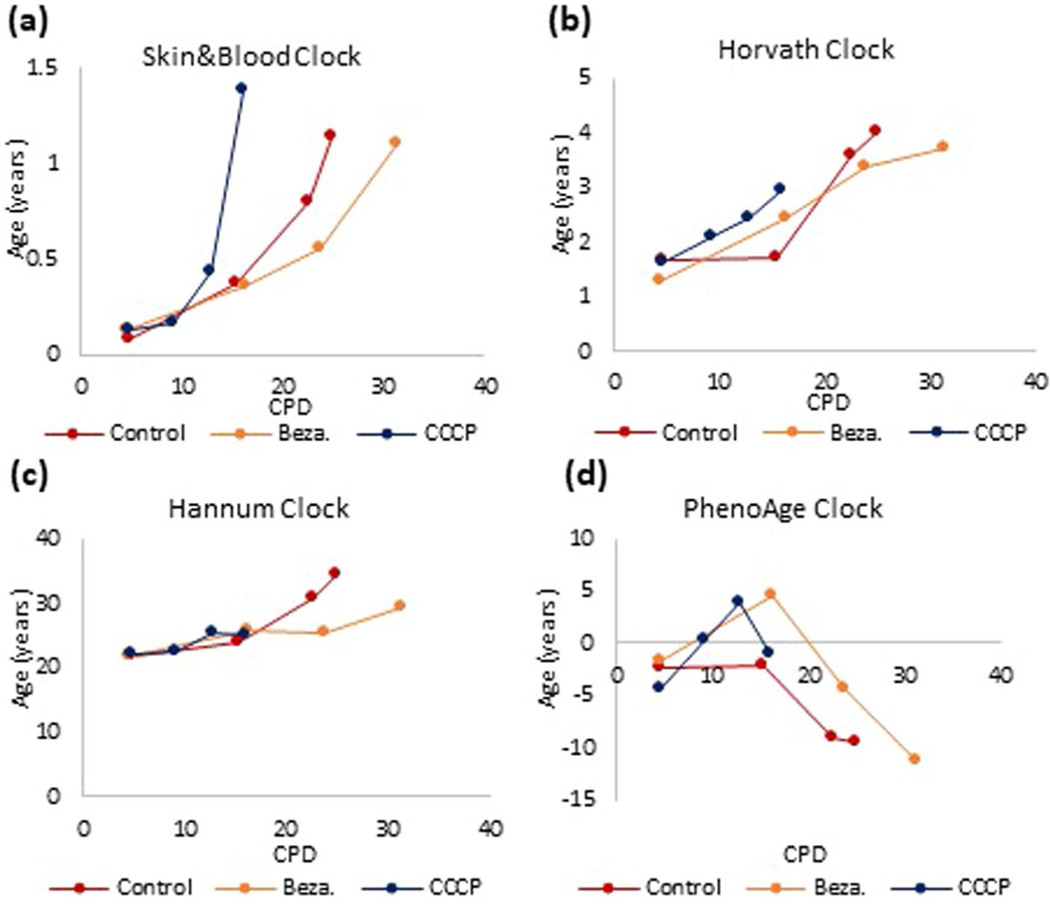
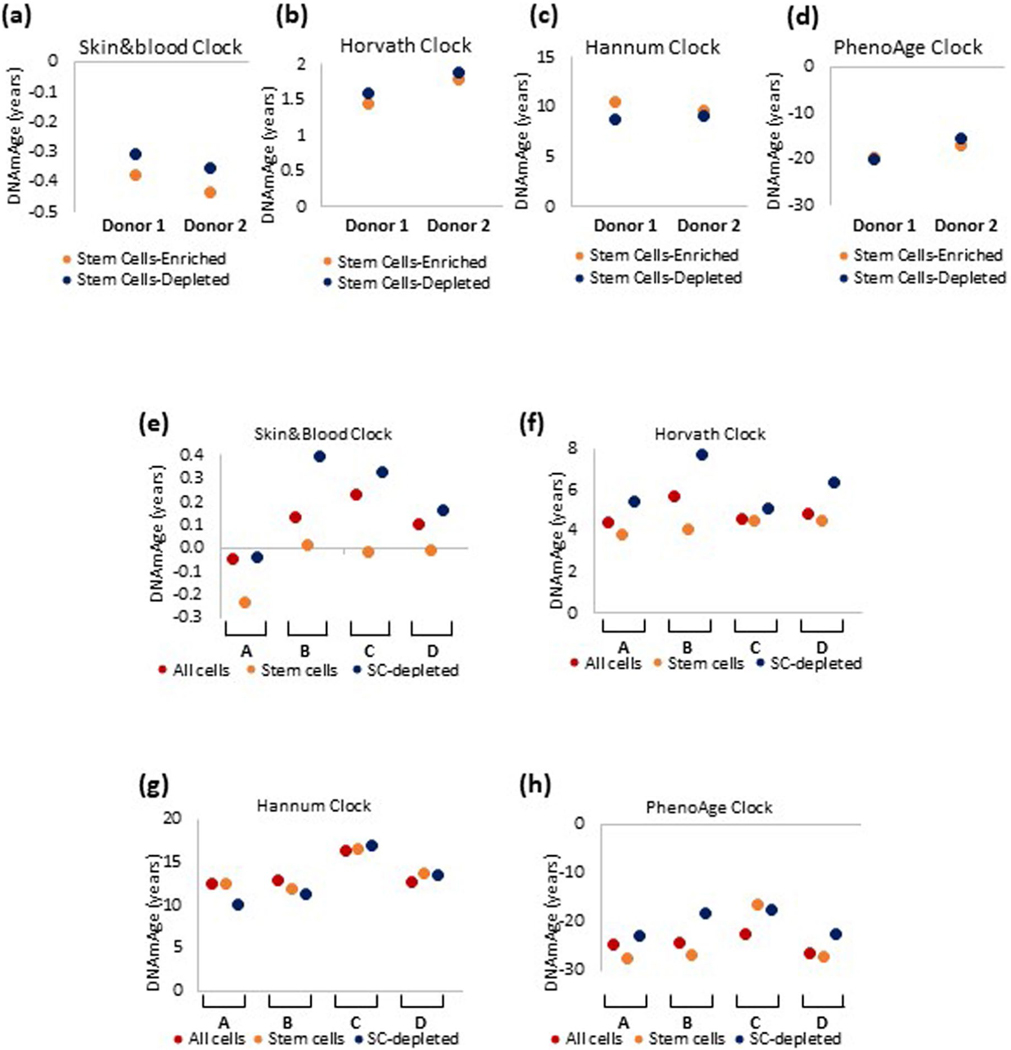
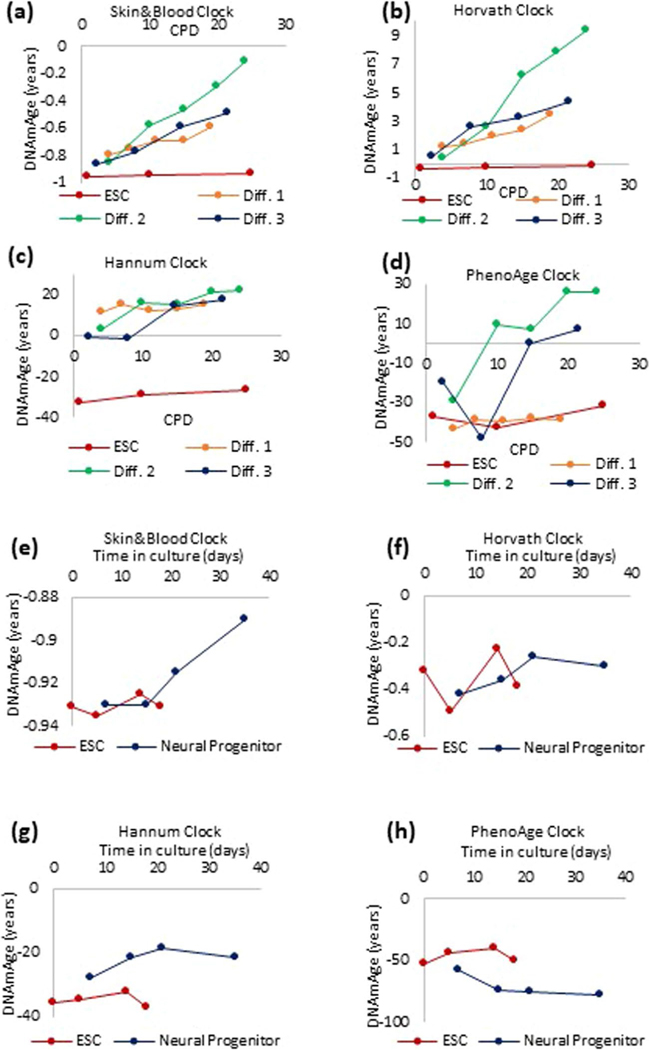
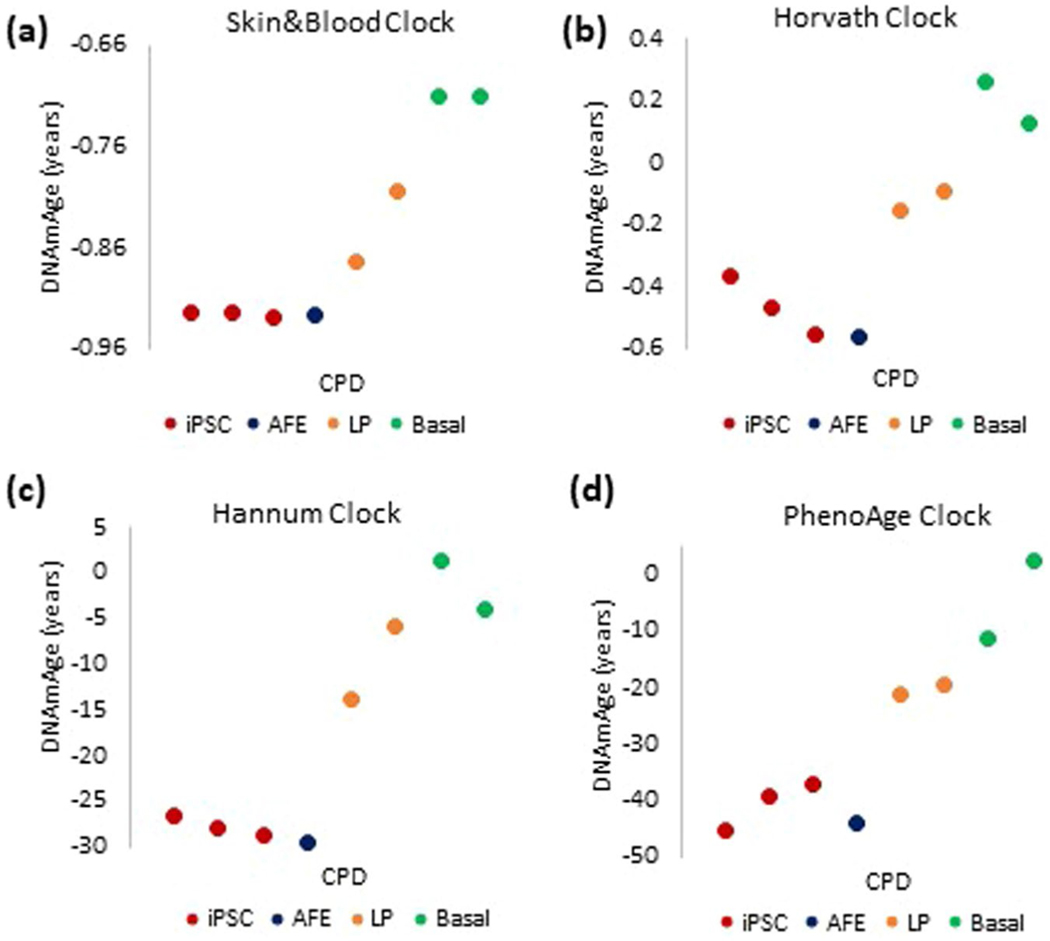
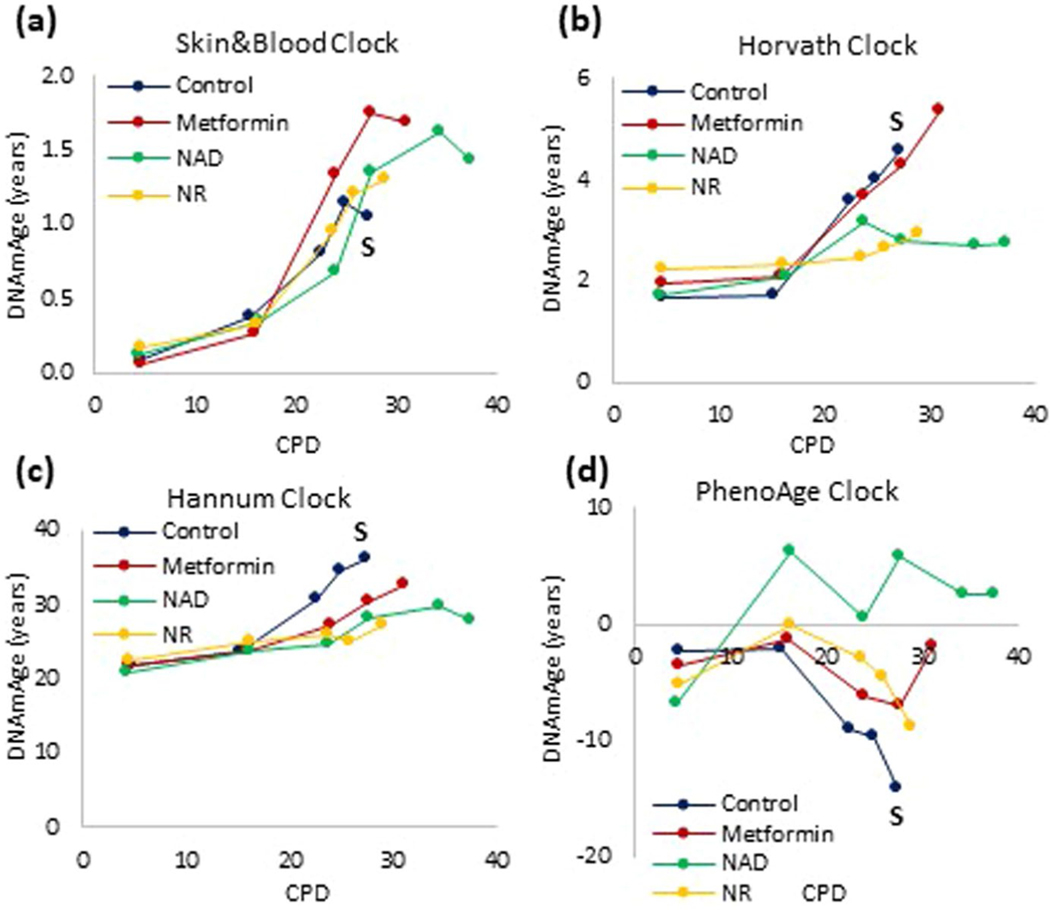
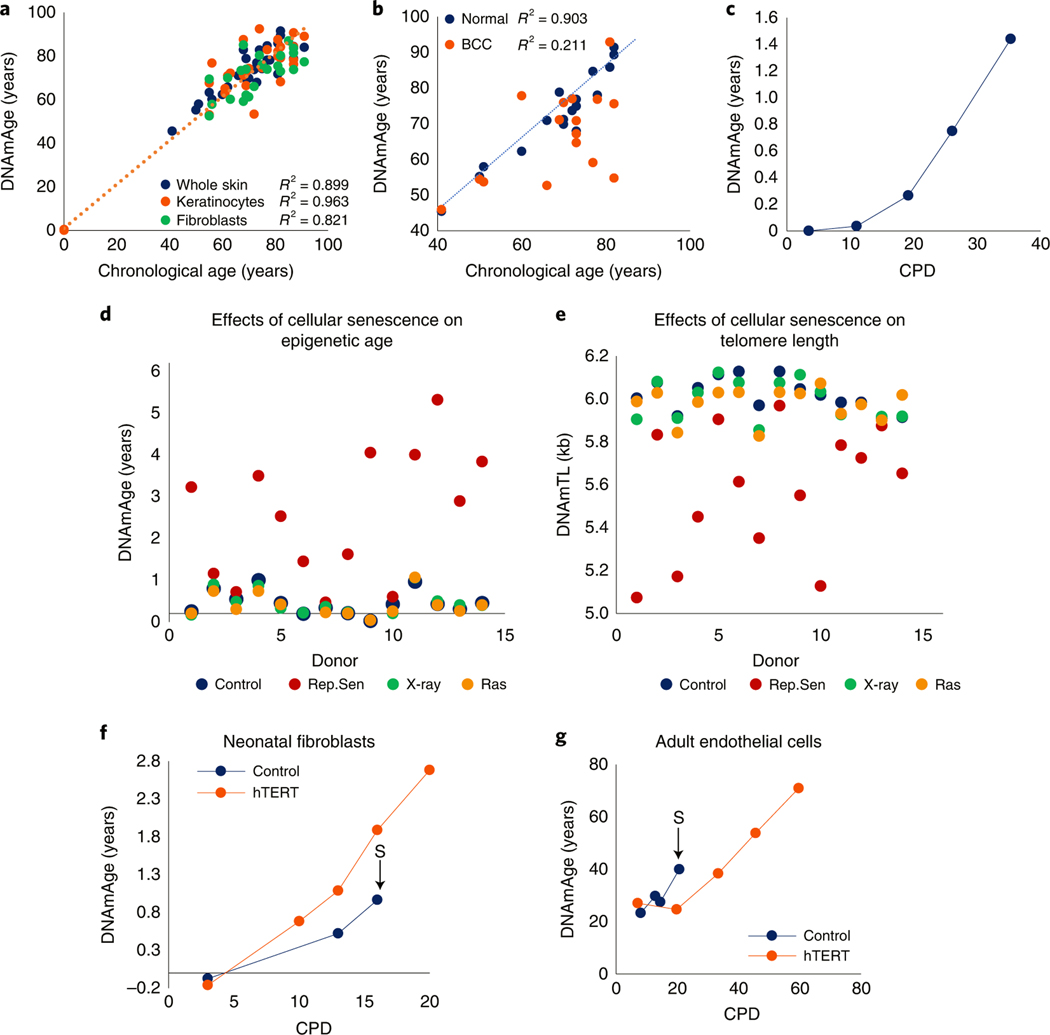
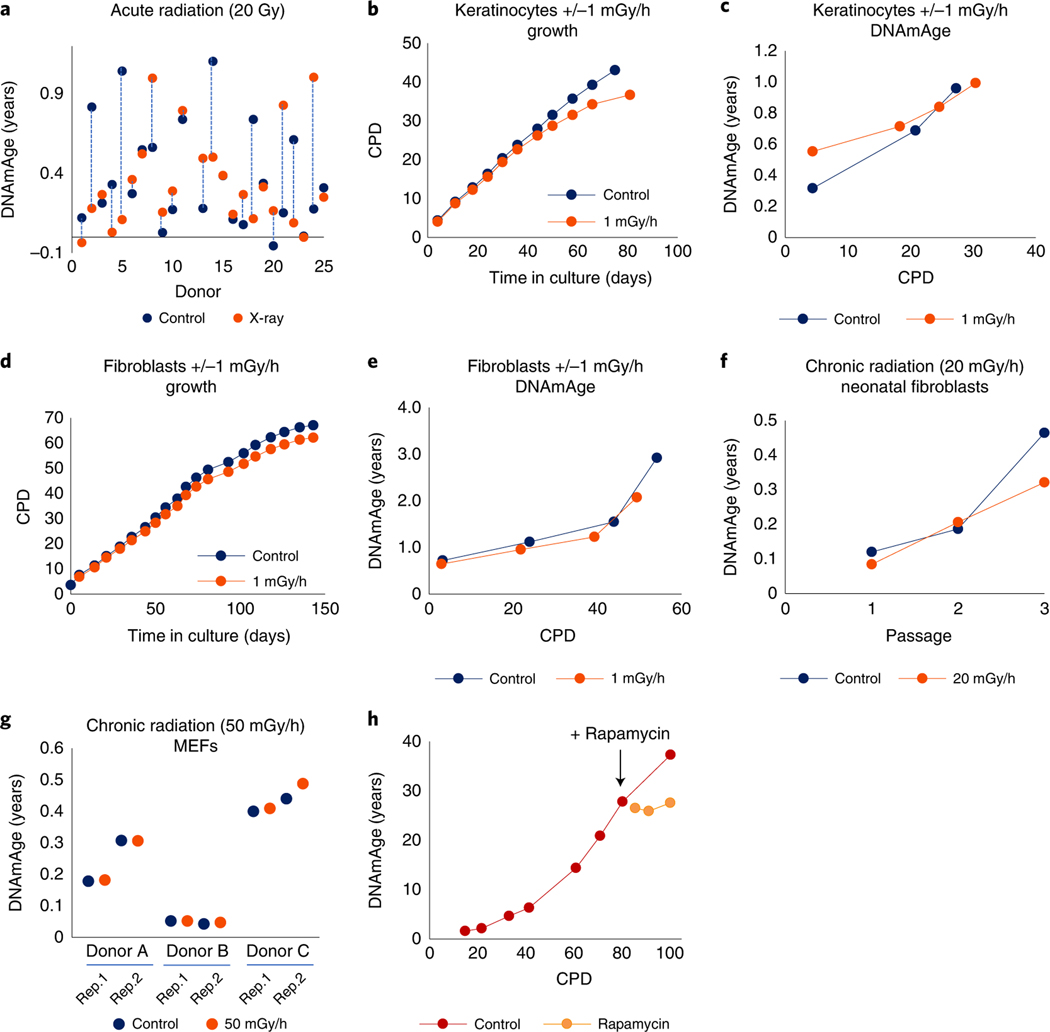
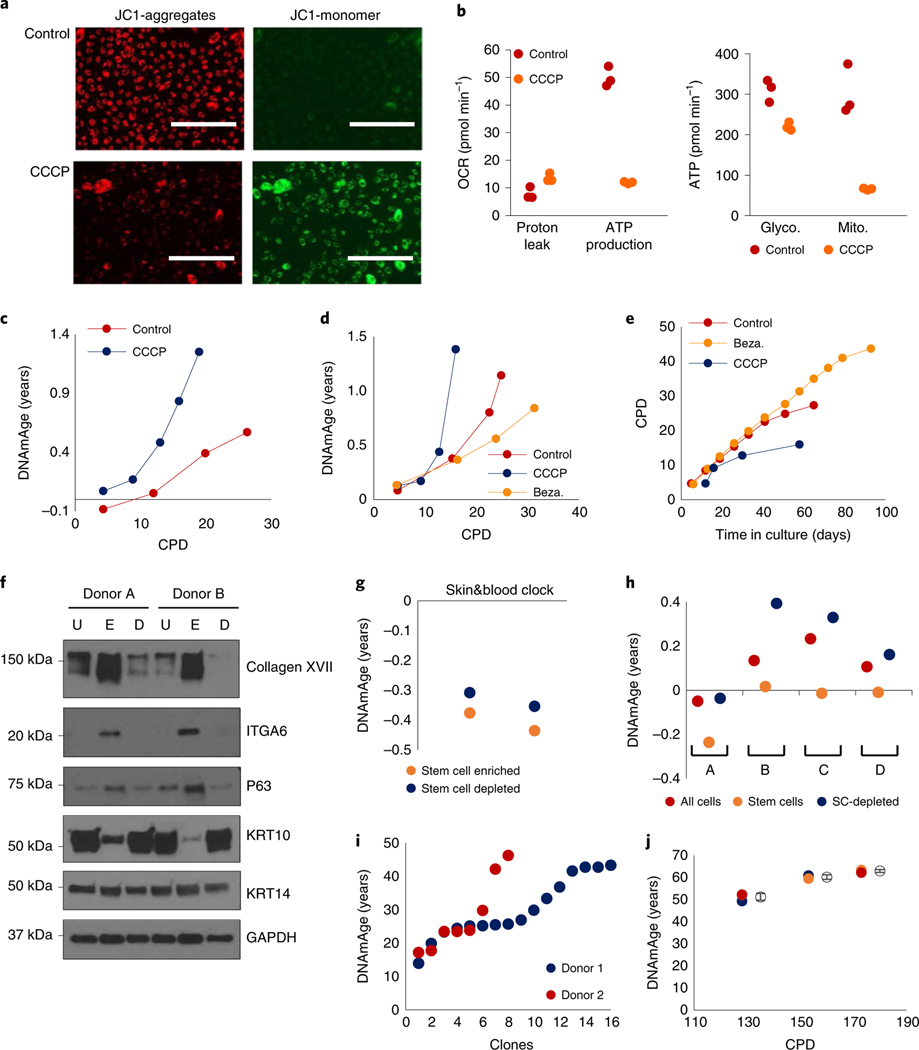
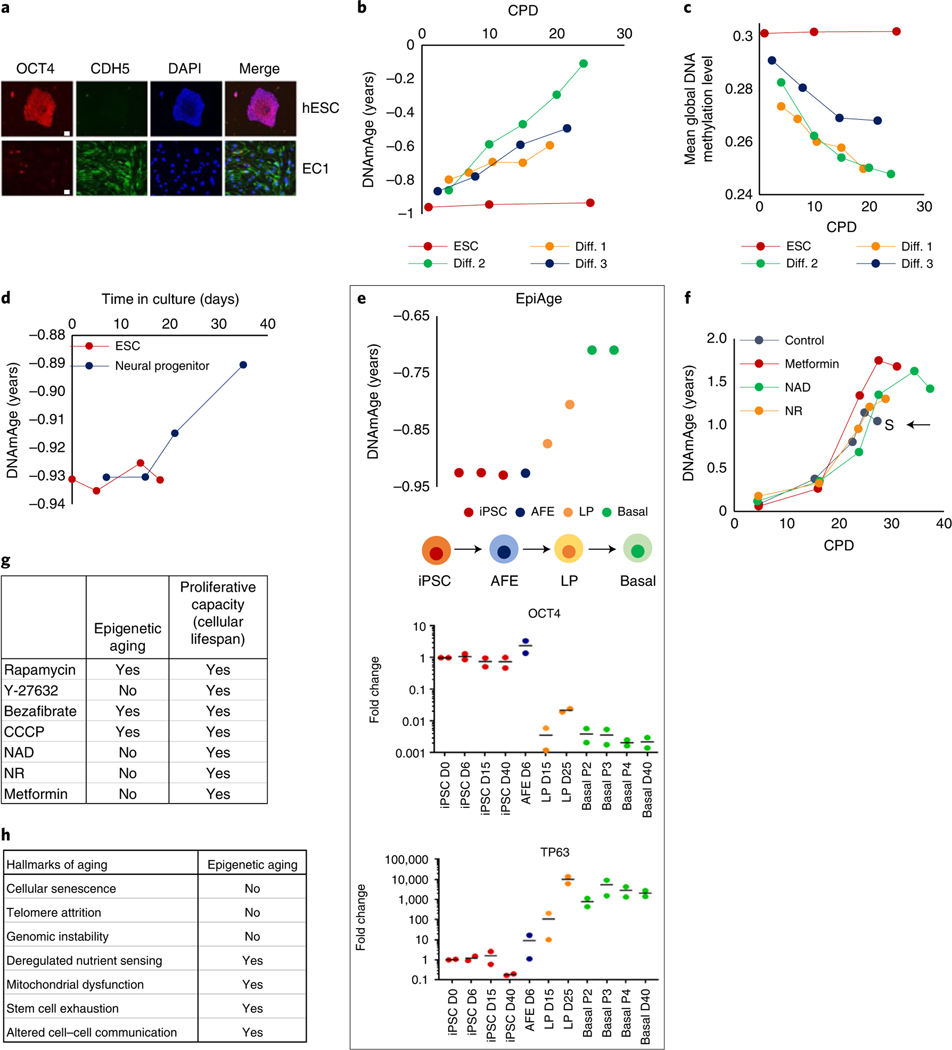
Epigenetic clocks are mathematically derived age estimators that are based on combinations of methylation values that change with age at specific CpGs in the genome. These clocks are widely used to measure the age of tissues and cells 1,2 . The discrepancy between epigenetic age (EpiAge), as estimated by these clocks, and chronological age is referred to as EpiAge acceleration. Epidemiological studies have linked EpiAge acceleration to a wide variety of pathologies, health states, lifestyle, mental state and environmental factors 2 , indicating that epigenetic clocks tap into critical biological processes that are involved in aging. Despite the importance of this inference, the mechanisms underpinning these clocks remained largely uncharacterized and unelucidated. Here, using primary human cells, we set out to investigate whether epigenetic aging is the manifestation of one or more of the aging hallmarks previously identified 3 . We show that although epigenetic aging is distinct from cellular senescence, telomere attrition and genomic instability, it is associated with nutrient sensing, mitochondrial activity and stem cell composition.
Overview
The claims and statistics of this paper haven’t been checked yet.
Free: it reads the open-access text and checks the first 5 claims that cite a source we can check. Create a free account to check every claim.
Integrity signals
Registry
Cites
Statistics
Figures
Verification
Claims the paper makes
The claims and statistics of this paper haven’t been checked yet.
Free: it reads the open-access text and checks the first 5 claims that cite a source we can check. Create a free account to check every claim.
Claims other papers make about this one
Each is checked against this paper’s own text: does it say what the citing paper says it does?
The cited source doesn’t support the claim as written.
In the citing paper
“Compared to quiescent cells, senescent cells had a significant increase in transcriptomic age, based on the transcriptomic clocks, consistent with previous findings assessing DNA methylation age [46, 47, 59].”
From Chemically induced reprogramming to reverse cellular aging (2023) · cites this paper as [47]
Checked by a reasoning model — may be wrong.
Experimental — accuracy not yet measuredThe cited source says what the claim attributes to it.
In the citing paper
“several studies by the Steven Horvath and Ken Raj group show that the increase of DNAm age is not prevented by immortalization (Kabacik et al., 2022; Kabacik et al., 2018; Lu et al., 2018)”
From Gene Therapy-Mediated Partial Reprogramming Extends Lifespan and Reverses Age-Related Changes in Aged Mice (2024) · cites this paper as Kabacik et al., 2022
The cited source says what the claim attributes to it.
In the citing paper
“Epigenetic age is also associated with nutrient-sensing in human cells 133 .”
From Hallmarks of aging: An expanding universe (2023) · cites this paper as [133]
Self-check
Percentages, sums and reported differences re-computed from the paper’s own numbers.
The self-check needs the paper’s full text.
Citations
Cites
Takahashi, K., & Yamanaka, S. (2006) · Cell · doi:10.1016/j.cell.2006.07.024 · Cited by 26,673
López-Otín, C., Blasco, M. A., Partridge, L., Serrano, M., & Kroemer, G. (2013) · Cell · doi:10.1016/j.cell.2013.05.039 · Cited by 14,982
The serial cultivation of human diploid cell strains
Hayflick, L., & Moorhead, P. S. (1961) · Experimental Cell Research · doi:10.1016/0014-4827(61)90192-6 · Cited by 8,508
DNA methylation age of human tissues and cell types
Horvath, S. (2013) · Genome Biology · doi:10.1186/gb-2013-14-10-r115 · Cited by 7,075
Self-citationOncogenic ras provokes premature cell senescence associated with accumulation of p53 and p16INK4a
Serrano, M., Lin, A. W., McCurrach, M. E., Beach, D., & Lowe, S. W. (1997) · Cell · doi:10.1016/s0092-8674(00)81902-9 · Cited by 5,218
Extension of Life-Span by Introduction of Telomerase into Normal Human Cells
Bodnar, A. G., Ouellette, M., Frolkis, M., Holt, S. E., Chiu, C.-P., Morin, G. B., Harley, C. B., Shay, J. W., Lichtsteiner, S., & Wright, W. E. (1998) · Science · doi:10.1126/science.279.5349.349 · Cited by 4,975
Rapamycin fed late in life extends lifespan in genetically heterogeneous mice
Harrison, D. E., Strong, R., Sharp, Z. D., Nelson, J. F., Astle, C. M., Flurkey, K., Nadon, N. L., Wilkinson, J. E., Frenkel, K., Carter, C. S., et al. (2009) · Nature · doi:10.1038/nature08221 · Cited by 3,766
An epigenetic biomarker of aging for lifespan and healthspan
Levine, M. E., Lu, A. T., Quach, A., Chen, B. H., Assimes, T. L., Bandinelli, S., Hou, L., Baccarelli, A. A., Stewart, J. D., Li, Y., et al. (2018) · Aging · doi:10.18632/aging.101414 · Cited by 3,675
Self-citationDNA methylation-based biomarkers and the epigenetic clock theory of ageing
Horvath, S., & Raj, K. (2018) · Nature Reviews Genetics · doi:10.1038/s41576-018-0004-3 · Cited by 3,095
Self-citationExtending Healthy Life Span—From Yeast to Humans
Fontana, L., Partridge, L., & Longo, V. D. (2010) · Science · doi:10.1126/science.1172539 · Cited by 3,023
Cited by
Hallmarks of aging: An expanding universe
López-Otín, C., Blasco, M. A., Partridge, L., Serrano, M., & Kroemer, G. (2023) · Cell · doi:10.1016/j.cell.2022.11.001 · Cited by 6,549
Loss of epigenetic information as a cause of mammalian aging
Yang, J.-H., Hayano, M., Griffin, P. T., Amorim, J. A., Bonkowski, M. S., Apostolides, J. K., Salfati, E. L., Blanchette, M., Munding, E. M., Bhakta, M., et al. (2023) · Cell · doi:10.1016/j.cell.2022.12.027 · Cited by 643
Aging Biomarker Consortium, Bao, H., Cao, J., Chen, M., Chen, M., Chen, W., Chen, X., Chen, Y., Chen, Y., Chen, Y., et al. (2023) · Science China Life Sciences · doi:10.1007/s11427-023-2305-0 · Cited by 376
Argentieri, M. A., Xiao, S., Bennett, D., Winchester, L., Nevado-Holgado, A. J., Ghose, U., Albukhari, A., Yao, P., Mazidi, M., Lv, J., et al. (2024) · Nature Medicine · doi:10.1038/s41591-024-03164-7 · Cited by 347
“While previous studies have reported that DNAm age is not related to telomere length 25 , we show that proteomic aging is strongly inversely associated with telomere length, a key cellular hallmark of aging 9 .”
BackgroundDNA methylation in mammalian development and disease
Smith, Z. D., Hetzel, S., & Meissner, A. (2025) · Nature Reviews Genetics · doi:10.1038/s41576-024-00760-8 · Cited by 249
“Moreover, ageing-associated DNA methylation dynamics may be less causally linked to classical aspects of senescence, such as DNA damage or telomere attrition, than to alterations in global properties such as cellular metabolism 241,242 .”
Epigenetic ageing clocks: statistical methods and emerging computational challenges
Teschendorff, A. E., & Horvath, S. (2025) · Nature Reviews Genetics · doi:10.1038/s41576-024-00807-w · Cited by 197
Self-citationChemically induced reprogramming to reverse cellular aging
Yang, J.-H., Petty, C. A., Dixon-McDougall, T., Lopez, M. V., Tyshkovskiy, A., Maybury-Lewis, S., Tian, X., Ibrahim, N., Chen, Z., Griffin, P. T., et al. (2023) · Aging · doi:10.18632/aging.204896 · Cited by 136
Epigenetic reprogramming as a key to reverse ageing and increase longevity
Pereira, B., Correia, F. P., Alves, I. A., Costa, M., Gameiro, M. D., Martins, A. P., & Saraiva, J. A. (2024) · Ageing Research Reviews · doi:10.1016/j.arr.2024.102204 · Cited by 129
Macip, C. C., Hasan, R., Hoznek, V., Kim, J., Lu, Y. R., Metzger, L. E., Sethna, S., & Davidsohn, N. (2024) · Cellular Reprogramming · doi:10.1089/cell.2023.0072 · Cited by 95
Macip, C. C., Hasan, R., Hoznek, V., Kim, J., Metzger, L. E., Sethna, S., & Davidsohn, N. (2023) · doi:10.1101/2023.01.04.522507 · Cited by 95
Nature of epigenetic aging from a single-cell perspective
Tarkhov, A. E., Lindstrom-Vautrin, T., Zhang, S., Ying, K., Moqri, M., Zhang, B., Tyshkovskiy, A., Levy, O., & Gladyshev, V. N. (2024) · Nature Aging · doi:10.1038/s43587-024-00616-0 · Cited by 83
Radiation dose rate effects: what is new and what is needed?
Lowe, D., Roy, L., Tabocchini, M. A., Rühm, W., Wakeford, R., Woloschak, G. E., & Laurier, D. (2022) · Radiation and Environmental Biophysics · doi:10.1007/s00411-022-00996-0 · Cited by 107
Self-citationUnderstanding Long COVID; Mitochondrial Health and Adaptation—Old Pathways, New Problems
Nunn, A. V. W., Guy, G. W., Brysch, W., & Bell, J. D. (2022) · Biomedicines · doi:10.3390/biomedicines10123113 · Cited by 83
The long and winding road of reprogramming-induced rejuvenation
Yücel, A. D., & Gladyshev, V. N. (2024) · Nature Communications · doi:10.1038/s41467-024-46020-5 · Cited by 92
“The overall epigenetic age of a tissue is determined by the combined contributions from various cell types, wherein certain stem cells may exhibit a younger epigenetic age than non-stem cells 33 .”
BackgroundThe exposome of healthy and accelerated aging across 40 countries
Hernandez, H., Santamaria-Garcia, H., Moguilner, S., Farina, F. R., Legaz, A., Prado, P., Cuadros, J., Gonzalez, L., Gonzalez-Gomez, R., Migeot, J., et al. (2025) · Nature Medicine · doi:10.1038/s41591-025-03808-2 · Cited by 71
“While aligned with biological clocks (for example, epigenetic, proteomic and multi-omic) 2,3,6,31 that estimate biological aging relative to chronological age, BBAGs differ by focusing on biobehavioral factors that are accessible in large-scale, population-based studies.”
Saeedi Saravi, S. S., Pugin, B., Constancias, F., Shabanian, K., Spalinger, M., Thomas, A., Le Gludic, S., Shabanian, T., Karsai, G., Colucci, M., et al. (2025) · Nature Aging · doi:10.1038/s43587-025-00864-8 · Cited by 68
“Senescence involves extensive epigenetic reprogramming, including histone modifications that alter gene expression patterns 4,22 .”
Ageing as a software design flaw
de Magalhães, J. P. (2023) · Genome Biology · doi:10.1186/s13059-023-02888-y · Cited by 63
“In human cells, rapamycin treatment retards epigenetic ageing [26].”
BackgroundDevelopment of an epigenetic clock resistant to changes in immune cell composition
Tomusiak, A., Floro, A., Tiwari, R., Riley, R. R., Matsui, H., Andrews, N., Kasler, H. G., & Verdin, E. M. (2024) · Communications Biology · doi:10.1038/s42003-024-06609-4 · Cited by 85
Schoepf, I. C., Esteban-Cantos, A., Thorball, C. W., Rodés, B., Reiss, P., Rodríguez-Centeno, J., Riebensahm, C., Braun, D. L., Marzolini, C., Seneghini, M., et al. (2023) · The Lancet Healthy Longevity · doi:10.1016/s2666-7568(23)00037-5 · Cited by 61
Epigenetic clocks and programmatic aging
Gems, D., Virk, R. S., & de Magalhães, J. P. (2024) · Ageing Research Reviews · doi:10.1016/j.arr.2024.102546 · Cited by 59
“This hypothesis is supported by results of in vitro studies showing that stem cell composition influences epigenetic clocks (Kabacik et al., 2022).”
Lee, E., Carreras-Gallo, N., Lopez, L., Turner, L., Lin, A., Mendez, T. L., Went, H., Tomusiak, A., Verdin, E. M., Corley, M. J., et al. (2024) · Aging · doi:10.18632/aging.205581 · Cited by 59
“This increase was shown irrespective of cells 314 which have human telomerase reverse transcriptase (hTERT) expressed and thus didn’t enter 315 replicative senescence or have telomere attrition which suggest that these first-generation 316 clocks are measuring a process separate from either senescence or telomere attr…”
BackgroundOgrodnik, M. B., & Gladyshev, V. N. (2023) · Nature Aging · doi:10.1038/s43587-023-00447-5 · Cited by 50
“Importantly, an increase in epigenetic age during replicative aging was not strictly related to the induction of cell senescence (i.e. conditions of late passages), but instead showed a gradual increase over time throughout the duration of cell culture 49 .”
InfluentialNunes-Pinto, M., de Mello, R. G. B., Pinto, M. N., Moro, C., Vellas, B. J., Martinez, L. O., Rolland, Y., & Barreto, P. D. S. (2024) · Ageing Research Reviews · doi:10.1016/j.arr.2024.102587 · Cited by 61
Epigenetic regulation of brain development, plasticity, and response to early-life stress
Peña, C. J. (2025) · Neuropsychopharmacology · doi:10.1038/s41386-025-02179-z · Cited by 69
““ Epigenetic aging, ” or the rate of change of DNA methylation and other epigenetic patterns in an individual, may differ from chronological age and is used as a marker of biological aging of different tissues [154, 155].”
Biologically informed deep learning for explainable epigenetic clocks
Prósz, A. G., Pipek, O., Börcsök, J., Palla, G., Szállási, Z., Spisák, S., & Csabai, I. (2024) · Scientific Reports · doi:10.1038/s41598-023-50495-5 · Cited by 52
“…hallmarks are in the focus of on going research, and very recent related results have shown that although epigenetic aging is distinct from genomic instability, cellular senescence and telomere attrition, it is associated with nutrient sensing, mitochondrial activity and stem cell composition 30 .”
BackgroundThrush, K. L., Higgins-Chen, A. T., Liu, Z., & Levine, M. E. (2022) · bioRxiv (Cold Spring Harbor Laboratory) · doi:10.1101/2022.07.13.499978 · Cited by 43
“epigenetic aging [3, 4]; [5][6] Our current intent is to instead provide a practical 45”
BackgroundLiesenfelder, S., Mabrouk, M. H. E., Iliescu, J., Baranda, M. V., Mizi, A., Perez-Correa, J.-F., Wessiepe, M., Papantonis, A., & Wagner, W. (2025) · Nature Aging · doi:10.1038/s43587-025-00841-1 · Cited by 46
“This indicates local DNAm levels within the target region become more homogeneous over several months, albeit the transient CRISPR-guided DNA methyltransferases are no longer present.”
Meng, F., He, J., Zhang, X., Lyu, W., Wei, R., Wang, S., Du, Z., Wang, H., Bi, J., Hua, X., et al. (2025) · Advanced Science · doi:10.1002/advs.202412747 · Cited by 58
The impact of ageing mechanisms on musculoskeletal system diseases in the elderly
Cai, Y., Han, Z., Cheng, H., Li, H., Wang, K., Chen, J., Liu, Z., Xie, Y., Lin, Y., Zhou, S., et al. (2024) · Frontiers in Immunology · doi:10.3389/fimmu.2024.1405621 · Cited by 60
New insights into methods to measure biological age: a literature review
Mathur, A., Taurin, S., & Alshammary, S. (2024) · Frontiers in Aging · doi:10.3389/fragi.2024.1395649 · Cited by 57
Developing transcriptomic signatures as a biomarker of cellular senescence
Mahmud, S., Pitcher, L. E., Torbenson, E., Robbins, P. D., Zhang, L., & Dong, X. (2024) · Ageing Research Reviews · doi:10.1016/j.arr.2024.102403 · Cited by 40
Pérez, R. F., Tezanos, P., Peñarroya, A., González-Ramón, A., Urdinguio, R. G., Gancedo-Verdejo, J., Tejedor, J. R., Santamarina‐Ojeda, P., Alba‐Linares, J. J., Sainz‐Ledo, L., et al. (2024) · Nature Communications · doi:10.1038/s41467-024-49608-z · Cited by 34
“This a priori counterintuitive fi nding could be explained in the light of recent evidence showing that molecular aging starts very early in life 113,114 , so that young subjects could already have accumulated molecular damage amenable to EE reversal.”
Quantification of Epigenetic Aging in Public Health
Kusters, C., & Horvath, S. (2024) · Annual Review of Public Health · doi:10.1146/annurev-publhealth-060222-015657 · Cited by 46
Self-citationReimagining human-centric drug development with new approach methodologies
Wu, X., Wu, M. A., Zou, J., Kleinstreuer, N., & Wu, J. C. (2026) · Science · doi:10.1126/science.aeb0045 · Cited by 44
The Cutting Edge of Epigenetic Clocks: In Search of Mechanisms Linking Aging and Mental Health
Harvanek, Z. M., Boks, M. P., Vinkers, C. H., & Higgins‐Chen, A. (2023) · Biological Psychiatry · doi:10.1016/j.biopsych.2023.02.001 · Cited by 37
Universal transcriptomic hallmarks of mammalian ageing and mortality
Tyshkovskiy, A., Kholdina, D., Davitadze, M., Molière, A., Moldakozhayev, A., Tongu, Y., Kasahara, T., Glubokov, D., Eames, A. W., Kats, L., et al. (2026) · Nature · doi:10.1038/s41586-026-10542-3 · Cited by 60
Aging as a loss of morphostatic information: A developmental bioelectricity perspective
Pio‐Lopez, L., & Levin, M. G. (2024) · Ageing Research Reviews · doi:10.1016/j.arr.2024.102310 · Cited by 41
Ndhlovu, L. C., Bendall, M. L., Dwaraka, V. B., Pang, A. P. S., Dopkins, N., Carreras-Gallo, N., Smith, R. C., Nixon, D. F., & Corley, M. J. (2024) · Aging Cell · doi:10.1111/acel.14288 · Cited by 42
“While epigenetic clock-based measures have been linked to specific hallmarks of aging (Kabacik et al., 2022), the role of epigenetic clocks in mechanisms of aging linked to retroelements has not been a major focus.”
BackgroundDNA Methylation as a Window into Female Reproductive Aging
Knight, A. K., Spencer, J. B., & Smith, A. K. (2023) · Epigenomics · doi:10.2217/epi-2023-0298 · Cited by 35
A comprehensive map of the aging blood methylome in humans
Seale, K., Teschendorff, A. E., Reiner, A. P., Voisin, S. A. C., & Eynon, N. (2024) · Genome biology · doi:10.1186/s13059-024-03381-w · Cited by 31
“The epigenetic clock starts ticking upon differentiation [91], and some gains in methylation may lead to loss of hematopoietic stem cell plasticity.”
BackgroundHarnessing BDNF Signaling to Promote Resilience in Aging
Faraji, J., & Metz, G. A. S. (2024) · Aging and Disease · doi:10.14336/ad.2024.0961 · Cited by 29
“These approaches, together with epigenetic aging clocks [39-41], have become robust tools in assessing biological aging and prognosticating future health-and lifespan trajectories.”
AQP1 differentially orchestrates endothelial cell senescence
Shabanian, K., Shabanian, T., Karsai, G., Pontiggia, L., Paneni, F., Ruschitzka, F. T., Beer, J. H., & Saravi, S. S. S. (2024) · Redox Biology · doi:10.1016/j.redox.2024.103317 · Cited by 27
“EC senescence is intricately characterized by profound epigenetic alterations, particularly histone modifications, contributing to dynamic comprehensive changes of gene expression profiles that orchestrate the progression of vascular aging [23,31].”
BackgroundNew Insights into the Genetics and Epigenetics of Aging Plasticity
Zhang, J., Wang, S., & Liu, B. (2023) · Genes · doi:10.3390/genes14020329 · Cited by 23
“EpiAge has also been found to be closely related to nutrient sensing and the mitochondrial activity [104].”
BackgroundResultBenavente, E. D., Hartman, R. J. G., Sakkers, T. R., Wesseling, M., Sloots, Y., Slenders, L., Boltjes, A., Mol, B. M., de Borst, G. J., de Kleijn, D. P. V., et al. (2024) · Arteriosclerosis Thrombosis and Vascular Biology · doi:10.1161/atvbaha.123.320692 · Cited by 27
“Previous studies have identified mitochondrial activity and cell plasticity (loss of stem-cell-like potential) as important in epigenetic aging in cells, 33 and these processes were found to be upregulated in plaques epi-genetically accelerated in this study.”
InfluentialSelf-citationBordoni, L., de Sousa, J. A., Zhuo, J., & von Meyenn, F. (2024) · American Journal of Clinical Nutrition · doi:10.1016/j.ajcnut.2024.08.033 · Cited by 25
The Role of the Endometrium in Implantation: A Modern View
Deryabin, P. I., & Borodkina, A. V. (2024) · International Journal of Molecular Sciences · doi:10.3390/ijms25179746 · Cited by 29
Chemical and climatic environmental exposures and epigenetic aging: A systematic review
Fadadu, R. P., Bozack, A. K., & Cárdenas, A. (2025) · Environmental Research · doi:10.1016/j.envres.2025.121347 · Cited by 25
Environmental epigenetics: new horizons in redefining biological and health outcomes
Faraji, J., & Metz, G. A. S. (2026) · Environment International · doi:10.1016/j.envint.2026.110072 · Cited by 30
Epigenetic modifications of DNA and RNA in Alzheimer’s disease
Martínez-Feduchi, P., Jin, P., & Yao, B. (2024) · Frontiers in Molecular Neuroscience · doi:10.3389/fnmol.2024.1398026 · Cited by 25
“Epigenetic clocks are algorithms used to estimate the age of an organism, tissue, or cells based on methylation changes at specific sites in the genome (Kabacik et al., 2022).”
MethodHartmann, C., Herling, L., Hartmann, A., Köckritz, V., Fuellen, G., Walter, M., & Hermann, A. (2023) · Frontiers in Aging · doi:10.3389/fragi.2023.1129107 · Cited by 24
“Kabacik and colleagues also reported that epigenetic aging—using the skin and blood clock—is different from cellular senescence, telomere attrition and genomic instability, but is influenced by nutrient sensing and mitochondrial activity (Kabacik et al., 2022).”
BackgroundTissue mosaicism following stem cell aging: blood as an exemplar
Kapadia, C. D., & Goodell, M. A. (2024) · Nature Aging · doi:10.1038/s43587-024-00589-0 · Cited by 19
“This notion has been validated with quiescent muscle stem cells, which show little change in epigenetic age during chronological aging 41 , and in progenitor-enriched populations derived from neonatal skin 37 and intestinal crypts 42 .”
scEpiAge: an age predictor highlighting single-cell ageing heterogeneity in mouse blood
Bonder, M. J., Clark, S. J., Krueger, F., Luo, S., de Sousa, J. A., Hashtroud, A. M., Stubbs, T. M., Stark, A., Rulands, S., Stegle, O., et al. (2024) · Nature Communications · doi:10.1038/s41467-024-51833-5 · Cited by 27
“…cells co-exist and strikingly, even at older ages, a pool of epigenetically young cells remains, in line with a recent in vitro study, which shows that the epigenetic age heterogeneity observed between cell clones from the same donor is greater than the variability of the clock prediction 43 .”
Aging by the clock and yet without a program
Meyer, D. H., Maklakov, A. A., & Schumacher, B. (2025) · Nature Aging · doi:10.1038/s43587-025-00975-2 · Cited by 27
“Although isolated stochastic DNA double-strand breaks in cultured cells might not affect epigenetic age 70 , accumulating evidence from whole animals tells a different story.”
Multimodal clocks of human aging
Li, J., Jiang, B., Zhang, W., Hao, J., Liu, Z., Ji, Q., Zheng, Y., Lu, X., Zheng, Z., Ma, S., et al. (2026) · Cell · doi:10.1016/j.cell.2026.04.025 · Cited by 35
Low birthweight is associated with epigenetic age acceleration in the first 3 years of life
Quinn, E. B., Hsiao, C. J., Maisha, F. M., & Mulligan, C. J. (2023) · Evolution Medicine and Public Health · doi:10.1093/emph/eoad019 · Cited by 18
“Sensitivity of the clock to signals of resource availability is supported by a recent in vitro study using human cells that found associations between epigenetic aging and markers of energy reserve, such as nutrient sensing and mitochondrial activity [63].”
Development of a novel epigenetic clock resistant to changes in immune cell compositionPreprint
Tomusiak, A., Floro, A., Tiwari, R., Riley, R. R., Matsui, H., Andrews, N., Kasler, H., & Verdin, E. (2023) · bioRxiv · doi:10.1101/2023.03.01.530561 · Cited by 12
“Using a later clock trained on chronological age, Kabacik et al. 4 identified nutrient sensing, mitochondrial activity and stem cell composition as being associated with epigenetic aging but not telomere attrition or genomic instability.”
MethodEpigenetics, Microbiome and Personalized Medicine: Focus on Kidney Disease
Gigliotti, G., Joshi, R., Khalid, A., Widmer, D. A. J., Boccellino, M., & Viggiano, D. (2024) · International Journal of Molecular Sciences · doi:10.3390/ijms25168592 · Cited by 14
“Indeed, the epigenetic clock is initiated upon the differentiation of human embryonic stem cells (ESCs) into endothelial cells with low genome-wide DNA methylation levels [62].”
BackgroundWang, F., Li, Y., Shen, H., Martínez-Feduchi, P., Ji, X., Teng, P., Krishnakumar, S., Hu, J., Chen, L., Feng, Y., et al. (2024) · Genome Medicine · doi:10.1186/s13073-024-01404-6 · Cited by 14
“Alzheimer’s disease (AD) is an age-dependent neurodegenerative cortical dementia characterized by progressive cognitive impairment along with neuronal loss [1–3].”
BackgroundGoobie, G. C., Marinescu, D.-C., Adegunsoye, A., Bourbeau, J., Carlsten, C., Clifford, R. L., Doiron, D., Duan, Q., Gibson, K. F., Grant-Orser, A., et al. (2025) · European Respiratory Journal · doi:10.1183/13993003.01618-2024 · Cited by 16
Bidirectional relationship between epigenetic age and stroke, dementia, and late-life depression
Rivier, C. A., Szejko, N., Renedo, D. B., Clocchiatti‐Tuozzo, S., Huo, S., de Havenon, A., Zhao, H., Gill, T. M., Sheth, K. N., & Falcone, G. J. (2025) · Nature Communications · doi:10.1038/s41467-024-54721-0 · Cited by 18
“Finally, at a cellular level, DNA methylation clocks have been connected to three of the nine recognized hallmarks of aging 44 : nutrient sensing, mitochondrial function, and stem cell composition, high-lighting their integral role in characterizing the aging process 45 .”
Chambers, T. L., Wells, J. M., Koopmans, P. J., da Silva, F. M., Malik, Z. B., Greene, N. P., Filareto, A., Franti, M., Sini, P., Weinstabl, H., et al. (2025) · Aging Cell · doi:10.1111/acel.70068 · Cited by 19
Self-citationSkin Rejuvenation by Modulation of DNA Methylation
Grönniger, E., Max, H., & Lyko, F. (2024) · Experimental Dermatology · doi:10.1111/exd.70005 · Cited by 15
How to measure and model cardiovascular aging
Spray, L., Richardson, G. D., Booth, L. K., Haendeler, J., Altschmied, J., Bromage, D. I., Wallis, S. B., Stellos, K., Tual‐Chalot, S., & Spyridopoulos, I. (2025) · Cardiovascular Research · doi:10.1093/cvr/cvaf138 · Cited by 14
“352,361,362 Furthermore, continuous monitoring allowing dynamic risk assessment through wearable technology and digital health tools can enhance these models by providing real-time data on physical and chemical signals that reflect the health conditions of older adults.”
Trained Immunity and Cardiovascular Risk: An Immunological Perspective
Boden, K. A., Chai, J., Kufazvinei, T. T. J., & Choudhury, R. P. (2026) · Immunological Reviews · doi:10.1111/imr.70095 · Cited by 15
“Support for these concepts comes from studies of epigenetic clocks, which show that DNA methylation changes accumulate throughout life in response to diverse aging-related insults and serve as robust markers of biological age [146].”
Sengstack, J., Zheng, J., Aghayev, T., Bieri, G., Mobaraki, M., Lin, J., Deng, C., Villeda, S., & Li, H. (2026) · Proceedings of the National Academy of Sciences · doi:10.1073/pnas.2515183123 · Cited by 13
“The observation that the methylation age did not change with the TF perturbations is consistent with the previous report that cell senescence is unrelated to epigenetic clocks (32).”
Gorelov, R. A., Weiner, A. I., Huebner, A. J., Yagi, M., Haghani, A., Brooke, R. T., Horvath, S., & Hochedlinger, K. (2024) · Stem Cell Reports · doi:10.1016/j.stemcr.2024.07.009 · Cited by 14
Self-citationThe Epigenetic Landscape: From Molecular Mechanisms to Biological Aging
Evangelina, R., Ganesan, S., & George, M. (2025) · Rejuvenation Research · doi:10.1089/rej.2024.0102 · Cited by 14
“61 Epigenetic age is the measure of biological age through epigenetic alterations.”
Ahmed, S., Gozal, D., & Khalyfa, A. (2025) · Sleep Medicine Reviews · doi:10.1016/j.smrv.2025.102170 · Cited by 12
Jeremian, R., Malinowski, A., Lytvyn, Y., Georgakopoulos, J. R., Muntyanu, A., Mufti, A., Lefrançois, P., Yeung, J., & Litvinov, I. V. (2023) · British Journal of Dermatology · doi:10.1093/bjd/ljad527 · Cited by 10
Physical Activity and Epigenetic Aging in Breast Cancer Treatment
Moulton, C., Grazioli, E., Ibáñez-Cabellos, J. S., Murri, A., Cerulli, C., Silvestri, M., Caporossi, D., Pallardó, F. V., García‐Giménez, J. L., Magno, S., et al. (2024) · International Journal of Molecular Sciences · doi:10.3390/ijms25168596 · Cited by 11
ERJ advances: epigenetic ageing and leveraging DNA methylation in chronic respiratory diseases
Cordero, A. I. H., & Leung, J. M. (2024) · European Respiratory Journal · doi:10.1183/13993003.01257-2024 · Cited by 11
“For instance, cellular senescence, telomere attrition and genomic instability did not in fact increase epigenetic age, but impaired nutrient sensing, stem cell exhaustion, altered cell – cell communication, and mitochondrial dysfunction did [20].”
p63: A Master Regulator at the Crossroads Between Development, Senescence, Aging, and Cancer
Murari, L. S. S., Kunkel, S., Shetty, A. V., Bents, A., Bhandary, A., & Rivera‐Mulia, J. C. (2025) · Cells · doi:10.3390/cells14010043 · Cited by 14
Monitoring Autophagy in Human Aging: Key Cell Models and Insights
Moreno, T. M., Nieto-Torres, J. L., & Kumsta, C. (2025) · Frontiers in Bioscience-Landmark · doi:10.31083/fbl27091 · Cited by 11
“Epigenetic changes are a key molecular feature of aging cells, with specific epigenetic signatures being linked to both chronological and biological age [86], and forming the basis of highly accurate predictive epigenetic clocks [87].”
Chen, X., Zhong, J., Lv, Y., Wei, L., Zhou, H., Yong-mei, Y., Chi, J., Lee, Z., Wu, H., & Zhang, H. (2025) · Clinical Epigenetics · doi:10.1186/s13148-025-01895-z · Cited by 9
“Epidemiological studies demonstrated that DNA methylation (DNAm) clocks can be modified by health status, lifestyle, mental state, and environmental factors [22].”
Molecular hydrogen therapy: A “democratic” emerging strategy against aging and age-related diseases
Brandi, G., Delbaldo, C., Deserti, M., Relli, V., Rimedio, S., Palloni, A., Deiana, C., Saccoccio, G., Ingenito, R., & Tavolari, S. (2025) · Ageing Research Reviews · doi:10.1016/j.arr.2025.102802 · Cited by 11
Herzog, C. M. S., Redl, E., Barrett, J. J. E., Aminzadeh-Gohari, S., Weber, D. D., Tevini, J., Lang, R., Kofler, B., & Widschwendter, M. (2025) · Communications Medicine · doi:10.1038/s43856-025-00739-4 · Cited by 16
“Our study only investigated three key hallmarks of aging/ cancerthatwereselectedduetotheirstrongassociationwiththeepigenome 54 .”
Impact of night shift work on telomere length and epigenetic age in older workers
Ferrari, L., Comotti, A., Fattori, A., Barnini, T., Laurino, M., Bufano, P., Albetti, B., Hoxha, M., Russo, S., Ciocan, C., et al. (2025) · Journal of Occupational Medicine and Toxicology · doi:10.1186/s12995-025-00477-2 · Cited by 10
“Unlike chronological age, DNAm age can provide insights into an individual’s biological age and potential risk for age-related diseases [12].”
Park, B., Nicaise, A. M., Tsitsipatis, D., Pirvan, L., Žucha, D., Munteanu, A., Prasad, P., Larraz, M., Bulgaru, C., Kollyfas, R., et al. (2025) · Neuron · doi:10.1016/j.neuron.2025.09.022 · Cited by 12
Peng, L., Nie, S., Sun, Y., Wang, S., Wang, Y., & Liu, Z. (2025) · Clinical Epigenetics · doi:10.1186/s13148-025-02005-9 · Cited by 10
Epigenetic age predictors for non-invasive assessment of human skin
Vazquez, A. M., Katsanos, D., Vasile, M., Graham, A., Dyster, V., Kaveh, S., Moqri, M., & Banila, C. (2025) · npj Aging · doi:10.1038/s41514-025-00314-0 · Cited by 14
“Exercisealonehasbeen associated with age deceleration in multiple tissues 4 , and pharmacological interventions such as rapamycin have shown similar trends 5 .”
Shokhirev, M. N., & Johnson, A. A. (2025) · GeroScience · doi:10.1007/s11357-025-01579-9 · Cited by 9
“Indeed, in vitro work has found that different epigenetic aging clocks display unique relationships with established hallmarks of aging [29].”
Felt, J. M., Yusupov, N., Harrington, K., Fietz, J., Zhang, Z. Z., Sliwinski, M. J., Ram, N., O’Donnell, K. J., Meaney, M. J., Putnam, F. W., et al. (2023) · Neurobiology of Stress · doi:10.1016/j.ynstr.2023.100577 · Cited by 16
Aging and immunity: the age-old tango
Fernández-Maestre, I., Harris, A. S., & Amor, C. (2025) · Genes & Development · doi:10.1101/gad.352644.125 · Cited by 8
Genetic and Epigenetic Associations with Post-Transplant Diabetes Mellitus
Abdelrahman, Z., Maxwell, A. P., & McKnight, A. J. (2024) · Genes · doi:10.3390/genes15040503 · Cited by 9
“These include epigenetic features associated with non-modifiable factors such as a person’s age [79] and ethnicity [80], as well as epigenetic associations with intrinsic and extrinsic factors.”
BackgroundValenzuela, P. L., Sánchez‐Sánchez, J. L., Bensadoun, P., Lemaître, J.-M., Vellas, B. J., Sourdet, S., & Barreto, P. D. S. (2025) · GeroScience · doi:10.1007/s11357-025-01698-3 · Cited by 7
Biological Aging and Uterine Fibrosis in Cattle: Reproductive Trade-Offs from Enhanced Productivity
Matsuno, Y., & Imakawa, K. (2025) · Cells · doi:10.3390/cells14130955 · Cited by 10
“Epigenetic aging also relates to nutrient sensing, mitochondrial activity, and stem cell composition, highlighting its complex interactions with metabolism and cellular function [87].”
Arpawong, T. E., Hernandez, B., Potter, C., Leigh, R. J., Klopack, E. T., Hill, C., Fiorito, G., Smyth, L. J., O’Halloran, A. M., McGuinness, B., et al. (2025) · GeroScience · doi:10.1007/s11357-025-01832-1 · Cited by 8
“Further work is needed to unravel the inter-relation of these age-related alterations in function to develop the sort of integrative multi-omics conceptual model that Geroscience has been searching for but has not yet managed to unearth[29, 41].”
Epigenetic Clocks in Skin Aging: From Exposome Drivers to Biomarkers and Therapeutic Interventions
de la O‐Escamilla, A., Khalil, S., Galadari, H., & Guida, S. (2025) · Clinical Cosmetic and Investigational Dermatology · doi:10.2147/ccid.s570073 · Cited by 9
Epigenetic and biological age acceleration in children with atopic dermatitis
Jeremian, R., Malinowski, A., Oh, E. S., Gooderham, M., Sibbald, C. J., Yeung, J., Asai, Y., Piguet, V., & Jack, C. S. (2024) · Journal of Allergy and Clinical Immunology Global · doi:10.1016/j.jacig.2024.100275 · Cited by 9
Toward Systemic Lipofuscin Removal
Renteln, M. (2024) · Rejuvenation Research · doi:10.1089/rej.2024.0034 · Cited by 9
Perceived association of mood and symptom severity in adults with mitochondrial diseases
Kelly, C. A., Cross, M., Junker, A., Englestad, K., Rosales, X. Q., Hirano, M., Trumpff, C., & Picard, M. A. (2025) · Mitochondrion · doi:10.1016/j.mito.2025.102033 · Cited by 9
Dang, K. V., Choi, E. Y., Crimmins, E. M., Finch, C. E., & Ailshire, J. (2025) · The Journals of Gerontology Series A · doi:10.1093/gerona/glaf092 · Cited by 9
“However, as increasingly shown in the literature, these clocks measure different aspects of aging, and not one underlying aging process (51) .”
Balfour, D., Melton, P. E., McVeigh, J. A., Huang, R., Eastwood, P. R., Wanstall, S. E., Reynolds, A. C., & Cohen‐Woods, S. (2023) · Acta Paediatrica · doi:10.1111/apa.16719 · Cited by 9
Shi, W., Fang, J., Ren, H., Sun, P., Liu, J., Deng, F., Zhang, S., Wang, Q., Wang, J., Tong, S., et al. (2024) · Journal of Hazardous Materials · doi:10.1016/j.jhazmat.2024.134009 · Cited by 8
qMAP enabled microanatomical mapping of human skin agingPreprint
Han, K. S., Sander, I. B., Kumer, J., Resnick, E., Booth, C., Cheng, G., Im, Y., Starich, B., Kiemen, A. L., Phillip, J. M., et al. (2024) · bioRxiv (Cold Spring Harbor Laboratory) · doi:10.1101/2024.04.03.588011 · Cited by 10
“At the molecular level, advances in omics techniques have facilitated the development of aging biomarkers 11,12 in genetics 13,14 , epigenetics 15–17 , transcriptomics 18,19 , proteomics 20–23 , and metabolomics 19 .”
BackgroundWeigl, M., Krammer, T. L., Pultar, M., Wieser, M., Chaib, S., Suda, M., Diendorfer, A. B., Khamina, K., Giorgadze, N., Pirtskhalava, T., et al. (2024) · bioRxiv (Cold Spring Harbor Laboratory) · doi:10.1101/2024.04.10.588794 · Cited by 8
Martínez-Enguita, D., Hillerton, T., Åkesson, J., Kling, D., Lerm, M., & Gustafsson, M. (2025) · Frontiers in Aging · doi:10.3389/fragi.2024.1526146 · Cited by 9
Biological Ageing Acceleration and Functional Capacities Across the Lifespan in the INSPIRE‐T Cohort
Sánchez‐Sánchez, J. L., Vellas, B. J., Guyonnet, S., Bensadoun, P., Lemaître, J.-M., Fuentealba, M., Pillard, F., Rolland, Y., Furman, D., & Barreto, P. D. S. (2025) · Journal of Cachexia Sarcopenia and Muscle · doi:10.1002/jcsm.70046 · Cited by 11
“…of age and nine ageing-related clinical markers [14], has been reported to be associated with early mortality and age-related diseases such as cancer, its ability to capture functional ageing of an individual might be limited according to our results and those of previous research [15, 25, 31, 32].”
Tong, J., Wan, C., Wang, A., Chen, M., Ruan, B., & Shen, J. (2024) · Clinical Epigenetics · doi:10.1186/s13148-024-01778-9 · Cited by 6
Huang, B., & Hu, X. (2025) · Aging and Disease · doi:10.14336/ad.2025.0541 · Cited by 10
“Tumor cells possess genomic instability yet can achieve immortality, and epigenetic age is not affected by radiation-induced DNA breaks and the resulting genomic instability [70].”
Metadata
- Authors
- Kabacik, S., Lowe, D., Fransen, L., Leonard, M., Ang, S.-L., Whiteman, C., Corsi, S., Cohen, H., Felton, S., Bali, R., Horvath, S., & Raj, K.
- Affiliations
- Public Health England (GB)
- The Francis Crick Institute (GB)
- Churchill Hospital (GB)
- University of California, Los Angeles (US)
- Corresponding author
- Raj, Ken
- ORCID
- Venue
- Nature Aging
- Published
- 2022-05-16
- Volume
- 2
- Issue
- 6
- Pages
- 484-493
- ISSN
- 2662-8465 (ISSN-L)
- PMC
- PMC10077971
- OpenAlex
- W4280632677
- Cited by
- 207
- References
- 40
- Citations by year
- 2026: 34 · 2025: 68 · 2024: 69 · 2023: 31 · 2022: 4
- FWCI
- 14.04
- Type
- journal article
- Language
- en
- Open access
- hybrid
- doi.org
- Licence
- cc-by
- creativecommons.org/licenses/by/4.0 (tdm)
- creativecommons.org/licenses/by/4.0 (vor)
- Locations
- Nature Aging (publishedVersion, cc-by)
- PubMed (publishedVersion)
- PubMed Central (acceptedVersion, cc-by)
- Funders
- DH | National Institute for Health Research
- RCUK | Medical Research Council
- The Open Philanthropy Project Milkyway Research Foundation
- Topics
- Life Sciences › Biochemistry, Genetics and Molecular Biology › Molecular Biology › Epigenetics and DNA Methylation
- Life Sciences › Biochemistry, Genetics and Molecular Biology › Cell Biology › Telomeres, Telomerase, and Senescence
- Life Sciences › Biochemistry, Genetics and Molecular Biology › Aging › Genetics, Aging, and Longevity in Model Organisms
- Keywords
- epigenetic age, epigenetic clocks, hallmarks of aging, cellular senescence, telomere shortening, genomic instability, nutrient sensing, mitochondrial activity, DNA methylation, primary human cells, biological age
- MeSH terms
- Aging, Humans, Cellular Senescence, DNA Methylation, Epigenesis, Genetic, Epigenomics
About these checks
Registry, retraction, Cites and statistics results are computed, not judged, with one exception: a printed reference that no index lists is read once by a model before it counts as a citation error. Claims are extracted by a model and kept only when their quote appears verbatim in the text; each cited source is then checked, with a model’s help, for whether it says what the claim relies on. Those verdicts can be wrong — read the claim’s quote and the cited source before relying on one.
Statistics and arithmetic are recomputed, not judged.
Confidence bands are shown only for fields calibrated on our annotated test set. None is calibrated yet, so no band is shown.
What counts as a claim ›How we measure confidence ›How we check this ›
Are you an author, or do you see a problem with this page? Request a review
Data sources
Bibliographic data: Semantic Scholar, OpenAlex, Crossref.
Contains information from the Semantic Scholar Academic Graph Datasets, made available under the ODC Attribution License (ODC-BY 1.0).
Semantic Scholar’s data is described in: Kinney, R., et al. (2023). The Semantic Scholar Open Data Platform. arXiv:2301.10140.
