

The relationship between epigenetic age and the hallmarks of aging in human cells.
Open accessThe DOI matches its Crossref record; 40 of the 40 references it cites were found in a registry or an index.
Abstract
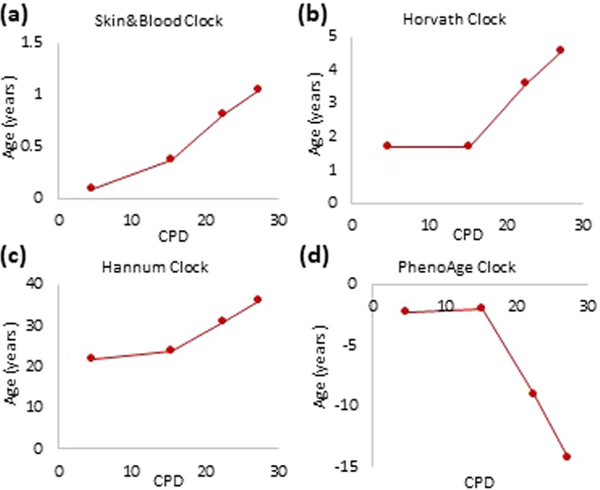
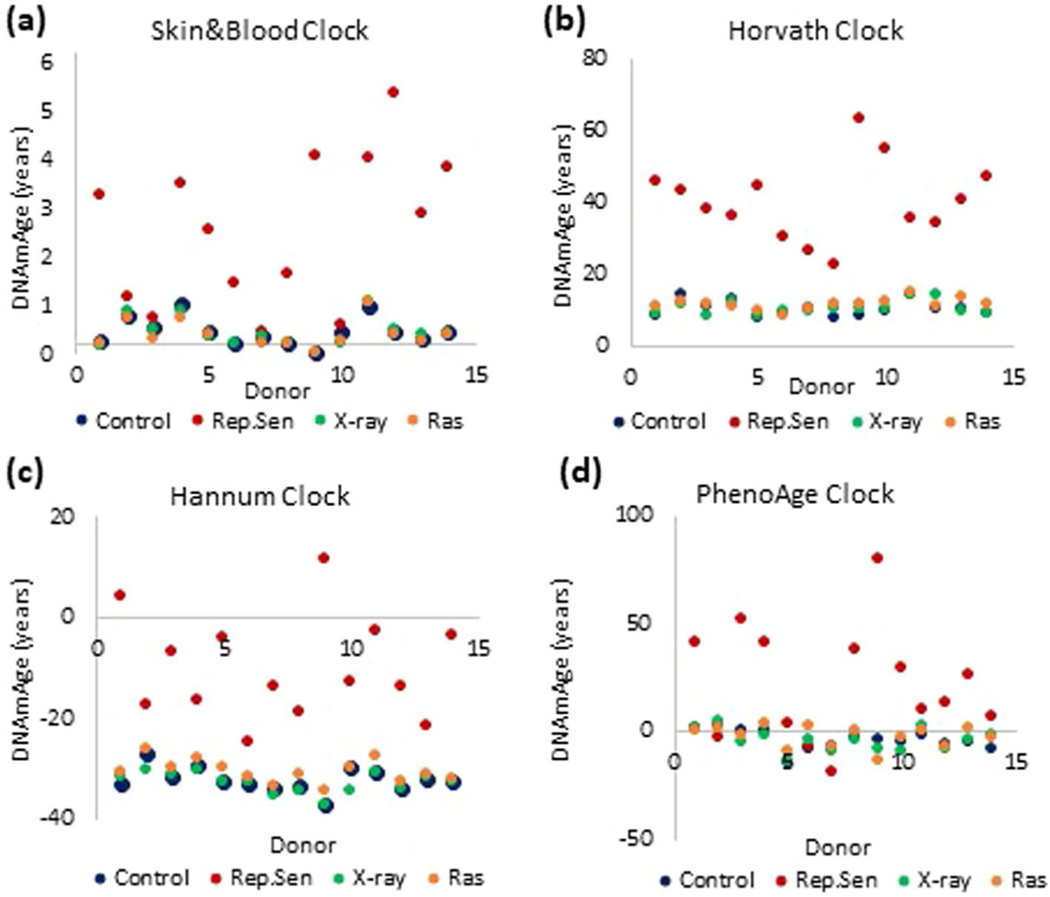
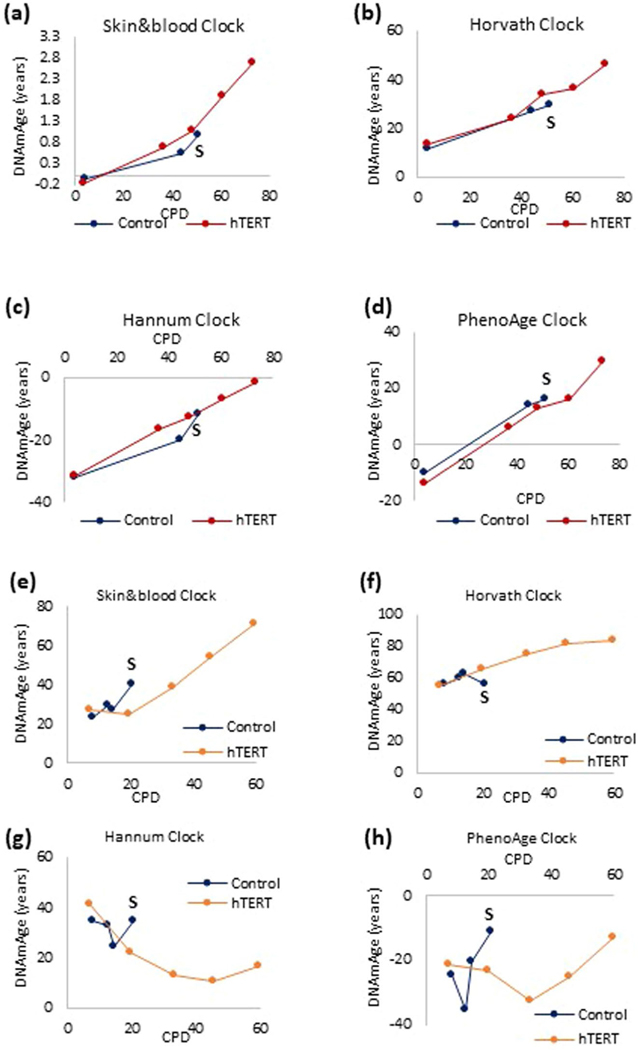
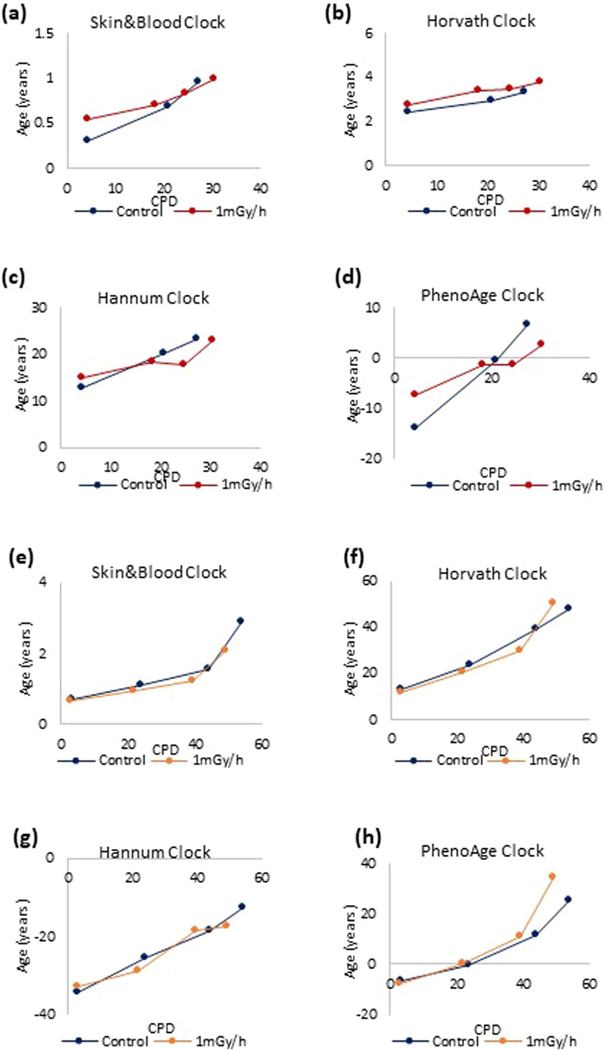
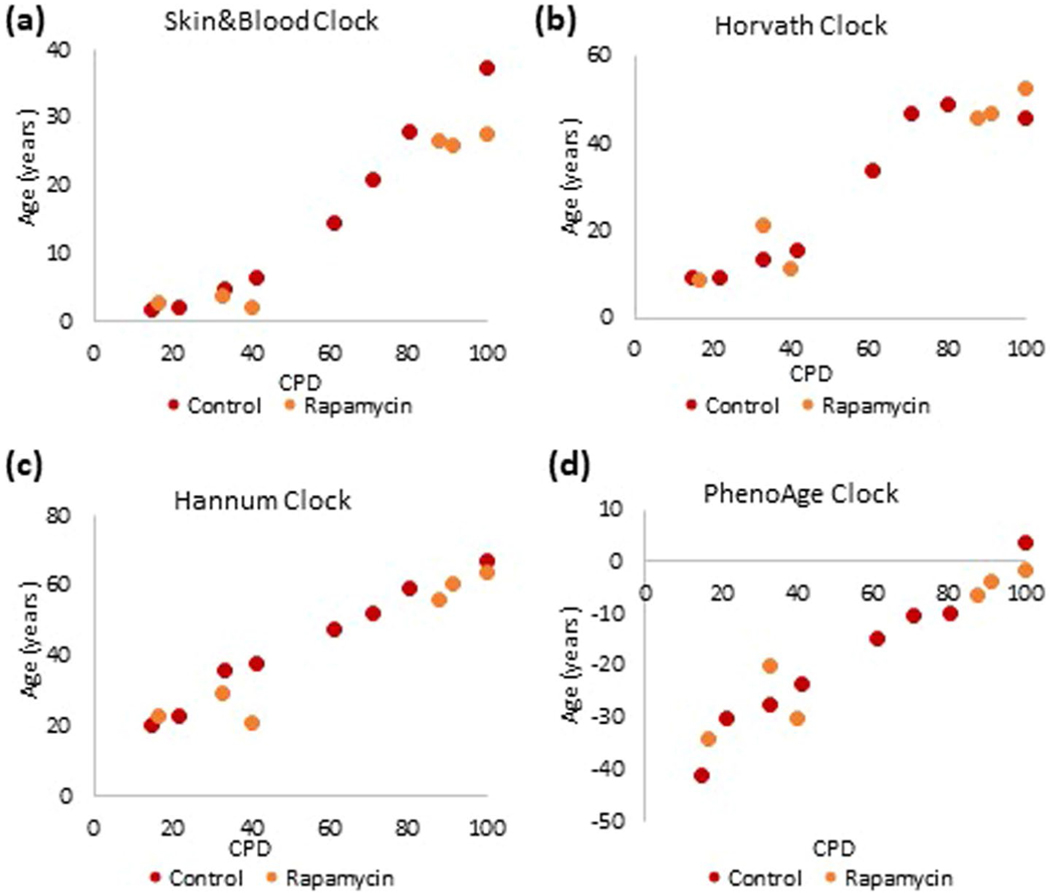
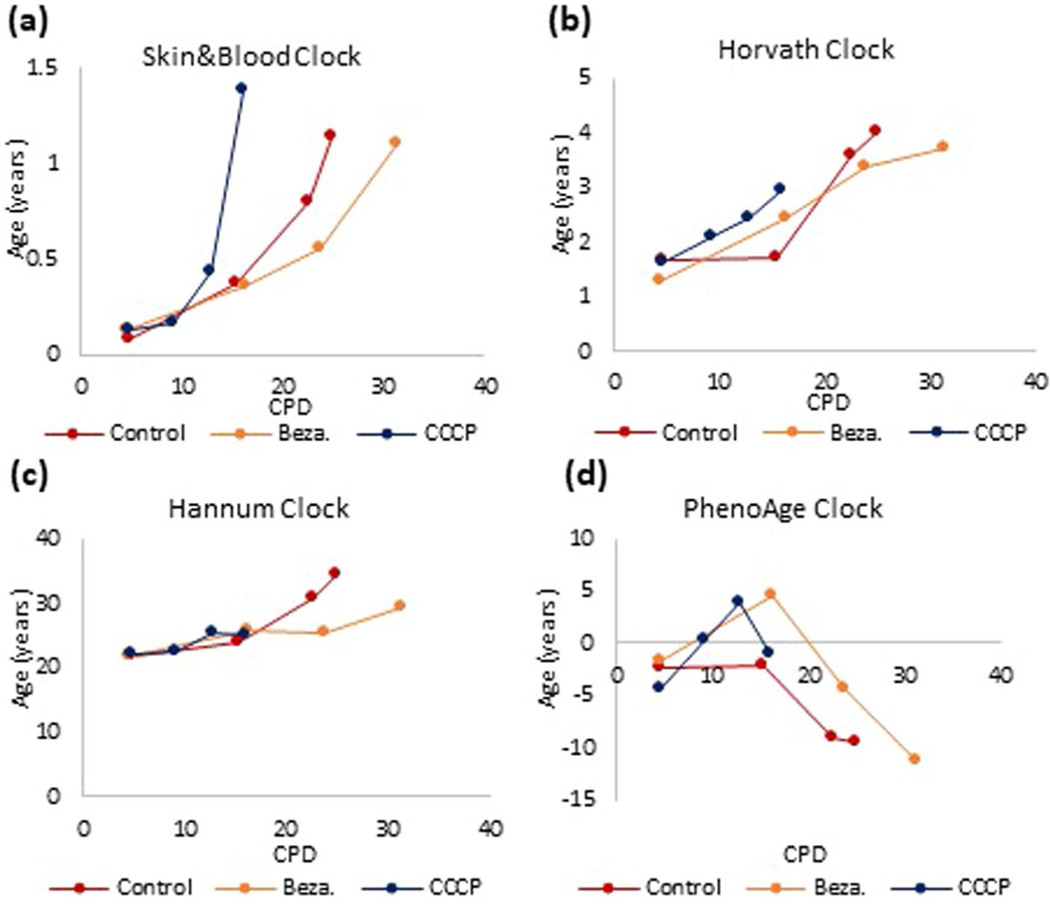
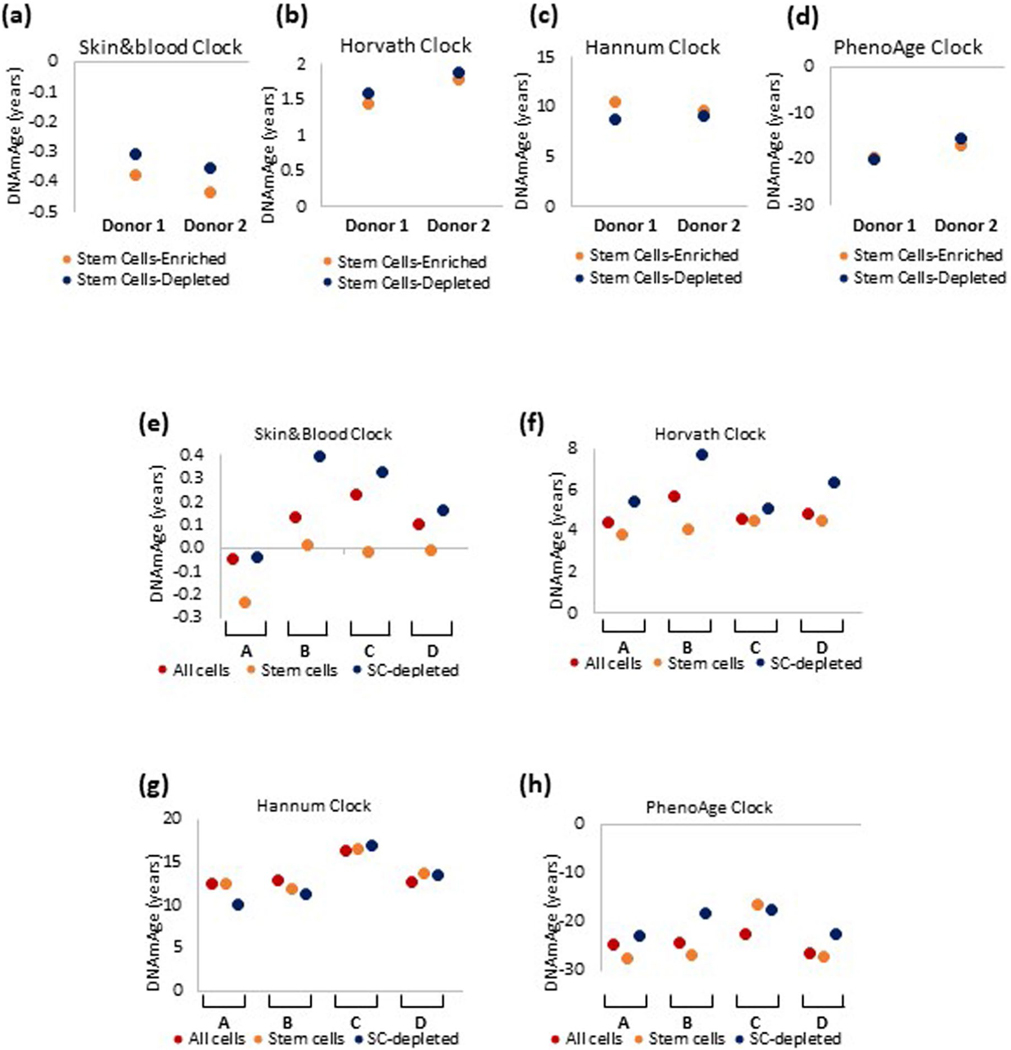
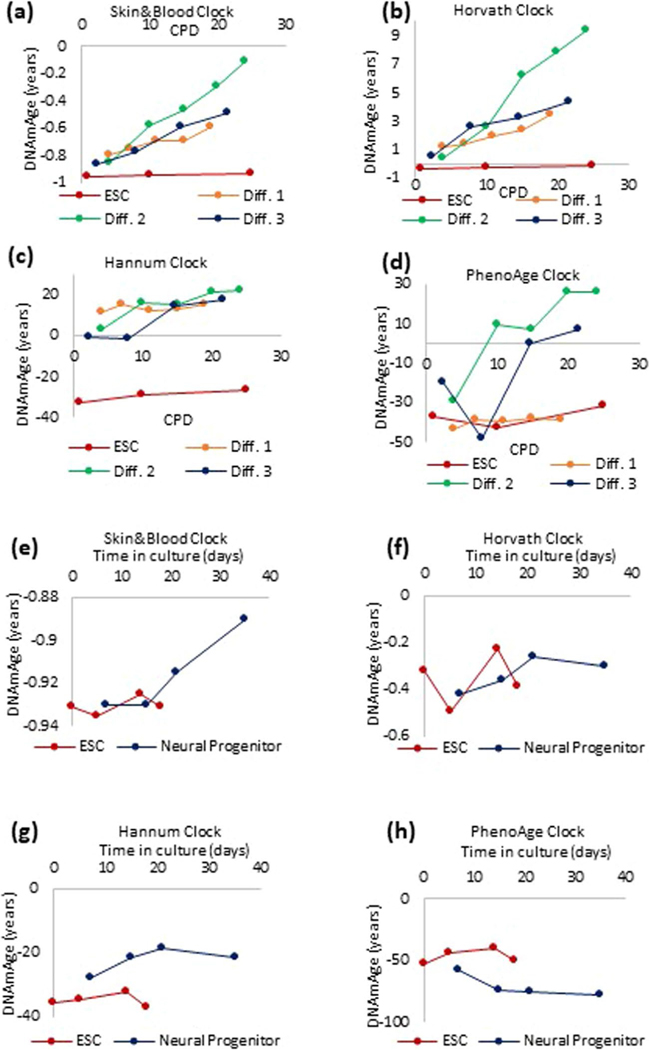
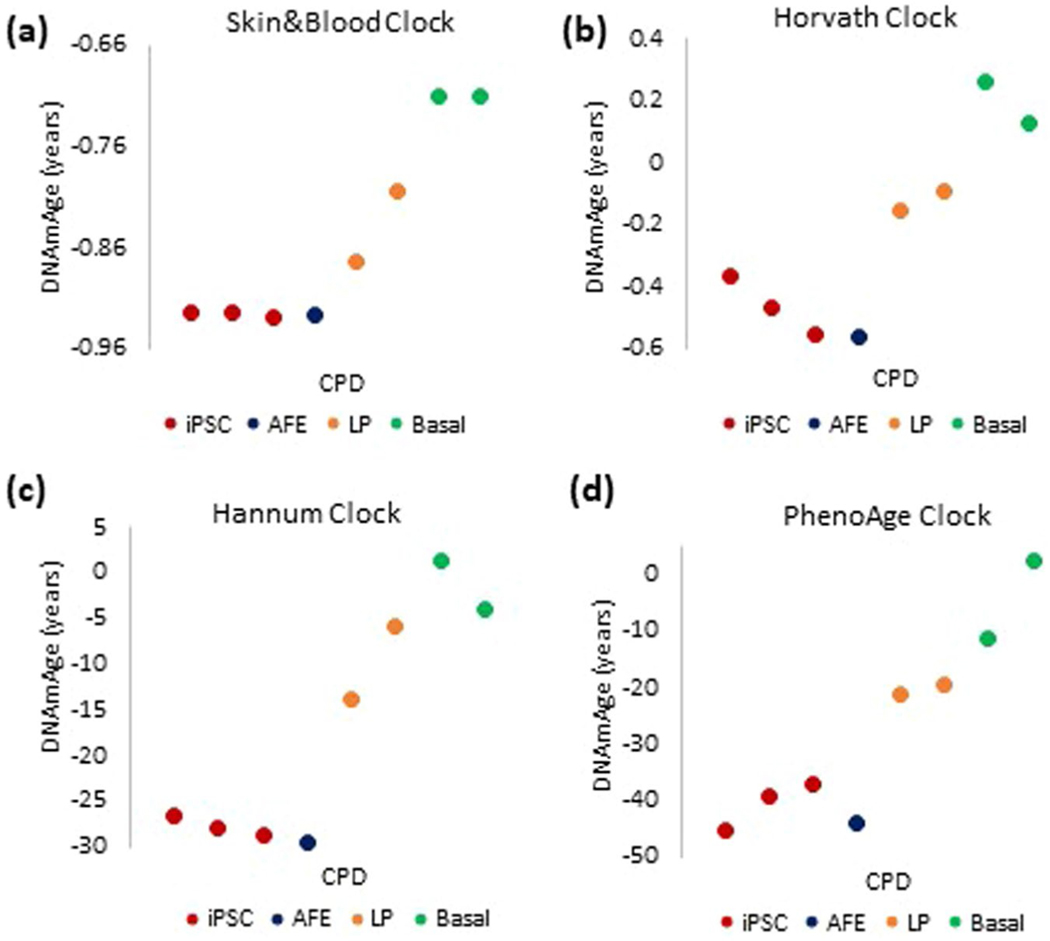
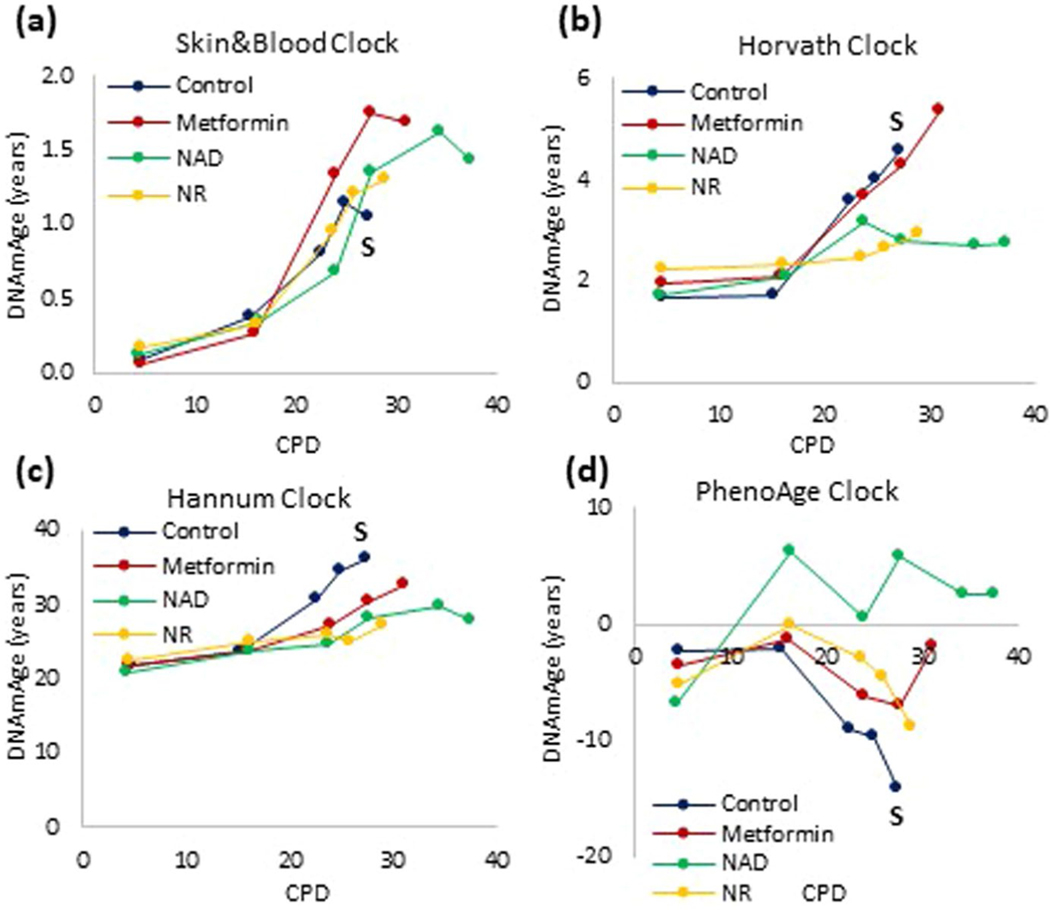
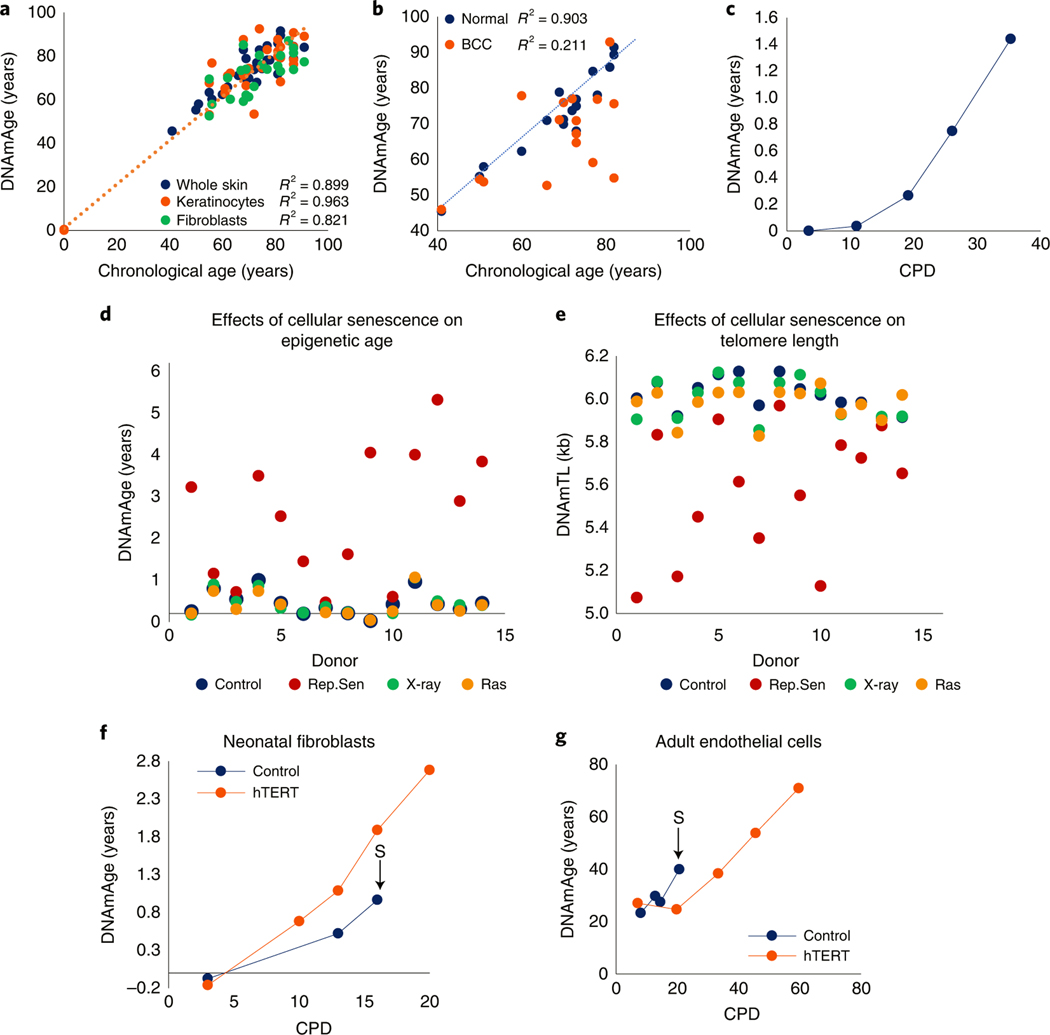
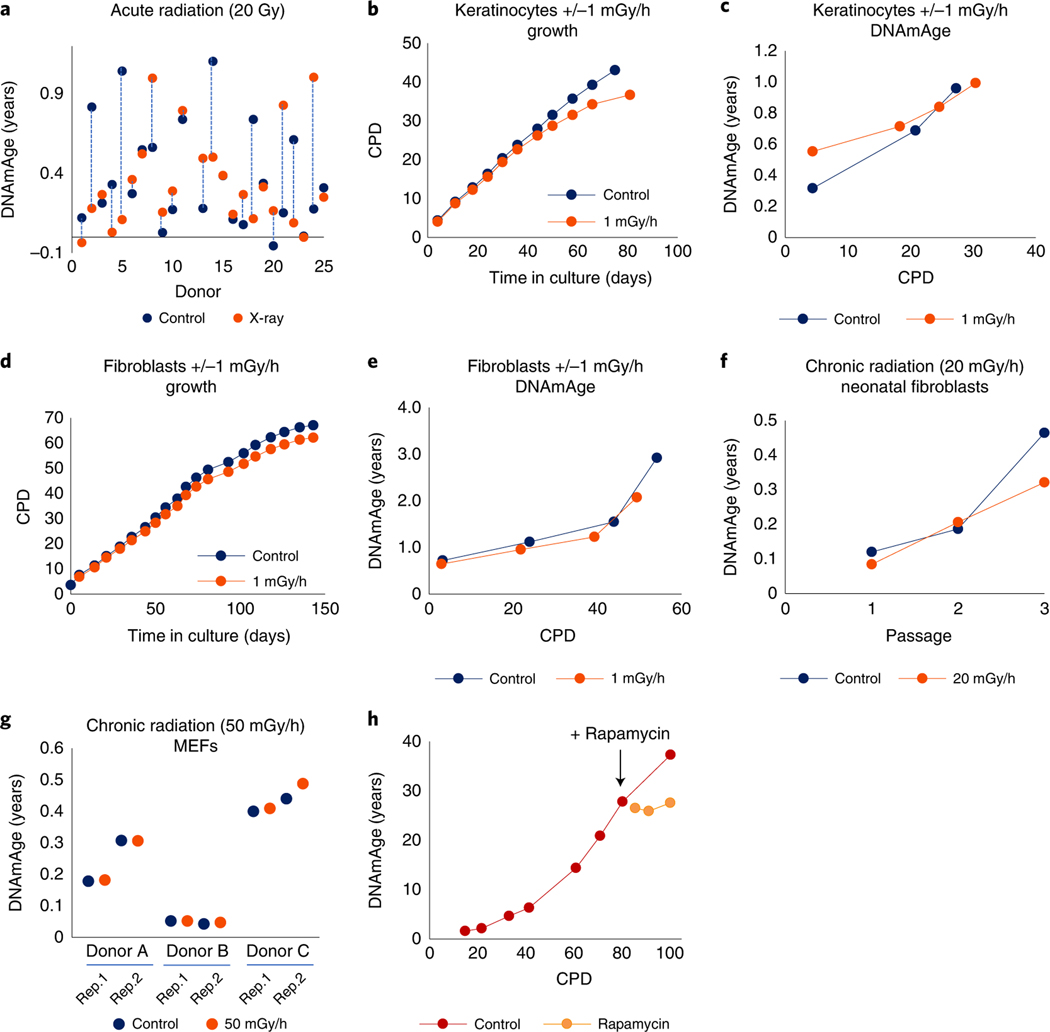
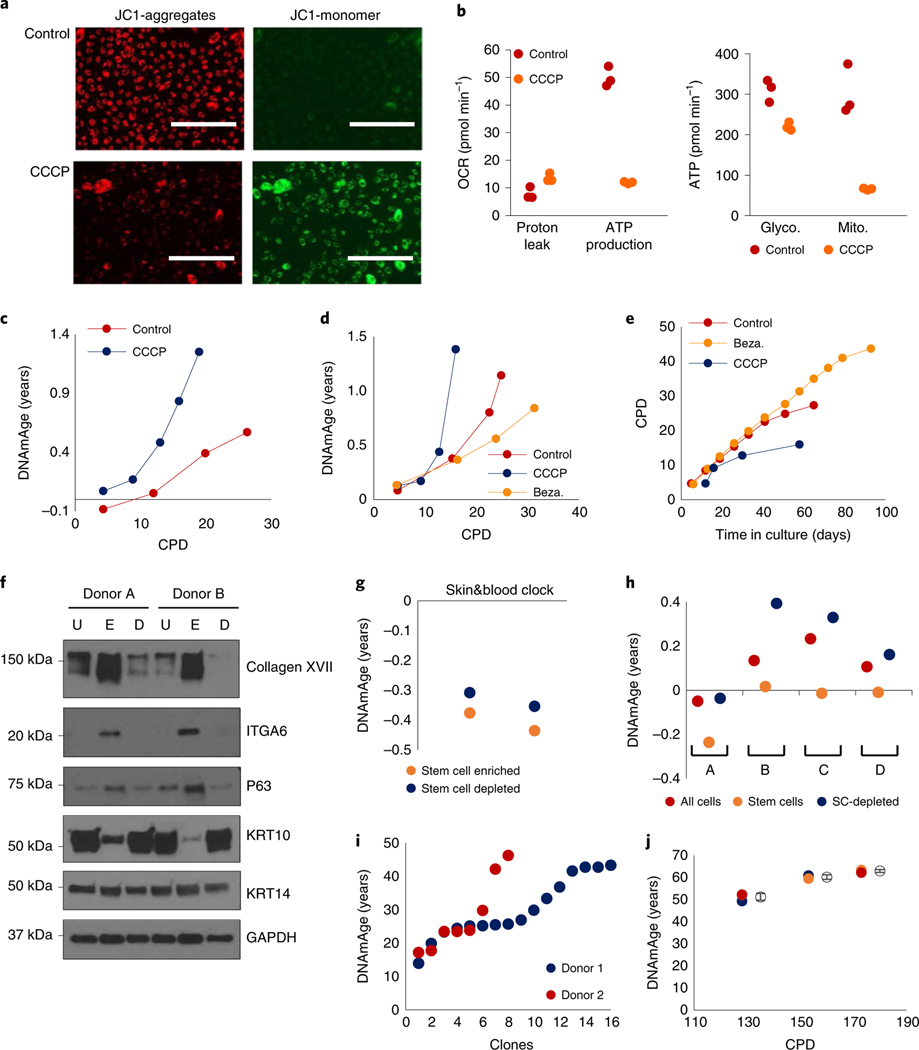
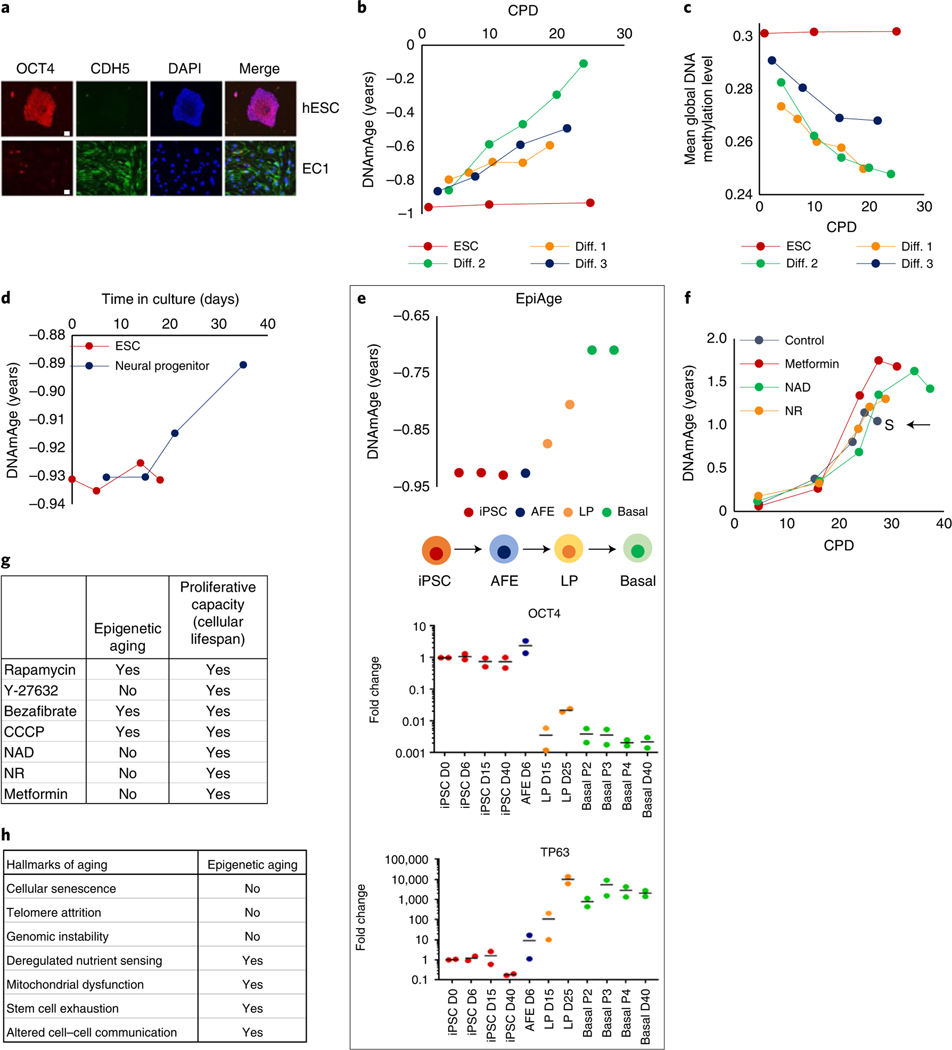
Epigenetic clocks are mathematically derived age estimators that are based on combinations of methylation values that change with age at specific CpGs in the genome. These clocks are widely used to measure the age of tissues and cells 1,2 . The discrepancy between epigenetic age (EpiAge), as estimated by these clocks, and chronological age is referred to as EpiAge acceleration. Epidemiological studies have linked EpiAge acceleration to a wide variety of pathologies, health states, lifestyle, mental state and environmental factors 2 , indicating that epigenetic clocks tap into critical biological processes that are involved in aging. Despite the importance of this inference, the mechanisms underpinning these clocks remained largely uncharacterized and unelucidated. Here, using primary human cells, we set out to investigate whether epigenetic aging is the manifestation of one or more of the aging hallmarks previously identified 3 . We show that although epigenetic aging is distinct from cellular senescence, telomere attrition and genomic instability, it is associated with nutrient sensing, mitochondrial activity and stem cell composition.
Overview
The claims and statistics of this paper haven’t been checked yet.
Free: it reads the open-access text and checks the first 5 claims that cite a source we can check. Create a free account to check every claim.
Integrity signals
Registry
Cites
Statistics
Figures
Verification
Claims the paper makes
The claims and statistics of this paper haven’t been checked yet.
Free: it reads the open-access text and checks the first 5 claims that cite a source we can check. Create a free account to check every claim.
Claims other papers make about this one
Each is checked against this paper’s own text: does it say what the citing paper says it does?
The cited source doesn’t support the claim as written.
In the citing paper
“Compared to quiescent cells, senescent cells had a significant increase in transcriptomic age, based on the transcriptomic clocks, consistent with previous findings assessing DNA methylation age [46, 47, 59].”
From Chemically induced reprogramming to reverse cellular aging (2023) · cites this paper as [47]
Checked by a reasoning model — may be wrong.
Experimental — accuracy not yet measuredThe cited source says what the claim attributes to it.
In the citing paper
“several studies by the Steven Horvath and Ken Raj group show that the increase of DNAm age is not prevented by immortalization (Kabacik et al., 2022; Kabacik et al., 2018; Lu et al., 2018)”
From Gene Therapy-Mediated Partial Reprogramming Extends Lifespan and Reverses Age-Related Changes in Aged Mice (2024) · cites this paper as Kabacik et al., 2022
The cited source says what the claim attributes to it.
In the citing paper
“Epigenetic age is also associated with nutrient-sensing in human cells 133 .”
From Hallmarks of aging: An expanding universe (2023) · cites this paper as [133]
Self-check
Percentages, sums and reported differences re-computed from the paper’s own numbers.
The self-check needs the paper’s full text.
Citations
Cites
Takahashi, K., & Yamanaka, S. (2006) · Cell · doi:10.1016/j.cell.2006.07.024 · Cited by 26,673
López-Otín, C., Blasco, M. A., Partridge, L., Serrano, M., & Kroemer, G. (2013) · Cell · doi:10.1016/j.cell.2013.05.039 · Cited by 14,982
The serial cultivation of human diploid cell strains
Hayflick, L., & Moorhead, P. S. (1961) · Experimental Cell Research · doi:10.1016/0014-4827(61)90192-6 · Cited by 8,508
DNA methylation age of human tissues and cell types
Horvath, S. (2013) · Genome Biology · doi:10.1186/gb-2013-14-10-r115 · Cited by 7,075
Self-citationOncogenic ras provokes premature cell senescence associated with accumulation of p53 and p16INK4a
Serrano, M., Lin, A. W., McCurrach, M. E., Beach, D., & Lowe, S. W. (1997) · Cell · doi:10.1016/s0092-8674(00)81902-9 · Cited by 5,218
Extension of Life-Span by Introduction of Telomerase into Normal Human Cells
Bodnar, A. G., Ouellette, M., Frolkis, M., Holt, S. E., Chiu, C.-P., Morin, G. B., Harley, C. B., Shay, J. W., Lichtsteiner, S., & Wright, W. E. (1998) · Science · doi:10.1126/science.279.5349.349 · Cited by 4,975
Rapamycin fed late in life extends lifespan in genetically heterogeneous mice
Harrison, D. E., Strong, R., Sharp, Z. D., Nelson, J. F., Astle, C. M., Flurkey, K., Nadon, N. L., Wilkinson, J. E., Frenkel, K., Carter, C. S., et al. (2009) · Nature · doi:10.1038/nature08221 · Cited by 3,766
An epigenetic biomarker of aging for lifespan and healthspan
Levine, M. E., Lu, A. T., Quach, A., Chen, B. H., Assimes, T. L., Bandinelli, S., Hou, L., Baccarelli, A. A., Stewart, J. D., Li, Y., et al. (2018) · Aging · doi:10.18632/aging.101414 · Cited by 3,675
Self-citationDNA methylation-based biomarkers and the epigenetic clock theory of ageing
Horvath, S., & Raj, K. (2018) · Nature Reviews Genetics · doi:10.1038/s41576-018-0004-3 · Cited by 3,095
Self-citationExtending Healthy Life Span—From Yeast to Humans
Fontana, L., Partridge, L., & Longo, V. D. (2010) · Science · doi:10.1126/science.1172539 · Cited by 3,023
Cited by
Items 101–200 of 208
Mechanisms and markers of lung ageing in health and disease
Miller, Z., Twardowski, L.-M., Reader, B. F., Rojas, M. M., Lehmann, M., & Mora, A. L. (2025) · European Respiratory Review · doi:10.1183/16000617.0233-2024 · Cited by 14
“However, these do not fully capture the complexity of the ageing process [212, 213] and further clocks based on transcriptomic, proteomic and metabolomic signatures been introduced [214].”
Response to: The information theory of aging has not been tested
Yang, J.-H., Hayano, M., Rajman, L. A., & Sinclair, D. A. (2024) · Cell · doi:10.1016/j.cell.2024.01.014 · Cited by 7
BayesAge: A maximum likelihood algorithm to predict epigenetic age
Mboning, L., Rubbi, L., Thompson, M. J., Bouchard, L., & Pellegrini, M. A. (2024) · Frontiers in Bioinformatics · doi:10.3389/fbinf.2024.1329144 · Cited by 6
“Johnson et al. (2012) These approaches are often referred to as epigenetic clocks.”
BackgroundCordero, A. I. H., Peters, C. M., Li, X., Yang, C. X., Ambalavanan, A., MacIsaac, J. L., Kobor, M. S., Fonseca, G. J., Doiron, D., Tan, W. C., et al. (2024) · iScience · doi:10.1016/j.isci.2024.110934 · Cited by 9
“…pulmonary system to low levels of CRF. Primary cell culture work performed by other investigators has shown that the specific biological aging processes that are exhibited in the epigenetic clock are mitochondrial dysfunction and nutrient sensing, 25 both playing pivotal roles in exercise tolerance.”
Giacconi, R., D’Aquila, P., Olivieri, F., Gentilini, D., Calzari, L., Fortunato, C., Pazmay, G. V. B., Rosa, M. D., Sena, G., Rose, E. D., et al. (2025) · International Journal of Molecular Sciences · doi:10.3390/ijms26146564 · Cited by 6
“A dysregulation of epigenetic modifications may contribute to the development of various age-related diseases [7].”
Microglia Single‐Cell RNA ‐Seq Enables Robust and Applicable Markers of Biological Aging
Stanley, N., Dhawka, L., Jaikumar, S., Huang, Y., & Zannas, A. S. (2025) · Aging Cell · doi:10.1111/acel.70095 · Cited by 7
“While such bulk-level analyses are essential for biomarker discovery, molecular changes and aging rates are known to vary across different tissues and cell types (Horvath et al. 2015; Sonawane et al. 2017; Kabacik et al. 2022).”
Johnson, A. A., & Shokhirev, M. N. (2025) · Ageing Research Reviews · doi:10.1016/j.arr.2025.102839 · Cited by 5
A Nutrigenomic View on the Premature-Aging Disease Fanconi Anemia
Velleuer, E., & Carlberg, C. (2024) · Nutrients · doi:10.3390/nu16142271 · Cited by 5
Single cell DNA methylation ageing in mouse bloodPreprint
Bonder, M. J., Clark, S. J., Krueger, F., Luo, S., de Sousa, J. A., Hashtroud, A. M., Stubbs, T. M., Stark, A., Rulands, S., Stegle, O., et al. (2023) · bioRxiv (Cold Spring Harbor Laboratory) · doi:10.1101/2023.01.30.526343 · Cited by 5
Ndhlovu, L. C., Bendall, M. L., Dwaraka, V. B., Pang, A. P. S., Dopkins, N., Carreras-Gallo, N., Smith, R. C., Nixon, D. F., & Corley, M. J. (2023) · bioRxiv (Cold Spring Harbor Laboratory) · doi:10.1101/2023.12.06.570422 · Cited by 5
Itokazu, M., Takehara, T., Toriumi, K., Iwawaki, N., Mori, T., Ondoera, Y., Higashimoto, Y., Goto, K., Yamada, H., & Teramura, T. (2025) · Scientific Reports · doi:10.1038/s41598-025-06982-y · Cited by 4
Senolytic compounds reduce epigenetic age of blood samples in vitro
Tharmapalan, V., Sarvaas, M. D. M., Bleichert, M., Wessiepe, M., & Wagner, W. (2025) · npj Aging · doi:10.1038/s41514-025-00199-z · Cited by 4
Zhang, X., Meng, F., Lyu, W., He, J., Wei, R., Du, Z., Zhang, C., Guan, Y., Huang, X., Lyu, G., et al. (2023) · bioRxiv (Cold Spring Harbor Laboratory) · doi:10.1101/2023.05.26.542348 · Cited by 4
Insights into aging from progeroid syndrome epigenetics
Bejaoui, Y., Oshima, J., & Hajj, N. E. (2023) · Aging · doi:10.18632/aging.204977 · Cited by 4
Climate change, age acceleration, and the erosion of fitness in polar bearsPreprint
Newediuk, L., Richardson, E. S., Biddlecombe, B. A., Kassim, H. B., Kathan, L., Lunn, N. J., Rivkin, L. R., Salama, O. E., Schmidt, C., Jones, M. J., et al. (2024) · bioRxiv (Cold Spring Harbor Laboratory) · doi:10.1101/2024.01.05.574416 · Cited by 7
Park, B., Nicaise, A., Tsitsipatis, D., Pirvan, L., Prasad, P., Novales, M. L. L. D., Whitten, J., Culig, L., Llewellyn, J., Ionescu, R.-B., et al. (2024) · bioRxiv · doi:10.1101/2024.02.09.579648 · Cited by 4
Sun, E., Zhou, O. Y., Hauptschein, M., Rappoport, N., Xu, L., Negredo, P. N., Liu, L. A., Rando, T. A., Zou, J., & Brunet, A. (2024) · bioRxiv (Cold Spring Harbor Laboratory) · doi:10.1101/2024.07.16.603809 · Cited by 4
Sanders, K. L., Manuel, A. M., Liu, A., Leng, B., Chen, X., & Zhao, Z. (2024) · Epigenomes · doi:10.3390/epigenomes8020014 · Cited by 3
“This distinction suggests that DNA methylation could significantly influence cellular processes and metabolism as we age [18,19].”
BackgroundMulti-Omic Rejuvenation: A New Strategy for Lifespan Extension
Rybina, O. Y., & PASYUKOVA, E. G. (2024) · Molecular Biology · doi:10.1134/s0026893324700377 · Cited by 4
“In addition, dysregulation of noncoding RNAs (ncRNAs), including microRNAs, long ncRNAs, and circular RNAs that appear during aging, leads to changes in gene expression and cellular homeostasis, further contributing to age-related changes [9, 10].”
Associations of accelerated epigenetic aging with cancer and mortality risk in the USA
An, T., Zhang, H., Xu, Y., Ding, C., Gong, Y., Hao, D., Wang, J., Zhang, X., Tong, T., Wang, Z., et al. (2025) · GeroScience · doi:10.1007/s11357-025-01796-2 · Cited by 3
(Very) Small Stem-like Cells in Human Cell Cultures
Lica, J. J., & Pradhan, B. (2023) · Cancers · doi:10.3390/cancers15235520 · Cited by 3
“However, when these cells are cultured in vitro, due to epigenetic modifications and dysfunctions, a more appropriate term for them is Stem-like Cells (SLCs) [2–7].”
BackgroundJeremian, R., Lytvyn, Y., Fotovati, R., Li, K., Malinowski, A., Sachdeva, M., Jack, C. S., Gooderham, M., Croitoru, D. O., Yeung, J., et al. (2024) · Journal of the European Academy of Dermatology and Venereology · doi:10.1111/jdv.19978 · Cited by 3
Metabolic slowdown as the proximal cause of ageing and deathPreprint
Wordsworth, J., Yde, P., Fielder, E., Chandrasegaran, S., & Shanley, D. P. (2023) · bioRxiv (Cold Spring Harbor Laboratory) · doi:10.1101/2023.08.01.551537 · Cited by 7
Tanner, S., Eisner, A., Novakovic, B., Holland, L., Mansell, T., England-Mason, G., Merrill, S. M., Dewey, D., O’Hely, M., Symeonides, C., et al. (2025) · bioRxiv (Cold Spring Harbor Laboratory) · doi:10.1101/2025.03.03.641339 · Cited by 3
Investigating Transcriptional Age Acceleration in Inflammatory Skin Diseases
Jeremian, R., Galati, M. A., Fotovati, R., Li, K., Jack, C. S., Croitoru, D. O., Caucheteux, S., Lefrançois, P., & Piguet, V. (2025) · JID Innovations · doi:10.1016/j.xjidi.2025.100386 · Cited by 2
Identification of Functional Cellular Markers Related to Human Health, Frailty and Chronological Age
Brodeau, C., Joly, C., Chekroun, A., Nakhle, J., Blase, V., Espagnolle, N., Dray, C., Yart, A., Planat‐Benard, V., Tertrais, M., et al. (2025) · Aging Cell · doi:10.1111/acel.70153 · Cited by 6
“Nevertheless, recent studies have highlighted a discrepancy between chronological aging and molecular markers such as epigenetic clocks (Kabacik et al. 2022), whose underlying mechanisms are often unclear, highlighting the need to identify more reliable markers in the context of general health,…”
Fu, M. P., Sharma, M., Yousefi, P., Merrill, S. M., Tan, R., Samra, S., Setiadi, A., Golding, L., Modi, B. P., Bel, K. L. D., et al. (2025) · The Journal of Experimental Medicine · doi:10.1084/jem.20240945 · Cited by 2
Stemming the Rising Tide of Early-Onset Cancers: Research Gaps and Public Health Actions
Terry, M. B., Tehranifar, P., & Kehm, R. D. (2025) · Annual Review of Public Health · doi:10.1146/annurev-publhealth-082024-063125 · Cited by 6
Anisman, H., Bombay, A., & Matheson, K. (2025) · Frontiers in Environmental Health · doi:10.3389/fenvh.2025.1720326 · Cited by 4
Sun, C., Liu, Z., Li, Y., Wang, J., Jiang, Y., & Zhao, C. (2025) · Journal of Future Foods · doi:10.1016/j.jfutfo.2025.10.023 · Cited by 2
Fanconi anaemia as a human model of accelerated epigenetic and immune ageing
Velleuer, E., & Carlberg, C. (2026) · Ageing Research Reviews · doi:10.1016/j.arr.2026.103038 · Cited by 2
Unraveling the complexity of skin’s biological aging utilizing epigenetic clocks
Bienkowska, A., Qi, M., Καντά, Κ., Bonilla-Tobar, M. D. P., Völzke, H., Gallinat, S., Jaspers, S., Clemann, S., Winnefeld, M., Grönniger, E., et al. (2026) · Clinical Epigenetics · doi:10.1186/s13148-026-02101-4 · Cited by 3
“In the in vitro dataset, primary human keratinocytes were treated for 14 days with either bezafibrate (n = 4 treated, n = 4 controls) or nicotinamide adenine dinucleotide (NAD, n = 5 treated, n = 5 controls) [94].”
Haykal, D., & Flament, F. (2026) · GeroScience · doi:10.1007/s11357-026-02331-7 · Cited by 2
Heikkinen, A., Uusitalo‐Kylmälä, L., Blom, I., Helge, J. W., Gillberg, L., Seaborne, R. A. E., Larsen, S., Jacques, M., Grolaux, R., Aaltonen, S., et al. (2026) · Aging Cell · doi:10.1111/acel.70638 · Cited by 4
“Increased mitochondrial content and activity and NAD + levels have been generally associated with positive outcomes, including with lower epigenetic age (Kabacik et al. 2022).”
Aging, partial reprogramming and bioelectric fields: unveiling the path to cellular rejuvenation
Arabadjiev, B., Vassileva, I., Nikolaev, G., Momchilova, A., & Pankov, R. G. (2024) · Biotechnology & Biotechnological Equipment · doi:10.1080/13102818.2024.2358999 · Cited by 2
Frey, H. C., Sun, X., Oudeif, F., Corona, D. L., He, Z., Won, T., Schultz, T. L., Carruthers, V. B., Laouar, A., & Laouar, Y. (2025) · iScience · doi:10.1016/j.isci.2025.112043 · Cited by 2
A comprehensive map of the ageing blood methylomePreprint
Seale, K., Teschendorff, A. E., Reiner, A. P., Voisin, S. A. C., & Eynon, N. (2023) · bioRxiv (Cold Spring Harbor Laboratory) · doi:10.1101/2023.12.20.572666 · Cited by 2
“The epigenetic clock starts ticking upon differentiation 31 , and some gains in methylation may lead to loss of haematopoietic stem cell plasticity.”
BackgroundAging promotes lung cancer metastasis through epigenetic ATF4 inductionPreprint
Patel, A. A. H., Dzanan, J. J., Ali, K. X., Eklund, E. Ä., Alvarez, S., Altinönder, I., Raj, D., Zowalaty, A. E. E., Sayin, S. I., Dankis, M., et al. (2024) · bioRxiv (Cold Spring Harbor Laboratory) · doi:10.1101/2024.07.03.601209 · Cited by 2
Relation of CMV and Brain Atrophy to Trajectories of Immunosenescence in Diverse PopulationsPreprint
Touil, H., Luquez, T., Comandante-Lou, N., Lee, A., Fujita, M., Habeck, C. G., Kroshilina, A., Hegewisch-Solloa, E., McInvale, J. J., Zuroff, L. R., et al. (2024) · SSRN Electronic Journal · doi:10.1101/2024.10.07.614568 · Cited by 1
Epigenetic age prediction using N6-methyladenine in the bumblebee Bombus terrestrisPreprint
Renard, T., Boseret, M., & Aron, S. (2025) · bioRxiv (Cold Spring Harbor Laboratory) · doi:10.1101/2025.06.20.660749 · Cited by 2
Armero, A. S., Buckley, R. M., Mboning, L., Spatola, G. J., Horvath, S., Pellegrini, M. A., & Ostrander, E. A. (2024) · Aging · doi:10.18632/aging.206012 · Cited by 1
Self-citationSenescence Signatures Predict Hospitalization Risk and Severity in COVID-19 Patients
Singh, T., Lynch, S. M., McLarnon, T., Cooper, E., McDaid, D., Guo, G., McLaughlin, J. K., McGilligan, V., Watterson, S., Shukla, P., et al. (2024) · doi:10.59368/agingbio.20240035 · Cited by 1
Lica, J. J., Jakóbkiewicz‐Banecka, J., & Hellmann, A. (2025) · Frontiers in Cell and Developmental Biology · doi:10.3389/fcell.2024.1463807 · Cited by 1
Yan, W., Zhao, Y., Zhang, J., Jiang, P., Ma, H., Fang, M., & Xi, X. (2025) · Experimental Gerontology · doi:10.1016/j.exger.2025.112785 · Cited by 1
Sex differences in DNA methylation in bats
Rayner, J. G., Bock, S. L., Lonski, A. J., Riddle, N. C., & Wilkinson, G. S. (2025) · Annals of the New York Academy of Sciences · doi:10.1111/nyas.70021 · Cited by 1
“Future research incorporating longitudinal sampling of similar numbers of males and females of multiple species is likely to offer increased resolution in understanding how sexes differ in trajectories of molecular aging, and whether this contributes to sex differences in longevity.”
Kojima, S., Inoue, Y., Karayama, M., Hashimoto, D., Asada, K., Matsuura, S., Imokawa, S., Matsui, T., Matsuda, H., Inami, N., et al. (2025) · Clinical Lung Cancer · doi:10.1016/j.cllc.2025.10.009 · Cited by 3
Khodasevich, D., Gladish, N., Daredia, S., Bozack, A. K., Shen, H., Nwanaji‐Enwerem, J. C., Needham, B. L., Rehkopf, D. H., & Cárdenas, A. (2025) · AJE Advances Research in Epidemiology · doi:10.1093/ajeadv/uuaf023 · Cited by 2
Theobromine is associated with slower epigenetic ageing
Saad, R., Costeira, R., Matías‐García, P. R., Villicaña, S., Gieger, C., Suhre, K., Peters, A., Kastenmüller, G., Rodriguez‐Mateos, A., Dias, C., et al. (2025) · Aging · doi:10.18632/aging.206344 · Cited by 2
Multifactorial conceptual model of cancer-related accelerated aging
Lh, M., Weiss, S. M., Ritchie, C. S., Wong, M. L., Hoffmann, T. K., Wallhagen, M. L., & Miaskowski, C. A. (2026) · npj Aging · doi:10.1038/s41514-025-00328-8 · Cited by 4
“Deregulated nutrient sensing is associated with increased epigenetic age in human cells 177 .”
Blood DNA methylation-predicted plasma protein levels and colorectal cancer survival
Richards, A. C., Gómez, M. F. L., Dowling, B. I., Jean‐Baptiste, E., Gigic, B., Figueiredo, J. C., Li, C. I., Shibata, D., Toriola, A. T., Byrd, D. A., et al. (2026) · Clinical Epigenetics · doi:10.1186/s13148-026-02059-3 · Cited by 2
Hill, C., Potter, C., Smyth, L. J., Kilner, J., Scott, A., Neville, C. E., Kee, F., McGuinness, B., & McKnight, A. J. (2026) · BMC Research Notes · doi:10.1186/s13104-026-07771-0 · Cited by 2
Schuch, V., Mukherjee, I., de Carvalho, A. R. N., Olanrewaju, R. A., Davis, J., Thomas, S., Chakraborty, R., & Johnson, E. L. (2026) · Frontiers in Reproductive Health · doi:10.3389/frph.2026.1783837 · Cited by 1
“It captures the cumulative effects of lifestyle, environment, and genetic background and has been linked to future disease risk and mortality (166).”
Epigenetic regulation of cell fate determination in cortical development
Lee, J.-E., Abe, P., & Albert, M. (2026) · Current Opinion in Genetics & Development · doi:10.1016/j.gde.2026.102486 · Cited by 1
Bordoni, L., Mansouri, F., Rucci, C., de Sousa, J. A., & von Meyenn, F. (2026) · Clinical Nutrition · doi:10.1016/j.clnu.2026.106703 · Cited by 2
From skin aging biomarkers to precision esthetic longevity: a translational diagnostic framework
Cohen, S., & Thor, D. (2026) · Frontiers in Medicine · doi:10.3389/fmed.2026.1902741 · Cited by 2
“While this hypothesis does not invalidate the predictive utility of methylation-based age estimates, it cautions against the interpretation of clock changes as direct evidence of “rejuvenation” or restored regulatory function (16, 22, 33).”
Galkin, F., & Zhavoronkov, A. A. (2023) · Healthy ageing and longevity · doi:10.1007/978-3-031-35176-1_1 · Cited by 4
Ethnicity-specific patterns of epigenetic age acceleration in rheumatoid arthritis
Sharma‐Oates, A., Dunne, N., Raza, K., Padyukov, L., Rivera, N., Mil, A. H. M. V. D. H., Pratt, A. G., Duggal, N. A., Jones, S. W., & Lord, J. M. (2025) · GeroScience · doi:10.1007/s11357-025-01508-w · Cited by 2
“…based biomarkers to capture all aspects of cellular ageing; indeed, studies have shown that the blood based epigenetic clocks are not influenced by cellular senescence or telomere attrition [28] which are features of an aged immune system and have been reported as present in RA patients [11, 12].”
IF1 Protein Controls Aging RatePreprint
Forrest, M. (2021) · bioRxiv (Cold Spring Harbor Laboratory) · doi:10.1101/2021.10.28.466310 · Cited by 1
Hartman, R. J. G., Benavente, E. D., Slenders, L., Boltjes, A., Mol, B. M., de Borst, G. J., de Kleijn, D. P. V., Prange, K. H. M., de Winther, M. P. J., Kuiper, J., et al. (2023) · medRxiv · doi:10.1101/2023.02.16.23286067 · Cited by 1
Self-citationA universal molecular mechanism driving agingPreprint
Jin, W., Zheng, J., Xiao, Y., Ju, L., Chen, F., Fu, J., Jiang, H., & Zhang, Y. (2024) · bioRxiv (Cold Spring Harbor Laboratory) · doi:10.1101/2024.01.06.574476 · Cited by 1
The Latent Aging of CellsPreprint
Niimi, P., Gould, V., Thrush, K., & Levine, M. E. (2024) · bioRxiv (Cold Spring Harbor Laboratory) · doi:10.1101/2024.05.28.596284 · Cited by 1
“Early epigenetic clocks showed a lot of promise in this reprogramming stage, where the epigenetic age was dramatically decreased upon reprogramming, a phenomena that was not seen with the immortalization of cells via the overexpression of telomerase (Kabacik et al. 2022).”
BackgroundDemonstration of the Feasibility of Mainstream Aging Theories and InterventionPreprint
Huang, B. (2025) · SSRN Electronic Journal · doi:10.2139/ssrn.5151210 · Cited by 1
How Much of Aging Is Simply a Trash Collection Problem?Preprint
Renteln, M. (2022) · Preprints.org · doi:10.20944/preprints202211.0255.v1
How Much of Aging Is Simply a Trash Collection Problem?Preprint
Renteln, M. (2023) · Preprints.org · doi:10.20944/preprints202211.0255.v2
How Much of Aging Is Simply a Trash Collection Problem?Preprint
Renteln, M. (2023) · Preprints.org · doi:10.20944/preprints202211.0255.v3
Carlberg, C., Velleuer, E., & Molnár, F. (2023) · Springer eBooks · doi:10.1007/978-3-031-27133-5_12
Bevölkerungsepigenetik und Altern
Carlberg, C., & Molnár, F. (2023) · Springer eBooks · doi:10.1007/978-3-031-33289-0_7
A comprehensive map of the ageing blood methylomePreprint
Eynon, N., Seale, K., Teschendorff, A. E., Reiner, A. P., & Voisin, S. A. C. (2023) · Research Square · doi:10.21203/rs.3.rs-3755475/v1
Carlberg, C. (2023) · Springer eBooks · doi:10.1007/978-3-662-67986-9_13
Plasma proteins can tell your biological organs’ age (including the heart)
Pedicino, D., & Liuzzo, G. (2024) · European Heart Journal · doi:10.1093/eurheartj/ehae038
Current Research On Epigenetic Age and Cellular Senescence: A Bibliometric and Visual AnalysisPreprint
kahaer, M. M. M., Hao, B. M. W., Sun, M. M. Z.-G., Xu, M. M. K., & Aikeremu, M. M. D. (2024) · bioRxiv (Cold Spring Harbor Laboratory) · doi:10.1101/2024.02.13.580124 · Cited by 2
Cutting-edge skin ageing research on tissue stem cell
Ichijo, R. (2024) · The Journal of Biochemistry · doi:10.1093/jb/mvae022
A Membrane Lipid Signature Unravels the Dynamic Landscape of Group 1 ILCsPreprint
Frey, H. C., Sun, X., Oudeif, F., Corona, D. L., He, Z., Won, T., Schultz, T. L., Carruthers, V., Laouar, A., & Laouar, Y. (2024) · bioRxiv · doi:10.1101/2024.04.17.589821
“…an unorthodox expression of AsGM1 at this juncture rather points to an advanced state of plasticity within the NK-to-ILC1 continuum 20 , likely influenced by the specific aging microenvironment which is characterized by substantial shifts in epigenetic landscapes 79 and cytokine profiles 80 .”
BackgroundAqp1 Differentially Orchestrates Endothelial Cell SenescencePreprint
Shabanian, K., Shabanian, T., Karsai, G., Lettlová, S., Pontiggia, L., Ruschitzka, F. T., Beer, J. H., & Saravi, S. S. S. (2024) · SSRN Electronic Journal · doi:10.2139/ssrn.4818945
Jammes, H., Boudry, P., & Maury, S. (2024) · Éditions Quæ eBooks · doi:10.35690/978-2-7592-3770-8 · Cited by 1
Carlberg, C., Ulven, S. M., & Velleuer, E. (2024) · Springer eBooks · doi:10.1007/978-3-031-61257-2_3
Carlberg, C. (2024) · Springer eBooks · doi:10.1007/978-3-031-68730-3_12
Leveraging Single-Cell RNA-Seq to Generate Robust Microglia Aging ClocksPreprint
Stanley, N., Dhawka, L., Jaikumar, S., Huang, Y.-C., & Zannas, A. S. (2024) · bioRxiv (Cold Spring Harbor Laboratory) · doi:10.1101/2024.10.05.616811
“While such bulk-level analyses are essential for biomarker discovery, molecular changes and aging rates are known to vary across different tissues and cell types [9–11].”
Quintela-Fandiño, M., Garma, L. D., Pernas, S., Baz, D. V., García-Campelo, R., Terrasa, J., Colomer, R., Jiménez, D., Vera, R., Bermejo, B., et al. (2025) · Research Square · doi:10.21203/rs.3.rs-6222303/v1
Umrath, F., Wendt, V., Gasparoni, G., Narknava, Y., Walter, J., Lethaus, B., Weber, M., Carriel, V., Avci‐Adali, M., & Alexander, D. (2025) · Cells · doi:10.3390/cells14090627 · Cited by 2
“Kabacik et al. showed that epigenetic aging, as measured by DNA methylation, correlates with nutrient sensing, mitochondrial activity, and stem cell composition, but not with cellular senescence, telomere attrition, or genomic instability [29].”
The Fundamental Causes of Cellular Senescence and Cellular DifferentiationPreprint
Huang, B. (2025) · SSRN Electronic Journal · doi:10.2139/ssrn.5223014
Romanov, S. E., Karetnikov, D. I., Kalashnikova, D. A., Polivcev, D. E., Osipov, Y. A., Maksimov, D. A., Antoshina, P. A., Shloma, V., Samoilova, E., Ivanova, A. A., et al. (2025) · International Journal of Molecular Sciences · doi:10.3390/ijms26115051
“To the best of our knowledge, current senescence or mitotic eAge models are unable to detect “immediate” senescence, such as stress or oncogene-induced senescence types [58–60].”
DNA Methylation in a Systemic Framework for Healthy Aging and Longevity
Abondio, P. (2025) · RNA technologies · doi:10.1007/978-3-031-91072-2_6
The Information Theory of Aging Is Not ReliablePreprint
Huang, B., & Hu, X. (2025) · SSRN Electronic Journal · doi:10.2139/ssrn.5315671
ФІЗІОЛОГІЧНІ МАРКЕРИ ВИЗНАЧЕННЯ БІОЛОГІЧНОГО ВІКУ: СУЧАСНІ ПІДХОДИ ТА ПЕРСПЕКТИВИ ЗАСТОСУВАННЯ
Миколаївна, К. І., & КВАСНИЦЯ, О. (2025) · Physical Culture and Sport Scientific Perspective · doi:10.31891/pcs.2025.2.24
Libertini, G. (2025) · OBM Geriatrics · doi:10.21926/obm.geriatr.2503325
Azcona-Granada, N., Geijsen, A. J. M. R., van Dongen, J., Pool, R., Huider, F., Badia-i-Mompel, P., Pelt, D. H. M., & Bartels, M. (2025) · bioRxiv (Cold Spring Harbor Laboratory) · doi:10.1101/2025.10.09.681412
Robust footprinting with sample-specific Tn5 bias correction for bulk and single cell ATAC-seq
Lin, Y., Wang, H., Wilson, P. C., & Zhang, N. R. (2026) · Nature Communications · doi:10.1038/s41467-026-73164-3
“To test this, we examined TraceBind footprints over-lapping with age-associated differentially methylated loci (DMLs) 26 , which are DNA loci that are known to be methylated in early life and progressively de-methylated with age in general 39,46 .”
Jung, S., Hodar, J. A., Badam, T. V. S., & del Sol, A. (2025) · Aging · doi:10.18632/aging.206342 · Cited by 1
“…obtains higher r-squared values on testing sets with respect to chronological age predictions compared to our transcriptional clock (0.92 versus 0.73), however, it is still unable to capture the effects of various interventions that are known to increase the lifespan of cellular populations [33].”
InfluentialAdditional file 2 of A comprehensive map of the aging blood methylome in humans
Seale, K., Teschendorff, A. E., Reiner, A. P., Voisin, S. A. C., & Eynon, N. (2024) · Figshare · doi:10.6084/m9.figshare.26962441
Additional file 3 of A comprehensive map of the aging blood methylome in humans
Seale, K., Teschendorff, A. E., Reiner, A. P., Voisin, S. A. C., & Eynon, N. (2024) · Figshare · doi:10.6084/m9.figshare.26962444
Additional file 1 of A comprehensive map of the aging blood methylome in humans
Seale, K., Teschendorff, A. E., Reiner, A. P., Voisin, S. A. C., & Eynon, N. (2024) · Figshare · doi:10.6084/m9.figshare.26962435
Khan, S., LaHue, S. C., Perkins, A. J., Haouili, M., Baechle, J. J., Fuentealba, M., Jawaid, S., Lavadia, L., Wang, S., Diaz, S. R., et al. (2026) · The Journals of Gerontology Series A · doi:10.1093/gerona/glag015
Amancherla, K. V., Lin, P., Perera, B. L. A., Chow, N., Sheng, Q., Siddiqi, H. K., Farber‐Eger, E. H., Wells, Q. S., Freedman, J. E., Schlendorf, K. H., et al. (2026) · bioRxiv (Cold Spring Harbor Laboratory) · doi:10.64898/2026.02.25.681707
Multifacet Roles of Cellular Senescence in Cancer: Mechanisms and Therapeutic Implications
Mao, H., Liu, W., Su, Y., Ma, Y., Zhao, X., & Lu, Y. (2026) · MedComm – Oncology · doi:10.1002/mog2.70060 · Cited by 1
N6-methyladenosine RNA methylation is modulated in aging and age-related diseases
Sena, G., Rango, F. D., Rose, E. D., Perrotta, A., Scorza, A., Cretella, B., Passarino, G., D’Aquila, P., & Bellizzi, D. (2026) · Experimental Gerontology · doi:10.1016/j.exger.2026.113136
Ageing liver in the era of MASLD: risks, mechanisms and treatment opportunities
Alqahtani, S. A., Schneider, C. V., & Schattenberg, J. M. (2026) · Frontline Gastroenterology · doi:10.1136/flgastro-2026-103677
“92 Epigenetic clocks, 93 models trained on methylation profiles, have emerged as key tools to estimate chronological and biological age and are increasingly used to evaluate anti-ageing and disease-preventive interventions.”
Characteristics of fecal DNA methylation and usability in tiger age estimation
Wang, W. H., Zhang, Q., Chu, J., Liu, X. X., Gao, P., Zou, A., (108669), D. L., Xu, H. T., Huang, H. T., Yang, S. H., et al. (2026) · Global Ecology and Conservation · doi:10.1016/j.gecco.2026.e04284
Physiological Aging of the Respiratory System (PARS): from development to applicationPreprint
Edakalavan, S., Bon, J., & Nouraie, M. S. (2026) · medRxiv · doi:10.64898/2026.06.15.26355186
Moshtaghion, S. M., Shayan, M., Ramakrishnan, S., Ham, A., Gharehkoshan, A. S., Morley, M. G., Zebardast, N., Diaz-Corrales, F. J. J., Rodríguez-de-la-Rúa-Franch, E., Husain, D., et al. (2026) · Frontiers in Aging · doi:10.3389/fragi.2026.1912337
Metadata
- Authors
- Kabacik, S., Lowe, D., Fransen, L., Leonard, M., Ang, S.-L., Whiteman, C., Corsi, S., Cohen, H., Felton, S., Bali, R., Horvath, S., & Raj, K.
- Affiliations
- Public Health England (GB)
- The Francis Crick Institute (GB)
- Churchill Hospital (GB)
- University of California, Los Angeles (US)
- Corresponding author
- Raj, Ken
- ORCID
- Venue
- Nature Aging
- Published
- 2022-05-16
- Volume
- 2
- Issue
- 6
- Pages
- 484-493
- ISSN
- 2662-8465 (ISSN-L)
- PMC
- PMC10077971
- OpenAlex
- W4280632677
- Semantic Scholar
- 5a24b385219149d84ad92e0417e5cd7c02c89dca
- Cited by
- 207
- References
- 40
- Citations by year
- 2026: 34 · 2025: 68 · 2024: 69 · 2023: 31 · 2022: 4
- FWCI
- 14.04
- Type
- journal article
- Language
- en
- Open access
- hybrid
- doi.org
- Licence
- cc-by
- creativecommons.org/licenses/by/4.0 (tdm)
- creativecommons.org/licenses/by/4.0 (vor)
- Locations
- Nature Aging (publishedVersion, cc-by)
- PubMed (publishedVersion)
- PubMed Central (acceptedVersion, cc-by)
- Funders
- DH | National Institute for Health Research
- RCUK | Medical Research Council
- The Open Philanthropy Project Milkyway Research Foundation
- Topics
- Life Sciences › Biochemistry, Genetics and Molecular Biology › Molecular Biology › Epigenetics and DNA Methylation
- Life Sciences › Biochemistry, Genetics and Molecular Biology › Cell Biology › Telomeres, Telomerase, and Senescence
- Life Sciences › Biochemistry, Genetics and Molecular Biology › Aging › Genetics, Aging, and Longevity in Model Organisms
- Keywords
- epigenetic age, epigenetic clocks, hallmarks of aging, cellular senescence, telomere shortening, genomic instability, nutrient sensing, mitochondrial activity, DNA methylation, primary human cells, biological age
- MeSH terms
- Aging, Humans, Cellular Senescence, DNA Methylation, Epigenesis, Genetic, Epigenomics
About these checks
Registry, retraction, Cites and statistics results are computed, not judged, with one exception: a printed reference that no index lists is read once by a model before it counts as a citation error. Claims are extracted by a model and kept only when their quote appears verbatim in the text; each cited source is then checked, with a model’s help, for whether it says what the claim relies on. Those verdicts can be wrong — read the claim’s quote and the cited source before relying on one.
Statistics and arithmetic are recomputed, not judged.
Confidence bands are shown only for fields calibrated on our annotated test set. None is calibrated yet, so no band is shown.
What counts as a claim ›How we measure confidence ›How we check this ›
Are you an author, or do you see a problem with this page? Request a review
Data sources
Bibliographic data: Semantic Scholar, OpenAlex, Crossref.
Contains information from the Semantic Scholar Academic Graph Datasets, made available under the ODC Attribution License (ODC-BY 1.0).
Semantic Scholar’s data is described in: Kinney, R., et al. (2023). The Semantic Scholar Open Data Platform. arXiv:2301.10140.
