

Differential conformational dynamics in the closely homologous FK506-binding domains of FKBP51 and FKBP52
Open accessThe DOI matches its Crossref record; 62 of the 62 references it cites were found in a registry or an index; 7 of the 57 sources its claims cite were checked for support.
Abstract
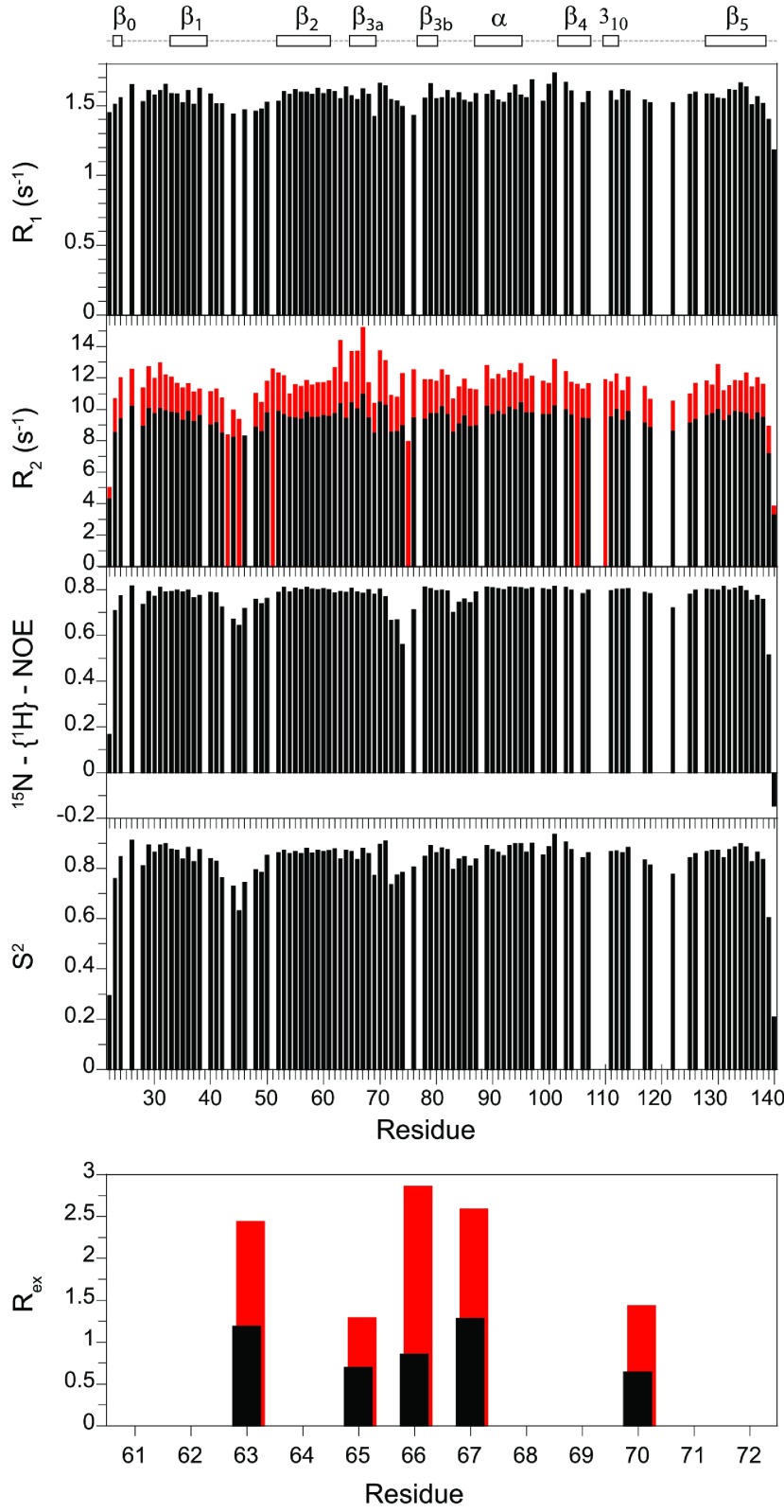
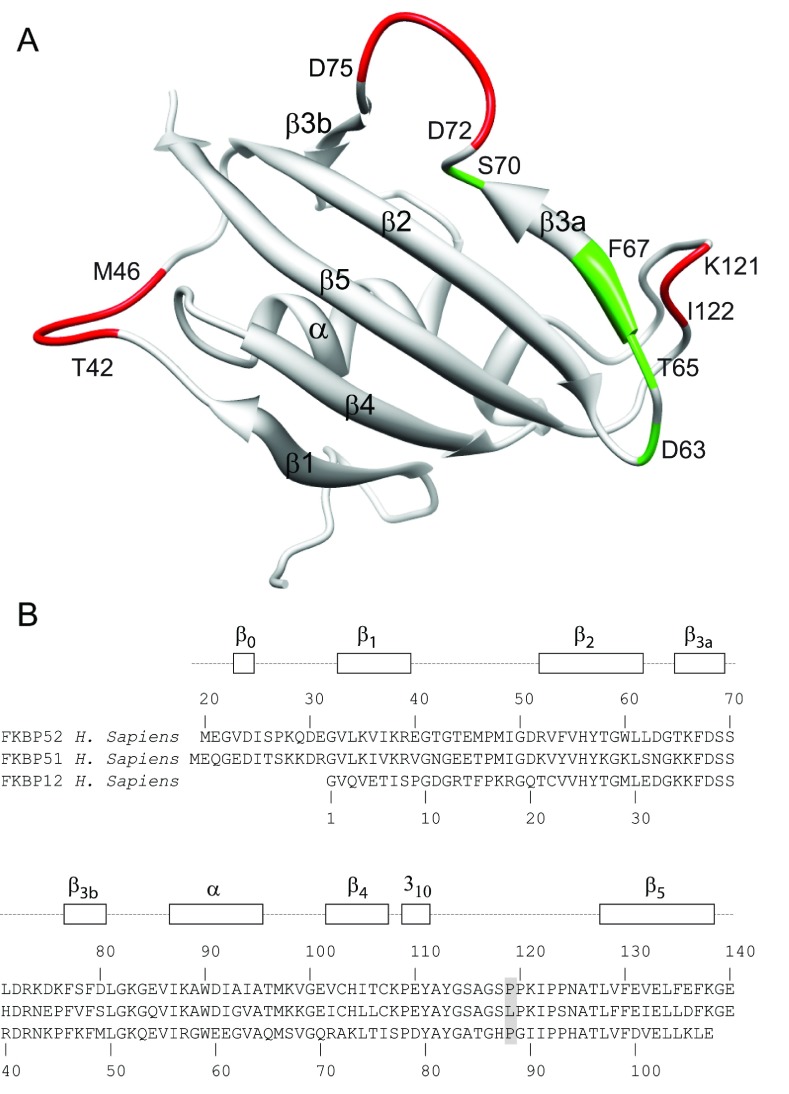
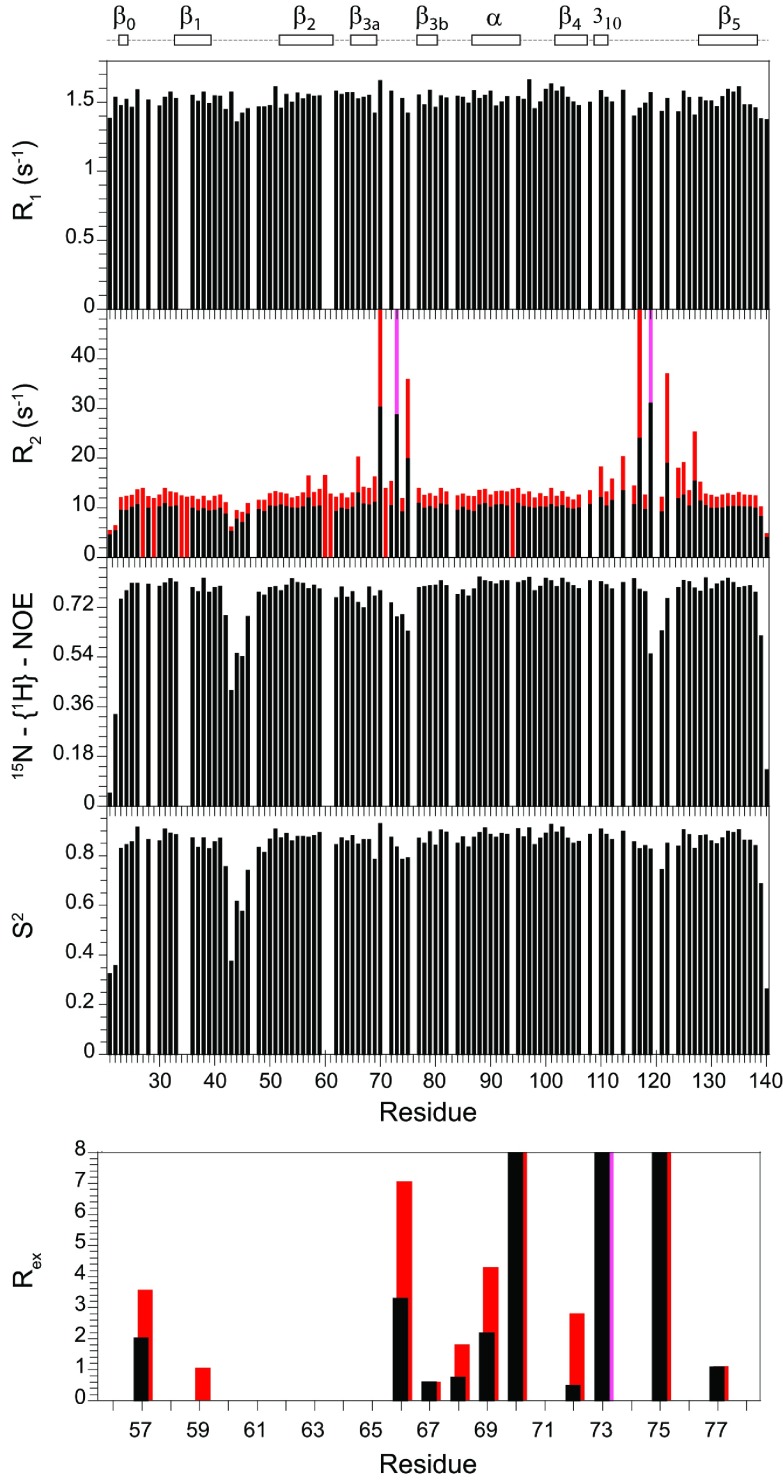
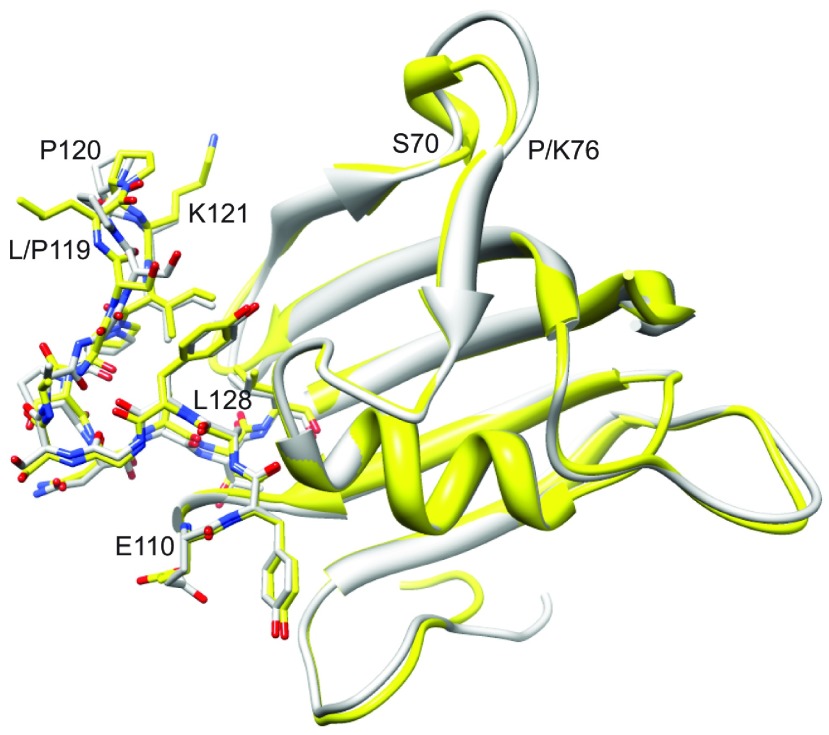
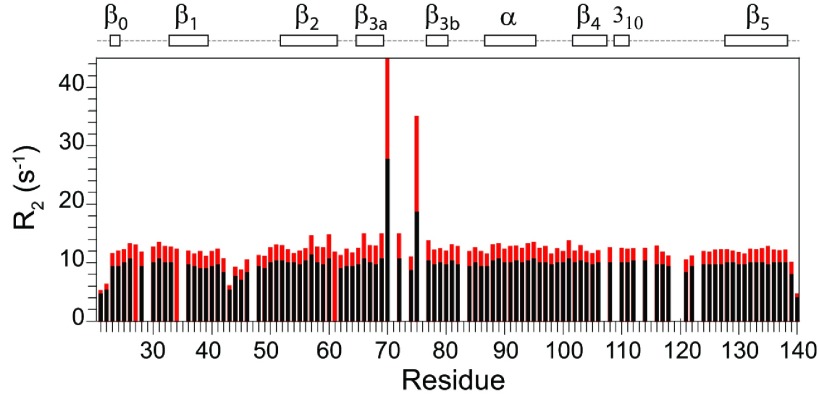
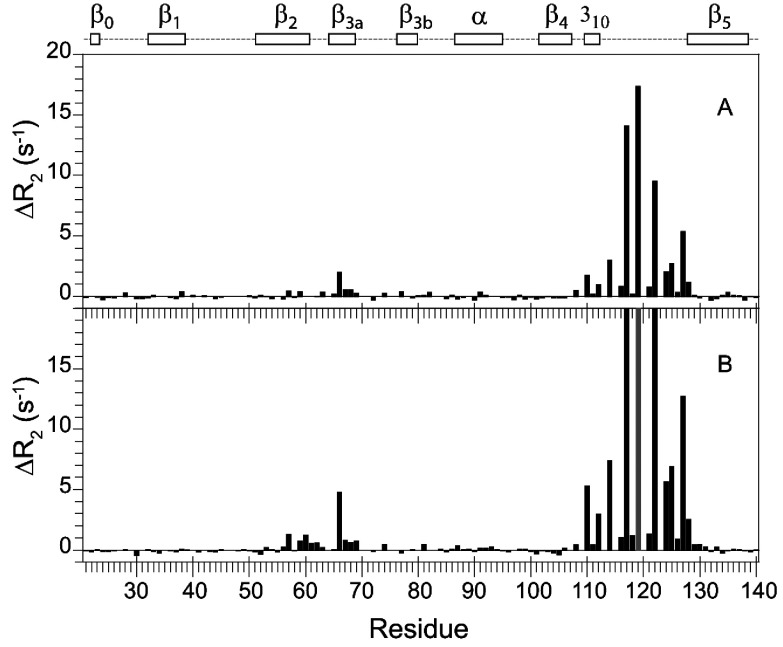
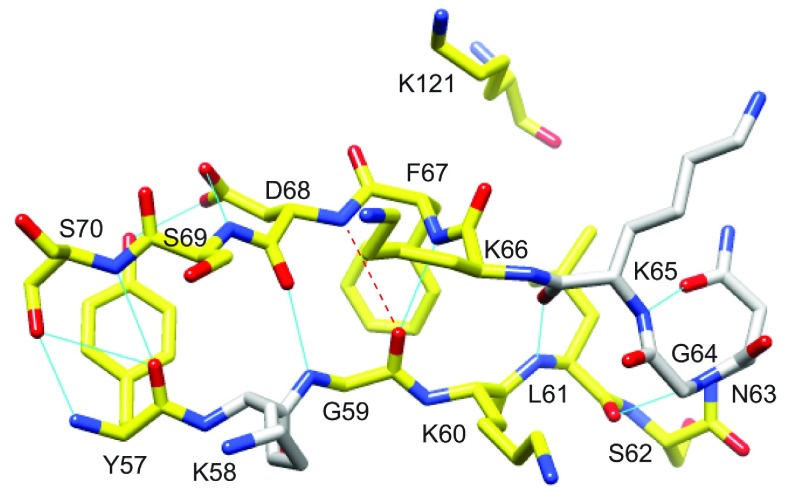
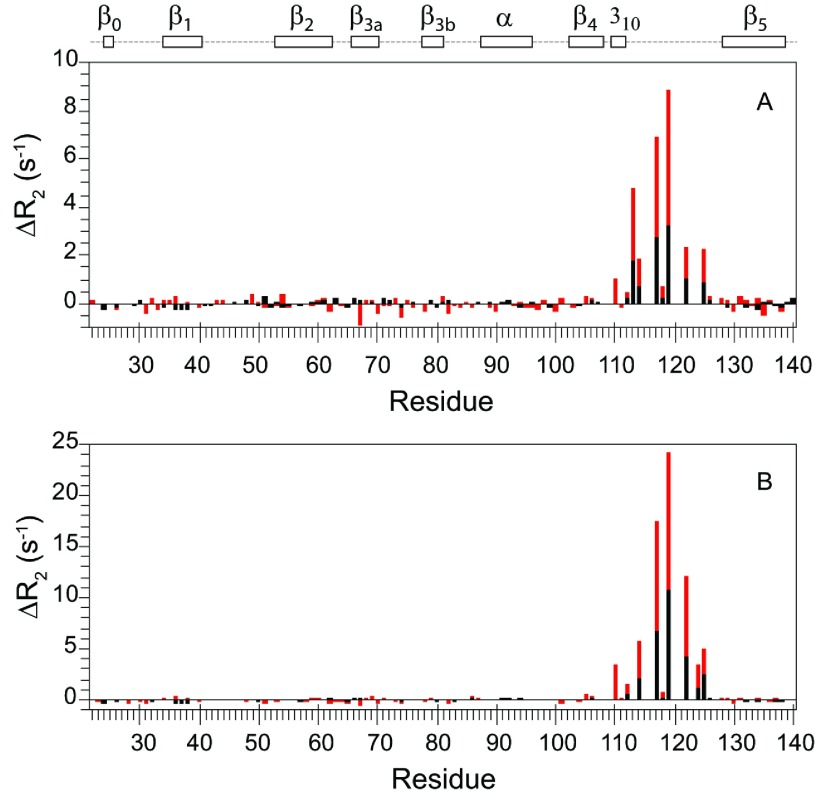
As co-chaperones of Hsp90 (heat-shock protein 90), FKBP51 (FK506-binding protein of 51 kDa) and FKBP52 (FK506-binding protein of 52 kDa) act as antagonists in regulating the hormone affinity and nuclear transport of steroid receptor complexes. Exchange of Leu119 in FKBP51 for Pro119 in FKBP52 has been shown to largely reverse the steroid receptor activities of FKBP51 and FKBP52. To examine whether differences in conformational dynamics/plasticity might correlate with changes in the reported receptor activities, 15N-NMR relaxation measurements were carried out on the N-terminal FKBP domains of FKBP51 and FKBP52 as well as their residue-swapped variants. Both proteins exhibit a similar pattern of motion in the picosecond–nanosecond timeframe as well as a small degree of 15N line-broadening, indicative of motion in the microsecond–millisecond timeframe, in the β3a strand of the central sheet. Only the FKBP51 domain exhibits much larger line-broadening in the adjacent β3 bulge (40′s loop of FKBP12) and throughout the long β4–β5 loop (80′s loop of FKBP12). The L119P mutation at the tip of the β4–β5 loop completely suppressed the line-broadening in this loop while partially suppressing the line-broadening in the neighbouring β2 and β3a strands. The complementary P119L and P119L/P124S variants of FKBP52 yielded similar patterns of line-broadening for the β4–β5 loop as that for FKBP51, although only 20% and 60% as intense respectively. However, despite the close structural similarity in the packing interactions between the β4–β5 loop and the β3a strand for FKBP51 and FKBP52, the line-broadening in the β3a strand is unaffected by the P119L or P119L/P124S mutations in FKBP52.
Overview
CoChat Summary
TL;DR
15N-NMR relaxation shows that the closely homologous FK1 domains of FKBP51 and FKBP52 differ markedly in microsecond–millisecond conformational dynamics despite similar structures. The β4–β5 loop and β3 bulge are dynamically active in FKBP51, and mutations at residues 119/124 partially transfer or suppress these motions in ways that parallel reported steroid receptor activities.
Key findings
- FKBP51 FK1 exhibits much larger conformational exchange line-broadening than FKBP52 in the β3 bulge and throughout the long β4–β5 loop; FKBP52 shows only small line-broadening in the β3a strand.
- The L119P mutation in FKBP51 completely suppressed β4–β5 loop line-broadening and partially suppressed line-broadening in the neighbouring β2 and β3a strands.
- In FKBP52, P119L and P119L/P124S produced β4–β5 loop line-broadening patterns similar to FKBP51 but only 20% and 60% as intense, respectively; the P119L/P124S double mutant increased line-broadening 3-fold relative to P119L.
- Unlike FKBP51, the β3a strand line-broadening in FKBP52 was unaffected by P119L or P119L/P124S, indicating differential dynamical coupling between the β4–β5 loop and β3a strand.
Methods
- 15N-NMR relaxation measurements were performed on the N-terminal FK1 domains of human FKBP51 and FKBP52 and variants at residues 119 and 124, expressed in *E. coli* with U-15N or U-13C,15N labelling.
- Samples were prepared at 1 mM for FKBP52 and 0.5 mM for FKBP51 in pH 6.5 buffer, and NMR data were collected at 600, 700, 800 and 900 MHz at 25°C.
- Backbone assignments used standard triple-resonance experiments; R1, R2 and heteronuclear NOE data were analysed with ModelFree 4.1, and differential R2 analysis used median normalization to compare wild-type and mutant proteins.
Limitations
- The paper states that when significant mobility is present in both picosecond–nanosecond and microsecond–millisecond regimes, the standard three relaxation experiments generally provide insufficient constraints to adequately characterize the dynamics.
- The paper states that near the fast exchange limit, the relative contributions of conformer populations, interchange rates and differential 15N chemical shifts cannot be reliably deconvoluted.
- Evident from the text: β4–β5 loop relaxation data are sparse because of four proline residues, and data are not reported for overlapped or severely broadened resonances; FKBP51 also showed weak aggregation at 1 mM, requiring dilution to 0.5 mM.
Model-written summary. Check it against the paper before relying on it.
Integrity signals
Registry
Cites
Statistics
Figures
Verification
Claims the paper makes
5 Valid · 1 Not valid · 27 Not checked · 59 Own results and interpretations
The cited sources support only part of this claim — read each source’s verdict below.
In the paper
“As co-chaperones of Hsp90 (heat-shock protein 90), FKBP51 (FK506-binding protein of 51 kDa) and FKBP52 (FK506-binding protein of 52 kDa) act as antagonists in regulating the hormone affinity and nuclear transport of steroid receptor complexes.”
- Also stated in: § INTRODUCTION · plain
“Although FKBP52 predominates in the steroid-bound receptor, the highly homologous FKBP51 is the predominant TPR co-chaperone in the unliganded state [5,6].”
§ Differential conformational dynamics in the closely homologous FK506-binding domains of FKBP51 and FKBP52 > Abstract
What the sources say
- Not checked yetcites [1] Tai P. K. Maeda Y. Nakao K. Wakim N. G. Duhring J. L. Faber L. E. A 59-kilodalton protein associated with progestin, estrogen, androgen and glucocorticoid receptors Biochemistry 1986 25 5269 5275 10.1021/bi00366a043 3768347 source
- Not checked yetcites [5] Sanchez E. R. HSP56: a novel heat shock protein associated with untransformed steroid receptor complexes J. Biol. Chem. 1990 265 22067 22070 2266108 source
- Not checked yetcites [6] Smith D. F. Faber L. E. Toft D. O. Purification of unactivated progesterone receptor and identification of novel receptor-associated proteins J. Biol. Chem. 1990 265 3996 4003 2303491 source
- Partly supportedcites [8] Wocknik G. M. Rüegg J. Abel G. A. Schmidt U. Holsboer F. Rein T. FK506-binding proteins 51 and 52 differentially regulate dynein interaction and nuclear translocation of the glucocorticoid receptor in mammalian cells J. Biol. Chem. 2005 280 4609 4616 10.1074/jbc.M407498200 15591061 sourceExperimental — accuracy not yet measured
Our copy supports the antagonism and both regulated dimensions, but only for the glucocorticoid receptor in mammalian cells: the abstract states FKBP52 'per se showed no effect but mitigated the inhibition of the receptor induced by FKBP51' and that 'nuclear translocation of the glucocorticoid receptor was delayed by FKBP51' (Abstract), and FKBP52-transfected cells were 'indistinguishable from the one in control vector-transfected cells' for translocation (FKBP51 Inhibits Nuclear Translocation of GR). The hormone-affinity arm is largely credited to other work rather than shown as a reciprocal FKBP51-vs-FKBP52 antagonism here: FKBP51's reduction of GR K d is 'as reported'/'observed by others (28)' (FKBP51 and FKBP52 Act Differentially on GR in Mammalian), and FKBP52's hormone-binding enhancement derives from yeast (27), with PPIase-deficient FKBP52 the only case inhibiting GR in mammals (DISCUSSION). The part not supported by this source is the generalisation to 'steroid receptor complexes': our copy reports only GR (the mineralocorticoid receptor appears in the Introduction solely as family context), and no data on androgen, progesterone or mineralocorticoid receptors. (LLM, conf=0.78)
- Supportedcites [9] Galigniana M. D. Erlejman A. G. Monte M. Gomez-Sanchez C. Piwien-Pilipuk G. The Hsp90–FKBP52 complex links the mineralocorticoid receptor to motor proteins and persists bound to the receptor in early nuclear events Mol. Cell. Biol. 2010 30 1285 1298 10.1128/MCB.01190-09 20038533 PMC2820887 source
Our copy treats the two immunophilins as functional antagonists on exactly the two axes the claim names: in 'TPR protein swapping' it states that FKBP52 and FKBP51 'compete not only for their binding to hsp90 but also for the functional consequences of that interaction,' with FKBP51 repressing GR, PR, MR and AR steroid-binding capacity (hormone affinity) and transcriptional activity while FKBP52 shows no effect or slight activation, and Fig. 2B demonstrates FKBP52 displacing FKBP51 from hsp90. The nuclear-transport half is supported in 'TPR protein balance affects the subcellular distribution of MR.' (FKBP51 overexpression promoted MR exclusion from nuclei; FKBP52 favours nuclear retention, and FKBP52 KO cells showed lower nuclear MR) plus the Discussion, where FKBP51 does not bind dynein and inhibits the mineralocorticoid response whereas FKBP52 links the receptor to dynein. One asymmetry worth noting: the source credits FKBP52 with no significant or only slight activating effect on steroid-binding capacity rather than a mirror-opposite potentiation, so the antagonism is stronger on the FKBP51 side. (LLM, conf=0.83)
plainstates a cause- Asserted: passes — The authors put it forward as true.
- Checkable: passes — It can be checked against evidence.
- Load-bearing: passes — The paper’s conclusions depend on it.
- Based: passes — The paper gives a reason why it holds.
- Also stated in: § INTRODUCTION · plain
Every source the paper cites for this claim was checked and supports it.
In the paper
“The three residues of the β3 bulge exhibiting the largest line-broadening effects (Ser70, Arg73 and Glu75) have R2 values that are closely similar to those observed in FKBP12 [35].”
§ Differential conformational dynamics in the closely homologous FK506-binding domains of FKBP51 and FKBP52 > RESULTS AND DISCUSSION > Backbone resonance assignment and 15N relaxation analysis of the FKBP51 FK1 domain
What the sources say
- Supportedcites [35] Mustafi S. M. Chen H. Li H. LeMaster D. M. Hernández G. Analysing the visible conformational substates of the FK506 binding protein FKBP12 Biochem. J. 2013 453 371 380 10.1042/BJ20130276 23688288 PMC3727217 source
The only element attributed to this source is the FKBP12 R2 benchmark ('those observed in FKBP12'); the β3-bulge residues Ser70/Arg73/Glu75 and the comparison itself are the citing authors' own data. Our copy of Mustafi et al. (2013) is precisely a report of 15N transverse relaxation rates for FKBP12: the 'Magnetic field-dependence of 15N NMR relaxation...' section states that for the fast-limit exchange regime the R2 increase scales with the square of the field for wild-type and C22V FKBP12, with the majority of residues yielding similar R2 values near 8 s⁻¹ at 600 MHz and 10 s⁻¹ at 800 MHz (25 °C, 1 mM), and Figure 6/Figure 9 give the per-residue R2 values, including the conformational-exchange-broadened residues (Ser39, Arg42, Lys44 in the 40′s loop; the 80′s loop and 50′s loop/α-helix). The β3 bulge of the citing protein and the equivalence of its three residues to FKBP12 sites are not addressed here, but that is not what the citation is offered for. (LLM, conf=0.85)
plain- Asserted: passes — The authors put it forward as true.
- Checkable: passes — It can be checked against evidence.
- Load-bearing: unclear — It is unclear whether the paper’s conclusions depend on it.
- Based: passes — The paper gives a reason why it holds.
- Supported
Every source the paper cites for this claim was checked and supports it.
In the paper
“Although FKBP12 also exhibits line-broadening conformational dynamics in the β4–β5 loop, that transition appears to be centred around the flip from a positive to a negative main-chain ϕ torsion angle at Gly89 [58].”
§ Differential conformational dynamics in the closely homologous FK506-binding domains of FKBP51 and FKBP52 > RESULTS AND DISCUSSION > Backbone resonance assignment and 15N relaxation analysis of the FKBP51 FK1 domain
What the sources say
- Supportedcites [58] Mustafi S. M. Brecher M. Zhang J. Li H. LeMaster D. M. Hernández G. Structural basis of conformational transitions in the active site and 80′s loop in the FK506-binding protein FKBP12 Biochem. J. 2014 458 525 536 10.1042/BJ20131429 24405377 PMC3940039 source
The Results and Discussion section identifies the line-broadening dynamics of FKBP12’s 80′s loop and proposes that they arise from a shift in Gly89’s φ torsion angle. It further states that Gly89 transiently adopts a negative φ angle from its positive-angle configuration. The Introduction locates this loop between the last two strands of the central β-sheet. Page numbers are not provided in our copy. (LLM, conf=0.93)
hedgedstates an association- Asserted: passes — The authors put it forward as true.
- Checkable: passes — It can be checked against evidence.
- Load-bearing: passes — The paper’s conclusions depend on it.
- Based: passes — The paper gives a reason why it holds.
- Supported
A result the paper reports from its own data — it cites no other source for it, so there is none to check. The quote shows it is in the paper.
In the paper
“The L119P mutation at the tip of the β4–β5 loop completely suppressed the line-broadening in this loop while partially suppressing the line-broadening in the neighbouring β2 and β3a strands.”
§ Differential conformational dynamics in the closely homologous FK506-binding domains of FKBP51 and FKBP52 > Abstract
plainstates a cause- Asserted: passes — The authors put it forward as true.
- Checkable: passes — It can be checked against evidence.
- Load-bearing: passes — The paper’s conclusions depend on it.
- Based: passes — The paper gives a reason why it holds.
A result the paper reports from its own data — it cites no other source for it, so there is none to check. The quote shows it is in the paper.
In the paper
“Both proteins exhibit a similar pattern of motion in the picosecond–nanosecond timeframe as well as a small degree of 15N line-broadening, indicative of motion in the microsecond–millisecond timeframe, in the β3a strand of the central sheet.”
§ Differential conformational dynamics in the closely homologous FK506-binding domains of FKBP51 and FKBP52 > Abstract
plain- Asserted: passes — The authors put it forward as true.
- Checkable: passes — It can be checked against evidence.
- Load-bearing: passes — The paper’s conclusions depend on it.
- Based: passes — The paper gives a reason why it holds.
56 more claims
Create a free account to see all 92 claims and to verify the 50 references still open.
- It may state two separate claims as one. 27
- Probably not a substantial claim. 9
Claims other papers make about this one
Each is checked against this paper’s own text: does it say what the citing paper says it does?
The cited source says what the claim attributes to it.
In the citing paper
“Proline 119 on FKBP52 was found to decrease dynamics of the proline-rich loop (80s loop, β4–β5 loop) by nuclear magnetic resonance, relative to leucine 119 on FKBP51 (ref. 64).”
From Cryo-EM reveals how Hsp90 and FKBP immunophilins co-regulate the glucocorticoid receptor (2023) · cites this paper as [64]
Citations
Cites
Lipari, G., & Szabo, A. (1982) · Journal of the American Chemical Society · doi:10.1021/ja00381a009 · Cited by 3,777
Protein backbone angle restraints from searching a database for chemical shift and sequence homology
Cornilescu, G., Delaglio, F., & Bax, A. (1999) · Journal of Biomolecular NMR · doi:10.1023/a:1008392405740 · Cited by 2,957 · cited 1×
“As the changes in 15 N chemical shifts that underlie the resonance line-broadening process are primarily dependent on the backbone torsion angles [60], the substantially elevated R 2 values from Glu 110 to Leu 128 across the entire β 4 – β 5 loop as well as into the β 3a strand suggest an…”
Model-free approach to the interpretation of nuclear magnetic resonance relaxation in macromolecules
Lipari, G. (1982) · Journal of the American Chemical Society · Cited by 2,525
Atomic Structures of the Human Immunophilin FKBP-12 Complexes with FK506 and Rapamycin
Van Duyne, G. D., Standaert, R. F., Karplus, P. A., Schreiber, S. L., & Clardy, J. (1993) · Journal of Molecular Biology · doi:10.1006/jmbi.1993.1012 · Cited by 1,189
Clore, G. M., Szabo, A., Bax, A., Kay, L. E., Driscoll, P. C., & Gronenborn, A. M. (1990) · Journal of the American Chemical Society · doi:10.1021/ja00168a070 · Cited by 1,046
Binder, E. B., Salyakina, D., Lichtner, P., Wochnik, G. M., Ising, M., Pütz, B., Papiol, S., Seaman, S., Lucae, S., Kohli, M. A., et al. (2004) · Nature Genetics · doi:10.1038/ng1479 · Cited by 977
Palmer, A. G., Kroenke, C. D., & Patrick Loria, J. (2001) · Methods in Enzymology · doi:10.1016/s0076-6879(01)39315-1 · Cited by 938
Gradient-Enhanced Triple-Resonance Three-Dimensional NMR Experiments with Improved Sensitivity
Muhandiram, D. R., & Kay, L. E. (1994) · Journal of Magnetic Resonance, Series B · doi:10.1006/jmrb.1994.1032 · Cited by 892
FKBP51 Affects Cancer Cell Response to Chemotherapy by Negatively Regulating Akt
Pei, H., Li, L., Fridley, B. L., Jenkins, G. D., Kalari, K. R., Lingle, W., Petersen, G., Lou, Z., & Wang, L. (2009) · Cancer Cell · doi:10.1016/j.ccr.2009.07.016 · Cited by 709 · cited 1×
“FKBP51 and FKBP52 are also believed to help to regulate the protein kinase Akt/PKB (protein kinase B) [20] and the transcription factor NF-κ B (nuclear factor κ B) [21–23].”
Wochnik, G. M., Rüegg, J., Abel, G. A., Schmidt, U., Holsboer, F., & Rein, T. (2005) · Journal of Biological Chemistry · doi:10.1074/jbc.m407498200 · Cited by 638
β-Sheet topology and the relatedness of proteins
Richardson, J. S. (1977) · Nature · doi:10.1038/268495a0 · Cited by 552 · cited 1×
“As noted in the early crystal structures of FKBP12 [45], such a topology is rarely observed in antiparallel β -sheets [46].”
Yamazaki, T., Lee, W., Arrowsmith, C. H., Muhandiram, D. R., & Kay, L. E. (1994) · Journal of the American Chemical Society · doi:10.1021/ja00105a005 · Cited by 499
A New First Step in Activation of Steroid Receptors
Davies, T. H., Ning, Y.-M., & Sánchez, E. R. (2002) · Journal of Biological Chemistry · doi:10.1074/jbc.c100531200 · Cited by 427
Enhanced-Sensitivity Triple-Resonance Spectroscopy with Minimal H2O Saturation
Kay, L. E., Xu, G. Y., & Yamazaki, T. (1994) · Journal of Magnetic Resonance, Series A · doi:10.1006/jmra.1994.1145 · Cited by 396
Schubert, M., Labudde, D., Oschkinat, H., & Schmieder, P. (2002) · Journal of Biomolecular NMR · doi:10.1023/a:1020997118364 · Cited by 351
Montelione, G. T., Lyons, B. A., Emerson, S. D., & Tashiro, M. (1992) · Journal of the American Chemical Society · doi:10.1021/ja00053a051 · Cited by 316
A 59-kilodalton protein associated with progestin, estrogen, androgen and glucocorticoid receptors
Tai, P. K. K., Maeda, Y., Nakao, K., Wakim, N. G., Duhring, J. L., & Faber, L. E. (1986) · Biochemistry · doi:10.1021/bi00366a043 · Cited by 257 · cited 1×
“FKBP52 (FK506-binding protein of 52 kDa) is a high-molecular-mass member of the FKBP family that was first characterized as a co-chaperone of Hsp90 (heat-shock protein 90) in the activated progesterone, androgen and glucocorticoid receptor complexes [1].”
Smith, D. F., Faber, L. E., & Toft, D. O. (1990) · Journal of Biological Chemistry · doi:10.1016/s0021-9258(19)39693-0 · Cited by 221
HSP56: a novel heat shock protein associated with untransformed steroid receptor complexes
Sanchez, E. R. (1990) · Journal of Biological Chemistry · doi:10.1016/s0021-9258(18)45667-0 · Cited by 214 · cited 1×
“Although FKBP52 predominates in the steroid-bound receptor, the highly homologous FKBP51 is the predominant TPR co-chaperone in the unliganded state [5,6].”
The Hsp90 cochaperone, FKBP51, increases Tau stability and polymerizes microtubules
Jinwal, U. K., Koren, J., Borysov, S. I., Schmid, A. B., Abisambra, J. F., Blair, L. J., Johnson, A. G., Jones, J. R., Shults, C. L., O'Leary, J. C., et al. (2010) · The Journal of Neuroscience · doi:10.1523/jneurosci.4815-09.2010 · Cited by 214
Measurement of 15N relaxation rates in perdeuterated proteins by TROSY-based methods
Lakomek, N.-A., Ying, J., & Bax, A. (2012) · Journal of Biomolecular NMR · doi:10.1007/s10858-012-9626-5 · Cited by 213
Dynamics of Ribonuclease H: Temperature Dependence of Motions on Multiple Time Scales
Mandel, A. M., Akke, M., & Palmer, A. G. (1996) · Biochemistry · doi:10.1021/bi962089k · Cited by 180 · cited 1×
“Felix software (http://www.felixnmr.com) was used for NMR data processing and Modelfree 4.1 software [42] was used for the NMR relaxation analysis.”
InfluentialInfluence of the Distance of the Proline Carbonyl from the β and γ Carbon on the 13C Chemical Shifts
Siemion, I. Z., Wieland, T., & Pook, K. (1975) · Angewandte Chemie International Edition in English · doi:10.1002/anie.197507021 · Cited by 176
Smith, D. F., & Toft, D. O. (2008) · Molecular Endocrinology · doi:10.1210/me.2008-0089 · Cited by 173
Wu, B., Li, P., Liu, Y., Lou, Z., Ding, Y., Shu, C., Ye, S., Bartlam, M., Shen, B., & Rao, Z. (2004) · Proceedings of the National Academy of Sciences · doi:10.1073/pnas.0305969101 · Cited by 165 · cited 1×
“Among the four crystal forms solved to date, two (PDB codes 1N1A [50] and 4LAV [33]) have a cis -proline residue, whereas the other two (PDB codes 1Q1C [51] and 4LAW [33]) have a trans -proline peptide bond.”
Ni, L., Yang, C.-S., Gioeli, D., Frierson, H., Toft, D. O., & Paschal, B. M. (2010) · Molecular and Cellular Biology · doi:10.1128/mcb.01891-08 · Cited by 155
Galigniana, M. D., Erlejman, A. G., Monte, M., Gomez-Sanchez, C., & Piwien-Pilipuk, G. (2010) · Molecular and Cellular Biology · doi:10.1128/mcb.01190-09 · Cited by 152 · cited 1×
“FKBP52 substitution increases the hormone-binding affinity of the receptor complex and enhances binding to the dynactin transport machinery, thereby facilitating transport of the receptor from the cytosol to the nucleus [8,9].”
Rapamycin stimulates apoptosis of childhood acute lymphoblastic leukemia cells
Avellino, R., Romano, S., Parasole, R., Bisogni, R., Lamberti, A., Poggi, V., Venuta, S., & Romano, M. F. (2005) · Blood · doi:10.1182/blood-2005-03-0929 · Cited by 151 · cited 1×
“FKBP51 and FKBP52 are also believed to help to regulate the protein kinase Akt/PKB (protein kinase B) [20] and the transcription factor NF-κ B (nuclear factor κ B) [21–23].”
Riggs, D. L., Cox, M. B., Tardif, H. L., Hessling, M., Buchner, J., & Smith, D. F. (2007) · Molecular and Cellular Biology · doi:10.1128/mcb.00985-07 · Cited by 150 · cited 5×
“Using a yeast heterologous expression system for the human androgen receptor, Riggs et al. [17] demonstrated that a L119P mutation in the first FKBP domain (FK1) of human FKBP51 yielded a 3.5-fold increase in reporter gene expression.”
InfluentialRefined structure of the FKBP12–rapamycin–FRB ternary complex at 2.2 Å resolution
Liang, J., Choi, J., & Clardy, J. (1999) · Acta Crystallographica Section D Biological Crystallography · doi:10.1107/s0907444998014747 · Cited by 148
Large FK506-binding proteins shape the pharmacology of rapamycin
März, A. M., Fabian, A.-K., Kozany, C., Bracher, A., & Hausch, F. (2013) · Molecular and Cellular Biology · doi:10.1128/mcb.00678-12 · Cited by 141 · cited 1×
“…the more severely attenuated resonances, the residues in which the R 2 value is > 18 s − 1 for both wild-type and the L119P variant were excluded (Ser 70 , Arg 73 and Glu 75 ). with the FRB (FKBP12–rapamycin-binding) domain, the β 3 bulge contributes a larger proportion of these interactions [32].”
A role for FKBP52 in tau protein function
Chambraud, B., Sardin, E., Giustiniani, J., Dounane, O., Schumacher, M., Goedert, M., & Baulieu, E.-E. (2010) · Proceedings of the National Academy of Sciences · doi:10.1073/pnas.0914957107 · Cited by 140
Role of FK506-binding protein 51 in the control of apoptosis of irradiated melanoma cells
Romano, S., D'Angelillo, A., Pacelli, R., Staibano, S., Luna, E. D., Bisogni, R., Eskelinen, E., Mascolo, M., Calì, G., Arra, C., et al. (2009) · Cell Death and Differentiation · doi:10.1038/cdd.2009.115 · Cited by 138
De Leon, J. T., Iwai, A., Feau, C., Garcia, Y., Balsiger, H. A., Storer, C. L., Suro, R. M., Garza, K. M., Lee, S., Sang Kim, Y., et al. (2011) · Proceedings of the National Academy of Sciences · doi:10.1073/pnas.1105160108 · Cited by 132
Periyasamy, S., Hinds, T., Shemshedini, L., Shou, W., & Sanchez, E. R. (2010) · Oncogene · doi:10.1038/onc.2009.458 · Cited by 108
Androgen mediated regulation and functional implications of FKBP51 expression in prostate cancer
FEBBO, P. G., LOWENBERG, M., THORNER, A. R., BROWN, M., LODA, M., & GOLUB, T. R. (2005) · Journal of Urology · doi:10.1097/01.ju.0000155845.44729.ba · Cited by 99 · cited 1×
“…FKBP52-bound androgen receptors differ from that observed for the glucocorticoid and progesterone receptors such that a positive-feedback expression process can arise under pathological conditions which appears to often substantially contribute to the metastatic phase of prostate cancer [10–12].”
The prospect of FKBP51 as a drug target
Schmidt, M. V., Paez‐Pereda, M., Holsboer, F., & Hausch, F. (2012) · ChemMedChem · doi:10.1002/cmdc.201200137 · Cited by 99 · cited 2×
“Despite considerable effort, it has not yet been possible to reconstitute the effects of FKBP51 or FKBP52 in a biochemically definedreconstitutedsteroidhormonereceptorsystem[2,13].”
Fluorescent Probes to Characterise FK506‐Binding Proteins
Kozany, C., März, A., Kress, C., & Hausch, F. (2009) · ChemBioChem · doi:10.1002/cbic.200800806 · Cited by 91
Galigniana, N. M., Ballmer, L. T., Toneatto, J., Erlejman, A. G., Lagadari, M., & Galigniana, M. D. (2012) · Journal of Neurochemistry · doi:10.1111/j.1471-4159.2012.07775.x · Cited by 77 · cited 1×
“Single nucleotide polymorphisms in the FKBP5 gene strongly correlate with recurrence of depressive episodes, the rate of antidepressant response and psychological stress disorders [24,25].”
Hinz, M., Broemer, M., Arslan, S. Ç., Otto, A., Mueller, E.-C., Dettmer, R., & Scheidereit, C. (2007) · Journal of Biological Chemistry · doi:10.1074/jbc.m705785200 · Cited by 76
Targeting FKBP isoforms with small-molecule ligands
Blackburn, E. A., & Walkinshaw, M. D. (2011) · Current Opinion in Pharmacology · doi:10.1016/j.coph.2011.04.007 · Cited by 73 · cited 1×
“Befitting the marked structural conservation between these two proteins [28–33], particularly in the catalytic active-site region, FK506-based drug design has so far failed to yield appreciable selectivity [30,31,34].”
Evaluation of synthetic FK506 analogues as ligands for the FK506-binding proteins 51 and 52
Gopalakrishnan, R., Kozany, C., Gaali, S., Kress, C., Hoogeland, B., Bracher, A., & Hausch, F. (2012) · Journal of Medicinal Chemistry · doi:10.1021/jm201746x · Cited by 64 · cited 1×
“Befitting the marked structural conservation between these two proteins [28–33], particularly in the catalytic active-site region, FK506-based drug design has so far failed to yield appreciable selectivity [30,31,34].”
Structural characterization of the PPIase domain of FKBP51, a cochaperone of human Hsp90
Bracher, A., Kozany, C., Thost, A.-K., & Hausch, F. (2011) · Acta Crystallographica Section D Biological Crystallography · doi:10.1107/s0907444911013862 · Cited by 62 · cited 2×
“TheFKBP51X-raystructurefromPDBcode3O5P[28]isillustratedinyellow,whereasmoleculeAfromPDBcode4LAV[33]forFKBP52isshowningrey.”
Increasing the efficiency of ligands for FK506-binding protein 51 by conformational control
Wang, Y., Kirschner, A., Fabian, A.-K., Gopalakrishnan, R., Kress, C., Hoogeland, B., Koch, U., Kozany, C., Bracher, A., & Hausch, F. (2013) · Journal of Medicinal Chemistry · doi:10.1021/jm400087k · Cited by 60
Brath, U., Akke, M., Yang, D., Kay, L. E., & Mulder, F. A. A. (2006) · Journal of the American Chemical Society · doi:10.1021/ja0570279 · Cited by 57
Exploration of pipecolate sulfonamides as binders of the FK506-binding proteins 51 and 52
Gopalakrishnan, R., Kozany, C., Wang, Y., Schneider, S., Hoogeland, B., Bracher, A., & Hausch, F. (2012) · Journal of Medicinal Chemistry · doi:10.1021/jm201747c · Cited by 52 · cited 1×
“Befitting the marked structural conservation between these two proteins [28–33], particularly in the catalytic active-site region, FK506-based drug design has so far failed to yield appreciable selectivity [30,31,34].”
Bracher, A., Kozany, C., Hähle, A., Wild, P., Zacharias, M., & Hausch, F. (2013) · Journal of Molecular Biology · doi:10.1016/j.jmb.2013.07.041 · Cited by 45
Cortisol resistance in the New World revisited
Fuller, P. J., Smith, B. J., & Rogerson, F. M. (2004) · Trends in Endocrinology and Metabolism · doi:10.1016/j.tem.2004.07.001 · Cited by 44 · cited 1×
“Specific binding interactions between FKBP51/FKBP52 and the steroid receptor proteins have been proposed, including the BF-3 (binding function 3) regulatory site [14] and the H1–H3 loop [15] of the ligand-binding domain, although a direct binding interaction has not been demonstrated [16].”
Three-Dimensional Structure of the Immunophilin-like Domain of FKBP59 in Solution,
Craescu, C. T., Rouvière, N., Popescu, A., Cerpolini, E., Lebeau, M.-C., Baulieu, E.-E., & Mispelter, J. (1996) · Biochemistry · doi:10.1021/bi960975p · Cited by 42
Brath, U., & Akke, M. (2009) · Journal of Molecular Biology · doi:10.1016/j.jmb.2009.01.047 · Cited by 36
Structure of the N-terminal domain of human FKBP52
Li, P., Ding, Y., Wu, B., Shu, C., Shen, B., & Rao, Z. (2003) · Acta Crystallographica Section D Biological Crystallography · doi:10.1107/s0907444902017523 · Cited by 32
Multi-timescale dynamics study of FKBP12 along the rapamycin–mTOR binding coordinate
Sapienza, P. J., Mauldin, R. V., & Lee, A. L. (2011) · Journal of Molecular Biology · doi:10.1016/j.jmb.2010.10.037 · Cited by 32 · cited 1×
“This implies that the conformational transition rate(s) is substantially higher than the strength of the spinlock field used in the R 1 ρ experiments (1245 Hz at 600 MHz and 1085 Hz at 900 MHz), approaching the fast exchange limit as reported previously for FKBP12 [55–57].”
Polarization and polarizability assessed by protein amide acidity
Hernández, G., Anderson, J. S., & LeMaster, D. M. (2009) · Biochemistry · doi:10.1021/bi900526z · Cited by 31
Self-citationHormone Binding and Co-regulator Binding to the Glucocorticoid Receptor are Allosterically Coupled
Pfaff, S. J., & Fletterick, R. J. (2010) · Journal of Biological Chemistry · doi:10.1074/jbc.m110.108118 · Cited by 29 · cited 1×
“…ligand-bound states demonstrate that the conformational transitions of the LBD (ligand-binding domain) that are induced by binding steroid antagonists generally differ from those induced by steroid agonists, and these distinct conformations can differentially interact with co-regulators [3].”
The helix 1–3 loop in the glucocorticoid receptor LBD is a regulatory element for FKBP cochaperones
Cluning, C., Ward, B. K., Rea, S. L., Arulpragasam, A., Fuller, P. J., & Ratajczak, T. (2013) · Molecular Endocrinology · doi:10.1210/me.2012-1023 · Cited by 26
Schultz, L. W., Martin, P. K., Liang, J., Schreiber, S. L., & Clardy, J. (2013) · Worldwide Protein Data Bank · doi:10.2210/pdb4nnr/pdb · Cited by 25 · cited 1×
“In the structurally related FKBP13, this loop crossing is stabilized by a disulfide bridge linking the two loops [47].”
A ligand-specific kinetic switch regulates glucocorticoid receptor trafficking and function
Trebble, P., Woolven, J. M., Saunders, K. A., Simpson, K. D., Farrow, S. N., Matthews, L. C., & Ray, D. W. (2013) · Journal of Cell Science · doi:10.1242/jcs.124784 · Cited by 25
Schultz, L. W., Martin, P. K., Liang, J., Schreiber, S. L., & Clardy, J. (1994) · Journal of the American Chemical Society · doi:10.1021/ja00086a055 · Cited by 25
Analysing the visible conformational substates of the FK506 binding protein FKBP12
Mustafi, S. M., Chen, H., Li, H., LeMaster, D. M., & Hernández, G. (2013) · Biochemical Journal · doi:10.1042/bj20130276 · Cited by 19
Self-citationMustafi, S. M., Brecher, M., Zhang, J., Li, H., Lemaster, D. M., & Hernández, G. (2014) · Biochemical Journal · doi:10.1042/bj20131429 · Cited by 15
Self-citationMinematsu, T., Lee, J., Zha, J., Moy, S., Kowalski, D., Hori, K., Ishibashi, K., Usui, T., & Kamimura, H. (2010) · Drug Metabolism and Disposition · doi:10.1124/dmd.109.029280 · Cited by 9
Rouvière‐Fourmy, N., Craescu, C. T., Mispelter, J., Lebeau, M., & Baulieu, E. (1995) · European Journal of Biochemistry · doi:10.1111/j.1432-1033.1995.0761d.x · Cited by 7
Cited by
Schatz, F., Guzeloglu-Kayisli, O., Arlier, S., Kayisli, U. A., & Lockwood, C. J. (2016) · Human Reproduction Update · doi:10.1093/humupd/dmw004 · Cited by 243
“Two members, FKBP51 and FKBP52, share 70% similarity and contain an active peptidyl-prolyl-isomerase domain as well as a tetracopeptide repeat domain that binds to the C-terminus of Hsp90 (Erlejman et al., 2014; Mustafi et al., 2014).”
BackgroundHähle, A., Merz, S., Meyners, C., & Hausch, F. (2019) · Biomolecules · doi:10.3390/biom9010035 · Cited by 119
Cryo-EM reveals how Hsp90 and FKBP immunophilins co-regulate the glucocorticoid receptor
Noddings, C. M., Johnson, J. L., & Agard, D. A. (2023) · Nature Structural & Molecular Biology · doi:10.1038/s41594-023-01128-y · Cited by 75
FKBP51 modulates steroid sensitivity and NFκB signalling: A novel anti‐inflammatory drug target
Kästle, M., Kistler, B., Lamla, T., Bretschneider, T., Lamb, D., Nicklin, P., & Wyatt, D. (2018) · European Journal of Immunology · doi:10.1002/eji.201847699 · Cited by 61
Structure–Affinity Relationship Analysis of Selective FKBP51 Ligands
Feng, X., Sippel, C., Bracher, A., & Hausch, F. (2015) · Journal of Medicinal Chemistry · doi:10.1021/acs.jmedchem.5b00785 · Cited by 39
Metadata
- Authors
- Mustafi, S. M., LeMaster, D. M., & Hernández, G.
- Affiliations
- New York State Department of Health (US)
- Corresponding author
- Hernández, Griselda
- Venue
- Biochemical Journal
- Publisher
- Portland Press Ltd.
- Published
- 2014-06-13
- Volume
- 461
- Issue
- 1
- Pages
- 115-123
- ISSN
- 0264-6021 (ISSN-L)
- 1470-8728
- PMC
- PMC4060953
- OpenAlex
- W2070135824
- Semantic Scholar
- f1db9819f180859fa9724729ce7daa390cf1fe7b
- Cited by
- 25
- References
- 62
- Citations by year
- 2025: 1 · 2023: 3 · 2022: 2 · 2021: 2 · 2020: 3 · 2019: 2 · 2018: 2 · 2017: 1 · 2016: 4 · 2015: 3 · 2014: 2
- FWCI
- 1.64
- Type
- journal article
- Language
- en
- Open access
- hybrid
- doi.org
- Locations
- Biochemical Journal (publishedVersion, cc-by)
- PubMed Central (publishedVersion, cc-by)
- PubMed (publishedVersion)
- Funders
- National Institutes of Health
- National Institute of General Medical Sciences (R01GM088214, GM 088214)
- Topics
- Life Sciences › Biochemistry, Genetics and Molecular Biology › Molecular Biology › Protein Structure and Dynamics
- Life Sciences › Biochemistry, Genetics and Molecular Biology › Molecular Biology › Heat shock proteins research
- Life Sciences › Biochemistry, Genetics and Molecular Biology › Molecular Biology › Signaling Pathways in Disease
- Keywords
- FKBP51, FKBP52, conformational dynamics, Hsp90 co-chaperone, protein plasticity
- MeSH terms
- Tacrolimus Binding Protein 5, Amino Acid Sequence, Binding Sites, Humans, Molecular Sequence Data, Protein Structure, Tertiary, Tacrolimus Binding Proteins, Structural Homology, Protein, Molecular Dynamics Simulation
About these checks
Registry, retraction, Cites and statistics results are computed, not judged, with one exception: a printed reference that no index lists is read once by a model before it counts as a citation error. Claims are extracted by a model and kept only when their quote appears verbatim in the text; each cited source is then checked, with a model’s help, for whether it says what the claim relies on. Those verdicts can be wrong — read the claim’s quote and the cited source before relying on one.
The claim verdicts this report counts are experimental: their accuracy is not yet measured.
A language model drew the claims from the paper on 2026-10-10, under version 3 of the claim definition (model deepseek-v4.1-flash, prompt extract-v3).
A second model labelled each claim on 2026-10-10 (model jev-1.13-20260917, definition revision gold-guideline-v0.2).
Cited sources are checked with a language model’s help (qwen3.8-omni-flash and gpt-6-sol).
Statistics and arithmetic are recomputed, not judged.
Confidence bands are shown only for fields calibrated on our annotated test set. None is calibrated yet, so no band is shown.
What counts as a claim ›How we measure confidence ›How we check this ›
Are you an author, or do you see a problem with this page? Request a review
Data sources
Bibliographic data: Semantic Scholar, OpenAlex, Crossref.
Contains information from the Semantic Scholar Academic Graph Datasets, made available under the ODC Attribution License (ODC-BY 1.0).
Semantic Scholar’s data is described in: Kinney, R., et al. (2023). The Semantic Scholar Open Data Platform. arXiv:2301.10140.
