

Extraterrestrial ribose and other sugars in primitive meteorites
Open accessThe DOI matches its Crossref record; 38 of the 38 references it cites were found in a registry or an index.
Abstract
Significance: Ribose is an essential sugar for present life as a building block of RNA, which could have both stored information and catalyzed reactions in primitive life on Earth. Meteorites contain a number of organic compounds including components of proteins and nucleic acids. Among the constituent molecular classes of proteins and nucleic acids (i.e., amino acids, nucleobases, phosphate, and ribose/deoxyribose), the presence of ribose and deoxyribose in space remains unclear. Here we provide evidence of extraterrestrial ribose and other bioessential sugars in primitive meteorites. Meteorites were carriers of prebiotic organic molecules to the early Earth; thus, the detection of extraterrestrial sugars in meteorites implies the possibility that extraterrestrial sugars may have contributed to forming functional biopolymers like RNA.
Overview
The claims and statistics of this paper haven’t been checked yet.
Free: it reads the open-access text and checks the first 5 claims that cite a source we can check. Create a free account to check every claim.
Integrity signals
Registry
Cites
Statistics
Figures
Verification
Claims the paper makes
The claims and statistics of this paper haven’t been checked yet.
Free: it reads the open-access text and checks the first 5 claims that cite a source we can check. Create a free account to check every claim.
Claims other papers make about this one
Each is checked against this paper’s own text: does it say what the citing paper says it does?
The cited source says what the claim attributes to it.
In the citing paper
“Analysis of its soluble organic matter extracts has revealed [83,84] a vast chemical inventory but no detectable nucleosides or derivatives thereof (both sugars [85] and nucleobases [86], however, have been detected).”
From Prebiotic Reaction Networks in Water (2020) · cites this paper as [85]
Self-check
Percentages, sums and reported differences re-computed from the paper’s own numbers.
The self-check needs the paper’s full text.
Citations
Cites
RNA evolution and the origins of life
Joyce, G. F. (1989) · Nature · doi:10.1038/338217a0 · Cited by 658 · cited 6×
“The absence of deoxyribose as well as the presence of ribose in the natural geological routes further implies much more availability of ribose than deoxyribose on the prebiotic Earth.”
InfluentialAlexander, C. M. O., Fogel, M., Yabuta, H., & Cody, G. D. (2007) · Geochimica et Cosmochimica Acta · doi:10.1016/j.gca.2007.06.052 · Cited by 637 · cited 1×
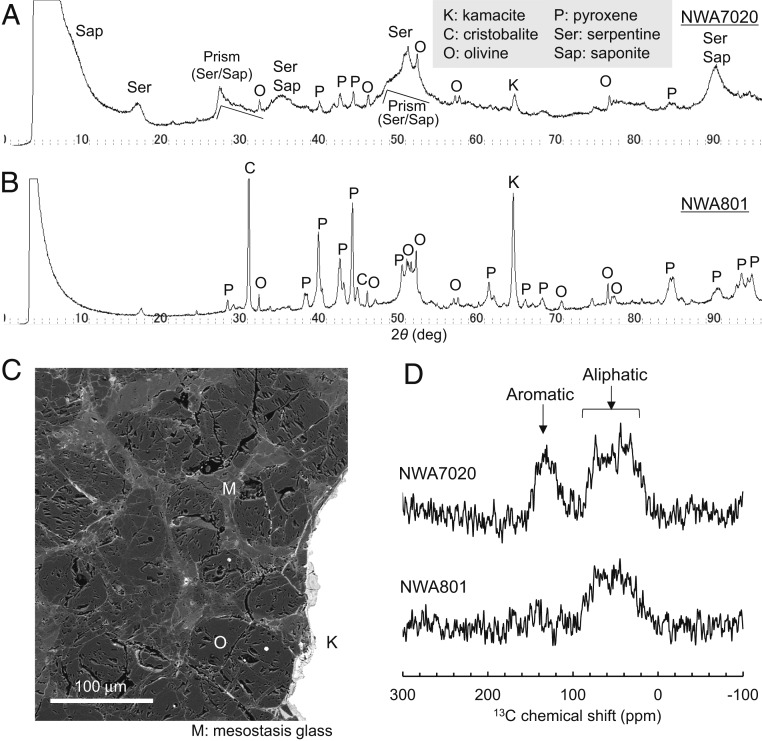
“The δ(13)C values of IOM in these 3 meteorites are comparable to those of typical carbonaceous meteorites (25) (Table 1).”
Carbonaceous Meteorites Contain a Wide Range of Extraterrestrial Nucleobases
Callahan, M. P., Smith, K. E., Cleaves, H. J., Ruzicka, J., Stern, J. C., Glavin, D. P., House, C. H., & Dworkin, J. P. (2011) · Proceedings of the National Academy of Sciences · doi:10.1073/pnas.1106493108 · Cited by 590 · cited 2×
“We also analyzed the carbon isotope composition of pentoses extracted from a soil sample that was collected in 1999 from the original Murchison meteorite ’ s 1969 fall site in Australia (9) to indicate the δ 13 C values of likely contaminants.”
Self-citationProgressive aqueous alteration of CM carbonaceous chondrites
Rubin, A. E., Trigo-Rodríguez, J. M., Huber, H., & Wasson, J. T. (2007) · Geochimica et Cosmochimica Acta · doi:10.1016/j.gca.2007.02.008 · Cited by 571
Brearley, A. J. (2006) · Meteorites and the Early Solar System II · doi:10.2307/j.ctv1v7zdmm.35 · Cited by 523
Carbonaceous meteorites as a source of sugar-related organic compounds for the early Earth
Cooper, G., Kimmich, N., Belisle, W., Sarinana, J., Brabham, K., & Garrel, L. (2001) · Nature · doi:10.1038/414879a · Cited by 479 · cited 2×
“The Murchison meteorite has been investigated for sugar and sugarrelated compounds in previous studies (14, 15).”
Modern metabolism as a palimpsest of the RNA world
Benner, S. A., Ellington, A. D., & Tauer, A. (1989) · Proceedings of the National Academy of Sciences · doi:10.1073/pnas.86.18.7054 · Cited by 478 · cited 6×
“The absence of deoxyribose as well as the presence of ribose in the natural geological routes further implies much more availability of ribose than deoxyribose on the prebiotic Earth.”
InfluentialExtraterrestrial nucleobases in the Murchison meteorite
Martins, Z., Botta, O., Fogel, M. L., Sephton, M. A., Glavin, D. P., Watson, J. S., Dworkin, J. P., Schwartz, A. W., & Ehrenfreund, P. (2008) · Earth and Planetary Science Letters · doi:10.1016/j.epsl.2008.03.026 · Cited by 396
Self-citationRates of decomposition of ribose and other sugars - implications for chemical evolution
Larralde, R., Robertson, M. P., & Miller, S. L. (1995) · Proceedings of the National Academy of Sciences · doi:10.1073/pnas.92.18.8158 · Cited by 344
Ribose and related sugars from ultraviolet irradiation of interstellar ice analogs
Meinert, C., Myrgorodska, I., de Marcellus, P., Buhse, T., Nahon, L., Hoffmann, S. V., d’Hendecourt, L. L. S., & Meierhenrich, U. J. (2016) · Science · doi:10.1126/science.aad8137 · Cited by 300 · cited 1×
“The formation of sugars before the accretion of meteorite parent bodies has been suggested in previous studies (30, 31).”
Cited by
Items 101–200 of 274
Takabayashi, M., Hirakawa, Y., Kakegawa, T., & Furukawa, Y. (2023) · GEOCHEMICAL JOURNAL · doi:10.2343/geochemj.gj23012 · Cited by 9
Self-citationMetal–Organic Frameworks as Formose Reaction Catalysts with Enhanced Selectivity
Balloi, V., Díaz‐Pérez, M. A., Lara-Angulo, M. A., Villalgordo‐Hernández, D., Narciso, J., Ramos–Fernández, E. V., & Serrano‐Ruiz, J. C. (2023) · Molecules · doi:10.3390/molecules28166095 · Cited by 9
Molecular Diversity and Amino Acid Evolution in Simulated Carbonaceous Chondrite Parent Bodies
Garcia, A., Yan, Y., Meinert, C., Schmitt‐Kopplin, P., Vinogradoff, V., Viennet, J., Rémusat, L., Bernard, S., Righezza, M., d’Hendecourt, L., et al. (2024) · ACS Earth and Space Chemistry · doi:10.1021/acsearthspacechem.3c00366 · Cited by 9
The SKA as a Prebiotic Molecule Detector
Jiménez-Serra, I., Martín-Pintado, J., Insausti, A., Alonso, E. R., Cocinero, E. J., & Bourke, T. L. (2022) · Frontiers in Astronomy and Space Sciences · doi:10.3389/fspas.2022.843766 · Cited by 8
“Prebiotic molecules such as amino acids, nucleobases and sugars have indeed been detected in meteorites (Cooper et al., 2001; Pizzarello et al., 2006; Callahan et al., 2011; Furukawa et al., 2019; Glavin et al., 2020) and in comets (Altwegg et al.”
BackgroundTheoretical study of the formation of large, astronomically relevant PAH-organic molecule clusters
Yang, Y., Hu, X. V., Zhang, C., Chen, Y., Zhen, J., & Qin, L. (2022) · Astronomy and Astrophysics · doi:10.1051/0004-6361/202243386 · Cited by 8
Bhattacharjee, S., & Eiler, J. M. (2024) · Geochimica et Cosmochimica Acta · doi:10.1016/j.gca.2024.07.013 · Cited by 8
Plante, M. (2023) · Frontiers in Bioengineering and Biotechnology · doi:10.3389/fbioe.2023.1266298 · Cited by 9
Resonance in Chirogenesis and Photochirogenesis: Colloidal Polymers Meet Chiral Optofluidics
Fujiki, M. (2021) · Symmetry · doi:10.3390/sym13020199 · Cited by 9
“In 2019, an international team from Japan and USA showed, for the first time, evidence of extraterrestrial origin 13C-enriched sugars from carbonaceous chondrites in two meteorites (NWA801 and Murchison) by means of gas chromatography–mass spectrometry (GC–MS) [134].”
BackgroundEnigmatic Issues and Widening Implications of Research on Martian Clay Minerals
Zhong, J. Q., Fiore, S., Chen, X. X., & Zhou, C. H. (2022) · ACS Earth and Space Chemistry · doi:10.1021/acsearthspacechem.2c00091 · Cited by 8
Mechanisms of water retention at carbohydrate–clay interfaces
Kelch, S. E., Barrios-Cerda, B., Park, Y., Ferrage, E., & Aristilde, L. (2025) · PNAS Nexus · doi:10.1093/pnasnexus/pgaf259 · Cited by 7
“…the findings from this study advance mechanistic understanding regarding water trapping within MAOM in drought-prone soil nanoaggregates ( 23, 24), thereby contributing to new hypotheses regarding the mechanisms of water preservation within MAOM in meteorites (27) or other planetary bodies (4).”
Hirakawa, Y., Kim, H., Furukawa, Y., Abraham, C. A., Peng, T.-W., Biondi, E., & Benner, S. A. (2025) · Proceedings of the National Academy of Sciences · doi:10.1073/pnas.2516418122 · Cited by 9
“Ribose has also been found in carbonaceous chondrites ( 42 ), further suggesting that this well studied laboratory process has a natural correlate.”
Self-citationOba, Y., Koga, T., Takano, Y., Naraoka, H., Hirakawa, Y., SUNAMI, S., Furukawa, Y., Yamazaki, T., Tomaru, T., Dworkin, J. P., et al. (2026) · Communications Chemistry · doi:10.1038/s42004-026-01966-z · Cited by 8
“Giventhatriboseandother bioessentialsugarshavebeensuccessfullyidenti fi ed in carbonaceous meteorites 4 and, more recently, in the 2% HCl extract from OREX-800107-108 (ref.”
Self-citationChiral selection, isotopic abundance shifts, and autocatalysis of meteoritic amino acids
Famiano, M., Boyd, R. N., Onaka, T., & Kajino, T. (2021) · Physical Review Research · doi:10.1103/physrevresearch.3.033025 · Cited by 8
Synthesis and chemical transformations of glycol nucleic acid (GNA) nucleosides
Kowalski, K. (2023) · Bioorganic Chemistry · doi:10.1016/j.bioorg.2023.106921 · Cited by 7
Boron in Prebiological Evolution
Franco, A., & da Silva, J. A. L. (2021) · Angewandte Chemie · doi:10.1002/ange.202010616 · Cited by 7
Water and organics in meteorites
Chan, Q. H. S., & ZOLENSKY, M. E. (2022) · Elsevier eBooks · doi:10.1016/b978-0-12-824162-2.00008-7 · Cited by 8
Detection of a four-carbon sugar in interstellar space
Jiménez-Serra, I., de la Concepción, J. G., Cuppen, H. M., Rey-Montejo, M., Sanz‐Novo, M., Rivilla, V. M., Martín-Pintado, J., Megías, A., Briones, C., Andrés, D. S., et al. (2026) · Nature Astronomy · doi:10.1038/s41550-026-02905-7 · Cited by 9
“Chemically, smaller sugar molecules are expected to be more easily destroyed than larger ones, as larger molecules have more degrees of freedom to distribute energy upon UV absorption.”
InfluentialNagai, D., & Fujihara, A. (2023) · Chemical Physics · doi:10.1016/j.chemphys.2023.112110 · Cited by 6
Prebiotic Vitamin B3 Synthesis in Carbonaceous Planetesimals
Paschek, K., Lee, M., Semenov, D. A., & Henning, T. K. (2023) · ChemPlusChem · doi:10.1002/cplu.202300508 · Cited by 6
Prebiotic Synthesis on Meteorite Parent Bodies:Insights from Hydrogen and Carbon Isotope Models
Chimiak, L. M., & Eiler, J. M. (2022) · Chemical Geology · doi:10.1016/j.chemgeo.2023.121828 · Cited by 8
Wang, J., Marks, J. H., Batrakova, E. A., Tuchin, S. O., Antonov, I. O., & Kaiser, R. I. (2024) · Physical Chemistry Chemical Physics · doi:10.1039/d4cp02779e · Cited by 6
Hypothesis for Molecular Evolution in the Pre‐Cellular Stage of the Origin of Life
Wang, Y., & Du, Y. (2025) · Wiley Interdisciplinary Reviews - RNA · doi:10.1002/wrna.70001 · Cited by 7
“Furthermore, analyses of carbonaceous meteorites revealed a set of diverse nucleobases and ribose that are essential as building blocks of RNA (Callahan et al. 2011; Furukawa et al. 2019).”
Evolution and Diversity of Glycomolecules from Unicellular Organisms to Humans
Cummings, R. D. (2024) · BioCosmos · doi:10.2478/biocosmos-2024-0001 · Cited by 10
“The Murchison meteorite contained both aldonic acids and ribose (114, 115).”
How Did Life Emerge in Chemically Complex Messy Environments?
Ikehara, K. (2022) · Life · doi:10.3390/life12091319 · Cited by 8
“(1) Electric discharge into the primitive atmosphere (Miller-type experiments) [16,17]; (2) Catalytic reactions on pyrite, clay, hydrothermal vents, and so on [18–20]; (3) Organic synthesis via heavy bombardments of meteorites or asteroids [21,22]; (4) Introduction of organic compounds via meteorites, asteroids, space…”
BackgroundEnya, K., Yamagishi, A., Kobayashi, K., Yoshimura, Y., & Tasker, E. J. (2023) · Astrobiology · doi:10.1089/ast.2022.0148 · Cited by 7
Molecular Adsorption on Cold Gas-Phase Hydrogen-Bonded Clusters of Chiral Molecules
Murashima, H., & Fujihara, A. (2021) · Origins of Life and Evolution of Biospheres · doi:10.1007/s11084-021-09605-4 · Cited by 6
Spontaneous Emergence of Transient Chirality in Closed, Reversible Frank-like Deterministic Models
Buhse, T., & Micheau, J. C. (2022) · Origins of Life and Evolution of Biospheres · doi:10.1007/s11084-022-09621-y · Cited by 7
“1 3 have become of increasing interest after the findings of plausible physical and chemical pathways for the formation of relevant organic matter as for instance in meteorites or comets (de Marcellus et al. 2015; Meinert et al. 2016; Cooper et al. 2018; Furukawa et al. 2019; Osinski et al. 2020; Glavin et al. 2020).”
BackgroundThe Origin of RNA and the Formose–Ribose–RNA Pathway
Bánfalvi, G. (2024) · International Journal of Molecular Sciences · doi:10.3390/ijms25126727 · Cited by 5
Paschek, K., Henning, T. K., Molaverdikhani, K., Miyazaki, Y., Pearce, B. K. D., Pudritz, R. E., & Semenov, D. A. (2025) · The Astrophysical Journal · doi:10.3847/1538-4357/adc39b · Cited by 7
“…W. Schwartz 1979, 1981; A. Shimoyama et al. 1990; I. Gilmour 2003; S. Pizzarello et al. 2006; M. P. Callahan et al. 2011; K. E. Smith et al. 2014; Y. Furukawa et al. 2019; Y. Oba et al. 2022, 2023; K. Paschek et al. 2022, 2023, 2024 ) that they might have released into the WLP ( B. K. D. Pearce…”
Zhang, C., Wang, J., Turner, A. M., Young, L. A., & Kaiser, R. I. (2025) · The Astrophysical Journal Supplement Series · doi:10.3847/1538-4365/add144 · Cited by 5
“…amino acids, has promise to shed light on the origin of life in our solar system ( J. R. Cronin & S. Pizzarello 1997; G. Cooper et al. 2001; K. Altwegg et al. 2016; G. Cooper & A. C. Rios 2016; D. P. Cruikshank et al. 2019; Y. Furukawa et al. 2019; Y. Oba et al. 2019; S. A. Sandford et al. 2020 ) .”
Wang, J., Zhang, C., Bergantini, A., Kuznetsov, O. V., Evseev, M. M., Shishova, A. S., Antonov, I. O., & Kaiser, R. I. (2025) · Journal of the American Chemical Society · doi:10.1021/jacs.5c07637 · Cited by 5
On the emergence of metabolism: the evolution of proteins that powered life
Nanda, V., Siess, J., Jagilinki, B. P., Hazen, R. M., Kamerlin, S. C. L., Koder, R. L., Noy, D., Silberg, J. J., Tezcan, F. A., Ulijn, R. V., et al. (2025) · Philosophical Transactions of the Royal Society B Biological Sciences · doi:10.1098/rstb.2024.0090 · Cited by 9
“In addition, the role of self-organization to drive the selection of certain ensembles of peptides from a complex sequence space is important to understand [45,46], i.e. how uncontrolled diversification (combinatorial explosion) is avoided.”
Abiotic sugar enantiomers in the CI carbonaceous chondrite Orgueil
Leyva, V., Robert, M., Pepino, R., Bocková, J., & Meinert, C. (2026) · Nature Communications · doi:10.1038/s41467-026-68709-5 · Cited by 5
“Arabinoseandxyloseconcentrationswere2 – 3orders of magnitude lower than those reported for the CM2 meteorite Murchison by Furukawa et al. 19 .”
InfluentialRibose Accumulation in Borate-Rich Prebiotic Environments
Takahashi, Y., Kim, H.-J., Benner, S. A., Kakegawa, T., & Furukawa, Y. (2026) · Astrobiology · doi:10.1177/15311074261417882 · Cited by 7
“…of formose sugars were investigated using gas chromatography – mass spectrometry with aldonitrile acetate derivatization and two-dimensional gas chromatography – mass spectrometry with conventional derivatization (Furukawa et al., 2019; Abe et al., 2024; Ono et al., 2024; Vinogradoff et al., 2024).”
Self-citationMonte Carlo simulation of UV-driven synthesis of complex organic molecules on icy grain surfaces
Ochiai, Y., Ida, S., & Shoji, D. (2024) · Astronomy and Astrophysics · doi:10.1051/0004-6361/202449655 · Cited by 5
Prebiotic Evolution: The Self-Assembly of Primordial Biomolecules
Sillerud, L. O. (2024) · Springer eBooks · doi:10.1007/978-3-031-56687-5_12 · Cited by 6
Kinetics and coexistence of autocatalytic reaction cycles
Könnyű, B., Szathmáry, E., Czárán, T., & Szilágyi, A. (2024) · Scientific Reports · doi:10.1038/s41598-024-69267-w · Cited by 6
Stable carbon isotope evolution of formaldehyde on early Mars
Koyama, S., Yoshida, T., Furukawa, Y., Terada, N., Ueno, Y., Nakamura, Y., Kamada, A., Kuroda, T., & Vandaele, A. C. (2024) · Scientific Reports · doi:10.1038/s41598-024-71301-w · Cited by 5
Self-citationEdri, R., Joshi, M. P., Frenkel‐Pinter, M., Hud, N. V., Keating, C. D., & Leman, L. J. (2025) · Astrobiology · doi:10.1177/15311074251365943 · Cited by 8
“Sugars are found in some mete-orites (Furukawa et al., 2019) and can be produced in model prebiotic reactions such as the formose reaction, which produces C3 – C6 carbohydrates (Butlerow, 1861; Cleaves II, 2008; Meinert et al., 2016; Robinson et al., 2022).”
On the origins of life: A molecular and a cellular journey driven by genentropy
Vlachakis, D., Chrousos, G. P., & Eliopoulos, E. (2021) · International Journal of Epigenetics · doi:10.3892/ije.2021.7 · Cited by 5
Balbisi, M., Horváth, R. A., Szöri, M., & Jedlovszky, P. (2022) · The Journal of Chemical Physics · doi:10.1063/5.0093561 · Cited by 5
Hexose phosphorylation for a non-enzymatic glycolysis and pentose phosphate pathway on early Earth
Hirakawa, Y., Kakegawa, T., & Furukawa, Y. (2024) · Scientific Reports · doi:10.1038/s41598-023-50743-8 · Cited by 5
“Glucose and gluconic acid formation were performed following a previously reported formose-like reaction method 19 .”
Self-citationNebula-Relay Hypothesis: Primitive Life in Nebula and Origin of Life on EarthPreprint
Feng, L. (2019) · arXiv (Cornell University) · doi:10.48550/arxiv.1910.06396 · Cited by 5
“[21], the authors investigated three primitive meteorites which are believed to be more than 4.”
BackgroundLange, J., Djago, F., Eddhif, B., Blancart‐Remaury, Q., Ruf, A., Leitner, N. K. V., d’Hendecourt, L., Danger, G., Rodier, C. G., Papot, S., et al. (2020) · ChemRxiv · doi:10.26434/chemrxiv.11855856.v1 · Cited by 5
McMahon, S. (2021) · Oxford University Press eBooks · doi:10.1093/acrefore/9780190647926.013.1 · Cited by 5
Iwata, K., Oba, Y., Naraoka, H., Yabuta, H., TACHIBANA, S., & Sugimoto, Y. (2026) · Nature Communications · doi:10.1038/s41467-026-71484-y · Cited by 5
Chan, Q. H. S., Nomura, H., Kebukawa, Y., Sakon, I., & Taniguchi, K. (2024) · Elsevier eBooks · doi:10.1016/b978-0-323-99762-1.00145-5 · Cited by 4
Zhang, C., Wang, J., Turner, A. M., Young, L. A., & Kaiser, R. I. (2025) · The Astrophysical Journal Supplement Series · doi:10.3847/1538-4365/adc718 · Cited by 4
Infrared Spectroscopy of RNA Nucleosides in a Wide Range of Temperatures
Iglesias‐Groth, S., Cataldo, F., & Marín-Dobrincic, M. (2024) · Life · doi:10.3390/life14040436 · Cited by 4
“Similarly, sugar ribose was also detected in primitive meteorites [10].”
BackgroundInterrelations Between Astrochemistry and Galactic Dynamics
Mendoza, E., Duronea, N. U., Lima, D. A. R. D. C., Corazza, L. C., van der Tak, F. F. S., Parón, S., & Nyman, L.-Å. (2021) · Frontiers in Astronomy and Space Sciences · doi:10.3389/fspas.2021.655450 · Cited by 4
Gas-phase laboratory study on PAH/amino-acid cluster cations
Yang, Y., Zhang, C., Hu, X. V., Zhang, D., Chen, Y., Zhen, J., & Qin, L. (2021) · Monthly Notices of the Royal Astronomical Society · doi:10.1093/mnras/stab2723 · Cited by 4
Kasai, T., Lin, K., Tsai, P., Nakamura, M., Che, D., Palazzetti, F., & Muthiah, B. (2022) · Springer eBooks · doi:10.1007/978-981-19-4421-5_3 · Cited by 4
Toxværd, S. (2023) · Symmetry · doi:10.3390/sym15010155 · Cited by 5
Laurent, A. E., Scaletta, C., Abdel-Sayed, P., Raffoul, W., Hirt‐Burri, N., & Applegate, L. A. (2023) · BioTech · doi:10.3390/biotech12010015 · Cited by 4
Danho, A., Mardyukov, A., & Schreiner, P. R. (2023) · Chemical Communications · doi:10.1039/d3cc03711h · Cited by 4
Natural Selection of Independently Originated Life Clades
Hermida, M. (2022) · Philosophy of Science · doi:10.1017/psa.2021.41 · Cited by 5
Umesh, R., & Harohally, N. V. (2025) · ACS Earth and Space Chemistry · doi:10.1021/acsearthspacechem.5c00095 · Cited by 3
Differential Partitioning Behavior of Chondritic Organics in Enceladus Analog Ices
Vu, T. H., Phillips-Lander, C. M., Czaplinski, E. C., Malaska, M. J., & Marshall, C. P. (2025) · ACS Earth and Space Chemistry · doi:10.1021/acsearthspacechem.5c00041 · Cited by 3
Influence of minerals on aldose formation during hydrothermal processes in meteorite parent bodies
Fujii, T., Abe, S., HIRAKAWA, N., Kobayashi, K., & Kebukawa, Y. (2026) · Progress in Earth and Planetary Science · doi:10.1186/s40645-025-00793-5 · Cited by 3
“In addition to sugar synthesis (Furukawa et al. 2019; Ono et al. 2024; Vinogradoff et al. 2024), experimental studies of the formose-type reaction showed amino acid formation (Elmasry et al. 2021; Fox and Windsor 1971; Kebukawa et al. 2017; Koga and Naraoka 2017; Vinogradoff et al. 2020),…”
1,1,2‐Ethenetriol: The Enol of Glycolic Acid, a High‐Energy Prebiotic Molecule
Mardyukov, A., Keul, F., & Schreiner, P. R. (2021) · Angewandte Chemie · doi:10.1002/ange.202104436 · Cited by 4
A laboratory infrared model of astrophysical pyrimidines
Rosa, C. A., Bergantini, A., da Silveira, E. F., Emilio, M., Andrade, L., Janot-Pacheco, E., Mason, N. J., & Lage, C. A. S. (2024) · Monthly Notices of the Royal Astronomical Society · doi:10.1093/mnras/stae1457 · Cited by 3
Imai, N., Kebukawa, Y., Kobayashi, K., & Yoda, I. (2024) · GEOCHEMICAL JOURNAL · doi:10.2343/geochemj.gj24025 · Cited by 3
Gas-phase laboratory formation of large, astronomically relevant PAH-organic molecule clusters
Hu, X. V., Yang, Y., Zhang, C., Chen, Y., Zhen, J., & Qin, L. (2021) · Astronomy and Astrophysics · doi:10.1051/0004-6361/202141407 · Cited by 3
Human Selfishness and Environmental Problems: Thinking from the Viewpoint of Medicine and Economics
Katoh, T., & Kikuchi, M. (2021) · Nippon Eiseigaku Zasshi (Japanese Journal of Hygiene) · doi:10.1265/jjh.21008 · Cited by 3
How Anthropocene Might Save the World: Metamorphosis
Ortega, J. (2022) · Social Sciences · doi:10.3390/socsci11020068 · Cited by 5
“NASA found RNA components in meteorites (Furukawa et al. 2019).”
Multiverse Predictions for Habitability: Origin of Life Scenarios
Sandora, M., Airapetian, V., Barnes, L. A., Lewis, G. F., & Pérez‐Rodríguez, I. (2023) · Universe · doi:10.3390/universe9010042 · Cited by 5
“Indeed, amino acids have been created in analogue cometary conditions [60], found in sample returns from the Stardust mission [61], and ribose [62] and nucelobases [63] have been found in meteorites.”
BackgroundAn exploration of origin of life for exoplanetary science
Keller, F., Kataria, T., Barge, L. M., Chen, P., Yung, Y. L., & Weber, J. M. (2025) · Frontiers in Astronomy and Space Sciences · doi:10.3389/fspas.2025.1544426 · Cited by 4
d-Amino acid analysis in solution using the photochemical properties of protonated adenosine
Nakanishi, R., & Fujihara, A. (2025) · Photochemical & Photobiological Sciences · doi:10.1007/s43630-025-00751-6 · Cited by 3
Ditzler, M. A., Popović, M., & Zajkowski, T. (2022) · Elsevier eBooks · doi:10.1016/b978-0-12-824162-2.00010-5 · Cited by 4
Origins of Life: Chemistry and EvolutionPreprint
Matange, K., Rajaei, V., Schuster, G. B., Hud, N. V., Capera-Aragones, P., Frenkel‐Pinter, M., & Williams, L. D. (2023) · ChemRxiv · doi:10.26434/chemrxiv-2023-1jrcq · Cited by 3
Chemistry of NH2CH2CH2OH and Its Related Species in the Interstellar Medium
Zhao, G., He, M., Quan, D., Yang, X., Chen, L.-F., Li, D., Chang, Q., Wu, Y., Teng, Y., Qiu, Y., et al. (2025) · The Astrophysical Journal Supplement Series · doi:10.3847/1538-4365/ada89a · Cited by 2
Thermodynamic Constraints on the Citric Acid Cycle and Related Reactions in Ocean World Interiors
Işık, S., Daswani, M. M., Işık, E., Weber, J. M., & Olgun, N. (2025) · ACS Earth and Space Chemistry · doi:10.1021/acsearthspacechem.4c00371 · Cited by 2
“In our modeling, we consider these cofactors primarily for their thermodynamic contributions to reaction stoichiometry rather than their evolved biological functions.”
Abe, S., Hirakawa, N., Toyoshima, K., Yoda, I., Kobayashi, K., & Kebukawa, Y. (2025) · ACS Earth and Space Chemistry · doi:10.1021/acsearthspacechem.5c00119 · Cited by 3
Wang, J., Zhang, C., Eckhardt, A. K., & Kaiser, R. I. (2025) · Chemical Science · doi:10.1039/d5sc05315c · Cited by 2
Soluble organic matter evolution during aqueous alteration in carbonaceous chondrites
Dong, M., Yang, W., Hao, J., Hu, S., & Lin, Y. (2026) · The Innovation Geoscience · doi:10.59717/j.xinn-geo.2026.100199 · Cited by 2
Chen, F., Zhao, Y., & Ying, J. (2026) · Fundamental Research · doi:10.1016/j.fmre.2026.01.017 · Cited by 2
“The discovery of diverse sugars and their derivatives in meteorites (especially in hydrated carbonaceous chondrite meteorites) suggests possible extraterrestrial synthesis routes like 𝛾 -ray-induced synthesis [ 64 , 65 ].”
Organic Cofactors in the Electron Transport Chain: Properties and Connection to the Prebiotic World
Riazi‐Sekowski, S., Bundang, K., Chastain, J. L., Carman, N., Velling, S. J., Aguilera, J., Luna, M., Trejo, C., Alian, O. M., Teece, B. L., et al. (2026) · ChemSystemsChem · doi:10.1002/syst.202500037 · Cited by 2
Madan, I., & Pearce, B. K. D. (2026) · The Planetary Science Journal · doi:10.3847/psj/ae5f91 · Cited by 2
“…sugars in meteorites ( e.g., Murchison ) and returned asteroid samples ( e.g., Bennu ) typically relies on complex wet-chemistry protocols, including acid hydrolysis followed by manual, solution-phase derivatization procedures ( e.g., Y. Furukawa et al. 2019, 2025; C. Meinert et al. 2025 ) .”
Network structure of solar wind implanted on small celestial body surface
Wada, S., Bajo, K., & Yurimoto, H. (2026) · Meteoritics and Planetary Science · doi:10.1111/maps.70161 · Cited by 2
“The NWA 801 was experienced minimal aqueous alteration in its parent body (Furukawa et al., 2019).”
Prebiotic Chemistry of Nucleobases and Nucleotides
Burcar, B. T., & Menor-Salván, C. A. (2022) · Royal Society of Chemistry eBooks · doi:10.1039/9781839164798-00215 · Cited by 2
Li, J., Li, Y., Wu, B., Xie, M., & Hu, Y. J. (2024) · The Journal of Physical Chemistry A · doi:10.1021/acs.jpca.4c01989 · Cited by 2
Hirakawa, Y., Okamura, H., Nagatsugi, F., Kakegawa, T., & Furukawa, Y. (2024) · Geochimica et Cosmochimica Acta · doi:10.1016/j.gca.2024.11.006 · Cited by 2
Self-citationNakanishi, R., & Fujihara, A. (2025) · Chemical Physics · doi:10.1016/j.chemphys.2025.112837 · Cited by 2
Gas phase formation of carbon cluster (fullerenes and graphenes)/prebiotic sugar complexes
Zhang, D., Yang, Y., Hu, X. V., & Zhen, J. (2020) · Physical Chemistry Chemical Physics · doi:10.1039/d0cp04366d · Cited by 2
Protein Homochirality May Be Derived from Primitive Peptide Synthesis by RNA
Chu, X., & Zhang, H. (2021) · Astrobiology · doi:10.1089/ast.2020.2324 · Cited by 2
“Meteorites/impactors may have brought ribose to Earth (Furukawa et al., 2019); excesses of the d -form sugars have been observed in multiple meteorite samples (Cooper and Rios, 2016), which implies that extraterrestrial ribose may have caused slight enantiomer excesses in the materials for RNA synthesis.”
Sanada, K., Washio, A., Ishikawa, H., Yoshida, Y., Mino, T., & Sakamoto, M. (2022) · Angewandte Chemie · doi:10.1002/ange.202201268 · Cited by 2
Gnawing pressure led to the expansion of JAZ genes in angiosperms
Zhang, B., Zheng, H., Wu, H., Yan, K., Xia, P., & Liang, Z. (2023) · International Journal of Biological Macromolecules · doi:10.1016/j.ijbiomac.2023.123165 · Cited by 2
Zhang, Z., Jiang, H.-F., Ju, P., Pan, L., Rouillard, J., Zhou, G., Huang, F., & Hao, J. (2023) · Frontiers in Microbiology · doi:10.3389/fmicb.2023.1032073 · Cited by 2
“These extraterrestrial materials, particularly carbonaceous chondrites and comets, can contain substantial levels of various organic compounds (Kvenvolden et al., 1970; Cronin and Chang, 1993; Furukawa et al., 2019).”
BackgroundDanho, A., Mardyukov, A., & Schreiner, P. R. (2024) · Chemical Communications · doi:10.1039/d4cc01140f · Cited by 2
Wagg, J., Jiménez-Serra, I., Bourke, T. L., Braun, R., Diamond, P. J., Garnier, W., Green, J., & Isidro, M. (2021) · Encyclopedia of Astrobiology · doi:10.1007/978-3-642-27833-4_5314-2 · Cited by 2
From initial RNA encoding to the Standard Genetic CodePreprint
Yarus, M. (2023) · bioRxiv (Cold Spring Harbor Laboratory) · doi:10.1101/2023.11.07.566042 · Cited by 2
“Deoxyribose is not among easily accessible 5-carbon sugars (Furukawa et al. 2019) and the unusual radical catalysis universally required to generate it from ribose (Poole et al. 2014) would require biosynthesis of a sophisticated catalyst.”
BackgroundHe, Y., Buch, A., Szopa, C., Williams, A. J., Freissinet, C., Guzman, M., Millan, M., Coscia, D., Bonnet, J.-Y., & Cabane, M. (2022) · Journal of Analytical and Applied Pyrolysis · doi:10.1016/j.jaap.2022.105790 · Cited by 1
Gas-phase Formation of Large, Astronomically Relevant Polycyclic Aromatic Hydrocarbon Clusters
Ge, Y., Zhang, C., Hu, X. V., Liu, J., Qin, L., & Zhen, J. (2025) · The Astrophysical Journal Supplement Series · doi:10.3847/1538-4365/ad9263 · Cited by 1
Maia, G. P., Gonçalves, C., Carvalho, A. P., André, V., Galvão, A. M., Ribeiro, A. P. C., Pinheiro, P. F., & da Silva, J. A. L. (2025) · Applied Sciences · doi:10.3390/app15031363 · Cited by 1
Furan Dissociation Induced by Collisions with H3+ and C+ Ions
Wąsowicz, T. J. (2025) · Molecules · doi:10.3390/molecules30122559 · Cited by 1
“…and other bioessential sugars were found in primitive meteorites, suggesting that such sugars could have been delivered to early Earth and may have contributed to the formation of functional biopolymers, such as RNA, thus supporting the idea of natural prebiotic chemistry beyond our planet [33].”
A simplified NMR-based method to assign the absolute configuration of aldose monosaccharides
Price, N. P. J., Vermillion, K. E., & Jackson, M. A. (2025) · Carbohydrate Research · doi:10.1016/j.carres.2025.109696 · Cited by 1
External forcing to the Earth system evolution—Odyssey of the Earth II
Wang, P. (2025) · Chinese Science Bulletin (Chinese Version) · doi:10.1360/csb-2025-5680 · Cited by 1
Potential metabolic viability on asteroid chemistry
Fisher, T. M., & Ferrière, R. (2026) · Communications Chemistry · doi:10.1038/s42004-025-01860-0 · Cited by 2
“The presence of the minimal seed sets for acetogenic and methanogenic metabolisms on Murchison and Bennu lends support to the potential importance of carbonaceous meteorites in the promotion of prebiotic and transition to biotic chemistry on the early Earth 2,54 , and also explains why terrestrial bacteria were able t…”
InfluentialFrom Space Dust to Protocells: Micrometeorites in Early Cellular Evolution
Gözen, İ. (2026) · Astrobiology · doi:10.1177/15311074261434670 · Cited by 1
“…including amphiphiles (Deamer and Pashley, 1989; Lai et al., 2019), nucleobases (Callahan et al., 2011; Oba et al., 2022), bioessential sugars (Furukawa et al., 2019), amino acids (Pizzarello and Shock, 2010; Botta and Bada, 2002), and many other compounds (Botta and Bada, 2002; Oba et al.,…”
Liu, Z., Du, P., Han, M., Ju, E., Fernández‐Remolar, D. C., Huang, T., Li, S., & Yuan, P. (2026) · Earth-Science Reviews · doi:10.1016/j.earscirev.2026.105587 · Cited by 1
Metadata
- Authors
- Furukawa, Y., Chikaraishi, Y., Ohkouchi, N., Ogawa, N. O., Glavin, D. P., Dworkin, J. P., Abe, C., & Nakamura, T.
- Affiliations
- Tohoku University (JP)
- Japan Agency for Marine-Earth Science and Technology (JP)
- Goddard Space Flight Center (US)
- Corresponding author
- Furukawa, Yoshihiro
- ORCID
- Venue
- Proceedings of the National Academy of Sciences
- Publisher
- National Academy of Sciences
- Published
- 2019-11-18
- Volume
- 116
- Issue
- 49
- Pages
- 24440-24445
- ISSN
- 0027-8424 (ISSN-L)
- 1091-6490
- PMC
- PMC6900709
- OpenAlex
- W2991156725
- Cited by
- 260
- References
- 38
- Citations by year
- 2026: 34 · 2025: 39 · 2024: 31 · 2023: 45 · 2022: 41 · 2021: 41 · 2020: 26 · 2019: 3
- FWCI
- 14.81
- Type
- journal article
- Language
- en
- Open access
- hybrid
- doi.org
- Licence
- Locations
- Proceedings of the National Academy of Sciences (publishedVersion, cc-by-nc-nd)
- PubMed Central (publishedVersion, cc-by-nc-nd)
- PubMed (publishedVersion)
- Funders
- Japan Society for the Promotion of Science London (18H03728)
- Institute of Low Temperature Science, Hokkaido University (18G046)
- Simons Foundation (SCOL award 302497)
- Topics
- Physical Sciences › Physics and Astronomy › Astronomy and Astrophysics › Origins and Evolution of Life
- Physical Sciences › Earth and Planetary Sciences › Space and Planetary Science › Astro and Planetary Science
- Physical Sciences › Physics and Astronomy › Astronomy and Astrophysics › Space Science and Extraterrestrial Life
- Keywords
- ribose, meteorites, prebiotic chemistry, formose reaction, pentoses, asteroid accretion, RNA precursors, early Earth, meteorite mineralogy
About these checks
Registry, retraction, Cites and statistics results are computed, not judged, with one exception: a printed reference that no index lists is read once by a model before it counts as a citation error. Claims are extracted by a model and kept only when their quote appears verbatim in the text; each cited source is then checked, with a model’s help, for whether it says what the claim relies on. Those verdicts can be wrong — read the claim’s quote and the cited source before relying on one.
Statistics and arithmetic are recomputed, not judged.
Confidence bands are shown only for fields calibrated on our annotated test set. None is calibrated yet, so no band is shown.
What counts as a claim ›How we measure confidence ›How we check this ›
Are you an author, or do you see a problem with this page? Request a review
Data sources
Bibliographic data: Semantic Scholar, OpenAlex, Crossref.
Contains information from the Semantic Scholar Academic Graph Datasets, made available under the ODC Attribution License (ODC-BY 1.0).
Semantic Scholar’s data is described in: Kinney, R., et al. (2023). The Semantic Scholar Open Data Platform. arXiv:2301.10140.
