

Implicit data crimes: Machine learning bias arising from misuse of public data
Open accessThe DOI matches its Crossref record; 56 of the 56 references it cites were found in a registry or an index.
Abstract
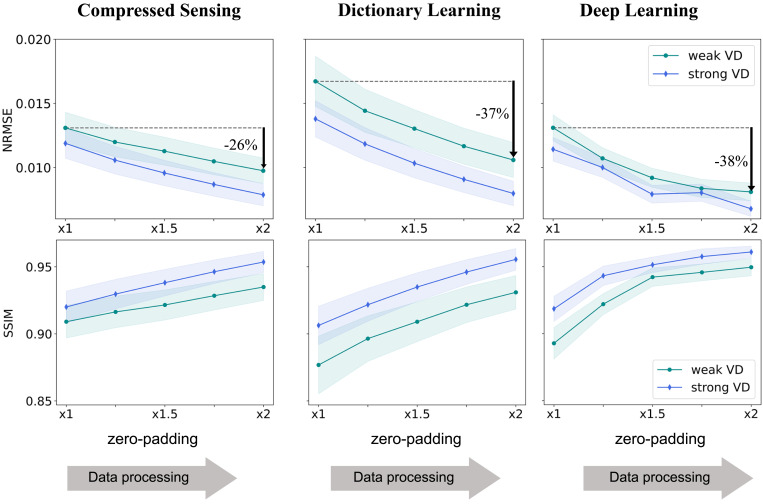
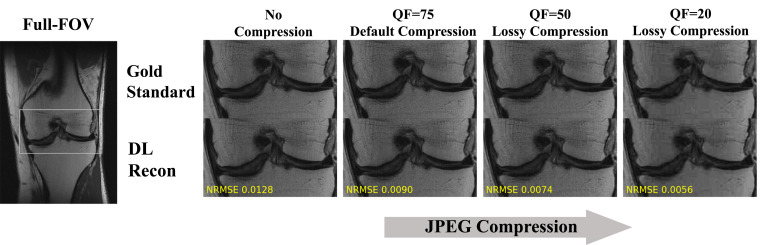
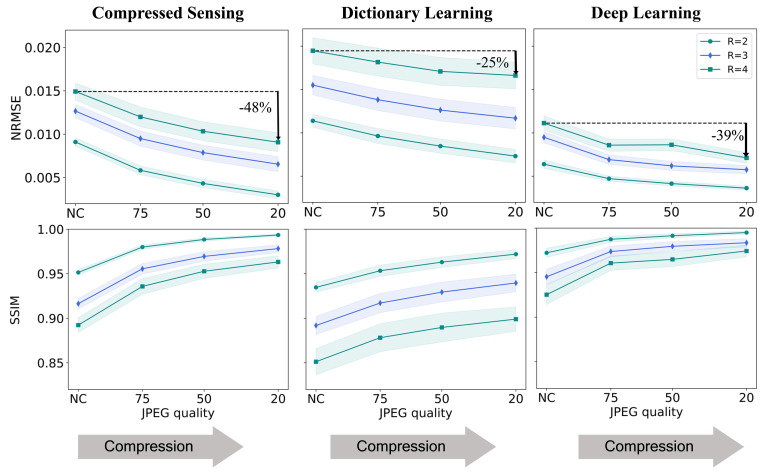
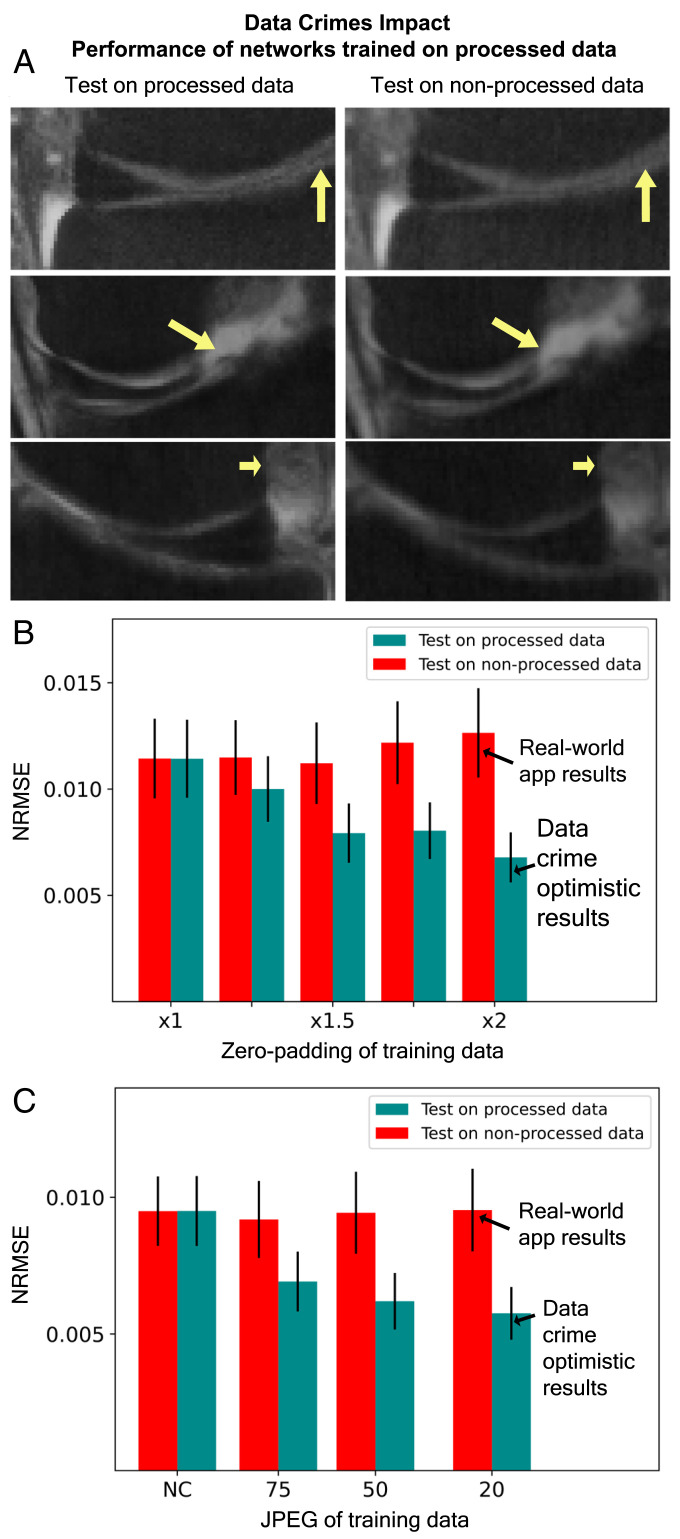
Significance: Public databases are an important resource for machine learning research, but their growing availability sometimes leads to “off-label” usage, where data published for one task are used for another. This work reveals that such off-label usage could lead to biased, overly optimistic results of machine-learning algorithms. The underlying cause is that public data are processed with hidden processing pipelines that alter the data features. Here we study three well-known algorithms developed for image reconstruction from magnetic resonance imaging measurements and show they could produce biased results with up to 48% artificial improvement when applied to public databases. We relate to the publication of such results as implicit “data crimes” to raise community awareness of this growing big data problem.
Overview
The claims and statistics of this paper haven’t been checked yet.
Free: it reads the open-access text and checks the first 5 claims that cite a source we can check. Create a free account to check every claim.
Integrity signals
Registry
Cites
Statistics
Figures
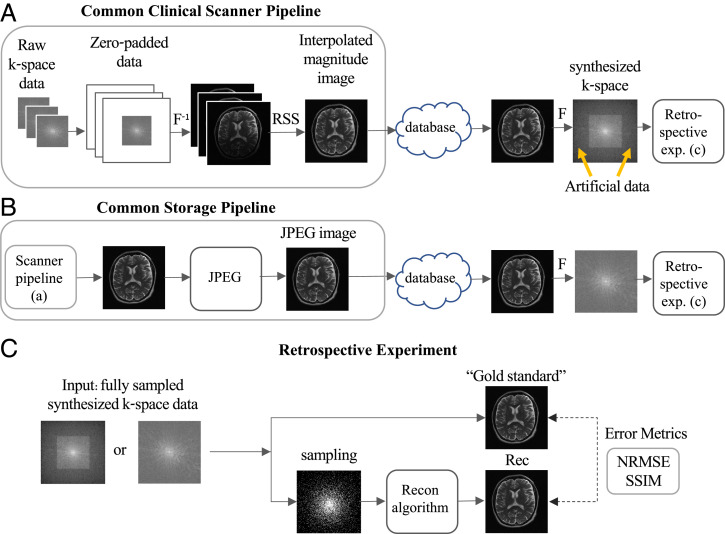
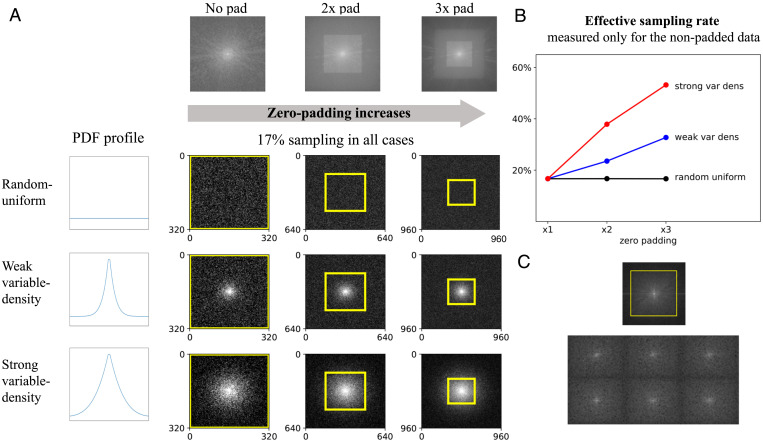
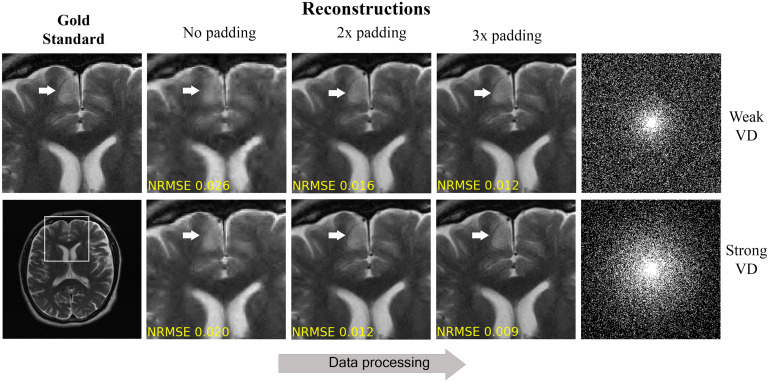
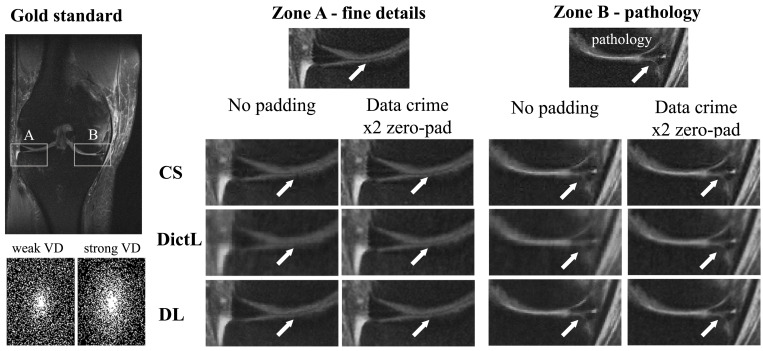
Verification
Claims the paper makes
The claims and statistics of this paper haven’t been checked yet.
Free: it reads the open-access text and checks the first 5 claims that cite a source we can check. Create a free account to check every claim.
Claims other papers make about this one
Each is checked against this paper’s own text: does it say what the citing paper says it does?
The source backs part of the claim, not all of it — or backs it for a different population, condition or comparison.
In the citing paper
“Models trained on different public datasets generate biased outcomes as the process of data collection and processing is hidden [129].”
From Artificial intelligence bias in medical system designs: a systematic review (2023) · cites this paper as [129]
Experimental — accuracy not yet measured
Self-check
Percentages, sums and reported differences re-computed from the paper’s own numbers.
The self-check needs the paper’s full text.
Citations
Cites
U-Net: Convolutional Networks for Biomedical Image Segmentation
Ronneberger, O., Fischer, P., & Brox, T. (2015) · Lecture notes in computer science · doi:10.1007/978-3-319-24574-4_28 · Cited by 99,404
Adam: A Method for Stochastic Optimization
Kingma, D. P., & Ba, J. (2014) · arXiv · doi:10.48550/arxiv.1412.6980 · Cited by 98,946
Image quality assessment: from error visibility to structural similarity
Wang, Z., Bovik, A. C., Sheikh, H. R., & Simoncelli, E. P. (2004) · IEEE Transactions on Image Processing · doi:10.1109/tip.2003.819861 · Cited by 57,892
ImageNet Large Scale Visual Recognition Challenge
Russakovsky, O., Deng, J., Su, H., Krause, J., Satheesh, S., Ma, S., Huang, Z., Karpathy, A., Khosla, A., Bernstein, M., et al. (2015) · International Journal of Computer Vision · doi:10.1007/s11263-015-0816-y · Cited by 39,380
A Fast Iterative Shrinkage-Thresholding Algorithm for Linear Inverse Problems
Beck, A., & Teboulle, M. (2009) · SIAM Journal on Imaging Sciences · doi:10.1137/080716542 · Cited by 11,952
$rm K$-SVD: An Algorithm for Designing Overcomplete Dictionaries for Sparse Representation
Aharon, M., Elad, M., & Bruckstein, A. (2006) · IEEE Transactions on Signal Processing · doi:10.1109/tsp.2006.881199 · Cited by 9,451
Methods of conjugate gradients for solving linear systems
Hestenes, M. R., & Stiefel, E. (1952) · Journal of Research of the National Bureau of Standards · doi:10.6028/jres.049.044 · Cited by 8,132
Sparse MRI: The application of compressed sensing for rapid MR imaging
Lustig, M., Donoho, D., & Pauly, J. M. (2007) · Magnetic Resonance in Medicine · doi:10.1002/mrm.21391 · Cited by 6,952
Self-citationSENSE: Sensitivity encoding for fast MRI
Pruessmann, K. P., Weiger, M., Scheidegger, M. B., & Boesiger, P. (1999) · Magnetic Resonance in Medicine · doi:10.1002/(sici)1522-2594(199911)42:5<952::aid-mrm16>3.0.co;2-s · Cited by 6,251
A Survey on Bias and Fairness in Machine Learning
Mehrabi, N., Morstatter, F., Saxena, N., Lerman, K., & Galstyan, A. (2022) · ACM Computing Surveys · doi:10.1145/3457607 · Cited by 5,812
Research works printed but not linked: 3
- F. Ong, S. Amin, S. Vasanawala, M. Lustig, Mridata.org: An open archive for sharing MRI raw data. Proc. Intl. Soc. Mag. Reson. Med. 26, 1 (2018).
- E. Shimron, J. I. Tamir, K. Wang, M. Lustig, “Subtle inverse crimes: Naïvely using publicly available images could make reconstruction results seem misleadingly better!” in Proceedings of the Annual Meeting of the International Society of Magnetic Resonance in Medicine (ISMRM) (ISMRM, 2021).
- F. Ong, M. Lustig, “SigPy: A python package for high performance iterative reconstruction” in Proceedings of the Annual Meeting of the International Society of Magnetic Resonance in Medicine (ISMRM, 2019).
Cited by
Deep learning for accelerated and robust MRI reconstruction
Heckel, R., Jacob, M., Chaudhari, A. S., Perlman, O., & Shimron, E. (2024) · Magnetic Resonance Materials in Physics Biology and Medicine · doi:10.1007/s10334-024-01173-8 · Cited by 225
“Surprisingly, training DL reconstruction algorithms using “off-label” data could give rise to good-looking results; nevertheless, those are often biased and overly optimistic , i.e. they are “too good to be true” [303].”
BackgroundMethodInfluentialSelf-citationGottschling, N. M., Antun, V., Hansen, A. C., & Adcock, B. (2025) · SIAM Review · doi:10.1137/23m1568739 · Cited by 227
“For more information on the training procedure see § A. scenarios [8, 23, 32, 38, 41, 51, 52, 69, 79, 80].”
InfluentialHammernik, K., Küstner, T., Yaman, B., Huang, Z., Rueckert, D., Knöll, F., & Akçakaya, M. (2023) · IEEE Signal Processing Magazine · doi:10.1109/msp.2022.3215288 · Cited by 176
“For instance, when DICOM images are used for experiments instead of raw k-space data, learning-based approaches may lead to overall optimistic results, while realworld unprocessed data perform much worse, resulting in biased state-of-the-art results [38].”
BackgroundDeep Learning for Retrospective Motion Correction in MRI: A Comprehensive Review
Spieker, V., Eichhorn, H., Hammernik, K., Rueckert, D., Preibisch, C., Karampinos, D. C., & Schnabel, J. A. (2023) · IEEE Transactions on Medical Imaging · doi:10.1109/tmi.2023.3323215 · Cited by 135
“Shimron et al. [92] describe the generation of k-space data from real-valued, coil-combined magnitude data as a data crime, for instance, if zero-padding was performed during the initial reconstruction process.”
BackgroundBayesian MRI reconstruction with joint uncertainty estimation using diffusion models
Luo, G., Blumenthal, M., Heide, M., & Uecker, M. (2023) · Magnetic Resonance in Medicine · doi:10.1002/mrm.29624 · Cited by 127
“The effect caused by zero paddings is investigated in Ref.”
BackgroundLearned Reconstruction Methods With Convergence Guarantees: A survey of concepts and applications
Mukherjee, S., Hauptmann, A., Öktem, O., Pereyra, M., & Schönlieb, C. (2023) · IEEE Signal Processing Magazine · doi:10.1109/msp.2022.3207451 · Cited by 116
“Nevertheless, the choice of the training data plays an important role in the performance of the trained models and can lead to overly optimistic results, a phenomenon referred to as implicit data crime by [13].”
BackgroundLyu, M., Mei, L., Huang, S., Liu, S., Li, Y., Yang, K., Liu, Y., Dong, Y., Dong, L., & Wu, E. X. (2023) · Scientific Data · doi:10.1038/s41597-023-02181-4 · Cited by 103
Deep Learning-Based Reconstruction for Cardiac MRI: A Review
Oscanoa, J., Middione, M. J., Alkan, C., Yurt, M., Loecher, M., Vasanawala, S. S., & Ennis, D. B. (2023) · Bioengineering · doi:10.3390/bioengineering10030334 · Cited by 87
“Shimron et al. [74] assessed two cases where data mishandling resulted in biased or overly optimistic results, namely when the k -space data have been zero-padded or when the data have been JPEG-compressed.”
BackgroundThe economics of copyright in the digital age
Peukert, C., & Windisch, M. (2024) · Journal of Economic Surveys · doi:10.1111/joes.12632 · Cited by 82
Inherent Bias in Electronic Health Records: A Scoping Review of Sources of Bias
Perets, O., Stagno, E., Yehuda, E. B., McNichol, M. C., Celi, L. A., Rappoport, N., & Dorotić, M. (2026) · ACM Transactions on Intelligent Systems and Technology · doi:10.1145/3757924 · Cited by 76
AI in MRI: Computational Frameworks for a Faster, Optimized, and Automated Imaging Workflow
Shimron, E., & Perlman, O. (2023) · Bioengineering · doi:10.3390/bioengineering10040492 · Cited by 66
“Moreover, the “off-label” use of other datasets could lead to biased results [73].”
BackgroundMethodSelf-citationArtificial intelligence bias in medical system designs: a systematic review
Kumar, A., Aelgani, V., Vohra, R., Gupta, S. K., Bhagawati, M., Paul, S., Saba, L., Suri, N., Khanna, N. N., Laird, J. R., et al. (2023) · Multimedia Tools and Applications · doi:10.1007/s11042-023-16029-x · Cited by 65
Expectations for Artificial Intelligence (AI) in Psychiatry
Monteith, S., Glenn, T., Geddes, J., Whybrow, P. C., Achtyes, E., & Bauer, M. (2022) · Current Psychiatry Reports · doi:10.1007/s11920-022-01378-5 · Cited by 55
“However, using a database published for one task to train algorithms for a different task (“off-label” use) can lead to biased results [98].”
MethodXue, H., Tang, F., Hu, M.-C., Liu, Y., Huang, Q., Li, Y., Liu, C., Xu, Z., Zhang, C., Feng, C.-M., et al. (2025) · Proceedings of the conference - Association for Computational Linguistics. Meeting · doi:10.18653/v1/2025.acl-long.1096 · Cited by 57
Deep learning-based rigid motion correction for magnetic resonance imaging: A survey
Chang, Y., Li, Z., Saju, G., Mao, H. Z., & Liu, T. (2023) · Meta-Radiology · doi:10.1016/j.metrad.2023.100001 · Cited by 53
Wang, S., Wu, R., Jia, S., Diakite, A., Li, C., Liu, Q., Zheng, H., & Ying, L. L. (2024) · Magnetic Resonance in Medicine · doi:10.1002/mrm.30105 · Cited by 48
“30 Then, some publicly available databases have provided real-world full-sampled MR k-space raw data of several specific organs such as knee, brain, and cardiac (please see Table S1 in the support information regarding the available datasets and codes).”
BackgroundMethodA primer on artificial intelligence in pancreatic imaging
Ahmed, T. M., Kawamoto, S., Hruban, R. H., Fishman, E. K., Soyer, P. A., & Chu, L. C. H. (2023) · Diagnostic and Interventional Imaging · doi:10.1016/j.diii.2023.03.002 · Cited by 45
Radmanesh, A., Muckley, M. J., Murrell, T., Lindsey, E., Sriram, A., Knöll, F., Sodickson, D. K., & Lui, Y. W. (2022) · Radiology Artificial Intelligence · doi:10.1148/ryai.210313 · Cited by 42
Generalization of vision pre-trained models for histopathology
Sikaroudi, M., Hosseini, M., González, R., Rahnamayan, S., & Tizhoosh, H. R. (2023) · Scientific Reports · doi:10.1038/s41598-023-33348-z · Cited by 39
Joint Frequency and Image Space Learning for MRI Reconstruction and Analysis
Singh, N., Iglesias, J. E., Elfar Adalsteinsson, A., Dalca, A. V., & Golland, P. (2022) · The Journal of Machine Learning for Biomedical Imaging · doi:10.59275/j.melba.2022-16cc · Cited by 38
Accelerated motion correction with deep generative diffusion models
Levac, B., Kumar, S., Jalal, A., & Tamir, J. I. (2024) · Magnetic Resonance in Medicine · doi:10.1002/mrm.30082 · Cited by 38
“Diffusion-based posterior sampling reconstruction of both image and motion states using our proposed approach shown in Algorithm 2.”
MethodSelf-citationEyes on nature: Embedded vision cameras for terrestrial biodiversity monitoring
Darras, K., Balle, M., Xu, W., Yang, Y., Zakka, V. G., Toledo‐Hernández, M., Sheng, D., Lin, W., Zhang, B., Lan, Z., et al. (2024) · Methods in Ecology and Evolution · doi:10.1111/2041-210x.14436 · Cited by 35
“We argue that since the realised performance of custom-trained CNNs is inevitably variable, standardising results with field data is necessary and potentially cost-effective (Figure S5)—possibly also for fine-tuned models based on global datasets (Shepley et al., 2021; Shimron et al., 2022 ).”
K2S Challenge: From Undersampled K-Space to Automatic Segmentation
Tolpadi, A., Bharadwaj, U. U., Gao, K. T., Bhattacharjee, R., Gassert, F. G., Luitjens, J., Giesler, P. J., Morshuis, J. N., Fischer, P., Hein, M., et al. (2023) · Bioengineering · doi:10.3390/bioengineering10020267 · Cited by 35
“The use of Fourier-transformed DICOM images as k-space would be problematic, not maintaining consistency with the multicoil nature of most MR acquisitions and the numerous post-processing steps to convert raw multicoil k-space into DICOM images, while also likely overstating performance [43]; importantly, our released…”
MethodReal‐time radial reconstruction with domain transform manifold learning for MRI‐guided radiotherapy
Waddington, D. E. J., Hindley, N., Koonjoo, N., Chiu, C., Reynolds, T., Liu, P. Z. Y., Zhu, B., Bhutto, D. F., Paganelli, C., Keall, P., et al. (2023) · Medical Physics · doi:10.1002/mp.16224 · Cited by 33
“62 While the over-parameterization of AUTOMAP means that it can be intentionally trained to correct for such artifacts, the incorporation of such specific examples into the training corpus will increase the risk of overfitting.”
BackgroundCDiffMR: Can We Replace the Gaussian Noise with K-Space Undersampling for Fast MRI?
Huang, J., Avilés-Rivero, A. I., Schönlieb, C., & Yang, G. (2023) · Lecture notes in computer science · doi:10.1007/978-3-031-43999-5_1 · Cited by 33
High‐fidelity direct contrast synthesis from magnetic resonance fingerprinting
Wang, K., Doneva, M., Meineke, J., Amthor, T., Karasan, E., Tan, F. Z., Tamir, J. I., Yu, S. X., & Lustig, M. S. (2023) · Magnetic Resonance in Medicine · doi:10.1002/mrm.29766 · Cited by 31
Self-citationComplexities of deep learning-based undersampled MR image reconstruction
Noordman, C. R., Yakar, D., Bosma, J. S., Simonis, F. F. J., & Huisman, H. J. (2023) · European Radiology Experimental · doi:10.1186/s41747-023-00372-7 · Cited by 31
“However, this approach has been labeled a “data crime”, a term coined by Shimron et al. [58].”
MethodSharing Data Is Essential for the Future of AI in Medical Imaging
Bell, L. C., & Shimron, E. (2024) · Radiology: Artificial Intelligence · doi:10.1148/ryai.230337 · Cited by 30
Self-citationZibetti, M. V. W., Knöll, F., & Regatte, R. R. (2022) · IEEE Transactions on Computational Imaging · doi:10.1109/tci.2022.3176129 · Cited by 29
Kumari, V., Kumar, N., Sampath Kumar, K., Kumar, A., Sanagala, S. S., Saxena, S., Khanna, N. N., Laird, J. R., Singh, N., Fouda, M. M., et al. (2023) · Journal of Cardiovascular Development and Disease · doi:10.3390/jcdd10120485 · Cited by 27
Accelerated MRI reconstructions via variational network and feature domain learning
Giannakopoulos, I. I., Muckley, M. J., Kim, J., Breen, M., Johnson, P. M., Lui, Y. W., & Lattanzi, R. (2024) · Scientific Reports · doi:10.1038/s41598-024-59705-0 · Cited by 25
“However, this approach relies on magnitude DICOM images to simulate fully-sampled raw data, which leads to unrealistic results 47,48 .”
The scientific evidence of commercial AI products for MRI acceleration: a systematic review
Fransen, S. J., Roest, C., Simonis, F. F. J., Yakar, D., & Kwee, T. C. (2025) · European Radiology · doi:10.1007/s00330-025-11423-5 · Cited by 25
“Caution should be paid when results from simulated raw data are applied to real data, which may result in different performances (i.e., biased performance arising from naïve, faulty data processing) [36].”
A Tutorial on MRI Reconstruction: From Modern Methods to Clinical Implications
Çukur, T., Dar, S. U., Nezhad, V. A., Jun, Y., Kim, T. H., Fujita, S., & Bilgiç, B. (2025) · IEEE Transactions on Biomedical Engineering · doi:10.1109/tbme.2025.3617575 · Cited by 25
“Another important source of bias affecting the fidelity of model evaluation arises from shortcomings in methodological practices [184].”
Stoura, C. D., Dertimanis, V. K., Hoelzl, C., Kossmann, C., Cigada, A., & Chatzi, E. (2023) · Structural Control and Health Monitoring · doi:10.1155/2023/8855542 · Cited by 25
“In addition, the proposed method was verifed only in simulated data derived from the same system as the one that was used for the inverse analysis [15]; this procedure, sometimes referred to as an “inverse crime,” [16] somewhat facilitates the inference task.”
MethodChen, J., & Bao, Y. (2024) · Engineering Structures · doi:10.1016/j.engstruct.2024.119508 · Cited by 25
MRI Reconstruction with Side Information using Diffusion Models
Levac, B., Jalal, A., Ramchandran, K., & Tamir, J. I. (2023) · Asilomar Conference on Signals, Systems and Computers (ACSSC) · doi:10.1109/ieeeconf59524.2023.10476807 · Cited by 23
Self-citationFederated End-to-End Unrolled Models for Magnetic Resonance Image Reconstruction
Levac, B., Arvinte, M., & Tamir, J. I. (2023) · Bioengineering · doi:10.3390/bioengineering10030364 · Cited by 22
“While the latter allows for simple implementations of deep learning methods, the results may not directly translate to a clinical settings [40].”
Self-citationLearning optimized sampling patterns for accelerated MRI reconstruction via diffusion models
Ravula, S., Levac, B., Arefeen, Y., Dimakis, A. G., & Tamir, J. I. (2026) · Journal of medical imaging · doi:10.1117/1.jmi.13.s1.s11210 · Cited by 22
Self-citationFastMRI Breast: A Publicly Available Radial k-Space Dataset of Breast Dynamic Contrast-enhanced MRI
Solomon, E., Johnson, P. M., Tan, Z., Tibrewala, R., Lui, Y. W., Knöll, F., Moy, L. P., Kim, S., & Heacock, L. C. (2025) · Radiology Artificial Intelligence · doi:10.1148/ryai.240345 · Cited by 22
Grover, J., Liu, P., Dong, B., Shan, S., Whelan, B., Keall, P., & Waddington, D. E. J. (2024) · Communications Medicine · doi:10.1038/s43856-024-00489-9 · Cited by 20
“Thisideahasbeenexploredforsuper-resolutionandMRimagereconstructionmorebroadly 50,51 .”
Küstner, T., Qin, C., Sun, C., Ning, L., & Scannell, C. M. (2024) · Magnetic Resonance Materials in Physics Biology and Medicine · doi:10.1007/s10334-024-01179-2 · Cited by 20
“In particular, we may find overly optimistic results by using simulated data and neglecting the unprocessed raw k-space data [9].”
Detecting Inconsistencies in Public Bids: An Automated and Data-based Approach
Oliveira, G. P., Reis, A. P. G., de Freitas, F. A. N., Costa, L. G. L., Silva, M. O., Brum, P. P. V., Oliveira, S. E. L., Brandão, M. A., Lacerda, A. M., & Pappa, G. L. (2022) · Brazilian Symposium on Multimedia and the Web · doi:10.1145/3539637.3558230 · Cited by 17
Visual digital data, ethical challenges, and psychological science.
Levine, M., Philpot, R., Nightingale, S. J., & Kordoni, A. (2024) · American Psychologist · doi:10.1037/amp0001192 · Cited by 18
LiPSet: Um conjunto de Dados com Documentos Rotulados de Licitações Públicas
Silva, M. O., Paula, A. F., Oliveira, G. P., Vaz, I. A. D., Hott, H. R., Gomide, L. D., Reis, A. P. G., Mendes, B. M. A., Bacha, C. A., Costa, L. G. L., et al. (2022) · doi:10.5753/dsw.2022.224925 · Cited by 16
NESTANets: stable, accurate and efficient neural networks for analysis-sparse inverse problems
Neyra-Nesterenko, M., & Adcock, B. (2022) · Sampling Theory Signal Processing and Data Analysis · doi:10.1007/s43670-022-00043-5 · Cited by 16
K-band: Self-supervised MRI Reconstruction via Stochastic Gradient Descent over K-space SubsetsPreprint
Wang, F., Qi, H., Goyeneche, A. D., Heckel, R., Lustig, M. S., & Shimron, E. (2023) · arXiv (Cornell University) · doi:10.48550/arxiv.2308.02958 · Cited by 15
“To avoid conducting any data crimes 18 , we provide a full description of the data preparation pipeline.”
MethodSelf-citationShimron, E., Shan, S., Grover, J., Koonjoo, N., Shen, S., Boele, T., Sorby‐Adams, A., KIRSCH, J. E., Rosen, M. S., & Waddington, D. E. J. (2024) · arXiv (Cornell University) · doi:10.48550/arxiv.2411.06704 · Cited by 15
“Two studies highlighted issues with reference-based image-quality metrics: Shimron et al. [41] showed that hidden preprocessing in public datasets can bias retrospective evaluations, while Wang et al. [42] demonstrated that noise in root sum-of-squares reference images can mis-rank reconstruction…”
InfluentialSelf-citationCowScreeningDB: A public benchmark database for lameness detection in dairy cows
Ismail, S., Díaz, M., Carmona-Duarte, C., Vilar, J. M., & Ferrer, M. A. (2023) · Computers and Electronics in Agriculture · doi:10.1016/j.compag.2023.108500 · Cited by 14
Multi-task magnetic resonance imaging reconstruction using meta-learning
Bian, W., Jang, A., & Liu, F. (2024) · Magnetic Resonance Imaging · doi:10.1016/j.mri.2024.110278 · Cited by 14
To Be or Not to Be Stable, That Is the Question: Understanding Neural Networks for Inverse Problems
Evangelista, D., Piccolomini, E. L., Morotti, E., & Nagy, J. G. (2025) · SIAM Journal on Scientific Computing · doi:10.1137/23m1586872 · Cited by 13
Liu, J., Qin, C., & Yaghoobi, M. (2023) · IEEE Transactions on Computational Imaging · doi:10.1109/tci.2023.3258839 · Cited by 13
“…for synthesizing a new k -space and combining multi-coil signals via the root sum of squares (RSS) method to obtain non-negative magnitude images [49], which potentially affect the evaluation of model performance, are used in the simulated encoding process, ensuring that the simulations can be…”
MethodRanking Loss and Sequestering Learning for Reducing Image Search Bias in Histopathology
Mazaheri, P., Bidgoli, A. A., Rahnamayan, S., & Tizhoosh, H. R. (2022) · Applied Soft Computing · doi:10.1016/j.asoc.2023.110346 · Cited by 12
Wu, R., Zhang, G., Guo, M., Li, Y., Qin, L., Jiang, T., Li, P., Wang, Y., Wang, K., Liu, Y., et al. (2024) · Molecular Medicine · doi:10.1186/s10020-024-00963-z · Cited by 11
Self-citationTamir, J. I., Blumenthal, M., Wang, J., Oved, T., Shimron, E., & Zaiß, M. (2025) · Magnetic Resonance Materials in Physics Biology and Medicine · doi:10.1007/s10334-025-01236-4 · Cited by 11
“Reference-based error metrics, commonly used to evaluate MRI reconstruction methods, can lead to unfair or inconsistent assessments [29] if not fully specified.”
InfluentialSelf-citationSpieker, V., Eichhorn, H., Huang, W., Stelter, J., Catalán, T., Braren, R., Rueckert, D., Costabal, F. S., Hammernik, K., Karampinos, D. C., et al. (2025) · Medical Image Analysis · doi:10.1016/j.media.2025.103890 · Cited by 11
“For 30 subjects in total, zero-padding is removed before processing to avoid implicit data crimes [21] and retrospective undersampling is conducted to match a uniform distribution per MS [23].”
Self-supervised learning from noisy and incomplete data
Tachella, J. A., & Davies, M. E. (2026) · Foundations and Trends® in Signal Processing · doi:10.1108/ftsig-10-2025-0133 · Cited by 11
Physics‐informed deep learning for T2 ‐deblurred superresolution turbo spin echo MRI
Chen, Z., Stapleton, M. C., Xie, Y., Li, D., Wu, Y. L., & Christodoulou, A. (2023) · Magnetic Resonance in Medicine · doi:10.1002/mrm.29814 · Cited by 11
Rethinking MRI as a measurement device through modular and portable pipelines
Karakuzu, A., Blostein, N., Caron, A. V., Boré, A., Rheault, F., Descoteaux, M., & Stikov, N. (2025) · Magnetic Resonance Materials in Physics Biology and Medicine · doi:10.1007/s10334-025-01245-3 · Cited by 11
“Moreover, using synthetic k-space data (Fourier-transformed from images) as a reference has been shown to artificially improve reconstruction results [132].”
Tolpadi, A., Han, M., Calivá, F., Pedoia, V., & Majumdar, S. (2022) · Scientific Reports · doi:10.1038/s41598-022-26266-z · Cited by 10
Synthesizing Complex-Valued Multicoil MRI Data from Magnitude-Only Images
Deveshwar, N., Rajagopal, A., Sahin, S. I., Shimron, E., & Larson, P. E. Z. (2023) · Bioengineering · doi:10.3390/bioengineering10030358 · Cited by 10
“Magnitude images contained in these datasets are sometimes preprocessed which can lead to biased results for MRI reconstruction [14] and are hard to standardize.”
BackgroundSelf-citationNo Reproducibility, No Progress: Rethinking CT Benchmarking
Dmitry, P., Kazimirov, D. D., Gilmanov, M., & Nikolaev, D. (2025) · Journal of Imaging · doi:10.3390/jimaging11100344 · Cited by 10
“A frequent issue is the “off-label” use of data, when datasets designed for one purpose are applied to another, often undermining the validity of conclusions and making experiments difficult to reproduce [3].”
Hoh, T., Margolis, I., Weine, J., Joyce, T., Manka, R., Weisskopf, M., Cesarovic, N., Füetterer, M., & Kozerke, S. (2024) · Journal of Cardiovascular Magnetic Resonance · doi:10.1016/j.jocmr.2024.101031 · Cited by 9
“However, varying data processing has shown to produce biased results [38,39].”
BackgroundGearhart, A. S., Dwork, N., & Jone, P. (2022) · Intelligence-Based Medicine · doi:10.1016/j.ibmed.2022.100082 · Cited by 9
Stikov, N., & Karakuzu, A. (2023) · Frontiers in Physiology · doi:10.3389/fphys.2023.1281147 · Cited by 8
Death by Retrospective Undersampling - Caveats and Solutions for Learning-Based MRI Reconstructions
Rajput, J. R., Weinmüller, S., Endres, J., Dawood, P., Knöll, F., Maier, A., & Zaiß, M. (2024) · Lecture notes in computer science · doi:10.1007/978-3-031-72104-5_23 · Cited by 7
The impact of pre-processing techniques on deep learning breast image segmentation
Catarino, J., Garcia, N. C., Silva, S. N., & Santinha, J. (2025) · Scientific Reports · doi:10.1038/s41598-025-30724-9 · Cited by 7
“At the same time, very few studies try to investigate the impact of some transformations on medical imaging, as Shimron et al. did, where they showed that inadequate medical image pre-processing could lead to overly optimistic outcomes 32 , requiring further investigation.”
Towards Responsible Spatial Data Science and Geo-AI
Gupta, J., An, S., & Shekhar, S. (2023) · International Conference on Contemporary Computing · doi:10.1145/3607947.3608060 · Cited by 6
“Publicly available datasets suffer from similar issues as well and their use can result in misleading models unfit for real-world inputs [42].”
BackgroundFast MRI for All: Bridging Access Gaps by Training without Raw Data
Alçalar, Y. U., Gülle, M., & Akçakaya, M. (2025) · neural information processing systems · doi:10.52202/085713-0516 · Cited by 6
“Furthermore, vendor-provided DICOMs may also include additional zero-padding [65], which our physics-based approach handles naturally, as well as additional filtering/processing.”
Bi-level Guided Diffusion Models for Zero-Shot Medical Imaging Inverse ProblemsPreprint
Askari, H., Roosta, F., & Sun, H. (2024) · arXiv (Cornell University) · doi:10.48550/arxiv.2404.03706 · Cited by 7
“Additionally, the BraTS dataset, employed both in our study and by the baseline methods, has been indicated in a recent paper [54] to have an overestimated undersampling factor, which arises from the conjugate symmetry of k-space inherent in real-valued images.”
MethodFully Unsupervised Dynamic MRI Reconstruction via Diffeo-Temporal Equivariance
Wang, A., & Davies, M. E. (2025) · IEEE International Symposium on Biomedical Imaging (ISBI) · doi:10.1109/isbi60581.2025.10980940 · Cited by 5
“However, this constitutes a data crime [4] - models trained on such data will never be able to learn true physiological motion and its irregularities, which are often of interest in medical imaging.”
Advancing the Frontiers of Deep Learning for Low-Dose 3D Cone-Beam CT Reconstruction
Biguri, A., Mukherjee, S., Zhao, X., Liu, X., Wang, X., Yang, R., Du, Y., Peng, Y., Brudfors, M., Graham, M. S., et al. (2025) · IEEE Open Journal of Signal Processing · doi:10.1109/ojsp.2025.3593189 · Cited by 5
“This can often lead to overly optimistic results, a phenomenon known as implicit data crime [7].”
Bhutto, D. F., Zhu, B., Liu, J. Z., Koonjoo, N., Li, H., Rosen, B. R., & Rosen, M. S. (2024) · IEEE Journal of Biomedical and Health Informatics · doi:10.1109/jbhi.2024.3404883 · Cited by 5
“Shimron et al. have demonstrated that algorithms trained on open-access data may yield biased and overly optimistic results, failing to accurately reconstruct small, clinically relevant details and pathologies in clinical settings [16].”
BackgroundMontgomery, A. H., Vadapalli, R., Dinenno, F. A., Schilling, J., Jain, P., Jacob, A., Chism, D. D., & Shanker, A. (2025) · Scientific Reports · doi:10.1038/s41598-025-11074-y · Cited by 4
YAPAY ZEKÂNIN SUÇ POTANSİYELİNİN DEĞERLENDİRİLMESİ
Güngör, M. (2024) · Bilişim Hukuku Dergisi · doi:10.55009/bilisimhukukudergisi.1498256 · Cited by 4
Deep Learning for Computational Imaging
Heckel, R. (2025) · doi:10.1093/oso/9780198947172.001.0001
Subtle pitfalls in the search for faster medical imaging
Block, K. T. (2022) · Proceedings of the National Academy of Sciences · doi:10.1073/pnas.2203040119 · Cited by 4
Reliable Evaluation of MRI Motion Correction: Dataset and InsightsPreprint
Wang, K., Klug, T., Ruschke, S., Kirschke, J. S., & Heckel, R. (2025) · arXiv (Cornell University) · doi:10.48550/arxiv.2506.05975 · Cited by 4
Self-citationDeep learning based image enhancement for dynamic non-Cartesian MRI: Application to “silent“ fMRI
Riemer, F., Rusaas, M. E., Sandøy, L. B., Wiesinger, F., Solana, A. B., Ersland, L., & Grüner, R. (2025) · Computers in Biology and Medicine · doi:10.1016/j.compbiomed.2025.109920 · Cited by 3
Accelerating MRI With Longitudinally‐Informed Latent Posterior Sampling
Urman, Y., Shah, Z., Kumar, A., Soares, B. P., & Setsompop, K. (2026) · Magnetic Resonance in Medicine · doi:10.1002/mrm.70257 · Cited by 3
“(1) leads to a data consistency (DC) loss ∥A ( x ) − y ∥ 22 , while the second term acts as a prior to regularize ill-posed reconstructions.”
Habibi, M. A., Omid, R., Asgarzade, S., Derakhshandeh, S., Farsani, A. S., & Tajabadi, Z. (2025) · The Egyptian Journal of Neurosurgery : the official publication of the Egyptian Society of Neurological Surgeons/Egyptian journal of neurosurgery · doi:10.1186/s41984-025-00386-w · Cited by 3
Vaish, P., Meister, F., Heimann, T., Brüne, C., & Wolterink, J. M. (2025) · arXiv (Cornell University) · doi:10.48550/arxiv.2505.10223 · Cited by 3
Diffusion probabilistic generative models for accelerated, in‐NICU permanent magnet neonatal MRI
Arefeen, Y., Levac, B., Patel, B., Ho, C. Y., & Tamir, J. I. (2025) · Magnetic Resonance in Medicine · doi:10.1002/mrm.30585 · Cited by 2
“44 To quantitatively evaluate the various reconstruction methods, normalized-root-mean-squared-error (NRMSE) was computed with respect to the fully-sampled image.”
Self-citationA Fair Comparison in Deep Learning-Based QSM Reconstruction
Oh, C., Jung, W., Kim, J., Jeong, H., & Lee, J. (2025) · IEEE Access · doi:10.1109/access.2025.3620427 · Cited by 2
“A previous study also demonstrated that hidden pre-processing steps such as JPEG compression can affect performance [8].”
Artificial Intelligence Applications in Pancreatic Cancer Imaging
Ahmed, T. M., Lopez‐Ramirez, F., Fishman, E. K., & Chu, L. C. H. (2024) · Advances in Clinical Radiology · doi:10.1016/j.yacr.2024.04.003 · Cited by 2
Meta-Prior: Meta learning for Adaptive Inverse Problem SolversPreprint
Terris, M., & Moreau, T. (2023) · HAL · doi:10.48550/arxiv.2311.18710 · Cited by 2
“As they require large training sets, their training is not possible when no proxy for ground truth data is available, for instance when no fully sampled data is available ( e.g. in MRI, see Shimron et al. 2022), or when data is extremely scarce.”
BackgroundDesigning and learning non-Cartesian k-space sampling trajectories for accelerated 3D MRI
Radhakrishna, C. G. (2023) · theses.fr (ABES) · doi:10.70675/31499156zb7fcz4d59zbbd0z9255fa4327b2 · Cited by 2
Addressing Unreliability Propagation in Scientific Digital Libraries
Zheng, H., Fu, Y., Sarol, M. J., Sarraf, I., & Schneider, J. (2024) · ACM/IEEE Joint Conference on Digital Libraries · doi:10.1145/3677389.3702526 · Cited by 1
Hecht, E. M., Hu, P., Serai, S. D., Wu, H. H., Brunsing, R. L., Guimarães, A. R., Kurugol, S., Ringe, K. I., Syed, A., & on behalf of the ISMRM Body MRI Study Group (2025) · Magnetic Resonance in Medicine · doi:10.1002/mrm.70055 · Cited by 1
Hendriks, J., Jansen, M. G., Joules, R., Peña‐Nogales, Ó., Rodrigues, P., Barkhof, F., Schrantee, A., Mutsaerts, H. J. M. M., & Initiative, T. A. D. N. (2026) · Aperture Neuro · doi:10.1101/2025.10.31.25339144 · Cited by 1
Antun, V., Gottschling, N. M., Hansen, A. C., & Adcock, B. (2025) · Advances in magnetic resonance technology and applications · doi:10.1016/b978-0-443-14109-6.00011-0 · Cited by 1
LiPSet: A Comprehensive Dataset of Labeled Portuguese Public Bidding Documents
Silva, M. O., Oliveira, G. P., Hott, H. R., Gomide, L. D., Mendes, B. M. A., Bacha, C. A., Costa, L. L., Brandão, M. A., Lacerda, A., & Pappa, G. L. (2024) · Journal of Information and Data Management · doi:10.5753/jidm.2024.3460 · Cited by 1
Zibetti, M. V. W., & Regatte, R. R. (2023) · IEEE International Symposium on Biomedical Imaging (ISBI) · doi:10.1109/isbi53787.2023.10230762 · Cited by 1
“Under some limited circumstances [22], the undersampled data could be synthetically generated using m = E x .”
MethodEnyedi, S. (2024) · IEEE International Conference on Automation, Quality and Testing, Robotics (AQTR) · doi:10.1109/aqtr61889.2024.10554095 · Cited by 1
“One group of researchers is trying to raise awareness re-lated to “off-label” use of data [14], i.e. public datasets created and optimized for one purpose, but used and sometimes even reconstructed by other researchers as training data for another purpose, in their neural networks.”
BackgroundImam, B. S., Pal, B. L., Dhabariya, A. S., Habu, J., Sani, Z. M., & Auwal, R. S. (2024) · International Journal of Innovative Science and Research Technology (IJISRT) · doi:10.38124/ijisrt/ijisrt24aug498 · Cited by 1
Learning to solve inverse problems end-to-end
Heckel, R. (2025) · Oxford University Press eBooks · doi:10.1093/oso/9780198947172.003.0006 · Cited by 1
Heckel, R. (2025) · Oxford University Press eBooks · doi:10.1093/oso/9780198947172.003.0008 · Cited by 1
Neyra-Nesterenko, M. (n.d.) · Summit (Simon Fraser University) · Cited by 1
Position: Every Ground Truth is a Human Construction, not an Objective TruthPreprint
Högberg, C., Johnson, E., & Wagstaff, K. L. (2026) · arXiv (Cornell University) · doi:10.48550/arxiv.2607.09668 · Cited by 1
“For example, undocumented data processing steps used to create open-access MRI ground truths create an artificially easier problem, leading to an unfortunate performance drop of 47% when the model was applied to newly collected MRI data (Shimron et al., 2022).”
Moore, S., Leijser, L., Frayne, R., & Souza, R. (2026) · arXiv (Cornell University) · doi:10.48550/arxiv.2606.13562 · Cited by 1
“Large image-domain neonatal MR imaging datasets exist ( e.g. , the Developing Human Connectome Project (dHCP) 9 ), but are not suitable to evaluate DL-based MR reconstruction for the reasons outlined in Shimron et al. 10 The generalizability of these reconstruction models to neonatal data is of particular relevance be…”
Beyond the AJR: Patrolling k-Space to Spot “Data Crimes” Using Public MRI Datasets
Kuriki, P. E. D. A., & Kitamura, F. (2022) · American Journal of Roentgenology · doi:10.2214/ajr.22.28065
Metadata
- Authors
- Shimron, E., Tamir, J. I., Wang, K., & Lustig, M.
- Affiliations
- University of California, Berkeley (US)
- The University of Texas at Austin (US)
- Corresponding author
- Shimron, Efrat
- Venue
- Proceedings of the National Academy of Sciences
- Publisher
- National Academy of Sciences
- Published
- 2022-03-21
- Volume
- 119
- Issue
- 13
- Pages
- e2117203119-e2117203119
- ISSN
- 0027-8424 (ISSN-L)
- 1091-6490
- PMC
- PMC9060447
- OpenAlex
- W4221051856
- Cited by
- 112
- References
- 53
- Citations by year
- 2026: 8 · 2025: 42 · 2024: 20 · 2023: 31 · 2022: 11
- FWCI
- 30.10
- Type
- journal article
- Language
- en
- Open access
- hybrid
- doi.org
- Licence
- Locations
- Proceedings of the National Academy of Sciences (publishedVersion, other-oa)
- PubMed Central (publishedVersion, cc-by)
- PubMed (publishedVersion)
- eScholarship (California Digital Library) (submittedVersion, cc-by)
- Funders
- HHS | National Institutes of Health (U24 EB029240-01, R01EB009690, R01HL136965)
- Topics
- Physical Sciences › Computer Science › Artificial Intelligence › Ethics and Social Impacts of AI
- Health Sciences › Medicine › Radiology, Nuclear Medicine and Imaging › Advanced MRI Techniques and Applications
- Social Sciences › Education › Academic integrity and plagiarism
- Keywords
- machine learning bias, data pipelines, magnetic resonance imaging, image reconstruction, big data ethics, algorithmic fairness
- MeSH terms
- Machine Learning, Algorithms, Crime, Image Processing, Computer-Assisted, Bias
About these checks
Registry, retraction, Cites and statistics results are computed, not judged, with one exception: a printed reference that no index lists is read once by a model before it counts as a citation error. Claims are extracted by a model and kept only when their quote appears verbatim in the text; each cited source is then checked, with a model’s help, for whether it says what the claim relies on. Those verdicts can be wrong — read the claim’s quote and the cited source before relying on one.
Statistics and arithmetic are recomputed, not judged.
Confidence bands are shown only for fields calibrated on our annotated test set. None is calibrated yet, so no band is shown.
What counts as a claim ›How we measure confidence ›How we check this ›
Are you an author, or do you see a problem with this page? Request a review
Data sources
Bibliographic data: Semantic Scholar, OpenAlex, Crossref.
Contains information from the Semantic Scholar Academic Graph Datasets, made available under the ODC Attribution License (ODC-BY 1.0).
Semantic Scholar’s data is described in: Kinney, R., et al. (2023). The Semantic Scholar Open Data Platform. arXiv:2301.10140.
