

Nanoparticle targeting of de novo profibrotic macrophages mitigates lung fibrosis
Open accessThe DOI matches its Crossref record; 57 of the 57 references it cites were found in a registry or an index.
Abstract
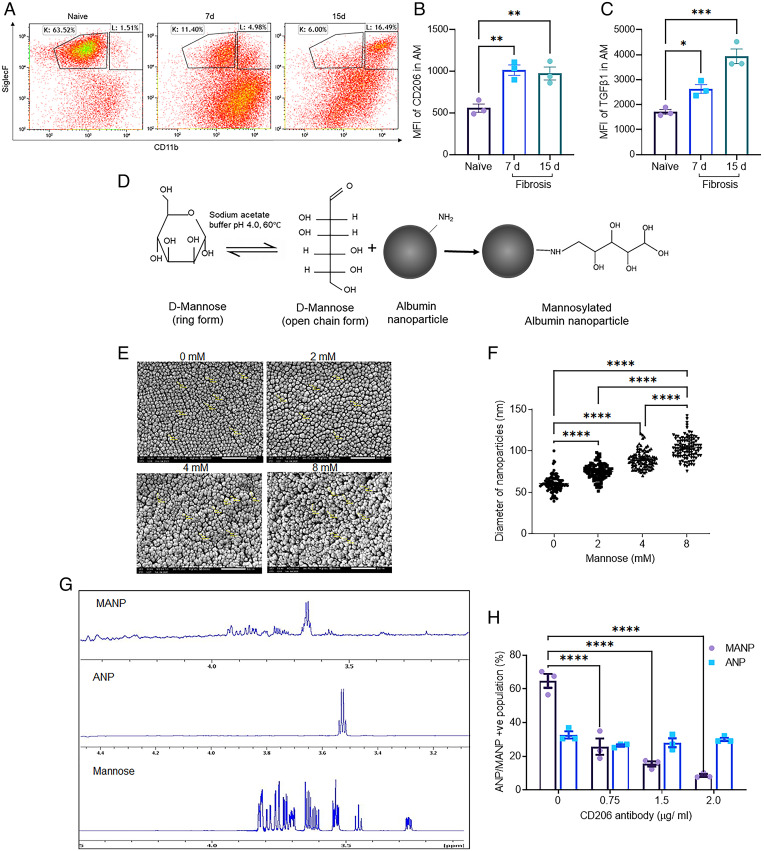
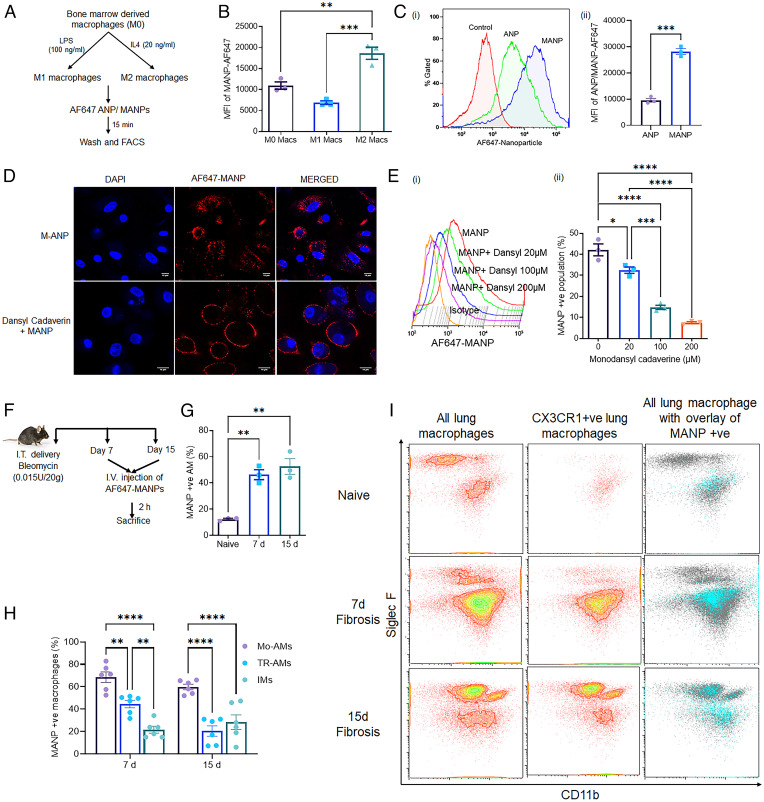
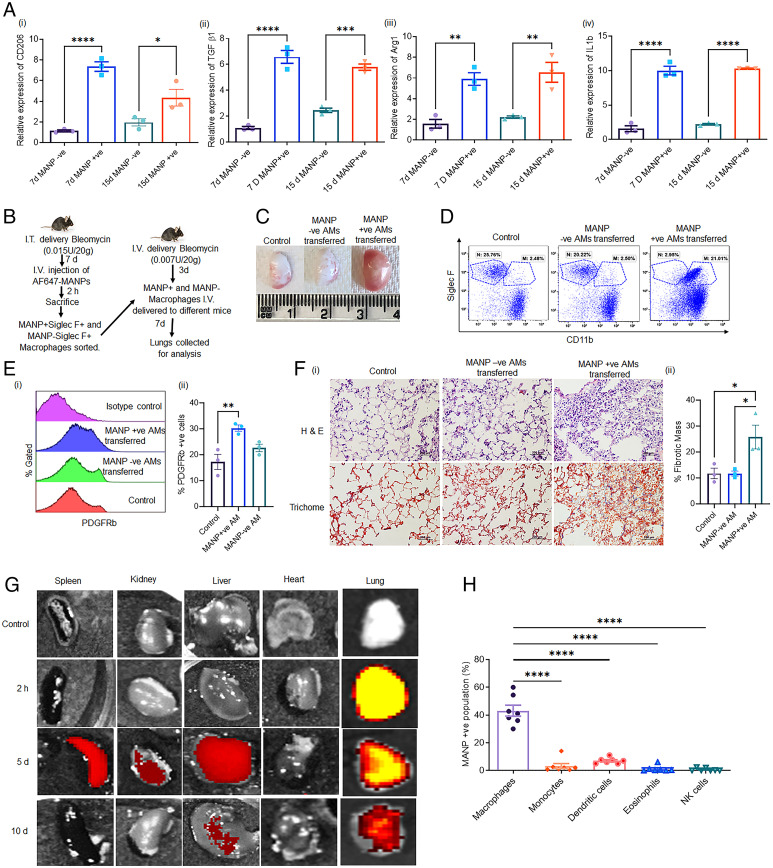
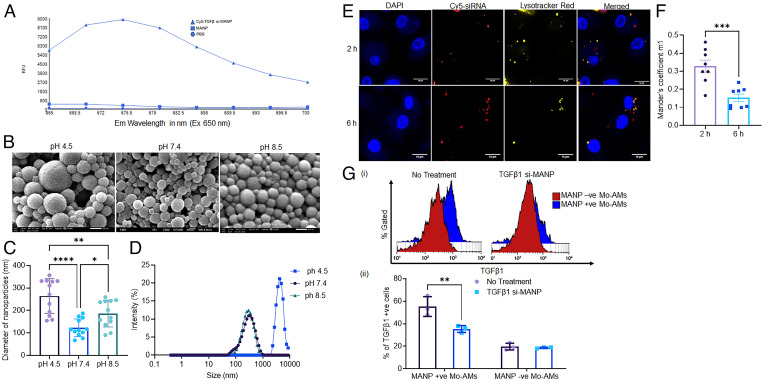
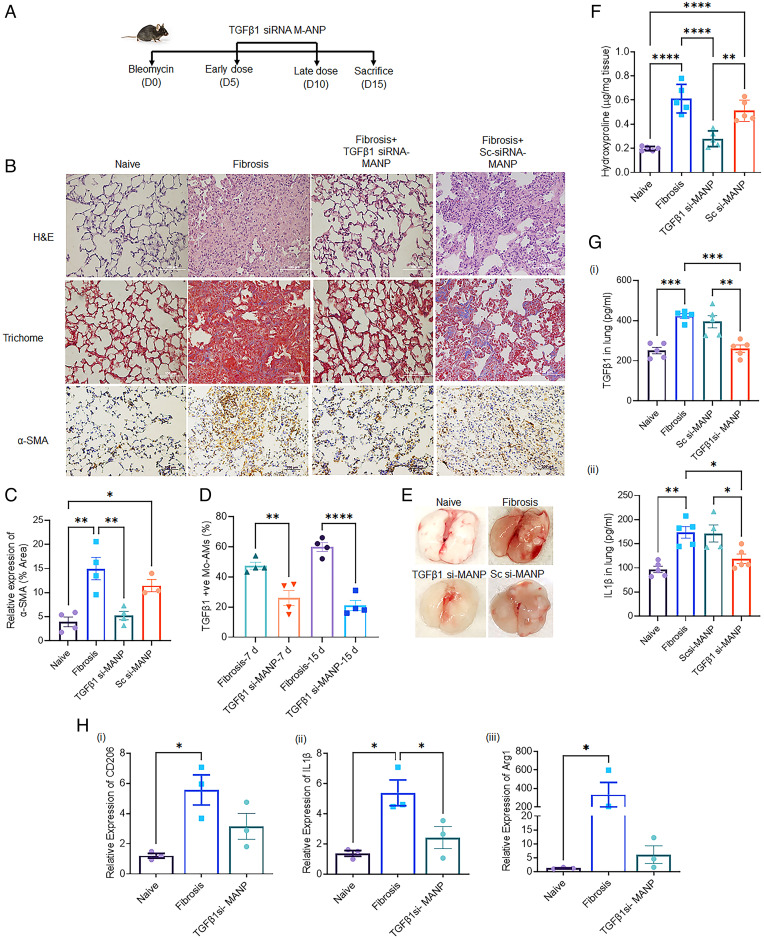
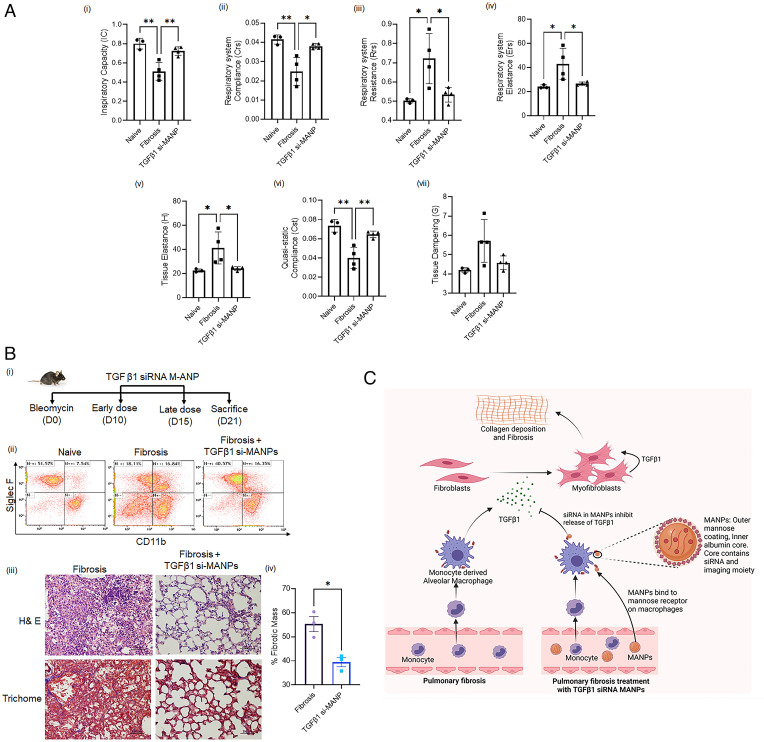
Significance: Current therapies for pulmonary fibrosis (PF) focus on slowing disease progression and reducing functional decline in patients by dampening the activation of fibroblasts and other implicated cells. There is a need for strategies that target the essential cells and signaling pathways involved in disease pathogenesis. Monocyte-derived macrophages (Mo-Macs) are known to express profibrotic genes and are involved in the pathogenesis of PF. Our results show that engineered mannosylated albumin nanoparticles specifically targeted disease-inducing Mo-Macs, and further, that nanoparticles efficiently delivered small-interfering RNA against profibrotic cytokine tumor growth factor β1 to prevent bleomycin-induced lung fibrosis.
Overview
The claims and statistics of this paper haven’t been checked yet.
Free: it reads the open-access text and checks the first 5 claims that cite a source we can check. Create a free account to check every claim.
Integrity signals
Registry
Cites
Statistics
Figures
Verification
Claims the paper makes
The claims and statistics of this paper haven’t been checked yet.
Free: it reads the open-access text and checks the first 5 claims that cite a source we can check. Create a free account to check every claim.
Claims other papers make about this one
Each is checked against this paper’s own text: does it say what the citing paper says it does?
In the citing paper
“For instance, mannose-modified albumin nanoparticles delivering TGF-b1 siRNA have been shown to effectively attenuate pulmonary fibrosis severity in murine models (157).”
From The mechanotransduction-immune axis in organ fibrosis: dual regulatory mechanisms and translational therapeutic perspectives (2025) · doi:10.3389/fimmu.2025.1670213 · cites this paper as [157]
Self-check
Percentages, sums and reported differences re-computed from the paper’s own numbers.
The self-check needs the paper’s full text.
Citations
Cites
Aran, D., Looney, A. P., Liu, L., Wu, E., Fong, V., Hsu, A., Chak, S., Naikawadi, R. P., Wolters, P. J., Abate, A. R., et al. (2019) · Nature Immunology · doi:10.1038/s41590-018-0276-y · Cited by 4,984 · cited 9×
“Cx3cr1CreERT2 mice were administered tamoxifen (75 mg/kg body weight) via intraperitoneal injection starting before 1 wk of bleomycin instillation and continuing every other day throughout the treatment for Cre induction (17).”
BackgroundMethodResultInfluentialOrecchioni, M., Ghosheh, Y., Pramod, A. B., & Ley, K. (2019) · Frontiers in Immunology · doi:10.3389/fimmu.2019.01084 · Cited by 2,063
Fibrosis: from mechanisms to medicines
Henderson, N. C., Rieder, F., & Wynn, T. A. (2020) · Nature · doi:10.1038/s41586-020-2938-9 · Cited by 1,868
Clinical course and prediction of survival in idiopathic pulmonary fibrosis
Ley, B., Collard, H. R., & King, T. E. (2011) · American Journal of Respiratory and Critical Care Medicine · doi:10.1164/rccm.201006-0894ci · Cited by 1,765 · cited 1×
“PF has a median survival of 2 to 5 y from time of diagnosis (3).”
BackgroundAlbumin-based nanoparticles as potential controlled release drug delivery systems
Elzoghby, A. O., Samy, W. M., & Elgindy, N. A. (2012) · Journal of Controlled Release · doi:10.1016/j.jconrel.2011.07.031 · Cited by 1,520
Monocyte-derived alveolar macrophages drive lung fibrosis and persist in the lung over the life span
Misharin, A. V., Morales-Nebreda, L., Reyfman, P. A., Cuda, C. M., Walter, J. M., McQuattie-Pimentel, A. C., Chen, C.-I., Anekalla, K. R., Joshi, N., Williams, K. J. N., et al. (2017) · Journal of Experimental Medicine · doi:10.1084/jem.20162152 · Cited by 1,133 · cited 7×
“Mo-Macs in response to inflammatory cues also migrated into the lung airspace and transitioned into de novo AMs, referred to as Mo-AMs (12, 17).”
BackgroundInfluentialPulmonary fibrosis and COVID-19: the potential role for antifibrotic therapy
George, P. M., Wells, A. U., & Jenkins, R. G. (2020) · The Lancet Respiratory Medicine · doi:10.1016/s2213-2600(20)30225-3 · Cited by 1,085
TGF-β-induced EMT: mechanisms and implications for fibrotic lung disease
Willis, B. C., & Borok, Z. (2007) · American Journal of Physiology-Lung Cellular and Molecular Physiology · doi:10.1152/ajplung.00163.2007 · Cited by 1,042 · cited 1×
“The macrophage populations in lungs generated the cytokines TGFβ1, PDGFα, and VEGF (10) that promoted differentiation of fibroblasts into myofibroblasts and increased production of extracellular matrix (ECM) proteins (14, 15).”
BackgroundMoeller, A., Ask, K., Warburton, D., Gauldie, J., & Kolb, M. (2008) · The International Journal of Biochemistry & Cell Biology · doi:10.1016/j.biocel.2007.08.011 · Cited by 1,007
Flow Cytometric Analysis of Macrophages and Dendritic Cell Subsets in the Mouse Lung
Misharin, A. V., Morales-Nebreda, L., Mutlu, G. M., Budinger, G. R. S., & Perlman, H. (2013) · American Journal of Respiratory Cell and Molecular Biology · doi:10.1165/rcmb.2013-0086ma · Cited by 838 · cited 1×
“elevated during both acute and fibrotic phases in PF models (25).”
Background
Research works printed but not linked: 1
- Health NIo, Idiopathic Pulmonary Fibrosis Frequency (US National Library of Medicine, 2020).
Cited by
Biology of lung macrophages in health and disease
Aegerter, H., Lambrecht, B. N., & Jakubzick, C. V. (2022) · Immunity · doi:10.1016/j.immuni.2022.08.010 · Cited by 621
Malainou, C., Abdin, S. M., Lachmann, N., Matt, U., & Herold, S. (2023) · Journal of Clinical Investigation · doi:10.1172/jci170501 · Cited by 201
“Reprogramming of AMs and targeting of fibrosis-related intracellular pathways in favor of a coordinated and accelerated epithelial repair, therefore, emerge as potential therapeutic strategies for a clinical phenotype with remarkably limited treatment options (90, 95, 96).”
BackgroundLipid Nanoparticles Optimized for Targeting and Release of Nucleic Acid
Jia, Y., Wang, X., Li, L., Li, F., Zhang, J., & Liang, X. (2023) · Advanced Materials · doi:10.1002/adma.202305300 · Cited by 171
Enomoto, Y., Katsura, H., Fujimura, T., Ogata, A., Baba, S., Yamaoka, A., Kihara, M., Abe, T., Nishimura, O., Kadota, M., et al. (2023) · Nature Communications · doi:10.1038/s41467-023-40617-y · Cited by 132
Monocytes and macrophages: emerging mechanisms and novel therapeutic targets in pulmonary fibrosis
Perrot, C. Y., Karampitsakos, Τ., & Herazo‐Maya, J. D. (2023) · American Journal of Physiology-Cell Physiology · doi:10.1152/ajpcell.00302.2023 · Cited by 104
Emerging delivery approaches for targeted pulmonary fibrosis treatment
Diwan, R., Bhatt, H., Beaven, E., & Nurunnabi, M. (2023) · Advanced Drug Delivery Reviews · doi:10.1016/j.addr.2023.115147 · Cited by 89
McKinsey, T. A., Foo, R., Anene-Nzelu, C. G., Travers, J. G., Vagnozzi, R. J., Weber, N., & Thum, T. (2022) · Cardiovascular Research · doi:10.1093/cvr/cvac142 · Cited by 91
Pervizaj-Oruqaj, L., Ferrero, M. R., Matt, U., & Herold, S. (2024) · European Respiratory Review · doi:10.1183/16000617.0263-2023 · Cited by 83
“…TGF-β small-interfering RNA (TGF-β 1-siRNA MANPs), which, when administered intravenously, were preferentially internalised by SiglecF + CD11b + monocyte-derived alveolar macrophages and reduced disease severity by promoting the regression of lung fibrosis induced by bleomycin in mice [136].”
BackgroundGu, Y., Lawrence, T., Mohamed, R., Liang, Y., & Yahaya, B. H. (2022) · Frontiers in Immunology · doi:10.3389/fimmu.2022.923235 · Cited by 77
“Meanwhile, CD206+ and CD206− IMs were demonstrated to self-renew in a short period of time, and CD206+ IMs are more prone to selfmaintenance (31).”
BackgroundInfluentialMacrophage polarization in tissue fibrosis
Yang, H., Cheng, H., Dai, R., Shang, L., Zhang, X., & Wen, H. (2023) · PeerJ · doi:10.7717/peerj.16092 · Cited by 69
Mia, M. M., Ghani, S. A. B. A., Cibi, D. M., Bogireddi, H., Nilanthi, U., Selvan, A., Shiu, W., & Singh, M. K. (2025) · European Respiratory Journal · doi:10.1183/13993003.01544-2023 · Cited by 74
“Studies have shown that aberrant activation, infiltration and polarisation of pro-fibrotic Mo-AMs, and their interaction with fibroblasts, are major factors driving the development of pulmonary fibrosis [7, 10, 43, 49, 53, 63].”
Dong, S., Fang, H., Zhu, J., Wu, Z., Liu, Y., Zhu, J., Ma, B., Chen, Q., & Yang, Y. (2025) · ACS Nano · doi:10.1021/acsnano.4c15130 · Cited by 55
Zhao, X., Amevor, F. K., Xue, X., Wang, C., Cui, Z., Dai, S., Peng, C. Y., & Li, Y. (2023) · Journal of Nanobiotechnology · doi:10.1186/s12951-023-01876-5 · Cited by 48
“Mannose-modified albumin NPs Macrophages TGFβ-siRNA to CD206 + as an anti-fibrotic strategy [37]”
BackgroundJin, H. K., Jeong, M., Lee, G., Kim, M., Yoo, Y., Kim, H. J., Cho, J., Lee, Y., & Lee, H. (2022) · Advanced Functional Materials · doi:10.1002/adfm.202209432 · Cited by 38
Hou, F., Shi, N., Yuan, H., LI, B. C., Xiao, J., Xiao, K., & Xie, L. (2025) · Cellular & Molecular Biology Letters · doi:10.1186/s11658-025-00750-6 · Cited by 46
“Various nanoparticle-based drugs are promising for targeting MDMs. Niclosamide-loaded nanoparticles and mannosylated albumin nanoparticles specifically targeted MDMs in animal studies, blocking the TGF-β/Smad signaling pathway and reducing pulmonary fibrosis [152, 153].”
Lung regeneration: diverse cell types and the therapeutic potential
Chen, Y., Li, Z., Ji, G., Wang, S., Mo, C., & Ding, B. (2024) · MedComm · doi:10.1002/mco2.494 · Cited by 39
Myeloid cell-mediated drug delivery: From nanomedicine to cell therapy
Zhang, F., Xu, Z., & Jolly, K. J. (2023) · Advanced Drug Delivery Reviews · doi:10.1016/j.addr.2023.114827 · Cited by 35
The role of PD-1/PD-L1 axis in idiopathic pulmonary fibrosis: Friend or foe?
Jiang, A., Liu, N., Wang, J., Zheng, X., Ren, M., Zhang, W., & Yao, Y. (2022) · Frontiers in Immunology · doi:10.3389/fimmu.2022.1022228 · Cited by 34
(2025) · doi:10.3389/fimmu.2025.1670213 · Cited by 29
“For instance, mannose-modi fi ed albumin nanoparticles delivering TGF-b 1 siRNA have been shown to effectively attenuate pulmonary fi brosis severity in murine models (157).”
Li, T., Li, Q., Liu, S., Cao, J., Mei, J., Gong, J., Chen, J., Wang, X., Zhang, R., Li, X., et al. (2024) · Biomaterials · doi:10.1016/j.biomaterials.2024.122843 · Cited by 31
Yuan, H., You, Y., He, Y., Wei, Y., Zhang, Y., Min, H., Li, C. R., & Chen, J. (2023) · Environmental Science & Technology · doi:10.1021/acs.est.3c03980 · Cited by 28
Tseng, C., Sung, Y.-W., Chen, K., Wang, P.-Y., Yen, C., Sung, W., Wu, C., Ou, T., Tsai, W., Liao, W., et al. (2023) · International Journal of Molecular Sciences · doi:10.3390/ijms241511995 · Cited by 28
“(13) TGF-β: In the PF model, macrophages secrete TGF-β [76].”
BackgroundEffects of Nanomaterials on Synthesis and Degradation of the Extracellular Matrix
Zhou, Z., Zhang, Y., Zeng, Y., Yang, D., Mo, J., Zheng, Z., Zhang, Y., Xiao, P., Zhong, X., & Yan, W. (2024) · ACS Nano · doi:10.1021/acsnano.3c09954 · Cited by 28
Maladaptive TGF-β Signals to the Alveolar Epithelium Drive Fibrosis after COVID-19 Infection
Yao, C., Parimon, T., Espíndola, M. S., Hohmann, M. S., Konda, B. M., Hogaboam, C. M., Stripp, B. R., & Chen, P. (2023) · American Journal of Respiratory and Critical Care Medicine · doi:10.1164/rccm.202302-0264le · Cited by 21
Fang, Z., Yan, Z., Li, Z., Yan, C., Jia, S., Qiu, X., Wang, Q., Hou, H., Wu, Y., Du, F., et al. (2024) · International Journal of Biological Macromolecules · doi:10.1016/j.ijbiomac.2024.132177 · Cited by 28
Jia, Z., Chen, L., Gu, D., Li, X., Wen, T., & Li, W. (2024) · International Journal of Biological Macromolecules · doi:10.1016/j.ijbiomac.2024.130716 · Cited by 29
Tan, J., Xue, Q., Hu, X., & Yang, J. (2024) · Journal of Translational Medicine · doi:10.1186/s12967-024-04884-7 · Cited by 25
“Third, as the role of macrophages in the process of lung fibrosis is revealed, the understanding of lung macrophages is becoming clearer [121, 122].”
BackgroundAdvances in engineered nanosystems: immunomodulatory interactions for therapeutic applications
Khatua, R., Bhar, B., Dey, S., Jaiswal, C., Victoria, J. I., & Mandal, B. B. (2024) · Nanoscale · doi:10.1039/d4nr00680a · Cited by 25
Liu, S., Zhang, Z., Wang, Y., Zhang, Y., Min, J., Li, X., & Liu, S. (2023) · International Immunopharmacology · doi:10.1016/j.intimp.2023.110343 · Cited by 23
Zhao, T., Gong, B., Luo, S., Zhang, R., Zhang, L., Huang, Y., Gao, H., & Gong, T. (2023) · Acta Biomaterialia · doi:10.1016/j.actbio.2023.06.024 · Cited by 24
Liu, C., Tian, X., Wang, Z., Mak, J., Mao, S., Liu, T., & Zheng, Y. (2025) · Science Advances · doi:10.1126/sciadv.adt2752 · Cited by 21
“The transition of murine bone marrow–derived macrophages (BMDMs) to profibrotic macrophages (referred to as M2) was induced using interleukin-4 (IL-4) ( 19 ) (fig.”
InfluentialMolecular mechanisms and emerging therapeutics in pulmonary fibrosis: A recent update
Sharma, P. L., Kumari, K., Yadav, R., Verma, K., Paliwal, S., Paliwal, S., & Sharma, S. K. (2025) · European Journal of Pharmacology · doi:10.1016/j.ejphar.2025.178159 · Cited by 17
Vithalkar, M. P., Pradhan, S., Sandra, K., Byregowda, B. H., & Nayak, Y. (2025) · Cell Biochemistry and Biophysics · doi:10.1007/s12013-025-01696-4 · Cited by 15
“The University of Illinois College of Medicine at the Center for Lung and Vascular Biology, Chicago, has patented nanoparticles of TGF-β 1-siRNA for targeting the mannose receptor CD206 in interstitial macrophages [15].”
Advances in common in vitro cellular models of pulmonary fibrosis
Li, D., Zhang, X., Song, Z., Zhao, S., Huang, Y., Qian, W., & Cai, X. (2024) · Immunology and Cell Biology · doi:10.1111/imcb.12756 · Cited by 15
“36,37 Given their critical role in PF, researchers commonly use primary macrophages and immortalized cell lines to investigate macrophage behavior and function.”
The role of the cGAS-STING pathway in chronic pulmonary inflammatory diseases
Tian, M., Li, F., Pei, H., Liu, X., & Nie, H. (2024) · Frontiers in Medicine · doi:10.3389/fmed.2024.1436091 · Cited by 18
Wang, Y., Liu, Y., Long, M., Dong, Y., Li, L., & Zhou, X. (2024) · Acta Biomaterialia · doi:10.1016/j.actbio.2024.09.026 · Cited by 14
Kutumova, E. O., Akberdin, I. R., Egorova, V. S., Kolesova, E. P., Parodi, A., Pokrovsky, V. S., Zamyatnin, A. A., & Kolpakov, F. (2024) · Heliyon · doi:10.1016/j.heliyon.2024.e30962 · Cited by 13
“The limited success of pharmacological therapies has led to the development of new agents, such as innovative nanomedicine approaches, specifically aimed at treating ALI [31 – 35].”
The application and prospects of drug delivery systems in idiopathic pulmonary fibrosis
Zhang, X., Zhang, L., Tian, J.-H., Li, Y., Wu, M., Zhang, L., Qin, X., & Gong, L. (2024) · Biomaterials Advances · doi:10.1016/j.bioadv.2024.214123 · Cited by 13
Zhu, X., Yang, Y., Mao, S., Liu, Q., Li, Y., Yang, Y., Gao, M., Bao, J., Li, W., & Li, Y. (2024) · Biofabrication · doi:10.1088/1758-5090/ada092 · Cited by 14
“Studies have shown that this kind of macrophage-directed gene therapy can effectively alleviate pulmonary fibrosis in murine models, highlighting its potential for future clinical applications [52], but further research is needed to optimize this approach for clinical translation [53].”
Macrophage expressed tartrate‐resistant acid phosphatase 5 promotes pulmonary fibrosis progression
Bergwik, J., Bhongir, R. K. V., Padra, M., Adler, A., Olm, F., Lång, P., Lindstedt, S., Andersson, G., Egesten, A., & Tanner, L. (2024) · Immunology · doi:10.1111/imm.13748 · Cited by 14
“This resulted in decreased immune cell recruitment to the lung, inhibiting further production of TGF-β 1 , which decreases fibroblast to myo-fibroblast transition [37].”
BackgroundYuan, H., He, Y., Zhang, Y., Min, H., Chen, J., & Li, C. R. (2024) · The Science of The Total Environment · doi:10.1016/j.scitotenv.2024.174299 · Cited by 11
Cell selective BCL-2 inhibition enabled by lipid nanoparticles alleviates lung fibrosis
Diwan, R., Bhatt, H. N., Dong, R., Estevao, I. L., Varela-Ramírez, A., & Nurunnabi, M. (2024) · Journal of Controlled Release · doi:10.1016/j.jconrel.2024.04.055 · Cited by 11
Chen, Z., Li, J., Li, J., Chen, D., Yang, Y.-D., Xie, T., Liang, W.-T., Tu, X.-P., Shi, W., Yang, X., et al. (2025) · Journal of Ethnopharmacology · doi:10.1016/j.jep.2025.119787 · Cited by 11
Salt-inducible kinase 2 regulates fibrosis during bleomycin-induced lung injury
van Gijsel‐Bonnello, M., Darling, N. J., Tanaka, T., Carmine, S. D., Marchesi, F., Thomson, S. M., Clark, K., Kurowska‐Stolarska, M., McSorley, H. J., Cohen, P., et al. (2022) · Journal of Biological Chemistry · doi:10.1016/j.jbc.2022.102644 · Cited by 12
“More recently, it has been suggested that the differentiation of monocyte-derived alveolar macrophages, rather than pre-existing tissue resident alveolar macrophages, is required for bleomycin-induced fibrosis (15, 16).”
BackgroundWang, L., Ge, S., Zhang, Y., Feng, D., Zhu, T., Zhang, L., & Zhang, C. (2025) · Acta Pharmaceutica Sinica B · doi:10.1016/j.apsb.2025.04.027 · Cited by 13
Wang, S., Zhou, H., Mao, J., Zhang, Y., Qi, Y., Mei, P., Jin, X., Zhang, J., Luo, L., & You, J. (2025) · Biomaterials · doi:10.1016/j.biomaterials.2025.123420 · Cited by 11
Sarkar, B., Arlauckas, S. P., Cuccarese, M. F., Garris, C., Weissleder, R., & Rodell, C. B. (2024) · Frontiers in Immunology · doi:10.3389/fimmu.2024.1331480 · Cited by 9
“For example, mannosylated nanoparticles are preferentially internalized by M2-like macrophages, which has been used for therapeutic targeting of MRC1 + monocyte-derived macrophages in lung fi brosis (35) and cancer (31).”
BackgroundLung-Targeting Perylenediimide Nanocomposites for Efficient Therapy of Idiopathic Pulmonary Fibrosis
Liu, Y., Xu, D., Xing, X., Shen, A., Jin, X., Li, S., Liu, Z., Wang, L., & Huang, Y. (2024) · Nano Letters · doi:10.1021/acs.nanolett.4c04089 · Cited by 8
Sha, Y., Yang, L., Jiang, J., Cao, J., Sun, M., Yin, L., Zhong, Z., & Meng, F. (2025) · Journal of Controlled Release · doi:10.1016/j.jconrel.2025.114122 · Cited by 10
TRPA1: A promising target for pulmonary fibrosis?
Li, C., Xu, J., Abdurehim, A., Sun, Q., Xie, J., & Zhang, Y. (2023) · European Journal of Pharmacology · doi:10.1016/j.ejphar.2023.176088 · Cited by 10
Porter, J. C., Ganeshan, B., Win, T., Fraioli, F., Khan, S., Rodriguez‐Justo, M., Endozo, R., Shortman, R. I., Hoy, L., Maher, T. M., et al. (2024) · Journal of Nuclear Medicine · doi:10.2967/jnumed.123.266445 · Cited by 7
Regulating the microenvironment with nanomaterials: Potential strategies to ameliorate COVID-19
Liu, Z., Han, Z., Jin, X., An, J., Kim, J., Chen, W., Kim, J. S., Zheng, J., & Deng, J. (2023) · Acta Pharmaceutica Sinica B · doi:10.1016/j.apsb.2023.02.010 · Cited by 6
“In particular, Singh et al.(179) synthesized mannosylated albumin NPs that target CD206þ monocyte-derived macrophages, and the TGFb1 small-interfering RNA (siRNA) contained in these NPs prevent lung fibrosis (Fig.”
BackgroundImmune mechanisms and novel therapies for idiopathic pulmonary fibrosis
Gao, D., Gao, W., Zhai, Z., & Zhu, W. (2023) · Pharmaceutical Science Advances · doi:10.1016/j.pscia.2023.100030 · Cited by 9
Nanodrug delivery system for precision treatment of pulmonary fibrosis
Yi, X., Zhang, X., Guan, Y., Sha, Y., Cheng, X., Lee, Y. C., & Yuan, W. (2025) · Precision medicine and engineering. · doi:10.1016/j.preme.2025.100025 · Cited by 8
Shen, J., Zhang, X., Wang, J., Duan, X., Pan, J., Cai, Y., Wei, B., Wang, H., & Sun, X. (2025) · ACS Nano · doi:10.1021/acsnano.4c18383 · Cited by 6
Garcia, V. B., Gasparotto, L. H. S., de Araújo, A. A., Leitão, R. F. D. C., Brito, G. A. D. C., Vilar, N. F., de Oliveira, E. L., Guedes, P. M. D. M., & Júnior, R. F. D. A. (2025) · ACS Omega · doi:10.1021/acsomega.4c10118 · Cited by 6
Wang, Y., Liu, X., Xuan, W., Huang, W., Zhu, Y., Mao, C., & Liu, Y. (2026) · Molecular Therapy · doi:10.1016/j.ymthe.2026.03.003 · Cited by 7
Shirakawa, K., Sano, M., Sakane, I., Yamanoi, K., Kusumoto, D., Goto, S., Moriyama, H., Daigo, K., Sugai, K., Katsumata, Y., et al. (2025) · American Journal of Respiratory Cell and Molecular Biology · doi:10.1165/rcmb.2025-0254oc · Cited by 7
Apostolo, D., Ferreira, L. L., Tizio, A. D., Ruaro, B., Patrucco, F., & Bellan, M. (2023) · Microorganisms · doi:10.3390/microorganisms11082038 · Cited by 5
“Other studies also reported that monocyte-derived alveolar macrophages have a key role in the disease pathogenesis [64,66].”
ResultShah, K. A., Ullah, S., Razzaq, A., Khan, M. N., Ali, T., Hussian, Y., Iqbal, H., & Cui, J.-H. (2025) · Regenerative Engineering and Translational Medicine · doi:10.1007/s40883-025-00441-w · Cited by 4
Sun, Y., Xu, H., Lu, T., Li, T., Wang, Y., Fan, X., Jiang, Y., Cai, M., He, P., & Liu, J. (2023) · Cell Biochemistry and Biophysics · doi:10.1007/s12013-023-01182-9 · Cited by 5
Nagar, L., Saini, A., Singh, S. K., Gupta, G., MacLoughlin, R. J., Chellappan, D. K., Prasher, P., Chakraborty, A., Dua, K., & Dureja, H. (2024) · European Polymer Journal · doi:10.1016/j.eurpolymj.2024.113467 · Cited by 4
Dai, B., Chen, L., Li, X., Zhou, Q., Zhang, Q., Han, L., Shen, W., Chang, Q., Zhao, Y., Liu, S., et al. (2025) · Communications Biology · doi:10.1038/s42003-025-08288-1 · Cited by 3
Tan, Q., ZHAO, Y., Zhang, Y., Chen, H., Xu, Z., Pan, Z., El‐Khouly, M. E., & Yuan, Y. (2026) · Journal of the American Chemical Society · doi:10.1021/jacs.6c09336 · Cited by 7
Macrophages and Pulmonary Fibrosis
Chen, S., Song, X., & Lv, C. (2025) · Current Molecular Medicine · doi:10.2174/0115665240286046240112112310 · Cited by 4
The Intersection between Immune System and Idiopathic Pulmonary Fibrosis—A Concise Review
Liu, H., Cui, H., & Liu, G. (2025) · Fibrosis · doi:10.70322/fibrosis.2025.10004 · Cited by 7
“These findings highlight the efficacy of macrophage-targeting nanoparticles in mitigating fibrosis and restoring lung architecture [95].”
Groves, P., Hockey, L., O’Sullivan, B., Zhang, L.-Y., Xiong, Z., Nguyen, Q. H., Tan, M. E., Lutzky, V. P., Davis, R. A., Chambers, D. C., et al. (2025) · International Journal of Molecular Sciences · doi:10.3390/ijms26094439 · Cited by 5
Lithium carbonate induces myofibroblast necroptosis to reverse pulmonary fibrosis
Wei, K., Tang, L., Zhang, X., Liu, S., Tong, S., Bian, Y., Ma, Y., Zhu, T., Xiao, J., Lin, Q., et al. (2025) · Immunity & Inflammation · doi:10.1007/s44466-025-00002-4 · Cited by 3
“Consequently, AMs have become therapeutic targets in both preclinical models and clinical trials of PF [9, 10].”
Sugar-coated nanoparticles in healthcare: From laboratory innovations to clinical applications
Salmani, A., Rehman, U., Wahab, S., Majrashi, T. A., Gupta, G., Goh, K. W., & Kesharwani, P. (2025) · International Journal of Pharmaceutics · doi:10.1016/j.ijpharm.2025.125752 · Cited by 4
Nanotherapeutic Approaches to Treat COVID-19-Induced Pulmonary Fibrosis
Kanvinde, S., Deodhar, S., Kulkarni, T. A., & Jogdeo, C. M. (2023) · BioTech · doi:10.3390/biotech12020034 · Cited by 3
“Singh and co-workers leveraged these mannose receptors by developing mannosylated albumin nanoparticles (MANPs) that could be internalized by CD206+ macrophages [75].”
BackgroundMyeloid‐Mesenchymal Crosstalk in Lung Fibrosis
Bhattacharyya, A., Yadav, P., & Bhattacharya, M. (2025) · Comprehensive physiology · doi:10.1002/cph4.70004 · Cited by 3
“For example, there is proof of concept for nanoparticle-based targeting of siRNA-based therapeutics to profibrotic macrophages (Singh et al. 2022).”
Dong, C., Li, B., Liu, C., Cui, J., Li, Y., Liang, L., Song, Y., & Li, X. (2025) · Environment & Health · doi:10.1021/envhealth.5c00031 · Cited by 3
Mthunzi, L., Islam, M. N., Gusarova, G. A., Bhattacharya, S., Karolewski, B., & Bhattacharya, J. (2025) · JCI Insight · doi:10.1172/jci.insight.191853 · Cited by 3
“Mannosylated albumin nanoparticles have been directed at CD206-expressing AM receptors (37).”
Yu, X., Smith, S., & Wang, C. (2025) · Biomaterials · doi:10.1016/j.biomaterials.2025.123829 · Cited by 2
Immunomodulatory biomaterials for treating chronic inflammation at mucosal sites
Babb, L. M., Kulapurathazhe, M. J., & Collier, J. H. (2025) · npj Biomedical Innovations. · doi:10.1038/s44385-025-00052-8 · Cited by 4
“In their experiment, intravenously administered nanoparticles delivering a TGF-β -siRNA payload were preferentially internalizedbyMo-AMsinthelungthatwereactivelyexpressingtheTGF-β cytokine 41 .”
TGF-β: A master regulator of tissue-resident macrophage identity and function
Döring, C.-L., Henneke, P., & Kolter, J. (2026) · Trends in Immunology · doi:10.1016/j.it.2026.05.003 · Cited by 2
Kuznetsova, A. B., Gorbacheva, V. I., Kolesova, E. P., & Egorova, V. S. (2025) · Micro · doi:10.3390/micro5020030 · Cited by 2
Matrimeres are systemic nanoscale mediators of tissue integrity and functionPreprint
Debnath, K., Qayoom, I., O’Donnell, S., Ekiert, J., Wang, C., Sanborn, M. A., Liu, C., Rivera, A., Cho, I. S., Saichellappa, S., et al. (2024) · bioRxiv (Cold Spring Harbor Laboratory) · doi:10.1101/2024.03.25.586585 · Cited by 2
Self-citationHartigan, C. R., McDonald-Hyman, C. S., Pavletic, S. Z., & Blazar, B. R. (2025) · Transplantation · doi:10.1097/tp.0000000000005444 · Cited by 2
“73 In a model of IPF that shares characteristics with cGVHD/BO fibrosis, the infusion of mannosylated-albumin nanoparticles loaded with TGF-β small interfering RNA prevented bleomycin-induced lung fibrosis.”
DLD‐HLNP/P@IR780 for efficient lung‐parenchyma accumulation to treat idiopathic pulmonary fibrosis
Wang, M., Zhuang, N., Feng, J., & Cheng, Q. (2025) · View · doi:10.1002/viw.20250129 · Cited by 1
Cambria, E., Blazeski, A., Ko, E. C., Thai, T. C., Dantes, S., Barbie, D. A., Shelton, S. E., & Kamm, R. D. (2025) · Advanced Functional Materials · doi:10.1002/adfm.202515610 · Cited by 5
“However, additional aspects of disease could be incorporated by integrating a greater variety of cell types, including profibrotic macrophages [45], and by using cells collected from different regions of a fibrotic lung or harvested at varying stages of disease.”
Monocyte-mediated mechanisms in idiopathic pulmonary fibrosis: opportunities for early intervention
Zhiguo, M. A. O., Liu, Y., Han, C., Yang, X., Lin, X., Tian, S., & Miao, M. (2026) · APOPTOSIS · doi:10.1007/s10495-025-02254-2 · Cited by 2
Enhancing anti-fibrotic therapy: nanomedicine approaches to overcome current limitations
Wu, L., Li, X., & Yang, L. (2026) · Materials Today Bio · doi:10.1016/j.mtbio.2026.103253 · Cited by 1
“…to CDH2 [153] Modifying with mannose Achieving active targeting of monocyte-derived alveolar macrophages (Mo-AMs) via specific binding to CD206 [154] kidney Crossing the glomerular filtration barrier Modifying with CCPR8; controlling size about 110 nm Achieving passive targeting: cationic…”
Shiohama, Y., Nakamura, J., & Nakamura, M. (2024) · ACS Applied Materials & Interfaces · doi:10.1021/acsami.4c02051 · Cited by 1
Anti-CD206 CAR T Cell Treatment Restores Fibrosis-Induced Loss of Dermal White Adipose TissuePreprint
Park, C., Mohamed, A. O., Jarnagin, H. C., Bhandari, R., Gunn, J., Murad-Mabaera, J. M., Kosarek, N. N., Kolling, F., Wilkins, O. M., Huang, Y. H., et al. (2025) · bioRxiv (Cold Spring Harbor Laboratory) · doi:10.1101/2025.10.16.682860 · Cited by 2
“…of CD206, which is upregulated on tumor associated macrophages, has shown significant clinical benefit in cancer [17-19], and a recent study showed that elimination of lung CD206 + macrophages in a bleomycin-induced mouse model significantly mitigated fibrosis without impairing host defense [20].”
Thackeray, J. T., & Hess, A. (2022) · Circulation Cardiovascular Imaging · doi:10.1161/circimaging.122.014403
Mthunzi, L., Islam, M. N., Gusarova, G. A., Bhattacharya, S., Karolewski, B., & Bhattacharya, J. (2023) · bioRxiv (Cold Spring Harbor Laboratory) · doi:10.1101/2023.05.24.541735
Nanomaterials for drug delivery, what’s next – Editorial
Theivendran, S., & Yu, C. (2024) · Next Materials · doi:10.1016/j.nxmate.2024.100341
Bioactive‐Based Nanocarriers for the Treatment of Lung Disorders
Ganguly, S. C., Giri, S., & Kundu, M. (2025) · Wiley eBooks · doi:10.1002/9781394287345.ch18
Yang, Y., Feng, B., Singh, A., Huang, J. C., Phan, P., Sastry, V., Zhao, Z., Du, W., Cheng, G., Malik, A. B., et al. (2025) · SSRN Electronic Journal · doi:10.2139/ssrn.5352047
Self-citationJiang, A., Lu, H., You, W., Zhao, N., Shang, X., Mo, Y., Song, Q., Yuan, J., Wu, M., He, W., et al. (2026) · Journal of Controlled Release · doi:10.1016/j.jconrel.2026.114657
Feng, B., Singh, A., Yang, Y., Phan, P., Xu, H., Zhu, Y., Huang, J., Sastry, V., Zhao, Z., Hu, Y. S., et al. (2026) · Bioactive Materials · doi:10.1016/j.bioactmat.2026.02.006 · Cited by 5
“For biodistribution analysis, the different immune cells were gated following our previously published protocol [32].”
Self-citationProgrammable Modular Peptide Nanocarriers for Targeted siRNA Delivery to Immune Cells
Kong, N., Liu, Y., Lu, L., & Wang, H. (2026) · ACS Nano Medicine · doi:10.1021/acsnanomed.5c00151
Materialogenetics: an emerging and promising framework for cell-specific genetic manipulation
Luo, F., Song, T., Chen, H., Jin, M., Hua, C. H., Li, S., Xie, Y., & Chen, L. (2026) · Bioactive Materials · doi:10.1016/j.bioactmat.2026.05.048 · Cited by 1
“Among these, biomedical nanomaterials have garnered considerable attention and have been extensively utilized as delivery platforms for therapeutic agents, including small-molecular drugs, growth factors, and nucleic acids, etc. [41,42].”
Zhou, T., Yang, L., Hou, S., & Shi, S. (2026) · Journal of Drug Delivery Science and Technology · doi:10.1016/j.jddst.2026.108682
Lu, G., Peng, Y., Wu, F., Lu, Z., Pan, B., Zhuang, P., Zhang, Z., Lyu, C., Nie, W., Zhang, F., et al. (2026) · Nano Today · doi:10.1016/j.nantod.2026.103127
Liu, C., Zhang, Z., Wang, H., Zhang, X., Guan, J., & Mao, S. (2026) · Chemical Engineering Journal · doi:10.1016/j.cej.2026.179972
Jin, J., Xu, R., Fu, H., Qian, W., Liu, Y., Ou, J., Zhu, M., Zhou, Y., Tian, Y., & Niu, Z. (2026) · Journal of Materials Chemistry B · doi:10.1039/d6tb01051b
Jafari, A., Manzari‐Tavakoli, A., Tavakoli, M. M., Hashemian, S. M., Jamaati, H., Akhtari, M., Tabarsi, P., & Omrani, M. (2026) · Expert Review of Molecular Diagnostics · doi:10.1080/14737159.2026.2714060
“Ligands such as mannose (which binds to the mannose receptors on macrophages), folate, and specific antibodies can be attached to nanoparticles in order to achieve active targeting [132].”
Stafast, L. M., Peschel, J. M., Schreiber, J., Weber, C., Gottschaldt, M., & Schubert, U. S. (2026) · Polymer Chemistry · doi:10.1039/d6py00612d
Metadata
- Authors
- Singh, A., Chakraborty, S., Wong, S. W., Hefner, N. A., Stuart, A., Qadir, A. S., Mukhopadhyay, A., Bachmaier, K., Shin, J.-W., Rehman, J., & Malik, A. B.
- Affiliations
- University of Illinois Chicago (US)
- Corresponding author
- Malik, Asrar B.
- ORCID
- Venue
- Proceedings of the National Academy of Sciences
- Publisher
- National Academy of Sciences
- Published
- 2022-04-04
- Volume
- 119
- Issue
- 15
- Pages
- e2121098119-e2121098119
- ISSN
- 0027-8424 (ISSN-L)
- 1091-6490
- PMC
- PMC9169714
- OpenAlex
- W4224117100
- Cited by
- 107
- References
- 57
- Citations by year
- 2026: 22 · 2025: 34 · 2024: 24 · 2023: 20 · 2022: 7
- FWCI
- 13.70
- Type
- journal article
- Language
- en
- Open access
- hybrid
- doi.org
- Licence
- Locations
- Proceedings of the National Academy of Sciences (publishedVersion, cc-by)
- PubMed Central (publishedVersion, cc-by)
- PubMed (publishedVersion)
- Funders
- HHS | NIH | National Heart, Lung, and Blood Institute (T32HL007829, R41HL126456, R42HL126456, P01HL151327, R01HL141255)
- HHS | NIH | National Institute of General Medical Sciences (R01GM141147)
- Topics
- Health Sciences › Medicine › Pulmonary and Respiratory Medicine › Interstitial Lung Diseases and Idiopathic Pulmonary Fibrosis
- Physical Sciences › Materials Science › Biomaterials › Nanoparticle-Based Drug Delivery
- Life Sciences › Biochemistry, Genetics and Molecular Biology › Molecular Biology › RNA Interference and Gene Delivery
- Keywords
- pulmonary fibrosis, macrophage targeting, TGF-β1, siRNA delivery, monocyte-derived macrophages, alveolar macrophages, interstitial macrophages, nanoparticle uptake, extracellular matrix remodeling, antifibrotic therapy
- MeSH terms
- Mannose Receptor, Animals, Bleomycin, Disease Models, Animal, Lymphotoxin-alpha, Mice, Inbred C57BL, Pulmonary Fibrosis, Macrophages, Alveolar, RNA, Small Interfering, Mice, Nanoparticles
About these checks
Registry, retraction, Cites and statistics results are computed, not judged, with one exception: a printed reference that no index lists is read once by a model before it counts as a citation error. Claims are extracted by a model and kept only when their quote appears verbatim in the text; each cited source is then checked, with a model’s help, for whether it says what the claim relies on. Those verdicts can be wrong — read the claim’s quote and the cited source before relying on one.
Statistics and arithmetic are recomputed, not judged.
Confidence bands are shown only for fields calibrated on our annotated test set. None is calibrated yet, so no band is shown.
What counts as a claim ›How we measure confidence ›How we check this ›
Are you an author, or do you see a problem with this page? Request a review
Data sources
Bibliographic data: Semantic Scholar, OpenAlex, Crossref.
Contains information from the Semantic Scholar Academic Graph Datasets, made available under the ODC Attribution License (ODC-BY 1.0).
Semantic Scholar’s data is described in: Kinney, R., et al. (2023). The Semantic Scholar Open Data Platform. arXiv:2301.10140.
