

Immune-infiltrated kidney organoid-on-chip model for assessing T cell bispecific antibodies
Open accessThe DOI matches its Crossref record; 45 of the 45 references it cites were found in a registry or an index.
Abstract
T cell bispecific antibodies (TCBs) are the focus of intense development for cancer immunotherapy. Recently, peptide-MHC (major histocompatibility complex)-targeted TCBs have emerged as a new class of biotherapeutics with improved specificity. These TCBs simultaneously bind to target peptides presented by the polymorphic, species-specific MHC encoded by the human leukocyte antigen (HLA) allele present on target cells and to the CD3 coreceptor expressed by human T lymphocytes. Unfortunately, traditional models for assessing their effects on human tissues often lack predictive capability, particularly for “on-target, off-tumor” interactions. Here, we report an immune-infiltrated, kidney organoid-on-chip model in which peripheral blood mononuclear cells (PBMCs) along with nontargeting (control) or targeting TCB-based tool compounds are circulated under flow. The target consists of the RMF peptide derived from the intracellular tumor antigen Wilms’ tumor 1 (WT1) presented on HLA-A2 via a bivalent T cell receptor-like binding domain. Using our model, we measured TCB-mediated CD8 + T cell activation and killing of RMF-HLA-A2-presenting cells in the presence of PBMCs and multiple tool compounds. DP47, a non-pMHC-targeting TCB that only binds to CD3 (negative control), does not promote T cell activation and killing. Conversely, the nonspecific ESK1-like TCB (positive control) promotes CD8 + T cell expansion accompanied by dose-dependent T cell–mediated killing of multiple cell types, while WT1-TCB* recognizing the RMF-HLA-A2 complex with high specificity, leads solely to selective killing of WT1-expressing cells within kidney organoids under flow. Our 3D kidney organoid model offers a platform for preclinical testing of cancer immunotherapies and investigating tissue-immune system interactions.
Overview
The claims and statistics of this paper haven’t been checked yet.
Free: it reads the open-access text and checks the first 5 claims that cite a source we can check. Create a free account to check every claim.
Integrity signals
Registry
Cites
Statistics
Figures
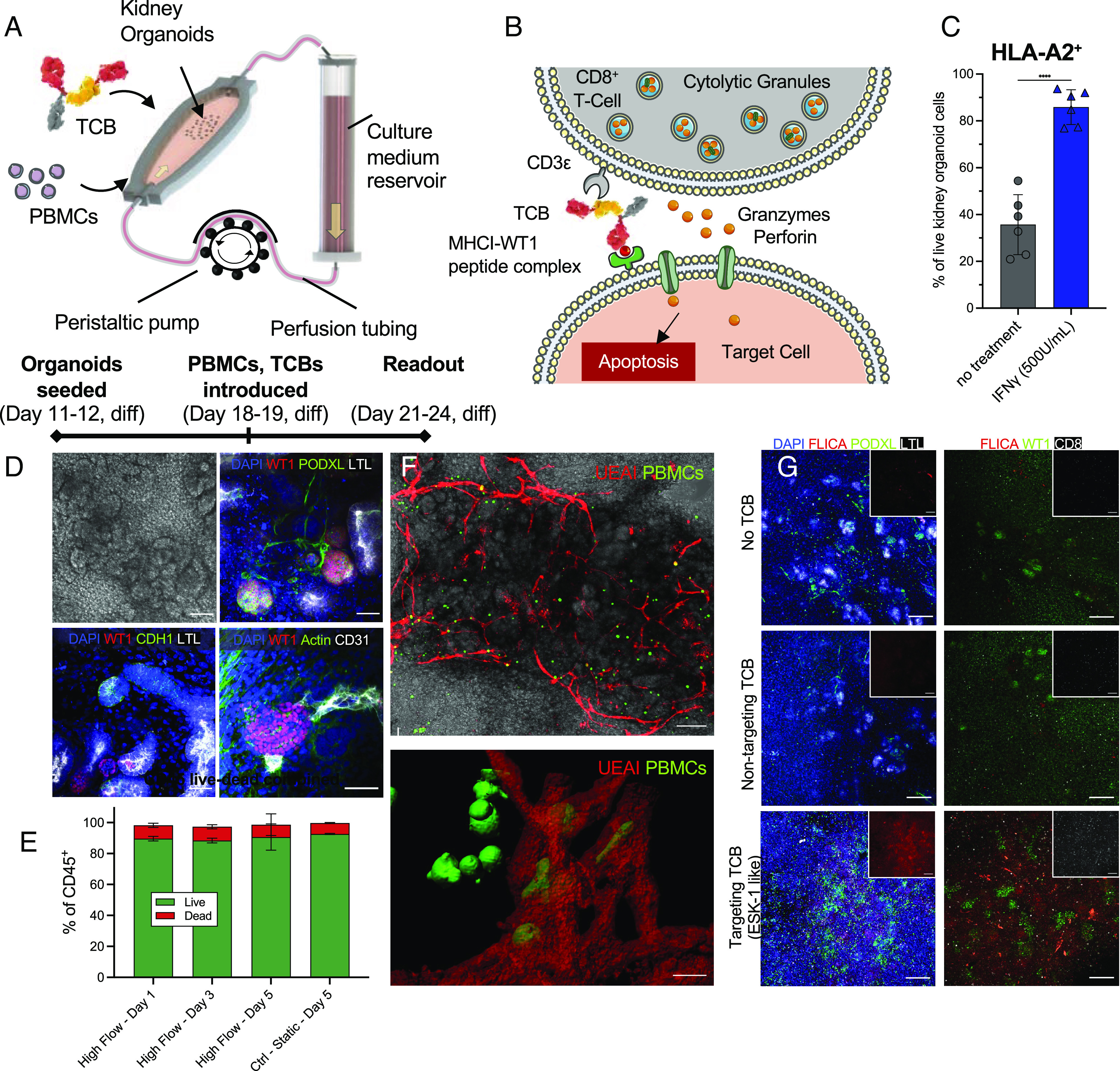
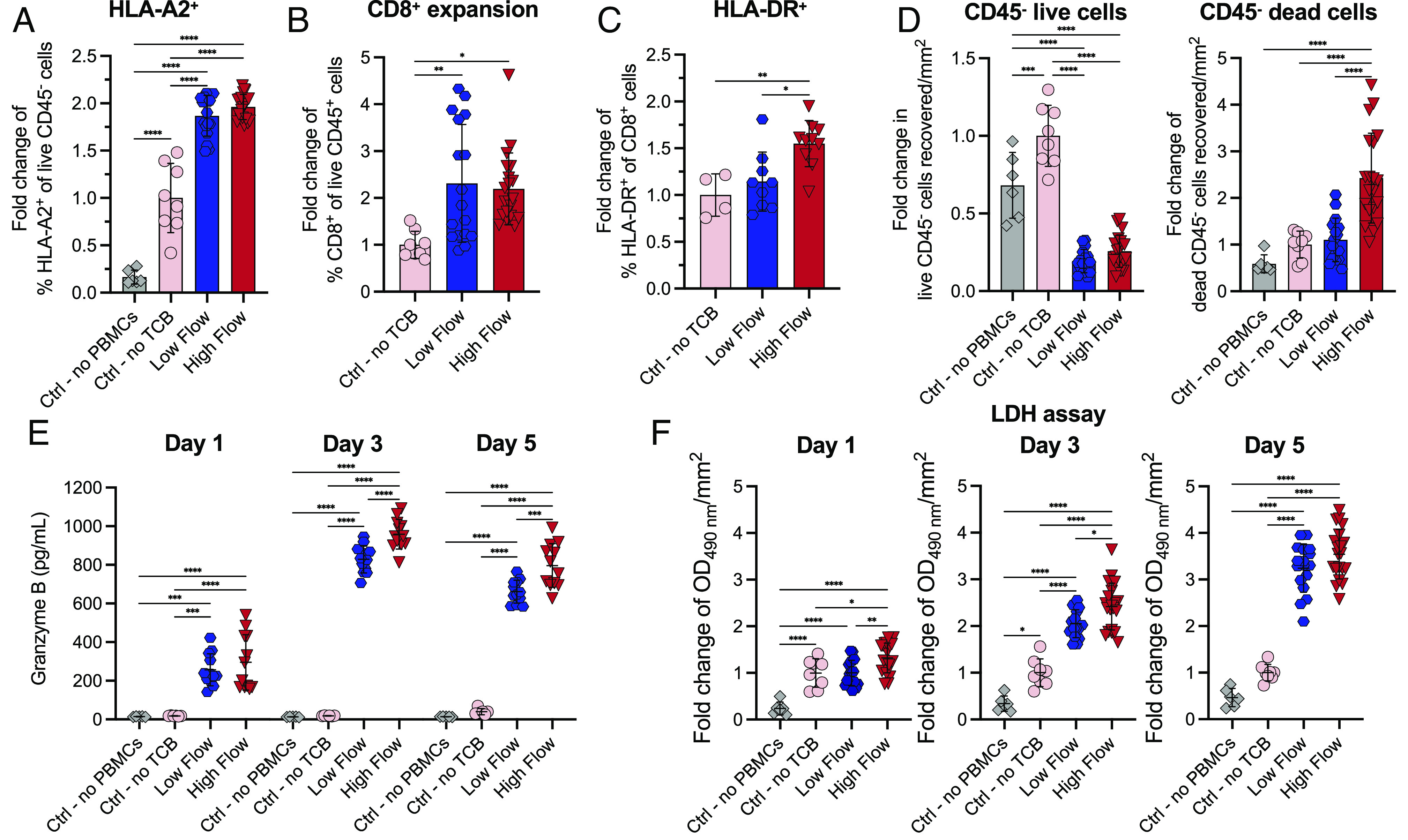
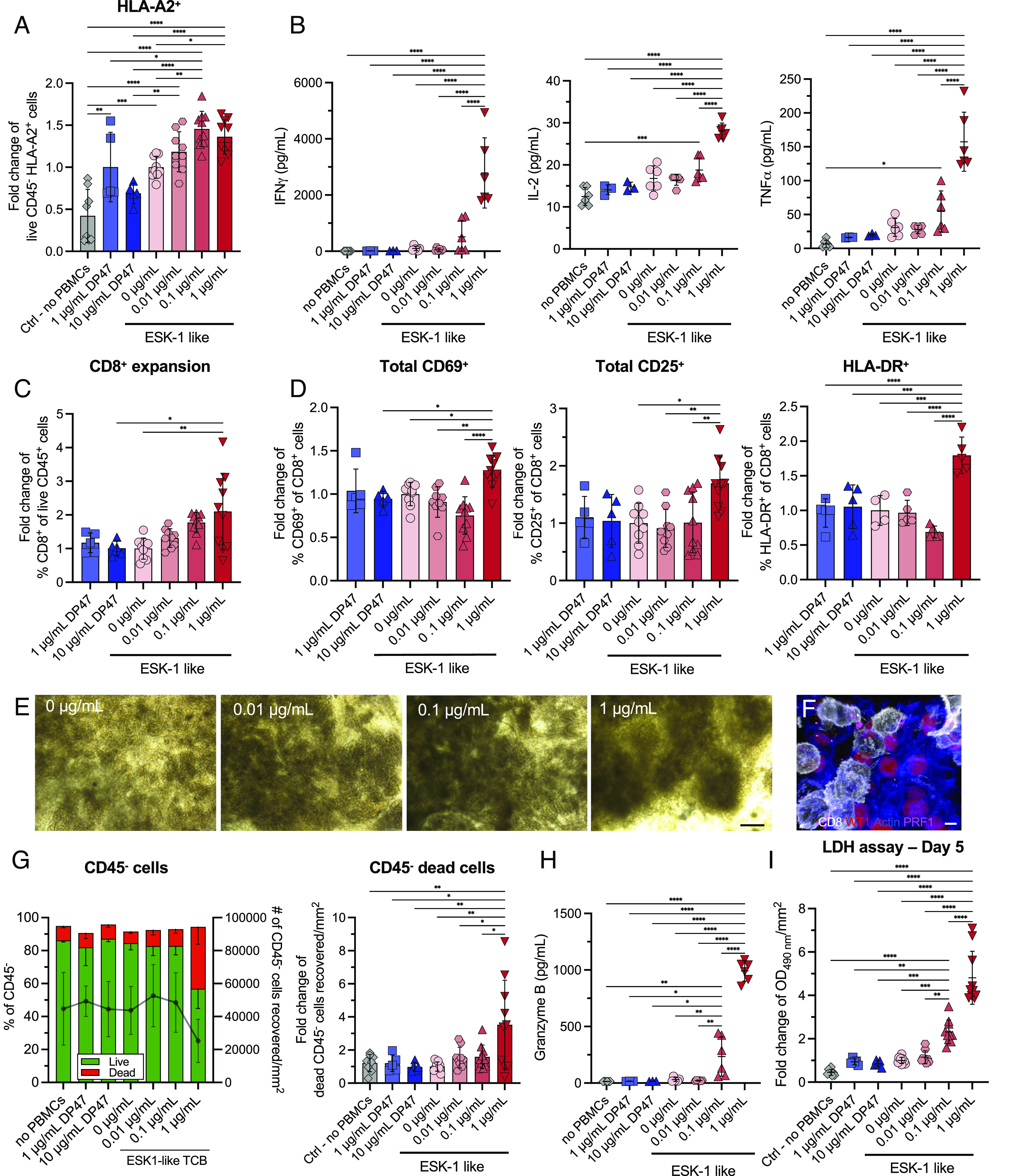
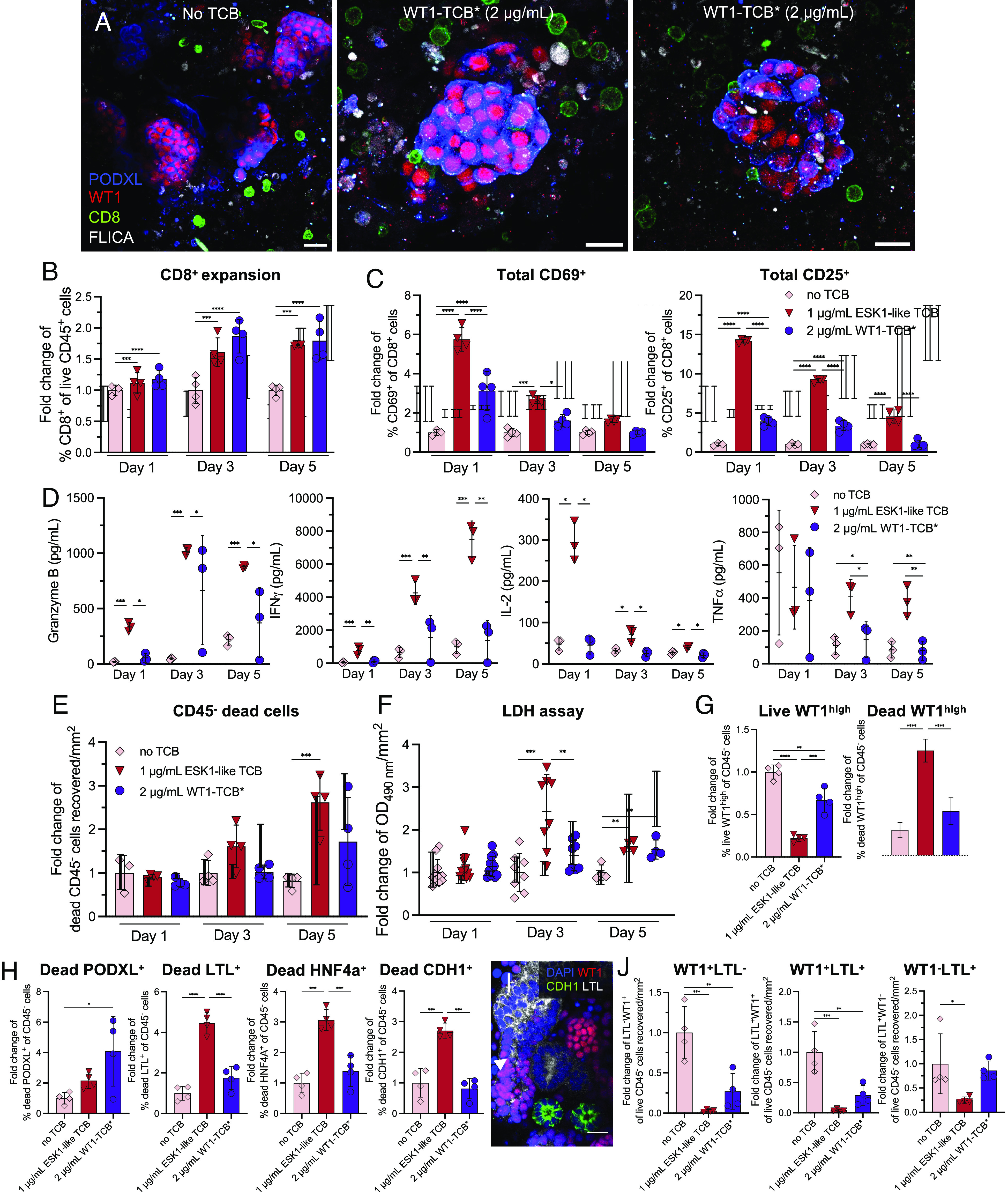
Verification
Claims the paper makes
The claims and statistics of this paper haven’t been checked yet.
Free: it reads the open-access text and checks the first 5 claims that cite a source we can check. Create a free account to check every claim.
Claims other papers make about this one
Each is checked against this paper’s own text: does it say what the citing paper says it does?
The source backs part of the claim, not all of it — or backs it for a different population, condition or comparison.
In the citing paper
“The findings demonstrated that the TCB could induce cell death in kidney cells expressing the target antigen, with the extent of kidney cell killing dependent on the concentration and duration of TCB exposure.”
From Microphysiological systems as models for immunologically ‘cold’ tumors (2024) · cites this paper as Kroll et al., 2023
Experimental — accuracy not yet measured
Self-check
Percentages, sums and reported differences re-computed from the paper’s own numbers.
The self-check needs the paper’s full text.
Citations
Cites
Bhatia, S. N., & Ingber, D. E. (2014) · Nature Biotechnology · doi:10.1038/nbt.2989 · Cited by 3,305
CELLULAR RESPONSES TO INTERFERON-γ
Boehm, U., Klamp, T., Groot, M., & Howard, J. C. (1997) · Annual Review of Immunology · doi:10.1146/annurev.immunol.15.1.749 · Cited by 2,890
Globally optimal stitching of tiled 3D microscopic image acquisitions
Preibisch, S., Saalfeld, S., & Tomancak, P. (2009) · Bioinformatics · doi:10.1093/bioinformatics/btp184 · Cited by 2,452
Human organs-on-chips for disease modelling, drug development and personalized medicine
Ingber, D. E. (2022) · Nature Reviews Genetics · doi:10.1038/s41576-022-00466-9 · Cited by 1,589 · cited 2×
“While the use of 2 dimensional cell culture models based on primary or immortalized adult podocytes is limited either by lack of cell proliferation leading to a scalability challenge or proper gene expression that may jeopardize predictivity (15, 16).”
CD69: from activation marker to metabolic gatekeeper
Cibrián, D., & Sánchez‐Madrid, F. (2017) · European Journal of Immunology · doi:10.1002/eji.201646837 · Cited by 948 · cited 2×
“According to the Invitrogen Publication Number MAN0024966 [Revision C0 (32)], the assay workflow is the following: After adding the beads into the flat bottom plate, the beads are washed using a flat magnet and an automated plate washer (405TS microplate washer from Bioteck).”
Flow-enhanced vascularization and maturation of kidney organoids in vitro
Homan, K. A., Gupta, N., Kroll, K. T., Kolesky, D. B., Skylar-Scott, M., Miyoshi, T., Mau, D., Valerius, M. T., Ferrante, T., Bonventre, J. V., et al. (2019) · Nature Methods · doi:10.1038/s41592-019-0325-y · Cited by 939
Self-citationNephron organoids derived from human pluripotent stem cells model kidney development and injury
Morizane, R., Lam, A. Q., Freedman, B. S., Kishi, S., Valerius, M. T., & Bonventre, J. V. (2015) · Nature Biotechnology · doi:10.1038/nbt.3392 · Cited by 927
T cell-engaging therapies — BiTEs and beyond
Goebeler, M.-E., & Bargou, R. C. (2020) · Nature Reviews Clinical Oncology · doi:10.1038/s41571-020-0347-5 · Cited by 644
Wu, H., Uchimura, K., Donnelly, E. L., Kirita, Y., Morris, S. A., & Humphreys, B. D. (2018) · Cell Stem Cell · doi:10.1016/j.stem.2018.10.010 · Cited by 605
Musah, S., Mammoto, A., Ferrante, T. C., Jeanty, S. S. F., Hirano-Kobayashi, M., Mammoto, T., Roberts, K., Chung, S., Novak, R., Ingram, M., et al. (2017) · Nature Biomedical Engineering · doi:10.1038/s41551-017-0069 · Cited by 538
Research works printed but not linked: 1
- “ The Wilms’ Tumor (WT1)” in Gene Methods and Protocols, N. Hastie Ed. (Springer Science+Business Media, New York, NY, USA, 2016), vol. 1467, p. 235.
Cited by
Thorel, L., Perréard, M., Florent, R., Divoux, J., Coffy, S., Vincent, A., Gaggioli, C., Guasch, G., Gidrol, X., Weiswald, L.-B., et al. (2024) · Experimental & Molecular Medicine · doi:10.1038/s12276-024-01272-5 · Cited by 236
Lymphocytes and innate immune cells in acute kidney injury and repair
Lee, K., Jang, H. R., & Rabb, H. (2024) · Nature Reviews Nephrology · doi:10.1038/s41581-024-00875-5 · Cited by 136
Human organoids as 3D in vitro platforms for drug discovery: opportunities and challenges
Wang, D., Villenave, R., Stokar‐Regenscheit, N., & Clevers, H. C. (2025) · Nature Reviews Drug Discovery · doi:10.1038/s41573-025-01317-y · Cited by 130
Wang, Q., Yuan, F., Zuo, X., & Li, M. (2025) · Cell Death Discovery · doi:10.1038/s41420-025-02505-w · Cited by 121
Roadblocks confronting widespread dissemination and deployment of Organs on Chips
Alver, C. G., Drabbe, E., Ishahak, M., & Agarwal, A. (2024) · Nature Communications · doi:10.1038/s41467-024-48864-3 · Cited by 74
A perfusable, vascularized kidney organoid-on-chip model
Kroll, K. T., Homan, K. A., Uzel, S. G. M., Mata, M. M., Wolf, K. J., Rubins, J. E., & Lewis, J. A. (2024) · Biofabrication · doi:10.1088/1758-5090/ad5ac0 · Cited by 73
“Hence, there has been considerable effort devoted to creating human kidney-on-chip models, including proximal tubules [4–6], glomeruli-on-chip [7, 8] and, most recently, kidney organoid-on-chip models [9–12].”
In vitro immunity: an overview of immunocompetent organ-on-chip models
Morrison, A. I., Sjoerds, M. J., Vonk, L. A., Gibbs, S., & Koning, J. J. (2024) · Frontiers in Immunology · doi:10.3389/fimmu.2024.1373186 · Cited by 61
Cancer-on-a-chip for precision cancer medicine
Liu, L., Wang, H., Chen, R., Song, Y., Wei, W., Baek, D. S. H., Gillin, M., Kurabayashi, K., & Chen, W. (2025) · Lab on a Chip · doi:10.1039/d4lc01043d · Cited by 52
Interferon-γ induces combined pyroptotic angiopathy and APOL1 expression in human kidney disease
Juliar, B. A., Stanaway, I. B., Sano, F., Fu, H., Smith, K. D., Akilesh, S., Scales, S. J., Saghir, J. E., Bhatraju, P. K., Liu, E., et al. (2024) · Cell Reports · doi:10.1016/j.celrep.2024.114310 · Cited by 46
“81 Our gene expression and western blot analyses implicate a pyroptotic mechanism; however, the heterogeneous mixture of cells in organoid cultures, and the comparatively small fraction of ECs, raises challenges for demonstrating pyroptosis specifically in ECs.”
Tumour organoids and assembloids: Patient‐derived cancer avatars for immunotherapy
Mei, J., Liu, X., Tian, H., Chen, Y., Cao, Y., Zeng, J., Liu, Y., Chen, Y., Gao, Y., Yin, J., et al. (2024) · Clinical and Translational Medicine · doi:10.1002/ctm2.1656 · Cited by 44
“58,215 This is the assembloid concept has marked a significant stride in the evolution of organoid technology.”
BackgroundReimagining human-centric drug development with new approach methodologies
Wu, X., Wu, M. A., Zou, J., Kleinstreuer, N., & Wu, J. C. (2026) · Science · doi:10.1126/science.aeb0045 · Cited by 44
Stem Cells and Organoids: A Paradigm Shift in Preclinical Models Toward Personalized Medicine
Luce, E., & Duclos‐Vallée, J. (2025) · Pharmaceuticals · doi:10.3390/ph18070992 · Cited by 35
Organoids as models of immune-organ interaction
Harter, M. F., Recaldin, T., & Gjorevski, N. (2025) · Cell Reports · doi:10.1016/j.celrep.2025.116214 · Cited by 36
Advancements in therapeutic development: kidney organoids and organs on a chip
Tabibzadeh, N., & Morizane, R. (2024) · Kidney International · doi:10.1016/j.kint.2023.11.035 · Cited by 31
Koenig, L., Juglair, L., Tao, T. P., Fischer, S., Clausen, I., Imhof-Jung, S., Janssen, N., Mader, R., Marbach, D., Niewoehner, J., et al. (2025) · Communications Biology · doi:10.1038/s42003-025-08137-1 · Cited by 27
Yang, H., Li, J., Wang, Z., Khutsishvili, D., Tang, J., Zhu, Y., Cai, Y., Dai, X., & Ma, S. (2024) · Life Medicine · doi:10.1093/lifemedi/lnae016 · Cited by 28
“This combination offers a promising approach for studying organ-organ [59] and organ-microenvironment [60] interactions, as well as facilitating microscale precise interventions [61].”
Experimental models for preclinical research in kidney disease
Miao, J., 浙江大学医学院附属第一医院肾脏病中心, 浙., Zhu, H., Wang, J., Chen, J., Han, F., Lin, W., & 浙江大学医学院附属第四医院肾病科, 浙. (2024) · 动物学研究 · doi:10.24272/j.issn.2095-8137.2024.072 · Cited by 26
Advances in organoid-on-a-chip for recapitulation of human physiological events
Park, B. J., Park, J., Han, S., Kwon, T., Sung, J. Y., Kim, J., Safarkhani, M., Min, K.-H., Lee, E.-H., Kang, S., et al. (2025) · Materials Today · doi:10.1016/j.mattod.2025.02.002 · Cited by 23
Bozym, D. J., Zheng, D. X., Revach, O., Aref, A. R., & Jenkins, R. W. (2025) · Lab on a Chip · doi:10.1039/d5lc00062a · Cited by 21
Drug repurposing for glomerular diseases: an underutilized resource
Ng, M. S. Y., Kaur, G., Francis, R. S., Hawley, C. M., & Johnson, D. W. (2024) · Nature Reviews Nephrology · doi:10.1038/s41581-024-00864-8 · Cited by 19
“Nonetheless, immune-infiltrated kidney organoids constitute a promising method for performing high-throughput drug screening for glomerular diseases that converge on pathological immune–kidney cell interactions 30 .”
InfluentialEffective and new technologies in kidney tissue engineering
Pisheh, H. R., Haghdel, M., Jahangir, M., Hoseinian, M. S., Yasuj, S. R., & Roodbari, A. S. (2024) · Frontiers in Bioengineering and Biotechnology · doi:10.3389/fbioe.2024.1476510 · Cited by 21
Modeling immunity in microphysiological systems
Kwee, B. J., Li, X., Nguyen, X.-X., Campagna, C., Lam, J., & Sung, K. E. (2023) · Experimental Biology and Medicine · doi:10.1177/15353702231215897 · Cited by 16
“125,126 The integration of these approaches will yield more physiologically relevant approaches for modeling immunity in vitro .”
BackgroundOpportunities for Microphysiological Systems in Toxicity Testing of New Drug Modalities
Maulana, T. I., Wevers, N. R., Kristoforus, T., Chandler, M. R., Lanz, H. L., Joore, J., Vulto, P., Villenave, R., Kustermann, S., Loskill, P., et al. (2024) · The Annual Review of Pharmacology and Toxicology · doi:10.1146/annurev-pharmtox-061724-080621 · Cited by 24
Borges, T. J., Ganchiku, Y., Aceves, J. O., van Gaal, R. C., Uzel, S. G. M., Rosales, I. A., Rubins, J. E., KOBAYASHI, K. P., Hiratsuka, K., Tekgüç, M., et al. (2024) · iScience · doi:10.1016/j.isci.2024.110957 · Cited by 15
Innovative organ-on-a-chip platforms for exploring tumorigenesis and therapy in head and neck cancer
Lin, C., Zhang, Z., Yang, F. L., Gu, S., Zuo, J., Wu, Y. M., Zhang, J., Zhou, T., Zhang, Y., Chen, Z., et al. (2025) · Journal of Translational Medicine · doi:10.1186/s12967-025-06824-5 · Cited by 18
“Currently, researchers have designed various organ-on-a-chip models tailored to different research goals and needs, including single-chamber, high-throughput multi-array, parallel chamber, and sequentially connected configurations [71–75] (Fig.”
Gijzen, L., Bokkers, M., Hanamsagar, R., Olivier, T., Burton, T. P., Tool, L. M., Rahman, M. F., Lowman, J., Savova, V., Means, T. K., et al. (2024) · Biofabrication · doi:10.1088/1758-5090/ad9fdf · Cited by 14
“Numerous animal models are available to study kidney functionality and these generated valuable insights and discoveries to the field [22, 23].”
Microphysiological systems as models for immunologically ‘cold’ tumors
Gaebler, D., Hachey, S. J., & Hughes, C. C. W. (2024) · Frontiers in Cell and Developmental Biology · doi:10.3389/fcell.2024.1389012 · Cited by 14
Neoantigen-driven personalized tumor therapy: An update from discovery to clinical application
Xie, N., Shen, G., Huang, C., & Zhu, H. (2025) · Chinese Medical Journal · doi:10.1097/cm9.0000000000003708 · Cited by 15
“[172,173] This structural information facilitates the prediction of high-affinity contacts between TCRm antibodies and diverse HLA-A02 subtypes, therefore broadening the prospective patient population suitable for ESK1 therapy.”
Advancements in Organoid Culture Technologies: Current Trends and Innovations
Ji, Y., & Sun, Y. (2024) · Stem Cells and Development · doi:10.1089/scd.2024.0132 · Cited by 15
Hong, C., & Lyu, S. (2025) · International Journal of Molecular Sciences · doi:10.3390/ijms26157247 · Cited by 18
“Kroll et al. developed millifluidic chips enabling PBMC circulation through kidney organoids for T cell bispecific antibody assessment [149].”
Organoids in Dynamic Culture: Microfluidics and 3D Printing Technologies
Su, X., Wang, M., Yuan, R., Guo, L., Han, Y., Huang, C., Li, A., Kaplan, D. L., & Wang, X. (2025) · ACS Biomaterials Science & Engineering · doi:10.1021/acsbiomaterials.4c02245 · Cited by 13
Moresi, F., Noto, F., Vasudevan, J., Bisteau, X., Adriani, G., & Pavesi, A. (2025) · Advanced Therapeutics · doi:10.1002/adtp.202500098 · Cited by 13
Mazzaglia, C., Huang, Y. Y. S., & Shields, J. D. (2024) · Advanced Drug Delivery Reviews · doi:10.1016/j.addr.2024.115485 · Cited by 10
High-throughput histopathology for complex in vitro models
Harter, M. F., D’Arcangelo, E., Aubert, J., Lavickova, B., Havnar, C. A., Stoll, B., Cubela, I., Filip, A. M., Gaspa-Toneu, L., Scherer, J., et al. (2026) · Cell Reports Methods · doi:10.1016/j.crmeth.2026.101419 · Cited by 9
“78–82 However, these cultures are typically subjected to destructive methods such as flow cytometry, or the soft-ECM (e.g., Matrigel) disintegrates upon fixation, thereby losing spatial context and information about the TME.”
A novel bispecific T-cell engager using the ligand-target csGRP78 against acute myeloid leukemia
Zeng, X., Zhang, H., Guo, J., Yang, D., Zhu, Y., Liu, N., Tang, J., Liu, T., & Zhao, X. (2024) · Cellular and Molecular Life Sciences · doi:10.1007/s00018-024-05410-0 · Cited by 8
“In parallel, ongoing developments in the field of bispecific engagers, such as CD123 × CD3, WT1 × CD3, and CD34 × CD3, are currently in the preclinical research stage [ 27 –29].”
BackgroundKidney organoid models of polycystic kidney disease: challenges and future directions
Afrin, H., Qamar, U., Robichaud, J. H., Ellabbad, M., Harris, P. C., & Gupta, N. (2025) · American Journal of Physiology-Renal Physiology · doi:10.1152/ajprenal.00116.2025 · Cited by 7
Nabavi, S. F., & Garmestani, H. (2026) · Journal of Manufacturing Processes · doi:10.1016/j.jmapro.2025.12.035 · Cited by 7
Organoids: technology refining, current applications and future directions
Cheng, X., Fang, Z., Sun, J., Liu, L., Yang, Y., Wang, J., Shuai, J., Zhou, X., Lin, P., Yang, G., et al. (2026) · Molecular Biomedicine · doi:10.1186/s43556-026-00422-7 · Cited by 9
“In addition, organoid models are used to study STING pathway activation [10], AURKA inhibitors [11], and off-target toxicity of T cell-binding bispecific antibodies [12], providing a theoretical basis for discovering new therapeutic targets and optimizing treatment plans.”
Hypoxic injury triggers maladaptive repair in human kidney organoidsPreprint
Nunez-Nescolarde, A. B., Liao, Y., Perlaza-Jiménez, L., Piran, M., Cheng, Z., Barlow, C. K., Steele, J. R., Lucas, D. D., Lee, H.-C., Moreau, J. L. M., et al. (2023) · bioRxiv (Cold Spring Harbor Laboratory) · doi:10.1101/2023.10.04.558359 · Cited by 5
A human tissue-based model of renal inflammation
Merrild, C., Pedersen, G. A., Antonsen, K. W., Madsen, M. G., Keller, A. K., Møller, H. J., Nejsum, L. N., Mutsaers, H. A. M., & Nørregaard, R. (2024) · Experimental Cell Research · doi:10.1016/j.yexcr.2024.114309 · Cited by 4
Microfluidic and organ-on-a-chip approaches to model the tumor microenvironment
Bonnet, V., Angelidakis, E., Sart, S., & Baroud, C. N. (2025) · Current Opinion in Biomedical Engineering · doi:10.1016/j.cobme.2025.100606 · Cited by 7
Construction of Lymphoma Organoids and Applications in Tumor Microenvironment Research
Zhu, M., Li, T., Han, S., Zhao, D., Chen, X., Wong, V., Wang, H., & Liu, Y. (2025) · European Journal Of Haematology · doi:10.1111/ejh.14448 · Cited by 4
“…subsequent studies have developed perfusable, vascularized kidney organoid- on-chip systems [100] and immune-infiltrated vascularized organoids to assess T-cell bispecific antibody responses [101], highlighting the potential of microfluidic technologies in immune modeling and therapeutic testing.”
Applications and perspectives of tumor organoids in radiobiology (Review)
Jin, Y., Wang, K., Tang, Y., & Zheng, D. (2024) · Oncology Reports · doi:10.3892/or.2024.8759 · Cited by 5
“This offers a platform for deeper exploration of radiotherapy and immunotherapy in tumor organoid models (99).”
BackgroundPasupuleti, D., Bagwe, P., Ferguson, A., Uddin, M. N., D’Souza, M. J., & Zughaier, S. M. (2024) · Vaccines · doi:10.3390/vaccines12091049 · Cited by 5
“Incorporating 3D cell cultures and organ-on-a-chip models can enhance physiological relevance from in vitro overlay assays to in vivo findings [58–62].”
BackgroundXi, Y., & Song, W. (2025) · Cell and Tissue Research · doi:10.1007/s00441-025-04018-5 · Cited by 6
Advances and continuing challenges in differentiation of stem cells to human kidney tissue
Little, M. H., & Wilson, S. B. (2025) · Nature Reviews Nephrology · doi:10.1038/s41581-025-01018-0 · Cited by 5
“Microfluidic approaches are now incorporating hPSC-derived kidney cell types to generate miniaturized models with controlled environments 85,86 .”
Bridging Toxicological Silos with Organoids: A Systems Approach to Human-Relevant Risk Assessment
Zhao, N., Deng, X., Dong, R., & Zhao, Y. (2026) · Environmental Science & Technology · doi:10.1021/acs.est.5c14491 · Cited by 3
Li, Y., Liao, W., & Sun, L. (2024) · PubMed Central · doi:10.11817/j.issn.1672-7347.2024.240187 · Cited by 7
“…ALI 法培养的结肠癌类器 官模型中,对抗 PD-1 抗体治疗反应良好的类器官显 示出较低水平的 MDSCs 。此外,研究 [41] 还观察到活 精准打击 [43] 。然而,传统的药物评估模型在预测正常 组织对药物的反应方面往往存在局限性,尤其是在 评估细胞间相互作用的影响时。 Kroll 等 [44] [45] 通过流式细胞术分析,发现在培养 [46] [46] 及 NK 细胞疗法等 [48] 。 CAR-T 是一种细胞工程策略,通过改造患者自 身的 T 细胞或来自健康供体的细胞,使其表达能够特 异性识别癌细胞表面抗原的受体。这种改造后的 T 细 胞通过毒性作用识别和清除癌细胞 [49]…”
Spatiotemporally-patterned biomaterials for organoid culture
Arrieta-Viana, L. F., & García, A. J. (2025) · Current Opinion in Biomedical Engineering · doi:10.1016/j.cobme.2025.100594 · Cited by 6
dos Santos, M. P. S., Bernardo, R. M. C., Vidal, J. V., Moreira, A., Torres, D. F. M., Herdeiro, C., Santos, H. A., & Gonçalves, G. (2024) · Computers in Biology and Medicine · doi:10.1016/j.compbiomed.2024.108961 · Cited by 4
Microphysiological Systems for Comorbidity Studies: Chronic Kidney Disease and Osteoarthritis
Han, M., Lin, W., Cao, Y., Murray, P., Wilm, B., McWilliam, S. J., Curran, J., & Xie, R. (2025) · Advanced Healthcare Materials · doi:10.1002/adhm.202500550 · Cited by 4
Nylon mesh chip promotes three-dimensional visualization of intestinal organoids
Tan, J., Li, Y., Wang, M., Huang, H., Li, J., Ai, Y., Liu, J., Li, H., & Liu, Y. (2025) · Scientific Reports · doi:10.1038/s41598-025-12015-5 · Cited by 2
Stem cell and bioengineering approaches for end-stage renal disease: a comprehensive review
Nishimura, Y. (2026) · Stem Cells · doi:10.1093/stmcls/sxag003 · Cited by 2
Zhao, Z., Tong, K., Deng, K., Liu, H., Li, Y., & Wang, D. (2026) · Frontiers in Medicine · doi:10.3389/fmed.2026.1815902 · Cited by 3
“A more advanced solution was reported by Kroll et al. (51), who developed an immune-infiltrated, vascularized kidney organoid-on-chip model in which peripheral blood mononuclear cells and T cell bispecific compounds were co-circulated under flow.”
Ma, C., Koh, D., Nishimura, T., Takata, Y., Kameda, Y., Negoro, R., Ishiguro, N., Shibuta, M., Namatame, I., Tetsuka, K., et al. (2026) · Advanced Drug Delivery Reviews · doi:10.1016/j.addr.2026.115887 · Cited by 3
Advances in Organ-on-a-chip Technologies for Biomedical Research and Applications
Zhu, Q., Liao, M., Hu, Y., & Chai, R. (2025) · Materials Lab · doi:10.54227/mlab.20240006 · Cited by 2
Wang, L., Liu, Y., Wang, Z., Liu, J., Yan, Z., & Liu, X. (2025) · Materials Today Bio · doi:10.1016/j.mtbio.2025.102231 · Cited by 1
“Its high degree of clinical relevance makes it a powerful tool for advancing drug discovery and development as well as for guiding personalized therapeutic strategies tailored to individual patients [48].”
Targeting Tumor‐Immune Microenvironment with Organoid and Organ‐on‐a‐Chip: An Updated Review
Madani, S., Holman, J. B., Rajput, M. U., Ali, S. W., Shi, Z., Qiu, B., Zhang, A., Li, C., & Ding, W. (2025) · Advanced Materials Technologies · doi:10.1002/admt.202501704 · Cited by 1
Liu, M., Zhang, T., Cao, W., Tan, T. J., Ying, D., Wang, H., & Xia, Y. F. (2026) · Journal of the American Society of Nephrology · doi:10.1681/asn.0000001025 · Cited by 1
A kidney organoid chip facilitating organoid development and in vitro renal fibrosis modeling
Yao, X., Li, Y., Gao, Y., Zhou, L., Bai, Y., Yang, B., Feng, L., Wang, L., Liu, L., & Shi, Y. (2026) · Biomicrofluidics · doi:10.1063/5.0296663 · Cited by 2
Yu, Y., Li, Y., Wang, J., Zhu, Y.-J., Zhang, Z., Xiao, Z., Chen, Y., Qu, Y., Han, L., & Zhang, H. (2026) · Experimental Hematology and Oncology · doi:10.1186/s40164-026-00757-5 · Cited by 3
“Recently, the immune-infiltrated and vascularized kidney organoid-chip model exhibits surprising predictive effects in T cell based-immunotherapy [264].”
Koch, L., Dilmen, E., Jansen, J., & Kramann, R. (2026) · Journal of the American Society of Nephrology · doi:10.1681/asn.0000001154 · Cited by 6
Immune Microphysiological Systems for Human Innate Immunity
Kim, S., Lee, Y., Park, E., Byeon, M., Choi, H., Bang, S., Jeon, N. L., & Ko, J. (2026) · Advanced Materials Technologies · doi:10.1002/admt.71051 · Cited by 1
Kuang, B., Han, L., Tan, S., Tan, S., Bou, S., Zhao, Y., Li, Y., Yu, J., & Gong, N. (2026) · Redox Biology · doi:10.1016/j.redox.2026.104236 · Cited by 1
“In particular, emerging organoid-on-chip platforms incorporating perfusion and mechanical cues further enhance physiological relevance by improving oxygen delivery and metabolic coupling [143].”
Kidney Organoids: Disease Modeling and Clinical Implementations for Patient Benefit
Gessaroli, E., Donini, S., Wertheim, J. A., Gupta, A., & Gallon, L. (2026) · The Nephron journals/Nephron journals · doi:10.1159/000553059 · Cited by 1
Microfluidic platforms for preclinical evaluation of immunotherapies
Massaro, A., Blackledge, C. W., & Shelton, S. E. (2026) · Advanced Drug Delivery Reviews · doi:10.1016/j.addr.2026.115918 · Cited by 1
Smart Bio-Inspired Structures: Organ-on-Chip
Barzegar, S., Zare, M. R., Rajabi, S., & Ahadian, S. (2025) · Springer eBooks · doi:10.1007/978-3-031-87744-5_10
Engineering immune microenvironments for organoid-on-a-chip systems
Li, L., Xu, Q., Zhao, J., Qu, Y., Luo, Y., & Zhang, X. (2026) · MedMat. · doi:10.1097/mm9.0000000000000030 · Cited by 4
Kidney repair and regeneration
Tian, T., Liu, X., Yang, W., He, Z., & Liu, C. (2026) · Elsevier eBooks · doi:10.1016/b978-0-443-40423-8.00004-x
Research Advances in Multi-tissue Organoid Models Based on PBMCs
He, D., Feng, Y., & An, X. (2026) · Molecular Biotechnology · doi:10.1007/s12033-026-01573-2
“To address this, Kroll et al. [24] developed a vascularized kidney organoid system with circulating PBMCs.”
Intelligent organ-on-chip platforms: Machine learning in predictive and personalized drug delivery
Khurana, T., Ganguly, S., & Kiran Raj, M. (2026) · Biomicrofluidics · doi:10.1063/5.0306883
Porcine kidney xenotransplantation: From primate models to clinical reality
Guo, Z., Zhang, L., Deng, S., & Qin, C. (2026) · Animal Models and Experimental Medicine · doi:10.1002/ame2.70195 · Cited by 2
Designing complex organoids through developmental principles
Brassard, J. A., & Wells, J. M. (2026) · Cell stem cell · doi:10.1016/j.stem.2026.05.004 · Cited by 1
New Dimensions in Diabetic Kidney Disease Research: Advanced Organoids and Organs-on-a-Chip
Duan, S., Tang, M., Wang, N., Xu, T., He, M., Xu, S., Jh, Z., Gu, Z. Z., Chen, Z., & Liu, Y. (2026) · BME Frontiers · doi:10.34133/bmef.0296
“A kidney model co-cultured with T-cell bispecific antibodies (TCBs) and peripheral blood mono-nuclear cells can be used to evaluate the podocyte-killing effects induced by selective WT1-TCBs [ 119 ].”
King, E., & Atala, A. (2026) · Elsevier eBooks · doi:10.1016/b978-0-443-30151-3.00016-4
Advancements in kidney-on-chip applications in (patho-)physiology, toxicology, and pharmacology
van Genderen, A. M., Masereeuw, R., & Mihaila, S. M. (2026) · Elsevier eBooks · doi:10.1016/b978-0-443-16110-0.00016-9
Jia, B., Yan, B., Li, S., Yang, J., Cheng, Z., Zhou, X., Song, W., Hong, X., Chen, S., Wu, Z., et al. (2026) · Phytomedicine · doi:10.1016/j.phymed.2026.158895
Metadata
- Authors
- Kroll, K. T., Mata, M. M., Homan, K. A., Micallef, V., Carpy, A., Hiratsuka, K., Morizane, R., Moisan, A., Gubler, M., Walz, A.-C., Marrer-Berger, E., & Lewis, J. A.
- Affiliations
- Harvard University (US)
- F. Hoffmann-La Roche AG (CH)
- Roche Pharma Research and Early Development, Roche Innovation Center Munich, Munich DE-82377, Germany
- Roche Pharma Research and Early Development, Roche Innovation Center Basel, Basel CH-4070, Switzerland
- Corresponding author
- Homan, Kimberly A.
- Lewis, Jennifer A.
- ORCID
- Venue
- Proceedings of the National Academy of Sciences
- Publisher
- National Academy of Sciences
- Published
- 2023-08-21
- Volume
- 120
- Issue
- 35
- Pages
- e2305322120-e2305322120
- ISSN
- 0027-8424 (ISSN-L)
- 1091-6490
- PMC
- PMC10467620
- OpenAlex
- W4386022662
- Cited by
- 79
- References
- 44
- Citations by year
- 2026: 25 · 2025: 26 · 2024: 25 · 2023: 3
- FWCI
- 6.24
- Type
- journal article
- Language
- en
- Open access
- hybrid
- doi.org
- Licence
- Locations
- Proceedings of the National Academy of Sciences (publishedVersion, cc-by-nc-nd)
- PubMed Central (publishedVersion, cc-by-nc-nd)
- PubMed (publishedVersion)
- Funders
- Roche Pharma Research & Early Development (N/A)
- HHS | NIH | National Center for Advancing Translational Sciences (NIH UH3 Grant TR002155)
- International Foundation of Ethical Research (N/A)
- Topics
- Physical Sciences › Engineering › Biomedical Engineering › 3D Printing in Biomedical Research
- Life Sciences › Immunology and Microbiology › Immunology › Monoclonal and Polyclonal Antibodies Research
- Life Sciences › Immunology and Microbiology › Immunology › Immunotherapy and Immune Responses
- Keywords
- T-cell bispecific antibodies, kidney organoids, organ-on-a-chip, HLA-A2, WT1 peptide, CD8+ T cell activation, T cell-mediated killing, on-target off-tumor toxicity, peripheral blood mononuclear cells, cancer immunotherapy, preclinical drug testing
- MeSH terms
- Humans, Kidney, Leukocytes, Mononuclear, Organoids, HLA-A2 Antigen, Antibodies, Bispecific
About these checks
Registry, retraction, Cites and statistics results are computed, not judged, with one exception: a printed reference that no index lists is read once by a model before it counts as a citation error. Claims are extracted by a model and kept only when their quote appears verbatim in the text; each cited source is then checked, with a model’s help, for whether it says what the claim relies on. Those verdicts can be wrong — read the claim’s quote and the cited source before relying on one.
Statistics and arithmetic are recomputed, not judged.
Confidence bands are shown only for fields calibrated on our annotated test set. None is calibrated yet, so no band is shown.
What counts as a claim ›How we measure confidence ›How we check this ›
Are you an author, or do you see a problem with this page? Request a review
Data sources
Bibliographic data: Semantic Scholar, OpenAlex, Crossref.
Contains information from the Semantic Scholar Academic Graph Datasets, made available under the ODC Attribution License (ODC-BY 1.0).
Semantic Scholar’s data is described in: Kinney, R., et al. (2023). The Semantic Scholar Open Data Platform. arXiv:2301.10140.
