

Characterization of an RNA Granule from Developing Brain
Open accessThe DOI matches its Crossref record; 62 of the 62 references it cites were found in a registry or an index.
Abstract
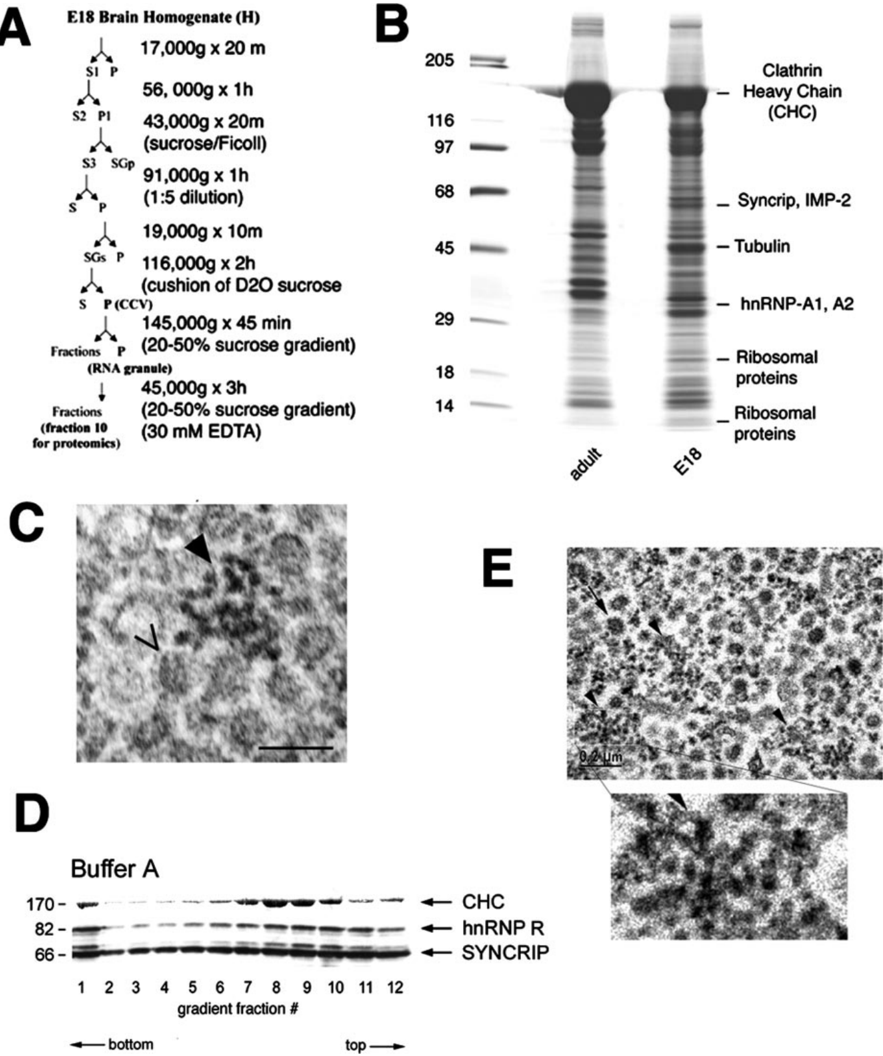
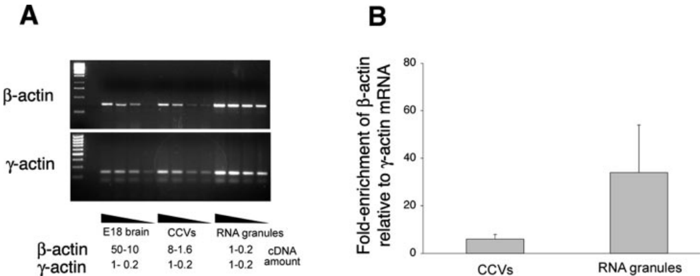
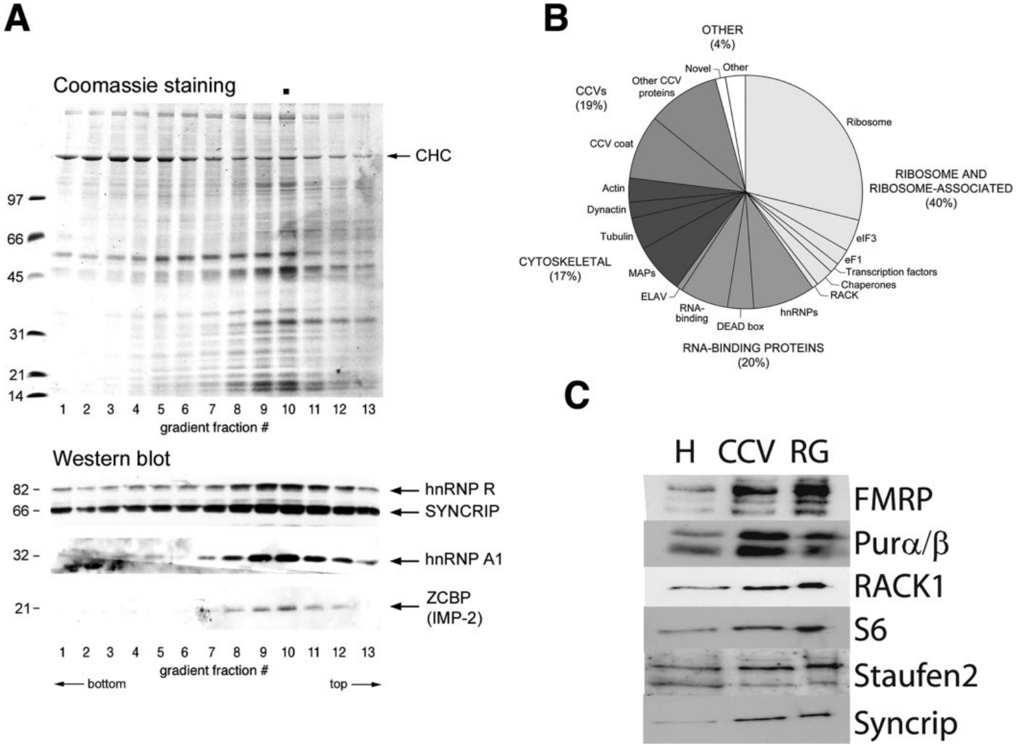
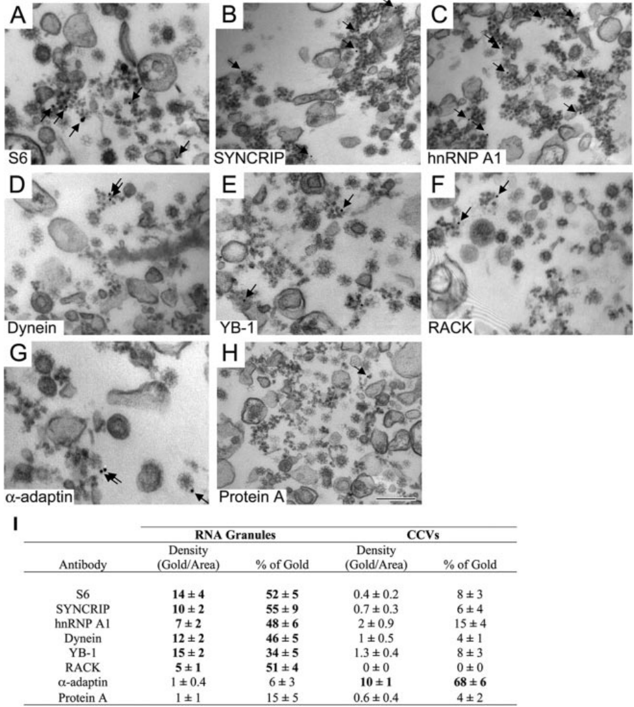
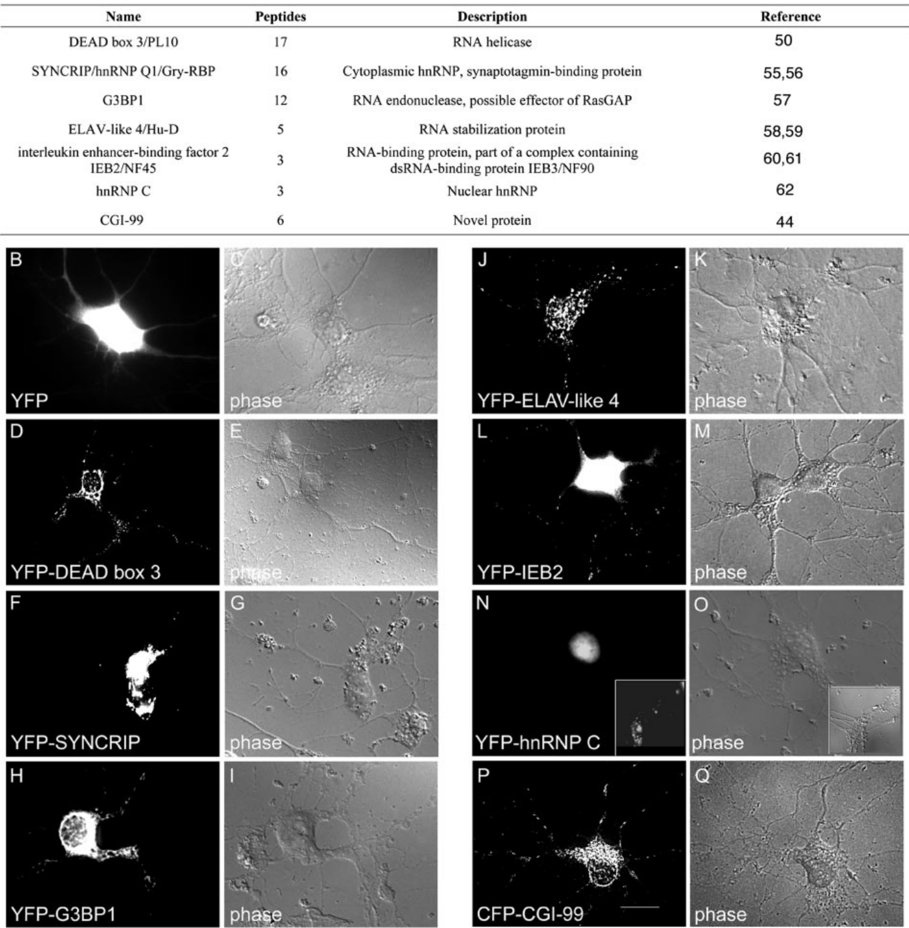
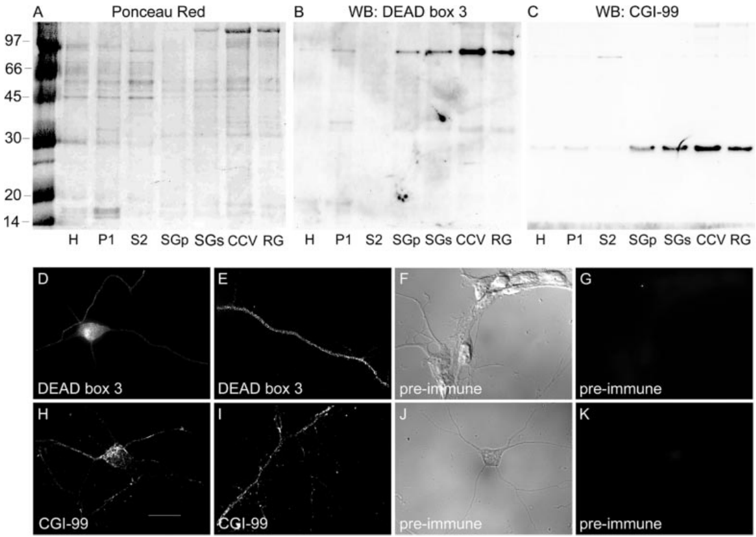
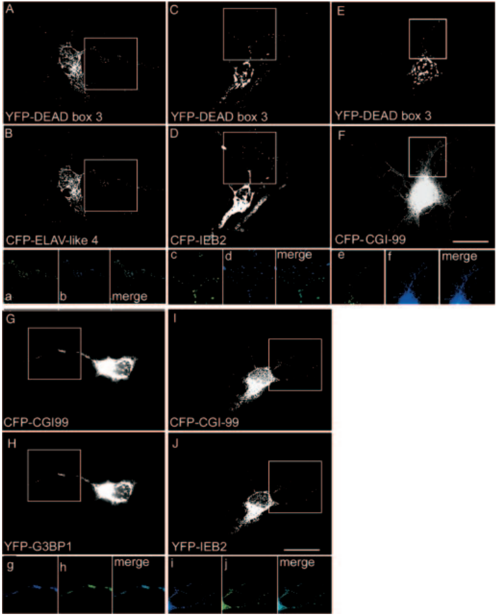
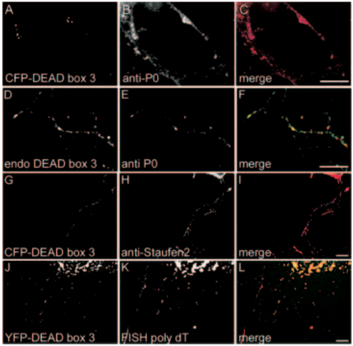
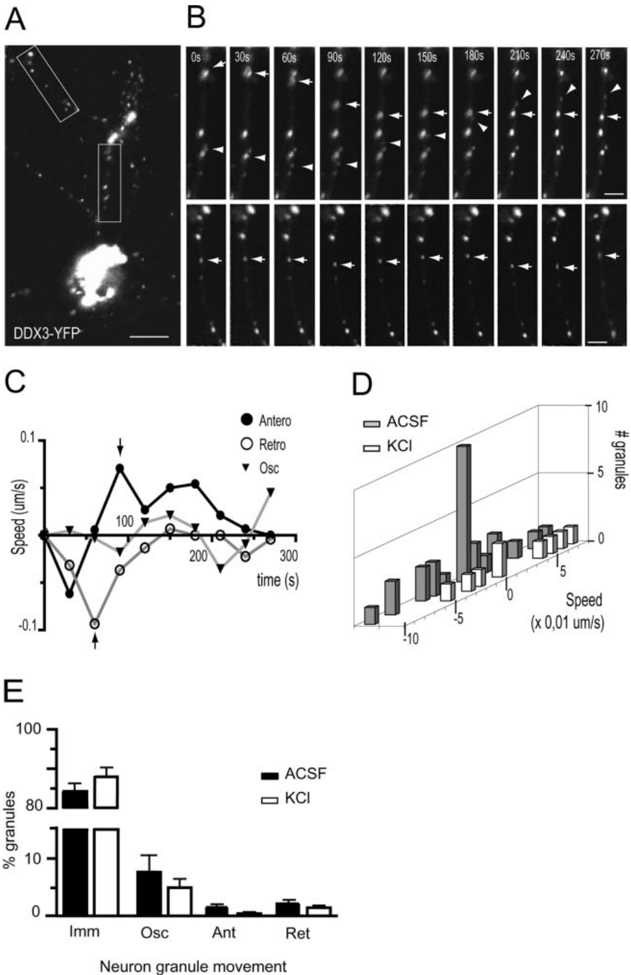
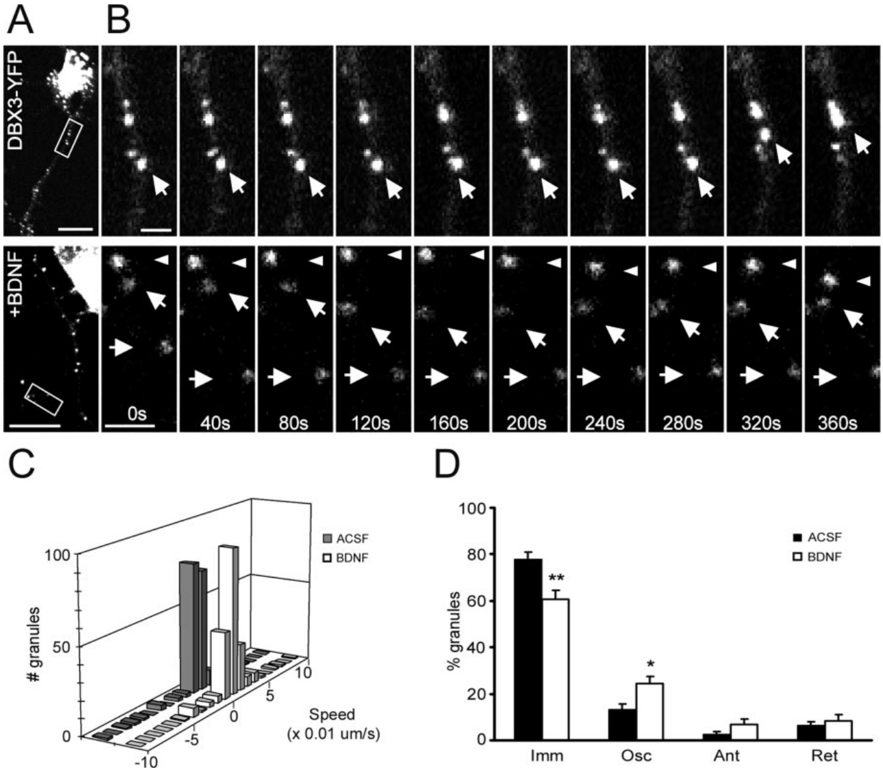
In brain, mRNAs are transported from the cell body to the processes, allowing for local protein translation at sites distant from the nucleus. Using subcellular fractionation, we isolated a fraction from rat embryonic day 18 brains enriched for structures that resemble amorphous collections of ribosomes. This fraction was enriched for the mRNA encoding beta-actin, an mRNA that is transported in dendrites and axons of developing neurons. Abundant protein components of this fraction, determined by tandem mass spectrometry, include ribosomal proteins, RNA-binding proteins, microtubule-associated proteins (including the motor protein dynein), and several proteins described only as potential open reading frames. The conjunction of RNA-binding proteins, transported mRNA, ribosomal machinery, and transporting motor proteins defines these structures as RNA granules. Expression of a subset of the identified proteins in cultured hippocampal neurons confirmed that proteins identified in the proteomics were present in neurites associated with ribosomes and mRNAs. Moreover many of the expressed proteins co-localized together. Time lapse video microscopy indicated that complexes containing one of these proteins, the DEAD box 3 helicase, migrated in dendrites of hippocampal neurons at the same speed as that reported for RNA granules. Although the speed of the granules was unchanged by activity or the neurotrophin brain-derived neurotrophic factor, brain-derived neurotrophic factor, but not activity, increased the proportion of moving granules. These studies define the isolation and composition of RNA granules expressed in developing brain.
Overview
The claims and statistics of this paper haven’t been checked yet.
Free: it reads the open-access text and checks the first 5 claims that cite a source we can check. Create a free account to check every claim.
Integrity signals
Registry
Cites
Statistics
Figures
Verification
Claims the paper makes
The claims and statistics of this paper haven’t been checked yet.
Free: it reads the open-access text and checks the first 5 claims that cite a source we can check. Create a free account to check every claim.
Claims other papers make about this one
Each is checked against this paper’s own text: does it say what the citing paper says it does?
The source backs part of the claim, not all of it — or backs it for a different population, condition or comparison.
In the citing paper
“Most efforts to combine transcriptomic and proteomic profiling have compared or validated the expression of genes via the abundance of their RNAs and proteins, including characterisation of abundance across healthy tissues45, changes due to neurological disorders46, and localised expression in neuronal processes47.”
From Decoding neuroproteomics: integrating the genome, translatome and functional anatomy (2014) · cites this paper as [47]
Experimental — accuracy not yet measured
Self-check
Percentages, sums and reported differences re-computed from the paper’s own numbers.
The self-check needs the paper’s full text.
Citations
Cites
eIF4 Initiation Factors: Effectors of mRNA Recruitment to Ribosomes and Regulators of Translation
Gingras, A.-C., Raught, B., & Sonenberg, N. (1999) · Annual Review of Biochemistry · doi:10.1146/annurev.biochem.68.1.913 · Cited by 2,121 · cited 1×
“ribosomes and translated in a non-localized manner in the cytoplasm (1).”
BackgroundKanai, Y., Dohmae, N., & Hirokawa, N. (2004) · Neuron · doi:10.1016/j.neuron.2004.07.022 · Cited by 1,108 · cited 5×
“CaMKII mRNA transport was blocked by RNA interference to a number of granule proteins including Pur and Staufen (16).”
BackgroundInfluentialSignal Sequence Recognition and Protein Targeting to the Endoplasmic Reticulum Membrane
Walter, P., & Johnson, A. E. (1994) · Annual Review of Cell Biology · doi:10.1146/annurev.cb.10.110194.000511 · Cited by 821
Steward, O., Wallace, C. S., Lyford, G. L., & Worley, P. F. (1998) · Neuron · doi:10.1016/s0896-6273(00)80591-7 · Cited by 810 · cited 1×
“Indeed there is evidence for specific targeting and translation of a newly synthesized mRNA to activated synapses (8).”
BackgroundRequirement of DDX3 DEAD Box RNA Helicase for HIV-1 Rev-RRE Export Function
Yedavalli, V. S. R. K., Neuveut, C., Chi, Y.-H., Kleiman, L., & Jeang, K.-T. (2004) · Cell · doi:10.1016/j.cell.2004.09.029 · Cited by 549
Krichevsky, A. M., & Kosik, K. S. (2001) · Neuron · doi:10.1016/s0896-6273(01)00508-6 · Cited by 536 · cited 3×
“The preparation from E18 brain contained a large number of structures that resembled amorphous collections of ribosomes, similar to what had earlier been described as RNA granules in brains (12, 14, 27) (Fig.”
BackgroundResultSorting of β-Actin mRNA and Protein to Neurites and Growth Cones in Culture
Bassell, G. J., Zhang, H., Byrd, A. L., Femino, A. M., Singer, R. H., Taneja, K. L., Lifshitz, L. M., Herman, I. M., & Kosik, K. S. (1998) · The Journal of Neuroscience · doi:10.1523/jneurosci.18-01-00251.1998 · Cited by 448
Translocation of RNA Granules in Living Neurons
Knowles, R. B., Sabry, J. H., Martone, M. E., Deerinck, T. J., Ellisman, M. H., Bassell, G. J., & Kosik, K. S. (1996) · The Journal of Neuroscience · doi:10.1523/jneurosci.16-24-07812.1996 · Cited by 438 · cited 3×
“The preparation from E18 brain contained a large number of structures that resembled amorphous collections of ribosomes, similar to what had earlier been described as RNA granules in brains (12, 14, 27) (Fig.”
BackgroundResultRelease of eIF6 (p27BBP) from the 60S subunit allows 80S ribosome assembly
Ceci, M., Gaviraghi, C., Gorrini, C., Sala, L. A., Offenhäuser, N., Carlo Marchisio, P., & Biffo, S. (2003) · Nature · doi:10.1038/nature02160 · Cited by 438 · cited 1×
“rons (31) and that RACK and its homologue in yeast are associated with ribosomes (32, 33).”
BackgroundmRNA localization: message on the move
Jansen, R.-P. (2001) · Nature Reviews Molecular Cell Biology · doi:10.1038/35067016 · Cited by 413
Cited by
Items 101–200 of 303
Michaelevski, I., Medzihradszky, K. F., Lynn, A. J., Burlingame, A. L., & Fainzilber, M. (2009) · Molecular & Cellular Proteomics · doi:10.1074/mcp.m900369-mcp200 · Cited by 75
Coppin, L., Leclerc, J., Vincent, A., Porchet, N., & Pigny, P. (2018) · International Journal of Molecular Sciences · doi:10.3390/ijms19030650 · Cited by 66
“Translation is repressed during transport [114].”
Wegrzyn, J., Bark, S. J., Funkelstein, L., Mosier, C., Yap, A., Kazemi‐Esfarjani, P., Spada, A. R. L., Sigurdson, C. J., O’Connor, D. T., & HOOK, V. Y. H. (2010) · Journal of Proteome Research · doi:10.1021/pr1003104 · Cited by 63
Prion‐like propagation as a pathogenic principle in frontotemporal dementia
Hock, E., & Polymenidou, M. (2016) · Journal of Neurochemistry · doi:10.1111/jnc.13668 · Cited by 65
“In the cytoplasm, similar to TDP-43, FUS can partition in stress granules (Bentmann et al. 2012) and plays a role in RNA transport granules, which carry mRNAs to dendritic spines for local translation (Kanai et al. 2004; Fujii and Takumi 2005; Elvira et al. 2006).”
BackgroundChen, H.-H., Yu, H.-I., & Tarn, W. (2016) · Journal of Neuroscience · doi:10.1523/jneurosci.4603-15.2016 · Cited by 61
“The possibility that DDX3 plays a role in local translation activation in neurons remains to be studied (Elvira et al., 2006).”
BackgroundAnalysis of the Ribosomal Protein S19 Interactome
Orrù, S., Aspesi, A., Armiraglio, M., Caterino, M., Loreni, F., Ruoppolo, M., Santoro, C., & Dianzani, I. (2006) · Molecular & Cellular Proteomics · doi:10.1074/mcp.m600156-mcp200 · Cited by 65
“cerevisiae) NIP7 NOLA1 (25, 28) Nucleolar protein family A member 1 (H/ACA small nucleolar RNPs) GAR1 NOL5A (25, 28, 29, 47) hNop56 SIK1 PABPC3 (30) Poly(A)-binding protein PAK1IP1 (25, 29) PAK/PLC-interacting protein 1 MAK11 PNN Pinin, desmosome-associated protein PPP2R1A PPP2R1A (Ser/Thr protein phosphatase 2A) RAB1…”
BackgroundInfluentialMultiplexed RNA trafficking in oligodendrocytes and neurons
Carson, J. H., Gao, Y., Tatavarty, V., Levin, M. K., Korza, G., Francone, V. P., Kosturko, L. D., Maggipinto, M. J., & Barbarese, E. (2008) · Biochimica et Biophysica Acta (BBA) - Gene Regulatory Mechanisms · doi:10.1016/j.bbagrm.2008.04.002 · Cited by 62
“However, TOG was not identified in proteomic studies of isolated RNA granules [14,15].”
BackgroundInfluentialMessage on the web: mRNA and ER co-trafficking
Gerst, J. E. (2008) · Trends in Cell Biology · doi:10.1016/j.tcb.2007.11.005 · Cited by 58
Local Translation in Axons: When Membraneless RNP Granules Meet Membrane-Bound Organelles
Pushpalatha, K. V., & Besse, F. (2019) · Frontiers in Molecular Biosciences · doi:10.3389/fmolb.2019.00129 · Cited by 57
“How the translation machinery is trafficked to axons is still an open question, but the detection of both ribosomal proteins and translation factors in MassSpectrometry analyses of RNP granule content has suggested that it may at least partly be co-transported with neuronal RNP granules (Kanai et al., 2004; Elvira et…”
BackgroundShotgun Proteomics in Neuroscience
Liao, L., McClatchy, D. B., & Yates, J. R. (2009) · Neuron · doi:10.1016/j.neuron.2009.06.011 · Cited by 60
“The studies confirmed that the granules are transported through kinesin, and identified the protein components of the granule: RNA-transport proteins, protein synthesis machinery, and regulators for translation (Elvira et al., 2006; Kanai et al., 2004).”
Gain of Additional BIRC3 Protein Functions through 3ʹ-UTR-Mediated Protein Complex Formation
Lee, S.-H., & Mayr, C. (2019) · Molecular Cell · doi:10.1016/j.molcel.2019.03.006 · Cited by 55
“Furthermore, our data suggest that BIRC3 is translated in these foci, as approximately 30% of MS-identified BIRC3 interactors are known components of RNA granules (Elvira et al., 2006).”
BackgroundDash, S., Siddam, A. D., Barnum, C. E., Janga, S. C., & Lachke, S. A. (2016) · Wiley Interdisciplinary Reviews - RNA · doi:10.1002/wrna.1355 · Cited by 59
BC200 (BCYRN1) – The shortest, long, non-coding RNA associated with cancer
Samson, J., Cronin, S., & Dean, K. A. (2018) · Non-coding RNA Research · doi:10.1016/j.ncrna.2018.05.003 · Cited by 52
Raju, C. S., Göritz, C., Nord, Y., Hermanson, O., López‐Iglesias, C., Visa, N., Castelo‐Branco, G., & Percipalle, P. (2008) · Molecular Biology of the Cell · doi:10.1091/mbc.e07-10-1083 · Cited by 50
Connecting the “dots”: RNP granule network in health and disease
An, H., de Meritens, C. R., & Shelkovnikova, T. A. (2021) · Biochimica et Biophysica Acta (BBA) - Molecular Cell Research · doi:10.1016/j.bbamcr.2021.119058 · Cited by 49
Motor coordination defects in mice deficient for the Sam68 RNA-binding protein
Lukong, K. E., & Richard, S. (2008) · Behavioural Brain Research · doi:10.1016/j.bbr.2008.01.010 · Cited by 48
Gałat, A. (2012) · Cellular and Molecular Life Sciences · doi:10.1007/s00018-012-1206-z · Cited by 53
“FKBP25 has also been detected in centrosomes [116], RNA granules [117], cellular differentiation and proliferation processes [118, 119], and some developmental stages of neurons [45].”
BackgroundLong-term memory consolidation: The role of RNA-binding proteins with prion-like domains
Sudhakaran, I. P., & Ramaswami, M. (2016) · RNA Biology · doi:10.1080/15476286.2016.1244588 · Cited by 51
“RNA granules biochemically isolated from rat brain identified many RNA binding proteins like Staufen, SYNCRIP and dead box helicases to be prominent RNP components along with translational machinery and cytoskeletal proteins.(179) Fragile-X Mental Retardation Protein (FMRP) is another well established RNP component im…”
BackgroundAfonso, P. M., Luca, P. D., Carvalho, R. D. S., Cortes, L., Pinheiro, P. S., Oliveiros, B., Almeida, R. D., Mele, M., & Duarte, C. B. (2019) · Science Signaling · doi:10.1126/scisignal.aav3577 · Cited by 52
Honys, D., Reňák, D., Feciková, J., Jedelský, P. L., Nebesářová, J., Dobrev, P. I., & Čapková, V. (2009) · Journal of Proteome Research · doi:10.1021/pr8009897 · Cited by 48
Rajgor, D., Welle, T. M., & Smith, K. R. (2021) · Frontiers in Cell and Developmental Biology · doi:10.3389/fcell.2021.711446 · Cited by 50
Translational control by eIF2α in neurons: Beyond the stress response
Bellato, H. M., & Hajj, G. N. M. (2016) · Cytoskeleton · doi:10.1002/cm.21294 · Cited by 52
“Neuronal granules were described to have more than 40 different proteins, among RNA binding proteins, motor proteins and translation apparatus, including eIF2a [Krichevsky and Kosik, 2001; Kanai et al., 2004; Elvira et al., 2006].”
BackgroundDirectional mRNA transport in eukaryotes: lessons from yeast
Müller, M., Heuck, A., & Niessing, D. (2006) · Cellular and Molecular Life Sciences · doi:10.1007/s00018-006-6286-1 · Cited by 56
McDermott, S. M., Yang, L., Halstead, J. M., Hamilton, R. S., Meignin, C., & Davis, I. (2014) · RNA · doi:10.1261/rna.045849.114 · Cited by 56
“…with other work in mammals showing that SYNCRIP/hnRNPQ is a component of neuronal RNA transport granules (Bannai et al. 2004; Kanai et al. 2004; Elvira et al. 2006) that can regulate dendritic morphology via the localized expression of mRNAs encoding components of the Cdc-42/N-WASP/Arp2/3…”
Sosińska, P., Mikuła‐Pietrasik, J., & Książek, K. (2015) · Mutation Research/Reviews in Mutation Research · doi:10.1016/j.mrrev.2015.08.002 · Cited by 45
hnRNPs Interacting with mRNA Localization Motifs Define Axonal RNA Regulons
Lee, S. J., Oses-Prieto, J. A., Kawaguchi, R., Sahoo, P. K., Kar, A. N., Rozenbaum, M., Oliver, D., Chand, S., Ji, H., Shtutman, M., et al. (2018) · Molecular & Cellular Proteomics · doi:10.1074/mcp.ra118.000603 · Cited by 48
Costa, R. O., Martins, L. F., Tahiri, E., & Duarte, C. B. (2022) · Wiley Interdisciplinary Reviews - RNA · doi:10.1002/wrna.1713 · Cited by 47
Rodríguez-Frandsen, A., Pérez-González, A., & Nieto, A. (2011) · Journal of Virology · doi:10.1128/jvi.00684-11 · Cited by 48
“The protein has a nuclear and cytoplasmic intracellular localization (15) and is a component of neuronal mRNA-transporting granules that allow the localized translation of specific mRNAs (10, 17).”
BackgroundKibra Modulates Learning and Memory via Binding to Dendrin
Ji, Z., Li, H., Yang, Z., Huang, X., Ke, X., Ma, S., Lin, Z., Lu, Y., & Zhang, M. (2019) · Cell Reports · doi:10.1016/j.celrep.2019.01.097 · Cited by 47
Anadolu, M. N., Sun, J., Kailasam, S., Chalkiadaki, K., Krimbacher, K., Li, J. T.-Y., Markova, T., Jafarnejad, S. M., Lefebvre, F., Ortega, J., et al. (2023) · The Journal of Neuroscience · doi:10.1523/jneurosci.1002-22.2023 · Cited by 37
Self-citationVisualization of newly synthesized neuronal RNA in vitro and in vivo using click-chemistry
Akbalık, G., Langebeck‐Jensen, K., Tushev, G., Sambandan, S., Rinne, J. S., Epstein, I., Cajigas, I. J., Vlatkovic, I., & Schuman, E. M. (2016) · RNA Biology · doi:10.1080/15476286.2016.1251541 · Cited by 44
Neuronal RNP granules: from physiological to pathological assemblies
Graeve, F. D., & Besse, F. (2018) · Biological Chemistry · doi:10.1515/hsz-2018-0141 · Cited by 44
Raju, C. S., Fukuda, N., López-Iglesias, C., Göritz, C., Visa, N., & Percipalle, P. (2011) · Molecular Biology of the Cell · doi:10.1091/mbc.e10-11-0904 · Cited by 42
“The labeling in axons and synapses was confirmed using the rabbit polyclonal anti–CBF-A antibody ICCI (Supplemental Figure 3).”
Combinations of DEAD box proteins distinguish distinct types of RNA: Protein complexes in neurons
Miller, L. C., Blandford, V., McAdam, R. L., Sánchez‐Carbente, M. D. R., Badeaux, F., DesGroseillers, L., & Sossin, W. S. (2009) · Molecular and Cellular Neuroscience · doi:10.1016/j.mcn.2009.01.007 · Cited by 45
Self-citationFXR1P Limits Long-Term Memory, Long-Lasting Synaptic Potentiation, and De Novo GluA2 Translation
Cook, D., Nuro, E., Jones, E. V., Altimimi, H. F., Farmer, W. T., Gandin, V., Hanna, E., Zong, R.-T., Barbon, A., Nelson, D. L., et al. (2014) · Cell Reports · doi:10.1016/j.celrep.2014.10.028 · Cited by 46
“In the brain, gene-specific mRNA translational control is achieved by a diverse array of neuronal RNA-binding proteins whose roles in long-term plasticity and memory storage remain largely unexplored (Doyle and Kiebler, 2011; Elvira et al., 2006; Kanai et al., 2004).”
BackgroundSchreiber, J., Végh, M. J., Dawitz, J., Kroon, T., Loos, M., Labonté, D., Li, K. W., van Nierop, P., van Diepen, M. T., Zeeuw, C. I. D., et al. (2015) · The Journal of Cell Biology · doi:10.1083/jcb.201506048 · Cited by 48
“We confirmed the presence of TRIM3 in mRNP granules by showing that TRIM3 coimmunoprecipitates with PURA, the major component of mRNP granules (Elvira et al., 2006), in an RNase-sensitive manner.”
BackgroundRegulation of mRNA Transport and Translation in Axons
Vuppalanchi, D., Willis, D. E., & Twiss, J. L. (2009) · Results and problems in cell differentiation · doi:10.1007/400_2009_16 · Cited by 42
A Comparative Perspective on Wnt/β-Catenin Signalling in Cell Fate Determination
Garcin, C. L., & Habib, S. J. (2017) · Results and problems in cell differentiation · doi:10.1007/978-3-319-53150-2_15 · Cited by 41
L-bodies are RNA–protein condensates driving RNA localization in Xenopus oocytes
Neil, C. R., Jeschonek, S. P., Cabral, S. E., O’Connell, L. C., Powrie, E. A., Otis, J. P., Wood, T. R., & Mowry, K. L. (2021) · Molecular Biology of the Cell · doi:10.1091/mbc.e21-03-0146-t · Cited by 40
Control of cytoplasmic mRNA localization
Shahbabian, K., & Chartrand, P. (2011) · Cellular and Molecular Life Sciences · doi:10.1007/s00018-011-0814-3 · Cited by 47
“Another approach to purify RNA transport granules from developing rat brain by biochemical fractionations revealed the presence of the kinesin Kif5, dynein, ZBP1, and b-actin mRNA in these granules, but not the CamKIIa mRNA [173].”
BackgroundThe injured axon: intrinsic mechanisms driving axonal regeneration
Tomé, D., & Almeida, R. D. (2024) · Trends in Neurosciences · doi:10.1016/j.tins.2024.09.009 · Cited by 40
Dysregulation of axonal transport and motorneuron diseases
Sau, D., Rusmini, P., Crippa, V., Onesto, E., Bolzoni, E., Ratti, A., & Poletti, A. (2011) · Biology of the Cell · doi:10.1042/bc20100093 · Cited by 37
“…transported as RNA granules, large RNA−protein complexes composed of several RBPs, translating factors, ribosomal proteins and miRNAs (microRNAs), which directly interact with kinesins and move along microtubule tracks (Krichevsky and Kosik, 2001; Elvira et al., 2006; Kiebler and Bassell, 2006).”
BackgroundThe dynamic and heterogeneous composition of biomolecular condensates and its functional relevance
Sang, C. C., Upadhyay, S., Nosella, M. L., Forman-Kay, J. D., & Lee, H. O. (2025) · Nature Reviews Molecular Cell Biology · doi:10.1038/s41580-025-00897-2 · Cited by 48
Percipalle, P., Raju, C. S., & Fukuda, N. (2009) · RNA Biology · doi:10.4161/rna.6.2.8195 · Cited by 41
UPF1 Governs Synaptic Plasticity through Association with a STAU2 RNA Granule
Graber, T. E., Freemantle, E., Anadolu, M. N., Hébert-Seropian, S., MacAdam, R. L., Shin, U., Hoang, H., Alain, T., Lacaille, J., & Sossin, W. S. (2017) · Journal of Neuroscience · doi:10.1523/jneurosci.0088-17.2017 · Cited by 41
“UPF1 is colocalized with stalled polysomes in distal neurites UPF1 has been associated with RNA transport granules in previous studies (Barbee et al., 2006; Giorgi et al., 2007) and is present in the proteomics of RNA granules (Elvira et al., 2006; El Fatimy et al., 2016).”
BackgroundSelf-citationTDP-43 proteinopathy impairs mRNP granule mediated postsynaptic translation and mRNA metabolism
Wong, C., Jin, L., Chu, Y.-P., Wei, W., Ho, P., & Tsai, K. (2020) · Theranostics · doi:10.7150/thno.51004 · Cited by 39
“Upon appropriate activation signals such as synaptic activity, translationally paused mRNP granules can be reactivated resulting in local translation in axons, dendrites and synapses [20-22].”
BackgroundRodríguez‐Ortiz, C. J., Hoshino, H., Cheng, D., Liu‐Yesucevitz, L., Blurton-Jones, M. M., Wolozin, B. L., LaFerla, F. M., & Kitazawa, M. (2013) · American Journal Of Pathology · doi:10.1016/j.ajpath.2013.04.014 · Cited by 39
“In particular, because TDP-43 has nuclear localizing signal and nuclear export signal in its sequence along with two DNA/ RNA recognition motifs (RRM1 and RRM2),(34) it is critically involved in the trafficking of mRNAs between the nucleus and cytosol.(35,36) Although TDP-43 is predominantly localized in the nuclear c…”
BackgroundKlein, M. E., Monday, H. R., & Jordan, B. A. (2016) · Neural Plasticity · doi:10.1155/2016/3857934 · Cited by 39
Control of mRNA Translation in ALS Proteinopathy
Cestra, G., Rossi, S., Salvio, M. D., & Cozzolino, M. (2017) · Frontiers in Molecular Neuroscience · doi:10.3389/fnmol.2017.00085 · Cited by 37
“Both TDP-43 and FUS are found in RNA transport granules (Kanai et al., 2004; Elvira et al., 2006), and ALS-linked mutant TDP-43 affect their trafficking (Alami et al., 2014).”
BackgroundTranslation initiation of the HIV-1 mRNA
Ohlmann, T., Mengardi, C., & López‐Lastra, M. (2014) · Translation · doi:10.4161/2169074x.2014.960242 · Cited by 43
Molecular Composition of Staufen2-Containing Ribonucleoproteins in Embryonic Rat Brain
Maher-Laporte, M., Berthiaume, F., Moreau, M., Julien, L.-A., Lapointe, G., Mourez, M., & DesGroseillers, L. (2010) · PLoS ONE · doi:10.1371/journal.pone.0011350 · Cited by 40
“However, hnRNP H1 has previously been identified in polysomefree poly(A)-bound mRNA complexes [19] and in embryonic RNA granules [20] suggesting that it is a component of at least”
BackgroundMethodSelf-citationProtein Kinase KIS Localizes to RNA Granules and Enhances Local Translation
Cambray, S., Pedraza, N., Rafel, M., Garí, E., Aldea, M., & Gallego, C. (2009) · Molecular and Cellular Biology · doi:10.1128/mcb.01180-08 · Cited by 43
“KIS (1-417) ++ ++ ++ KIS∆UHM (1-318) + + NA KIS∆KM (305-417) ─ ─ NA B”
BackgroundCrowd Control: Effects of Physical Crowding on Cargo Movement in Healthy and Diseased Neurons
Sabharwal, V., & Koushika, S. P. (2019) · Frontiers in Cellular Neuroscience · doi:10.3389/fncel.2019.00470 · Cited by 36
Cook, D., Sánchez‐Carbente, M. D. R., Lachance, C., Radzioch, D., Tremblay, S., Khandjian, É. W., DesGroseillers, L., & Murai, K. K. (2011) · PLoS ONE · doi:10.1371/journal.pone.0026120 · Cited by 37
“A collection of RNA binding proteins has been identified biochemically as components of ribosomes and/or mRNA-containing granules in neurons [8,9].”
BackgroundSelf-citationFurukawa, M. T., Sakamoto, H., & Inoue, K. (2015) · Genes to Cells · doi:10.1111/gtc.12224 · Cited by 36
“…Pty Ltd HERMES and NonO interact with G3BP1 in neurites under differentiation induction It was recently reported that over-expressed HERMES as well as a stress granule (SG) marker G3BP1 colocalized with cytoplasmic poly(A) RNA granules in HEK293 cells under stress conditions (Farazi et al. 2014).”
BackgroundCharalambous, D., Pasciuto, E., Mercaldo, V., Boyl, P. P., Munck, S., Bagni, C., & Santama, N. (2012) · Cellular and Molecular Life Sciences · doi:10.1007/s00018-012-1108-0 · Cited by 36
“The patterns of movement (explained as a result of the mixed polarity of microtubules at proximal dendrites and competition with retrograde motors, such as dynein) and the measured speeds are again consistent with those detected for RNPs transported by KIF5 [29] or other brain derived, dendritically targeted RNPs [30,…”
InfluentialThe role of RNA processing in the pathogenesis of motor neuron degeneration
Bäumer, D., Ansorge, O., Almeida, M., & Talbot, K. (2010) · Expert Reviews in Molecular Medicine · doi:10.1017/s1462399410001523 · Cited by 39
“Cell 136, 719-730 94 Elvira, G. et al. (2006) Characterization of an RNA”
BackgroundCharacterization of Soft Amyloid Cores in Human Prion-Like Proteins
Batlle, C., de Groot, N. S., Iglesias, V., Navarro, S., & Ventura, S. (2017) · Scientific Reports · doi:10.1038/s41598-017-09714-z · Cited by 41
Microtubule-dependent distribution of mRNA in adult cardiocytes
Scholz, D., Baicu, C. F., Tuxworth, W. J., Xu, L., Kasiganesan, H., Menick, D. R., & Cooper, G. (2008) · American Journal of Physiology-Heart and Circulatory Physiology · doi:10.1152/ajpheart.01275.2007 · Cited by 36
Langille, J. J., Ginzberg, K., & Sossin, W. S. (2019) · Learning & Memory · doi:10.1101/lm.049965.119 · Cited by 36
“…imaging of RNA granules containing colocalization of two RNA helicases identified in the proteomics of RNA granules (dead box 3 and dead box 1) (Elvira et al. 2006) identified puncta that were visible in differential interference www.learnmem.org 354 Learning & Memory contrast (DIC) microscopy…”
BackgroundSelf-citationThe intriguing case of motor neuron disease: ALS and SMA come closer
Achsel, T., Barabino, S. M. L., Cozzolino, M., & Carrì, M. T. (2013) · Biochemical Society Transactions · doi:10.1042/bst20130142 · Cited by 46
The long journey of actin and actin-associated proteins from genes to polysomes
Percipalle, P. (2009) · Cellular and Molecular Life Sciences · doi:10.1007/s00018-009-0012-8 · Cited by 34
A kinesin adapter directly mediates dendritic mRNA localization during neural development in mice
Wu, H., Zhou, J., Zhu, T., Cohen, I., & Dictenberg, J. B. (2020) · Journal of Biological Chemistry · doi:10.1074/jbc.ra118.005616 · Cited by 34
“How does BDNF signal through TrkB to regulate mRNA localization? BDNF increases the proportion of motile dendritic mRNA granules (49) and stimulates the Srcdependent phosphorylation of ZBP1, which is required for the -actin protein synthesis in growth cones (44).”
BackgroundInfluentialKIF4 Mediates Anterograde Translocation and Positioning of Ribosomal Constituents to Axons
Bisbal, M., Wojnacki, J., Peretti, D., Ropolo, A. S., Sesma, J. I., Jausoro, I., & Cáceres, A. (2009) · Journal of Biological Chemistry · doi:10.1074/jbc.m808586200 · Cited by 33
Colombrita, C., Onesto, E., Tiloca, C., Ticozzi, N., Silani, V., & Ratti, A. (2011) · PubMed · doi:10.4449/aib.v149i1.1261 · Cited by 41
Bargsted, L., Medinas, D. B., Traub, F. M., Rozas, P., Muñoz, N., Nassif, M., Jerez, C., Catenaccio, A., Court, F. A., Hetz, C. A., et al. (2017) · Scientific Reports · doi:10.1038/s41598-017-14399-5 · Cited by 35
A predominantly glial origin of axonal ribosomes after nerve injury
Müller, K., Schnatz, A., Schillner, M., Wörtge, S., Müller, C., von Graevenitz, I., Waisman, A., van Minnen, J., & Vogelaar, C. F. (2018) · Glia · doi:10.1002/glia.23327 · Cited by 39
“Analyses of dendritic ribonucleoprotein particles (RNPs), which carry mRNAs associated with RNAbinding proteins, revealed the presence of ribosomes within these complexes (Calliari et al., 2014; Elvira et al., 2006; Kanai, Dohmae, & Hirokawa, 2004; Knowles et al., 1996; Krichevsky & Kosik, 2001).”
BackgroundProtein Methylation and Stress Granules: Posttranslational Remodeler or Innocent Bystander?
Xie, W. Q., & Denman, R. B. (2011) · Molecular Biology International · doi:10.4061/2011/137459 · Cited by 37
“Share common RBPs (G3BP, hnRNPA1, hnRNPQ, HuR, staufen, YB1) [67, 68] [62, 64]”
Dynamics of the Pollen Sequestrome Defined by Subcellular Coupled Omics
Hafidh, S., Potěšil, D., Müller, K., Fíla, J., Michailidis, C., Herrmannová, A., Feciková, J., Ischebeck, T., Valášek, L. S., Zdráhal, Z., et al. (2018) · PLANT PHYSIOLOGY · doi:10.1104/pp.18.00648 · Cited by 33
“Similar to EPPs, neuronal granules also are preloaded with translational machinery and represent the mediators of nerve cell networking, which deposit transcripts to the growing tip and catalyze their efficient translation, thereby promoting directional growth (Elvira et al., 2006; Hirokawa, 2006).”
BackgroundTranslation and silencing in RNA granules: a tale of sand grains
Pimentel, J. N., & Boccaccio, G. L. (2014) · Frontiers in Molecular Neuroscience · doi:10.3389/fnmol.2014.00068 · Cited by 36
Understanding mRNA trafficking: Are we there yet?
Czaplinski, K. (2014) · Seminars in Cell & Developmental Biology · doi:10.1016/j.semcdb.2014.04.025 · Cited by 29
Regulation of Protein Levels in Subcellular Domains through mRNA Transport and Localized Translation
Willis, D. E., & Twiss, J. L. (2010) · Molecular & Cellular Proteomics · doi:10.1074/mcp.r900005-mcp200 · Cited by 33
Stress granules and organelles: coordinating cellular responses in health and disease
Liu, Y., Li, Y., & Zhang, P. (2024) · Protein & Cell · doi:10.1093/procel/pwae057 · Cited by 33
Neuronal RNA granules are ribosome complexes stalled at the pre-translocation state
(2022) · doi:10.1016/j.jmb.2022.167801 · Cited by 29
Genetic encoding of fluorescent RNA ensures a bright future for visualizing nucleic acid dynamics
Dictenberg, J. B. (2012) · Trends in biotechnology · doi:10.1016/j.tibtech.2012.09.004 · Cited by 33
Kulkarni, S., Ramsuran, V., Ručević, M., Singh, S., Lied, A. M., Kulkarni, V., Ó’hUigín, C., Gall, S. L., & Carrington, M. N. (2017) · The Journal of Immunology · doi:10.4049/jimmunol.1700697 · Cited by 32
Thyagarajan, A., & Szaro, B. G. (2007) · Brain Research · doi:10.1016/j.brainres.2007.11.012 · Cited by 28
TDP‐43 and FUS/TLS: sending a complex message about messenger RNA in amyotrophic lateral sclerosis?
Strong, M. J., & Volkening, K. (2011) · FEBS Journal · doi:10.1111/j.1742-4658.2011.08277.x · Cited by 29
Leal, G., Afonso, P. M., & Duarte, C. B. (2014) · PLoS ONE · doi:10.1371/journal.pone.0108175 · Cited by 30
“It was shown that BDNF treatment increases the proportion of motile DEAD box 3 helicase-carrying RNA granules in dendrites of hippocampal neurons [47].”
BackgroundProteomic analysis of clathrin‐coated vesicles
McPherson, P. S. (2010) · PROTEOMICS · doi:10.1002/pmic.201000253 · Cited by 26
“A complete proteomic analysis of these granules (which are not abundant in adult brain) led to new insights into RNA transport as described in [66].”
BackgroundSelf-citationParobková, E., & Matěj, R. (2021) · Diagnostics · doi:10.3390/diagnostics11030509 · Cited by 31
“hnRNP A2B1 are components of RNA transport granules found in neurons [194].”
BackgroundPacking them up and dusting them off: RNA helicases and mRNA storage
Hooper, C., & Hilliker, A. K. (2013) · Biochimica et Biophysica Acta (BBA) - Gene Regulatory Mechanisms · doi:10.1016/j.bbagrm.2013.03.008 · Cited by 28
Abrakhi, S., Kretov, D. A., Desforges, B., Dobra, I. L., Bouhss, A., Pastré, D., & Hamon, L. (2017) · ACS Nano · doi:10.1021/acsnano.7b03071 · Cited by 25
Microtubule and Actin Cytoskeletal Dynamics in Male Meiotic Cells of Drosophila melanogaster
Frappaolo, A., Piergentili, R., & Giansanti, M. G. (2022) · Cells · doi:10.3390/cells11040695 · Cited by 26
Analysis of RNA Helicases in P-Bodies and Stress Granules
Hilliker, A. K. (2012) · Methods in enzymology on CD-ROM/Methods in enzymology · doi:10.1016/b978-0-12-396546-2.00015-2 · Cited by 27
The Roles of hnRNP Family in the Brain and Brain-Related Disorders
Brandão‐Teles, C., Antunes, A. S. L. M., Vrechi, T. A. D. M., & Martins‐de‐Souza, D. (2023) · Molecular Neurobiology · doi:10.1007/s12035-023-03747-4 · Cited by 26
“It has also been implicated in RNA transport in neurons and is significantly up-regulated in synaptoneurosomes [55, 56].”
hCLE/RTRAF-HSPC117-DDX1-FAM98B: A New Cap-Binding Complex That Activates mRNA Translation
Pazo, A., Pérez-González, A., Oliveros, J. C., Huarte, M., Chavez, J. P., & Nieto, A. (2019) · Frontiers in Physiology · doi:10.3389/fphys.2019.00092 · Cited by 25
Coordination between Transport and Local Translation in Neurons
Broix, L., Turchetto, S., & Nguyen, L. (2021) · Trends in Cell Biology · doi:10.1016/j.tcb.2021.01.001 · Cited by 24
TDP43 ribonucleoprotein granules: physiologic function to pathologic aggregates
Corbet, G. A., Wheeler, J. R., Parker, R., & Weskamp, K. (2021) · RNA Biology · doi:10.1080/15476286.2021.1963099 · Cited by 24
Increasing our understanding of human cognition through the study of fragile X syndrome
Cook, D., Nuro, E., & Murai, K. K. (2013) · Developmental Neurobiology · doi:10.1002/dneu.22096 · Cited by 22
“Paradoxically, when looking at the movement of fluorescently-tagged RNA-binding proteins or mRNAs in cultured neurons, the majority of RNPs, usually of unknown composition, are immobile (Ainger et al., 1993; Knowles et al., 1996; K€ohrmann et al., 1999; Elvira et al., 2006; Miller et al., 2009).”
BackgroundProteomic Analysis of an Interactome for Long-Form AMPA Receptor Subunits
Santos, S. D., Manadas, B. J., Duarte, C. B., & Carvalho, A. L. (2010) · Journal of Proteome Research · doi:10.1021/pr900766r · Cited by 24
Spatial regulation of translation through RNA localization
Gonsalvez, G. B., & Long, R. M. (2012) · F1000 Biology Reports · doi:10.3410/b4-16 · Cited by 25
“First, RNA granules enriched from rat embryonic brains contain numerous proteins and RNAs, including Zbp1, the molecular motor dynein and beta-actin mRNA [112].”
BackgroundChapter 3 Understanding the importance of mRNA transport in memory
Sánchez‐Carbente, M. D. R., & DesGroseillers, L. (2008) · Progress in brain research · doi:10.1016/s0079-6123(07)00003-9 · Cited by 29
Self-citation(2023) · doi:10.1038/s41467-023-38923-6 · Cited by 21
“RNP spots were identi fi ed based on approximate diameter (~0.5 µ m), consistent with previous observations of RNP granule size 109,110 , and quality across each time series.”
InfluentialmRNA trafficking and local translation: the Yin and Yang of regulating mRNA localization in neurons
Sinnamon, J. R., & Czaplinski, K. (2011) · Acta Biochimica et Biophysica Sinica · doi:10.1093/abbs/gmr058 · Cited by 27
Automated Detection and Quantification of Granular Cell Compartments
Mahboubi, H., Kodiha, M., & Stochaj, U. (2013) · Microscopy and Microanalysis · doi:10.1017/s1431927613000159 · Cited by 22
Hoch-Kraft, P., White, R., Tenzer, S., Krämer‐Albers, E., Trotter, J., & Gonsior, C. (2018) · Journal of Cell Science · doi:10.1242/jcs.204750 · Cited by 20
“DDX5 has previously been suggested to be a component of RNA granules in the rodent brain (Elvira et al., 2006; Kanai et al., 2004).”
BackgroundA comprehensive review on DDX3X liquid phase condensation in health and neurodevelopmental disorders
Silva, I. R. E., Smetana, J. H. C., & de Oliveira, J. F. (2024) · International Journal of Biological Macromolecules · doi:10.1016/j.ijbiomac.2024.129330 · Cited by 21
hnRNP R promotes O-GlcNAcylation of eIF4G and facilitates axonal protein synthesis
Zare, A., Salehi, S., Bader, J. M., Schneider, C., Fischer, U., Veh, A., Arampatzi, P., Mann, M., Briese, M., & Sendtner, M. (2024) · Nature Communications · doi:10.1038/s41467-024-51678-y · Cited by 19
“Conspicuously, while components of the translational machinery are often part of such granules, mRNAs are maintained in a translationally repressed state during transport, allowing local activation of protein synthesis at target sites in growth cones or at synapses 37,38 .”
Wijegunawardana, D., Nayak, A., Vishal, S. S., Venkatesh, N., & Gopal, P. P. (2024) · Developmental Cell · doi:10.1016/j.devcel.2024.09.023 · Cited by 19
Metadata
- Authors
- Elvira, G., Wasiak, S., Blandford, V., Tong, X.-K., Serrano, A., Fan, X., del Rayo Sánchez-Carbente, M., Servant, F., Bell, A. W., Boismenu, D., Lacaille, J.-C., McPherson, P. S., DesGroseillers, L., & Sossin, W. S.
- Affiliations
- Université de Montréal (CA)
- Montreal Neurological Institute and Hospital (CA)
- McGill University (CA)
- Corresponding author
- Sossin, Wayne S.
- ORCID
- Venue
- Molecular & Cellular Proteomics
- Publisher
- Elsevier BV
- Published
- 2006-04
- Volume
- 5
- Issue
- 4
- Pages
- 635-651
- ISSN
- 1535-9476 (ISSN-L)
- OpenAlex
- W2169730497
- Cited by
- 287
- References
- 62
- Citations by year
- 2026: 6 · 2025: 11 · 2024: 8 · 2023: 7 · 2022: 9 · 2021: 13 · 2020: 13 · 2019: 16 · 2018: 17 · 2017: 11 · 2016: 17 · 2015: 5 · 2014: 23 · 2013: 17 · 2012: 22
- FWCI
- 4.36
- Type
- journal article
- Language
- en
- Open access
- hybrid
- doi.org
- Licence
- cc-by
- www.elsevier.com/tdm/userlicense/1.0/ (tdm)
- www.elsevier.com/legal/tdmrep-license (tdm)
- creativecommons.org/licenses/by/4.0/ (vor, 5261 d)
- Locations
- Molecular & Cellular Proteomics (publishedVersion, cc-by)
- PubMed (publishedVersion)
- Funders
- Canadian Institutes of Health Research (15121, 57079_1, MT-15121)
- Topics
- Life Sciences › Biochemistry, Genetics and Molecular Biology › Molecular Biology › RNA Research and Splicing
- Life Sciences › Biochemistry, Genetics and Molecular Biology › Molecular Biology › RNA and protein synthesis mechanisms
- Life Sciences › Neuroscience › Cellular and Molecular Neuroscience › Neuroscience and Neuropharmacology Research
- Keywords
- RNA granules, mRNA transport, dendritic transport, beta-actin mRNA, RNA-binding proteins, ribosomal proteins, dynein, microtubule-associated proteins, hippocampal neurons, neurites, brain development, brain-derived neurotrophic factor, neurotrophin signaling, subcellular fractionation
- MeSH terms
- Actins, Animals, Brain, Immunohistochemistry, Ribosomes, RNA, Messenger, Microscopy, Immunoelectron, Neurites, Brain-Derived Neurotrophic Factor, Reverse Transcriptase Polymerase Chain Reaction, Rats
About these checks
Registry, retraction, Cites and statistics results are computed, not judged, with one exception: a printed reference that no index lists is read once by a model before it counts as a citation error. Claims are extracted by a model and kept only when their quote appears verbatim in the text; each cited source is then checked, with a model’s help, for whether it says what the claim relies on. Those verdicts can be wrong — read the claim’s quote and the cited source before relying on one.
Statistics and arithmetic are recomputed, not judged.
Confidence bands are shown only for fields calibrated on our annotated test set. None is calibrated yet, so no band is shown.
What counts as a claim ›How we measure confidence ›How we check this ›
Are you an author, or do you see a problem with this page? Request a review
Data sources
Bibliographic data: Semantic Scholar, OpenAlex, Crossref.
Contains information from the Semantic Scholar Academic Graph Datasets, made available under the ODC Attribution License (ODC-BY 1.0).
Semantic Scholar’s data is described in: Kinney, R., et al. (2023). The Semantic Scholar Open Data Platform. arXiv:2301.10140.
