

Salmonella pathogenicity island 1 knockdown confers protection against myocardial fibrosis and inflammation in uremic cardiomyopathy via down-regulation of S100 Calcium Binding Protein A8/A9 transcription
Open accessThe DOI matches its Crossref record; 37 of the 37 references it cites were found in a registry or an index.
Abstract
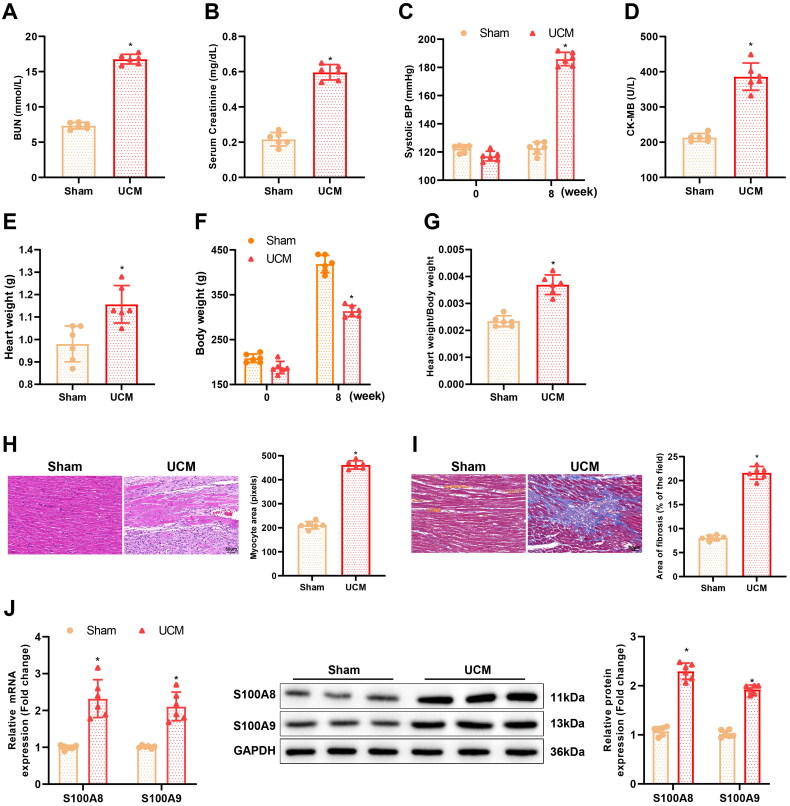
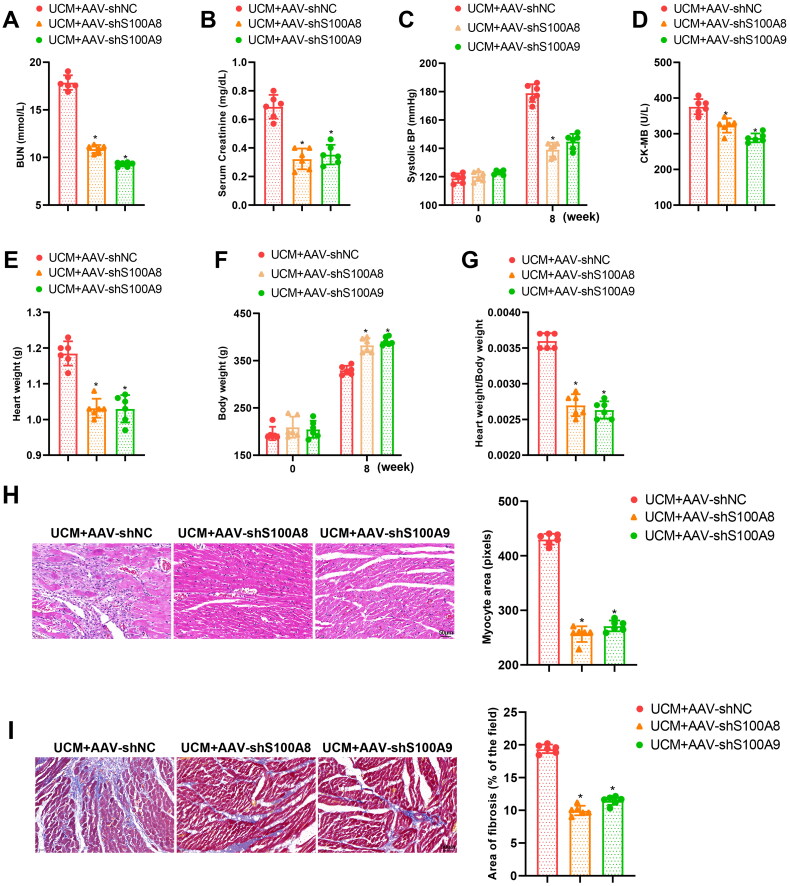
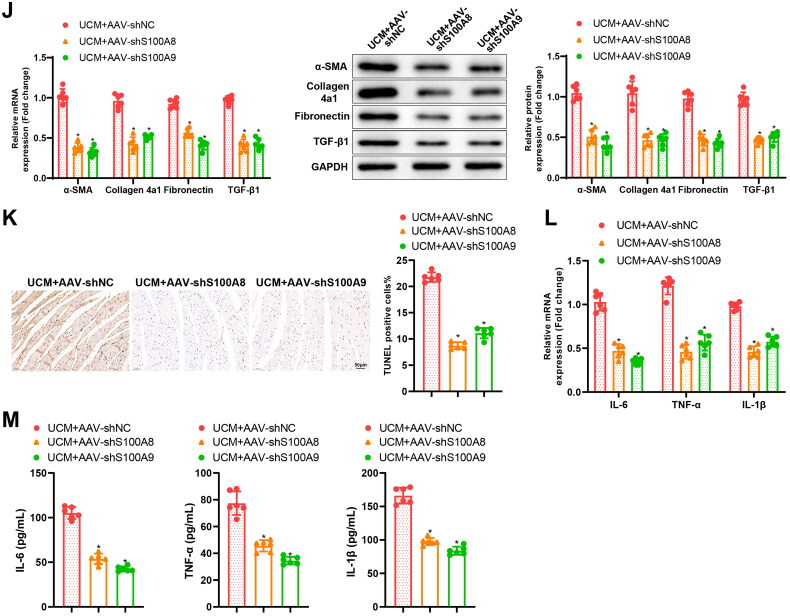
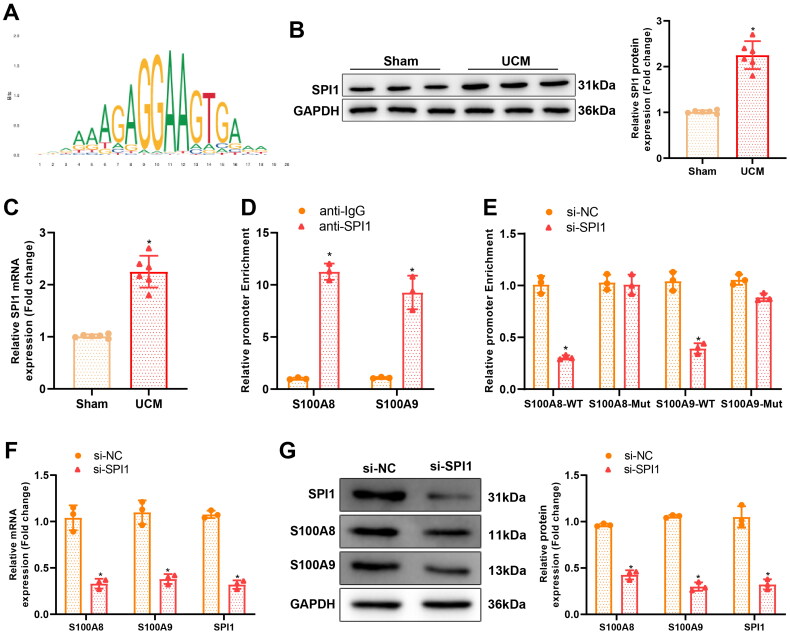
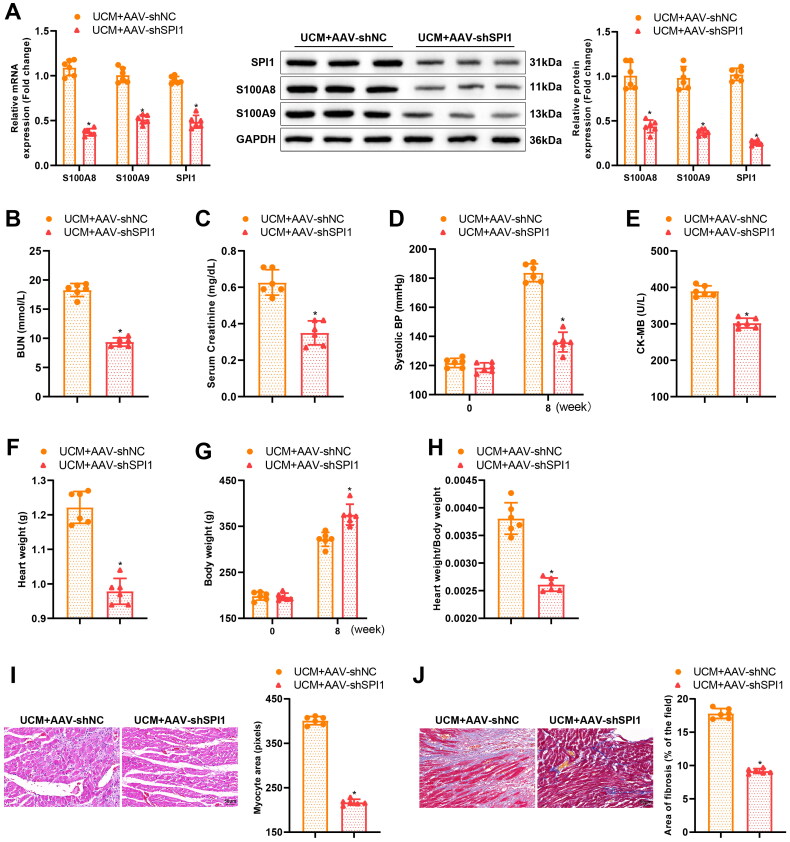
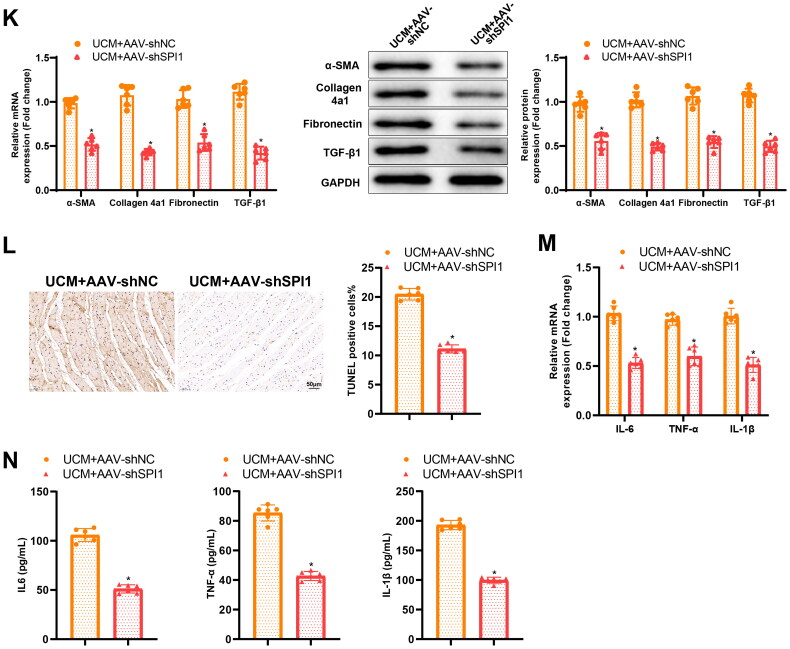
BACKGROUND/AIM: Uremic cardiomyopathy (UCM) is a characteristic cardiac pathology that is commonly found in patients with chronic kidney disease. This study dissected the mechanism of SPI1 in myocardial fibrosis and inflammation induced by UCM through S100A8/A9. METHODS: An UCM rat model was established, followed by qRT-PCR and western blot analyses of SPI1 and S100A8/A9 expression in myocardial tissues. After alterations of SPI1 and S100A8/A9 expression in UCM rats, the blood specimens were harvested from the cardiac apex of rats. The levels of creatine phosphokinase-MB (CK-MB), blood creatinine, blood urea nitrogen (BUN), and inflammatory cytokines (interleukin [IL]-6, IL-1β, and tumor necrosis factor-α [TNF-α]) were examined in the collected blood. Collagen fibrosis was assessed by Masson staining. The expression of fibrosis markers [transforming growth factor (TGF)-β1, α-smooth muscle actin (SMA), Collagen 4a1, and Fibronectin], IL-6, IL-1β, and TNF-α was measured in myocardial tissues. Chromatin immunoprecipitation and dual-luciferase reporter gene assays were conducted to test the binding relationship between SPI1 and S100A8/A9. RESULTS: S100A8/A9 and SPI1 were highly expressed in the myocardial tissues of UCM rats. Mechanistically, SPI1 bound to the promoter of S100A8/A9 to facilitate S100A8/A9 transcription. S100A8/A9 or SPI1 knockdown reduced myocardial fibrosis and inflammation and the levels of CK-MB, blood creatinine, and BUN, as well as the expression of TGF-β1, α-SMA, Collagen 4a1, Fibronectin, IL-6, TNF-α, and IL-1β in UCM rats. CONCLUSION: SPI1 knockdown diminished S100A8/A9 transcription, thus suppressing myocardial fibrosis and inflammation caused by UCM.
Overview
The claims and statistics of this paper haven’t been checked yet.
Free: it reads the open-access text and checks the first 5 claims that cite a source we can check. Create a free account to check every claim.
Integrity signals
Registry
Cites
Statistics
Figures
Verification
Claims the paper makes
The claims and statistics of this paper haven’t been checked yet.
Free: it reads the open-access text and checks the first 5 claims that cite a source we can check. Create a free account to check every claim.
Claims other papers make about this one
Each is checked against this paper’s own text: does it say what the citing paper says it does?
The cited source says what the claim attributes to it.
In the citing paper
“SPI1 functions as a transcriptional activator of S100A8/A9.”
From Inhibition of SPI1 by ADAP Regulates S100A8/A9 Signaling in Macrophages to Control the Development of Colitis (2026) · cites this paper as [30]
Self-check
Percentages, sums and reported differences re-computed from the paper’s own numbers.
The self-check needs the paper’s full text.
Citations
Cites
Wang, S., Song, R., Wang, Z., Jing, Z., Wang, S., & Ma, J. (2018) · Frontiers in Immunology · doi:10.3389/fimmu.2018.01298 · Cited by 1,450 · cited 1×
“the development of inflammation-related disorders [7].”
Global kidney health 2017 and beyond: a roadmap for closing gaps in care, research, and policy
Levin, A., Tonelli, M., Bonventre, J., Coresh, J., Donner, J.-A., Fogo, A. B., Fox, C. S., Gansevoort, R. T., Heerspink, H. J. L., Jardine, M., et al. (2017) · The Lancet · doi:10.1016/s0140-6736(17)30788-2 · Cited by 919
Corsten, M. F., Papageorgiou, A., Verhesen, W., Carai, P., Lindow, M., Obad, S., Summer, G., Coort, S. L. M., Hazebroek, M., van Leeuwen, R., et al. (2012) · Circulation Research · doi:10.1161/circresaha.112.267443 · Cited by 216 · cited 1×
“A prior study unveiled that the lowly expressed SPI1 is associated with reduced myocardial injury during acute myocarditis [29].”
BackgroundPU.1 controls fibroblast polarization and tissue fibrosis
Wohlfahrt, T., Rauber, S., Uebe, S., Luber, M., Soare, A., Ekici, A., Weber, S., Matei, A.-E., Chen, C.-W., Maier, C., et al. (2019) · Nature · doi:10.1038/s41586-019-0896-x · Cited by 187
Evolving concepts in the pathogenesis of uraemic cardiomyopathy
Wang, X., & Shapiro, J. I. (2019) · Nature Reviews Nephrology · doi:10.1038/s41581-018-0101-8 · Cited by 161 · cited 1×
“Nevertheless, in addition to myocardial fibrosis and inflammation, the pathogenesis of UCM also is associated with other mechanisms, such as diastolic dysfunction, left ventricular hypertrophy, volume overload, and renin-angiotensin-aldosterone system, and so on [1,37].”
BackgroundMarinković, G., Grauen Larsen, H., Yndigegn, T., Szabo, I. A., Mares, R. G., de Camp, L., Weiland, M., Tomas, L., Goncalves, I., Nilsson, J., et al. (2019) · European Heart Journal · doi:10.1093/eurheartj/ehz461 · Cited by 155 · cited 1×
“S100A8/A9 is abundantly expressed in neutrophils and is rapidly released as a pro-inflammatory alarmin in the circulation and myocardium following myocardial ischemia [32].”
BackgroundWu, Y., Li, Y., Zhang, C., A, X., Wang, Y., Cui, W., Li, H., & Du, J. (2014) · Hypertension · doi:10.1161/hypertensionaha.113.02843 · Cited by 133
Cardiotoxicity of Uremic Toxins: A Driver of Cardiorenal Syndrome
Lekawanvijit, S. (2018) · Toxins · doi:10.3390/toxins10090352 · Cited by 132
Robust shifts in S100a9 expression with aging: A novel mechanism for chronic inflammation
Swindell, W. R., Johnston, A., Xing, X., Little, A., Robichaud, P., Voorhees, J. J., Fisher, G., & Gudjonsson, J. E. (2013) · Scientific Reports · doi:10.1038/srep01215 · Cited by 124 · cited 1×
“Of note, SPI1 is a transcription factor of the E26 transformation specific family, a large family of transcription factors that contains 28 family members and takes part in various cell processes, which was reported to be associated with the co-expression of S100A9 [16,17].”
BackgroundKramann, R., Erpenbeck, J., Schneider, R. K., Röhl, A. B., Hein, M., Brandenburg, V. M., van Diepen, M., Dekker, F. W., Marx, N., Floege, J., et al. (2014) · Journal of the American Society of Nephrology · doi:10.1681/asn.2013070734 · Cited by 124
Alzheimer's-associated PU.1 expression levels regulate microglial inflammatory response
Pimenova, A. A., Herbinet, M., Gupta, I., Machlovi, S. I., Bowles, K. R., Marcora, E., & Goate, A. M. (2021) · Neurobiology of Disease · doi:10.1016/j.nbd.2020.105217 · Cited by 120 · cited 2×
“The knockdown of SPI1 reduces the expression of pro-inflammatory genes to restrict microglial inflammation [14].”
BackgroundTranscription factor PU.1 and immune cell differentiation (Review)
Li, G., Hao, W., & Hu, W. (2020) · International Journal of Molecular Medicine · doi:10.3892/ijmm.2020.4763 · Cited by 98 · cited 1×
“SPI1 is a transcription factor playing a pivotal role in the differentiation of immune cells, such as T lymphocytes, macrophages, dendritic cells, B lymphocytes, and neutrophils [24].”
BackgroundWang, B., Wang, Z., Ji, J., Gan, W., Zhang, A., Shi, H., Wang, H., Lv, L., Li, Z., Tang, T., et al. (2020) · JACC Basic to Translational Science · doi:10.1016/j.jacbts.2019.10.011 · Cited by 98
Circulating Calprotectin as a Biomarker of COVID-19 Severity
Mähler, M., Meroni, P. L., Infantino, M. G., Buhler, K. A., & Fritzler, M. J. (2021) · Expert Review of Clinical Immunology · doi:10.1080/1744666x.2021.1905526 · Cited by 90 · cited 1×
“process of neutrophil-related inflammation [8].”
Spironolactone Attenuates Experimental Uremic Cardiomyopathy by Antagonizing Marinobufagenin
Tian, J., Shidyak, A., Periyasamy, S. M., Haller, S. T., Taleb, M., El-Okdi, N., Elkareh, J., Gupta, S., Gohara, S. F., Fedorova, O. V., et al. (2009) · Hypertension · doi:10.1161/hypertensionaha.109.140038 · Cited by 78
S100A8/A9 promotes parenchymal damage and renal fibrosis in obstructive nephropathy
Tammaro, A., Florquin, S., den Brok, M. G. H. E., Claessen, N., Butter, L. M., Teske, G. J. D., de Boer, O. J., Vogl, T., Leemans, J. C., & Dessing, M. C. (2018) · Clinical & Experimental Immunology · doi:10.1111/cei.13154 · Cited by 75 · cited 6×
“UCM associated with CKD leads to the adverse cardiac outcome of left ventricular hypertrophy [22].”
BackgroundInfluentialEmerging roles of neutrophil-borne S100A8/A9 in cardiovascular inflammation
Sreejit, G., Abdel Latif, A., Murphy, A. J., & Nagareddy, P. R. (2020) · Pharmacological Research · doi:10.1016/j.phrs.2020.105212 · Cited by 72 · cited 1×
“S100A8/A9 facilitates inflammation and resolution in myocardial infarction [33].”
BackgroundS100A8/A9 in Myocardial Infarction: A Promising Biomarker and Therapeutic Target
Cai, Z., Xie, Q., Hu, T., Yao, Q., Zhao, J., Wu, Q., & Tang, Q. (2020) · Frontiers in Cell and Developmental Biology · doi:10.3389/fcell.2020.603902 · Cited by 65
The heterodimer S100A8/A9 is a potent therapeutic target for idiopathic pulmonary fibrosis
Araki, K., Kinoshita, R., Tomonobu, N., Gohara, Y., Tomida, S., Takahashi, Y., Senoo, S., Taniguchi, A., Itano, J., Yamamoto, K.-I., et al. (2020) · Journal of Molecular Medicine · doi:10.1007/s00109-020-02001-x · Cited by 64 · cited 1×
“Previous research revealed that S100A8/ A9 is expressed highly in patients with pulmonary fibrosis [34].”
BackgroundUremic Cardiomyopathy and Insulin Resistance: A Critical Role for Akt?
Semple, D. J., Smith, K., Bhandari, S., & Seymour, A. L. (2010) · Journal of the American Society of Nephrology · doi:10.1681/asn.2009090900 · Cited by 64 · cited 1×
“Moreover, the causes of UCM are problematic and the therapeutic strategy remains suboptimal [23].”
BackgroundUremic Cardiomyopathy: A New Piece in the Chronic Kidney Disease-Mineral and Bone Disorder Puzzle
Suassuna, P. G. D. A., Sanders‐Pinheiro, H., & de Paula, R. B. (2018) · Frontiers in Medicine · doi:10.3389/fmed.2018.00206 · Cited by 53 · cited 1×
“outcome of left ventricular hypertrophy [22].”
Inhibition of PU.1 ameliorates metabolic dysfunction and non-alcoholic steatohepatitis
Liu, Q., Yu, J., Wang, L., Tang, Y., Zhou, Q., Ji, S., Wang, Y., Santos, L., Haeusler, R. A., Que, J., et al. (2020) · Journal of Hepatology · doi:10.1016/j.jhep.2020.02.025 · Cited by 51 · cited 1×
“Besides, inhibition of SPI1 distinctly reduces inflammation and fibrosis in a dietary mouse model with nonalcoholic steatohepatitis [27].”
BackgroundSerum alarmin S100A8/S100A9 levels and its potential role as biomarker in myocarditis
Müller, I., Vogl, T., Kühl, U., Krannich, A., Banks, A., Trippel, T., Noutsias, M., Maisel, A., Linthout, S., & Tschöpe, C. (2020) · ESC Heart Failure · doi:10.1002/ehf2.12760 · Cited by 45 · cited 1×
“In addition, S100A8/A9 expression is elevated in myocarditis and a reduction of S100A8/A9 expression has a connection with decreased cardiac inflammation [36].”
BackgroundLaw, J. P., Price, A. M., Pickup, L. C., Radhakrishnan, A., Weston, C. J., Jones, A. M., McGettrick, H. M., Chua, W., Steeds, R. P., Fabritz, L., et al. (2020) · Journal of the American Heart Association · doi:10.1161/jaha.120.016041 · Cited by 40 · cited 6×
“UCM associated with CKD leads to the adverse cardiac outcome of left ventricular hypertrophy [22].”
BackgroundInfluentialComprehensive Analysis of Immune Implications and Prognostic Value of SPI1 in Gastric Cancer
Huang, J., Chen, W., Jie, Z., & Jiang, M. (2022) · Frontiers in Oncology · doi:10.3389/fonc.2022.820568 · Cited by 38 · cited 1×
“1) pivotally orchestrates signaling in the immune system and plays an important part in the growth of lymphocytes and myeloid cells [12].”
BackgroundWang, X., Liu, J., Drummond, C. A., & Shapiro, J. I. (2017) · Expert Opinion on Therapeutic Targets · doi:10.1080/14728222.2017.1311864 · Cited by 30 · cited 1×
“patients with end-stage renal disease [4], UCM is fea-”
BackgroundKovács, Z. Z. A., Szűcs, G., Freiwan, M., Kovács, M. G., Márványkövi, F. M., Dinh, H., Siska, A., Farkas, K., Kovács, F., Kriston, A., et al. (2021) · Scientific Reports · doi:10.1038/s41598-021-96815-5 · Cited by 30 · cited 1×
“Nevertheless, in addition to myocardial fibrosis and inflammation, the pathogenesis of UCM also is associated with other mechanisms, such as diastolic dysfunction, left ventricular hypertrophy, volume overload, and renin-angiotensin-aldosterone system, and so on [1,37].”
Lasitschka, F., Giese, T., Paparella, M., Kurzhals, S. R., Wabnitz, G. H., Jacob, K., Gras, J., Bode, K. A., Heninger, A., Sziskzai, T., et al. (2017) · Immunity Inflammation and Disease · doi:10.1002/iid3.184 · Cited by 26 · cited 1×
“Evidence has revealed that SPI1 expression of resident macrophages in situ is evidently higher in inflamed colonic mucosa than in healthy mucosa [25].”
BackgroundXu, Z., Cheng, C., Kong, R., Liu, Y., Wang, S., Ma, Y., & Xing, X. (2021) · Aging · doi:10.18632/aging.203112 · Cited by 26 · cited 1×
“It was previously reported that SPI1 transcriptionally elevated S100A8 and S100A9 expression by binding to the promoter of S100A8 and S100A9 during scar formation post-burn [31].”
BackgroundSelf-citationHu, J., Zhang, J., Li, L., Wang, S., Yang, H., Fan, X., Zhang, L., Hu, G., Fu, H., Song, W., et al. (2021) · Journal of Cellular and Molecular Medicine · doi:10.1111/jcmm.16678 · Cited by 24 · cited 2×
“A previous study suggested that SPI1 repression ameliorates angiotensin-II-induced atrial fibrosis [15].”
BackgroundLiu, X., Zhang, C., Zhang, Z., Zhang, Z., Ji, W., Cao, S., Cai, X., Lei, D., & Pan, X. (2017) · Cancer Biotherapy and Radiopharmaceuticals · doi:10.1089/cbr.2017.2296 · Cited by 19 · cited 1×
“Of note, SPI1 is a transcription factor of the E26 transformation specific family, a large family of transcription factors that contains 28 family members and takes part in various cell processes, which was reported to be associated with the co-expression of S100A9 [16,17].”
BackgroundSelf-citationNonsurgical treatment reduces tendon inflammation and elevates tendon markers in early healing
Freedman, B. R., Adu‐Berchie, K., Barnum, C. E., Fryhofer, G. W., Salka, N. S., Shetye, S. S., & Soslowsky, L. J. (2022) · Journal of Orthopaedic Research® · doi:10.1002/jor.25251 · Cited by 18 · cited 1×
“SPI1 overexpression is also correlated with tendon inflammation [26].”
BackgroundLiu, Z., & Huang, S. (2022) · PubMed Central · Cited by 14
Yaundong, L., Dongyan, W., Lijun, H., & Zhibo, X. (2013) · Aesthetic Surgery Journal · doi:10.1177/1090820x13515268 · Cited by 11 · cited 1×
“Down-regulation of S100A8 causes significant apoptosis acceleration and growth reduction in fibroblasts from hypertrophic scars [35].”
Background[Zhenwu Decoction delays ventricular hypertrophy in rats with uremic cardiomyopathy].
Lai, J., Wu, Y., Hang, L., Gael, A., Deng, T., Yan, Q.-N., Fu, Q., & Li, Z. (2019) · Europe PMC (PubMed Central) · doi:10.12122/j.issn.1673-4254.2019.01.18 · Cited by 7
Nakano, T., Onoue, K., Seno, A., Ishihara, S., Nakada, Y., Nakagawa, H., Ueda, T., Nishida, T., Soeda, T., Watanabe, M., et al. (2021) · ESC Heart Failure · doi:10.1002/ehf2.13423 · Cited by 4 · cited 1×
“dium is implicated in the development of UCM [6].”
BackgroundActivated Th9 cells in diabetic coronary heart disease
Chen, H. Y. (2021) · Journal of Biological Regulators and Homeostatic Agents/Journal of Biological Regulators & Homeostatic Agents · doi:10.23812/20-703-l · Cited by 1 · cited 1×
“Moreover, SPI1 expression in heart tissues of rats with diabetic coronary heart disease is higher than that in normal rat tissues [30].”
Background
Cited by
Cardiac Metabolism in Heart Failure and Implications for Uremic Cardiomyopathy
Nguyễn, T. D., & Schulze, P. C. (2023) · Circulation Research · doi:10.1161/circresaha.123.321759 · Cited by 38
Advances in the study of S100A9 in cardiovascular diseases
Chen, F., He, Z., Wang, C., Si, J., Zhu, C., & Guo, Y. (2024) · Cell Proliferation · doi:10.1111/cpr.13636 · Cited by 30
“130 AF is a common arrhythmia caused by various factors such as inflammation and atrial fibrosis.”
BackgroundInfluentialUnraveling the Mechanisms of S100A8/A9 in Myocardial Injury and Dysfunction
Xu, Y., Wang, Y., Ning, K., & Bao, Y. (2024) · Current Issues in Molecular Biology · doi:10.3390/cimb46090577 · Cited by 13
“S100A8/A9 knockdown has been shown to reduce myocardial fibrosis and inflammation induced by uremic cardiomyopathy (UCM) [104].”
BackgroundS100A9 inhibition ameliorates HFpEF by modulating mitochondrial fission and oxidative stress
Wang, M., Ren, B., Wu, X., Guo, J., Cao, Y., Men, L., Shi, W., Zhang, C., Lin, L., Lv, J., et al. (2025) · International Immunopharmacology · doi:10.1016/j.intimp.2025.115280 · Cited by 9
Wang, Y., Li, X., Lv, X., Zhang, P., & Liu, H. (2026) · Inflammation · doi:10.1007/s10753-025-02363-9
“Statistical analysis was performed using unpaired two-tailed Student’s t -test. ns, not significant, * p < 0.05 colitis (UC) [27] and shown to transcriptionally regulate S100A8/A9 expression [ 28 – 30].”
Influential
Metadata
- Authors
- Cai, X., Hong, L., Liu, Y., Huang, X., Lai, H., & Shao, L.
- Affiliations
- First Affiliated Hospital of Jiangxi Medical College (CN)
- Corresponding author
- Shao, Liang
- Venue
- Renal Failure
- Publisher
- Informa UK Limited
- Published
- 2022-10-26
- Volume
- 44
- Issue
- 1
- Pages
- 1829-1842
- ISSN
- 0886-022X (ISSN-L)
- 1525-6049
- PMC
- PMC9621201
- OpenAlex
- W4307501633
- Cited by
- 6
- References
- 37
- Citations by year
- 2026: 2 · 2025: 1 · 2024: 2 · 2023: 1
- FWCI
- 0.70
- Type
- journal article
- Language
- en
- Open access
- gold
- doi.org
- Licence
- cc-by-nc
- creativecommons.org/licenses/by-nc/4.0/ (vor)
- doi.org/10.1080/policies-text-data-mining (tdm)
- Locations
- Renal Failure (publishedVersion, cc-by-nc)
- PubMed Central (publishedVersion, cc-by-nc)
- PubMed (publishedVersion)
- DOAJ (DOAJ: Directory of Open Access Journals) (submittedVersion, cc-by-sa)
- Figshare (submittedVersion, cc-by)
- Figshare (cc-by)
- Topics
- Health Sciences › Medicine › Cardiology and Cardiovascular Medicine › Cardiac Fibrosis and Remodeling
- Health Sciences › Medicine › Nephrology › Dialysis and Renal Disease Management
- Health Sciences › Medicine › Cardiology and Cardiovascular Medicine › Cardiac electrophysiology and arrhythmias
- Keywords
- Salmonella pathogenicity island 1, PU.1, S100A8/A9, uremic cardiomyopathy, myocardial fibrosis, cardiac inflammation, chronic kidney disease, TGF-β1, alpha-smooth muscle actin, inflammatory cytokines, transcriptional regulation, cardioprotection
- MeSH terms
- Proto-Oncogene Protein Spi-1, Actins, Animals, Creatine Kinase, Creatinine, Fibronectins, Fibrosis, Inflammation, Luciferases, Cardiomyopathies, Tumor Necrosis Factor-alpha, Uremia, Transforming Growth Factors, Down-Regulation, Interleukin-6, Cytokines, SUMO-1 Protein, Calgranulin A, Calgranulin B, Genomic Islands, Rats, Transforming Growth Factor beta1
About these checks
Registry, retraction, Cites and statistics results are computed, not judged, with one exception: a printed reference that no index lists is read once by a model before it counts as a citation error. Claims are extracted by a model and kept only when their quote appears verbatim in the text; each cited source is then checked, with a model’s help, for whether it says what the claim relies on. Those verdicts can be wrong — read the claim’s quote and the cited source before relying on one.
Statistics and arithmetic are recomputed, not judged.
Confidence bands are shown only for fields calibrated on our annotated test set. None is calibrated yet, so no band is shown.
What counts as a claim ›How we measure confidence ›How we check this ›
Are you an author, or do you see a problem with this page? Request a review
Data sources
Bibliographic data: Semantic Scholar, OpenAlex, Crossref.
Contains information from the Semantic Scholar Academic Graph Datasets, made available under the ODC Attribution License (ODC-BY 1.0).
Semantic Scholar’s data is described in: Kinney, R., et al. (2023). The Semantic Scholar Open Data Platform. arXiv:2301.10140.
