

Varespladib attenuates Naja atra -induced acute liver injury via reversing Nrf2 signaling-mediated ferroptosis and mitochondrial dysfunction
Open accessThe DOI matches its Crossref record; 76 of the 76 references it cites were found in a registry or an index.
Abstract
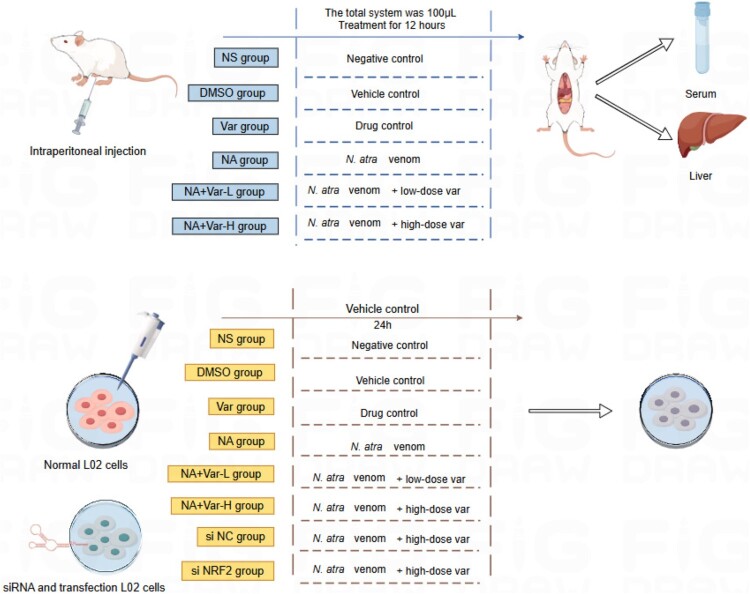
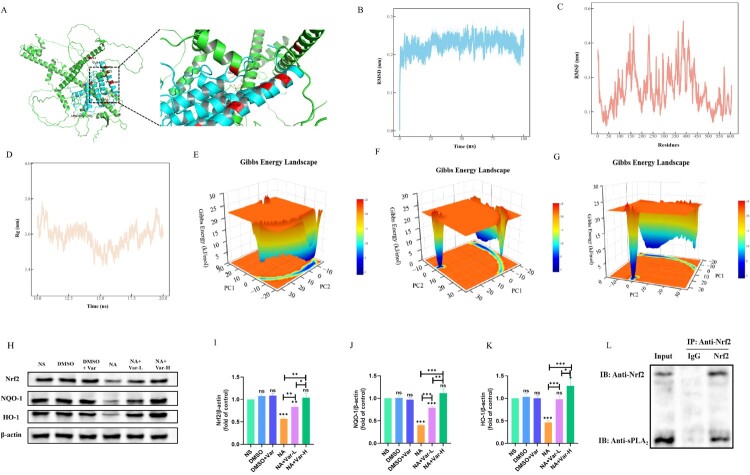
Objective: To investigate the protective effects of varespladib against Naja atra-induced acute liver injury (ALI) and to elucidate the toxic mechanism of snake venom phospholipase A2 (SVPLA2)-induced hepatic oxidative stress, with a particular focus on the role of Nrf2 signaling and its downstream pathways.Methods: A combination of in vivo and in vitro models of N. atra envenomation was employed to assess liver injury, oxidative stress, and mitochondrial dysfunction. The interaction between SVPLA2 and Nrf2 was analyzed, and the effects of varespladib treatment on these processes were evaluated using histological analysis, biochemical assays, and molecular techniques targeting oxidative stress, ferroptosis, mitophagy, and apoptosis.Results: Varespladib significantly alleviated N. atra-induced ALI. SVPLA2 was found to directly bind to Nrf2, leading to severe oxidative stress. This oxidative stress initiated a cascade involving Nrf2-mediated ferroptosis, mitochondrial dysfunction, excessive mitophagy, and mitochondria-dependent apoptosis. Treatment with varespladib effectively reversed these pathological events by inhibiting SVPLA2 activity.Conclusion: Varespladib shows strong therapeutic potential for N. atra envenomation by targeting SVPLA2. Nrf2 was identified as a direct toxic target of SVPLA2, and Nrf2-mediated ferroptosis and mitochondrial dysfunction were key mechanisms underlying SVPLA2-induced hepatic injury.
Overview
The claims and statistics of this paper haven’t been checked yet.
Free: it reads the open-access text and checks the first 5 claims that cite a source we can check. Create a free account to check every claim.
Integrity signals
Registry
Cites
Statistics
Figures
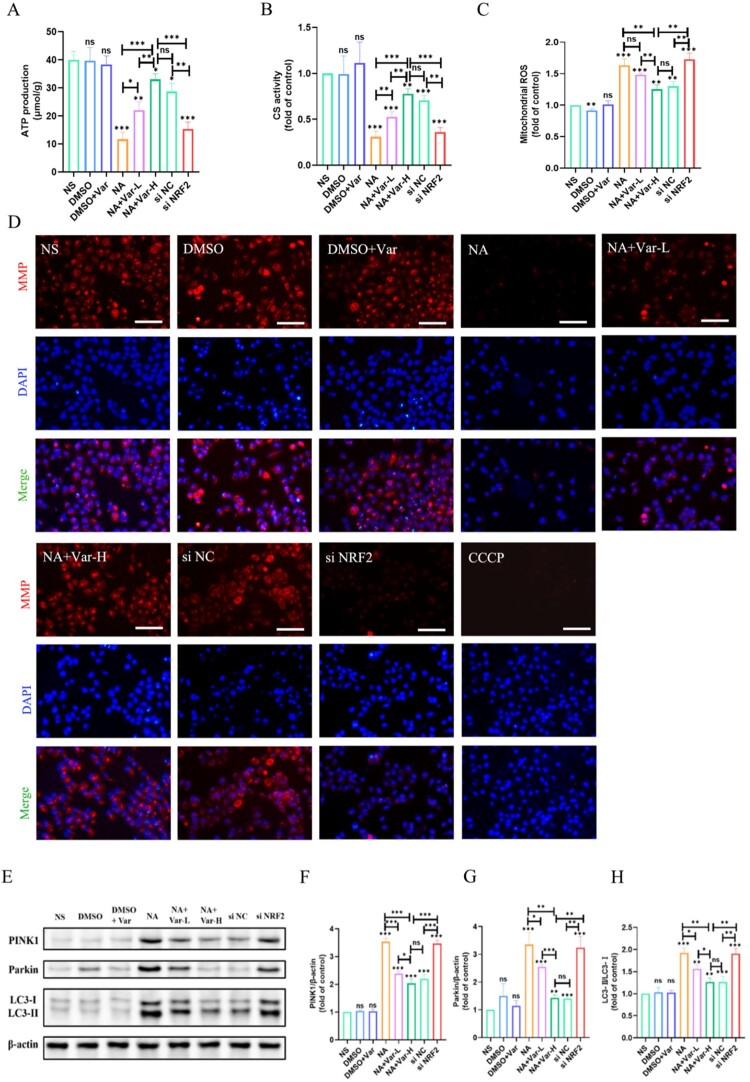
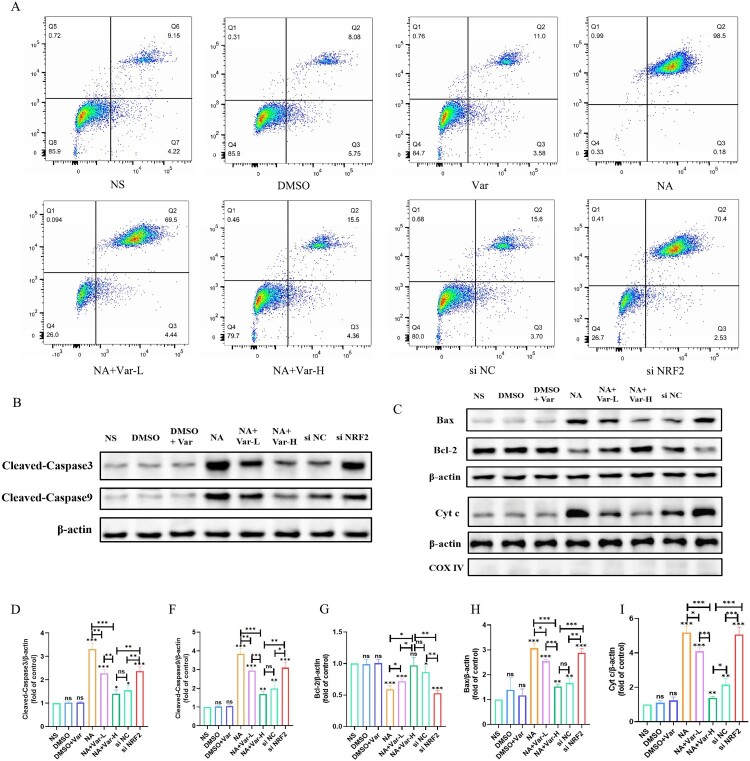
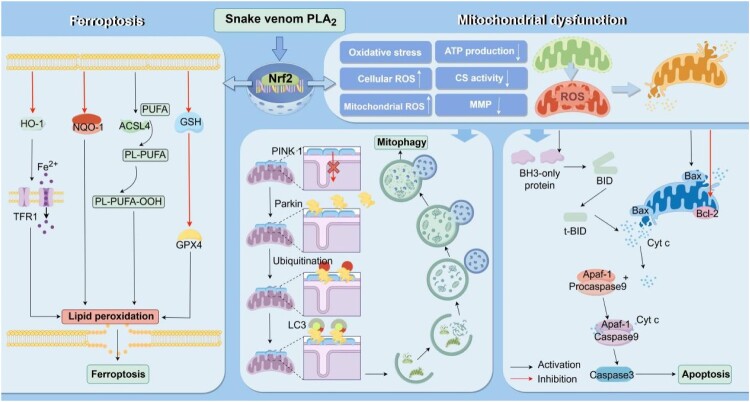
Verification
Claims the paper makes
The claims and statistics of this paper haven’t been checked yet.
Free: it reads the open-access text and checks the first 5 claims that cite a source we can check. Create a free account to check every claim.
Claims other papers make about this one
Each is checked against this paper’s own text: does it say what the citing paper says it does?
The source backs part of the claim, not all of it — or backs it for a different population, condition or comparison.
In the citing paper
“Therefore, these findings suggest that Nrf2 functions as a common upstream regulator connecting multiple regulated cell death pathways rather than activating independently within the ferroptotic pathway.”
From Role of Regulated Cell Death Pathways in Snakebite Envenomation: Mechanisms, Crosstalk, and Therapeutic Opportunities (2026) · cites this paper as [63]
Experimental — accuracy not yet measuredThe source backs part of the claim, not all of it — or backs it for a different population, condition or comparison.
In the citing paper
“There is a marked accumulation of ROS simultaneously when Nrf2 is suppressed, thereby impairing the mitochondrial membrane potential. The mitochondrial damage then triggers the activation of PINK1 and Parkin, resulting in enhanced mitophagy. When mitophagy fails to remove damaged mitochondria, it leads to the release of cytochrome c into the cytosol, activating the pro-apoptotic enzymes caspase-3”
From Role of Regulated Cell Death Pathways in Snakebite Envenomation: Mechanisms, Crosstalk, and Therapeutic Opportunities (2026) · cites this paper as [63]
Experimental — accuracy not yet measuredThe source backs part of the claim, not all of it — or backs it for a different population, condition or comparison.
In the citing paper
“An in vivo rodent model indicates that Naja atra venom induces severe liver injury due to excessive activation of mitophagy, as observed by increased elevation of the mitophagy biomarkers PINK1 (PTEN-induced kinase 1) and Parkin”
From Role of Regulated Cell Death Pathways in Snakebite Envenomation: Mechanisms, Crosstalk, and Therapeutic Opportunities (2026) · cites this paper as [63]
Experimental — accuracy not yet measuredThe source backs part of the claim, not all of it — or backs it for a different population, condition or comparison.
In the citing paper
“Experimental evidence suggests that these components induce a collapse of cellular redox homeostasis in several ways, such as expanding the labile iron pool through extensive hemolysis, suppressing the critical glutathione peroxidase 4 (GPX4) antioxidant axis, and promoting iron-dependent lipid peroxidation, which causes the plasma membrane to rupture and then release Damage-Associated Molecular”
From Role of Regulated Cell Death Pathways in Snakebite Envenomation: Mechanisms, Crosstalk, and Therapeutic Opportunities (2026) · cites this paper as [63]
Experimental — accuracy not yet measuredThe source backs part of the claim, not all of it — or backs it for a different population, condition or comparison.
In the citing paper
“Thus, Nrf2 suppression is the common trigger that links ferroptosis and apoptosis, while mitophagy serves as an adaptive cellular stress response that modulates this process”
From Role of Regulated Cell Death Pathways in Snakebite Envenomation: Mechanisms, Crosstalk, and Therapeutic Opportunities (2026) · cites this paper as [63]
Experimental — accuracy not yet measured
5 more claims about this paper
Create a free account to see every claim other papers make about this one.
Self-check
Percentages, sums and reported differences re-computed from the paper’s own numbers.
The self-check needs the paper’s full text.
Citations
Cites
Regulation of Ferroptotic Cancer Cell Death by GPX4
Yang, W. S., SriRamaratnam, R., Welsch, M. E., Shimada, K., Skouta, R., Viswanathan, V. S., Cheah, J. H., Clemons, P. A., Shamji, A. F., Clish, C. B., et al. (2014) · Cell · doi:10.1016/j.cell.2013.12.010 · Cited by 7,713
ACSL4 dictates ferroptosis sensitivity by shaping cellular lipid composition
Doll, S., Proneth, B., Tyurina, Y. Y., Panzilius, E., Kobayashi, S., Ingold, I., Irmler, M., Beckers, J., Aichler, M., Walch, A., et al. (2017) · Nature Chemical Biology · doi:10.1038/nchembio.2239 · Cited by 4,293 · cited 2×
“Furthermore, high ACSL4 expression is a well-established biomarker linked to increased sensitivity to ferroptosis [67].”
NRF2 plays a critical role in mitigating lipid peroxidation and ferroptosis
Dodson, M., Castro-Portuguez, R., & Zhang, D. D. (2019) · Redox Biology · doi:10.1016/j.redox.2019.101107 · Cited by 2,435 · cited 1×
“Our study demonstrated that N. atra venom markedly decreased GPX4 expression and GSH levels [68].”
Mitophagy and Quality Control Mechanisms in Mitochondrial Maintenance
Pickles, S., Vigié, P., & Youle, R. J. (2018) · Current Biology · doi:10.1016/j.cub.2018.01.004 · Cited by 2,081
The pathways of mitophagy for quality control and clearance of mitochondria
Ashrafi, G., & Schwarz, T. L. (2013) · Cell Death & Differentiation · doi:10.1038/cdd.2012.81 · Cited by 1,900 · cited 1×
“PINK1 and Parkin, which drive the ubiquitination of mitochondrial surface proteins, are well-established biomarkers of mitophagy [72].”
Nrf2:INrf2 (Keap1) signaling in oxidative stress
Kaspar, J. W., Niture, S. K., & Jaiswal, A. K. (2009) · Free Radical Biology and Medicine · doi:10.1016/j.freeradbiomed.2009.07.035 · Cited by 1,648 · cited 1×
“Nuclear factor erythroid 2-related factor 2 (Nrf2) is an important transcription factor that regulates cellular defense against oxidative stress, and its downstream targets include NADH dehydrogenase quinone 1 (NQO1) and heme oxygenase 1 (HO-1) [26–28].”
Trefts, E., Gannon, M., & Wasserman, D. H. (2017) · Current Biology · doi:10.1016/j.cub.2017.09.019 · Cited by 1,452
Ferroptosis at the crossroads of cancer-acquired drug resistance and immune evasion
Friedmann Angeli, J. P., Krysko, D. V., & Conrad, M. (2019) · Nature Reviews Cancer · doi:10.1038/s41568-019-0149-1 · Cited by 1,259
Warrell, D. A. (2010) · The Lancet · doi:10.1016/s0140-6736(09)61754-2 · Cited by 774
Autophagy: The spotlight for cellular stress responses
Ravanan, P., Srikumar, I. F., & Talwar, P. (2017) · Life Sciences · doi:10.1016/j.lfs.2017.08.029 · Cited by 580 · cited 1×
“Previous studies have shown that snake venom-induced cellular damage is closely linked to autophagy, for example, Costal-Oliveira et al. reported that L-amino acid oxidase (LAAO) prevented keratinocyte formation through autophagy [70,71].”
Williams, D. J., Faiz, M. A., Abela-Ridder, B., Ainsworth, S., Bulfone, T. C., Nickerson, A. D., Habib, A. G., Junghanss, T., Fan, H. W., Turner, M., et al. (2019) · PLOS Neglected Tropical Diseases · doi:10.1371/journal.pntd.0007059 · Cited by 447
Krajka-Kuźniak, V., Paluszczak, J., & Baer-Dubowska, W. (2017) · Pharmacological Reports · doi:10.1016/j.pharep.2016.12.011 · Cited by 288 · cited 1×
“Nuclear factor erythroid 2-related factor 2 (Nrf2) is an important transcription factor that regulates cellular defense against oxidative stress, and its downstream targets include NADH dehydrogenase quinone 1 (NQO1) and heme oxygenase 1 (HO-1) [26–28].”
The Phospholipase A2 Superfamily: Structure, Isozymes, Catalysis, Physiologic and Pathologic Roles
Khan, S. A., & Ilies, M. A. (2023) · International Journal of Molecular Sciences · doi:10.3390/ijms24021353 · Cited by 209 · cited 1×
“Snake venom PLA 2 is categorized as sPLA 2 , which specifically catalyzes the hydrolysis of ester bonds in glycerophospholipids at the sn-2 position, releasing free fatty acids and lysophospholipids [10,11].”
Theodore, M., Kawai, Y., Yang, J., Kleshchenko, Y., Reddy, S. P., Villalta, F., & Arinze, I. J. (2008) · Journal of Biological Chemistry · doi:10.1074/jbc.m709040200 · Cited by 198
Snake venom Lys49 myotoxins: From phospholipases A2 to non-enzymatic membrane disruptors
Lomonte, B., & Rangel, J. (2012) · Toxicon · doi:10.1016/j.toxicon.2012.02.007 · Cited by 186
Albulescu, L.-O., Xie, C., Ainsworth, S., Alsolaiss, J., Crittenden, E., Dawson, C. A., Softley, R., Bartlett, K. E., Harrison, R. A., Kool, J., et al. (2020) · Nature Communications · doi:10.1038/s41467-020-19981-6 · Cited by 174 · cited 3×
“Recent findings emphasize that several Phase-2 approved drugs hold therapeutic promise, with varespladib, a PLA 2 inhibitor, emerging as one of the most notable candidates [40].”
InfluentialGRAMM Web Server for Protein Docking
Singh, A., Copeland, M. M., Kundrotas, P. J., & Vakser, I. A. (2023) · Methods in molecular biology · doi:10.1007/978-1-0716-3441-7_5 · Cited by 157 · cited 1×
“Molecular docking was performed three times using GRAMM-X Docking Web (https://gramm.compbio.ku.edu/) [47].”
Cytotoxicity of snake venom enzymatic toxins: phospholipase A2 and l -amino acid oxidase
Hiu, J. J., & Yap, M. K. K. (2020) · Biochemical Society Transactions · doi:10.1042/bst20200110 · Cited by 149 · cited 1×
“Snake venom PLA 2 is categorized as sPLA 2 , which specifically catalyzes the hydrolysis of ester bonds in glycerophospholipids at the sn-2 position, releasing free fatty acids and lysophospholipids [10,11].”
A NOX4/TRPC6 Pathway in Podocyte Calcium Regulation and Renal Damage in Diabetic Kidney Disease
Ilatovskaya, D. V., Blass, G., Palygin, O., Levchenko, V., Pavlov, T. S., Grzybowski, M. N., Winsor, K., Shuyskiy, L. S., Geurts, A. M., Cowley, A. W., et al. (2018) · Journal of the American Society of Nephrology · doi:10.1681/asn.2018030280 · Cited by 136
PLA2dependence of diaphragm mitochondrial formation of reactive oxygen species
Nethery, D., Callahan, L. A., Stofan, D., Mattera, R., DiMarco, A., & Supinski, G. (2000) · Journal of Applied Physiology · doi:10.1152/jappl.2000.89.1.72 · Cited by 115
Rigoni, M., Paoli, M., Milanesi, E., Caccin, P., Rasola, A., Bernardi, P., & Montecucco, C. (2008) · Journal of Biological Chemistry · doi:10.1074/jbc.m803243200 · Cited by 100 · cited 2×
“Moreover, mitochondrial dysfunction is also regarded as a significant downstream mechanism of SVPLA 2 -induced hepatocyte injury [16,19,35,36].”
Lewin, M. R., Carter, R. W., Matteo, I. A., Samuel, S. P., Rao, S., Fry, B. G., & Bickler, P. E. (2022) · Toxins · doi:10.3390/toxins14110783 · Cited by 98
Modulating Mitophagy in Mitochondrial Disease
Dombi, E., Mortiboys, H., & Poulton, J. (2019) · Current Medicinal Chemistry · doi:10.2174/0929867324666170616101741 · Cited by 98 · cited 1×
“Under normal conditions, PINK1 enters the mitochondrial inner membrane; however, when MMP declines, PINK1 accumulates on the outer membrane, recruiting and activating Parkin [73].”
Activation of PLA2isoforms by cell swelling and ischaemia/hypoxia
Lambert, I. H., Pedersen, S. F., & Poulsen, K. A. (2006) · Acta Physiologica · doi:10.1111/j.1748-1716.2006.01557.x · Cited by 94
Inflammation and oxidative stress in viper bite: An insight within and beyond
Sunitha, K. R., Hemshekhar, M., Thushara, R. M., Santhosh, M. S., Sundaram, M. S., Kemparaju, K., & Girish, K. S. (2015) · Toxicon · doi:10.1016/j.toxicon.2015.02.014 · Cited by 94 · cited 1×
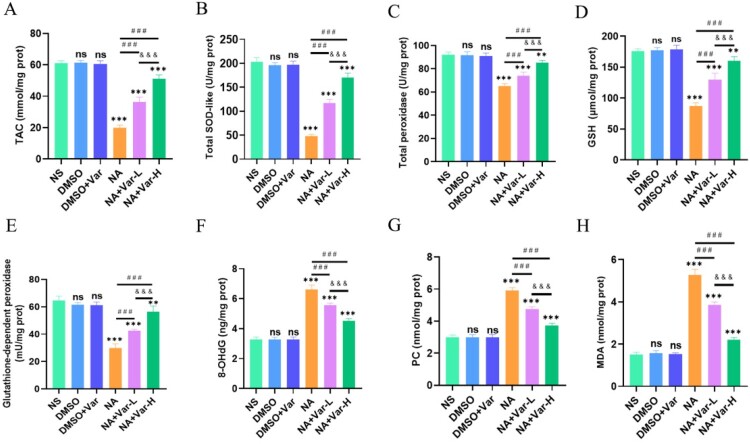
“Clinical data from snakebite envenomation patients have shown decreased levels of TAC, SOD, and GSH, along with a significant increase in MDA [60].”
Exploration of the Inhibitory Potential of Varespladib for Snakebite Envenomation
Wang, Y., Zhang, J., Zhang, D., Xiao, H., Xiong, S., & Huang, C. (2018) · Molecules · doi:10.3390/molecules23020391 · Cited by 87 · cited 2×
“Hematoxylin and eosin (H&E) or periodic acid-Schiff (PAS) staining was conducted following established protocols [44–46].”
Self-citationCostal-Oliveira, F., Stransky, S., Guerra-Duarte, C., Naves de Souza, D. L., Vivas-Ruiz, D. E., Yarlequé, A., Sanchez, E. F., Chávez-Olórtegui, C., & Braga, V. M. M. (2019) · Scientific Reports · doi:10.1038/s41598-018-37435-4 · Cited by 86 · cited 1×
“Previous studies have shown that snake venom-induced cellular damage is closely linked to autophagy, for example, Costal-Oliveira et al. reported that L-amino acid oxidase (LAAO) prevented keratinocyte formation through autophagy [70,71].”
Unraveling snake venom phospholipase A2: an overview of its structure, pharmacology, and inhibitors
Sampat, G. H., Hiremath, K., Dodakallanavar, J., Patil, V. S., Harish, D. R., Biradar, P. R., Mahadevamurthy, R. K., Barvaliya, M. J., & Roy, S. (2023) · Pharmacological Reports · doi:10.1007/s43440-023-00543-8 · Cited by 75
Mao, Y.-C., Liu, P.-Y., Chiang, L.-C., Lai, C.-S., Lai, K.-L., Ho, C.-H., Wang, T.-H., & Yang, C.-C. (2018) · Clinical Toxicology · doi:10.1080/15563650.2017.1366502 · Cited by 75
Snake Venom Peptides and Low Mass Proteins: Molecular Tools and Therapeutic Agents
Almeida, J. R., Resende, L. M., Watanabe, R. K., Carregari, V. C., Huancahuire‐Vega, S., Caldeira, C. A. D. S., Coutinho-Neto, A., Soares, A. M., Vale, N., Gomes, P. A. D. C., et al. (2017) · Current Medicinal Chemistry · doi:10.2174/0929867323666161028155611 · Cited by 75 · cited 1×
“Its venom comprises over 90% proteins and peptides, predominantly including snake venom phospholipase A 2 (SVPLA 2 ) (46.5%), three-finger toxins (3-FTxs) (42.8%), snake venom metalloproteinases (SVMPs) (1.5%), and other minor components [6,7].”
InfluentialNeeds and availability of snake antivenoms: relevance and application of international guidelines
Scheske, L., Ruitenberg, E. J., & Bissumbhar, B. (2015) · International Journal of Health Policy and Management · doi:10.15171/ijhpm.2015.75 · Cited by 49 · cited 1×
“Developing and screening secure, efficient, and convenient antivenom drugs is urgently needed for treating and managing snakebite envenomations [38,39].”
Zhou, Y., Tang, S., Chen, T., & Niu, M. (2019) · Molecules · doi:10.3390/molecules24234258 · Cited by 47 · cited 1×
“MDS was carried out using the GROMACS 2019.6 software and conducted following established protocols [49].”
InfluentialQiao, X., Wu, X., Chen, S., Niu, M., Hua, H., & Zhang, Y. (2023) · Journal of Enzyme Inhibition and Medicinal Chemistry · doi:10.1080/14756366.2023.2295241 · Cited by 42 · cited 1×
“RMSD was the most important factor in describing the stability [51].”
Snakebite-Associated Infections: A Systematic Review and Meta-Analysis
Bonilla‐Aldana, D. K., Bonilla-Aldana, J. L., Ulloque‐Badaracco, J. R., Al‐kassab‐Córdova, A., Hernández-Bustamante, E. A., Alarcón‐Braga, E. A., Siddiq, A., Benites-Zapata, V. A., Rodriguez-Morales, A. J., Luna, C., et al. (2024) · American Journal of Tropical Medicine and Hygiene · doi:10.4269/ajtmh.23-0278 · Cited by 39 · cited 1×
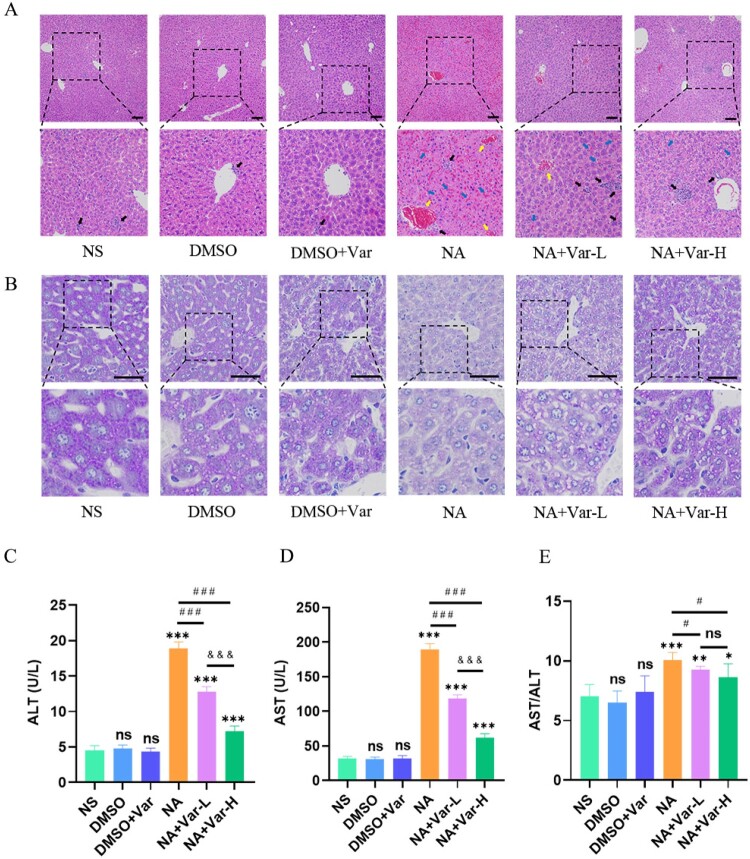
“Patients enve-nomed by N. atra venom exhibit elevated levels of liver bio-chemical indexes, oxidative stress indicators, and inflammatory indicators, including C-reactive protein (CRP), aspartate aminotransferase (AST), alanine aminotransferase (ALT), and lactate dehydrogenase (LDH) [20,21].”
Bickler, P. E., Abouyannis, M., Bhalla, A., & Lewin, M. R. (2023) · Toxins · doi:10.3390/toxins15010049 · Cited by 38 · cited 1×
“These eicosanoids, including prostaglandins, thromboxane A 2 , and leukotrienes, are key mediators of oxidative stress and inflammatory responses, leading to cytotoxicity [12], myotoxicity [13] and neurotoxicity [14].”
Yang, J. M., Wu, J., Xie, X., Xia, P., Lü, J., Liu, J., Bai, L., Li, X., Yu, Z., & Li, H. (2024) · Neural Regeneration Research · doi:10.4103/nrr.nrr-d-23-01540 · Cited by 35 · cited 1×
“Lipid peroxidation, a hallmark of various pathological conditions, is a critical driver of ferroptosis [65,66].”
Self-citationBenati, R. B., Costa, T. R., Cacemiro, M. D. C., Sampaio, S. V., de Castro, F. A., & Burin, S. M. (2018) · Journal of Venomous Animals and Toxins including Tropical Diseases · doi:10.1186/s40409-018-0180-9 · Cited by 34 · cited 1×
“These eicosanoids, including prostaglandins, thromboxane A 2 , and leukotrienes, are key mediators of oxidative stress and inflammatory responses, leading to cytotoxicity [12], myotoxicity [13] and neurotoxicity [14].”
Ma, H., Xing, C., Wei, H., Li, Y., Wang, L., Liu, S., Wu, Q., Sun, C., & Ning, G. (2024) · International Immunopharmacology · doi:10.1016/j.intimp.2024.113227 · Cited by 33 · cited 3×
“Interestingly, the transcription of many essential anti-ferroptotic genes is controlled by Nrf2 [32,67].”
Self-citationŠribar, J., Kovačič, L., Oberčkal, J., Ivanušec, A., Petan, T., Fox, J. W., & Križaj, I. (2019) · Scientific Reports · doi:10.1038/s41598-018-36461-6 · Cited by 33
Wang, Y., Fan, Z., Yang, M., Wang, Y., Cao, J., Khan, A., Liu, Y., & Cheng, G. (2022) · Phytomedicine · doi:10.1016/j.phymed.2022.154113 · Cited by 32 · cited 1×
“The evaluation of the binding degree was based on established criteria [48].”
MicroRNA-27a Regulates Ferroptosis Through SLC7A11 to Aggravate Cerebral ischemia-reperfusion Injury
Zhu, L., Feng, Z., Zhang, J., Du, L., & Meng, A. (2022) · Neurochemical Research · doi:10.1007/s11064-022-03826-3 · Cited by 31 · cited 1×
“Current research indicates that GPX4 expression is positively correlated with cellular resistance to ferroptosis [54], while ACSL4, an important isozyme in polyunsaturated fatty acid (PUFA) metabolism, increases susceptibility to fer-roptosis by preferentially catalyzing PUFA such as AA [55].”
The Global Burden of Snake Bite Envenoming
Bawaskar, H. S., Bawaskar, P. H., & Bawaskar, P. H. (2021) · The Journal of the Royal College of Physicians of Edinburgh · doi:10.4997/jrcpe.2021.102 · Cited by 29 · cited 1×
“In 2009, the World Health Organization (WHO) listed snakebite as a ’neglected tropical disease’ (NTD) and further recognized it as the priority NTD in 2017 [3,4].”
Ni, L., Che, Y.-H., Sun, H.-M., Wang, B., Wang, M., Yang, Z., Liu, H., Xiao, H., Yang, D., Zhu, H., et al. (2023) · Journal of Ethnopharmacology · doi:10.1016/j.jep.2023.116700 · Cited by 27 · cited 1×
“For instance, Ni et al. demonstrated that wasp venom ( Vespa magnifica ) triggers ferroptosis by elevating lipid ROS levels via Nrf2 downregulation [64].”
Paloschi, M. V., Boeno, C. N., Lopes, J. A., Rego, C. M. A., Silva, M. D. S., Santana, H. M., Serrath, S. N., Ikenohuchi, Y. J., Farias, B. J. C., Felipin, K. P., et al. (2022) · Life Sciences · doi:10.1016/j.lfs.2022.120962 · Cited by 26
Chen, T., Shi, R., Suo, Q., Wu, S., Liu, C., Huang, S., Haroon, K., Liu, Z., He, Y., Tian, H., et al. (2022) · Journal of Cerebral Blood Flow & Metabolism · doi:10.1177/0271678x221145090 · Cited by 26 · cited 1×
“Ferroptosis is an identified form of iron-dependent programmed cell death (PCD), regulated by GPX4 and lipid per-oxidation [52,53].”
Xue, S., Chen, H., Zhang, J., Tian, R., Xie, C., Sun, Q., Wang, H., Shi, T., Guo, D., Wang, Q., et al. (2024) · Journal of Ethnopharmacology · doi:10.1016/j.jep.2024.118604 · Cited by 26 · cited 1×
“In addition to modulating the antioxidant response, Nrf2 also regulates the expression of genes involved in ferroptosis [32,33].”
First-hand knowledge about snakes and snake-bite management: an urgent need.
Bhargava, S., Kumari, K., Sarin, R. K., & Singh, R. (2020) · PubMed Central · doi:10.18999/nagjms.82.4.763 · Cited by 25 · cited 1×
“In 2009, the World Health Organization (WHO) listed snakebite as a ’neglected tropical disease’ (NTD) and further recognized it as the priority NTD in 2017 [3,4].”
Kumar, T. K. S., Lee, C.-S., & Yu, C. (1996) · Advances in experimental medicine and biology · doi:10.1007/978-1-4613-0361-9_7 · Cited by 24 · cited 1×
“Its venom comprises over 90% proteins and peptides, predominantly including snake venom phospholipase A 2 (SVPLA 2 ) (46.5%), three-finger toxins (3-FTxs) (42.8%), snake venom metalloproteinases (SVMPs) (1.5%), and other minor components [6,7].”
InfluentialSales, T. A., Marcussi, S., & Ramalho, T. C. (2019) · Current Medicinal Chemistry · doi:10.2174/0929867326666190201120646 · Cited by 23 · cited 1×
“Under physiological conditions, phospholipase A 2 (PLA 2 ) exists in multiple isoforms, including secretory PLA 2 (sPLA 2 ), calcium-independent PLA 2 (iPLA 2 ), and cytosolic PLA 2 (cPLA 2 ) [8].”
Chaisakul, J., Khimmaktong, W., Nuanyaem, N., Lorthong, N., & Hodgson, W. C. (2022) · Toxins · doi:10.3390/toxins14090601 · Cited by 23 · cited 1×
“Clinically, N. atra envenomation commonly triggers serious visceral damage, such as acute liver injury (ALI) [15], acute heart failure [16], acute kidney injury (AKI) [17], and even multiple organ dysfunction syndrome [18].”
Affected inflammation-related signaling pathways in snake envenomation: A recent insight
Luo, P., Ji, Y., Liu, X., Zhang, W., Cheng, R., Zhang, S., Qian, X., & Huang, C. (2023) · Toxicon · doi:10.1016/j.toxicon.2023.107288 · Cited by 23 · cited 1×
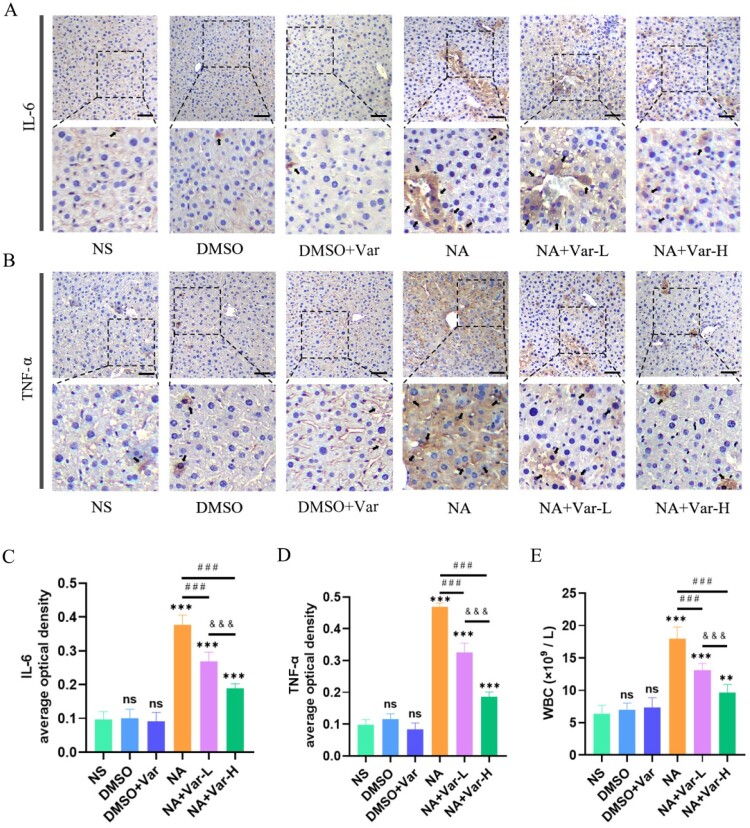
“Moreover, snakebite envenomation commonly triggers acute and chronic inflammatory responses [58,59].”
Self-citationAsmari, A. K. A., Khan, H. A., Manthiri, R. A., Yahya, K. M., & Otaibi, K. E. A. (2014) · Journal of Biochemical and Molecular Toxicology · doi:10.1002/jbt.21578 · Cited by 20
Intravenous Snake Bite: A Catastrophic Snake Envenomation
Naik, S. B. (2023) · Annals of African Medicine · doi:10.4103/aam.aam_9_23 · Cited by 20
Xiong, S., Luo, Y., Zhong, L., Xiao, H., Pan, H., Liao, K., Yang, M., & Huang, C. (2017) · Toxicon · doi:10.1016/j.toxicon.2017.07.019 · Cited by 19
Self-citationFu, K., Zhao, J., Zhong, L., Xu, H., Yu, X., Bi, X., & Huang, C. (2024) · Biomedicine & Pharmacotherapy · doi:10.1016/j.biopha.2024.116967 · Cited by 19 · cited 7×
“Mitochondrial dysfunction and abnormal mitophagy are frequently linked to mitochondria-mediated apoptosis [22,56].”
InfluentialSelf-citationAdeyi, A. O., Adeyemi, S., Effiong, E.-O. P., Ajisebiola, B. S., Adeyi, O. E., & James, A. S. (2021) · Pathophysiology · doi:10.3390/pathophysiology28010009 · Cited by 19
Fan, X., Song, Y., Liu, Y., Song, J., Zeng, J., Li, Z., Xu, J., & Xue, C. (2024) · Food Chemistry · doi:10.1016/j.foodchem.2024.140283 · Cited by 18 · cited 1×
“For instance, sPLA 2 has been shown to induce AKI by complement-mediated mitochondrial apoptosis via the NF-κB pathway [75,76].”
Hsu, J., Le, P., Lin, C., Chen, T., Kuo, C., Chiang, K., & Yeh, T. (2017) · American Journal of Physiology-Gastrointestinal and Liver Physiology · doi:10.1152/ajpgi.00440.2016 · Cited by 17
Tang, X., Wei, T., Guan, M., Li, P., Pu, Y., Cheng, L., Zhou, Z., Fu, P., & Zhang, L. (2022) · Food and Chemical Toxicology · doi:10.1016/j.fct.2022.113591 · Cited by 16
Self-citationSnake ( Vipera berus ) bite: The cause of severe anaphylactic shock and hepatocellular injury
Pałgan, K., Kuźmiński, A., Janik, A., Żbikowska-Götz, M., & Bartuzi, Z. (2015) · International Journal of Immunopathology and Pharmacology · doi:10.1177/0394632015572566 · Cited by 16 · cited 2×
“Patients enve-nomed by N. atra venom exhibit elevated levels of liver bio-chemical indexes, oxidative stress indicators, and inflammatory indicators, including C-reactive protein (CRP), aspartate aminotransferase (AST), alanine aminotransferase (ALT), and lactate dehydrogenase (LDH) [20,21].”
Crosstalk between autophagy and the Keap1-Nrf2-ARE pathway regulates realgar-induced neurotoxicity
Zhang, W., Geng, X., Dong, Q., Li, X., Ye, P., Lin, M., Xu, B., & Jiang, H. (2022) · Journal of Ethnopharmacology · doi:10.1016/j.jep.2022.115776 · Cited by 15 · cited 2×
“Snake venom is known to induce severe oxidative stress [29,30].”
Cano-Sanchez, M., Hassen, K. B., Louis, O. P., Dantin, F., Gueye, P., Roques, F., Mehdaoui, H., Résière, D., & Nevière, R. (2022) · PLoS neglected tropical diseases · doi:10.1371/journal.pntd.0010523 · Cited by 15
Adeyi, A. O., Ajisebiola, B. S., Adeyi, O. E., Adekunle, O., Akande, O. B., James, A. S., Ajayi, B. O., Yusuf, P. O., & Idowu, B. A. (2021) · Biochemistry and Biophysics Reports · doi:10.1016/j.bbrep.2020.100890 · Cited by 15 · cited 1×
“Numerous studies emphasize the critical role of Nrf2 in safeguarding cells from animal toxin-induced damage [29–31].”
Snakebite-Associated Kidney Injury
Albuquerque, P. L. M. M., & Mota, S. M. B. (2021) · Contributions to nephrology · doi:10.1159/000517725 · Cited by 14 · cited 2×
“Clinically, N. atra envenomation commonly triggers serious visceral damage, such as acute liver injury (ALI) [15], acute heart failure [16], acute kidney injury (AKI) [17], and even multiple organ dysfunction syndrome [18].”
Fan, Q., Chang, H., Tian, L., Zheng, B., Liu, R., & Li, Z. (2024) · Redox Report · doi:10.1080/13510002.2024.2373657 · Cited by 14 · cited 1×
“In addition to modulating cellular oxidative stresses, Nrf2 is also the key regulator of lipid peroxidation [32–34].”
Polloni, L., Costa, T. R., Morais, L. P., Borges, B. C., Teixeira, S. C., Fernandes, T. A. D. M., Correia, L. I. V., Bastos, L. M., Amorim, F. G., Quinton, L., et al. (2023) · Cellular Signalling · doi:10.1016/j.cellsig.2023.110785 · Cited by 12 · cited 2×
“Recent studies have recognized oxidative stress as a significant factor in venin-caused cellular damage [22–25].”
Zhang, Y., Zhou, M., Wang, D., Liang, R., Liu, W., Wang, B., & Chen, W. (2023) · Journal of Environmental Sciences · doi:10.1016/j.jes.2023.12.002 · Cited by 12 · cited 1×
“Lipid peroxidation, a hallmark of various pathological conditions, is a critical driver of ferroptosis [65,66].”
Zhao, W., Liu, J., Wang, S., Tao, Q., Lei, Q., & Huang, C. (2024) · Toxicon · doi:10.1016/j.toxicon.2024.107694 · Cited by 11
Self-citationRayapati, A. M., Vemulapati, B. M., & Chanda, C. (2024) · Journal of Biosciences · doi:10.1007/s12038-024-00429-8 · Cited by 9
Naja naja snake venom-induced local toxicities in mice is by inflammasome activation
Nandana, M. B., Bharatha, M., Vishwanath, B. S., & Rajaiah, R. (2024) · Toxicon · doi:10.1016/j.toxicon.2023.107590 · Cited by 7 · cited 2×
“Snake venom toxins, such as SVPLA 2 and SVMPs, have been implicated in promoting inflammatory responses through multiple signaling pathways, with PLA 2 being specifically shown to enhance inflammation via NLRP3 activation [50].”
Tao, T., Zhang, F., Chai, L., Xing, X., Wan, C., Tao, Z., & Wang, Z. (2024) · Translational Cancer Research · doi:10.21037/tcr-24-182 · Cited by 7 · cited 4×
“Snake venom is known to induce severe oxidative stress [29,30].”
InfluentialIvanušec, A., Šribar, J., Leonardi, A., Zorović, M., Živin, M., & Križaj, I. (2022) · International Journal of Molecular Sciences · doi:10.3390/ijms232012368 · Cited by 7
Landscape of research, production, and regulation in venoms and antivenoms: a bibliometric analysis
Fábio, J. L. D., Castillo, M. D. L. A. C., & Griffiths, E. (2021) · Revista Panamericana de Salud Pública · doi:10.26633/rpsp.2021.55 · Cited by 7 · cited 1×
“Developing and screening secure, efficient, and convenient antivenom drugs is urgently needed for treating and managing snakebite envenomations [38,39].”
New perspective for pathomechanism and clinical applications of animal toxins: Programmed cell death
Sun, J., Liu, J., Liu, M., Bi, X., & Huang, C. (2024) · Toxicon · doi:10.1016/j.toxicon.2024.108071 · Cited by 6 · cited 2×
“Investigating the toxic target and mechanism is crucial for developing effective treatments and exploring potential appli - cations [42].”
Self-citationDias, D. A., de Souza, K. F. S., Moslaves, I. S. B., Buri, M. V., Basilio, D. C. L. S., Espinoça, I. T., Parisotto, E. B., Silva-Filho, S. E., Migliolo, L., Jaques, J. A. O., et al. (2024) · Purinergic Signalling · doi:10.1007/s11302-024-10032-z · Cited by 3
[Microanatomical Investigation of the Subtemporal Transtentorial Approach].
Cheng, J., Wang, Q., Li, C., Rong, J., Li, T., Li, M., & Bai, R. (2024) · 四川大学学报:医学版 · doi:10.12182/20240360506 · Cited by 1
Cited by
Liu, J., Wen, Z., Tang, S., Wu, J., Bi, X., Yang, Y., & Huang, C. (2026) · Toxins · doi:10.3390/toxins18040155 · Cited by 3
“For in vivo administration, the stock solution was diluted with normal saline to a final working concentration of 50 µ g/mL and administered intraperitoneally at a dose of 1.75 mg/kg, based on previous studies [8,40].”
InfluentialSelf-citationMelatonin Enhances the Myometrial Contraction Through MT2‐PKC‐NRF2/MAFF Signaling Pathway in Sows
Niu, T., Zhou, Y., Qiu, G., Zhang, J., Liao, J., Zhang, Q., Yu, S., Gou, K., Cui, S., & Zhang, D. (2026) · Journal of Pineal Research · doi:10.1111/jpi.70135 · Cited by 2
“NRF2 and MAFF are involved in various biological processes, including regulating the antioxidant defense system, cellular metabolic balance, inflammatory, and cell proliferation [47–49].”
Liu, J., Zeng, Y., Wen, Z., Tang, S., Li, Q., Sun, J., Jin, Y., Bi, X., Yang, Y., & Huang, C. (2026) · Communications Biology · doi:10.1038/s42003-026-10078-2 · Cited by 5
Self-citationLiu, J., Wen, Z., Tang, S., Wu, J., Han, X., Bi, X., & Huang, C. (2026) · Toxicon · doi:10.1016/j.toxicon.2026.109208 · Cited by 1
Self-citationAlangode, A., Rajasekhar, A., Sabu, J. J., Krishna, S., Anuja, D., Sreeja, A., Remesh, G., Kaladevi, A., & Nair, B. G. (2026) · International Journal of Molecular Sciences · doi:10.3390/ijms27156830
“This inhibition was shown to downregulate glutathione peroxidase 4 (GPX4) and upregulate the pro-ferroptotic enzyme ACSL4 (Acyl-CoA synthetase long-chain family member 4) [63].”
Influential
Metadata
- Authors
- Liu, J., Wang, L., Xie, M., Zhao, W., Sun, J., Jin, Y., Liu, M., Zhao, J., Cheng, L., Wen, C., Bi, X., & Huang, C.
- Affiliations
- Nanchang University (CN)
- Jilin Medical University (CN)
- Corresponding author
- Huang, Chunhong
- ORCID
- Venue
- Redox Report
- Publisher
- Informa UK Limited
- Published
- 2025-05-21
- Volume
- 30
- Issue
- 1
- Pages
- 2507557-2507557
- ISSN
- 1351-0002 (ISSN-L)
- 1743-2928
- PMC
- PMC12096701
- OpenAlex
- W4410576340
- Cited by
- 13
- References
- 76
- Citations by year
- 2026: 13
- FWCI
- 7.64
- Type
- journal article
- Language
- en
- Open access
- gold
- doi.org
- Licence
- Locations
- Redox Report (publishedVersion, cc-by-nc)
- PubMed Central (publishedVersion, cc-by-nc)
- PubMed (publishedVersion)
- DOAJ (DOAJ: Directory of Open Access Journals) (submittedVersion, cc-by-sa)
- Funders
- National Natural Science Foundation of China
- Natural Science Foundation of Jiangxi Province
- Natural Science Fund Program of Science and Technology Department of Jilin
- Innovation Project of College Students in Jilin Province
- Innovation Project of Jilin Medical College Students
- Topics
- Life Sciences › Pharmacology, Toxicology and Pharmaceutics › Toxicology › Venomous Animal Envenomation and Studies
- Life Sciences › Pharmacology, Toxicology and Pharmaceutics › Pharmacology › Drug-Induced Hepatotoxicity and Protection
- Health Sciences › Medicine › Pharmacology (medical) › Healthcare and Venom Research
- Keywords
- varespladib, Naja atra, snake venom phospholipase A2, acute liver injury, ferroptosis, Nrf2 signaling, mitochondrial dysfunction, oxidative stress, mitophagy, apoptosis, envenomation, hepatoprotection
- MeSH terms
- Naja naja, Ferroptosis, Animals, Elapid Venoms, Liver, Male, Mitochondria, Signal Transduction, Apoptosis, Oxidative Stress, NF-E2-Related Factor 2, Mice, Phospholipases A2, Chemical and Drug Induced Liver Injury
About these checks
Registry, retraction, Cites and statistics results are computed, not judged, with one exception: a printed reference that no index lists is read once by a model before it counts as a citation error. Claims are extracted by a model and kept only when their quote appears verbatim in the text; each cited source is then checked, with a model’s help, for whether it says what the claim relies on. Those verdicts can be wrong — read the claim’s quote and the cited source before relying on one.
Statistics and arithmetic are recomputed, not judged.
Confidence bands are shown only for fields calibrated on our annotated test set. None is calibrated yet, so no band is shown.
What counts as a claim ›How we measure confidence ›How we check this ›
Are you an author, or do you see a problem with this page? Request a review
Data sources
Bibliographic data: Semantic Scholar, OpenAlex, Crossref.
Contains information from the Semantic Scholar Academic Graph Datasets, made available under the ODC Attribution License (ODC-BY 1.0).
Semantic Scholar’s data is described in: Kinney, R., et al. (2023). The Semantic Scholar Open Data Platform. arXiv:2301.10140.
