

Induction and adaptation of chaperone-assisted selective autophagy CASA in response to resistance exercise in human skeletal muscle
Open accessThe DOI matches its Crossref record; 31 of the 33 references it cites were found in a registry or an index.
Abstract
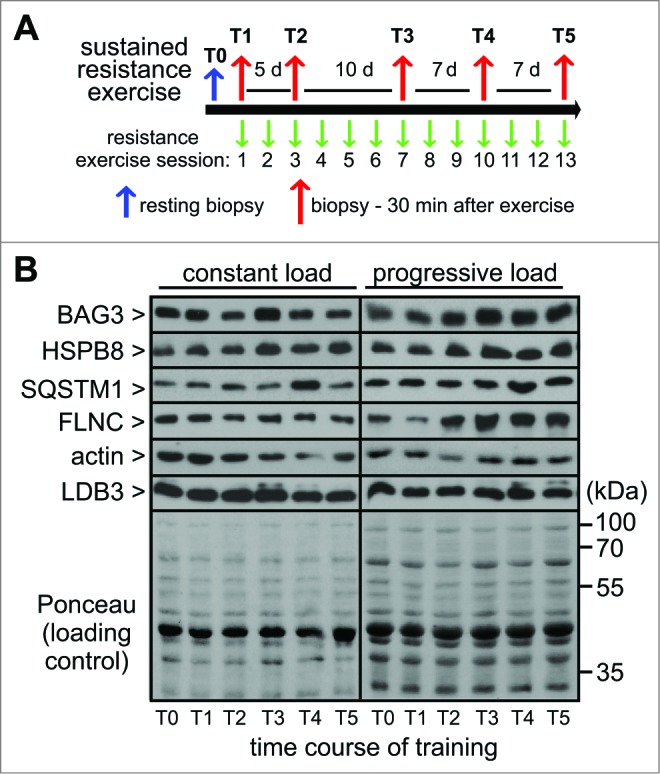
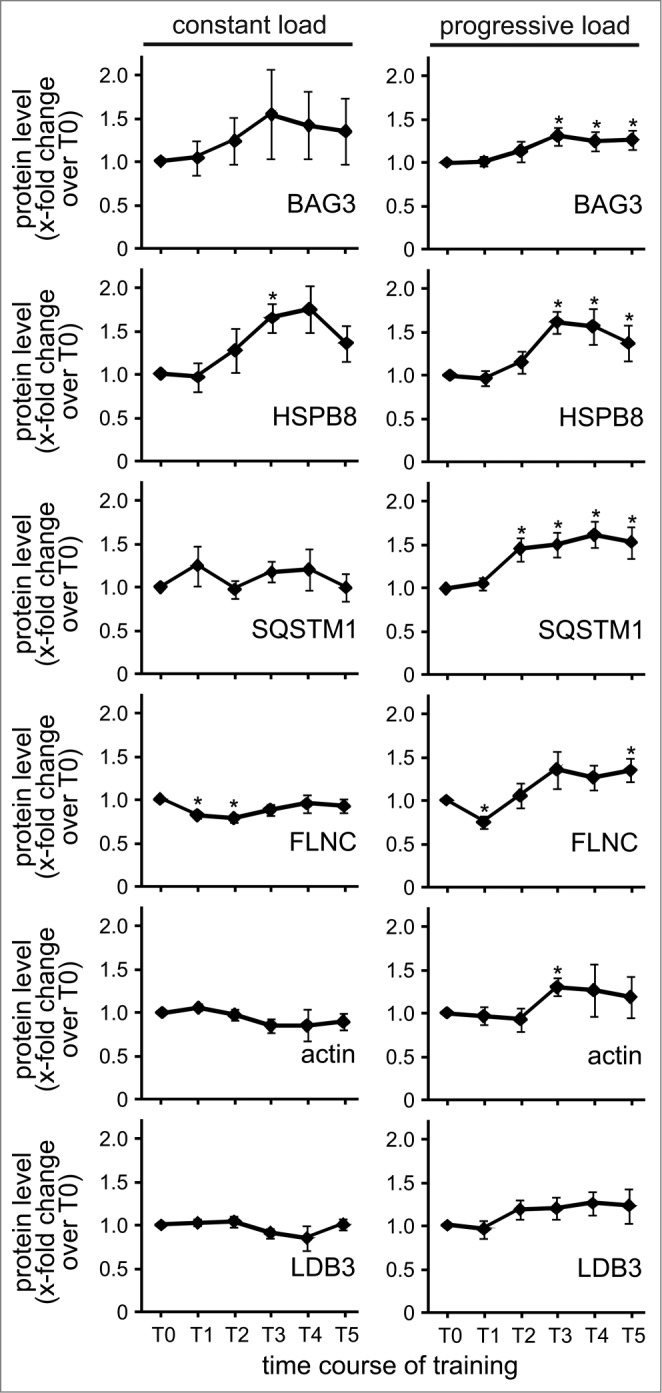
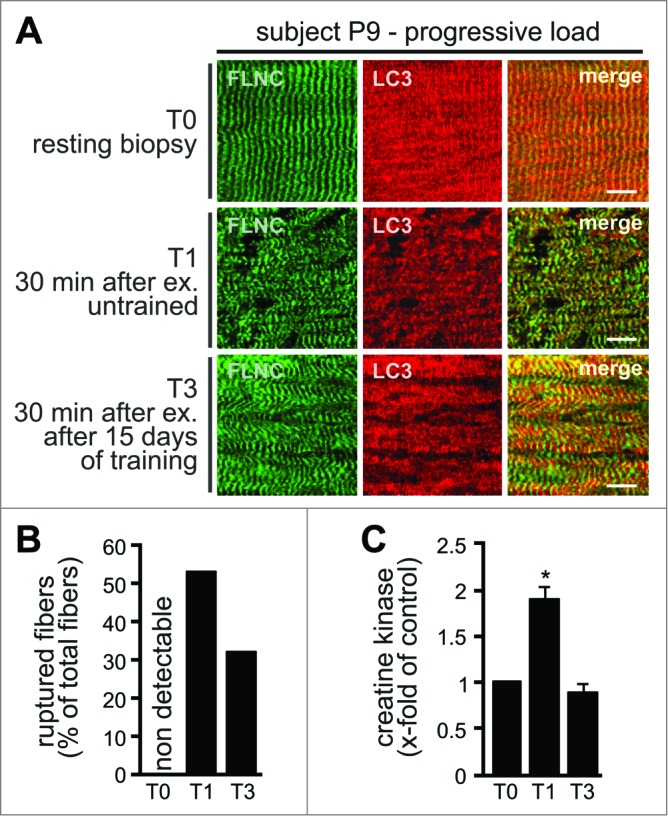
Chaperone-assisted selective autophagy (CASA) is a tension-induced degradation pathway essential for muscle maintenance. Impairment of CASA causes childhood muscle dystrophy and cardiomyopathy. However, the importance of CASA for muscle function in healthy individuals has remained elusive so far. Here we describe the impact of strength training on CASA in a group of healthy and moderately trained men. We show that strenuous resistance exercise causes an acute induction of CASA in affected muscles to degrade mechanically damaged cytoskeleton proteins. Moreover, repeated resistance exercise during 4 wk of training led to an increased expression of CASA components. In human skeletal muscle, CASA apparently acts as a central adaptation mechanism that responds to acute physical exercise and to repeated mechanical stimulation.
Overview
The claims and statistics of this paper haven’t been checked yet.
Free: it reads the open-access text and checks the first 5 claims that cite a source we can check. Create a free account to check every claim.
Integrity signals
Registry
Cites
Statistics
Figures
Verification
Claims the paper makes
The claims and statistics of this paper haven’t been checked yet.
Free: it reads the open-access text and checks the first 5 claims that cite a source we can check. Create a free account to check every claim.
Claims other papers make about this one
Each is checked against this paper’s own text: does it say what the citing paper says it does?
The source backs part of the claim, not all of it — or backs it for a different population, condition or comparison.
In the citing paper
“Also, BAG3 expression decreases after acute high intensity resistance exercise, but increases together with force-bearing cytoskeleton proteins (136).”
From The Hippo signal transduction network for exercise physiologists (2016) · cites this paper as [136]
Experimental — accuracy not yet measured
Self-check
Percentages, sums and reported differences re-computed from the paper’s own numbers.
The self-check needs the paper’s full text.
Citations
Cites
Exercise-induced BCL2-regulated autophagy is required for muscle glucose homeostasis
He, C., Bassik, M. C., Moresi, V., Sun, K., Wei, Y., Zou, Z., An, Z., Loh, J., Fisher, J., Sun, Q., et al. (2012) · Nature · doi:10.1038/nature10758 · Cited by 1,136 · cited 1×
“A prominent example is the BCL2-regulated autophagy pathway that is essential for glucose homeostasis in skeletal and cardiac muscles of mice.(29) It remains to be seen whether this pathway is linked to CASA, in particular because the CASA-inducing cochaperone BAG3 belongs to a family of BCL2-interacting proteins and…”
BackgroundMcHugh, M. P. (2003) · Scandinavian Journal of Medicine & Science in Sports · doi:10.1034/j.1600-0838.2003.02477.x · Cited by 628 · cited 1×
“Induction of CASA may thus contribute to the repeated bout effect in skeletal muscle, which describes the immediate adaptation of skeletal muscle toward acute contractioninduced muscle damage and the significant reduction in muscle soreness and damage following a similar stimulation few days later.(23) Previous studie…”
BackgroundExercise-Induced Muscle Damage and Adaptation
Ebbeling, C. B., & Clarkson, P. M. (1989) · Sports Medicine · doi:10.2165/00007256-198907040-00001 · Cited by 599 · cited 1×
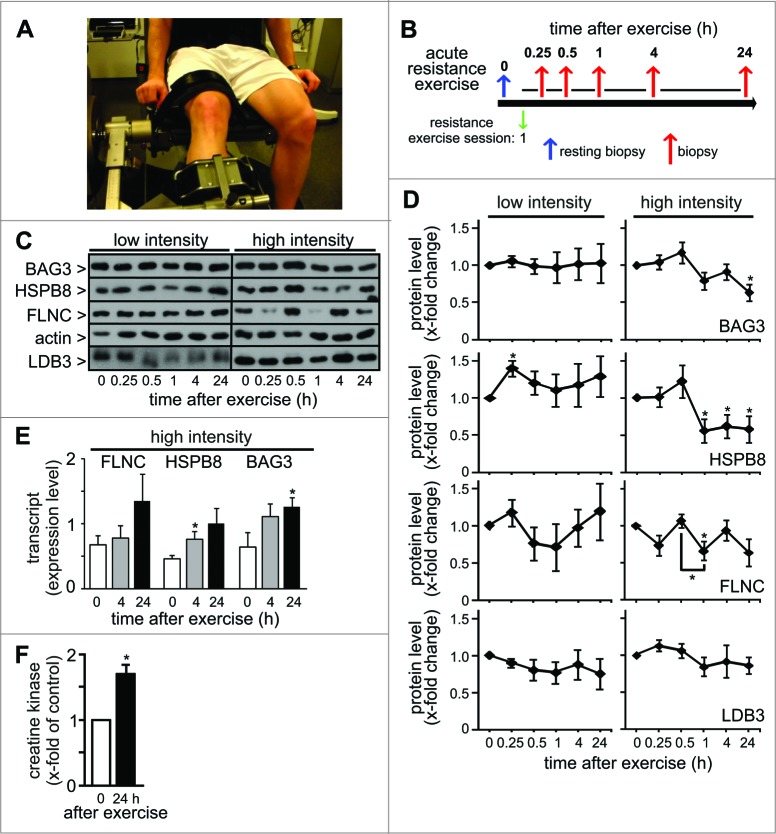
“To evaluate muscle damage following exercise, we initially measured blood serum levels of CK (creatine kinase), which is almost exclusively expressed in muscle tissues and released into the circulation following exercise-induced muscle fiber disruption.(19) At 24 h after maximal eccentric resistance exercise, serum CK…”
MethodChaperone-Assisted Selective Autophagy Is Essential for Muscle Maintenance
Arndt, V., Dick, N., Tawo, R., Dreiseidler, M., Wenzel, D., Hesse, M., Fürst, D. O., Saftig, P., Saint, R., Fleischmann, B. K., et al. (2010) · Current Biology · doi:10.1016/j.cub.2009.11.022 · Cited by 574 · cited 9×
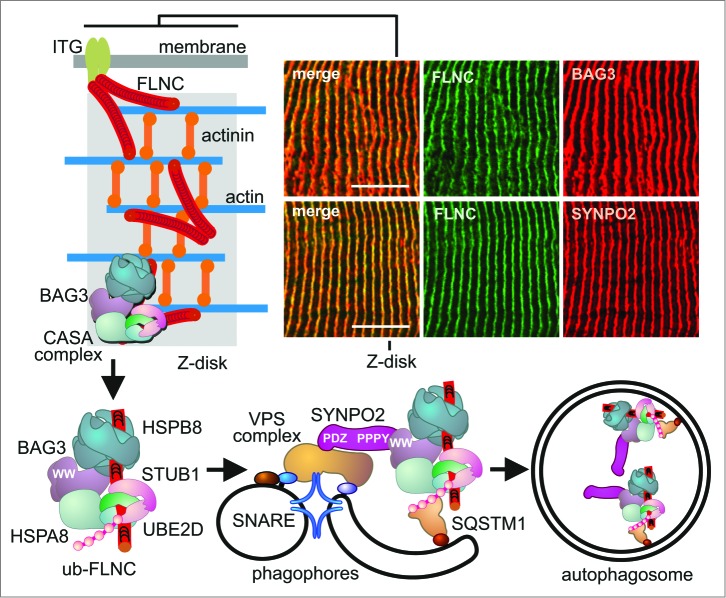
“1).(3,11) Contraction of the actin network results in the mechanical unfolding of protein domains within the filamin rods,(12,13) leading to recognition by the CASA chaperone complex.”
BackgroundInfluentialSelf-citationProtein quality control during aging involves recruitment of the macroautophagy pathway by BAG3
Gamerdinger, M., Hajieva, P., Kaya, A. M., Wolfrum, U., Hartl, F. U., & Behl, C. (2009) · The EMBO Journal · doi:10.1038/emboj.2009.29 · Cited by 522 · cited 3×
“The complex comprises the molecular chaperones HSPA8/HSC70 and HSPB8/HSP22, coupled by the cochaperone BAG3 that is essential for the initiation of CASA.(3,14,15) BAG3 cooperates with the HSPA8-associated ubiquitin ligase STUB1/CHIP and its partner UBE2D (ubiquitin-conjugating enzyme E2D) in the ubiquitination of chap…”
BackgroundThe filamins: Organizers of cell structure and function
Nakamura, F., Stossel, T. P., & Hartwig, J. H. (2011) · Cell Adhesion & Migration · doi:10.4161/cam.5.2.14401 · Cited by 451
Lira, V. A., Okutsu, M., Zhang, M., Greene, N. P., Laker, R. C., Breen, D. S., Hoehn, K. L., & Yan, Z. (2013) · The FASEB Journal · doi:10.1096/fj.13-228486 · Cited by 432
Mutation in BAG3 causes severe dominant childhood muscular dystrophy
Selcen, D., Muntoni, F., Burton, B. K., Pegoraro, E., Sewry, C., Bite, A. V., & Engel, A. G. (2009) · Annals of Neurology · doi:10.1002/ana.21553 · Cited by 357
Carra, S., Seguin, S. J., Lambert, H., & Landry, J. (2008) · Journal of Biological Chemistry · doi:10.1074/jbc.m706304200 · Cited by 349 · cited 3×
“The complex comprises the molecular chaperones HSPA8/HSC70 and HSPB8/HSP22, coupled by the cochaperone BAG3 that is essential for the initiation of CASA.(3,14,15) BAG3 cooperates with the HSPA8-associated ubiquitin ligase STUB1/CHIP and its partner UBE2D (ubiquitin-conjugating enzyme E2D) in the ubiquitination of chap…”
BackgroundCellular Mechanotransduction Relies on Tension-Induced and Chaperone-Assisted Autophagy
Ulbricht, A., Eppler, F. J., Tapia, V. E., van der Ven, P. F. M., Hampe, N., Hersch, N., Vakeel, P., Stadel, D., Haas, A., Saftig, P., et al. (2013) · Current Biology · doi:10.1016/j.cub.2013.01.064 · Cited by 288 · cited 9×
“1).(5) Autophagosomes eventually fuse with lysosomes, where damaged FLNC is degraded.”
BackgroundResultInfluentialSelf-citation
Cited by
Items 101–169 of 169
Chierichetti, M., Cerretani, M., Ciammaichella, A., Crippa, V., Rusmini, P., Ferrari, V., Tedesco, B., Casarotto, E., Cozzi, M., Mina, F., et al. (2022) · Life Sciences · doi:10.1016/j.lfs.2022.121323 · Cited by 14
Wu, W., Sun, X., Shi, X., Lai, L., Wang, C., Xie, M., Qin, G., & Qiu, H. (2021) · Antioxidants · doi:10.3390/antiox10101550 · Cited by 14
Reduction of Filamin C Results in Altered Proteostasis, Cardiomyopathy, and Arrhythmias
Ohiri, J. C., Dellefave‐Castillo, L. M., Tomar, G., Wilsbacher, L. D., Choudhury, L., Barefield, D. Y., Fullenkamp, D. E., Gacita, A. M., Monroe, T. O., Pesce, L. L., et al. (2024) · Journal of the American Heart Association · doi:10.1161/jaha.123.030467 · Cited by 15
“36,37 In skeletal muscle, unfolded or mis-folded filamin C is disposed of by chaperone-assisted selective autophagy, which engages BAG3 and heat shock proteins to target unfolded proteins to lys-osomes for degradation.”
BackgroundRoperto, S., Russo, V., Rosati, A., Ceccarelli, D. M., Munday, J. S., Turco, M. C., & Roperto, F. P. (2018) · Veterinary Microbiology · doi:10.1016/j.vetmic.2018.06.013 · Cited by 12
Multi-Parametric Analysis of Below-Knee Compression Garments on Delayed-Onset Muscle Soreness
Hotfiel, T., Höger, S., Nagel, A. M., Uder, M., KEMMLER, W. K., Forst, R., Engelhardt, M., Grim, C., & Heiss, R. U. (2021) · International Journal of Environmental Research and Public Health · doi:10.3390/ijerph18073798 · Cited by 12
“DOMS is associated with ultrastructural damage to the skeletal muscle tissue, involving protein degradation [25]; loss of myofibrillar integrity, with Z-band streaming and disruption; inflammatory processes [26]; and changes in microcirculation and vascular permeability [27].”
BackgroundZhu, Y., Zhang, Y., Fan, Z., Fang, Y., Zheng, Y., Li, Y., Yang, M. G., Guo, C., Li, Y., Zhou, X., et al. (2022) · Small · doi:10.1002/smll.202204310 · Cited by 13
Gehlert, S., Klinz, F., Willkomm, L., Schiffer, T., Suhr, F., & Bloch, W. (2016) · International Journal of Molecular Sciences · doi:10.3390/ijms17050646 · Cited by 13
Self-citationMartin, T. G., Pak, H., Gerhard, G. S., Merali, S., Merali, C., Lemster, B. H., Dubey, P. K., McTiernan, C. F., Bristow, M. R., Feldman, A. M., et al. (2023) · Journal of the American Heart Association · doi:10.1161/jaha.123.029938 · Cited by 14
“4,28 Due to our observation of disrupted autophagy in the BAG3 63/380 tissue, we hypothesized that this could result from a mutation-dependent effect on the expression/localization of chaperone-assisted selective autophagy complex proteins.”
BackgroundWette, S. G., Birch, N. P., Soop, M., Zügel, M., Murphy, R. M., Lamb, G. D., & Smith, H. K. (2020) · Journal of Applied Physiology · doi:10.1152/japplphysiol.00711.2020 · Cited by 12
Salim, C., Muders, H., Jäger, A., & Konermann, A. (2021) · Journal of Orofacial Orthopedics / Fortschritte der Kieferorthopädie · doi:10.1007/s00056-021-00358-3 · Cited by 10
“Investigations on other tissues identified a major impact of the processes of protein synthesis and degradation, which seem to be able to orchestrate adaption to mechanical forces, as being important [8, 13, 20, 22].”
BackgroundInfluentialMolecular Mechanisms Mediating Adaptation to Exercise
Gholamnezhad, Z., Mégarbane, B., & Rezaee, R. (2020) · Advances in experimental medicine and biology · doi:10.1007/978-981-15-1792-1_3 · Cited by 15
Host Protein BAG3 is a Negative Regulator of Lassa VLP Egress
Han, Z., Schwoerer, M. P., Hicks, P. D., Liang, J., Ruthel, G. T., Berry, C. T., Freedman, B. D., Sagum, C. A., Bedford, M. T., Sidhu, S. S., et al. (2018) · Diseases · doi:10.3390/diseases6030064 · Cited by 11
Mulder, T., Johnson, J., & González‐Morales, N. (2025) · Genome · doi:10.1139/gen-2024-0159 · Cited by 13
Skeletal muscle hypertrophy: molecular and applied aspects of exercise physiology
Arantes, V. H. F., da Silva, D. P., Alvarenga, R., Terra, A., Koch, A. J., Machado, M., & Pompeu, F. A. M. S. (2020) · German Journal of Exercise and Sport Research · doi:10.1007/s12662-020-00652-z · Cited by 12
Xue, L. L., Cheng, J., Du, R., Luo, B., Chen, L., Xiao, Q., Zhou, H., She, H.-Q., Wang, S.-F., Chen, T., et al. (2025) · Cell Death and Disease · doi:10.1038/s41419-025-07439-w · Cited by 11
“SYNPO2 ’ s regulatory function of autophagy depends on its PDZ domain, which enables the recruitment of sequestosome-1 (SQSTM1) and interaction with Bcl-2-associated athanogene-3 (BAG3) to promote autophagy [36, 37].”
Luo, F., Bai, Y., & Bu, H. (2022) · PubMed Central · doi:10.11909/j.issn.1671-5411.2022.10.010 · Cited by 9
Hannaian, S. J., Lov, J., Zacharie, C.-B., Sawan, S. A., Hodson, N. W., Gentil, B. J., Morais, J. A., & Churchward‐Venne, T. A. (2024) · American Journal of Physiology-Cell Physiology · doi:10.1152/ajpcell.00207.2024 · Cited by 9
Boullosa, D. A., Dragutinovic, B., Deutsch, J., Held, S., Donath, L., Bloch, W., & Schumann, M. (2021) · International Journal of Environmental Research and Public Health · doi:10.3390/ijerph18157968 · Cited by 13
Self-citationThanthrige, N. P., Weston-Olliver, G., Bhowmik, S. D., Friedl, J., Rowlings, D. W., Kabbage, M., Ferguson, B. J., Mundree, S., & Williams, B. (2023) · Scientific Reports · doi:10.1038/s41598-023-45771-3 · Cited by 10
“Research in mammalian systems demonstrates a role for BAG proteins within autophagy 22–24 .”
BackgroundAutophagy: Press and Push for Destruction
Höhfeld, J. (2016) · Current Biology · doi:10.1016/j.cub.2016.06.017 · Cited by 8
“response to exercise in human subjects [16], and also when mechanical force is generated inside adherent and migrating cells [14].”
BackgroundSelf-citationRole of autophagy in bone and muscle biology
Valenti, M. T., Carbonare, L. D., & Mottes, M. (2016) · World Journal of Stem Cells · doi:10.4252/wjsc.v8.i12.396 · Cited by 10
Winter, L., Staszewska-Daca, I., Zittrich, S., Elhamine, F., Zrelski, M. M., Schmidt, K., Fischer, I., Jüngst, C., Schauss, A. C., Goldmann, W. H., et al. (2023) · Cells · doi:10.3390/cells12091259 · Cited by 8
“As CASA was shown to be a tension-induced machinery activated upon high loads of mechanical exercise and muscle contraction [33–37], and in light of P1d-de fi cient my-o fi bril bundles displaying altered relaxation kinetics upon mechanical stress (see Figure 3Q–”
BackgroundHeiss, R., Höger, S., Uder, M., Hotfiel, T., Hanspach, J., Laun, F. B., Nagel, A. M., & Roemer, F. W. (2023) · Annals of Anatomy - Anatomischer Anzeiger · doi:10.1016/j.aanat.2023.152181 · Cited by 7
Sprint and Strength Training Modulates Autophagy and Proteostasis in Aging Sprinters
Hentilä, J., Hulmi, J. J., Laakkonen, E. K., Ahtiainen, J. P., Suominen, H., & Korhonen, M. T. (2020) · Medicine & Science in Sports & Exercise · doi:10.1249/mss.0000000000002340 · Cited by 11
Does Exercise Regulate Autophagy in Humans? A Systematic Review and Meta-Analysis
Chen, X., Zheng, C., Siu, P. M., Sun, F., Wong, S. H., & Chun‐Hang, A. (2023) · Autophagy Reports · doi:10.1080/27694127.2023.2190202 · Cited by 10
“All others were published by European institutions, including four each from Denmark 22,25,37,52 and Belgium 36,38,44,45 and two each from Germany 47,51 , Spain 41,42 , Finland 34,55 , Sweden 43,49 , and Switzerland 21,50 .”
Ausgewählte klinische und physiologische Aspekte zur Behandlung von Muskelverletzungen – Update 2020
Hotfiel, T., Grim, C., Heiss, R., Weisskopf, L., Bloch, W., & Engelhardt, M. (2020) · Sports Orthopaedics and Traumatology · doi:10.1016/j.orthtr.2020.04.002 · Cited by 7
Self-citationDeloading Practices in Strength and Physique Sports: A Cross-sectional Survey
Rogerson, D., Nolan, D., Androulakis‐Korakakis, P., Immonen, V., Wolf, M., & Bell, L. (2024) · Sports Medicine - Open · doi:10.1186/s40798-024-00691-y · Cited by 9
“Interestingly, emerging evidence highlights that molecular responses that mediate adaptations become blunted to repeated exposure from training, meaning that anabolic signalling as a response to strength training might reduce over time [49–51].”
BackgroundStrain-induced mechanoresponse depends on cell contractility and BAG3-mediated autophagy
Lövenich, L., Dreissen, G., Hoffmann, C., Konrad, J., Springer, R., Höhfeld, J., Merkel, R., & Hoffmann, B. (2021) · Molecular Biology of the Cell · doi:10.1091/mbc.e21-05-0254 · Cited by 7
“In contrast, a clear link between misfolding and autophagy has been demonstrated for the protein filamin in both skeletal muscle (Arndt et al. , 2010; Kathage et al. , 2017) and smooth muscle (Ulbricht et al. , 2013, 2015) cells.”
Self-citationMeixner, C. R., Nagel, A. M., Höger, S., Gast, L. V., Wiesmueller, M., Uder, M., May, M. S., Hotfiel, T., & Heiss, R. U. (2022) · Quantitative Imaging in Medicine and Surgery · doi:10.21037/qims-21-1104 · Cited by 6
“This is connected to structural changes as well as damage to the skeletal muscle and loss of myofibrillar integrity with Z-band streaming and disruption(4), changes in vascular permeability (5), inflammatory processes (6), and increased muscle proteins and enzymes in the systemic bloodstream (7).”
Links Between Autophagy and Healthy Aging
Ebata, H., & Hansen, M. (2026) · Journal of Molecular Biology · doi:10.1016/j.jmb.2026.169656 · Cited by 10
Wiecha, S., Cieśliński, I., Wiśniowski, P., Cieśliński, M., Pawliczek, W., Posadzki, P., Prill, R., Zając, J., & Płaszewski, M. (2025) · Sports Medicine · doi:10.1007/s40279-025-02187-5 · Cited by 9
Lu, J., Zhang, L., Liu, J., Liu, Y., Lin, X.-Y., Wang, X., Zhang, Y., Tang, Q., & Liu, L. (2023) · The Journal of Physiological Sciences · doi:10.1186/s12576-023-00884-2 · Cited by 6
“Even during single resistance exercise, HSP70 and BAG3 complex-assisted selective autophagy demonstrably responded for muscle maintenance and adaptation [18].”
BackgroundInfluentialJacko, D., Schaaf, K., Aussieker, T., Masur, L., Zacher, J., Bersiner, K., Bloch, W., & Gehlert, S. (2024) · Scientific Reports · doi:10.1038/s41598-024-79385-0 · Cited by 7
Self-citationAcheson, J., Joanisse, S., Sale, C., & Hodson, N. W. (2025) · Bioscience Reports · doi:10.1042/bsr20240137 · Cited by 6
“…have shown that lysosomal cathepsins can hydrolyze purified myofibrillar proteins [271–273] and recent transmission electron microscopy (TEM) images of human and rodent skeletal muscle following EIMD observe autophagosome-like structures within the intermyofibrillar space [127,207,227,274].”
InfluentialDynamic time course of muscle proteome adaptation to programmed resistance training in rats
Stead, C. A., Hesketh, S. J., Thomas, A. C. Q., Viggars, M. R., Sutherland, H., Jarvis, J. C., & Burniston, J. G. (2025) · American Journal of Physiology-Cell Physiology · doi:10.1152/ajpcell.00254.2025 · Cited by 9
Pîrlog, L.-M., Catana, A. M., Pitforodeschi, A.-D., Pilatec, A.-N., Băilă, R.-M., Rusu, I., Militaru, M.-S., Iordănescu, I. I., & Belbe, A.-A. (2026) · Genes · doi:10.3390/genes17060681 · Cited by 4
“Endurance training promotes autophagy in skeletal muscle and brain, while resistance exercise activates complementary quality-control pathways such as chaperone-assisted selective autophagy [238,239].”
Identification of phosphatases that dephosphorylate the co-chaperone BAG3
Kokot, T., Zimmermann, J. P., Chand, Y., Krier, F., Reimann, L., Scheinost, L., Höfflin, N., Esch, A., Höhfeld, J., Warscheid, B., et al. (2024) · Life Science Alliance · doi:10.26508/lsa.202402734 · Cited by 3
“…towards the co-chaperone Bcl2-associated athanogene 3 (BAG3) because of its involvement in multiple proteostasis pathways and stress responses (Pagliuca et al, 2003; Chen et al, 2004; Rosati et al, 2007; Ammirante et al, 2010; Basile et al, 2011; Ulbricht et al, 2015; H¨ohfeld et al, 2021).”
Self-citationNitzsche, N., Neuendorf, T., Gehlert, S., Fröhlich, M., & Schulz, H. (2017) · German Journal of Exercise and Sport Research · doi:10.1007/s12662-017-0473-0 · Cited by 5
“Mechanical stimulation of skeletal muscle, however, can also be associated with a different mechanism of protein breakdown called chaperoneassisted selective autophagy (CASA) (Ulbricht et al., 2015).”
BackgroundSelf-citationTedesco, B., Peric, S., Kocak, G., Tan, J., Duong, H., Töpf, A., Rakočević-Stojanović, V., Milenković, S. M., Parkhurst, Y., Gibbs, L., et al. (2025) · European Journal of Human Genetics · doi:10.1038/s41431-025-01868-z · Cited by 4
BAG3P215L/KO Mice as a Model of BAG3P209L Myofibrillar Myopathy
Robertson, R., Conte, T. C., Dicaire, M., Rymar, V. V., Sadikot, A. F., Bryson‐Richardson, R. J., Lavoie, J. N., O’Ferrall, E., Young, J. C., & Brais, B. (2020) · American Journal Of Pathology · doi:10.1016/j.ajpath.2019.11.005 · Cited by 3
Interaction of small heat shock proteins with BAG3
Zamotina, M. A., Muranova, L. K., Zabolotskii, A. I., & Gusev, N. B. (2025) · Biochimie · doi:10.1016/j.biochi.2025.01.001 · Cited by 2
Giacco, A., Silvestri, E., Senese, R., Cioffi, F., Cuomo, A., Lombardi, A., Moreno, M., Lanni, A., & de Lange, P. (2021) · Translational Medicine and Exercise Prescription · doi:10.53941/tmep.v1i1.31 · Cited by 2
Gavanda, S., Eisenkolb, M., Held, S., Geisler, S., & Gehlert, S. (2024) · Translational Exercise Biomedicine · doi:10.1515/teb-2024-0015 · Cited by 1
“Proteoasomal degradation of myo fi brillar proteins is rapidly activated after acute RT [57] and is increased when myo fi brillar damage is more extensive, such as at the beginning of a RT period [58, 59].”
Self-citationLi, M., Song, C., Wang, Z., Yuan, H., Zhang, Z., Sun, Y., Zhang, F., Wang, S., Sun, H., Zhao, H., et al. (2026) · Frontiers in Immunology · doi:10.3389/fimmu.2026.1716516 · Cited by 1
Markby, G. R., & Sakamoto, K. (2021) · Elsevier eBooks · doi:10.1016/b978-0-12-822003-0.00019-x · Cited by 1
“Diet and Exercise Will Help You Live Longer”: The Meme that Turns on Housekeeping Genes
Escobar, K. A., Visconti, L. M., Wallace, A., & VanDusseldorp, T. A. (2019) · Advances in Geriatric Medicine and Research · doi:10.20900/agmr20200002 · Cited by 2
“Chaperone-assisted selective autophagy (CASA) is also involved in cytoskeleton maintenance and adaptation in skeletal muscle in response to resistance training in humans [150].”
BackgroundСухарева, К. С., Smolina, N., Knyazeva, A., Kalugina, K. K., Khudyakov, A. A., & Kostareva, A. A. (2021) · Cell and Tissue Biology · doi:10.1134/s1990519x21010119 · Cited by 1
Herausforderung Muskelverletzung
Hotfiel, T., Grim, C., Freiwald, J., Weisskopf, L., Bloch, W., & Engelhardt, M. (2021) · Knie Journal · doi:10.1007/s43205-021-00096-x · Cited by 1
Self-citationBAG3-vermittelte selektive Makroautophagie bei Proteinstress und Alterung
Behl, C. (2016) · BIOspektrum · doi:10.1007/s12268-016-0745-5
Murphy, P., & Taigman, M. (1998) · PubMed · Cited by 1
Autophagy, Exercise, and Lifestyle Modification
CAMERA, D. M., & Smiles, W. J. (2018) · Elsevier eBooks · doi:10.1016/b978-0-12-805253-2.00025-0 · Cited by 1
Revealing the Role of IGFN1 in Skeletal Muscle
Cracknell, T. (2019) · White Rose eTheses Online (University of Leeds, The University of Sheffield, University of York) · Cited by 1
Fu, P., Zhaowei, K., Lijing, G., Holmberg, H., Li, Y., Yu, J., Rongxin, Z., Jia, J., & Hu, Y. (2020) · Research Square · doi:10.21203/rs.2.20320/v1
The Role of Autophagy in Mechanical Stress-Induced Cell and Tissue Response
Xing, Y. (2020) · Biomedical Journal of Scientific & Technical Research · doi:10.26717/bjstr.2020.32.005291
Autophagy as a Pathogenetic Link and a Target for Therapy of Musculoskeletal System Diseases
Kalugina, K. K., Сухарева, К. С., Churkina, A. I., & Kostareva, A. A. (2021) · Journal of Evolutionary Biochemistry and Physiology · doi:10.1134/s0022093021030145
Phillips, S. M. (2020) · Faculty Opinions – Post-Publication Peer Review of the Biomedical Literature · doi:10.3410/f.735320205.793571145
Dissecting the molecular mechanisms of AtBAG4-mediated stress tolerance
Thanthrige, N. P. (2022) · Queensland University of Technology · doi:10.5204/thesis.eprints.235369 · Cited by 1
Characterizing the Role of P38kb and Gars in Charcot-Marie-Tooth Disease
Klos, P. S. (2023) · ISU Red - Research and eData (Illinois State University) · doi:10.30707/etd2023.20231004061829208270.999961
Jacko, D., Schaaf, K., Aussieker, T., Masur, L., Zacher, J., Bersiner, K., Bloch, W., & Gehlert, S. (2024) · Research Square · doi:10.21203/rs.3.rs-4053032/v1
Self-citationSHAO, Y. (2024) · ISU Red - Research and eData (Illinois State University) · doi:10.30707/etd2024.20240618063951009755.999927
Non-selective and selective autophagy as mediators of mechanical forces
Teixeira, M. A., & Dupont, N. (2025) · International review of cytology · doi:10.1016/bs.ircmb.2025.10.007
Cyclic stretch induces autophagy-mediated focal adhesion remodeling and activates mitochondria
Lövenich, L., Rahimi, B., Baeta, H., Kuppusamy, M., Walkenbach, M., Rastfeld, F., Dreissen, G., Wein, R., Höhfeld, J., Merkel, R., et al. (2026) · Life Science Alliance · doi:10.26508/lsa.202503347
“…this, chaperone-assisted selective autophagy (CASA) acts as an essential force-protective mechanism, whereby irreversibly damaged filamins are degraded in smooth muscle cells (Ulbricht et al, 2013), striated muscle cells (Arndt et al, 2010), and human skeletal muscles (Ulbricht et al, 2015).”
Self-citationThe Repair Tax of Resistance Training: Microdamage Control as a Molecular Gatekeeper of Hypertrophy
Schaaf, K., Jacko, D., & Gehlert, S. (2026) · Exercise Science · doi:10.15857/ksep.2026.00059
Self-citationKorniat, A. (2015) · theses.fr (ABES) · doi:10.70675/5e1e0f46zc795z457dz9339zf25c8995cb55
Zhou, W., Marchesi, V., McLeod, M., Kordala, A. J., Szwec, S., Mielcarz, J. A., Poletti, A., & Tedesco, B. (2026) · Biochimica et Biophysica Acta (BBA) - Molecular Basis of Disease · doi:10.1016/j.bbadis.2026.168244
Molecular and Cellular Hallmarks of Age‐Related Vestibular Hair Cell Degeneration
Kulasooriya, S., Liu, H., Vijayakumar, S., Bloom, C. R., Xu, Z., Tu, S., Borgmeier, B. J., Zhou, M., Tao, L., Kachar, B., et al. (2026) · Advanced Science · doi:10.1002/advs.76340
“…) in cHCs. Bag3 , along with Hspa/Hspb family, is involved in chaperone-assisted selective autophagy (CASA) complex formation, while CCTs are involved in the t-complex polypeptide 1 ring complex (TRiC) formation, which recognizes mechanically damaged actin and tubulin for degradation [ 86 ].”
Kuppusamy, M., Jacko, D., Gupta, Y., Sieger, S., Schaaf, K., Matijass, M., Bersiner, K., Zacher, J., Bonini, S., Cosenza‐Contreras, M., et al. (2026) · Nature Communications · doi:10.1038/s41467-026-75501-y · Cited by 1
“striated pattern of actin-anchoring complexes at the sarcomeric Z-disc 4 .”
InfluentialSelf-citationJiang, T., Wang, X., 姚旭通, Xia, J., & Liang, J. (2026) · Metabolism · doi:10.1016/j.metabol.2026.156787 · Cited by 1
Schaiter, A., Lohanadan, K., Mensch, A., Hentschel, A., Rosenbohm, A., Kornblum, C., Roth, A., Procida‐Kowalski, T., Krämer, H. H., Hahn, A., et al. (2026) · Brain Pathology · doi:10.1111/bpa.70155
Self-citation
Metadata
- Authors
- Ulbricht, A., Gehlert, S., Leciejewski, B., Schiffer, T., Bloch, W., & Höhfeld, J.
- Affiliations
- University of Bonn (DE)
- German Sport University Cologne (DE)
- Corresponding author
- Höhfeld, Jörg
- Venue
- Autophagy
- Publisher
- Informa UK Limited
- Published
- 2015-02-25
- Volume
- 11
- Issue
- 3
- Pages
- 538-546
- ISSN
- 1554-8627 (ISSN-L)
- 1554-8635
- PMC
- PMC4502687
- OpenAlex
- W1549601788
- Cited by
- 169
- References
- 33
- Citations by year
- 2026: 10 · 2025: 9 · 2024: 11 · 2023: 12 · 2022: 12 · 2021: 22 · 2020: 23 · 2019: 16 · 2018: 17 · 2017: 17 · 2016: 16 · 2015: 3
- FWCI
- 13.86
- Type
- journal article
- Language
- en
- Open access
- hybrid
- doi.org
- Licence
- cc-by-nc
- Locations
- Autophagy (publishedVersion, cc-by-nc)
- Europe PMC (PubMed Central) (publishedVersion, cc-by-nc)
- PubMed Central (publishedVersion, cc-by-nc)
- PubMed (publishedVersion)
- Figshare (submittedVersion, cc-by)
- Figshare (cc-by)
- Funders
- Deutsche Forschungsgemeinschaft
- Topics
- Life Sciences › Biochemistry, Genetics and Molecular Biology › Cell Biology › Autophagy in Disease and Therapy
- Life Sciences › Biochemistry, Genetics and Molecular Biology › Molecular Biology › Muscle Physiology and Disorders
- Life Sciences › Biochemistry, Genetics and Molecular Biology › Molecular Biology › Heat shock proteins research
- Keywords
- chaperone-assisted selective autophagy, resistance training, skeletal muscle, exercise adaptation, mechanical stress, muscle maintenance
- MeSH terms
- Adaptation, Physiological, Adult, Autophagy, Biopsy, Creatine Kinase, Cytoskeleton, Humans, Male, Microfilament Proteins, Microscopy, Electron, Muscle Contraction, Molecular Chaperones, Adaptor Proteins, Signal Transducing, Apoptosis Regulatory Proteins, Quadriceps Muscle, Young Adult, Filamins
About these checks
Registry, retraction, Cites and statistics results are computed, not judged, with one exception: a printed reference that no index lists is read once by a model before it counts as a citation error. Claims are extracted by a model and kept only when their quote appears verbatim in the text; each cited source is then checked, with a model’s help, for whether it says what the claim relies on. Those verdicts can be wrong — read the claim’s quote and the cited source before relying on one.
Statistics and arithmetic are recomputed, not judged.
Confidence bands are shown only for fields calibrated on our annotated test set. None is calibrated yet, so no band is shown.
What counts as a claim ›How we measure confidence ›How we check this ›
Are you an author, or do you see a problem with this page? Request a review
Data sources
Bibliographic data: Semantic Scholar, OpenAlex, Crossref.
Contains information from the Semantic Scholar Academic Graph Datasets, made available under the ODC Attribution License (ODC-BY 1.0).
Semantic Scholar’s data is described in: Kinney, R., et al. (2023). The Semantic Scholar Open Data Platform. arXiv:2301.10140.
