

Induction and adaptation of chaperone-assisted selective autophagy CASA in response to resistance exercise in human skeletal muscle
Open accessThe DOI matches its Crossref record; 31 of the 33 references it cites were found in a registry or an index.
Abstract
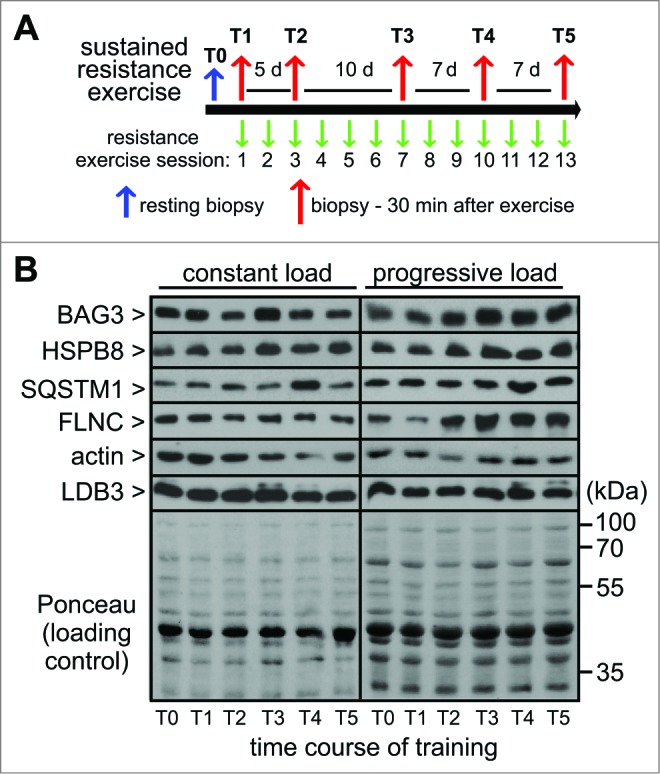
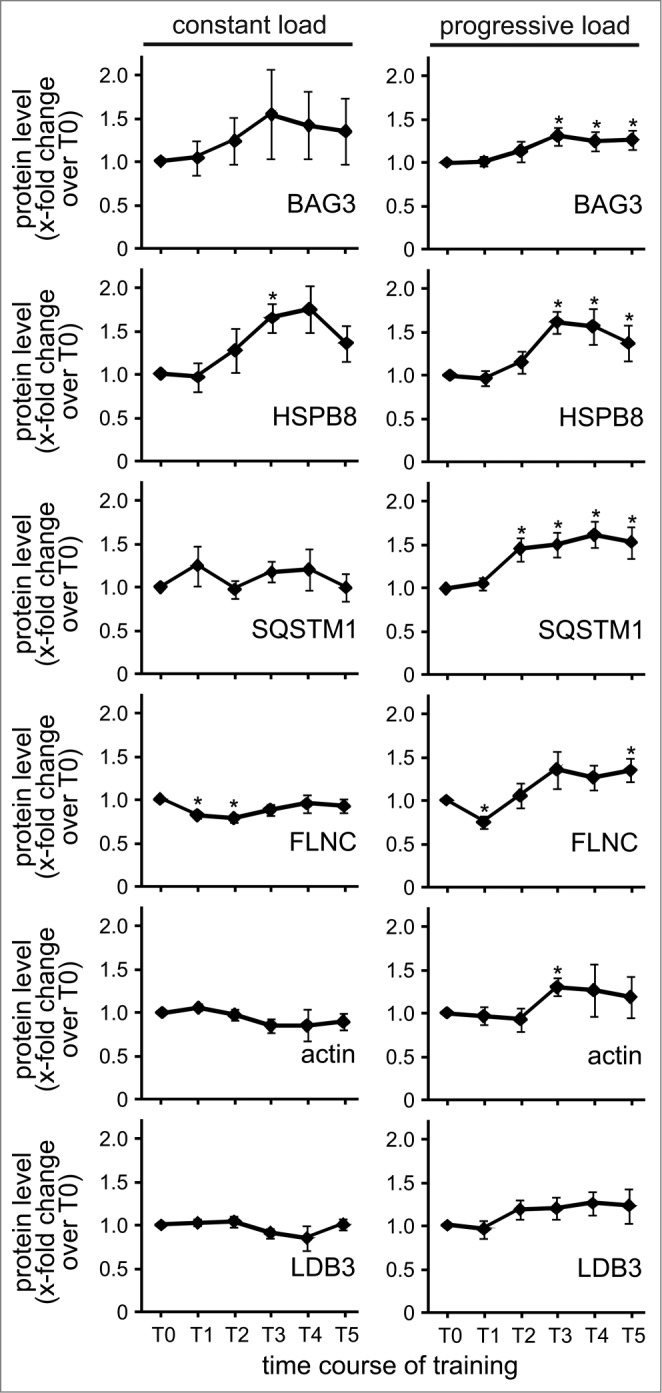
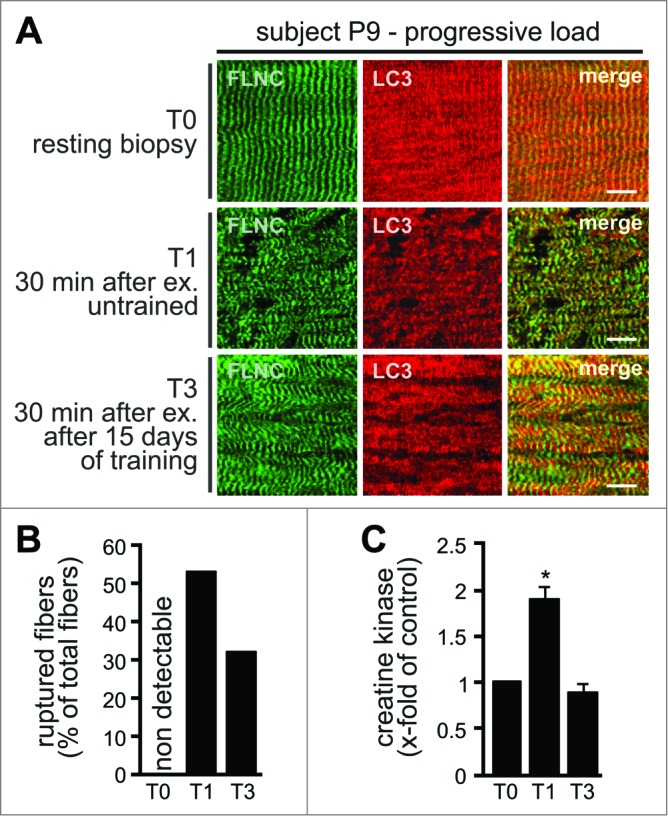
Chaperone-assisted selective autophagy (CASA) is a tension-induced degradation pathway essential for muscle maintenance. Impairment of CASA causes childhood muscle dystrophy and cardiomyopathy. However, the importance of CASA for muscle function in healthy individuals has remained elusive so far. Here we describe the impact of strength training on CASA in a group of healthy and moderately trained men. We show that strenuous resistance exercise causes an acute induction of CASA in affected muscles to degrade mechanically damaged cytoskeleton proteins. Moreover, repeated resistance exercise during 4 wk of training led to an increased expression of CASA components. In human skeletal muscle, CASA apparently acts as a central adaptation mechanism that responds to acute physical exercise and to repeated mechanical stimulation.
Overview
The claims and statistics of this paper haven’t been checked yet.
Free: it reads the open-access text and checks the first 5 claims that cite a source we can check. Create a free account to check every claim.
Integrity signals
Registry
Cites
Statistics
Figures
Verification
Claims the paper makes
The claims and statistics of this paper haven’t been checked yet.
Free: it reads the open-access text and checks the first 5 claims that cite a source we can check. Create a free account to check every claim.
Claims other papers make about this one
Each is checked against this paper’s own text: does it say what the citing paper says it does?
The source backs part of the claim, not all of it — or backs it for a different population, condition or comparison.
In the citing paper
“Also, BAG3 expression decreases after acute high intensity resistance exercise, but increases together with force-bearing cytoskeleton proteins (136).”
From The Hippo signal transduction network for exercise physiologists (2016) · cites this paper as [136]
Experimental — accuracy not yet measured
Self-check
Percentages, sums and reported differences re-computed from the paper’s own numbers.
The self-check needs the paper’s full text.
Citations
Cites
Exercise-induced BCL2-regulated autophagy is required for muscle glucose homeostasis
He, C., Bassik, M. C., Moresi, V., Sun, K., Wei, Y., Zou, Z., An, Z., Loh, J., Fisher, J., Sun, Q., et al. (2012) · Nature · doi:10.1038/nature10758 · Cited by 1,136 · cited 1×
“A prominent example is the BCL2-regulated autophagy pathway that is essential for glucose homeostasis in skeletal and cardiac muscles of mice.(29) It remains to be seen whether this pathway is linked to CASA, in particular because the CASA-inducing cochaperone BAG3 belongs to a family of BCL2-interacting proteins and…”
BackgroundMcHugh, M. P. (2003) · Scandinavian Journal of Medicine & Science in Sports · doi:10.1034/j.1600-0838.2003.02477.x · Cited by 628 · cited 1×
“Induction of CASA may thus contribute to the repeated bout effect in skeletal muscle, which describes the immediate adaptation of skeletal muscle toward acute contractioninduced muscle damage and the significant reduction in muscle soreness and damage following a similar stimulation few days later.(23) Previous studie…”
BackgroundExercise-Induced Muscle Damage and Adaptation
Ebbeling, C. B., & Clarkson, P. M. (1989) · Sports Medicine · doi:10.2165/00007256-198907040-00001 · Cited by 599 · cited 1×
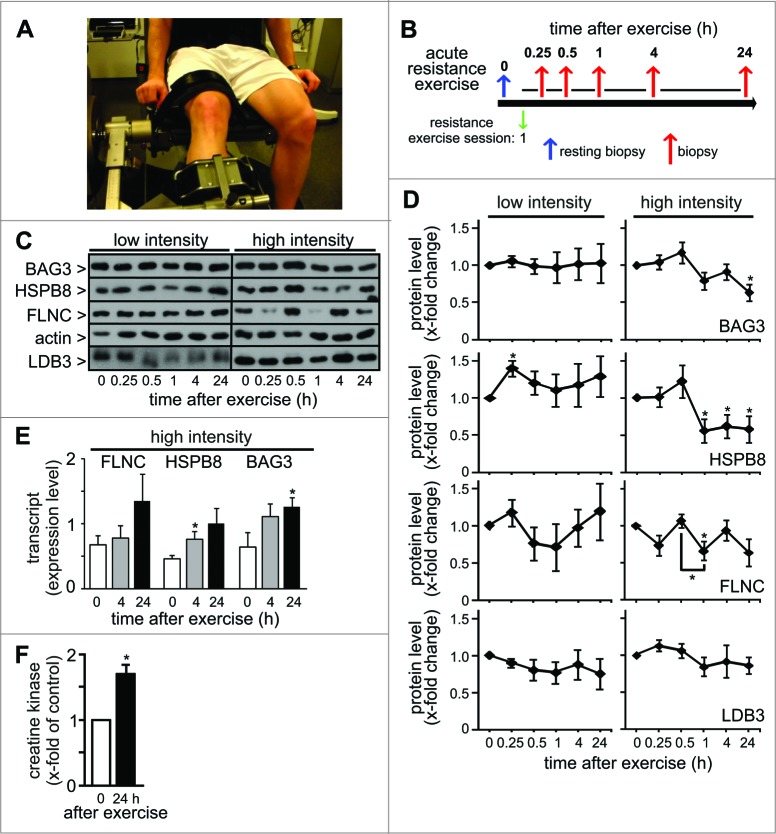
“To evaluate muscle damage following exercise, we initially measured blood serum levels of CK (creatine kinase), which is almost exclusively expressed in muscle tissues and released into the circulation following exercise-induced muscle fiber disruption.(19) At 24 h after maximal eccentric resistance exercise, serum CK…”
MethodChaperone-Assisted Selective Autophagy Is Essential for Muscle Maintenance
Arndt, V., Dick, N., Tawo, R., Dreiseidler, M., Wenzel, D., Hesse, M., Fürst, D. O., Saftig, P., Saint, R., Fleischmann, B. K., et al. (2010) · Current Biology · doi:10.1016/j.cub.2009.11.022 · Cited by 574 · cited 9×
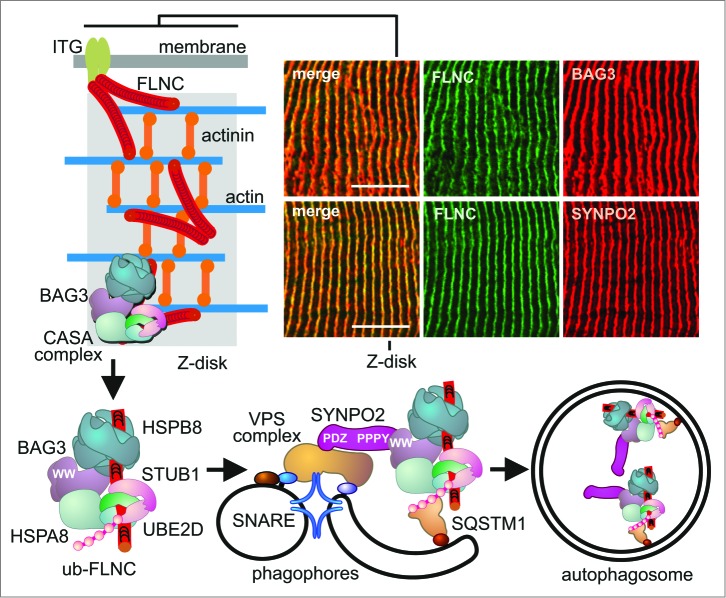
“1).(3,11) Contraction of the actin network results in the mechanical unfolding of protein domains within the filamin rods,(12,13) leading to recognition by the CASA chaperone complex.”
BackgroundInfluentialSelf-citationProtein quality control during aging involves recruitment of the macroautophagy pathway by BAG3
Gamerdinger, M., Hajieva, P., Kaya, A. M., Wolfrum, U., Hartl, F. U., & Behl, C. (2009) · The EMBO Journal · doi:10.1038/emboj.2009.29 · Cited by 522 · cited 3×
“The complex comprises the molecular chaperones HSPA8/HSC70 and HSPB8/HSP22, coupled by the cochaperone BAG3 that is essential for the initiation of CASA.(3,14,15) BAG3 cooperates with the HSPA8-associated ubiquitin ligase STUB1/CHIP and its partner UBE2D (ubiquitin-conjugating enzyme E2D) in the ubiquitination of chap…”
BackgroundThe filamins: Organizers of cell structure and function
Nakamura, F., Stossel, T. P., & Hartwig, J. H. (2011) · Cell Adhesion & Migration · doi:10.4161/cam.5.2.14401 · Cited by 451
Lira, V. A., Okutsu, M., Zhang, M., Greene, N. P., Laker, R. C., Breen, D. S., Hoehn, K. L., & Yan, Z. (2013) · The FASEB Journal · doi:10.1096/fj.13-228486 · Cited by 432
Mutation in BAG3 causes severe dominant childhood muscular dystrophy
Selcen, D., Muntoni, F., Burton, B. K., Pegoraro, E., Sewry, C., Bite, A. V., & Engel, A. G. (2009) · Annals of Neurology · doi:10.1002/ana.21553 · Cited by 357
Carra, S., Seguin, S. J., Lambert, H., & Landry, J. (2008) · Journal of Biological Chemistry · doi:10.1074/jbc.m706304200 · Cited by 349 · cited 3×
“The complex comprises the molecular chaperones HSPA8/HSC70 and HSPB8/HSP22, coupled by the cochaperone BAG3 that is essential for the initiation of CASA.(3,14,15) BAG3 cooperates with the HSPA8-associated ubiquitin ligase STUB1/CHIP and its partner UBE2D (ubiquitin-conjugating enzyme E2D) in the ubiquitination of chap…”
BackgroundCellular Mechanotransduction Relies on Tension-Induced and Chaperone-Assisted Autophagy
Ulbricht, A., Eppler, F. J., Tapia, V. E., van der Ven, P. F. M., Hampe, N., Hersch, N., Vakeel, P., Stadel, D., Haas, A., Saftig, P., et al. (2013) · Current Biology · doi:10.1016/j.cub.2013.01.064 · Cited by 288 · cited 9×
“1).(5) Autophagosomes eventually fuse with lysosomes, where damaged FLNC is degraded.”
BackgroundResultInfluentialSelf-citation
Cited by
Kaushik, S., & Cuervo, A. M. (2015) · Nature Medicine · doi:10.1038/nm.4001 · Cited by 899
Rusmini, P., Cortese, K., Crippa, V., Cristofani, R., Cicardi, M. E., Ferrari, V., Vezzoli, G., Tedesco, B., Meroni, M., Messi, E., et al. (2019) · Autophagy · doi:10.1080/15548627.2018.1535292 · Cited by 436
“assisted selective autophagy (CASA) complex [45-48], which depends on HSPB8.”
BackgroundStimuli and sensors that initiate skeletal muscle hypertrophy following resistance exercise
Wackerhage, H., Schoenfeld, B. J., Hamilton, D. L., Lehti, M., & Hulmi, J. J. (2019) · Journal of Applied Physiology · doi:10.1152/japplphysiol.00685.2018 · Cited by 357
Proteostasis, oxidative stress and aging
Korovila, I., Hugo, M., Castro, J. P., Weber, D., Höhn, A., Grune, T., & Jung, T. (2017) · Redox Biology · doi:10.1016/j.redox.2017.07.008 · Cited by 271
“Here, Hsc70 recognizes and binds protein aggregates and mediates their uptake in a process termed chaperone-assisted selective autophagy (CASA) [124,125].”
BackgroundBreaking BAG: The Co-Chaperone BAG3 in Health and Disease
Behl, C. (2016) · Trends in Pharmacological Sciences · doi:10.1016/j.tips.2016.04.007 · Cited by 261
Autophagy and aging: Maintaining the proteome through exercise and caloric restriction
Escobar, K. A., Cole, N. H., Mermier, C. M., & VanDusseldorp, T. A. (2019) · Aging Cell · doi:10.1111/acel.12876 · Cited by 227
“Chaperone‐mediated selective autophagy has also been shown to be involved in skeletal muscle cytoskeleton maintenance and adaptation in response to resistance training (Ulbricht et al., 2015).”
InfluentialThe Role of the Multifunctional BAG3 Protein in Cellular Protein Quality Control and in Disease
Stürner, E., & Behl, C. (2017) · Frontiers in Molecular Neuroscience · doi:10.3389/fnmol.2017.00177 · Cited by 193
Advances in Delayed-Onset Muscle Soreness (DOMS): Part I: Pathogenesis and Diagnostics
Hotfiel, T., Freiwald, J., Hoppe, M., Lutter, C., Forst, R., Grim, C., Bloch, W., Hüttel, M., & Heiss, R. (2018) · Sportverletzung · Sportschaden · doi:10.1055/a-0753-1884 · Cited by 184
Self-citationAutophagy is required for ectoplasmic specialization assembly in sertoli cells
Liu, C., Wang, H., Shang, Y., Liu, W., Song, Z., Zhao, H., Wang, L., Jia, P., Gao, F., Xu, Z., et al. (2016) · Autophagy · doi:10.1080/15548627.2016.1159377 · Cited by 154
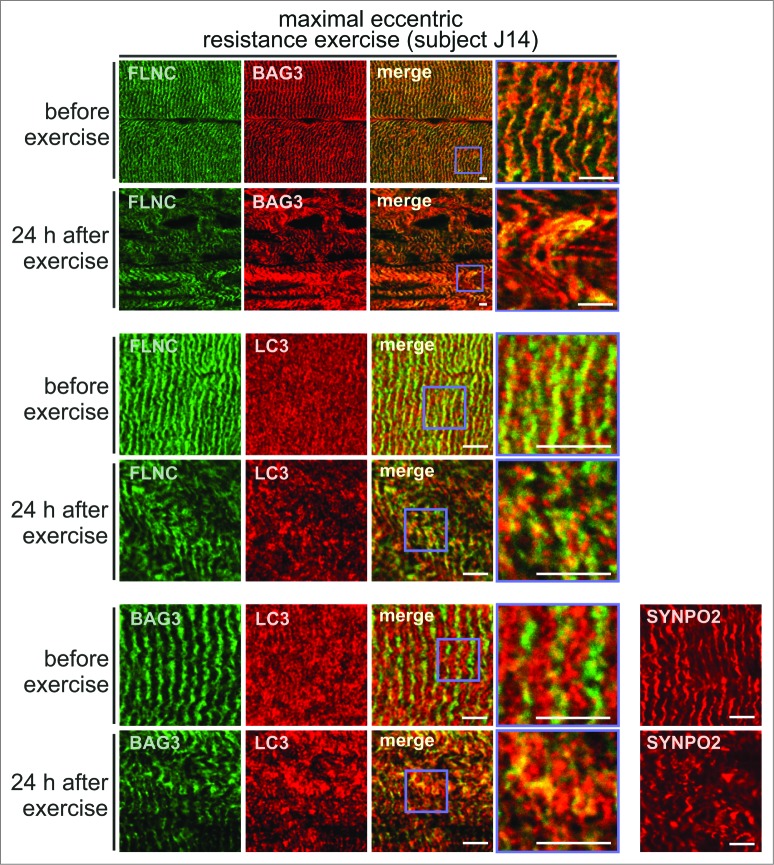
“Chaperone-assisted selective autophagy could be induced after strenuous resistance exercise to degrade mechanically damaged cytoskeleton proteins in affected muscles.(62) The autophagy-dependent regulation of cytoskeletal stress fibers has been suggested over 2 decades ago by Ridley and Hall (1992).”
BackgroundTawo, R., Pokrzywa, W., Kevei, É., Akyuz, M. E., Balaji, V., Adrian, S., Höhfeld, J., & Hoppe, T. (2017) · Cell · doi:10.1016/j.cell.2017.04.003 · Cited by 134
Self-citationTurner, D. C., Seaborne, R. A., & Sharples, A. P. (2019) · Scientific Reports · doi:10.1038/s41598-019-40787-0 · Cited by 131
The chaperone-assisted selective autophagy complex dynamics and dysfunctions
Tedesco, B., Vendredy, L., Timmerman, V., & Poletti, A. (2023) · Autophagy · doi:10.1080/15548627.2022.2160564 · Cited by 142
Exercise-induced skeletal muscle signaling pathways and human athletic performance
Camera, D. M., Smiles, W. J., & Hawley, J. A. (2016) · Free Radical Biology and Medicine · doi:10.1016/j.freeradbiomed.2016.02.007 · Cited by 128
Martin, T. G., Myers, V. D., Dubey, P., Dubey, S., Perez, E., Moravec, C. S., Willis, M. S., Feldman, A. M., & Kirk, J. A. (2021) · Nature Communications · doi:10.1038/s41467-021-23272-z · Cited by 123
The beneficial role of proteolysis in skeletal muscle growth and stress adaptation
Bell, R. A. V., Al-Khalaf, M., & Megeney, L. A. (2016) · Skeletal Muscle · doi:10.1186/s13395-016-0086-6 · Cited by 119
“Whereas autophagy has been generally associated with muscle atrophy/wasting, a number of studies have shown that resistance trained skeletal muscle is associated with enhanced autophagic flux [62, 114].”
BackgroundBlazev, R., Carl, C. S., Ng, Y.-K., Molendijk, J., Voldstedlund, C. T., Zhao, Y., Xiao, D., Kueh, A. J., Miotto, P. M., Haynes, V. R., et al. (2022) · Cell Metabolism · doi:10.1016/j.cmet.2022.07.003 · Cited by 112
Exome-wide association study reveals novel susceptibility genes to sporadic dilated cardiomyopathy
Esslinger, U., Garnier, S., Korniat, A., Proust, C., Kararigas, G., Müller-Nurasyid, M., Empana, J.-P., Morley, M. P., Perret, C., Stark, K., et al. (2017) · PLOS ONE · doi:10.1371/journal.pone.0172995 · Cited by 111
Di Rienzo, M., Antonioli, M., Fusco, C., Liu, Y., Mari, M., Orhon, I., Refolo, G., Germani, F., Corazzari, M., Romagnoli, A., et al. (2019) · Science Advances · doi:10.1126/sciadv.aau8857 · Cited by 107
Fritzen, A. M., Madsen, A. B., Kleinert, M., Treebak, J. T., Lundsgaard, A., Jensen, T. E., Richter, E. A., Wojtaszewski, J., Kiens, B., & Frøsig, C. (2016) · The Journal of Physiology · doi:10.1113/jp271405 · Cited by 100
“chaperone-assisted selective autophagy) are more important for maintenance of human muscle function as suggested in response to acute resistance exercise (Ulbricht et al. 2015).”
BackgroundUnder construction: The dynamic assembly, maintenance, and degradation of the cardiac sarcomere
Martin, T. G., & Kirk, J. A. (2020) · Journal of Molecular and Cellular Cardiology · doi:10.1016/j.yjmcc.2020.08.018 · Cited by 103
BAG3-mediated proteostasis at a glance
Klimek, C., Kathage, B., Wördehoff, J., & Höhfeld, J. (2017) · Journal of Cell Science · doi:10.1242/jcs.203679 · Cited by 95
“We also observed that repeated exercise during four weeks of training resulted in an upregulation of the basal levels of CASA components (Ulbricht et al., 2015).”
BackgroundSelf-citationNeuromuscular Diseases Due to Chaperone Mutations: A Review and Some New Results
Sarparanta, J., Jonson, P. H., Kawan, S., & Udd, B. (2020) · International Journal of Molecular Sciences · doi:10.3390/ijms21041409 · Cited by 96
Maintaining proteostasis under mechanical stress
Höhfeld, J., Benzing, T. R., Bloch, W., Fürst, D. O., Gehlert, S., Hesse, M., Hoffmann, B., Hoppe, T., Huesgen, P. F., Köhn, M., et al. (2021) · EMBO Reports · doi:10.15252/embr.202152507 · Cited by 88
“In fact, strenuous resistance exercise leads to an immediate induction of the CASA machinery in human leg muscle, which will then continue at least for the next 24 h to degrade mechanically unfolded and damaged filamin and possibly other mechanosensory proteins (Ulbricht et al , 2015).”
InfluentialSelf-citationBouhy, D., Juneja, M., Katona, I., Holmgren, A., Asselbergh, B., Winter, V. D., Hochepied, T., Goosens, S., Haigh, J. J., Libert, C., et al. (2017) · Acta Neuropathologica · doi:10.1007/s00401-017-1756-0 · Cited by 81
Target acquired: Selective autophagy in cardiometabolic disease
Evans, T. D., Sergin, I., Zhang, X., & Razani, B. (2017) · Science Signaling · doi:10.1126/scisignal.aag2298 · Cited by 74
Camera, D. M., Burniston, J. G., Pogson, M. A., Smiles, W. J., & Hawley, J. A. (2017) · The FASEB Journal · doi:10.1096/fj.201700531r · Cited by 72
“(56) recently demonstrated increased FLNCmRNA and protein levels aftermaximal eccentric exercise inhumanskeletalmuscle.”
BackgroundKögel, D., Linder, B., Brunschweiger, A., Chines, S., & Behl, C. (2020) · Cells · doi:10.3390/cells9030574 · Cited by 76
The Role of the Heat Shock Protein B8 (HSPB8) in Motoneuron Diseases
Rusmini, P., Cristofani, R., Galbiati, M., Cicardi, M. E., Meroni, M., Ferrari, V., Vezzoli, G., Tedesco, B., Messi, E., Piccolella, M., et al. (2017) · Frontiers in Molecular Neuroscience · doi:10.3389/fnmol.2017.00176 · Cited by 69
“In physiological conditions, the HSPB8-BAG3-HSP70 complex is essential at muscle level for Z-disk maintenance, where it is induced in response of acute physical exercise and of repeated mechanical stimulation (Ulbricht et al., 2015).”
BackgroundKathage, B., Gehlert, S., Ulbricht, A., Lüdecke, L., Tapia, V., Orfanos, Z., Wenzel, D., Bloch, W., Volkmer, R., Fleischmann, B. K., et al. (2016) · Biochimica et Biophysica Acta (BBA) - Molecular Cell Research · doi:10.1016/j.bbamcr.2016.10.007 · Cited by 83
Self-citationRegulation of Exercise-Induced Autophagy in Skeletal Muscle
Rocchi, A., & He, C. (2017) · Current Pathobiology Reports · doi:10.1007/s40139-017-0135-9 · Cited by 71
Centrality of BAGs in Plant PCD, Stress Responses, and Host Defense
Thanthrige, N. P., Jain, S., Bhowmik, S. D., Ferguson, B. J., Kabbage, M., Mundree, S., & Williams, B. (2020) · Trends in Plant Science · doi:10.1016/j.tplants.2020.04.012 · Cited by 70
Reciprocal Crosstalk Between Autophagic and Endocrine Signaling in Metabolic Homeostasis
Sinha, R. A., Singh, B. K., & Yen, P. M. (2016) · Endocrine Reviews · doi:10.1210/er.2016-1103 · Cited by 67
“Similar effects of exercise on muscle autophagy (236-242) and insulin sensitivity (243) also have been reported in man.”
BackgroundMyofibrillar myopathy in the genomic context
Fichna, J. P., Maruszak, A., & Żekanowski, C. (2018) · Journal of Applied Genetics · doi:10.1007/s13353-018-0463-4 · Cited by 69
The Role of Z-disc Proteins in Myopathy and Cardiomyopathy
Wadmore, K., Azad, A. J., & Gehmlich, K. (2021) · International Journal of Molecular Sciences · doi:10.3390/ijms22063058 · Cited by 75
“Filamin C is a client target of the chaperone-assisted selective autophagy system [79], which identifies and clears misfolded filamin C from the cells and initiates synthesis of new filamin C molecules.”
BackgroundDysregulated autophagy in restrictive cardiomyopathy due to Pro209Leu mutation in BAG3
Schänzer, A., Rupp, S., Gräf, S., Zengeler, D., Jux, C., Akintürk, H., Gulatz, L., Mazhari, N., Acker, T., Coster, R. V., et al. (2018) · Molecular Genetics and Metabolism · doi:10.1016/j.ymgme.2018.01.001 · Cited by 65
Autophagy-Dependent Beneficial Effects of Exercise
Halling, J. F., & Pilegaard, H. (2017) · Cold Spring Harbor Perspectives in Medicine · doi:10.1101/cshperspect.a029777 · Cited by 57
“…recent study showed resistance exercise-induced activation of chaperone-assisted selective autophagy and LC3 puncta formation in human skeletal muscle up to 24 hours into recovery (Ulbricht et al. 2015), similar to that observed after treadmill running in mice (Grumati et al. 2011; He et al. 2012).”
BackgroundResistance Exercise-Induced Hypertrophy: A Potential Role for Rapamycin-Insensitive mTOR
Ogasawara, R., Jensen, T. E., Goodman, C. A., & Hornberger, T. A. (2019) · Exercise and Sport Sciences Reviews · doi:10.1249/jes.0000000000000189 · Cited by 56
Sharples, A. P., & Turner, D. C. (2023) · American Journal of Physiology-Cell Physiology · doi:10.1152/ajpcell.00099.2023 · Cited by 62
Hodson, N., McGlory, C., Oikawa, S. Y., Jeromson, S., Song, Z., Rüegg, M. A., Hamilton, D. L., Phillips, S. M., & Philp, A. (2017) · American Journal of Physiology-Cell Physiology · doi:10.1152/ajpcell.00176.2017 · Cited by 51
“This may have increased the free-lysosomal pool (24) and altered the ratio of mTOR-LAMP2 association.”
BackgroundResultThe Importance of mTOR Trafficking for Human Skeletal Muscle Translational Control
Hodson, N., & Philp, A. (2019) · Exercise and Sport Sciences Reviews · doi:10.1249/jes.0000000000000173 · Cited by 49
Sarcopenia: Tilting the Balance of Protein Homeostasis
Tan, K. T., Ang, S. T., & Tsai, S. (2019) · PROTEOMICS · doi:10.1002/pmic.201800411 · Cited by 58
The Hippo signal transduction network for exercise physiologists
Gabriel, B. M., Hamilton, D. L., Tremblay, A. M., & Wackerhage, H. (2016) · Journal of Applied Physiology · doi:10.1152/japplphysiol.01076.2015 · Cited by 48
Heiss, R. U., Hotfiel, T., Kellermann, M., May, M. S., Wuest, W., Janka, R., Nagel, A. M., Uder, M., & Hammon, M. (2018) · Europe PMC (PubMed Central) · Cited by 48
Protein homeostasis in aging and cancer
Chen, X., Shen, T., Fang, S.-J., Sun, X.-M., Li, G., & Li, Y. (2023) · Frontiers in Cell and Developmental Biology · doi:10.3389/fcell.2023.1143532 · Cited by 63
“For example, calorie restriction, physical exercise, mTORC1 inhibition, sirtuin 1 (SIRT1) activation, spermidine treatment, and p53 suppression, interventions known to extend lifespan and/or healthspan, can enhance protein homeostasis network capacity, although probably through different mechanisms (Mizushima and Koma…”
BackgroundReimann, L., Schwäble, A. N., Fricke, A. L., Mühlhäuser, W. W. D., Leber, Y., Lohanadan, K., Puchinger, M. G., Schäuble, S., Faessler, E., Wiese, H., et al. (2020) · Communications Biology · doi:10.1038/s42003-020-0982-5 · Cited by 52
Quintana, M. T., Parry, T. L., He, J., Yates, C. C., Sidorova, T. N., Murray, K. T., Bain, J. R., Newgard, C. B., Muehlbauer, M. J., Eaton, S. C., et al. (2016) · American Journal Of Pathology · doi:10.1016/j.ajpath.2016.03.017 · Cited by 48
Li, F., Yang, B., Li, T., Gong, X., Zhou, F., & Hu, Z. (2018) · Journal of Neurochemistry · doi:10.1111/jnc.14626 · Cited by 46
“The HSPB8 and BAG-3 driven autophagy pathway has been indicated to act as a key element of cytoskeletal proteostasis for lung and muscle (Carra et al. 2008b; Ulbricht et al. 2015).”
BackgroundExercise, fasting, and mimetics: toward beneficial combinations?
Jaspers, R. T., Zillikens, M. C., Friesema, E. C. H., delli Paoli, G., Bloch, W., Uitterlinden, A. G., Goglia, F., Lanni, A., & de Lange, P. (2017) · The FASEB Journal · doi:10.1096/fj.201600652r · Cited by 43
“It has recently been shown that resistance exercise induces chaperone-assisted selective autophagy as a central adaptation mechanism to repeated mechanical stimulation in human muscle (171).”
BackgroundSelf-citationHoetker, D., Chung, W., Zhang, D., Zhao, J., Schmidtke, V. K., Riggs, D. W., Derave, W., Bhatnagar, A., Bishop, D. J., & Baba, S. P. (2018) · Journal of Applied Physiology · doi:10.1152/japplphysiol.00007.2018 · Cited by 45
Filipovic, A., de Marées, M., Grau, M., Hollinger, A., Seeger, B., Schiffer, T., Bloch, W., & Gehlert, S. (2019) · Frontiers in Physiology · doi:10.3389/fphys.2019.01187 · Cited by 35
“…modification of titin-isoforms (Rassier, 2017) as well as adaptation in the electromechanical coupling or energetic supply of the muscle (cf. Gehlert et al., 2011; Baird et al., 2012; Gehlert et al., 2015a; Ulbricht et al., 2015) could have been involved to promote increases in strength capacity.”
BackgroundSelf-citationDisrupted autophagy undermines skeletal muscle adaptation and integrity
Jokl, E. J., & Blanco, G. (2016) · Mammalian Genome · doi:10.1007/s00335-016-9659-2 · Cited by 46
“Although CASA components are upregulated in stressed muscle (Ulbricht et al. 2015), the CASA mechanism has been elucidated primarily in smooth muscle cells (Ulbricht et al. 2013).”
Mutations in BAG3 cause adult-onset Charcot-Marie-Tooth disease
Shy, M. E., Rebelo, A. P., Feely, S. M. E., Abreu, L., Tao, F., Swenson, A., Bacon, C. J., & Zuchner, S. L. (2017) · Journal of Neurology Neurosurgery & Psychiatry · doi:10.1136/jnnp-2017-315929 · Cited by 38
Li, S., Liu, C., Gu, L., Wang, L., Shang, Y., Liu, Q., Wan, J., Shi, J. Y., Wang, F., Xu, Z., et al. (2016) · Open Biology · doi:10.1098/rsob.160177 · Cited by 37
Hotfiel, T., Kellermann, M., Swoboda, B., Wildner, D., Golditz, T., Grim, C., Raithel, M., Uder, M., & Heiss, R. U. (2017) · Journal of Sport Rehabilitation · doi:10.1123/jsr.2017-0003 · Cited by 37
Cristofani, R., Rusmini, P., Galbiati, M., Cicardi, M. E., Ferrari, V., Tedesco, B., Casarotto, E., Chierichetti, M., Messi, E., Piccolella, M., et al. (2019) · Frontiers in Neuroscience · doi:10.3389/fnins.2019.00796 · Cited by 35
“Indeed, the CASA complex is essential for Z-disk maintenance in skeletal muscle (Arndt et al., 2010; Ulbricht et al., 2015).”
BackgroundDietary Fuels in Athletic Performance
Fritzen, A. M., Lundsgaard, A.-M., & Kiens, B. (2019) · Annual Review of Nutrition · doi:10.1146/annurev-nutr-082018-124337 · Cited by 35
Exploring the multifaceted roles of heat shock protein B8 (HSPB8) in diseases
Li, F., Xiao, H., Hu, Z., Zhou, F., & Yang, B. (2018) · European Journal of Cell Biology · doi:10.1016/j.ejcb.2018.03.003 · Cited by 39
Heiss, R. U., Kellermann, M., Swoboda, B., Grim, C., Lutter, C., May, M. S., Wuest, W., Uder, M., Nagel, A. M., & Hotfiel, T. (2018) · Journal of Orthopaedic and Sports Physical Therapy · doi:10.2519/jospt.2018.8038 · Cited by 34
Molecular mechanisms of mammalian autophagy
Trelford, C. B., & Guglielmo, G. M. D. (2021) · Biochemical Journal · doi:10.1042/bcj20210314 · Cited by 38
Hotfiel, T., Mayer, I., Hüttel, M., Hoppe, M., Engelhardt, M., Lutter, C., Poettgen, K., Heiss, R. U., Kastner, T., & Grim, C. (2019) · Sports · doi:10.3390/sports7060143 · Cited by 42
Effects of Acute and Chronic Resistance Exercise on the Skeletal Muscle Metabolome
Gehlert, S., Weinisch, P., Römisch‐Margl, W., Jaspers, R. T., Artati, A., Adamski, J., Dyar, K. A., Aussieker, T., Jacko, D., Bloch, W., et al. (2022) · Metabolites · doi:10.3390/metabo12050445 · Cited by 40
“14 moderately resistance-exercise-trained male subjects took part in a resistanceexercise study designed to investigate other scientific aspects of skeletal muscle biology [27,31].”
BackgroundSelf-citationAutophagy and lysosomal pathways in nervous system disorders
Bingol, B. (2018) · Molecular and Cellular Neuroscience · doi:10.1016/j.mcn.2018.04.009 · Cited by 35
BAG3 Proteomic Signature under Proteostasis Stress
Hiebel, C., Stürner, E., Hoffmeister, M., Tascher, G., Schwarz, M., Nagel, H., Behrends, C., Münch, C., & Behl, C. (2020) · Cells · doi:10.3390/cells9112416 · Cited by 31
Kellermann, M., Heiss, R. U., Swoboda, B., Gelse, K., Freiwald, J., Grim, C., Nagel, A. M., Uder, M., Wildner, D., & Hotfiel, T. (2017) · International Journal of Sports Medicine · doi:10.1055/s-0043-112501 · Cited by 29
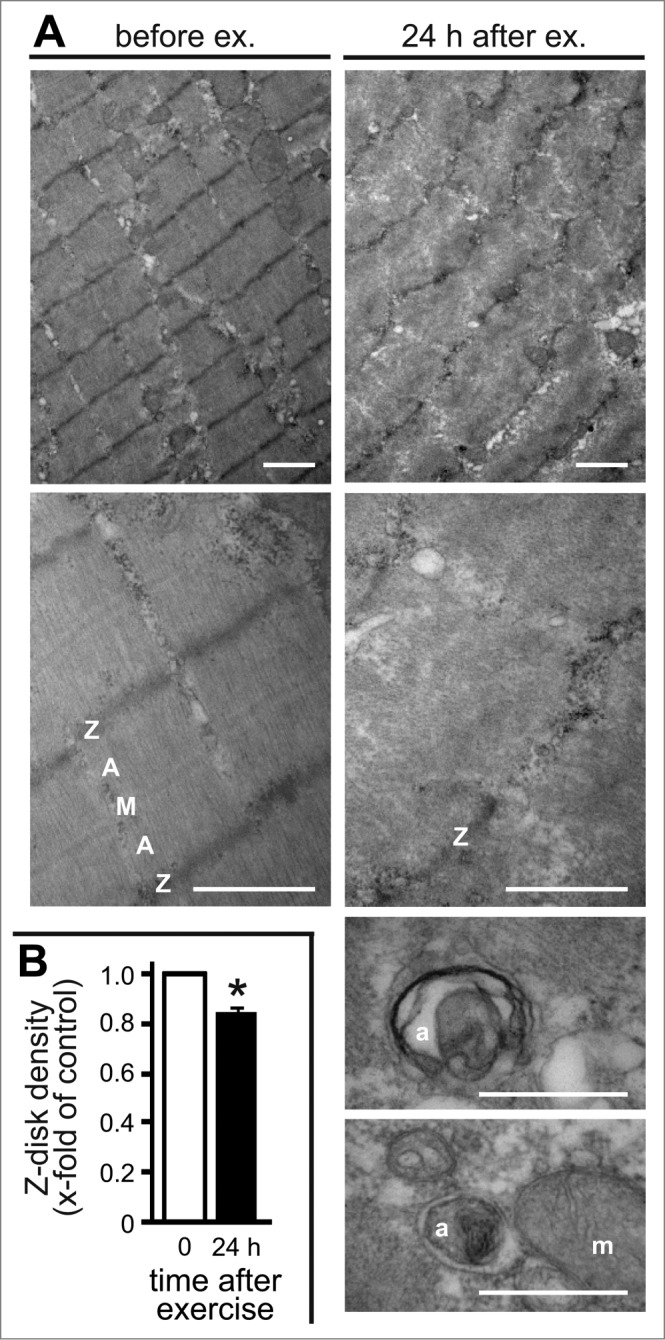
“Perfusion response in DOMS DOMS, caused by eccentric exercise, is associated with damage to skeletal muscle, involving protein degradation and ultrastructural changes [41], loss of myofibrillar integrity with Z-band streaming and disruption, increased muscle proteins and enzymes in the bloodstream (such as CK and seru…”
BackgroundDrosophila NUAK functions with Starvin/BAG3 in autophagic protein turnover
Brooks, D. S., Naeem, F., Stetsiv, M., Goetting, S. C., Bawa, S., Green, N., Clark, C. P., Bashirullah, A., & Geisbrecht, E. R. (2020) · PLoS Genetics · doi:10.1371/journal.pgen.1008700 · Cited by 35
Klimek, C., Jahnke, R., Wördehoff, J., Kathage, B., Stadel, D., Behrends, C., Hergovich, A., & Höhfeld, J. (2019) · Biochimica et Biophysica Acta (BBA) - Molecular Cell Research · doi:10.1016/j.bbamcr.2019.07.007 · Cited by 30
“CASA is induced in mechanically stressed cells and tissues, when cytoskeleton components become unfolded and are damaged by mechanical force [29,57].”
BackgroundSelf-citationBrezić, N., Gligorevic, S., Sič, A., & Knežević, N. N. (2025) · Current Issues in Molecular Biology · doi:10.3390/cimb47040259 · Cited by 32
“Encouraging exercise, which upregulates endogenous antioxidant defenses [232] and chaperones [233], might help both chronic pain and has neuroprotective effects in aging and ND.”
Cicardi, M. E., Cristofani, R., Crippa, V., Ferrari, V., Tedesco, B., Casarotto, E., Chierichetti, M., Galbiati, M., Piccolella, M., Messi, E., et al. (2019) · Frontiers in Endocrinology · doi:10.3389/fendo.2019.00569 · Cited by 28
Advanced Fiber Type-Specific Protein Profiles Derived from Adult Murine Skeletal Muscle
Eggers, B., Schork, K., Turewicz, M., Barkovits, K., Eisenacher, M., Schröder, R., Clemen, C. S., & Marcus, K. (2021) · Proteomes · doi:10.3390/proteomes9020028 · Cited by 30
“These subunits are essential for the degradation of sarcomeric proteins, as the ubiquitinproteasome-dependent proteolytic pathway is mainly responsible for the breakdown of myofibrillar proteins [67].”
BackgroundAto, S., Kido, K., Sato, K., & Fujita, S. (2019) · Experimental Physiology · doi:10.1113/ep087585 · Cited by 28
“These observations were consistent with previous studies (Cho, Choi, & Cho, 2017; Turpin et al., 2009). p62 expression is known to increase in skeletal muscle at an early period of RT (Ulbricht et al., 2015).”
BackgroundResultAn integrative correlation of myopathology, phenotype and genotype in late onset Pompe disease
Kulessa, M., Weyer-Menkhoff, I., Viergutz, L., Kornblum, C., Claeys, K. G., Schneider, I., Plöckinger, U., Young, P., Boentert, M., Vielhaber, S., et al. (2019) · Neuropathology and Applied Neurobiology · doi:10.1111/nan.12580 · Cited by 25
Role of Small Heat Shock Proteins in the Remodeling of Actin Microfilaments
Muranova, L. K., Shatov, V. M., & Gusev, N. B. (2022) · Biochemistry (Moscow) · doi:10.1134/s0006297922080119 · Cited by 27
Yuan, Y., Pan, S.-S., & Shen, Y. (2016) · The Journal of Physiological Sciences · doi:10.1007/s12576-016-0507-7 · Cited by 25
Cardiac fibroblast BAG3 regulates TGFBR2 signaling and fibrosis in dilated cardiomyopathy
Wang, B. Z., Morsink, M. A. J., Kim, S. W., Luo, L. J., Zhang, X., Soni, R. K., Lock, R. I., Rao, J., Kim, Y., Zhang, A., et al. (2025) · Journal of Clinical Investigation · doi:10.1172/jci181630 · Cited by 23
“By analogy to previous studies in CMs, which showed a role for BAG3 in autophagy, we suspected a deficit in the autophagic turnover of TGFBR2 (7, 52).”
Martin, T. G., Tawfik, S., Moravec, C. S., Pak, T. R., & Kirk, J. A. (2021) · American Journal of Physiology-Heart and Circulatory Physiology · doi:10.1152/ajpheart.00419.2020 · Cited by 23
Methenitis, S. K., Stergiou, I. Ε., Antonopoulou, S., & Nomikos, T. (2021) · Biomedicines · doi:10.3390/biomedicines9010036 · Cited by 26
Franco‐Romero, A., Sandri, M., & Schiaffino, S. (2024) · Cold Spring Harbor Perspectives in Biology · doi:10.1101/cshperspect.a041565 · Cited by 28
Wattin, M., Gaweda, L., Müller, P. R., Baritaud, M., Scholtes, C., Lozano, C., Gieseler, K., & Kretz‐Remy, C. (2018) · International Journal of Molecular Sciences · doi:10.3390/ijms19010178 · Cited by 23
“This selective autophagy also involves HSPB8, which complexed to BAG3, was described to clear aggregated proteins such as Htt43Q, SOD1G85A or filamin C in human skeletal muscles submitted to resistance exercise [17,43,44].”
BackgroundChillappagari, S., Schwarz, J., Kesireddy, V., Knöll, J., Korfei, M., Höetzenecker, K., Schmitz, M. L., Behl, C., Bellusci, S., Günther, A., et al. (2022) · Clinical and Translational Medicine · doi:10.1002/ctm2.935 · Cited by 21
Bersiner, K., Park, S., Schaaf, K., Yang, W., Theis, C., Jacko, D., & Gehlert, S. (2023) · Physical Activity and Nutrition · doi:10.20463/pan.2023.0021 · Cited by 23
Self-citationA Crucial Role for the Protein Quality Control System in Motor Neuron Diseases
Cristofani, R., Crippa, V., Cicardi, M. E., Tedesco, B., Ferrari, V., Chierichetti, M., Casarotto, E., Piccolella, M., Messi, E., Galbiati, M., et al. (2020) · Frontiers in Aging Neuroscience · doi:10.3389/fnagi.2020.00191 · Cited by 28
Jacko, D., Schaaf, K., Masur, L., Windoffer, H., Aussieker, T., Schiffer, T., Zacher, J., Bloch, W., & Gehlert, S. (2022) · International Journal of Molecular Sciences · doi:10.3390/ijms23105431 · Cited by 25
“This is much more likely at T1, when mechanical stress and myofibrillar damage are the highest [25].”
BackgroundResultSelf-citationSynaptopodin-2: a potential tumor suppressor
Zheng, Z., & Song, Y. (2023) · Cancer Cell International · doi:10.1186/s12935-023-03013-6 · Cited by 20
“These motifs enable Hsc70 to deliver targeted proteins to lysosomes for degradation via the receptor protein LAMP2A [37]. when cells experience stress, SYNPO2 expression is upregulated and CASA is activated [38].”
BackgroundShepley-McTaggart, A., Fan, H., Sudol, M., & Harty, R. N. (2020) · Journal of Biological Chemistry · doi:10.1074/jbc.rev119.012414 · Cited by 23
Martin, T. G., Delligatti, C. E., Muntu, N. A., Stachowski, M. J., & Kirk, J. A. (2021) · Journal of Cellular Biochemistry · doi:10.1002/jcb.30140 · Cited by 21
“The importance of BAG3‐dependent autophagy in myocytes has been well described in skeletal muscle.(9,10,20) Therefore, we next investigated whether the toxic effects of JG‐98 extend to skeletal myocytes.”
BackgroundThe Role of Small Heat Shock Proteins in Protein Misfolding Associated Motoneuron Diseases
Tedesco, B., Ferrari, V., Cozzi, M., Chierichetti, M., Casarotto, E., Pramaggiore, P., Mina, F., Galbiati, M., Rusmini, P., Crippa, V., et al. (2022) · International Journal of Molecular Sciences · doi:10.3390/ijms231911759 · Cited by 21
Proteinaceous Transformers: Structural and Functional Variability of Human sHsps
Riedl, M., Strauch, A., Catici, D. A. M., & Haslbeck, M. (2020) · International Journal of Molecular Sciences · doi:10.3390/ijms21155448 · Cited by 20
Jacko, D., Bersiner, K., Hebchen, J., de Marées, M., Bloch, W., & Gehlert, S. (2019) · Journal of Applied Physiology · doi:10.1152/japplphysiol.01038.2018 · Cited by 22
Self-citationRiexinger, A. J., Laun, F. B., Höger, S., Wiesmueller, M., Uder, M., Hensel, B., Forst, R., Hotfiel, T., & Heiss, R. (2021) · NMR in Biomedicine · doi:10.1002/nbm.4487 · Cited by 18
Marzuca-Nassr, G. N., Kuwabara, W. M. T., Vitzel, K. F., Murata, G. M., Torres, R. P., Mancini-Filho, J., Alba‐Loureiro, T. C., & Curi, R. (2021) · Nutrients · doi:10.3390/nu13072298 · Cited by 19
Stabilization of Spine Synaptopodin by mGluR1 Is Required for mGluR-LTD
Speranza, L., Inglebert, Y., Sanctis, C. D., Wu, P. Y., Kalinowska, M., McKinney, R. A., & Francesconi, A. (2022) · Journal of Neuroscience · doi:10.1523/jneurosci.1466-21.2022 · Cited by 18
Ehsan, M., Jiang, H., Thomson, K. L., & Gehmlich, K. (2017) · Journal of Muscle Research and Cell Motility · doi:10.1007/s10974-017-9487-3 · Cited by 18
Escobar, K. A., Welch, A. M., Wells, A. D., Fennel, Z. J., Nava, R. C., Li, Z., Moriarty, T. A., Nitta, C. H., Zuhl, M., VanDusseldorp, T. A., et al. (2020) · Human Nutrition & Metabolism · doi:10.1016/j.hnm.2020.200118 · Cited by 18
Resistance Training’s Ability to Prevent Cancer-induced Muscle Atrophy Extends Anabolic Stimulus
Padilha, C. S., Cella, P. S., Chimin, P., Voltarelli, F. A., Marinello, P. C., Testa, M. T. D. J., Guirro, P. B., Duarte, J. A., Cecchini, R., Guarnier, F. A., et al. (2021) · Medicine & Science in Sports & Exercise · doi:10.1249/mss.0000000000002624 · Cited by 23
Ottensmeyer, J., Esch, A., Baeta, H., Sieger, S., Gupta, Y., Rathmann, M. F., Jeschke, A., Jacko, D., Schaaf, K., Schiffer, T., et al. (2024) · Current Biology · doi:10.1016/j.cub.2024.07.088 · Cited by 19
“Repeated training reduces force-induced damage of sarcomeric proteins 20 and hence diminishes a requirement for BAG3 activation.”
Self-citationExercise and DNA methylation in skeletal muscle
Sharples, A. P., & Seaborne, R. A. E. (2019) · Elsevier eBooks · doi:10.1016/b978-0-12-816193-7.00010-5 · Cited by 17
Abou Sawan, S., Mazzulla, M., Moore, D. R., & Hodson, N. (2020) · American Journal of Physiology-Cell Physiology · doi:10.1152/ajpcell.00241.2020 · Cited by 15
Lohanadan, K., Molt, S., Dierck, F., van der Ven, P. F. M., Frey, N., Höhfeld, J., & Fürst, D. O. (2021) · Experimental Cell Research · doi:10.1016/j.yexcr.2021.112865 · Cited by 15
Self-citationPhosphorylation Modifications Regulating Cardiac Protein Quality Control Mechanisms
Mishra, S., Dunkerly-Eyring, B. L., Keceli, G., & Ranek, M. J. (2020) · Frontiers in Physiology · doi:10.3389/fphys.2020.593585 · Cited by 16
Characterization of Hspb8 in Zebrafish
Dubińska–Magiera, M., Niedbalska-Tarnowska, J., Migocka-Patrzałek, M., Posyniak, E., & Daczewska, M. (2020) · Cells · doi:10.3390/cells9061562 · Cited by 14
“Since Hspb8, through the CASA complex, participates in myofibril stabilization [36], we wanted to check whether the zebrafish ortholog can interact with”
Background
Metadata
- Authors
- Ulbricht, A., Gehlert, S., Leciejewski, B., Schiffer, T., Bloch, W., & Höhfeld, J.
- Affiliations
- University of Bonn (DE)
- German Sport University Cologne (DE)
- Corresponding author
- Höhfeld, Jörg
- Venue
- Autophagy
- Publisher
- Informa UK Limited
- Published
- 2015-02-25
- Volume
- 11
- Issue
- 3
- Pages
- 538-546
- ISSN
- 1554-8627 (ISSN-L)
- 1554-8635
- PMC
- PMC4502687
- OpenAlex
- W1549601788
- Cited by
- 169
- References
- 33
- Citations by year
- 2026: 10 · 2025: 9 · 2024: 11 · 2023: 12 · 2022: 12 · 2021: 22 · 2020: 23 · 2019: 16 · 2018: 17 · 2017: 17 · 2016: 16 · 2015: 3
- FWCI
- 13.86
- Type
- journal article
- Language
- en
- Open access
- hybrid
- doi.org
- Licence
- cc-by-nc
- Locations
- Autophagy (publishedVersion, cc-by-nc)
- Europe PMC (PubMed Central) (publishedVersion, cc-by-nc)
- PubMed Central (publishedVersion, cc-by-nc)
- PubMed (publishedVersion)
- Figshare (submittedVersion, cc-by)
- Figshare (cc-by)
- Funders
- Deutsche Forschungsgemeinschaft
- Topics
- Life Sciences › Biochemistry, Genetics and Molecular Biology › Cell Biology › Autophagy in Disease and Therapy
- Life Sciences › Biochemistry, Genetics and Molecular Biology › Molecular Biology › Muscle Physiology and Disorders
- Life Sciences › Biochemistry, Genetics and Molecular Biology › Molecular Biology › Heat shock proteins research
- Keywords
- chaperone-assisted selective autophagy, resistance training, skeletal muscle, exercise adaptation, mechanical stress, muscle maintenance
- MeSH terms
- Adaptation, Physiological, Adult, Autophagy, Biopsy, Creatine Kinase, Cytoskeleton, Humans, Male, Microfilament Proteins, Microscopy, Electron, Muscle Contraction, Molecular Chaperones, Adaptor Proteins, Signal Transducing, Apoptosis Regulatory Proteins, Quadriceps Muscle, Young Adult, Filamins
About these checks
Registry, retraction, Cites and statistics results are computed, not judged, with one exception: a printed reference that no index lists is read once by a model before it counts as a citation error. Claims are extracted by a model and kept only when their quote appears verbatim in the text; each cited source is then checked, with a model’s help, for whether it says what the claim relies on. Those verdicts can be wrong — read the claim’s quote and the cited source before relying on one.
Statistics and arithmetic are recomputed, not judged.
Confidence bands are shown only for fields calibrated on our annotated test set. None is calibrated yet, so no band is shown.
What counts as a claim ›How we measure confidence ›How we check this ›
Are you an author, or do you see a problem with this page? Request a review
Data sources
Bibliographic data: Semantic Scholar, OpenAlex, Crossref.
Contains information from the Semantic Scholar Academic Graph Datasets, made available under the ODC Attribution License (ODC-BY 1.0).
Semantic Scholar’s data is described in: Kinney, R., et al. (2023). The Semantic Scholar Open Data Platform. arXiv:2301.10140.
