

The effects of dairy and dairy derivatives on the gut microbiota: a systematic literature review
Open accessThe DOI matches its Crossref record; 88 of the 88 references it cites were found in a registry or an index.
Abstract
The effects of dairy and dairy-derived products on the human gut microbiota remains understudied. A systematic literature search was conducted using Medline, CINAHL, Embase, Scopus, and PubMed databases with the aim of collating evidence on the intakes of all types of dairy and their effects on the gut microbiota in adults. Risk of bias was assessed using the Cochrane risk-of-bias tool.The search resulted in 6,592 studies, of which eight randomized controlled trials (RCTs) met pre-determined eligibility criteria for inclusion, consisting of a total of 468 participants. Seven studies assessed the effect of type of dairy (milk, yogurt, and kefir) and dairy derivatives (whey and casein) on the gut microbiota, and one study assessed the effect of the quantity of dairy (high dairy vs low dairy). Three studies showed that dairy types consumed (milk, yogurt, and kefir) increased the abundance of beneficial genera Lactobacillus and Bifidobacterium. One study showed that yogurt reduced the abundance of Bacteroides fragilis, a pathogenic strain. Whey and casein isolates and the quantity of dairy consumed did not prompt changes to the gut microbiota composition. All but one study reported no changes to bacterial diversity in response to dairy interventions and one study reported reduction in bacterial diversity in response to milk intake.In conclusion, the results of this review suggest that dairy products such as milk, yogurt, and kefir may modulate the gut microbiota composition in favor to the host. However, the broader health implications of these findings remain unclear and warrant further studies.
Overview
The claims and statistics of this paper haven’t been checked yet.
Free: it reads the open-access text and checks the first 5 claims that cite a source we can check. Create a free account to check every claim.
Integrity signals
Registry
Cites
Statistics
Figures
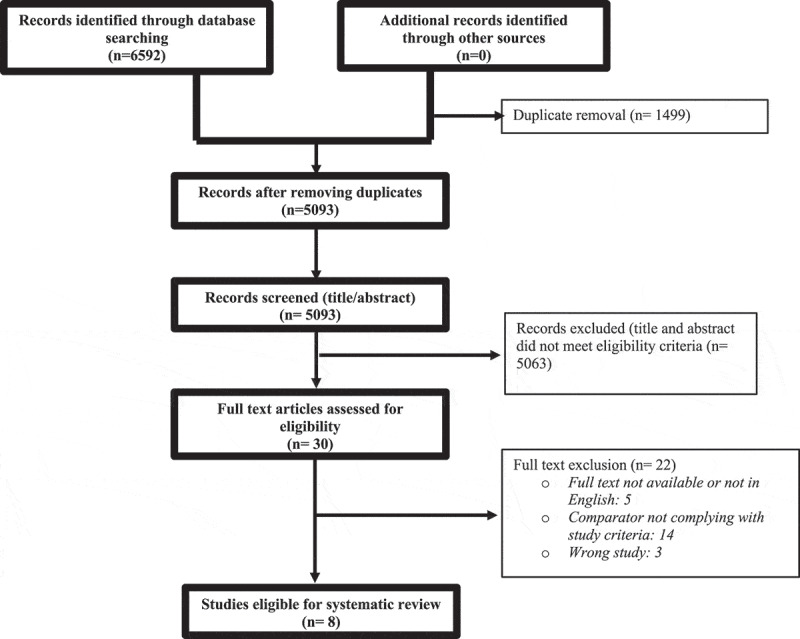
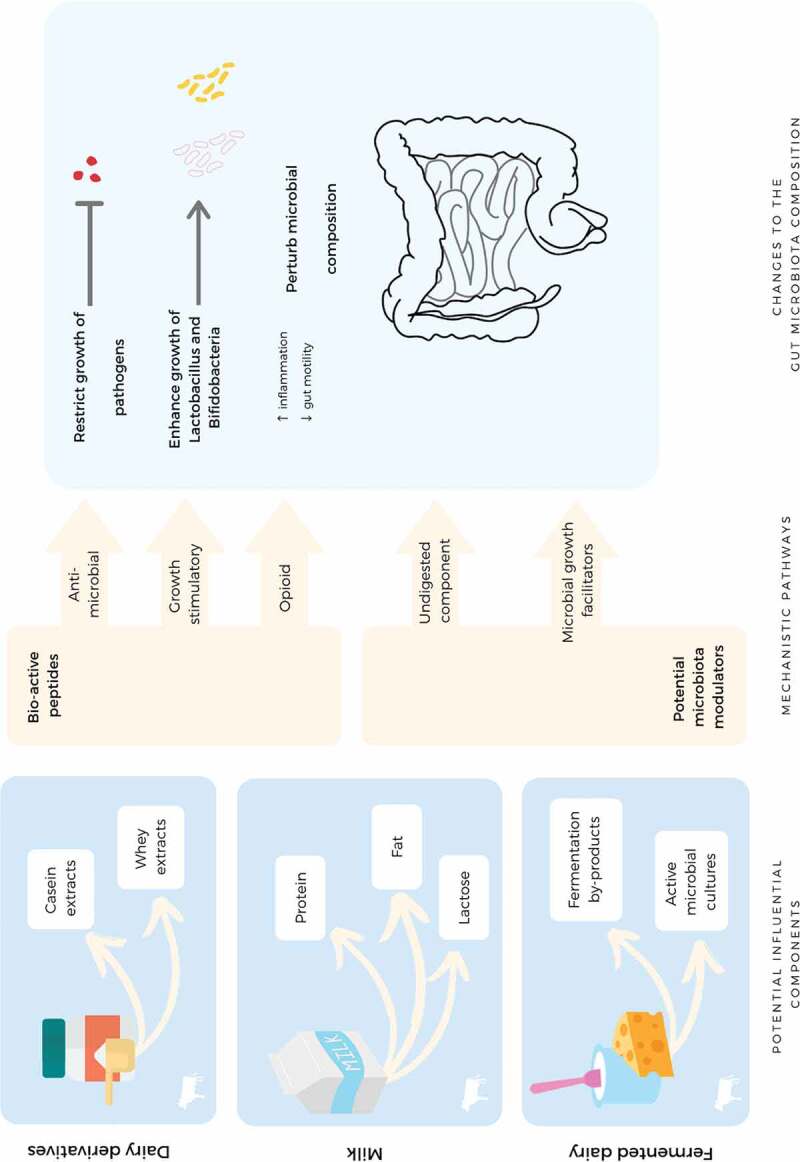
Verification
Claims the paper makes
The claims and statistics of this paper haven’t been checked yet.
Free: it reads the open-access text and checks the first 5 claims that cite a source we can check. Create a free account to check every claim.
Claims other papers make about this one
Each is checked against this paper’s own text: does it say what the citing paper says it does?
The source backs part of the claim, not all of it — or backs it for a different population, condition or comparison.
In the citing paper
“Moreover, several studies presented the association between dairy product consumption and favorable changes in the gut microbiota composition, and these changes correlated with a reduced risk of cardiovascular disease development in mice and humans [80,81,82].”
From A Clinical Outcome of the Anti-PD-1 Therapy of Melanoma in Polish Patients Is Mediated by Population-Specific Gut Microbiome Composition (2022) · cites this paper as [80]
Experimental — accuracy not yet measuredIn the citing paper
“In addition, it is known that differences in geography, diet and lifestyle can greatly influence the GM composition [91,508,509], and host genetics may play a major role [510].”
From The Interplay between Gut Microbiota and Parkinson’s Disease: Implications on Diagnosis and Treatment (2022) · cites this paper as [509]
Self-check
Percentages, sums and reported differences re-computed from the paper’s own numbers.
The self-check needs the paper’s full text.
Citations
Cites
Preferred reporting items for systematic reviews and meta-analyses: The PRISMA statement
Moher, D., Liberati, A., Tetzlaff, J., & Altman, D. G. (2010) · International Journal of Surgery · doi:10.1016/j.ijsu.2010.02.007 · Cited by 12,156
De Filippo, C., Cavalieri, D., Di Paola, M., Ramazzotti, M., Poullet, J. B., Massart, S., Collini, S., Pieraccini, G., & Lionetti, P. (2010) · Proceedings of the National Academy of Sciences · doi:10.1073/pnas.1005963107 · Cited by 5,579
Richness of human gut microbiome correlates with metabolic markers
Le Chatelier, E., Nielsen, T., Qin, J., Prifti, E., Hildebrand, F., Falony, G., Almeida, M., Arumugam, M., Batto, J.-M., Kennedy, S., et al. (2013) · Nature · doi:10.1038/nature12506 · Cited by 4,662
The Human Intestinal Microbiome in Health and Disease
Lynch, S. V., & Pedersen, O. (2016) · New England Journal of Medicine · doi:10.1056/nejmra1600266 · Cited by 3,637 · cited 3×
“healthy, obese or overweight, inflammatory bowel disease) and geographical location differently influence the gut microbiota composition.(22,24-27) The RCTs that were included in evidence synthesis were conducted in different geographical regions and on different populations (i.”
BackgroundRinninella, E., Raoul, P., Cintoni, M., Franceschi, F., Miggiano, G. A. D., Gasbarrini, A., & Mele, M. C. (2019) · Microorganisms · doi:10.3390/microorganisms7010014 · Cited by 3,462
Influence of diet on the gut microbiome and implications for human health
Singh, R. K., Chang, H.-W., Yan, D., Lee, K. M., Ucmak, D., Wong, K., Abrouk, M., Farahnik, B., Nakamura, M., Zhu, T. H., et al. (2017) · Journal of Translational Medicine · doi:10.1186/s12967-017-1175-y · Cited by 2,599 · cited 2×
“Diet is increasingly recognized as a modulator of the gut microbiota.(21) Dairy products contain an array of nutrients including proteins, lipids, carbohydrates, amino acids, minerals and vitamins; any of these components may have potential to influence the gut microbiota composition.”
BackgroundDe Filippis, F., Pellegrini, N., Vannini, L., Jeffery, I. B., La Storia, A., Laghi, L., Serrazanetti, D. I., Di Cagno, R., Ferrocino, I., Lazzi, C., et al. (2016) · Gut · doi:10.1136/gutjnl-2015-309957 · Cited by 1,638
The immune response to Prevotella bacteria in chronic inflammatory disease
Larsen, J. M. (2017) · Immunology · doi:10.1111/imm.12760 · Cited by 1,343
Bovine milk in human nutrition – a review
Haug, A., Høstmark, A. T., & Harstad, O. M. (2007) · Lipids in Health and Disease · doi:10.1186/1476-511x-6-25 · Cited by 1,159
Hemarajata, P., & Versalovic, J. (2013) · Therapeutic Advances in Gastroenterology · doi:10.1177/1756283x12459294 · Cited by 1,083 · cited 1×
“studies, six studies(39,40,43-46) considered a range of external key factors including use of antibiotics, medications, probiotics, and supplements that may also influence the gut microbiota.(61,62) The impacts from these factors were controlled or omitted by entailing stringent inclusion/exclusion criteria (e.”
Background
Research works printed but not linked: 1
- Poltronieri P, Cappello MS, D’Urso OF Bioactive peptides with health benefit and their differential content in whey of different origin. Whey Types, Composition and Health Implications; 2012: 153– 168.
Cited by
Modeling the Contribution of Milk to Global Nutrition
Smith, N. W., Fletcher, A. J., Hill, J. P., & McNabb, W. C. (2022) · Frontiers in Nutrition · doi:10.3389/fnut.2021.716100 · Cited by 124
Gao, Y., Liu, Y., Ma, T., Liang, Q., Sun, J., Wu, X., Song, Y., Nie, H., HUANG, J. C., & Mu, G. (2025) · Foods · doi:10.3390/foods14111946 · Cited by 127
Huang, G., Wang, Z., Wu, G., Zhang, R., Dong, L., Huang, F., Zhang, M., & Su, D. (2021) · Journal of Agricultural and Food Chemistry · doi:10.1021/acs.jafc.0c07407 · Cited by 122
Dairy Lactic Acid Bacteria and Their Potential Function in Dietetics: The Food–Gut-Health Axis
Ağagündüz, D., Yılmaz, B., Şahin, T. Ö., Güneşliol, B. E., Ayten, Ş., Russo, P., Spano, G., Rocha, J. M., Bartkienė, E., & Özoğul, F. (2021) · Foods · doi:10.3390/foods10123099 · Cited by 121
“Accordingly, a recent survey indicated that the intake of dairy products such as milk, yogurt, and kefir may modulate the gut microbiota by increasing the Lactobacillus population [13], while consumption of a fermented dairy product containing a probiotic Lactobacillus casei strain reduces the duration of respiratory…”
BackgroundAdherence to Mediterranean Diet and NAFLD in Patients with Metabolic Syndrome: The FLIPAN Study
Montemayor, S., Mascaró, C. M., Ugarriza, L., Casares, M., Llompart, I., Abete, I., Zulet, M. Á., Martínez, J. A., Tur, J. A., & Bouzas, C. (2022) · Nutrients · doi:10.3390/nu14153186 · Cited by 120
“Dairy products, including milk, yogurt, and cheese are nutrient-dense foods that influence health outcomes via gut microbiota composition [40].”
BackgroundFabozzi, G., Verdone, G., Allori, M., Cimadomo, D., Tatone, C., Stuppia, L., Franzago, M., Ubaldi, N., Vaiarelli, A., Ubaldi, F. M., et al. (2022) · Nutrients · doi:10.3390/nu14091918 · Cited by 109
“For these reasons, the complete avoidance of dairy foods is no longer necessary, whereas finely regulated dietary quantity and quality are advisable [386,387,392].”
BackgroundBeneficial Effects of Anti-Inflammatory Diet in Modulating Gut Microbiota and Controlling Obesity
Bagheri, S., Zolghadri, S., & Stanek, A. (2022) · Nutrients · doi:10.3390/nu14193985 · Cited by 103
“A systematic review study in 2020 on the impact of dairy products and derivatives on the intestinal microbiota demonstrated that the consumption of dairy products (milk, yogurt, and kefir) enhanced the abundance of beneficial genera Lactobacillus and Bifidobacterium, while consumption of dairy derivatives (whey and ca…”
BackgroundTu, M.-Y., Han, K.-Y., Chang, G. R.-L., Lai, G.-D., Chang, K.-Y., Chen, C.-F., Lai, J.-C., Lai, C.-Y., Chen, H.-L., & Chen, C.-M. (2020) · Nutrients · doi:10.3390/nu12113432 · Cited by 88
“The consumption of kefir or kefir-like dairy products may have a great impact on the structure of the gut microbiota [17,18], but the link between gut microbiota changes and bone health is limited.”
BackgroundVaresi, A., Campagnoli, L. I. M., Fahmideh, F., Pierella, E., Romeo, M., Ricevuti, G., Nicoletta, M., Chirumbolo, S., & Pascale, A. (2022) · International Journal of Molecular Sciences · doi:10.3390/ijms232012289 · Cited by 88
New Insights into Boron Essentiality in Humans and Animals
Biţă, A., Scorei, I. R., Bălşeanu, T. A., Ciocîlteu, M. V., Bejenaru, C., Radu, A., Bejenaru, L. E., Rău, G., Mogoşanu, G. D., Neamţu, J., et al. (2022) · International Journal of Molecular Sciences · doi:10.3390/ijms23169147 · Cited by 87
“Currently, prebiotics are based on microbiota-accessible carbohydrates (MACs) [22] but also on other natural phytochemicals, such as polyphenols [23,24], polyunsaturated fatty acids (PUFAs) [25,26], lactose, and lactose derivatives [27].”
BackgroundThe Role of Lifestyle and Dietary Factors in the Development of Premature Ovarian Insufficiency
Shelling, A. N., & Nasef, N. A. (2023) · Antioxidants · doi:10.3390/antiox12081601 · Cited by 70
The Gut-Prostate Axis: A New Perspective of Prostate Cancer Biology through the Gut Microbiome
Fujita, K., Matsushita, M., Velasco, M. A. D., Hatano, K., Minami, T., Nonomura, N., & Uemura, H. (2023) · Cancers · doi:10.3390/cancers15051375 · Cited by 67
Cao, R., Li, W., Zhang, J., Bao, X., Feng, H., Sun, J., Liu, X., & Sun, L. (2024) · Food Hydrocolloids · doi:10.1016/j.foodhyd.2024.109926 · Cited by 61
Milk-derived extracellular vesicles and gut health
Barathan, M., & Law, J. X. (2025) · npj Science of Food · doi:10.1038/s41538-025-00375-1 · Cited by 57
Cow’s milk-induced gastrointestinal disorders: From infancy to adulthood
Al‐Beltagi, M., Saeed, N. K., Bediwy, A. S., & Elbeltagi, R. M. (2022) · World Journal of Clinical Pediatrics · doi:10.5409/wjcp.v11.i6.437 · Cited by 56
Effects of Food Factors and Processing on Protein Digestibility and Gut Microbiota
Ashkar, F., & Wu, J. (2023) · Journal of Agricultural and Food Chemistry · doi:10.1021/acs.jafc.3c00442 · Cited by 51
Firrman, J., Liu, L., Mahalak, K. K., Hu, W., Bittinger, K. L., Moustafa, A. M., Jones, S. M., Narrowe, A. B., & Tomasula, P. M. (2023) · Frontiers in Nutrition · doi:10.3389/fnut.2022.1040744 · Cited by 51
Tulipano, G. (2020) · International Journal of Molecular Sciences · doi:10.3390/ijms21228881 · Cited by 50
Dairy protein intake is inversely related to development of non-alcoholic fatty liver disease
Lee, J., Lee, H. S., Ahn, S. B., & Kwon, Y. (2021) · Clinical Nutrition · doi:10.1016/j.clnu.2021.08.012 · Cited by 50
Dairy Intake and Parkinson's Disease: A Mendelian Randomization Study
Domenighetti, C., Sugier, P., Sreelatha, A. A. K., Schulte, C., Grover, S., Mohamed, O., Portugal, B., May, P., Bobbili, D. R., Radivojkov‐Blagojevic, M., et al. (2022) · Movement Disorders · doi:10.1002/mds.28902 · Cited by 46
Hamamah, S., Iatcu, O. C., & Covașă, M. (2024) · Nutrients · doi:10.3390/nu16020269 · Cited by 43
“For example, the introduction of dairy products or intake of yogurt for three weeks led to decreased Bacteroides fragilis [306] and an abundant growth of Lactobacillus and Bifidobacterium [312].”
BackgroundSumi, K., Tagawa, R., Yamazaki, K., Nakayama, K., Ichimura, T., Sanbongi, C., & Nakazato, K. (2023) · Nutrients · doi:10.3390/nu15204366 · Cited by 43
“As one of the most representative probiotics, yogurt has been reported to influence the composition of the intestinal flora by reducing pathogenic bacteria [3].”
BackgroundLuo, K., Chen, G., Zhang, Y., Moon, J., Xing, J., Peters, B. A., Usyk, M., Wang, Z., Hu, G., Li, J., et al. (2024) · Nature Metabolism · doi:10.1038/s42255-023-00961-1 · Cited by 41
Gașpar, B. S., Roşu, O. A., Enache, R. M., Profir, M., Pavelescu, L. A., & Creţoiu, S. M. (2025) · Journal of Fungi · doi:10.3390/jof11050333 · Cited by 40
Effects of different foods and cooking methods on the gut microbiota: an in vitro approach
Lerma-Aguilera, A., Pérez-Burillo, S., Navajas-Porras, B., León, E. D., Ruíz, S., Pastoriza, S., Jiménez‐Hernández, N., Cämmerer, B., Rufián‐Henares, J. Á., Gosalbes, M. J., et al. (2024) · Frontiers in Microbiology · doi:10.3389/fmicb.2023.1334623 · Cited by 37
The Role of Fermented Dairy Products on Gut Microbiota Composition
Okoniewski, A., Dobrzyńska, M., Kusyk, P., Dziedzic, K., Przysławski, J., & Drzymała-Czyż, S. (2023) · Fermentation · doi:10.3390/fermentation9030231 · Cited by 38
Pietrzak, B., Tomela, K., Olejnik-Schmidt, A., Galus, Ł., Mackiewicz, J., Kaczmarek, M., Mackiewicz, A., & Schmidt, M. (2022) · Cancers · doi:10.3390/cancers14215369 · Cited by 36
From the past to the future: Fermented milks and their health effects against human diseases
Zhang, T., Geng, S., Cheng, T., Mao, K., Chitrakar, B., Gao, J., & Sang, Y. (2023) · Food Frontiers · doi:10.1002/fft2.304 · Cited by 37
Clark, J. S., Simpson, B. S., & Murphy, K. J. (2021) · British Journal Of Nutrition · doi:10.1017/s0007114521003251 · Cited by 38
“Walnuts Holscher et al.(52) Randomised cross-over study Healthy adults with a BMI 20–38 kg/m2 Participants were randomly assigned to isoenergetic diets that contained either 42 g or 0 g of walnuts daily for 3 weeks, then swapped to the other intervention after a 1-week washout period Significantly increased relative a…”
MethodKairey, L., Leech, B., El‐Assaad, F., Bugarc̀ić, A., Dawson, D. E., & Lauche, R. (2022) · Nutrition Reviews · doi:10.1093/nutrit/nuac054 · Cited by 36
Effect of Consumption of Animal Products on the Gut Microbiome Composition and Gut Health
Lee, C., Lee, J., Eor, J. Y., Kwak, M., Huh, C., & Kim, Y. (2023) · Food Science of Animal Resources · doi:10.5851/kosfa.2023.e44 · Cited by 35
“pseudolongum and Lactococcus lactis (Aslam et al., 2020; Farag et al., 2020; Zhao et al., 2019a).”
St‐Onge, M., Zuraikat, F. M., & Neilson, M. (2023) · Advances in Nutrition · doi:10.1016/j.advnut.2023.01.004 · Cited by 32
A review of oleogels applications in dairy foods
Chowdhury, B., Sharma, A., Akshit, F. N. U., Mohan, M. S., Salunke, P., & Anand, S. K. (2023) · Critical Reviews in Food Science and Nutrition · doi:10.1080/10408398.2023.2215871 · Cited by 31
“Evidence also states that dairy foods also have a modulating effect on the gut microbiota composition and gastrointestinal environment, positively influencing one’s health (Aslam et al. 2020).”
Association between dietary habits and the risk of migraine: a Mendelian randomization study
Liu, X., Yu, Y., Hou, L., Yu, Y., Wu, Y., Wu, S., He, Y., Ge, Y., Wei, Y., Luo, Q., et al. (2023) · Frontiers in Nutrition · doi:10.3389/fnut.2023.1123657 · Cited by 27
“In addition, cheese belongs to fermented dairy, which is associated with increased strains of beneficial bacteria within the gut microbiota (91) and can lower markers of inflammation and oxidative stress (92) and is further associated with depression (93, 94).”
BackgroundSun, Y., Ling, C.-J., Liu, L., Zhang, J., Wang, J., Tong, X., Hidayat, K., Chen, M., Chen, X., Zhou, H., et al. (2022) · Nutrients · doi:10.3390/nu14214540 · Cited by 27
“Only two trials using dairy derivatives (whey and casein isolates) revealed negligible effects on the gut microbiota [36].”
BackgroundNontoxigenic Bacteroides fragilis: A double-edged sword
Huang, Y., Cao, J., Zhu, M., Wang, Z., Jin, Z., & Xiong, Z. (2024) · Microbiological Research · doi:10.1016/j.micres.2024.127796 · Cited by 25
Segev, T., Barak, D., Zahavi, L., Godneva, A., Rein, M., Krongauz, D. L., Samocha‐Bonet, D., Rossman, H., Weinberger, A., & Segal, E. (2026) · Nature Medicine · doi:10.1038/s41591-026-04312-x · Cited by 25
“…and used for its fermentation; the probiotics 31 Bifidobacterium longum ( r = 0.36) and Bifidobacterium adolescentis ( r = 0.31), predicted by milk 32,33 , dairy and bread consumption 34,35 ; the species UBA11774 sp003507655 ( r = 0.39, from Lachnospiraceae family), which is predicted by nuts…”
InfluentialAslam, H., Collier, F., Davis, J. A., Quinn, T. P., O’Hely, M., Pasco, J. A., Jacka, F. N., & Loughman, A. (2021) · Journal of Nutrition · doi:10.1093/jn/nxab252 · Cited by 24
Self-citationEffects of probiotics on hypertension
Yuan, L., Li, Y., Chen, M., Xue, L., Wang, J., Ding, Y., Gu, Q., Zhang, J., Yang, R., Zhao, H., et al. (2023) · Applied Microbiology and Biotechnology · doi:10.1007/s00253-023-12369-8 · Cited by 24
Which Milk during the Second Year of Life: A Personalized Choice for a Healthy Future?
Verduci, E., Profio, E. D., Corsello, A., Scatigno, L., Fiore, G., Bosetti, A., & Zuccotti, G. (2021) · Nutrients · doi:10.3390/nu13103412 · Cited by 24
“Indeed, possible antimicrobial action of enzymatic digestion products of both whey and casein proteins have been found in vitro, with subsequent growth stimulatory effects on beneficial bacteria, such as Bifidobacteria [42].”
BackgroundRecent updates of probiotic dairy-based beverages
Taşkoparan, Ş., Altınay, C., & Özer, B. (2025) · Food & Function · doi:10.1039/d4fo06322h · Cited by 21
Nutrient acquisition of gut microbiota: Implications for tumor immunity
Wang, Y., Huang, J., Tong, H., Jiang, Y., Yu, J., & Ma, X. (2025) · Seminars in Cancer Biology · doi:10.1016/j.semcancer.2025.06.003 · Cited by 20
Essential Factors for a Healthy Microbiome: A Scoping Review
Grace-Farfaglia, P., Frazier, H., & Iversen, M. D. (2022) · International Journal of Environmental Research and Public Health · doi:10.3390/ijerph19148361 · Cited by 20
“Meta-analysis RCTs 7 b Cochrane Risk of Bias Low (5) (1) unclear (1) high risk Increased Proteobacteria, Fusobacteria, Firmicutes, Bacteroidetes, and B. uniformis after red wine intake; Decrease in dysbiosis-associated species: Clostridum, Eubacterium, and Bacteroides Nash (2018) [19] Dietary fiber intervention on mic…”
BackgroundInfluentialMICROPLASTIC DEBRIS IN YOGURT: OCCURRENCE, CHARACTERIZATION, AND IMPLICATIONS FOR HUMAN HEALTH
Banica, A. L., Rădulescu, C., Dulamă, I. D., Bucurică, I. A., Ştirbescu, R. M., & Stănescu, S. G. (2024) · Journal of Science and Arts · doi:10.46939/j.sci.arts-24.1-b04 · Cited by 19
Jung, S., Cho, K., Jung, E.-S., Son, D., Byun, J.-S., Kim, S.-I., Chae, S., Yang, J.-C., Lee, S., & Lim, S. (2025) · Nutrients · doi:10.3390/nu17040691 · Cited by 18
“…casein, and whey protein, can promote the growth of beneficial gut bacteria and produce bioactive peptides that may influence cognitive function [16–18 A clinical study by Bilikiewicz and Gaus, which involved patients over 50 years old suffering from probable AD, indicated that the intake of…”
Warren, M., O’Connor, C. P., Lee, J. E., Burton, J. P., Walton, D. M., Keathley, J., Wammes, M., & Osuch, E. A. (2024) · Frontiers in Nutrition · doi:10.3389/fnut.2024.1339269 · Cited by 17
Mondragón, A. D. C., López-Santamarina, A., Regal, P., Ibarra, I. S., Duman, H., Karav, S., & Miranda, J. M. (2024) · Nutrients · doi:10.3390/nu16183108 · Cited by 17
Gomes, S., Teixeira-Guedes, C., Silva, E., Baltazar, F., & Preto, A. (2022) · Food & Function · doi:10.1039/d2fo01720b · Cited by 18
Gong, H., Duan, S., Lin, X., & Huang, S. (2025) · Frontiers in Nutrition · doi:10.3389/fnut.2025.1514209 · Cited by 17
Mechanistic insights into the interaction between the host gut microbiome and malaria
Mandal, R. K., & Schmidt, N. W. (2023) · PLoS Pathogens · doi:10.1371/journal.ppat.1011665 · Cited by 16
“Milk consumption has been shown to decrease Bacteroidetes and Prevotella while increase Proteobacteria, Bifidobacterium , Lactobacillus , and Roseburia [130,131].”
BackgroundDeng, K., Wang, L., Nguyen, S. M., Shrubsole, M. J., Cai, Q., Lipworth, L., Gupta, D., Zheng, W., Shu, X., & Yu, D. (2025) · EBioMedicine · doi:10.1016/j.ebiom.2025.105690 · Cited by 15
Modifiable Risk Factors for Dementia: The Role of Gut Microbiota
Cabrera, C., Vicens, P., & Torrente, M. (2021) · Current Alzheimer Research · doi:10.2174/1567205018666211215152411 · Cited by 16
Health effects of yogurt consumption during paediatric age: a narrative review
Fiore, G., Profio, E. D., Sculati, M., Verduci, E., & Zuccotti, G. (2022) · International Journal of Food Sciences and Nutrition · doi:10.1080/09637486.2022.2065467 · Cited by 15
“…elvira.verduci@unimi.it Department of Pediatrics, Vittore Buzzi Children’s Hospital, University of Milan, Via Lodovico Castelvetro, 32, 20154 Milan, Italy 2022 Taylor & Francis Group, LLC and its ecosystem (Rochet et al. 2006; Garc ıa-Albiach et al. 2008; Pei et al. 2017; Aslam et al. 2020).”
BackgroundKim, J., Burton-Pimentel, K. J., Fleuti, C., Blaser, C., Scherz, V., Badertscher, R., Marmonier, C., Lyon-Belgy, N., Caillé, A., Pidou, V., et al. (2021) · Nutrients · doi:10.3390/nu13061905 · Cited by 14
Rogalska, M., Oracz, J., Klewicka, E., & Żyżelewicz, D. (2024) · Molecules · doi:10.3390/molecules29143344 · Cited by 14
“Additionally, yogurt and other fermented dairy products have a positive effect on the human digestive tract, mainly by stabilizing and regulating the intestinal microbiota [6].”
BackgroundBattur, M., Aaqil, M., Zheng, J., Lin, H. X., Chuluun-Otgon, B., Zorigtbaatar, T., Zhao, C., & Tian, Y. (2025) · Food Chemistry X · doi:10.1016/j.fochx.2025.102364 · Cited by 13
“This difference likely resulted from the varying compositions of the soy sauces, with the SYM group enriched with nutrients like lactose, proteins, and fats, providing abundant resources for microbial growth (Aslam et al., 2020) and significantly impacting the community structure.”
Lares-Michel, M., Reyes-Castillo, Z., & Housni, F. E. (2023) · Gut Microbiome · doi:10.1017/gmb.2023.13 · Cited by 13
“Dairy is included in most dietary guidelines (Armet et al., 2022) since these are dense nutrient foods that also benefits the gut microbiota by increasing beneficial genera Lactobacillus and Bifidobacterium, and reducing pathogenic bacteria such as Bacteroides fragilis (Aslam et al., 2020).”
BackgroundYadav, M., Mallappa, R. H., & Ambatipudi, K. (2024) · Food Chemistry · doi:10.1016/j.foodchem.2024.141030 · Cited by 13
Bai, J., Wang, J., Fan, M., Li, Y., Huang, L., & Wang, L. (2024) · Food & Function · doi:10.1039/d4fo00775a · Cited by 12
Can Supplemented Skim Milk (SKM) Boost Your Gut Health?
de Carvalho, N. M., Oliveira, D., Costa, C. M., Pintado, M., & Madureira, A. R. (2022) · Fermentation · doi:10.3390/fermentation8030126 · Cited by 12
Tian, B., Yao, J.-H., Lin, X., Lv, W., Jiang, L., Wang, Z.-Q., Shen, J., Xiao, H., Xu, H., Xu, L., et al. (2022) · Frontiers in Microbiology · doi:10.3389/fmicb.2022.957885 · Cited by 12
“However, very few studies have reported cow milk’s effect on human gut bacterial species (Aslam et al., 2020).”
BackgroundPetitclerc, I., Perron, J., Dugas, C., Mayer, T., Raymond, F., Marzo, V. D., Veilleux, A., & Robitaille, J. (2025) · BMC Pregnancy and Childbirth · doi:10.1186/s12884-025-07584-2 · Cited by 11
Zhao, F., Wang, C., Song, S., Fang, C., Zhou, G., Li, C., & Kristiansen, K. (2022) · Food Chemistry · doi:10.1016/j.foodchem.2022.133769 · Cited by 11
Diet-Induced Alterations in Gut Microbiota Composition and Function
Rinninella, E., Cintoni, M., Raoul, P. C., Ianiro, G., Laterza, L., Ponziani, F. R., Pulcini, G., Gasbarrini, A., & Mele, M. C. (2021) · Elsevier eBooks · doi:10.1016/b978-0-12-819265-8.00035-8 · Cited by 11
Hockey, M., Mohebbi, M., Tolmunen, T., Hantunen, S., Tuomainen, T., Macpherson, H., Jacka, F. N., Virtanen, J. K., Rocks, T., & Ruusunen, A. A. (2022) · European Journal of Nutrition · doi:10.1007/s00394-022-02950-8 · Cited by 11
“For example, fermented dairy intake has been associated with increased strains of beneficial bacteria within the gut microbiota (e.g., Lactobacillus and Bifidobacterium [16]) and lower markers of inflammation and oxidative stress [17], which are pathways associated with depression [18, 19].”
BackgroundSelf-citationINTERACTION BETWEEN FOOD PYRAMID AND GUT MICROBIOTA. A NEW NUTRITIONAL APPROACH
Magro, D. O., Rossoni, C., Saad-Hossne, R., & Santos, A. (2023) · Arquivos de Gastroenterologia · doi:10.1590/s0004-2803.202301000-15 · Cited by 11
McGrail, L., Vargas-Robles, D., Rojas-Correa, M., Merrill, L. C., Noel, S. E., Velez, M., Maldonado‐Contreras, A., & Mangano, K. M. (2024) · BMC Nutrition · doi:10.1186/s40795-023-00800-2 · Cited by 12
“Consistent with other studies, the yogurt intervention did not influence diversity and only minor changes to composition were observed between groups [64], leaving the benefits of yogurt consumption on the gut microbiota unclear.”
ResultAkhtar, A., Araki, T., Kamata, T., Nei, D., & Khalid, N. (2025) · Journal of Agriculture and Food Research · doi:10.1016/j.jafr.2025.101766 · Cited by 10
Hyperuricemia and the gut microbiota: current research hotspots and future trends
Yang, J., Chen, J., Li, D., Wu, Q., Zhang, Y., Li, Y., & Deng, Y. (2025) · Frontiers in Microbiology · doi:10.3389/fmicb.2025.1620561 · Cited by 10
Artigo de revisão: Propriedades biológicas das proteínas e peptídeos do soro do leite caprino
Campos, M. I. F., Lima, A. K. D. S., Neto, J. H. P. L., de Oliveira, J. M. C., & Gadelha, T. S. (2022) · Research Society and Development · doi:10.33448/rsd-v11i1.24340 · Cited by 10
Dinić, M., Jakovljević, S., Popović, N., Radojević, D., Veljović, K., Golić, N., & Terzić-Vidojević, A. (2023) · Journal of Dairy Science · doi:10.3168/jds.2023-23342 · Cited by 10
Comparative study of the bacterial community of organic and conventional cow's milk
Paiva, N. M. L., Ribeiro, S. C., Rosa, H. J. D., & Silva, C. C. G. (2024) · Food Microbiology · doi:10.1016/j.fm.2024.104488 · Cited by 10
Yogurt Alleviates Cyclophosphamide-Induced Immunosuppression in Mice through D-Lactate
Du, X., Yan, Y., Dai, Y., Xu, R., Li, H., Zhang, H., & Chen, W. (2024) · Nutrients · doi:10.3390/nu16091395 · Cited by 10
“Nutrients 2024 , 16 , 1395 2 of 14 Previous researches on the immunoregulation of yogurt have focused on bioactive nutrients, such as fat acids, phytosterols, proteins, vitamins and probiotics [7,11,12].”
BackgroundTaale, E., Gambogou, B., Sawadogo, A., Cissé, H., Souho, T., Amouzou, S. K., & Tchabi, A. (2024) · Food science and nutrition · doi:10.5772/intechopen.114893 · Cited by 10
The effect of complementary foods on the colonic microbiota of weaning infants: a systematic review
da Silva, V. G., Tonkie, J. N., Roy, N. C., Smith, N. W., Wall, C. R., Kruger, M. C., Mullaney, J. A., & McNabb, W. C. (2024) · Critical Reviews in Food Science and Nutrition · doi:10.1080/10408398.2024.2439036 · Cited by 10
“…systematic review of the impact of dairy products on the human fecal microbiota reported no changes in the microbial diversity in response to dairy interventions but increased abundances of the Lactobacillus and Bifidobacterium genera in three out of seven studies included (Aslam et al. 2020).”
Wiącek, J., & Karolkiewicz, J. (2023) · Nutrients · doi:10.3390/nu15061541 · Cited by 10
“A systematic review of eight randomized controlled trials showed that, contrary to yogurt or kefir, whey and casein isolates (from milk) do not significantly affect the gut microbiota composition in healthy people [41].”
BackgroundMuñoz-Bas, C., Muñoz-Tébar, N., Viuda‐Martos, M., Lucas‐González, R., Pérez‐Álvarez, J. Á., & Fernández‐López, J. (2025) · Foods · doi:10.3390/foods14101655 · Cited by 9
“…Streptococcus spp., Lactococcus spp. and Leuconostoc spp.), yeasts ( Saccharomyces spp., Candida spp., Torula spp. and Kluyveromyces spp.) and acetic bacteria, which can help to restore the gut microbiota balance, thereby enhancing digestive health, immune function and overall well-being [13].”
Nexus of Whey Proteins, Gut Dysbiosis, and Colonic Health
Ashaolu, T. J., Lee, C., Tarhan, Ö., Rashidinejad, A., & Jafari, S. M. (2026) · Food Science & Nutrition · doi:10.1002/fsn3.71487 · Cited by 9
“Its action has ripple effects on microbial diversity, composition, and metabolic function in the gut (Aslam et al. 2020; Liorančas and Lee 2024a).”
Hockey, M., Hoare, E., Mohebbi, M., Tolmunen, T., Hantunen, S., Tuomainen, T., Macpherson, H., Staudacher, H. M., Jacka, F. N., Virtanen, J. K., et al. (2022) · Journal of Nutrition · doi:10.1093/jn/nxac128 · Cited by 9
“Diet is now recognized as a key component in shaping overall composition of the gut microbiota (47), and fermented dairy products, such as yogurt and kefir, have been reported to increase the abundance of beneficial bacteria (Lactobacillus and Bifidobacterium) (13).”
BackgroundSelf-citationCosta, N. D. S., de Araujo, J. R., Melo, M. F. D. S., Mota, J. C., Almeida, P. P., Coutinho‐Wolino, K. S., Cruz, B. O. D., Brito, M. L., Carvalho, T. D. S., Barreto-Reis, E., et al. (2023) · Probiotics and Antimicrobial Proteins · doi:10.1007/s12602-023-10173-4 · Cited by 8
“…effects, particularly on the intestinal microbiota, can be related to their nutrient composition, a rich source of fat and protein, containing trace amounts of oligosaccharides, short-chain fatty acids, polyunsaturated fatty acids, fat-soluble vitamins, minerals, and bioactive peptides [1, 2].”
Maukonen, M., Koponen, K. K., Havulinna, A. S., Kaartinen, N. E., Niiranen, T., Méric, G., Pajari, A., Knight, R. D., Salomaa, V. V., & Männistö, S. (2024) · European Journal of Nutrition · doi:10.1007/s00394-024-03406-x · Cited by 8
“…of randomized controlled trials ( n = 468) on effects of dairy consumption on human gut microbiome which concluded that dairy consumption increased the abundance of the beneficial genera Lactobacillus and Bifi - dobacterium and there were also indications of reductions in Prevotella species [49].”
BackgroundImpact of dairy food products on type 2 diabetes: Gut-pancreas axis for lower glucose level
Ağagündüz, D., Yılmaz, B., Cemali, Ö., Šimat, V., Akkuş, G., Kulawik, P., & Özoğul, F. (2024) · Trends in Food Science & Technology · doi:10.1016/j.tifs.2024.104741 · Cited by 7
Kasselman, L. J., Peltier, M. R., Leon, J. D., & Reiss, A. B. (2024) · Nutrients · doi:10.3390/nu16213631 · Cited by 7
Chen, E., Ajami, N. J., White, D. L., Liu, Y., Gurwara, S., Hoffman, K. L., Graham, D. Y., El‐Serag, H. B., Petrosino, J. F., & Jiao, L. (2025) · Nutrients · doi:10.3390/nu17030567 · Cited by 7
“A systematic review of eight studies concluded that milk, yogurt, and kefir may modulate the fecal microbiota composition in favor of the host [19].”
Fermented foods and gut microbiome: a focus on African Indigenous fermented foods
Fasogbon, B. M., Ademuyiwa, O. H., & Adebo, O. A. (2023) · Elsevier eBooks · doi:10.1016/b978-0-323-98341-9.00018-9 · Cited by 7
Miao, J., Lai, P., Wang, K., Fang, G., Li, X., Zhang, L., Jiang, M., & Bao, Y. (2023) · European Journal of Pediatrics · doi:10.1007/s00431-023-05132-8 · Cited by 7
“Bifidobacterium can also degrade α-casein via phosphoprotein phosphatase to promote protein absorption [28].”
BackgroundZhang, Y., Fang, H., Wang, T., Zhang, Z., Zhu, T., Xiong, L., Hu, H., & Liu, H. (2023) · Molecular Nutrition & Food Research · doi:10.1002/mnfr.202300334 · Cited by 7
Hajji‑Louati, M., Portugal, B., Correia, E., Laouali, N., Lee, P., Artaud, F., Roze, E. F., Mancini, F. R., & Elbaz, A. (2024) · European Journal of Epidemiology · doi:10.1007/s10654-024-01152-2 · Cited by 7
“Finally, other mechanisms could involve changes in microbiota [ 61 ] or lipid levels [57] related to milk consumption.”
Song, C., Kim, N., Choi, Y., Kim, S., Kim, K. S., Park, M., Lee, S. H., & Lee, D. H. (2025) · PLoS ONE · doi:10.1371/journal.pone.0323016 · Cited by 6
“Metagenomics and metabolomics analyses may provide deeper insights into the functional changes in the gut microbiome induced by A2 milk consumption [53].”
Zhao, Y. H., Ji, X., Guo, P., Onwuka, J. U., Zhang, Y., He, H. R., Luo, C., Wang, L., Tang, N., Zhao, J., et al. (2021) · International Journal of Food Sciences and Nutrition · doi:10.1080/09637486.2021.2021154 · Cited by 6
“Dairy components might alter the gastrointestinal environment and facilitate the growth of probiotic bacteria, which is a key factor in preventing many chronic diseases based on inflammation (Aslam et al. 2020).”
BackgroundGolzarand, M., Toolabi, K., Douraghi, M., Mirmiran, P., & Djafarian, K. (2023) · Obesity Surgery · doi:10.1007/s11695-023-06760-7 · Cited by 6
“Consumption of dairy products, such as milk, yogurt, and kefir, has been shown to elevate the abundance of Lactobacillus and Bifidobacterium in the gut microbiota [50].”
BackgroundIannotti, L. L., García, A. M. R., Palma, G., Fontaine, F., Scherf, B., Neufeld, L. M., Zimmerman, R., & Fracassi, P. (2024) · Nutrients · doi:10.3390/nu16193231 · Cited by 7
“The intake of dairy products generally led to a positive influence on the gut microbiome, enhancing bacterial diversity and boosting the presence of beneficial genera such as Lactobacillus and Bifidobacterium [116,125–128].”
BackgroundUlfman, L. H., Schloesser, J. E. L., Kortman, G. A. M., van den Belt, M., de Bos, E. L., Roggekamp, J. J. T., van Neerven, R. J. J., Porbahaie, M., van Hoffen, E., & Kardinaal, A. F. M. (2022) · Nutrients · doi:10.3390/nu14061204 · Cited by 6
Are there any concerns about dairy food consumption and cardiovascular health?
Grosso, G. (2021) · International Journal of Food Sciences and Nutrition · doi:10.1080/09637486.2021.1921128 · Cited by 6
“reported to affect gut microbiota, with favourable effects on beneficial genera (such as Lactobacillus and Bifidobacterium) and inhibition of pathogenic strains (such as Bacteroides fragilis) (Aslam et al. 2020).”
BackgroundHric, I., Nechalová, L., Šimiaková, M., Baranovičová, E., Esmail, G. A., Hammami, R., Penesová, A., & Bielik, V. (2025) · Journal of Functional Foods · doi:10.1016/j.jff.2025.107139 · Cited by 5
Lin, H., Ji, M., Huang, B., Kwadzokpui, B. A., Adade, S. Y. S., & Chen, Q. (2026) · Journal of Food Process Engineering · doi:10.1111/jfpe.70504 · Cited by 5
Distinct trajectories of urbanization shape the human gut microbiome across South Asia
Ramachandran, S. L., Pasupuleti, N., Abdill, R. J., Adikari, G., Ahlawat, B., Blekhman, R., Burgo, V., Davenport, E., Dwivedi, A., Gupta, S., et al. (2026) · Gut Microbes · doi:10.1080/19490976.2026.2700042 · Cited by 5
“The association of Bifidobacterium with dairy and whole grain consumption has long been recognized, 52-54 and recent work has suggested a relationship wherein Megasphaera proliferates on the metabolites produced by Bifidobacterium.”
González-Campins, C., Soler, L. F., Guasch-Niubó, O., Onofre, N. S., Aguilar, A., Martínez-García, A., Manera, M., Salvador, G., & Bach-Faig, A. (2024) · Nutrients · doi:10.3390/nu16121944 · Cited by 5
“In relation to the consumption of dairy products, it is interesting to note that they contain vitamins and minerals with adequate bioavailability that contribute to meeting nutritional requirements in infancy [57,58].”
BackgroundKhan, M. N., Xie, Z., Bukhari, S. M. B., Nielsen, D. S., & Imran, M. (2024) · Journal of Medical Microbiology · doi:10.1099/jmm.0.001936 · Cited by 5
Dlamini, N. D., Kolanisi, U., Siwela, M., & Dlamini, N. G. (2025) · Food and Humanity · doi:10.1016/j.foohum.2025.100640 · Cited by 5
Metadata
- Authors
- Aslam, H., Marx, W., Rocks, T., Loughman, A., Chandrasekaran, V., Ruusunen, A., Dawson, S. L., West, M., Mullarkey, E., Pasco, J. A., & Jacka, F. N.
- Affiliations
- Barwon Health (AU)
- Wellesley College (US)
- Corresponding author
- Aslam, Hajara
- ORCID
- Venue
- Gut Microbes
- Publisher
- Informa UK Limited
- Published
- 2020-08-23
- Volume
- 12
- Issue
- 1
- Pages
- 1799533
- ISSN
- 1949-0976 (ISSN-L)
- 1949-0984
- PMC
- PMC7524346
- OpenAlex
- W3080414862
- Cited by
- 170
- References
- 88
- Citations by year
- 2026: 28 · 2025: 37 · 2024: 31 · 2023: 31 · 2022: 27 · 2021: 14 · 2020: 2
- FWCI
- 1.77
- Type
- journal article
- Language
- en
- Open access
- gold
- doi.org
- Locations
- Gut Microbes (publishedVersion, cc-by)
- PubMed Central (publishedVersion, cc-by)
- PubMed (publishedVersion)
- Minerva Access (University of Melbourne) (submittedVersion, cc-by)
- DOAJ (DOAJ: Directory of Open Access Journals) (submittedVersion, cc-by-sa)
- Figshare (submittedVersion, cc-by)
- Funders
- HA
- Topics
- Life Sciences › Biochemistry, Genetics and Molecular Biology › Molecular Biology › Gut microbiota and health
- Life Sciences › Agricultural and Biological Sciences › Food Science › Probiotics and Fermented Foods
- Health Sciences › Nursing › Nutrition and Dietetics › Infant Nutrition and Health
- Keywords
- dairy products, gut microbiota, yogurt, kefir, milk, whey, casein, Lactobacillus, Bifidobacterium, Bacteroides fragilis, bacterial diversity, probiotics
- MeSH terms
- Gastrointestinal Microbiome, Adult, Animals, Caseins, Dairy Products, Female, Humans, Male
About these checks
Registry, retraction, Cites and statistics results are computed, not judged, with one exception: a printed reference that no index lists is read once by a model before it counts as a citation error. Claims are extracted by a model and kept only when their quote appears verbatim in the text; each cited source is then checked, with a model’s help, for whether it says what the claim relies on. Those verdicts can be wrong — read the claim’s quote and the cited source before relying on one.
Statistics and arithmetic are recomputed, not judged.
Confidence bands are shown only for fields calibrated on our annotated test set. None is calibrated yet, so no band is shown.
What counts as a claim ›How we measure confidence ›How we check this ›
Are you an author, or do you see a problem with this page? Request a review
Data sources
Bibliographic data: Semantic Scholar, OpenAlex, Crossref.
Contains information from the Semantic Scholar Academic Graph Datasets, made available under the ODC Attribution License (ODC-BY 1.0).
Semantic Scholar’s data is described in: Kinney, R., et al. (2023). The Semantic Scholar Open Data Platform. arXiv:2301.10140.
