

Epidemiology, genetics, neuroimaging, clinical features, and treatment between overall and performance-only social anxiety disorder: a narrative review
Open accessThe DOI matches its Crossref record; 48 of the 48 references it cites were found in a registry or an index; 45 of the 106 sources its claims cite were checked for support.
Abstract
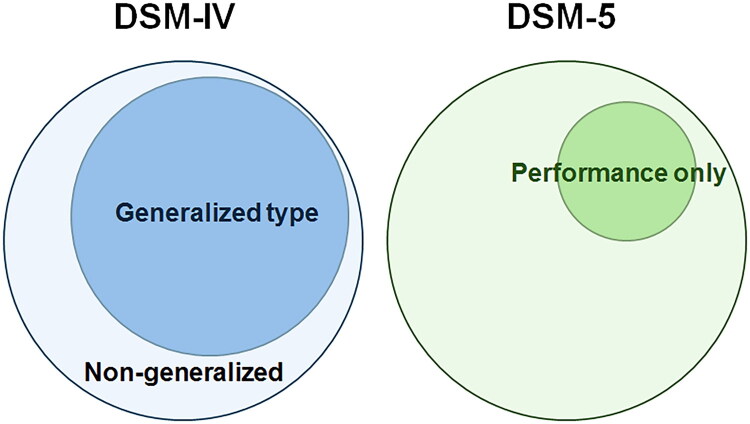
Social anxiety disorder (SAD) is a common psychiatric condition marked by a significant fear of social evaluation. To better identify a meaningful subgroup, the DSM-5 introduced a "performance-only" specifier, replacing the generalised specifier in the DSM-IV. We conducted a narrative review comparing overall SAD (including generalised and performance-only forms) and performance-only SAD across epidemiology, genetics, neuroimaging, clinical characteristics, and treatment... Treatments for overall SAD typically include CBT and pharmacotherapy, such as SSRIs or SNRIs. In contrast, performance-only SAD is...
Overview
CoChat Summary
TL;DR
This narrative review compares overall social anxiety disorder (SAD) with DSM-5 performance-only SAD across epidemiology, genetics, neuroimaging, clinical features, and treatment. It concludes that performance-only SAD may be a distinct subtype with narrower fears, later onset, more male representation, fewer comorbidities, and less impairment, but direct evidence on its genetics, neuroimaging, and treatment remains limited.
Key findings
- Overall SAD lifetime prevalence is approximately 5–13%, whereas performance-only SAD is approximately 0.3–0.7% and accounts for less than 25% of overall SAD cases when strictly defined by the DSM-5 specifier; broader public-speaking fear estimates range from about 3–5% in community samples.
- Overall SAD shows familial aggregation, with approximately 25% prevalence among first-degree relatives with SAD versus 5% without such family history, and twin-study heritability estimates of approximately 30–60%; performance-only SAD shows no significant difference by family history of overall SAD, and direct heritability estimates for it are scarce.
- Overall SAD typically emerges in early adolescence, with about 50% onset by age 13 and 90% by age 23, and is more prevalent in females at approximately 1.5 times the rate in males; performance-only SAD tends to begin in mid-adolescence, is relatively more prevalent among males, and is linked to fewer psychiatric comorbidities, better social functioning, and higher socioeconomic status.
- Neuroimaging in overall SAD shows fronto-limbic and default mode network alterations, while no structural or fMRI studies have specifically examined performance-only SAD; treatment for overall SAD typically includes CBT and SSRIs/SNRIs, whereas performance-only SAD is commonly managed with exposure-based CBT and sometimes beta-blockers, with limited specific evidence.
Methods
- Narrative review synthesizing published evidence on overall SAD and performance-only SAD across epidemiology, genetics, neuroimaging, clinical features, and treatment.
- Literature search used PubMed and Web of Science up to August 2025, with keywords related to social anxiety, performance-only anxiety, public speaking anxiety, and the review domains; reference lists of key articles were manually screened.
- Included human studies in peer-reviewed journals across epidemiological surveys, family and twin studies, neuroimaging investigations, and clinical trials; findings were organized and narratively synthesized by thematic domain, emphasizing comparisons between overall and performance-only SAD.
Limitations
- Stated in the paper: direct genetic evidence supporting lower heritability in performance-only SAD is lacking; no neuroimaging studies specifically targeting performance-only SAD have been conducted; hypotheses about lower genetic influence and fewer brain alterations remain speculative; treatment recommendations for performance-only SAD are largely extrapolated from overall SAD; and most genetic studies have analyzed SAD as a single, undifferentiated phenotype.
- Evident from the review design: as a narrative review, it does not report a systematic search protocol, risk-of-bias assessment, or quantitative synthesis, so findings may be subject to selection and interpretation bias.
Model-written summary. Check it against the paper before relying on it.
Integrity signals
Registry
Cites
Statistics
Figures
Verification
Claims the paper makes
38 Valid · 16 Not valid · 23 Not checked · 46 Own results and interpretations
Some cited sources support this claim and some don’t — read each source’s verdict below.
In the paper
“performance-only SAD has been reported in about 0.3–0.7%”
- Also stated in: § Epidemiology of overall SAD and performance-only SAD · hedged
“studies reporting lifetime prevalence rates of approximately 0.3% to 0.7% in the general population”
§ Epidemiology, genetics, neuroimaging, clinical features, and treatment between overall and performance-only social anxiety disorder: a narrative review > Abstract
What the sources say
- Not matchedcites Blöte et al. 2009
This doesn’t read as a citation we can look up.
- Partly supportedcites Burstein et al. 2011 matched to “Social phobia and subtypes in the national comorbidity survey-adolescent supplement: prevalence, correlates, and comorbidity” (2011) sourceExperimental — accuracy not yet measured
The Results (Prevalence and Correlates; page not provided) report a lifetime prevalence of approximately 0.7% for the performance-only subtype in adolescents. The study sampled U.S. adolescents aged 13–18, not the general population, and our copy does not report the claimed 0.3% lower bound. (LLM, conf=0.88)
- Disputedcites Crome et al. 2015 matched to “DSM-IV and DSM-5 social anxiety disorder in the Australian community” (2015) sourceExperimental — accuracy not yet measured
The Results section (‘Effects of changes to specifiers and criteria included in DSM-5’; page unavailable) reports that 0.3% of people with lifetime SAD—not 0.3% of the general population—had performance-only SAD. The Results section on DSM-IV prevalence gives lifetime SAD prevalence as 8.4% of Australians, so the reported subgroup corresponds to roughly 0.025% of that population, not 0.3–0.7%. (LLM, conf=0.88)
Checked by a reasoning model — may be wrong.
hedged- Asserted: passes — The authors put it forward as true.
- Checkable: passes — It can be checked against evidence.
- Load-bearing: unclear — It is unclear whether the paper’s conclusions depend on it.
- Based: passes — The paper gives a reason why it holds.
- Also stated in: § Epidemiology of overall SAD and performance-only SAD · hedged
The cited sources support only part of this claim — read each source’s verdict below.
In the paper
“accounting for less than 25% of overall SAD cases”
§ Epidemiology, genetics, neuroimaging, clinical features, and treatment between overall and performance-only social anxiety disorder: a narrative review > Methods > Epidemiology of overall SAD and performance-only SAD
What the sources say
- Not matchedcites Blöte et al. 2009
This doesn’t read as a citation we can look up.
- Partly supportedcites Burstein et al. 2011 matched to “Social phobia and subtypes in the national comorbidity survey-adolescent supplement: prevalence, correlates, and comorbidity” (2011) sourceExperimental — accuracy not yet measured
The Results > Prevalence and Correlates passage reports that the performance-only subtype represented 0.8% of adolescents with social phobia, which is less than 25%. The study concerns adolescents, however, so it does not establish that proportion for SAD cases across all ages. (LLM, conf=0.87)
- Supportedcites Crome et al. 2015 matched to “DSM-IV and DSM-5 social anxiety disorder in the Australian community” (2015) source
The Results section ('Effects of changes to specifiers and criteria included in DSM-5') reports that 0.3% of people meeting lifetime SAD criteria in the Australian sample had a singular fear of public performance. That is well below 25%, though the estimate specifically concerns lifetime SAD in this sample. (LLM, conf=0.93)
plain- Asserted: passes — The authors put it forward as true.
- Checkable: passes — It can be checked against evidence.
- Load-bearing: unclear — It is unclear whether the paper’s conclusions depend on it.
- Based: passes — The paper gives a reason why it holds.
- Not matched
The cited sources support only part of this claim — read each source’s verdict below.
In the paper
“Family studies indicate stronger familial aggregation in overall SAD”
- Also stated in: § Genetic differences between overall SAD and performance-only SAD · plain
“studies have reported no significant difference in the prevalence of performance-only SAD between individuals with and without a family history of overall SAD”
§ Epidemiology, genetics, neuroimaging, clinical features, and treatment between overall and performance-only social anxiety disorder: a narrative review > Abstract
What the sources say
- Not checked — no full text of the sourcecites M. B. Stein et al. 1998 matched to “A Direct-Interview Family Study of Generalized Social Phobia” (1998) source
- Partly supportedcites Bögels et al. 2010 matched to “Social anxiety disorder: questions and answers for the DSM-V” (2010) sourceExperimental — accuracy not yet measured
The Familial/genetic section reports higher prevalence of generalized SAD (GSAD) among first-degree relatives of people with GSAD, while specific SAD—mostly public-speaking anxiety—did not differ significantly between groups. This supports the comparison with performance-only SAD, but the source's finding concerns generalized SAD, not overall SAD as a category. (LLM, conf=0.83)
plainstates an association- Asserted: passes — The authors put it forward as true.
- Checkable: passes — It can be checked against evidence.
- Load-bearing: passes — The paper’s conclusions depend on it.
- Based: passes — The paper gives a reason why it holds.
- Also stated in: § Genetic differences between overall SAD and performance-only SAD · plain
The cited sources support only part of this claim — read each source’s verdict below.
In the paper
“The removal of the generalised type in the DSM-5 occurred because research revealed that the distinction between generalised and nongeneralized types lacked sufficient clinical utility”
§ Epidemiology, genetics, neuroimaging, clinical features, and treatment between overall and performance-only social anxiety disorder: a narrative review > Introduction
What the sources say
- Partly supportedcites Ruscio et al. 2008 matched to “Social fears and social phobia in the USA: results from the National Comorbidity survey replication” (2008) sourceExperimental — accuracy not yet measured
The Results (page unavailable) report little evidence for distinct social-phobia subtypes based on the number of fears, which supports questioning the generalized versus nongeneralized distinction. The paper examines DSM-IV subtypes but does not address DSM-5’s removal of the generalized type or establish that insufficient clinical utility was the reason for that decision. (LLM, conf=0.88)
- Supportedcites Peyre et al. 2016 matched to “Latent class analysis of the feared situations of social anxiety disorder: A population-based study: Peyre et al.” (2016) source
The Introduction says the DSM-IV generalized specifier was removed because it was difficult to operationalize and appeared mainly to mark severity. The Discussion adds that DSM-5 instead promotes a dimensional approach based on the number of social situations feared. Together, these support the claim's paraphrase that the categorical distinction had limited clinical utility. (LLM, conf=0.87)
plainstates a cause- Asserted: passes — The authors put it forward as true.
- Checkable: passes — It can be checked against evidence.
- Load-bearing: passes — The paper’s conclusions depend on it.
- Based: passes — The paper gives a reason why it holds.
- Partly supported
The cited sources support only part of this claim — read each source’s verdict below.
In the paper
“higher socioeconomic status”
- Also stated in: § Epidemiology of overall SAD and performance-only SAD · plain
“more likely to be married, have attained a higher level of education, and report higher individual and family incomes”
§ Epidemiology, genetics, neuroimaging, clinical features, and treatment between overall and performance-only social anxiety disorder: a narrative review > Abstract
What the sources say
- Partly supportedcites Peyre et al. 2016 matched to “Latent class analysis of the feared situations of social anxiety disorder: A population-based study: Peyre et al.” (2016) sourceExperimental — accuracy not yet measured
Section 3.3 reports higher education and individual and family income for the performance-only class than for the generalized severe and generalized moderate classes. It does not report a comparison with all other people with SAD combined, and it does not establish the same difference relative to the generalized low class. (LLM, conf=0.86)
plainstates an association- Asserted: passes — The authors put it forward as true.
- Checkable: passes — It can be checked against evidence.
- Load-bearing: unclear — It is unclear whether the paper’s conclusions depend on it.
- Based: passes — The paper gives a reason why it holds.
- Also stated in: § Epidemiology of overall SAD and performance-only SAD · plain
75 more claims · 25 with their cited sources checked
Create a free account to see all 123 claims and to verify the 7 references still open.
- It may state two separate claims as one. 26
- Probably not a substantial claim. 21
- The quote only partly states this claim. 1
Citations
Cites
Kessler, R. C., Berglund, P., Demler, O., Jin, R., Merikangas, K. R., & Walters, E. E. (2005) · Archives of General Psychiatry · doi:10.1001/archpsyc.62.6.593 · Cited by 20,391 · cited 3×
“Approximately 50% of individuals experience onset by age 13, and approximately 90% experience onset by age 23 (Hofmann et al. 2004; Kessler et al. 2005; D. J. Stein et al. 2017; M. B. Stein 2006; wong and Rapee 2015). early onset, particularly before adolescence, is often associated with traits…”
Social fears and social phobia in the USA: results from the National Comorbidity survey replication
Ruscio, A. M., Brown, T. A., Chiu, W. T., Sareen, J., Stein, M. B., & Kessler, R. C. (2008) · Psychological Medicine · doi:10.1017/s0033291707001699 · Cited by 835 · cited 2×
“…of overall SAD is estimated to be approximately 5% to 13% in the general population (Burstein et al. 2011; Grant et al. 2005; Kessler et al. 2005; Ruscio et al. 2008; M. B. Stein 2006; westenberg 1998), making it one of the most common anxiety disorders. the lifetime prevalence is comparable to…”
Grant, B. F., Hasin, D. S., Blanco, C., Stinson, F. S., Chou, S. P., Goldstein, R. B., Dawson, D. A., Smith, S., Saha, T. D., & Huang, B. (2005) · The Journal of Clinical Psychiatry · doi:10.4088/jcp.v66n1102 · Cited by 601 · cited 1×
“the lifetime prevalence of overall SAD is estimated to be approximately 5% to 13% in the general population (Burstein et al. 2011; Grant et al. 2005; Kessler et al. 2005; Ruscio et al. 2008; M. B. Stein 2006; westenberg 1998), making it one of the most common anxiety disorders. the lifetime…”
Social anxiety disorder: questions and answers for the DSM-V
Bögels, S. M., Alden, L., Beidel, D. C., Clark, L. A., Pine, D. S., Stein, M. B., & Voncken, M. (2010) · Depression and Anxiety · doi:10.1002/da.20670 · Cited by 526 · cited 3×
“…SAD is approximately 25% among individuals with a first-degree relative who has SAD, whereas it is 5% among those without such a family history (Bögels et al. 2010; M. B. Stein et al. 1998), highlighting the substantial influence of genetic factors on overall SAD. in contrast, studies have…”
InfluentialCollaborators, W. W. M. H. S., Stein, D. J., Lim, C. C. W., Roest, A. M., de Jonge, P., Aguilar-Gaxiola, S., Al-Hamzawi, A., Alonso, J., Benjet, C., Bromet, E. J., et al. (2017) · BMC Medicine · doi:10.1186/s12916-017-0889-2 · Cited by 520 · cited 1×
“…50% of individuals experience onset by age 13, and approximately 90% experience onset by age 23 (Hofmann et al. 2004; Kessler et al. 2005; D. J. Stein et al. 2017; M. B. Stein 2006; wong and Rapee 2015). early onset, particularly before adolescence, is often associated with traits such as…”
Social Phobia Subtypes in the National Comorbidity Survey
Kessler, R. C., Stein, M. B., & Berglund, P. (1998) · American Journal of Psychiatry · doi:10.1176/ajp.155.5.613 · Cited by 398 · cited 5×
“…for post-traumatic stress disorder). they also report higher quality of life and better social functioning compared to individuals with overall SAD (Kessler et al. 1998; Peyre et al. 2016; Fuentes-Rodriguez et al. 2018). individuals with performance-only SAD experience a less persistent and less…”
InfluentialCognitive-behavioral therapy for social anxiety disorder: Current status and future directions
Heimberg, R. G. (2002) · Biological Psychiatry · doi:10.1016/s0006-3223(01)01183-0 · Cited by 351 · cited 1×
“…emphasise cognitive behavioural therapy (cBt) as the first-line treatment, particularly the clark & wells (clark and wells 1995) or Heimberg model (Heimberg 2002). when face-to-face therapy is unavailable, Nice and JSNP recommend cBt-based guided self-help, whereas the S3 guidelines also mention…”
Multivariate classification of social anxiety disorder using whole brain functional connectivity
Liu, F., Guo, W., Fouche, J.-P., Wang, Y., Wang, W., Ding, J., Zeng, L., Qiu, C., Gong, Q., Zhang, W., et al. (2015) · Brain Structure and Function · doi:10.1007/s00429-013-0641-4 · Cited by 348 · cited 1×
“…between the amygdala and frontal (e.g., dorsomedial prefrontal cortex [dmPFc]), parietal (e.g., precuneus, posterior cingulate cortex), and temporal regions. these findings suggest variability in emotion processing and regulatory functions (liu et al. 2015; Yoon et al. 2016; Jung et al. 2018).”
Social Phobia Symptoms, Subtypes, and Severity: Findings From a Community Survey
Stein, M. B., Torgrud, L. J., & Walker, J. R. (2000) · Archives of General Psychiatry · doi:10.1001/archpsyc.57.11.1046 · Cited by 266 · cited 1×
“…proportions of individuals endorsing isolated public speaking fear, with estimates ranging from approximately 3% to 5% in community samples (M. B. Stein et al. 2000; M. B. Stein et al. 1996), and even higher proportions in mild forms of SAD identified through cluster-analytic approaches (Kessler…”
Stein, M. B. (1996) · Archives of General Psychiatry · doi:10.1001/archpsyc.1996.01830020087010 · Cited by 259 · cited 1×
“…endorsing isolated public speaking fear, with estimates ranging from approximately 3% to 5% in community samples (M. B. Stein et al. 2000; M. B. Stein et al. 1996), and even higher proportions in mild forms of SAD identified through cluster-analytic approaches (Kessler et al. 1998; Furmark et…”
Phan, K. L., Orlichenko, A., Boyd, E., Angstadt, M., Coccaro, E. F., Liberzon, I., & Arfanakis, K. (2009) · Biological Psychiatry · doi:10.1016/j.biopsych.2009.02.028 · Cited by 226 · cited 1×
“…SAD. with respect to white matter integrity, individuals with overall SAD have shown reductions in major tracts, including the uncinate fasciculus (Phan et al. 2009; Baur et al. 2011), superior longitudinal fasciculus (Baur et al. 2011; tükel et al. 2017), and inferior longitudinal fasciculus…”
A Direct-Interview Family Study of Generalized Social Phobia
Stein, M. B., Chartier, M. J., Hazen, A. L., Kozak, M. V., Tancer, M. E., Lander, S., Furer, P., Chubaty, D., & Walker, J. R. (1998) · American Journal of Psychiatry · doi:10.1176/ajp.155.1.90 · Cited by 225 · cited 2×
“…no significant difference in the prevalence of performance-only SAD between individuals with and without a family history of overall SAD (M. B. Stein et al. 1998). this weaker familial aggregation suggests that genetic factors may be less strongly involved in the development of…”
Burstein, M., He, J.-P., Kattan, G., Albano, A. M., Avenevoli, S., & Merikangas, K. R. (2011) · Journal of the American Academy of Child & Adolescent Psychiatry · doi:10.1016/j.jaac.2011.06.005 · Cited by 225 · cited 2×
“…performance-only specifier, with studies reporting lifetime prevalence rates of approximately 0.3% to 0.7% in the general population and accounting for less than 25% of over-all SAD cases (Blöte et al. 2009; Burstein et al. 2011; crome et al. 2015; Peyre et al. 2016; Fuentes-Rodriguez et al. 2018).”
InfluentialThe nature and expression of social phobia: Toward a new classification
Hofmann, S. G., Heinrichs, N., & Moscovitch, D. A. (2004) · Clinical Psychology Review · doi:10.1016/j.cpr.2004.07.004 · Cited by 202 · cited 2×
“Approximately 50% of individuals experience onset by age 13, and approximately 90% experience onset by age 23 (Hofmann et al. 2004; Kessler et al. 2005; D. J. Stein et al. 2017; M. B. Stein 2006; wong and Rapee 2015). early onset, particularly before adolescence, is often associated with traits…”
The relation between public speaking anxiety and social anxiety: A review
Blöte, A. W., Kint, M. J. W., Miers, A. C., & Westenberg, P. M. (2009) · Journal of Anxiety Disorders · doi:10.1016/j.janxdis.2008.11.007 · Cited by 183 · cited 6×
“…performance-related situations, such as public speaking or performing (Blöte et al. 2009; Aune et al. 2023; Rose and tadi 2024). this subset often presents distinct characteristics, including specific triggers and unique treatment needs (Blöte et al. 2009; Heimberg et al. 2014; Peyre et al. 2016).”
InfluentialSOCIAL ANXIETY DISORDER IN DSM-5: Review: Social Anxiety Disorder in DSM-5
Heimberg, R. G., Hofmann, S. G., Liebowitz, M. R., Schneier, F. R., Smits, J. A. J., Stein, M. B., Hinton, D. E., & Craske, M. G. (2014) · Depression and Anxiety · doi:10.1002/da.22231 · Cited by 166 · cited 2×
“…Obsessive– compulsive Spectrum, Posttraumatic, and Dissociative Disorders work Group suggested the usefulness of a new specifier (Bögels et al. 2010; Heimberg et al. 2014). in the DSM-5 (APA 2013), the generalised type of SAD was removed, and the new “performance only” speci-fier for SAD was…”
Social anxiety disorder: a review of environmental risk factors
Schmidt, L. (2008) · Neuropsychiatric Disease and Treatment · doi:10.2147/ndt.s1799 · Cited by 139 · cited 1×
“…influenced by environmental exposures related to performance contexts, such as adverse experiences during public speaking, acting, or singing (Brook and Schmidt 2008; Blöte et al. 2009). with respect to heritability, twin studies indicate that the heritability estimates for overall SAD range…”
Social phobia subtypes in the general population revealed by cluster analysis
FURMARK, T., TILLFORS, M., STATTIN, H., EKSELIUS, L., & FREDRIKSON, M. (2000) · Psychological Medicine · doi:10.1017/s0033291799002615 · Cited by 128 · cited 1×
“…isolated public speaking fear, with estimates ranging from approximately 3% to 5% in community samples (M. B. Stein et al. 2000; M. B. Stein et al. 1996), and even higher proportions in mild forms of SAD identified through cluster-analytic approaches (Kessler et al. 1998; Furmark et al. 2000).”
Scaini, S., Belotti, R., & Ogliari, A. (2014) · Journal of Anxiety Disorders · doi:10.1016/j.janxdis.2014.07.002 · Cited by 111 · cited 1×
“…during public speaking, acting, or singing (Brook and Schmidt 2008; Blöte et al. 2009). with respect to heritability, twin studies indicate that the heritability estimates for overall SAD range from approximately 30% to 60% (Middeldorp et al. 2005; Mosing et al. 2009; Scaini et al. 2014).”
The German guidelines for the treatment of anxiety disorders
Bandelow, B., Lichte, T., Rudolf, S., Wiltink, J., & Beutel, M. E. (2014) · European Archives of Psychiatry and Clinical Neuroscience · doi:10.1007/s00406-014-0563-z · Cited by 110
DSM-IV and DSM-5 social anxiety disorder in the Australian community
Crome, E., Grove, R., Baillie, A. J., Sunderland, M., Teesson, M., & Slade, T. (2015) · Australian & New Zealand Journal of Psychiatry · doi:10.1177/0004867414546699 · Cited by 100 · cited 3×
“…are more likely to be affected by overall SAD (Blöte et al. 2009), with females experiencing SAD at approximately 1.5 times the rate of males (crome et al. 2015; Peyre et al. 2016). compared with females with overall SAD, males with overall SAD may experience more severe social and…”
InfluentialMosing, M. A., Gordon, S. D., Medland, S. E., Statham, D. J., Nelson, E. C., Heath, A. C., Martin, N. G., & Wray, N. R. (2009) · Depression and Anxiety · doi:10.1002/da.20611 · Cited by 99 · cited 1×
“…during public speaking, acting, or singing (Brook and Schmidt 2008; Blöte et al. 2009). with respect to heritability, twin studies indicate that the heritability estimates for overall SAD range from approximately 30% to 60% (Middeldorp et al. 2005; Mosing et al. 2009; Scaini et al. 2014).”
Altered fusiform connectivity during processing of fearful faces in social anxiety disorder
Frick, A., Howner, K., Fischer, H., Kristiansson, M., & Furmark, T. (2013) · Translational Psychiatry · doi:10.1038/tp.2013.85 · Cited by 91 · cited 1×
“Disruptions in the temporal–amygdala network, particularly involving the fusiform gyrus, are less consistently observed and may reflect impairments in the processing of socially salient stimuli (Frick et al. 2013).”
An epidemiologic perspective on social anxiety disorder.
Stein, M. B. (2006) · PubMed · Cited by 90
White matter alterations in social anxiety disorder
Baur, V., Hänggi, J., Rufer, M., Delsignore, A., Jäncke, L., Herwig, U., & Beatrix Brühl, A. (2011) · Journal of Psychiatric Research · doi:10.1016/j.jpsychires.2011.05.007 · Cited by 86 · cited 3×
“…(tükel et al. 2017). increased radial diffusivity and mean diffusivity within these tracts indicate poorer myelination and neural disorganisation (Baur et al. 2011; tükel et al. 2017). in particular, disruptions in the uncinate fascic-ulus may contribute to heightened fear responses and…”
InfluentialJung, Y.-H., Shin, J. E., Lee, Y. I., Jang, J. H., Jo, H. J., & Choi, S.-H. (2018) · Frontiers in Psychiatry · doi:10.3389/fpsyt.2018.00164 · Cited by 68 · cited 1×
“…between the amygdala and frontal (e.g., dorsomedial prefrontal cortex [dmPFc]), parietal (e.g., precuneus, posterior cingulate cortex), and temporal regions. these findings suggest variability in emotion processing and regulatory functions (liu et al. 2015; Yoon et al. 2016; Jung et al. 2018).”
Middeldorp, C. M., Birley, A. J., Cath, D. C., Gillespie, N. A., Willemsen, G., Statham, D. J., de Geus, E. J. C., Andrews, J. G., van Dyck, R., Beem, A. L., et al. (2005) · Twin Research and Human Genetics · doi:10.1375/183242705774860123 · Cited by 65 · cited 1×
“…during public speaking, acting, or singing (Brook and Schmidt 2008; Blöte et al. 2009). with respect to heritability, twin studies indicate that the heritability estimates for overall SAD range from approximately 30% to 60% (Middeldorp et al. 2005; Mosing et al. 2009; Scaini et al. 2014).”
The Developmental Psychopathology of Social Anxiety and Phobia in Adolescents
Wong, Q. J. J., & Rapee, R. M. (2015) · Springer eBooks · doi:10.1007/978-3-319-16703-9_2 · Cited by 54 · cited 1×
“…by age 13, and approximately 90% experience onset by age 23 (Hofmann et al. 2004; Kessler et al. 2005; D. J. Stein et al. 2017; M. B. Stein 2006; wong and Rapee 2015). early onset, particularly before adolescence, is often associated with traits such as social reticence or behavioural…”
Bas-Hoogendam, J. M., van Steenbergen, H., Tissier, R. L. M., Houwing-Duistermaat, J. J., Westenberg, P. M., & van der Wee, N. J. A. (2018) · EBioMedicine · doi:10.1016/j.ebiom.2018.08.048 · Cited by 47 · cited 1×
“…such as the anterior cingulate cortex and insula, as well as increased cortical surface area, particularly in the frontal and temporal cortices (Bas-Hoogendam et al. 2018; Zhang et al. 2020). these findings suggest that cortical thickness and surface area may reflect distinct neurobiological…”
The nature of social anxiety disorder.
Westenberg, H. G. M. (1998) · PubMed · Cited by 45
The influence of gender on social anxiety spectrum symptoms in a sample of university students
Dell'Osso, L., Abelli, M., Pini, S., Carpita, B., Carlini, M., Mengali, F., Tognetti, R., Rivetti, F., & Massimetti, G. (2015) · Rivista di Psichiatria · doi:10.1708/2098.22688 · Cited by 40 · cited 1×
“Females with performance-only SAD may experience anxiety in a broader range of situations beyond public speaking, such as social events where they feel evaluated (Dell’Osso et al. 2015).”
Cremers, H. R., Veer, I. M., Spinhoven, P., Rombouts, S. A. R. B., Yarkoni, T., Wager, T. D., & Roelofs, K. (2015) · Psychological Medicine · doi:10.1017/s0033291714002657 · Cited by 38 · cited 1×
“…with SAD show sustained and heightened amygdala activation during anticipation of public speaking compared with healthy controls (Davies et al. 2017), along with reduced regulatory coupling between prefrontal cortical regions and the amygdala during speech anticipation (cremers et al. 2015).”
The relevance of age of onset to the psychopathology of social phobia
Rosellini, A. J., Rutter, L. A., Bourgeois, M. L., Emmert-Aronson, B. O., & Brown, T. A. (2013) · Journal of Psychopathology and Behavioral Assessment · doi:10.1007/s10862-013-9338-5 · Cited by 38 · cited 1×
“Overall SAD often begins in childhood or adolescence, with most cases developing in early adolescence (Rosellini et al. 2013).”
Groenewold, N. A., Bas-Hoogendam, J. M., Amod, A. R., Laansma, M. A., Van Velzen, L. S., Aghajani, M., Hilbert, K., Oh, H., Salas, R., Jackowski, A. P., et al. (2023) · Molecular Psychiatry · doi:10.1038/s41380-022-01933-9 · Cited by 36 · cited 1×
“However, these volumetric differences are not observed in adolescents with SAD (Groenewold et al. 2023). cortical alterations in individuals with SAD include reduced cortical thickness in areas such as the anterior cingulate cortex and insula, as well as increased cortical surface area,…”
Zhang, X., Luo, Q., Wang, S., Qiu, L., Pan, N., Kuang, W., Lui, S., Huang, X., Yang, X., Kemp, G. J., et al. (2020) · EBioMedicine · doi:10.1016/j.ebiom.2020.102910 · Cited by 31 · cited 1×
“…cortex and insula, as well as increased cortical surface area, particularly in the frontal and temporal cortices (Bas-Hoogendam et al. 2018; Zhang et al. 2020). these findings suggest that cortical thickness and surface area may reflect distinct neurobiological mechanisms that jointly…”
Bas-Hoogendam, J. M., van Steenbergen, H., van der Wee, N. J. A., & Westenberg, P. M. (2020) · NeuroImage: Clinical · doi:10.1016/j.nicl.2020.102247 · Cited by 31
Yoon, H.-J., Kim, J. S., Shin, Y.-B., Choi, S.-H., Lee, S.-K., & Kim, J.-J. (2016) · Neuroscience Letters · doi:10.1016/j.neulet.2016.05.068 · Cited by 30 · cited 1×
“…between the amygdala and frontal (e.g., dorsomedial prefrontal cortex [dmPFc]), parietal (e.g., precuneus, posterior cingulate cortex), and temporal regions. these findings suggest variability in emotion processing and regulatory functions (liu et al. 2015; Yoon et al. 2016; Jung et al. 2018).”
Peyre, H., Hoertel, N., Rivollier, F., Landman, B., McMahon, K., Chevance, A., Lemogne, C., Delorme, R., Blanco, C., & Limosin, F. (2016) · Depression and Anxiety · doi:10.1002/da.22547 · Cited by 24 · cited 13×
“…performance-related situations, such as public speaking or performing (Blöte et al. 2009; Aune et al. 2023; Rose and tadi 2024). this subset often presents distinct characteristics, including specific triggers and unique treatment needs (Blöte et al. 2009; Heimberg et al. 2014; Peyre et al. 2016).”
InfluentialAltered time course of amygdala activation during speech anticipation in social anxiety disorder
Davies, C. D., Young, K., Torre, J. B., Burklund, L. J., Goldin, P. R., Brown, L. A., Niles, A. N., Lieberman, M. D., & Craske, M. G. (2017) · Journal of Affective Disorders · doi:10.1016/j.jad.2016.11.014 · Cited by 21 · cited 1×
“…example, patients with SAD show sustained and heightened amygdala activation during anticipation of public speaking compared with healthy controls (Davies et al. 2017), along with reduced regulatory coupling between prefrontal cortical regions and the amygdala during speech anticipation (cremers…”
Fuentes-Rodriguez, G., Garcia-Lopez, L.-J., & Garcia-Trujillo, V. (2018) · Psychiatry Research · doi:10.1016/j.psychres.2018.03.052 · Cited by 21 · cited 5×
“…also report higher quality of life and better social functioning compared to individuals with overall SAD (Kessler et al. 1998; Peyre et al. 2016; Fuentes-Rodriguez et al. 2018). individuals with performance-only SAD experience a less persistent and less impairing subtype of overall SAD at the…”
InfluentialLiebowitz, M. R., Hanover, R., Draine, A., Lemming, R., Careri, J., & Monti, L. (2016) · Depression and Anxiety · doi:10.1002/da.22546 · Cited by 21 · cited 1×
“Although the initial results are promising, further research is needed to establish its clinical utility and long-term safety (liebowitz et al. 2016).”
Boyers, G. B., Broman-Fulks, J. J., Valentiner, D. P., McCraw, K., Curtin, L., & Michael, K. D. (2017) · Cognitive Behaviour Therapy · doi:10.1080/16506073.2017.1338310 · Cited by 20 · cited 2×
“Overall SAD and performance-only SAD share key clinical features (Boyers et al. 2017) but differ in the range and specificity of anxiety-provoking situations (Peyre et al. 2016; Fuentes-Rodriguez et al. 2018).”
Tükel, R., Ulasoglu Yildiz, C., Ertekin, E., Kurt, E., Koyuncu, A., & Aydın, K. (2017) · Brain Research · doi:10.1016/j.brainres.2017.02.016 · Cited by 18 · cited 3×
“…2017). increased radial diffusivity and mean diffusivity within these tracts indicate poorer myelination and neural disorganisation (Baur et al. 2011; tükel et al. 2017). in particular, disruptions in the uncinate fascic-ulus may contribute to heightened fear responses and emotional dysregulation.”
InfluentialSibling risk of anxiety disorders based on hospitalizations in Sweden
Li, X., Sundquist, J., & Sundquist, K. (2011) · Psychiatry and Clinical Neurosciences · doi:10.1111/j.1440-1819.2011.02199.x · Cited by 17 · cited 1×
“Family studies suggest that overall SAD shares common genetic vulnerabilities with other anxiety disorders, such as panic disorder and generalised anxiety disorder, indicating that genetic factors overlap across anxiety disorders (li et al. 2011; Khanal et al. 2025).”
Asakura, S., Yoshinaga, N., Yamada, H., Fujii, Y., Mitsui, N., Kanai, Y., Inoue, T., & Shimizu, E. (2023) · Neuropsychopharmacology Reports · doi:10.1002/npr2.12365 · Cited by 13 · cited 1×
“…(Nice, www.nice.org.uk/guidance/cg159), the German S3 (Bandelow et al. 2022), and the Japanese Society of Neuropsychopharmacology (JSNP) guidelines (Asakura et al. 2023). these guidelines emphasise cognitive behavioural therapy (cBt) as the first-line treatment, particularly the clark & wells…”
The endocannabinoid system in social anxiety disorder: from pathophysiology to novel therapeutics
Ahmed, M., Boileau, I., Le Foll, B., Carvalho, A. F., & Kloiber, S. (2022) · Brazilian Journal of Psychiatry · doi:10.1590/1516-4446-2021-1926 · Cited by 11 · cited 1×
“…for overall SAD in any of the guidelines. the endocannabinoid system (ecS) has been proposed as a novel therapeutic target for overall SAD (Ahmed et al. 2022). compounds such as cannabi-diol (cBD) and fatty acid amide hydrolase (FAAH) inhibitors show promise in early studies but are not…”
Khanal, P., Ståhlberg, T., Upadhyaya, S., Heinonen, E., Ortin-Peralta, A., & Sourander, A. (2025) · Journal of Affective Disorders · doi:10.1016/j.jad.2024.09.046 · Cited by 7 · cited 1×
“Family studies suggest that overall SAD shares common genetic vulnerabilities with other anxiety disorders, such as panic disorder and generalised anxiety disorder, indicating that genetic factors overlap across anxiety disorders (li et al. 2011; Khanal et al. 2025).”
Aune, T., Beidel, D. C., & Nordahl, H. M. (2023) · Journal of Psychopathology and Behavioral Assessment · doi:10.1007/s10862-023-10054-8 · Cited by 7 · cited 1×
“…a subset of individuals experience anxiety exclusively in performance-related situations, such as public speaking or performing (Blöte et al. 2009; Aune et al. 2023; Rose and tadi 2024). this subset often presents distinct characteristics, including specific triggers and unique treatment needs…”
Research works printed but not linked: 5
- APA. 1980. Diagnostic and Statistical Manual of Mental Disorders, Third Edition (DSM-III). American Psychiatric Publishing.
- APA. 1994. Diagnostic and Statistical Manual of Mental Disorders, Fourth Edition (DSM-IV). American Psychiatric Publishing.
- APA. 2013. Diagnostic and Statistical Manual of Mental Disorders, Fifth Edition (DSM-5). American Psychiatric Publishing.
- Clark DM, Wells A. 1995. A cognitive model of social phobia. Social phobia: diagnosis, assessment, and treatment. The Guilford Press.
- Rose GM, Tadi P. 2024. Social Anxiety Disorder StatPearls. Treasure Island (FL) ineligible companies. Disclosure: Prasanna Tadi declares no relevant financial relationships with ineligible companies. StatPearls Publishing.
Metadata
- Authors
- Okamura, L., Ueji, Y., Izumi, T., Fujikane, D., Ukisu, T., Murakami, H., Shioiri, T., & Ohi, K.
- Affiliations
- Gifu University (JP)
- Corresponding author
- Ohi, Kazutaka
- Venue
- Dialogues in clinical neuroscience
- Publisher
- Informa UK Limited
- Published
- 2026-04-28
- Volume
- 28
- Issue
- 1
- Pages
- 187-195
- ISSN
- 1294-8322 (ISSN-L)
- 1958-5969
- PMC
- PMC13130234
- OpenAlex
- W7157882315
- Cited by
- 0
- References
- 46
- FWCI
- 0.00
- Type
- journal article
- Language
- en
- Open access
- diamond
- doi.org
- Licence
- Locations
- Dialogues in Clinical Neuroscience (publishedVersion, cc-by)
- PubMed (publishedVersion)
- PubMed Central (publishedVersion, cc-by)
- DOAJ (DOAJ: Directory of Open Access Journals) (submittedVersion, cc-by-sa)
- Funders
- Japan Society for the Promotion of Science (22K07614, 25K10832, 25K10808)
- Topics
- Social Sciences › Psychology › Experimental and Cognitive Psychology › Anxiety, Depression, Psychometrics, Treatment, Cognitive Processes
- Social Sciences › Psychology › Clinical Psychology › Child and Adolescent Psychosocial and Emotional Development
- Social Sciences › Psychology › Clinical Psychology › Obsessive-Compulsive Spectrum Disorders
- Keywords
- social anxiety disorder, epidemiology, heritability, familial aggregation, neuroimaging, default mode network, fronto-limbic network, clinical features, comorbidities, cognitive behavioral therapy, pharmacotherapy, beta-blockers, exposure therapy, anxiety subtypes
- MeSH terms
- Phobia, Social, Female, Humans, Male, Neuroimaging
About these checks
Registry, retraction, Cites and statistics results are computed, not judged, with one exception: a printed reference that no index lists is read once by a model before it counts as a citation error. Claims are extracted by a model and kept only when their quote appears verbatim in the text; each cited source is then checked, with a model’s help, for whether it says what the claim relies on. Those verdicts can be wrong — read the claim’s quote and the cited source before relying on one.
The claim verdicts this report counts are experimental: their accuracy is not yet measured.
A language model drew the claims from the paper on 2026-10-10, under version 3 of the claim definition (model deepseek-v4.1-flash, prompt extract-v3).
A second model labelled each claim on 2026-10-10 (model jev-1.13-20260917, definition revision gold-guideline-v0.2).
Cited sources are checked with a language model’s help (gpt-6-sol).
Statistics and arithmetic are recomputed, not judged.
Confidence bands are shown only for fields calibrated on our annotated test set. None is calibrated yet, so no band is shown.
What counts as a claim ›How we measure confidence ›How we check this ›
Are you an author, or do you see a problem with this page? Request a review
Data sources
Bibliographic data: Semantic Scholar, OpenAlex, Crossref.
Contains information from the Semantic Scholar Academic Graph Datasets, made available under the ODC Attribution License (ODC-BY 1.0).
Semantic Scholar’s data is described in: Kinney, R., et al. (2023). The Semantic Scholar Open Data Platform. arXiv:2301.10140.
