

Development and testing of TraumaGameplay: an iterative experimental approach using the trauma film paradigm
Open accessThe DOI matches its Crossref record; 44 of the 44 references it cites were found in a registry or an index.
Abstract
Background: Vivid trauma-related intrusions are a hallmark symptom of posttraumatic stress disorder (PTSD), and may be involved in its onset. Effective interventions to reduce intrusions and to potentially prevent the onset of subsequent PTSD are scarce. Studies suggest that playing the videogame Tetris, shortly after watching aversive film clips, reduces subsequent intrusions. Other studies have shown that taxing working memory (WM) while retrieving an emotional memory reduces the memory’s vividness and emotionality.Objective: We developed TraumaGameplay (TGP), a gaming app designed to reduce intrusions. This paper describes two successive experiments to determine whether playing TGP without memory retrieval (regular TGP) or TGP with memory retrieval (dual-task TGP) reduces intrusion frequency at one week compared to a no-game control.Method: For both experiments, healthy university students were recruited. Experiment 1: 92 participants were exposed to a trauma film and randomized to (1) regular TGP1 (n = 31), (2) dual-task TGP1 (n = 31) or (3) control (n = 30). In experiment 2, 120 healthy students were exposed to a trauma film and randomized to (1) regular TGP2 (n = 30), (2) dual-task TGP2 (n = 29), (3) recall only (n = 31) or (4) control (n = 30).Results: We found no significant difference between conditions on the number of intrusions for either playing regular TGP or dual-task TGP in both experiment 1 and experiment 2.Conclusion: Our results could not replicate earlier promising findings from preceding experimental research. Several reasons may underpin this difference ranging from the visuospatial videogame used in our experiments to the method of the experiment to the difficulties of replicability in general.
Overview
The claims and statistics of this paper haven’t been checked yet.
Free: it reads the open-access text and checks the first 5 claims that cite a source we can check. Create a free account to check every claim.
Integrity signals
Registry
Cites
Statistics
Figures
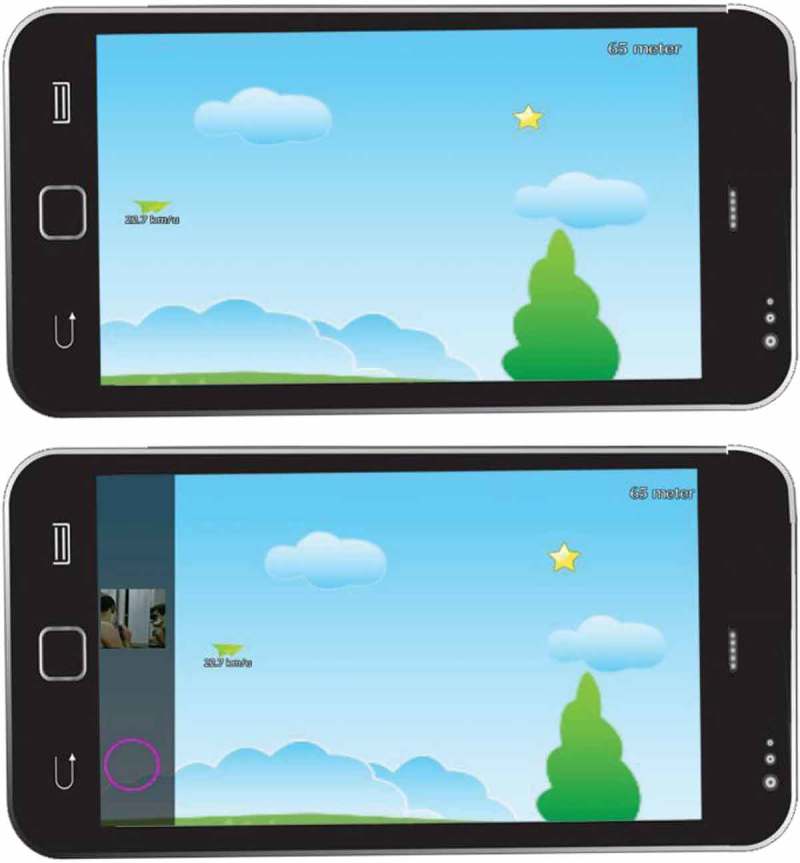
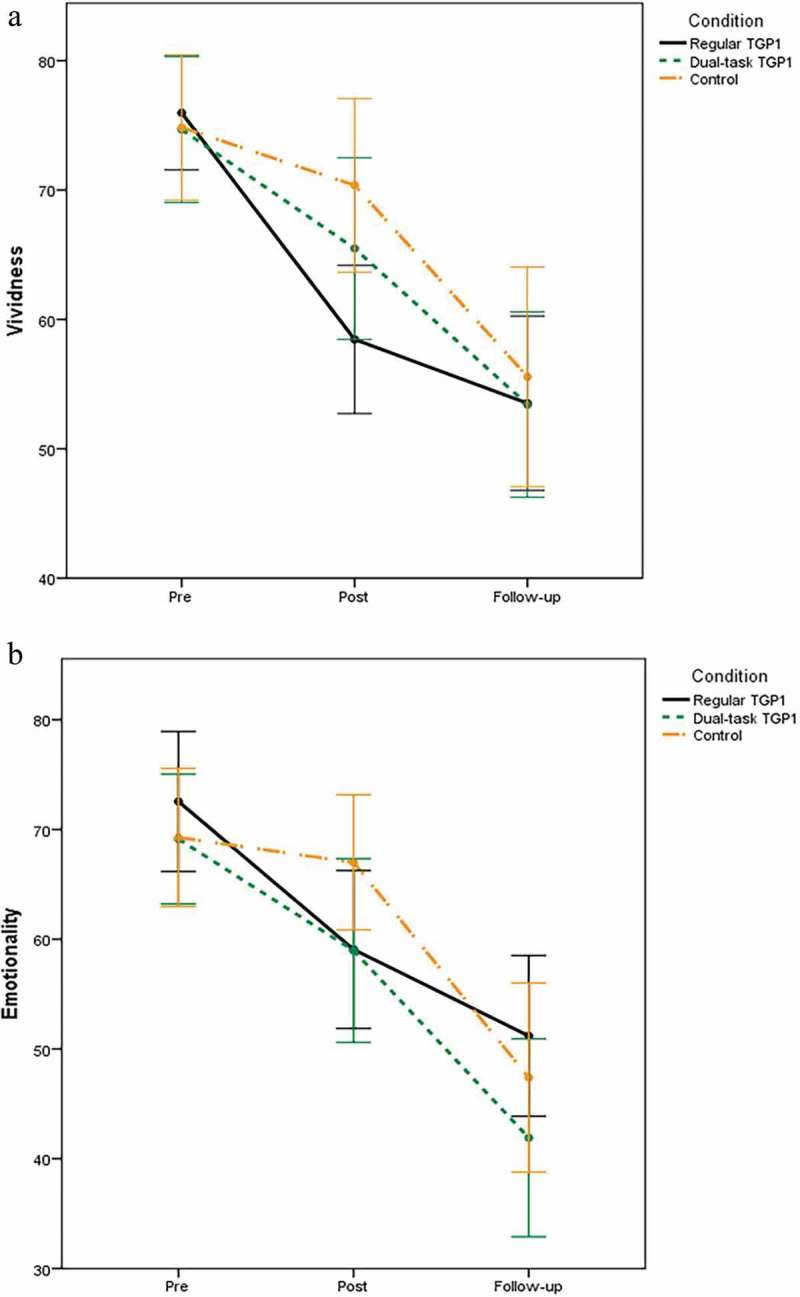
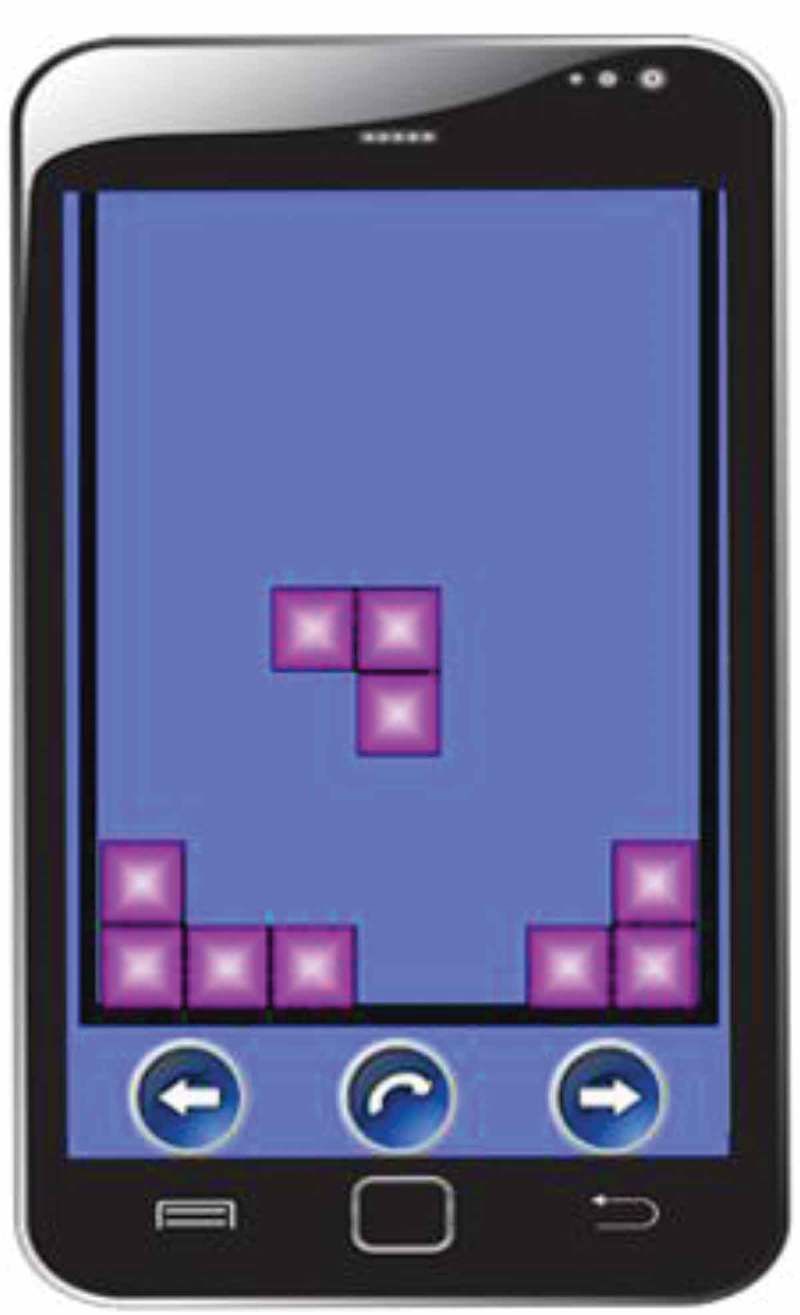
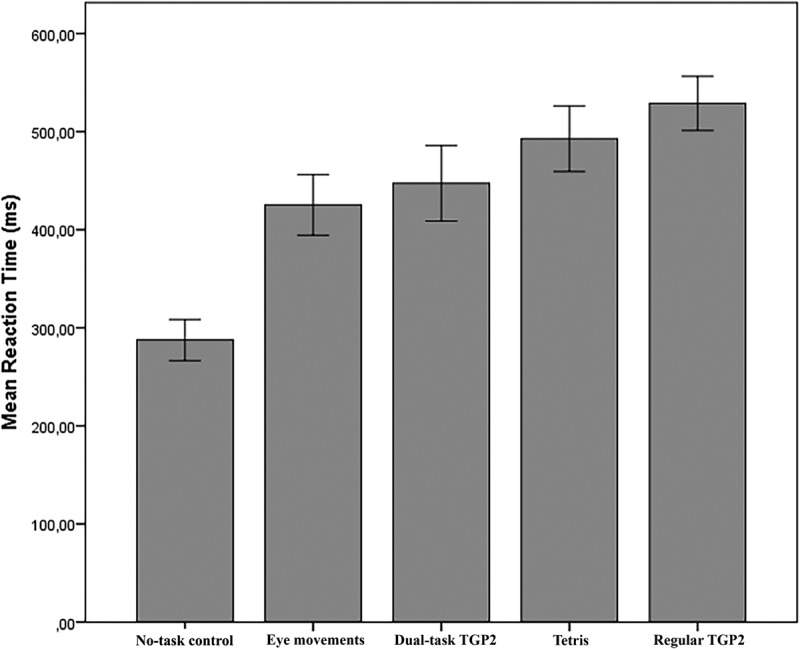
Verification
Claims the paper makes
The claims and statistics of this paper haven’t been checked yet.
Free: it reads the open-access text and checks the first 5 claims that cite a source we can check. Create a free account to check every claim.
Claims other papers make about this one
Each is checked against this paper’s own text: does it say what the citing paper says it does?
The cited source says what the claim attributes to it.
In the citing paper
“A GamePlay app thought to tax visuospatial working memory, compared to a no-task control condition, did not show any effects on intrusions, regardless of whether or not trauma retrieval cues were presented prior to game play (Asselbergs et al., 2018).”
From Intrusive memories of trauma: A target for research bridging cognitive science and its clinical application (2019) · cites this paper as Asselbergs et al., 2018
Self-check
Percentages, sums and reported differences re-computed from the paper’s own numbers.
The self-check needs the paper’s full text.
Citations
Cites
Hao (2015) · doi:10.1002/14651858 · Cited by 11,321
The economic cost of brain disorders in Europe
Olesen, J., Gustavsson, A., Svensson, M., Wittchen, H. ‐., Jönsson, B., on behalf of the CDBE2010 study group, & the European Brain Council (2012) · European Journal of Neurology · doi:10.1111/j.1468-1331.2011.03590.x · Cited by 1,481
Psychological debriefing for preventing post traumatic stress disorder (PTSD)
Rose, S. C., Bisson, J., Churchill, R., & Wessely, S. (2002) · Cochrane Database of Systematic Reviews · doi:10.1002/14651858.cd000560 · Cited by 1,250
Dissociable stages of human memory consolidation and reconsolidation
Walker, M. P., Brakefield, T., Allan Hobson, J., & Stickgold, R. (2003) · Nature · doi:10.1038/nature01930 · Cited by 1,025
The Psychology and Neuroscience of Forgetting
Wixted, J. T. (2004) · Annual Review of Psychology · doi:10.1146/annurev.psych.55.090902.141555 · Cited by 999 · cited 1×
“actively with memory consolidation (Wixted, 2004).”
Bisson, J. I., Ehlers, A., Matthews, R., Pilling, S., Richards, D., & Turner, S. (2007) · British Journal of Psychiatry · doi:10.1192/bjp.bp.106.021402 · Cited by 900 · cited 1×
“Although evidence-based interventions for PTSD are available (Bisson et al., 2007), studies”
The Epidemiology of Trauma, PTSD, and Other Posttrauma Disorders
Breslau, N. (2009) · Trauma, Violence, & Abuse · doi:10.1177/1524838009334448 · Cited by 810 · cited 1×
“Psychological trauma is prevalent, with approximately 80% of all individuals estimated to be exposed to a traumatic event during their lifetime (Breslau, 2009).”
BackgroundQuality of life in the anxiety disorders: a meta-analytic review
Olatunji, B. O., Cisler, J. M., & Tolin, D. F. (2007) · Clinical Psychology Review · doi:10.1016/j.cpr.2007.01.015 · Cited by 808
Nader, K. (2003) · Trends in Neurosciences · doi:10.1016/s0166-2236(02)00042-5 · Cited by 763 · cited 1×
“(Nader, 2003) and during this period the memory trace is still labile and vulnerable to interference (Nader, 2003; Walker, Brakefield, Hobson, & Stickgold, 2003).”
BackgroundIoannidis, J. P. A. (1998) · JAMA · doi:10.1001/jama.279.4.281 · Cited by 632 · cited 1×
“later studies are much less positive (Ioannidis, 1998).”
Research works printed but not linked: 2
- 23. Müller G. E., & Pilzecker A. (1900). Experimentelle Beiträge zur Lehre vom Gedächtniss [Experimental contributions to the science of memory]. Zeitschrift Für Psychologie. Ergänzungsband, 1, 1–300.
- 39. van Vliet I. M., & de Beurs E. (2007). Het MINI Internationaal Neuropsychiatrisch Interview (MINI). Een kort gestructureerd diagnostisch psychiatrisch interview voor DSM-IV en ICD-10-stoornissen. Tijdschrift Voor Psychiatrie, 49, 393–397.
Cited by
Iyadurai, L., Visser, R. M., Lau-Zhu, A., Porcheret, K., Horsch, A., Holmes, E. A., & James, E. L. (2019) · Clinical Psychology Review · doi:10.1016/j.cpr.2018.08.005 · Cited by 256
“A GamePlay app thought to tax visuospatial working memory, compared to a no-task control condition, did not show any effects on intrusions, regardless of whether or not trauma retrieval cues were presented prior to game play (Asselbergs et al., 2018).”
PTSD as a Public Mental Health Priority
Watson, P. (2019) · Current Psychiatry Reports · doi:10.1007/s11920-019-1032-1 · Cited by 174
A decennial review of psychotraumatology: what did we learn and where are we going?
Olff, M., Amstadter, A., Armour, C., Birkeland, M. S., Bui, E., Cloitre, M., Ehlers, A., Ford, J. D., Greene, T., Hansen, M., et al. (2019) · European Journal of Psychotraumatology · doi:10.1080/20008198.2019.1672948 · Cited by 78
“…explore the possible efficacy of new technologies such as internet-based virtual reality (Freedman, Dayan, Kimelman, Weissman, & Eitan, 2015), digital reappraisal training (Beer, Neerincx, Morina, & Brinkman, 2017) and novel game-based interventions (Asselbergs et al., 2018) as early interventions.”
Empowering vulnerable target groups with serious games and gamification
van der Lubbe, L. M., Gerritsen, C., Klein, M. C. A., & Hindriks, K. V. (2021) · Entertainment Computing · doi:10.1016/j.entcom.2020.100402 · Cited by 48
Mertens, G., Lund, M., & Engelhard, I. M. (2021) · Acta Psychologica · doi:10.1016/j.actpsy.2021.103424 · Cited by 40
The effects of dual-tasks on intrusive memories following analogue trauma
van Schie, K., van Veen, S. C., & Hagenaars, M. A. (2019) · Behaviour Research and Therapy · doi:10.1016/j.brat.2019.103448 · Cited by 33
Badawi, A., Berle, D., Rogers, K. D., & Steel, Z. (2020) · Clinical Psychological Science · doi:10.1177/2167702620906148 · Cited by 32
“However, unconvincing results have been reported for nonclinical samples (Asselbergs et al., 2018; Bruhl, Heinrichs, Bernstein, & McNally, 2019).”
ResultVarma, M. M., Zeng, S., Singh, L., Holmes, E. A., Huang, J., Chiu, M. H., & Hu, X. (2024) · Nature Human Behaviour · doi:10.1038/s41562-024-01956-y · Cited by 25
Asselbergs, J., van Bentum, J. S., Riper, H. M., Cuijpers, P. J., Holmes, E. A., & Sijbrandij, M. (2023) · Journal of Psychiatric Research · doi:10.1016/j.jpsychires.2023.01.028 · Cited by 24
Self-citationYeung, R. C., Sokolowski, H. M., Fan, C. L., Fernandes, M. A., & Levine, B. (2025) · Clinical Psychological Science · doi:10.1177/21677026251315118 · Cited by 22
“Although there is notable evidence in favor of such effects (Holmes et al., 2009, 2010; James et al., 2015), there have also been failures to replicate these findings (Asselbergs et al., 2018; Brühl et al., 2019; Freedman et al., 2020).”
E-health applications in the field of traumatic stress
Bakker, A., Riper, H. M., & Olff, M. (2020) · European Journal of Psychotraumatology · doi:10.1080/20008198.2020.1762317 · Cited by 18
“…(Cox, Kenardy, & Hendrikz, 2010; Marsac, Kassam-Adams, Hildenbrand, Kohser, & Winston, 2011; Ruggiero et al., 2015) and self-guided interventions delivered through a website (Marsac et al., 2013; Mouthaan et al., 2013) or web-based games (Asselbergs et al., 2018; Kassam-Adams et al., 2016).”
Self-citationRackham, L. A., & Lau‐Zhu, A. (2021) · Anxiety Stress & Coping · doi:10.1080/10615806.2020.1870107 · Cited by 15
Arresting visuospatial stimulation is insufficient to disrupt analogue traumatic intrusions
Meyer, T., Brewin, C. R., King, J. A., Nijmeijer, D., Woud, M. L., & Becker, E. S. (2020) · PLoS ONE · doi:10.1371/journal.pone.0228416 · Cited by 13
Brennen, T., Blix, I., Nissen, A., Holmes, E. A., Skumlien, M., & Solberg, Ø. (2021) · European Journal of Psychotraumatology · doi:10.1080/20008198.2021.1953788 · Cited by 11
“than the control group means in studies by Asselbergs et al. (2018), Badawi, Berle, Rogers, and Steel (2020) and Kessler et al. (2020). While Asselbergs et al.”
BackgroundResultInfluentialAsselbergs, J., Riper, H. M., Engelhard, I. M., Mannes, F., & Sijbrandij, M. (2023) · Journal of Behavior Therapy and Experimental Psychiatry · doi:10.1016/j.jbtep.2023.101920 · Cited by 7
Self-citationInterrupting traumatic memories in the emergency department: a randomized controlled pilot study
Freedman, S., Eitan, R., & Weiniger, C. F. (2020) · European Journal of Psychotraumatology · doi:10.1080/20008198.2020.1750170 · Cited by 8
“It is possible that Tetris requires a greater level of working memory visuospatial skills (Asselbergs et al., 2018); insufficient studies have been performed to discriminate between specific types of visuospatial task.”
BackgroundJongeneel, A., van Veen, S. C., Scheffers, D., Riper, H. M., van den Hout, M., van der Gaag, M., & van den Berg, D. P. G. (2019) · Schizophrenia Research · doi:10.1016/j.schres.2019.11.048 · Cited by 6
Self-citationWessel, I., Krans, J., Albers, C. J., Chauhan, N., de Sá, D. S. F., Hauck, A., Jaswetz, L., Michael, T., Nixon, R. D. V., Pearson, D., et al. (2025) · Collabra Psychology · doi:10.1525/collabra.130791 · Cited by 7
Peters, J., Freund, I. M., Kindt, M., Visser, R. M., & van Emmerik, A. (2024) · Journal of Behavior Therapy and Experimental Psychiatry · doi:10.1016/j.jbtep.2024.101981 · Cited by 4
Morales‐Rivero, A., Crail‐Meléndez, D., Reyes‐Santos, L., Bisanz, E., Bisanz, J., Ruíz-Chow, Á. A., & Chavarria‐Medina, M. M. (2024) · Brain and Behavior · doi:10.1002/brb3.70063 · Cited by 3
“In the last decade, various approaches have been taken to develop interventions that influence the reconsolidation process (Asselbergs et al. 2018; Horsch et al. 2017; Iyadurai et al. 2018).”
BackgroundDigital Mental Health Toward Cross-cultural Populations Worldwide
Mucić, D., Hilty, D. M., & Yellowlees, P. (2024) · Springer eBooks · doi:10.1007/978-3-031-59936-1_8 · Cited by 3
Freund, I. M., Peters, J., van Emmerik, A., Kindt, M., & Visser, R. M. (2025) · Behaviour Research and Therapy · doi:10.1016/j.brat.2025.104783 · Cited by 2
Testing a dose‐response effect of the visuospatial game Tetris on intrusive memories
Broughill, M., Commins, S., & Hyland, P. (2025) · Journal of Traumatic Stress · doi:10.1002/jts.70000 · Cited by 2
Jiang, C., Chen, W., Tao, L., Wang, J., Cheng, K., Zhang, Y., Qi, Z., & Zheng, X. (2023) · Frontiers in Psychiatry · doi:10.3389/fpsyt.2023.1090290 · Cited by 2
“As for visuospatial games, although it has been repeatedly reported that playing Tetris game can reduce the number of intrusions in experimental conditions (19, 31, 49, 53, 76, 77), realworld traumas (20, 21, 75, 78), and PTSD patients (22), and in either the consolidation (1920, 31, 73) or the reconsolidation time wi…”
BackgroundResultInfluentialLorena, R.-S., Alonso, M.-R., Erik, B., Jeffery, B., Tim, P., & Daniel, C.-M. (2022) · Research Square · doi:10.21203/rs.3.rs-2339086/v1 · Cited by 1
Whispers of progress: innovative apps to cope with distressing voice experiences
Jongeneel, M. J. (2024) · doi:10.5463/thesis.667
A case-specific psychological first aid AI recommendations app for rescue and first responders
Tayri, T. M. S., Cohen-Inger, N., Seadia, O., Gal, A., & Vilenchik, D. (2025) · European Journal of Psychotraumatology · doi:10.1080/20008066.2025.2591567 · Cited by 1
“A wide range of non-emergency e-health applications have been implemented and have proven effective for accessible and efficient interventions, including those aimed at trauma survivors (Asselbergs et al., 2018; Bakker et al., 2020; Carr et al., 2018).”
The impact of virtual reality analog-trauma films and Tetris gameplay duration on intrusive memories
Abrams, K. B., Zhang, Y., Wang, E., Folger, I. T., Zivsak, B. C., Cullen, N. A., Smalley, I., Marvin, C. M., Ye, Y. A., & James, A. H. (2026) · Memory & Cognition · doi:10.3758/s13421-026-01872-8
“…task has typically been 10–12 min (e.g., Brennen et al., 2021; Hagenaars et al., 2017; Hemi et al., 2023; Holmes et al., 2010; James et al., 2015; Wessel et al., 2025), with only a few outliers: 8 min (Asselbergs et al., 2018), 15 min (Kessler et al., 2020), and 25 min (Brühl et al., 2019).”
van Schie, K., Kessler, H., & Engelhard, I. M. (2026) · Journal of Traumatic Stress · doi:10.1002/jts.70104
“One study directly compared the two approaches but used a Tetris-like intervention that deviated from standard Tetris and typical procedures (Asselbergs et al., 2018).”
Metadata
- Authors
- Asselbergs, J., Sijbrandij, M., Hoogendoorn, E., Cuijpers, P., Olie, L., Oved, K., Merkies, J., Plooijer, T., Eltink, S., & Riper, H.
- Affiliations
- Amsterdam Public Health (NL)
- IJsfontein, Amsterdam, The Netherlands
- Vrije Universiteit Amsterdam (NL)
- University of Southern Denmark (DK)
- Corresponding author
- Asselbergs, Joost
- Venue
- European Journal of Psychotraumatology
- Publisher
- Informa UK Limited
- Published
- 2018-01-01
- Volume
- 9
- Issue
- 1
- Pages
- 1424447-1424447
- ISSN
- 2000-8066 (ISSN-L)
- PMC
- PMC5804785
- OpenAlex
- W2793739468
- Cited by
- 29
- References
- 44
- Citations by year
- 2026: 2 · 2025: 3 · 2024: 7 · 2023: 3 · 2022: 1 · 2021: 4 · 2020: 4 · 2019: 4 · 2018: 1
- FWCI
- 3.82
- Type
- journal article
- Language
- en
- Open access
- gold
- doi.org
- Licence
- Locations
- European Journal of Psychotraumatology (publishedVersion, cc-by)
- PubMed Central (publishedVersion, cc-by)
- VU Research Portal (publishedVersion, other-oa)
- PubMed (publishedVersion)
- University of Southern Denmark Research Portal (University of Southern Denmark) (publishedVersion, cc-by)
- Pure Amsterdam UMC (submittedVersion, cc-by)
- DOAJ (DOAJ: Directory of Open Access Journals) (submittedVersion, cc-by-sa)
- Amsterdam UMC (VU Amsterdam) - Institutional Repository (submittedVersion, other-oa)
- Data Archiving and Networked Services (DANS) (submittedVersion, other-oa)
- Funders
- Nederlandse Organisatie voor Wetenschappelijk Onderzoek (314-99-001)
- Topics
- Social Sciences › Psychology › Clinical Psychology › Posttraumatic Stress Disorder Research
- Life Sciences › Neuroscience › Cognitive Neuroscience › Memory Processes and Influences
- Social Sciences › Psychology › Experimental and Cognitive Psychology › Cognitive Functions and Memory
- Keywords
- post-traumatic stress disorder, Tetris, trauma film paradigm, memory retrieval, emotional memory, replication failure, PTSD prevention
About these checks
Registry, retraction, Cites and statistics results are computed, not judged, with one exception: a printed reference that no index lists is read once by a model before it counts as a citation error. Claims are extracted by a model and kept only when their quote appears verbatim in the text; each cited source is then checked, with a model’s help, for whether it says what the claim relies on. Those verdicts can be wrong — read the claim’s quote and the cited source before relying on one.
Statistics and arithmetic are recomputed, not judged.
Confidence bands are shown only for fields calibrated on our annotated test set. None is calibrated yet, so no band is shown.
What counts as a claim ›How we measure confidence ›How we check this ›
Are you an author, or do you see a problem with this page? Request a review
Data sources
Bibliographic data: Semantic Scholar, OpenAlex, Crossref.
Contains information from the Semantic Scholar Academic Graph Datasets, made available under the ODC Attribution License (ODC-BY 1.0).
Semantic Scholar’s data is described in: Kinney, R., et al. (2023). The Semantic Scholar Open Data Platform. arXiv:2301.10140.
