

miRNA-93-5p in exosomes derived from M2 macrophages improves lipopolysaccharide-induced podocyte apoptosis by targeting Toll-like receptor 4
The DOI matches its Crossref record; 56 of the 56 references it cites were found in a registry or an index.
Abstract
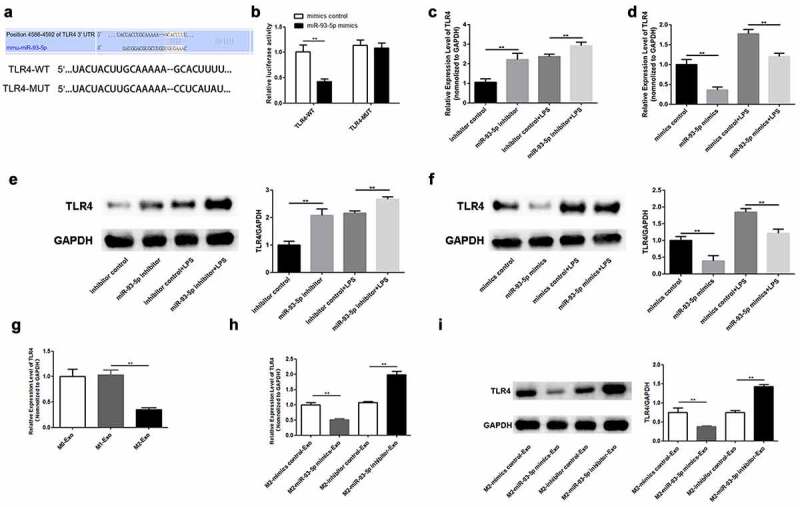
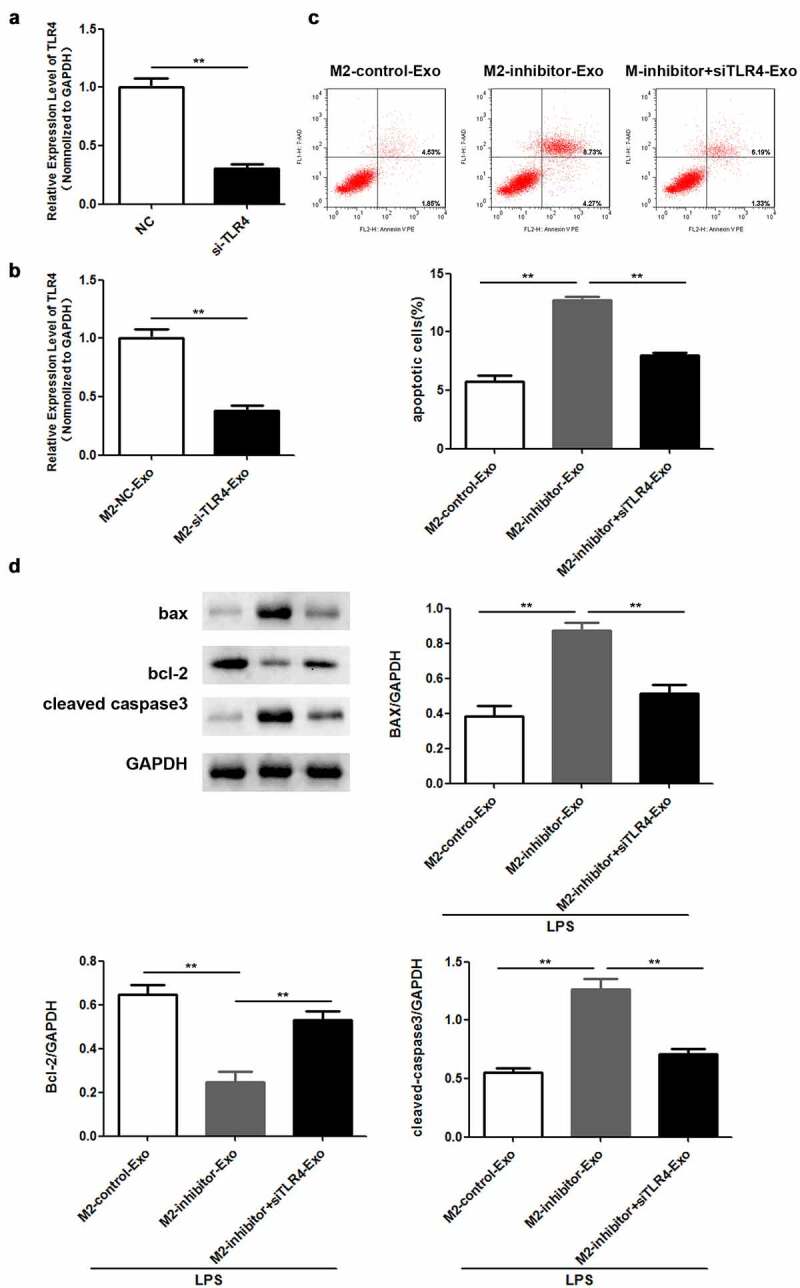
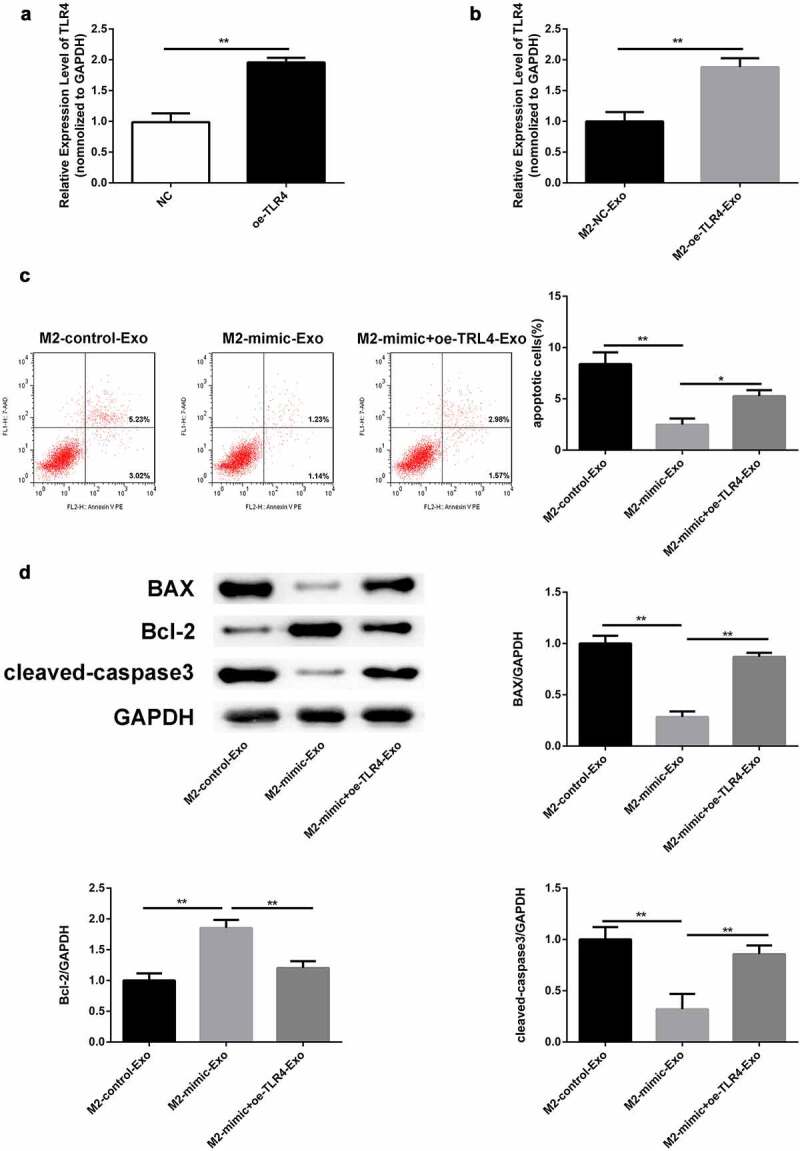
Diabetic nephropathy (DN) is a common complication of diabetes mellitus which can result in renal failure and severely affect public health. Several studies have revealed the important role of podocyte injury in DN progression. Although, the involvement of exosomes derived from M2 macrophages has been reported in podocyte injury, the underlying molecular mechanism of M2 macrophage-secreted exosomes has not been fully elucidated. Our study suggests that M2 macrophages mitigate lipopolysaccharide (LPS)-induced injury of podocytes via exosomes. Moreover, we observed that miR-93-5p expression was markedly upregulated in exosomes from M2 macrophages. Inhibition of miR-93-5p derived from M2 macrophage exosomes resulted in apoptosis of LPS-treated podocytes. Additionally, TLR4 showed the potential to bind to miR-93-5p. Subsequently, we validated that TLR4 is a downstream target of miR-93-5p. Further findings indicated that silencing of TLR4 reversed the renoprotective effects of miR-93-5p-containing M2 macrophage exosomes on LPS-induced podocyte injury. In summary, our study demonstrated that M2 macrophage-secreted exosomes attenuated LPS-induced podocyte apoptosis by regulating the miR-93-5p/TLR4 axis, which provides a new perspective for the treatment of patients with DN.
Overview
The claims and statistics of this paper haven’t been checked yet.
Free: it reads the open-access text and checks the first 5 claims that cite a source we can check. Create a free account to check every claim.
Integrity signals
Registry
Cites
Statistics
Figures
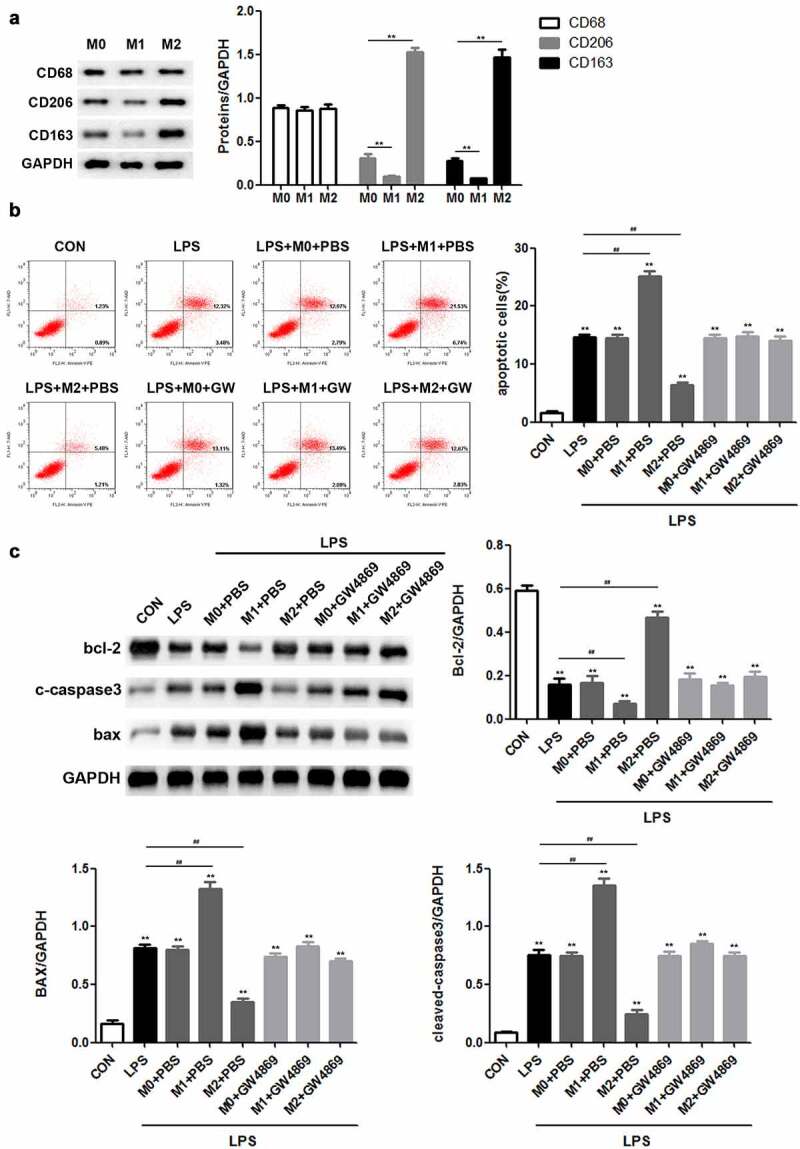
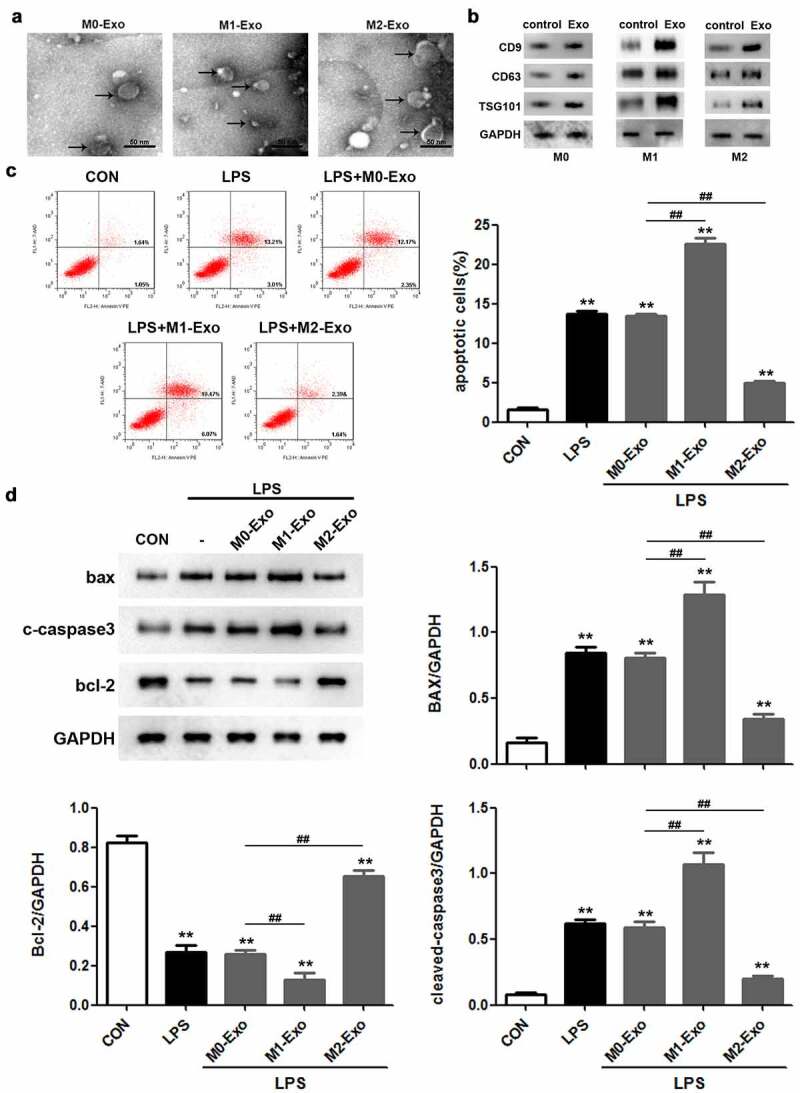
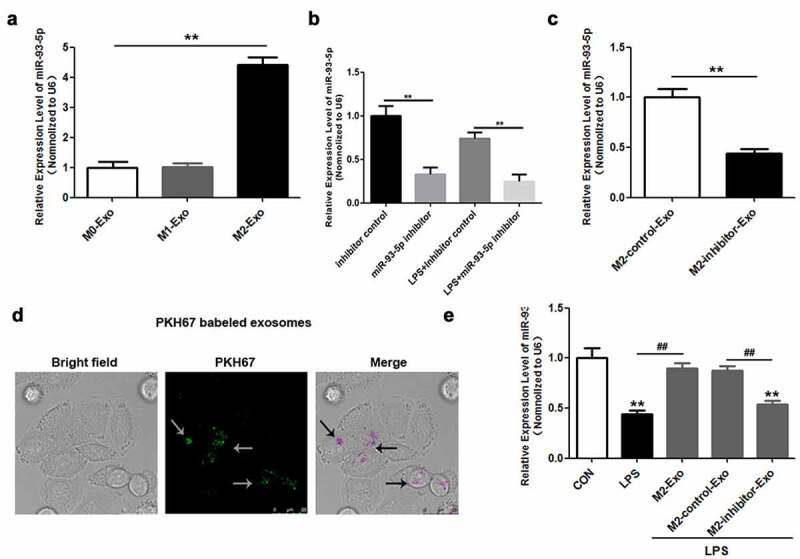
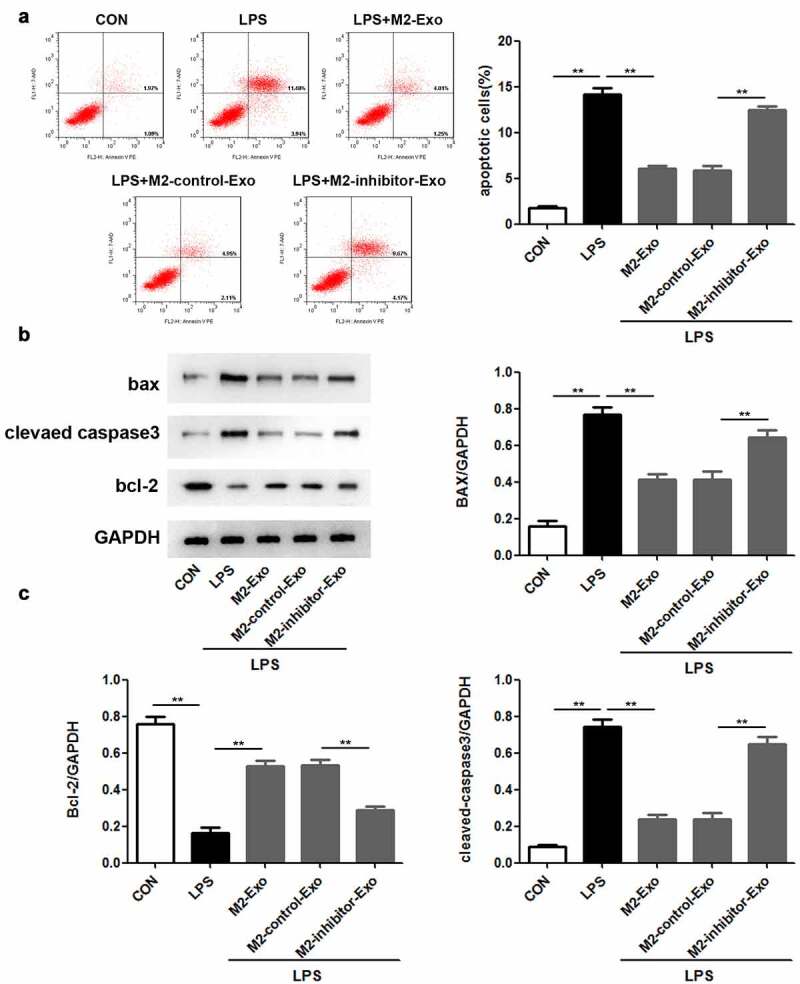
Verification
Claims the paper makes
The claims and statistics of this paper haven’t been checked yet.
Free: it reads the open-access text and checks the first 5 claims that cite a source we can check. Create a free account to check every claim.
Claims other papers make about this one
Each is checked against this paper’s own text: does it say what the citing paper says it does?
In the citing paper
“knockdown of miR-93-5p in sEVs secreted by M2 macrophage can promote apoptosis of LPS-stimulated podocytes via the TLR4 signaling pathway [55].”
From M2 microglia-derived small extracellular vesicles modulate NSC fate after ischemic stroke via miR-25-3p/miR-93-5p-TGFBR/PTEN/FOXO3 axis (2025) · cites this paper as [55]
Self-check
Percentages, sums and reported differences re-computed from the paper’s own numbers.
The self-check needs the paper’s full text.
Citations
Cites
1 retracted
Wu, Y., Wu, M., Yang, J., Li, Y., Peng, W., Wu, M., Yu, C., & Fang, M. (2021) · Frontiers in Cardiovascular Medicine · doi:10.3389/fcvm.2021.645378 · Cited by 18
RetractedGlobal estimates of the prevalence of diabetes for 2010 and 2030
Shaw, J. E., Sicree, R. A., & Zimmet, P. Z. (2010) · Diabetes Research and Clinical Practice · doi:10.1016/j.diabres.2009.10.007 · Cited by 7,216
Communication by Extracellular Vesicles: Where We Are and Where We Need to Go
Tkach, M., & Théry, C. (2016) · Cell · doi:10.1016/j.cell.2016.01.043 · Cited by 3,444 · cited 1×
“Exosomes are membrane-bound vesicles that are crucial mediato rs of the process of intercellular communication by delivering miRNAs, proteins, and other functional molecules to recipient cells [18,22,23].”
BackgroundGlobal trends in diabetes complications: a review of current evidence
Harding, J. L., Pavkov, M. E., Magliano, D. J., Shaw, J. E., & Gregg, E. W. (2019) · Diabetologia · doi:10.1007/s00125-018-4711-2 · Cited by 1,650
Exosomes: composition, biogenesis, and mechanisms in cancer metastasis and drug resistance
Mashouri, L., Yousefi, H., Aref, A. R., Ahadi, A. M., Molaei, F., & Alahari, S. K. (2019) · Molecular Cancer · doi:10.1186/s12943-019-0991-5 · Cited by 1,363
Update on Diabetic Nephropathy: Core Curriculum 2018
Umanath, K., & Lewis, J. B. (2018) · American Journal of Kidney Diseases · doi:10.1053/j.ajkd.2017.10.026 · Cited by 982
Diabetes mellitus statistics on prevalence and mortality: facts and fallacies
Zimmet, P., Alberti, K. G., Magliano, D. J., & Bennett, P. H. (2016) · Nature Reviews Endocrinology · doi:10.1038/nrendo.2016.105 · Cited by 785
Podocyte injury and its consequences
Nagata, M. (2016) · Kidney International · doi:10.1016/j.kint.2016.01.012 · Cited by 569
Epidemiology of diabetes and diabetic complications in China
Ma, R. C. W. (2018) · Diabetologia · doi:10.1007/s00125-018-4557-7 · Cited by 491
The Design of a Quantitative Western Blot Experiment
Taylor, S. C., & Posch, A. (2014) · BioMed Research International · doi:10.1155/2014/361590 · Cited by 408
Macrophages in Renal Injury and Repair
Huen, S. C., & Cantley, L. G. (2017) · Annual Review of Physiology · doi:10.1146/annurev-physiol-022516-034219 · Cited by 377
Jin, J., Shi, Y., Gong, J., Zhao, L., Li, Y., He, Q., & Huang, H. (2019) · Stem Cell Research & Therapy · doi:10.1186/s13287-019-1177-1 · Cited by 365
Sirt6 deficiency exacerbates podocyte injury and proteinuria through targeting Notch signaling
Liu, M., Liang, K., Zhen, J., Zhou, M., Wang, X., Wang, Z., Wei, X., Zhang, Y., Sun, Y., Zhou, Z., et al. (2017) · Nature Communications · doi:10.1038/s41467-017-00498-4 · Cited by 343 · cited 1×
“Therefore, podocyte injury has become the focus of research to clarify the pathogenesis of DN in recent years [37,38].”
BackgroundSelf-citationDiabetic nephropathy: diagnosis and treatment
Fineberg, D., Jandeleit-Dahm, K. A. M., & Cooper, M. E. (2013) · Nature Reviews Endocrinology · doi:10.1038/nrendo.2013.184 · Cited by 295
Lung Tumor Cell-Derived Exosomes Promote M2 Macrophage Polarization
Pritchard, A., Tousif, S., Wang, Y., Hough, K., Khan, S., Strenkowski, J., Chacko, B. K., Darley-Usmar, V. M., & Deshane, J. S. (2020) · Cells · doi:10.3390/cells9051303 · Cited by 204
Wnt/β-catenin signalling and podocyte dysfunction in proteinuric kidney disease
Zhou, L., & Liu, Y. (2015) · Nature Reviews Nephrology · doi:10.1038/nrneph.2015.88 · Cited by 196
Self-citationYang, H., Xie, T., Li, D., Du, X., Wang, T., Li, C., Song, X., Xu, L., Yi, F., Liang, X., et al. (2019) · Molecular Metabolism · doi:10.1016/j.molmet.2019.02.007 · Cited by 185
Quantitative Real-Time PCR-Based Analysis of Gene Expression
Józefczuk, J., & Adjaye, J. (2011) · Methods in enzymology on CD-ROM/Methods in enzymology · doi:10.1016/b978-0-12-385118-5.00006-2 · Cited by 174
Yang, S.-S., Ma, S., Dou, H., Liu, F., Zhang, S.-Y., Jiang, C., Xiao, M., & Huang, Y.-X. (2020) · Experimental Cell Research · doi:10.1016/j.yexcr.2020.111983 · Cited by 169
Zhou, D., Zhou, M., Wang, Z., Fu, Y., Jia, M., Wang, X., Liu, M., Zhang, Y., Sun, Y., Lu, Y., et al. (2019) · Cell Death & Disease · doi:10.1038/s41419-019-1754-3 · Cited by 162
Self-citationTLR4 Activation Promotes Podocyte Injury and Interstitial Fibrosis in Diabetic Nephropathy
Ma, J., Chadban, S. J., Zhao, C. Y., Chen, X., Kwan, T., Panchapakesan, U., Pollock, C. A., & Wu, H. (2014) · PLoS ONE · doi:10.1371/journal.pone.0097985 · Cited by 154
The podocyte as a target for therapies—new and old
Mathieson, P. W. (2011) · Nature Reviews Nephrology · doi:10.1038/nrneph.2011.171 · Cited by 147
Duan, Y., Chen, B., Chen, F., Yang, S., Zhu, C., Ma, Y., Li, Y., & Shi, J. (2019) · Journal of Cellular and Molecular Medicine · doi:10.1111/jcmm.14558 · Cited by 134
Yang, J.-X., Xie, P., Li, Y.-S., Wen, T., & Yang, X.-C. (2020) · Cellular Signalling · doi:10.1016/j.cellsig.2019.109504 · Cited by 129
Ji, L.-Q., Chen, Y., Wang, H., Zhang, W., He, L., Wu, J.-M., & Liu, Y. (2019) · International Journal of Oncology · doi:10.3892/ijo.2019.4800 · Cited by 122
Self-citationJuan, C., Mao, Y., Cao, Q., Chen, Y., Zhou, L., Li, S., Chen, H. H., Chen, J., Zhou, G., & Jin, R. (2021) · Journal of Cellular and Molecular Medicine · doi:10.1111/jcmm.16449 · Cited by 110
Jin, J., Wang, Y., Zhao, L., Zou, W., Tan, M., & He, Q. (2020) · BioMed Research International · doi:10.1155/2020/2685305 · Cited by 103
The podocyte as a direct target for treatment of glomerular disease?
Mallipattu, S. K., & He, C. (2016) · American Journal of Physiology-Renal Physiology · doi:10.1152/ajprenal.00184.2016 · Cited by 96
Exosomes Extraction and Identification
Wu, X., Showiheen, S. A. A., Sun, A. R., et al. (2019) · Methods in molecular biology · doi:10.1007/978-1-4939-9769-5_4 · Cited by 93
Kravets, I., & Mallipattu, S. K. (2020) · Journal of the Endocrine Society · doi:10.1210/jendso/bvaa029 · Cited by 91
Diabetic Kidney Disease: A Syndrome Rather Than a Single Disease
Piccoli, G. B., Grassi, G., Cabiddu, G., Nazha, M., Roggero, S., Capizzi, I., Pascale, A. D., Priola, A. M., Vico, C. D., Maxia, S., et al. (2015) · The Review of Diabetic Studies · doi:10.1900/rds.2015.12.87 · Cited by 90
Structural Predictors of Loss of Renal Function in American Indians with Type 2 Diabetes
Fufaa, G. D., Weil, E. J., Lemley, K. V., Knowler, W. C., Brosius, F. C., Yee, B., Mauer, M., & Nelson, R. G. (2016) · Clinical Journal of the American Society of Nephrology · doi:10.2215/cjn.05760515 · Cited by 87
Lei, X., Zhang, L., Li, Z., & Ren, J. (2018) · Drug Design Development and Therapy · doi:10.2147/dddt.s166525 · Cited by 83
From podocyte biology to novel cures for glomerular disease
Torban, E., Braun, F., Wanner, N., Takano, T., Goodyer, P., Lennon, R., Ronco, P. M., Cybulsky, A. V., & Huber, T. B. (2019) · Kidney International · doi:10.1016/j.kint.2019.05.015 · Cited by 82
The Role of MicroRNAs in the Pathogenesis of Diabetic Nephropathy
Tang, J., Yao, D., Yan, H., Chen, X., Wang, L., & Zhan, H. (2019) · International Journal of Endocrinology · doi:10.1155/2019/8719060 · Cited by 82
Liu, S., Shen, H., Li, J., Gong, Y., Bao, H., Zhang, J., Hu, L., Wang, Z., & Gong, J. (2020) · Bioengineered · doi:10.1080/21655979.2020.1774992 · Cited by 81
Self-citationHe, Z., Wang, H., & Yue, L. (2020) · Experimental Cell Research · doi:10.1016/j.yexcr.2020.112173 · Cited by 79
Urinary Exosomal mRNA of WT1 as Diagnostic and Prognostic Biomarker for Diabetic Nephropathy
Abe, H., Sakurai, A., Ono, H., Hayashi, S., Yoshimoto, S., Ochi, A., Ueda, S., Nishimura, K. J., Shibata, E., Tamaki, M., et al. (2018) · The Journal of Medical Investigation · doi:10.2152/jmi.65.208 · Cited by 78
Han, J., Pang, X., Zhang, Y., Peng, Z., Shi, X., & Xing, Y. (2020) · Drug Design Development and Therapy · doi:10.2147/dddt.s257613 · Cited by 75
Müller, J. U., von Bernstorff, W., Heidecke, C.-D., & Schulze, T. (2017) · BioMed Research International · doi:10.1155/2017/7584621 · Cited by 74
Huang, H., Liu, H., Tang, J., Xu, W., Gan, H., Fan, Q., & Zhang, W. (2020) · IUBMB Life · doi:10.1002/iub.2393 · Cited by 72
Su, H., Qiao, J., Hu, J., Li, Y., Lin, J., Yu, Q., Zhen, J., Ma, Q., Wang, Q., Lv, Z., et al. (2020) · Molecular and Cellular Endocrinology · doi:10.1016/j.mce.2020.111034 · Cited by 69
Yuan, Y., Li, L., Zhu, L., Liu, F., Tang, X., Liao, G., Liu, J., Cheng, J., Chen, Y., & Lu, Y. (2020) · Stem Cells · doi:10.1002/stem.3144 · Cited by 66
Chen, Y., Liu, Q., Shan, Z., Mi, W., Zhao, Y., Li, M., Wang, B., Zheng, X., & Feng, W. (2019) · Frontiers in Pharmacology · doi:10.3389/fphar.2019.01477 · Cited by 64
Guo, Y., Song, Z., Zhou, M., Yang, Y., Zhao, Y., Liu, B., & Zhang, X. (2017) · Oncotarget · doi:10.18632/oncotarget.18394 · Cited by 59
Sun, H., Tian, J., Xian, W., Xie, T., & Yang, X. (2015) · Inflammation · doi:10.1007/s10753-015-0151-z · Cited by 57
Denhez, B., Rousseau, M., Dancosst, D.-A., Lizotte, F., Guay, A., Auger‐Messier, M., Côté, A. M., & Geraldes, P. (2019) · Diabetes · doi:10.2337/db18-0837 · Cited by 57
Li, H., Zhang, X., Wang, P., Zhou, X., Liang, H., & Li, C. (2021) · Diabetology & Metabolic Syndrome · doi:10.1186/s13098-021-00625-8 · Cited by 56
Liu, Y., Xu, Z., Ma, F., Jia, Y., & Wang, G. (2018) · Biomedicine & Pharmacotherapy · doi:10.1016/j.biopha.2018.08.134 · Cited by 53
Self-citationSakurai, A., Ono, H., Ochi, A., Matsuura, M., Yoshimoto, S., Kishi, S., Murakami, T., Tominaga, T., Nagai, K., Abe, H., et al. (2019) · PLoS ONE · doi:10.1371/journal.pone.0216788 · Cited by 53
Yang, H. J., Wu, L., Liu, S., Xiaomin, H., Wang, Q., & Fang, L. (2021) · Medical Microbiology and Immunology · doi:10.1007/s00430-021-00705-6 · Cited by 33
Dai, Z., Cai, K., Xu, L.-C., & Wang, L.-L. (2020) · Molecular and Cellular Probes · doi:10.1016/j.mcp.2020.101584 · Cited by 19
Hua, R., Pei, Y.-F., Gu, H., Sun, Y., & He, Y. (2021) · PubMed · Cited by 18
A transcription factor to call their own
Minton, K. (2011) · Nature reviews. Immunology · doi:10.1038/nri2934 · Cited by 10
Ren, H., Hu, X., Liu, Y., Dai, D., Liu, X., Wang, Z., Yang, Y., Li, X., Liu, Y., & Tang, R. (2018) · Renal Failure · doi:10.1080/0886022x.2018.1456460 · Cited by 5
Self-citationNew therapeutic insights for chronic kidney disease provided by podocytology
Inoue, R., Asanuma, K., Seki, T., Nagase, M., & Osafune, K. (2014) · Folia Pharmacologica Japonica · doi:10.1254/fpj.143.27 · Cited by 2
Cited by
Zhang, Q., Yi, Y., Chen, T., Ai, Y., Chen, Z., Liu, G., Tang, Z., Chen, J., Xu, T., Chen, X., et al. (2025) · Journal of Nanobiotechnology · doi:10.1186/s12951-025-03390-2 · Cited by 27
“For example, knockdown of miR-93-5p in sEVs secreted by M2 macrophage can promote apoptosis of LPS-stimulated podocytes via the TLR4 signaling pathway [55].”
Metadata
- Authors
- Wang, Z., Sun, W., Li, R., & Liu, Y.
- Affiliations
- The Second Affiliated Hospital of Xi’An Jiaotong University Health Science Center
- ORCID
- Wang, Zhu
- Venue
- Bioengineered
- Publisher
- Informa UK Limited
- Published
- 2022-03
- Volume
- 13
- Issue
- 3
- Pages
- 7683-7696
- ISSN
- 2165-5979
- 2165-5987
- PMC
- PMC9208503
- Cited by
- 48
- References
- 56
- Language
- en
- Funders
- reported
About these checks
Registry, retraction, Cites and statistics results are computed, not judged, with one exception: a printed reference that no index lists is read once by a model before it counts as a citation error. Claims are extracted by a model and kept only when their quote appears verbatim in the text; each cited source is then checked, with a model’s help, for whether it says what the claim relies on. Those verdicts can be wrong — read the claim’s quote and the cited source before relying on one.
Statistics and arithmetic are recomputed, not judged.
Confidence bands are shown only for fields calibrated on our annotated test set. None is calibrated yet, so no band is shown.
What counts as a claim ›How we measure confidence ›How we check this ›
Are you an author, or do you see a problem with this page? Request a review
Data sources
Bibliographic data: Semantic Scholar, OpenAlex, Crossref.
Contains information from the Semantic Scholar Academic Graph Datasets, made available under the ODC Attribution License (ODC-BY 1.0).
Semantic Scholar’s data is described in: Kinney, R., et al. (2023). The Semantic Scholar Open Data Platform. arXiv:2301.10140.
