

Indigenous land-based approaches to well-being: The Sibi (River) program in subarctic Ontario, Canada
Open accessThe DOI matches its Crossref record; 32 of the 32 references it cites were found in a registry or an index.
Abstract
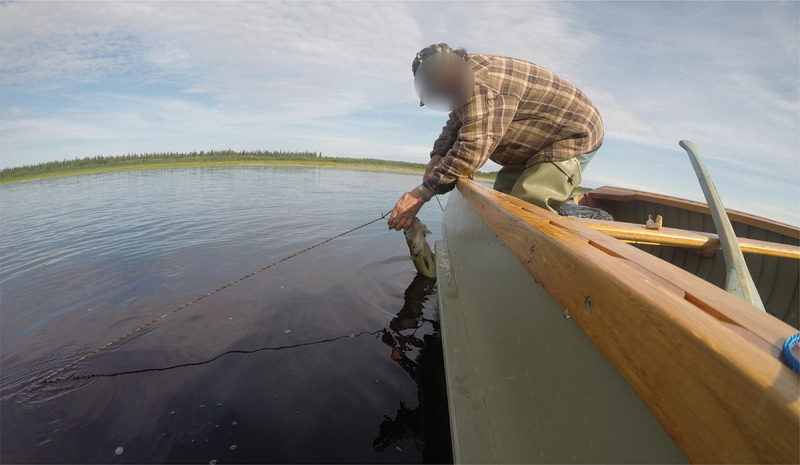
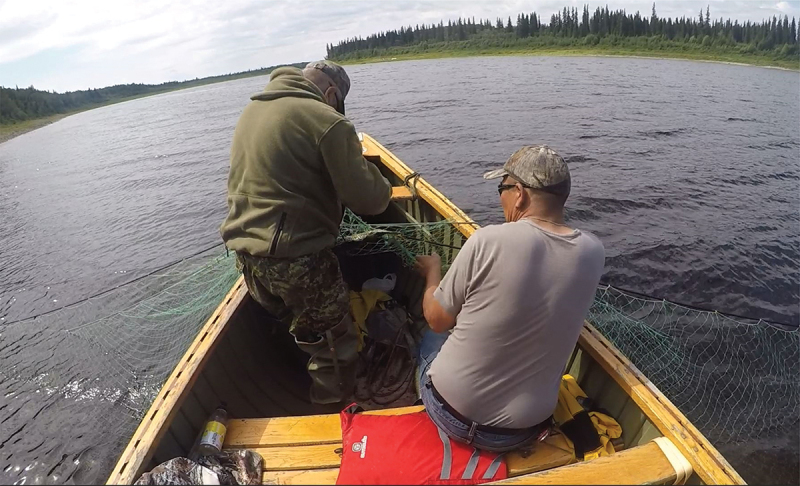
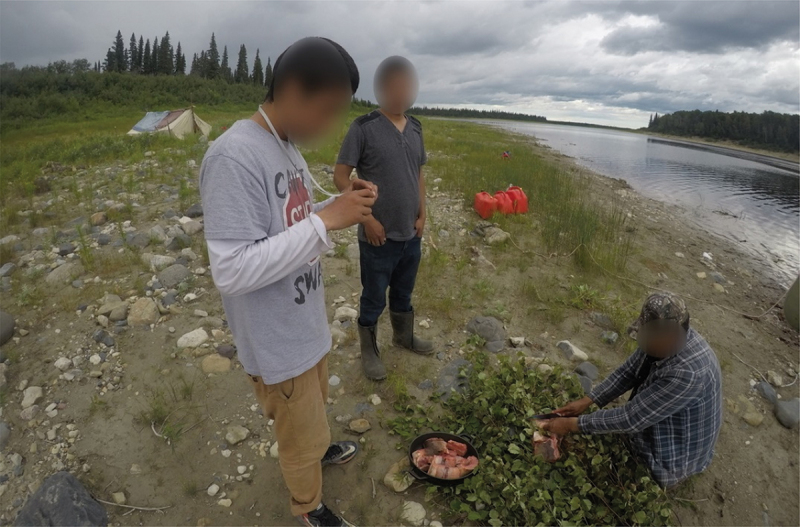
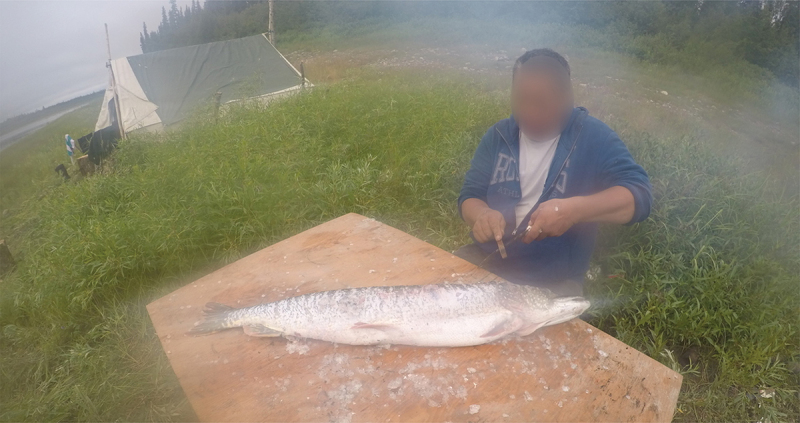
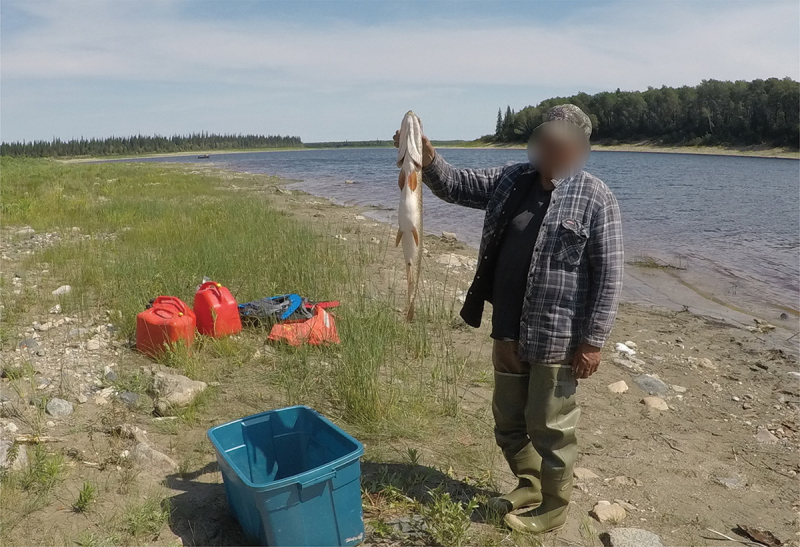
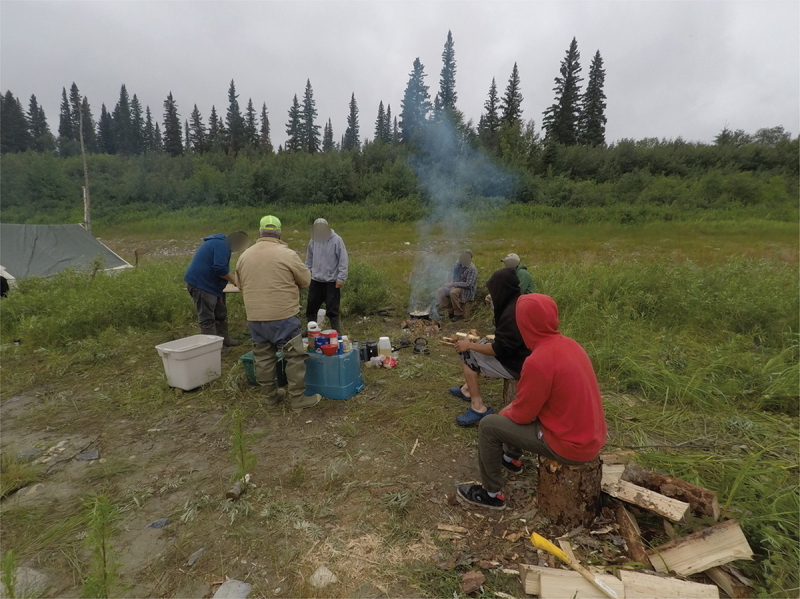
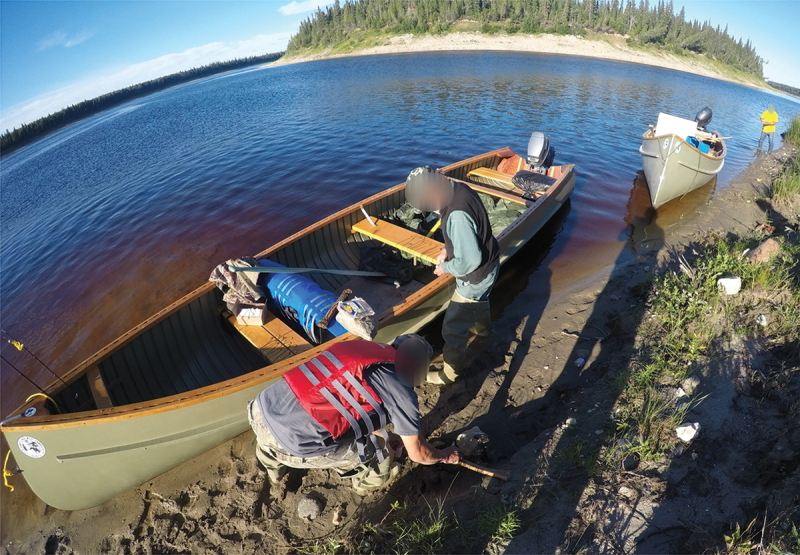
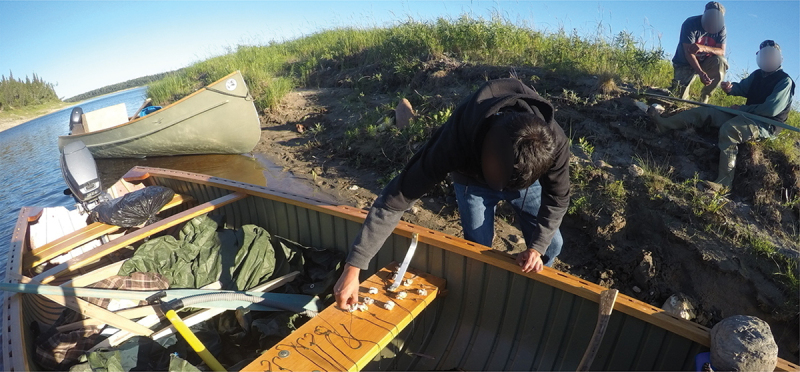
The Albany River system holds a special significance for the Omushkego Cree of subarctic Ontario, Canada, embodying their cultural roots, history, and the Cree way of life and worldviews. Through the Sibi program, youth learned traditional fishing practices from Elders and on-the-land experts, gaining valuable knowledge on the land and river. The program addressed barriers to being on the land, while also creating a space for the transfer of Indigenous knowledge and revitalising community social networks. The program took place in the summer, following the Omushkego Cree's seasonal cycle and employed community-based participatory research approach. Photovoice and semi-structured interviews were used to identify elements of well-being from an Indigenous perspective. Regardless of age or experience, participants expressed positive emotions while being on the land, highlighting how strengthening social and community networks, intergenerational knowledge transfer, and fostering cultural continuity contribute to improved well-being. Program outcomes emphasize the importance of collaboration with communities to gain insights into their needs, priorities, and values, ultimately creating more sustainable and effective well-being programs. By fostering engagement and recognizing the environment's significance, sustainable and long-term solutions can be pursued to address challenges faced by communities, ultimately advancing health and well-being for both present and future generations.The Albany River system holds a special significance for the Omushkego Cree of subarctic Ontario, Canada, embodying their cultural roots, history, and the Cree way of life and worldviews. Through the Sibi program, youth learned traditional fishing practices from Elders and on-the-land experts, gaining valuable knowledge on the land and river. The program addressed barriers to being on the land, while also creating a space for the transfer of Indigenous knowledge and revitalising community social networks. The program took place in the summer, following the Omushkego Cree's seasonal cycle and employed community-based participatory research approach. Photovoice and semi-structured interviews were used to identify elements of well-being from an Indigenous perspective. Regardless of age or experience, participants expressed positive emotions while being on the land, highlighting how strengthening social and community networks, intergenerational knowledge transfer, and fostering cultural continuity contribute to improved well-being. Program outcomes emphasize the importance of collaboration with communities to gain insights into their needs, priorities, and values, ultimately creating more sustainable and effective well-being programs. By fostering engagement and recognizing the environment's significance, sustainable and long-term solutions can be pursued to address challenges faced by communities, ultimately advancing health and well-being for both present and future generations.
Overview
The claims and statistics of this paper haven’t been checked yet.
Free: it reads the open-access text and checks the first 5 claims that cite a source we can check. Create a free account to check every claim.
Integrity signals
Registry
Cites
Statistics
Figures
Verification
Claims the paper makes
The claims and statistics of this paper haven’t been checked yet.
Free: it reads the open-access text and checks the first 5 claims that cite a source we can check. Create a free account to check every claim.
Claims other papers make about this one
Each is checked against this paper’s own text: does it say what the citing paper says it does?
The source backs part of the claim, not all of it — or backs it for a different population, condition or comparison.
In the citing paper
“This connection is reinforced through land-based activities and Indigenous language learning, both of which strengthen cultural identity and health outcomes (McIvor 2013, Walters et al. 2020, Ahmed et al. 2023).”
From An exploration of cultural grounding in Indigenous health promotion: perspectives from First Nations communities in Canada (2025) · cites this paper as Ahmed et al. 2023
Experimental — accuracy not yet measured
Self-check
Percentages, sums and reported differences re-computed from the paper’s own numbers.
The self-check needs the paper’s full text.
Citations
Cites
Bartlett, C., Marshall, M., & Marshall, A. (2012) · Journal of Environmental Studies and Sciences · doi:10.1007/s13412-012-0086-8 · Cited by 1,193
Intrapersonal and Interpersonal Theories of Motivation from an Attributional Perspective
Weiner, B. (2000) · Educational Psychology Review · doi:10.1023/a:1009017532121 · Cited by 535
Zidny, R., Sjöström, J., & Eilks, I. (2020) · Science & Education · doi:10.1007/s11191-019-00100-x · Cited by 342 · cited 1×
“Passed down through generations, Indigenous knowledge is enriched by the experiences and observations of the natural environment, encompassing a holistic perspective that recognises the interconnected-ness of all living beings and their environment [4].”
Marsh, T. N., Coholic, D., Cote-Meek, S., & Najavits, L. M. (2015) · Harm Reduction Journal · doi:10.1186/s12954-015-0046-1 · Cited by 144
Voices from the bay : traditional ecological knowledge of Inuit and Cree in the Hudson Bay bioregion
McDonald, M. A., Arragutainaq, L., & Novalinga, Z. (1997) · Medical Entomology and Zoology · Cited by 143
Skinner, K., Hanning, R. M., Desjardins, E., & Tsuji, L. J. (2013) · BMC Public Health · doi:10.1186/1471-2458-13-427 · Cited by 135
Self-citationA commentary on land, health, and Indigenous knowledge(s)
Greenwood, M., & Lindsay, N. M. (2019) · Global Health Promotion · doi:10.1177/1757975919831262 · Cited by 115
Ahmed, F., Zuk, A. M., & Tsuji, L. J. S. (2021) · International Journal of Environmental Research and Public Health · doi:10.3390/ijerph18137099 · Cited by 88 · cited 2×
“These challenges were identified as the primary barriers by participants in this study, as well as in previous studies focusing on land-based programs [18,19], and other studies relating to traditional activities [10,17,25,26].”
BackgroundResultLearning from Place: A Return to Traditional Mushkegowuk Ways of Knowing
Restoule, J., Gruner, S., & Metatawabin, E. (2013) · DOAJ (DOAJ: Directory of Open Access Journals) · Cited by 69
Skinner, K., Hanning, R. M., & Tsuji, L. J. (2014) · Public Health Nutrition · doi:10.1017/s1368980013001705 · Cited by 64 · cited 8×
“Nevertheless, food security concerns, including access to safe and nutritious food, remain widespread issues among Indigenous communities in Canada, including FAFN [11–13], including FAFN [14,15].”
InfluentialImportance of fish for food and nutrition security among First Nations in Canada
Marushka, L., Batal, M., Tikhonov, C., Sadik, T., Schwartz, H. M., Ing, A., Fediuk, K., & Chan, H. M. (2021) · Canadian Journal of Public Health · doi:10.17269/s41997-021-00481-z · Cited by 59 · cited 5×
“These challenges were identified as the primary barriers by participants in this study, as well as in previous studies focusing on land-based programs [18,19], and other studies relating to traditional activities [10,17,25,26].”
InfluentialTam, B. Y., Gough, W. A., Edwards, V., & Tsuji, L. J. S. (2013) · Canadian Geographies / Géographies canadiennes · doi:10.1111/j.1541-0064.2013.12033.x · Cited by 55 · cited 1×
“For this reason, it was emphasised that caring for the land was crucial, especially given imminent threats like climate change [5,30] and industrial development [31,32].”
BackgroundRe-Centering Indigenous Knowledge in climate change discourse
Hernandez, J., Meisner, J., Jacobs, L. A., & Rabinowitz, P. M. (2022) · PLOS Climate · doi:10.1371/journal.pclm.0000032 · Cited by 54 · cited 1×
“As climate change disproportionately affects Indigenous communities, it is imperative to conserve local practices and knowledge to mitigate its impacts [1,33].”
Hanemaayer, R., Anderson, K., Haines, J., Lickers, K. R. L., Xavier, A. L., Gordon, K. L., & Neufeld, H. T. (2020) · International Journal of Environmental Research and Public Health · doi:10.3390/ijerph17072214 · Cited by 52
Akbar, L., Zuk, A. M., & Tsuji, L. J. S. (2020) · International Journal of Environmental Research and Public Health · doi:10.3390/ijerph17218275 · Cited by 52 · cited 1×
“These challenges were identified as the primary barriers by participants in this study, as well as in previous studies focusing on land-based programs [18,19], and other studies relating to traditional activities [10,17,25,26].”
ResultCo-developing Indigenous seasonal calendars to support ‘healthy Country, healthy people’ outcomes
Woodward, E., & McTaggart, P. M. (2019) · Global Health Promotion · doi:10.1177/1757975919832241 · Cited by 50
Yang, H., Ranjitkar, S., Zhai, D., Zhong, M., Goldberg, S. D., Salim, M. A., Wang, Z., Jiang, Y., & Xu, J. (2019) · Sustainability · doi:10.3390/su11123243 · Cited by 50 · cited 2×
“Indigenous knowledge systems can provide valuable information where scientific data are limited [34].”
Poirier, B., & Neufeld, H. T. (2023) · International Journal of Environmental Research and Public Health · doi:10.3390/ijerph20054627 · Cited by 41 · cited 3×
“Incorporating local perspectives through approaches such as CBPR can provide valuable insights into community needs, priorities, and values, leading to sustainable and effective health and well-being programs [21].”
InfluentialTsuji, L. J. S., Tsuji, S. R. J., Zuk, A. M., Davey, R., & Liberda, E. N. (2020) · International Journal of Environmental Research and Public Health · doi:10.3390/ijerph17218113 · Cited by 40 · cited 1×
“These challenges were identified as the primary barriers by participants in this study, as well as in previous studies focusing on land-based programs [18,19], and other studies relating to traditional activities [10,17,25,26].”
ResultSeasonal prevalence and determinants of food insecurity in Iqaluit, Nunavut
Guo, Y., Berrang‐Ford, L., Ford, J. D., Lardeau, M., Edge, V. L., Patterson, K. A., IHACC Research Team, & Harper, S. L. (2015) · International Journal of Circumpolar Health · doi:10.3402/ijch.v74.27284 · Cited by 39
Organochlorines and Mercury in Waterfowl Harvested in Canada
Braune, B. M., & Malone, B. J. (2006) · Environmental Monitoring and Assessment · doi:10.1007/s10661-006-4778-y · Cited by 37 · cited 1×
“For this reason, it was emphasised that caring for the land was crucial, especially given imminent threats like climate change [5,30] and industrial development [31,32].”
BackgroundHori, Y., Tam, B., Gough, W., Ho-Foong, E., Karagatzides, J., Liberda, E., & Tsuji, L. (2012) · Rural and Remote Health · doi:10.22605/rrh1878 · Cited by 35 · cited 2×
“For this reason, it was emphasised that caring for the land was crucial, especially given imminent threats like climate change [5,30] and industrial development [31,32].”
Hirsch, R. A., Furgal, C. M., Hackett, C., Sheldon, T., Bell, T. J., Angnatok, D., Winters, K., & Pamak, C. (2017) · Études/Inuit/Studies · doi:10.7202/1040145ar · Cited by 32
Ahmed, F., Liberda, E. N., Solomon, A., Davey, R., Sutherland, B., & Tsuji, L. J. S. (2022) · International Journal of Environmental Research and Public Health · doi:10.3390/ijerph19127335 · Cited by 26
Spiegelaar, N., Martin, I., & Tsuji, L. J. S. (2019) · International Journal of Food Science · doi:10.1155/2019/7096416 · Cited by 23
Tsuji, L. J. S., MARTIN, I., Martin, E. S., LeBlanc, A., & DUMAS, P. (2007) · The Science of The Total Environment · doi:10.1016/j.scitotenv.2007.06.039 · Cited by 22 · cited 1×
“For this reason, it was emphasised that caring for the land was crucial, especially given imminent threats like climate change [5,30] and industrial development [31,32].”
BackgroundGates, A., Hanning, R. M., Gates, M., & Tsuji, L. J. S. (2016) · Journal of Hunger & Environmental Nutrition · doi:10.1080/19320248.2016.1157552 · Cited by 22
Two-Eyed Seeing and developmental origins of health and disease studies with indigenous partners
Liberda, E. N., Zuk, A. M., Davey, R., Edwards-Wheesk, R., & Tsuji, L. J. S. (2021) · Journal of Developmental Origins of Health and Disease · doi:10.1017/s2040174421000507 · Cited by 19 · cited 1×
“Hence, it was crucial for the program to adopt a framework that fostered more robust and meaningful partnerships with the community, leading to research findings that were impactful and contextualised [24].”
BackgroundAhmed, F., Liberda, E. N., Solomon, A., Davey, R., Sutherland, B., & Tsuji, L. J. S. (2023) · International Journal of Environmental Research and Public Health · doi:10.3390/ijerph20043686 · Cited by 19
Ness, T. M., & Munkejord, M. C. (2021) · International Journal of Circumpolar Health · doi:10.1080/22423982.2021.1936971 · Cited by 17 · cited 2×
“They also determined this true even with a lack of physical access to nature, participants were able to lean on memories of past experiences to enhance feelings of well-being [29].”
Indigenous Health and Well-Being in the COVID-19 Pandemic
Spence, N. D., & Şekercioğlu, F. (2022) · Routledge eBooks · doi:10.4324/9781003220381 · Cited by 7
Beyond Care: Validating a First Nations Mental Wellness Framework
Achan, G. K., Ibrahim, N. H. M., Eni, R., Phillips-Beck, W., Lavoie, J. G., Kinew, K. A., & Katz, A. (2021) · Canadian Journal of Community Mental Health · doi:10.7870/cjcmh-2021-005 · Cited by 6 · cited 1×
“Many community programs, including our own, have recognised the importance of adopting a more holistic and ecological approaches to health and well-being [18,19,26,38–41].”
Research works printed but not linked: 8
- Tsuji L. Loss of Cree traditional ecological knowledge in the western James Bay region of northern Ontario, Canada: a case study of the sharp-tailed grouse, Tympanuchusphasianellus phasianellus. Can J Nat Stud. 1996; 16: 283– 292.
- Tsuji LJS, Nieboer E. A question of sustainability in cree harvesting practices: the seasons, technological and cultural changes in the western james bay region of northern ontario. Can J Native Stud. 1999; 1: 169– 192.
- Hori Y, Tam B, Gough W, et al. Use of traditional environmental knowledge to assess the impact of climate change on subsistence fishing in the James Bay region of northern Ontario, Canada. Rural Remote Health. 2012; 12: 1878. doi: 10.22605/RRH1878 22471525 · DOI · Paper page
- Bratina B. Food security in northern and Isolated communities: ensuring Equitable access to Adequate and healthy food for all. Ottawa, Ontario, Canada: House of Commons; 2021.
- Council of Canadian Academies. Aboriginal food security in northern Canada: an Assessment of the state of knowledge. Ottawa, Ontario, Canada: The Council of Canadian Academies; 2014.
- Leblanc-Laurendeau O. Food insecurity in northern Canada: an Overview. In: Division LASA, editor Parliamentary Information and Research Service. Ottawa, Ontario, Canada: Library of Parliament; 2020.
- Community K. Kugaaruk community wellness Plan. Health Canada: Nunavut Tunngavik Inc, Government of Nunavut, Department of Health and Social Services; 2011.
- Tagalik S. A framework for Indigenous school health: foundations in cultural Principles. Prince George, British Columbia, Canada: National Collaborating Centre for Aboriginal Health, the Canadian Council on Learning Knowledge Centre on Aboriginal Learning, the Canadian Association for School Health; 2010.
Cited by
Moriarity, R. J., Wilton, M. J., Tsuji, L. J. S., Sarkar, A., & Liberda, E. N. (2024) · Environmental Research · doi:10.1016/j.envres.2024.120391 · Cited by 23
Ahmed, F., Moriarity, R. J., Spence, N. D., Kataquapit, G., Sutherland, C., Charania, N. A. M. A., Tsuji, L. J. S., & Liberda, E. N. (2024) · BMC Public Health · doi:10.1186/s12889-024-21052-0 · Cited by 5
Hatala, A. R., Morton, D., Deschenes, C., & Bird‐Naytowhow, K. (2024) · BMC Public Health · doi:10.1186/s12889-024-20007-9 · Cited by 5
Price, F. M., Crane, T. D. W.-R., & Weybright, E. H. (2025) · International Journal of Environmental Research and Public Health · doi:10.3390/ijerph22020183 · Cited by 8
McBeath, B., Lévesque, M. C., Lévesque, L., Périllat-Amédée, S., Sahajpal, R., Tremblay, M.-C., & Delormier, T. (2025) · Health Promotion International · doi:10.1093/heapro/daaf211 · Cited by 1
“2018, Ahmed et al .”
Influential
Metadata
- Authors
- Ahmed, F., Liberda, E. N., Soloman, A., Davey, R., Sutherland, B., & Tsuji, L. J. S.
- Affiliations
- University of Toronto (CA)
- Toronto Metropolitan University (CA)
- Fort Albany First Nation, ON, Canada
- Corresponding author
- Ahmed, Fatima
- Venue
- International Journal of Circumpolar Health
- Publisher
- Informa UK Limited
- Published
- 2023-09
- Volume
- 82
- Issue
- 1
- Pages
- 2252595-2252595
- ISSN
- 1239-9736 (ISSN-L)
- 2242-3982
- PMC
- PMC10478584
- OpenAlex
- W4386346662
- Cited by
- 11
- References
- 32
- Citations by year
- 2026: 6 · 2025: 2 · 2024: 3
- FWCI
- 2.97
- Type
- journal article
- Language
- en
- Open access
- gold
- doi.org
- Licence
- Locations
- International Journal of Circumpolar Health (publishedVersion, cc-by-nc)
- PubMed Central (publishedVersion, cc-by-nc)
- PubMed (publishedVersion)
- DOAJ (DOAJ: Directory of Open Access Journals) (submittedVersion, cc-by-sa)
- Funders
- Canadian Institutes of Health Research (156396)
- Topics
- Social Sciences › Health › Indigenous Health, Education, and Rights
- Social Sciences › Education › Indigenous and Place-Based Education
- Social Sciences › Anthropology › Indigenous Studies and Ecology
- Keywords
- well-being, traditional fishing, intergenerational knowledge transmission, cultural continuity, community social networks, youth participation, seasonal cycle
- MeSH terms
- Adolescent, Aged, Humans, Learning, Ontario, Plant Extracts, Rivers, Community-Based Participatory Research
About these checks
Registry, retraction, Cites and statistics results are computed, not judged, with one exception: a printed reference that no index lists is read once by a model before it counts as a citation error. Claims are extracted by a model and kept only when their quote appears verbatim in the text; each cited source is then checked, with a model’s help, for whether it says what the claim relies on. Those verdicts can be wrong — read the claim’s quote and the cited source before relying on one.
Statistics and arithmetic are recomputed, not judged.
Confidence bands are shown only for fields calibrated on our annotated test set. None is calibrated yet, so no band is shown.
What counts as a claim ›How we measure confidence ›How we check this ›
Are you an author, or do you see a problem with this page? Request a review
Data sources
Bibliographic data: Semantic Scholar, OpenAlex, Crossref.
Contains information from the Semantic Scholar Academic Graph Datasets, made available under the ODC Attribution License (ODC-BY 1.0).
Semantic Scholar’s data is described in: Kinney, R., et al. (2023). The Semantic Scholar Open Data Platform. arXiv:2301.10140.
