

Targeting T cells to treat atherosclerosis: odyssey from bench to bedside
Open accessThe DOI matches its Crossref record; 60 of the 60 references it cites were found in a registry or an index.
Abstract
More than 150 years from the initial description of inflammation in atherosclerotic plaques, randomized clinical trials to test anti-inflammatory therapies in atherosclerosis have recently been initiated. Lymphocytes and macrophages are main participants in the inflammatory response in atherosclerosis. T lymphocytes operate mainly by exerting strong influences on the function of many cells in the immune system and beyond, and co-ordinating their interactions. Importantly, T lymphocytes are not a homogenous population, but include several subsets with specialized functions that can either promote or suppress inflammation. The interactions between these T-lymphocyte subsets have critical consequences on the course and outcome of inflammation. The complexity of the inflammatory response in atherosclerosis poses significant challenges on translating experimental findings into clinical therapies and makes the journey from bench to bedside an arduous one. Here, we summarize recent advances on the role of CD4(+) T cells in the inflammatory process in atherosclerosis and discuss potential therapies to modulate these lymphocytes that may provide future breakthroughs in the treatment of atherosclerosis.
Overview
The claims and statistics of this paper haven’t been checked yet.
Free: it reads the open-access text and checks the first 5 claims that cite a source we can check. Create a free account to check every claim.
Integrity signals
Registry
Cites
Statistics
Figures
Verification
Claims the paper makes
The claims and statistics of this paper haven’t been checked yet.
Free: it reads the open-access text and checks the first 5 claims that cite a source we can check. Create a free account to check every claim.
Claims other papers make about this one
Each is checked against this paper’s own text: does it say what the citing paper says it does?
The source backs part of the claim, not all of it — or backs it for a different population, condition or comparison.
In the citing paper
“Furthermore, CD4+, CD28-null, CD45 re-expressing senescent T-cells (also known as CD4+ T-EMRA cells) were found to be highly active subpopulations, expressing increased amounts of TNF-α, INF-γ, CXCR-3 (C-X-C chemokine receptor), CCR-6, CCR-7 (C-C motif chemokine receptor 6 and 7), and the anti-apoptotic Bcl-2 family proteins.19,116”
From Senescence-induced inflammation: an important player and key therapeutic target in atherosclerosis (2020) · cites this paper as [116]
Experimental — accuracy not yet measuredIn the citing paper
“Navitoclax, a Bcl-2 inhibitor, has beneficial effects in atherosclerosis,9 and may be a good candidate for the targeting of T-EMRA cells, which overexpress Bcl-2 family proteins.116”
From Senescence-induced inflammation: an important player and key therapeutic target in atherosclerosis (2020) · cites this paper as [116]
Self-check
Percentages, sums and reported differences re-computed from the paper’s own numbers.
The self-check needs the paper’s full text.
Citations
Cites
Regulatory T cells: mechanisms of differentiation and function
Josefowicz, S. Z., Lu, L.-F., & Rudensky, A. Y. (2012) · Annual Review of Immunology · doi:10.1146/annurev.immunol.25.022106.141623 · Cited by 2,866 · cited 4×
“suppressive function.(30,31) Regulatory T cells identified by this meth-”
BackgroundInfluentialFOXP3+ regulatory T cells in the human immune system
Sakaguchi, S., Miyara, M., Costantino, C. M., & Hafler, D. A. (2010) · Nature Reviews Immunology · doi:10.1038/nri2785 · Cited by 2,439 · cited 6×
“The most numerous and best-characterized are thymus-derived (naturally occurring) Treg (identified as CD4+CD25highCD127lowFOXP3+ T cells), as opposed to peripherally derived (induced) Treg, which originate from naive conventional T cells.(31) Regulatory T cells comprise around 5% of CD4+ T cells in the peripheral bloo…”
BackgroundInfluentialThe immune system in atherosclerosis
Hansson, G. K., & Hermansson, A. (2011) · Nature Immunology · doi:10.1038/ni.2001 · Cited by 2,317 · cited 3×
“tions of lipids, but sites of active interactions between cells of the immune system and vascular cells that influence the fate of atheromas.(1) As evidenced in several studies in animal models and patients,”
BackgroundInfluentialRequirement of bic/microRNA-155 for Normal Immune Function
Rodriguez, A., Vigorito, E., Clare, S., Warren, M. V., Couttet, P., Soond, D. R., van Dongen, S., Grocock, R. J., Das, P. P., Miska, E. A., et al. (2007) · Science · doi:10.1126/science.1139253 · Cited by 1,833 · cited 1×
“MicroRNA-155 has also been implicated in the generation of Th1 cells, as T lymphocytes from miR-155 mice showed skewing towards Th2 with predominant production of IL-4 and IL-10 and deficient IFN-g secretion.(53) Interestingly, miR-155 was also implicated in Treg survival.”
BackgroundNatural regulatory T cells control the development of atherosclerosis in mice
Ait-Oufella, H., Salomon, B. L., Potteaux, S., Robertson, A.-K. L., Gourdy, P., Zoll, J., Merval, R., Esposito, B., Cohen, J. L., Fisson, S., et al. (2006) · Nature Medicine · doi:10.1038/nm1343 · Cited by 1,100 · cited 2×
“gression, although the mechanisms responsible remain poorly defined.(33) – 35 Data on Treg in human atherosclerosis are scant and fraught with contradictory findings.”
BackgroundLu, L.-F., Thai, T.-H., Calado, D. P., Chaudhry, A., Kubo, M., Tanaka, K., Loeb, G. B., Lee, H., Yoshimura, A., Rajewsky, K., et al. (2009) · Immunity · doi:10.1016/j.immuni.2008.11.010 · Cited by 783 · cited 1×
“Interestingly, miR-155 was also implicated in Treg survival.(54) MicroRNA-146a is upregulated in ACS and promotes Th1 differentiation through T-bet induction.”
BackgroundThe multifaceted contributions of leukocyte subsets to atherosclerosis: lessons from mouse models
Weber, C., Zernecke, A., & Libby, P. (2008) · Nature Reviews Immunology · doi:10.1038/nri2415 · Cited by 776 · cited 1×
“and have significant effects on the initiation and progression of atherosclerotic lesions.(2,3) Interactions between immune and vascu-”
BackgroundDetection of activated T lymphocytes in the human atherosclerotic plaque.
Hansson, G. K., Holm, J., & Jonasson, L. (1989) · Europe PMC (PubMed Central) · Cited by 744
Immune Effector Mechanisms Implicated in Atherosclerosis: From Mice to Humans
Libby, P., Lichtman, A. H., & Hansson, G. K. (2013) · Immunity · doi:10.1016/j.immuni.2013.06.009 · Cited by 671 · cited 3×
“and have significant effects on the initiation and progression of atherosclerotic lesions.(2,3) Interactions between immune and vascu-”
BackgroundMonoclonal T-cell proliferation and plaque instability in acute coronary syndromes.
Liuzzo, G., Goronzy, J. J., Yang, H., Kopecky, S. L., Holmes, D. R., Frye, R. L., & Weyand, C. M. (2000) · Circulation · doi:10.1161/01.cir.101.25.2883 · Cited by 552
Anti-inflammatory therapies for cardiovascular disease
Ridker, P. M., & Luscher, T. F. (2014) · European Heart Journal · doi:10.1093/eurheartj/ehu203 · Cited by 550 · cited 2×
“III clinical trials that test strategies to reduce inflammatory mediators.(4) On-going phase III trials target the innate inflammatory”
BackgroundThe plasticity and stability of regulatory T cells
Sakaguchi, S., Vignali, D. A. A., Rudensky, A. Y., Niec, R. E., & Waldmann, H. (2013) · Nature Reviews Immunology · doi:10.1038/nri3464 · Cited by 525 · cited 3×
“contradictory findings is the inconsistent use of accurate markers to identify Treg, particularly FOXP3, which remains the most specific marker for delineating Treg from other T cells in humans.(32)”
BackgroundResultInfluentialClinical targeting of the TNF and TNFR superfamilies
Croft, M., Benedict, C. A., & Ware, C. F. (2013) · Nature Reviews Drug Discovery · doi:10.1038/nrd3930 · Cited by 456
Perturbation of the T-cell repertoire in patients with unstable angina.
Liuzzo, G., Kopecky, S. L., Frye, R. L., Fallon, W. M. O., Maseri, A., Goronzy, J. J., & Weyand, C. M. (1999) · Circulation · doi:10.1161/01.cir.100.21.2135 · Cited by 398
Depletion of FOXP3+ regulatory T cells promotes hypercholesterolemia and atherosclerosis
Klingenberg, R., Gerdes, N., Badeau, R. M., Gisterå, A., Strodthoff, D., Ketelhuth, D. F. J., Lundberg, A. M., Rudling, M., Nilsson, S. K., Olivecrona, G., et al. (2013) · Journal of Clinical Investigation · doi:10.1172/jci63891 · Cited by 367
MicroRNA-29 Regulates T-Box Transcription Factors and Interferon-γ Production in Helper T Cells
Steiner, D. F., Thomas, M. F., Hu, J. K., Yang, Z., Babiarz, J. E., Allen, C. D. C., Matloubian, M., Blelloch, R., & Ansel, K. M. (2011) · Immunity · doi:10.1016/j.immuni.2011.07.009 · Cited by 365 · cited 2×
“Of particular relevance to T cells is miR-29 that specifically inhibits IFN-g production from CD4+ T cells by targeting the transcription factors T-bet and Eomes.(52) MicroRNA-155 has also been implicated in the generation of Th1 cells, as T lymphocytes from miR-155 mice showed skewing towards Th2 with predominant pro…”
BackgroundT-cell-mediated lysis of endothelial cells in acute coronary syndromes
Nakajima, T., Schulte, S., Warrington, K. J., Kopecky, S. L., Frye, R. L., Goronzy, J. J., & Weyand, C. M. (2002) · Circulation · doi:10.1161/hc0502.103348 · Cited by 356 · cited 1×
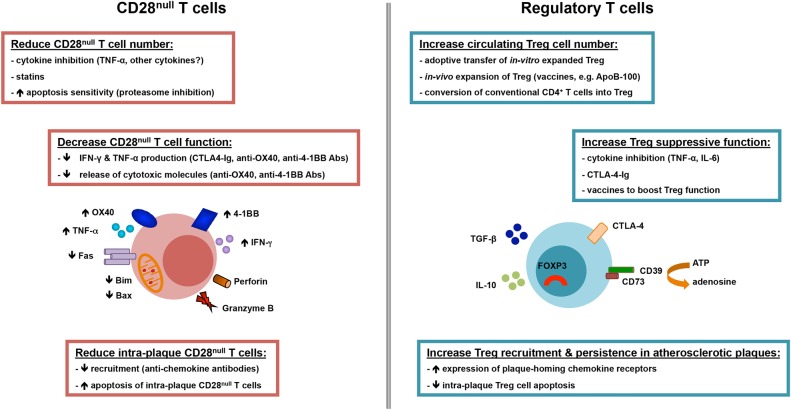
“These molecules, usually restricted to cytotoxic CD8+ T cells and natural killer cells, have been suggested to enable CD28 T cells to lyse endothelial cells in vitro.(12) We found that, in ACS,”
BackgroundAltered status of CD4+CD25+ regulatory T cells in patients with acute coronary syndromes
Mor, A., Luboshits, G., Planer, D., Keren, G., & George, J. (2006) · European Heart Journal · doi:10.1093/eurheartj/ehl222 · Cited by 336 · cited 1×
“that the percentage of circulating CD4+CD25+ Treg is reduced in ACS compared with SA patients and healthy individuals.(36,37) Recent studies failed to identify a consistent correlation between the per-”
ResultWeber, C., Meiler, S., Döring, Y., Koch, M., Drechsler, M., Megens, R. T. A., Rowinska, Z., Bidzhekov, K., Fecher, C., Ribechini, E., et al. (2011) · Journal of Clinical Investigation · doi:10.1172/jci44925 · Cited by 273
Blockage of interleukin-6 receptor ameliorates joint disease in murine collagen-induced arthritis
Takagi, N., Mihara, M., Moriya, Y., Nishimoto, N., Yoshizaki, K., Kishimoto, T., Takeda, Y., & Ohsugi, Y. (1998) · Arthritis & Rheumatism · doi:10.1002/1529-0131(199812)41:12<2117::aid-art6>3.0.co;2-p · Cited by 270
Down-Regulation of CD28 Expression by TNF-α
Bryl, E., Vallejo, A. N., Weyand, C. M., & Goronzy, J. J. (2001) · The Journal of Immunology · doi:10.4049/jimmunol.167.6.3231 · Cited by 264
CD4+CD28− T Lymphocytes Contribute to Early Atherosclerotic Damage in Rheumatoid Arthritis Patients
Gerli, R., Schillaci, G., Giordano, A., Bocci, E. B., Bistoni, O., Vaudo, G., Marchesi, S., Pirro, M., Ragni, F., Shoenfeld, Y., et al. (2004) · Circulation · doi:10.1161/01.cir.0000131450.66017.b3 · Cited by 254
Unusual CD4+CD28nullT Lymphocytes and Recurrence of Acute Coronary Events
Liuzzo, G., Biasucci, L. M., Trotta, G., Brugaletta, S., Pinnelli, M., Digianuario, G., Rizzello, V., Rebuzzi, A. G., Rumi, C., Maseri, A., et al. (2007) · Journal of the American College of Cardiology · doi:10.1016/j.jacc.2007.06.040 · Cited by 238
de Boer, O. J., van der Meer, J. J., Teeling, P., van der Loos, C. M., & van der Wal, A. C. (2007) · PLoS ONE · doi:10.1371/journal.pone.0000779 · Cited by 237 · cited 1×
“5–5% of CD3+ T cells), which may explain persistent inflammation in these lesions.(41) Moreover, fewer FOXP3+ Treg were present in vulnerable rather than stable plaques.”
BackgroundTreating Atherosclerosis With Regulatory T Cells
Foks, A. C., Lichtman, A. H., & Kuiper, J. (2015) · Arteriosclerosis, Thrombosis, and Vascular Biology · doi:10.1161/atvbaha.114.303568 · Cited by 201
Schirmer, M., Vallejo, A. N., Weyand, C. M., & Goronzy, J. J. (1998) · The Journal of Immunology · doi:10.4049/jimmunol.161.2.1018 · Cited by 191 · cited 1×
“Another mechanism that may underlie CD28 T-cell expansion is resistance to apoptosis, due to defects in molecules regulating apoptosis entry.(13,14) It has been suggested that CD28 T cells may link innate and adaptive immune responses.”
BackgroundHermansson, A., Johansson, D. K., Ketelhuth, D. F. J., Andersson, J., Zhou, X., & Hansson, G. K. (2011) · Circulation · doi:10.1161/circulationaha.110.973222 · Cited by 189 · cited 1×
“peptide-based vaccines inhibited atherosclerosis in mice through Treg induction.(58,59) Vaccination protocols using ApoB100 are being”
BackgroundRegulatory T Cells as Immunotherapy
Singer, B. D., King, L. S., & D’Alessio, F. R. (2014) · Frontiers in Immunology · doi:10.3389/fimmu.2014.00046 · Cited by 183 · cited 1×
“host disease.(56) These trials primarily use purification of naturally occurring FOXP3+ Treg from patients, followed by in vitro expansion and reinfusion.”
BackgroundWigren, M., Björkbacka, H., Andersson, L., Ljungcrantz, I., Fredrikson, G. N., Persson, M., Bryngelsson, C., Hedblad, B., & Nilsson, J. (2012) · Arteriosclerosis, Thrombosis, and Vascular Biology · doi:10.1161/atvbaha.112.251579 · Cited by 169 · cited 1×
“centage of circulating CD4+CD25highCD127low Treg and the severity of coronary artery disease,(38) whereas other authors suggested that CD4+FOXP3+ Treg reduction associates with an increased risk for myocardial infarction.(39) A likely explanation for these”
BackgroundApplication of micro RNA s in diagnosis and treatment of cardiovascular disease
Wronska, A., Kurkowska‐Jastrzebska, I., & Santulli, G. (2015) · Acta Physiologica · doi:10.1111/apha.12416 · Cited by 158 · cited 1×
“Cardiovascular patients have altered patterns of circulating miRs, and potential diagnostic and therapeutic applications are under investigation.(51) Of particular relevance to T cells is miR-29 that specifically inhibits IFN-g production from CD4+ T cells by targeting the transcription factors T-bet and Eomes.”
BackgroundHeat-Shock Protein 60-Reactive CD4 + CD28 null T Cells in Patients With Acute Coronary Syndromes
Zal, B., Kaski, J. C., Arno, G., Akiyu, J. P., Xu, Q., Cole, D., Whelan, M., Russell, N., Madrigal, J. A., Dodi, I. A., et al. (2004) · Circulation · doi:10.1161/01.cir.0000118476.29352.2a · Cited by 156
Self-citationModulation of CD28 expression with anti–tumor necrosis factor α therapy in rheumatoid arthritis
Bryl, E., Vallejo, A. N., Matteson, E. L., Witkowski, J. M., Weyand, C. M., & Goronzy, J. J. (2005) · Arthritis & Rheumatism · doi:10.1002/art.21353 · Cited by 142
Ammirati, E., Cianflone, D., Banfi, M., Vecchio, V., Palini, A. G., Metrio, M. D., Marenzi, G., Panciroli, C., Tumminello, G., Anzuini, A., et al. (2010) · Arteriosclerosis Thrombosis and Vascular Biology · doi:10.1161/atvbaha.110.206813 · Cited by 134
Herbin, O., Ait-Oufella, H., Yu, W., Fredrikson, G. N., Aubier, B., Perez, N., Barateau, V., Nilsson, J., Tedgui, A., & Mallat, Z. (2012) · Arteriosclerosis, Thrombosis, and Vascular Biology · doi:10.1161/atvbaha.111.242800 · Cited by 132 · cited 1×
“peptide-based vaccines inhibited atherosclerosis in mice through Treg induction.(58,59) Vaccination protocols using ApoB100 are being”
BackgroundmiR‐146a in PBMCs modulates Th1 function in patients with acute coronary syndrome
Guo, M., Mao, X., Ji, Q., Lang, M., Li, S., Peng, Y., Zhou, W., Xiong, B., & Zeng, Q. (2010) · Immunology and Cell Biology · doi:10.1038/icb.2010.16 · Cited by 130 · cited 1×
“MicroRNA-146a is upregulated in ACS and promotes Th1 differentiation through T-bet induction.(55) The precise contribution of these miRs to the generation of CD28 T lymphocytes and IFN-g production is currently unknown.”
BackgroundCD4+CD28null T cells in coronary artery disease: when helpers become killers
Dumitriu, I. E., Araguas, E. T., Baboonian, C., & Kaski, J. C. (2009) · Cardiovascular Research · doi:10.1093/cvr/cvn248 · Cited by 126
Self-citationGiubilato, S., Liuzzo, G., Brugaletta, S., Pitocco, D., Graziani, F., Smaldone, C., Montone, R. A., Pazzano, V., Pedicino, D., Biasucci, L. M., et al. (2011) · European Heart Journal · doi:10.1093/eurheartj/ehq499 · Cited by 121 · cited 1×
“Moreover, CD28 T-cell expansion in patients with type II diabetes correlates with ACS occurrence and poor outcome.(18) The mechanisms involved in CD28 T-cell expansion in atherosclerosis and inflammatory disorders remain poorly understood.”
BackgroundThe life (and death) of CD 4 + CD 28 null T cells in inflammatory diseases
Dumitriu, I. E. (2015) · Immunology · doi:10.1111/imm.12506 · Cited by 121 · cited 3×
“Other characteristics of CD28 T cells have been described elsewhere.(9) Whereas circulating CD28 T cells are nearly undetectable in healthy individuals, this subset expands in patients with ACS,(10,15)”
BackgroundSelf-citationDumitriu, I. E., Baruah, P., Finlayson, C. J., Loftus, I. M., Antunes, R. F., Lim, P., Bunce, N., & Carlos Kaski, J. (2012) · Circulation Research · doi:10.1161/circresaha.111.261933 · Cited by 115 · cited 6×
“In addition, CD28 T cells express and release cytotoxic molecules perforin and granzyme B.(10,11) These molecules, usually restricted to cytotoxic CD8+ T cells and natural killer cells, have been suggested to enable CD28 T cells to lyse endothelial cells in vitro.”
BackgroundSelf-citationDietel, B., Cicha, I., Voskens, C., Verhoeven, E. L. G., Achenbach, S. S., & Garlichs, C. D. (2013) · Atherosclerosis · doi:10.1016/j.atherosclerosis.2013.06.014 · Cited by 112 · cited 1×
“Moreover, fewer FOXP3+ Treg were present in vulnerable rather than stable plaques.(42) Impaired Treg”
BackgroundMantel, Ä., Holmqvist, M., Jernberg, T., Wållberg-Jonsson, S., & Askling, J. (2015) · European Heart Journal · doi:10.1093/eurheartj/ehv461 · Cited by 101 · cited 1×
“Importantly, RA and other inflammatory diseases associate with increased ACS incidence and poorer outcome.(19) It is tempting to speculate that CD28 T cells are likely candidates for driving the accelerated atherosclerosis process observed in these disorders.”
BackgroundMethylation of FOXP3 in regulatory T cells is related to the severity of coronary artery disease
Jia, L., Zhu, L., Wang, J. Z., Wang, X. J., Chen, J. Z., Song, L., Wu, Y., Sun, K., Yuan, Z., & Hui, R. (2013) · Atherosclerosis · doi:10.1016/j.atherosclerosis.2013.01.027 · Cited by 82 · cited 1×
“od were reduced in ACS patients compared with controls, and their reduction correlated with ACS severity.(40) Even less information is available on the suppressive function of Treg in patients with athero-”
ResultSkewed distribution of proinflammatory CD4+CD28nullT cells in rheumatoid arthritis
Fasth, A. E., Snir, O., Johansson, A. A., Nordmark, B., Rahbar, A., af Klint, E., Björkström, N. K., Ulfgren, A.-K., van Vollenhoven, R. F., Malmström, V., et al. (2007) · Arthritis Research & Therapy · doi:10.1186/ar2286 · Cited by 81 · cited 1×
“Several exogenous and endogenous antigens have been proposed including cytomegalovirus and heat shock proteins (HSPs).(22,23) Strikingly, CD28 T cells that react to oxidized LDL (ox-LDL),”
BackgroundSCARSI, M., ZIGLIOLI, T., & AIRÒ, P. (2010) · The Journal of Rheumatology · doi:10.3899/jrheum.091176 · Cited by 76 · cited 1×
“but did not influence significantly CD4+CD28null T cells in RA patients.(48) Interestingly, in ACS, we found similar CTLA-4 levels”
Resultvan Leuven, S. I., van Wijk, D. F., Volger, O. L., de Vries, J. P. P. M., van der Loos, C. M., de Kleijn, D. P. V., Horrevoets, A. J. G., Tak, P. P., van der Wal, A. C., de Boer, O. J., et al. (2010) · Atherosclerosis · doi:10.1016/j.atherosclerosis.2010.01.043 · Cited by 72 · cited 1×
“A randomized control trial on a small group of patients with atherosclerotic carotid artery stenosis found that mycophenolate mofetil, an immunosuppressive drug used to prevent allograft rejection due to its ability to inhibit activated T-cell proliferation, caused not only a reduction in activated (CD3+CD69+) T cells…”
BackgroundToll-like receptors in atherosclerosis: a ‘Pandora's box’ of advances and controversies
Cole, J. E., Kassiteridi, C., & Monaco, C. (2013) · Trends in Pharmacological Sciences · doi:10.1016/j.tips.2013.09.008 · Cited by 67 · cited 1×
“have been described in atherosclerotic plaques, and TLR2/ 4-mediated signals have been implicated in atherosclerosis.(29) Whether TLR agonists contribute to CD28 T-cell activation”
BackgroundKlingenberg, R., Brokopp, C. E., Grivès, A., Courtier, A., Jaguszewski, M. J., Pasqual, N., Badra, E. V., Lewandowski, A., Gaemperli, O., Hoerstrup, S. P., et al. (2014) · European Heart Journal · doi:10.1093/eurheartj/eht543 · Cited by 63 · cited 3×
“44 A different study suggested that CD4+CD25highCD127low Treg are enriched in coronary thrombi adjacent to culprit lesions compared with peripheral blood in ACS patients and that Treg from thrombi express a restricted repertoire of antigen receptors compared with circulating Treg.45 This suggests that circulating Treg…”
BackgroundInfluentialRizzello, V., Liuzzo, G., Brugaletta, S., Rebuzzi, A., Biasucci, L. M., & Crea, F. (2006) · Circulation · doi:10.1161/circulationaha.105.588533 · Cited by 59 · cited 2×
“Initial studies on small numbers of patients suggested that TNF-a blockade decreases circulating CD28 T-cell number in RA and UA.(25,26) However, recent studies failed to show consistent depletion of this cell subset in RA patients treated with infliximab or etanercept for 1 year.”
BackgroundBrugaletta, S., Biasucci, L. M., Pinnelli, M., Biondi-Zoccai, G., Di Giannuario, G., Trotta, G., Liuzzo, G., & Crea, F. (2006) · Heart · doi:10.1136/hrt.2004.052282 · Cited by 59
Zhang, W., Wang, J., Shu, Y., Tang, T., Zhu, Z., Xia, N., Nie, S., Liu, J., Zhou, S., Li, J., et al. (2012) · Journal of Biological Chemistry · doi:10.1074/jbc.m112.382978 · Cited by 56 · cited 1×
“survival has been suggested to have a role in this process, and in vitro studies indicate that ox-LDL may trigger Treg apoptosis.(43) Recent data in ACS patients suggest that circulating CD4+ T cells may”
BackgroundRaffeiner, B., Dejaco, C., Duftner, C., Kullich, W., Goldberger, C., Vega, S. C., Keller, M., Grubeck‐Loebenstein, B., & Schirmer, M. (2005) · Arthritis Research & Therapy · doi:10.1186/ar1840 · Cited by 52
Sardella, G., Luca, L. D., Francavilla, V., Accapezzato, D., Mancone, M., Sirinian, M. I., Fedele, F., & Paroli, M. (2007) · Thrombosis Research · doi:10.1016/j.thromres.2006.12.005 · Cited by 50 · cited 1×
“that the percentage of circulating CD4+CD25+ Treg is reduced in ACS compared with SA patients and healthy individuals.(36,37) Recent studies failed to identify a consistent correlation between the per-”
ResultKovalcsik, E., Antunes, R. F., Baruah, P., Kaski, J. C., & Dumitriu, I. E. (2015) · Circulation · doi:10.1161/circulationaha.114.013710 · Cited by 47 · cited 4×
“We recently demonstrated that Atorvastatin or Rosuvastatin failed to induce apoptosis in CD28 T cells isolated from ACS patients.(14) Our in vitro findings”
BackgroundSelf-citationFlego, D., Severino, A., Trotta, F., Previtero, M., Ucci, S., Zara, C., Massaro, G., Pedicino, D., Biasucci, L. M., Liuzzo, G., et al. (2015) · Journal of the American College of Cardiology · doi:10.1016/j.jacc.2015.01.027 · Cited by 39 · cited 2×
“have impaired ability to differentiate into Treg due to increased expression of protein tyrosine phosphatase PTPN22.(44) A different study suggested that CD4+CD25highCD127low Treg are enriched in coronary thrombi adjacent to culprit lesions compared with peripheral blood in ACS patients and that Treg from thrombi expr…”
BackgroundInfluentialZernecke, A. (2012) · Thrombosis and Haemostasis · doi:10.1160/th11-08-0603 · Cited by 39 · cited 1×
“Recent studies implicate endogenous microRNAs (miRs) in the regulation of T-cell development, differentiation, and function, and on-going research is trying to harness miRs to target inflammatory responses in atherosclerosis.(50) Moreover, miRs have important roles in the pathophysiology of cardiovascular diseases.”
BackgroundRosuvastatin induces apoptosis in CD4+CD28null T cells in patients with acute coronary syndromes
Link, A., Selejan, S., Hewera, L., Walter, F. G., Nickenig, G., & Böhm, M. (2010) · Clinical Research in Cardiology · doi:10.1007/s00392-010-0225-8 · Cited by 36 · cited 1×
“infarction, Rosuvastatin treatment was linked to apoptosis of CD28 T cells analysed ex vivo.(47) We recently demonstrated that Atorvastatin or Rosuvastatin failed to induce apoptosis in CD28 T cells isolated from ACS patients.”
BackgroundVitamin D deficiency, CD4+CD28null cells and accelerated atherosclerosis in chronic kidney disease
Yadav, A. K., Banerjee, D., Lal, A., & Jha, V. (2012) · Nephrology · doi:10.1111/j.1440-1797.2012.01611.x · Cited by 28 · cited 2×
“Indeed, RA patients with high frequencies of CD28null T lymphocytes have increased carotid artery intima-media thickness (IMT) and decreased flow-mediated vasodilatation than those in whom this subset does not expand.20 Similarly, the presence of CD28null T cells in end-stage kidney disease patients has been associate…”
BackgroundPierer, M., Rossol, M., Kaltenhäuser, S., Arnold, S., Häntzschel, H., Baerwald, C., & Wagner, U. G. (2010) · Rheumatology International · doi:10.1007/s00296-010-1402-9 · Cited by 18 · cited 2×
“However, recent studies failed to show consistent depletion of this cell subset in RA patients treated with infliximab or etanercept for 1 year.(27) Whether TNF-a inhibitors have beneficial effects in patients with coronary atherosclerosis remains to be established.”
ResultThe Role of T and B Cells in Atherosclerosis: Potential Clinical Implications
Dumitriu, I. E., & Kaski, J. C. (2011) · Current Pharmaceutical Design · doi:10.2174/138161211798764834 · Cited by 16
Self-citationThe Role of Costimulatory Receptors of the Tumour Necrosis Factor Receptor Family in Atherosclerosis
Antunes, R. D. S., Kaski, J. C., & Dumitriu, I. E. (2011) · BioMed Research International · doi:10.1155/2012/464532 · Cited by 15 · cited 1×
“receptor CD28, which delivers vital signals that sustain the proliferation and survival of T cells upon antigen recognition.(6) A subset of CD4+ T cells that lack CD28—known as CD4+CD28null (CD28)”
BackgroundSelf-citation
Cited by
Senescence-induced inflammation: an important player and key therapeutic target in atherosclerosis
Stojanović, S. D., Fiedler, J., Bauersachs, J., Thum, T., & Sedding, D. G. (2020) · European Heart Journal · doi:10.1093/eurheartj/ehz919 · Cited by 188
“motif chemokine receptor 6 and 7), and the anti-apoptotic Bcl-2 family proteins.(19,116) In addition to the pro-inflammatory phenotype,”
BackgroundMa, Q., Fan, Q., Han, X., Dong, Z., Xu, J., Bai, J., Tao, W., Sun, D., & Wang, C. (2020) · Journal of Controlled Release · doi:10.1016/j.jconrel.2020.11.064 · Cited by 112
Wang, H., Liu, Z., Shao, J., Lin, L., Jiang, M., Wang, L., Lu, X.-C., Zhang, H. S., Chen, Y., & Zhang, R. (2020) · Journal of Immunology Research · doi:10.1155/2020/4904217 · Cited by 133
Regulatory T cells as a new therapeutic target for atherosclerosis
Ou, H.-X., Guo, B.-B., Liu, Q., Li, Y., Yang, Z., Feng, W., & Mo, Z. (2018) · Acta Pharmacologica Sinica · doi:10.1038/aps.2017.140 · Cited by 106
Notch Signaling Regulates Immune Responses in Atherosclerosis
Sega, F. V. D., Fortini, F., Aquila, G., Campo, G. C., Vaccarezza, M., & Rizzo, P. (2019) · Frontiers in Immunology · doi:10.3389/fimmu.2019.01130 · Cited by 107
Metadata
- Authors
- Bullenkamp, J., Dinkla, S., Kaski, J. C., & Dumitriu, I. E.
- Affiliations
- St George's, University of London (GB)
- Corresponding author
- Dumitriu, Ingrid E.
- Venue
- European Heart Journal - Cardiovascular Pharmacotherapy
- Publisher
- Oxford University Press (OUP)
- Published
- 2016-01-24
- Volume
- 2
- Issue
- 3
- Pages
- 194-199
- ISSN
- 2055-6837 (ISSN-L)
- 2055-6845
- PMC
- PMC4907356
- OpenAlex
- W2297695250
- Cited by
- 38
- References
- 60
- Citations by year
- 2026: 3 · 2025: 2 · 2024: 4 · 2023: 2 · 2021: 3 · 2020: 9 · 2019: 7 · 2018: 5 · 2016: 3
- FWCI
- 0.48
- Type
- journal article
- Language
- en
- Open access
- hybrid
- doi.org
- Licence
- cc-by
- Locations
- European Heart Journal - Cardiovascular Pharmacotherapy (publishedVersion, cc-by)
- Europe PMC (PubMed Central) (publishedVersion, cc-by)
- PubMed Central (publishedVersion, cc-by)
- PubMed (publishedVersion)
- St George's Online Research Archive (St George's University of London) (submittedVersion, other-oa)
- HighWire Press Open Archive (submittedVersion)
- University of Birmingham Research Portal (University of Birmingham) (submittedVersion)
- Funders
- British Heart Foundation (PG/10/50/28434, PG/13/24/30115, PG/14/18/30724)
- St George's Hospital Charity
- Topics
- Life Sciences › Immunology and Microbiology › Immunology › Atherosclerosis and Cardiovascular Diseases
- Life Sciences › Biochemistry, Genetics and Molecular Biology › Biochemistry › Cholesterol and Lipid Metabolism
- Health Sciences › Medicine › Cardiology and Cardiovascular Medicine › Cerebrovascular and Carotid Artery Diseases
- Keywords
- atherosclerosis, T cells, CD4+ T cells, inflammation, anti-inflammatory therapy, T cell subsets, macrophages, lymphocytes, atherosclerotic plaque, immunomodulation, clinical translation
- MeSH terms
- Animals, Humans, T-Lymphocytes, CD4-Positive T-Lymphocytes, Atherosclerosis, T-Lymphocytes, Regulatory
About these checks
Registry, retraction, Cites and statistics results are computed, not judged, with one exception: a printed reference that no index lists is read once by a model before it counts as a citation error. Claims are extracted by a model and kept only when their quote appears verbatim in the text; each cited source is then checked, with a model’s help, for whether it says what the claim relies on. Those verdicts can be wrong — read the claim’s quote and the cited source before relying on one.
Statistics and arithmetic are recomputed, not judged.
Confidence bands are shown only for fields calibrated on our annotated test set. None is calibrated yet, so no band is shown.
What counts as a claim ›How we measure confidence ›How we check this ›
Are you an author, or do you see a problem with this page? Request a review
Data sources
Bibliographic data: Semantic Scholar, OpenAlex, Crossref.
Contains information from the Semantic Scholar Academic Graph Datasets, made available under the ODC Attribution License (ODC-BY 1.0).
Semantic Scholar’s data is described in: Kinney, R., et al. (2023). The Semantic Scholar Open Data Platform. arXiv:2301.10140.
