

The DOI matches its Crossref record; 295 of the 295 references it cites were found in a registry or an index.
Obesity accelerates cardiovascular ageing
Open accessAbstract
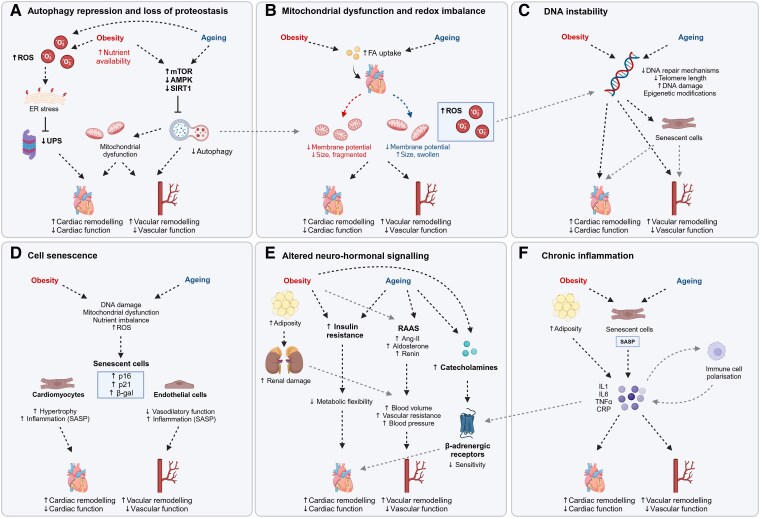
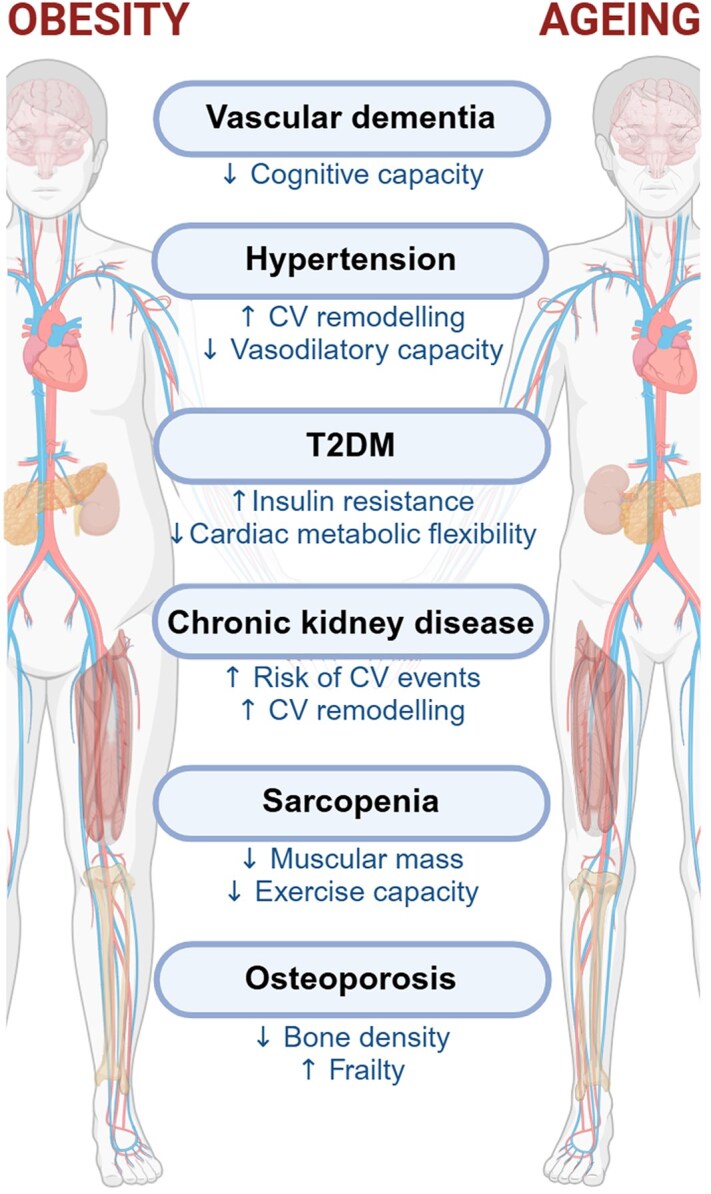
A global obesity pandemic, coupled with an increasingly ageing population, is exacerbating the burden of cardiovascular disease. Indeed, clinical and experimental evidence underscores a potential connection between obesity and ageing in the pathogenesis of various cardiovascular disorders. This is further supported by the notion that weight reduction not only effectively reduces major cardiovascular events in elderly individuals but is also considered the gold standard for lifespan extension, in obese and non-obese model organisms. This review evaluates the intricate interplay between obesity and ageing from molecular mechanisms to whole organ function within the cardiovascular system. By comparatively analysing their characteristic features, shared molecular and cell biological signatures between obesity and ageing are unveiled, with the intent to shed light on how obesity accelerates cardiovascular ageing. This review also elaborates on how emerging metabolic interventions targeting obesity might protect from cardiovascular diseases largely through antagonizing key molecular mechanisms of the ageing process itself. In sum, this review aims to provide valuable insight into how understanding these interconnected processes could guide the development of novel and effective cardiovascular therapeutics for a growing aged population with a concerning obesity problem.
Overview
The claims and statistics of this paper haven’t been checked yet.
Run the check — free, no account needed. It reads the open-access text and checks the sources it cites.
Integrity signals
Registry
Cites
Statistics
Figures
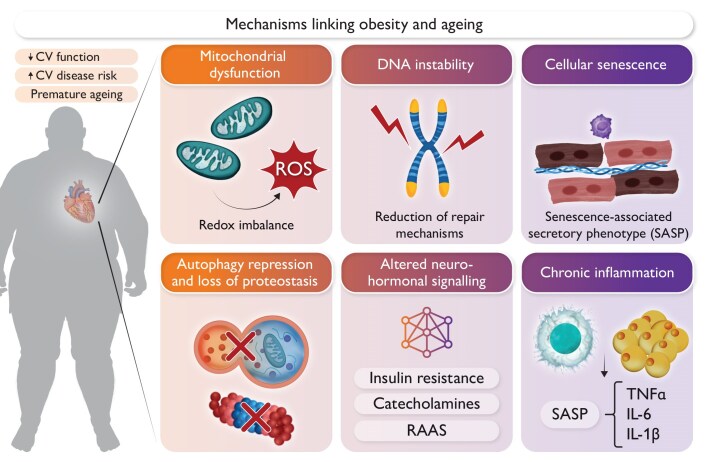
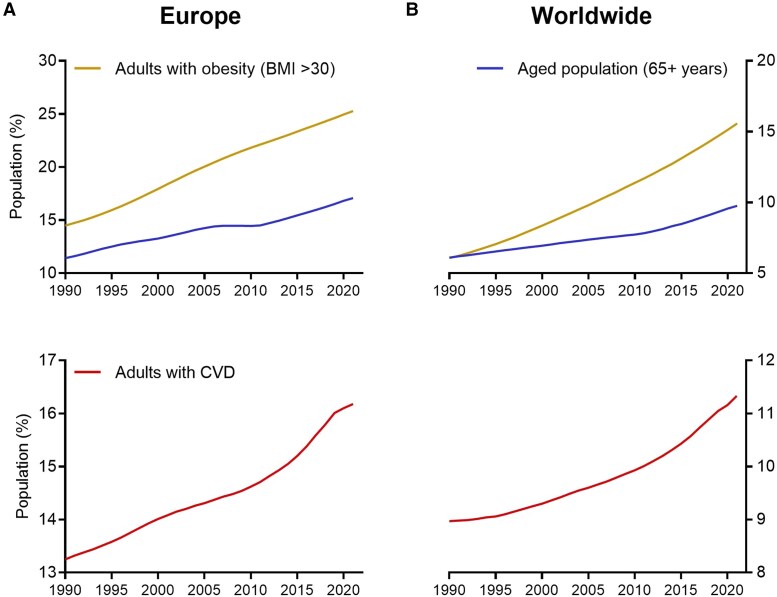
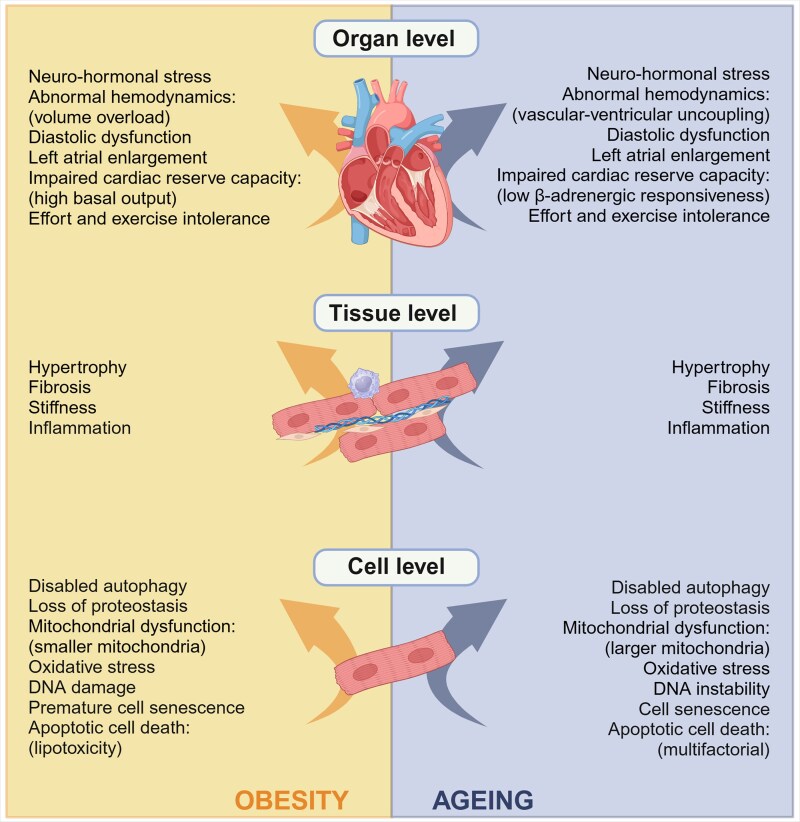
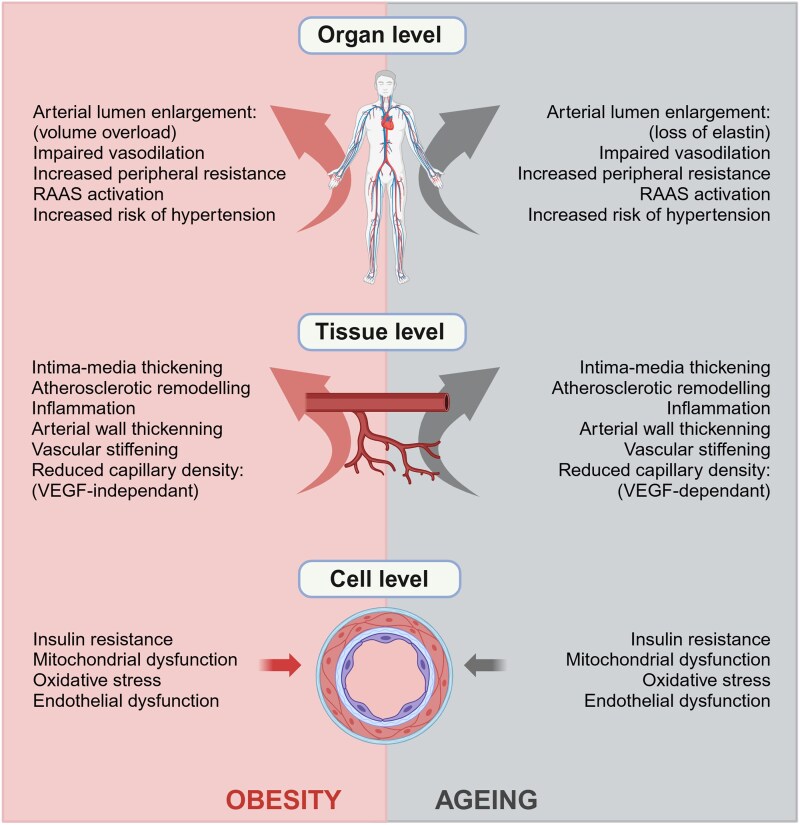
Verification
Claims the paper makes
The claims and statistics of this paper haven’t been checked yet.
Run the check — free, no account needed. It reads the open-access text and checks the sources it cites.
Claims other papers make about this one
Each is checked against this paper’s own text: does it say what the citing paper says it does?
The source backs part of the claim, not all of it — or backs it for a different population, condition or comparison.
In the citing paper
“Obesity substantially increases the risk of diabetes, cardiovascular disease, fatty liver disease, and certain cancers, while imposing enormous societal and economic burdens.[2][3][4]”
From The Triple‐Agonist Revolution: Retatrutide and the Paradigm Shift in Multi‐Hormonal Pharmacotherapy for Obesity and Cardiometabolic Comorbidities (2026) · cites this paper as [3]
Experimental — accuracy not yet measured
Self-check
Percentages, sums and reported differences re-computed from the paper’s own numbers.
The self-check needs the paper’s full text.
Citations
Cites
Items 201–295 of 295
Heart Failure With Preserved Ejection Fraction in the Young
Tromp, J., MacDonald, M. R., Tay, W. T., Teng, T. K., Hung, C., Narasimhan, C., Shimizu, W., Ling, L. H., Ng, T. P., Yap, J. J. L., et al. (2018) · Circulation · doi:10.1161/circulationaha.118.034720 · Cited by 86
Komakula, S. S. B., Tůmová, J., Kumaraswamy, D., Burchat, N., Vartanian, V. L., Ye, H., Dobrzyń, A., Lloyd, R. S., & Sampath, H. (2018) · Scientific Reports · doi:10.1038/s41598-018-33151-1 · Cited by 82
Obesity induces pro-inflammatory B cells and impairs B cell function in old mice
Frasca, D., Diaz, A., Romero, M., Vazquez, T., & Blomberg, B. B. (2017) · Mechanisms of Ageing and Development · doi:10.1016/j.mad.2017.01.004 · Cited by 80
Liu, Y., Liu, X., Guan, H., Zhang, S., Zhu, Q., Fu, X., Chen, H., Tang, S., Feng, Y., & Kuang, J. (2021) · Frontiers in Cardiovascular Medicine · doi:10.3389/fcvm.2021.736073 · Cited by 79
Association of Body Mass Index With Coronary Artery Calcium and Subsequent Cardiovascular Mortality
Jensen, J. C., Dardari, Z., Blaha, M. J., White, S., Shaw, L. J., Rumberger, J. A., Rozanski, A., Berman, D. S., Budoff, M. J., Nasir, K., et al. (2020) · Circulation Cardiovascular Imaging · doi:10.1161/circimaging.119.009495 · Cited by 78
Xue, B., Thunhorst, R. L., Yu, Y., Guo, F., Beltz, T. G., Felder, R. B., & Johnson, A. K. (2015) · Hypertension · doi:10.1161/hypertensionaha.115.06263 · Cited by 76
Strong, R., Miller, R. A., Cheng, C. J., Nelson, J. F., Gelfond, J., Allani, S. K., Diaz, V., Dorigatti, A. O., Dorigatti, J., Fernandez, E., et al. (2022) · Aging Cell · doi:10.1111/acel.13724 · Cited by 76
Battaglia, G. M., Zheng, D., Hickner, R. C., & Houmard, J. A. (2012) · American Journal of Physiology-Endocrinology and Metabolism · doi:10.1152/ajpendo.00355.2012 · Cited by 74
The cardioprotective effects of semaglutide exceed those of dietary weight loss in mice with HFpEF
Withaar, C., Meems, L. M. G., Nollet, E. E., Schouten, E. M., Schroeder, M. A., Knudsen, L. B., Niss, K., Madsen, C. T., Hoegl, A., Mazzoni, G., et al. (2023) · JACC: Basic to Translational Science · doi:10.1016/j.jacbts.2023.05.012 · Cited by 74
Miranda, W. R., Batsis, J. A., Sarr, M. G., Collazo–Clavell, M. L., Clark, M. M., Somers, V. K., & López-Jiménez, F. A. (2013) · Obesity Surgery · doi:10.1007/s11695-013-0953-8 · Cited by 71
Microvascular responsiveness in obesity: implications for therapeutic intervention
Bagi, Z. A., Fehér, A., & Cassuto, J. R. (2011) · British Journal of Pharmacology · doi:10.1111/j.1476-5381.2011.01606.x · Cited by 69
Weight and weight change and risk of atrial fibrillation: the HUNT study
Feng, T., Malmo, V., Strand, L. B., Laugsand, L. E., Mørkedal, B., Aune, D., VATTEN, L. J., Ellekjær, H., Loennechen, J. P., Mukamal, K. J., et al. (2019) · European Heart Journal · doi:10.1093/eurheartj/ehz390 · Cited by 66
Youn, Y. J., Kim, S. Y., Jeong, H., Ah, Y., & Yu, Y. M. (2024) · Frontiers in Neuroendocrinology · doi:10.1016/j.yfrne.2024.101131 · Cited by 66
Insulin Inhibits the Ubiquitin-Dependent Degrading Activity of the 26S Proteasome*
Bennett, R. G., Hamel, F. G., & Duckworth, W. C. (2000) · Endocrinology · doi:10.1210/endo.141.7.7575 · Cited by 62
Liu, H., Huang, Y., Zhao, Y., Kang, G.-J., Feng, F., Wang, X., Liu, M., Shi, G., Revelo, X. S., Bernlohr, D., et al. (2022) · JACC Basic to Translational Science · doi:10.1016/j.jacbts.2022.08.003 · Cited by 62
Impaired Endothelium-Dependent Vasodilation in Normotensive and Normoglycemic Obese Adult Humans
Guilder, G. P. V., Hoetzer, G. L., Dengel, D. R., Stauffer, B. L., & DeSouza, C. A. (2006) · Journal of Cardiovascular Pharmacology · doi:10.1097/01.fjc.0000205097.29946.d3 · Cited by 61
Stekovic, S., Hofer, S. J., Tripolt, N. J., Aon, M. A., Royer, P., Pein, L., Stadler, J. T., Pendl, T., Prietl, B., Url, J., et al. (2020) · Cell Metabolism · doi:10.1016/j.cmet.2020.02.011 · Cited by 61
Self-citationThe effects of bariatric surgery on cardiac function: a systematic review and meta-analysis
Sargsyan, N., Chen, J. Y., Aggarwal, R., Fadel, M. G., Fehervari, M., & Ashrafian, H. (2023) · International Journal of Obesity · doi:10.1038/s41366-023-01412-3 · Cited by 60
Opposing effects on cardiac function by calorie restriction in different‐aged mice
Sheng, Y., Lv, S., Huang, M., Lv, Y., Yu, J., Liu, J., Tang, T., Qi, H., Di, W., & Ding, G. (2017) · Aging Cell · doi:10.1111/acel.12652 · Cited by 59
Long-Term Improvement of Chronic Low-Grade Inflammation After Bariatric Surgery
Lautenbach, A., Stoll, F., Mann, O., Busch, P., Huber, T. B., Kielstein, H., Bähr, I., & Aberle, J. (2021) · Obesity Surgery · doi:10.1007/s11695-021-05315-y · Cited by 56
Impact of Autophagy on Prognosis of Patients With Dilated Cardiomyopathy
Kanamori, H., 吉田明弘, Naruse, G., Endo, S., Minatoguchi, S., Watanabe, T., Kawaguchi, T., Tanaka, T., Yamada, Y., Takasugi, N., et al. (2022) · Journal of the American College of Cardiology · doi:10.1016/j.jacc.2021.11.059 · Cited by 56
Targeting organ-specific mitochondrial dysfunction to improve biological aging
Madreiter‐Sokolowski, C. T., Hiden, U., Krstić, J., Panzitt, K., Wagner, M., Enzinger, C., Khalil, M., Abdellatif, M., Malle, E., Madl, T., et al. (2024) · Pharmacology & Therapeutics · doi:10.1016/j.pharmthera.2024.108710 · Cited by 55
Self-citationKatayoshi, T., Uehata, S., Nakashima, N., Nakajo, T., Kitajima, N., Kageyama, M., & Tsuji, K. (2023) · Scientific Reports · doi:10.1038/s41598-023-29787-3 · Cited by 54
Función cardiopulmonar y capacidad de ejercicio en pacientes con obesidad mórbida
Serés, L., López-Ayerbe, J., Coll, R., Oriol Rodríguez-leor, C., Manresa, J. M., Marrugat, J., Alastrué, A., Formiguera, X., & Valle, V. (2003) · Revista Española de Cardiología · doi:10.1016/s0300-8932(03)76921-8 · Cited by 53
An, M., Ryu, D., Park, J.-W., Choi, J. H., Park, E., Lee, K. E., Woo, M., & Kim, M. (2017) · Cardiovascular Research · doi:10.1093/cvr/cvx064 · Cited by 53
Lind, L., Mazidi, M., Clarke, R., Bennett, D., & Zheng, R. (2024) · Nature Cardiovascular Research · doi:10.1038/s44161-024-00545-6 · Cited by 51
Lettieri‐Barbato, D., Cannata, S. M., Casagrande, V., Ciriolo, M. R., & Aquilano, K. (2018) · PLoS ONE · doi:10.1371/journal.pone.0195912 · Cited by 49
Kazé, A. D., Santhanam, P., Erqou, S. A., Ahima, R. S., Bertoni, A. G., & Echouffo-Tcheugui, J. B. (2022) · JAMA Network Open · doi:10.1001/jamanetworkopen.2022.0055 · Cited by 49
Regulation of age-associated insulin resistance by MT1-MMP-mediated cleavage of insulin receptor
Guo, X., Asthana, P., Gurung, S., Zhang, S., Wong, S. K. K., Fallah, S., Chow, C. F. W., Che, S., Zhai, L., Wang, Z., et al. (2022) · Nature Communications · doi:10.1038/s41467-022-31563-2 · Cited by 49
Autophagic control of cardiac steatosis through FGF21 in obesity-associated cardiomyopathy
Rupérez, C., Lerín, C., Ferrer‐Curriu, G., Cairó, M., Mas‐Stachurska, A., Sitges, M., Villarroya, J., Giralt, M., Villarroya, F., & Planavila, A. (2018) · International Journal of Cardiology · doi:10.1016/j.ijcard.2018.02.109 · Cited by 47
Reduction of Premature Aging Markers After Gastric Bypass Surgery in Morbidly Obese Patients
Hohensinner, P. J., Kaun, C., Ebenbauer, B., Hackl, M., Demyanets, S., Richter, D., Prager, M., Wojta, J., & Rega‐Kaun, G. (2018) · Obesity Surgery · doi:10.1007/s11695-018-3247-3 · Cited by 44
Anti-ageing interventions for the treatment of cardiovascular disease
Abdellatif, M., Schmid, S., Fuerlinger, A., & Kroemer, G. (2024) · Cardiovascular Research · doi:10.1093/cvr/cvae177 · Cited by 44
Self-citationGeneral and Abdominal Adiposity and Mortality in Mexico City: A Prospective Study of 150 000 Adults
Gnatiuc, L., Alegre-Díaz, J., Wade, R., Ramirez-Reyes, R., Tapia-Conyer, R., Garcilazo-Ávila, A., Chiquete, E., Gonzáles-Carballo, C., Solano-Sanchez, M., Clarke, R., et al. (2019) · Annals of Internal Medicine · doi:10.7326/m18-3502 · Cited by 43
Pini, M., Czibik, G., Sawaki, D., Mezdari, Z., Braud, L., Delmont, T., Mercedes, R., Martel, C., Buron, N., Marcelin, G., et al. (2021) · Aging Cell · doi:10.1111/acel.13421 · Cited by 43
Obesity and risk of diseases associated with hallmarks of cellular ageing: a multicohort study
Mika Kivimaki, B., Frank, P., Pentti, J., Xu, X., Vahtera, J., Ervasti, J. M., Nyberg, S. T., Lindbohm, J. V., Jokela, M. M., & Partridge, L. (2024) · The Lancet Healthy Longevity · doi:10.1016/s2666-7568(24)00087-4 · Cited by 43
Granér, M., Seppälä‐Lindroos, A., Rissanen, A., Hakkarainen, A., Lundbom, N. M. I., Kaprio, J. A., Nieminen, M. S., & Pietiläinen, K. H. (2012) · The American Journal of Cardiology · doi:10.1016/j.amjcard.2011.12.023 · Cited by 42
NLRP3 Inflammasome Promotes Myocardial Remodeling During Diet-Induced Obesity
Sokolova, M., Sjaastad, I., Louwe, M. C., Alfsnes, K., Aronsen, J. M., Zhang, L., Haugstad, S. B., Bendiksen, B. A., Øgaard, J., Bliksøen, M., et al. (2019) · Frontiers in Immunology · doi:10.3389/fimmu.2019.01621 · Cited by 42
Li, Z., Chen, X., Vong, J. S. L., Zhao, L., Huang, J., Yan, L. Y. C., Ip, B., Wing, Y. K., Lai, H.-M., Mok, V. C. T., et al. (2021) · Communications Biology · doi:10.1038/s42003-021-02208-9 · Cited by 42
Weight variability and cardiovascular outcomes: a systematic review and meta-analysis
Massey, R. J., Siddiqui, M. K., Pearson, E. R., & Dawed, A. Y. (2023) · Cardiovascular Diabetology · doi:10.1186/s12933-022-01735-x · Cited by 42
Pires, K. M. P., Buffolo, M., Schaaf, C., Symons, J. D., Cox, J. E., Abel, E. D., Selzman, C. H., & Boudina, S. (2017) · Journal of Molecular and Cellular Cardiology · doi:10.1016/j.yjmcc.2017.10.001 · Cited by 39
NLRP3 inflammasome mediate palmitate-induced endothelial dysfunction
Xing, J., Li, R., Gao, Y., Wang, M., Liu, Y., Hong, J., Dong, J., Gu, H., & Li, L. (2019) · Life Sciences · doi:10.1016/j.lfs.2019.116882 · Cited by 39
FGF21 and autophagy coordinately counteract kidney disease progression during aging and obesity
Minami, S., Sakai, S., Yamamoto, T., Takabatake, Y., Namba‐Hamano, T., Takahashi, A., Matsuda, J., Yonishi, H., Nakamura, J., Maeda, S., et al. (2023) · Autophagy · doi:10.1080/15548627.2023.2259282 · Cited by 39
Qi, Z., & Ding, S. (2015) · Journal of Pediatric Endocrinology and Metabolism · doi:10.1515/jpem-2015-0182 · Cited by 38
Caloric Restriction for Treatment of Geriatric Obesity: Do the Benefits Outweigh the Risks?
Normandin, É., Houston, D. K., & Nicklas, B. J. (2015) · Current Nutrition Reports · doi:10.1007/s13668-015-0123-9 · Cited by 37
Association of the Ser326Cys polymorphism in the OGG1 gene with type 2 DM
Daimon, M., Oizumi, T., Toriyama, S., Karasawa, S., Jimbu, Y., Wada, K., Kameda, W., Susa, S., Muramatsu, M., Kubota, I., et al. (2009) · Biochemical and Biophysical Research Communications · doi:10.1016/j.bbrc.2009.05.119 · Cited by 36
DNA repair in cardiomyocytes is critical for maintaining cardiac function in mice
de Boer, M., Hekkert, M. T. L., Chang, J., van Thiel, B. S., Martens, L., Bos, M. M., de Kleijnen, M. G. J., Ridwan, Y. R., Octavia, Y., van Deel, E. D., et al. (2023) · Aging Cell · doi:10.1111/acel.13768 · Cited by 36
Liu, J., Li, J., Pu, H., He, W., Zhou, X., Tong, N., & Peng, L. (2021) · Quantitative Imaging in Medicine and Surgery · doi:10.21037/qims-21-724 · Cited by 35
Targeting Cardiovascular Risk Factors Through Dietary Adaptations and Caloric Restriction Mimetics
Voglhuber, J., Ljubojević-Holzer, S., Abdellatif, M., & Sedej, S. (2021) · Frontiers in Nutrition · doi:10.3389/fnut.2021.758058 · Cited by 34
Self-citationKubo, H., Sawada, S., Satoh, M., Asai, Y., Kodama, S., Sato, T., Tomiyama, S., Seike, J., Takahashi, K., Kaneko, K., et al. (2022) · Scientific Reports · doi:10.1038/s41598-022-23521-1 · Cited by 34
Targeting Autophagy in Obesity‐Associated Heart Disease
Castañeda, D., Gabani, M. H., Choi, S. K., Nguyen, Q. M., Chen, C., Mapara, A., Kassan, A., González, A. A., Ait‐Aissa, K., & Kassan, M. (2019) · Obesity · doi:10.1002/oby.22455 · Cited by 31
PDGF-D activation by macrophage-derived uPA promotes AngII-induced cardiac remodeling in obese mice
Cheng, Y.-W., Zhang, Z.-B., Lan, B.-D., Lin, J., Chen, X.-H., Kong, L., Xu, L., Ruan, C., & Gao, P. (2021) · The Journal of Experimental Medicine · doi:10.1084/jem.20210252 · Cited by 31
Effects of bariatric surgery on telomere length and T-cell aging
Jongbloed, F., Meijers, R. W. J., IJzermans, J. N. M., Klaassen, R. A., Dollé, M. E. T., van den Berg, S., Betjes, M. G. H., de Bruin, R. W. F., van der Harst, E., & Litjens, N. H. R. (2019) · International Journal of Obesity · doi:10.1038/s41366-019-0351-y · Cited by 29
Impact of Weight Loss Strategies on Obesity‐Induced DNA Damage
Setayesh, T., Mišík, M., Langie, S. A. S., Godschalk, R., Waldherr, M., BAUER, T. L., Leitner, S., Bichler, C., Prager, G., Krupitza, G., et al. (2019) · Molecular Nutrition & Food Research · doi:10.1002/mnfr.201900045 · Cited by 29
Loss of DNA repair mechanisms in cardiac myocytes induce dilated cardiomyopathy
Henpita, C., Vyas, R., Healy, C. L., Kieu, T. L., Gurkar, A. U., Yousefzadeh, M. J., Cui, Y., Lu, A., Angelini, L. A., O'Kelly, R. D., et al. (2023) · Aging Cell · doi:10.1111/acel.13782 · Cited by 29
Gharib, M., Tao, H., Fungwe, T. V., & Hajri, T. (2016) · PLoS ONE · doi:10.1371/journal.pone.0155611 · Cited by 28
Usman, M., Woloshynowych, M., Britto, J. C., Bilkevic, I., Glassar, B., Chapman, S., Ford‐Adams, M., Desai, A. P., Bain, M. D., Tewfik, I., et al. (2021) · International Journal of Obesity · doi:10.1038/s41366-021-00879-2 · Cited by 27
Kreiner, F. F., von Scholten, B. J., Kurtzhals, P., & Gough, S. C. L. (2023) · Aging Cell · doi:10.1111/acel.13818 · Cited by 27
Senescent cell depletion alleviates obesity-related metabolic and cardiac disorders
Silva, T. D. O., Lunardon, G., Lino, C. A., Silva, A. D. A., Zhang, S., Irigoyen, M. C., Lu, Y. W., Mably, J. D., Barreto‐Chaves, M. L. M., Wang, D., et al. (2024) · Molecular Metabolism · doi:10.1016/j.molmet.2024.102065 · Cited by 26
Niemann, B., Pan, R., Teschner, M., Boening, A., Silber, R., & Rohrbach, S. (2012) · Experimental Gerontology · doi:10.1016/j.exger.2012.04.005 · Cited by 24
The impact of DRP1 on myocardial fibrosis in the obese minipig
Chen, C., Li, S., Wang, C., Mersmann, H. J., & Ding, S. (2020) · European Journal of Clinical Investigation · doi:10.1111/eci.13204 · Cited by 24
Association of weight fluctuation with cardiovascular disease risk among initially obese adults
Jeong, S., Choi, S., Chang, J., Kim, K., Kim, S. M., Hwang, S. Y., Son, J. S., Lee, G., & Park, S. M. (2021) · Scientific Reports · doi:10.1038/s41598-021-89666-7 · Cited by 24
Spermine Suppresses Adipocyte Differentiation and Exerts Anti-Obesity Effects In Vitro and In Vivo
Nakatani, S., Horimoto, Y., Nakabayashi, N., Karasawa, M., Wada, M., & Kobata, K. (2022) · International Journal of Molecular Sciences · doi:10.3390/ijms231911818 · Cited by 24
The link between obesity and aging - insights into cardiac energy metabolism
Owesny, P., & Grune, T. (2023) · Mechanisms of Ageing and Development · doi:10.1016/j.mad.2023.111870 · Cited by 24
Woźniewska, P., Diemieszczyk, I., Groth, D., Szczerbiński, Ł., Choromańska, B., Błachnio-Zabielska, A. U., Kretowski, A. J., & Hady, H. R. (2020) · BMC Surgery · doi:10.1186/s12893-020-00989-0 · Cited by 23
Carlsson, L. M. S., Carlsson, B., Jacobson, P., Karlsson, C., Andersson‐Assarsson, J. C., Kristensson, F. M., Ahlin, S., Svensson, P., Taube, M., Näslund, I., et al. (2023) · International Journal of Obesity · doi:10.1038/s41366-023-01332-2 · Cited by 21
Ye, B., Chen, Y., Chen, X., Xu, D., Jiang, Y., Lin, W., Fang, D., Xu, J., Han, J., Han, X., et al. (2024) · JACC Basic to Translational Science · doi:10.1016/j.jacbts.2024.06.001 · Cited by 21
Zhu, L., Gu, S., Wang, Q., Zhou, X., Wang, S., Fu, C., Yang, W., Wetzl, J., & Yan, F. (2020) · Quantitative Imaging in Medicine and Surgery · doi:10.21037/qims.2020.01.16 · Cited by 20
Calorie restriction delays cardiac senescence and improves cardiac function in obese diabetic rats
Makino, N., & Maeda, T. (2020) · Molecular and Cellular Biochemistry · doi:10.1007/s11010-020-03899-0 · Cited by 20
Chinnasamy, P., Casimiro, I., Riascos‐Bernal, D. F., Venkatesh, S., Parikh, D., Maira, A., Srinivasan, A., Zheng, W., Tarabra, E., Zong, H., et al. (2023) · Nature Communications · doi:10.1038/s41467-022-35683-7 · Cited by 20
Sun, J., Xu, J., Liu, Y., et al. (2023) · Biomolecules and Biomedicine · doi:10.17305/bb.2022.8846 · Cited by 20
Obesity increases genomic instability at DNA repeat-mediated endogenous mutation hotspots
Kompella, P., Wang, G., Durrett, R., Lai, Y., Marin, C., Liu, Y., Habib, S. L., DiGiovanni, J., & Vásquez, K. M. (2024) · Nature Communications · doi:10.1038/s41467-024-50006-8 · Cited by 19
Aging and the brain renin-angiotensin system: insights from studies in transgenic rats.
Diz, D. I., Kasper, S. O., Sakima, A., et al. (2007) · Cleveland Clinic Journal of Medicine · doi:10.3949/ccjm.74.suppl_1.s95 · Cited by 18
Heart failure with preserved ejection fraction: An age-related condition
Abdellatif, M., & Kroemer, G. (2022) · Journal of Molecular and Cellular Cardiology · doi:10.1016/j.yjmcc.2022.03.008 · Cited by 18
Self-citationLa inhibición de la PI3Kγ protege contra la miocardiopatía diabética en ratones
Maffei, A., Cifelli, G., Carnevale, R., Iacobucci, R., Pallante, F., Fardella, V., Fardella, S., Hirsch, E., Lembo, G., & Carnevale, D. (2016) · Revista Española de Cardiología · doi:10.1016/j.recesp.2016.04.025 · Cited by 17
The obesity paradox in secondary prevention: a weighty intervention or a wait for more evidence?
Sattar, N. A., & Welsh, P. I. (2020) · European Heart Journal · doi:10.1093/eurheartj/ehaa398 · Cited by 17
Kindel, T. L., Foster, T., Goldspink, P. H., Kindel, S. J., Corbett, J. A., Widlanksy, M., & Strande, J. L. (2017) · Obesity Surgery · doi:10.1007/s11695-017-2632-7 · Cited by 16
Takahashi, K., Takatsu, M., Hattori, T., Murase, T., Ohura, S., Takeshita, Y., Watanabe, S., Murohara, T., & Nagata, K. (2014) · Europe PMC (PubMed Central) · doi:10.18999/nagjms.76.1-2.35 · Cited by 15
Cardiovascular benefits of intermittent fasting
Abdellatif, M., & Sedej, S. (2020) · Cardiovascular Research · doi:10.1093/cvr/cvaa022 · Cited by 15
Self-citationSarcopenic obesity is associated with telomere shortening: findings from the NHANES 1999–2002
Goddard, T. R., Tsintzas, K., Stephan, B. C. M., Prado, C. M. M., Mazidi, M., & Siervo, M. (2021) · International Journal of Obesity · doi:10.1038/s41366-021-00995-z · Cited by 15
Li, M., Wang, S.-X., Su, Y.-K., Sun, J., Zhang, A., Cheng, B., Cai, S., & Zhu, P. (2022) · Frontiers in Cardiovascular Medicine · doi:10.3389/fcvm.2022.856517 · Cited by 15
Chen, H. H. L., Bhat, A., Gan, G. C. H., Khanna, S., Ahlenstiel, G., Negishi, K., & Tan, T. C. (2023) · International Journal of Cardiology Cardiovascular Risk and Prevention · doi:10.1016/j.ijcrp.2023.200211 · Cited by 14
The effect of bariatric surgery type on cardiac reverse remodelling
Henry, J. A., Abdesselam, I., Deal, O., Lewis, A., Rayner, J. J., Bernard, M., Dutour, A., Gaborit, B., Kober, F., Soghomonian, A., et al. (2024) · International Journal of Obesity · doi:10.1038/s41366-024-01474-x · Cited by 13
Hayes, H., Patz, J., Corbett, J. A., Afzal, M. Z., Strande, J. L., & Kindel, T. L. (2019) · Surgery for Obesity and Related Diseases · doi:10.1016/j.soard.2019.03.036 · Cited by 12
Recommendations on sodium intake for cardiovascular health: conviction or evidence?
Lechner, K., & Schunkert, H. (2020) · European Heart Journal · doi:10.1093/eurheartj/ehaa545 · Cited by 12
The health outcomes of inflammation and obesity in patients with heart failure
Saleh, Z. T., Lennie, T. A., Darawad, M. W., et al. (2020) · Heart & Lung · doi:10.1016/j.hrtlng.2020.05.010 · Cited by 11
Batschauer, T., Cordeiro, J. M., Simas, B. B., Brunetta, H. S., de Souza, R. M., Nunes, E. A., Reis, W. L., Moreira, E. L. G., Crestani, C. C., Santos, A. R. S., et al. (2020) · Physiology & Behavior · doi:10.1016/j.physbeh.2020.113013 · Cited by 10
Rivera, P., Miranda, C., Roldán, N., Guerrero, A., Olave, J., Cárdenas, P., Nguyen, Q. M., Kassan, M., & González, A. A. (2020) · Scientific Reports · doi:10.1038/s41598-020-78382-3 · Cited by 10
Protein homeostasis in the aged and diseased heart
Mainali, N., Ayyadevara, S., Ganne, A., Reis, R. J. S., & Mehta, J. L. (2023) · The Journal of Cardiovascular Aging · doi:10.20517/jca.2023.4 · Cited by 10
Cardiac mechanics in response to proteasome inhibition: a prospective study
Makris, N., Georgiopoulos, G. A., Laina, A., et al. (2022) · European Heart Journal - Cardiovascular Imaging · doi:10.1093/ehjci/jeac168 · Cited by 9
Gnatiuc, L., Wade, R. L., Alegre-Díaz, J., Ramírez-Reyes, R., Garcilazo‐Ávila, A., González-Carballo, C., Santacruz-Benítez, R., Chiquete, E., Herrington, W. G., Collins, R., et al. (2023) · Journal of the American Heart Association · doi:10.1161/jaha.122.028263 · Cited by 9
Lira, J. R., Guymon, A. L., Yang, L., Sternburg, J. O., Giri, S., & Wang, X. (2023) · Frontiers in Physiology · doi:10.3389/fphys.2023.1208153 · Cited by 9
Wang, J., Li, D., Zhang, Y., et al. (2023) · Acta Biochimica et Biophysica Sinica · doi:10.3724/abbs.2023054 · Cited by 7
Actionable autophagy checkpoints in cardiovascular ageing
Abdellatif, M., Montégut, L., & Kroemer, G. (2023) · European Heart Journal · doi:10.1093/eurheartj/ehad661 · Cited by 7
Self-citationFunctional and multi-omic aging rejuvenation with GLP-1R agonismPreprint
Huang, J., Kwok, A. J., Li, J. C. Y., Chiu, C. L. H., Ip, B. Y. M., Tung, L. Y., Zheng, X., Chow, H. T., Lo, M. P. S., Li, Z., et al. (2024) · bioRxiv (Cold Spring Harbor Laboratory) · doi:10.1101/2024.05.06.592653 · Cited by 6
Oxidative and DNA damage in obese patients undergoing bariatric surgery: A one-year follow-up study
Chiaramonte, A., Testi, S., Pelosini, C., Micheli, C., Falaschi, A., Ceccarini, G., Santini, F., & Scarpato, R. (2023) · Mutation research. Fundamental and molecular mechanisms of mutagenesis · doi:10.1016/j.mrfmmm.2023.111827 · Cited by 5
Cited by
Sorted by citations
Ganamurali, N., & Sabarathinam, S. (2026) · Clinical Pharmacology in Drug Development · doi:10.1002/cpdd.70001 · Cited by 8
Metadata
- Authors
- Ruperez, C., Madeo, F., de Cabo, R., Kroemer, G., & Abdellatif, M.
- Affiliations
- Department of Cardiology, Medical University of Graz , Auenbruggerplatz 15, Graz 8036 ,
- University of Graz (AT)
- Translational Gerontology Branch, National Institute on Aging , Baltimore, MD ,
- Inserm (FR)
- Corresponding author
- Kroemer, Guido
- Abdellatif, Mahmoud
- Venue
- European Heart Journal
- Publisher
- Oxford University Press (OUP)
- Published
- 2025-04-08
- Volume
- 46
- Issue
- 23
- Pages
- 2161-2185
- ISSN
- 0195-668X (ISSN-L)
- 1522-9645
- PMC
- PMC12167665
- OpenAlex
- W4409261750
- Cited by
- 73
- References
- 295
- Citations by year
- 2026: 53 · 2025: 20
- FWCI
- 13.24
- Type
- journal article
- Language
- en
- Open access
- hybrid
- doi.org
- Licence
- Locations
- European Heart Journal (publishedVersion, cc-by-nc)
- PubMed Central (publishedVersion, cc-by-nc)
- PubMed (publishedVersion)
- HAL (submittedVersion, cc-by-nc)
- Funders
- Medical University of Graz
- BioTechMed-Graz
- Austrian Science Fund
- European Commission
- FWF
- ANR
- Agence National de la Recherche (ANR-22-CE14-0066, ANR-23-CE44-0030, ANR-23-R4HC-0006)
- Association pour la recherche sur le cancer
- Cancéropôle Ile-de-France
- Fondation pour la Recherche Médicale
- European Joint Programme on Rare Diseases
- European Research Council Advanced Investigator Award (101052444)
- European Union Horizon 2020 research and innovation programmes Oncobiome (825410)
- Prevalung (101095604)
- Neutrocure (861878)
- Hevolution Network on Senescence in Aging
- Institut National du Cancer
- Institut Universitaire de France
- Mark Foundation
- PAIR-Obésité INCa_1873
- LUCA-pi (ANR-21-RHUS-0017, ANR-23-RHUS-0010)
- Seerave Foundation
- SIRIC Cancer Research and Personalized Medicine
- Ministère des Solidarités et de la Santé
- INSERM
- University of Graz
- Topics
- Health Sciences › Medicine › Cardiology and Cardiovascular Medicine › Cardiovascular Function and Risk Factors
- Life Sciences › Biochemistry, Genetics and Molecular Biology › Aging › Genetics, Aging, and Longevity in Model Organisms
- Health Sciences › Medicine › Cardiology and Cardiovascular Medicine › Cardiovascular Disease and Adiposity
- Keywords
- obesity, cardiovascular aging, cardiovascular disease, weight loss, lifespan extension, metabolic intervention, cardiovascular therapeutics, older adults
- MeSH terms
- Aging, Animals, Cardiovascular Diseases, Humans, Obesity
About these checks
Registry, retraction, Cites and statistics results are computed, not judged, with one exception: a printed reference that no index lists is read once by a model before it counts as a citation error. Claims are extracted by a model and kept only when their quote appears verbatim in the text; each cited source is then checked, with a model’s help, for whether it says what the claim relies on. Those verdicts can be wrong — read the claim’s quote and the cited source before relying on one.
Statistics and arithmetic are recomputed, not judged.
Confidence bands are shown only for fields calibrated on our annotated test set. None is calibrated yet, so no band is shown.
What counts as a claim ›How we measure confidence ›How we check this ›
Are you an author, or do you see a problem with this page? Request a review
