

Artificial intelligence in gastrointestinal endoscopy: general overview
Open accessThe DOI matches its Crossref record; 63 of the 63 references it cites were found in a registry or an index.
Abstract
Artificial intelligence (AI) is now a trendy subject in clinical medicine and especially in gastrointestinal (GI) endoscopy. AI has the potential to improve the quality of GI endoscopy at all levels. It will compensate for humans’ errors and limited capabilities by bringing more accuracy, consistency, and higher speed, making endoscopic procedures more efficient and of higher quality. AI showed great results in diagnostic and therapeutic endoscopy in all parts of the GI tract. More studies are still needed before the introduction of this new technology in our daily practice and clinical guidelines. Furthermore, ethical clearance and new legislations might be needed. In conclusion, the introduction of AI will be a big breakthrough in the field of GI endoscopy in the upcoming years. It has the potential to bring major improvements to GI endoscopy at all levels.
Overview
The claims and statistics of this paper haven’t been checked yet.
Free: it reads the open-access text and checks the first 5 claims that cite a source we can check. Create a free account to check every claim.
Integrity signals
Registry
Cites
Statistics
Figures
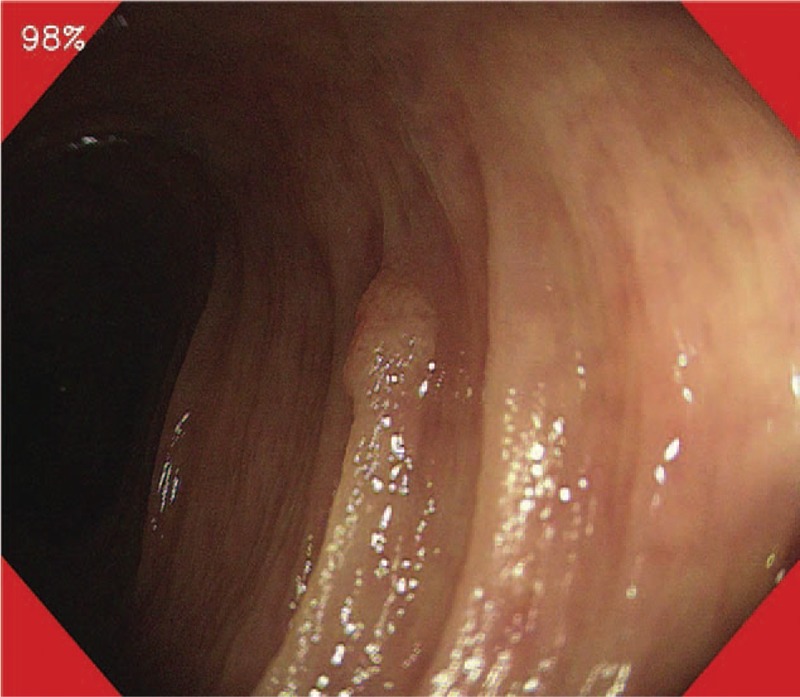
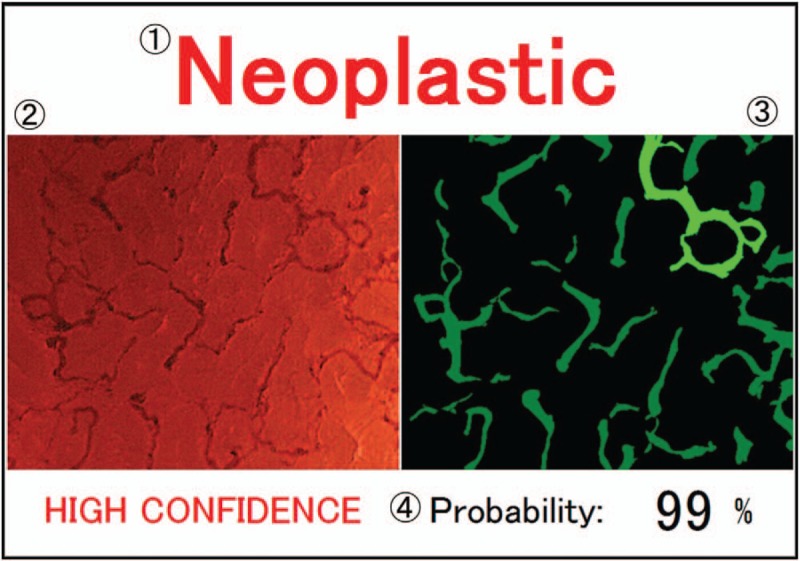
Verification
Claims the paper makes
The claims and statistics of this paper haven’t been checked yet.
Free: it reads the open-access text and checks the first 5 claims that cite a source we can check. Create a free account to check every claim.
Claims other papers make about this one
Each is checked against this paper’s own text: does it say what the citing paper says it does?
In the citing paper
“Videobased CNNs can be integrated into endoscopic procedures 45 for scope guidance, lesion detection, and lesion diagnosis.”
From Deep learning-enabled medical computer vision (2021) · cites this paper as [45]
Self-check
Percentages, sums and reported differences re-computed from the paper’s own numbers.
The self-check needs the paper’s full text.
Citations
Cites
Bray, F., Ferlay, J., Soerjomataram, I., Siegel, R. L., Torre, L. A., & Jemal, A. (2018) · CA: A Cancer Journal for Clinicians · doi:10.3322/caac.21492 · Cited by 84,109 · cited 1×
“28 Globally, gastric adenocarcinoma, with nearly one million incident cases annually, is the third leading cause of global cancer mortality.([32]) Early detection and prompt treatment remain the best measure to improve patient survival.”
Adenoma detection rate and risk of colorectal cancer and death
Corley, D. A., Jensen, C. D., Marks, A. R., Zhao, W. K., Lee, J. K., Doubeni, C. A., Zauber, A. G., de Boer, J., Fireman, B. H., Schottinger, J. E., et al. (2014) · New England Journal of Medicine · doi:10.1056/nejmoa1309086 · Cited by 2,270
Deep Machine Learning - A New Frontier in Artificial Intelligence Research [Research Frontier]
Arel, I., Rose, D. C., & Karnowski, T. P. (2010) · IEEE Computational Intelligence Magazine · doi:10.1109/mci.2010.938364 · Cited by 1,121 · cited 1×
“This makes DL AI far more capable than that of standard ML.([1])”
Pennazio, M., Spada, C., Eliakim, R., Keuchel, M., May, A., Mulder, C., Rondonotti, E., Adler, S., Albert, J., Baltes, P., et al. (2015) · Endoscopy · doi:10.1055/s-0034-1391855 · Cited by 894
Hirasawa, T., Aoyama, K., Tanimoto, T., Ishihara, S., Shichijo, S., Ozawa, T., Ohnishi, T., Fujishiro, M., Matsuo, K., Fujisaki, J., et al. (2018) · Gastric Cancer · doi:10.1007/s10120-018-0793-2 · Cited by 744 · cited 1×
“The authors concluded that their AI system used with BLI will identify gastric Hirasawa et al [34] developed a computer-system for EGC images in a very short time with a clinically diagnostic ability.”
Urban, G., Tripathi, P., Alkayali, T., Mittal, M., Jalali, F., Karnes, W., & Baldi, P. (2018) · Gastroenterology · doi:10.1053/j.gastro.2018.06.037 · Cited by 744 · cited 1×
“In the same year, Urban al [52] published the result of their work on a CADe.”
ACG Clinical Guideline: Diagnosis and Management of Small Bowel Bleeding
Gerson, L. B., Fidler, J. L., Cave, D. R., & Leighton, J. A. (2015) · American Journal of Gastroenterology · doi:10.1038/ajg.2015.246 · Cited by 719 · cited 1×
“It has been recommended by several guidelines that VCE is the first-line diagnostic exam for SB exploration and especially before any complementary-diagnostic or therapeutic enteroscopy.([37,38]) VCE is an excellent welltolerated exam.”
Mori, Y., Kudo, S.-E., Misawa, M., Saito, Y., Ikematsu, H., Hotta, K., Ohtsuka, K., Urushibara, F., Kataoka, S., Ogawa, Y., et al. (2018) · Annals of Internal Medicine · doi:10.7326/m18-0249 · Cited by 509 · cited 3×
“1% (457 of 466).([3]) We think that for any AI system to be easily accepted and introduced for clinical use, besides its safety and efficacy, it should be easy to use, does not require special training, does not requiremore complicated and time-consuming technical maneuvers and not extremely expensive.”
Wang, P., Xiao, X., Glissen Brown, J. R., Berzin, T. M., Tu, M., Xiong, F., Hu, X., Liu, P., Song, Y., Zhang, D., et al. (2018) · Nature Biomedical Engineering · doi:10.1038/s41551-018-0301-3 · Cited by 483 · cited 1×
“Another CADe developed by Wang et al([53]) using WL endoscopy, and tested in a retrospective study on multiple image and video datasets, showed a sensitivity between 88.”
E. Thiis-Evensen, G. S. H. (1999) · Scandinavian Journal of Gastroenterology · doi:10.1080/003655299750026443 · Cited by 469
Cited by
Deep learning-enabled medical computer vision
Esteva, A., Chou, K., Yeung, S., Naik, N., Madani, A., Mottaghi, A., Liu, Y., Topol, E., Dean, J., & Socher, R. (2021) · npj Digital Medicine · doi:10.1038/s41746-020-00376-2 · Cited by 1,406
Artificial intelligence in clinical medicine: catalyzing a sustainable global healthcare paradigm
Krishnan, G., Singh, S., Pathania, M., Gosavi, S., Abhishek, S., Parchani, A., & Dhar, M. (2023) · Frontiers in Artificial Intelligence · doi:10.3389/frai.2023.1227091 · Cited by 296
Jiang, L., Wu, Z., Xu, X., Zhan, Y., Jin, X., Wang, L., & Qiu, Y. (2021) · Journal of International Medical Research · doi:10.1177/03000605211000157 · Cited by 207
“After decades of development, AI has gradually been integrated into daily medical practice and has made considerable progress in medical image processing, medical process optimization,(8,9) medical education, and other applications.(6,7,10,11) However, several problems have emerged along with the rapid development of…”
BackgroundArtificial intelligence-aided optical imaging for cancer theranostics
Xu, M., Chen, Z., Zheng, J., Zhao, Q., & Yuan, Z. (2023) · Seminars in Cancer Biology · doi:10.1016/j.semcancer.2023.06.003 · Cited by 63
Dong, J., Geng, Y., Lu, D., Li, B., Tian, L., Lin, D., & Zhang, Y. (2020) · Frontiers in Oncology · doi:10.3389/fonc.2020.01629 · Cited by 47
“With the aid of AI, the detection rate of polyps and adenomas under endoscopy will be greatly improved (33).”
MethodMithany, R. H., Aslam, S., Abdallah, S., Abdelmaseeh, M. M. A., Gerges, F., Mohamed, M. S., Manasseh, M., Wanees, A., Shahid, M. H., Khalil, M., et al. (2023) · Cureus · doi:10.7759/cureus.47924 · Cited by 63
Artificial intelligence in gastrointestinal endoscopy: a comprehensive review
Ali, H., Muzammil, M. A., Dahiya, D. S., Ali, F., Yasin, S., Hanif, W., Gangwani, M. K., Aziz, M., Khalaf, M., Basuli, D., et al. (2024) · Annals of Gastroenterology · doi:10.20524/aog.2024.0861 · Cited by 78
“Thus, DL offers significantly enhanced capabilities compared to its AI predecessors [10].”
BackgroundSinagra, E., Badalamenti, M., Maida, M. F., Spadaccini, M., Maselli, R., Rossi, F., Conoscenti, G., Raimondo, D., Pallio, S., Repici, A., et al. (2020) · World Journal of Gastroenterology · doi:10.3748/wjg.v26.i39.5911 · Cited by 45
Ahmad, H. A., East, J. E., Panaccione, R., Travis, S., Canavan, J. B., Usiskin, K., & Byrne, M. F. (2023) · Intestinal Research · doi:10.5217/ir.2023.00020 · Cited by 37
“Although data on cost effectiveness of AI in health care are limited, AI tools are expected to reduce overall costs due to reduction in endoscopic procedure burden.(67) For example, using AI to classify diminutive colonic polyps in vivo, rather than sending samples for pathology, resulted in an estimated cost savings…”
MethodLiang, F., Wang, S., Zhang, K., Liu, T., & Li, J. (2022) · World Journal of Gastrointestinal Oncology · doi:10.4251/wjgo.v14.i1.124 · Cited by 47
Role of Artificial Intelligence in Video Capsule Endoscopy
Tziortziotis, I., Laskaratos, F., & Coda, S. (2021) · Diagnostics · doi:10.3390/diagnostics11071192 · Cited by 41
“There are many applications of AI in gastroenterology [4–6] (Table 1 [7]).”
BackgroundArtificial intelligence and capsule endoscopy: unravelling the future
Mascarenhas, M., Afonso, J., Andrade, P., Cardoso, H., & Macedo, G. (2021) · Annals of Gastroenterology · doi:10.20524/aog.2021.0606 · Cited by 50
“Human nature makes their performance variable, and diagnostic performance may certainly be impaired by a decrease of awareness and attention, or forgetfulness due to fatigue, anxiety, or any other physical or emotional stress [64].”
BackgroundRevolutionizing Gastrointestinal Disorder Management: Cutting-Edge Advances and Future Prospects
Suri, C., Pande, B., Sahu, T. A., Sahithi, L. S., & Verma, H. K. (2024) · Journal of Clinical Medicine · doi:10.3390/jcm13133977 · Cited by 42
“…models can process large amounts of visual data quickly, assisting healthcare providers in identifying abnormalities that the human eye may miss [64] AI-enabled predictive analytics have the potential to revolutionize gastrointestinal disease management, especially in chronic conditions like…”
BackgroundPantelis, A. G., Stravodimos, G., & Lapatsanis, D. P. (2021) · Obesity Surgery · doi:10.1007/s11695-021-05548-x · Cited by 29
“Light brown color — studies that do not provide pertinent information complications following a specific bariatric procedure in an individual bariatric candidate and as a consequence the operative options accordingly [62].”
BackgroundDeep neural network approaches for detecting gastric polyps in endoscopic images
Durak, S., Bayram, B., Bakırman, T., Erkut, M., Doğan, M., Gürtürk, M., & Akpınar, B. (2021) · Medical & Biological Engineering & Computing · doi:10.1007/s11517-021-02398-8 · Cited by 27
“AI systems can improve the performance of physicians with their automatic lesion delineation capacity, and reduce the time of diagnosis [11].”
BackgroundEnhancing the Quality of Upper Gastrointestinal Endoscopy: Current Indicators and Future Trends
Ferrari, C., & Tadros, M. S. (2023) · Gastroenterology Insights · doi:10.3390/gastroent15010001 · Cited by 22
Tao, X., Zhu, Y., Dong, Z., Huang, L., Shang, R., Du, H., Wang, J., Zeng, X., Wang, W., Wang, J., et al. (2024) · Digestive and Liver Disease · doi:10.1016/j.dld.2024.01.177 · Cited by 30
Yen, H., Wu, P., Chen, M.-F., Lin, W., Tsai, C.-L., & Lin, K. (2021) · Journal of Clinical Medicine · doi:10.3390/jcm10163527 · Cited by 22
“Developed since the 1950s, artificial intelligence (AI) refers to computer programs that can simulate the human cognitive process in problem-solving and learning [8].”
BackgroundRole of Endoscopy in Management of Upper Gastrointestinal Cancers
Liang, J., Jiang, Y., Abboud, Y., & Gaddam, S. (2022) · Diseases · doi:10.3390/diseases11010003 · Cited by 28
Convolutional neural network-based system for endocytoscopic diagnosis of early gastric cancer
Noda, H., Kaise, M., Higuchi, K., Koizumi, E., Yoshikata, K., Habu, T., Kirita, K., Onda, T., Omori, J., Akimoto, T., et al. (2022) · BMC Gastroenterology · doi:10.1186/s12876-022-02312-y · Cited by 25
“Deep learning has been adopted for image recognition and is suitable for clinical application, especially for diagnoses made in the fields of radiology [20], pathology [21], and gastrointestinal endoscopy [22].”
MethodClinicians’ Guide to Artificial Intelligence in Colon Capsule Endoscopy—Technology Made Simple
Lei, I. I., Nia, G. J., White, E., Wenzek, H. R., Seguí, S., Watson, A. J. M., Koulaouzidis, A., & Arasaradnam, R. P. (2023) · Diagnostics · doi:10.3390/diagnostics13061038 · Cited by 22
“More robust data on the frame rate or the minimum length of the video is undoubtedly required in future studies [24,25].”
BackgroundArtificial intelligence in bronchoscopy: a systematic review
Cold, K. M., Vamadevan, A., Laursen, C. B., Bjerrum, F., Singh, S., & Konge, L. (2025) · European Respiratory Review · doi:10.1183/16000617.0274-2024 · Cited by 29
“…in other endoscopic procedures such as colonoscopy and gastroscopy have already proven their effect by increasing the detection rate of tumours [1, 2] through computer-aided detection (CADe) and computer-aided diagnosis (CADx), where an AI identifies and classifies lesions [1], and computer-aided…”
Liu, J., Hong, A., Zeng, J., & Liang, X. (2024) · BMC Anesthesiology · doi:10.1186/s12871-024-02721-4 · Cited by 24
“…is the mainstay for diagnosis of early and advanced cancer, for the treatment of early lesions, and also for the alleviation of advanced cancer [1], it has gradually become an important diagnostic and therapeutic routine for the treatment of related diseases and was associated with a…”
BackgroundWang, L., Song, H., Wang, M., Wang, H., Ge, R., Shen, Y., & Yu, Y. (2021) · Journal of Healthcare Engineering · doi:10.1155/2021/2773022 · Cited by 18
“El Hajjar and Rey [19] used support vector machine (SVM) classification algorithm to classify the features of enteroscopy images to realize the recognition of polyp images.”
MethodAdvances in implantable capsule robots for monitoring and treatment of gastrointestinal diseases
Wang, X., Xu, H., Ren, Y., Yuan, Y., Deng, F., Gao, W. D., Lou, Z., Song, X., Guo, H., Han, W., et al. (2025) · Materials Science and Engineering R Reports · doi:10.1016/j.mser.2025.100943 · Cited by 17
Singh, S. P., Anirvan, P., & Meher, D. (2021) · Euroasian Journal of Hepato-Gastroenterology · doi:10.5005/jp-journals-10018-1322 · Cited by 17
Optical diagnosis of colorectal polyps using convolutional neural networks
Kader, R., Hadjinicolaou, A. V., Georgiades, F., Stoyanov, D. V., & Lovat, L. B. (2021) · World Journal of Gastroenterology · doi:10.3748/wjg.v27.i35.5908 · Cited by 17
Enhancing endoscopic precision: the role of artificial intelligence in modern gastroenterology
David-Olawade, A. C., Aderinto, N., Egbon, E., Olatunji, G. D., Kokori, E., & Olawade, D. B. (2025) · Journal of Gastrointestinal Surgery · doi:10.1016/j.gassur.2025.102195 · Cited by 13
Artificial intelligence in theranostics of gastric cancer, a review
Zha, Y., Xue, C., Liu, Y., Ni, J., de la Fuente, J. M., & Cui, D. (2023) · Medical Review · doi:10.1515/mr-2022-0042 · Cited by 16
“In addition, CADx will reduce the time, cost and burden of endoscopic surgery [68].”
Artificial intelligence in inflammatory bowel disease: current status and opportunities
Li, J., & Qian, J. (2020) · Chinese Medical Journal · doi:10.1097/cm9.0000000000000714 · Cited by 14
Digital surgery for gastroenterological diseases
Hardy, N., & Cahill, R. A. (2021) · World Journal of Gastroenterology · doi:10.3748/wjg.v27.i42.7240 · Cited by 13
Artificial Endoscopy and Inflammatory Bowel Disease: Welcome to the Future
Solitano, V., Zilli, A., Franchellucci, G., Allocca, M., Fiorino, G., Furfaro, F., D’Amico, F., Danese, S., & Awadhi, S. A. (2022) · Journal of Clinical Medicine · doi:10.3390/jcm11030569 · Cited by 14
“The fundamental principle of this technology is “machine learning” (ML) [17].”
BackgroundComprehensive application of artificial intelligence in colorectal cancer: A review
Sun, K., Wang, Y., Qu, R., Yang, Q., Luo, R., Jiang, Z., Wang, H., & Fu, W. (2025) · iScience · doi:10.1016/j.isci.2025.112980 · Cited by 20
“14 The foundation of AI lies in computer algorithms.”
Zinicola, R., Nascimbeni, R., Cirocchi, R., Gagliardi, G., Cracco, N., Giuffrida, M., Pedrazzi, G., & Binda, G. A. (2021) · Techniques in Coloproctology · doi:10.1007/s10151-020-02401-8 · Cited by 11
“New endoscopic techniques such as the highfrequency miniprobe ultrasound (HFMU), narrow-band imaging (NBI) and endocytoscopy (EC) with artificial intelligence have shown promising results in the estimation of submucosal invasion depth [42, 43, 60].”
BackgroundApplication of artificial intelligence in gastrointestinal endoscopy
Guo, F., & Meng, H. (2024) · Arab Journal of Gastroenterology · doi:10.1016/j.ajg.2023.12.010 · Cited by 16
Sierra-Jerez, F., & Martínez, F. (2022) · Health and Technology · doi:10.1007/s12553-021-00633-8 · Cited by 11
“Such in-situ classification may reduce unnecessary polypectomies of non-neoplastic polyps [4].”
BackgroundBabu, C. S. J., Holsinger, F. C., Zuchowski, L. C., Ratti, E., & Rameau, A. (2023) · Otolaryngology · doi:10.1002/ohn.410 · Cited by 12
Machine learning in gastrointestinal endoscopy: challenges and opportunities
Lobanovs, S., Aleksejeva, J., Rūtiņa, A. K., Krustiņš, E., Čižovs, J., & Bļizņuks, D. (2025) · BMJ Open Gastroenterology · doi:10.1136/bmjgast-2025-001923 · Cited by 14
Virtual reality tools for training in gastrointestinal endoscopy: A systematic review
Dương, T. Q., & Soldera, J. (2024) · Artificial Intelligence in Gastrointestinal Endoscopy · doi:10.37126/aige.v5.i2.92090 · Cited by 9
Shen, L., Xu, M., Meng, Y., Sun, H., Zhang, T., Yang, H., Li, Y., & Ma, X. (2024) · MedComm – Oncology · doi:10.1002/mog2.91 · Cited by 12
Artificial intelligence and the impact of multiomics on the reporting of case reports
Boini, A., Grasso, V., Taher, H., & Gumbs, A. A. (2025) · World Journal of Clinical Cases · doi:10.12998/wjcc.v13.i15.101188 · Cited by 13
“As a result, computer vision could have improved the timeliness and effectiveness of treatments, potentially reduced complications and enhancing patient outcomes[15].”
Kumar, A., Aravind, N., Gillani, T., & Kumar, D. (2024) · Biomedical Signal Processing and Control · doi:10.1016/j.bspc.2024.107205 · Cited by 11
Mori, R., Okawa, M., Tokumaru, Y., Niwa, Y., Matsuhashi, N., & Futamura, M. (2024) · World Journal of Surgical Oncology · doi:10.1186/s12957-023-03286-1 · Cited by 11
“However, most implementations of AI are combined with expensive testing equipment or department information systems such as gastrointestinal endoscopy [10] or picture archiving and communication systems (PACSs) [11], which ultimately incurs large expenses.”
BackgroundThe Role of Artificial Intelligence in Healthcare and Medical Negligence
Mehta, D. (2023) · Liverpool Law Review · doi:10.1007/s10991-023-09340-y · Cited by 11
“ML has developed into a field today referred to as deep learning (DL) (El Hajjar & Rey 2020).”
Sibomana, O., Saka, S. A., Uwizeyimana, M. G., Kihunyu, A. M., Obianke, A., Damilare, S. O., Bueh, L. T., Agbelemoge, B. O. G., & Oveh, R. O. (2025) · Gastro Hep Advances · doi:10.1016/j.gastha.2025.100754 · Cited by 9
Liu, Y., Wen, H., Wang, Q., & Du, S. (2023) · Frontiers in Oncology · doi:10.3389/fonc.2023.1124498 · Cited by 7
Future Directions in EndoHepatology
Bazarbashi, A. N., Al-Obaid, L., & Ryou, M. K. (2021) · Techniques and Innovations in Gastrointestinal Endoscopy · doi:10.1016/j.tige.2021.09.006 · Cited by 6
Rahman, Z., Pasam, T., Rishab, & Dandekar, M. P. (2022) · International Journal of Neuroscience · doi:10.1080/00207454.2022.2095271 · Cited by 8
“…Deep cNN with VGG16 extracted features with a test accuracy of 84%. similar type of analysis was done in clinical studies to diagnose the neurological disorders [40], Git disorders [41], and respiratory diseases like cOViD-19 diagnosis using Ml and Dl based model development and screening [42, 43].”
BackgroundThe future of endoscopy – what are the thoughts on artificial intelligence?
Nazarian, S., Koo, H. F., Carrington, E. V., Darzi, A. W., & Patel, N. (2023) · Journal of Experimental & Theoretical Artificial Intelligence · doi:10.1080/0952813x.2023.2178516 · Cited by 7
“…that have been explored are polyp detection (CADe), to detect on-screen polyps which may have been missed by the endoscopist, and polyp characterisation (CADx), to aid histology prediction and avoid unnecessary pathology analysis of diminutive polyps (Hajjar & Rey, 2020; Hoogenboom et al., 2020).”
Jian-Hua, X., Kuai, Y., Chen, Q., Wang, X., Zhao, Y., & Sun, B. (2024) · Digestive Diseases and Sciences · doi:10.1007/s10620-024-08277-0 · Cited by 9
“The accuracy of a well-trained doctor in detecting and diagnosing adenomas is only 80% [7].”
BackgroundAguilera-Chuchuca, M. J., Sánchez‐Luna, S. A., González-Suárez, B., Ernest-Suárez, K., Gelrud, A., & Berzin, T. M. (2021) · Gastroenterología y Hepatología · doi:10.1016/j.gastrohep.2021.11.004 · Cited by 8
Lessons learned: Preventable misses and near-misses of endoscopic procedures
Turshudzhyan, A., Rezaizadeh, H., & Tadros, M. S. (2022) · World Journal of Gastrointestinal Endoscopy · doi:10.4253/wjge.v14.i5.302 · Cited by 6
Tham, S. Z., Koh, F. H.-X., Ladlad, J., Chue, K. M., Lin, C. L., Teo, E. K., & Foo, F. J. (2023) · Annals of Coloproctology · doi:10.3393/ac.2022.00878.0125 · Cited by 7
“The widespread application of AI to medicine has ballooned In the past 2 decades as a result of advances in information technology, big data collection and processing, and increased elec-tronification of medical data [6].”
Artificial intelligence in colorectal cancer: a review
Singh, G. (2023) · Siberian Journal of Oncology · doi:10.21294/1814-4861-2023-22-3-99-107 · Cited by 7
“AI is a broad phrase that refers to computer simulation, decision-making, language comprehension, problem-solving, voice and image recognition, and other «intelligent» functions that people accomplish [1–2].”
InfluentialMănuc, M., Dutei, C. A., Manuc, T. E., Chifulescu, A. E., & Grama, F. A. (2025) · World Journal of Gastroenterology · doi:10.3748/wjg.v31.i42.111291 · Cited by 5
Using of artificial intelligence: Current and future applications in colorectal cancer screening
Zacharakis, G., & Almasoud, A. (2022) · World Journal of Gastroenterology · doi:10.3748/wjg.v28.i24.2778 · Cited by 4
Application of Artificial Intelligence Techniques in Healthcare
Singh, B., Chandra, A., Joshi, D., Semwal, N., Kukreti, G., & Saxena, U. (2024) · BENTHAM SCIENCE PUBLISHERS eBooks · doi:10.2174/9789815256864124010005 · Cited by 7
Rama, N. J. G., & Sousa, I. (2025) · World Journal of Gastrointestinal Oncology · doi:10.4251/wjgo.v17.i3.101752 · Cited by 5
The emerging role of artificial intelligence in gastrointestinal endoscopy: a review
Aguilera-Chuchuca, M. J., Sánchez‐Luna, S. A., González-Suárez, B., Ernest-Suárez, K., Gelrud, A., & Berzin, T. M. (2022) · Gastroenterología y Hepatología (English Edition) · doi:10.1016/j.gastre.2021.11.001 · Cited by 7
Optical biopsy for esophageal squamous cell neoplasia by using endocytoscopy
Shimoda, Y., Shimizu, Y., Takahashi, H., Okahara, S., Miyake, T., Ichihara, S., Tanaka, I., Inoue, M., Kinowaki, S., Ono, M., et al. (2022) · BMC Gastroenterology · doi:10.1186/s12876-022-02335-5 · Cited by 4
AIBAN–AI Bronchial Detection and Airway Navigation System
Oliveira, B., Cheng, Z., Guldbrøn, L. H., Konge, L., Savarimuthu, T. R., & Cold, K. M. (2026) · Journal of Bronchology & Interventional Pulmonology · doi:10.1097/lbr.0000000000001073 · Cited by 3
Brusnic, O., Boicean, A., Ichim, C., Anderco, P., & Onișor, D. M. (2026) · Life · doi:10.3390/life16050845 · Cited by 5
Artificial intelligence in rectal cancer: What is the future?
Yadav, A., & Kumar, A. (2023) · WArtificial Intelligence in Cancer · doi:10.35713/aic.v4.i2.11 · Cited by 3
Peng, Z., Wang, X., Li, J., Sun, J., Wang, Y., Li, Y., Li, W., Zhang, S., Wang, X., & Pei, Z. (2024) · Frontiers in Medicine · doi:10.3389/fmed.2024.1438979 · Cited by 4
“Thanks to advancements in electronic endoscopes, optical probes, and robot-assisted technology, digestive endoscopy has achieved substantial progress in fields including minimally invasive treatments, early tumour diagnosis, precision medicine, and therapeutic efficacy (10, 11).”
BackgroundSurvey on the perceptions of Asian endoscopists to artificial intelligence
Quek, S. X. Z., Koo, C. S., Liu, L., Leung, W. K., Tang, R. S. Y., Chung, H., Zhang, X., Ichimasa, K., Ngo, D. H. N., Maralit, R. M., et al. (2025) · Communications Medicine · doi:10.1038/s43856-025-01030-2 · Cited by 5
“In recent years, there have been remarkable advancements in arti fi cial intelligence (AI) assisted technology for endoscopic procedures 1 – 3 .”
Hoshino, Y., Sugihara, T., Ikeda, S., Matsuki, Y., Nagahara, T., Okano, J., & Isomoto, H. (2021) · BMC Medical Imaging · doi:10.1186/s12880-021-00655-8 · Cited by 3
How does artificial intelligence‐aided colonoscopy help to improve adenoma detection rates?
Lim, W. S., Liew, J. J. L., Loh, C. Y. L., Teoh, S. E., & Koh, F. H.-X. (2022) · ANZ Journal of Surgery · doi:10.1111/ans.17953 · Cited by 3
“Since the emergence of Artificial Intelligence (AI) in various academic fields, the medical community has explored the usage of AI to improve current techniques and productivity in the domain of surgery.(1) Specifically in the field of gastrointestinal (GI) surgery, research has focused on machine learning or the usag…”
BackgroundArtificial Intelligence in endoscopy: A future poll
Elshaarawy, O., Alboraie, M. A. A., & El‐Kassas, M. (2024) · Arab Journal of Gastroenterology · doi:10.1016/j.ajg.2023.11.008 · Cited by 3
Goetz, N., Lamba, M., Ryan, K., & Grimpen, F. (2022) · Journal of Gastrointestinal Cancer · doi:10.1007/s12029-022-00874-4 · Cited by 3
“Artificial intelligence (AI)-assisted gastroscopy utilising on algorithms capable of recognising patterns in mucosal topology, microvasculature, colour and appearance under narrow-band imaging has the potential to increase lesion detection and guide biopsy [20].”
BackgroundMarzullo, A., Moccia, S., Calimeri, F., & Momi, E. D. (2021) · Springer eBooks · doi:10.1007/978-3-030-58080-3_164-1 · Cited by 2
Artificial Intelligence And Internal Control: A Perspective of Chinese Enterprises
Zhu, D., & Shen, S. (2021) · Chinese Control and Decision Conference (CCDC) · doi:10.1109/ccdc52312.2021.9601581 · Cited by 2
Future of Endoscopy in Inflammatory Bowel Diseases (IBDs)
Agrawal, L. S., Acharya, S., Shukla, S., & Parekh, Y. C. (2022) · Cureus · doi:10.7759/cureus.29567 · Cited by 3
Saxena, E., Yadav, M., Yadav, M., & Shoran, P. (2022) · International Conference on Information Management & Machine Intelligence (ICIMMI) · doi:10.1145/3590837.3590840 · Cited by 4
“The machine learns a procedure to depict the expected outputs, which can then be applied to new problems [10].”
BackgroundDetection and Classification of Gastrointestinal Diseases by using Machine Learning: A Review
Raheem, S. M., & Abood, Z. M. (2023) · International Journal of Current Science Research and Review · doi:10.47191/ijcsrr/v6-i8-74 · Cited by 1
“[31] The classification of gastrointestinal disorders has been the subject of numerous studies, all of which aim to significantly advance the accurate diagnosis and treatment of gastrointestinal disorders.”
BackgroundSoo, J., & Koh, F. H.-X. (2023) · ANZ Journal of Surgery · doi:10.1111/ans.18785 · Cited by 2
“13,14 18 The GI Genius ™ Intelligent Endoscopy Module (US-DG-2000309 © 2021 Medtronic) utilized in this study is the fi rst global application of real-time arti fi cial intelligence aided detection of pedunculated or sessile polyp lesion through on-screen visual and acoustic alerts.”
MethodExpert-AI Collaborative Training for Novice Endoscopists: A Path to Enhanced Efficiency
Zhang, Z., Chen, B.-S., Du, L., Li, Q., Zhu, Y. H., Fu, P., Qin, W., Shou, H., Gao, P., Liu, X., et al. (2025) · Bioengineering · doi:10.3390/bioengineering12060582 · Cited by 2
“The growing demand for EGD services amidst a shortage of skilled endoscopists underscores the limitations of traditional training methods, which are often inefficient, variably safe, and dependent on individual trainers’ expertise [20–22].”
Adapting digital technology to the gastroenterology and endoscopy practice in the pandemic era
Aguila, E. J. T., & Cua, I. H. Y. (2020) · Advances in digestive medicine · doi:10.1002/aid2.13262 · Cited by 2
“AI-assisted endoscopy could also be helpful as it is said to compensate for humans' unsteady performance due to fatigue, anxiety or stress which could be brought about by the high volume of patients and the pandemic itself.(33,34) Furthermore, use of AI technology can also provide educational training for fellows give…”
BackgroundMuzammil, M. A., Mazhar, I., Zohair, M., Ahmed, O., Rasool, W., Fariha, F., & Nashwan, A. J. (2023) · SSRN Electronic Journal · doi:10.2139/ssrn.4564402 · Cited by 2
Imaging of gastrointestinal endoscopy
Xia, J.-S., Jiang, B., Pan, J., & Liao, Z. (2024) · Elsevier eBooks · doi:10.1016/b978-0-323-95223-1.00026-6 · Cited by 3
Wang, X., Lian, B., 骆泉, Jiang, X., Dong, J., Ding, T., Zhang, Q., Tang, Y., & Hu, L. (2026) · Frontiers in Medicine · doi:10.3389/fmed.2026.1683757 · Cited by 1
“Furthermore, the development of standardized endoscopic criteria for GIA would enhance the ability to detect this condition earlier and more reliably (27, 28).”
Takahashi, Y., Mori, R., Kubota, S., Kubota, S., Sakai, M., Takao, K., Kato, T., Mizuno, M., Hirota, T., Horikawa, Y., et al. (2026) · Thyroid Science · doi:10.1016/j.thscie.2026.100039 · Cited by 1
endoscopic study on portal hypertensive colopathy in cirrhotic patients
Hussain, H. M., Fazal, N., Farooq, M., & Habib, A. (2023) · International Journal of Health Sciences · doi:10.53730/ijhs.v7ns1.14142 · Cited by 1
Lovasz, B. D., Finta, Á., Zsobrák, K., Szalai, M., Bajor, J., Gyokeres, T., & Madácsy, L. (2020) · Central European Journal of Gastroenterology and Hepatology · doi:10.33570/ceujgh.6.1.2 · Cited by 1
Artificial intelligence and inflammatory bowel disease
Chen, L., & Li, D. (2021) · World Chinese Journal of Digestology · doi:10.11569/wcjd.v29.i13.684 · Cited by 1
Modern possibilities and prospects of early diagnosis of stomach cancer
Архипова, А. А., & Анищенко, В. В. (2021) · Бюллетень Восточно-Сибирского научного центра Сибирского отделения Российской академии медицинских наук · doi:10.29413/abs.2021-6.3.12 · Cited by 2
Marzullo, A., Moccia, S., Calimeri, F., & Momi, E. D. (2022) · Springer eBooks · doi:10.1007/978-3-030-64573-1_164 · Cited by 1
Narrow band endoscopic diagnosis of portal hypertensive gastropathy in cirrhotic patients
Abdelmoneim, R. S., Abdelmoety, A. A., Baddour, N. M., Salem, P., & Metawea, M. (2022) · Alexandria Journal of Medicine · doi:10.1080/20905068.2022.2064164 · Cited by 1
“Further integration of endoscopic technology with artificial intelligence is trendy, with the promise of reducing human diagnostic errors and improving the diagnostic yield of the procedure [19].”
BackgroundVarious aspects of quality and safety of colonoscopy
Reumkens, A. (2021) · Research Publications (Maastricht University) · doi:10.26481/dis.20210902ar
Deep Learning Framework for Cancer Diagnosis and Treatment
Bahadur, S., & Kumar, P. (2022) · Wiley eBooks · doi:10.1002/9781119857983.ch8
Ahammed, S. (2024) · World Journal of Biology Pharmacy and Health Sciences · doi:10.30574/wjbphs.2024.17.2.0074
“Limited data showed promise for predicting response to anti-TNF therapy, warranting further investigation [14].”
BackgroundMulti-modal Machine Learning in Gastrointestinal Endoscopy: A Review
Chan, I. N., Wong, P. K., Yan, T., Hu, Y., & Chan, C. I. (2024) · International Conference on Biomedical and Bioinformatics Engineering (ICBBE) · doi:10.1145/3707127.3707129 · Cited by 2
“The integration of AI in GI endoscopy aims to assist endoscopists and reduce the costs and burden of endoscopic procedures [12], and many studies explore the use of DL for different tasks like anatomical landmark classification and disease identification.”
Deshpande, A. H., Borkar, S. S., & Baheti, J. (2025) · Algorithms for intelligent systems · doi:10.1007/978-981-96-3648-8_3 · Cited by 1
Endo-Hepatology and Artificial Intelligence: New Avenues for Diagnosis and Intervention
Katukuri, G. R., & Kalapala, R. (2026) · Journal of Clinical and Experimental Hepatology · doi:10.1016/j.jceh.2026.103544
Mian, Q., Guillen, P. A. V., Nooruddin, M., Alami, L., Vintimilla, B., Castillo, J., Satea, S. R. S. A. M., & Shafeea, M. S. (2026) · IntechOpen eBooks · doi:10.5772/intechopen.1015203
A Review of Novel Approaches to Indoor Localization Based on Wireless Capsule EndoscopyPreprint
Javid, Z., & Kadoch, M. (2026) · Research Square · doi:10.21203/rs.3.rs-8896919/v1
Einlou, M., Yaghoobian, O., & Wahid, K. A. (2026) · Biomedical Signal Processing and Control · doi:10.1016/j.bspc.2026.110672
de Quadros, L. G., Neto, M. G., Azor, F. O., Neto, M. F. D. S., Pacca, C. C., & Grecco, E. (2026) · Obesity Surgery · doi:10.1007/s11695-026-08775-2
“…than in many adjacent procedural fields, with increasingly mature applications in lesion detection, characterization, anatomical recognition, quality assessment, workflow optimization and com - puter-assisted procedural support, particularly in upper and lower gastrointestinal endoscopy [10–12].”
Arulsamy, M. G., Rajasekaran, M. P., Thiyagarajan, A., & Ramaraj, K. (2026) · Sensing and Imaging · doi:10.1007/s11220-026-00835-2
“The broad use of DL technology in several GI endoscopy domains has the potential to improve clinical endoscopic procedures [ 12].”
A Hierarchical Deep Learning Framework for Gastric Anatomy Localization
Si, Y., Lan, Q., Chen, Q., He, Y., Cao, Y., Liu, B., & Shao, W. (2026) · IEEE/ACM Conference on Connected Health: Applications, Systems and Engineering Technologies · doi:10.1109/chase69719.2026.00041
“Deep learning has been widely studied for GI image analysis and endoscopic quality control [3].”
An Accelerated CNN System for Polyp Classification Targeting Wireless Endoscopy Images
Elhajji, M., Al-Asli, M., & Zitouni, A. (2026) · International Journal of Computer Vision · doi:10.1007/s11263-026-03030-8
“Research demonstrates that CNNs can effectively analyze and classify endoscopic images to improve diagnostic accuracy and reduce human error (Choi et al., 2020; El Hajjar & Rey, 2020; Giordano et al., 2019; Popovic et al., 2023; Yang & Bang, 2019).”
Metadata
- Authors
- El Hajjar, A., & Rey, J.-F.
- Affiliations
- Institut Arnault Tzanck (FR)
- ORCID
- Rey, Jean-François
- Venue
- Chinese Medical Journal
- Published
- 2020-01-07
- Volume
- 133
- Issue
- 3
- Pages
- 326-334
- ISSN
- 0366-6999 (ISSN-L)
- 2542-5641
- PMC
- PMC7004609
- OpenAlex
- W3000208484
- Semantic Scholar
- 3342efc7678c3c6de865f14aaf69c84e1fc55dd4
- Cited by
- 102
- References
- 62
- Citations by year
- 2026: 14 · 2025: 12 · 2024: 16 · 2023: 18 · 2022: 17 · 2021: 20 · 2020: 5
- FWCI
- 1.14
- Type
- journal article
- Language
- en
- Open access
- gold
- doi.org
- Licence
- Locations
- Chinese Medical Journal (publishedVersion, cc-by-nc-nd)
- PubMed Central (publishedVersion, cc-by-nc-nd)
- PubMed (publishedVersion)
- DOAJ (DOAJ: Directory of Open Access Journals) (submittedVersion, cc-by-sa)
- Topics
- Health Sciences › Medicine › Health Informatics › Artificial Intelligence in Healthcare and Education
- Physical Sciences › Computer Science › Artificial Intelligence › AI in cancer detection
- Health Sciences › Medicine › Oncology › Colorectal Cancer Screening and Detection
- Keywords
- artificial intelligence, gastrointestinal endoscopy, endoscopic diagnosis, endoscopic treatment, human error reduction, AI ethics
- MeSH terms
- Artificial Intelligence, Colonoscopy, Diagnosis, Computer-Assisted, Esophagoscopy, Humans, Stomach Neoplasms, Colorectal Neoplasms, Endoscopy, Gastrointestinal, Capsule Endoscopy
About these checks
Registry, retraction, Cites and statistics results are computed, not judged, with one exception: a printed reference that no index lists is read once by a model before it counts as a citation error. Claims are extracted by a model and kept only when their quote appears verbatim in the text; each cited source is then checked, with a model’s help, for whether it says what the claim relies on. Those verdicts can be wrong — read the claim’s quote and the cited source before relying on one.
Statistics and arithmetic are recomputed, not judged.
Confidence bands are shown only for fields calibrated on our annotated test set. None is calibrated yet, so no band is shown.
What counts as a claim ›How we measure confidence ›How we check this ›
Are you an author, or do you see a problem with this page? Request a review
Data sources
Bibliographic data: Semantic Scholar, OpenAlex, Crossref.
Contains information from the Semantic Scholar Academic Graph Datasets, made available under the ODC Attribution License (ODC-BY 1.0).
Semantic Scholar’s data is described in: Kinney, R., et al. (2023). The Semantic Scholar Open Data Platform. arXiv:2301.10140.
