

Human Beauty according to Artificial Intelligence
Open accessThe DOI matches its Crossref record; 7 of the 7 references it cites were found in a registry or an index.
Abstract
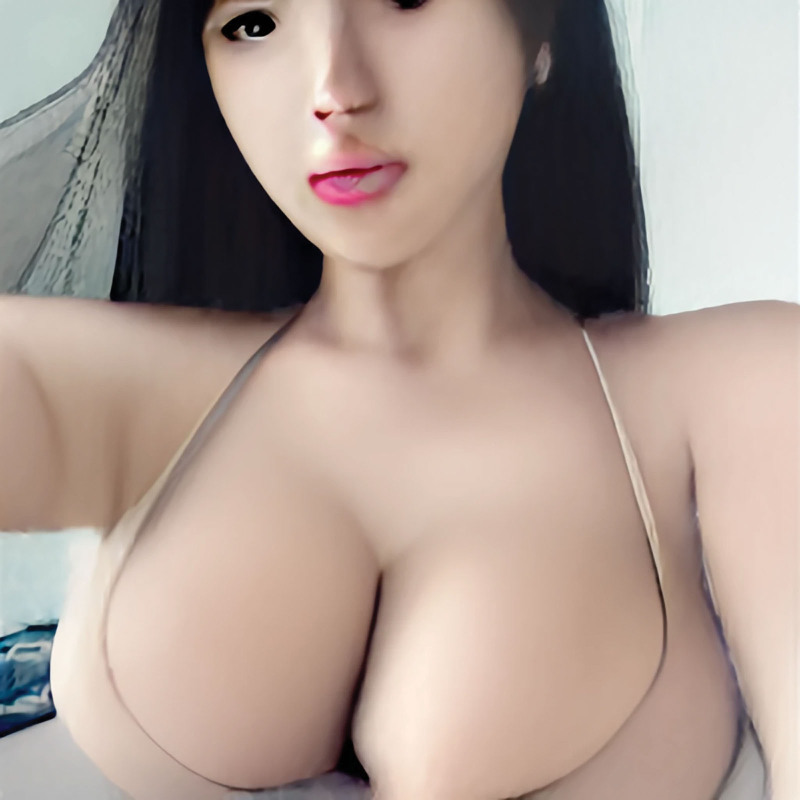
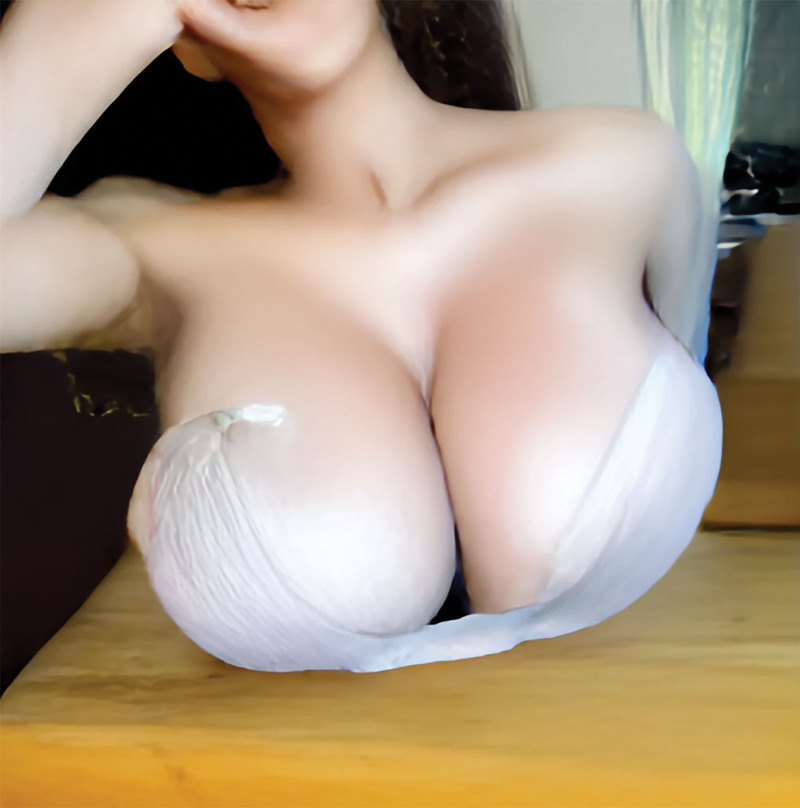
Summary: This work explores the upcoming era of artificial intelligence (AI), its potential impact on societal norms and aesthetics, and the biases inherent in AI systems. With the ability to generate realistic human-like art and language, AI entities like DALL·E or Midjourney have significant cultural and economic implications, particularly in creative sectors. However, our study highlights potential biases in AI, demonstrated through a text-to-image model called Craiyon, which was found to generate oversized and sexually suggestive images of breasts when prompted with certain phrases. These results underline the influence of societal norms on AI and the risk of perpetuating harmful stereotypes or unrealistic beauty standards. We emphasize the need for vigilance in monitoring AI’s learning processes and potential biases, particularly as AI starts playing a crucial role in shaping societal perceptions of beauty and self. More inclusive and diverse AI models are needed to better represent the complexity of human beauty and to avoid biases.
Overview
The claims and statistics of this paper haven’t been checked yet.
Free: it reads the open-access text and checks the first 5 claims that cite a source we can check. Create a free account to check every claim.
Integrity signals
Registry
Cites
Statistics
Figures
Verification
Claims the paper makes
The claims and statistics of this paper haven’t been checked yet.
Free: it reads the open-access text and checks the first 5 claims that cite a source we can check. Create a free account to check every claim.
Claims other papers make about this one
Each is checked against this paper’s own text: does it say what the citing paper says it does?
The cited source says what the claim attributes to it.
In the citing paper
“The resulting images depicted highly sexualized and oversized female breasts, leading the authors to critique aesthetic AI biases and their potential impact on beauty norms and the beauty industry [139].”
From The Impact of Artificial Intelligence on Human Sexuality: A Five-Year Literature Review 2020–2024 (2024) · cites this paper as [139]
Self-check
Percentages, sums and reported differences re-computed from the paper’s own numbers.
The self-check needs the paper’s full text.
Citations
Cites
Learning Transferable Visual Models From Natural Language Supervision
Radford, A., Kim, J. W., Hallacy, C., Ramesh, A., Goh, G., Agarwal, S., Sastry, G., Askell, A., Mishkin, P., Clark, J., et al. (2021) · arXiv · doi:10.48550/arxiv.2103.00020 · Cited by 15,293
Invariant visual representation by single neurons in the human brain
Quiroga, R. Q., Reddy, L., Kreiman, G., Koch, C., & Fried, I. (2005) · Nature · doi:10.1038/nature03687 · Cited by 1,988
Multimodal Neurons in Artificial Neural Networks
Goh, G., Cammarata, N., Voss, C., Carter, S., Petrov, M., Schubert, L., Radford, A., & Olah, C. (2021) · Distill · doi:10.23915/distill.00030 · Cited by 330
Jukebox: A Generative Model for Music
Dhariwal, P., Jun, H., Payne, C., Kim, J. W., Radford, A., & Sutskever, I. (2020) · arXiv (Cornell University) · doi:10.48550/arxiv.2005.00341 · Cited by 96
Sisti, A., Aryan, N., & Sadeghi, P. (2021) · Aesthetic Plastic Surgery · doi:10.1007/s00266-021-02288-2 · Cited by 83
Metrics of the Aesthetically Perfect Breast
Atiye, B., & Chahine, F. (2018) · Aesthetic Plastic Surgery · doi:10.1007/s00266-018-1154-6 · Cited by 71
Body image perception of African immigrants in Europe
Toselli, S., Rinaldo, N., & Gualdi-Russo, E. (2016) · Globalization and Health · doi:10.1186/s12992-016-0184-6 · Cited by 62
Cited by
The Impact of Artificial Intelligence on Human Sexuality: A Five-Year Literature Review 2020–2024
Döring, N., Le, T. D., Vowels, L. M., Vowels, M. J., & Marcantonio, T. L. (2024) · Current Sexual Health Reports · doi:10.1007/s11930-024-00397-y · Cited by 65
“The resulting images depicted highly sexualized and oversized female breasts, leading the authors to critique aesthetic AI biases and their potential impact on beauty norms and the beauty industry [139].”
Generative artificial intelligence: synthetic datasets in dentistry
Umer, F., & Adnan, N. (2024) · BDJ Open · doi:10.1038/s41405-024-00198-4 · Cited by 56
Ethics for AI in Plastic Surgery: Guidelines and Review
Kenig, N., Echeverría, J. M., & Rubi, C. G. (2024) · Aesthetic Plastic Surgery · doi:10.1007/s00266-024-03932-3 · Cited by 42
Self-citationCosmetology in the Era of Artificial Intelligence
Grech, V.-S., Kefala, V., & Rallis, E. A. (2024) · Cosmetics · doi:10.3390/cosmetics11040135 · Cited by 48
“This comprehensive framework aims to protect consumers’ rights and ensure equitable access to beauty and skincare products and services for all users [43].”
BackgroundLapointe, V. A., Dubé, S., Rukhlyadyev, S., Kessai, T., & Lafortune, D. (2025) · Archives of Sexual Behavior · doi:10.1007/s10508-025-03099-1 · Cited by 40
Rizzo, A., Mozgai, S., Sigaras, A., Rubin, J. E., & Jotwani, R. (2025) · Journal of Medical Extended Reality · doi:10.1177/29941520251369450 · Cited by 16
Application of text-to-image translation algorithms in medicine: A systematic review
Mai, M., Mirza, F. N., & DiMarco, C. (2024) · JAAD reviews. · doi:10.1016/j.jdrv.2024.09.003 · Cited by 10
Representation of Demographics in Otolaryngology by Artificial Intelligence Text‐to‐Image Platforms
Shaari, A. L., Saad, A. M., Patel, A. M., & Filimonov, A. (2025) · Laryngoscope Investigative Otolaryngology · doi:10.1002/lio2.70152 · Cited by 8
Evaluating Surgical Results in Breast Cancer with Artificial Intelligence
Kenig, N., Echeverría, J. M., & Vives, A. M. (2025) · Aesthetic Plastic Surgery · doi:10.1007/s00266-025-04915-8 · Cited by 7
“Another question that emerges from this is how, beyond symmetry evaluation, AI can assess or perceive human beauty—and what biases may arise in the process [40].”
Self-citationToms, J. A., Fritsch, A. M., O’Neill, E., Adepoju, J. O., & Raj, M. S. (2025) · Plastic & Reconstructive Surgery Global Open · doi:10.1097/gox.0000000000007133 · Cited by 5
Artificial Intelligence in Plastic Surgery: Current Status, Limitations, and Future Directions
Copeland‐Halperin, L. R. (2025) · Aesthetic Surgery Journal · doi:10.1093/asj/sjaf239 · Cited by 8
Is Asymmetry the New Perfect? Redefining Beauty with Artificial Intelligence
Rahman, E., Rao, P., Sayed, K., Webb, W. R., Esfahlani, S. S., Yu, N., Garcia, P. E., Ioannidis, S., Nassif, A. D., Philipp‐Dormston, W. G., et al. (2025) · Aesthetic Plastic Surgery · doi:10.1007/s00266-025-05353-2 · Cited by 6
“Yet, these models often reflect the biases inherent in traditional beauty standards, emphasizing symmetry at the expense of other factors that contribute to attractiveness [66–68].”
ChatGPT-5 Matches Surgeon-Level Assessment of Facelift Candidacy: A Pilot Proof-of-Concept Study
Saeed, A. T., Breakey, R. W. F., Saleh, D. B., Tiryaki, K. T., Mayou, B. J., & Saeed, T. M. (2026) · Aesthetic Plastic Surgery · doi:10.1007/s00266-026-05676-8 · Cited by 4
“…may exhibit bias in beauty assessments; empirical research has demonstrated that AI models can generate disproportionate representations of aesthetic features, with one study finding that 83% of AI-generated ‘‘beautiful breast’’ images were oversized and all were deemed sexually suggestive [21].”
Miss AI beauty pageant: A milestone in the convergence of technology, beauty, and social norms
Su, B.-C. (2025) · Journal of Consumer Culture · doi:10.1177/14695405251356544 · Cited by 6
Artificial Intelligence and Esthetics: Redefining Precision and Beauty in Plastic Surgery
Dumitraşcu, D. I., Popa, S. L., Incze, V., Amarie, D.-S., Gaspari, L., Aluas, P., Ismaiel, A., Leucuta, D., David, L., Mihăileanu, F. V., et al. (2026) · Medicina · doi:10.3390/medicina62040633 · Cited by 6
“In contrast, no such biases were found in AI-generated images for males or other body parts [24].”
InfluentialBoyd, C. J., Bekisz, J. M., Hemal, K., Sorenson, T. J., & Karp, N. S. (2024) · Journal of Plastic Reconstructive & Aesthetic Surgery · doi:10.1016/j.bjps.2024.01.002 · Cited by 3
Beyond the Screen: AI's Societal Footprint
Mobo, F. D., Inam, A., Joseph, S., Ahmad, M., & Chemingui, H. (2024) · Advances in business information systems and analytics book series · doi:10.4018/979-8-3693-3354-9.ch014 · Cited by 3
Ethnic representation in AI-generated faces: An exploratory analysis
Nguyen, A. T., Li, R. A., Duckworth, E., Li, M. X., & Galiano, R. D. (2025) · Journal of Plastic Reconstructive & Aesthetic Surgery · doi:10.1016/j.bjps.2025.05.021 · Cited by 3
Three key domains for optimizing preoperative preparedness in plastic surgery with AI
Kapila, A. K., Vleminck, L. D., & Hamdi, M. (2025) · Plastic and Aesthetic Research · doi:10.20517/2347-9264.2024.165 · Cited by 3
Marcaccini, G., Shadid, O. H., Seth, I., Bagalà, E., Cuomo, R., & Rozen, W. M. (2026) · Aesthetic Plastic Surgery · doi:10.1007/s00266-026-05704-7 · Cited by 2
“…AI can produce its features commonly labeled as ‘‘attractive’’ within its training data (e.g., symmetrical eyelid crease, minimal skin redundancy), but it does not genuinely perceive the emotional or psychosocial aspects that patients and surgeons associate with successful aesthetic outcomes [18].”
State of the Art of Artificial Intelligence in Plastic Surgery
Kenig, N., Ostrerova, M., Crespo, E. B., & Echeverría, J. M. (2026) · Plastic Surgery · doi:10.1177/22925503261429913 · Cited by 4
“49 False expectations may arise, especially if AI is used for generating synthetic “ before and after ” images, potentially harming trust.”
Self-citationThe role of humans in the future of medicine: Completing the cycle
Kenig, N., & Vives, A. M. (2025) · Metaverse · doi:10.54517/m3129 · Cited by 4
Self-citationÖzmen, B. B., Colakoğlu, S., Taub, P. J., & Reece, E. (2026) · Journal of Craniofacial Surgery · doi:10.1097/scs.0000000000013247 · Cited by 1
The Implications of AI Photo Enhancers in Facial Plastic and Reconstructive Surgery
McCann, A. C., Garg, N., Fei, E., Guler, M., & Heffelfinger, R. N. (2024) · The Laryngoscope · doi:10.1002/lary.31359
Advancements in Plastic Surgery
Kim, R. Y., & Baker, N. F. (2024) · Advances in Cosmetic Surgery · doi:10.1016/j.yacs.2024.03.001
The Authenticity Paradox: Young Adults’ Perceptions of AI-Enhanced Bodies on Social MediaPreprint
Bravo, I. M. F., Gimeno, F., Saux, G., & Ramenzoni, V. C. (2025) · SSRN Electronic Journal · doi:10.2139/ssrn.5492311 · Cited by 1
Bouchareb, N., Balbal, H., Sahnoune, F., & Khelfi, R. (2026) · Cognition Technology & Work · doi:10.1007/s10111-026-00876-3 · Cited by 1
Perspective Chapter: Accountability and Liability forAI in Healthcare
Kenig, N., Vives, A. M., & Echeverría, J. M. (2026) · Artificial intelligence · doi:10.5772/intechopen.1014754
Self-citationPerspective Chapter: The Doctor–AI–Patient Dynamics
Kenig, N., & Vives, A. M. (2026) · Artificial intelligence · doi:10.5772/intechopen.1015263
Self-citationExploring Racial Bias in Rating Facial Attractiveness Among Artificial Intelligence Platforms
Tripathi, N. V., Clementi, E., Aribindi, S., Singh, L., Hakimi, A. A., Chu, E. E., & Reilly, M. J. (2026) · Facial Plastic Surgery · doi:10.1055/a-2945-2437
Metadata
- Authors
- Kenig, N., Monton Echeverria, J., & Muntaner Vives, A.
- Affiliations
- Hospital General Universitario de Albacete (ES)
- Department of Plastic Surgery, Albacete University Hospital, Albacete, Spain
- Department of Otolaryngology, Son Llatzer Hospital, Palma, Spain.
- Corresponding author
- Kenig, Nitzan
- ORCID
- Kenig, Nitzan
- Venue
- Plastic and Reconstructive Surgery - Global Open
- Published
- 2023-07
- Volume
- 11
- Issue
- 7
- Pages
- e5153
- ISSN
- 2169-7574 (ISSN-L)
- PMC
- PMC10371313
- OpenAlex
- W4385276432
- Semantic Scholar
- 0478e62a5b45e5119b836231b8e30dcd5bd5ee82
- Cited by
- 30
- References
- 5
- Citations by year
- 2026: 9 · 2025: 12 · 2024: 9
- FWCI
- 7.51
- Type
- journal article
- Language
- en
- Open access
- gold
- doi.org
- Licence
- Locations
- Plastic & Reconstructive Surgery Global Open (publishedVersion, cc-by-nc-nd)
- PubMed Central (publishedVersion, cc-by-nc-nd)
- PubMed (publishedVersion)
- DOAJ (DOAJ: Directory of Open Access Journals) (submittedVersion, cc-by-sa)
- Docusalut (Conselleria de Salut i Consum del Govern de les Illes Balears) (submittedVersion, cc-by-nc-nd)
- Docusalut (Conselleria de Salut i Consum del Govern de les Illes Balears) (submittedVersion, other-oa)
- Hispana (submittedVersion, other-oa)
- Hispana (submittedVersion, cc-by-nc-nd)
- Topics
- Physical Sciences › Computer Science › Artificial Intelligence › Ethics and Social Impacts of AI
- Health Sciences › Medicine › Health Informatics › Artificial Intelligence in Healthcare and Education
- Social Sciences › Arts and Humanities › Visual Arts and Performing Arts › Art, Technology, and Culture
- Keywords
- artificial intelligence, beauty standards, AI-generated images, text-to-image models, DALL-E, Midjourney, algorithmic bias, sexualization, social norms, stereotypes, body image, inclusive AI
About these checks
Registry, retraction, Cites and statistics results are computed, not judged, with one exception: a printed reference that no index lists is read once by a model before it counts as a citation error. Claims are extracted by a model and kept only when their quote appears verbatim in the text; each cited source is then checked, with a model’s help, for whether it says what the claim relies on. Those verdicts can be wrong — read the claim’s quote and the cited source before relying on one.
Statistics and arithmetic are recomputed, not judged.
Confidence bands are shown only for fields calibrated on our annotated test set. None is calibrated yet, so no band is shown.
What counts as a claim ›How we measure confidence ›How we check this ›
Are you an author, or do you see a problem with this page? Request a review
Data sources
Bibliographic data: Semantic Scholar, OpenAlex, Crossref.
Contains information from the Semantic Scholar Academic Graph Datasets, made available under the ODC Attribution License (ODC-BY 1.0).
Semantic Scholar’s data is described in: Kinney, R., et al. (2023). The Semantic Scholar Open Data Platform. arXiv:2301.10140.
