

Mobile health applications for the management of primary hypertension: A multicenter, randomized, controlled trial
Open accessThe DOI matches its Crossref record, with a small difference in title or year; 11 of the 11 references it cites were found in a registry or an index.
Abstract
Background: Hypertension is 1 of the major global public health challenges, which means that patients with hypertension need more measures to control their blood pressure. Currently, smart phones and applications are developing rapidly, and mobile health applications are used to manage hypertension, but evidences related to effectiveness are limited. Objective: The purpose was to assess the impact of m-Health apps on blood pressure control, medication adherence. Methods: 480 participants were randomly assigned to the intervention and control groups. The intervention group used the “Yan Fu” app to manage their blood pressure, and the control group did not use any m-Health apps. The outcomes were changes in blood pressure, the percentage of participants with their blood pressure under control and medication adherence. Results: At the end of the study, the baseline characteristics between the 2 groups had no statistically differences (P > .05). Participants in the 2 groups all had lower systolic blood pressure and diastolic blood pressure than they did at baseline, and the intervention group demonstrated a significantly greater systolic blood pressure and diastolic blood pressure reduction than the control group (P < .05). Additionally, the percentage of participants with controlled blood pressure was higher in the intervention group (P < .05). The medication adherence of the intervention group was much higher than that of the control group (P < .05). Conclusion: M-Health apps are effective for hypertension management, it can favor the medication adherence and blood pressure control. Perhaps m-Health apps can be promoted in the blood pressure control. Trial Registration: This study was registered in the Chinese Clinical Trial Registry under the number ChiCTR-IOR-17012069.
Overview
The claims and statistics of this paper haven’t been checked yet.
Free: it reads the open-access text and checks the first 5 claims that cite a source we can check. Create a free account to check every claim.
Integrity signals
Registry
Cites
Statistics
Figures
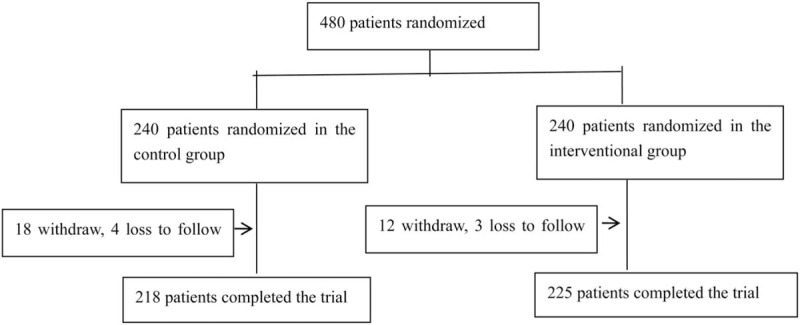
Verification
Claims the paper makes
The claims and statistics of this paper haven’t been checked yet.
Free: it reads the open-access text and checks the first 5 claims that cite a source we can check. Create a free account to check every claim.
Claims other papers make about this one
Each is checked against this paper’s own text: does it say what the citing paper says it does?
The source backs part of the claim, not all of it — or backs it for a different population, condition or comparison.
In the citing paper
“In recent years, digital health interventions have become a very effective, useful and available form of healthcare delivery in self-management and controlling hypertension,8, 9, 10, 11, 12 compared with usual care.”
From Effectiveness of digital health interventions on blood pressure control, lifestyle behaviours and adherence to medication in patients with hypertension in low-income and middle-income countries: a systematic review and meta-analysis of randomised controlled trials (2024) · cites this paper as [10]
Experimental — accuracy not yet measured
Self-check
Percentages, sums and reported differences re-computed from the paper’s own numbers.
The self-check needs the paper’s full text.
Citations
Cites
A Clinical Trial of the Effects of Dietary Patterns on Blood Pressure
Appel, L. J., Moore, T. J., Obarzanek, E., Vollmer, W. M., Svetkey, L. P., Sacks, F. M., Bray, G. A., Vogt, T. M., Cutler, J. A., Windhauser, M. M., et al. (1997) · New England Journal of Medicine · doi:10.1056/nejm199704173361601 · Cited by 5,981
Adherence to Long‐Term Therapies: Evidence for Action
Burkhart, P. V., & Sabaté, E. (2003) · Journal of Nursing Scholarship · doi:10.1111/j.1547-5069.2003.tb00001.x · Cited by 2,526
Smartphone medication adherence apps: Potential benefits to patients and providers
Dayer, L., Heldenbrand, S., Anderson, P., Gubbins, P. O., & Martin, B. C. (2013) · Journal of the American Pharmacists Association · doi:10.1331/japha.2013.12202 · Cited by 473
A content analysis of smartphone–based applications for hypertension management
Kumar, N., Khunger, M., Gupta, A., & Garg, N. (2015) · Journal of the American Society of Hypertension · doi:10.1016/j.jash.2014.12.001 · Cited by 208
Kim, J. Y., Wineinger, N. E., & Steinhubl, S. R. (2016) · Journal of Medical Internet Research · doi:10.2196/jmir.5429 · Cited by 182
Márquez Contreras, E., Márquez Rivero, S., Rodríguez García, E., López-García-Ramos, L., Carlos Pastoriza Vilas, J., Baldonedo Suárez, A., Gracia Diez, C., Gil Guillén, V., Martell Claros, N., & Compliance Group of Spanish Society of Hypertension (SEH-LELHA) (2019) · Current Medical Research and Opinion · doi:10.1080/03007995.2018.1549026 · Cited by 137
Morawski, K., Ghazinouri, R., Krumme, A. A., McDonough, J., Durfee, E., Oley, L. A., Mohta, N. S., Juusola, J. L., & Choudhry, N. K. (2016) · American Heart Journal · doi:10.1016/j.ahj.2016.11.007 · Cited by 50
Ashoorkhani, M., Bozorgi, A., Majdzadeh, R., Hosseini, H., Yoonessi, A., Ramezankhani, A., & Eftekhar, H. (2016) · Trials · doi:10.1186/s13063-016-1638-0 · Cited by 45
Chinese Mobile Health APPs for Hypertension Management: A Systematic Evaluation of Usefulness
Liang, J., He, X., Jia, Y., Zhu, W., & Lei, J. (2018) · Journal of Healthcare Engineering · doi:10.1155/2018/7328274 · Cited by 35
Jha, D., Gupta, P., Ajay, V. S., Jindal, D., Perel, P., Prieto‐Merino, D., Jacob, P., Nyong, J., Venugopal, V., Singh, K., et al. (2017) · BMJ Open · doi:10.1136/bmjopen-2016-014851 · Cited by 32
Cited by
Deniz-Garcia, A., Fabelo, H., Rodriguez-Almeida, A. J., Zamora-Zamorano, G., Castro-Fernandez, M., Alberiche Ruano, M. D. P., Solvoll, T., Granja, C., Schopf, T. R., Callico, G. M., et al. (2023) · Journal of Medical Internet Research · doi:10.2196/44030 · Cited by 268
Digital health: trends, opportunities and challenges in medical devices, pharma and bio-technology
Kasoju, N., Remya, N. S., Sasi, R., Sreedharan, S., Soman, B., Kesavadas, C., Muraleedharan, C. V., Varma, P. R. H., & Behari, S. (2023) · CSI Transactions on ICT · doi:10.1007/s40012-023-00380-3 · Cited by 244
“This technology can help increase patient engagement and improve data quality [69].”
BackgroundXu, H., & Long, H. (2020) · JMIR mHealth and uHealth · doi:10.2196/21759 · Cited by 144
“Hypertension Coaching App, SMBPa (n=144) Persell et al [29] MAcOnline education weekly 6 weeksRegular routine education (n=25) Social network selfmanagement education (n=25) Ghezeljeh et al [23] BPRecord BP, reminder12 weeksNone (n=202)Medisafe app, SMBP (n=209) Morawski et al [26] BPRecord BP twice a week and twice i…”
BackgroundMethodInfluentialKruse, C. S., & Heinemann, K. (2022) · Journal of Medical Internet Research · doi:10.2196/31752 · Cited by 153
Cao, W., Milks, M. W., Liu, X., Gregory, M. E., Addison, D., Zhang, P., & Li, L. (2022) · JMIR mhealth and uhealth · doi:10.2196/29415 · Cited by 122
“Some studies [14,25,27,28,31,32,36-38, 43, 44,”
BackgroundMethodInfluentialDigital Therapeutics in Hypertension: Evidence and Perspectives
Kario, K., Harada, N., & Okura, A. (2022) · Hypertension · doi:10.1161/hypertensionaha.122.19414 · Cited by 110
Kassavou, A., Wang, M., Mirzaei, V., Shpendi, S., & Hasan, R. (2022) · JMIR mHealth and uHealth · doi:10.2196/34767 · Cited by 91
Siopis, G., Moschonis, G., Eweka, E., Jung, J., Kwasnicka, D., Asare, B. Y.-A., Kodithuwakku, V., Willems, R., Verhaeghe, N., Annemans, L., et al. (2023) · The Lancet Digital Health · doi:10.1016/s2589-7500(23)00002-x · Cited by 87
Boima, V., Doku, A., Agyekum, F., Tuglo, L. S., & Agyemang, C. (2024) · EClinicalMedicine · doi:10.1016/j.eclinm.2024.102432 · Cited by 82
“10,11,23,28 Four articles acquired a high risk of bias categorisation for adopting a selective reporting of results, lack of information on suf fi cient training of personnel for the assessment of results, or not stating if results evaluators were mindful of respondents ’ intervention task.”
BackgroundInfluentialMikulski, B. S., Bellei, E. A., Biduski, D., & Marchi, A. C. B. D. (2021) · American Journal of Preventive Medicine · doi:10.1016/j.amepre.2021.11.003 · Cited by 77
Cavero‐Redondo, I., Saz‐Lara, A., Sequí‐Domínguez, I., Gómez‐Guijarro, M. D., Ruiz-Grao, M. C., Martínez‐Vizcaíno, V., & Álvarez‐Bueno, C. (2021) · International Journal of Nursing Studies · doi:10.1016/j.ijnurstu.2021.104085 · Cited by 62
Zhou, Y. J., Li, S., Huang, R.-Q., Ma, H., Wang, A., Tang, X., Pei, R., & Piao, M. (2024) · Journal of Medical Internet Research · doi:10.2196/54978 · Cited by 56
Yap, H. J., Lim, J. J., Tan, S.-Y. D., & Ang, C. (2024) · Journal of Hypertension · doi:10.1097/hjh.0000000000003793 · Cited by 49
Sakima, A., Akagi, Y., Akasaki, Y., Fujii, T., Haze, T., Kawakami-Mori, F., Kitajima, K., Kobayashi, Y., Matayoshi, T., Sakaguchi, T., et al. (2024) · Hypertension Research · doi:10.1038/s41440-024-01792-7 · Cited by 42
Jaén-Extremera, J., Afanador-Restrepo, D. F., Rivas-Campo, Y., Rodas, A. G., Aibar‐Almazán, A., Hita‐Contreras, F., Carcelén‐Fraile, M. D. C., Castellote‐Caballero, Y., & Ortíz, R. (2023) · Journal of Clinical Medicine · doi:10.3390/jcm12030841 · Cited by 39
Abe, M., Hirata, T., Morito, N., Kawashima, M., Yoshida, S., Takami, Y., Fujimoto, T., Kawasoe, S., Shibukawa, T., Segawa, H., et al. (2024) · Hypertension Research · doi:10.1038/s41440-024-01939-6 · Cited by 31
Leupold, F., Karimzadeh, A., Breitkreuz, T., Draht, F., Klidis, K., Grobe, T., & Weltermann, B. (2022) · EClinicalMedicine · doi:10.1016/j.eclinm.2022.101712 · Cited by 32
Astasio-Picado, Á., Moreno, P. C., Martín, B. G., Verdú-Garcés, L., & Zabala-Baños, M. D. C. (2022) · International Journal of Environmental Research and Public Health · doi:10.3390/ijerph19031534 · Cited by 31
Nurakysh, S., Kurakbayev, K., Kosherbayeva, L., Tazhiyeva, A. Y., Aimakhanova, A. S., Kulkaeva, G., Asykbaeva, L., Ainabekov, M., Fakhradiyev, I. R., & Tanabayeva, S. B. (2022) · Acta Informatica Medica · doi:10.5455/aim.2022.30.18-24 · Cited by 24
Liu, L., Guo, J., Jiao, X., & You, L. (2024) · Hypertension Research · doi:10.1038/s41440-024-01892-4 · Cited by 23
Use of Mobile Applications to Increase Therapeutic Adherence in Adults: A Systematic Review
Chala, E. A. J., Durantez‐Fernández, C., Martín‐Conty, J. L., Mohedano‐Moriano, A., Rodríguez, F. M., & López, B. P. (2022) · Journal of Medical Systems · doi:10.1007/s10916-022-01876-2 · Cited by 24
“58% (n = 7) referred to automated education, which is based on providing the user with information about the condition, symptoms, medicine use, importance of following the treatment, side effects of medication, psycho-social and confrontation strategies [17, 18, 20–23 , 26].”
BackgroundMethodMobile health technologies in the prevention and management of hypertension: A scoping review
Babatunde, A. O., Ogundijo, D., Afolayan, A.-G. O., Awosiku, O. V., Aderohunmu, Z., Oguntade, M. S., Alao, U. H., Oseni, A. O., Akintola, A. A., & Amusat, O. (2024) · Digital Health · doi:10.1177/20552076241277172 · Cited by 27
Sukpattanasrikul, S., Singha-Dong, N., Sitthimongkol, Y., & Anonjarn, K. (2025) · International Journal of Nursing Sciences · doi:10.1016/j.ijnss.2025.04.001 · Cited by 18
“Various reminder purposes were found in the literature, including medication [21,25,32,33,35,36], SMB [26,36], and BPM [36].”
InfluentialWang, Z., Hou, J., Zheng, H., Wang, D., Tian, W., Zhang, D., & Yan, J. (2023) · Medicine · doi:10.1097/md.0000000000033206 · Cited by 15
Bandeira, A. C. N., de Melo, P. U. G., Johann, E. B., Ritti‐Dias, R. M., Rech, C. R., & Gerage, A. M. (2024) · Telemedicine Journal and e-Health · doi:10.1089/tmj.2023.0545 · Cited by 14
Kengne, A. P., Brière, J., Gudiña, I. A., Jiang, X., Kodjamanova, P., Bennetts, L. E., & Khan, Z. M. (2024) · Expert Review of Pharmacoeconomics & Outcomes Research · doi:10.1080/14737167.2024.2319598 · Cited by 15
“Five studies from developing countries [100] included a digital application as part of an intervention [37,40,59,86,101].”
Abdelmalak, N., Burns, J., Suhlrie, L., Laxy, M., & Stephan, A. (2024) · International Journal for Equity in Health · doi:10.1186/s12939-024-02267-4 · Cited by 15
“…of participants are 120 and 85 respectively); n = 58 focused on diabetes ( n = 51 unique RCTs with 5815 individuals), n = 10 on hypertension ( n = 9 unique RCTs with 1622 individuals) [50, 51, 56, 57, 63–65, 70, 72, 96] and n = 4 on diabetes and/or hypertension (359 individuals) [59, 73, 82, 114].”
BackgroundA fusion architecture to deliver multipurpose mobile health services
Bermúdez, A. G., Carramiñana, D., Bernardos, A. M., Bergesio, L., & Besada, J. A. (2024) · Computers in Biology and Medicine · doi:10.1016/j.compbiomed.2024.108344 · Cited by 18
Huang, F., Zhang, S., Tian, Y., Li, L., Li, Y., Chen, X., Sun, X., Fan, Y., Ma, W., Liu, C., et al. (2021) · Diabetes Research and Clinical Practice · doi:10.1016/j.diabres.2021.108775 · Cited by 13
Self-citationmHealth Technology and CVD Risk Reduction
Cajita, M., Zheng, Y., Kariuki, J. K., Vuckovic, K. M., & Burke, L. E. (2021) · Current Atherosclerosis Reports · doi:10.1007/s11883-021-00927-2 · Cited by 13
The presence of accountability in digital interventions targeting non-adherence: A review
Christensen, R. E., Ranpariya, V. K., Kammrath, L. K., Masicampo, E. J., Roberson, K. B., & Feldman, S. R. (2022) · Patient Education and Counseling · doi:10.1016/j.pec.2022.01.010 · Cited by 12
Beger, C., Rüegger, D., Lenz, A., Wagner, S., Schmidt-Ott, K. M., Volland, D., & Limbourg, F. P. (2025) · Frontiers in Digital Health · doi:10.3389/fdgth.2025.1516600 · Cited by 10
Zhao, X., Zhao, Q., Yang, Q., Li, Y., Xing, X., & Li, X. (2025) · JMIR mhealth and uhealth · doi:10.2196/72416 · Cited by 12
Self-citationPark, S., Woo, H. G., Kim, S., Kim, S. Y., Lim, H., Yon, D. K., & Rhee, S. Y. (2023) · JMIR Formative Research · doi:10.2196/48332 · Cited by 11
“…result of the use of a more comprehensive application that enables users to consult telemedicine physicians through BP and glucose measures; medication and exercise; notifications of upcoming doctor visits; records of BP and glucose control; and drugs, training modules, and health assessments [20].”
Daud, M. H., Yusoff, F. H., Abdul-Razak, S., Baharudin, N., Mohamed-Yassin, M.-S., Badlishah-Sham, S. F., Nikmat, A. W., Isa, M. R., Jamil, N., Nawawi, H. M., et al. (2023) · Digital Health · doi:10.1177/20552076231176645 · Cited by 11
Mobile phones and applications in the management of patients with arterial hypertension.
Michalakeas, C. A., Katsi, V. K., Σουλαϊδόπουλος, Σ., Dilaveris, P., Vrachatis, D. A., Lekakis, I., Vlachopoulos, C. V., Tsioufis, K. P., & Tousoulis, D. M. (2020) · PubMed Central · Cited by 13
Arabacı, Z., & Toraman, A. U. (2024) · Public Health Nursing · doi:10.1111/phn.13499 · Cited by 9
“…all participants in the intervention and control groups had lower systolic and diastolic blood pressure compared to baseline, and the intervention group exhibited a significantly greater reduction in systolic and diastolic blood pressure than the control group ( p < 0.05) (Gong et al. 2020).”
InfluentialKajian Metode Peningkat Kepatuhan Pada Pasien Hipertensi: Telaah Literatur Sistematis
Novitri, S. A., Saibi, Y., & Muhtaromah, M. (2021) · Pharmaceutical and Biomedical Sciences Journal (PBSJ) · doi:10.15408/pbsj.v3i1.20357 · Cited by 15
Epidemiological survey of hypertension among middle-aged and elderly adults in Anhui Province
Zhai, Y., Cui, C., Yu, T., & Su, Z. (2023) · Medicine · doi:10.1097/md.0000000000034402 · Cited by 9
“[36–39] At the same time, it is also necessary to take antihypertensive drugs regularly and review them regularly, implement home blood pressure monitoring and outpatient blood pressure monitoring, and use mobile health applications to help control blood pressure.[40,41] Departments at all levels should make joint eff…”
BackgroundTawpik, N. H. N. M., Mizher, H. A. A., & Zaini, S. (2025) · Journal of Pharmacy · doi:10.31436/jop.v5i1.286 · Cited by 9
Setyorini, D. Y., Sudiana, I. K., & Bakar, A. (2022) · Nurscope Jurnal Penelitian dan Pemikiran Ilmiah Keperawatan · doi:10.30659/nurscope.7.2.132-140 · Cited by 8
Wang, H., Zhang, W., Zhang, R., Song, Y., Tang, S., Zhang, C., Zhao, Y., & Zhang, X. (2025) · Scientific Reports · doi:10.1038/s41598-025-04504-4 · Cited by 7
The Use of mHealth in Promoting Therapeutic Adherence: A Scoping Review
Liquori, G., Posa, V. P., Leo, A. D., Giannetta, N., Simone, E. D., Muzio, M. D., & Dionisi, S. (2024) · CIN Computers Informatics Nursing · doi:10.1097/cin.0000000000001062 · Cited by 10
Yu, J., Fu, Y., Du, H., Wu, Q., Zhang, S., Zhao, B., Xue, E., Guo, Y., Yang, R., Zhu, M., et al. (2025) · Health Psychology Review · doi:10.1080/17437199.2025.2532017 · Cited by 9
Yuan, W., Zhang, Y., & LiHua, M. A. (2023) · The Journal of Cardiovascular Nursing · doi:10.1097/jcn.0000000000001015 · Cited by 8
He, Y., Chen, H., Xiang, P., Zhao, M., Li, Y., Liu, Y., Wang, T., Liang, J., & Lei, J. (2024) · Journal of Medical Internet Research · doi:10.2196/60773 · Cited by 7
Self-citationHeidari, N., Rajati, F., Heidari, P., & Rajati, M. (2025) · Frontiers in Public Health · doi:10.3389/fpubh.2025.1495281 · Cited by 8
“Conversely, Gong et al.(2020) evaluated mHealth programs aimed at blood pressure control (56).”
Dele-Ojo, B. F., Oseni, T. I. A., Duodu, F., Echieh, C. P., Blankson, P., Alabi, B. S., Sarpong, D. F., Tayo, B. O., Boima, V., Amoakoh‐Coleman, M., et al. (2023) · Research Square · doi:10.21203/rs.3.rs-3272069/v1 · Cited by 11
“Our �ndings are in tandem with previous studies that revealed that the mHealth intervention led to greater reductions in systolic and diastolic BP than usual care 15–17 , 20 .”
ResultMotta-Yanac, E., Riley, V., Ellis, N. J., Mankoo, A., & Gidlow, C. J. (2025) · International Journal of Medical Informatics · doi:10.1016/j.ijmedinf.2024.105755 · Cited by 5
Susanto, Y., Pristianty, L., & Hermansyah, A. (2023) · Pharmacy Education · doi:10.46542/pe.2023.234.208218 · Cited by 5
Empowering WHISE women: usability testing of a mobile application to enhance blood pressure control
Jones, L. M., Monroe, K. E., Tripathi, P., Bashshur, M. J., Kavalakatt, J., Tarrance, K., Mitchell, J., & Hawkins, J. (2024) · mHealth · doi:10.21037/mhealth-24-6 · Cited by 5
“Recent literature supports the idea that mobile apps may have the ability to influence better practices of self-management and self-efficacy in women to affect a more balanced lifestyle (9,12,35).”
BackgroundEstudo comparativo de aplicativos móveis disponíveis para pacientes transplantados renais
da Silva, A. R., da Silva, G. B., & Branco, K. M. P. C. (2020) · Revista de Saúde Digital e Tecnologias Educacionais · doi:10.36517/resdite.v5.n3.2020.a2 · Cited by 5
Ferreira, P. C., Teston, É. F., Carvalho, B. G., da Silva, J. L., dos Reis, P., Rossi, R. M., & Marcon, S. S. (2023) · Cogitare Enfermagem · doi:10.1590/ce.v28i0.86141 · Cited by 4
Lippke, S., Korte, L., Anand-Kumar, V., Fach, A., & Ratz, T. (2025) · AIMS Public Health · doi:10.3934/publichealth.2025015 · Cited by 5
Abe, M., Hirata, T., Morito, N., Kawashima, M., Yoshida, S., Takami, Y., Fujimoto, T., Kawasoe, S., Shibukawa, T., Segawa, H., et al. (2025) · Hypertension Research · doi:10.1038/s41440-025-02365-y · Cited by 5
Raquib, N., Alshibane, M. A. M., Elkarim, N. H. M. A., Osman, A., Ahmed, Y., Elhaj, F. M. A., & Abbas, I. M. A. D. (2025) · Cureus · doi:10.7759/cureus.97024 · Cited by 7
“The higher medication adherence reported by Gong et al. [20] and the improved adherence scores in the study by Zhai et al. [24], though modest, are clinically significant.”
InfluentialLuo, H., Ma, Q., Song, J., Peng, J., Song, Y., Chen, G., Lin, C., & Yang, X. (2021) · Nursing Open · doi:10.1002/nop2.997 · Cited by 4
Digital Health Literacy in Patients With Hypertension: A Cross‐Sectional Study
Totaro, M., Cicolini, G., Bianconi, A., Fiore, M., Angelini, A., Ciampechini, G., Ferretti, M., Nonnis, C. L., Quaranta, P., Comparcini, D., et al. (2025) · Journal of Clinical Nursing · doi:10.1111/jocn.17811 · Cited by 6
Asgary, R. G., Beideck, E., Naderi, R., & Schoenthaler, A. (2023) · Contemporary Clinical Trials · doi:10.1016/j.cct.2023.107149 · Cited by 4
Sukpattanasrikul, S., Singha-Dong, N., & Sitthimongkol, Y. (2026) · JMIR Research Protocols · doi:10.2196/81148 · Cited by 3
Mehta, P. K., Rao, A. R., Upadhyay, N., Mustafa, S., Digra, V., Wariar, A., Soni, N., Chatterjee, P., & Chakrawarty, A. (2026) · International Journal of Telemedicine and Applications · doi:10.1155/ijta/9857793 · Cited by 4
Factorial design study of self-management using Dnurse App in T2DM patients
Tang, H., Tan, H., Zhang, J., Zhang, M., Chen, M., Kong, L., Wang, X., Guo, M., Zhao, J., Song, L., et al. (2025) · Frontiers in Endocrinology · doi:10.3389/fendo.2025.1420578 · Cited by 3
“Following the intervention, there was a statistically signi fi cant effect on SBP. Factorial analysis indicated that the app effectively reduced patients ’ SBP, consistent with fi ndings by Gong K (16).”
Framework for Monitoring Peruvian Patients with Hypertension using a Smartwatch and GPT
Rosales, M., Huacacolque, E., Castillo, J. L., & Wong, L. (2024) · Conference of Open Innovations Association (FRUCT) · doi:10.23919/fruct61870.2024.10516393 · Cited by 4
“Studies such as [22], [19] separated patients into two groups, one that used mobile apps to monitor BP and another with traditional follow-up.”
MethodFerreira, P. C., Teston, É. F., Carvalho, B. G., da Silva, J. L., dos Reis, P., Rossi, R. M., & Marcon, S. S. (2023) · Cogitare Enfermagem · doi:10.1590/ce.v28i0.90796 · Cited by 3
Gehlen, T., Joost, T., Solbrig, P., Stahnke, K., Zahn, R., Jahn, M., Amini, D. A., & Back, D. A. (2025) · Diagnostics · doi:10.3390/diagnostics15020221 · Cited by 3
Beger, C., Lehmann, M., Kaup, M., Jones, L., Mijušković, A., & Limbourg, F. P. (2025) · Frontiers in Digital Health · doi:10.3389/fdgth.2025.1672553 · Cited by 3
“Another study which demonstrated a significant BP-reduction analysed an app which offered not only lifestyle coaching but also enabled remote access to physician consultations (21).”
Gautama, M. S. N. (2023) · Holistic Nursing Plus · doi:10.58439/hnp.v1i1.65 · Cited by 2
M-Health terhadap Kepatuhan Pengobatan pada Pasien Hipertensi
Noviyanti, M., Triharini, M., & Ulfiana, E. (2024) · Journal of Telenursing (JOTING) · doi:10.31539/joting.v6i1.9575 · Cited by 2
What’s Next in MHealth Apps in Rehabilitation: Re-Directing Our Attention to Evaluating Quality
Quach, S. (2024) · Physiotherapy Canada · doi:10.3138/ptc-2023-76-2 · Cited by 1
López, A. C. G., & Valdez, E. A. (2024) · RESPYN Revista de Salud Pública y Nutrición · doi:10.29105/respyn23.4-821 · Cited by 1
Pawestri, N. W., Saputri, G. Z., Hidayati, A., Irham, L. M., Hanisari, P., Yuni, S. F., Galuh, T., & Sany, S. (2025) · Pharmasipha Pharmaceutical Journal of Islamic Pharmacy · doi:10.21111/pharmasipha.v9i1.13123 · Cited by 1
Ni, X., Xue, H., Fan, L., Li, M., Yang, J., & Du, W. D. (2025) · npj Digital Medicine · doi:10.1038/s41746-025-02064-5 · Cited by 1
Joshee, S. R., Dingle, K., Jones, J. E., Mahtani, A. U., Patel, D. A., Juraschek, S. P., Plante, T. B., Brady, T. M., & Hu, J. (2025) · American Journal of Hypertension · doi:10.1093/ajh/hpaf243 · Cited by 3
Panova, A. L., Zheleznykh, E. A., Pavlov, N. A., Kozhevnikova, M. V., Eruslanova, K. A., Shchedrina, A. Y., Alibekova, L. Y., Gilyarevskiy, S. R., & Belenkov, Y. N. (2025) · Russian Journal of Geriatric Medicine · doi:10.37586/2686-8636-4-2025-460-467 · Cited by 2
Vidzro, S. E., Ansu-Mensah, M., Dlamini, S., & Kuupiel, D. (2026) · PLoS ONE · doi:10.1371/journal.pone.0342224 · Cited by 1
“By highlighting successful interventions and common features, the review may guide clinical practice and support the integration of mHealth technologies into routine hypertension care [24].”
Kim, S. K., Jo, H. S., & Hwang, Y. S. (2026) · Digital Health · doi:10.1177/20552076261444240 · Cited by 1
(2026) · Journal of Biosciences and Public Health · doi:10.5455/jbph.2026.09 · Cited by 2
Telemedicine in the Management of Arterial Hypertension in Rural Populations: A Narrative Review
Bilmakhanbetova, A., Ibrayev, S. E., Turgambayeva, A. K., Kulkayeva, G., & Seisembekov, T. Z. (2026) · Healthcare · doi:10.3390/healthcare14101383 · Cited by 1
Jumneansuk, A., Plalungrit, S., Dangkrajang, S., Tongyoo, A., Dechboon, P., Pathomrotsakul, J., Arsa, R., & Prasert, V. (2022) · International Journal of Geoinformatics · doi:10.52939/ijg.v18i3.2209 · Cited by 1
Pujiastuti, T. T., Aljaberi, M. A. A., & Sansuwito, T. B. (2025) · Malaysian Journal of Medicine and Health Sciences · doi:10.47836/mjmhs.19.1.44 · Cited by 1
Asgary, R. G., Bauder, L., Naderi, R., & Ogedegbe, G. G. (2023) · BMJ Open · doi:10.1136/bmjopen-2023-073041 · Cited by 1
Lippke, S., Korte, L., Anand-Kumar, V., Fach, A., Homoth, J., Oltmann, C., & Ratz, T. (2023) · Preprints.org · doi:10.20944/preprints202311.0768.v1 · Cited by 1
EFEKTIFITAS SMARTPHONE TERHADAP KONTROL TEKANAN DARAH DAN KEPATUHAN PASIEN HIPERTENSI
Berek, P. A. L. (2021) · Jurnal Sahabat Keperawatan · doi:10.32938/jsk.v3i01.917
Arab, R. A. A.-K. E. (2021) · doi:10.2196/preprints.29606
Building Digital Health Systems to Support Treatment Administration: A Preliminary Case Study
Bermúdez, A. G., & Bernardos, A. M. (2023) · Lecture notes of the Institute for Computer Sciences, Social Informatics and Telecommunications Engineering · doi:10.1007/978-3-031-32029-3_20
Ferreira, P. C., Teston, É. F., Carvalho, B. G., da Silva, J. L., dos Reis, P., Rossi, R. M., & Marcon, S. S. (2023) · Cogitare Enfermagem · doi:10.1590/ce.v28i0.90797
Fatores que influenciam os pacientes na adesão ao tratamento da hipertensão arterial sistêmica
Peres, J. B., da Silva, L. H. L., Sabino, M. B., Lima, A. F., Sant’Anna, J. B., & Charlo, P. B. (2023) · Global Academic Nursing Journal · doi:10.5935/2675-5602.20200366 · Cited by 2
Quach, S. (2024) · Physiotherapy Canada · doi:10.3138/ptc-2023-76-2.fr
Softwares para adesão ao tratamento medicamentoso da hipertensão arterial sistêmica
de Carvalho, D. A. C., Araújo, M. A. S., Braga, M. O., Faria, I. C., & de Souza, F. H. B. (2024) · Journal of Health Informatics · doi:10.59681/2175-4411.v16.iespecial.2024.1347
Lau, W. H., Lam, E. H., Fogel, J. A., Ghanayem, H., Elsayad, C., Maqbool, A., & Vas, V. (2025) · Blood Pressure Monitoring · doi:10.1097/mbp.0000000000000748
Takemoto, A. (2025) · SSRN Electronic Journal · doi:10.2139/ssrn.5251556
Johann, E. B., do Amaral, M. B., Bandeira, A. C. N., Sirydakis, M. E., da Silveira, J. P., Souza, A. A., Junior, J. B. D. O., dos Santos, C. E. S., Delevatti, R. S., Rech, C. R., et al. (2025) · doi:10.2196/preprints.86552
Luo, Y., Han, P.-H., Chen, Y., Wu, P., Wu, I., Fan, Y., & Chiu, H. (2026) · Hemodialysis International · doi:10.1111/hdi.70045
“Smart exercise devices not only increase motivation and activity levels but also improve adherence and foster positive emotions such as happiness, relaxation, and excitement [10–12].”
Rizki, A., & Chen, M. L. (2025) · Media of Health Research · doi:10.70716/mohr.v3i3.312
Interventions used to improve self-management among adults with hypertension: a scoping reviewPreprint
Shawa, E., & Hwang, H. (2026) · Research Square · doi:10.21203/rs.3.rs-9334995/v1
Maniyara, K., & Kodali, P. B. (2026) · JMIR Research Protocols · doi:10.2196/81307 · Cited by 1
“Instant messaging through WhatsApp can facilitate mobile health (mHealth) services by acting as a medium for communicating reminders, health advice, and hypertension management guidelines [5,6, 9,12,13].”
Shaba, E., & Hwang, H. (2026) · doi:10.2196/preprints.100343
Song, Y., Park, S., Lee, Y., & Lee, S. (2026) · Journal of Korean Academy of Nursing · doi:10.4040/jkan.26016
Ramdani, S., Benkaddour, N. E. H., Chergui, I., & Haddiya, I. (2026) · Lecture notes in networks and systems · doi:10.1007/978-3-032-18894-6_10
Ma, Y., zhang, X., Shi, J., Guo, C., Tian, C., Wan, Z., Li, Y., Li, Y., Guo, L., Lang, Y., et al. (2026) · doi:10.2196/preprints.102956
Self-citation
Metadata
- Authors
- Gong, K., Yan, Y.-L., Li, Y., Du, J., Wang, J., Han, Y., Zou, Y., Zou, X.-Y., Huang, H., & She, Q.
- Affiliations
- Second Affiliated Hospital of Chongqing Medical University (CN)
- Corresponding author
- She, Qiang
- Venue
- Medicine
- Published
- 2020-04
- Volume
- 99
- Issue
- 16
- Pages
- e19715
- ISSN
- 0025-7974 (ISSN-L)
- 1536-5964
- PMC
- PMC7440290
- OpenAlex
- W3016356891
- Semantic Scholar
- ece5e3ea3f0ce498374cd21bc65619f6a093f762
- Cited by
- 95
- References
- 11
- Citations by year
- 2026: 10 · 2025: 21 · 2024: 20 · 2023: 22 · 2022: 10 · 2021: 9 · 2020: 3
- FWCI
- 11.49
- Type
- journal article
- Language
- en
- Open access
- gold
- doi.org
- Locations
- Medicine (publishedVersion, cc-by)
- PubMed Central (publishedVersion, cc-by)
- PubMed (publishedVersion)
- Topics
- Health Sciences › Health Professions › General Health Professions › Mobile Health and mHealth Applications
- Health Sciences › Medicine › Cardiology and Cardiovascular Medicine › Blood Pressure and Hypertension Studies
- Health Sciences › Medicine › Family Practice › Medication Adherence and Compliance
- Keywords
- mobile health apps, antihypertensive therapy, blood pressure control, medication adherence, mobile application, antihypertensive drugs
- MeSH terms
- Aged, Female, Humans, Hypertension, Male, Middle Aged, Treatment Outcome, Disease Management, Medication Adherence, Mobile Applications
About these checks
Registry, retraction, Cites and statistics results are computed, not judged, with one exception: a printed reference that no index lists is read once by a model before it counts as a citation error. Claims are extracted by a model and kept only when their quote appears verbatim in the text; each cited source is then checked, with a model’s help, for whether it says what the claim relies on. Those verdicts can be wrong — read the claim’s quote and the cited source before relying on one.
Statistics and arithmetic are recomputed, not judged.
Confidence bands are shown only for fields calibrated on our annotated test set. None is calibrated yet, so no band is shown.
What counts as a claim ›How we measure confidence ›How we check this ›
Are you an author, or do you see a problem with this page? Request a review
Data sources
Bibliographic data: Semantic Scholar, OpenAlex, Crossref.
Contains information from the Semantic Scholar Academic Graph Datasets, made available under the ODC Attribution License (ODC-BY 1.0).
Semantic Scholar’s data is described in: Kinney, R., et al. (2023). The Semantic Scholar Open Data Platform. arXiv:2301.10140.
