

The DOI matches its Crossref record.
Early Detection of Sporadic Pancreatic Cancer: Summative Review
Open accessAbstract
Pancreatic cancer (PC) is estimated to become the second leading cause of cancer death in the United States by 2020. Early detection is the key to improving survival in PC. Addressing this urgent need, the Kenner Family Research Fund conducted the inaugural Early Detection of Sporadic Pancreatic Cancer Summit Conference in 2014 in conjunction with the 45th Anniversary Meeting of the American Pancreatic Association and Japan Pancreas Society. This seminal convening of international representatives from science, practice, and clinical research was designed to facilitate challenging interdisciplinary conversations to generate innovative ideas leading to the creation of a defined collaborative strategic pathway for the future of the field. An in-depth summary of current efforts in the field, analysis of gaps in specific areas of expertise, and challenges that exist in early detection is presented within distinct areas of inquiry: Case for Early Detection: Definitions, Detection, Survival, and Challenges; Biomarkers for Early Detection; Imaging; and Collaborative Studies. In addition, an overview of efforts in familial PC is presented in an addendum to this article. It is clear from the summit deliberations that only strategically designed collaboration among investigators, institutions, and funders will lead to significant progress in early detection of sporadic PC.
Overview
The claims and statistics of this paper haven’t been checked yet.
Run the check — free, no account needed. It reads the open-access text and checks the sources it cites.
Integrity signals
Registry
Cites
Statistics
Figures
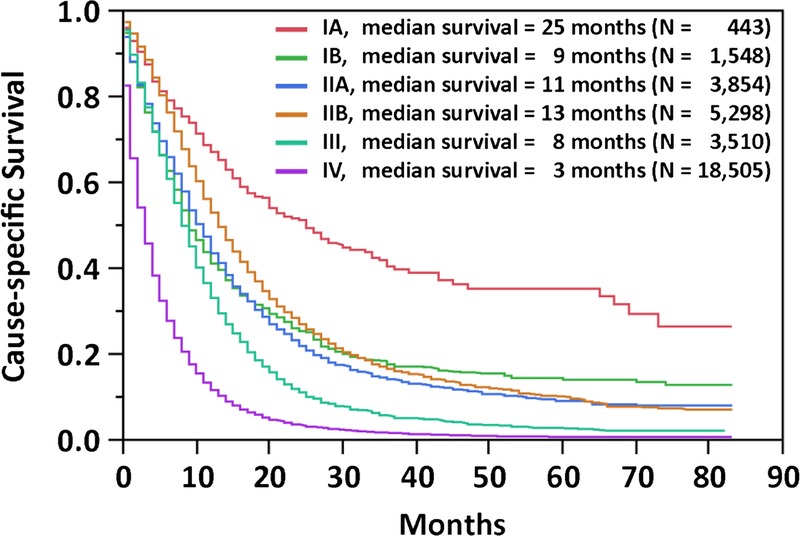
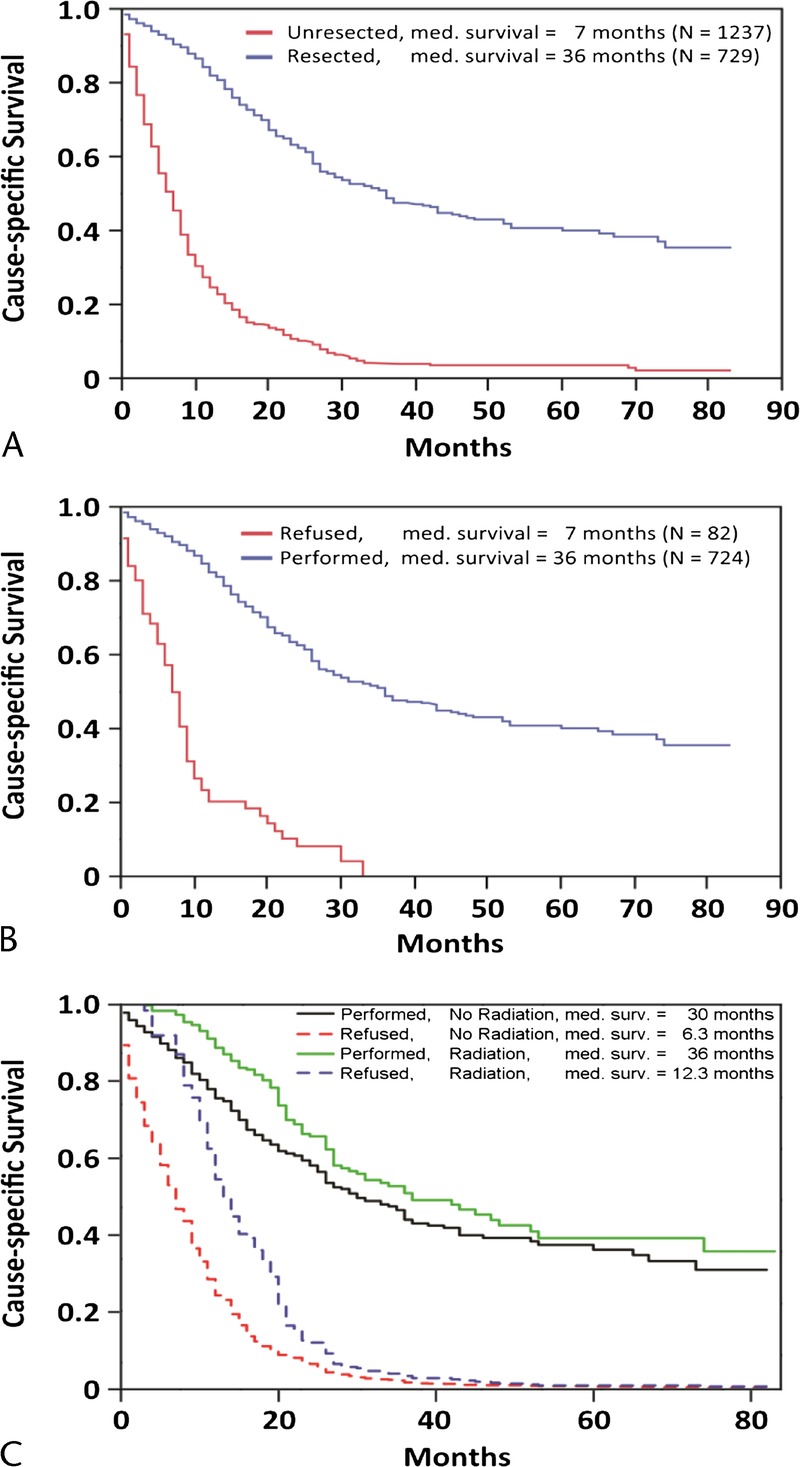
Verification
Claims the paper makes
The claims and statistics of this paper haven’t been checked yet.
Run the check — free, no account needed. It reads the open-access text and checks the sources it cites.
Claims other papers make about this one
Each is checked against this paper’s own text: does it say what the citing paper says it does?
The source backs part of the claim, not all of it — or backs it for a different population, condition or comparison.
In the citing paper
“If the stage distribution could be reversed, to 50% localized and 10% metastatic, survival would be more than doubled without any additional improvements in therapy.3”
From Artificial Intelligence and Early Detection of Pancreatic Cancer: 2020 Summative Review (2021) · cites this paper as [3]
Experimental — accuracy not yet measuredThe source backs part of the claim, not all of it — or backs it for a different population, condition or comparison.
In the citing paper
“and the currently used blood-based biomarker, CA 19-9, accurately predicts only 65% of those with early disease when surgical treatment is a viable option.3,167”
From Artificial Intelligence and Early Detection of Pancreatic Cancer: 2020 Summative Review (2021) · cites this paper as [3]
Experimental — accuracy not yet measuredThe cited source says what the claim attributes to it.
In the citing paper
“However, screening in the asymptomatic population is not recommended due to the economic burden and the relatively low incidence of PC in the general population 21,22.”
From Artificial intelligence in pancreatic cancer (2022) · cites this paper as [22]
The cited source says what the claim attributes to it.
In the citing paper
“Early symptoms of the disease are mostly nonspecific.”
From Artificial Intelligence and Early Detection of Pancreatic Cancer: 2020 Summative Review (2021) · cites this paper as [2]
The cited source says what the claim attributes to it.
In the citing paper
“Furthermore, the size of the lesion at the time of surgery is a predictor of long-term survival.3,166,167”
From Artificial Intelligence and Early Detection of Pancreatic Cancer: 2020 Summative Review (2021) · cites this paper as [3]
The cited source says what the claim attributes to it.
In the citing paper
“Several studies have shown that early detection of PDAC improves outcome.”
From Artificial Intelligence and Early Detection of Pancreatic Cancer: 2020 Summative Review (2021) · cites this paper as [3]
The cited source says what the claim attributes to it.
In the citing paper
“This result is based on the findings that surgery is the only therapy to date associated with a durable long-term outcome.”
From Artificial Intelligence and Early Detection of Pancreatic Cancer: 2020 Summative Review (2021) · cites this paper as [3]
In the citing paper
“a multitude of circulating tumor-derived analytes (proteins, autoantibodies, metabolites, DNA, non-coding RNAs and extracellular vesicles, among others) have been assessed in the context of PDAC early detection39–41.”
From Pancreatic cancer: Advances and challenges (2023) · cites this paper as [39]
Self-check
Percentages, sums and reported differences re-computed from the paper’s own numbers.
The self-check needs the paper’s full text.
Citations
Cites
Still being checked.
Research works printed but not linked: 1
- References are available online at: http://links.lww.com/MPA/A374.
Cited by
Sorted by citations
Items 101–200 of 295
Bradley, S. D., Talukder, A. H., Lai, I. P., Davis, R. K., Alvarez, H., Tiriac, H., Zhang, M., Chiu, Y., Melendez, B., Jackson, K. R., et al. (2020) · Nature Communications · doi:10.1038/s41467-020-19141-w · Cited by 29
Self-citationUdgata, S., Takenaka, N., Bamlet, W. R., Oberg, A. L., Yee, S. S., Carpenter, E. L., Herman, D. S., Kim, J., Petersen, G. M., & Zaret, K. S. (2020) · Cancer Prevention Research · doi:10.1158/1940-6207.capr-20-0403 · Cited by 27
Self-citationAdvances for Managing Pancreatic Cystic Lesions: Integrating Imaging and AI Innovations
Seyithanoğlu, D., Durak, G., Keleş, E., Medetalibeyoğlu, A., Hong, Z., Zhang, Z., Taktak, Y. B., Cebeci, T., Tiwari, P., Velichko, Y., et al. (2024) · Cancers · doi:10.3390/cancers16244268 · Cited by 23
Molecular detection of pancreatic neoplasia: Current status and future promise
Majumder, S. (2015) · World Journal of Gastroenterology · doi:10.3748/wjg.v21.i40.11387 · Cited by 23
Early detection of pancreatic cancer: current state and future opportunities
Trikudanathan, G., Lou, E., Maitra, A., & Majumder, S. (2021) · Current Opinion in Gastroenterology · doi:10.1097/mog.0000000000000770 · Cited by 23
Self-citationDetecting Devastating Diseases in Search Logs
Paparrizos, J., White, R. W., & Horvitz, E. (2016) · ACM SIGKDD Conference on Knowledge Discovery and Data Mining (KDD) · doi:10.1145/2939672.2939722 · Cited by 23
Cancer stem cells as therapeutic targets of pancreatic cancer
Razi, E., Radak, M., Mahjoubin‐Tehran, M., Talebi, S., Shafiee, A., Hajighadimi, S., Moradizarmehri, S., Sharifi, H., Mousavi, N., Sarvizadeh, M., et al. (2019) · Fundamental and Clinical Pharmacology · doi:10.1111/fcp.12521 · Cited by 24
Mueller, A. M., Meier, C. R., Jick, S. S., & Schneider, C. (2019) · Pancreatology · doi:10.1016/j.pan.2019.03.006 · Cited by 25
Pancreatic cancer screening: Still a delusion?
Moutinho-Ribeiro, P., Coelho, R., Giovannini, M. F., & Macedo, G. (2017) · Pancreatology · doi:10.1016/j.pan.2017.07.001 · Cited by 21
Current Status and Future Directions for Screening Patients at High Risk for Pancreatic Cancer.
McAllister, F. M., Montiel, M. F., Uberoi, G. S., Uberoi, A., Maitra, A., & Bhutani, M. S. (2017) · Europe PMC (PubMed Central) · Cited by 21
Self-citationLee, H., Peng, C., Huang, C.-Y., Wu, S.-Y., Tsai, M., Wang, C., Chen, S., Lin, C.-C., Huang, C., & Sung, W. (2018) · BMJ Open · doi:10.1136/bmjopen-2017-020618 · Cited by 21
Mukherjee, S., Korfiatis, P. D., Patnam, N. G., Trivedi, K. H., Karbhari, A., Suman, G., Fletcher, J. G., & Goenka, A. H. (2024) · Abdominal Radiology · doi:10.1007/s00261-023-04127-1 · Cited by 20
Circulating Tumor Cells and Circulating Tumor DNA Provide New Insights into Pancreatic Cancer
Gao, Y., Zhu, Y., & Yuan, Z. (2016) · International Journal of Medical Sciences · doi:10.7150/ijms.16734 · Cited by 21
Illés, D., Ivány, E., Holzinger, G., Kosár, K., Adam, M., Kamlage, B., Zsóri, G., Tajti, M., Svébis, M. M., Horváth, V. J., et al. (2020) · BMJ Open · doi:10.1136/bmjopen-2020-037267 · Cited by 20
Li, S., Zhang, Q., Liu, W., & Zhao, C. (2021) · BMC Cancer · doi:10.1186/s12885-021-07975-6 · Cited by 20
ADAM Metalloprotease-Released Cancer Biomarkers
Herrlich, P. A., & Herrlich, A. (2017) · Trends in cancer · doi:10.1016/j.trecan.2017.05.001 · Cited by 21
Sakhdari, A., Moghaddam, P. A., Ok, C. Y., Walter, O., Tomaszewicz, K., Caporelli, M., Meng, X., LaFemina, J., Whalen, G. F., Belkin, E., et al. (2019) · Oncotarget · doi:10.18632/oncotarget.26999 · Cited by 19
Luu, A. M., Braumann, C., Belyaev, O., Janot-Matuschek, M. S., Rudolf, H., Praktiknjo, M., & Uhl, W. H. (2020) · Hepatobiliary & pancreatic diseases international · doi:10.1016/j.hbpd.2020.12.006 · Cited by 19
Incidence and mortality of pancreatic cancer on a rapid rise in Taiwan, 1999–2012
Tseng, C., Huang, S., Liao, W., Chiang, C., Yang, Y., Chang, C., Hsu, Y., Chen, H., Chiang, H., & Lin, J.-T. (2017) · Cancer Epidemiology · doi:10.1016/j.canep.2017.05.011 · Cited by 19
Dutta, P., Castro-Pando, S., Mascaró, M., Riquelme, E. M., Zoltan, M. A., Zacharias, N. M., Gammon, S. T., Piwnica-Worms, D. R., Pagel, M. D., Sen, S., et al. (2020) · International Journal of Molecular Sciences · doi:10.3390/ijms21103722 · Cited by 19
Self-citationThe Role of Interleukin-6 and Inflammatory Cytokines in Pancreatic Cancer-Associated Depression
Jara, M. D. J., Gautam, A. S., Peesapati, V. S. R., Sadik, M., & Khan, S. (2020) · Cureus · doi:10.7759/cureus.9969 · Cited by 19
The next “sweet” spot for pancreatic ductal adenocarcinoma: Glycoprotein for early detection
Xu, Y., Wang, Y., Höti, N., Clark, D. J., Chen, S., & Zhang, H. (2021) · Mass Spectrometry Reviews · doi:10.1002/mas.21748 · Cited by 22
Bureš, J., Kohoutová, D., Škrha, J., Bunganič, B., Ngo, O., Suchánek, Š., Škrha, P., & Zavoral, M. (2023) · Cancers · doi:10.3390/cancers15143669 · Cited by 19
Various diffusion magnetic resonance imaging techniques for pancreatic cancer
Tang, M., Zhang, X. M., Chen, T., & Huang, X. (2015) · World Journal of Radiology · doi:10.4329/wjr.v7.i12.424 · Cited by 18
Krüger, J., Meffert, P. J., Vogt, L., Gärtner, S., Steveling, A., Kraft, M., Mayerle, J. V., Lerch, M. M., & Aghdassi, A. A. (2016) · PLoS ONE · doi:10.1371/journal.pone.0166513 · Cited by 19
Self-citationPotential biomarkers for early detection of pancreatic ductal adenocarcinoma
Kriz, D., Ansari, D., & Andersson, R. E. (2020) · Clinical & Translational Oncology · doi:10.1007/s12094-020-02372-0 · Cited by 19
Bam, R., Daryaei, I., Abou‐Elkacem, L., Vilches-Moure, J. G., Meuillet, E. J., Lutz, A. M., Marinelli, E. R., Unger, E. C., Gambhir, S. S., & Paulmurugan, R. (2020) · Investigative Radiology · doi:10.1097/rli.0000000000000697 · Cited by 17
Self-citationEnriquez, J. S., Chu, Y., Pudakalakatti, S., Hsieh, K., Salmon, D., Dutta, P., Zacharias, N. M., Lurie, E., Millward, S. W., McAllister, F. M., et al. (2021) · JMIR Medical Informatics · doi:10.2196/26601 · Cited by 19
Self-citationAthanasiou, A., Kureshi, N. M., Wittig, A., Sterner, M., Huber, R., Palma, N. A., King, T. C., & Schiess, R. (2024) · Journal of Proteome Research · doi:10.1021/acs.jproteome.4c00752 · Cited by 18
Plectin-1 as a Biomarker of Malignant Progression in Intraductal Papillary Mucinous Neoplasms
Moris, M., Dawson, D. W., Jiang, J. B., Lewis, J. S., Nassar, A., Takeuchi, K. K., Lay, A. R., Zhai, Q. “., Donahue, T. R., Kelly, K. A., et al. (2016) · Pancreas · doi:10.1097/mpa.0000000000000652 · Cited by 17
Self-citationEarly detection of sporadic pancreatic cancer: time for change
Fric, P., Šedo, A., Škrha, J., Bušek, P., Laclav, M., Škrha, P., & Zavoral, M. (2017) · European Journal of Gastroenterology & Hepatology · doi:10.1097/meg.0000000000000904 · Cited by 16
Hao, Q., Gao, L., Niu, W., Liang, C., Zhang, P., & Chen, Z. (2020) · BioFactors · doi:10.1002/biof.1640 · Cited by 19
Akhtar-Danesh, G.-G., Finley, C., & Akhtar‐Danesh, N. (2016) · Pancreatology · doi:10.1016/j.pan.2015.12.180 · Cited by 16
Veite-Schmahl, M. J., Joesten, W. C., & Kennedy, M. (2017) · British Journal of Cancer · doi:10.1038/bjc.2017.216 · Cited by 16
Parakh, A., Patiño, M., Muenzel, D., Kambadakone, A. R., & Sahani, D. V. (2017) · Abdominal Radiology · doi:10.1007/s00261-017-1390-2 · Cited by 16
Luu, A. M., Belyaev, O., Höhn, P., Praktiknjo, M., Janot, M., Uhl, W. H., & Braumann, C. (2021) · Journal of Gastrointestinal Oncology · doi:10.21037/jgo-20-433 · Cited by 15
Coté, G. A., Xu, H., Easler, J. J., Imler, T. D., Teal, E., Sherman, S., & Korc, M. (2017) · American Journal of Epidemiology · doi:10.1093/aje/kwx168 · Cited by 15
Aouad, T., Laurent, V., Levant, P., Rode, A., Brillat-Savarin, N., Gaillot, P., Hoeffel, C. C., Frampas, É., Barat, M., Russo, R., et al. (2024) · Diagnostic and Interventional Imaging · doi:10.1016/j.diii.2024.07.002 · Cited by 14
Mastracci, T. L., Apte, M. V., Amundadottir, L. T., Alvarsson, A., Artandi, S. E., Bellin, M. D., Bernal‐Mizrachi, E., Caicedo, A., Campbell‐Thompson, M., Cruz‐Monserrate, Z., et al. (2023) · Diabetes · doi:10.2337/db22-0942 · Cited by 15
Thiruvengadam, N. R., Gupta, S., Buller, S., Awad, I., Gandhi, D., Ibarra, A. N., Latorre, G., Riquelme, A. J., Kochman, M. L., Coté, G. A., et al. (2023) · Clinical Gastroenterology and Hepatology · doi:10.1016/j.cgh.2023.05.028 · Cited by 14
Predicting the risk of pancreatic cancer in women with new‐onset diabetes mellitus
Ali, S., Coory, M. D., Donovan, P. J., Na, R., Pandeya, N., Pearson, S., Spilsbury, K., Tuesley, K., Jordan, S. J., & Neale, R. Ε. (2024) · Journal of Gastroenterology and Hepatology · doi:10.1111/jgh.16503 · Cited by 17
Barlass, U., Deshmukh, A. A., Beck, T. L., & Bishehsari, F. (2021) · PLoS ONE · doi:10.1371/journal.pone.0244285 · Cited by 14
Huang, C., Hecht, E. M., Soloff, E. V., Tiwari, H. A., Bhosale, P., Dasayam, A., Galgano, S. J., Kambadakone, A., Kulkarni, N. M., Le, O., et al. (2024) · American Journal of Roentgenology · doi:10.2214/ajr.24.31151 · Cited by 13
Early detection of pancreatic cancer: impact of high-resolution imaging methods and biomarkers
Fric, P., Škrha, J., Šedo, A., Zima, T., Bušek, P., Kmochová, K., Laclav, M., Bunganič, B., Solař, S., Hrabal, P., et al. (2016) · European Journal of Gastroenterology & Hepatology · doi:10.1097/meg.0000000000000727 · Cited by 13
Dietary Phytochemicals as a Potential Source for Targeting Cancer Stem Cells
Manogaran, P., Umapathy, D., Karthikeyan, M. C., Venkatachalam, K., & Singaravelu, A. (2021) · Cancer Investigation · doi:10.1080/07357907.2021.1894569 · Cited by 13
Mohan, V., Gaffney, J. P., Solomonov, I., Levin, M., Klepfish, M., Akbareian, S. E., Grünwald, B. T., Dym, O., Eisenstein, M., Yu, K. H., et al. (2021) · Cancers · doi:10.3390/cancers13071679 · Cited by 13
Hjaltelin, J. X., Novitski, S. I., Jørgensen, I. F., Siggaard, T., Vulpius, S. A., Westergaard, D., Johansen, J. S., Chen, I. M., Jensen, L. J., & Brunak, S. (2023) · eLife · doi:10.7554/elife.84919 · Cited by 13
Seika, P., Klein, F., Pelzer, U., Pratschke, J., Bahra, M., & Malinka, T. (2019) · HepatoBiliary Surgery and Nutrition · doi:10.21037/hbsn.2019.02.05 · Cited by 12
Bushnell, G. G., Orbach, S. M., Ma, J. A., Crawford, H. C., Wicha, M. S., Jeruss, J. S., & Shea, L. D. (2020) · Biomaterials · doi:10.1016/j.biomaterials.2020.120632 · Cited by 12
Zhang, X., Li, X., Xie, J., Zhu, Q., & Yuan, Y. (2022) · Journal of Oncology · doi:10.1155/2022/8909631 · Cited by 12
Oncogenomic Changes in Pancreatic Cancer and Their Detection in Stool
Sammallahti, H., Sarhadi, V. K., Kokkola, A., Ghanbari, R., Rezasoltani, S., Aghdaei, H. A., Puolakkainen, P. A., & Knuutila, S. (2022) · Biomolecules · doi:10.3390/biom12050652 · Cited by 12
Early Detection of Sporadic Pancreatic Ductal Adenocarcinoma: Problems, Promise, and Prospects
Chari, S. T., Sharma, A., & Maitra, A. (2020) · Annals of Internal Medicine · doi:10.7326/m19-2336 · Cited by 12
Self-citationKonikoff, T. D., Loebl, N., Benson, A. A., Green, O., Sandler, H., Gingold‐Belfer, R., Levi, Z., Perl, L., Dotan, I., & Shamah, S. (2024) · Journal of Gastroenterology and Hepatology · doi:10.1111/jgh.16814 · Cited by 11
Leveraging Mechanisms Governing Pancreatic Tumorigenesis To Reduce Pancreatic Cancer Mortality
Donahue, T. R., & Dawson, D. W. (2016) · Trends in Endocrinology and Metabolism · doi:10.1016/j.tem.2016.06.009 · Cited by 11
Wu, G., Zhu, R., Li, Y., Zhao, Y., & Dai, M. (2018) · Oncology Letters · doi:10.3892/ol.2018.8264 · Cited by 11
Wu, C. C. H., Lim, S. H., & Tan, D. M. Y. (2024) · Clinical Endoscopy · doi:10.5946/ce.2023.157 · Cited by 10
Javed, A. A., Habib, A., Mahmud, O., Fatimi, A. S., Grewal, M., Mughal, N. A., He, J., Wolfgang, C. L., Daamen, L. A., & Besselink, M. G. (2024) · JNCI Journal of the National Cancer Institute · doi:10.1093/jnci/djae294 · Cited by 10
Integrated Physiology of the Exocrine and Endocrine Compartments in Pancreatic Diseases
Mastracci, T. L., Apte, M. V., Amundadottir, L. T., Alvarsson, A., Artandi, S. E., Bellin, M. D., Bernal‐Mizrachi, E., Caicedo, A., Campbell‐Thompson, M., Cruz‐Monserrate, Z., et al. (2022) · Pancreas · doi:10.1097/mpa.0000000000002170 · Cited by 10
Bae, E. S., Hong, J., Lim, Y., Byun, W. S., Chun, S., Hong, S., & Lee, S. K. (2024) · Journal of Medicinal Chemistry · doi:10.1021/acs.jmedchem.4c00213 · Cited by 10
Advances in the Detection of Pancreatic Cancer Through Liquid Biopsy
Yan, T.-B., Huang, J., Huang, S., Ahir, B. K., Li, L.-M., Mo, Z., & Zhong, J. (2021) · Frontiers in Oncology · doi:10.3389/fonc.2021.801173 · Cited by 10
Sato, S., Nakagawa, M., Terashima, T., Morinaga, S., Miyagi, Y., Yoshida, E., Yoshimura, T., Seiki, M., Kaneko, S., Ueno, M., et al. (2023) · Cancer Research Communications · doi:10.1158/2767-9764.crc-23-0087 · Cited by 9
Lyu, X., Wang, Y., Xu, Y., Zhao, Z., Liu, H., & Hu, Z. (2024) · Journal of Proteome Research · doi:10.1021/acs.jproteome.3c00924 · Cited by 9
Mukherjee, S., Antony, A., Patnam, N. G., Trivedi, K. H., Karbhari, A., Bhinder, K. K., Zarrintan, A., Fletcher, J. G., Truty, M. J., Johnson, M. P., et al. (2026) · Gut · doi:10.1136/gutjnl-2025-337266 · Cited by 9
Self-citationMatchaba, S., Fellague-Chebra, R., Purushottam, P., & Johns, A. (2023) · JCO Clinical Cancer Informatics · doi:10.1200/cci.23.00076 · Cited by 9
Exosomes as a platform for ‘liquid biopsy’ in pancreatic cancer
Chronopoulos, A., Lieberthal, T. J., & Hernández, A. E. D. R. (2017) · Convergent Science Physical Oncology · doi:10.1088/2057-1739/aa5beb · Cited by 9
Shi, W., Jiang, R., Liang, F., Yu, G., Long, J., & Zhao, J. (2019) · Cancer Management and Research · doi:10.2147/cmar.s202543 · Cited by 9
Pankreaskarzinom – Chirurgie im Wandel der multimodalen Therapiemöglichkeiten
Belyaev, O., & Uhl, W. H. (2019) · Allgemein- und Viszeralchirurgie up2date · doi:10.1055/a-1034-3032 · Cited by 9
Konno, Y., Sugai, Y., Kanoto, M., Suzuki, K., Hiraka, T., Toyoguchi, Y., & Niino, K. (2023) · European Radiology · doi:10.1007/s00330-022-09388-w · Cited by 8
Wu, S., Wang, C., Kang, S., Yu, C., Chen, F.-H., & Chiang, C. (2024) · Scientific Reports · doi:10.1038/s41598-024-54432-y · Cited by 9
Gas chromatography-ion mobility spectrometry for the detection of human disease: a review
Li, G., Yang, R., Zhang, J., Sheng, M., Sun, Y., Han, B., & Kai, G. (2024) · Analytical Methods · doi:10.1039/d4ay01452a · Cited by 8
Functionalized Nanomaterials In Pancreatic Cancer Theranostics And Molecular Imaging
Nagarajan, Y., Chandrasekaran, N., & Parvathi, V. D. (2024) · ChemistryOpen · doi:10.1002/open.202400232 · Cited by 8
Schöffel, N., Krempel, M., Bundschuh, M., Bendels, M. H. K., Brüggmann, D., & Groneberg, D. A. (2016) · Pancreas · doi:10.1097/mpa.0000000000000693 · Cited by 8
Bahardoust, M., Abyazi, M. A., Emami, S. A., Ghadimi, P., Khodabandeh, M., Mahmoudi, F., Hosseinzadeh, R., Heiat, M., & Agah, S. (2021) · Cancer Reports · doi:10.1002/cnr2.1547 · Cited by 8
Patil, S., Dou, Y., & Kopp, J. L. (2021) · Visceral Medicine · doi:10.1159/000520946 · Cited by 8
New strategies for the early detection of pancreatic cancer
Petrone, M., & Arcidiacono, P. (2016) · Expert Review of Gastroenterology & Hepatology · doi:10.1586/17474124.2016.1122521 · Cited by 8
Qin, L., Kao, Y., Lin, Y.-L., Peng, B., Deng, W., Chen, T., Lin, K., Yuan, K. S., Wu, A. T. H., Shia, B., et al. (2018) · Cancer Medicine · doi:10.1002/cam4.1685 · Cited by 8
Munigala, S., Bowe, B. C., Subramaniam, D. S., Xian, H., Gowda, A. N., Sheth, S. G., Chhabra, R., Burroughs, T. E., & Agarwal, B. (2025) · Cancer Medicine · doi:10.1002/cam4.70878 · Cited by 7
Zou, S., Li, J., Yan, J., Xu, J., Lin, M., & Cao, D. (2021) · Clinica Chimica Acta · doi:10.1016/j.cca.2021.03.022 · Cited by 7
New-onset Diabetes as a Signpost of Early Pancreatic Cancer: The Role of Screening
Khalaf, N. I., & Ali, B. (2022) · Clinical Gastroenterology and Hepatology · doi:10.1016/j.cgh.2022.02.015 · Cited by 7
Fahrmann, J. F., Yip-Schneider, M., Vykoukal, J., Spencer, R., Dennison, J. B., Do, K.-A., Long, J. P., Maitra, A., Zhang, J., Schmidt, C. M., et al. (2025) · Cancer Letters · doi:10.1016/j.canlet.2025.217450 · Cited by 7
Self-citationCucchetti, A., Ercolani, G., Cescon, M., Brandi, G., Taffurelli, G., Maroni, L., Ravaioli, M., Pezzilli, R., & Pinna, A. D. (2015) · Pancreas · doi:10.1097/mpa.0000000000000523 · Cited by 7
Karakaş, D., Erkısa, M., Akar, R. O., Akman, G., Senol, E. Y., & Ulukaya, E. (2023) · Biomedicines · doi:10.3390/biomedicines11020270 · Cited by 8
Evaluation of a biomarker for the diagnosis of pancreas cancer using an animal model
Fukamachi, K., Hagiwara, Y., Futakuchi, M., Alexander, D. B., Tsuda, H., & Suzui, M. (2019) · Journal of Toxicologic Pathology · doi:10.1293/tox.2018-0062 · Cited by 7
Zhao, H., Gao, H., Luo, C., Yang, G., Zhao, X., Gao, S., Ma, Q., Jia, B., Shi, J., & Wang, F. (2021) · Bioconjugate Chemistry · doi:10.1021/acs.bioconjchem.1c00296 · Cited by 7
Shah, Y. R., Dahiya, D. S., Tiwari, A., Kumar, H., Gangwani, M. K., Ali, H., Hayat, U., Alsakarneh, S., Singh, S. T., Malik, S., et al. (2024) · Journal of Clinical Medicine · doi:10.3390/jcm13164706 · Cited by 7
Peters, N. V., & Kunstman, J. W. (2021) · Journal of Cancer Metastasis and Treatment · doi:10.20517/2394-4722.2021.67 · Cited by 6
Precision Medicine and Pancreatic Cancer
George, B. (2021) · Surgical Oncology Clinics of North America · doi:10.1016/j.soc.2021.06.008 · Cited by 6
Translation of a Protease Turnover Assay for Clinical Discrimination of Mucinous Pancreatic Cysts
Suresh, V., Byers, K., Rajesh, U. C., Caiazza, F., Zhu, G., Craik, C. S., Kirkwood, K. S., Davisson, V. J., & Sheik, D. A. (2022) · Diagnostics · doi:10.3390/diagnostics12061343 · Cited by 6
Serafini, F. L., Lanuti, P., Pizzi, A. D., Procaccini, L., Villani, M., Taraschi, A. L., Pascucci, L., Mincuzzi, E., Izzi, J., Chiacchiaretta, P., et al. (2021) · Biology · doi:10.3390/biology10121265 · Cited by 6
Zhang, W., Zhao, Q., Zhang, H., Zhang, J., Zhao, F., Niu, R., Hu, X., Wang, L., & Liu, P. (2024) · Cellular Signalling · doi:10.1016/j.cellsig.2024.111371 · Cited by 5
Sherchan, A., Jin, F., Sherchan, B., Mandal, S. K., Regmi, B. U., Ghising, R., Upadhaya, S. R., Gautam, B., Pathak, D., & Li, M. (2025) · Frontiers in Medicine · doi:10.3389/fmed.2025.1551926 · Cited by 5
Nanomedicine for overcoming therapeutic and diagnostic challenges associated with pancreatic cancer
Iyengar, D., Tatiparti, K., Gavande, N. S., Sau, S., & Iyer, A. K. (2022) · Drug Discovery Today · doi:10.1016/j.drudis.2022.02.026 · Cited by 5
Hung, J. S.-C., Perez, S. M., Dasa, S. S. K., Hall, S. P., Heckert, D. B., Murphy, B. P., Crawford, H. C., Kelly, K. A., & Brinton, L. T. (2023) · Pharmaceuticals · doi:10.3390/ph16030389 · Cited by 6
Self-citationNew-Onset Diabetes Is a Potential Marker for the Malignant Transformation of Pancreatic Cysts
Schweber, A. B., Agarunov, E., Brooks, C., Hur, C., & Gonda, T. A. (2022) · Pancreas · doi:10.1097/mpa.0000000000002161 · Cited by 5
Poiraud, M., Gkolfakis, P., & Arvanitakis, M. (2023) · Cancers · doi:10.3390/cancers15092547 · Cited by 5
Bojesen, A. B., Mortensen, F. V., & Kirkegård, J. (2023) · JCO Clinical Cancer Informatics · doi:10.1200/cci.23.00084 · Cited by 5
Javed, A. A., Habib, J. R., Kinny‐Köster, B., Hodgin, M. B., Parish, L., Cunningham, D., Hacker‐Prietz, A., Burkhart, R. A., Burns, W. R., Shubert, C. R., et al. (2022) · Current Problems in Diagnostic Radiology · doi:10.1067/j.cpradiol.2022.05.001 · Cited by 5
Kaleru, T., Vankeshwaram, V., Maheshwary, A., Mohite, D., & Khan, S. (2020) · Cureus · doi:10.7759/cureus.8884 · Cited by 5
Yadav, N. P., Al-Assi, G., Waleed, O. S., Priya, G. P., Ray, S., Pal, A., Rab, S. O., Abilkasimov, A., Latipova, M., Jumanazarov, D., et al. (2026) · Materials Chemistry and Physics · doi:10.1016/j.matchemphys.2026.132398 · Cited by 4
Aspirin Does Not Prevent Pancreatic Cancer in a Large Asian Cohort
Kim, M. H., Park, S. M., Yun, Y. H., & Hwang, I. C. (2019) · Cancer Epidemiology Biomarkers & Prevention · doi:10.1158/1055-9965.epi-18-1325 · Cited by 4
Metadata
- Authors
- Chari, S. T., Kelly, K., Hollingsworth, M. A., Thayer, S. P., Ahlquist, D. A., Andersen, D. K., Batra, S. K., Brentnall, T. A., Canto, M., Cleeter, D. F., Firpo, M. A., Gambhir, S. S., Go, V. L. W., Hines, O. J., Kenner, B. J., Klimstra, D. S., Lerch, M. M., Levy, M. J., Maitra, A., Mulvihill, S. J., Petersen, G. M., Rhim, A. D., Simeone, D. M., Srivastava, S., Tanaka, M., Vinik, A. I., & Wong, D.
- Affiliations
- Mayo Clinic (US)
- Eastern Virginia Medical School (US)
- University of California, Los Angeles (US)
- National Institutes of Health (US)
- The University of Texas MD Anderson Cancer Center (US)
- University of Washington (US)
- Corresponding author
- Chari, Suresh T.
- Ahlquist, David A.
- Canto, Marcia
- Klimstra, David S.
- Tanaka, Masao
- ORCID
- Chari, Suresh T.
- Hollingsworth, Michael A.
- Thayer, Sarah P.
- Ahlquist, David A.
- Andersen, Dana K.
- Batra, Surinder K.
- Brentnall, Teresa A.
- Canto, Marcia
- Firpo, Matthew A.
- Gambhir, Sanjiv Sam
- Hines, O. Joe
- Kenner, Barbara J.
- Klimstra, David S.
- Lerch, Markus M.
- Levy, Michael J.
- Maitra, Anirban
- Mulvihill, Sean J.
- Petersen, Gloria M.
- Rhim, Andrew D.
- Simeone, Diane M.
- Srivastava, Sudhir
- Tanaka, Masao
- Vinik, Aaron I.
- Venue
- Pancreas
- Published
- 2015-07
- Volume
- 44
- Issue
- 5
- Pages
- 693-712
- ISSN
- 0885-3177 (ISSN-L)
- PMC
- PMC4467589
- OpenAlex
- W2064141899
- Cited by
- 295
- References
- 0
- Citations by year
- 2026: 13 · 2025: 10 · 2024: 24 · 2023: 20 · 2022: 34 · 2021: 35 · 2020: 28 · 2019: 30 · 2018: 30 · 2017: 31 · 2016: 30 · 2015: 8
- FWCI
- 14.41
- Type
- journal article
- Language
- en
- Open access
- hybrid
- doi.org
- Licence
- cc-by-nc-nd
- Locations
- Pancreas (publishedVersion, cc-by-nc-nd)
- PubMed Central (publishedVersion, cc-by-nc-nd)
- PubMed (publishedVersion)
- eScholarship (California Digital Library) (submittedVersion)
- Funders
- National Cancer Institute (P50CA102701, R01CA168712, R01CA177857)
- Topics
- Health Sciences › Medicine › Oncology › Pancreatic and Hepatic Oncology Research
- Health Sciences › Medicine › Surgery › Pancreatitis Pathology and Treatment
- Health Sciences › Medicine › Oncology › Global Cancer Incidence and Screening
- Keywords
- pancreatic cancer, early detection, biomarkers, pancreatic imaging, familial pancreatic cancer, cancer survival, interdisciplinary collaboration, research gaps
- MeSH terms
- Biopsy, Congresses as Topic, Cooperative Behavior, Diagnostic Imaging, Diffusion of Innovation, Humans, International Cooperation, Pancreatic Neoplasms, Predictive Value of Tests, Prognosis, Biomarkers, Tumor, Survival Analysis, Carcinoma, Pancreatic Ductal, Molecular Diagnostic Techniques, Interdisciplinary Communication, Biomedical Research, Early Detection of Cancer
About these checks
Registry, retraction, Cites and statistics results are computed, not judged, with one exception: a printed reference that no index lists is read once by a model before it counts as a citation error. Claims are extracted by a model and kept only when their quote appears verbatim in the text; each cited source is then checked, with a model’s help, for whether it says what the claim relies on. Those verdicts can be wrong — read the claim’s quote and the cited source before relying on one.
Statistics and arithmetic are recomputed, not judged.
Confidence bands are shown only for fields calibrated on our annotated test set. None is calibrated yet, so no band is shown.
What counts as a claim ›How we measure confidence ›How we check this ›
Are you an author, or do you see a problem with this page? Request a review
