

The DOI matches its Crossref record; 1 of the 1 references it cites were found in a registry or an index.
Structure of a LRRC8 chimera with physiologically relevant properties reveals heptameric assembly and pore-blocking lipids
Open accessPreprint — published as 10.7554/elife.82431 · Paper page
Abstract
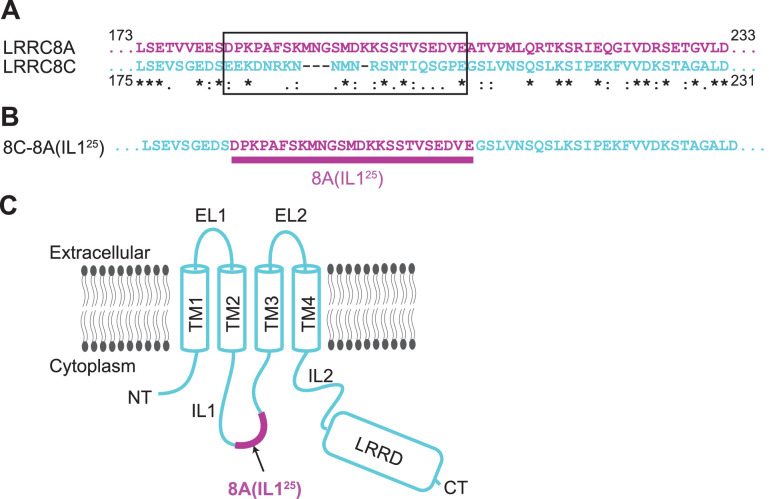
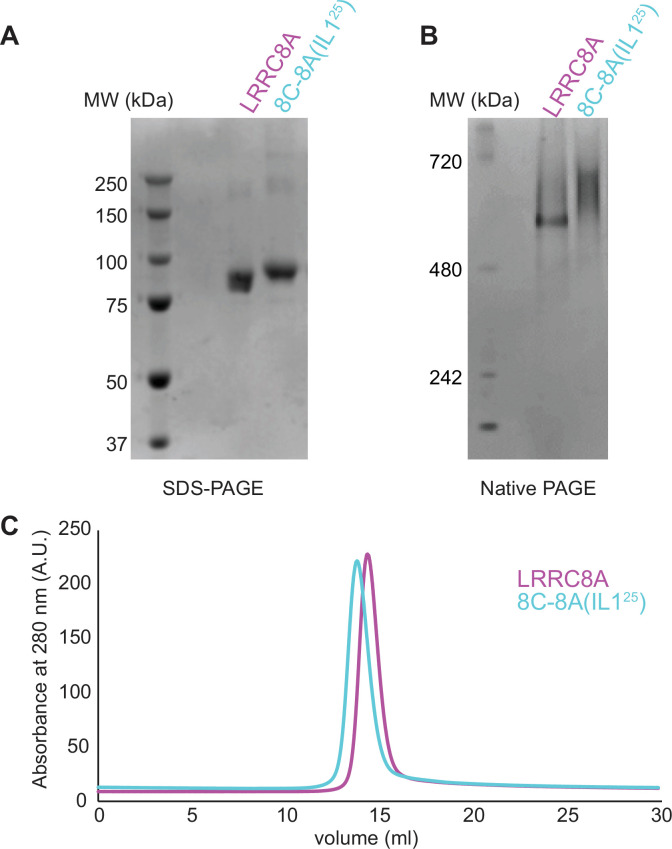
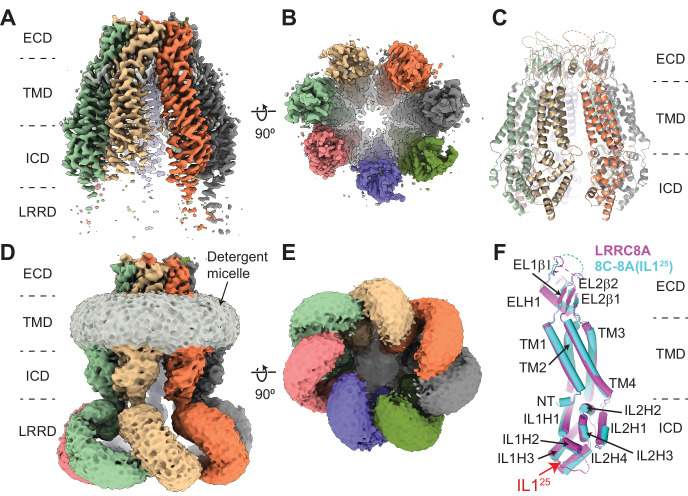
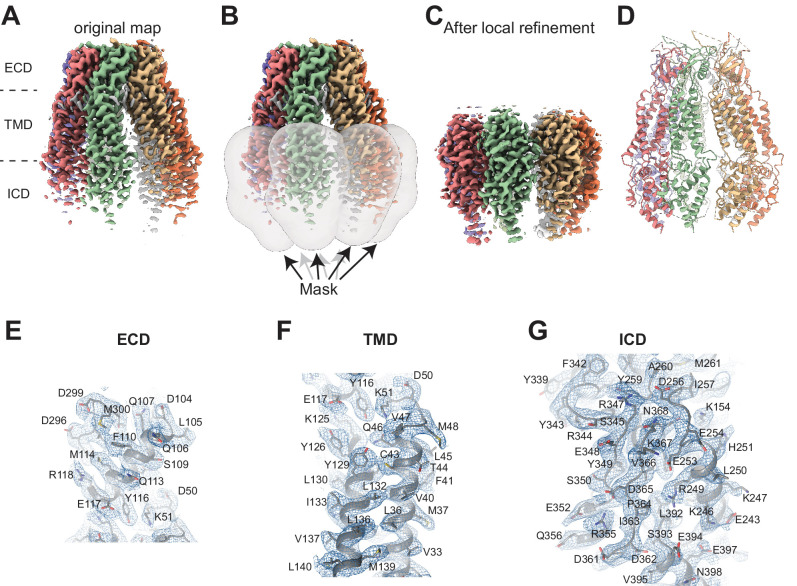
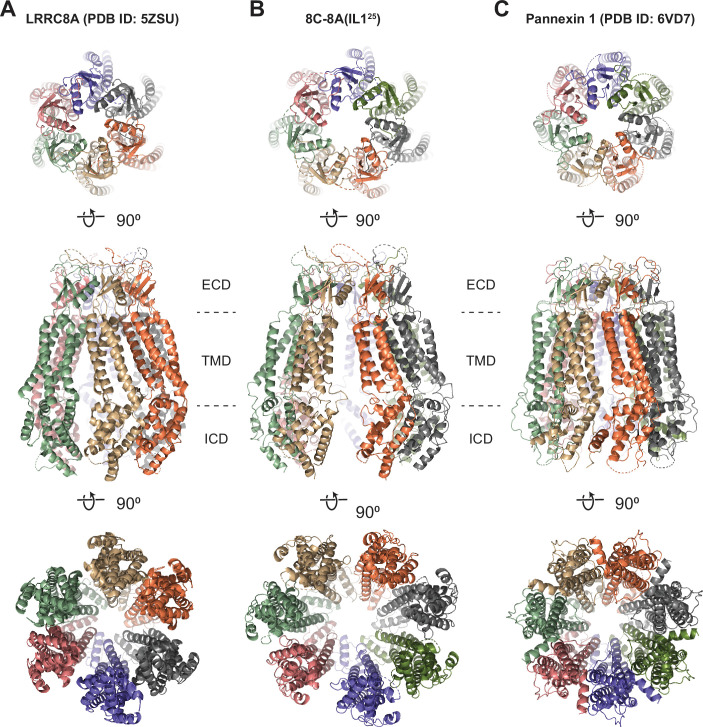
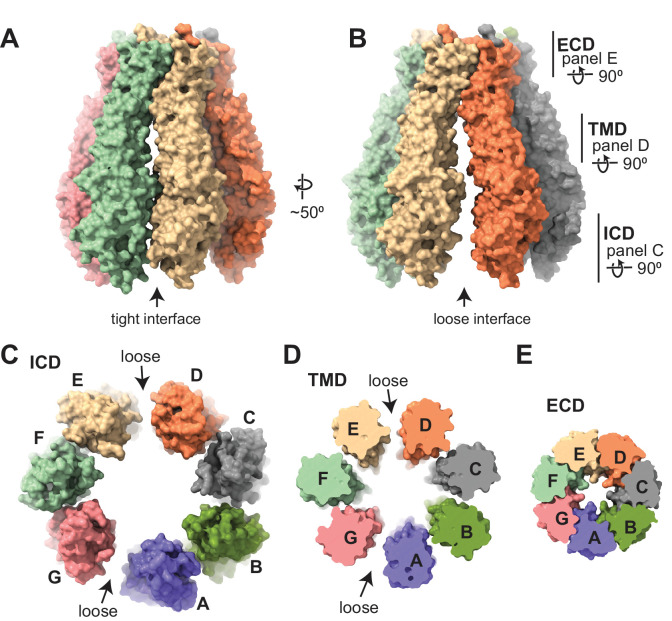
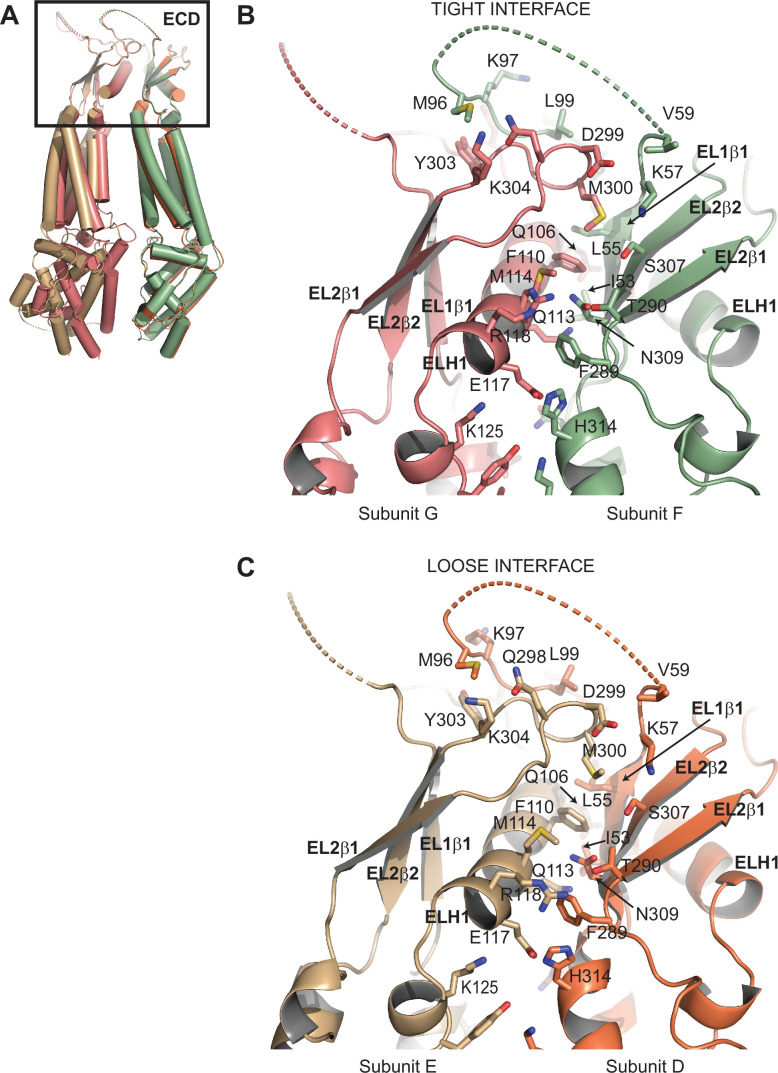
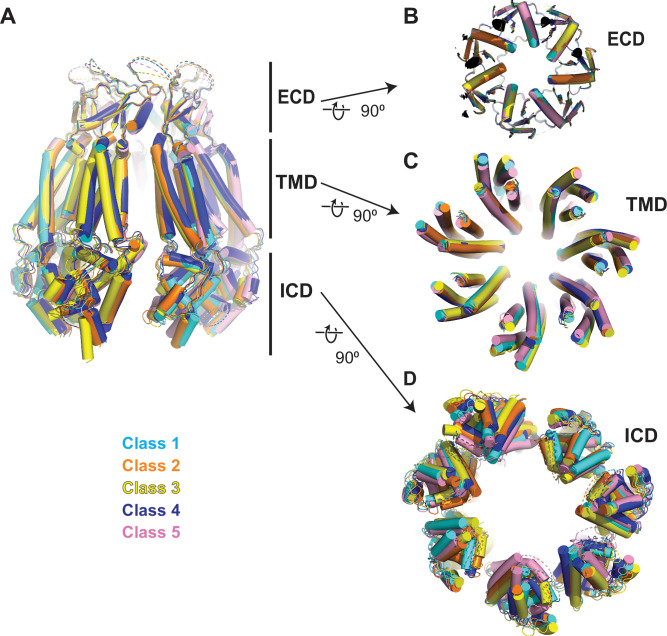
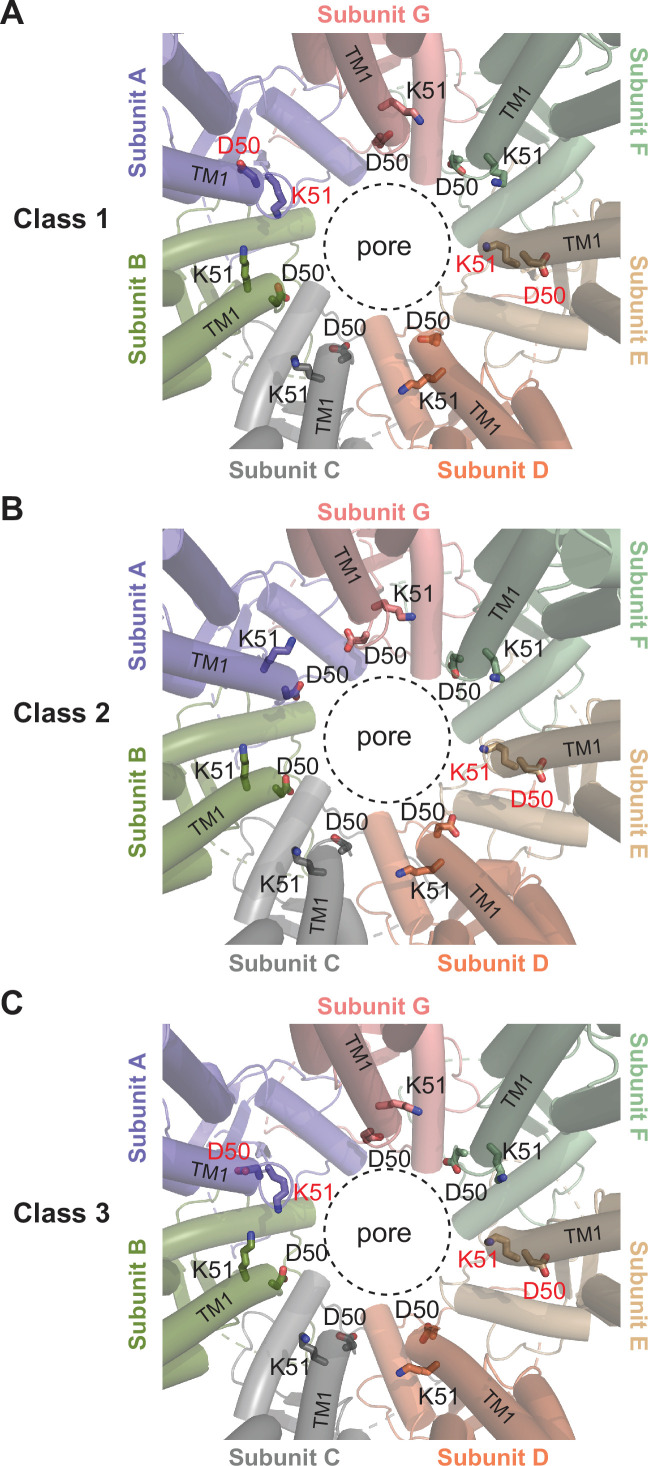
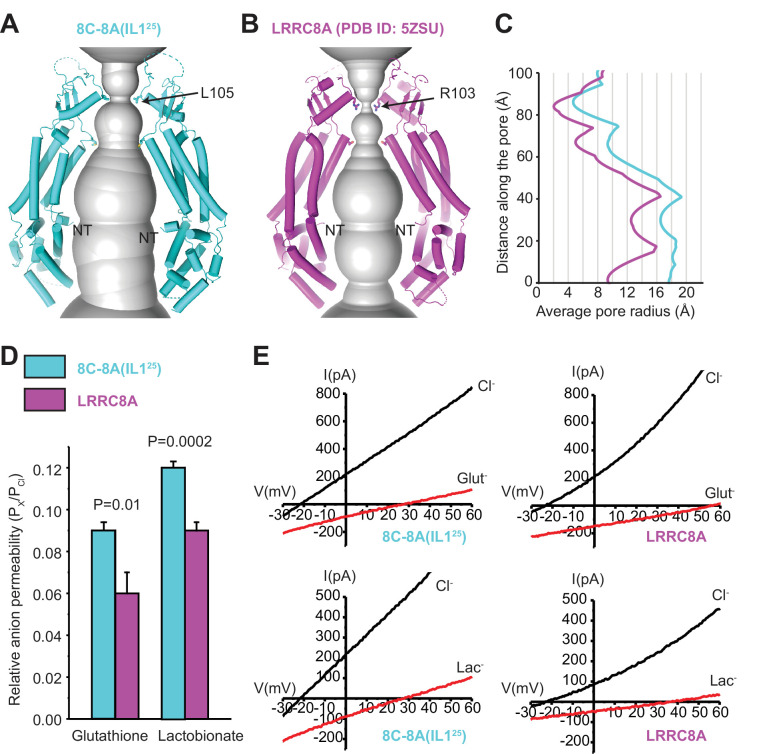
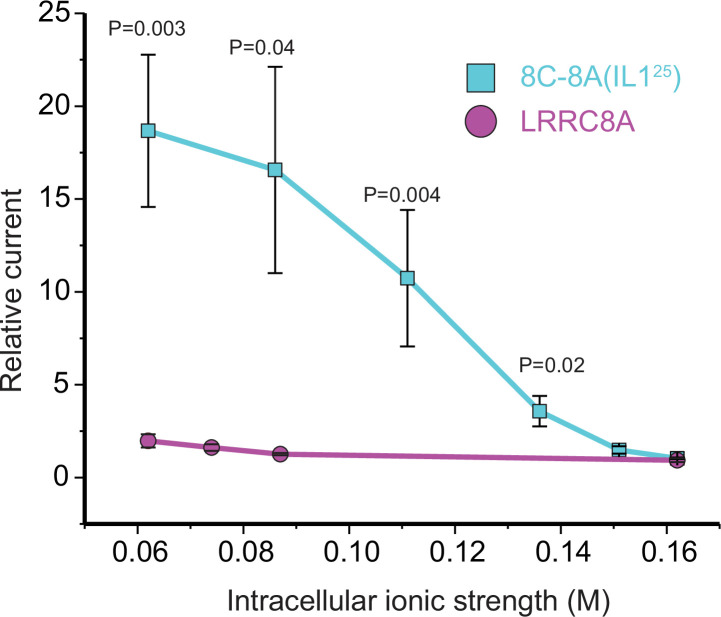
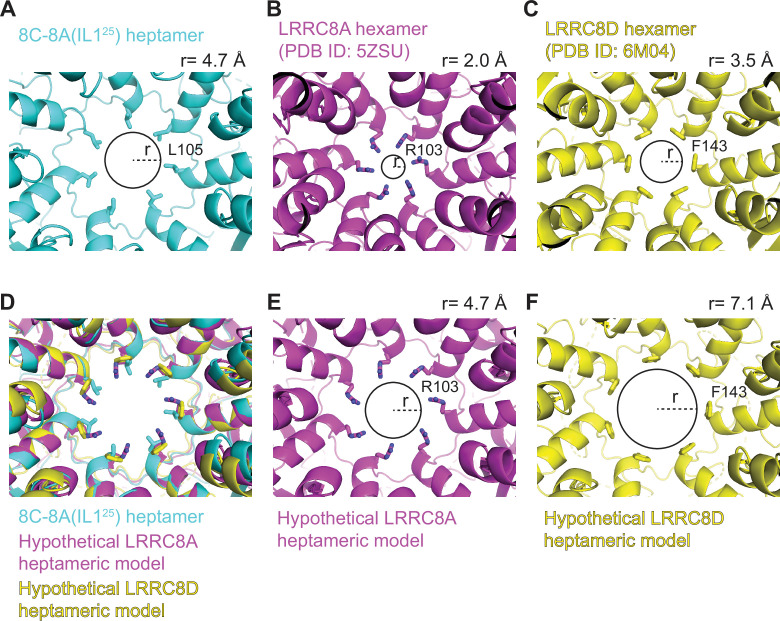
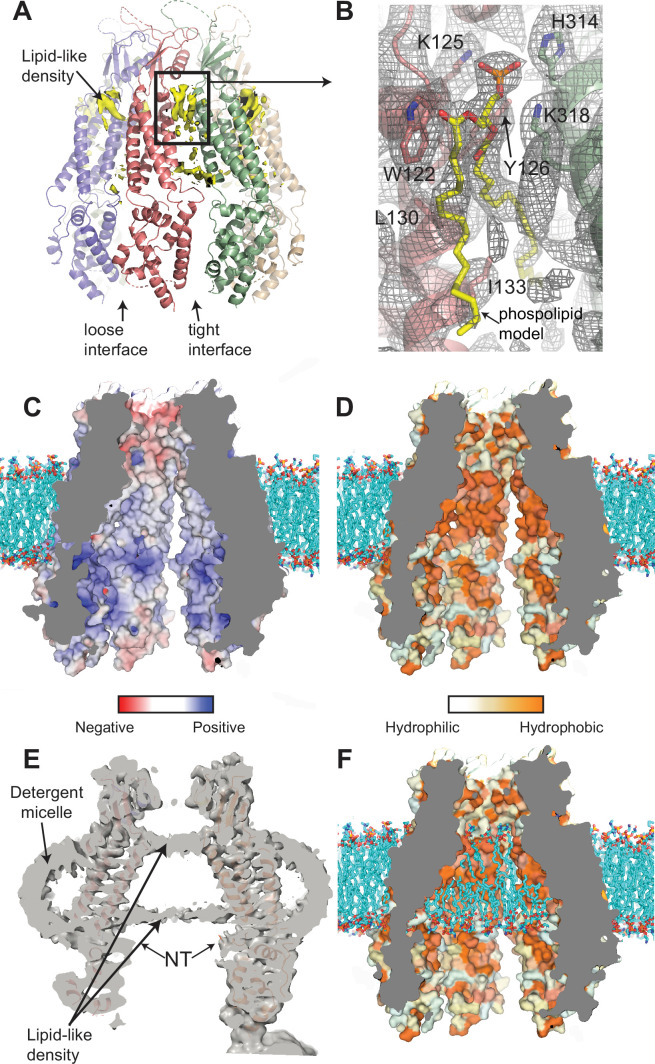
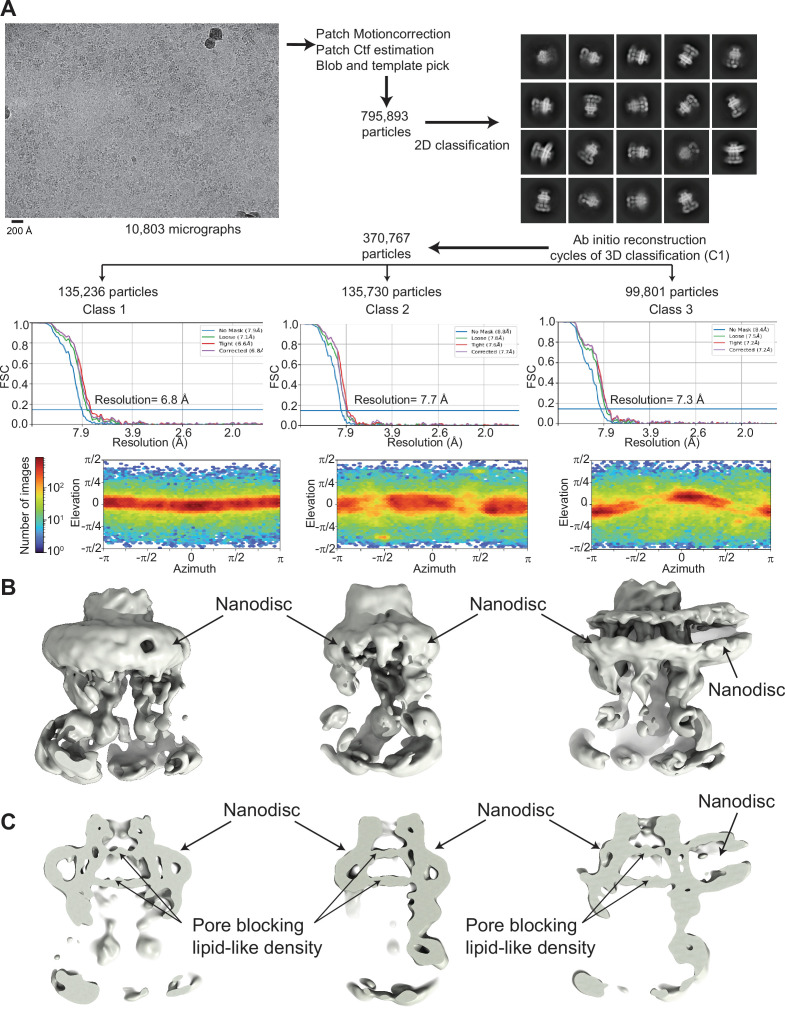
Volume-regulated anion channels (VRACs) mediate Cl - and organic solute efflux from vertebrate cells and are essential for cell volume homeostasis. VRACs are heteromeric assemblies of LRRC8A-E proteins with unknown stoichiometries. Homomeric LRRC8A and LRRC8D channels have a hexameric structure. However, these channels are either non-functional or exhibit abnormal functional properties limiting their utility for structure-function analyses. We circumvented these limitations by developing novel homomeric LRRC8 chimeric channels with physiologically relevant functional properties. We demonstrate here that the LRRC8C-LRRC8A(IL1 25 ) chimera comprising LRRC8C and 25 amino acids unique to the first intracellular loop (IL1) of LRRC8A has a heptameric structure like that of homologous pannexin channels. Membrane lipids are a key structural element of the channel and are located between subunits and occluding the channel pore. Our results suggest that native VRAC/LRRC8 channels are heptamers and that associated lipids are likely essential for normal channel gating and regulation.
Overview
The claims and statistics of this paper haven’t been checked yet.
Run the check — free, no account needed. It reads the open-access text and checks the sources it cites.
Integrity signals
Registry
Cites
Statistics
Figures
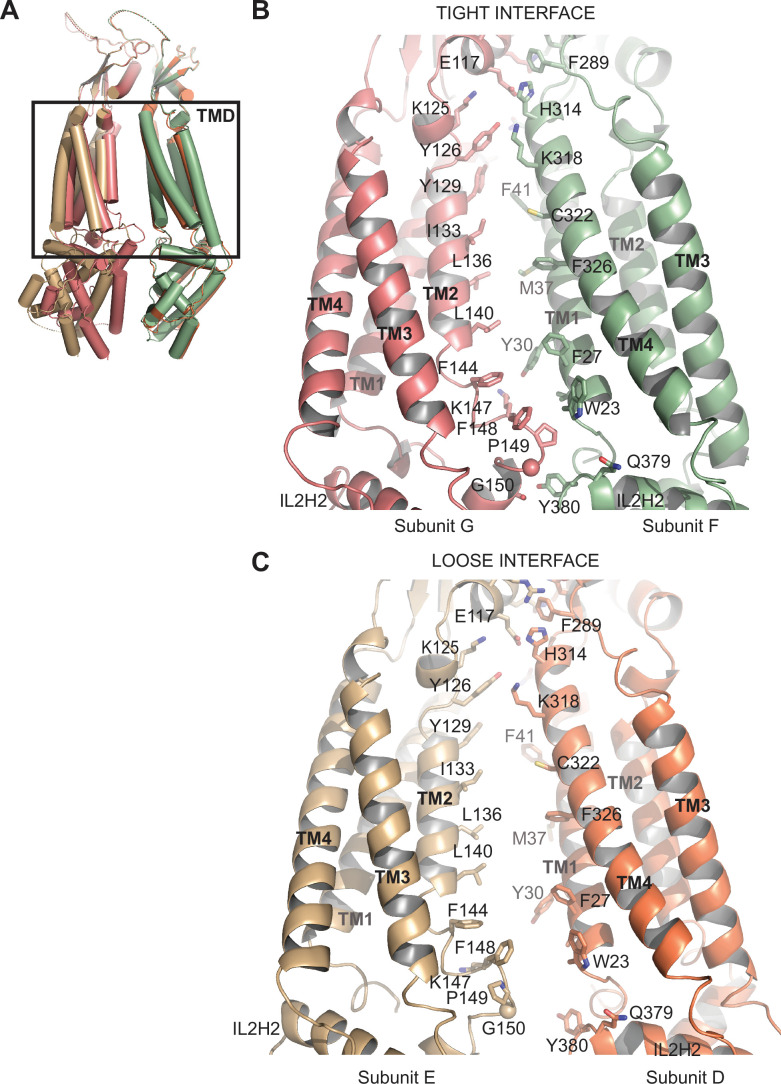
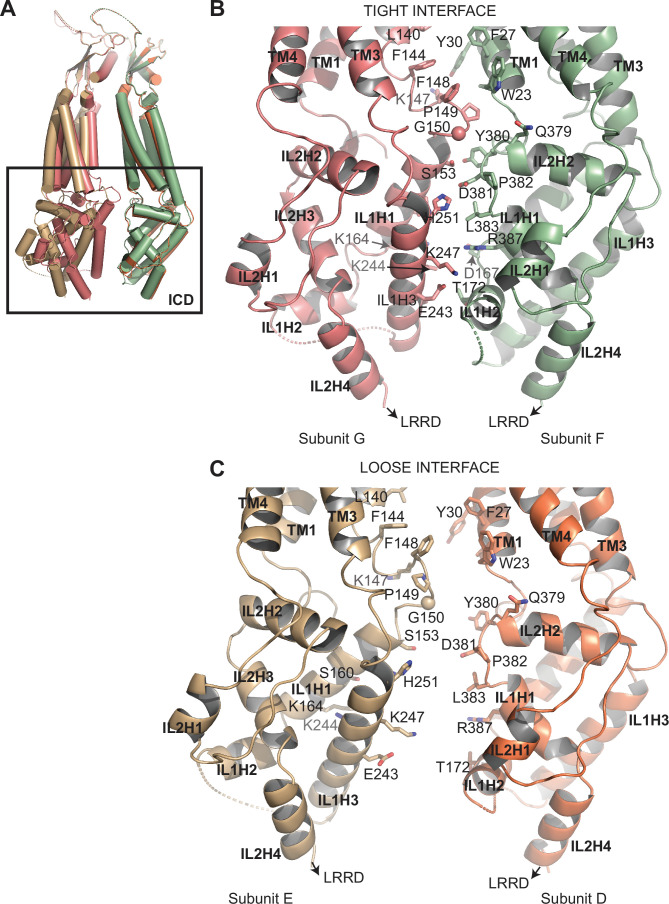
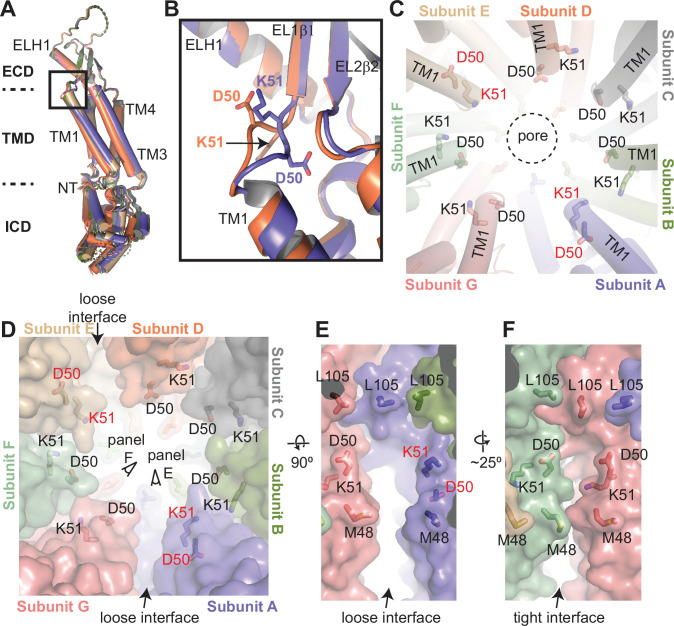
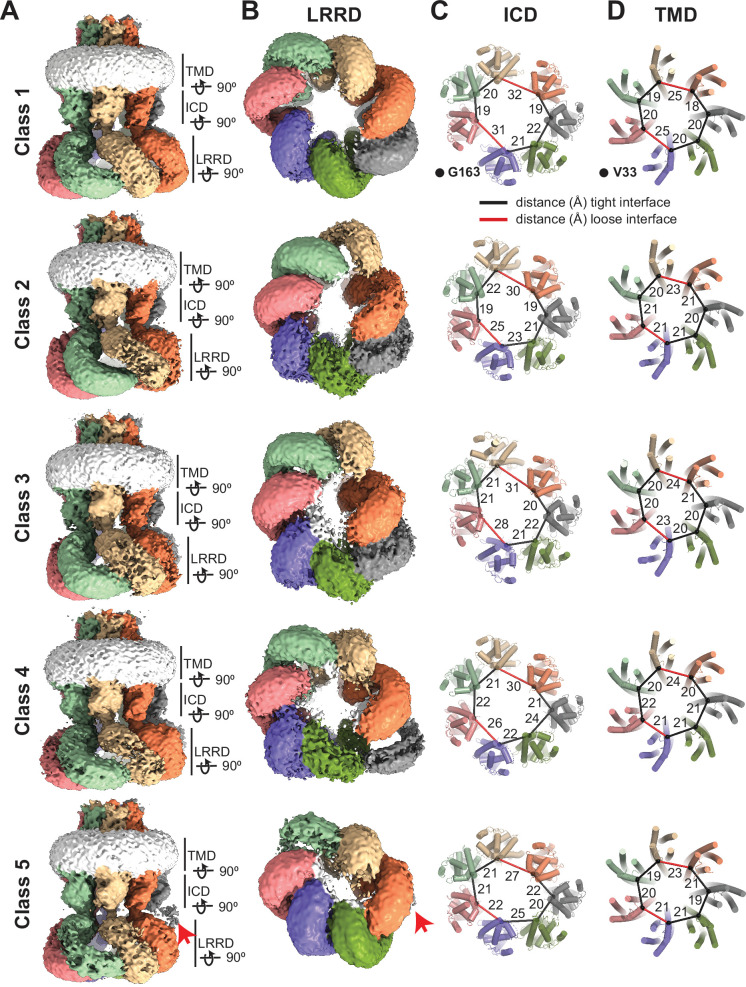
Verification
Claims the paper makes
The claims and statistics of this paper haven’t been checked yet.
Run the check — free, no account needed. It reads the open-access text and checks the sources it cites.
Self-check
Percentages, sums and reported differences re-computed from the paper’s own numbers.
The self-check needs the paper’s full text.
Citations
Cites
Highly accurate protein structure prediction with AlphaFold
Jumper, J., Evans, R., Pritzel, A., Green, T., Figurnov, M., Ronneberger, O., Tunyasuvunakool, K., Bates, R., Žídek, A., Potapenko, A., et al. (2021) · Nature · doi:10.1038/s41586-021-03819-2 · Cited by 43,764
Research works printed but not linked: 60
- 10.1085/jgp.201812138 · DOI
- 10.1038/nrm.2016.29 · DOI
- 10.1126/science.1252826 · DOI
- 10.1016/j.cell.2014.03.024 · DOI · Paper page
- 10.1002/bies.201100173 · DOI
- 10.1016/j.cell.2015.12.031 · DOI
- Kern, D. M. , Oh, S. , Hite, R. K. & Brohawn, S. G. Cryo-EM structures of the DCPIB-inhibited volume-regulated anion channel LRRC8A in lipid nanodiscs. Elife 8 (2019). · DOI
- 10.1038/s41594-018-0109-6 · DOI
- Kefauver, J. M. et al. Structure of the human volume regulated anion channel. Elife 7 (2018). · DOI
- 2018, Structure of a volume-regulated anion channel of the LRRC8 family, Nature, 558, 254, 10.1038/s41586-018-0134-y · DOI
- 2021, Allosteric modulation of LRRC8 channels by targeting their cytoplasmic domains, Nat Commun, 12, 5435, 10.1038/s41467-021-25742-w · DOI
- 2020, Cryo-EM structure of the volume-regulated anion channel LRRC8D isoform identifies features important for substrate permeation, Commun Biol, 3, 240, 10.1038/s42003-020-0951-z · DOI
- 2021, LRRC8A homohexameric channels poorly recapitulate VRAC regulation and pharmacology, Am. J Physiol Cell Physiol, 320, C293, 10.1152/ajpcell.00454.2020 · DOI
- 10.1085/jgp.201812016 · DOI
- 10.1074/jbc.RA118.002853 · DOI
- 10.1038/s41586-020-2357-y · DOI
- 10.1038/s41422-020-0298-5 · DOI
- 10.1038/s41594-020-0401-0 · DOI
- Michalski, K. et al. The Cryo-EM structure of pannexin 1 reveals unique motifs for ion selection and inhibition. Elife 9 (2020). · DOI
- Bhat, E. A. & Sajjad, N. Human Pannexin 1 channel: Insight in structure-function mechanism and its potential physiological roles. Mol Cell Biochem (2021). · DOI
- 2020, Cryo-EM structures of human pannexin 1 channel, Cell Res, 30, 449, 10.1038/s41422-020-0310-0 · DOI
- 10.1038/s41422-020-0313-x · DOI
- 2022, Structures of human pannexin-1 in nanodiscs reveal gating mediated by dynamic movement of the N terminus and phospholipids, Sci Signal, 15, eabg6941, 10.1126/scisignal.abg6941 · DOI
- 10.1126/sciadv.aax3157 · DOI
- 10.1016/j.bpj.2016.08.030 · DOI
- 10.1016/j.febslet.2004.09.051 · DOI
- 10.1038/sj.bjp.0702770 · DOI
- 10.1007/s11302-005-1557-0 · DOI
- Friard, J. et al. Comparative effects of chloride channel Inhibitors on LRRC8/VRAC-mediated chloride conductance. Front Pharmacol 328 (2017). · DOI
- 10.1074/jbc.M702422200 · DOI
- 10.1038/ncomms14324 · DOI
- 10.1126/scisignal.2005431 · DOI
- 2021, On the molecular nature of large-pore channels, J Mol Biol, 433, 166994, 10.1016/j.jmb.2021.166994 · DOI
- 10.1038/s41594-019-0369-9 · DOI
- Drożdżyk, K. et al. Cryo-EM structures and functional properties of CALHM channels of the human placenta. Elife 9 (2020). · DOI
- Reddy, B. , Bavi, N. , Lu, A. , Park, Y. & Perozo, E. Molecular basis of force-from-lipids gating in the mechanosensitive channel MscS. Elife 8 (2019). · DOI
- 10.1016/j.jmb.2019.07.006 · DOI
- 10.1038/s41586-021-03196-w · DOI
- 10.1146/annurev-physiol-021317-121351 · DOI
- 10.1016/S0959-440X(01)00266-4 · DOI
- 10.2174/0929866526666181208170027 · DOI · Paper page
- 10.1007/s00018-008-8019-0 · DOI
- Ju, L. , Chen, Y. , Xue, L. , Du, X. & Zhu, C. Cooperative unfolding of distinctive mechanoreceptor domains transduces force into signals. Elife 10 (2016). · DOI
- 10.1016/j.bpj.2015.08.050 · DOI
- König, B. , Hao, Y. , Schwartz, S. , Plested, A. J. & Stauber, T. A FRET sensor of C-terminal movement reveals VRAC activation by plasma membrane DAG signaling rather than ionic strength. Elife 8 (2019). · DOI
- 10.1038/nmeth983 · DOI · Paper page
- 10.1074/jbc.M609589200 · DOI
- 10.1016/S0076-6879(09)64011-8 · DOI
- 10.1016/j.jsb.2005.07.007 · DOI
- 10.1038/nmeth.4169 · DOI · Paper page
- 10.1038/nmeth.4193 · DOI
- Zivanov, J. et al. New tools for automated high-resolution cryo-EM structure determination in RELION-3. Elife 7 (2018). · DOI
- 10.1107/S0907444904019158 · DOI · Paper page
- 10.1093/NAR/GKAB1061 · DOI · Paper page
- 2013, New tool: phenix. real_space_refine, Computational Crystallography Newsletter, 4, 43
- 10.1002/pro.3330 · DOI · Paper page
- 10.7554/eLife.01456 · DOI
- 10.1002/jcc.20084 · DOI
- 10.1002/PRO.3943 · DOI
- 10.1016/S0263-7855(97)00009-X · DOI
Metadata
- Authors
- Takahashi, H., Yamada, T., Denton, J. S., Strange, K., & Karakas, E.
- Affiliations
- Vanderbilt University (US)
- Vanderbilt University Medical Center (US)
- Venue
- eLife
- Publisher
- openRxiv
- Published
- 2022-07-28
- Volume
- 12
- ISSN
- 2050-084X (ISSN-L)
- PMC
- PMC10049205
- OpenAlex
- W4323812162
- Cited by
- 35
- References
- 1
- Citations by year
- 2026: 11 · 2025: 8 · 2024: 8 · 2023: 7 · 2022: 1
- FWCI
- 3.02
- Type
- journal article
- Language
- en
- Open access
- gold
- doi.org
- Licence
- cc-by
- Locations
- eLife (publishedVersion, cc-by)
- bioRxiv (Cold Spring Harbor Laboratory) (acceptedVersion, cc-by-nc-nd)
- PubMed Central (publishedVersion, cc-by)
- PubMed (publishedVersion)
- DOAJ (DOAJ: Directory of Open Access Journals) (submittedVersion, cc-by-sa)
- Funders
- Vanderbilt University
- Case Western Reserve University
- National Institutes of Health (1s10od030292-01)
- National Institute of Diabetes and Digestive and Kidney Diseases (DK 51610, R01DK051610)
- National Center for Research Resources (S10RR031634)
- Topics
- Life Sciences › Biochemistry, Genetics and Molecular Biology › Molecular Biology › Ion channel regulation and function
- Life Sciences › Biochemistry, Genetics and Molecular Biology › Molecular Biology › Ion Transport and Channel Regulation
- Life Sciences › Neuroscience › Sensory Systems › Ion Channels and Receptors
- Keywords
- volume-regulated anion channel, LRRC8A, chimeric channels, channel structure, DCPIB, channel gating, pannexin channels, homomeric channels
- MeSH terms
- Anions, Biological Transport, Membrane Proteins, Cryoelectron Microscopy
About these checks
Registry, retraction, Cites and statistics results are computed, not judged, with one exception: a printed reference that no index lists is read once by a model before it counts as a citation error. Claims are extracted by a model and kept only when their quote appears verbatim in the text; each cited source is then checked, with a model’s help, for whether it says what the claim relies on. Those verdicts can be wrong — read the claim’s quote and the cited source before relying on one.
Statistics and arithmetic are recomputed, not judged.
Confidence bands are shown only for fields calibrated on our annotated test set. None is calibrated yet, so no band is shown.
What counts as a claim ›How we measure confidence ›How we check this ›
Are you an author, or do you see a problem with this page? Request a review
